 A Veteran Owned Business
A Veteran Owned Business
A Veteran Owned Business

Make the Physical Environment Communicate with More Purpose
A workplace or event environment should help people understand where they are, what the organization values, and what they should do next. Heritage Signs & Displays helps Raleigh and Research Triangle organizations create signs, graphics, displays, and branded features that make physical spaces clearer, more meaningful, and more useful to the people inside them.
Our capabilities are organized around three common outcomes. Workplace interior branding helps people arrive, navigate, collaborate, and experience the organization more intentionally. Culture, recognition, and storytelling displays make a mission statement, core values, history, achievement, gratitude, and organizational purpose visible. Event environment branding helps attendees find their way, sponsors receive appropriate recognition, and hosts create a professional visual experience under real schedule and venue constraints.
Heritage connects those outcomes to environmental graphic design, one dedicated Project Manager, site surveys for installed work, production, fabrication, and professional installation. We are a veteran-owned, family-led sign company founded in 1977 and best suited to project-oriented workplace interiors and event environments where coordinated planning and accountable execution create more value than treating every sign or graphic as a separate transaction.
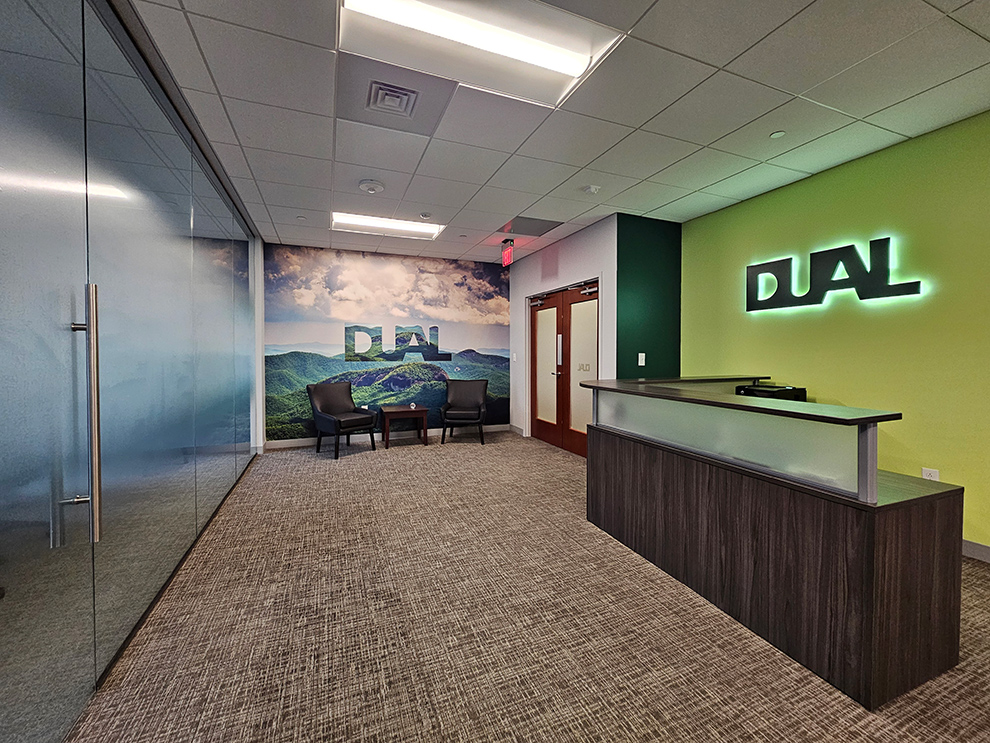
Clients do not always begin with a product name. A facilities leader may know visitors keep getting lost. A marketing team may want the workplace to communicate the brand more clearly. Leadership may want employees to see the organization's purpose and history. Advancement teams may need donor recognition. An event team may need attendees, sponsors, speakers, and registration areas to work together visually.
Those are capability questions before they are product questions. Heritage helps clarify the audience, message, location, permanence, schedule, and physical conditions first. From there, the project may involve interior signs, wall or window graphics, privacy treatments, dimensional or illuminated elements, recognition displays, wayfinding, event signs, or several of these working together.
This outcome-first approach keeps the project focused on what people should experience. It also helps clients compare options without losing sight of the intended result. Products still matter, but they are selected because they perform a useful job in the environment, not because a long list of available items is the strategy.
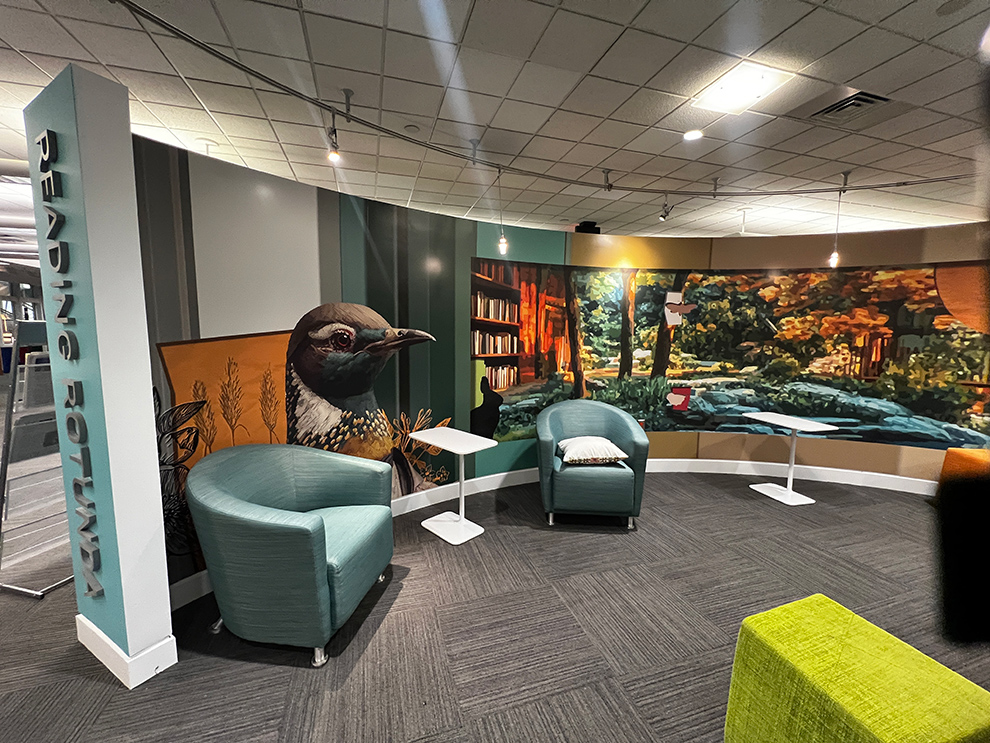
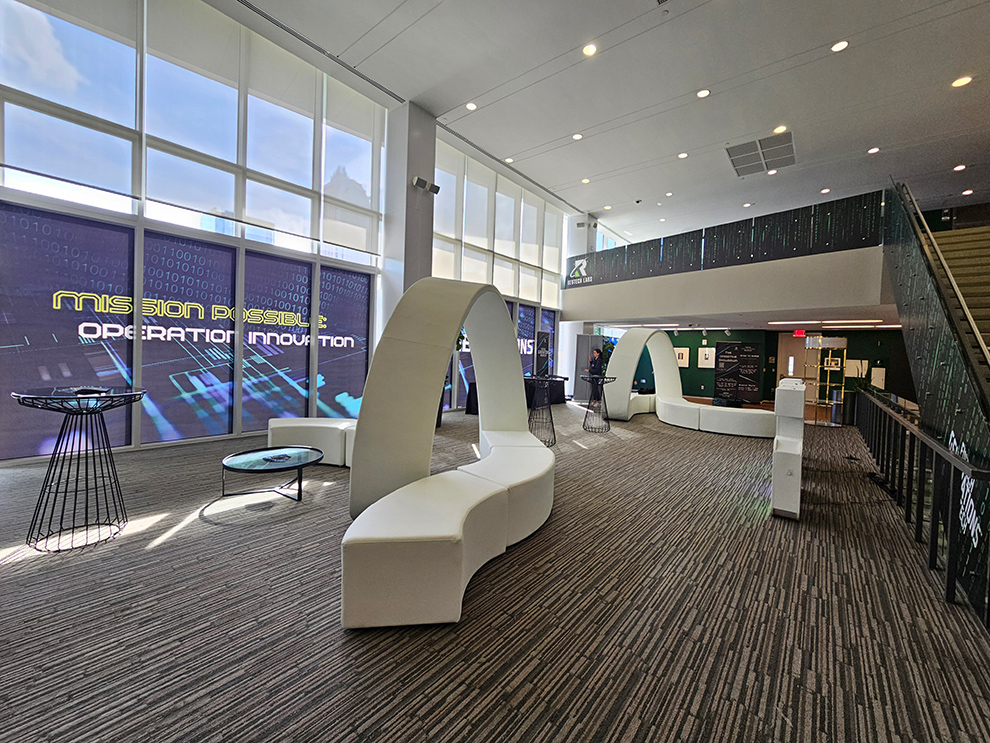
A Raleigh workplace may need to welcome a client, orient a new employee, protect privacy on conference-room glass, reinforce culture in an employee area, or help visitors move through an unfamiliar campus. These are different communication jobs, and the physical environment works best when each one is addressed deliberately.
Heritage creates lobby signs, office signs, wall graphics, window graphics, privacy treatments, wayfinding, dimensional lettering, backlit signs, recognition features, and other branded elements for workplace interiors. Environmental graphic design helps determine which messages deserve emphasis and where the visual system should become quieter so the workplace still feels professional and usable.
The result should support the daily experience rather than compete with it. A strong arrival feature can establish credibility. Clear direction can reduce hesitation. Privacy graphics can improve function while contributing to visual identity. Culture and recognition features can make shared priorities more visible to employees and visitors. Heritage connects those goals to site information, production, fabrication, project management, and professional installation so the workplace feels considered as a whole.
Interior signs help organizations identify rooms, guide visitors, organize workspaces, reinforce brand presence, and improve the overall experience inside commercial environments.
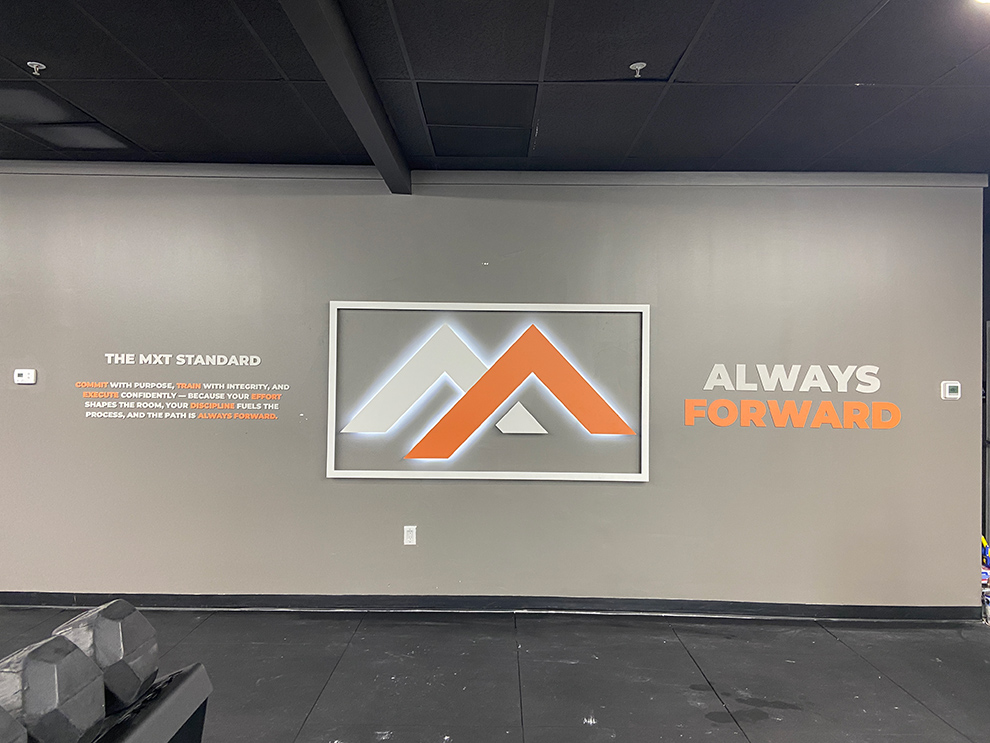
Office signs support departments, conference rooms, shared spaces, employee areas, reception zones, and branded workplace communication.
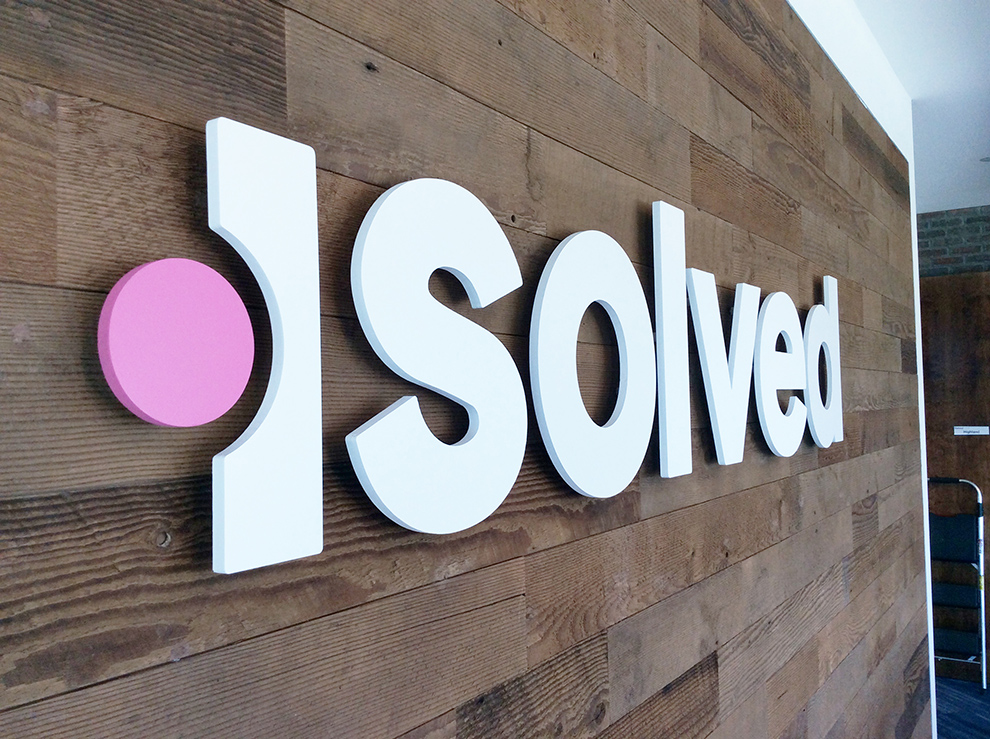
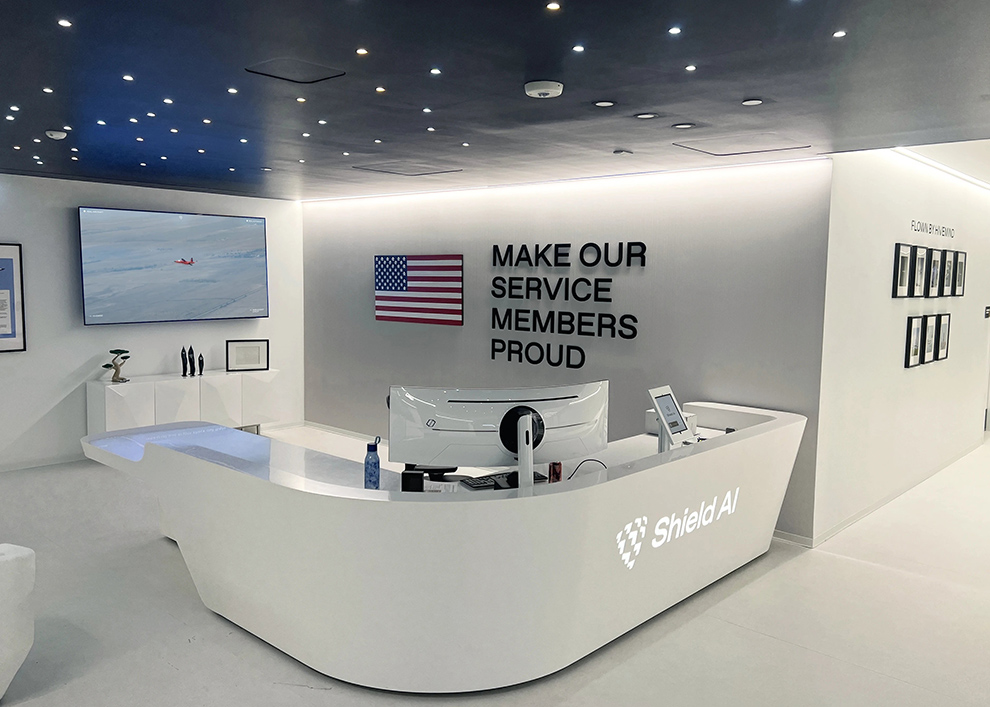
Lobby signs create a strong first impression for guests, clients, members, donors, employees, students, patients, and community stakeholders.
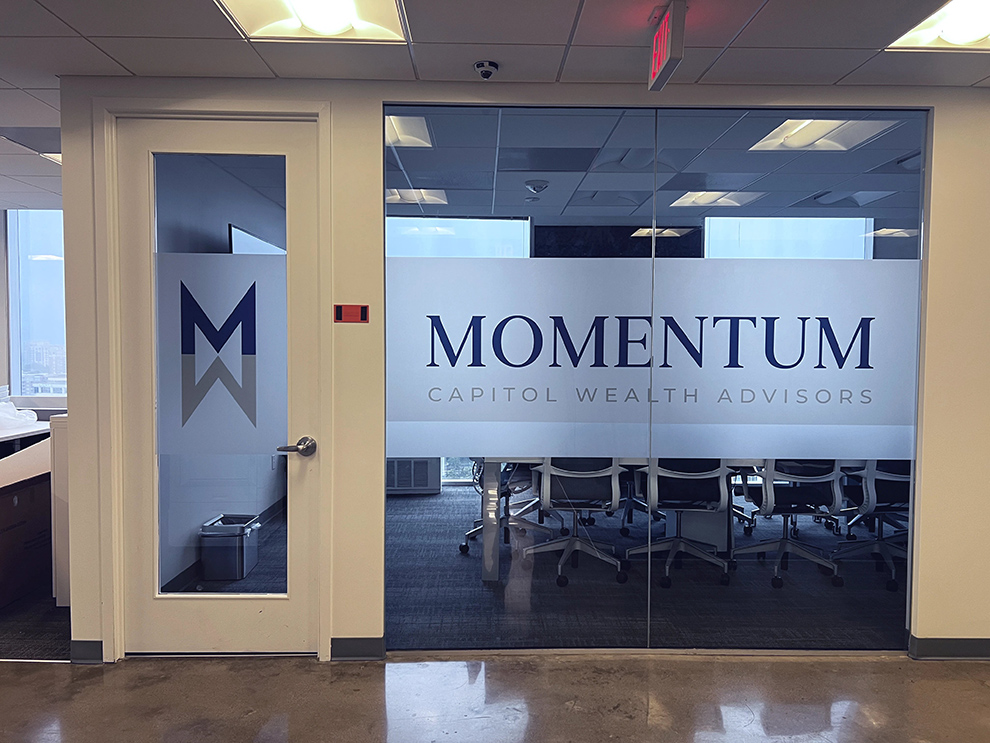
Dimensional letters add depth, visibility, and architectural presence to logos, department names, feature walls, and branded focal points.
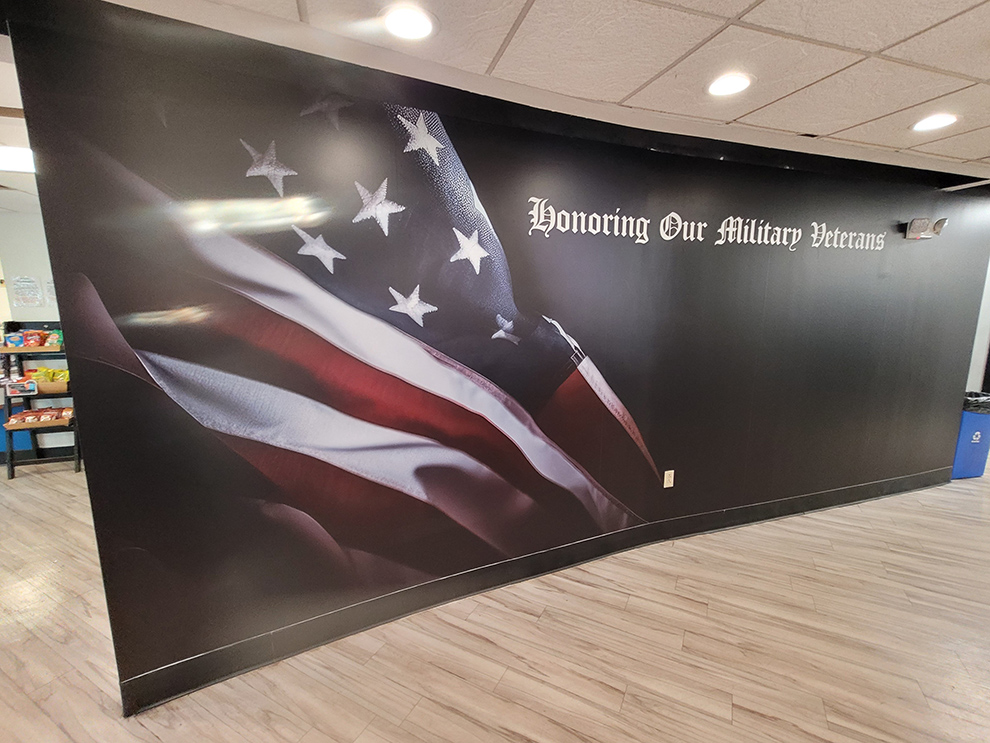
Backlit signs bring illumination and refinement to reception areas, branded walls, event spaces, and high-visibility interior features.
Privacy vinyl enhances glass walls and doors while supporting confidentiality, safety, visual rhythm, and brand consistency.
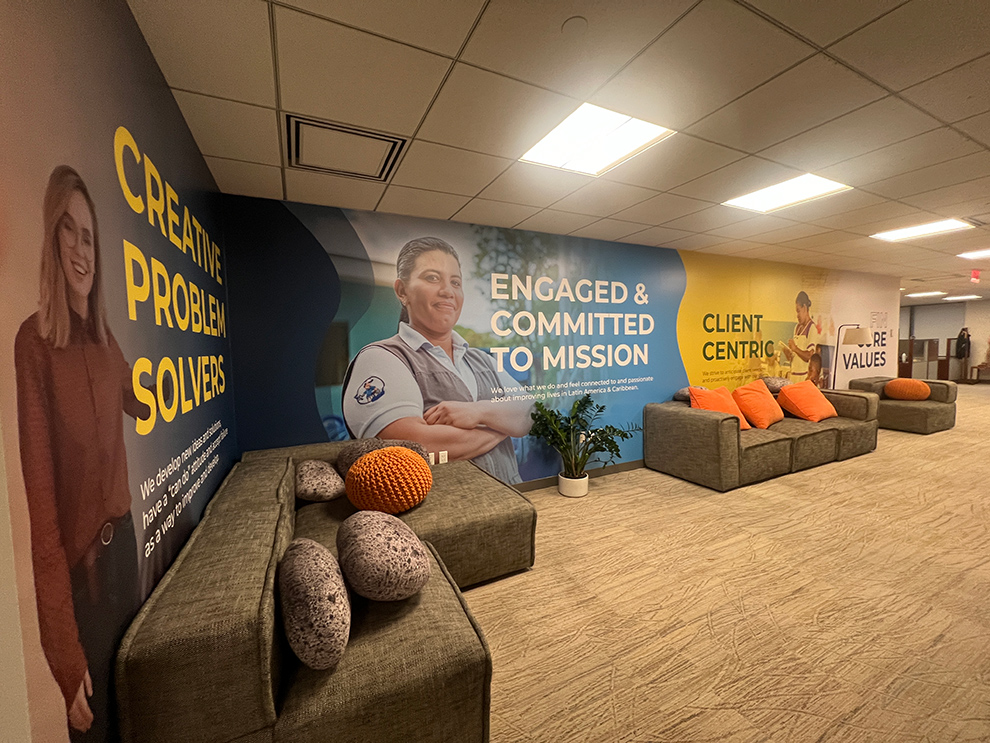
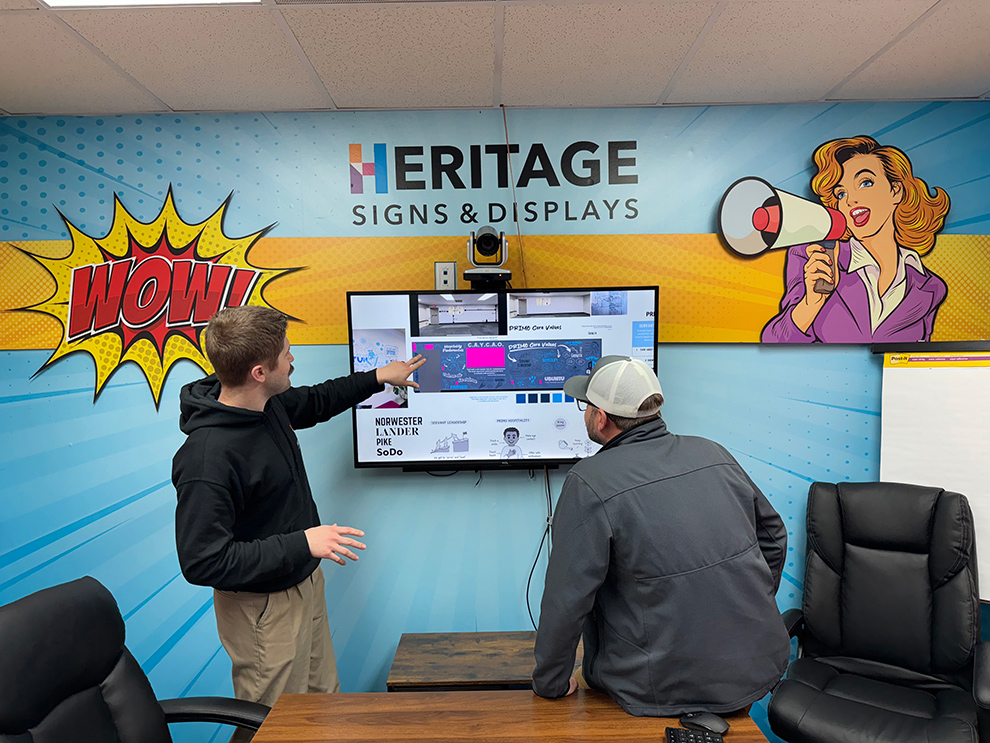
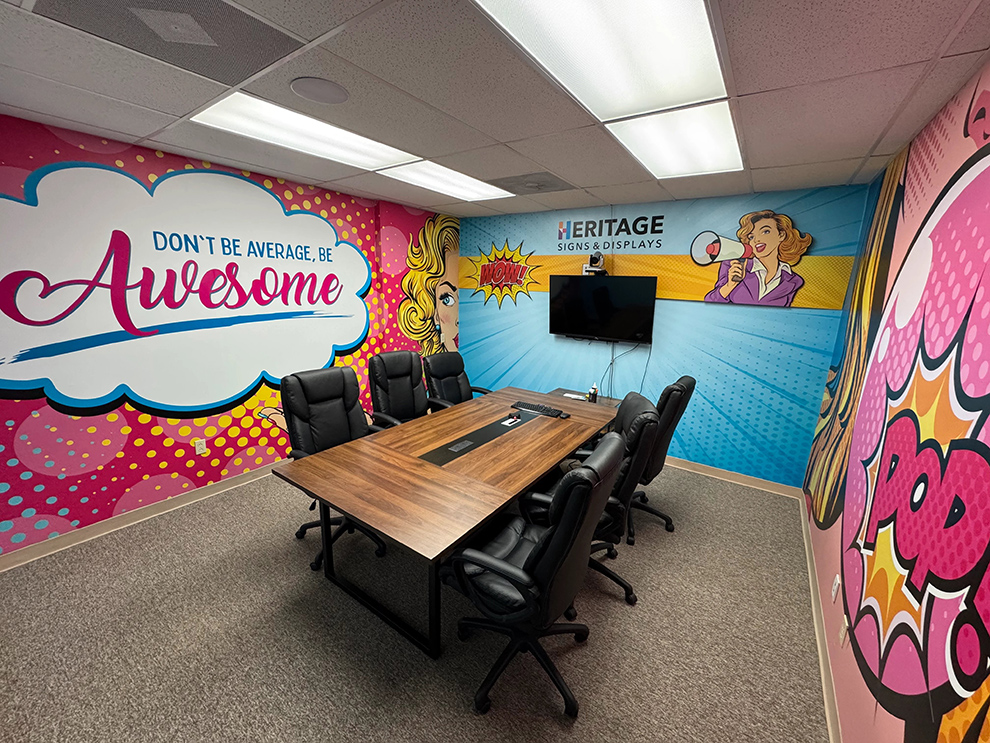
Wall wraps transform ordinary walls into branded surfaces for storytelling, culture, navigation, history, inspiration, or visual energy.
Important organizational stories often live in presentations, websites, archives, donor records, or internal documents that people rarely encounter in the workplace. Heritage helps transform that information into physical displays that make purpose, gratitude, achievement, and history part of the everyday environment.
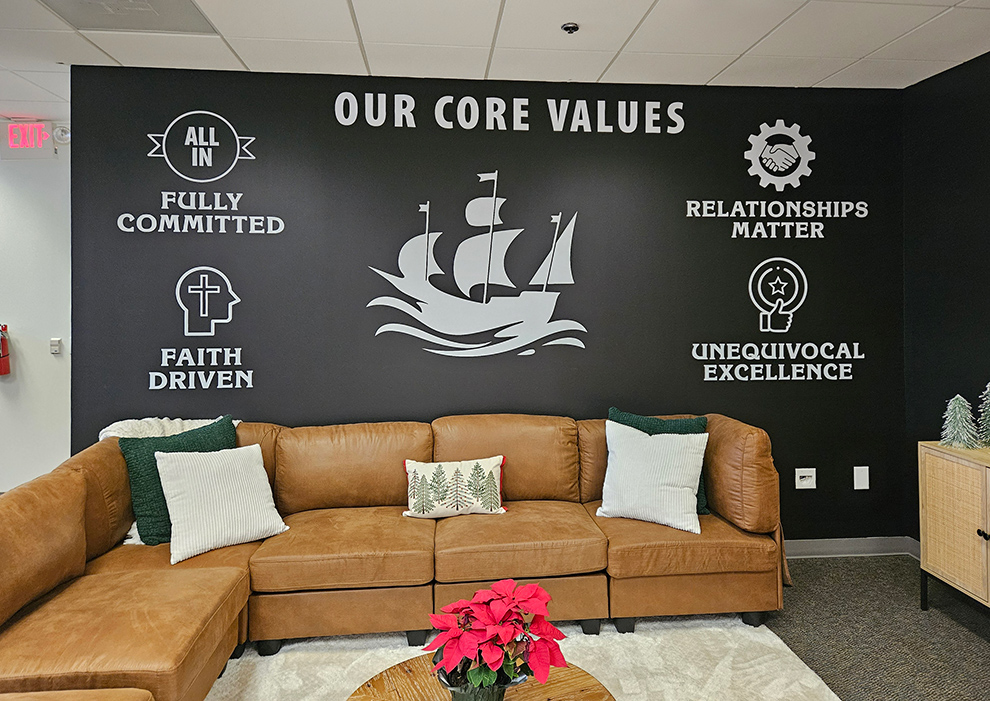
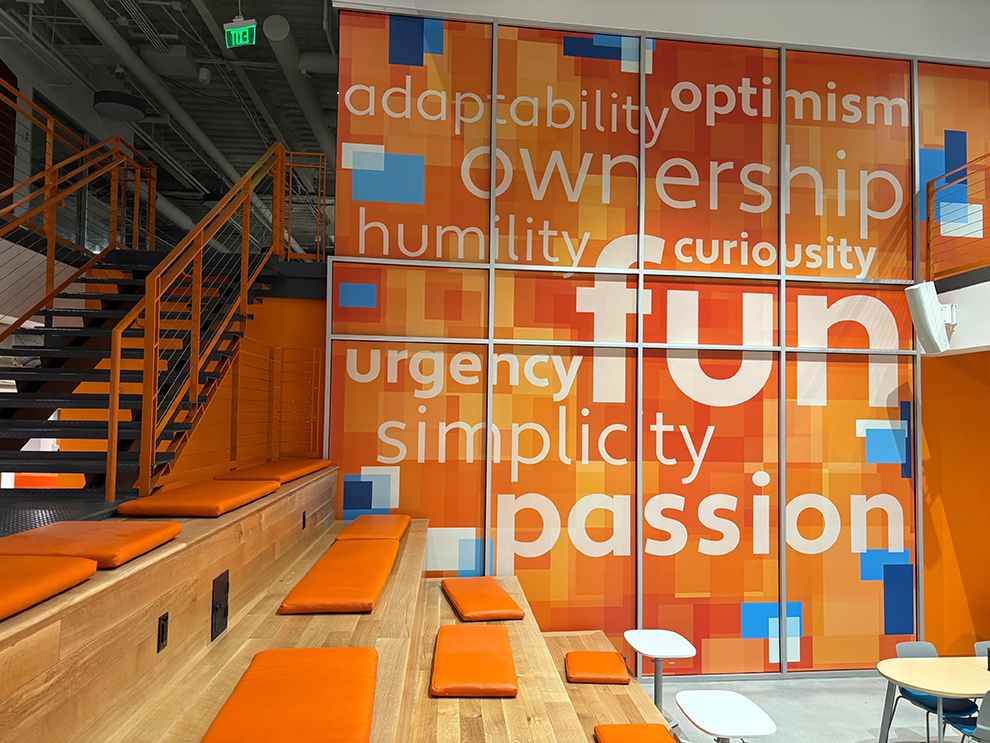
A mission statement wall can make foundational language visible. Core values displays can reinforce the principles leaders expect people to live out. Timeline walls can show how an organization grew, changed, and reached important milestones. Donor recognition can honor generosity. Employee, veteran, academic, clinical, or community recognition can celebrate people whose contributions deserve to be seen.
Heritage helps organize the content before deciding how the display should look. Hierarchy, viewing distance, scale, photographs, dimensionality, materials, update needs, and placement all affect whether people can understand the story naturally. The goal is not to create a wall full of information. It is to build a meaningful physical experience that people can absorb as they move through the space and that can remain useful as the organization continues to change.
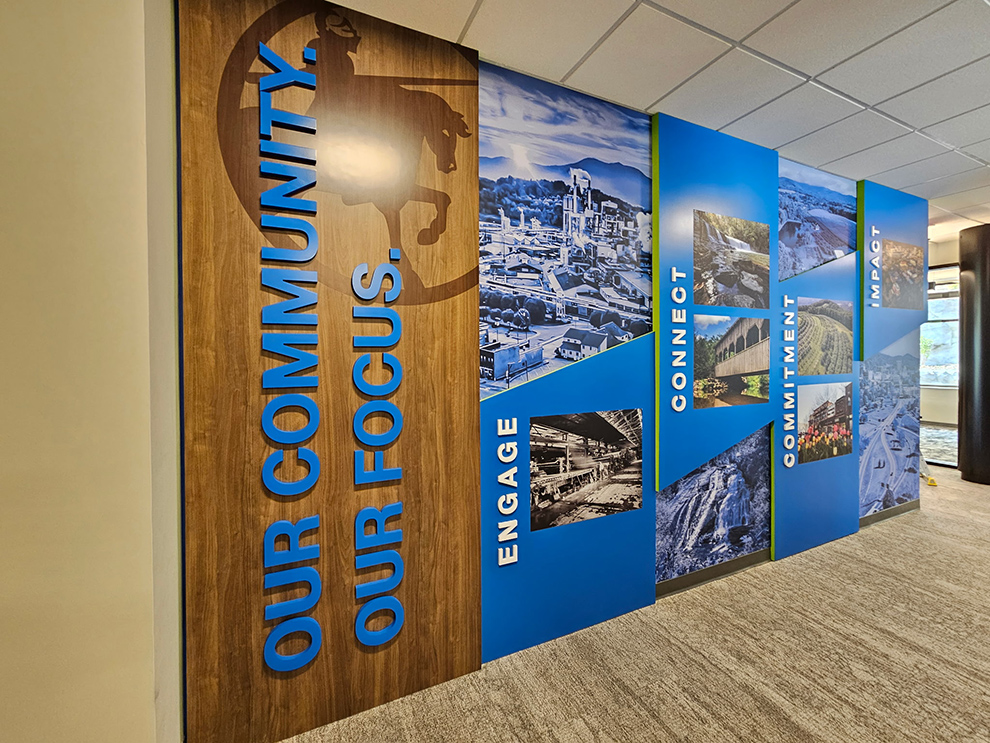
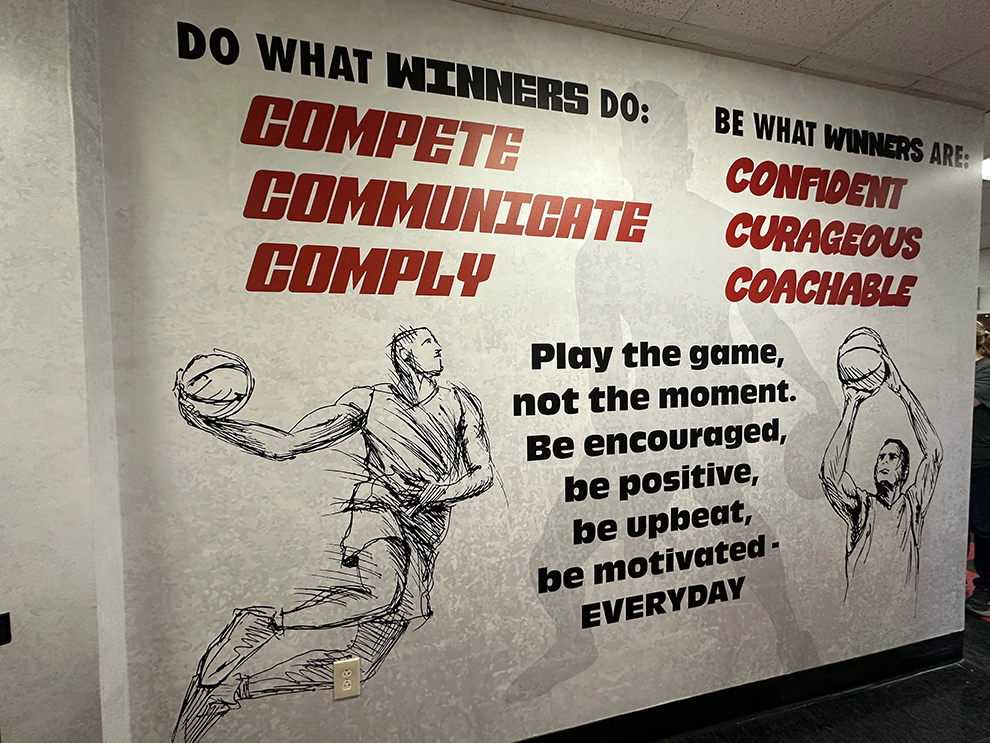
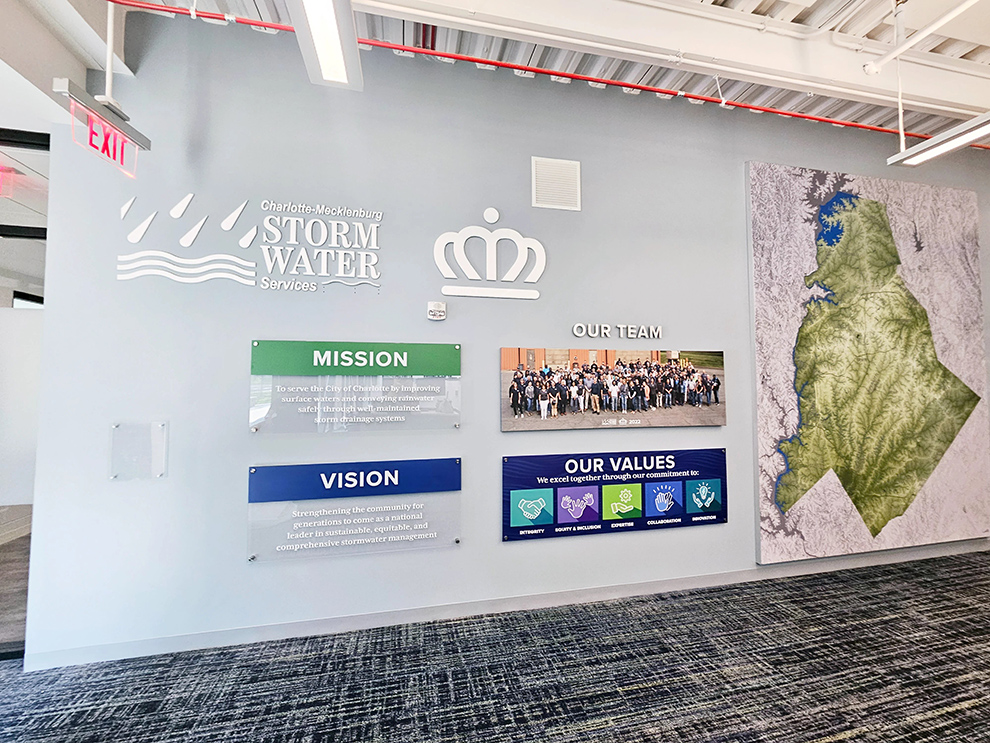
Mission statement walls turn foundational language into a visible workplace feature that reinforces purpose, alignment, and organizational direction.
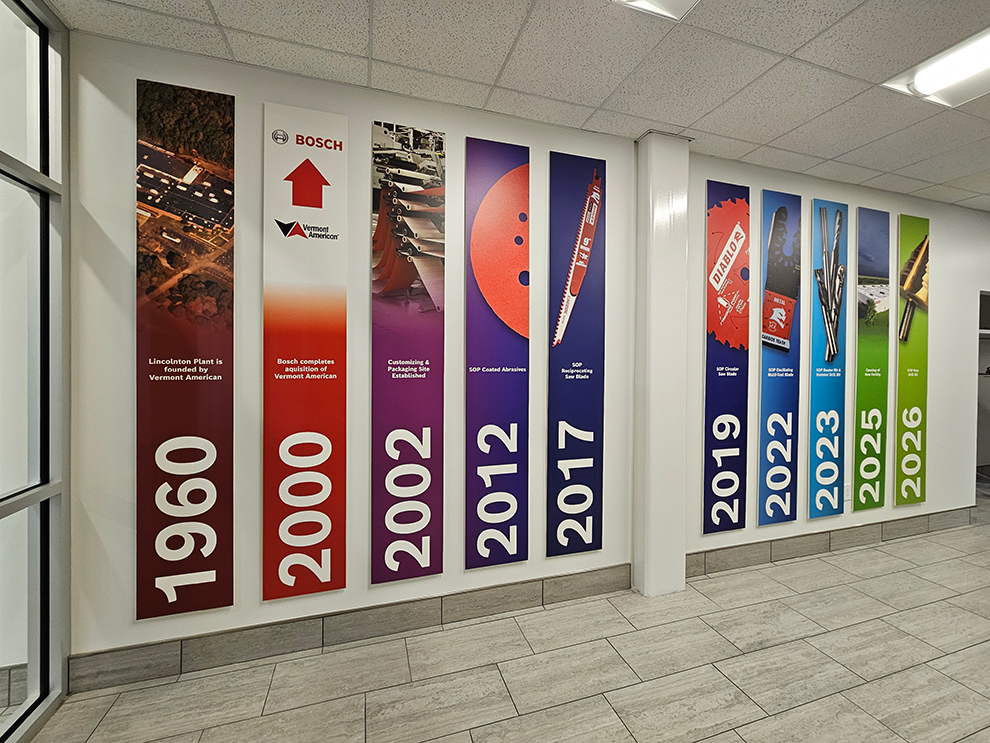
Core values walls help organizations communicate the principles that guide decisions, behavior, teamwork, service, and culture.
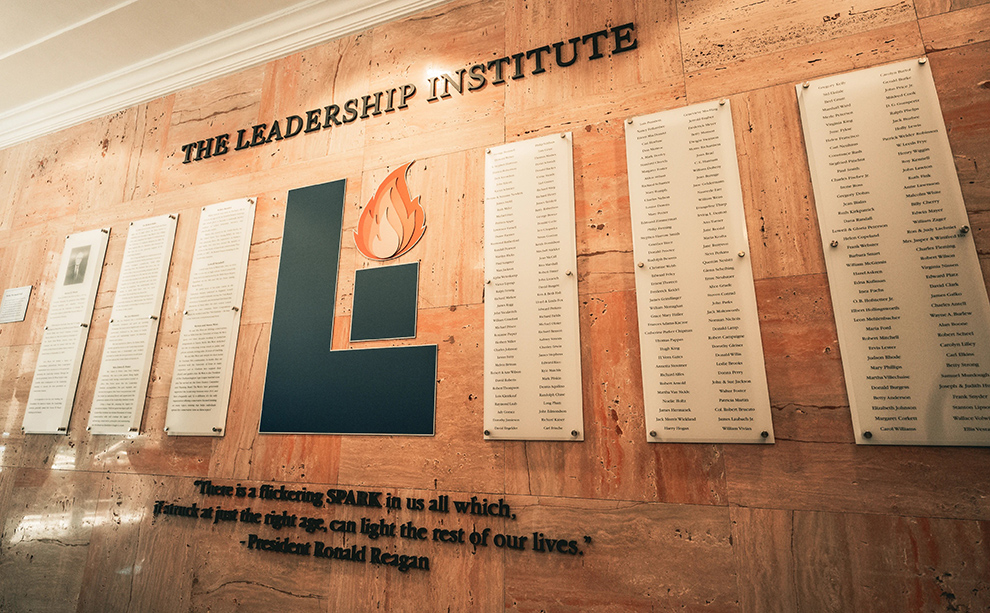
Inspiration walls use meaningful quotes, imagery, messaging, and branded design to create motivating interior environments.
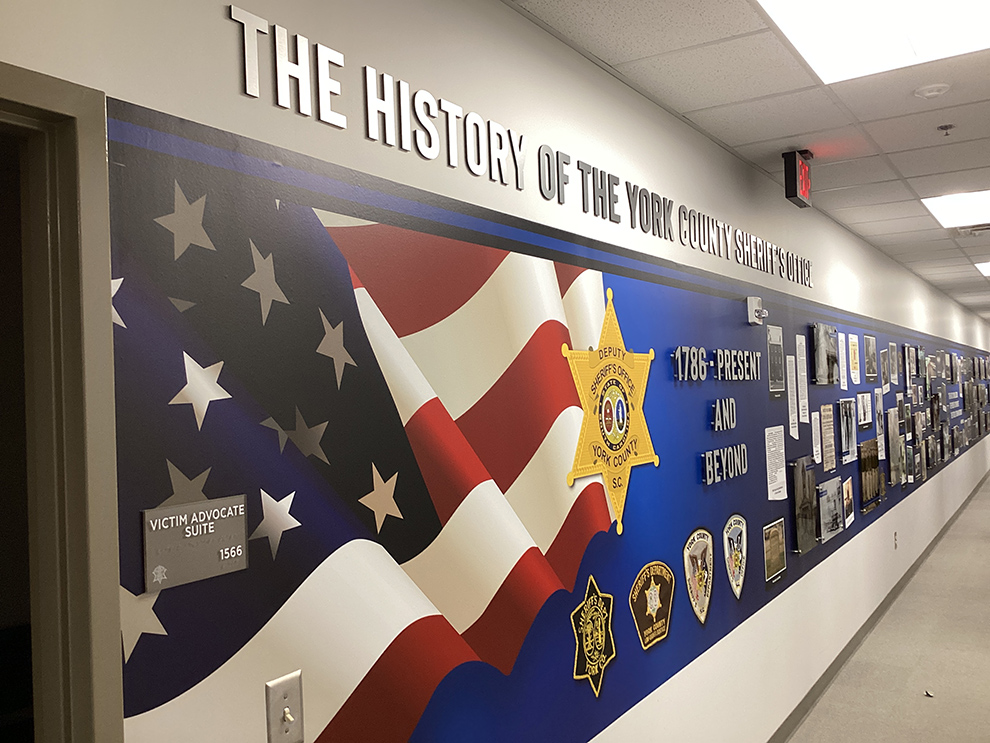
Timeline walls present milestones, founding stories, achievements, and growth in a visual format that helps people understand an organization’s journey.
Donor recognition displays honor generosity through thoughtful materials, clear hierarchy, and designs that fit the mission and setting.
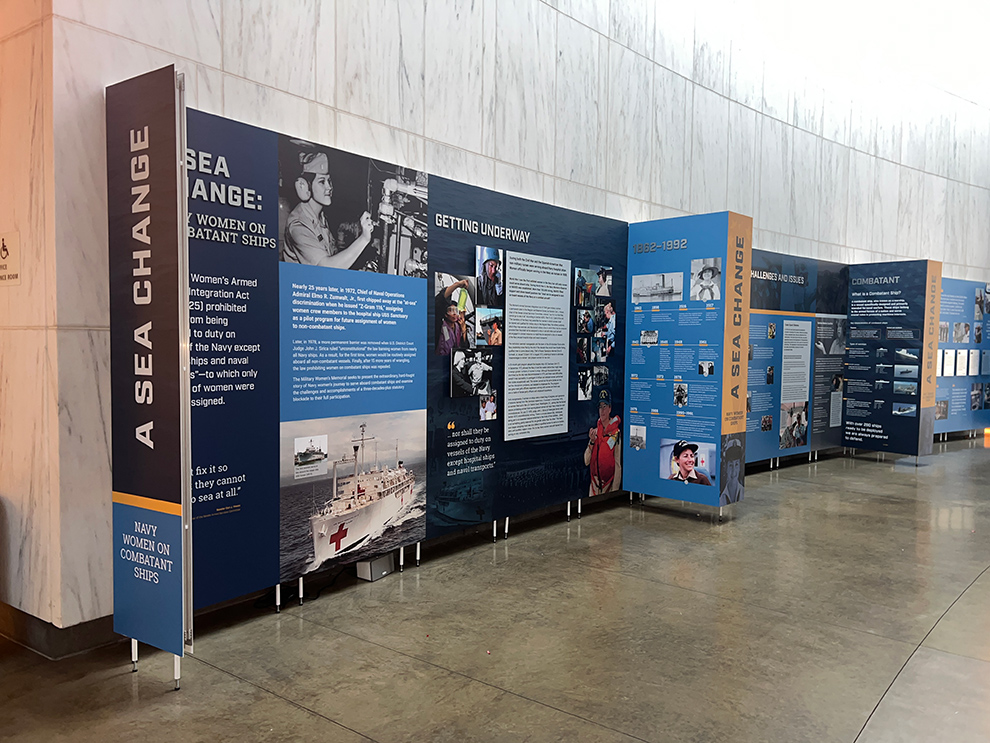
Museum and exhibit displays combine storytelling, graphics, dimensional elements, and fabrication to support educational, historical, or cultural narratives.
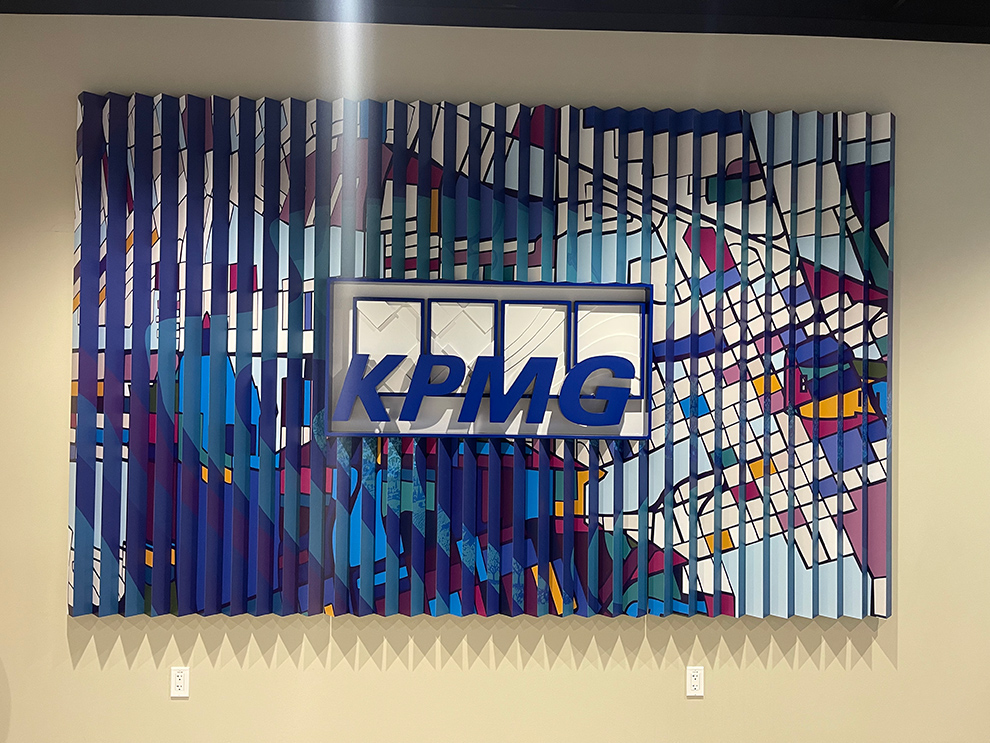
Lenticular displays create movement and visual interaction, allowing images or messages to change as viewers move through a space.
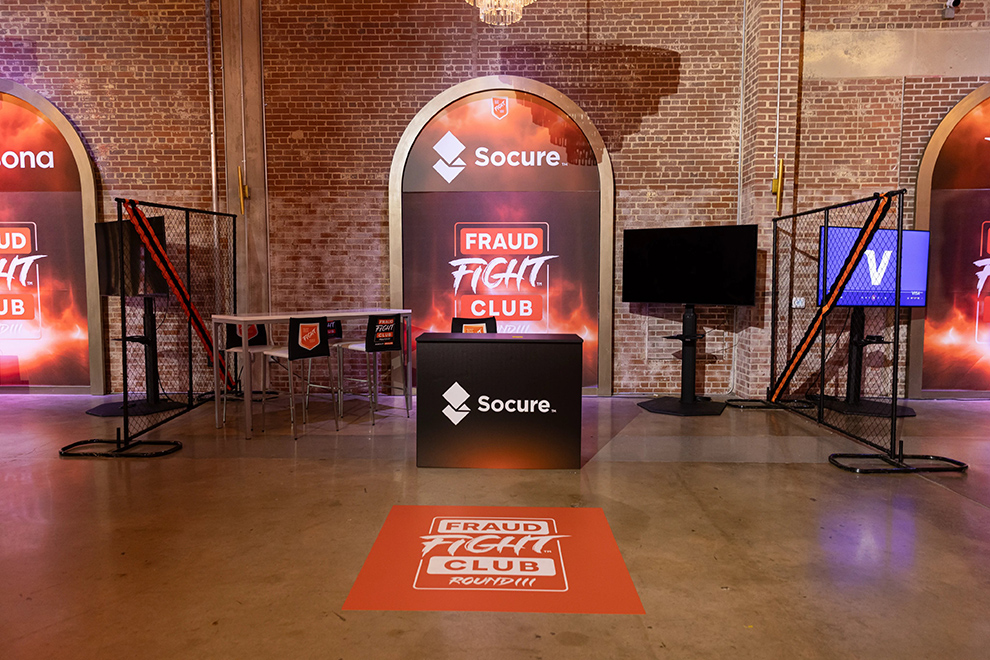
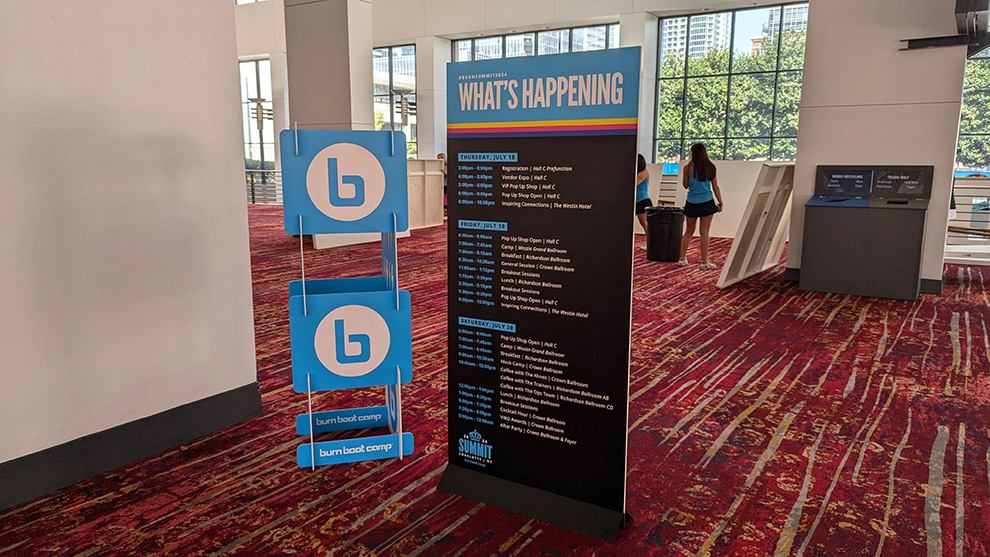
An event has limited time to communicate. Guests need to know where to enter, where registration is located, how to reach sessions, which organizations are sponsoring the program, and where important presentations or photo moments will happen. A strong visual environment makes those decisions easier while reinforcing the host's brand.
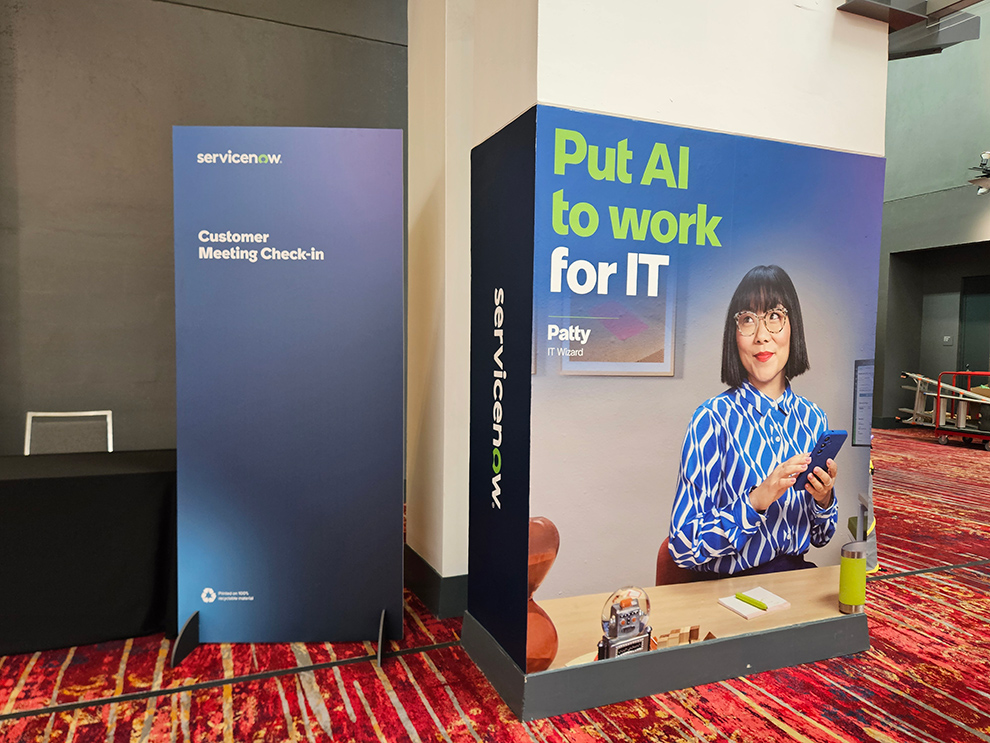
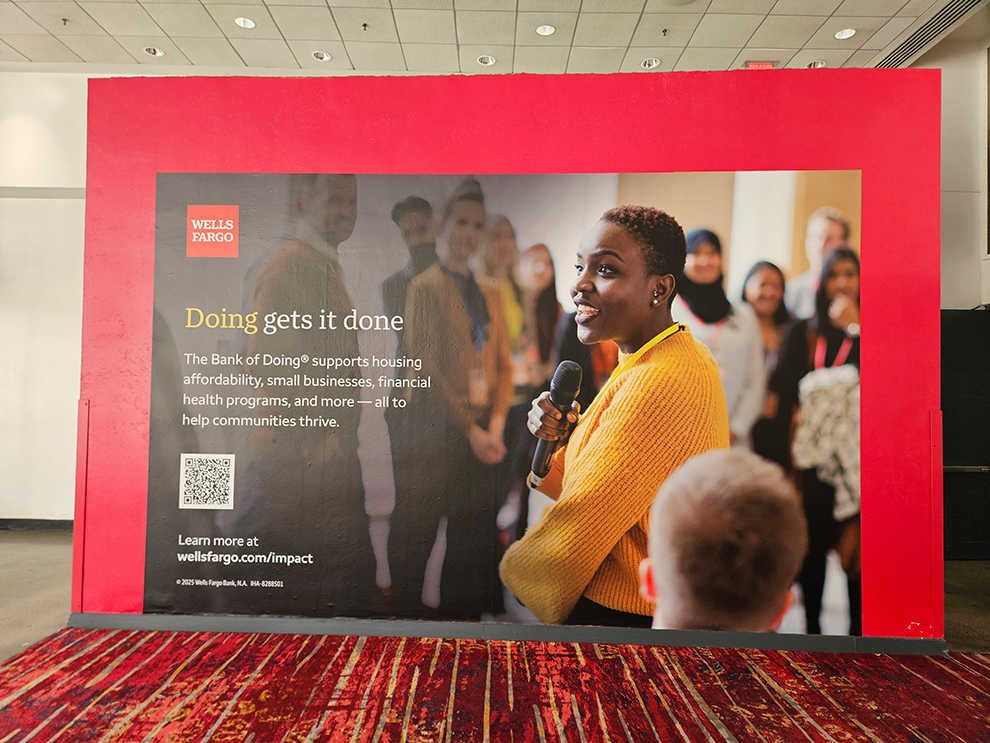
Heritage creates physical event branding for conferences, annual meetings, galas, fundraisers, university programs, corporate gatherings, trade shows, recruiting events, faith-based gatherings, venue programs, and other practical event applications. Depending on the event, the system may include backdrops, meter boards, retractable banner stands, sponsor displays, registration graphics, directional signs, wall or window graphics, stage-related features, and other temporary or reusable elements.
Event schedules can change quickly, so Heritage evaluates deadlines against approvals, production requirements, venue access, delivery, and installation capacity. When the requested date is realistic, we work proactively toward it. When it is not, we communicate early and help identify the strongest practical alternative. Heritage creates and installs the physical branded elements; event planning and event marketing remain with the responsible client or partner.
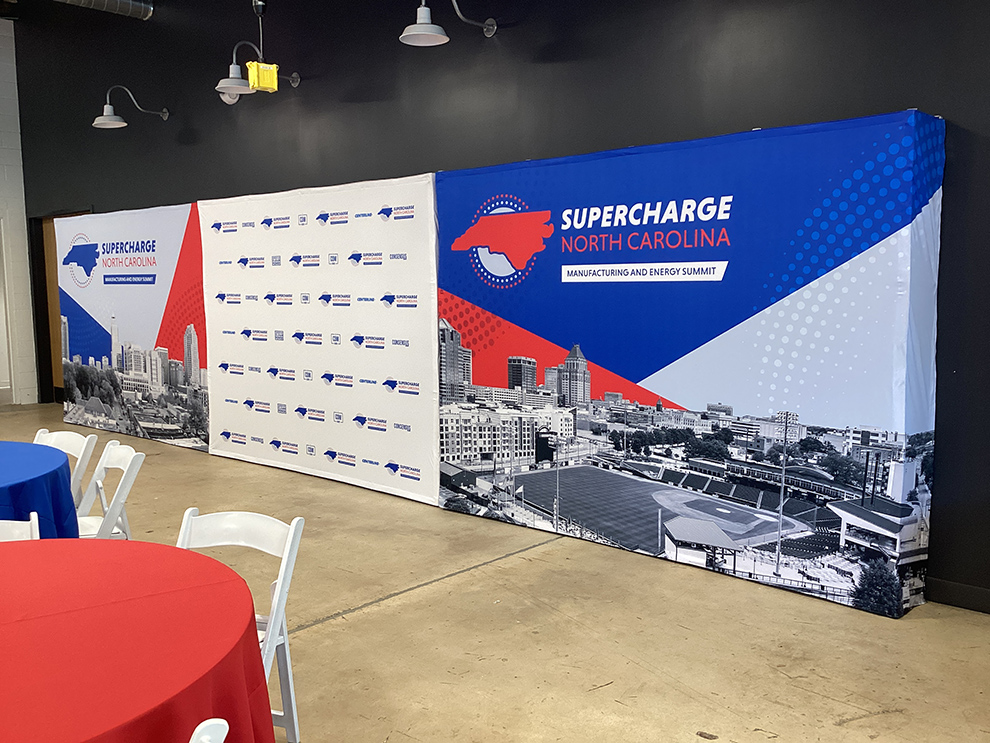
Event backdrops create branded focal points for stages, speaker presentations, photo areas, sponsor visibility, and high-profile moments.
Retractable banner stands provide portable, reusable messaging for entrances, registration areas, breakout spaces, recruiting events, and trade shows.
Step and repeat banners support media photos, sponsor recognition, galas, donor events, award programs, and branded guest experiences.
Meter boards offer freestanding event communication for schedules, maps, sponsors, directional messaging, welcome graphics, and program highlights.
Directional signs help attendees move confidently through venues, campuses, hotels, conference centers, and temporary event environments.
Sponsor recognition displays provide professional visibility for supporters while fitting the tone, scale, and purpose of the event.
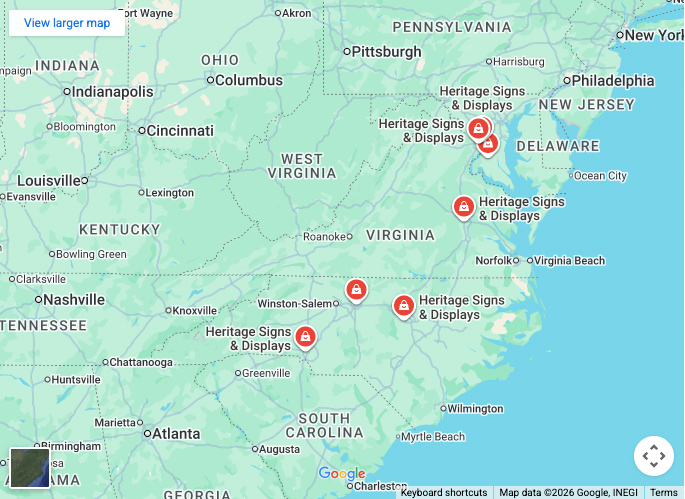
Raleigh is a client-facing Heritage office and local field and installation hub for Raleigh and the Research Triangle. It supports discovery, site surveys, field verification, installation planning, professional installation, follow-through, and local issue resolution for Heritage-managed projects. That genuine local presence is the first operating layer for Research Triangle work.
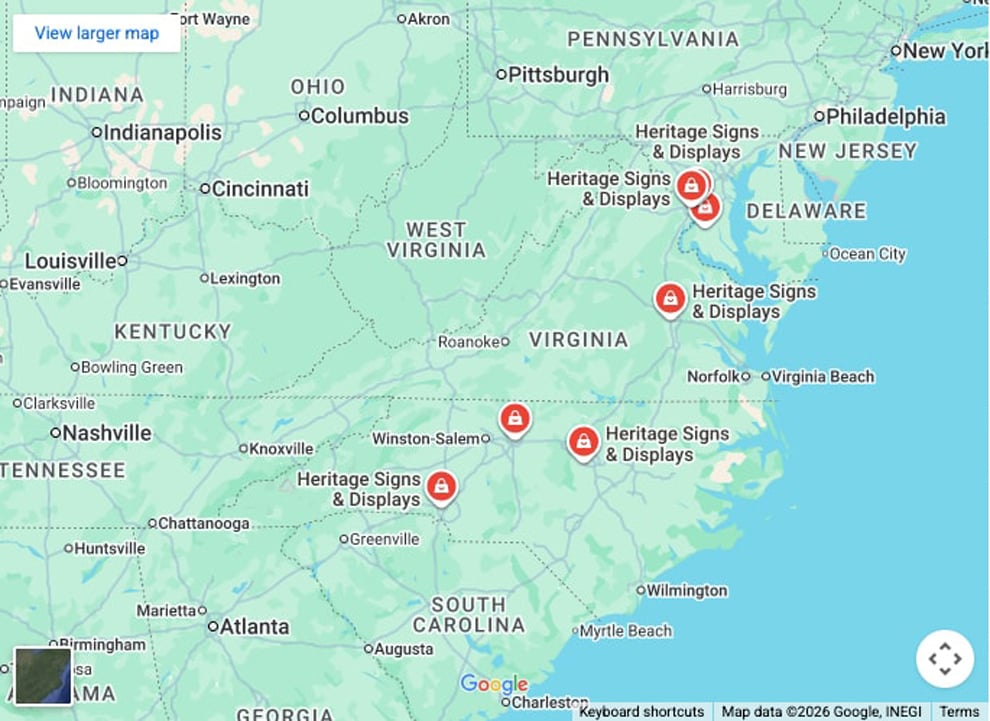
Greensboro provides the same kind of local field and installation support for Greensboro, Winston-Salem, High Point, and the Piedmont Triad. Together, Raleigh and Greensboro give Heritage two client-facing field anchors across important North Carolina markets while Charlotte provides the headquarters and primary production backbone for the Carolinas.
Heritage also serves Greenville-Spartanburg and Upstate South Carolina, Columbia and the South Carolina Midlands, and selected emerging markets through coordinated Carolinas resources. Those are important service markets, not claims of Heritage offices where none exist. When a client operates beyond the Carolinas, the broader Heritage network can extend support across the Mid-Atlantic for broader programs, while one dedicated Project Manager keeps the client relationship and project history connected.
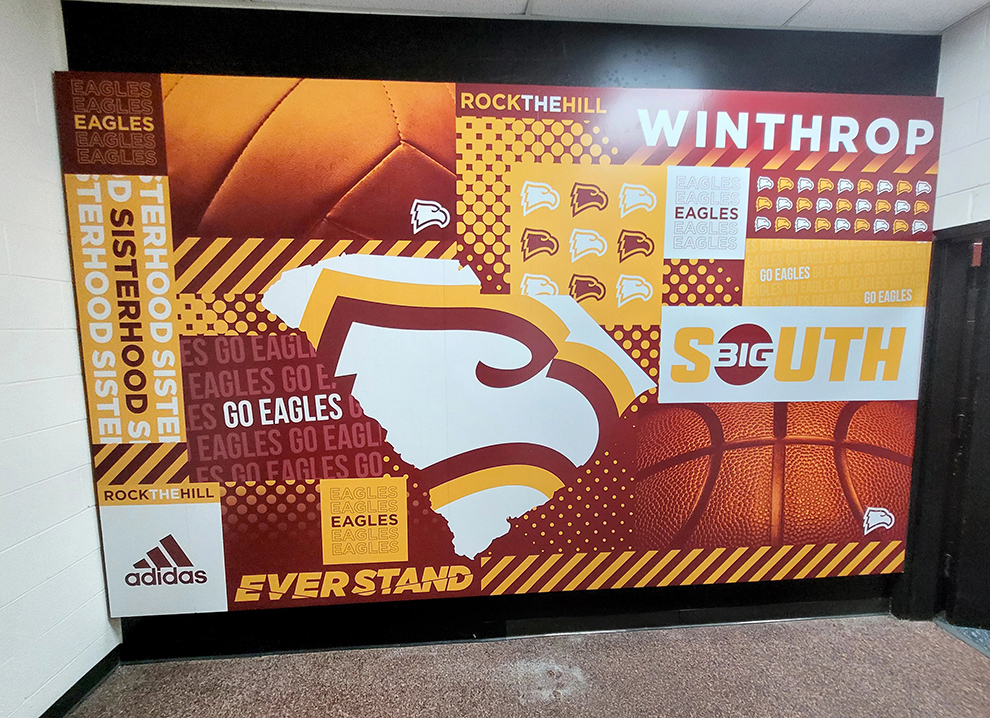
Before selecting materials or mounting methods, environmental graphic design helps Heritage decide where the environment needs to communicate and what each message must accomplish. In a workplace, that can mean strengthening arrival, making culture visible, improving privacy, clarifying direction, or turning recognition and history into something people can understand without stopping to read a brochure.
Heritage develops the physical visual system around the audience and the site. Scale, hierarchy, imagery, typography, color, sightlines, dimensions, surfaces, update needs, and dimensional depth are considered because they change how people encounter the message. Production and installation realities then help determine which approach can be executed responsibly rather than leaving those questions until the concept is finished.
Some clients ask Heritage to create the environmental graphic design direction with their stakeholders. Others bring approved architecture, interior direction, or brand standards from professional partners. In that setting, Heritage serves as the physical implementation partner for signs, graphics, displays, production, fabrication, project management, and installation. The architect, engineer, commercial interior designer, accessibility or code professional, and other regulated professionals retain responsibilities that extend beyond Heritage's scope.
Projects become harder to manage when important information lives with different people at different stages. Heritage's One Dedicated Project Manager System gives the client one primary point of coordination and preserves the decisions that accumulate from discovery through professional installation.
Your Project Manager keeps track of objectives, authorized approvals, brand standards, site findings, production needs, schedule, property requirements, installation planning, and communication history. That continuity reduces repeated onboarding and makes it easier for design, production, fabrication, field, and installation resources to work from the same current understanding of the project.
The same model supports multi-location clients. A healthcare organization, university, nonprofit, association, corporate group, or other regional client may need consistent standards across facilities while each property has different dimensions, surfaces, access, and audiences. One dedicated Project Manager can preserve the approved program while Heritage teammates address the practical conditions at each location. Fewer handoffs help the client make decisions more efficiently and give Heritage stronger context for accountable execution. That continuity becomes more valuable as programs grow.
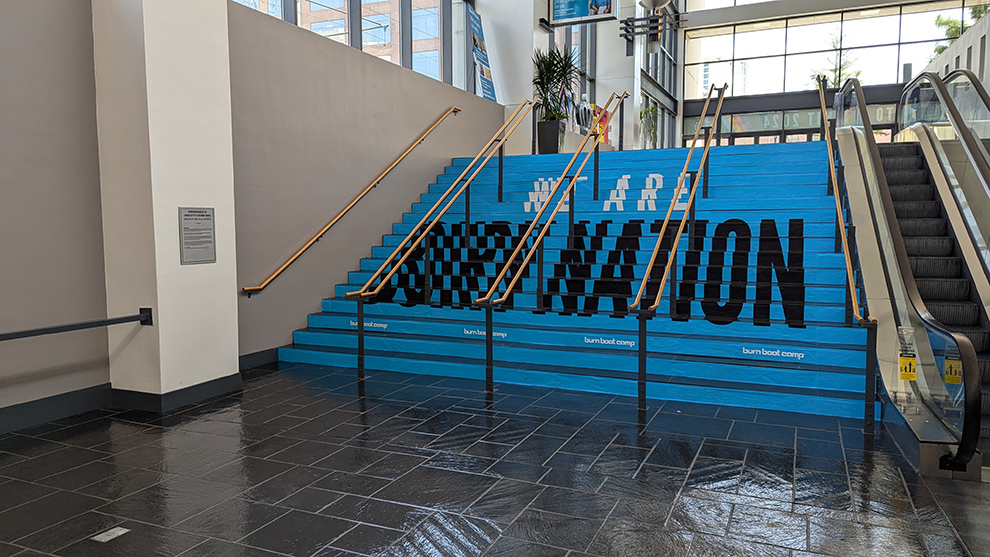
Projects that ultimately include Heritage professional installation require a Heritage site survey. The survey combines client discovery with field verification so production and installation are planned around the actual property rather than assumptions.
Heritage confirms reasonably observable dimensions, surfaces, placement areas, access, mounting conditions, work zones, and other relevant site facts. That information helps the Project Manager and the rest of the Heritage team understand how the approved visual direction will connect to the building, campus, venue, or workplace where the work will be installed.
A site survey cannot reveal every condition concealed inside walls, above ceilings, behind existing signs or graphics, beneath finished surfaces, or within building systems. Its value is in documenting what can reasonably be observed and identifying visible issues before they become field problems. If the site changes materially after the survey, Heritage may need additional verification before the next major stage. For clients, that discipline helps protect fit, schedule, installation planning, and the finished result before production decisions are final.
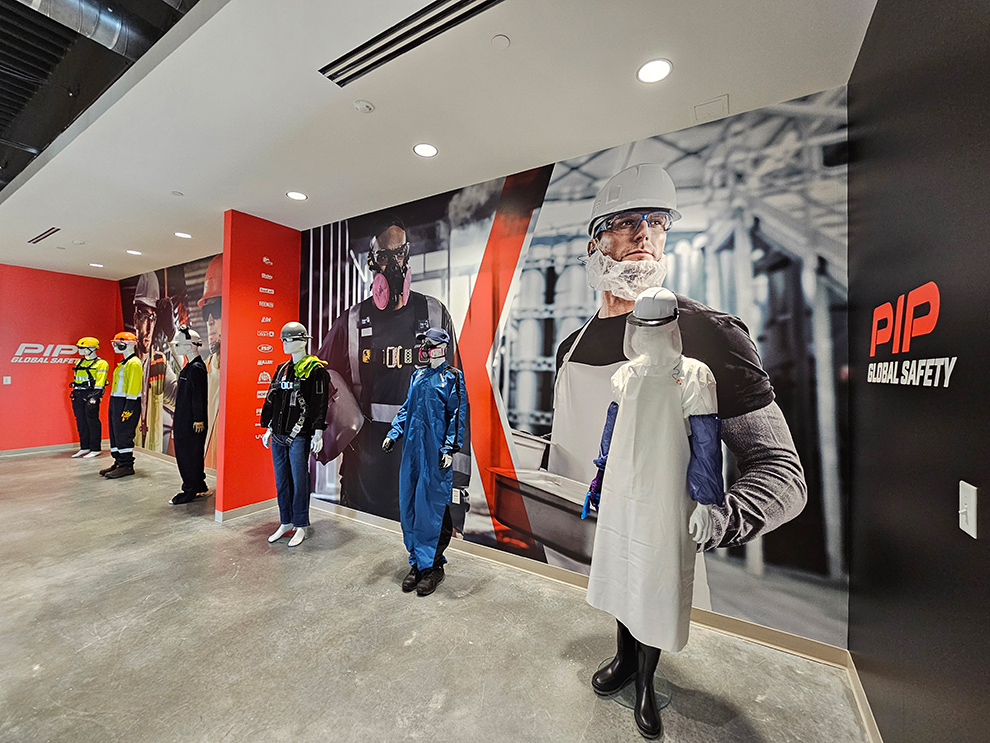
For Heritage, installation quality begins before an installer reaches the property. The approved design, site findings, material choices, production method, fabrication details, mounting approach, packaging, and sequence all shape what can be accomplished in the field. Keeping those decisions inside one project record gives the installation team useful context instead of asking them to solve unknowns at the end.
Heritage professional installers handle the signs, graphics, displays, and branded elements that Heritage produces, fabricates, procures, or manages within the engagement. They use the project information to plan placement, alignment, mounting, application, property protection, access, and finish. When a meaningful field condition conflicts with the plan, the team can stop the affected work, explain the issue, and determine a responsible next step with the Project Manager.
Heritage does not provide installation-only service for customer-provided signs or graphics. That boundary protects accountability because Heritage can control the measurements, materials, production quality, fit, and replacement response tied to our own work. Raleigh-area field support stays local even when Charlotte or another verified Heritage resource provides the production capability best suited to the project.
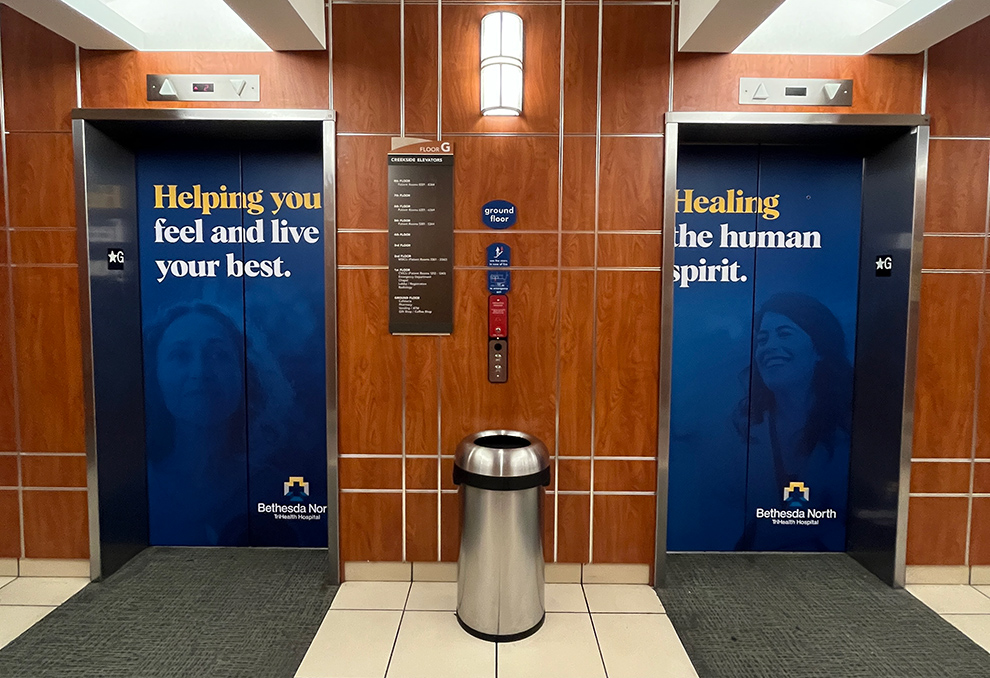
Multi-location branding works best when the client has one current set of standards and each property is still treated as a real place. A Raleigh office, Greensboro facility, South Carolina workplace, Charlotte headquarters, or Mid-Atlantic location may share the same brand while having different entrances, glass, walls, dimensions, access, audiences, and installation conditions.
Heritage can help establish repeatable design, material, production, recognition, mounting, and documentation standards for the overall program. One dedicated Project Manager preserves approvals and communication history. Local Heritage resources then handle discovery, site surveys, field verification, installation planning, professional installation, and issue resolution where they have genuine local presence.
This model supports office rollouts, healthcare systems, universities, nonprofit networks, regional companies, recurring event programs, and other organizations that need consistency without city-swap execution. The goal is not to make every site look physically identical. It is to make each location feel like the same organization while adapting the approved program to the architecture and operating conditions people will actually encounter in practice.
Heritage is designed for projects in which coordination materially improves the result. A client may have one important branded feature or a broader workplace or event program, but the opportunity should benefit from decisions about audience, site conditions, visual direction, production, fabrication, schedule, installation, or multiple stakeholders rather than function as a simple commodity order.
For new workplace interior and event environment opportunities in Raleigh, the Research Triangle, and other Carolinas markets, clients should plan for an anticipated overall project investment of at least $5,000. The amount applies to the complete Heritage-managed engagement. It helps both sides evaluate fit before substantial design, field, production, or project management resources are committed.
Heritage's capacity extends far beyond the minimum. Many Heritage projects involving production and professional installation range from $10,000 to more than $200,000. A project location, desired outcome, important date, approximate scope, photographs or plans, and anticipated investment give Heritage enough context to recommend the right next step. Early qualification protects the client's time while helping Heritage reserve resources for work that benefits from its project model.
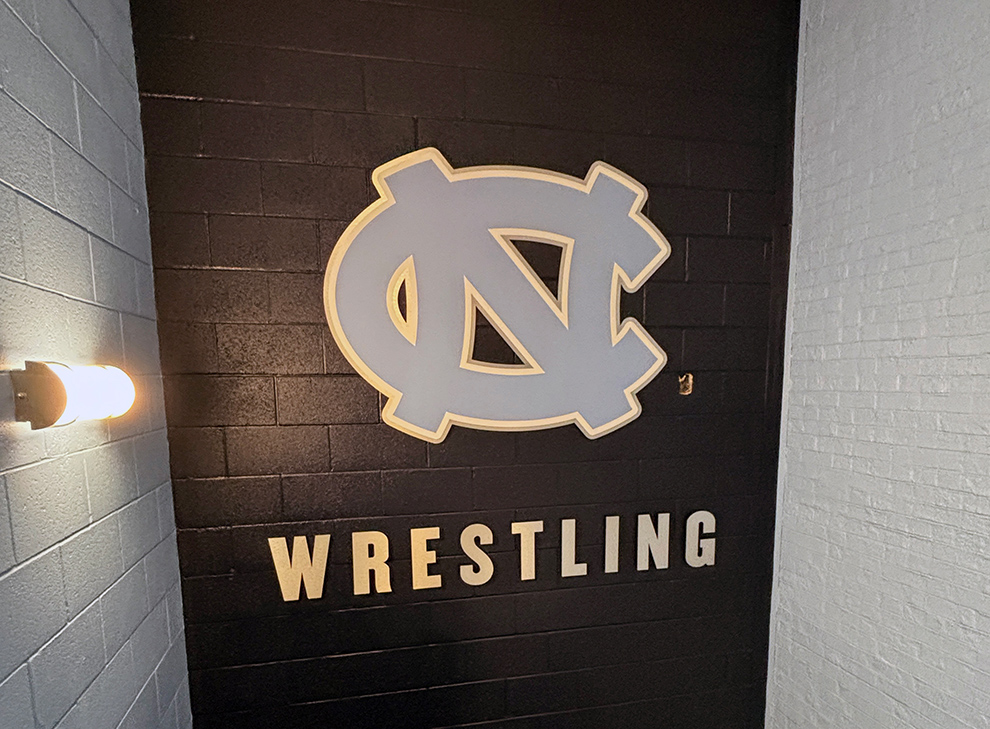
Heritage concentrates on workplace interiors, event environments, storefront graphics, and related branded signs, graphics, displays, and physical features. When a real project spans the entrance and interior, selected non-illuminated exterior work can include exterior window graphics, exterior wall graphics, dimensional lettering, sign panels, and related storefront elements supported by the product and site.
Traditional exterior sign categories remain outside Heritage's scope: monument signs, pylon signs, channel letters, and illuminated exterior signs. Heritage also does not provide vehicle wraps or fleet graphics and does not install customer-provided signs or graphics as an installation-only service.
Responsibilities controlled by the property or regulated professionals remain there. The client, property owner or property manager, or general contractor secures required sign permits and property approvals. Heritage does not determine whether a permit is needed or act as the permitting agent. Qualified electrical resources provide code-compliant building power when an illuminated interior feature requires it. Architecture, engineering, commercial interior design, accessibility, code, and other regulated professional decisions stay with the appropriate responsible parties.
Begin with the problem the physical environment needs to solve. Share the project location, audience, desired improvement, important date, and anticipated overall investment. Plans, photographs, brand standards, artwork, dimensions, or examples are useful when available; a finished product schedule is not required.
A Heritage Project Manager can identify the decisions that deserve attention first and the information that still needs field verification. If the project moves to Heritage professional installation, the required site survey connects the approved direction to the property before production and installation are finalized.
Use Get Started Now to begin with the result you want to create.
Heritage's broad capabilities can be understood through three common client outcomes: workplace interior branding; culture, recognition, and storytelling displays; and event environment branding.
Those outcomes are supported by environmental graphic design, one dedicated Project Manager, site surveys for installed work, production, fabrication, and professional installation. The exact mix changes by project, but the purpose is consistent: help the physical environment communicate more clearly and carry the approved direction through one accountable Heritage process.
An intentional workplace gives different physical features different jobs instead of making every surface compete for attention.
Arrival branding may establish identity and credibility. Wayfinding helps people move. Privacy treatments improve function on glass. Culture and history features communicate purpose. Recognition displays honor people or supporters. Heritage uses environmental graphic design and site information to help determine where each message belongs, then connects those choices to production, fabrication, and professional installation.
Yes. Many clients begin with a problem or desired result rather than a finished product list.
You may know that visitors hesitate, the lobby feels incomplete, employees are disconnected from the organization's story, donor recognition needs improvement, or an event needs clearer visual organization. Heritage can help define the audience, communication priorities, site conditions, schedule, and practical next steps before narrowing the solution to specific signs, graphics, displays, or branded features.
Yes. Heritage creates timeline walls, mission statement and core values features, donor recognition, employee and veteran recognition, milestone displays, historical presentations, museum and exhibit graphics, and other storytelling systems.
The work begins by organizing what people should understand and how the information will be encountered. Heritage then helps develop hierarchy, scale, materials, imagery, dimensionality, update strategy, production, fabrication, and installation so the display communicates clearly rather than becoming a dense collection of content.
Heritage creates the physical signs, graphics, displays, sponsor recognition, wayfinding, stage-related branded elements, registration communication, backdrops, meter boards, and other visual features that support practical event environments.
The mix depends on the venue, audience, schedule, sponsor requirements, and whether components should be temporary or reusable. Heritage focuses on the physical branded environment and its execution. Event programming, guest management, media, catering, entertainment, and broader event-planning or event-marketing responsibilities remain with the client or other responsible partners.
Environmental graphic design is the planning discipline Heritage uses to decide how messages should work in a physical place before they are turned into finished signs, graphics, or displays.
It can shape hierarchy, scale, placement, imagery, typography, privacy, direction, recognition, storytelling, and update needs. The design work remains connected to production, fabrication, field information, and installation so the approved idea can be executed at real size and under real site conditions.
Heritage can join a project team either before or after the wider architectural, interior, or brand direction has been established. We regularly coordinate the physical signs and displays within our scope with architects, commercial interior designers, branding firms, environmental graphic designers, facility teams, and other partners.
Heritage's role is to develop or implement the branded physical elements within our scope. Architecture, engineering, commercial interior design, accessibility, code, and other regulated responsibilities stay with the professionals assigned to those disciplines.
It gives the client one primary point of coordination and preserves the project knowledge that builds over time.
The dedicated Project Manager stays connected to objectives, approvals, brand standards, site findings, production needs, schedule, property requirements, installation planning, and communication history. That continuity reduces repeated onboarding and helps different Heritage resources work from the same current project record. It is especially valuable when several stakeholders, products, locations, or deadlines are involved.
Projects that will be professionally installed by Heritage include a Heritage site survey. It is the bridge between the proposed visual direction and the property where the work must actually fit.
The team records reasonably observable dimensions, surfaces, placement areas, access, mounting conditions, and other field information relevant to production and installation. Visual verification cannot expose every condition hidden inside walls, ceilings, finished surfaces, or building systems, but it gives the project team a much stronger basis for planning than assumptions alone.
Heritage uses its own professional installation resources for Heritage-managed projects. The installers receive the current project record, including approved placement, site findings, materials, mounting approach, access information, and sequencing.
That continuity matters because installation is not treated as a separate purchase at the end of the job. The same organization that planned and produced the work remains accountable for fit, placement, finish, property protection, communication, and field decisions through completion.
No. Heritage's installation capability is reserved for signs, graphics, displays, and branded elements that Heritage has produced, fabricated, procured, or otherwise managed as part of the engagement.
The reason is practical accountability. An outside product can carry unknown measurements, materials, hardware, production tolerances, packaging, or replacement limitations. Keeping the product and installation inside one Heritage-managed process gives the team better control of the variables that affect the final result.
Raleigh is a client-facing Heritage office and local field and installation hub for Raleigh and the Research Triangle.
The local team supports discovery, site surveys, field verification, installation planning, professional installation, follow-through, and issue resolution for Heritage-managed projects. That local presence connects to broader Carolinas production resources when a project needs additional equipment, fabrication depth, capacity, or specialized workflow.
Greensboro is a client-facing Heritage office providing local field and installation support for Greensboro, Winston-Salem, High Point, and the Piedmont Triad.
The location supports discovery, site surveys, field verification, installation planning, professional installation, follow-through, and issue resolution. It gives Triad clients genuine local support while connecting their projects to the same broader Heritage production, fabrication, project management, and multi-location system used across the Carolinas.
Heritage serves Greenville-Spartanburg and Upstate South Carolina, Columbia and the South Carolina Midlands, and other assigned Carolinas markets through coordinated Heritage resources, but the current approved Heritage physical footprint does not include a South Carolina office.
Public service geography and physical office locations are different facts. Heritage uses the appropriate Carolinas field, production, project management, and installation resources for accepted work without presenting a service market as a local office where none exists.
Raleigh provides local client, field, and installation support, but it is not the Carolinas production backbone. Charlotte is Heritage's headquarters and primary specialty production facility.
A specific project may also use another verified Heritage production resource when equipment, expertise, capacity, schedule, or workflow makes that the stronger choice. Production location is an operating decision, not a website-ownership rule. The dedicated Project Manager keeps the selected production path connected to the Raleigh-area site information and installation plan.
Yes. A regional client can keep one Heritage relationship while work is carried out through the local resources appropriate to each property.
One dedicated Project Manager preserves the program history, approved standards, and client expectations. Heritage teammates then handle the discovery, survey, field, and installation needs that are genuinely local to each site. This is particularly useful for organizations with offices or facilities across the Carolinas and Mid-Atlantic because the brand can remain consistent without treating different buildings as though their dimensions and operating conditions are identical.
A brand standard governs identity; it does not erase the building. Glass, walls, entrances, available area, visibility, traffic flow, property procedures, and audience needs can differ substantially from one location to the next.
Heritage preserves the approved visual direction while adjusting scale, placement, material choices, privacy treatment, mounting, and installation planning to the real property. The goal is recognizable organizational continuity, not forcing the same physical dimensions or application into spaces that do not support them.
Yes. Recognition, donor, timeline, milestone, employee, and other storytelling displays can be designed so selected information can change without rebuilding the entire physical feature.
The key is deciding early what should remain permanent and what is likely to be updated. Heritage can help separate the durable branded structure from names, photographs, dates, achievements, giving levels, or other changing content through replaceable graphics, inserts, modular components, or another practical update method.
Heritage first determines what is still possible, not simply whether the requested date is difficult. The Project Manager looks at the approvals still needed, file readiness, production and fabrication time, transportation, venue access, installation windows, and the remaining scope.
When the date can be met responsibly, Heritage works proactively toward it. If the full request cannot be delivered well in the available time, the team communicates early and develops a practical path such as prioritizing the highest-value pieces, staging delivery, resequencing work, or adjusting scope.
Yes. A phased plan can be the responsible choice when construction releases areas gradually, an occupied facility cannot provide access everywhere at once, funding is divided across periods, or several locations need a controlled rollout.
Heritage can establish the visual and production standards for the larger program, then sequence fabrication and installation around the actual readiness of each phase. Treating the phases as one coordinated effort helps preserve continuity while respecting real schedule and access constraints.
For new workplace interior and event environment opportunities in Raleigh, the Research Triangle, and other Carolinas markets, clients should plan for an anticipated overall project investment of at least $5,000. The amount applies to the complete Heritage-managed engagement.
Heritage also manages much larger work. Many Heritage projects involving production and professional installation range from $10,000 to more than $200,000. Final investment follows the actual scope, materials, fabrication, site requirements, schedule, transportation, and installation.
Yes. Scope is measured by the value and coordination the project requires, not by how many rooms or products are involved.
A major lobby feature, history wall, donor or recognition display, illuminated interior feature, dimensional installation, or branded conference area can warrant environmental graphic design, field verification, production, fabrication, project management, and professional installation on its own. The overall opportunity still needs to align with Heritage's current project model and anticipated investment requirements.
Heritage's exterior capability is intentionally focused. Where the entrance and interior belong to one coordinated branding program, Heritage can produce and install non-illuminated exterior window graphics, exterior wall graphics, dimensional lettering, sign panels, and related storefront elements when the chosen product and property conditions support the application.
That scope does not extend to monument signs, pylon signs, channel letters, illuminated exterior signs, vehicle wraps, or fleet graphics. Those categories remain outside Heritage's services.
Sign permits and property approvals remain the responsibility of the client, property owner or property manager, general contractor, or another project party assigned to secure them.
Heritage's role is limited to the contracted signs, graphics, and displays work. We do not decide whether a sign permit is necessary, create or file permit applications or supporting permit documents, contact permitting authorities on the client's behalf, pay permit fees, seek variances, or obtain governmental approvals. Once requirements are approved by the responsible parties, Heritage can implement those that apply to our scope.
No. Heritage creates, produces, fabricates, manages, and professionally installs signs, graphics, displays, and related branded elements within our scope.
Building electrical work remains with qualified electrical resources provided by the client or property team when power is required. Heritage also does not act as the client's architect, engineer, commercial interior designer, accessibility or ADA consultant, code consultant, permitting agent, or compliance certifier. The appropriate responsible professionals establish regulated requirements for Heritage to implement within our work.
Yes. Active workplaces and facilities are common installation settings, so the work plan can account for employees, visitors, patients, students, events, security procedures, or limited access windows that remain in place.
Heritage coordinates its equipment, work zones, sequence, and timing around the known conditions and protects surrounding finishes during the installation. The property team continues to control building access, site procedures, occupancy requirements, and other conditions that belong to the facility.
Installation can begin only when the areas assigned to Heritage are safe, accessible, and ready enough for the agreed scope. What that means depends on the property.
The site may need finished surfaces, clear work zones, confirmed loading or elevator access, security arrangements, an authorized contact, or code-compliant power for an illuminated interior feature. Heritage identifies known needs through survey and planning; the client, property owner, venue, general contractor, or other responsible party completes the site conditions and approvals within its control.
Heritage may pause the affected work rather than continue blindly when an unexpected condition creates a meaningful safety, property, structural, electrical, mounting, or installation concern.
The team explains what was found and identifies the practical next step. Depending on the condition, the responsible property party may need to arrange additional verification, repair, scanning, engineering, a qualified trade, or another corrective action before Heritage proceeds. The purpose is to protect people, property, schedule, and the finished result.
Removal can be included when it supports a new Heritage production and installation engagement, but the underlying wall condition cannot be guaranteed before the existing graphic comes off.
Heritage removes painted-wall graphics carefully to limit avoidable damage. Even so, damage-free removal cannot be promised because paint, primer, drywall, and prior repairs all influence the result. If restoration is needed, the client or property owner arranges and pays for repair, proper priming, repainting, and full cure. Existing graphics should come down early enough to leave time for that work before replacement installation.
The best time is before the physical execution path has been locked unnecessarily. That does not mean Heritage must control the architecture, interior design, or brand strategy.
Early participation is useful when several branded elements, stakeholders, site conditions, construction milestones, or event deadlines need to be coordinated. It gives Heritage time to bring site knowledge, environmental graphic design, production, fabrication, access, and installation realities into the plan while practical alternatives are still available.
A useful first conversation needs context more than a complete specification. Share the location, desired outcome, audience, important date, and anticipated overall investment, then add whatever supporting information already exists.
Floor plans, photographs, brand standards, artwork, dimensions, event details, property requirements, and examples can all help. Heritage will use that starting point to identify the decisions that matter next, the field information still needed, the stakeholders who should participate, and whether the opportunity aligns with the project model.
Production and fabrication convert the approved design into the physical components that must fit the site and perform as intended.
Material selection, dimensional depth, printed output, hardware, seams, illumination, finishes, mounting, update needs, and packaging can all influence the finished result. Heritage keeps those decisions connected to the project record and site information rather than treating production as an isolated transaction. That continuity supports better fit, more consistent execution, and clearer accountability through professional installation.
Yes. A well-documented first location can become the operating reference for later offices, facilities, campuses, or venues.
Heritage can record the approved visual standards, material choices, sizes, finishes, recognition logic, mounting approach, and update method that should carry forward. Each future property is still verified on its own. The reusable standard preserves continuity, while the site survey and local planning adapt the program to actual architecture, access, dimensions, and audiences instead of copying one building literally.
Yes. Recurring conferences, meetings, fundraisers, university programs, and other events benefit from a controlled visual system that separates reusable components from content that changes each cycle.
Heritage can preserve approved sizes, brand standards, production approaches, display hardware, and prior project knowledge while updating sponsors, dates, speakers, schedules, or campaign messages. One dedicated Project Manager can keep that history connected so the next event begins with a stronger foundation and fewer unnecessary handoffs.