A Veteran Owned Business
A Veteran Owned Business
A Veteran Owned Business

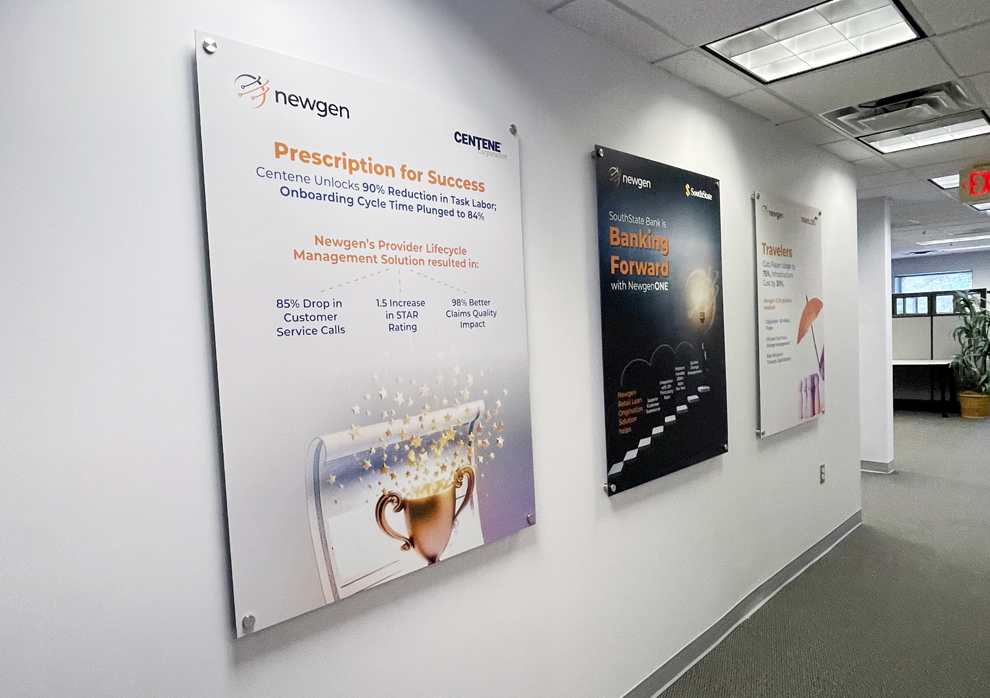
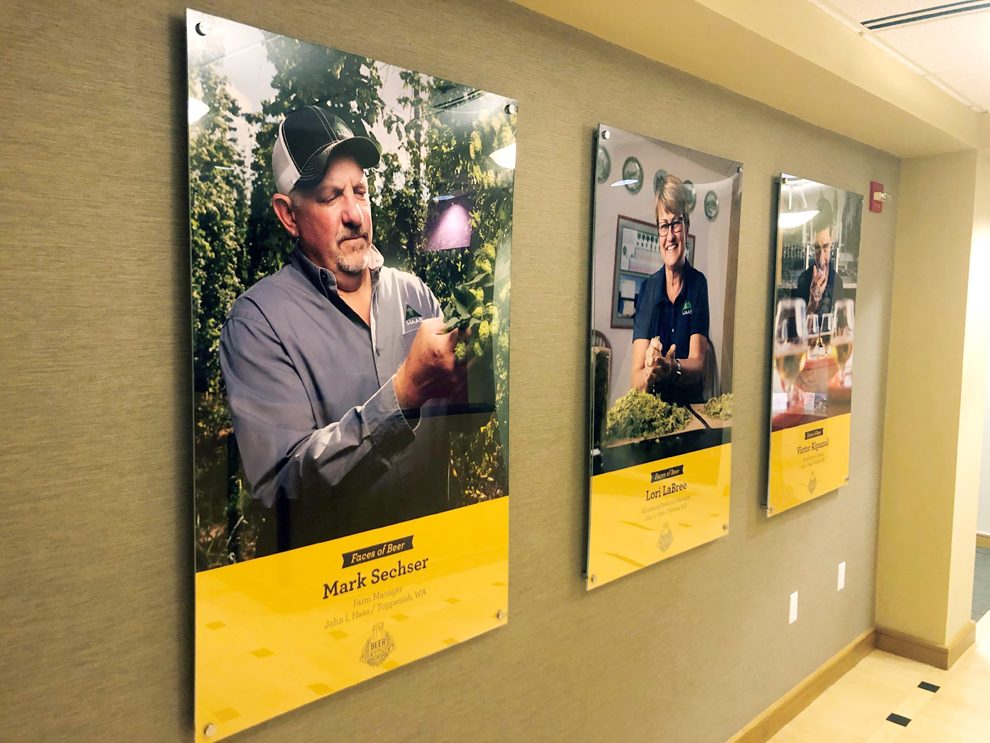
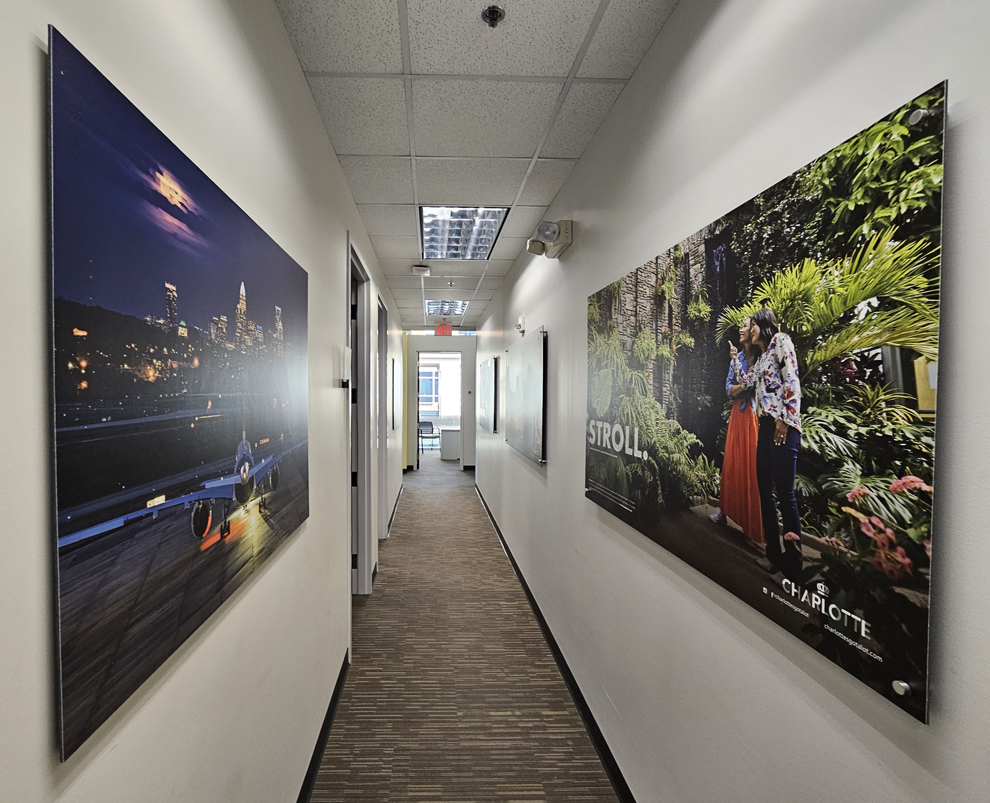
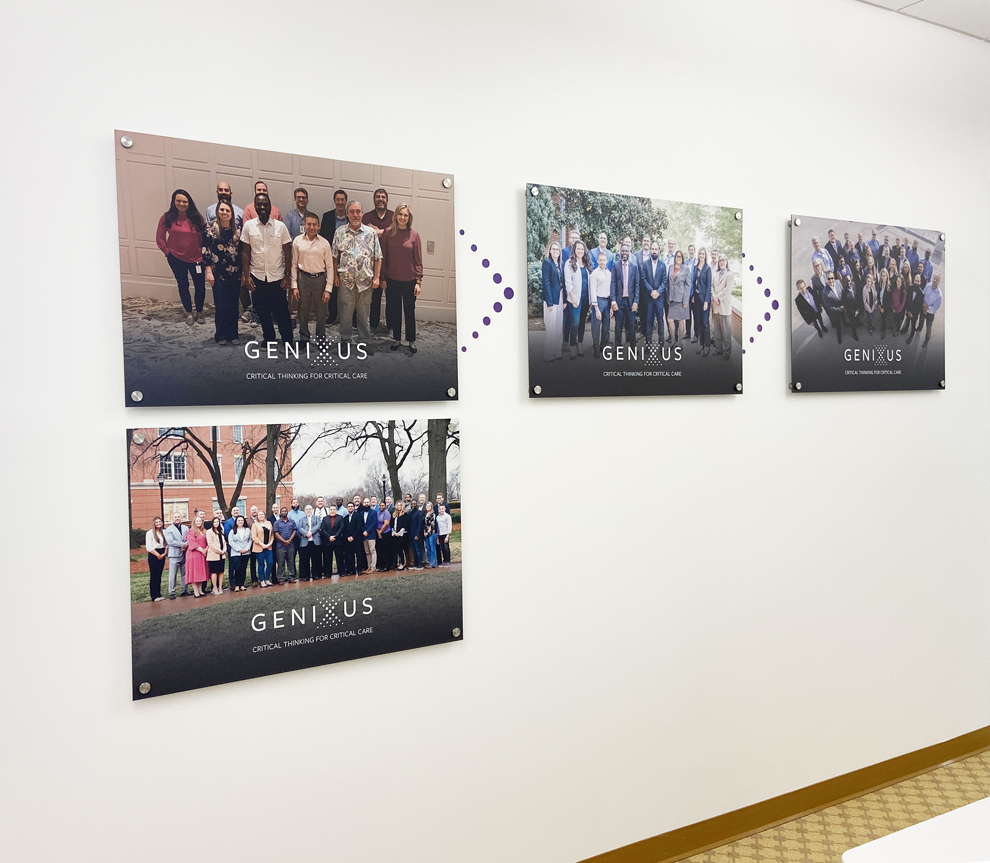
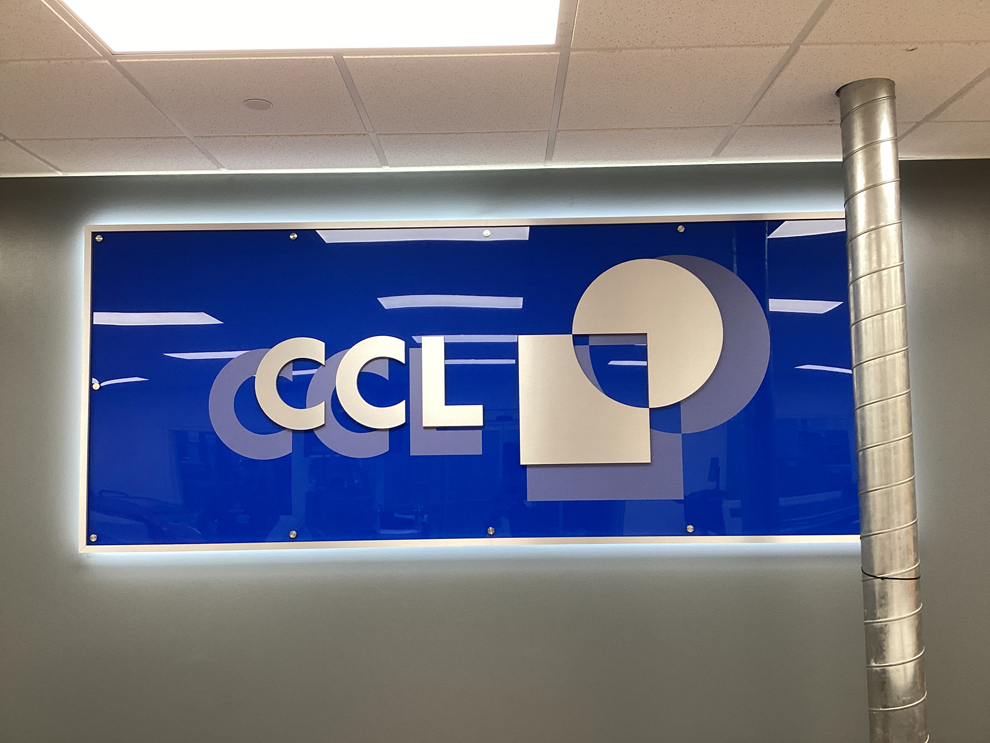
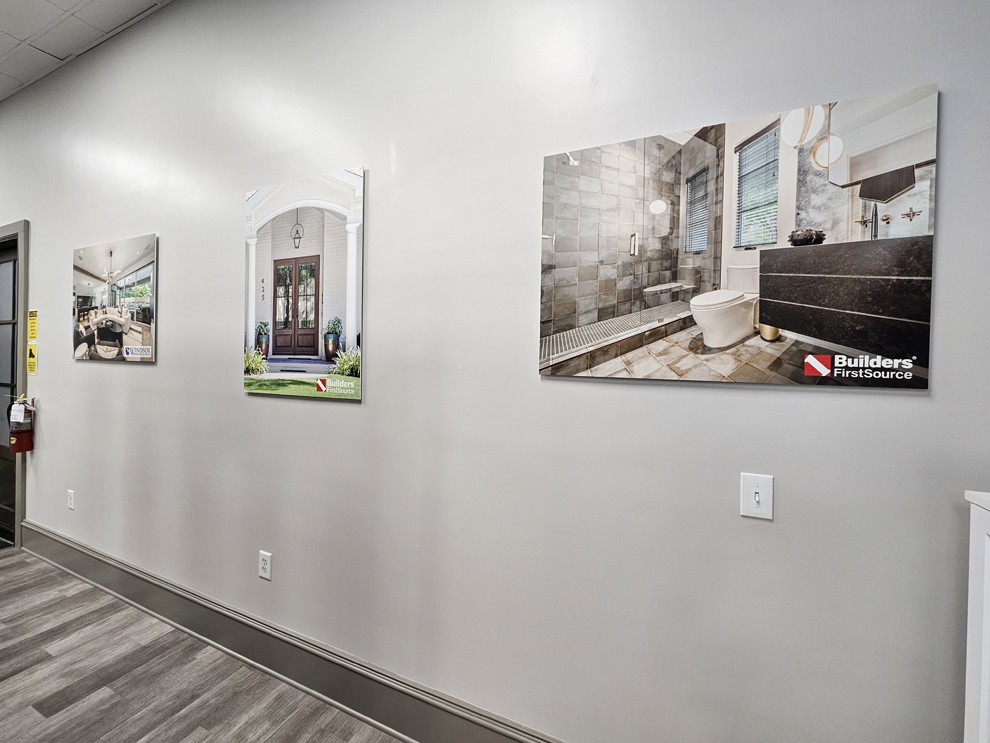
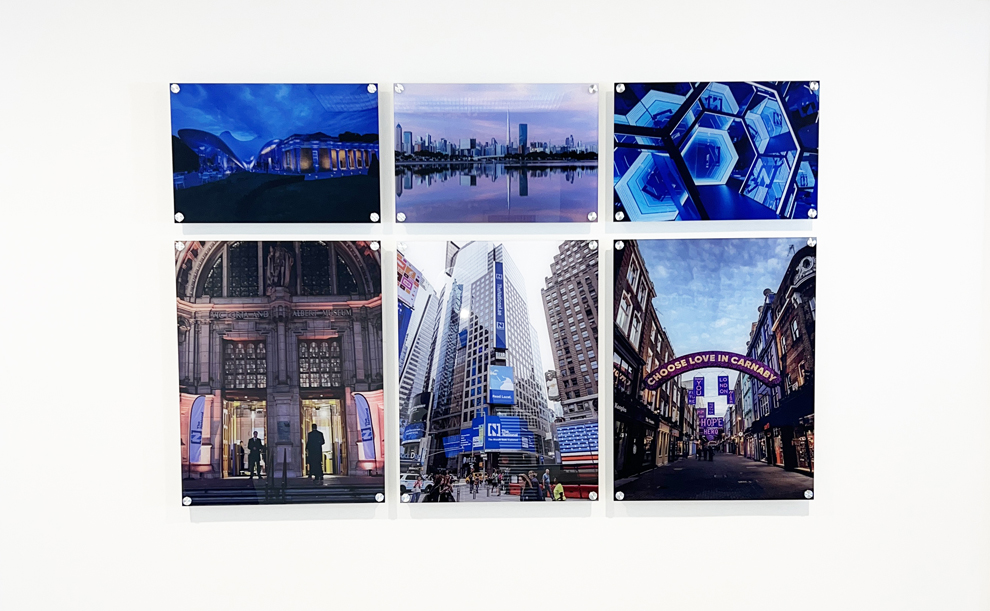
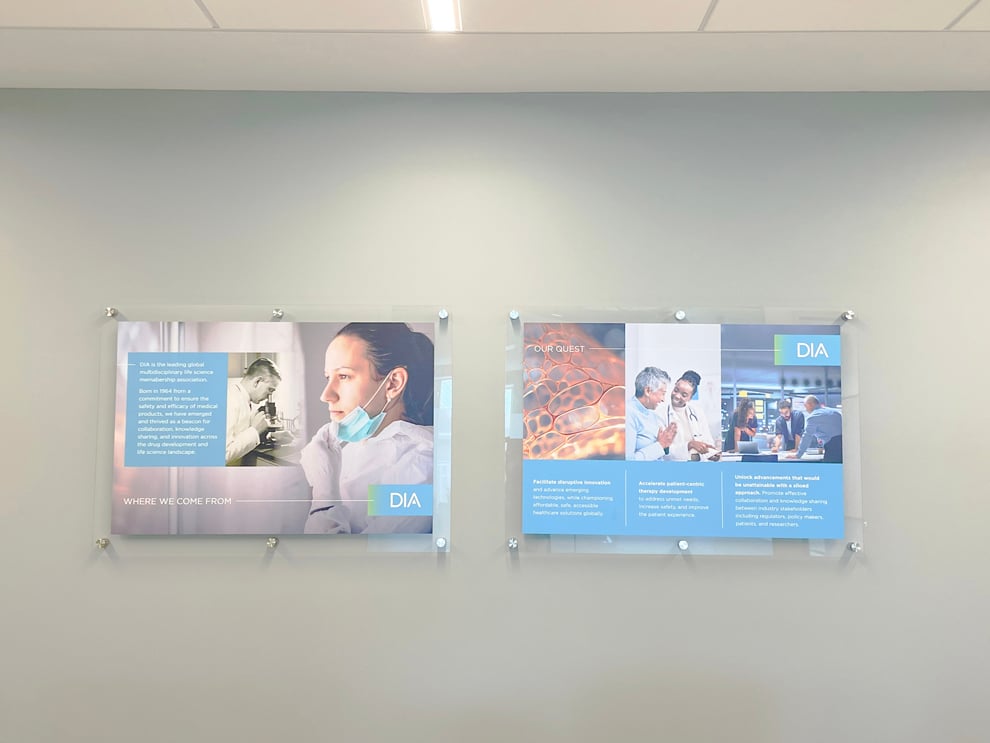
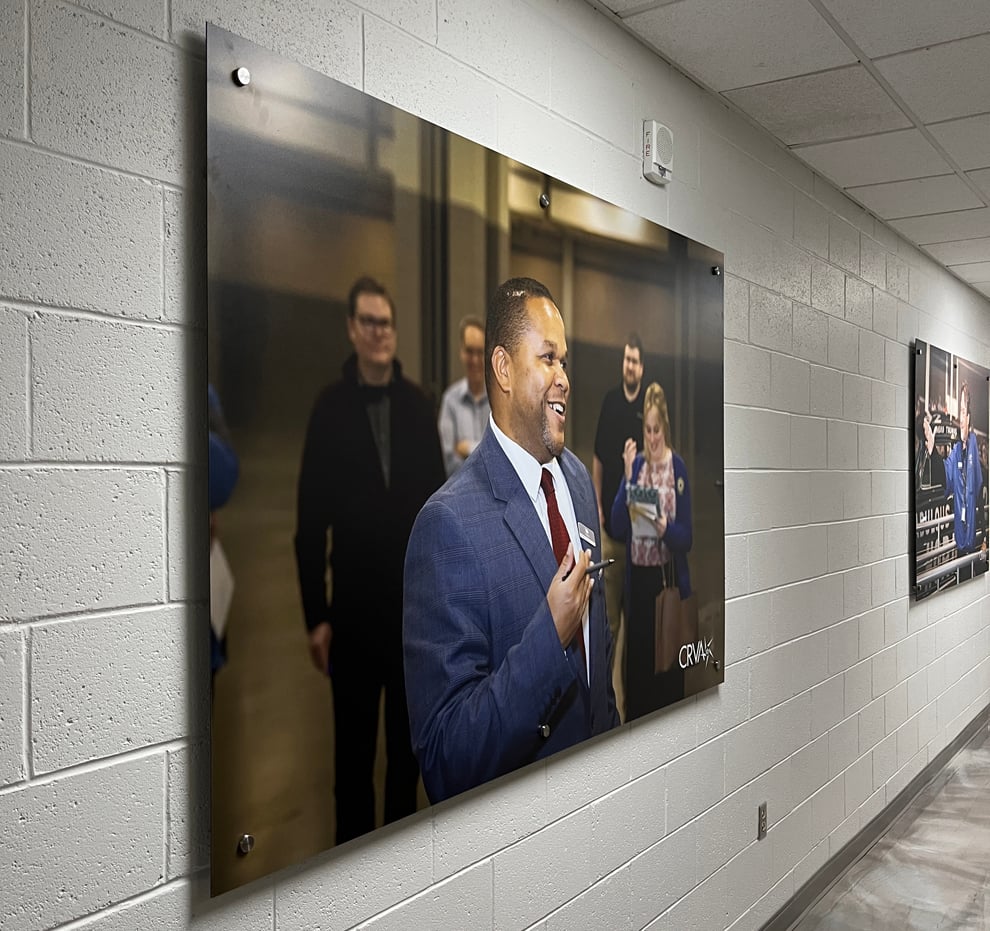
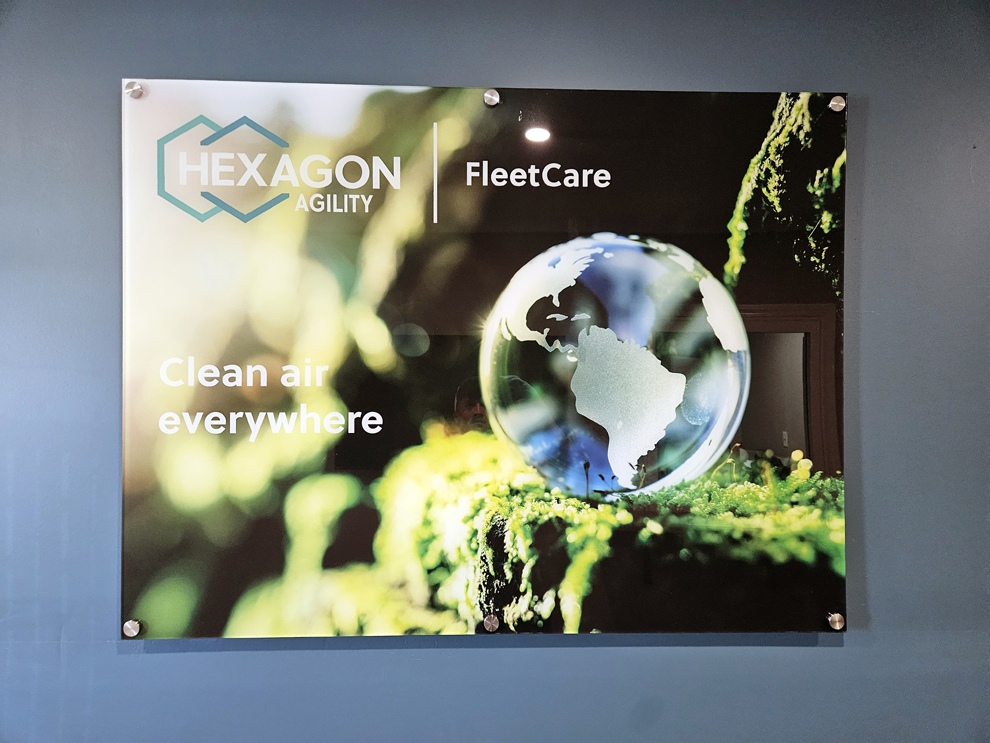
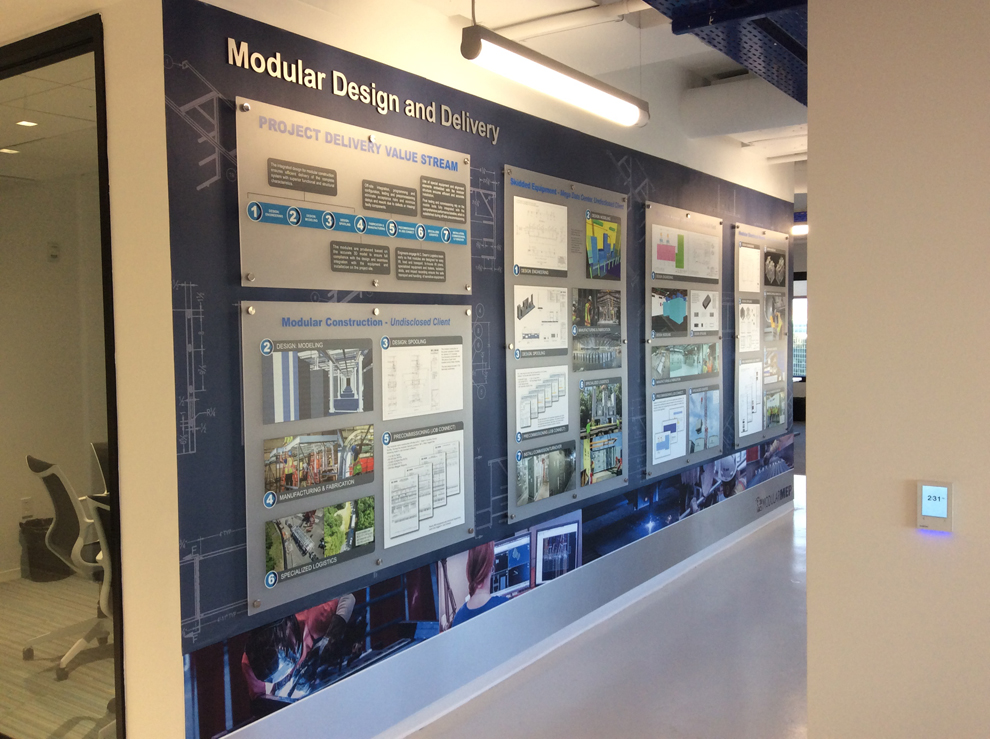
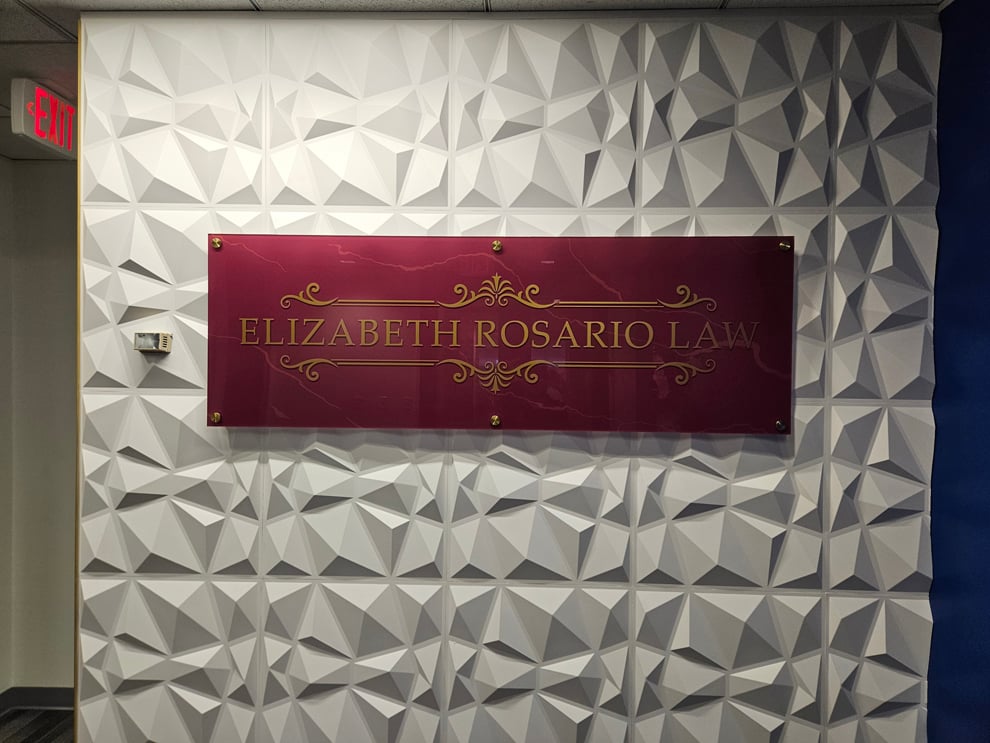
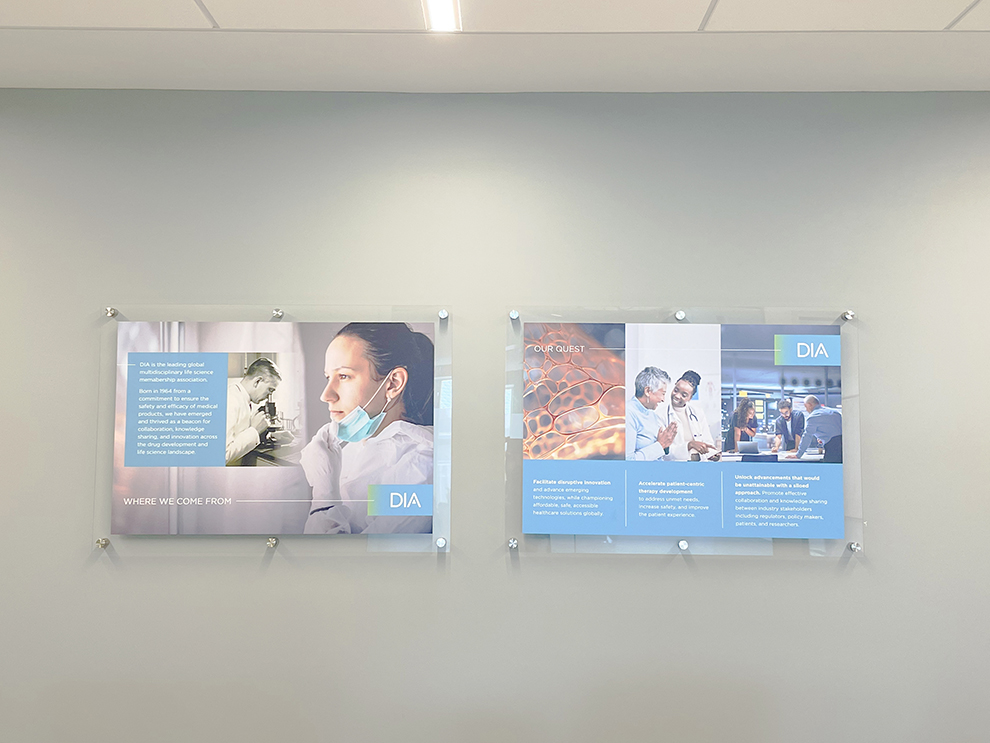
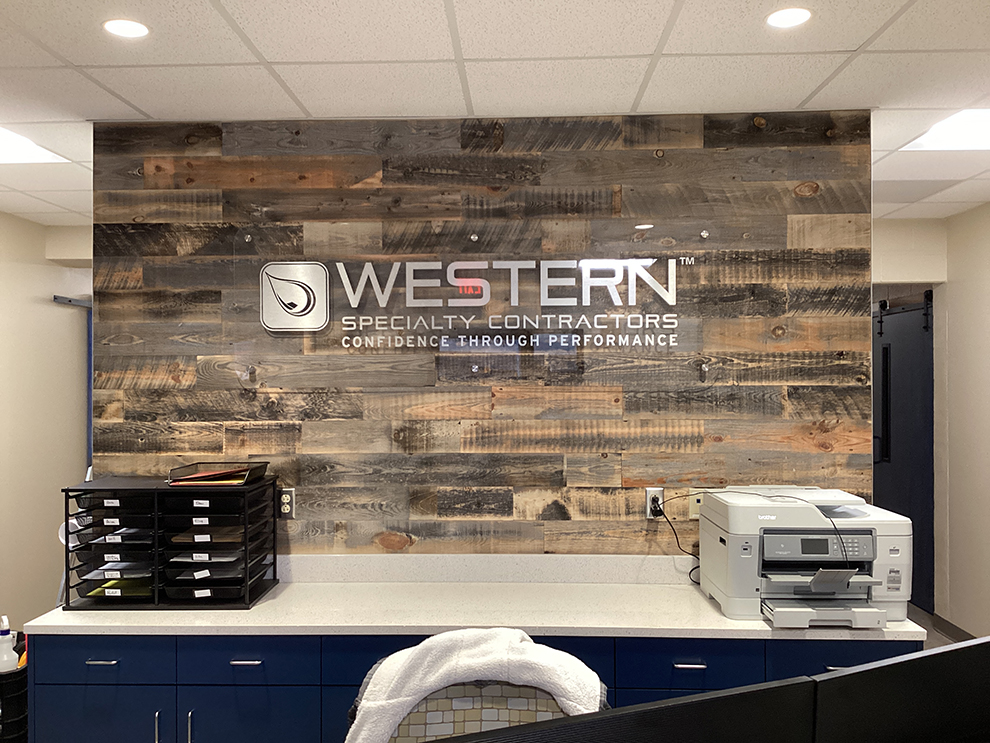
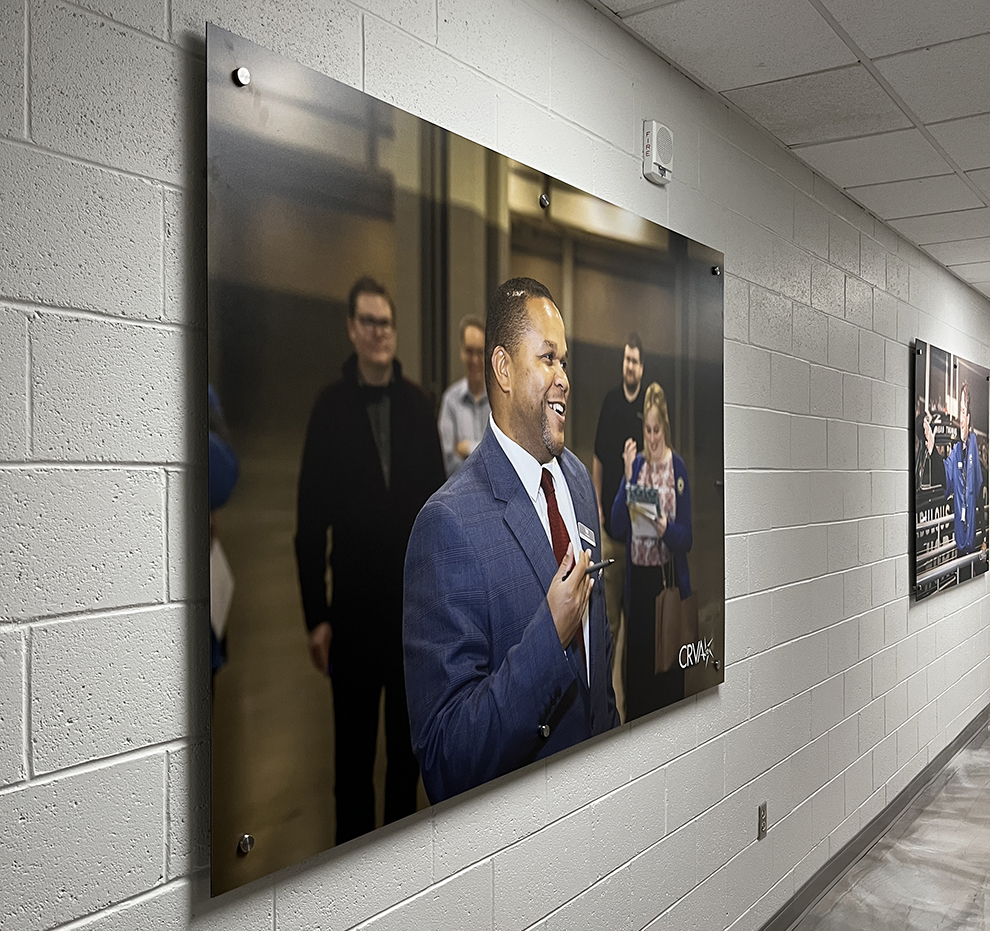
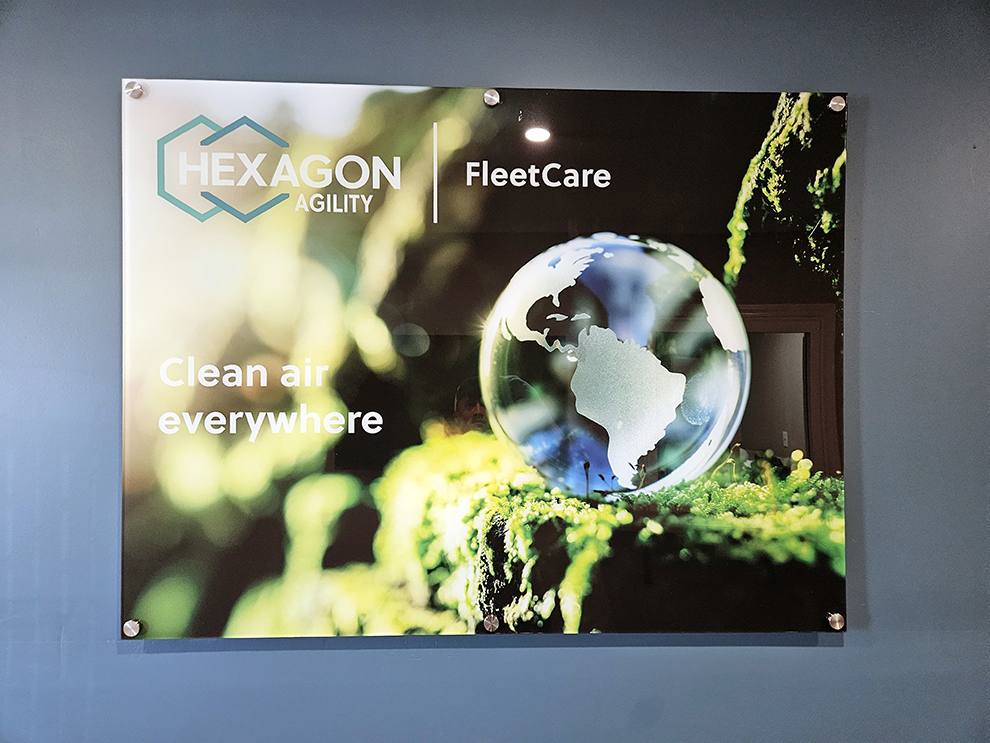
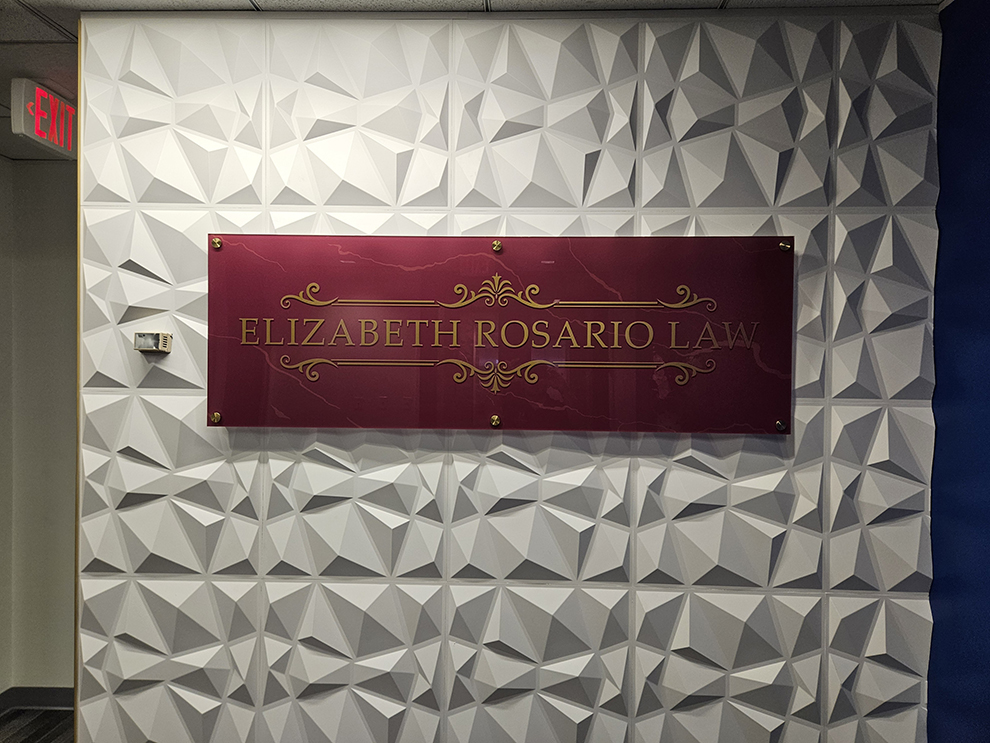
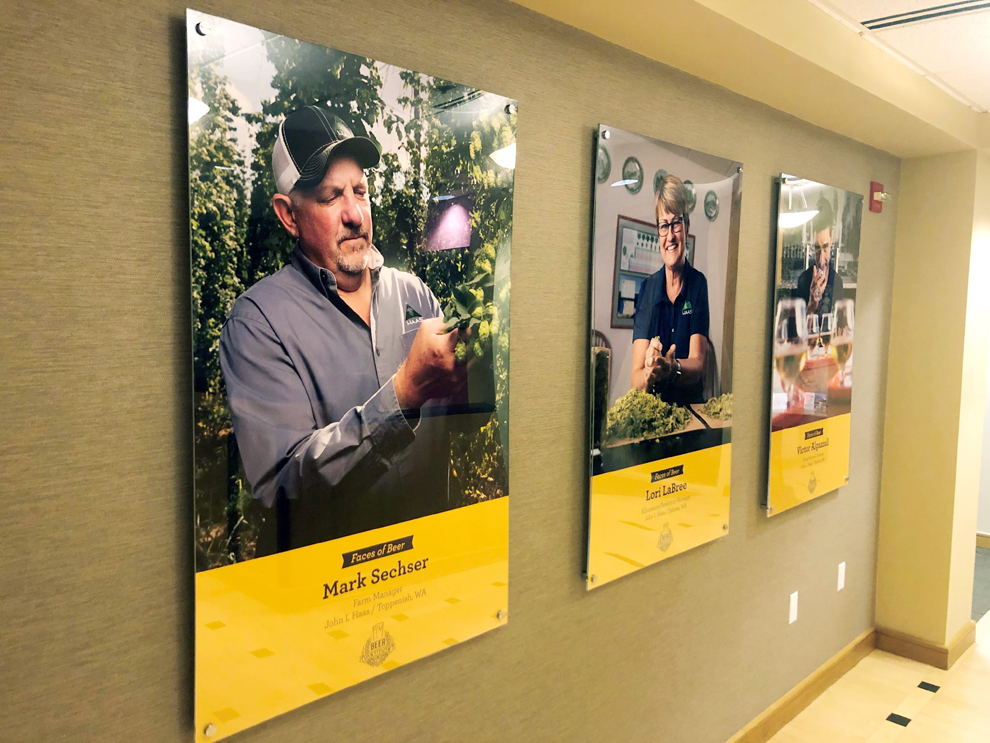
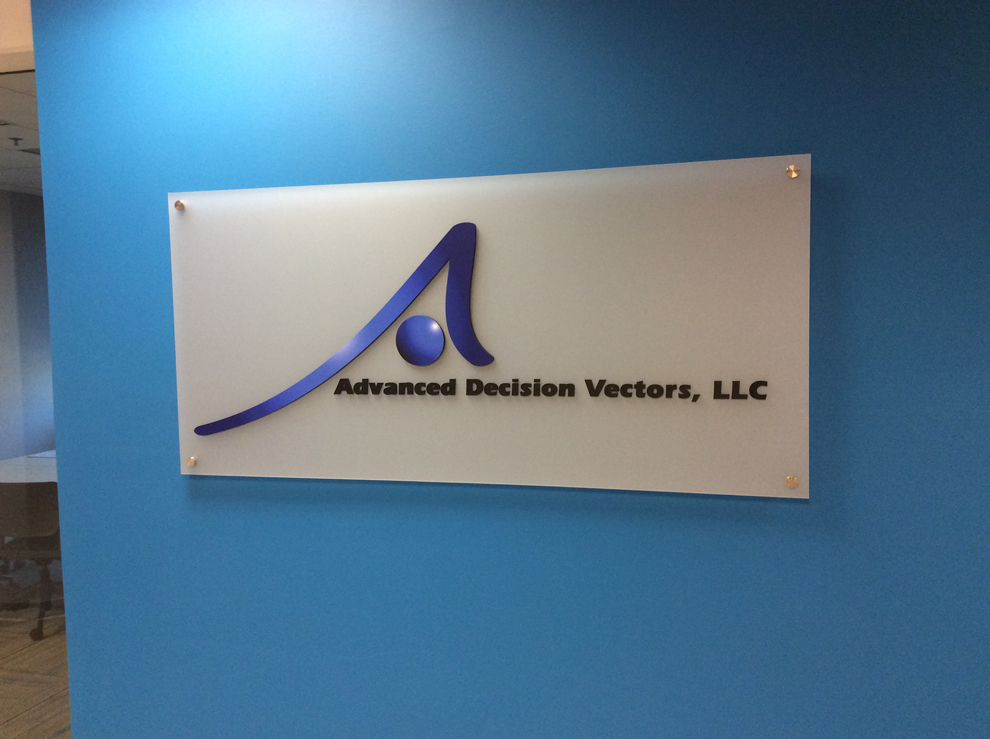
A standoff mounted sign uses architectural barrels, caps, anchors, and fasteners to position a finished panel a precise distance from the wall. The space behind the panel creates natural shadows and dimensional depth, giving the display a more substantial appearance than a flat wall graphic. This construction works especially well in Atlanta lobbies, conference centers, executive offices, corporate corridors, recognition spaces, training facilities, and other interiors where the message should feel integrated with the architecture.
Heritage Signs & Displays is a veteran-owned, family-led company that has served commercial clients since 1977. Atlanta organizations receive coordinated support that can include environmental graphic design, project management, production, fabrication, and professional installation. Keeping these services connected is important because standoff projects require alignment among brand standards, content, panel materials, hardware placement, wall conditions, building procedures, and installation access.
Standoff is often mistaken for a sign material. In fact, the term identifies how a sign is mounted and projected from the wall. Acrylic, aluminum composite material, printed panels, dimensional letters, layered graphics, and changeable inserts are examples of what the standoff hardware can support. A single display may combine several materials while maintaining one consistent arrangement of caps and barrels. Understanding this distinction helps Atlanta buyers compare proposals based on equivalent materials, hardware, and installation requirements.
A true standoff installation is a permanent wall application. The installer must drill mounting points and use mechanical anchors or fasteners selected for the wall substrate and panel weight. Adhesive by itself does not create a secure or authentic standoff system. Removing the display will usually leave holes that need to be patched and refinished. If the message is likely to move or change within a short period, removable wall graphics or another flexible sign solution may be more practical.
Atlanta projects also involve building-specific logistics that should be addressed early. High-rise offices in Downtown, Midtown, Buckhead, Cumberland, and Perimeter Center may require certificates of insurance, loading dock reservations, freight elevator scheduling, security credentials, and after-hours installation. Healthcare, university, nonprofit, and corporate clients may need work completed around patient schedules, board meetings, donor events, academic calendars, or major conferences. Occupied offices can also require dust containment, floor protection, quiet work periods, and careful coordination with property management.
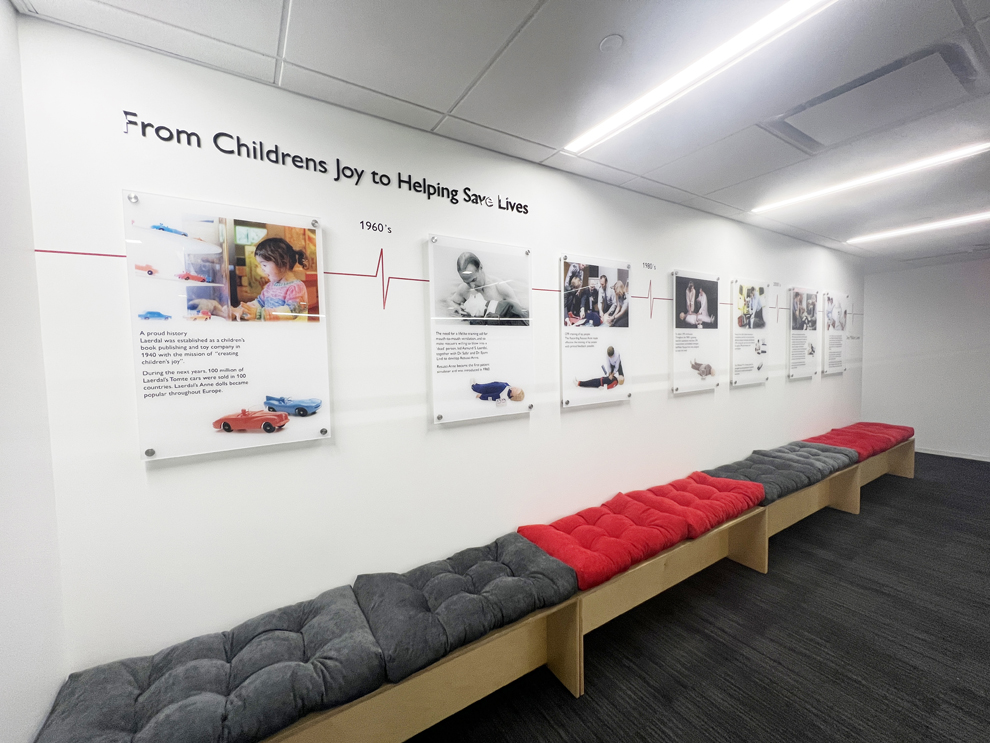
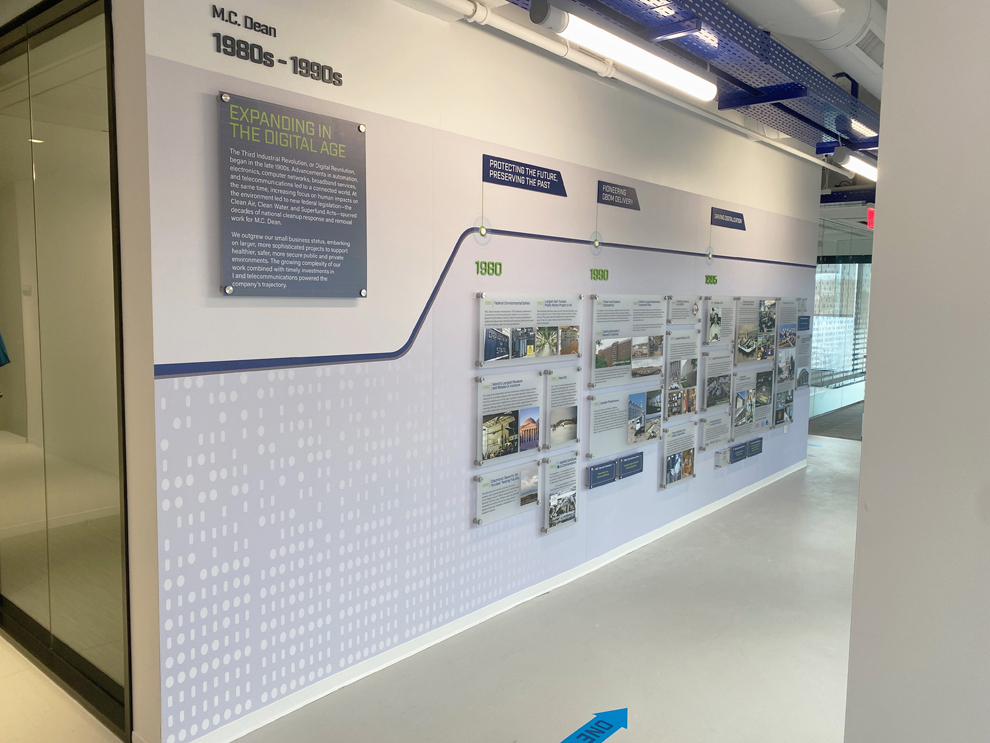
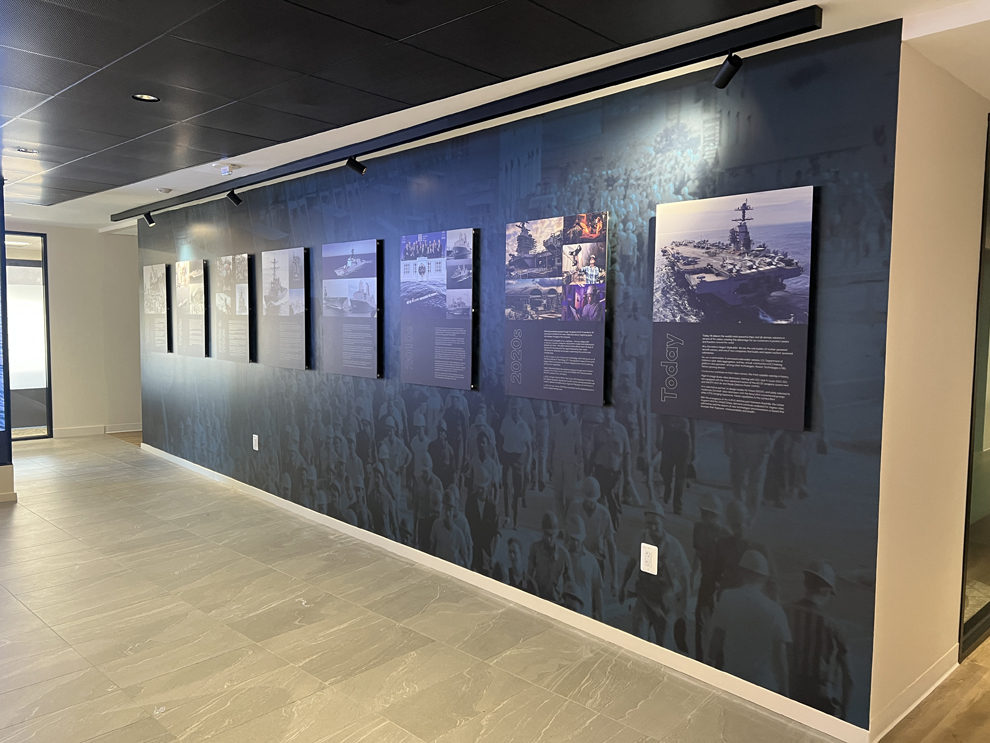
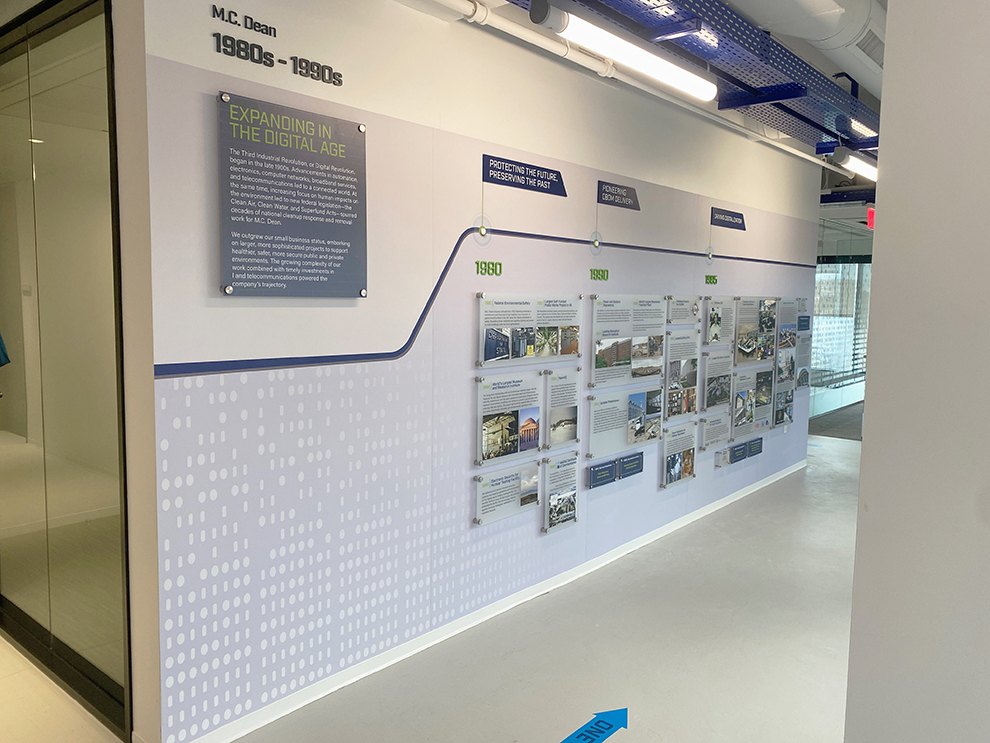
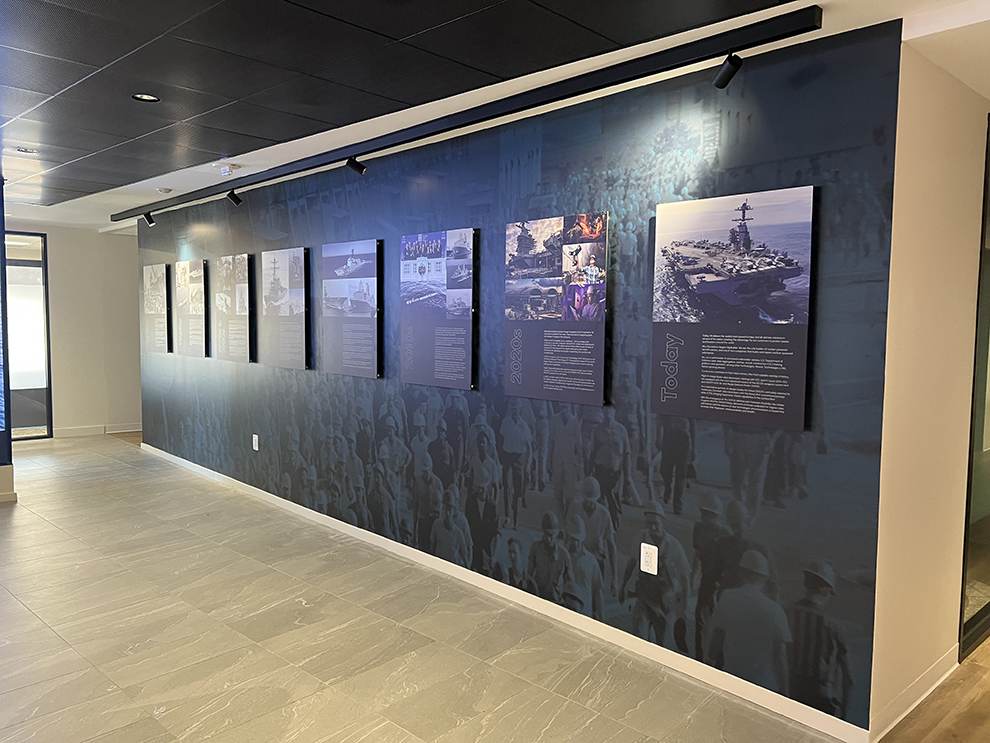
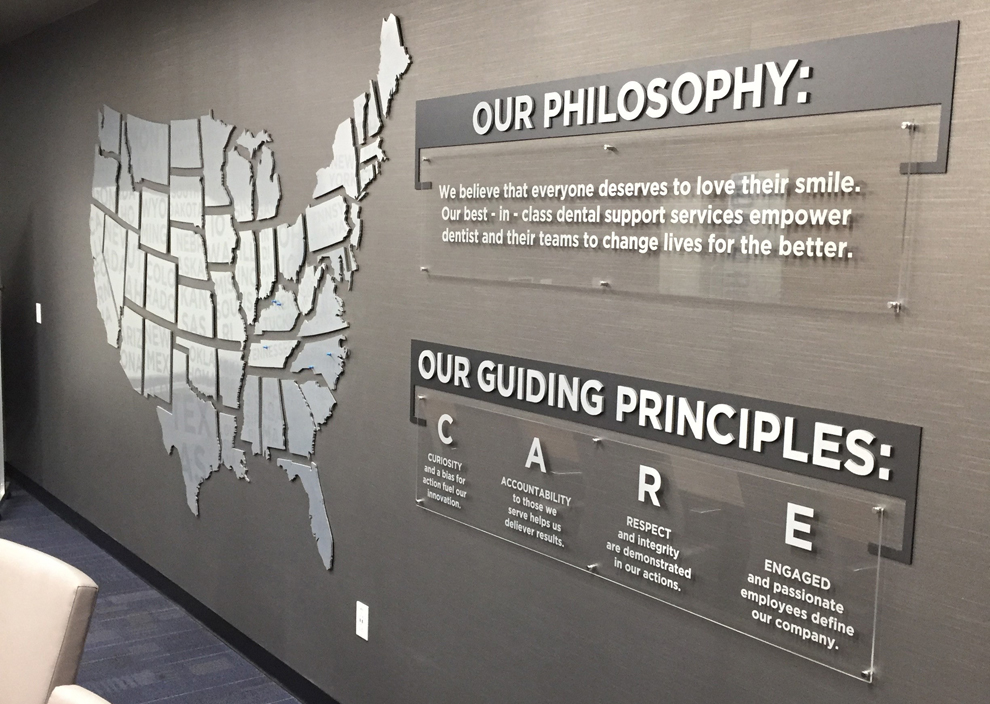
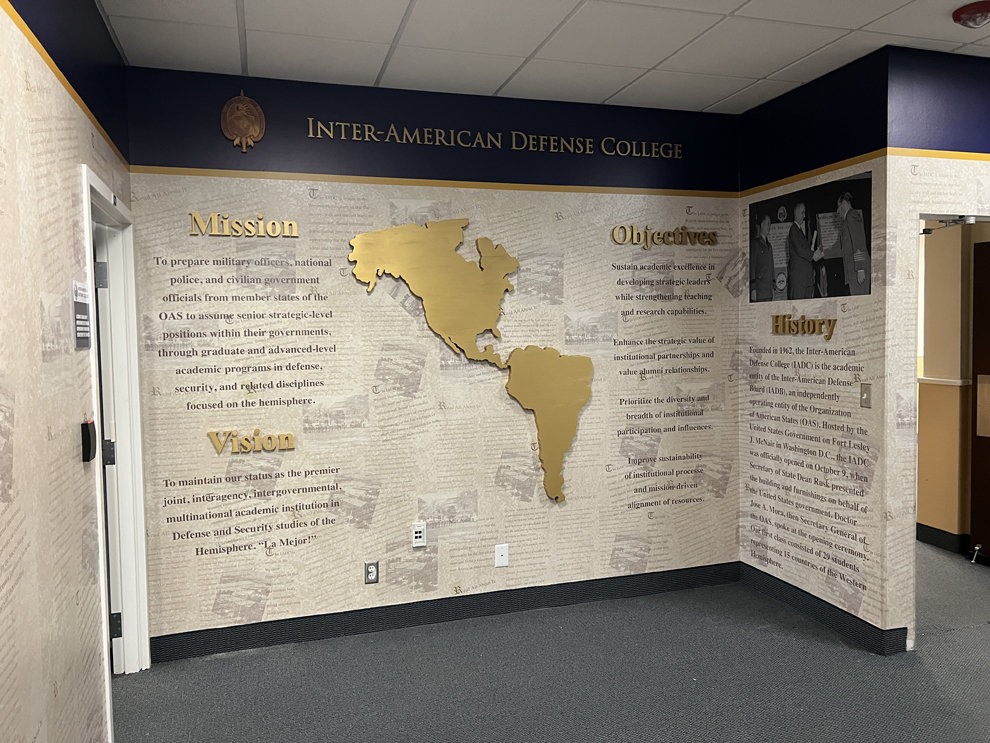
Mission walls, company histories, donor displays, employee recognition features, and other large storytelling installations may use standoff panels as one part of a broader composition. These projects fall within the Wall Displays category, where the entire surface, content sequence, and combination of materials must be considered together. This page concentrates on the standoff mounting method itself, including the barrels, caps, anchors, fasteners, and controlled distance between the panel and wall. Standoff hardware adds value when the design calls for projection, but it is not necessary for every wall display.
Heritage seeks to honor God by serving clients and communities with excellence. For Atlanta organizations, that commitment means listening carefully, recommending a simpler solution when elaborate construction is unnecessary, producing components according to approved drawings, and installing displays respectfully in active workplaces.
Precision hardware gives a standoff sign its distinctive character. Barrel length determines the distance between the panel and wall, while barrel diameter, cap shape, finish, and spacing influence the visual rhythm of the display. Fabrication and installation templates transfer the panel’s hole pattern to the wall so each cap aligns correctly. Even a small positioning error becomes noticeable when polished hardware repeats across a large panel.
The wall assembly determines which anchors and fasteners can be used. Drywall over metal studs, concrete, masonry, plaster, tile, and decorative wood panels all require different installation methods. Panel weight and dimensions affect how many mounting points are necessary. Concealed utilities, wall blocking, old repairs, and other hidden conditions can also restrict where drilling can occur.
For these reasons, field verification, design, fabrication, and installation planning must remain connected. Heritage evaluates dimensions, finishes, viewing angles, lighting, nearby architectural features, and access for future cleaning. Those findings influence panel divisions, projection depth, mounting locations, and material selection before fabrication begins.
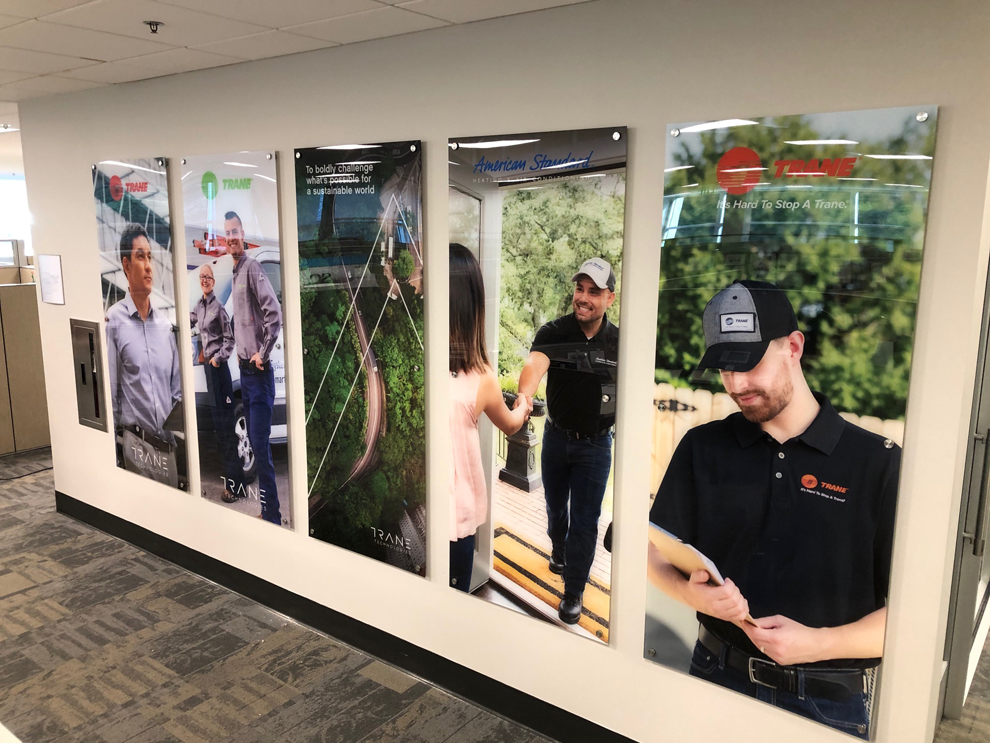
Standoff displays are well suited to organizations that want their branding, history, or recognition content to communicate stability and importance. Across Metro Atlanta, potential applications include corporate headquarters, healthcare systems, universities, financial technology companies, law firms, logistics operations, commercial real estate companies, manufacturers, nonprofits, foundations, ministries, and professional service firms. Heritage brings nearly five decades of commercial interior experience to these projects through a veteran-owned and family-led organization.
Each Heritage-managed project is assigned a dedicated project manager. This person coordinates artwork, content approvals, brand requirements, material choices, hardware finishes, field information, production schedules, building rules, and installation timing. Connecting these details reduces the risk of gaps between design intent, fabrication tolerances, and site conditions.
Heritage serves Atlanta through planned project management, production, and scheduled installation rather than relying on an informal ordering process. Organizations with offices in multiple cities can establish common standards for panel construction, hardware finishes, typography, and placement while adapting each installation to local walls and building procedures. The goal is a consistent brand experience that still responds to the conditions at each facility.
Standoff signs often function as one part of a complete branded environment. The following products can complement or intersect with a standoff installation through shared materials, messaging, surfaces, or applications.
Wall wraps transform the surface around a standoff panel with branded color, photography, patterns, or environmental graphics. The projected sign then appears against a deliberate visual background instead of an unfinished wall.
Window graphics extend the same visual identity onto glass doors, partitions, and storefront windows. They can help connect a reception-area standoff sign with the approach visitors experience from an entrance or corridor.
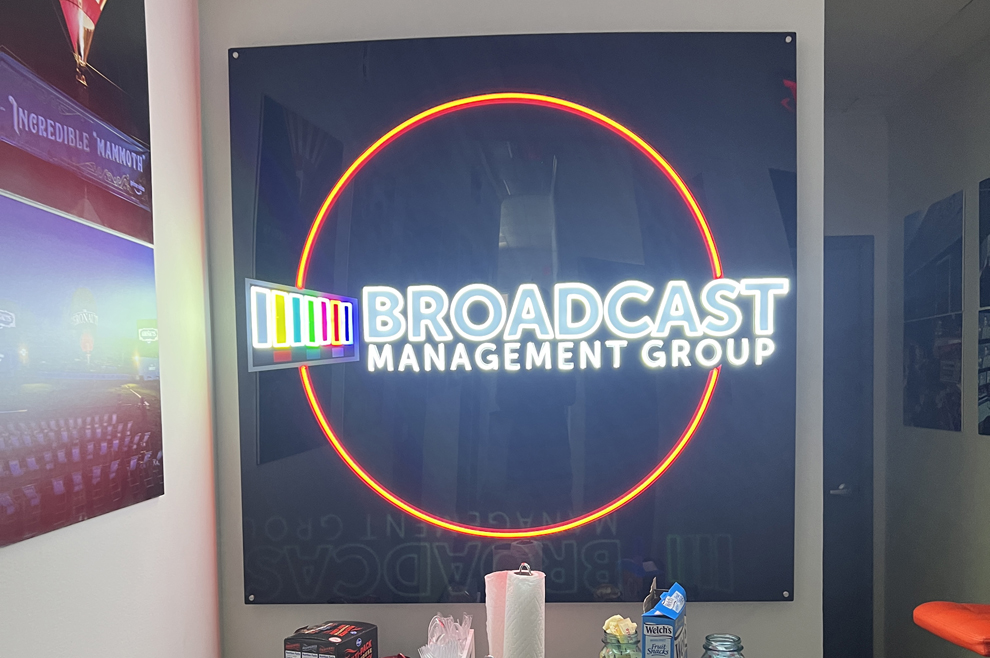
Lobby signs establish identity at the primary arrival point. Standoff mounting is one construction option for a reception sign, although dimensional lettering, direct mounting, illuminated elements, and other techniques may also be appropriate.
Frosted vinyl improves privacy and reduces visual distractions on nearby glass partitions. It can support the readability of a standoff display without introducing another rigid sign panel.
Elevator wraps carry campaigns, branding, or directional information into high-traffic transition areas. They can provide visual continuity between a ground-floor feature and offices on upper levels of an Atlanta building.
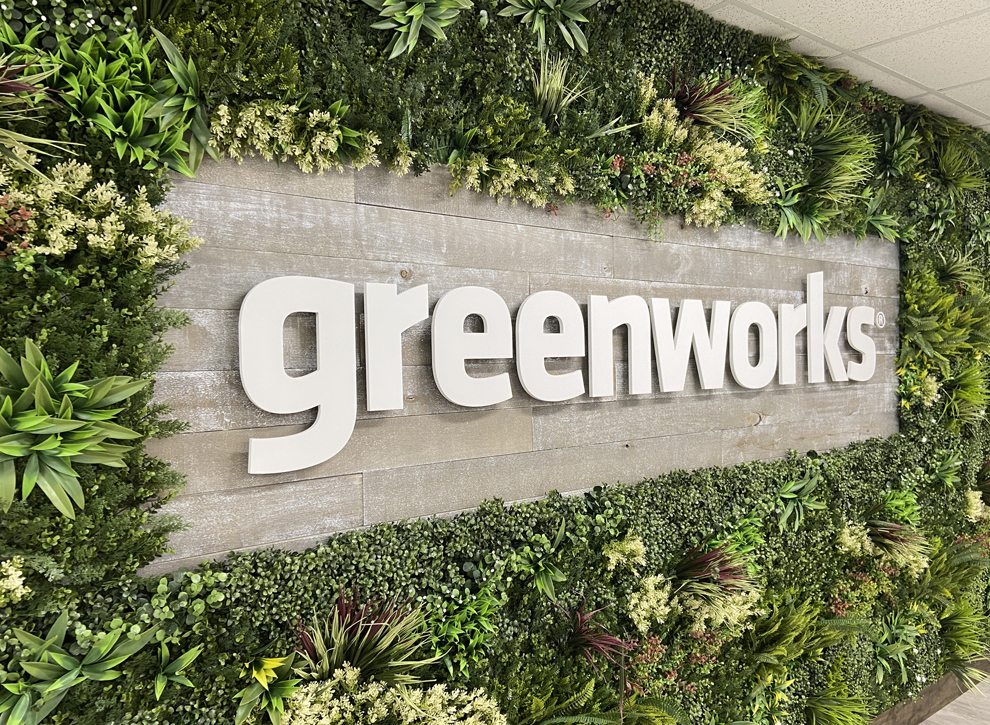
Dimensional letters attach individually to a wall rather than sitting on one projected panel. A display may combine direct-mounted letters with standoff panels to create contrast, hierarchy, and varied depth.
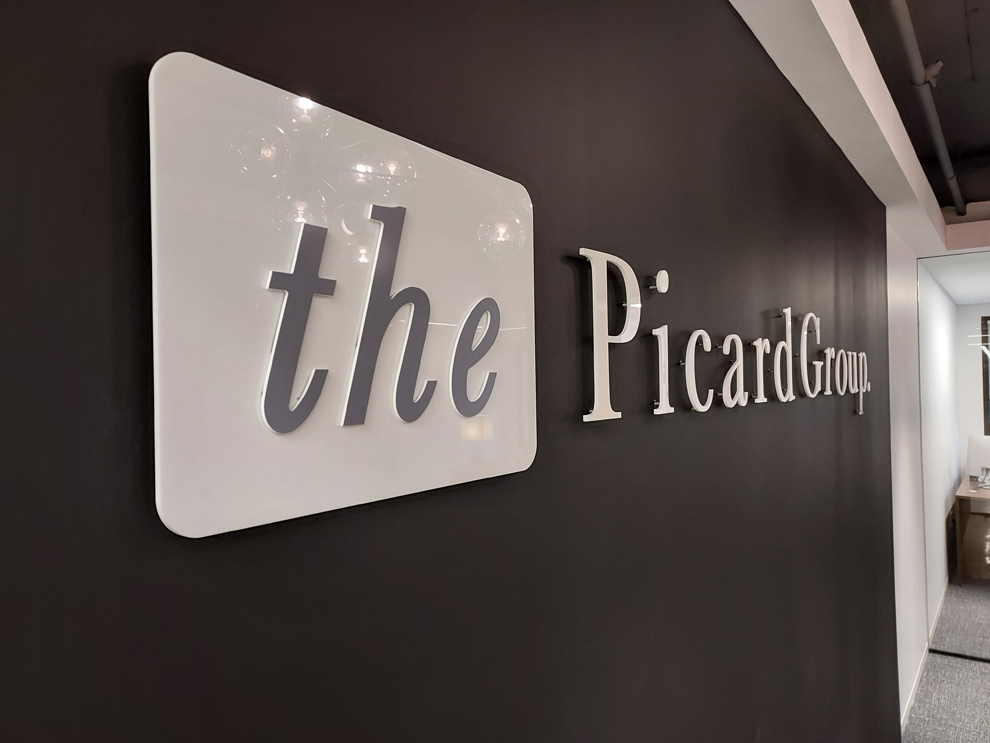
Acrylic identifies the material used for a sign face. Standoff identifies the mounting system. An acrylic panel can be installed with standoffs, but standoff hardware can also support ACM, printed panels, and other rigid materials.
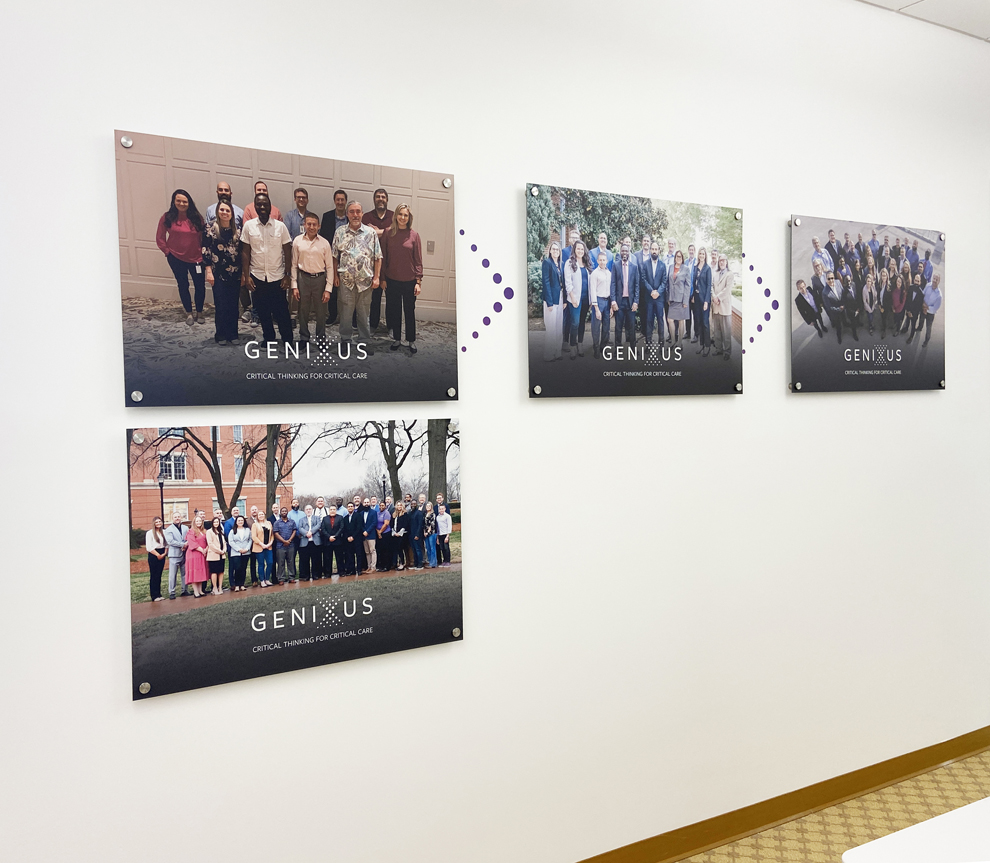
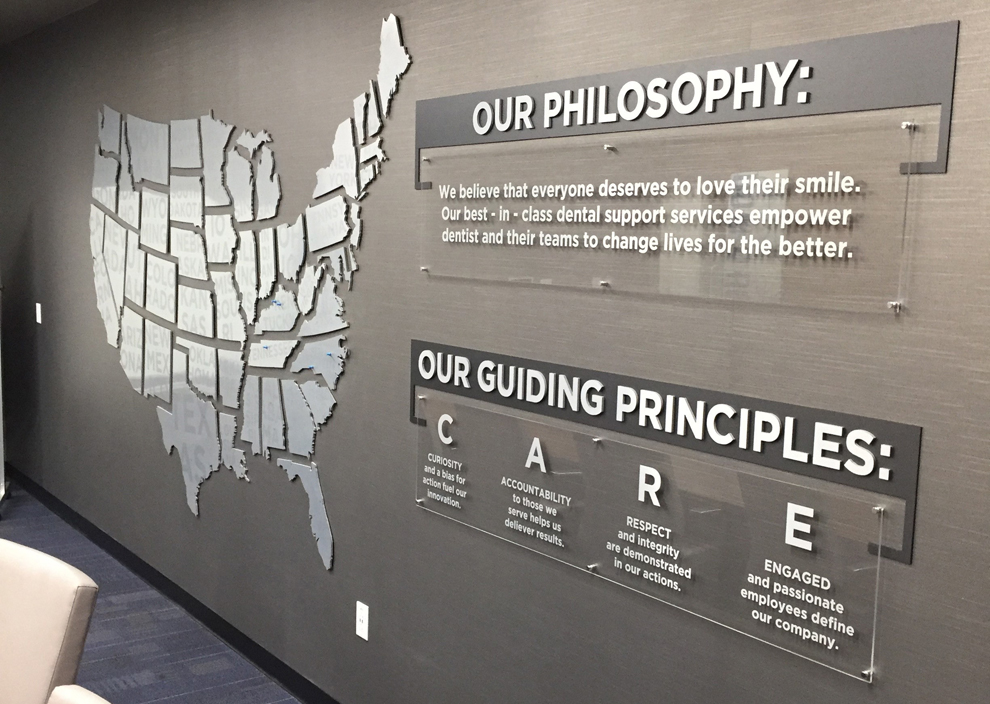
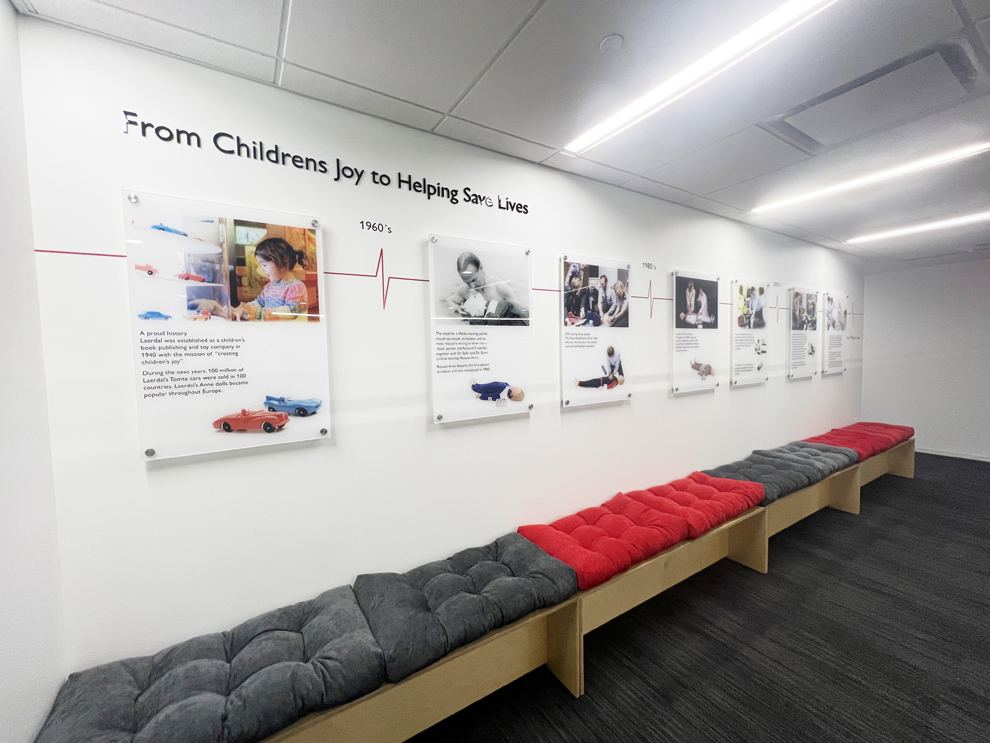
Wall displays include larger recognition, timeline, values, history, and storytelling installations. Standoff panels may appear within these environments alongside dimensional graphics, direct-applied lettering, wall wraps, and changeable elements.
Give your organization’s message greater architectural presence with a professionally planned standoff display. Heritage Signs & Displays encourages Atlanta clients to begin the conversation before artwork and construction decisions are final. Fill out our Get Started Now form to begin the process.
Helpful starting information includes the property address, desired completion date, intended audience, message content, brand guidelines, wall photographs, architectural drawings, approximate dimensions, building access restrictions, future update needs, and anticipated project scope. Heritage can review these details, identify conditions that require field verification, and recommend the appropriate next step for design, fabrication, and installation.
Heritage supports Atlanta projects through structured planning and scheduled installation. Service may extend to organizations in Downtown Atlanta, Midtown, Buckhead, Decatur, Sandy Springs, Dunwoody, Marietta, Smyrna, Alpharetta, Roswell, Norcross, Duluth, and surrounding Metro Atlanta communities. Design development, production planning, site coordination, and access requirements are addressed before installation crews arrive.
Consider a financial services company with a headquarters in Buckhead, an operations center near Perimeter Center, and a training facility in Alpharetta. One project manager can establish shared standards for panel materials, hardware finishes, logo sizing, typography, and mounting details. The installation plan can then be adjusted for the wall construction, security procedures, loading access, and operating schedule at each location.
No two Atlanta facilities have identical conditions. Ceiling heights, natural light, corridor widths, wall substrates, loading procedures, and property management requirements can vary considerably. Heritage manages those differences within one coordinated process so the visual system remains consistent without forcing the same installation method onto incompatible walls.
Effective environmental graphic design starts with the audience’s path through the space. Heritage considers where employees, clients, patients, students, donors, or visitors enter, how quickly they move, the direction from which they approach, and how long they are likely to view the display. These factors shape message hierarchy, panel scale, typography, contrast, and mounting height.
Material selection should support the purpose of the sign. Clear acrylic provides transparency and distinctive edge characteristics. White or colored acrylic creates strong contrast and a clean presentation. Aluminum composite material provides a metal-like appearance without the weight of a solid metal panel. Rigidity, weight, edge treatment, color accuracy, durability, and future content changes all affect the final recommendation.
The architectural setting also guides decisions about projection and hardware. Longer barrels create a deeper shadow line, but they also require clearance from doors, trim, furniture, fixtures, and circulation paths. Hardware finishes can coordinate with existing metalwork, such as brushed stainless steel, satin aluminum, or other interior details. Heritage also evaluates whether existing lighting will enhance the projected effect or reduce the visibility of the shadow.
Every proposed design must remain practical to fabricate, transport, carry through the building, and install. Large panels may need to be divided into sections because of elevator dimensions, doorway clearances, weight, or handling limitations. Addressing these conditions during design avoids expensive changes after production has started.
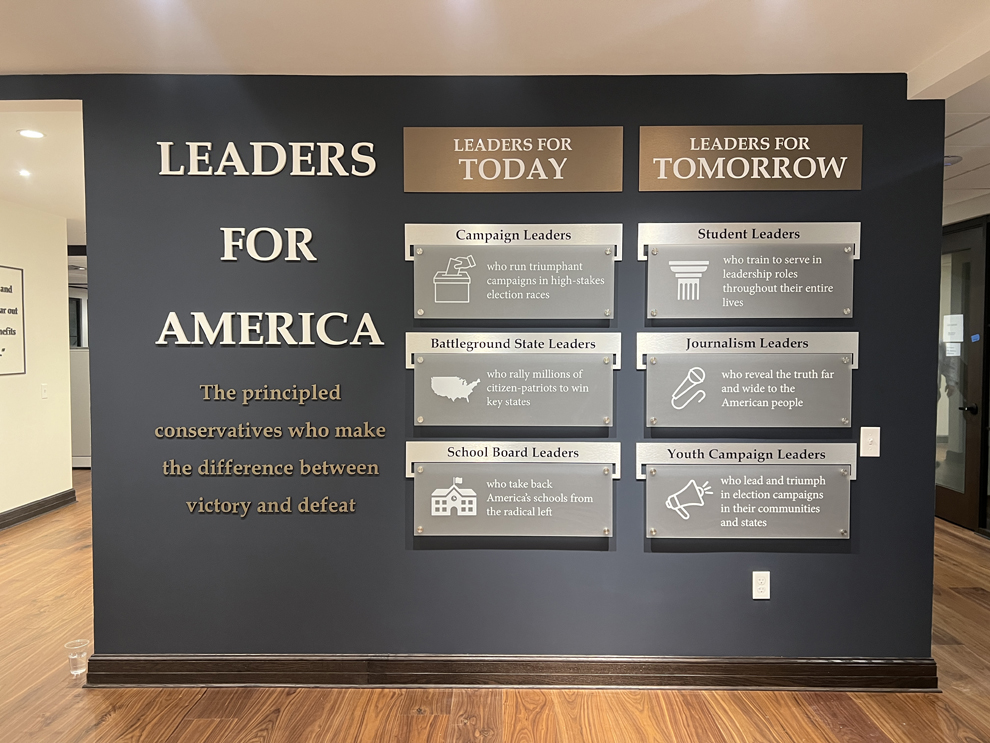
Installation planning begins with the property’s requirements. Atlanta office towers and multi-tenant developments may require insurance documentation, loading dock appointments, freight elevator reservations, security access, after-hours scheduling, and advance notification to tenants. Medical facilities, universities, government spaces, and secured corporate campuses may add escort requirements, restricted work areas, infection-control procedures, or limitations tied to daily operations.
Complete site information helps prevent delays and rework. Heritage may request wall photographs, architectural drawings, field measurements, information about the wall assembly, and details about known utilities or backing. A professional site survey can confirm conditions that client-supplied information cannot fully document, particularly when panels are wide, substrates are uncertain, access is controlled, or the layout must align with existing architecture.
Installation preparation can include staging plans, furniture relocation, floor protection, dust management, and debris removal. The crew must also verify mounting height, level, hardware spacing, and panel alignment before drilling. Templates help transfer the approved hole pattern accurately from the fabricated sign to the installation surface.
Heritage installs standoff signs that are produced, fabricated, or procured through a Heritage-managed project. Heritage does not offer installation-only service for panels manufactured by another provider. Hole patterns, panel tolerances, hardware specifications, anchor selection, and final alignment are interdependent. Keeping design, fabrication, and installation under coordinated responsibility provides greater accountability for the finished display.
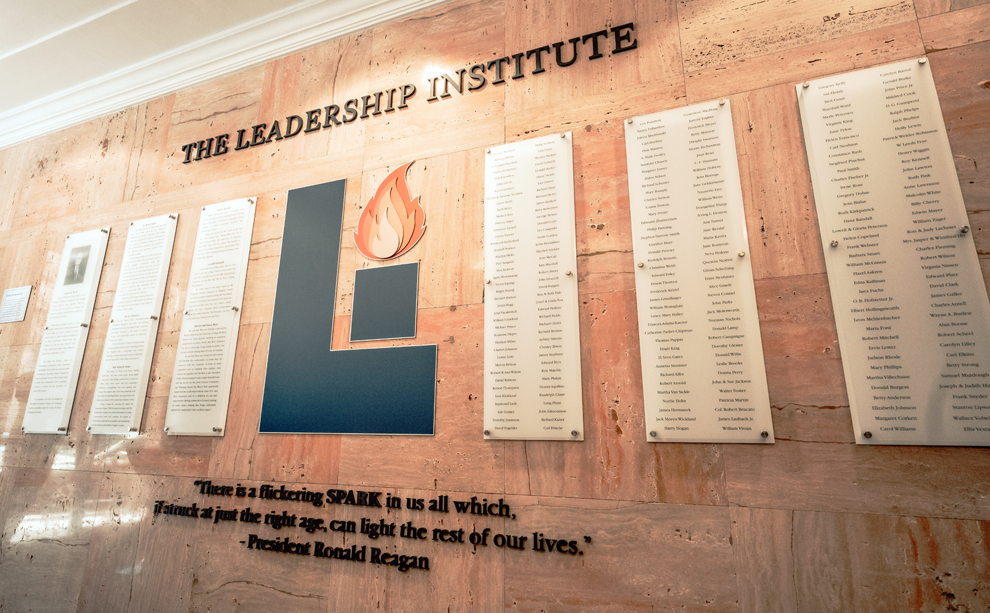
Standoff construction is most valuable when the project benefits from professional planning and coordinated execution. Appropriate applications may include a prominent lobby identity, corporate values display, donor wall, employee recognition feature, departmental sign system, executive conference area, or multi-location branding program.
Heritage may not be the best fit for a single small plaque that requires no design development or site planning. Much of the value of a Heritage-managed engagement comes from the work completed before fabrication, including material evaluation, layout development, field verification, production planning, and installation coordination.
Heritage-managed projects for Atlanta clients begin at an overall project investment of $4,000. This starting point applies to the complete engagement, not to each panel, letter, cap, or barrel. The final investment is affected by panel dimensions, material construction, hardware quantity, hardware finish, artwork readiness, wall complexity, survey requirements, building access, installation hours, project phasing, and the number of locations.
Heritage primarily focuses on interior environments. An exterior wall-mounted standoff application may be reviewed individually when the wall substrate, weather exposure, corrosion-resistant hardware, and applicable requirements make it feasible. This evaluation should not be interpreted as a general exterior sign service. Heritage does not specialize in monument signs, pylon signs, channel letters, or conventional exterior sign programs, and it does not install products fabricated by unrelated providers.
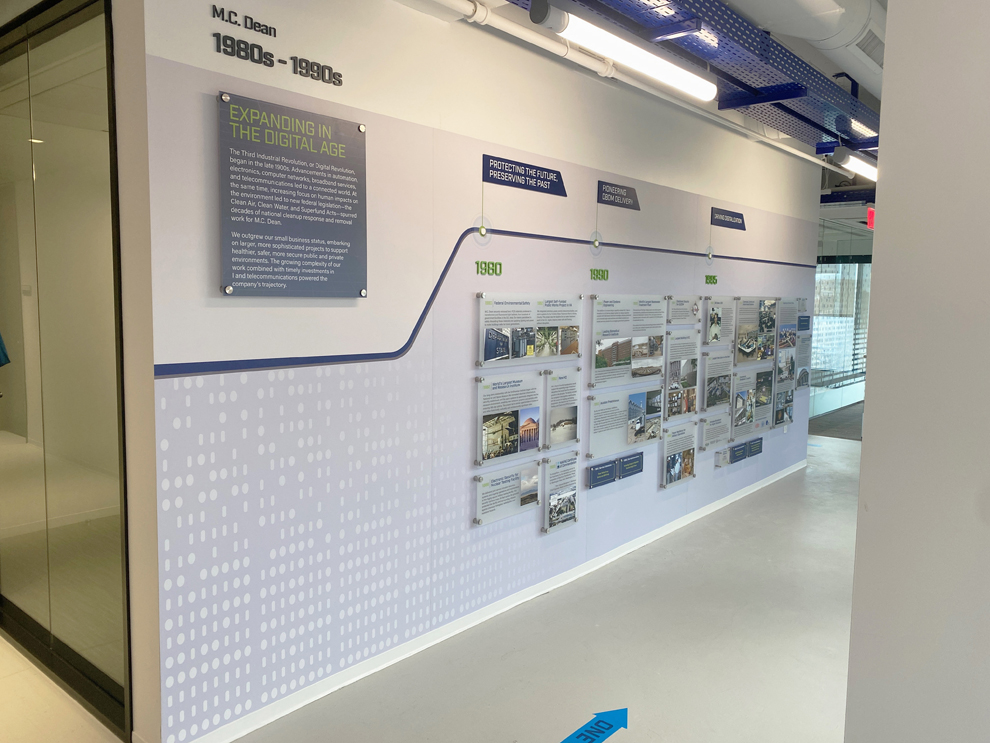
Projection is determined by barrel length, panel thickness, cap proportions, and the desired shadow effect. A shallow projection creates a restrained architectural appearance, while a greater distance produces more noticeable depth. Deeper installations also require additional clearance from trim, doors, furniture, fixtures, and pedestrian paths.
Maximum panel size depends on material rigidity, overall weight, wall capacity, hardware quantity, handling requirements, and building access. Elevator dimensions, corridor turns, door openings, and available staging space may require a large design to be divided into multiple coordinated panels.
Useful details include the Atlanta-area project address, wall dimensions, photographs, known wall construction, logo files, brand standards, proposed content, viewing distance, desired completion date, building procedures, future update requirements, and number of locations.
Heritage reviews the available information and asks targeted follow-up questions. If photographs and measurements cannot confirm the necessary conditions, a site survey may be recommended before final production and installation commitments are established.
Yes. Standoff panels can present building directories, department names, floor listings, room identification, and selected directional information when the environment calls for a permanent architectural presentation.
The display must still be positioned at the correct decision point and designed for the expected viewing distance. Mounting height, typography, contrast, message order, and circulation patterns all affect usability. Changeable inserts or modular sections should be considered when tenant names, departments, or destinations are likely to change.
Standoff signs can be installed on drywall over stud framing, concrete, masonry, plaster, tile, and decorative wood panels when the anchors and fasteners are appropriate for the substrate and panel load.
Hollow walls may require blocking or suitable toggle-style anchors. Concrete and masonry require compatible drilling equipment, anchors, and sleeves. Tile surfaces demand careful drilling to avoid cracking. Heritage evaluates backing, prior repairs, concealed utilities, wall finishes, and panel weight before finalizing mounting specifications.
Yes. A properly installed wall-mounted standoff sign requires drilled mounting points and mechanical fasteners or anchors selected for the substrate and load. Adhesive alone cannot provide the controlled projection and long-term attachment expected from a genuine standoff system.
The drilled wall pattern must correspond precisely with the holes in the fabricated panel. Accurate placement keeps the face level, maintains even spacing from the wall, and allows the hardware caps to form a consistent visual pattern.
Future expansion should be planned before fabrication. Possible approaches include removable panel sections, modular tiles, individually mounted nameplates, changeable inserts, or a reserved area sized for anticipated additions.
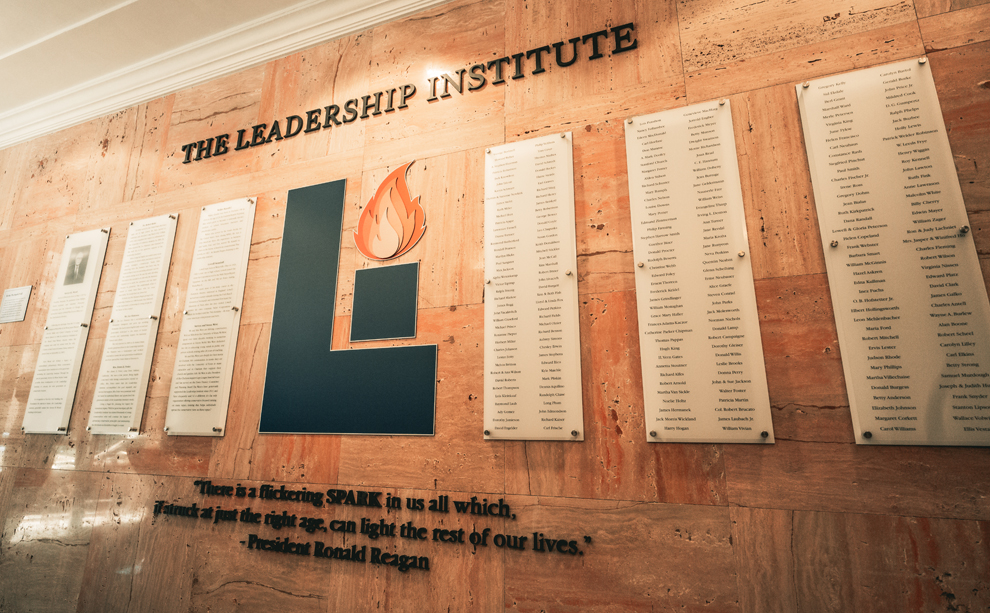
The design should document donor levels, alphabetical organization, typography, spacing, material specifications, and hardware details. Maintaining production records also makes it easier to create future additions that coordinate with the original installation.
A site survey confirms conditions that may not be visible in photographs or architectural plans. These can include actual wall construction, available backing, concealed utilities, precise dimensions, floor variation, lighting, sightlines, access routes, elevator clearances, and nearby architectural features.
The findings can affect anchor selection, mounting height, hardware spacing, panel divisions, projection depth, fabrication dimensions, and installation sequencing. Surveys are particularly valuable for large panels, uncertain substrates, secured facilities, high-rise buildings, and displays that must align precisely with existing elements.
Acrylic describes a material. Standoff describes the method used to attach and project a sign from the wall.
An acrylic sign can be adhered, framed, suspended, flush mounted, or installed with standoff hardware. Likewise, standoff hardware can support acrylic, aluminum composite material, printed panels, layered elements, and other rigid sign faces. The terms address different design and purchasing decisions.
No. Heritage installs standoff signs that are produced, fabricated, or procured as part of a Heritage-managed project.
Installation success depends on decisions made during design and fabrication, including hole placement, panel tolerances, material thickness, hardware specifications, load calculations, and anchor selection. Separating fabrication from installation can create unclear responsibility if the holes do not align, the panel sits unevenly, or the specified hardware is unsuitable for the wall.
Cleaning instructions depend on the panel material, printed graphics, edge treatment, and hardware finish. Most interior displays can be maintained with periodic dusting using a clean, soft, nonabrasive cloth. A surface-compatible cleaner may be used when necessary.
Avoid abrasive pads, harsh solvents, excessive moisture around panel edges, and heavy pressure on the sign face. Force applied to the panel can stress the mounting points or disturb alignment. Heritage provides care recommendations based on the materials and finishes approved for each project.
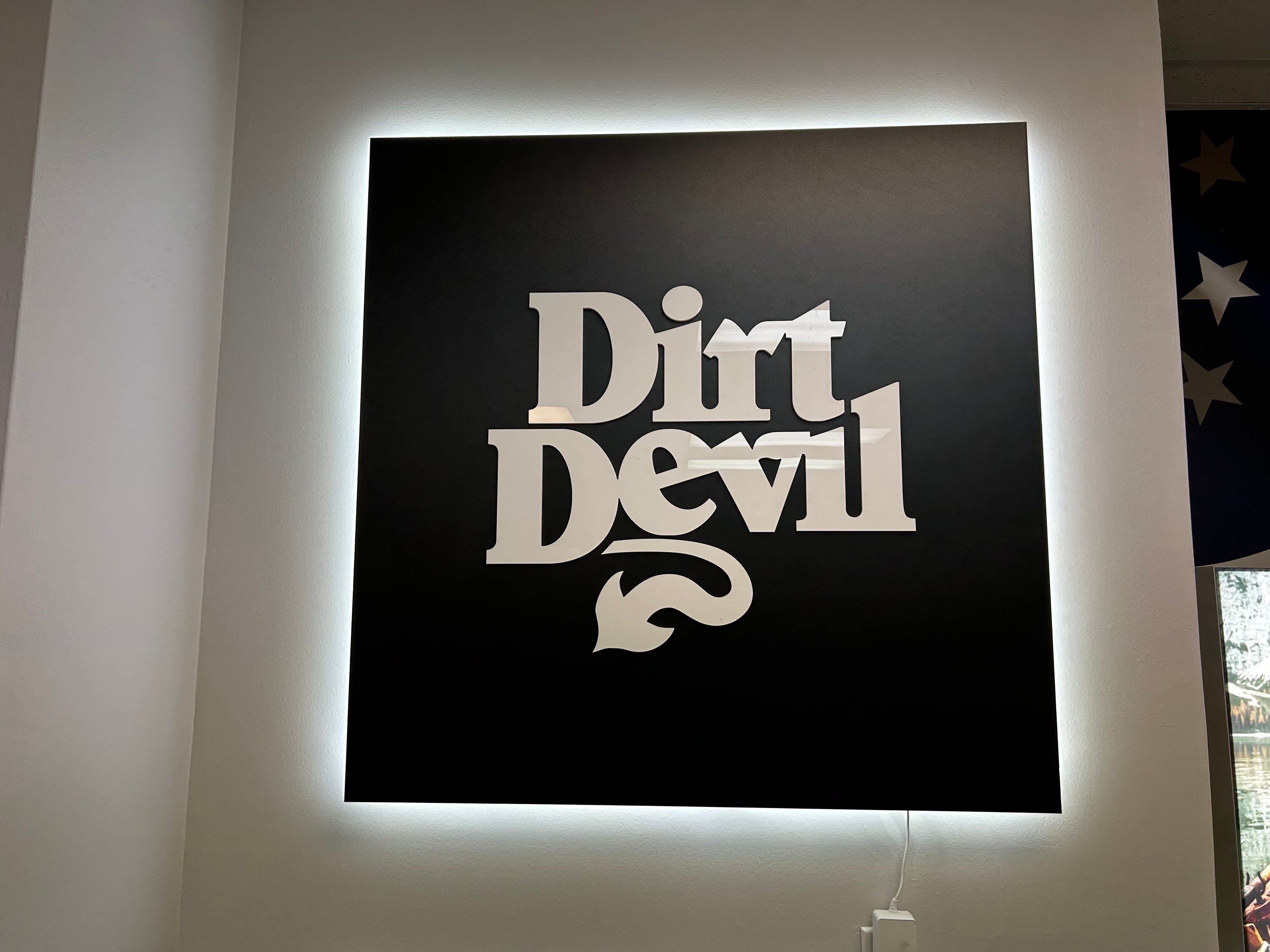
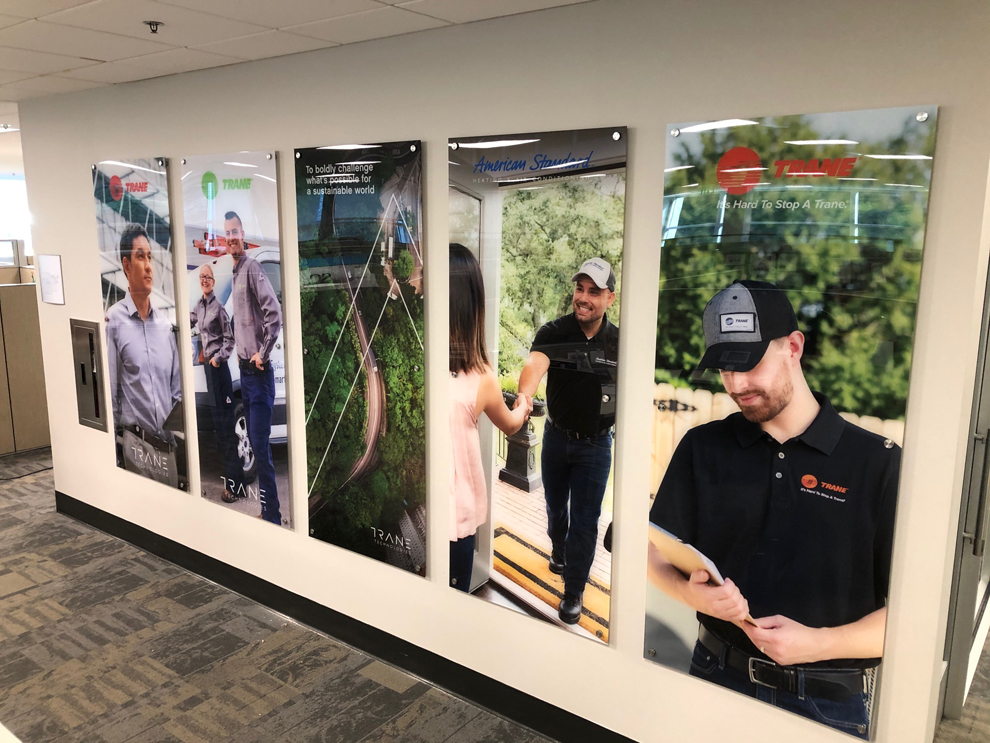
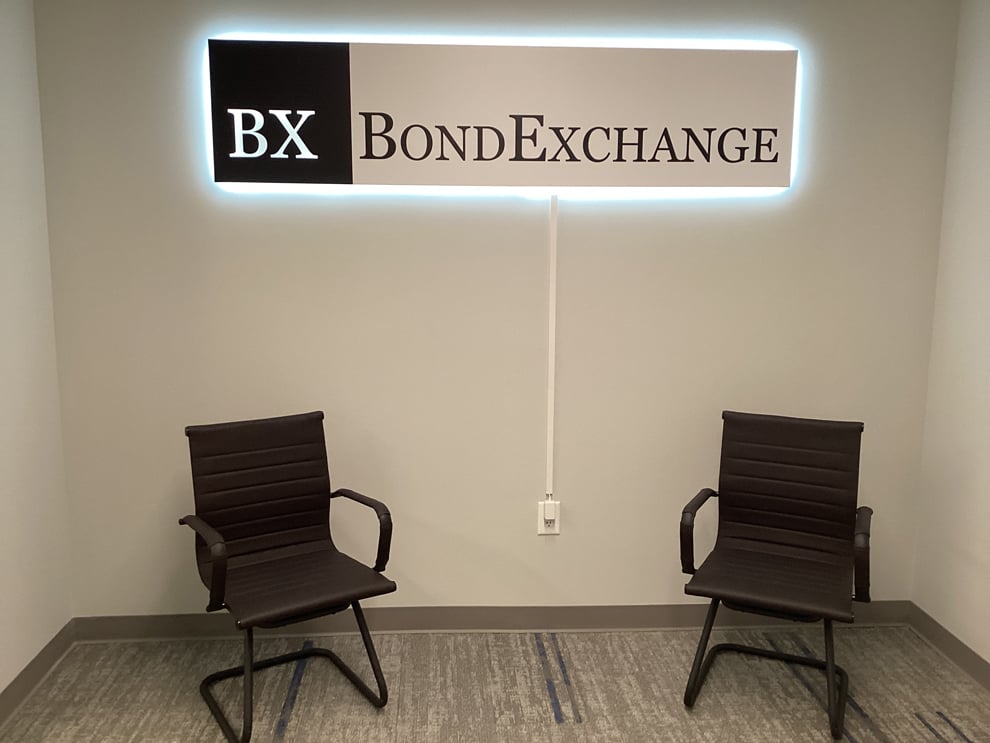
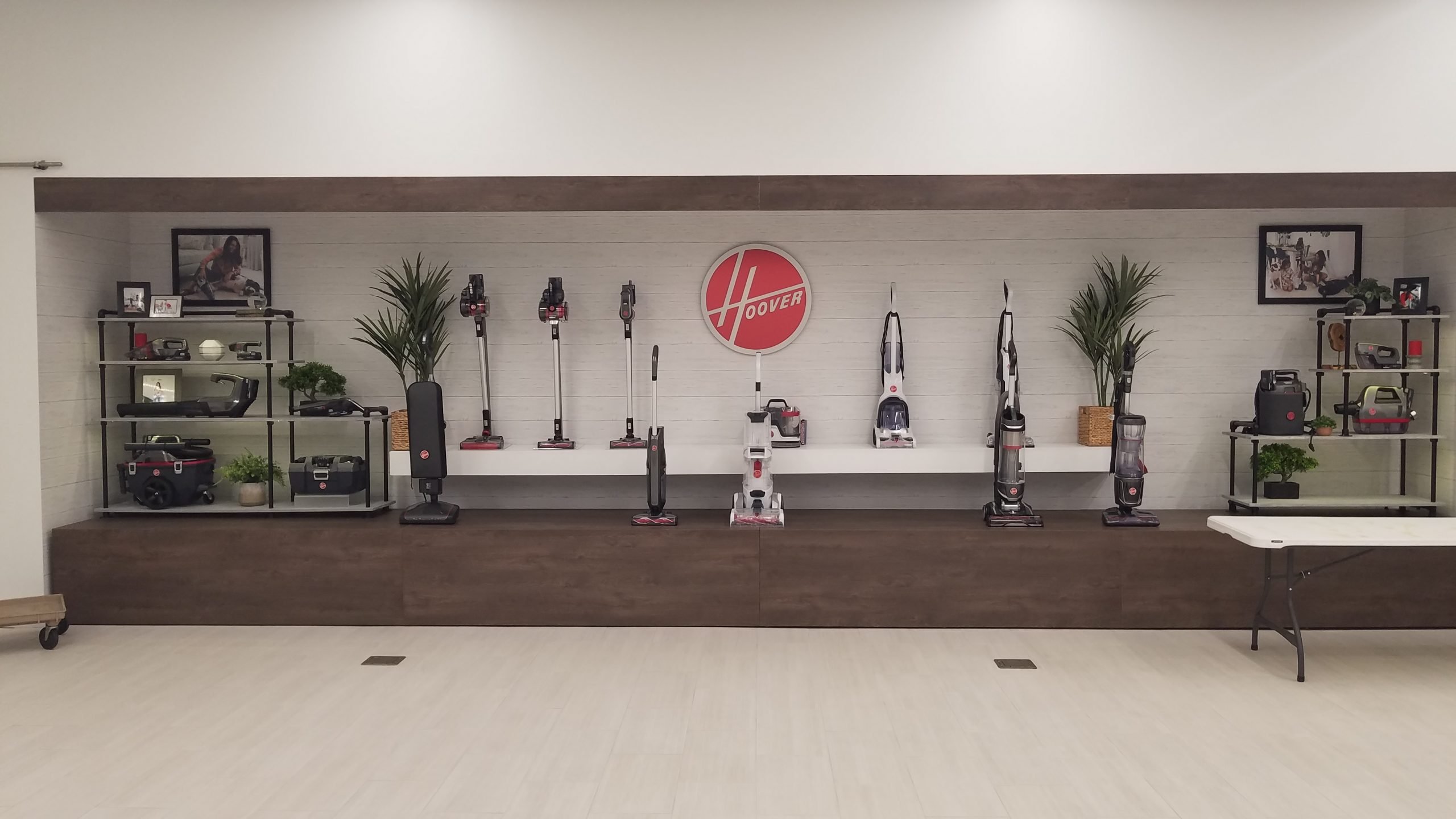
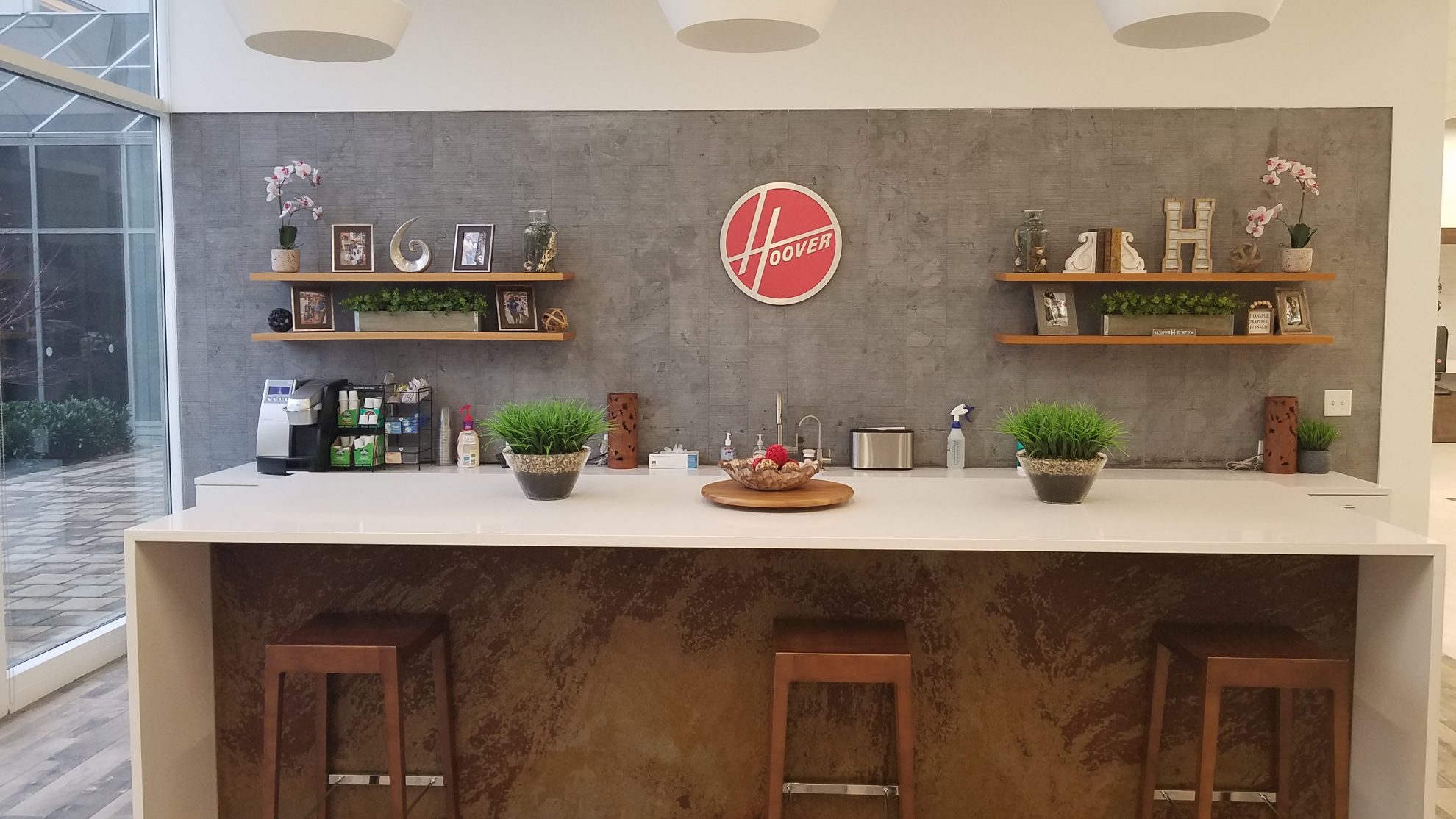
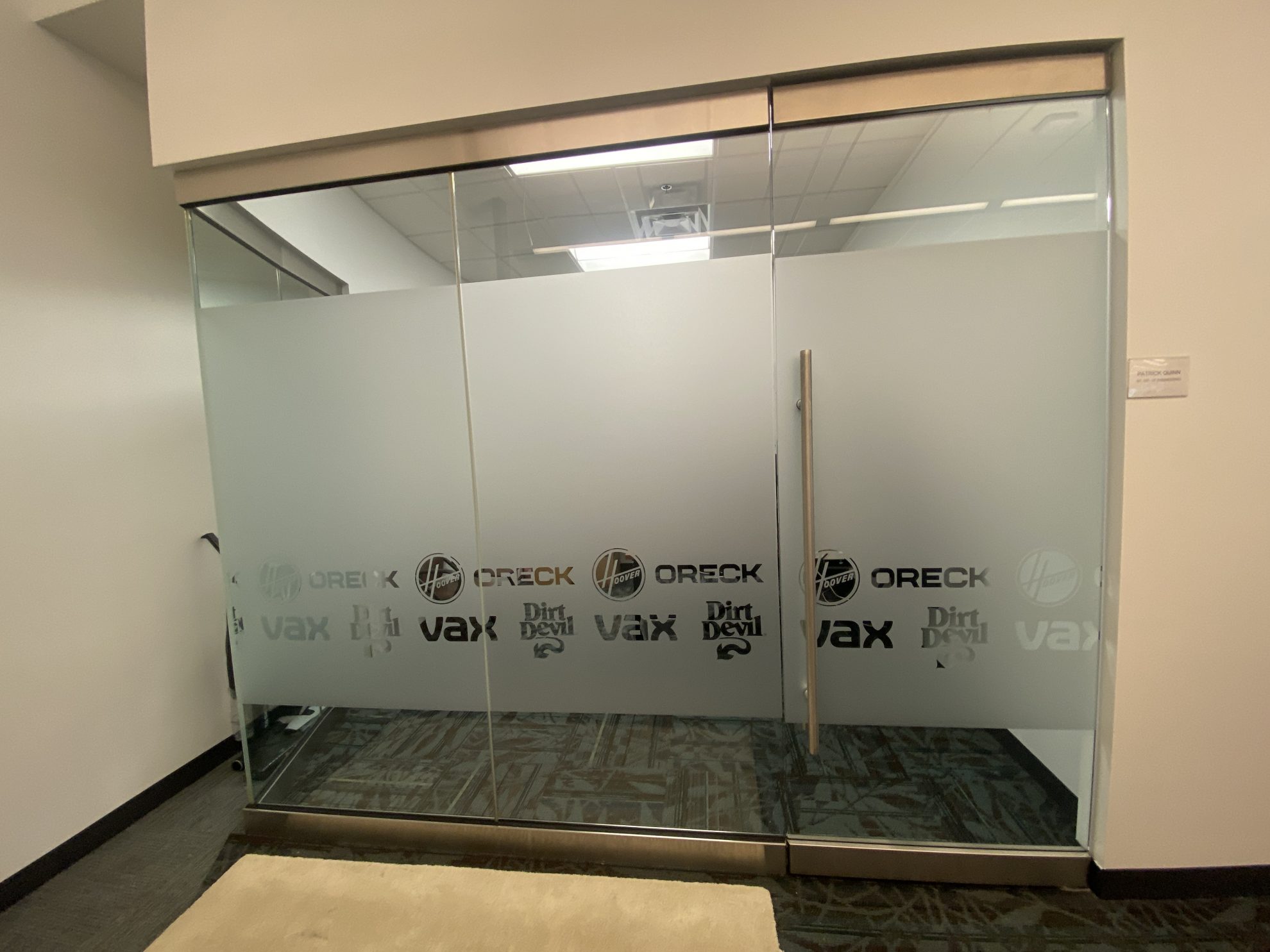
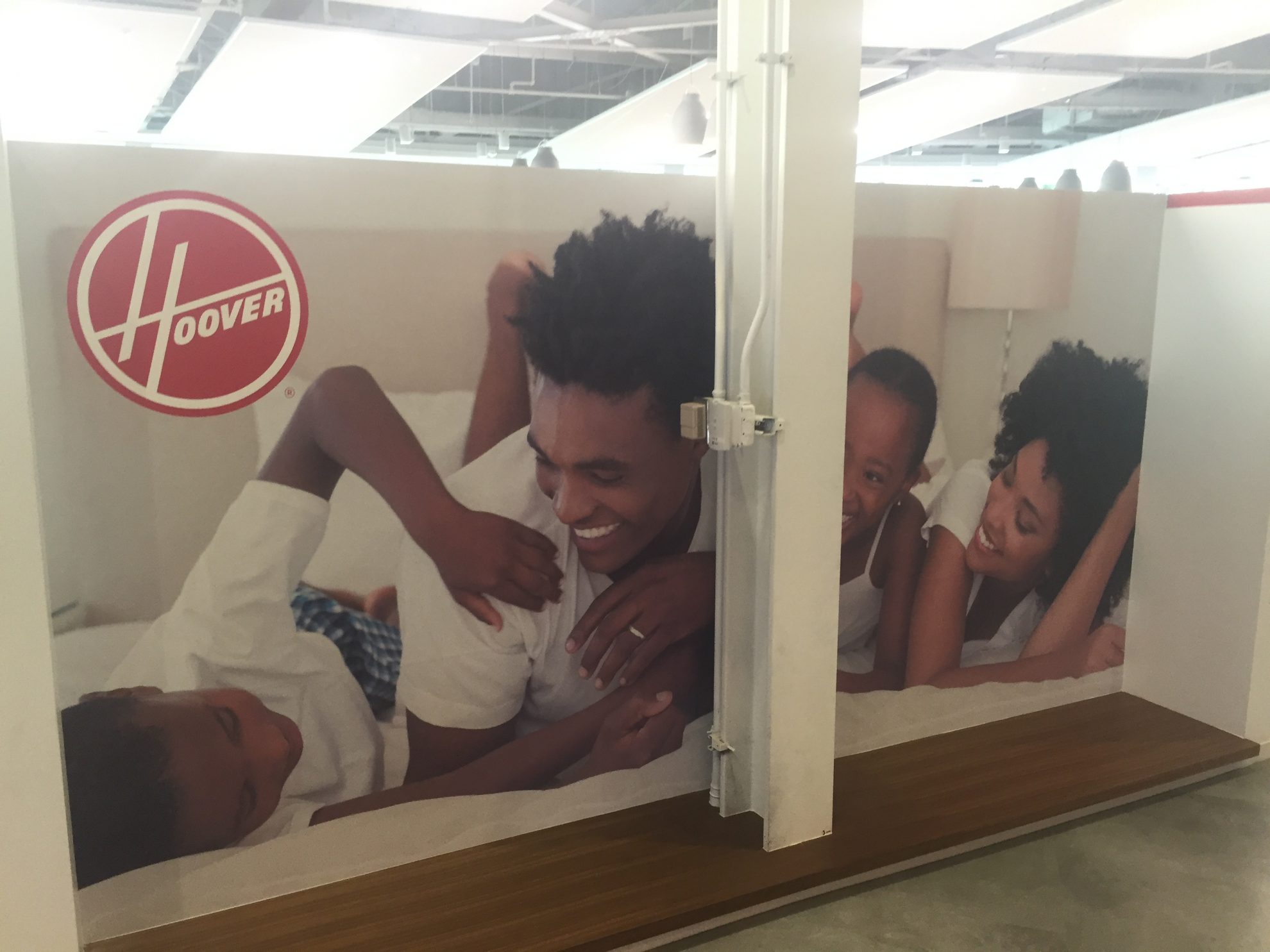
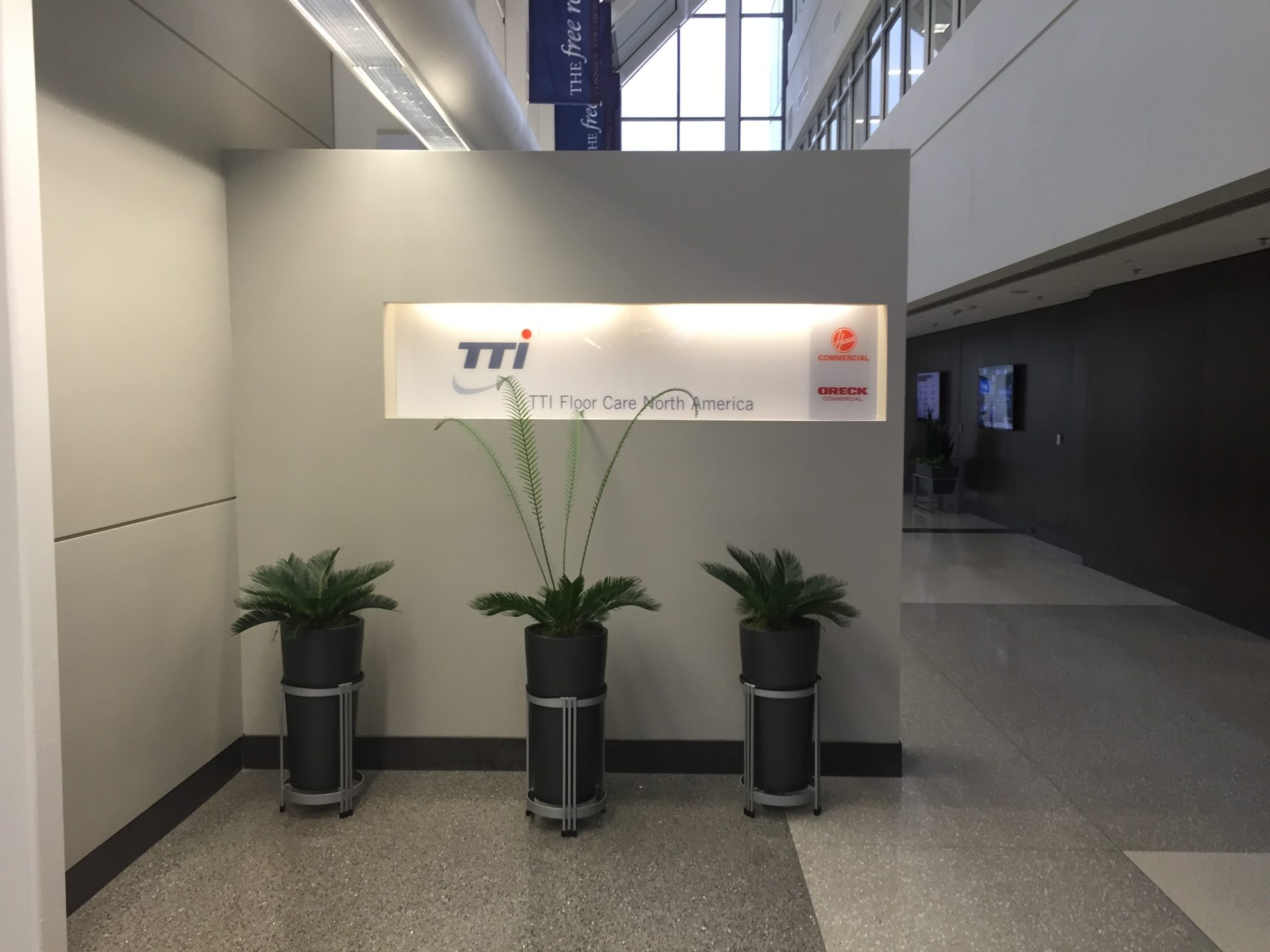
Heritage Signs & Displays collaborated with TTI Floor Care North America to enhance their corporate office. The project included custom frosted vinyl graphics, acrylic signs, dimensional lettering, and LED backlit signs, showcasing the brands Dirt Devil, Hoover, and Oreck. The signage improved office branding, privacy, and aesthetics. Heritage collaborated closely with TTI, ensuring efficient execution and high-quality results, creating an immersive and professional environment that reflects TTI's brand values.
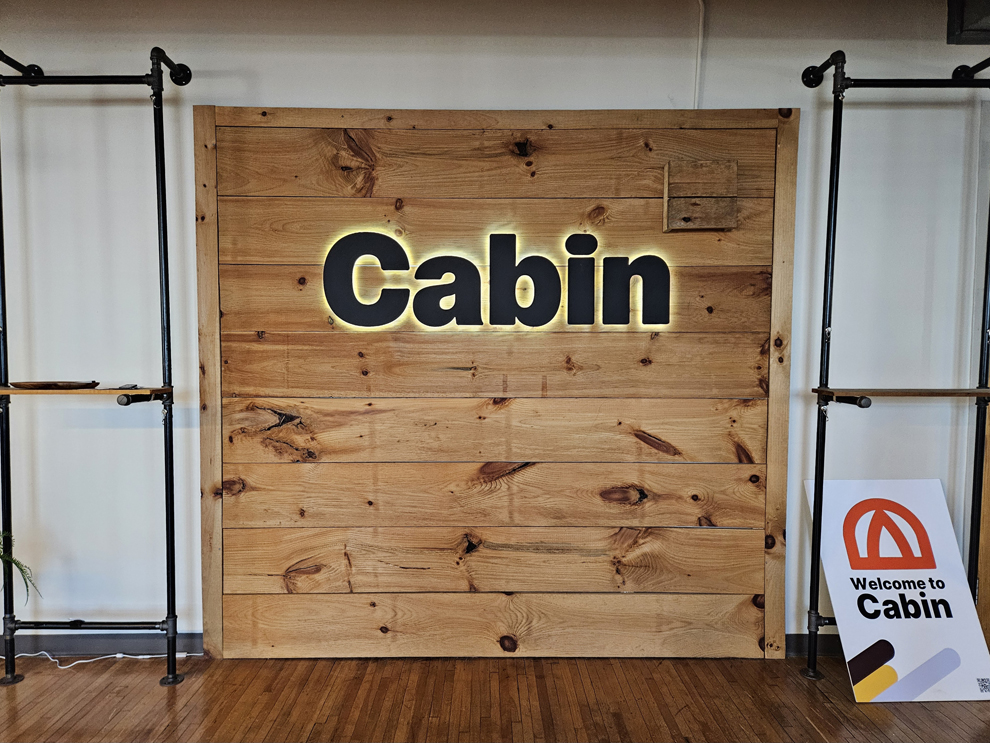
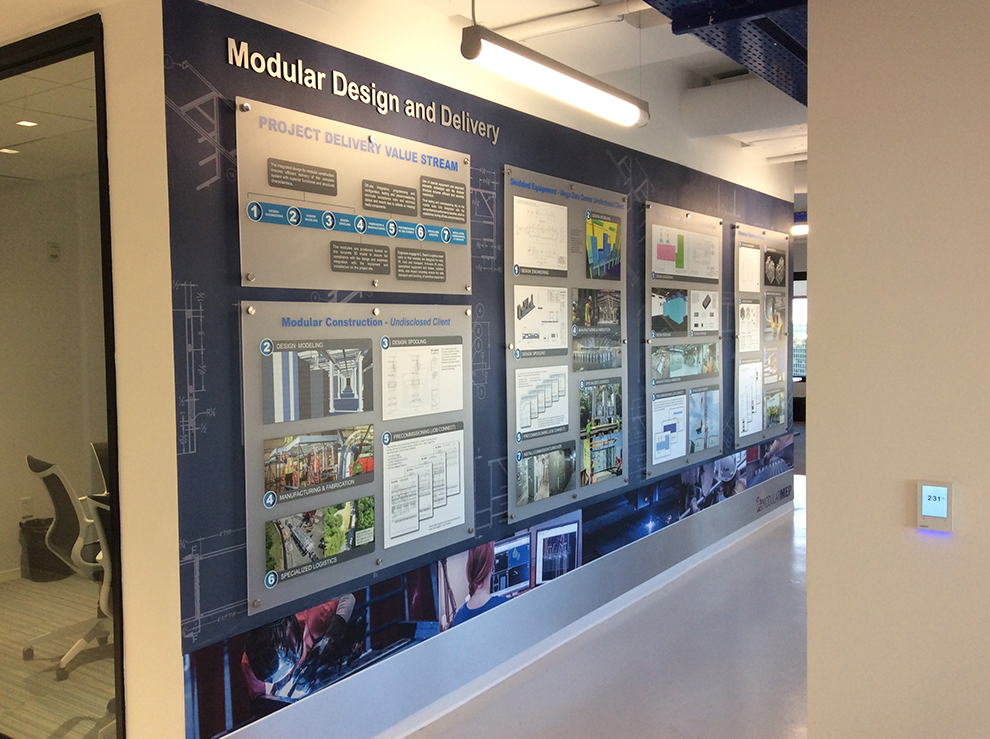
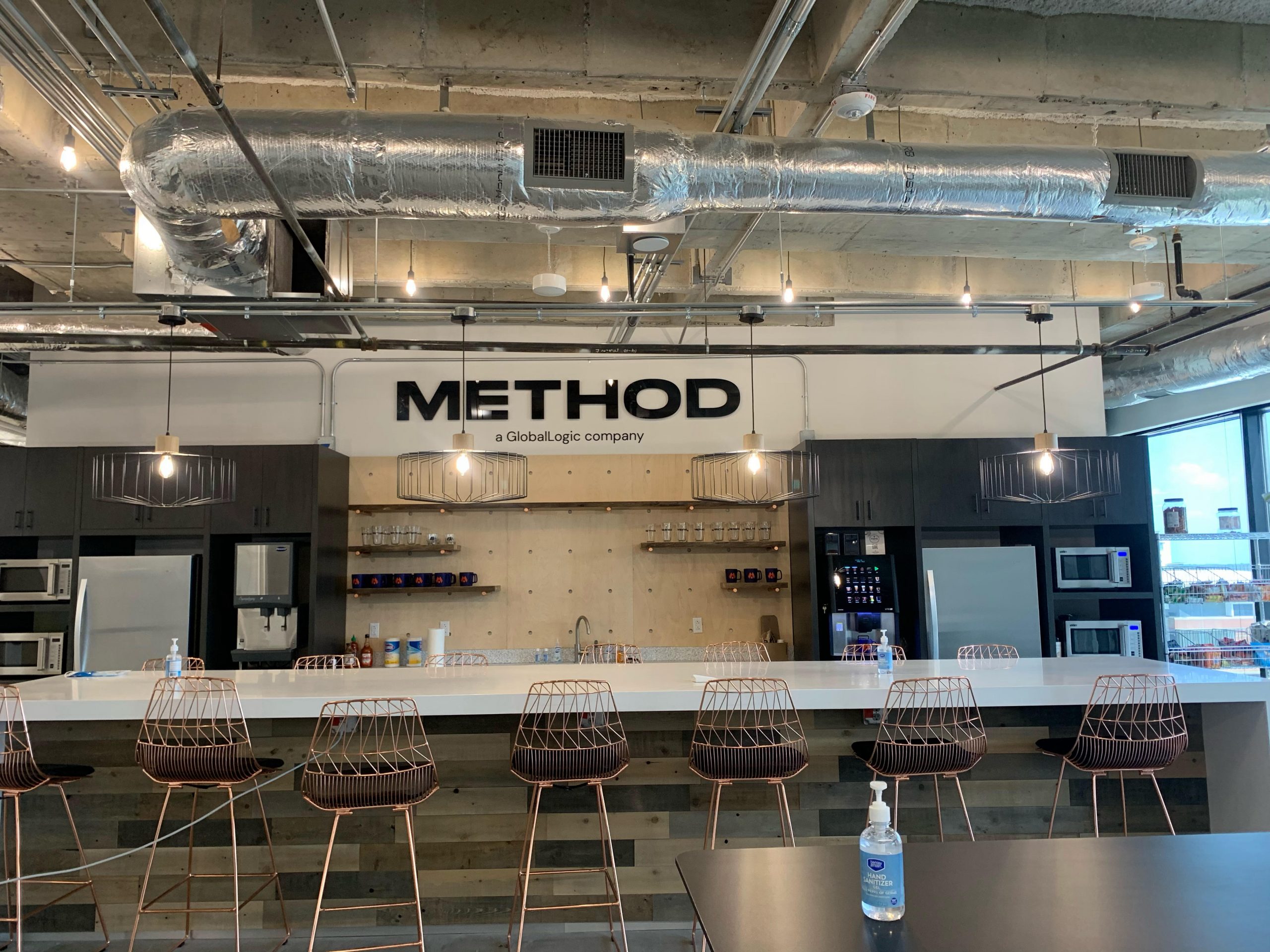
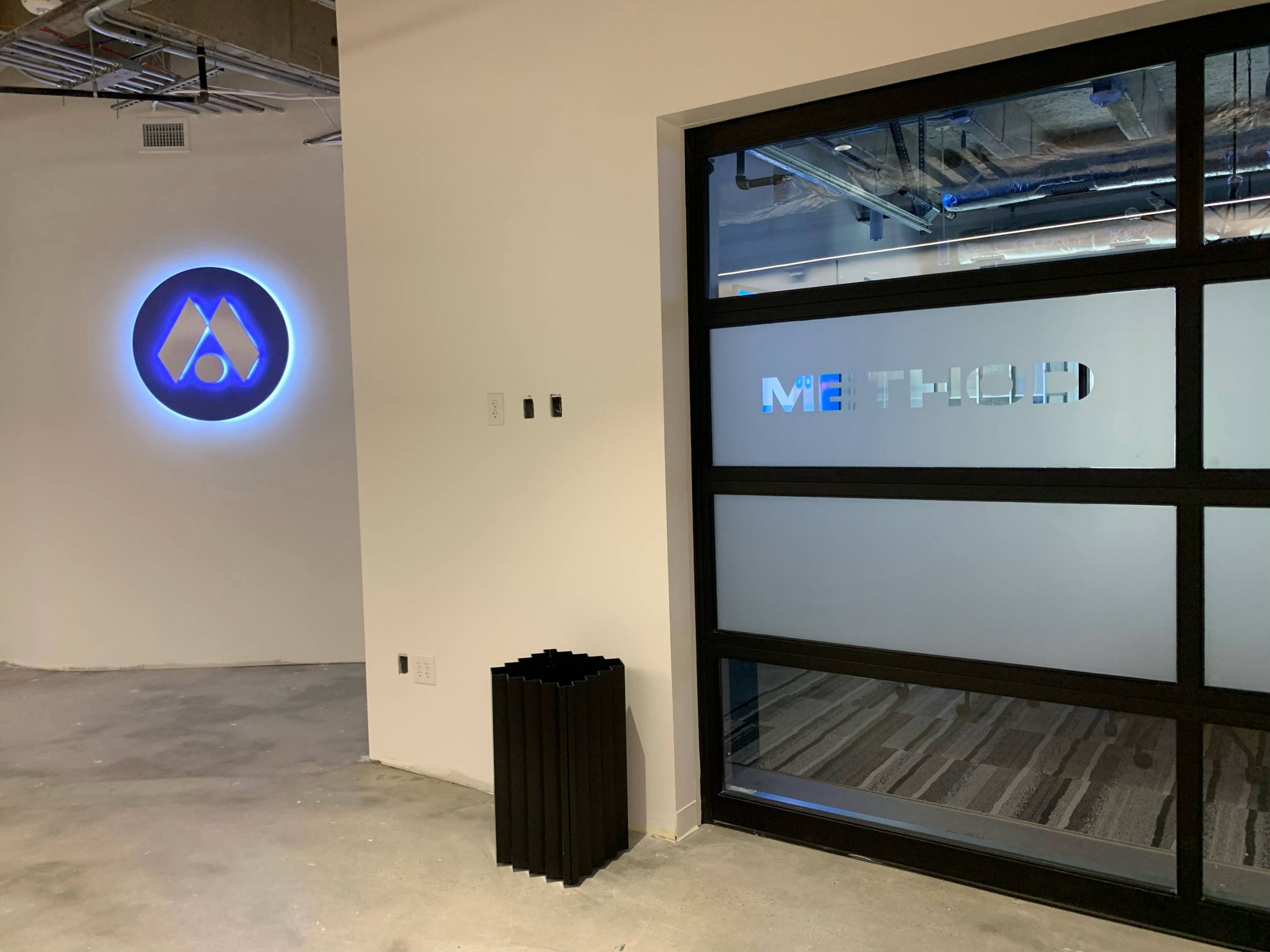
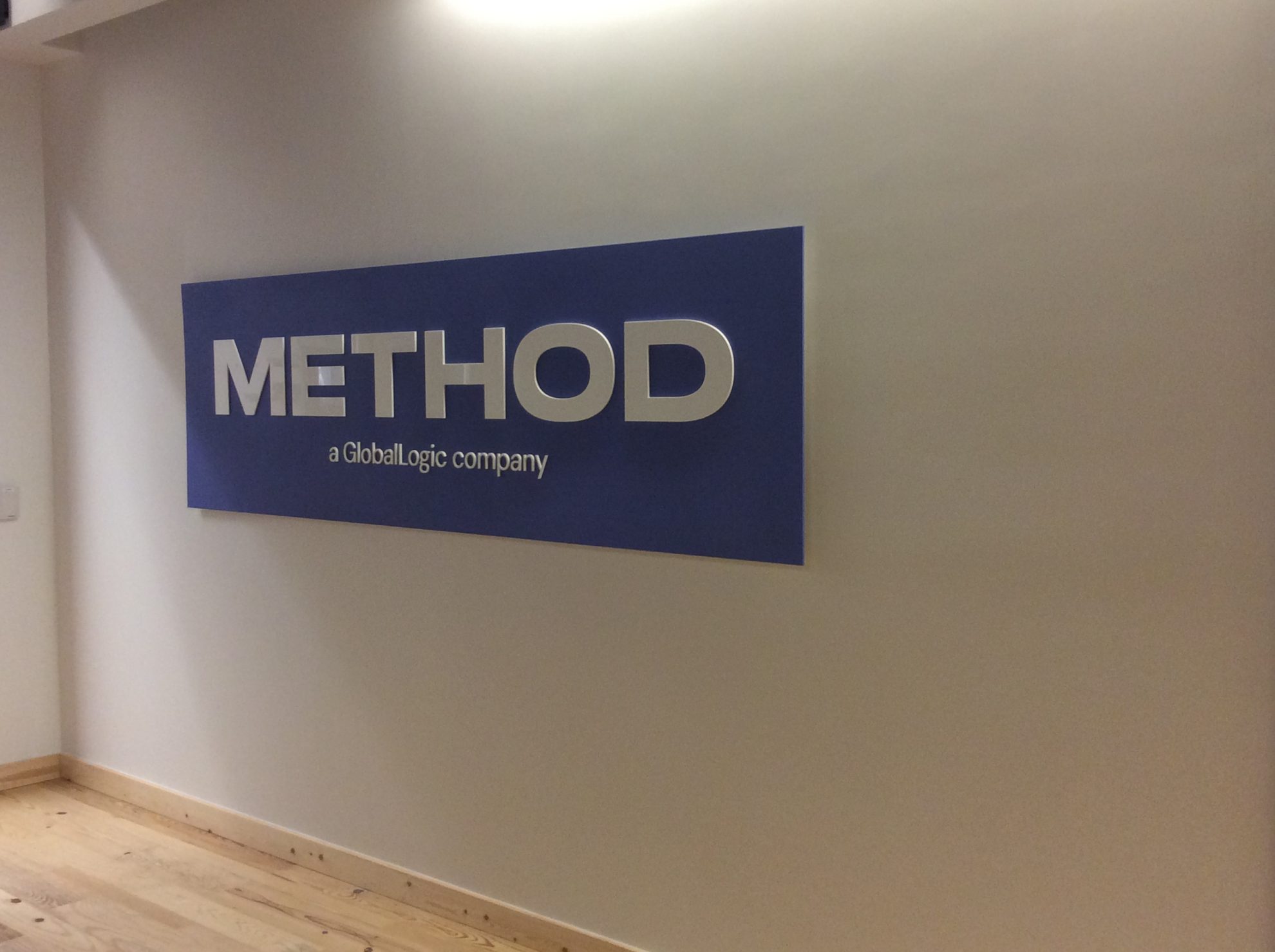
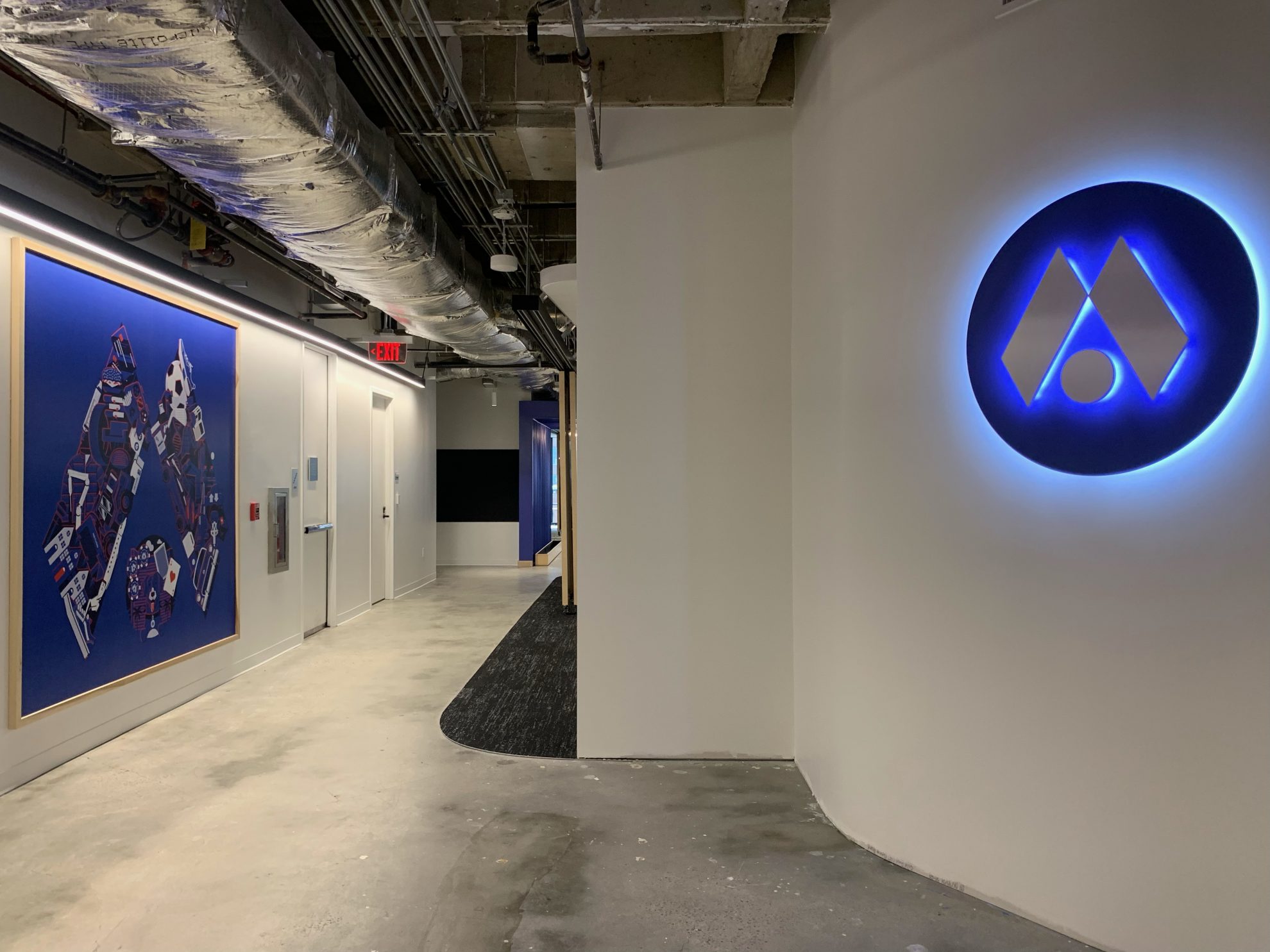
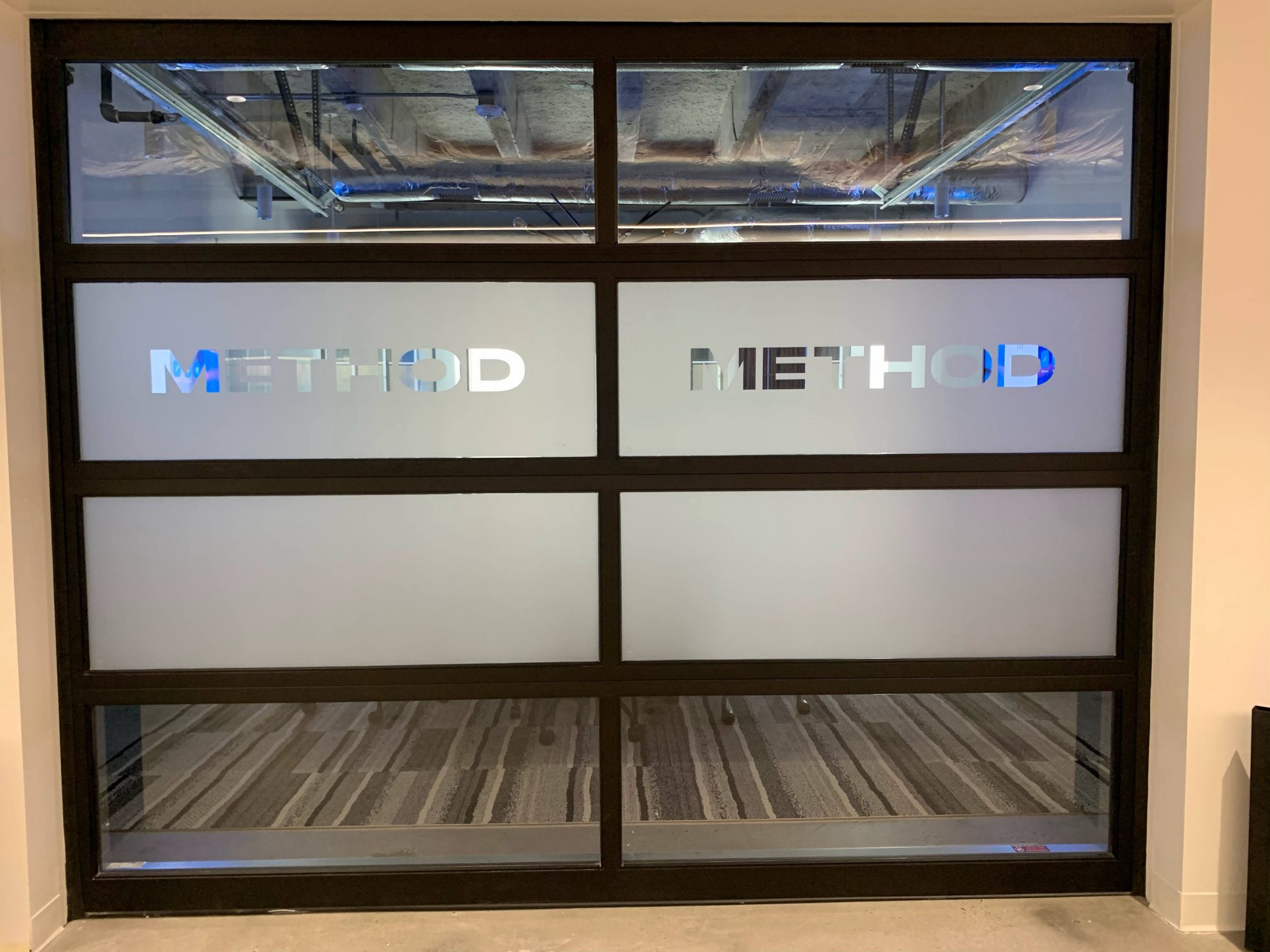
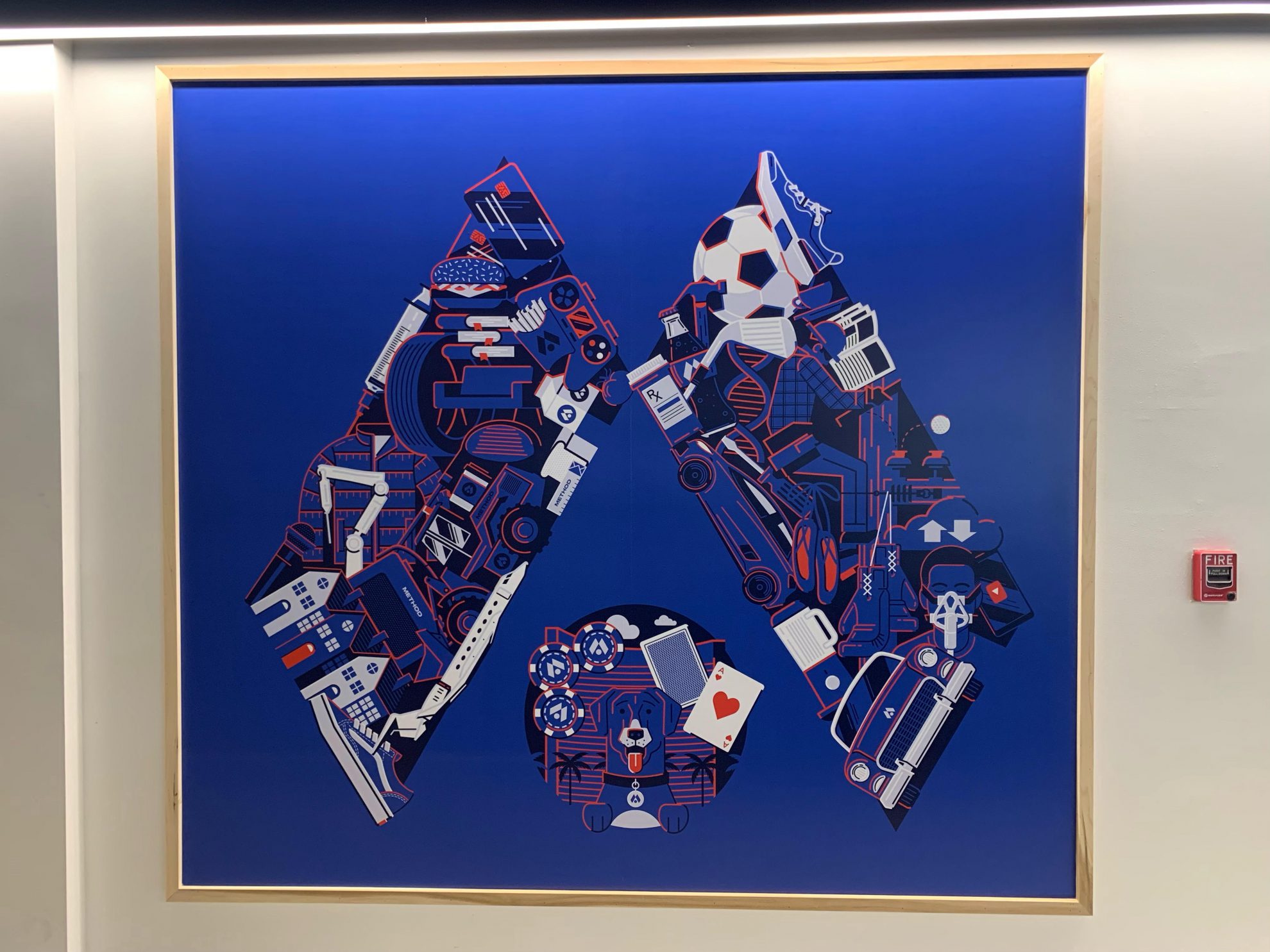
Heritage Signs & Displays' collaboration with Method (formerly Skookum) to rebrand their corporate headquarters. The project included dimensional lettering, wall displays, LED-lit signage, wall wraps, and frosted vinyl, creating an immersive and branded environment. Heritage worked closely with Method's team, ensuring accurate execution and timely delivery. The transformation was completed in August 2021, with Method's employees moving into the revamped space in September. The project reflects Heritage's commitment to quality and collaboration.