A Veteran Owned Business
A Veteran Owned Business
A Veteran Owned Business
Many of the surfaces people encounter every day can become useful communication tools when the right graphic system is applied. Adhesive vinyl graphics can add branding to glass, create privacy in conference rooms, provide direction, support a campaign, identify an entrance, reinforce workplace culture, or carry visual messaging onto walls, doors, floors, elevators, displays, and other suitable surfaces.
The advantage of adhesive vinyl is not simply its ability to adhere to different materials. The value comes from matching the graphic, adhesive, finish, coverage, and installation method to the surface and intended purpose. A solution designed for painted drywall should not automatically be treated like one intended for glass, flooring, elevator panels, or a temporary event application.
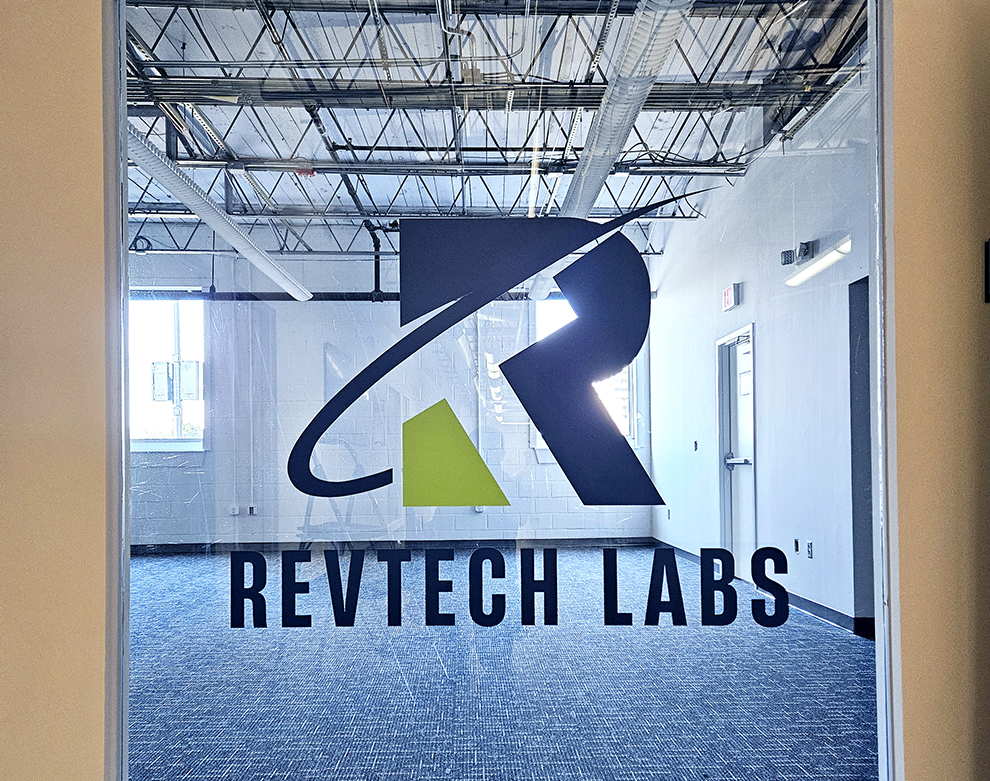
Heritage Signs & Displays develops adhesive vinyl graphics for workplace interiors, commercial spaces, institutions, event environments, and other professional settings. A conference-room treatment may need to provide privacy without making the room feel enclosed. Entrance glass may require clear identification while preserving useful visibility. Cut vinyl lettering can deliver a concise message without covering an entire surface. Floor graphics can support wayfinding or event communication at natural points of movement. Elevator graphics can transform frequently encountered transition spaces into coordinated branded features.
When a wall requires major visual transformation, Wall Wraps remain the architectural-scale application within the broader adhesive vinyl category. This distinction allows Adhesive Vinyl Graphics to address a wider range of targeted applications without treating every vinyl project as a full-wall installation.
Heritage's environmental graphic designers begin by identifying what the client wants people to notice, understand, or experience. The team considers viewing distance, brand standards, privacy, sightlines, lighting, traffic, expected service period, cleaning practices, durability, and the relationship between the graphic and surrounding signs or displays.
Clear glass may also benefit from visible bands, dots, logos, patterns, or other distraction markers that help people recognize the transparent surface while contributing to branding or privacy. Heritage can incorporate these elements within a graphic program, but applied vinyl does not by itself establish building-code compliance, safety-glazing compliance, certification, or regulatory approval.
One dedicated Project Manager connects discovery, environmental graphic design, the required site survey for installed projects, material selection, production, fabrication, scheduling, and professional installation. Approved design intent, dimensions, access information, surface observations, and installation requirements remain part of one project record. Heritage installers receive that information before arriving at the property so they can approach each surface with an understanding of the approved result and documented field conditions.
Heritage was founded in 1977 and remains a veteran-owned, family-led company. The company seeks to honor God by serving clients and communities with excellence through responsible recommendations, careful planning, skilled craftsmanship, clear communication, and dependable follow-through. Whether a project involves one glass privacy treatment, several coordinated vinyl applications, a temporary event environment, or a larger multi-location program, the objective is to provide a practical graphic solution suited to the surface and intended use.
Adhesive vinyl should not be treated as one interchangeable material.
Wall films, window graphics, cut lettering, floor graphics, privacy films, elevator applications, short-term promotional graphics, and exterior products may use different constructions and adhesive characteristics. Material selection affects appearance, installation, maintenance, durability, and future removal.
A painted-wall application must account for wall texture, repairs, primer, paint chemistry, cure time, expected physical contact, and intended service period.
Window graphics require decisions about transparency, privacy, daylight, glass coatings, viewing direction, coverage, and whether the material should be installed on an interior or exterior-facing surface.
Floor graphics need materials and protective systems appropriate to the flooring, expected foot traffic, cleaning practices, and planned duration.
Elevator applications must accommodate movement, panel gaps, seams, edges, clearances, repeated contact, and maintenance.
Temporary campaigns may prioritize planned removal and short service life, while long-term workplace applications may place greater emphasis on durability and appearance over time.
Heritage evaluates the objective and physical environment before recommending a material system. The graphic should fit the surface and operating conditions rather than forcing one vinyl product into every application.
Finished vinyl graphics can appear simple, but successful installation depends on decisions that are often invisible once the work is complete.
Measurements need to be accurate. Materials need to match the substrate and service conditions. Artwork needs to be prepared correctly. Panel divisions, cut paths, seams, edges, and transitions need to account for the actual surface. Production and installation must also reflect access, schedule, property conditions, and the client's expectations.
Heritage keeps these responsibilities connected through the One Dedicated Project Manager System.
One Project Manager maintains continuity while environmental graphic designers, production personnel, fabrication teammates, and professional installers work from shared information. Heritage can prepare client-supplied artwork for production or work with stakeholders to develop the visual approach within the accepted project scope.
The team then resolves the technical details associated with the selected surface before installation begins.
Heritage does not provide installation-only service for customer-provided graphics. Measurements, materials, print quality, panel planning, finishing, fit, and replacement capability all affect installation results. Producing, fabricating, procuring, or managing the graphics it installs allows Heritage to maintain greater responsibility for the complete outcome.
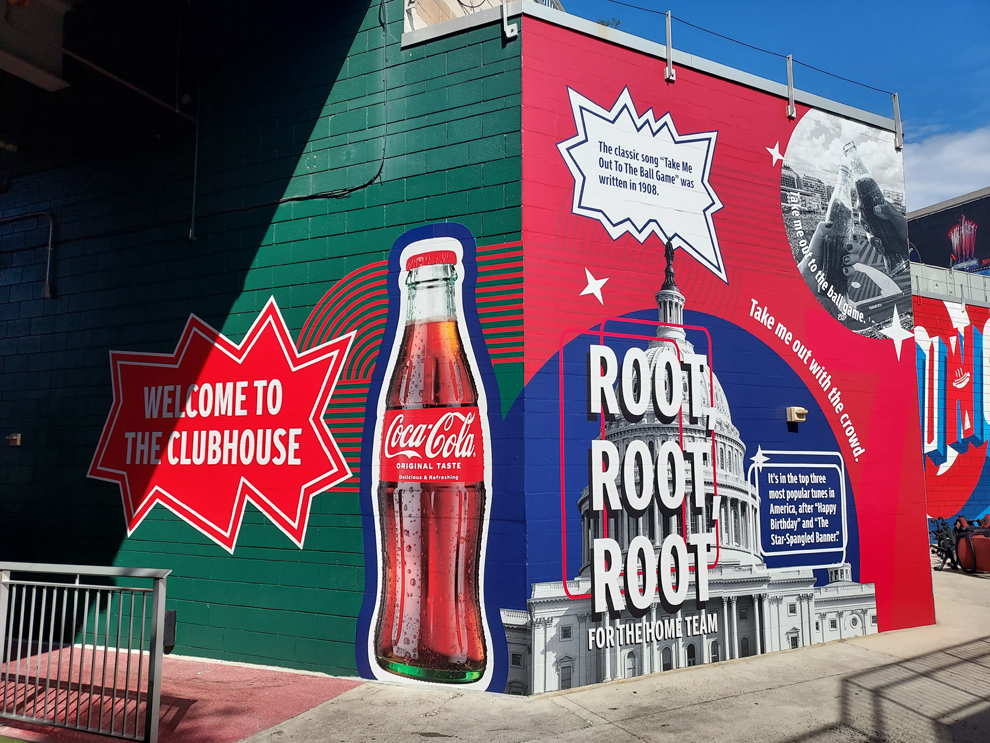
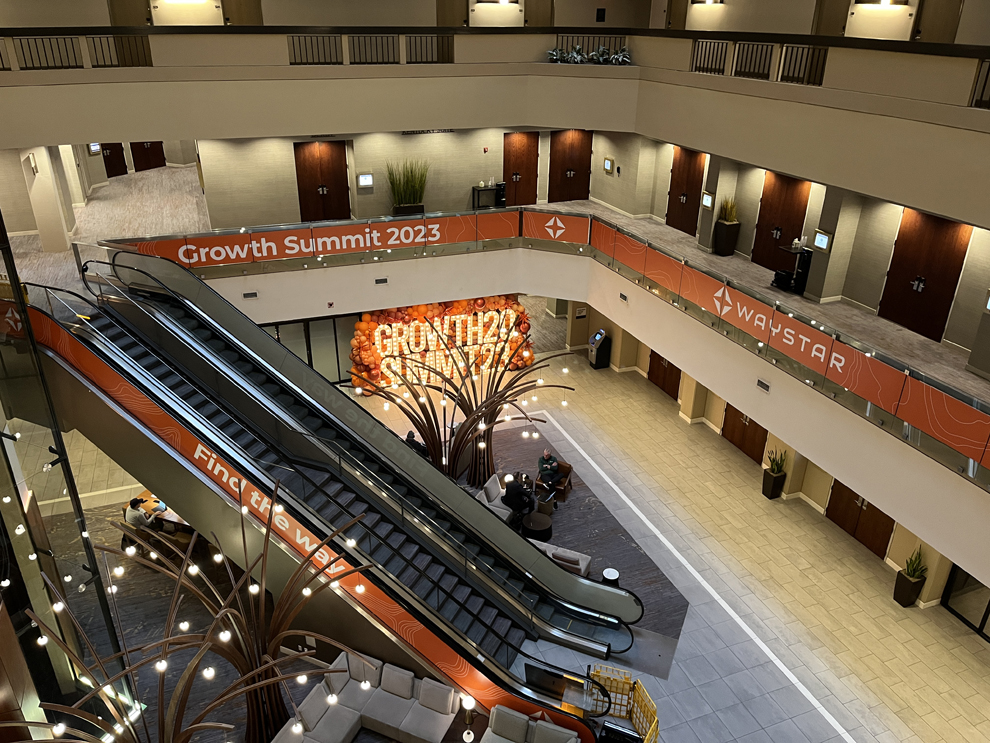
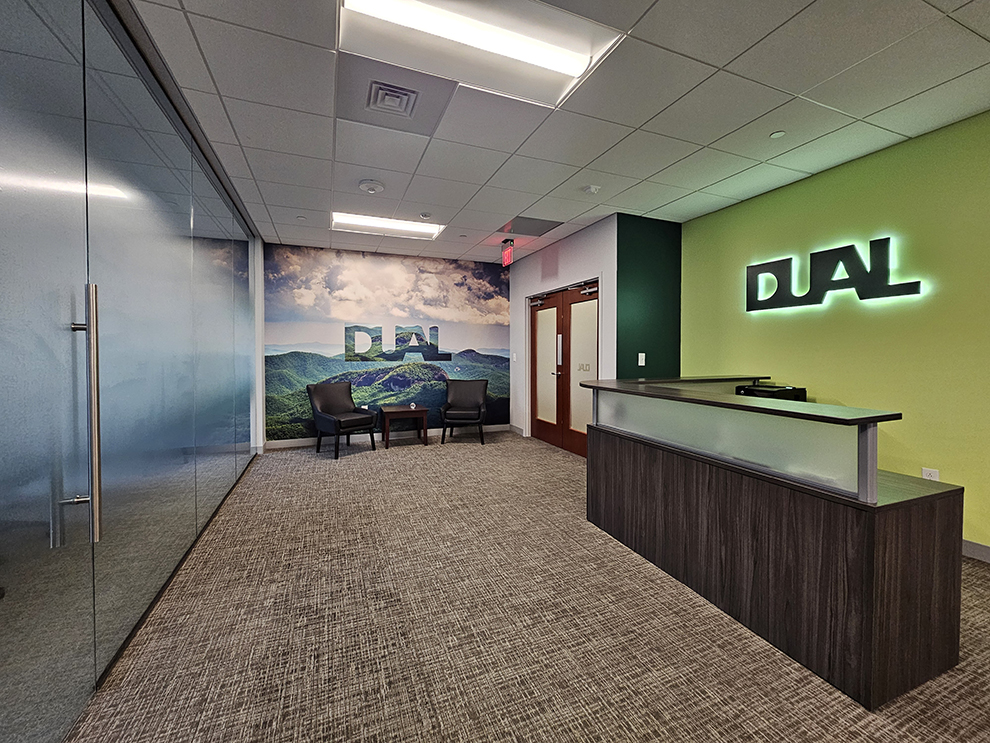
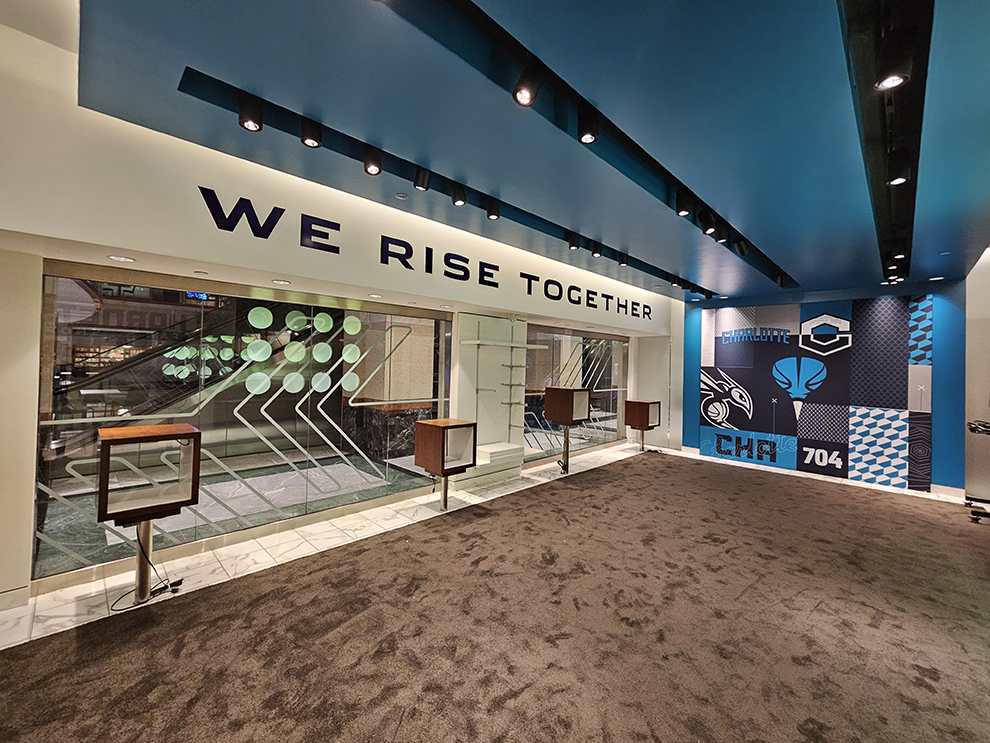
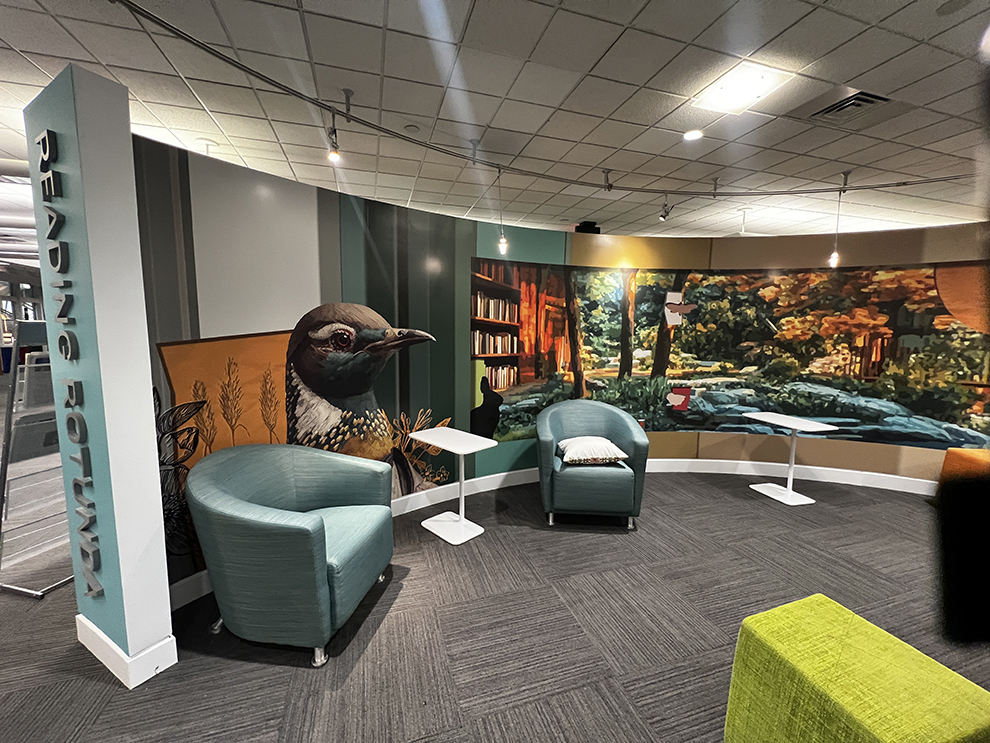
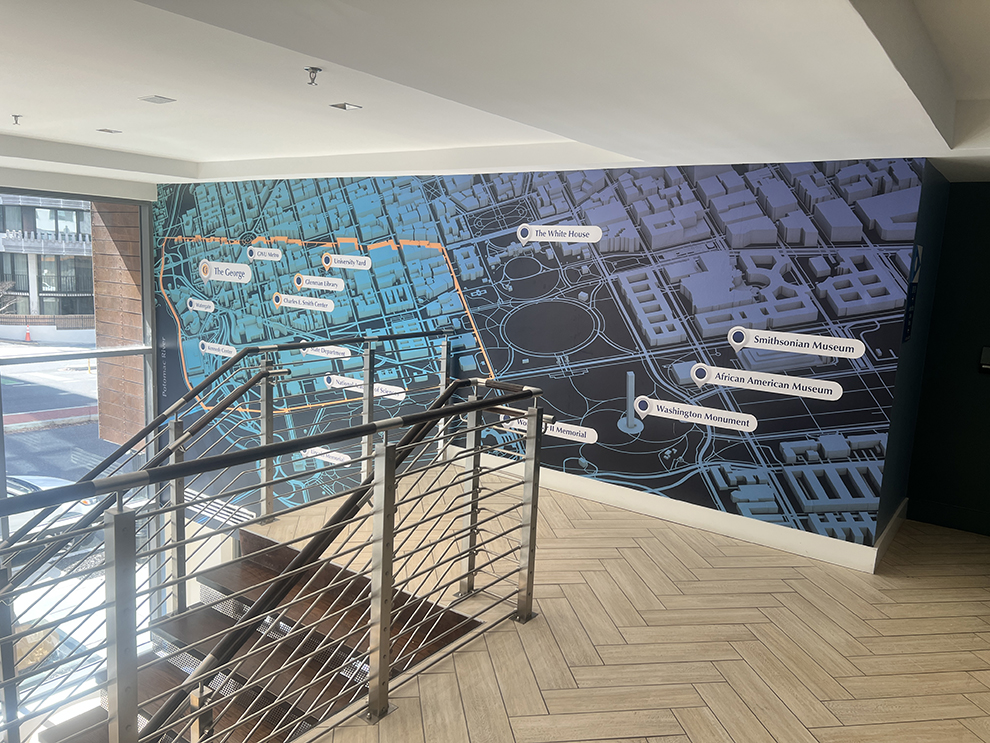
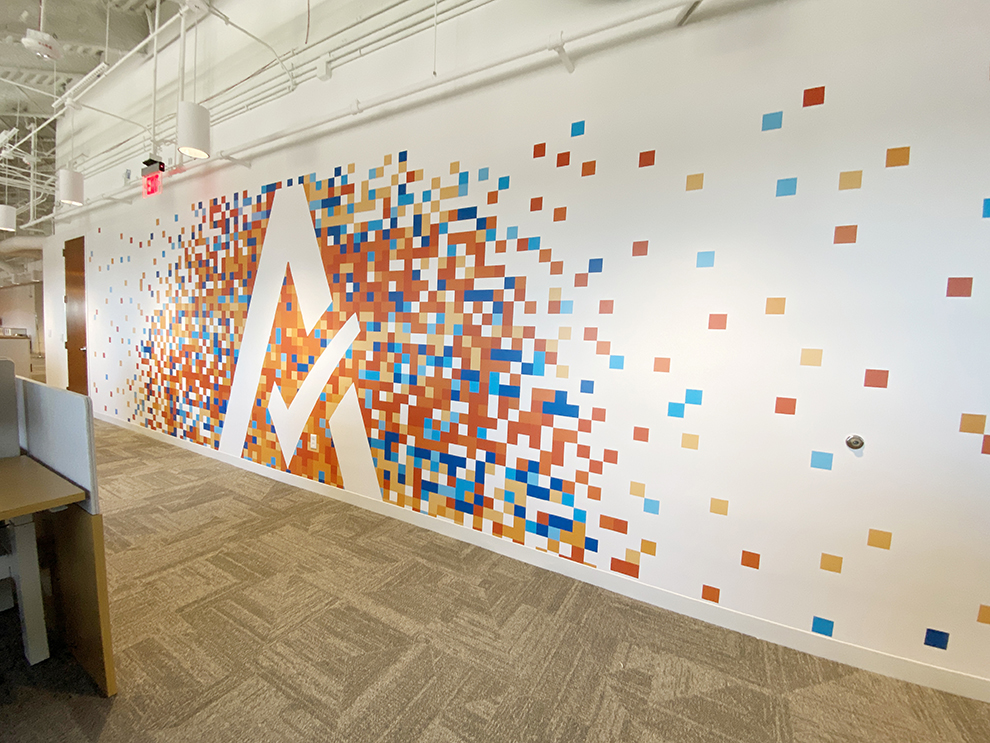
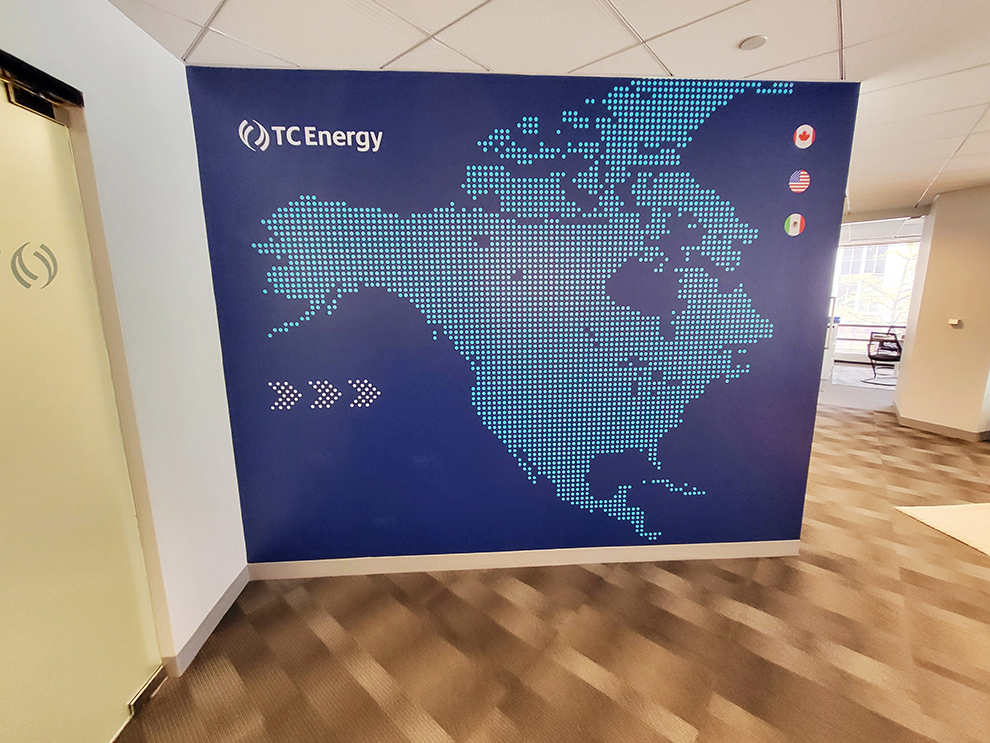
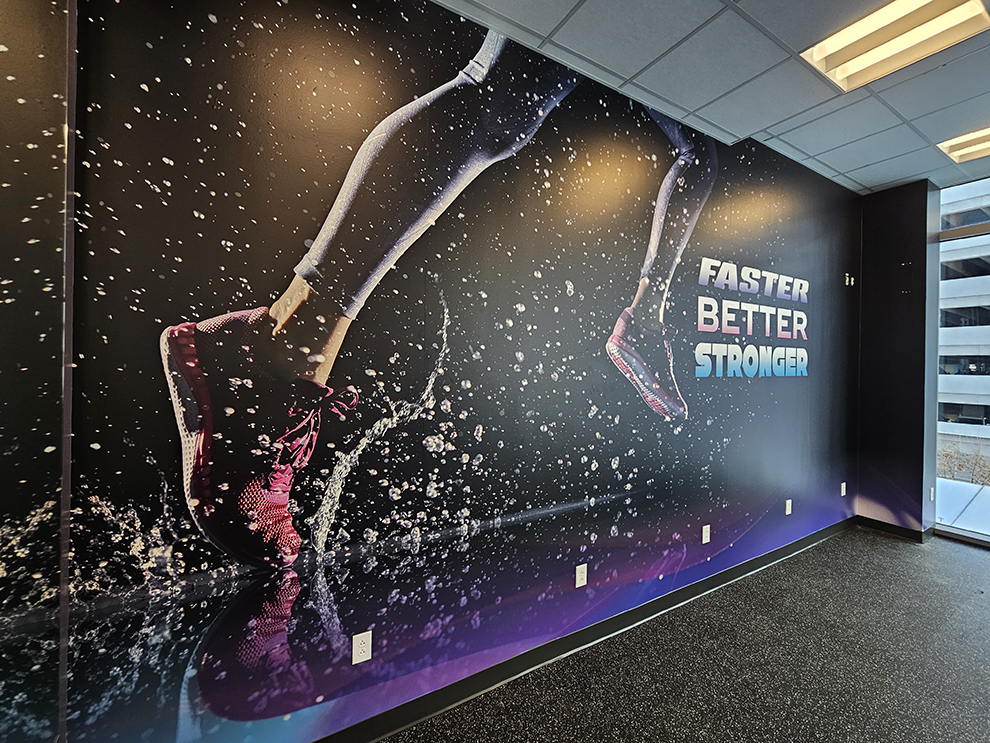
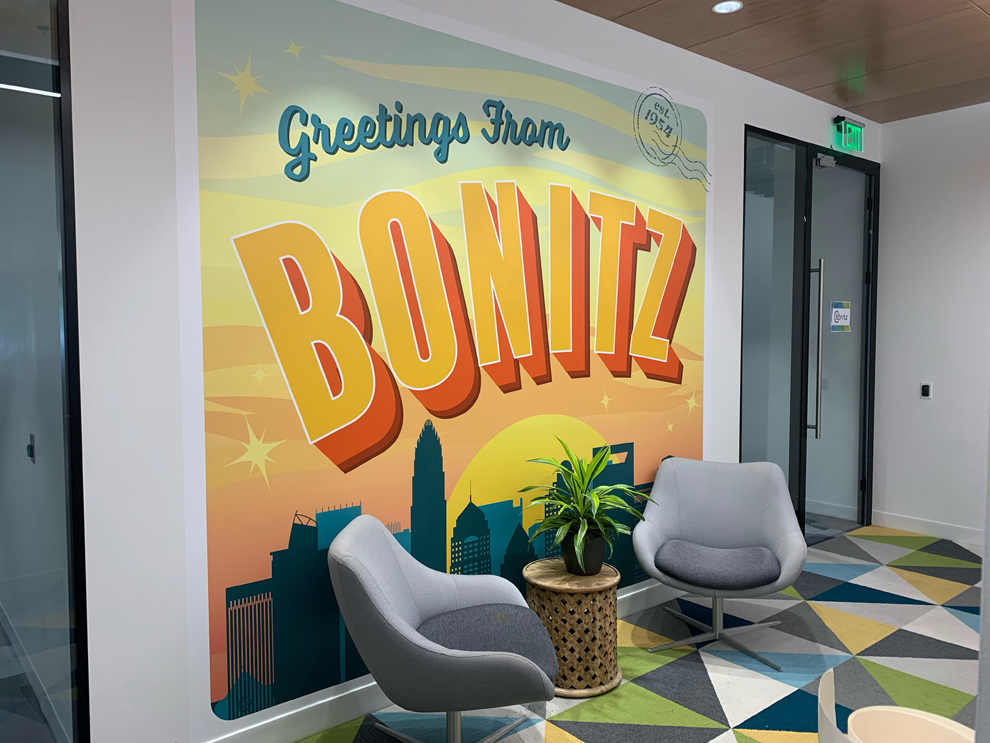
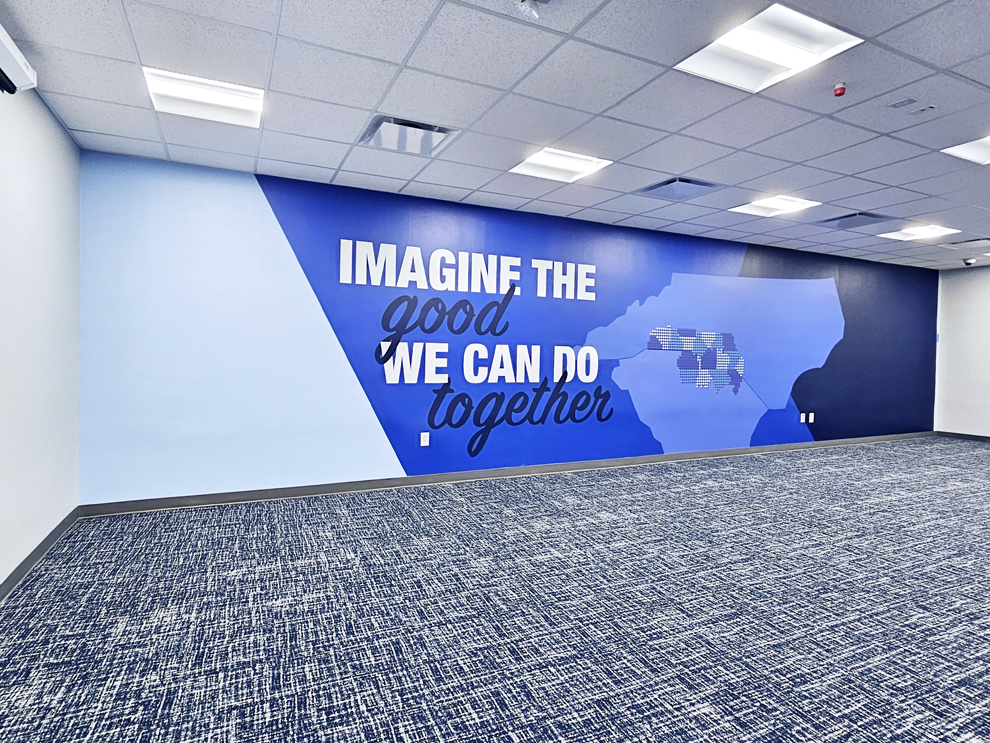
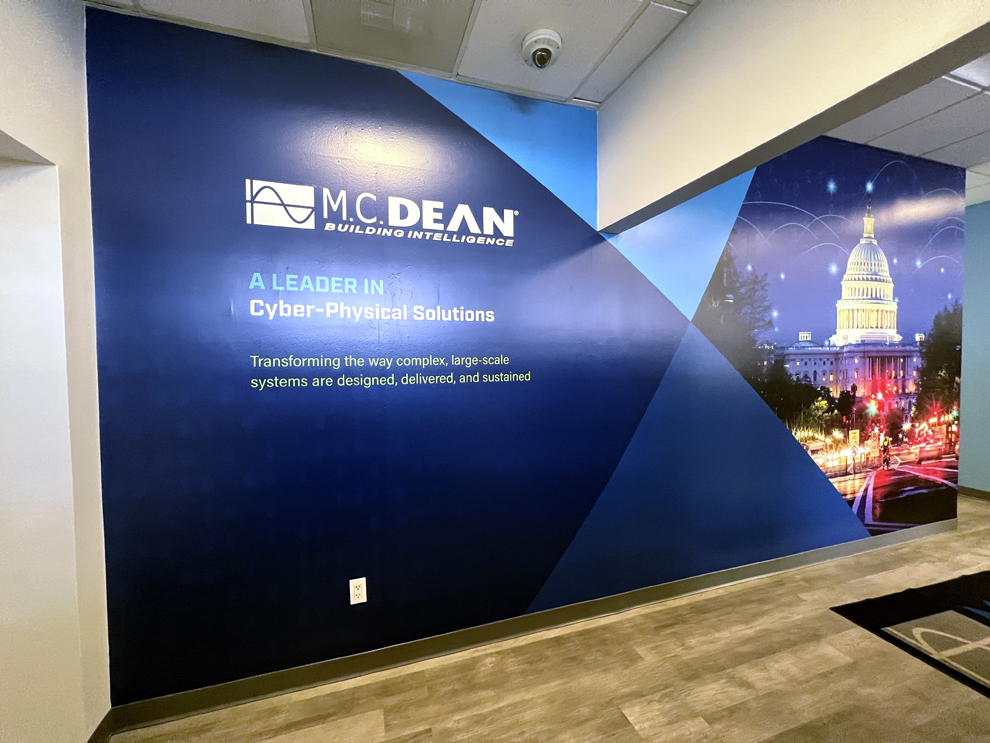
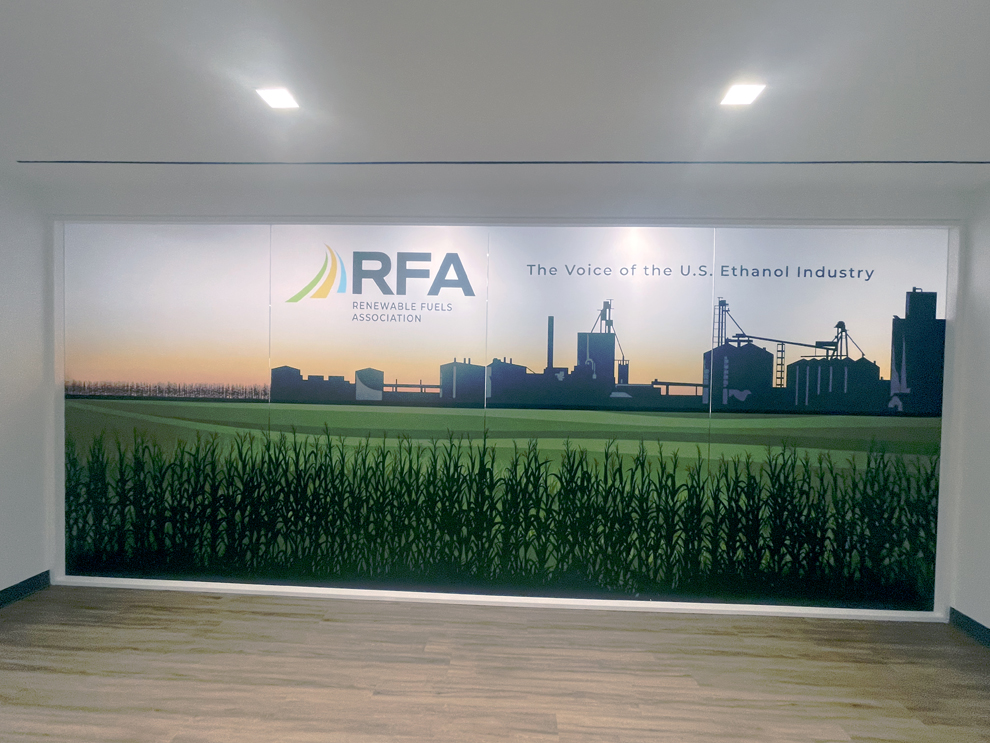
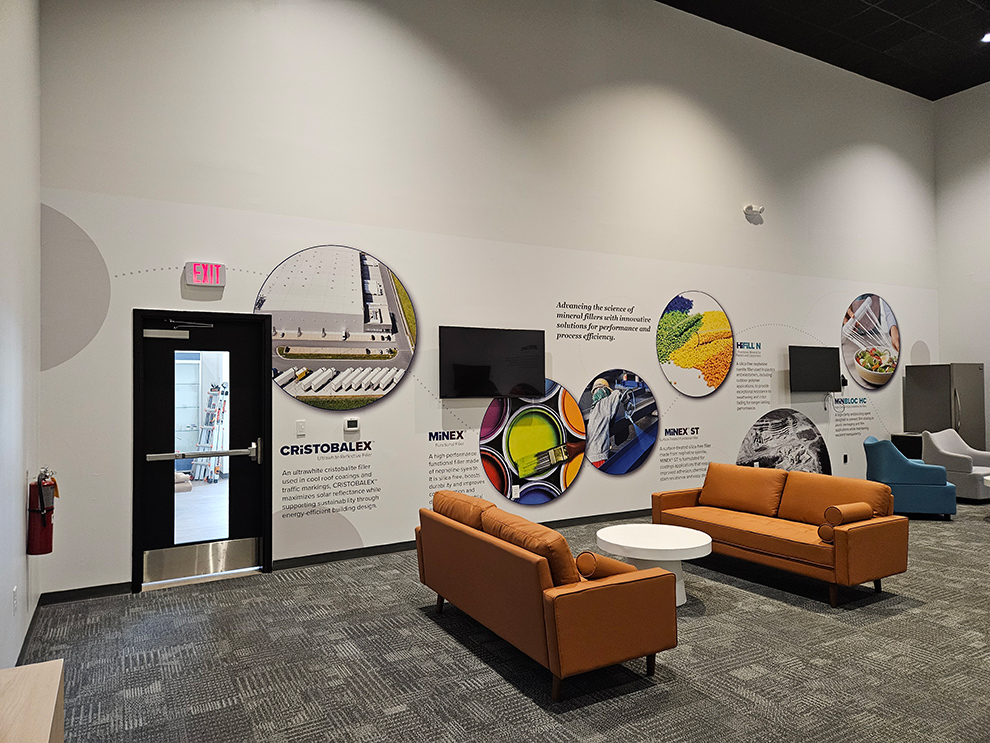
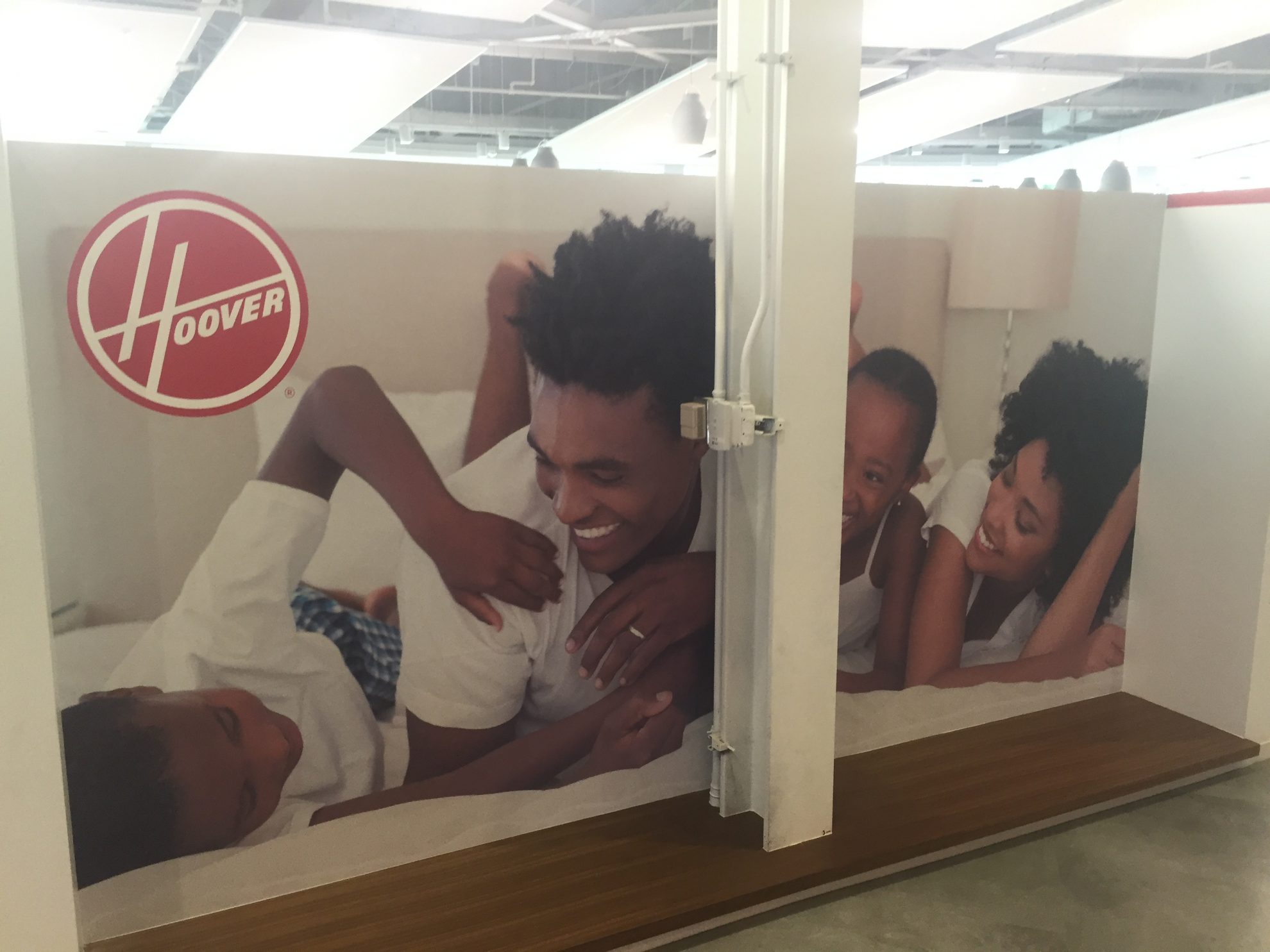
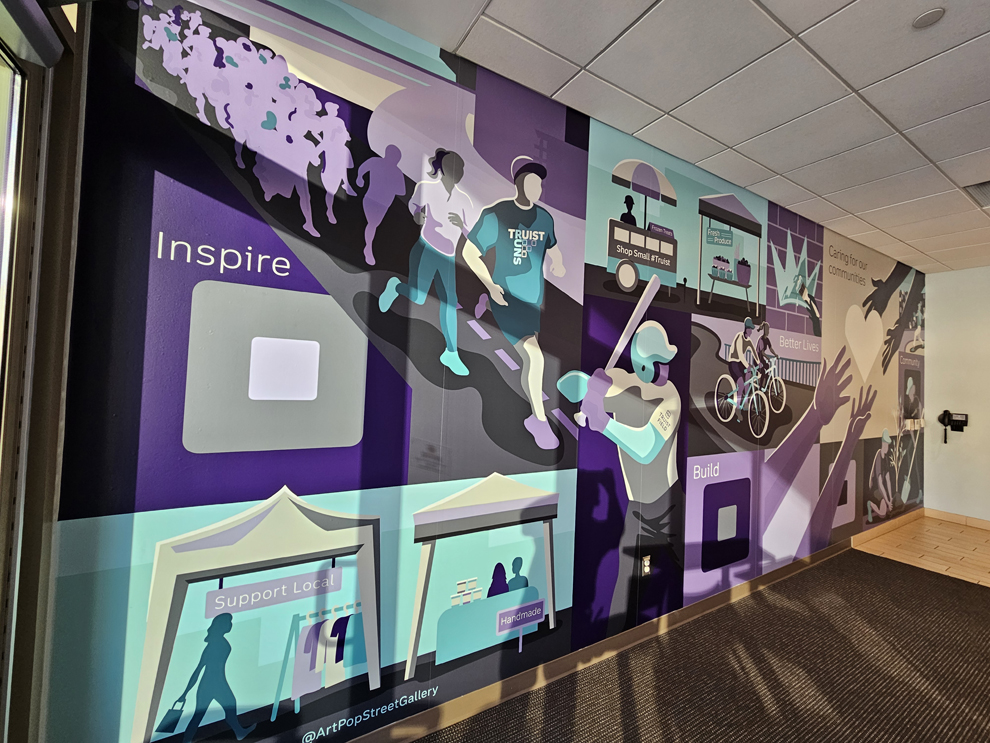
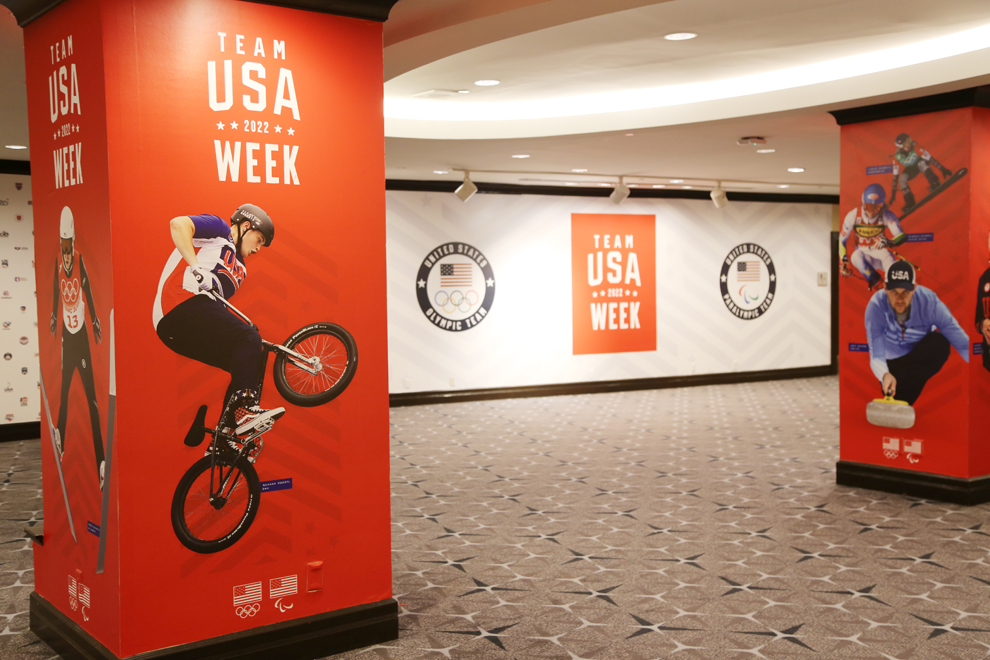
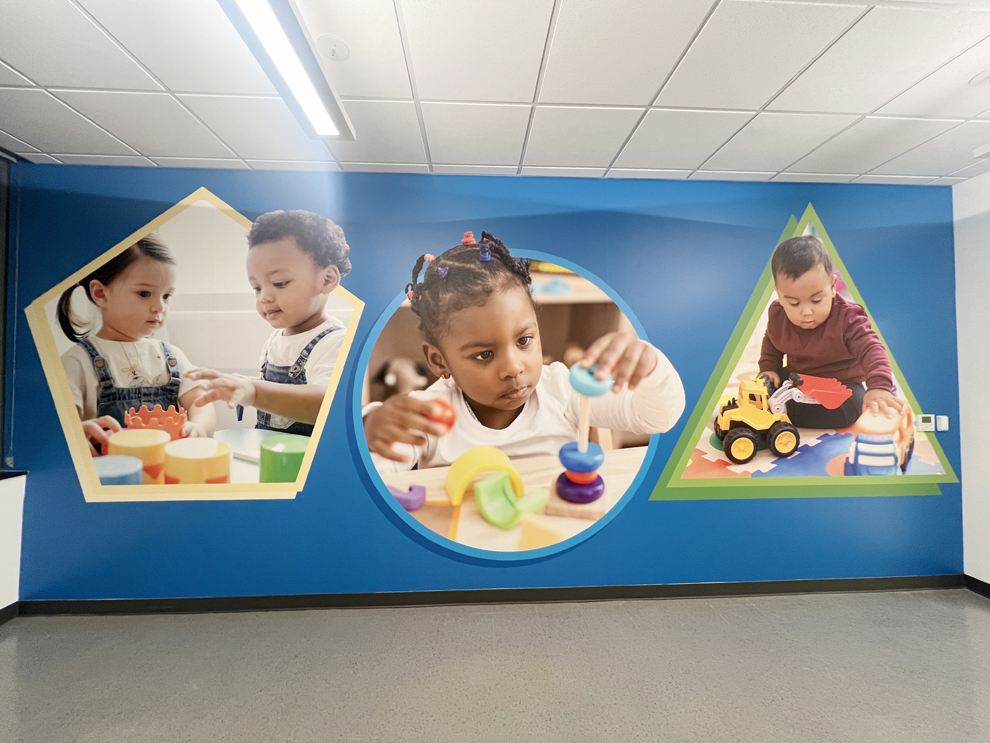
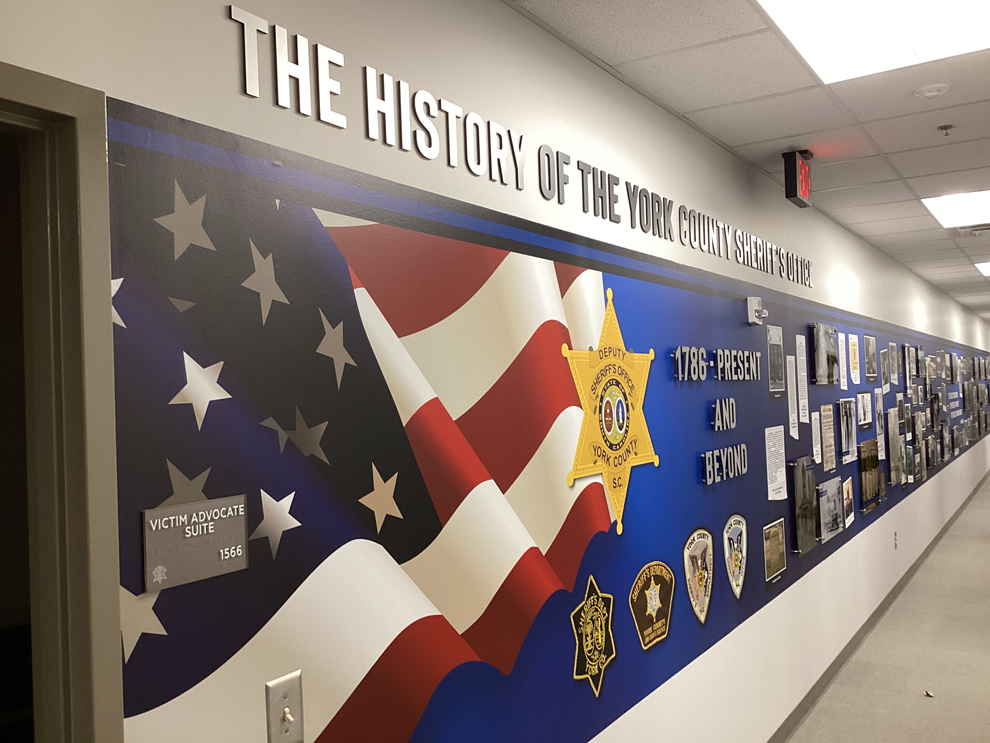
Wall wraps use large interior walls for substantial visual transformation, including branded imagery, photography, color, storytelling, historical content, and other architectural-scale graphics. They are appropriate when the wall itself needs to become a major communication feature rather than simply support a smaller applied graphic.
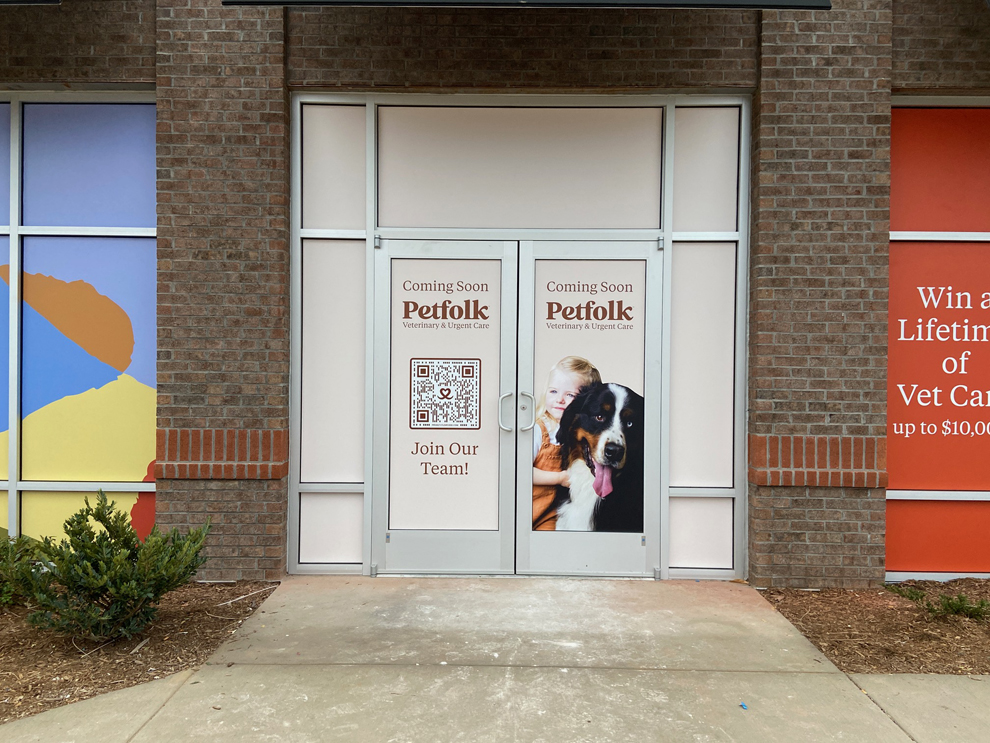
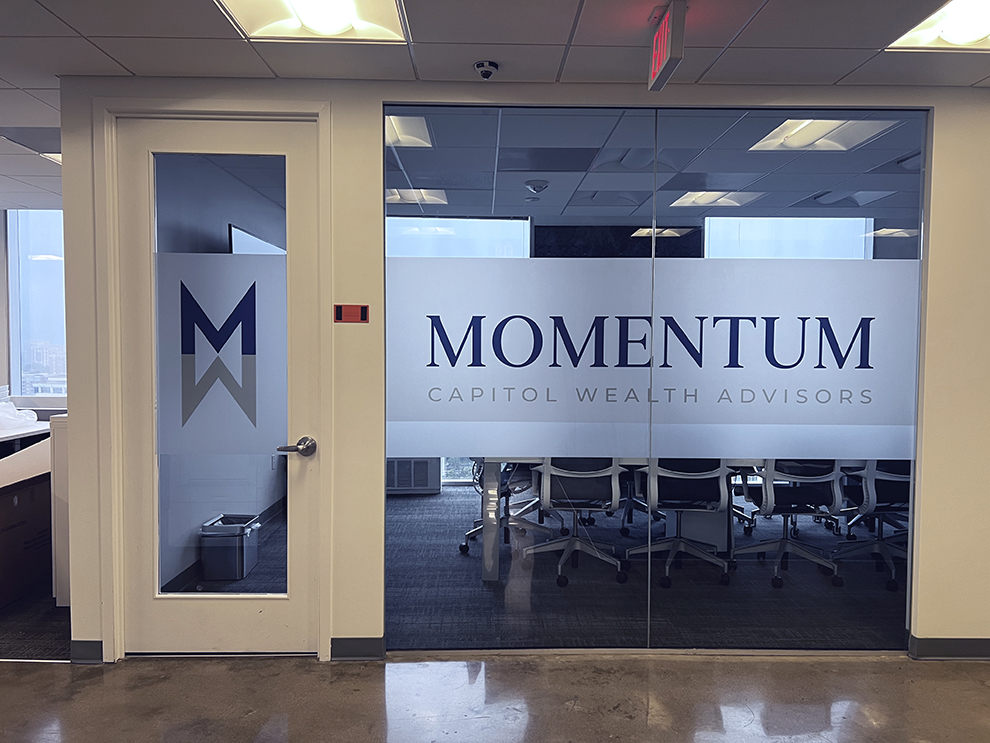
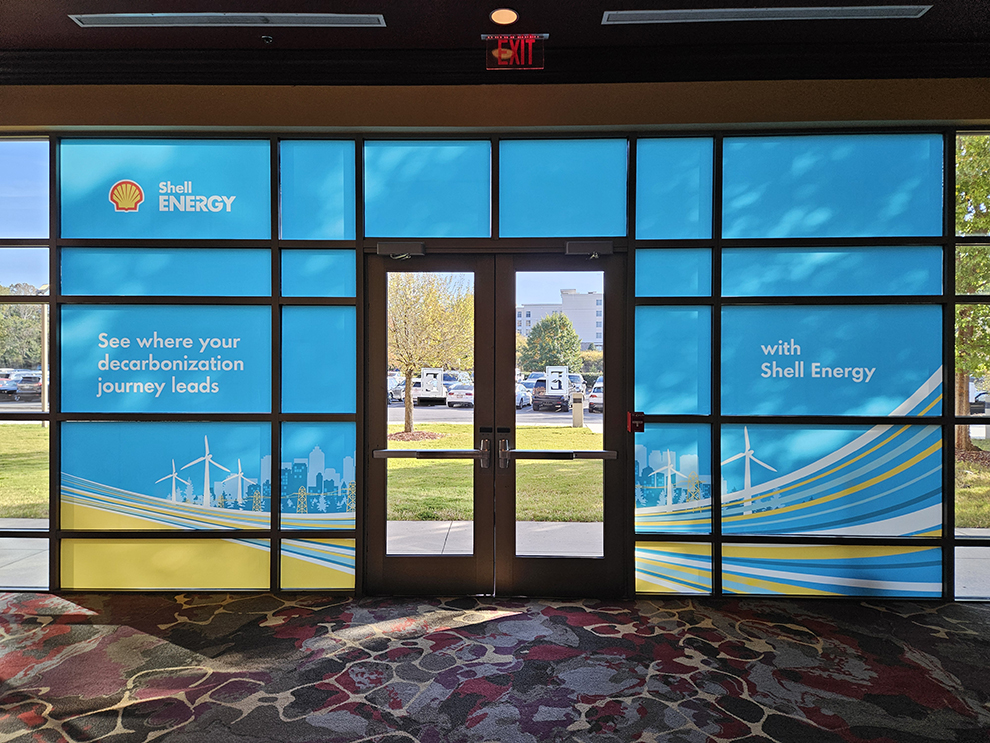
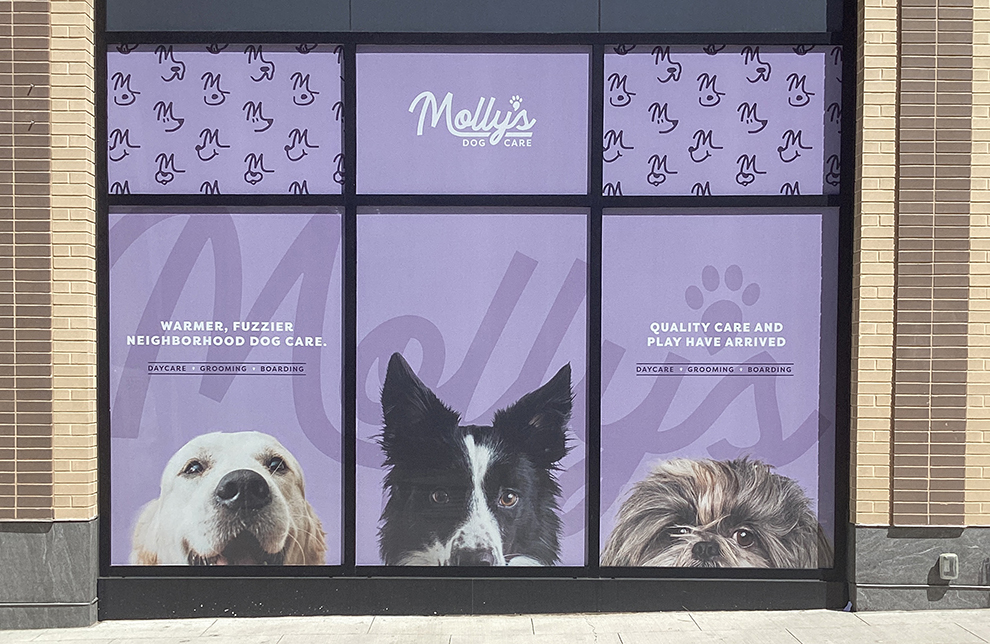
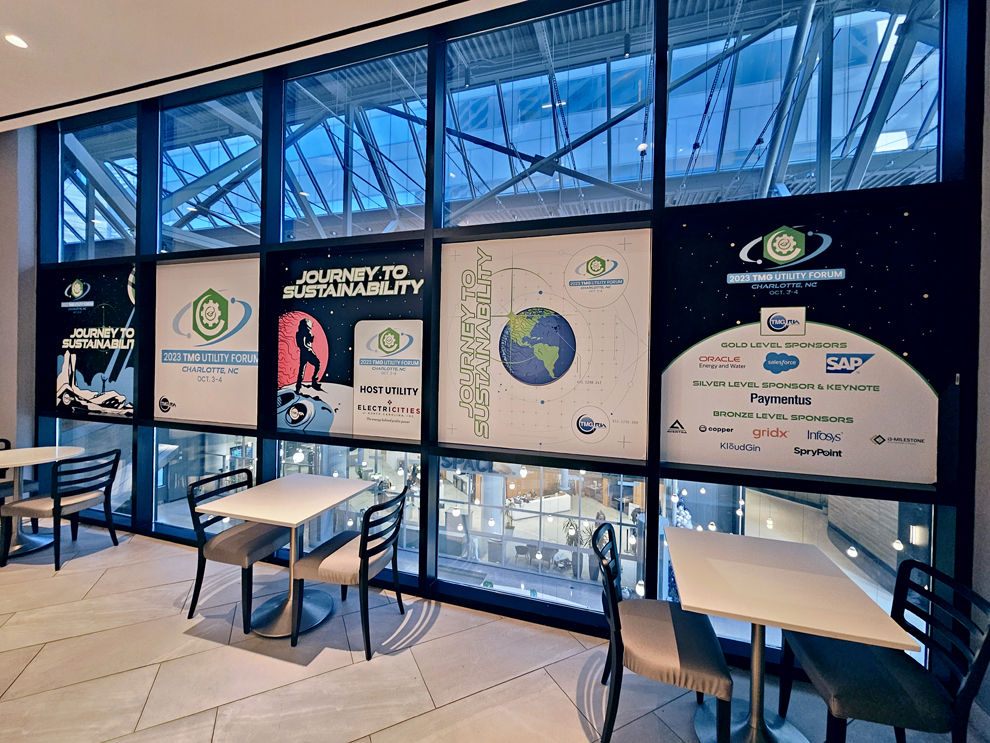
Window graphics bring branding, privacy, messaging, identification, and visual treatments onto glass. They may involve printed graphics, partial coverage, lettering, perforated materials, translucent films, or other applications developed around visibility, daylight, viewing direction, and the condition of the glass.
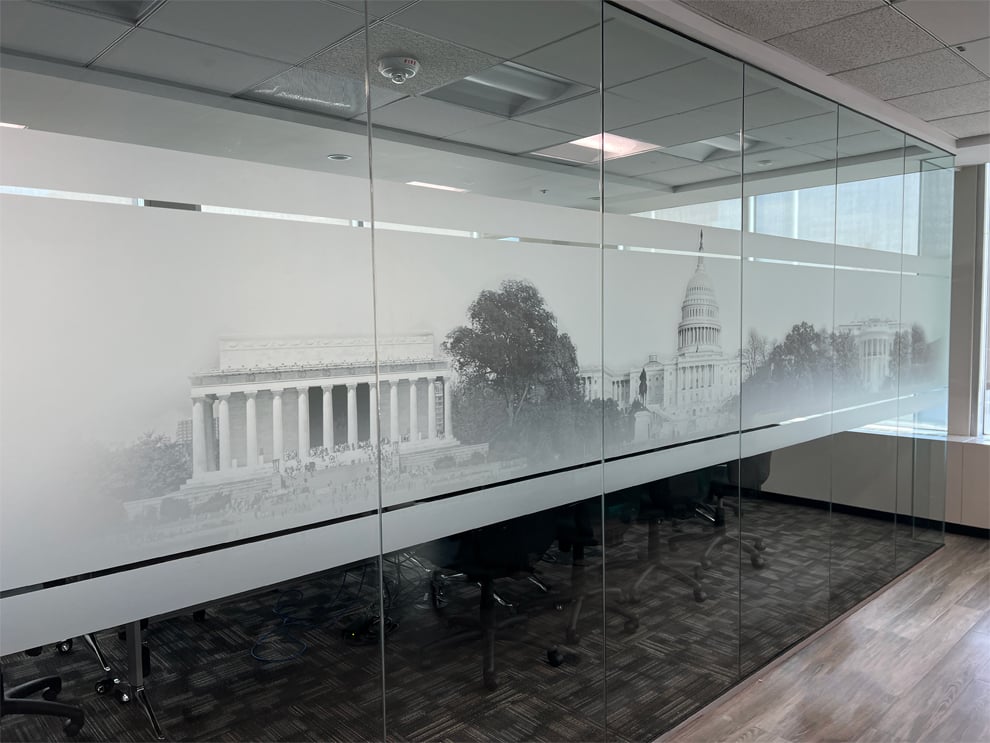
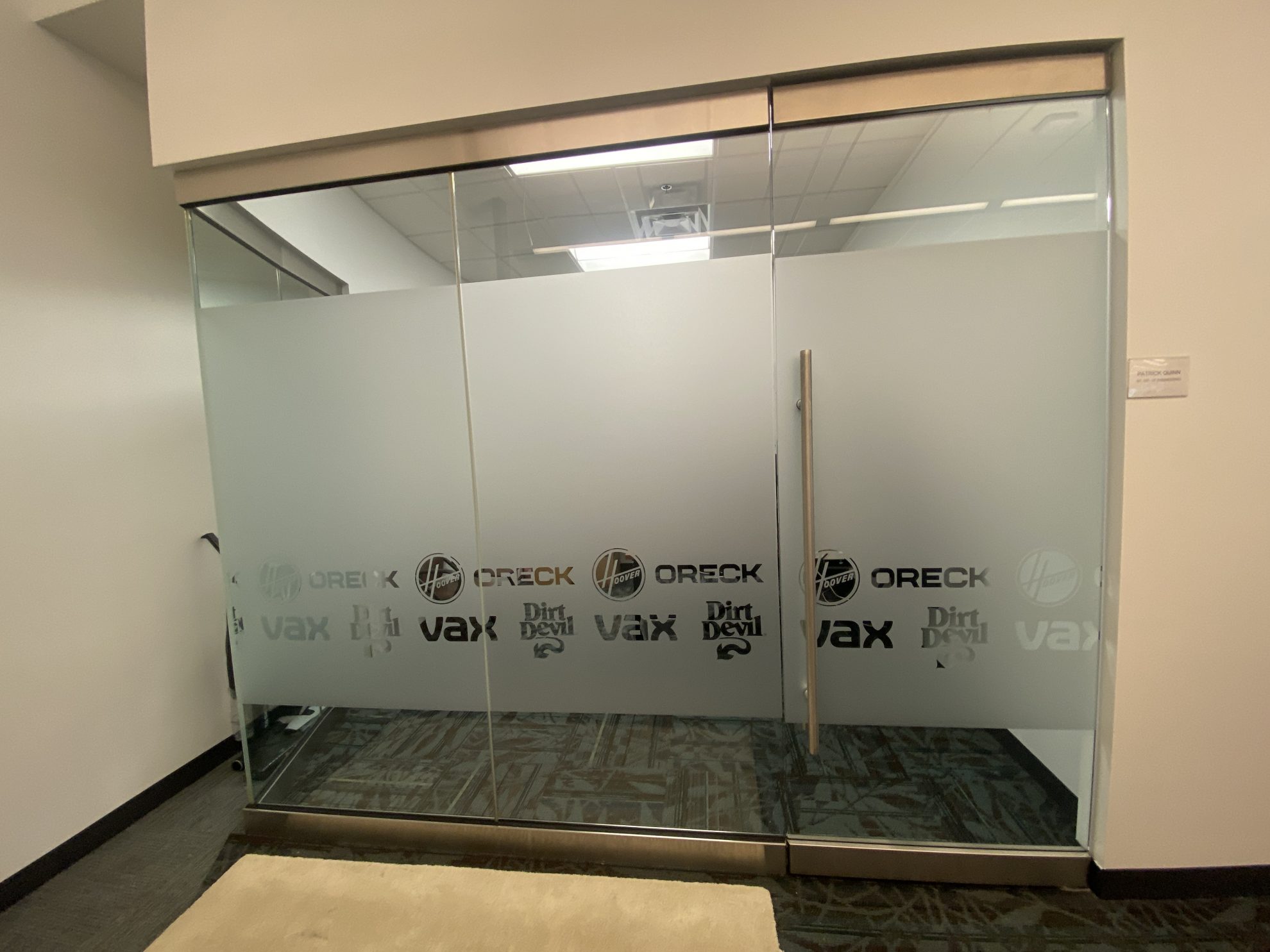
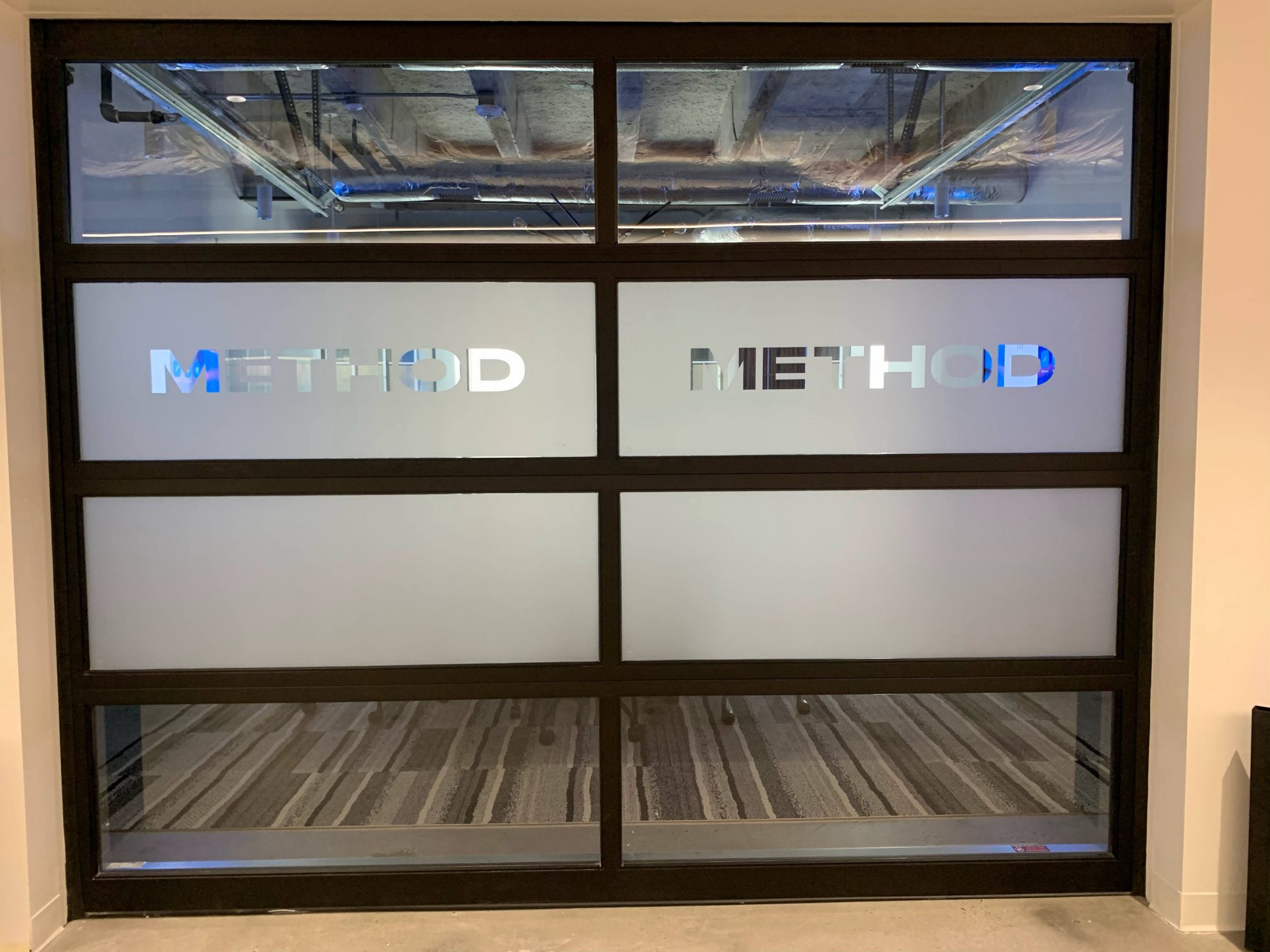
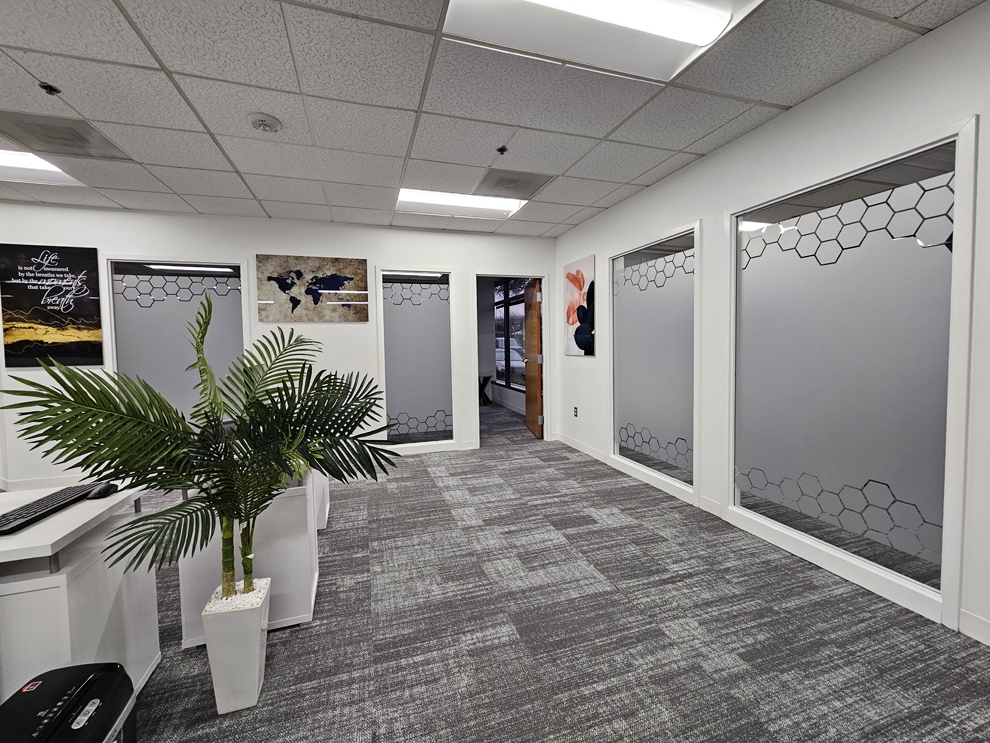
Frosted vinyl and privacy film can reduce direct sightlines while preserving useful light. Conference rooms, office fronts, glass doors, corridors, and interior partitions can incorporate custom patterns, logos, bands, or decorative treatments that support privacy without separating the glass from the broader visual environment.
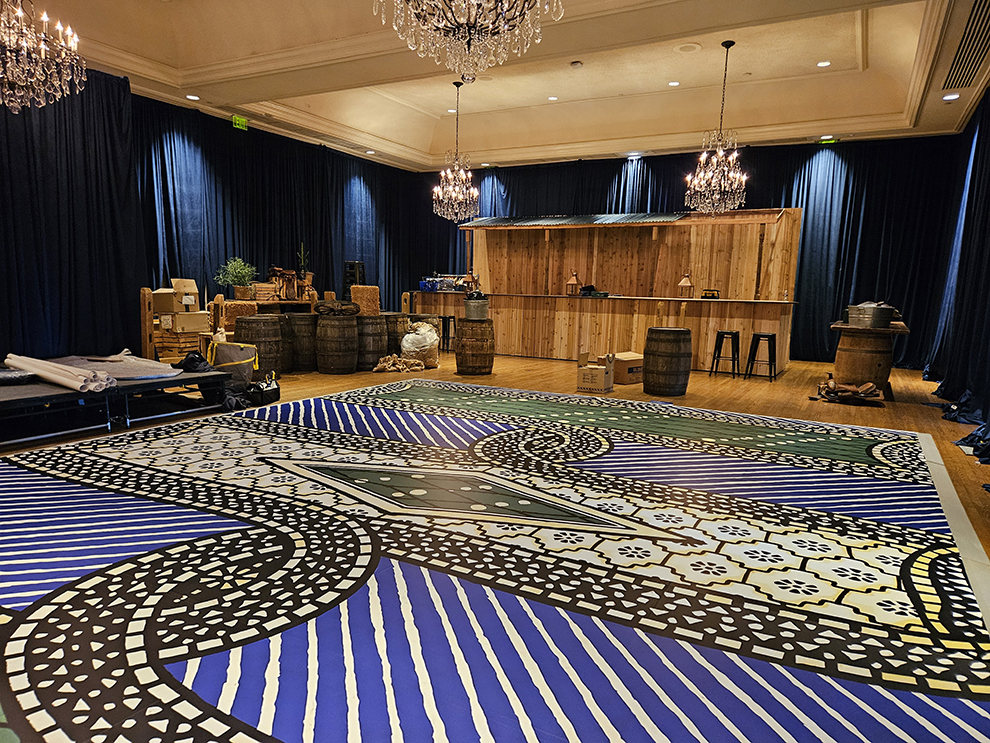
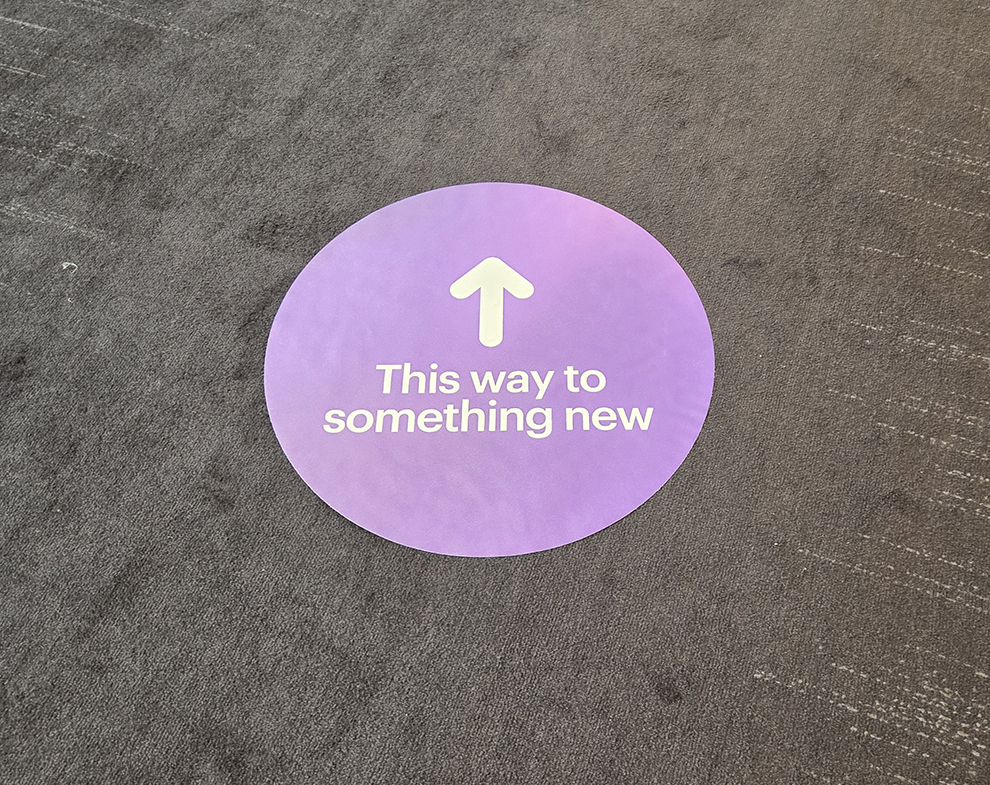
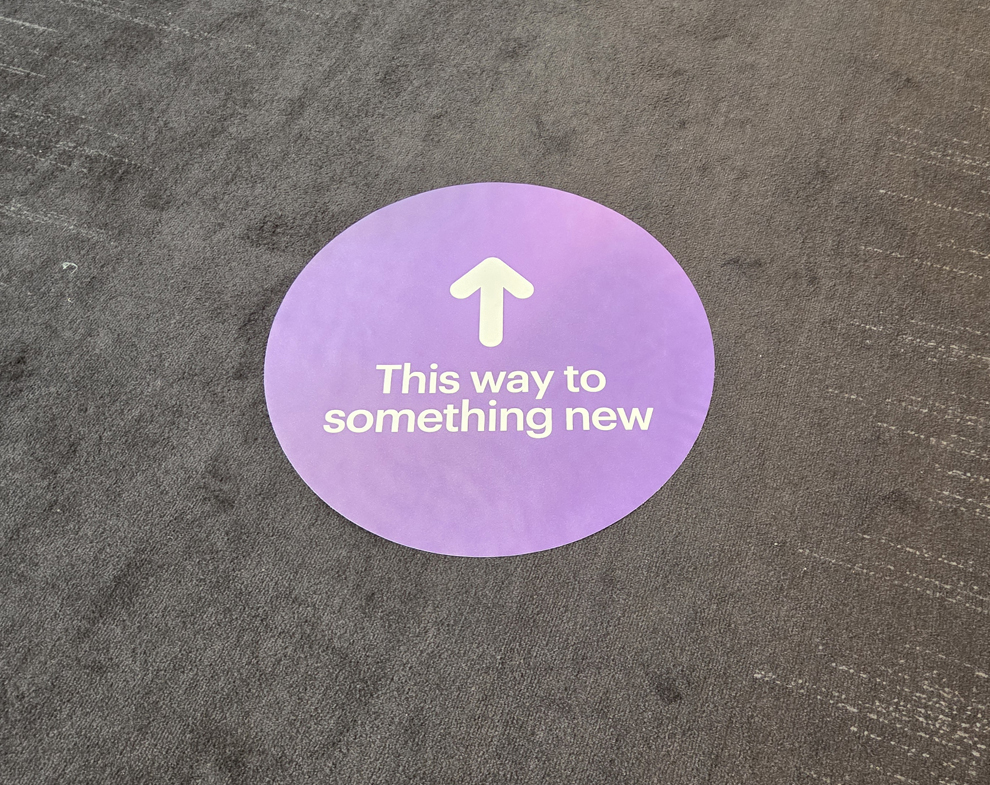
Floor graphics use purpose-built adhesive systems for selected walking surfaces. They can provide direction, branding, sponsor recognition, promotional content, or event messaging. Material selection depends on the flooring, traffic, cleaning procedures, planned duration, protective laminate, and installation conditions.
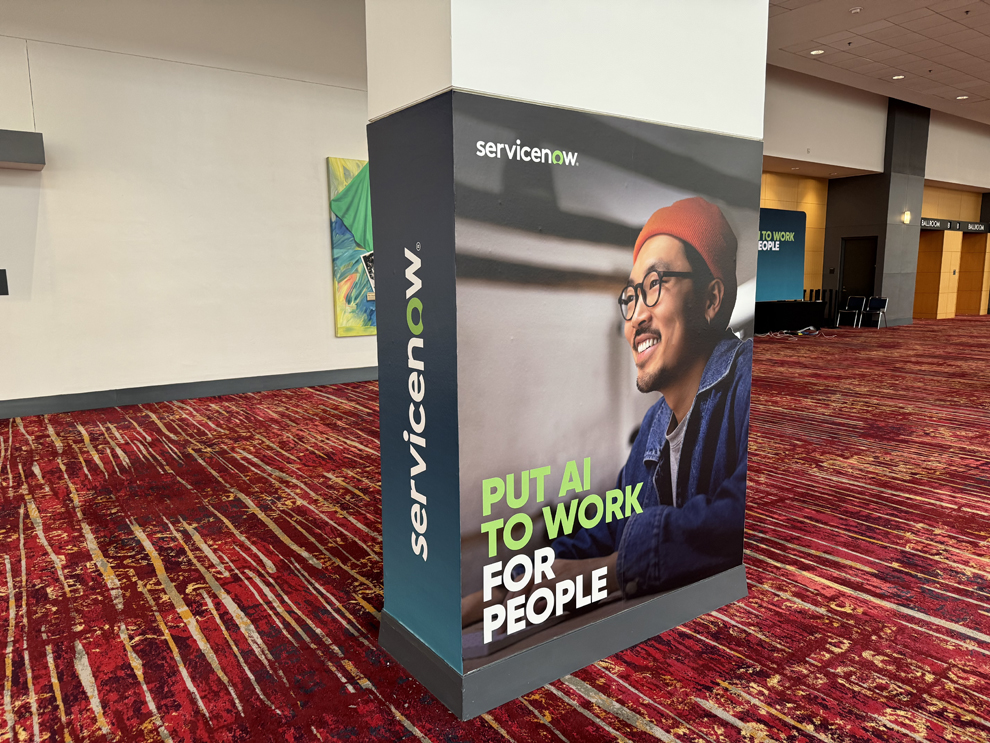
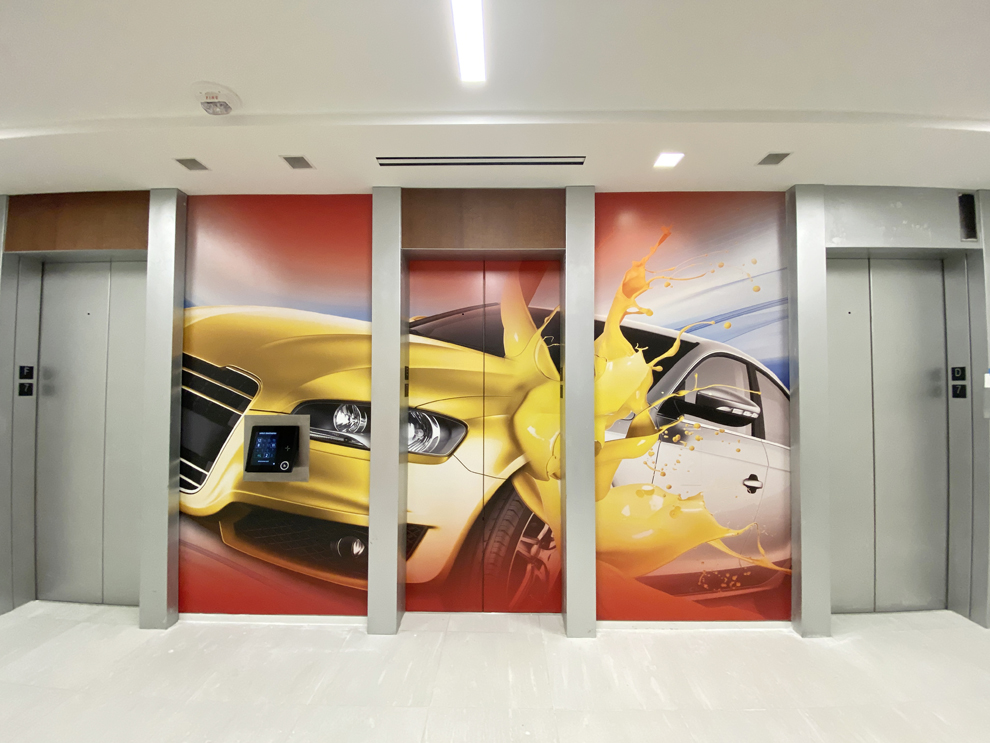
Elevator graphics bring coordinated branding and messaging into frequently traveled transition spaces. Artwork applied to elevator doors and suitable cab surfaces can support campaigns, workplace communications, events, or directional information while accounting for movement, seams, edges, clearances, cleaning, and repeated contact.
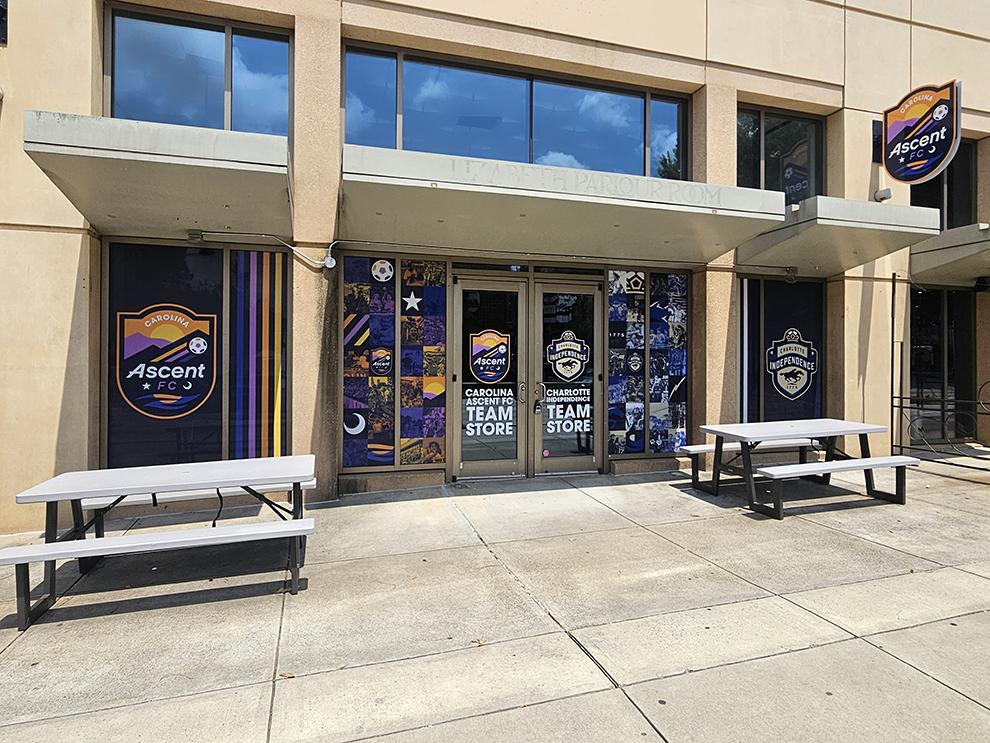
Storefront Graphics coordinate vinyl applications on glass, doors, walls, and other appropriate entrance surfaces with the larger arrival experience. These projects can address branding, visibility, privacy, identification, and messaging while connecting the threshold to interior signs and graphics.
Event Signs and Graphics can combine adhesive wall, window, floor, sponsor, directional, and display graphics with additional event signage. Venue conditions, installation access, deadlines, removal requirements, audience movement, and temporary use all influence the recommended approach.
Use Get Started Now to share what people should see, understand, or experience through the proposed adhesive vinyl graphics.
Helpful starting information includes the project location, intended audience, desired result, target date, anticipated overall investment, photographs, approximate dimensions, surface information, paint details when applicable, available artwork, brand standards, expected service period, and any related signs or displays.
The initial information does not need to be complete.
One dedicated Project Manager can review what is available, identify the next decisions or site information required, and coordinate the environmental graphic design, required site survey, production, fabrication, and professional installation resources appropriate to the accepted project.
Adhesive vinyl applications perform on actual surfaces, not idealized drawings.
For projects that include professional installation, Heritage requires a site survey to verify dimensions, visible surface conditions, existing graphics, fixtures, access, working hours, and other factors that can affect design, material selection, production, or installation.
A project may involve painted drywall, office glass, exterior-facing windows, elevator panels, flooring, doors, display surfaces, or several materials within the same environment. Each can introduce different installation requirements.
The site survey gives environmental graphic designers, production personnel, installers, and the dedicated Project Manager a common understanding of the property before final graphics are produced.
For multi-location programs, one dedicated Project Manager can maintain approved brand standards, material expectations, production requirements, stakeholder decisions, and scheduling history while individual locations receive solutions suited to their own surfaces, dimensions, architecture, access, and operational requirements.
Consistency should protect the approved visual system without assuming every surface or property should use the same physical application.
Environmental graphic design connects the communication objective with the surface where people will experience the graphics.
The process begins by identifying what the client wants to accomplish. A glass application may prioritize privacy. A window may need stronger identification. A floor graphic may support direction. A workplace wall may require culture or campaign messaging. An elevator application may extend an established graphic program into a frequently traveled transition point.
Some clients provide approved artwork and complete brand standards. Others need assistance translating photographs, messaging, logos, or an early concept into an appropriate environmental graphic treatment.
Heritage can work directly with client stakeholders or collaborate with architects, interior designers, branding agencies, environmental graphic designers, marketing teams, and other professional partners who guide the larger environment.
Heritage does not provide licensed architecture, engineering, general interior design, lighting design, or code consulting. The Heritage scope focuses on environmental graphics and the related signs, displays, materials, production, fabrication, and installation required for the accepted project.
Before artwork is approved, the team considers image quality, scale, cut paths, panel requirements, sightlines, privacy, placement, surface transitions, and installation conditions. Resolving these issues during design helps reduce preventable changes once the graphics have moved into production.
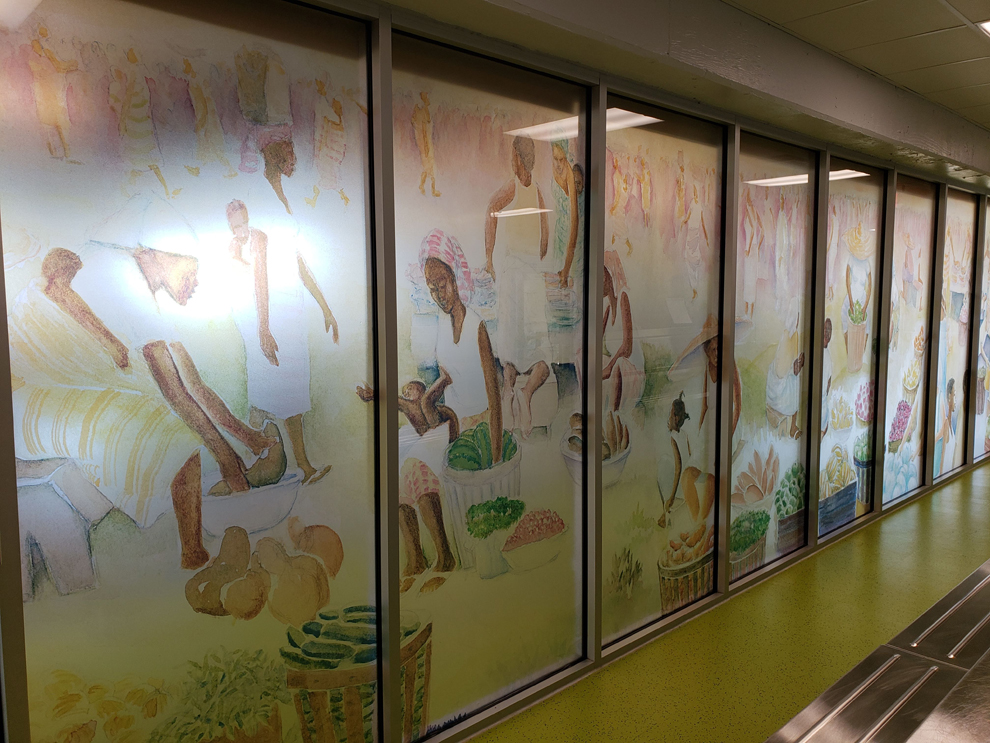
Professional installation connects project planning with the final application on the property.
Because Heritage-installed adhesive vinyl projects require a site survey, installers can receive verified information about dimensions, visible surface conditions, access, scheduling, approved design intent, and known property requirements before work begins.
One dedicated Project Manager keeps those findings connected to material decisions, environmental graphic design, production, fabrication, and the installation plan.
Installation methods vary by application.
Glass requires precise placement, registration, edge control, and attention to any surface-specific requirements.
Wall graphics may require panel alignment around corners, doors, fixtures, or other architectural features.
Floor graphics require placement appropriate to the flooring and anticipated traffic.
Elevator graphics require additional attention to door movement, seams, clearances, edges, and repeated physical contact.
The objective is not to apply every graphic the same way. Each installation method should respond to the surface and approved result.
Heritage installers also take reasonable steps to protect nearby finishes and maintain an orderly work area.
If a site condition differs materially from what was documented during planning, Heritage pauses and communicates before proceeding. This helps protect the property while keeping decisions connected to the same managed project.
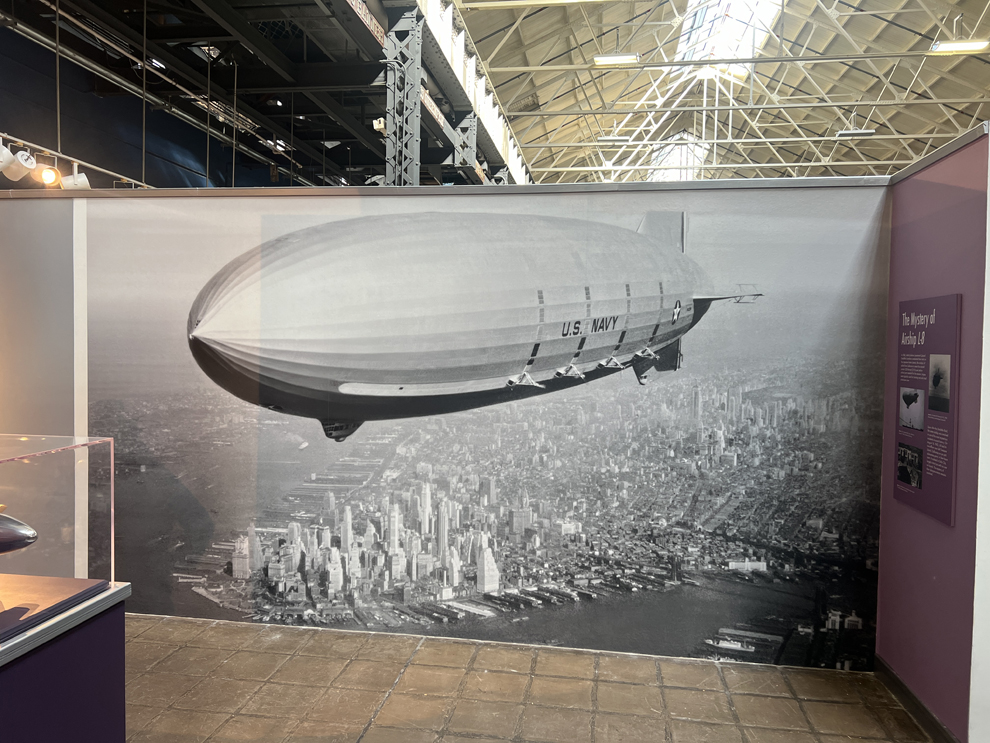
The condition of a painted wall can directly affect adhesive graphic performance.
Drywall should be structurally sound, smooth, clean, dry, and properly repaired. Primer and finish paint need to be correctly applied, and the finish coat must be fully cured before vinyl installation.
Paint can feel dry long before it has completed the curing process. During curing, some paint systems continue to release gases or vapors. Applying vinyl prematurely can trap this outgassing beneath the graphic and contribute to bubbling, blistering, lifting, or premature adhesion problems.
Approximately four weeks can be useful planning guidance for many paint systems, but it is not a universal requirement. Manufacturer instructions and actual conditions determine readiness.
Temperature, humidity, ventilation, paint chemistry, primer, preparation, and application method can all influence curing.
Washable, scrubbable, stain-resistant, low-VOC, zero-VOC, and other challenging coatings may also require additional evaluation. Heritage may recommend cleaning, testing, or another compatible vinyl and adhesive approach depending on the visible surface.
Adhesion testing can show how a proposed material interacts with the visible paint. It cannot establish the strength of the concealed bond between drywall, primer, and finish paint.
Normal installation sometimes requires controlled lifting and repositioning to establish proper alignment. If paint or primer releases during testing or normal repositioning, Heritage stops rather than continuing on a failing surface.
The client or property owner is responsible for arranging and paying for repair, proper priming, repainting, curing, restoration, and related surface work before Heritage returns.
With realistic expectations and a properly prepared surface, adhesive vinyl remains a highly effective interior graphic solution.
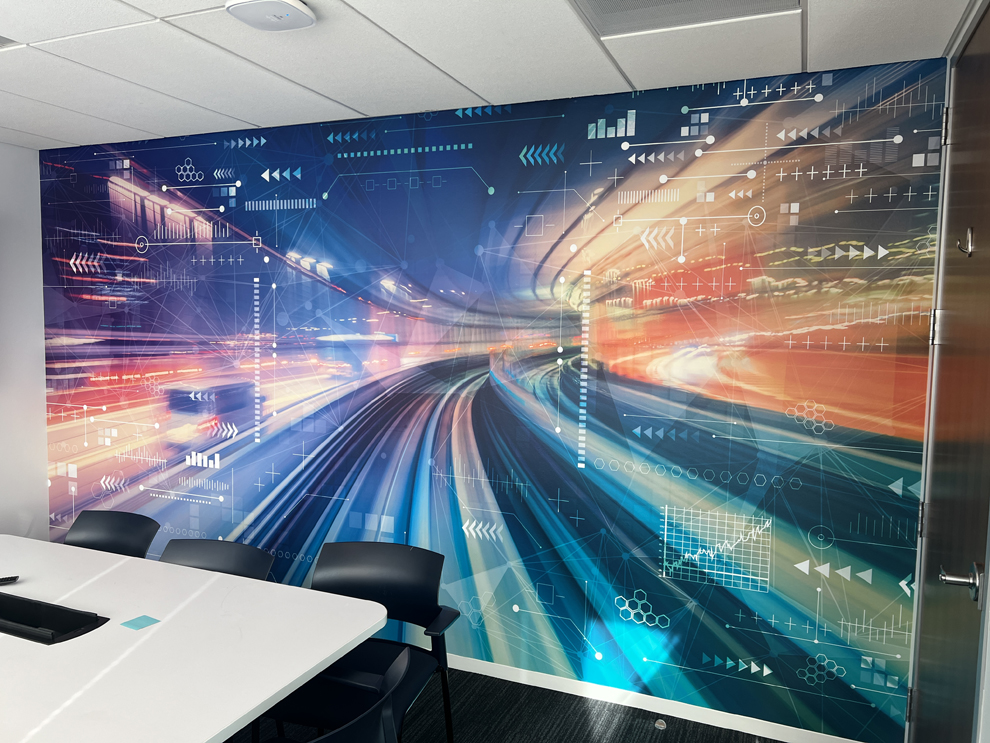
Project planning should begin with the intended result rather than a material request alone.
Heritage considers the audience, desired communication outcome, surface types, schedule, project scale, stakeholder approvals, site readiness, access, expected duration, and anticipated overall investment before the project advances into production and installation.
Photographs, approximate dimensions, available artwork, brand standards, paint information, property requirements, and intended service period can all help establish the initial scope.
The required site survey then verifies relevant physical conditions.
Many Heritage projects involving production and professional installation range from approximately $10,000 to more than $200,000. This range illustrates the company's capacity for professionally managed projects and is not a fixed minimum or standard price for adhesive vinyl graphics.
Actual investment depends on environmental graphic design, materials, total coverage, number of surfaces, production requirements, fabrication, access, field conditions, installation complexity, schedule, and the number of locations involved.
Firm deadlines should be identified early. One dedicated Project Manager can connect design, production, fabrication, field information, and installation resources to determine what can be completed responsibly.
If the original scope cannot be delivered within the available time, Heritage works with the client to identify a practical alternative rather than promising an unrealistic schedule. The solution may involve prioritizing critical graphics, adjusting material or application choices, changing installation sequencing, or dividing the work into phases.
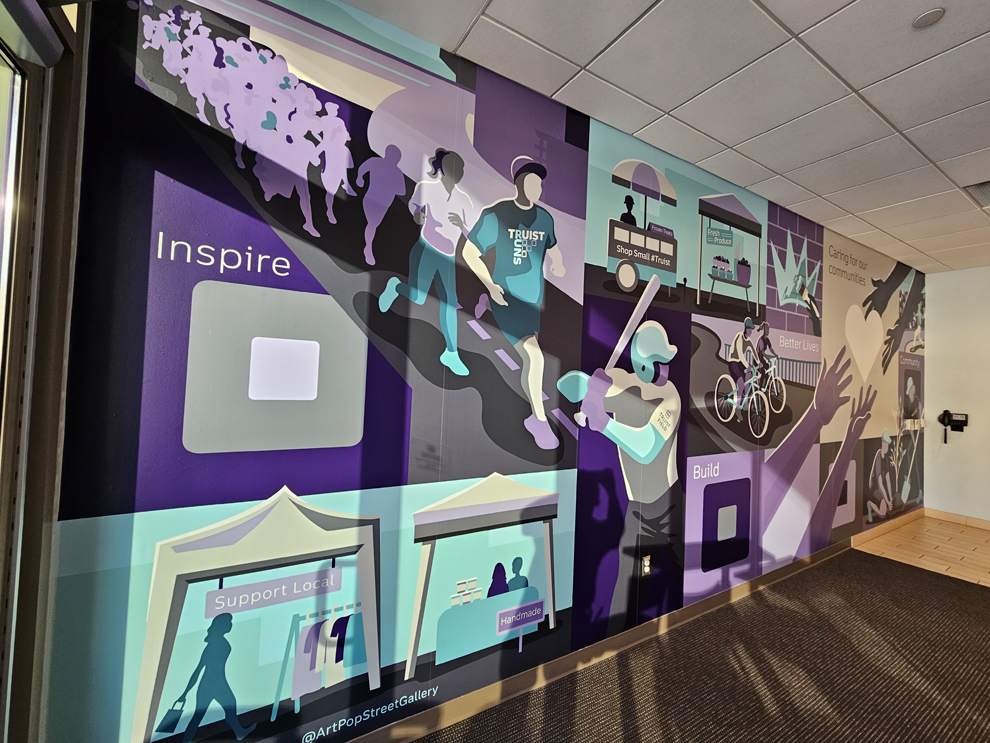
Adhesive vinyl graphics are printed or cut graphic elements manufactured from vinyl materials with an adhesive backing. Different products are intended for painted walls, windows, glass doors, floors, elevator surfaces, displays, privacy treatments, short-term campaigns, and other compatible substrates.
The appropriate material depends on the surface, coverage, finish, expected service period, exposure, cleaning, traffic, installation requirements, and removal expectations. Adhesive vinyl should therefore be selected according to the specific application rather than treated as one universal material.
Depending on the selected material and verified conditions, adhesive vinyl may be suitable for properly prepared painted walls, glass, windows, doors, selected floors, elevator surfaces, display panels, and other compatible substrates.
No adhesive system is appropriate for every surface. Heritage evaluates texture, coatings, paint condition, porosity, moisture, traffic, movement, cleaning, exposure, and expected service period before recommending a vinyl application.
Heritage can create printed window graphics, translucent graphics, perforated window films, frosted vinyl, etched-look privacy treatments, opaque privacy graphics, cut lettering, logos, patterns, distraction markers, and full or partial coverage.
The recommended approach depends on the client's goals for identification, privacy, daylight, selected views, visibility, messaging, and appearance, along with the condition and configuration of the glass.
Yes. Frosted vinyl, etched-look films, privacy graphics, bands, patterns, and strategically positioned opaque elements can reduce direct sightlines while preserving useful light.
The amount and location of coverage should reflect room use, standing and seated viewing angles, desired openness, cleaning requirements, entrance visibility, and the experience of employees and visitors.
Adhesive vinyl depends on the stability of the finished surface beneath it. If paint has not fully cured, installed graphics may bubble, blister, lift, or experience adhesion problems. If paint and primer are poorly bonded to the drywall, normal installation procedures can expose that weakness.
Heritage evaluates visible wall condition, repairs, texture, moisture, available paint information, and other relevant factors before recommending installation. This review can reduce uncertainty but cannot prove the hidden bond between drywall, primer, and finish paint.
Paint may feel dry while the curing process is still continuing. During curing, some paints continue to outgas by releasing gases or vapors. Vinyl installed too early can trap those emissions beneath the graphic, potentially contributing to bubbles, blistering, lifting, or premature adhesion failure.
Outgassing is only one possible cause of performance issues. Moisture, contamination, surface preparation, paint bonding, material selection, and installation conditions can also affect the result.
Heritage follows the paint manufacturer's cure requirements rather than relying solely on whether the wall feels dry. Approximately four weeks can be useful planning guidance for many paints, but manufacturer instructions and site conditions determine actual readiness.
Adhesive vinyl sometimes needs to be lifted and repositioned to establish correct alignment. If the paint and primer are not securely bonded to the drywall, that normal installation activity may cause part of the painted surface to release.
Heritage stops work if this occurs rather than continuing and worsening the condition. The dedicated Project Manager communicates what was found. The client or property owner then arranges and pays for wall repair, proper priming, repainting, and full cure. Heritage can return once the restored surface is ready for graphic installation.
An adhesion test provides information about how a selected vinyl behaves against the visible painted surface under the observed conditions.
It may help Heritage evaluate material selection and installation planning, particularly when the paint or finish is unfamiliar or potentially challenging.
Testing cannot inspect or prove the concealed bond among drywall, primer, and finish paint. It therefore cannot guarantee that paint will remain intact during full installation, repositioning, long-term use, or future removal.
Yes. Adhesive vinyl projects that include Heritage professional installation require a site survey. The survey combines project discovery with field verification of dimensions, visible surfaces, existing graphics, architectural interruptions, access, fixtures, working hours, and other conditions that may affect environmental graphic design, production, material selection, scheduling, or installation.
Those findings remain connected through the dedicated Project Manager and are available to the Heritage team members responsible for the work.
Yes. One dedicated Project Manager can maintain client knowledge, approvals, brand standards, material expectations, production requirements, scheduling information, and communication history across a multi-location program.
Each application is still adapted to the dimensions, surfaces, architecture, access, audience, and operating needs of the individual property. Consistent branding does not require every location to use an identical physical treatment.
Perforated window graphics are produced from vinyl containing small openings throughout the material. Printed imagery is designed to read primarily from one side while the perforations preserve a degree of visibility through the glass.
The actual viewing effect depends on lighting, print coverage, vinyl construction, viewing direction, and conditions on both sides of the window. Heritage evaluates whether perforated material supports the desired balance of branding, privacy, visibility, and daylight before recommending the application.
Distraction markers are visible vinyl graphics placed on clear glass to make the transparent surface easier to recognize.
Bands, dots, logos, patterns, and other graphic elements may also contribute to privacy or branding. Heritage can coordinate distraction markers with the broader glass treatment. Applied vinyl itself does not establish building-code compliance, safety-glazing compliance, certification, or regulatory approval.
Certain frosted vinyl and privacy-film products may be installed using a wet application method that helps with accurate placement.
A small amount of moisture can remain temporarily between the film and glass after installation. Haze, cloudiness, streaks, moisture pockets, or an uneven appearance may be visible while that moisture dissipates. Drying time can vary according to the film, glass, temperature, humidity, sunlight, and other site conditions. The process may take days or, in some cases, several weeks.
Important openings, events, meetings, presentations, or photography dates should be identified during planning so the expected dry-out period can be considered in the installation schedule. Not every window graphic uses a wet application process.
They can. Some low-VOC, zero-VOC, washable, scrubbable, stain-resistant, and similar finishes may create more difficult adhesion conditions.
These coatings do not all perform the same way. Heritage may recommend cleaning, testing, or a different compatible vinyl and adhesive system after evaluating the visible wall.
A favorable adhesion test can help guide the decision but cannot confirm the hidden bond among drywall, primer, and paint.
Heritage approaches painted-wall removal carefully and uses controlled techniques intended to reduce avoidable damage.
No installer can guarantee that a painted wall will remain unchanged after removal. The result depends in part on how well drywall, primer, and paint were prepared and bonded before the graphic was installed.
If paint, primer, or drywall facing begins to release, Heritage stops and communicates the condition before proceeding.
For replacement projects, early removal provides time for the client or property owner to arrange any required repair, proper priming, repainting, and full cure before new graphics are installed.
Yes. Glass does not contain the paint, primer, and drywall assembly that creates the primary risk associated with painted-wall removal.
Glass removal can still leave adhesive residue or reveal pre-existing conditions involving coatings, tint, seals, or the glass itself.
Heritage evaluates the material, age, exposure, access, and visible condition before using a removal method appropriate to the specific glass application.
Existing graphics should be removed early enough to allow any required wall restoration to be completed before replacement graphics are scheduled.
Removal may reveal paint loss, drywall-facing damage, adhesive residue, or a weak underlying bond that could not be seen while the previous graphic remained installed.
When Heritage is producing and installing replacement graphics, removal can be scheduled as an earlier phase of the project.
If restoration is required, the client or property owner arranges and pays for the work and allows the new paint to fully cure before Heritage returns.
Yes. Adhesive vinyl can support sponsor messages, temporary direction, promotional campaigns, seasonal graphics, window treatments, floor graphics, and other limited-duration applications.
Heritage begins with the intended service period and the surface where the graphic will be installed. Material selection then considers traffic, exposure, appearance, cleaning, installation, and planned removal.
Temporary use does not eliminate surface requirements. Painted walls still need to be suitable for graphics, and future removal should be considered during material planning.
There is no universal service life for every vinyl application. Performance depends on the selected material and adhesive, surface, sunlight, exposure, moisture, cleaning, physical contact, traffic, installation quality, and intended use.
A graphic on protected interior glass may experience very different conditions from a floor graphic, elevator application, exterior window graphic, or short-term event treatment.
Heritage begins by identifying how long the client wants the application to remain and recommends materials around that objective.
Not in every application. Many printed interior wall graphics can remain unlaminated when routine conditions do not create a need for added protection.
Other applications may benefit from laminate because of frequent cleaning, abrasion, physical contact, floor traffic, or environmental exposure. Heritage recommends laminate according to the material and actual operating environment. Printed exterior wall graphics receive protective film laminate as standard practice for additional UV and weather protection.
Yes. Heritage can work from completed artwork or collaborate with client stakeholders to develop environmental graphics appropriate for the selected surfaces and project objectives.
Design planning can account for brand standards, messaging, scale, privacy, coverage, sightlines, materials, production, and installation.
Heritage can also coordinate with architects, interior designers, environmental graphic designers, branding firms, agencies, marketing teams, and other professional partners who control the broader creative direction.
Yes. A coordinated project may include wall graphics, window graphics, privacy film, distraction markers, floor graphics, elevator graphics, cut lettering, wayfinding, or event applications.
Heritage helps determine what each surface should accomplish while maintaining appropriate brand standards, design hierarchy, production quality, color expectations, site information, and installation planning through one dedicated Project Manager.
Some exterior window and wall applications may be appropriate when the surface, exposure, material system, installation conditions, access, and intended service period support them.
Printed exterior wall graphics receive protective film laminate as standard practice for additional UV and weather protection.
Heritage does not determine whether a sign permit is required or manage permitting on the client's behalf. The client, property owner, property manager, or general contractor is responsible for confirming and securing required permits and property approvals.
No. Heritage does not provide installation-only service for customer-provided adhesive graphics.
Measurements, material choice, print quality, panel planning, production accuracy, finishing, fit, and replacement capability all affect installation quality and scheduling. Installing graphics that Heritage produces, fabricates, procures, or manages allows the company to maintain greater accountability for the complete result.
Overall investment depends on the complete project scope rather than the vinyl material alone. Environmental graphic design, number of applications, total coverage, surfaces, materials, production, fabrication, site conditions, access, installation complexity, schedule, removal requirements, and number of locations can all affect cost.
Many Heritage projects involving production and professional installation range from approximately $10,000 to more than $200,000. This is not a universal minimum or standard price. It reflects the range of substantial projects Heritage is equipped to manage.
Use Get Started Now to provide enough information for the team to evaluate project fit, scope, timing, and the appropriate next step.
Begin with the information already available. Helpful details include the installation address, intended audience, desired outcome, target date, anticipated overall investment, photographs, approximate dimensions, surfaces, paint information when walls are involved, brand standards, artwork, expected duration, access requirements, and any related signs or displays.
The information does not need to be complete before contacting Heritage. Discovery and the required site survey can identify additional decisions and field conditions that need to be resolved before production and installation.
Heritage combines environmental graphic design, one dedicated Project Manager, required site verification for installed projects, production, fabrication, material planning, and professional installation within one accountable process.
Different surfaces require different approaches. Heritage evaluates each application according to its purpose and physical conditions instead of treating every vinyl graphic like a generic decal.
The company has served clients since 1977 and remains veteran-owned and family-led. The objective is to protect approved design intent, site information, material decisions, production quality, schedule, and installation responsibility from project discovery through completion.
Heritage first identifies what must be completed by the required date, what approvals and field information are available, and which portions of the project are most important.
One dedicated Project Manager connects environmental graphic design, site information, production, fabrication, and installation resources to determine what can reasonably be completed within the available schedule.
If the full original scope is not practical, Heritage works with the client to develop a stronger attainable plan. That may involve prioritizing critical surfaces, completing the work in phases, revising the installation sequence, or selecting a different graphic application or material.
The objective is to provide a workable project plan rather than promise a schedule that cannot be completed responsibly.
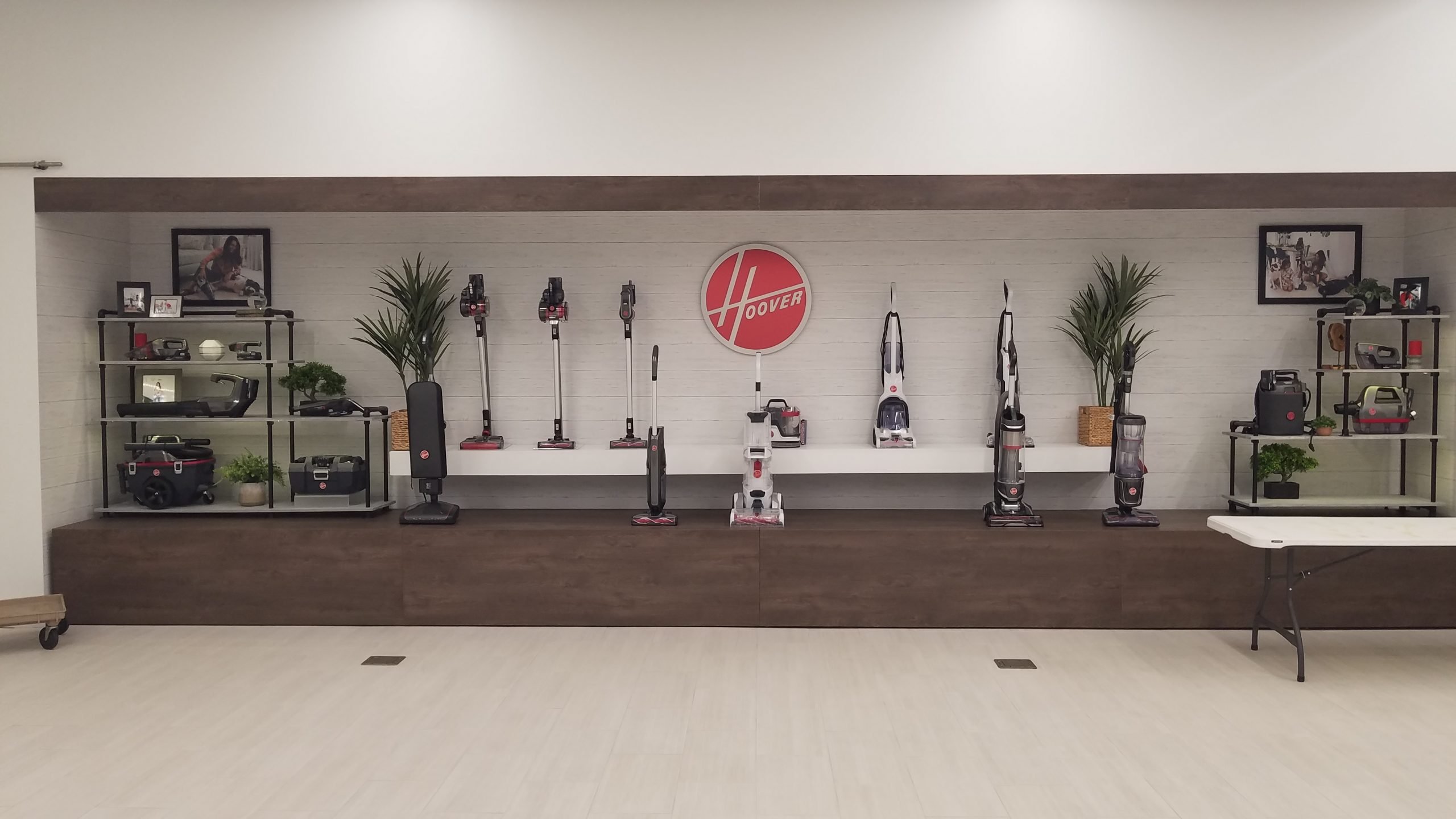
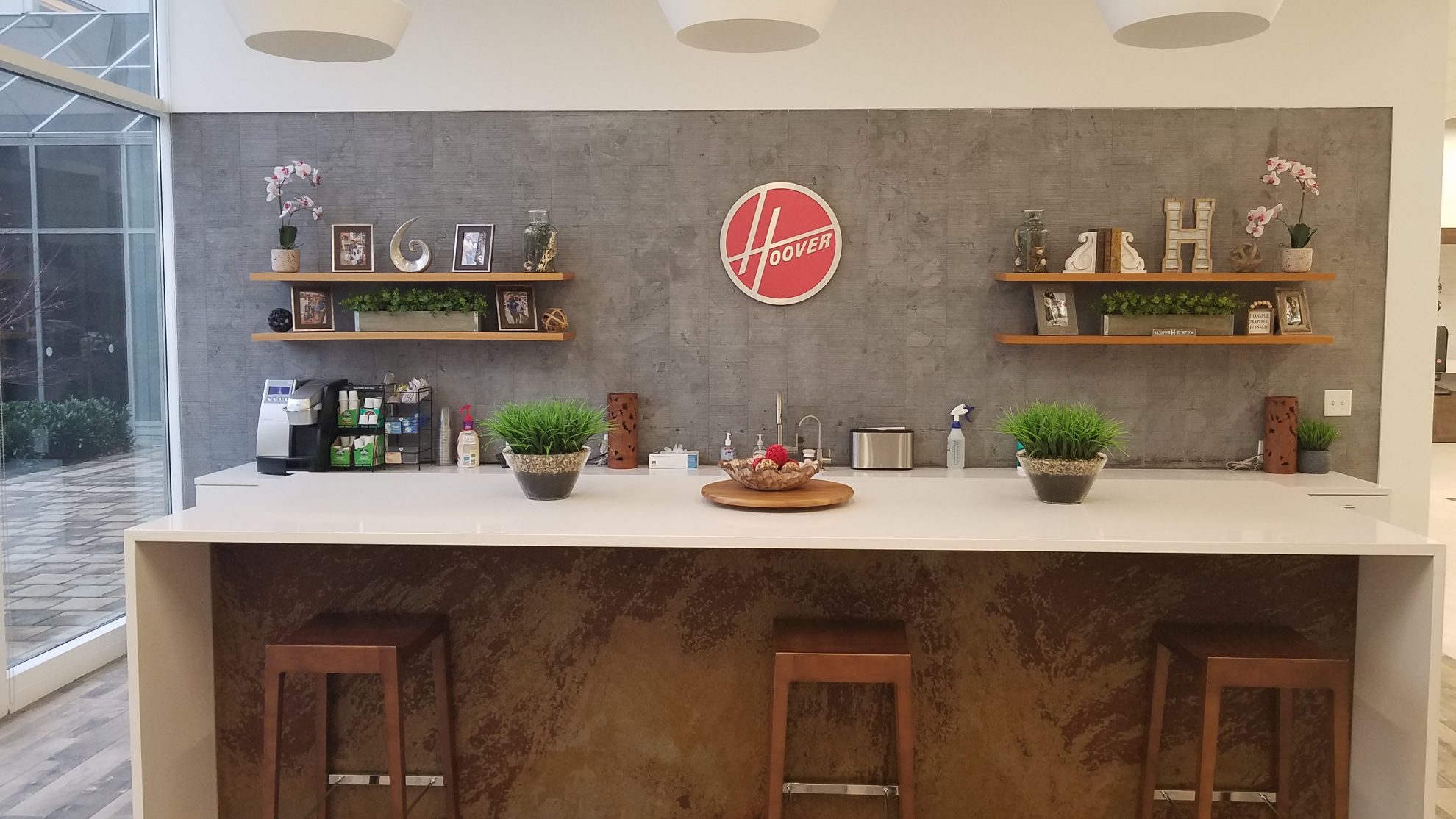
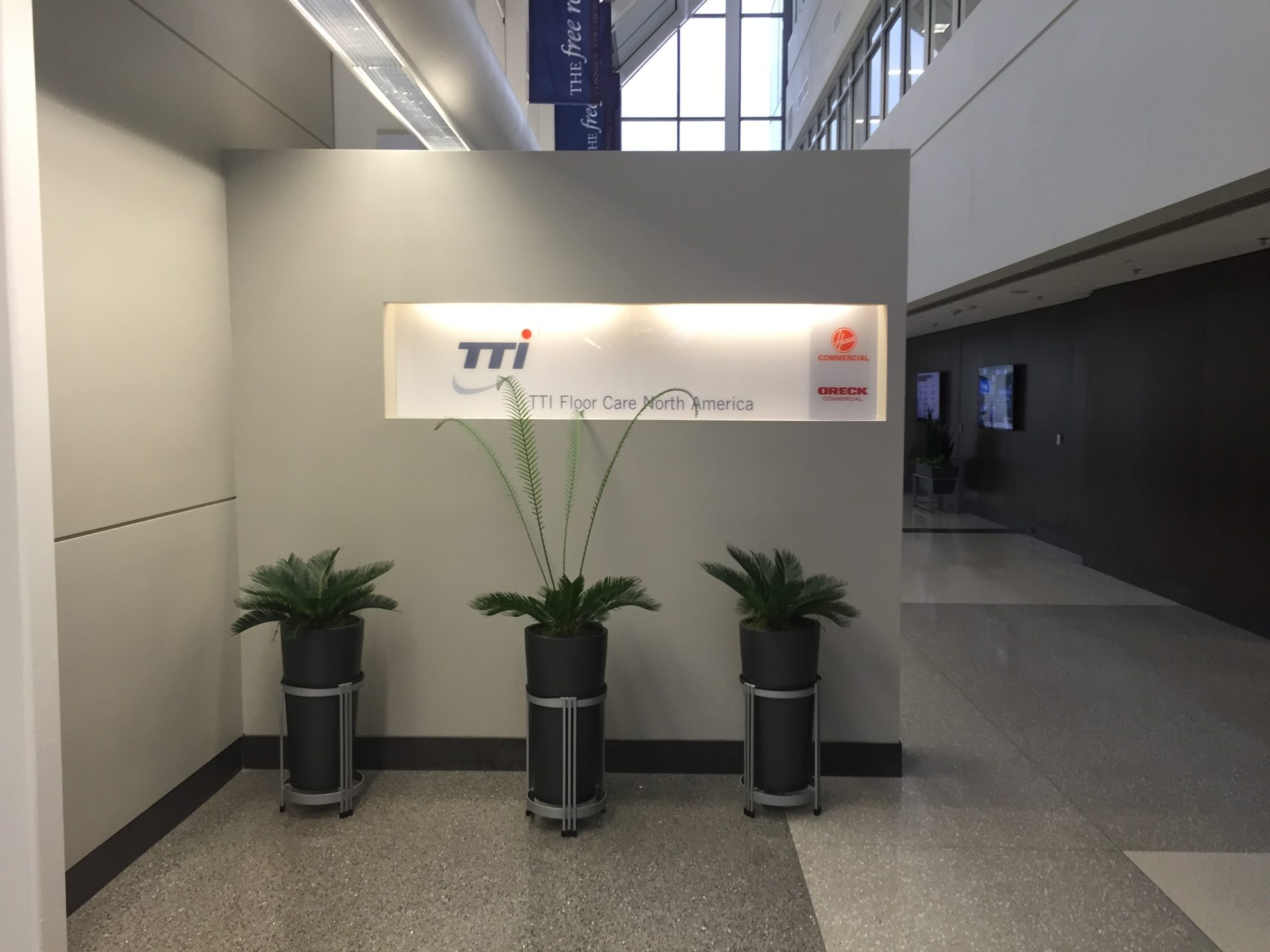
Heritage Signs & Displays collaborated with TTI Floor Care North America to enhance their corporate office. The project included custom frosted vinyl graphics, acrylic signs, dimensional lettering, and LED backlit signs, showcasing the brands Dirt Devil, Hoover, and Oreck. The signage improved office branding, privacy, and aesthetics. Heritage collaborated closely with TTI, ensuring efficient execution and high-quality results, creating an immersive and professional environment that reflects TTI's brand values.
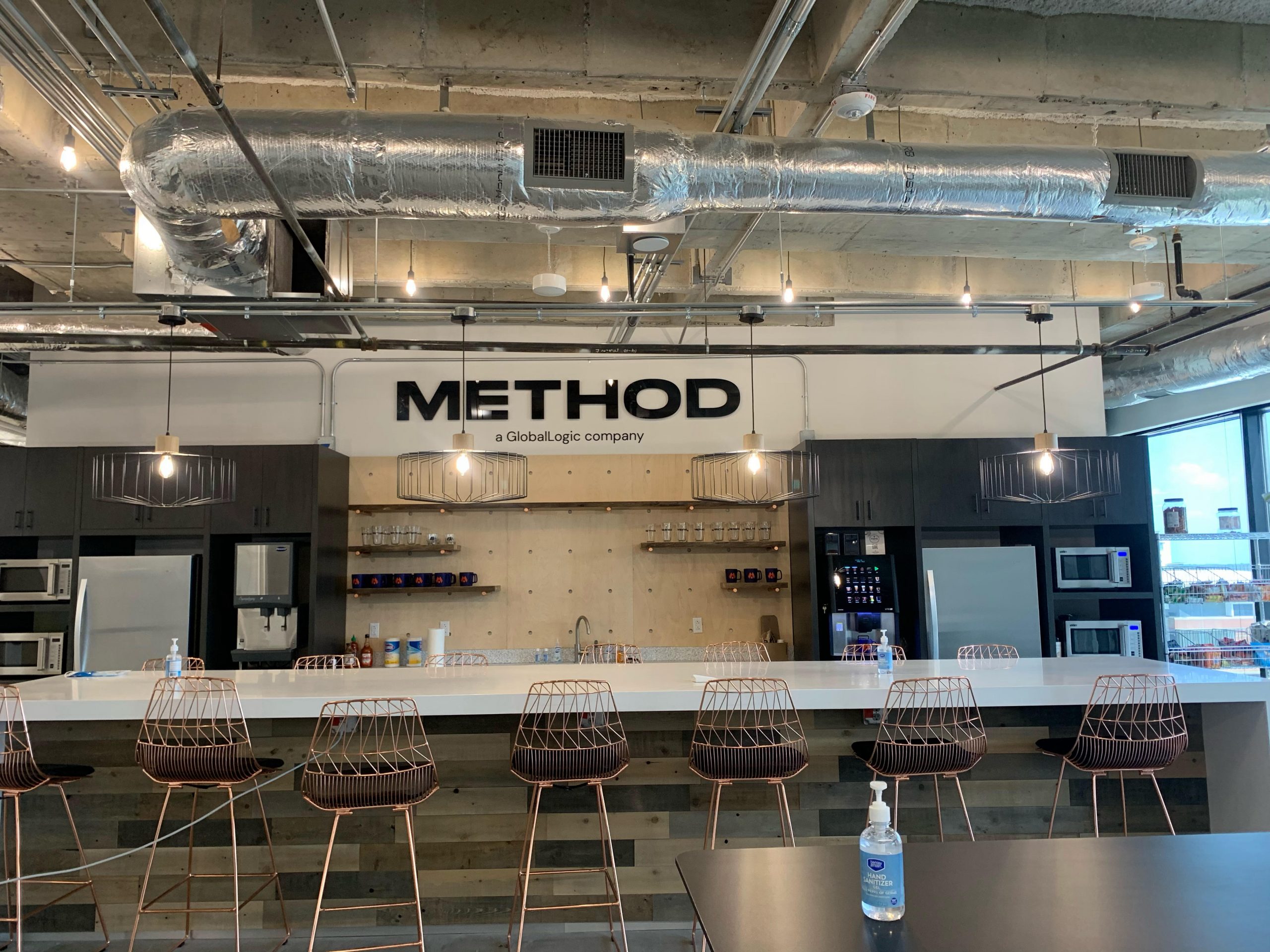
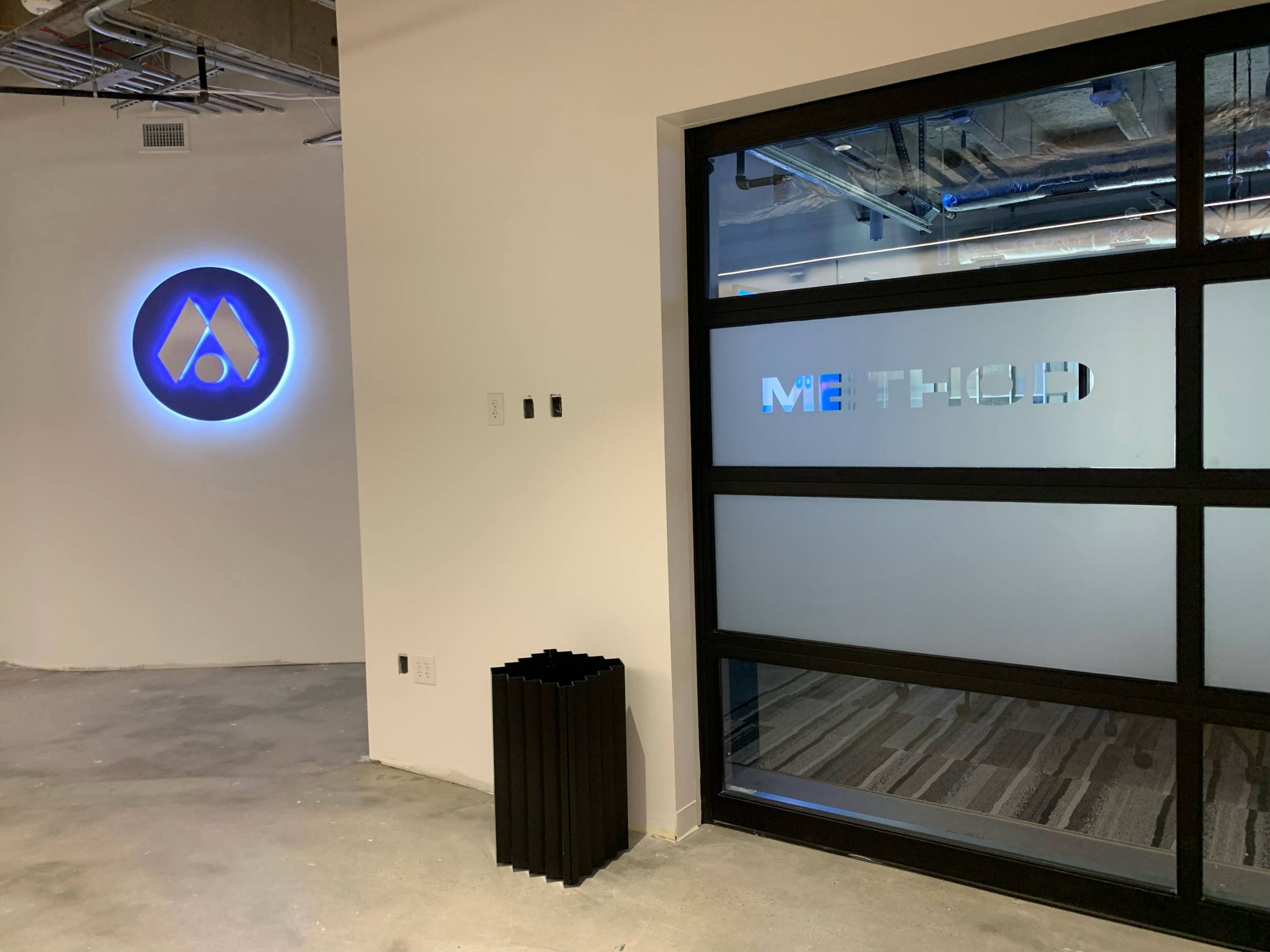
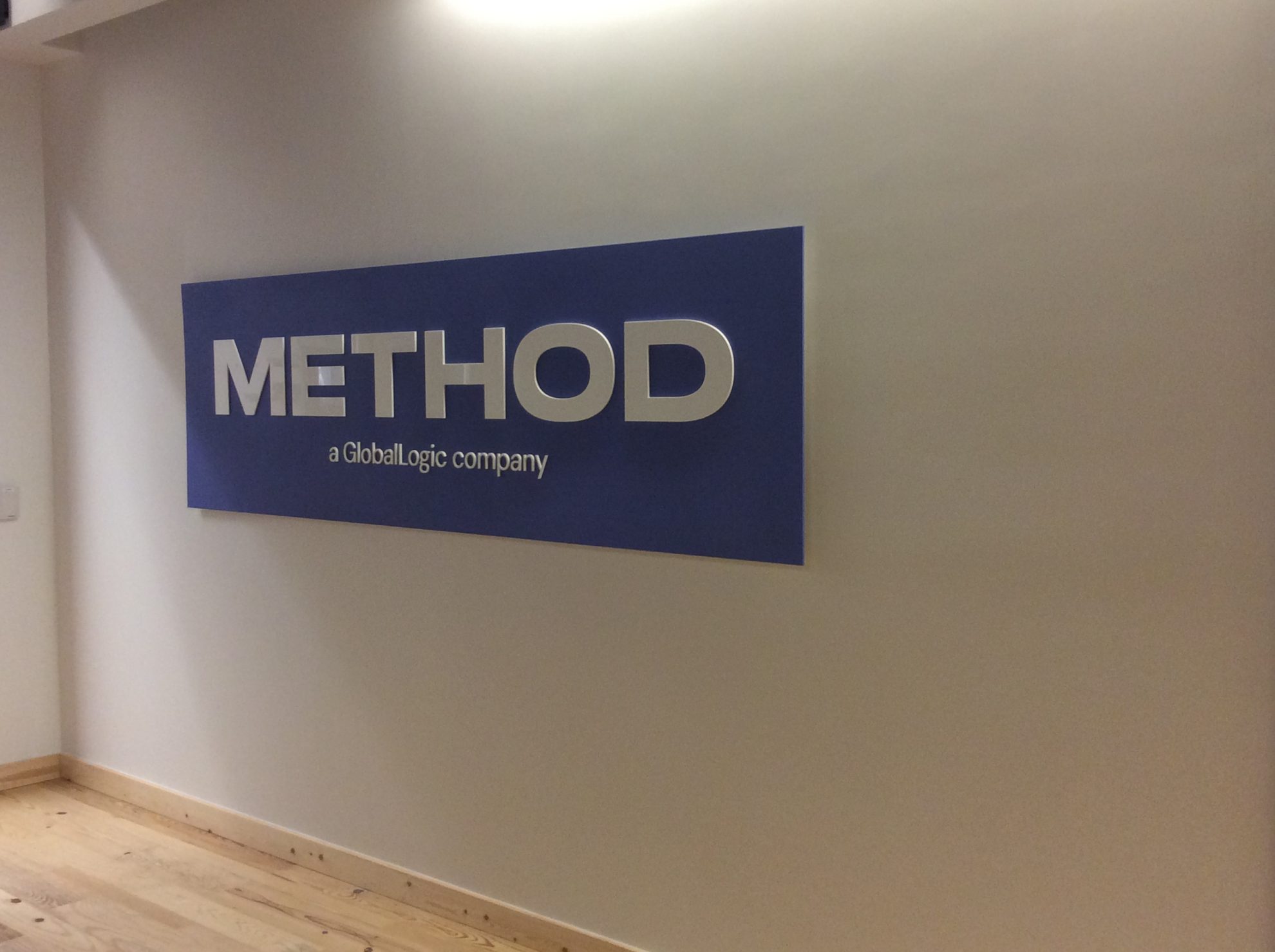
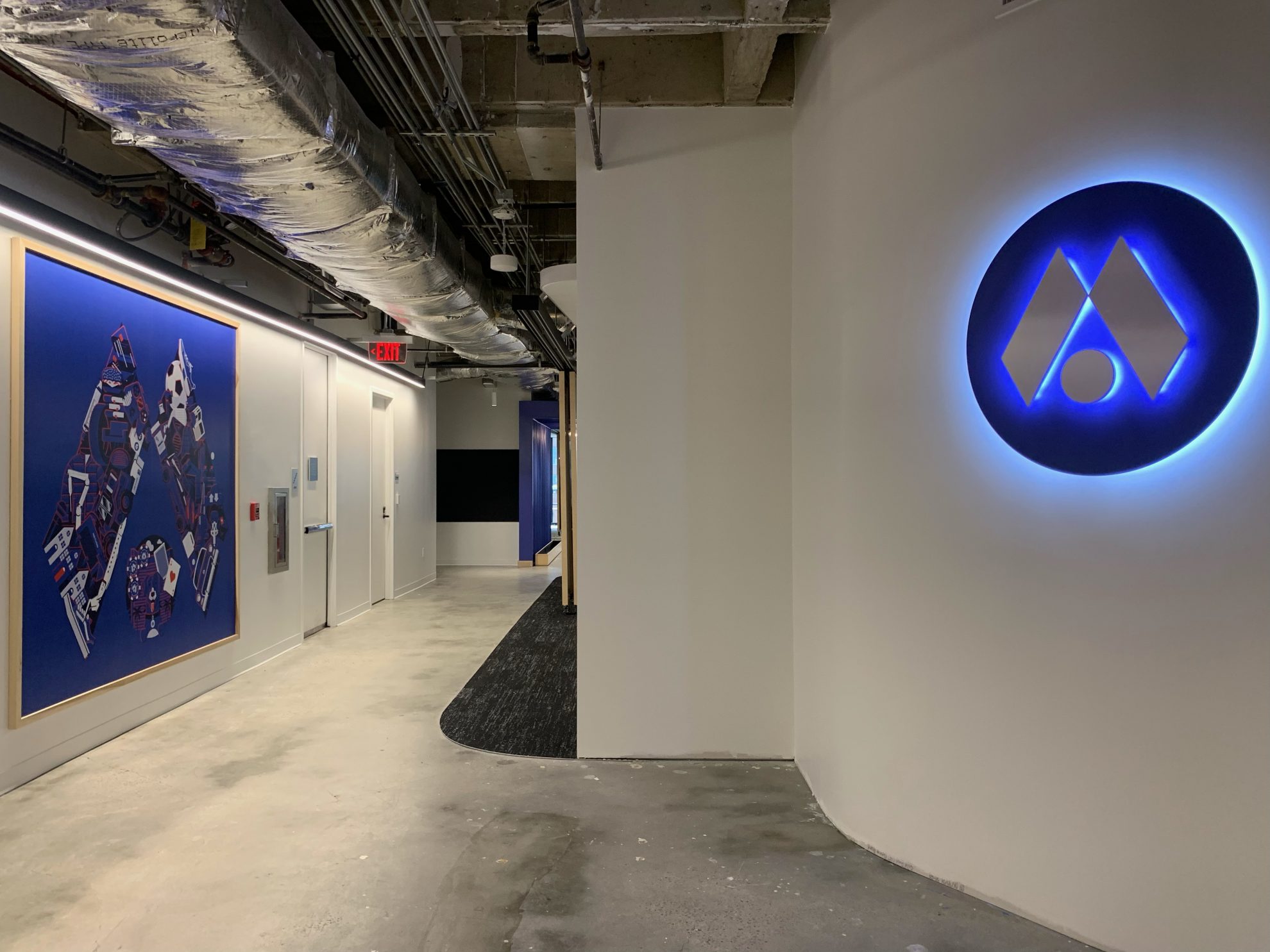
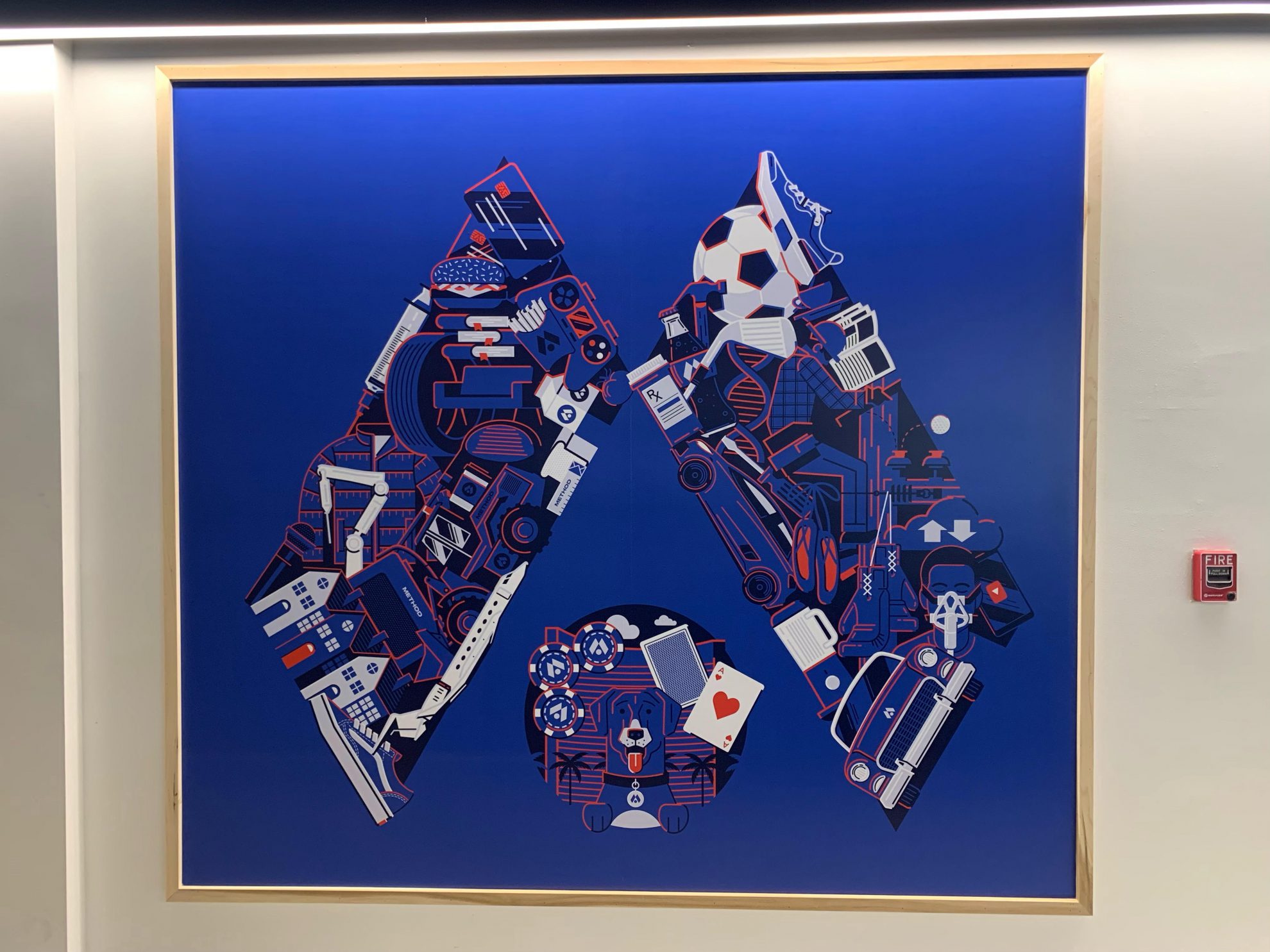
Heritage Signs & Displays' collaboration with Method (formerly Skookum) to rebrand their corporate headquarters. The project included dimensional lettering, wall displays, LED-lit signage, wall wraps, and frosted vinyl, creating an immersive and branded environment. Heritage worked closely with Method's team, ensuring accurate execution and timely delivery. The transformation was completed in August 2021, with Method's employees moving into the revamped space in September. The project reflects Heritage's commitment to quality and collaboration.