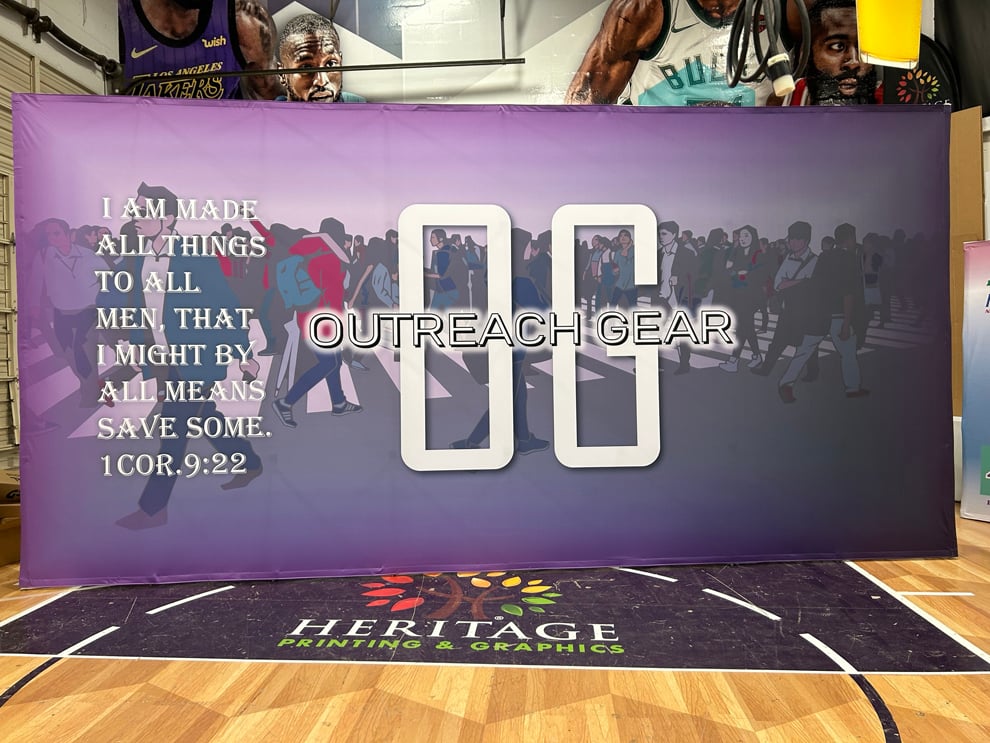
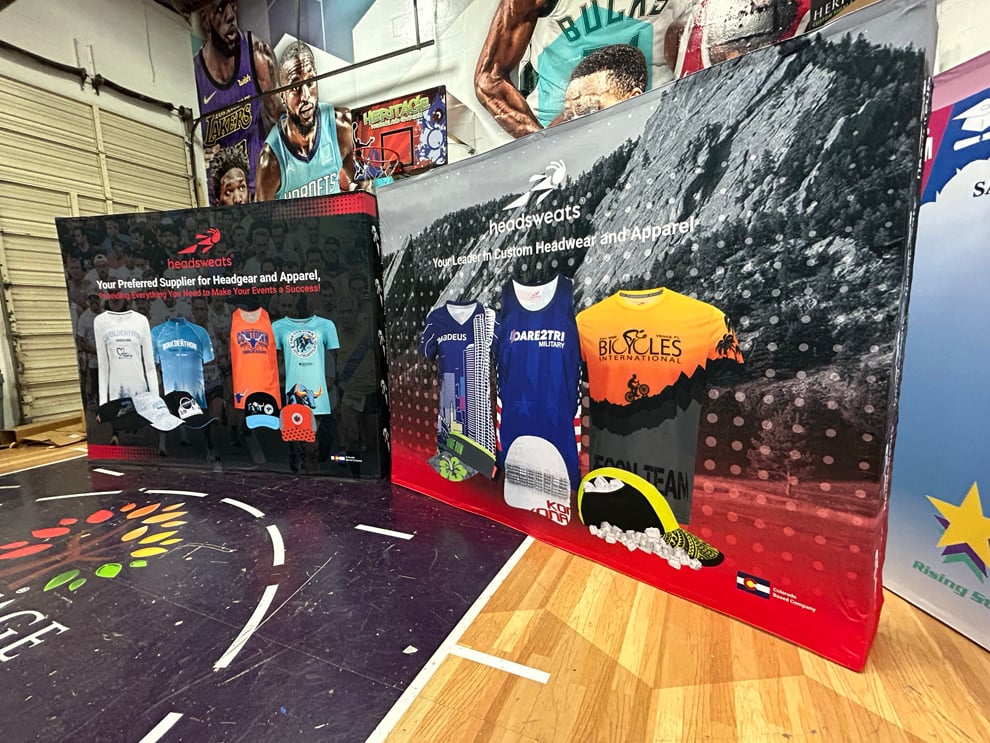
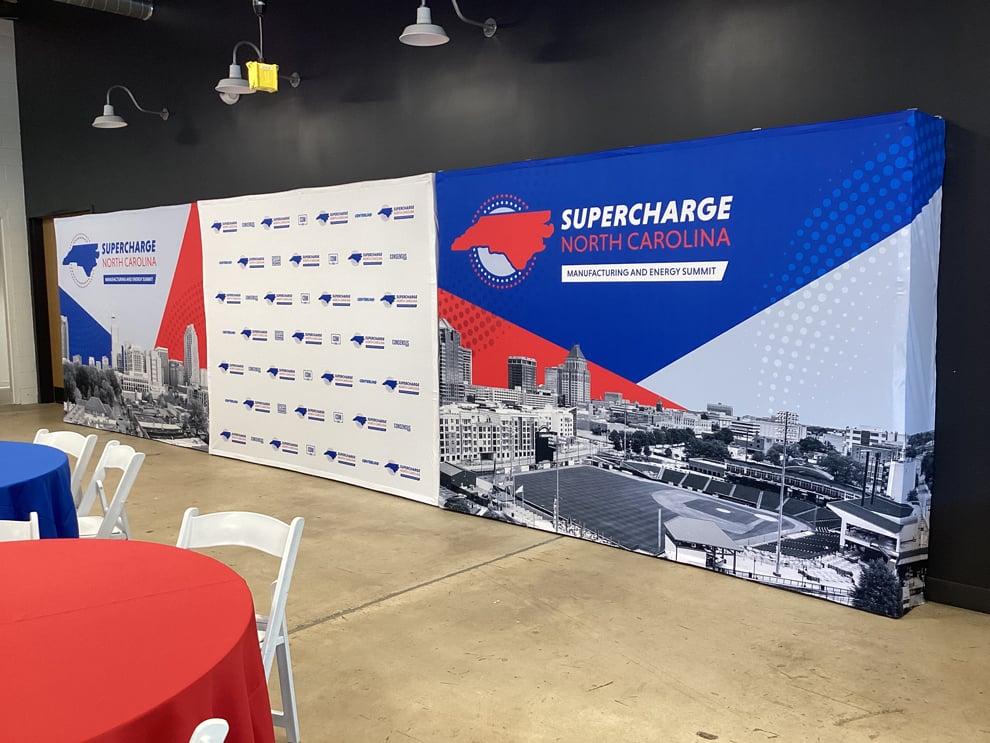
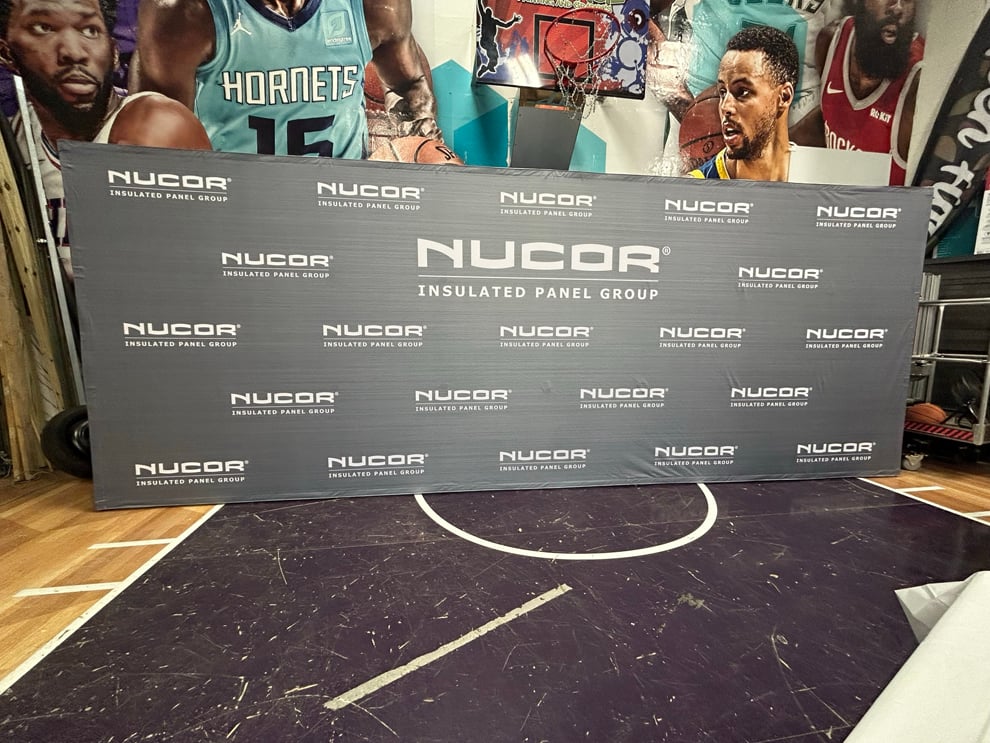
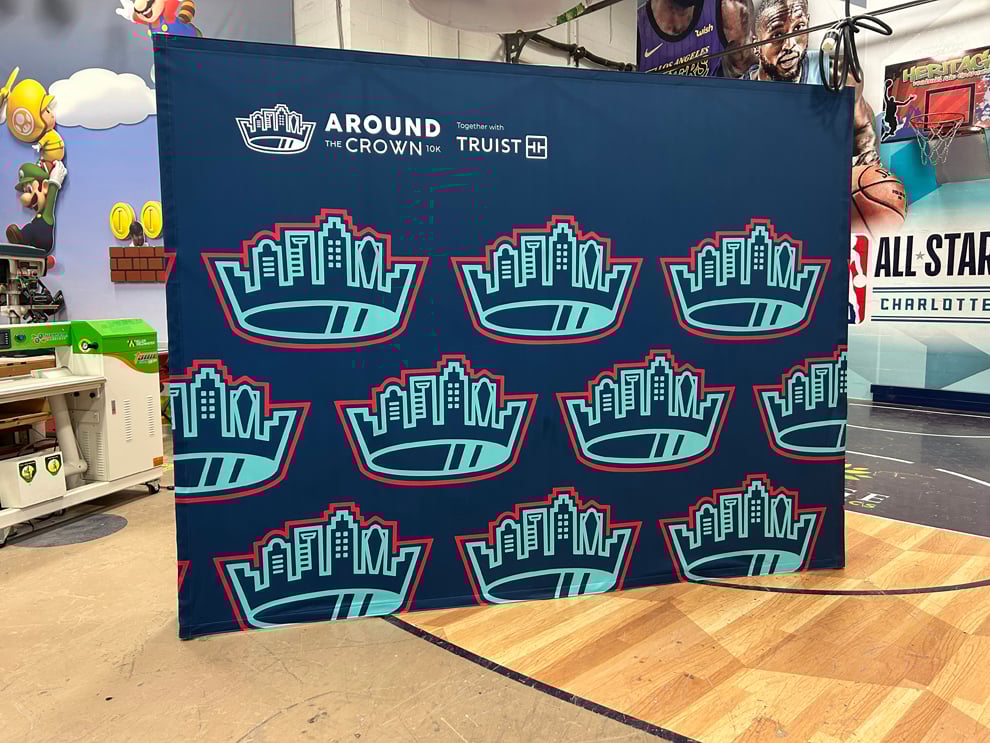
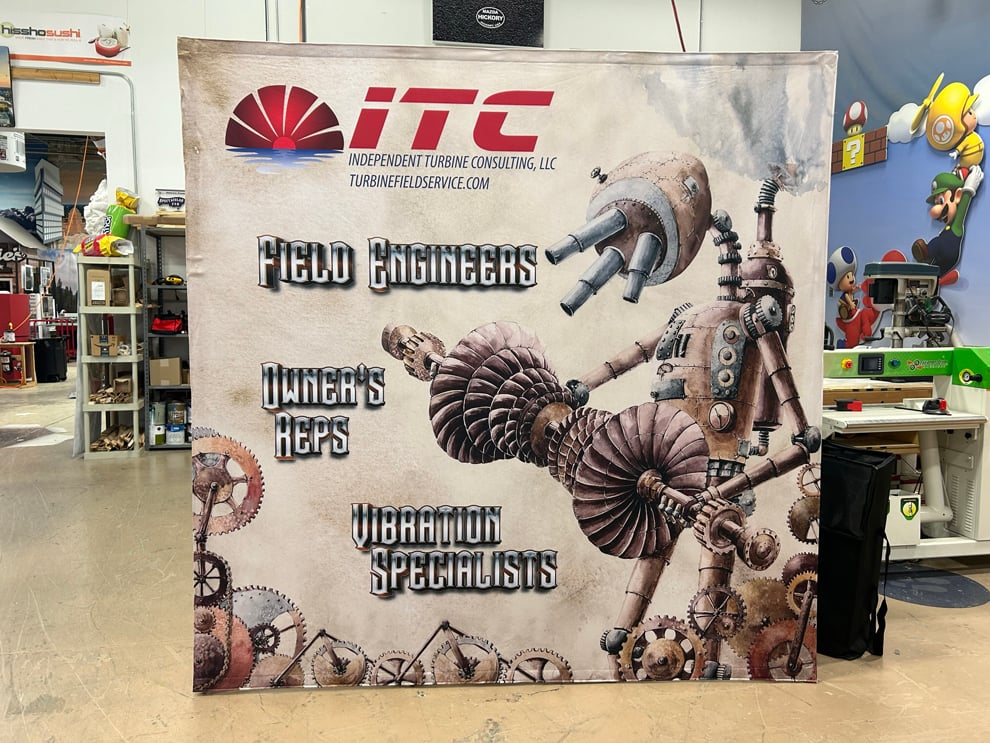
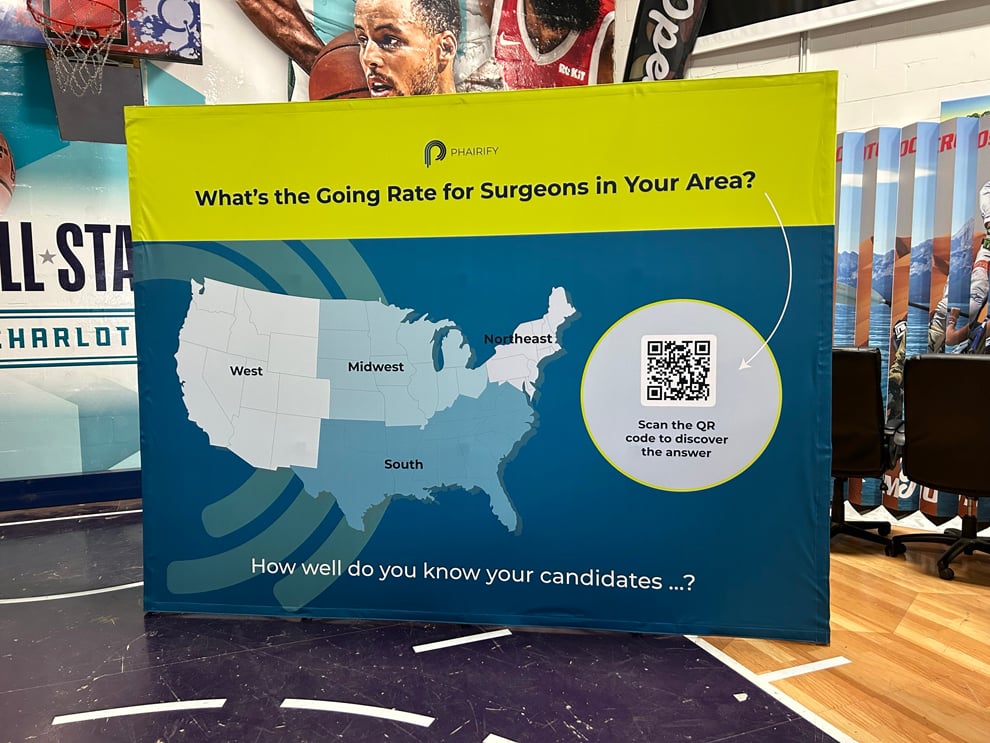
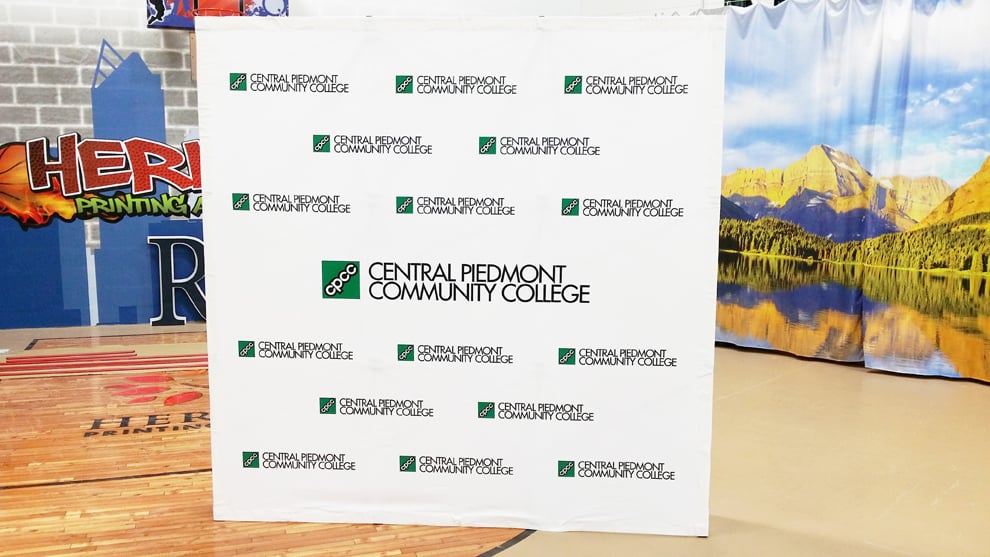
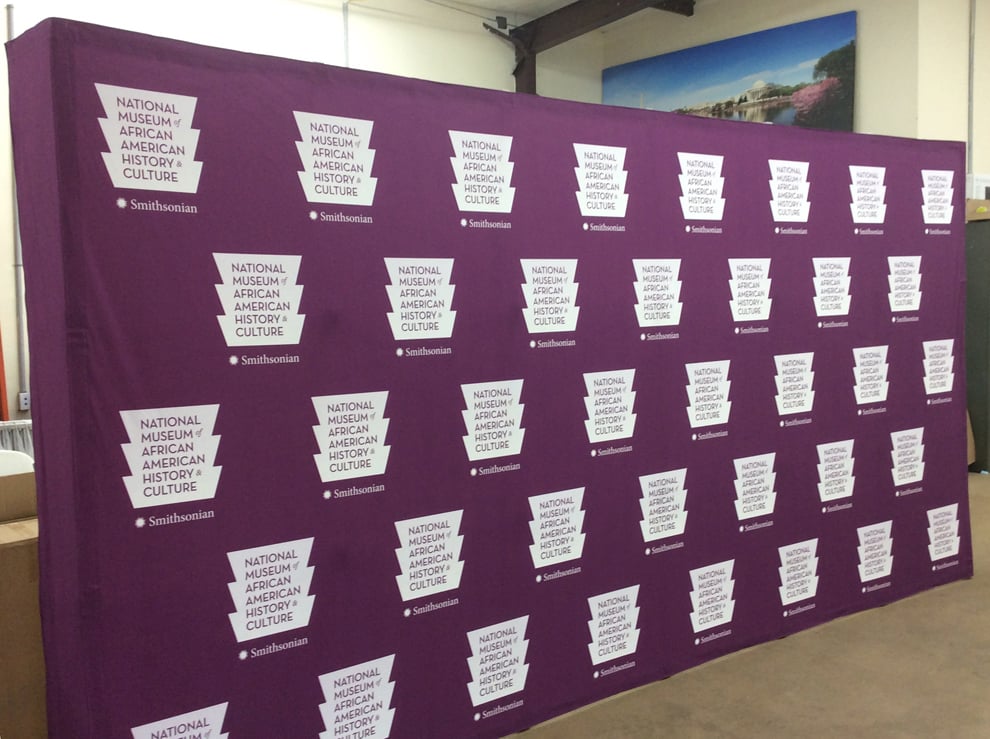
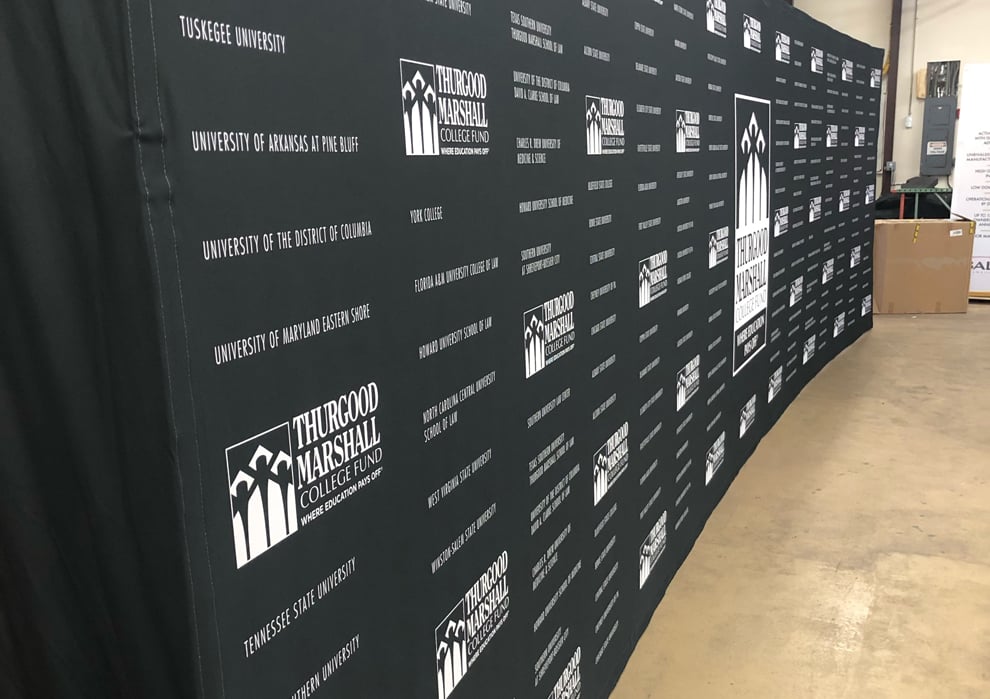
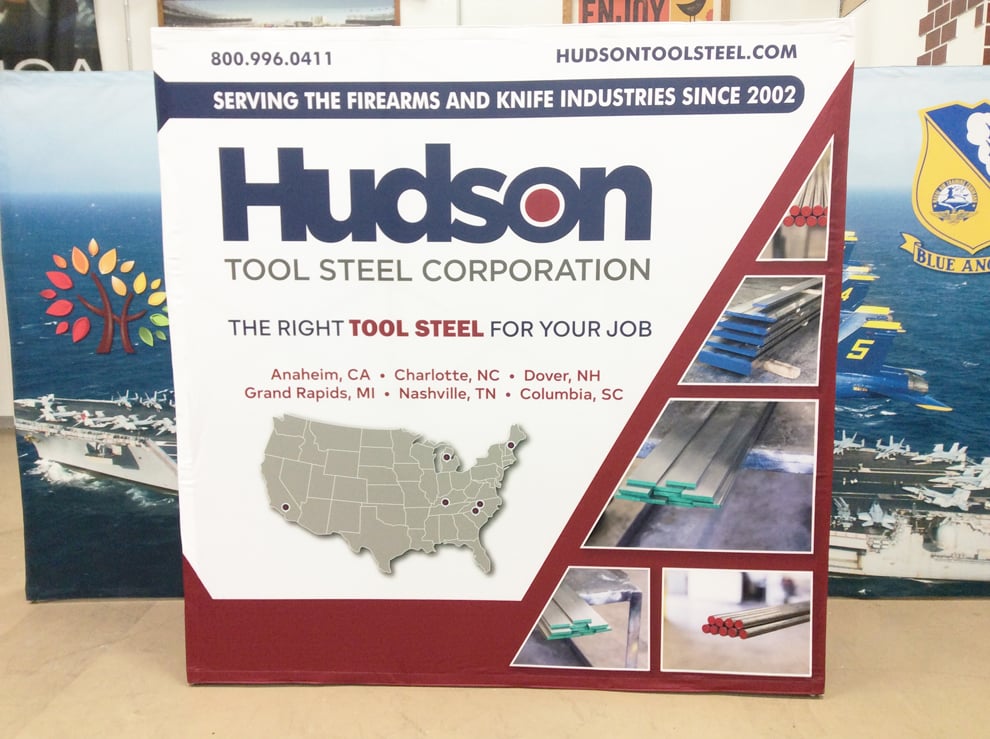
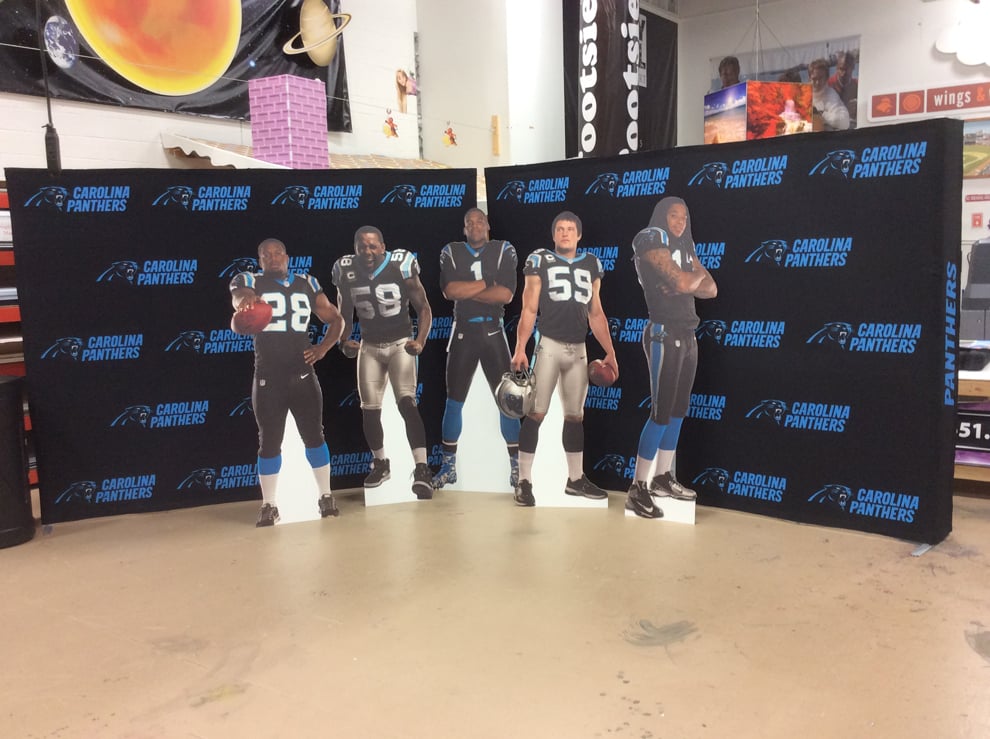
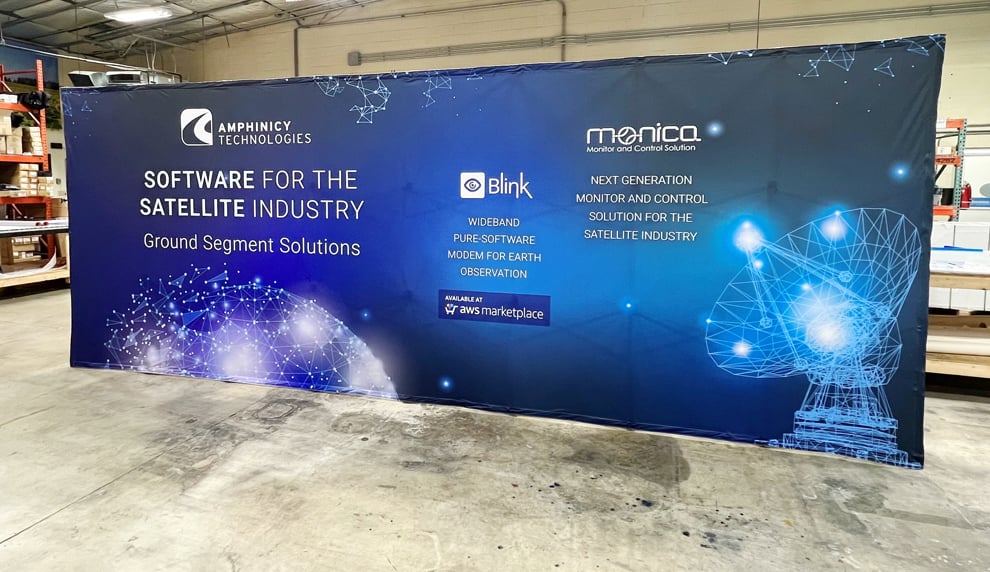
A fabric backdrop gives your event one large branded surface without turning setup into a construction project. For Raleigh and Research Triangle organizations moving between conferences, corporate meetings, presentations, recruiting programs, university programs, and trade shows, that combination of scale and portability solves a practical problem: creating a professional background that travels with the team and helps the audience understand who is speaking, presenting, sponsoring, or hosting.
Veteran-owned and family-led, Heritage Signs & Displays was founded in 1977. Custom signs, interior graphics, workplace branding, and event environment solutions became a defining company focus beginning in 2009.
The strongest fabric backdrop does more than fill space behind a table or stage. It creates a visual anchor. A well-planned background can frame a speaker, strengthen a presentation area, establish a photo or interview setting, define the back wall of a booth, recognize sponsors, or give a registration area a more intentional branded presence. Because the graphic surface is much broader than a retractable banner, the design can support larger imagery and a wider composition while keeping the main message clear from the distance where people will see it.
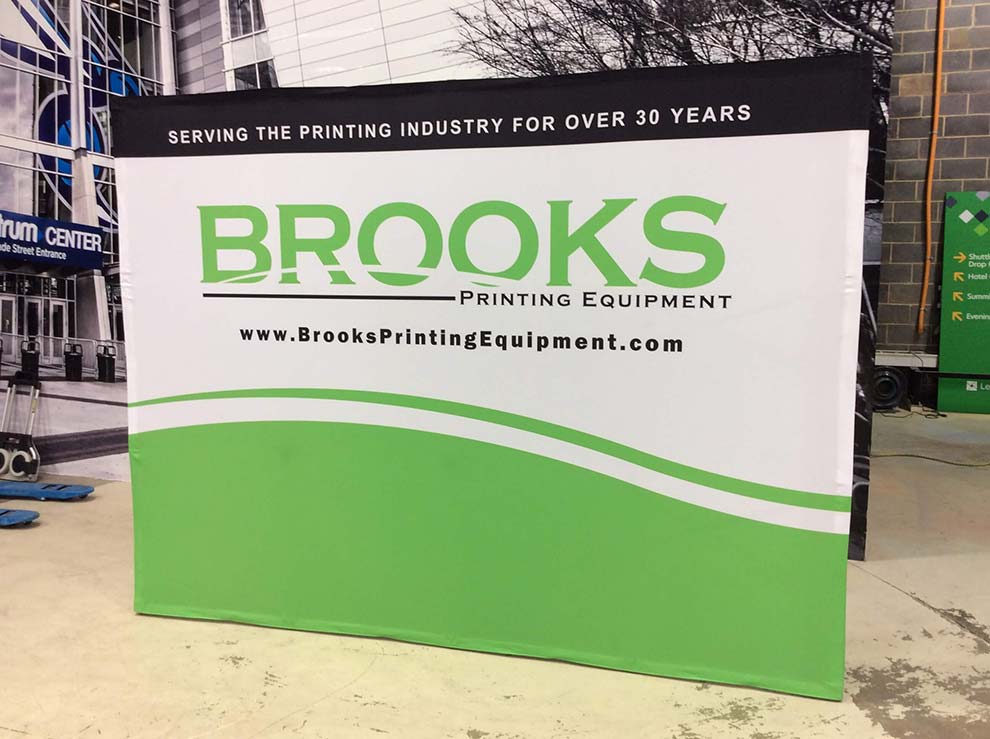
Portability is part of the appeal. Current Heritage Online Store backdrop systems use lightweight frames designed to assemble and pack down for transport. Depending on the selected system, the fabric graphic may stretch over a tubular frame and close around it or attach to a collapsible pop-up frame. The result is a freestanding backdrop that can travel in a carrying bag, be set up by the client's team, and be stored for another event. Use the Heritage Online Store to review current configurations, sizes, attachment methods, artwork templates, options, and pricing before choosing the system.
Fabric backdrops can work as a single focused display, but they also fit naturally into larger event environments. A backdrop behind a speaker may be coordinated with retractable banners at registration, event towers for visibility, step and repeat graphics for photography, trade show displays, sponsor messaging, directional signs, or other branded elements. The question is which communication jobs the event needs each display to perform.
Before choosing a system, think about the audience, viewing distance, floor area, camera framing, travel frequency, and whether the same graphic will serve multiple events. Those decisions help confirm whether a fabric backdrop fits the job.
When your need is already defined, the buying path can stay simple. If you know the standardized fabric backdrop configuration you want, have complete print-ready artwork, and are ready to place a self-directed order, use the Heritage Online Store. Eligible standardized products are available there with current configurations, options, and pricing. The Online Store does not include Heritage design or layout development, direct product selection or coordination, a Physical Production Color Proof, a Heritage site survey, or Heritage professional installation. If the backdrop is part of a larger qualifying event or workplace project and you need Heritage to help develop and/or coordinate the broader solution, use Get Started Now.
Talk with Heritage about a coordinated event environment involving multiple signs, graphics, displays, and professional installation.
Get Started Now
Fabric backdrops do not all use the same hardware or graphic-attachment method. Understanding the basic mechanics helps you choose a system that fits how your team will assemble, transport, store, and reuse it.
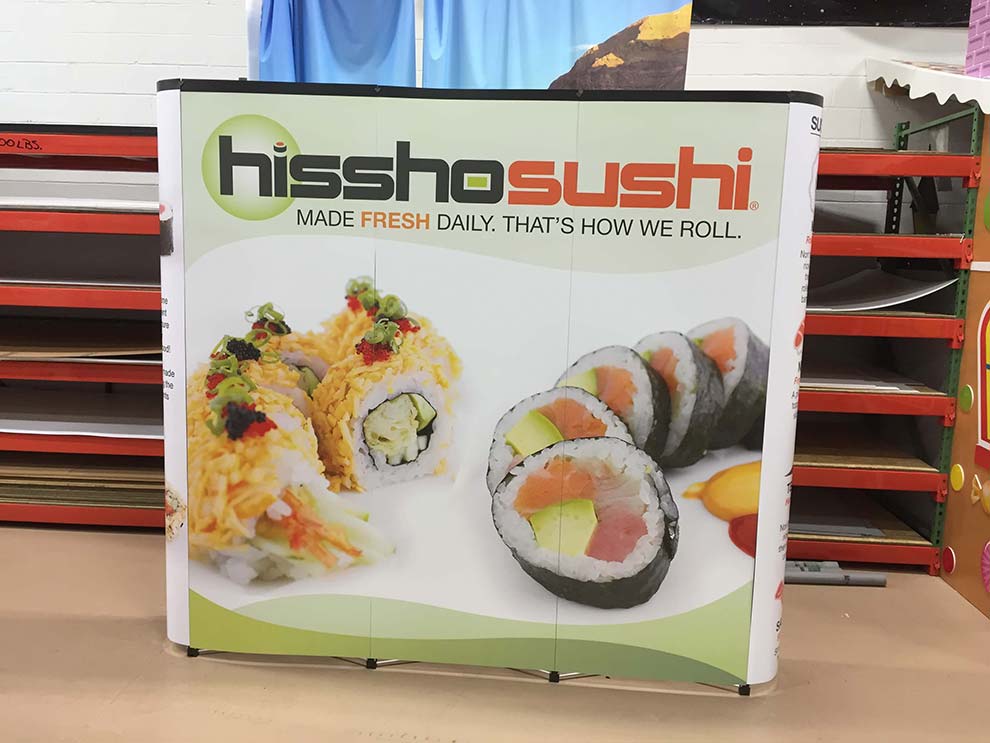
One available style uses a lightweight tube frame that connects with push-button fittings. A pillowcase-like tension fabric graphic is pulled over the assembled frame and zipped closed, which creates the tension that presents the image. Another uses a collapsible aluminum frame that locks open and holds the fabric graphic with hook-and-loop attachment. That pop-up system can collapse with the front graphic attached and supports interchangeable graphics.
Both approaches are portable fabric backdrop systems, but their assembly, graphic attachment, storage, and replacement behavior are not identical. That distinction matters when you are considering repeated travel, how often the message may change, how your team prefers to set up the display, and how much storage space is available between events. Use the Online Store for the current configurations and product-specific instructions rather than assuming every fabric backdrop works the same way.
A portable backdrop is straightforward to use, but the finished result still depends on large-format production and artwork that works at scale. Heritage approaches the fabric graphic as a branded communication surface, not simply as a large print. That means paying attention to image quality, visual hierarchy, logo treatment, typography, and how the composition will read behind people or other foreground activity.
For self-directed Online Store orders, the client supplies complete print-ready artwork for the selected standardized configuration. Heritage produces from that submitted file; design and layout development are outside the storefront transaction. For a larger qualifying managed project, Heritage can provide design support when included in the accepted scope and coordinate the backdrop with other event displays, delivery, site conditions, and professional installation. One dedicated Project Manager can preserve those decisions across the project.
Heritage uses professional color-management practices and treats supplied Pantone Matching System colors as production targets. Screens and electronic proofs are not physical color standards. For color-critical managed projects, Heritage can provide a Physical Production Color Proof at additional cost when included in the accepted scope and the project schedule allows.
Fabric backdrops create a strong portable background, but other event communication or structural needs may call for different display systems.
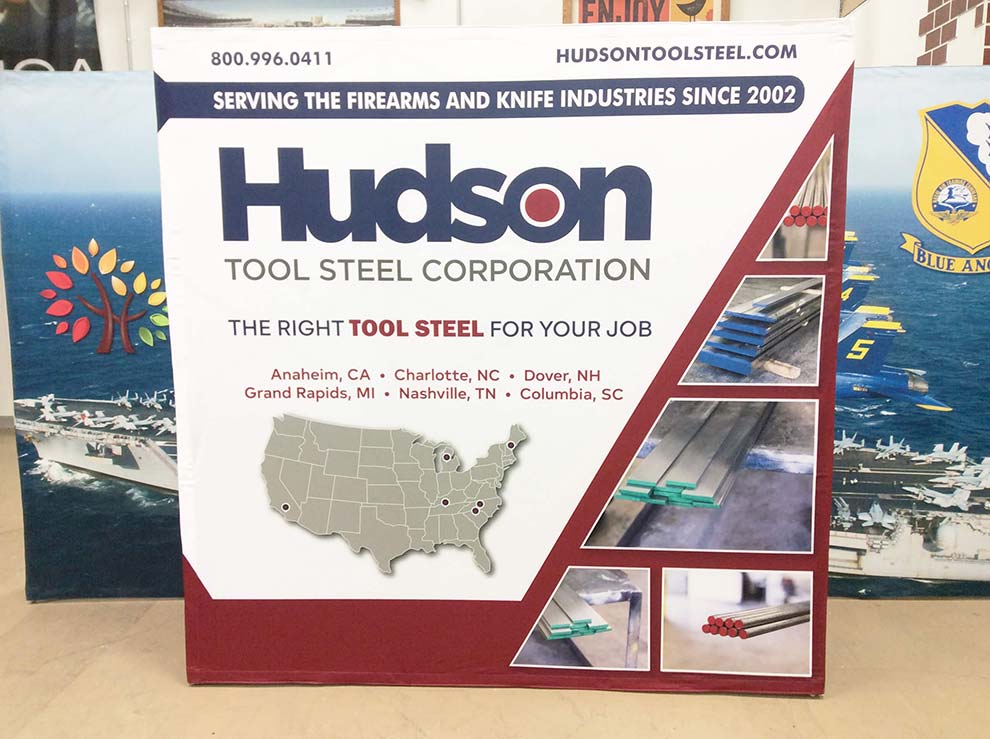
Create a larger event focal point when the setting calls for a broader backdrop solution, specialized staging treatment, or another format beyond a standard portable fabric system.
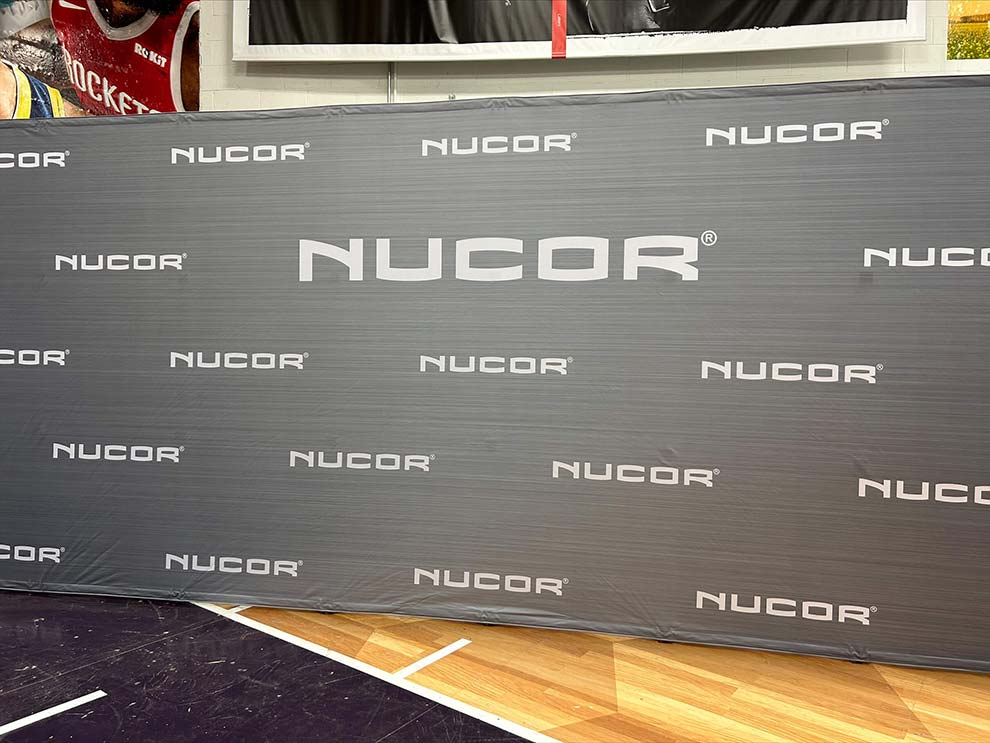
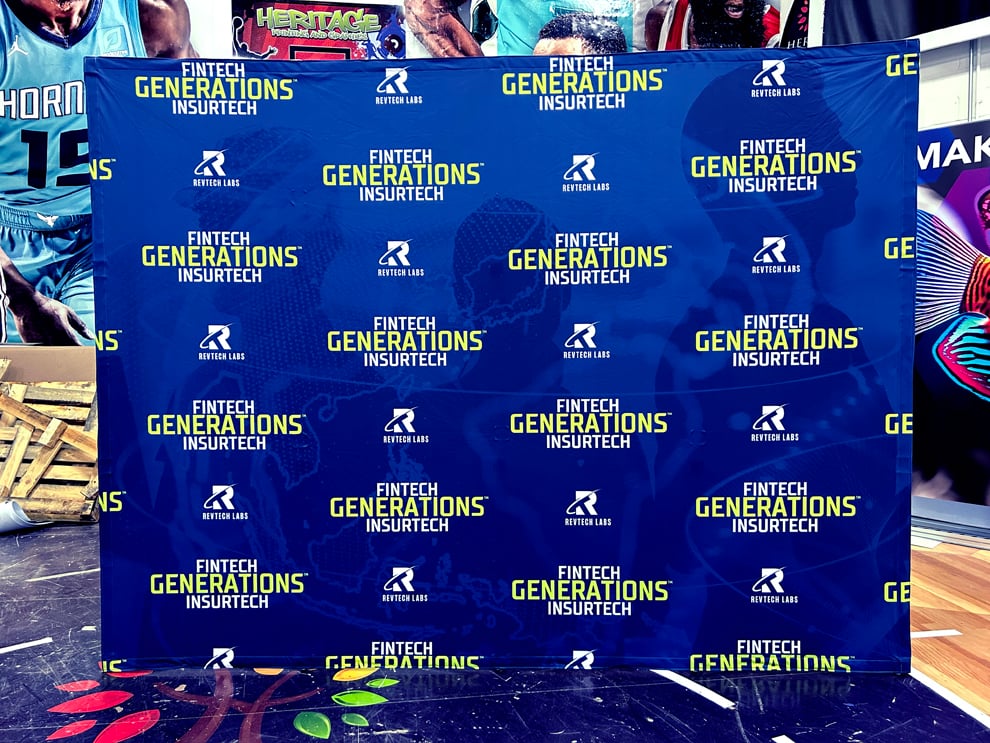
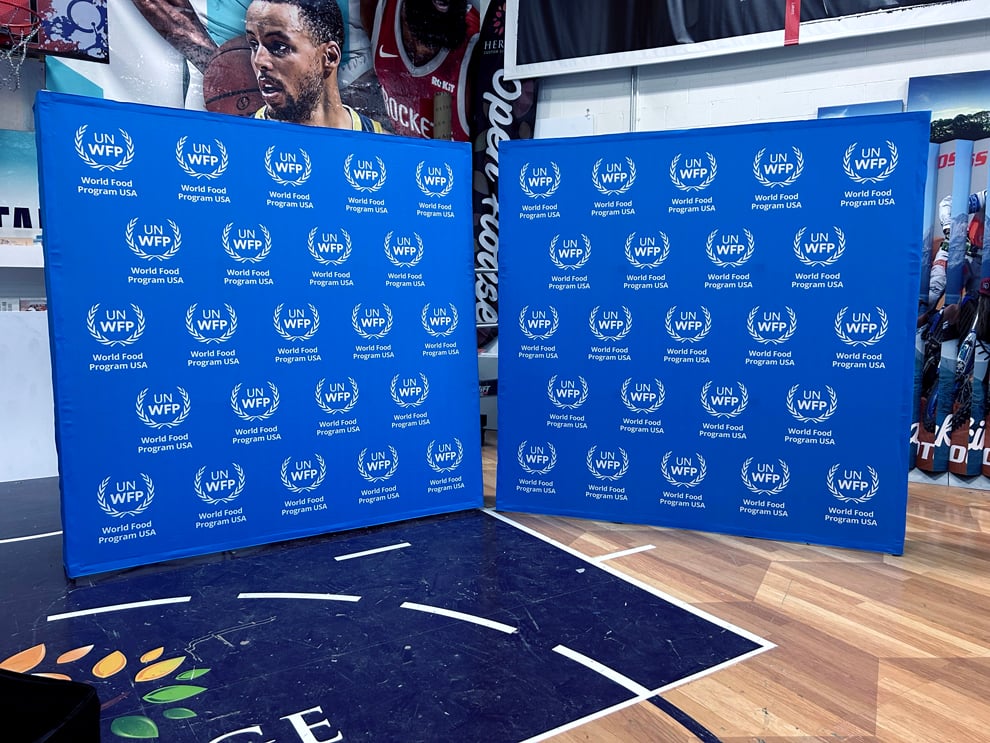
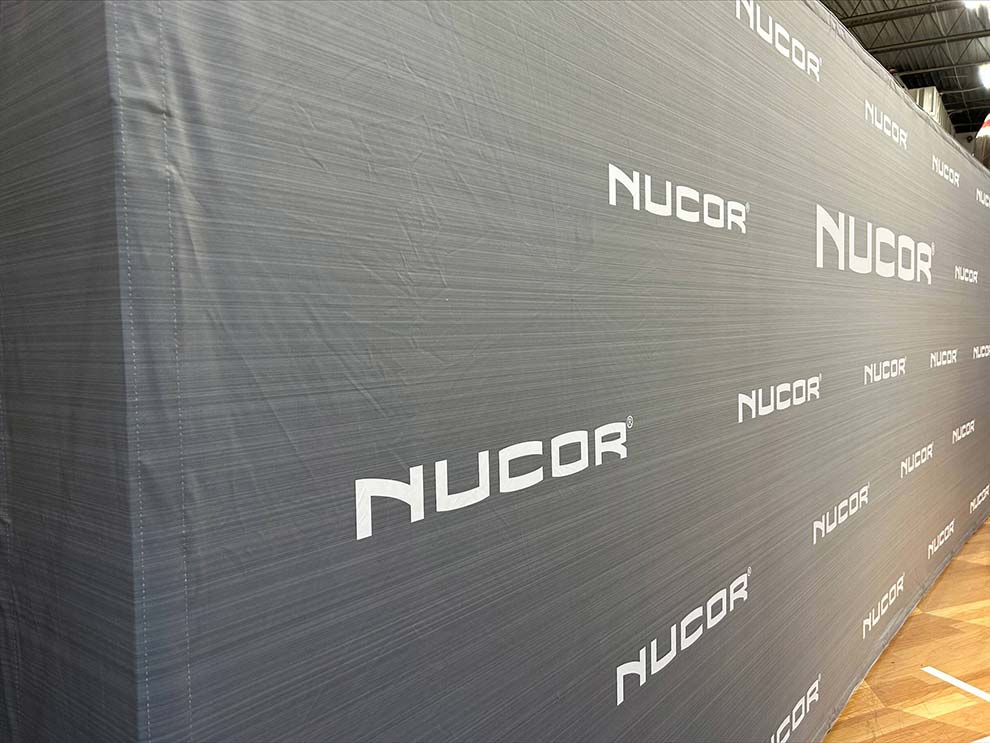
Build a photo- and media-oriented background around repeated logos, sponsor marks, or organizational identity for guest photography, interviews, awards, and recognition moments.
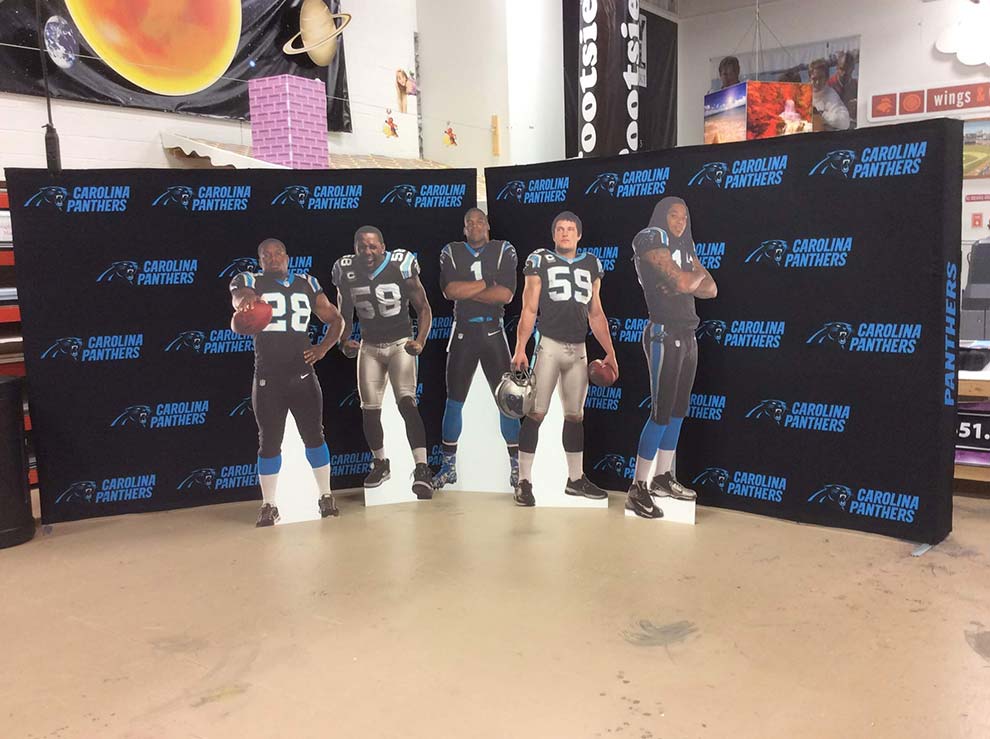
Expand from one backdrop into a broader portable exhibit or conference presentation when the booth needs additional visual structure, messaging, or display components.
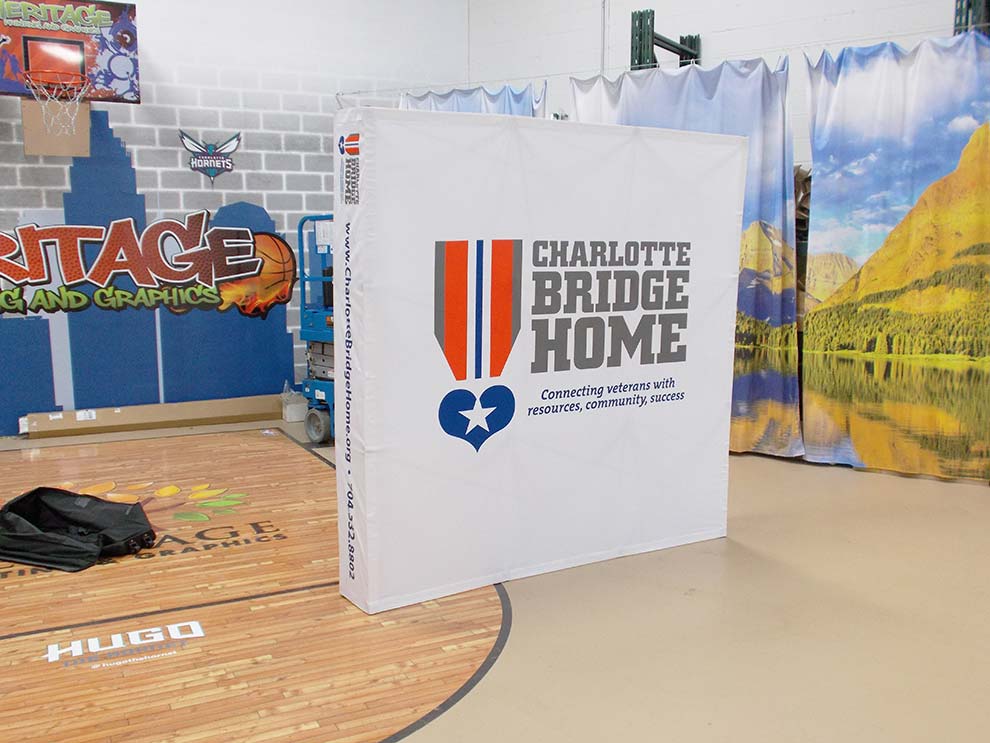
Add smaller vertical displays for registration, direction, recruiting, schedules, or supporting messages that need to move independently around the event.
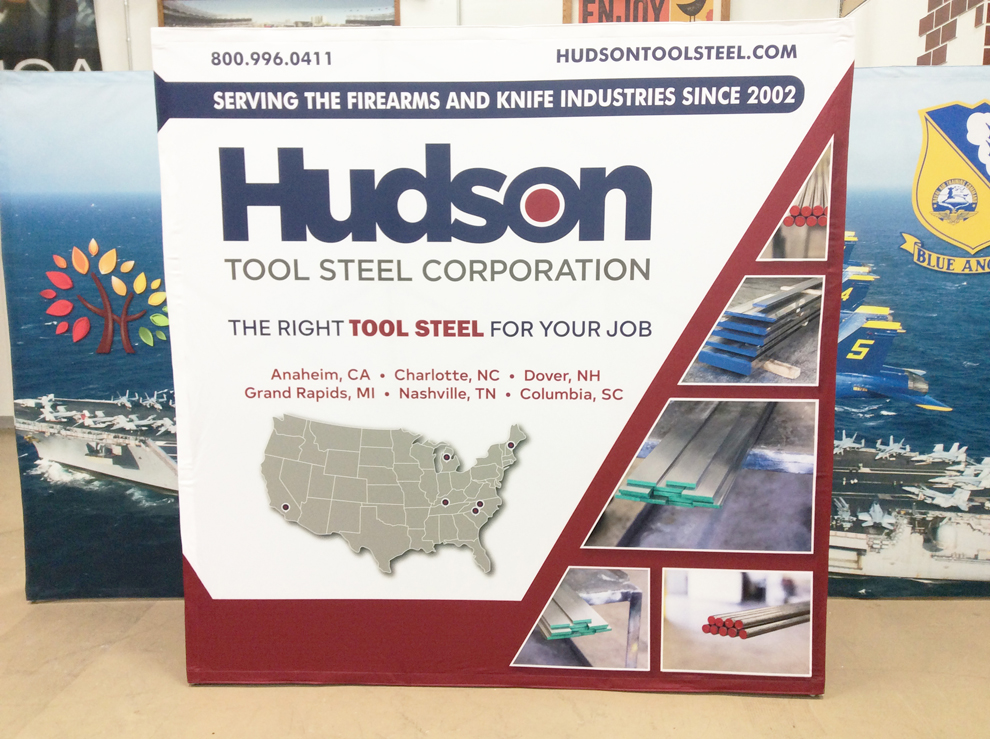
Use silicone-edge fabric graphics when the design calls for fabric finished with a sewn silicone gasket and installed into a compatible frame or lightbox system.
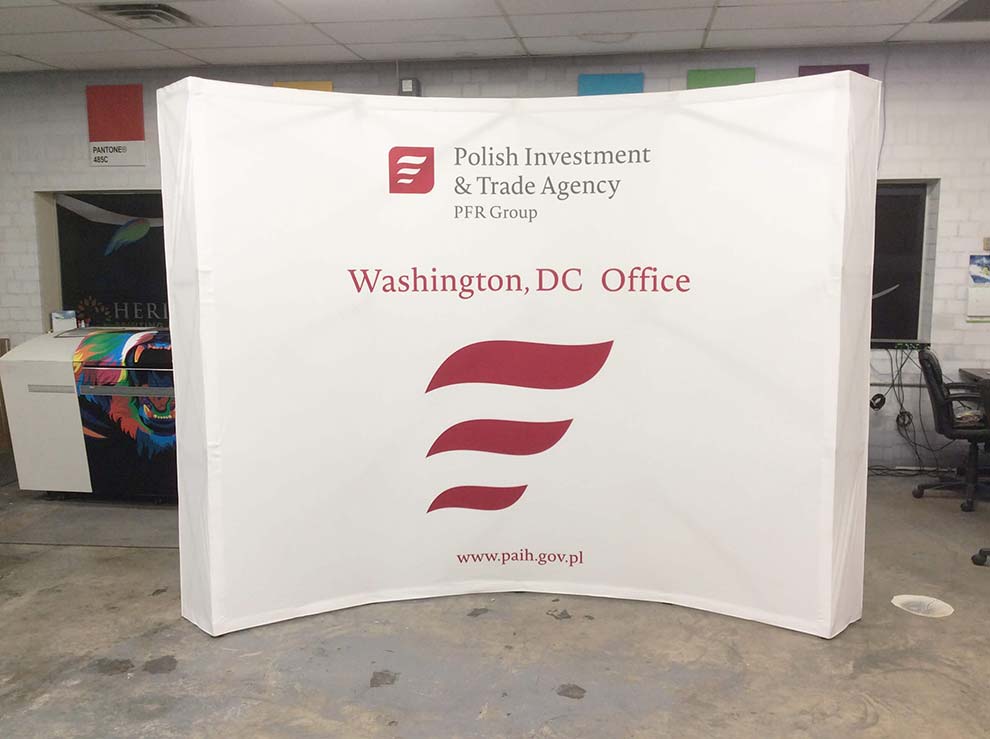
Create a modular structural event system when the project requires configurable frames, larger exhibit architecture, or integration with SEG graphics and other display components.
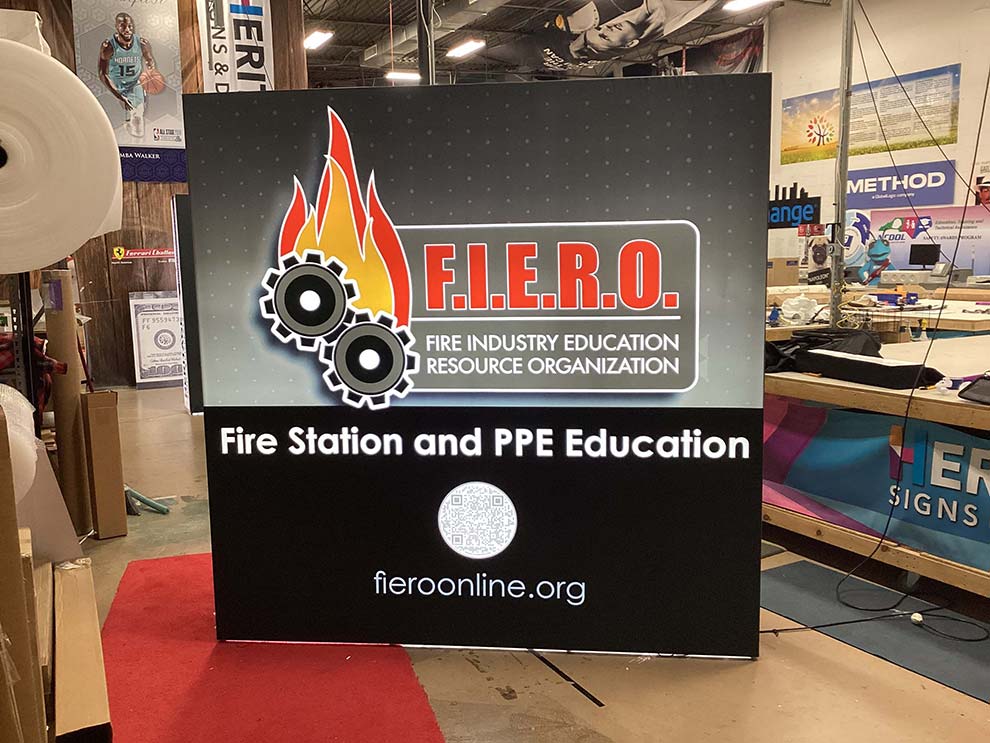
Add height and long-distance visibility for brand identity, sponsor communication, directional cues, or messages that need to rise above surrounding activity.
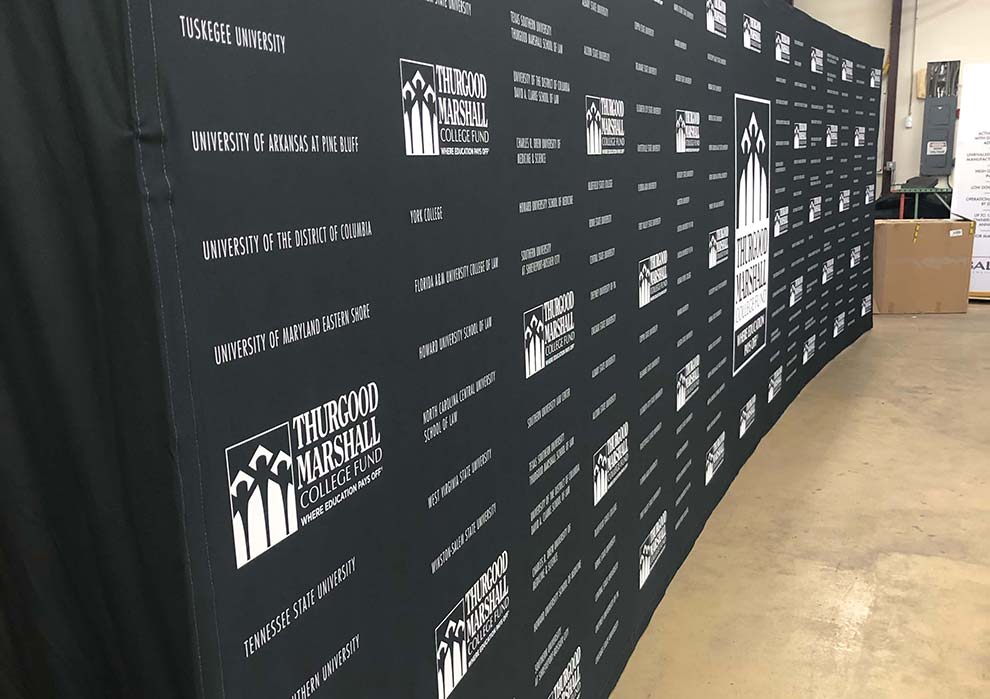
Coordinate the broader physical event communication system when registration, wayfinding, sponsor messaging, venue graphics, and several display types need to work together.
If you already know the standardized fabric backdrop and configuration you need and have complete print-ready artwork, choose View Pricing & Order Online to review current options and place an eligible self-directed order through the Heritage Online Store.
If your backdrop is part of a larger qualifying event environment or workplace branding project and you need Heritage to help develop and/or coordinate the broader solution, choose Planning a Larger Event Branding Project? Get Started Now. Share the project location, event goal, schedule, scope, and available files so Heritage can evaluate the managed project and recommend the next step.
Planning a Larger Event Branding Project? Get Started Now
Raleigh and the Research Triangle bring together conferences, university programs, technology and healthcare organizations, association meetings, nonprofit events, recruiting programs, corporate presentations, and recurring gatherings across a compact but active regional market. Fabric backdrops fit that environment because they provide a large visual surface without requiring a permanent installation at every venue. A team can create a branded background for a stage, panel, booth, photo setting, or presentation area and then pack the system for another location.
Heritage has a client-facing Raleigh office and local field and installation hub serving Raleigh, Durham, Chapel Hill, Cary, Morrisville, Research Triangle Park, and the broader Research Triangle. Standardized Online Store backdrop orders remain self-directed.
For larger qualifying event or workplace projects, Heritage can connect Raleigh-area discovery and site knowledge with regional production, fabrication, delivery planning, and professional installation when included in the accepted scope. For organizations with recurring events or several locations, that structure helps preserve approved brand standards while the backdrop and surrounding displays adapt to each venue or program.
A fabric backdrop is often seen behind people rather than by itself, so design should account for what the camera and audience will actually see. Keep essential logos, headlines, and sponsor marks away from areas likely to be blocked by speakers, tables, podiums, products, or seated guests. Give important elements enough scale to remain legible across the room or in photography, and avoid detail that becomes visual noise.
The best composition depends on the job. A stage backdrop may need one strong brand statement. A press or photo background may call for repeated sponsor or organization marks. A trade show backwall may need a clear headline, imagery, and a visual path that works from the aisle. Those are different design problems even when the same type of fabric hardware could support them.
For an Online Store purchase, the client supplies complete print-ready artwork using the current product template and requirements. For a larger qualifying managed project, Heritage can provide design support when included in the accepted scope and coordinate the backdrop's visual role with the other signs, graphics, and displays in the environment.
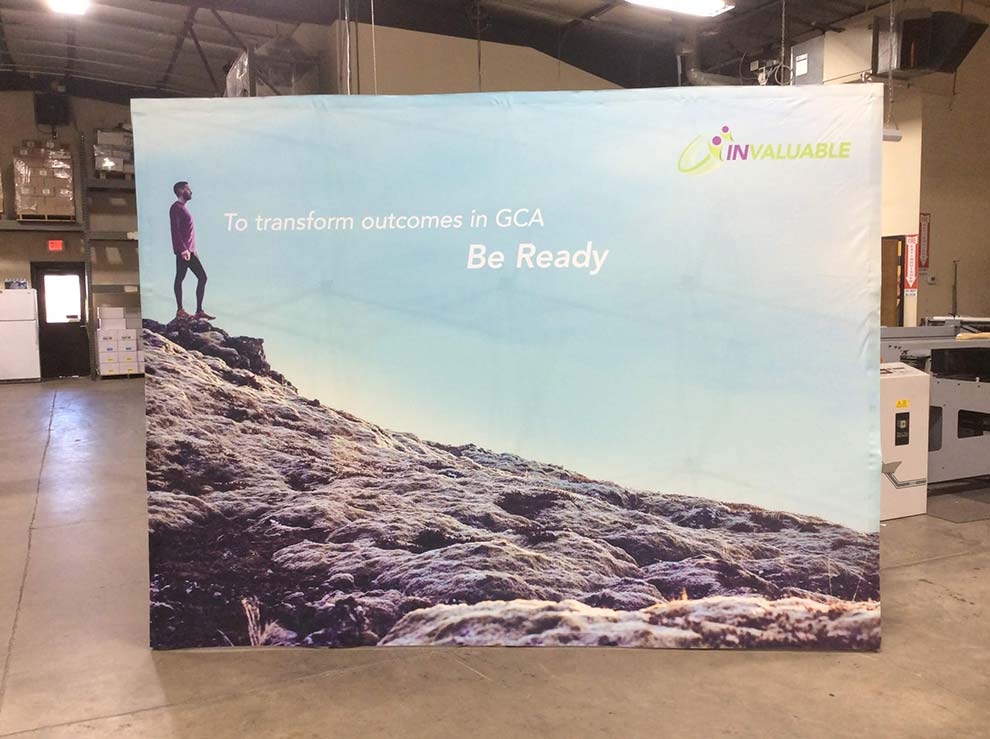
Fabric backdrops are portable, but good results depend on following the setup method for the selected system. Current Online Store products demonstrate two approaches: an assembled tube frame with a tension fabric graphic pulled over and zipped around the structure, and a collapsible pop-up frame that secures the graphic with hook-and-loop attachment. Because the hardware differs, use the instructions supplied with the actual product rather than assuming one setup method applies to every backdrop.
For transport, protect the frame components and graphic, use the supplied carrying solution when applicable, and pack the system so hardware does not press, snag, or abrade the printed surface. Before the next event, allow enough time to assemble the frame, position the graphic correctly, and check the completed display from the audience or camera viewpoint.
Standardized Online Store backdrops are client-deployed and do not include a Heritage site survey or professional installation. If fabric backdrops are part of a larger Heritage-managed project that ultimately includes Heritage professional installation, the required Heritage site survey applies to that installed project scope, and backdrop placement can be coordinated with the broader event plan.
Choose the buying path based on how much of the solution is already decided. Use the Heritage Online Store when you know the standardized fabric backdrop and configuration you want, have complete print-ready artwork, and are prepared to make the selections yourself. The store is the current source for configurations, artwork requirements, production and shipping information, and pricing.
Use Get Started Now when the backdrop belongs to a larger qualifying event or workplace project and you need Heritage to help develop and/or coordinate the broader solution. That can include several display types, multiple locations, delivery planning, site conditions, stakeholder approvals, professional installation, or design support within the accepted scope. Approved artwork does not eliminate the need for broader coordination.
The distinction is not whether the client already has artwork. It is whether the purchase is fully defined or the broader event still needs Heritage coordination. Choose the path that matches the planning and execution support you need.
If the accepted project includes Heritage professional installation, the required Heritage site survey applies to that installed project scope.
A fabric backdrop is a freestanding display that combines a printed fabric graphic with a supporting frame. It creates a broad branded surface for stages, presentation areas, trade show booths, interviews, photo settings, sponsor visibility, and other event uses. The frame and graphic can be disassembled or collapsed for transport, depending on the selected system.
A fabric backdrop provides a much wider visual surface and is typically used as a background or backwall. A retractable banner is a narrower vertical display whose graphic stores inside its base. Retractable banners work well for focused messages around registration, entrances, breakout areas, or presentations; fabric backdrops are better when the event needs a larger branded field behind people or activity.
Use the Heritage Online Store for current standardized backdrop configurations, sizes, attachment methods, artwork templates, options, and pricing. Current products use more than one frame and graphic-attachment approach, so do not assume every fabric backdrop assembles, stores, or accepts graphics in the same way.
Choose View Pricing & Order Online when you already know the standardized fabric backdrop and configuration you want and have complete print-ready artwork. Select the current product options in the Heritage Online Store, follow the artwork requirements for that configuration, upload the required files, and use the storefront's current production and shipping information when planning the order.
Use Get Started Now when the fabric backdrop is part of a larger qualifying workplace or event project and you need Heritage to help develop and/or coordinate the broader solution. That may involve several displays, multiple locations, delivery, site conditions, stakeholder requirements, schedule-sensitive work, professional installation, or design support within the accepted scope. Design need is not the only reason to choose the managed-project path.
No. Standalone Online Store orders require complete print-ready artwork and do not include Heritage design or layout development. Design support may be included within a larger qualifying Heritage-managed project when it is part of the accepted scope. That managed work can also coordinate the backdrop with other signs, graphics, and displays.
Direct Heritage product selection or coordination is not included in the standalone Online Store transaction. Review the current product descriptions, configuration choices, templates, and ordering information in the store and choose the standardized product that fits your need. If product selection is part of a larger event solution that requires broader Heritage coordination, use Get Started Now.
No. A standalone standardized fabric backdrop is a portable, client-deployed display and does not require a Heritage site survey. If the backdrop becomes part of a larger Heritage-managed project that ultimately includes Heritage professional installation, Heritage conducts the required site survey for that installed project scope.
A standardized Online Store fabric backdrop is intended for client setup and does not include Heritage professional installation. In a larger qualifying Heritage-managed event project, Heritage may coordinate backdrop placement and setup with the broader delivery and installation plan when that work is included in the accepted scope. If the overall project includes Heritage professional installation, the required site survey applies.
Assembly depends on the selected system. Current Heritage Online Store options include a tube-frame approach where the fabric graphic pulls over the assembled frame and closes around it, and a collapsible pop-up approach where the graphic attaches to the frame with hook-and-loop material. Follow the current product instructions for the specific backdrop you purchase rather than using one setup method for every system.
Disassemble or collapse the frame according to the selected product instructions, protect the graphic from snagging or abrasion, and use the supplied carrying solution when applicable. Pack hardware so it does not press against the printed surface. Before reuse, allow enough setup time to position the graphic correctly and inspect the finished backdrop from the audience or camera viewpoint.
Replacement capability is system-specific. Some backdrop systems support interchangeable graphics, but do not assume every system does. If future graphic changes matter, review the current product details before ordering and choose a system that explicitly supports them.
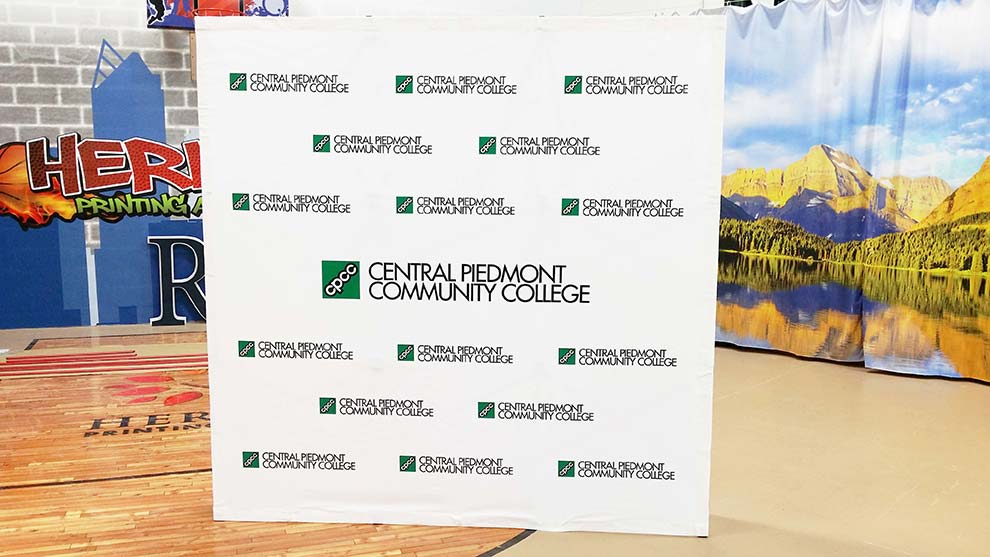
Yes. A compatible fabric backdrop can carry a repeated logo, sponsor, or organization pattern when that is the desired graphic treatment. The Step and Repeat Backdrops page owns that specific photo- and media-oriented application, while the Fabric Backdrops page focuses on the portable fabric display system itself and the broader ways the graphic surface can be used.
Yes. A broad fabric background can frame speakers, panels, interviews, presentations, awards, or other focal activity while keeping the organization or event visually present behind the people on stage or on camera. Plan the artwork around likely sightlines and camera framing so essential logos or messages are not hidden by people, tables, podiums, or equipment.
Yes. A fabric backdrop can create a clean branded backwall for a booth or exhibit when the need is primarily a large portable graphic surface. If the booth requires a more extensive portable presentation system, modular structure, multiple display components, shelving, integrated lighting, or broader exhibit architecture, the Trade Show Displays or beMatrix pages may be the better starting point.
The attachment system is different. SEG fabric graphics use a silicone strip sewn around the graphic edge that fits into a compatible frame groove, creating an edge-to-edge fabric presentation. The standardized fabric backdrops discussed here use other portable frame-and-graphic attachment methods. Choose the family based on the hardware system and finished display you actually need.
Treat the backdrop as a visual background first, not a wall-sized document. Use a clear brand statement, strong imagery, readable logos, or concise messaging that can be understood from the intended distance. Keep critical information away from areas likely to be blocked by people or furniture. If the audience must read detailed schedules, directions, or program information, use supporting signs or displays for those jobs.
Heritage uses professional color-management practices and treats supplied Pantone Matching System colors as production targets. Printers, inks, fabrics, and finishing conditions have different color gamuts, so a production combination may not reproduce every target identically. Identify color-critical requirements before production so the appropriate managed-project proofing decision can be made when applicable.
No. A monitor, phone, or electronic proof is not a physical color standard. Electronic proofs are useful for reviewing artwork, content, layout, and other visible details, but display settings and the actual production system can affect color appearance. A buyer who requires physical color evaluation should address that need before production through a qualifying managed project.
A Physical Production Color Proof may be provided only within a qualifying Heritage-managed project when color-critical proofing is included in the accepted scope, at additional cost, and the schedule allows. Once approved, that proof becomes the controlling physical color reference unless otherwise agreed. Physical Production Color Proofs are not available through standalone Online Store orders.
Yes. A fabric backdrop can serve as the main background while other physical elements handle registration, wayfinding, sponsor communication, vertical messaging, floor or glass graphics, or exhibit structure. In a qualifying managed project, Heritage can help develop and/or coordinate the display system around the audience, venue, schedule, delivery, site conditions, stakeholder requirements, and professional installation needs.
Heritage has a client-facing Raleigh office and local field and installation hub serving Raleigh, Durham, Chapel Hill, Cary, Morrisville, Research Triangle Park, and the broader Research Triangle. That local capability is most relevant to qualifying managed projects that need discovery, site knowledge, installation planning, or professional installation. Standardized Online Store backdrop orders remain self-directed.
Yes, when the work is part of a qualifying Heritage-managed multi-location project. One dedicated Project Manager can preserve the approved design direction, production expectations, schedule decisions, and project history while Heritage coordinates the needs of different locations. The physical solution can adapt to each site without losing the brand standards that should remain consistent across the program.
For an Online Store purchase, review the current production and shipping information before ordering and make sure complete print-ready artwork is ready to submit. For a larger Heritage-managed project, share the event date and full scope as early as possible. Heritage evaluates approvals, production, delivery, site access, and installation needs against the requested schedule and works with you on practical alternatives if the original scope cannot responsibly fit the available time.
Start with the communication or structural job that the fabric backdrop does not solve by itself. Step and Repeat Backdrops specialize in repeated-logo photo and media settings. Retractable Banners handle smaller vertical messages. Event Towers add height. SEG Fabric Graphics and beMatrix Frames provide different fabric and modular display systems. Trade Show Displays support broader exhibits, while Event Backdrops and Event Signs & Graphics address the larger event solution.
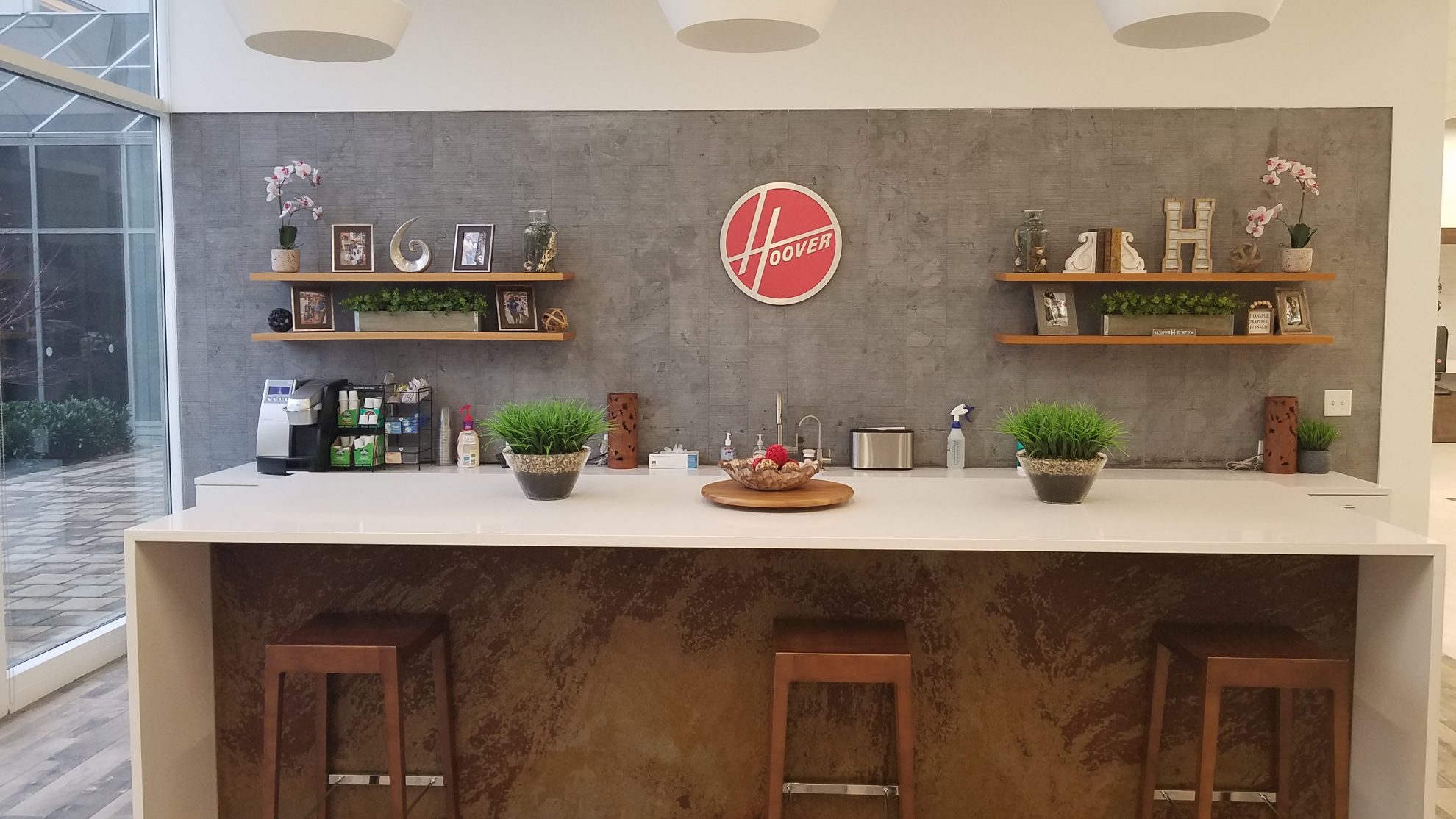
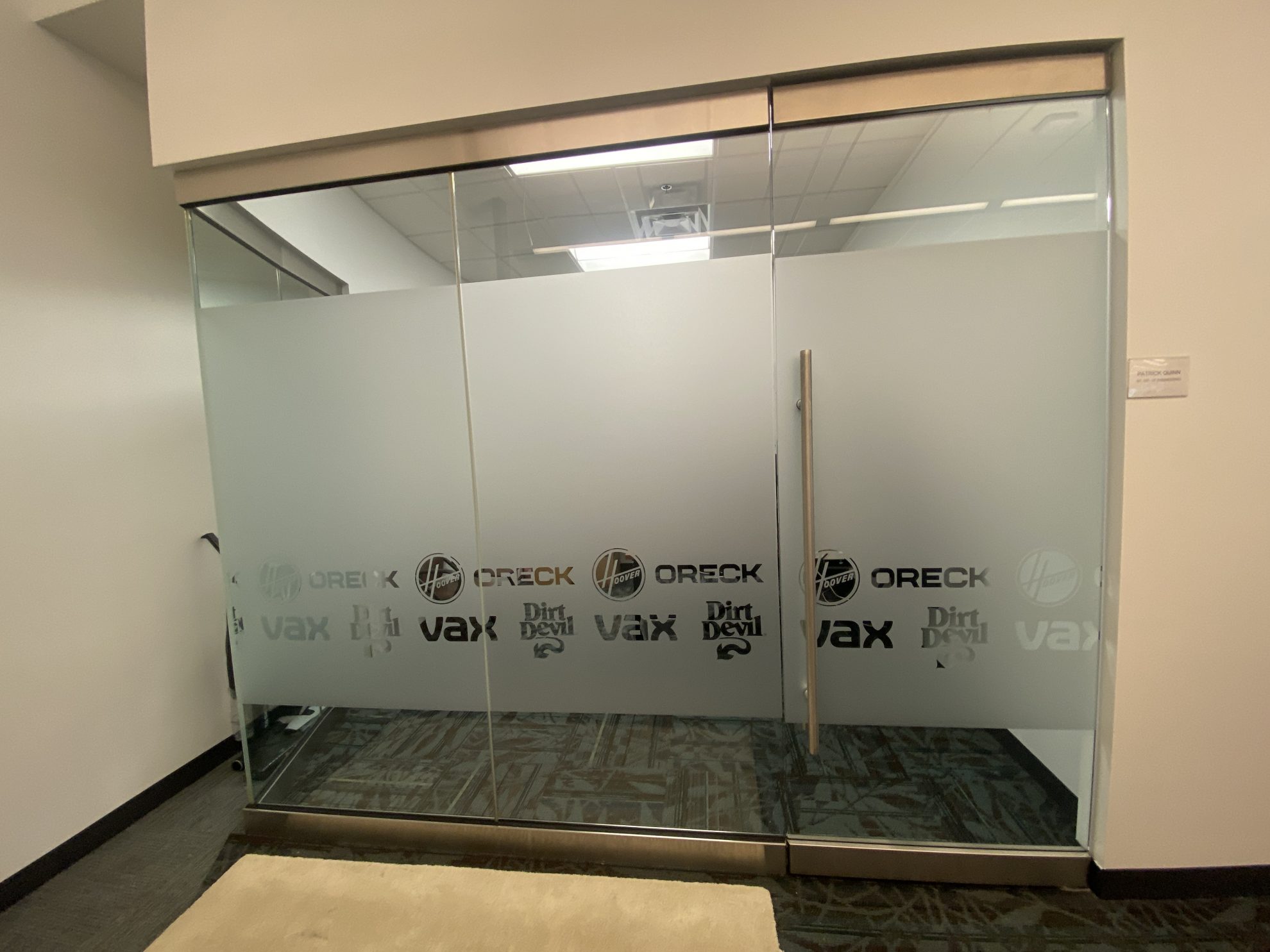
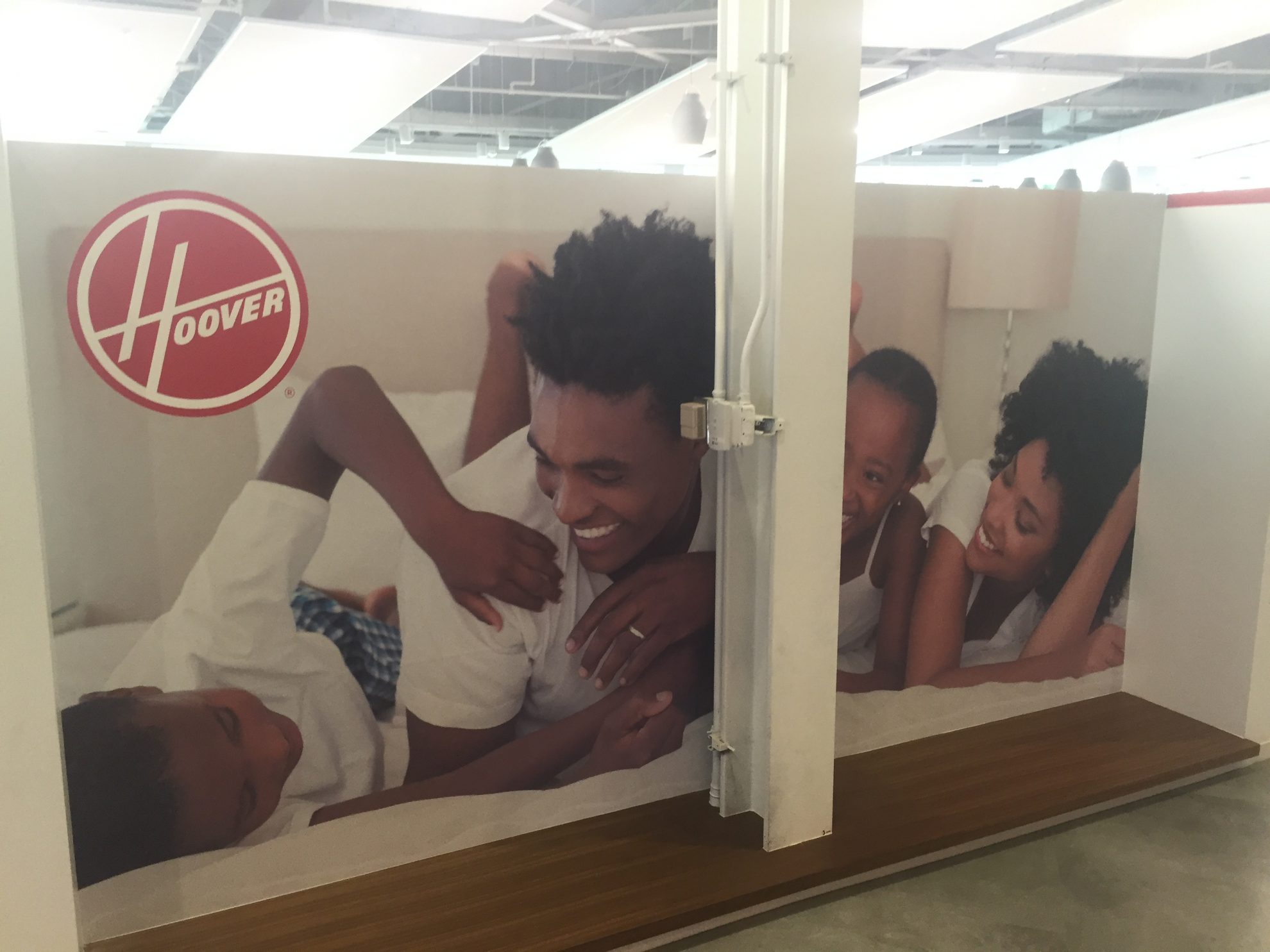
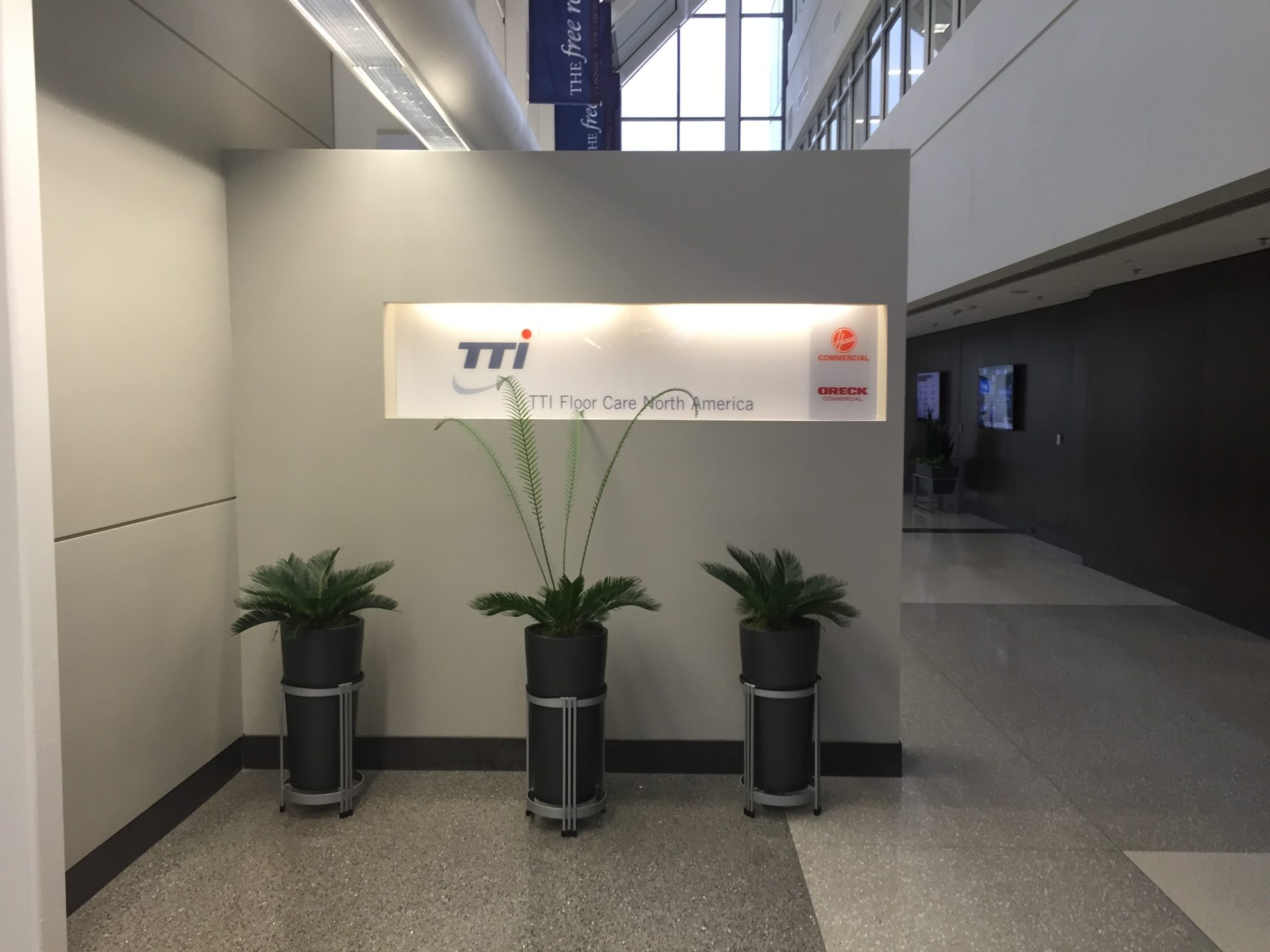
Heritage Signs & Displays collaborated with TTI Floor Care North America to enhance their corporate office. The project included custom frosted vinyl graphics, acrylic signs, dimensional lettering, and LED backlit signs, showcasing the brands Dirt Devil, Hoover, and Oreck. The signage improved office branding, privacy, and aesthetics. Heritage collaborated closely with TTI, ensuring efficient execution and high-quality results, creating an immersive and professional environment that reflects TTI's brand values.
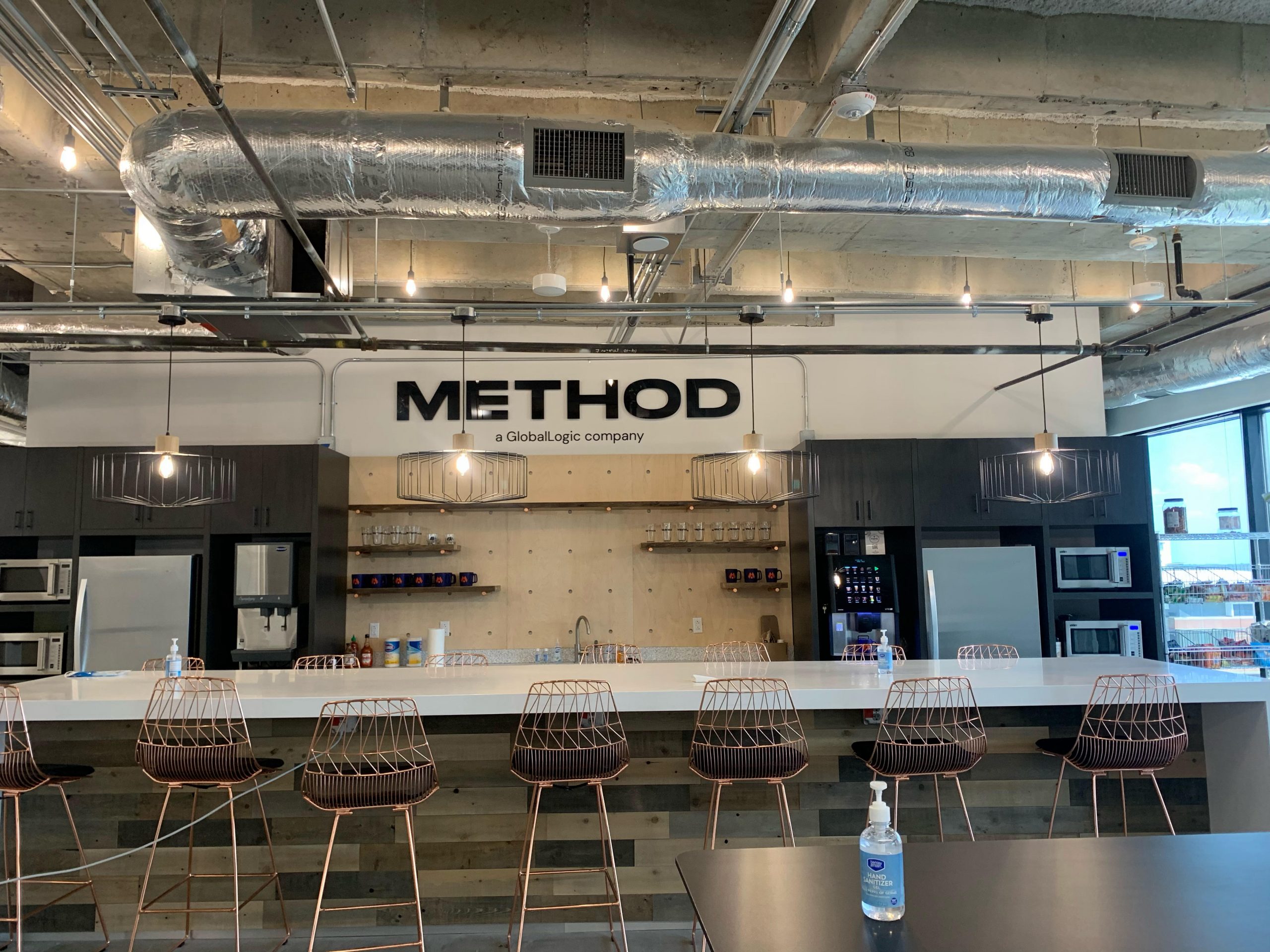
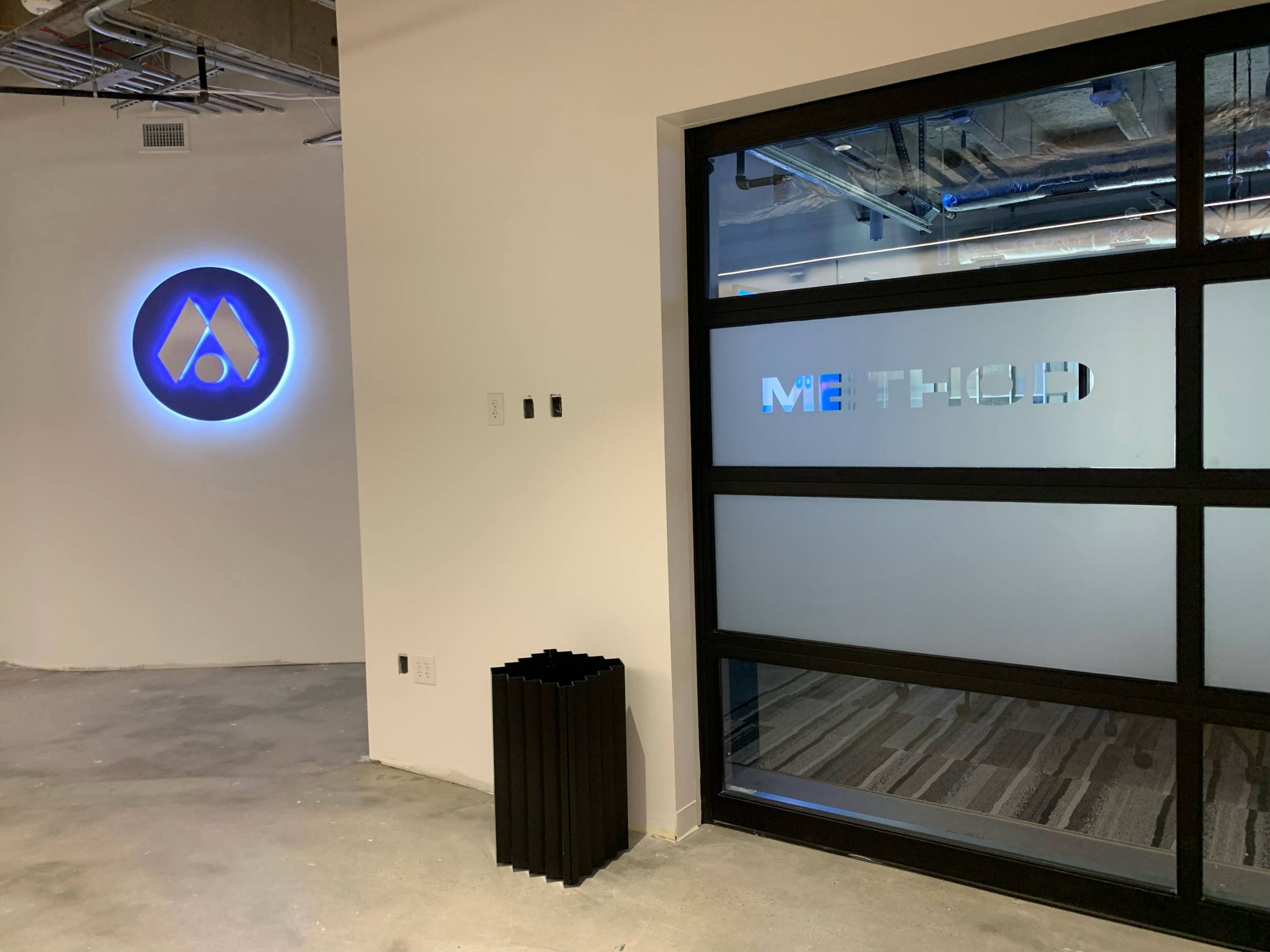
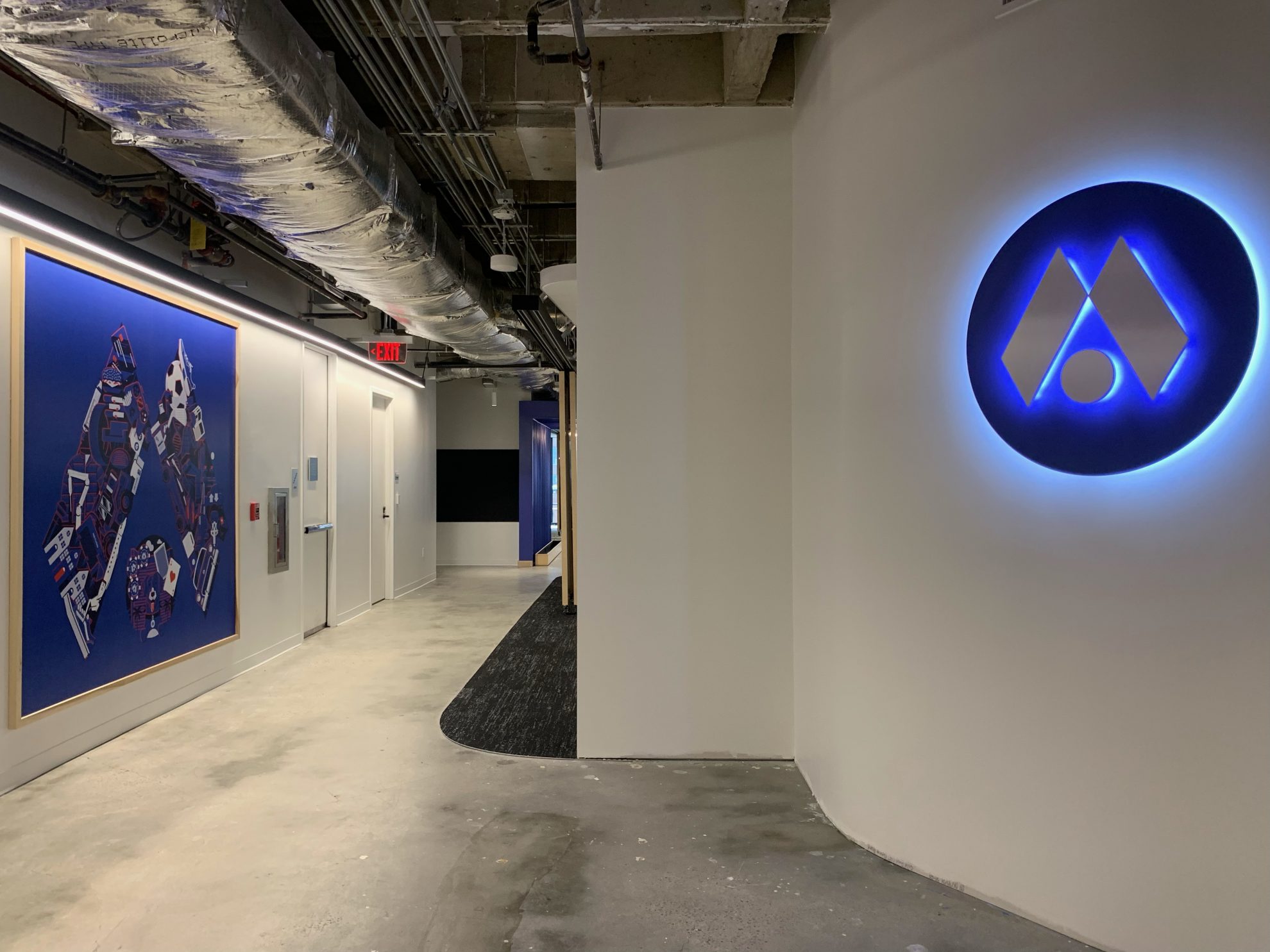
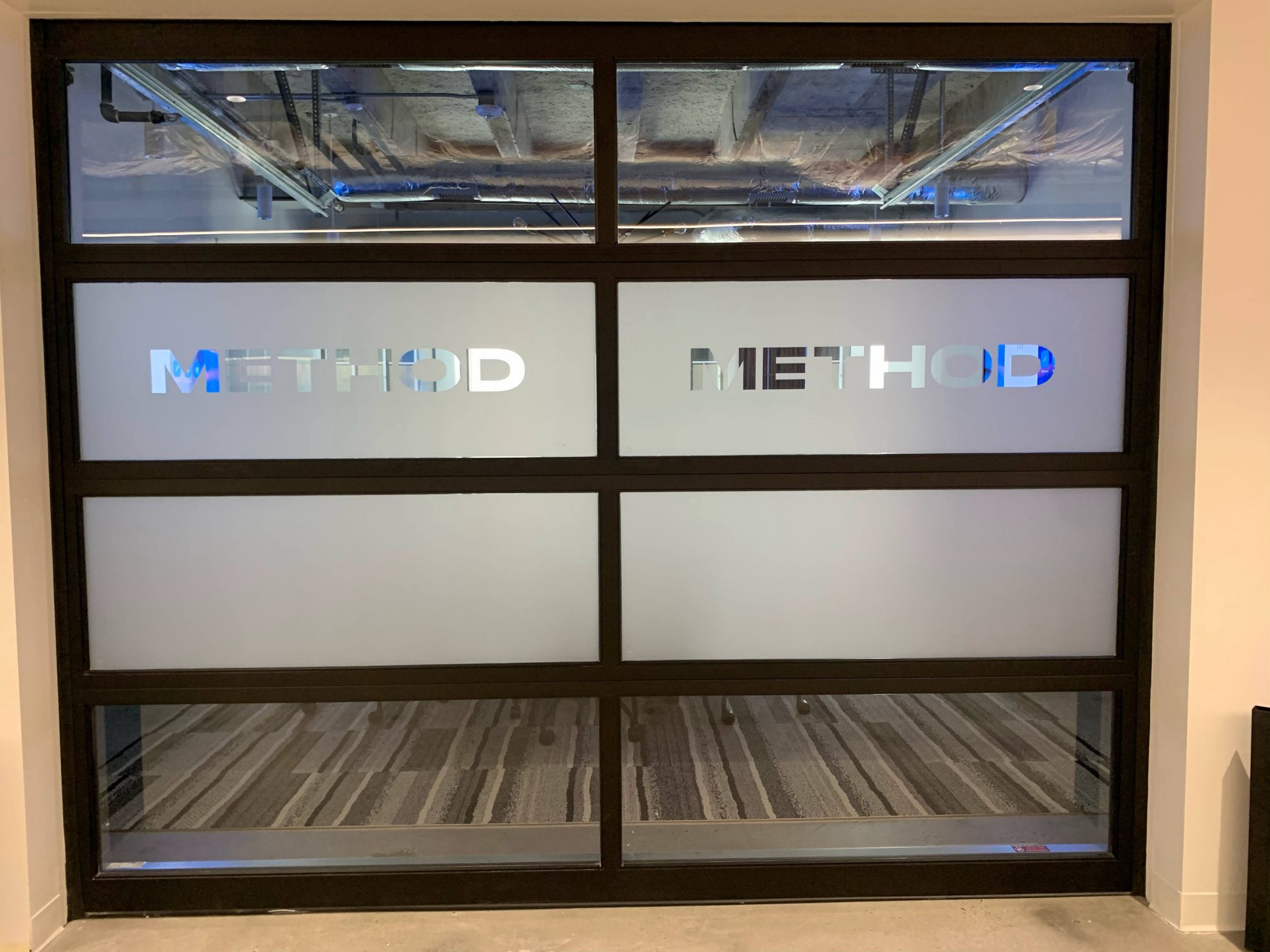
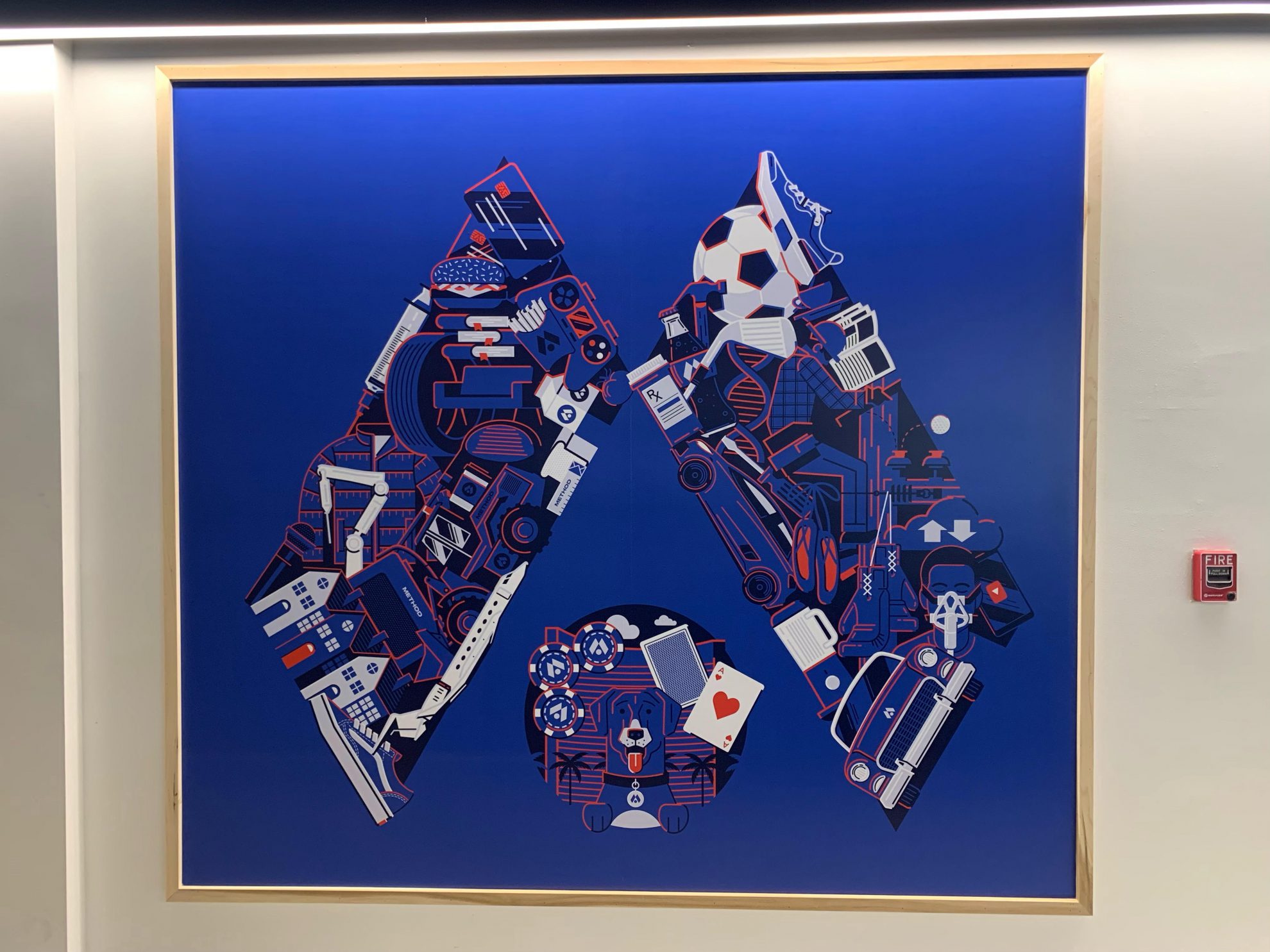
Heritage Signs & Displays' collaboration with Method (formerly Skookum) to rebrand their corporate headquarters. The project included dimensional lettering, wall displays, LED-lit signage, wall wraps, and frosted vinyl, creating an immersive and branded environment. Heritage worked closely with Method's team, ensuring accurate execution and timely delivery. The transformation was completed in August 2021, with Method's employees moving into the revamped space in September. The project reflects Heritage's commitment to quality and collaboration.