A Veteran Owned Business
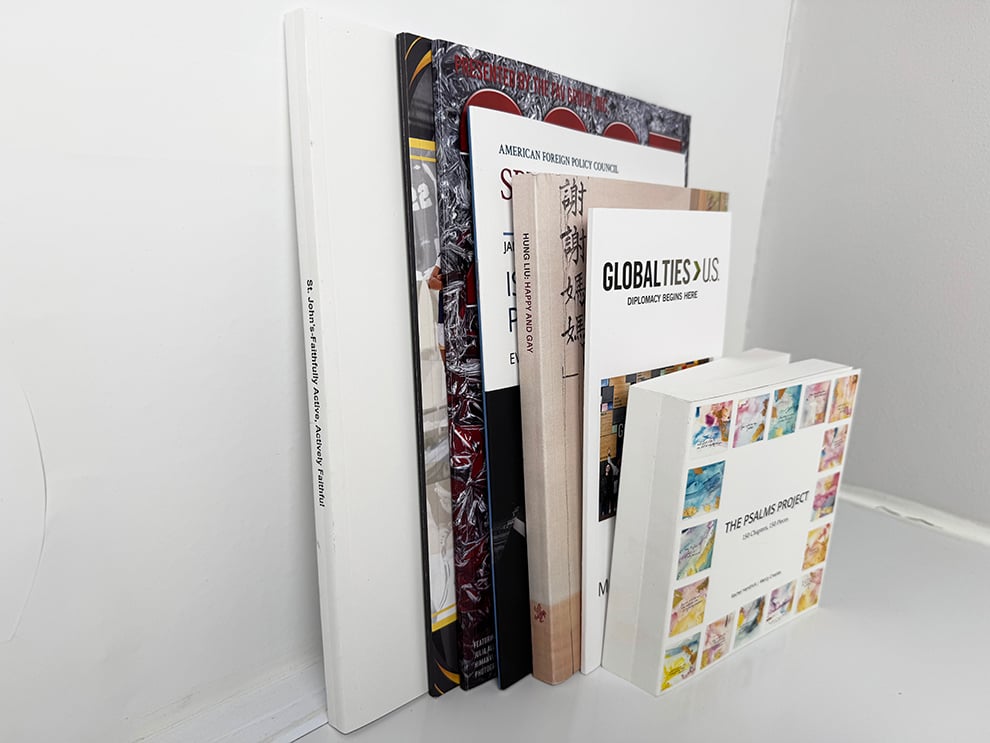
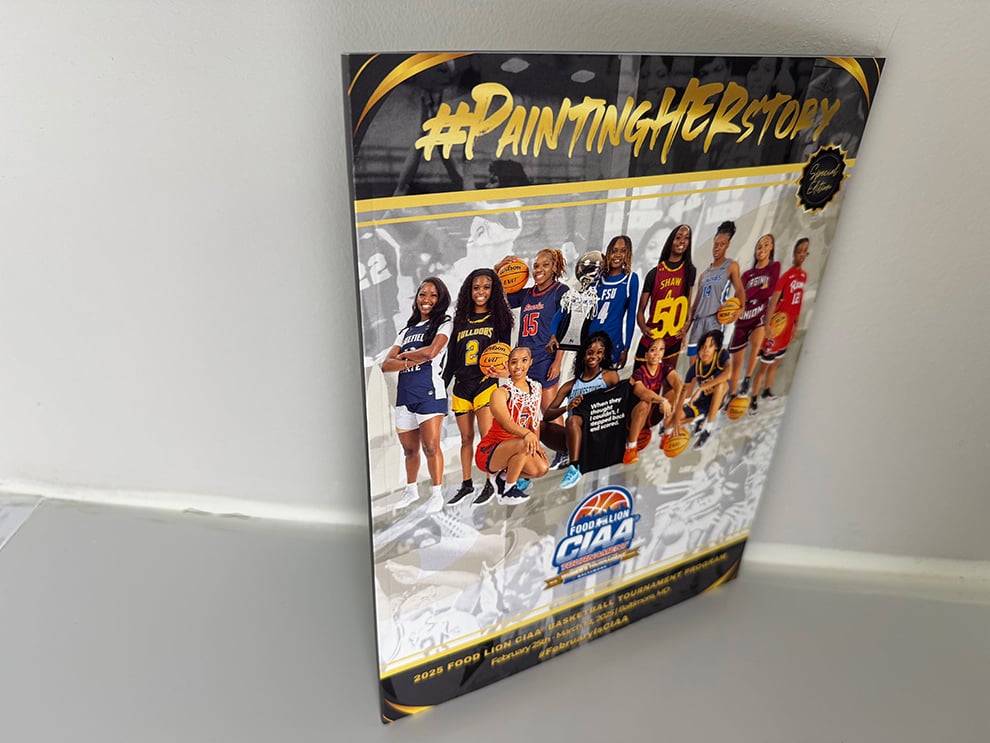
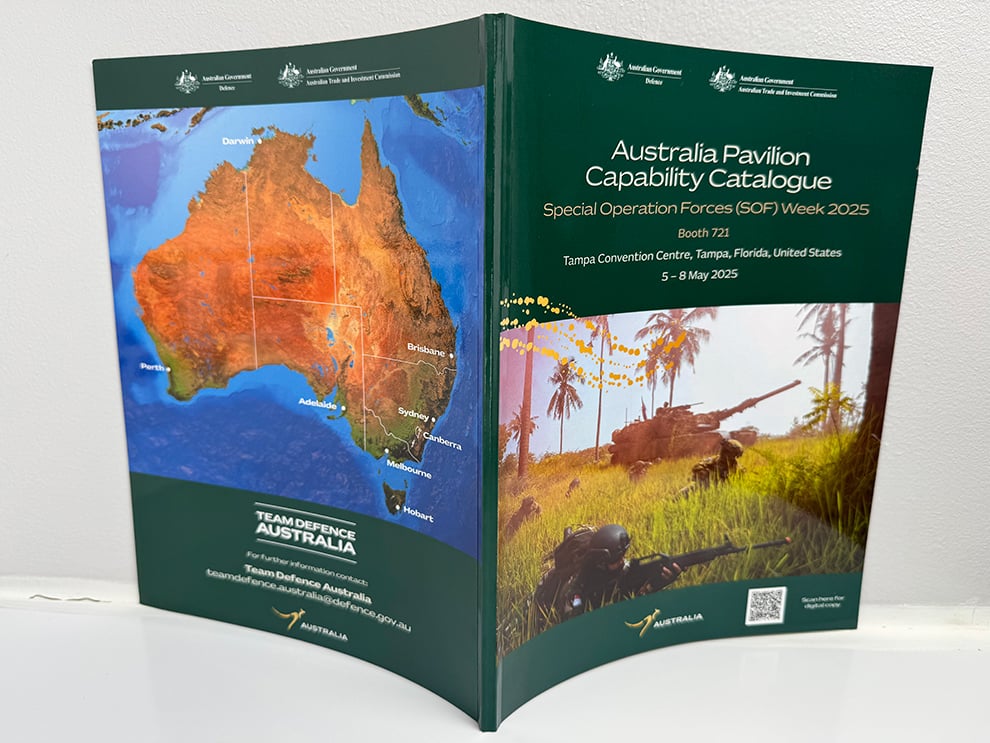
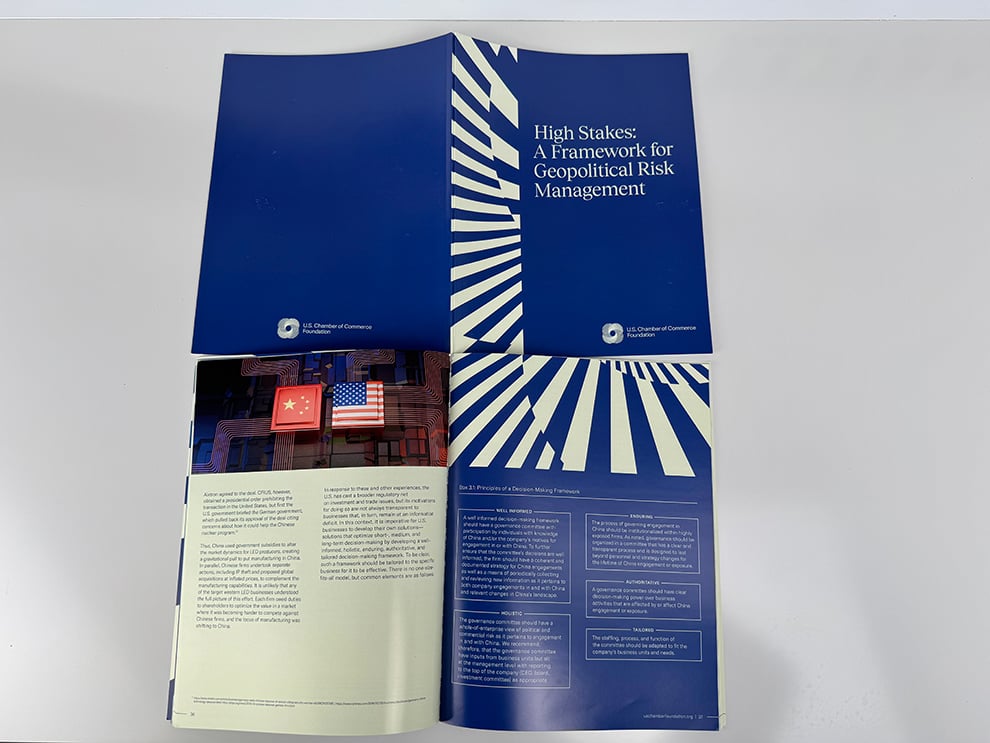
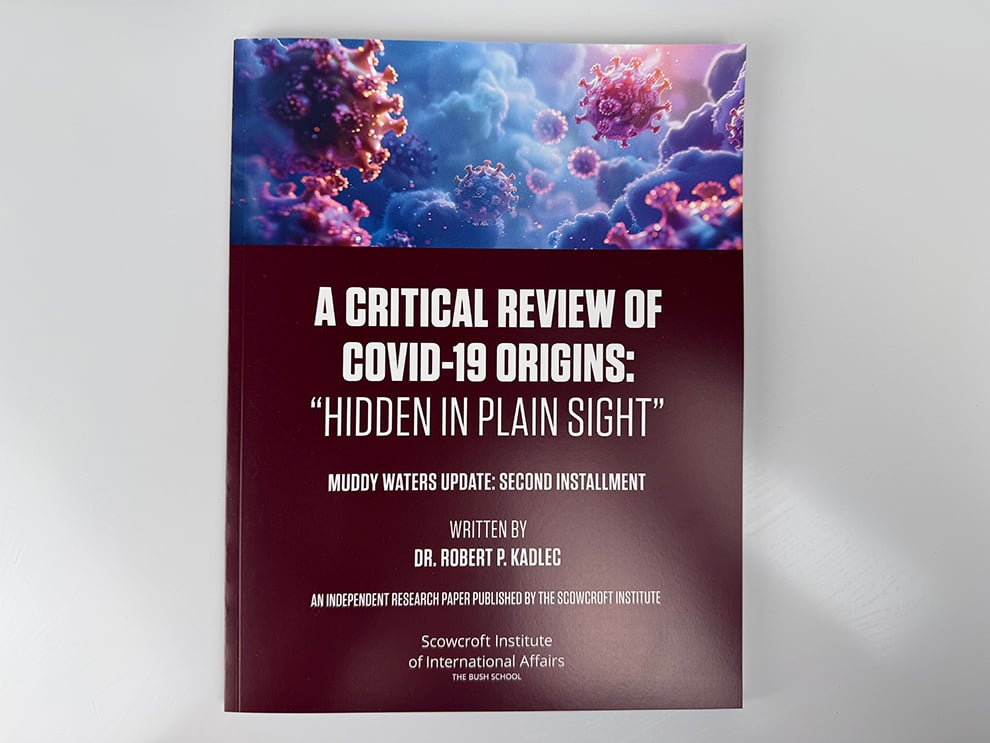
An annual report may represent a year of progress. A catalog can introduce an entire collection. A publication prepared for members or clients may bring months of research and writing into one place. Perfect bound book printing gives that work a familiar, professional format with a defined spine, neatly trimmed pages, and a cover that wraps around the finished piece.
Heritage produces perfect-bound books for organizations that want their information to feel complete and thoughtfully presented. Reports, portfolios, directories, organizational histories, and detailed guides can all benefit from this construction when their specifications are suitable. The finished books are easy to stack, arrange on a shelf, or include in a presentation, giving substantial content an equally considered physical form.
Getting there takes more than selecting a binding option. The number of pages, thickness of the paper, cover stock, color requirements, and finished dimensions must work together. Artwork readiness, proof approval, and delivery expectations also shape the schedule. Heritage brings these decisions into a coordinated production plan so your publication moves toward printing with clear requirements for the pages, cover, and spine.
Publication projects often involve several people making decisions on different schedules. An editor may still be adjusting pages while a designer finishes the cover and another stakeholder confirms quantities. Heritage understands how these moving parts affect the finished book, drawing on printing experience that began in 1977.
As a veteran-owned, family-led company, Heritage values straightforward communication and responsibility for the work it accepts. Our approach connects file preparation, paper selection, color management, binding, trimming, and delivery planning. When revisions affect the production requirements, we explain the implications and identify the decisions needed to keep the project moving responsibly.
Electronic proofing, production quality checks, and retained job specifications support that process. They also provide useful continuity when a publication returns for another edition. For qualifying Custom Quote projects, an assigned Project Coordinator provides direct phone and email communication after Heritage accepts the quote and assigns the order. That contact helps keep approved specifications, remaining questions, and production requirements organized as the accepted job moves through completion.

Think about where your publication will be used and how readers will handle it. A catalog presented to a prospective client, a report kept for reference, or a book distributed at an event may benefit from the structured appearance of perfect binding. The square spine creates a recognizable book profile, while the wraparound cover brings the front, back, and spine into one continuous design.
Other uses call for different construction. A workbook that stays open beside a computer may be better suited to plastic coil, which lets pages lie flat or turn all the way back. A shorter program or slim publication may work well with saddle stitching. Page count, paper thickness, finished size, and reading habits should guide the decision together.
Consider spine lettering only after the book’s dimensions are established. Some publications provide enough space for a readable title or organization name; thinner books may offer too little room. Heritage evaluates the complete specification to determine whether perfect binding and the desired spine treatment make sense for the project.

Your book may be one part of a broader effort to inform, educate, or introduce your organization. Explore additional Heritage printing services for supporting materials, recurring publications, and coordinated distribution.

Give each new issue a consistent production foundation, with attention to the appearance and specifications readers recognize across editions.

Find a suitable format for shorter publications or projects that need a different balance of binding, page count, and everyday handling.

Bring proposals, background information, and individual inserts together in an organized package for meetings and important conversations.

Plan addressing and mailing alongside an accepted printing project so distribution requirements are considered before the finished pieces are ready.

Extend your message through companion pieces for campaigns, recruitment, events, and ongoing communication with customers or members.

Develop instructional publications around the way people learn, follow procedures, and return to information during their work.

Introduce key information in an accessible format that readers can pick up, carry, and review without needing a full-length publication.

Connect your publication with Heritage’s broader printing capabilities when the project includes several types of materials or distribution needs.
Have complete artwork and specifications that match the live Store options? View pricing and place your order online. For a qualifying $2,000+ Commercial Printing project that needs production assistance, request Custom Quote and describe the decisions still open. Heritage will evaluate the requirements and timing before accepting the work and establishing the production schedule.
A successful cover starts with an accurate understanding of what it will hold. The interior page total and selected paper help establish the spine measurement. If either changes during review, the cover may need adjustment. Finalizing those details together helps prevent a finished cover design from being built around an outdated spine width.
Inside the book, leave comfortable space between essential content and the binding edge. Perfect-bound pages do not behave like pages in a coil-bound manual, so text, page numbers, and important image details need room to remain visible when the book is opened. Paper opacity, surface feel, cover weight, and image reproduction also influence the reading experience and should be considered as part of the overall specification.
For future editions, approved production records provide a practical starting point. Heritage can reference established choices while accounting for new content, quantities, or versions. Planning the book as a complete piece helps the design and production requirements stay aligned from the first file review through the finished run.

Begin with the decisions you have already made and the work still required before printing.
The Self-Directed Online Store suits publications that match the live Perfect Bound configuration and have settled specifications, plus complete, print-ready cover and interior artwork. Choose the available options, upload your files, and purchase without an assigned Project Coordinator. The Store has a $750 minimum order total, which can include multiple eligible products. Heritage reviews accepted files, supplies the required electronic proof for your approval, and performs normal production quality checks.
For qualifying Commercial Printing opportunities of $2,000 or more, Custom Quote provides a route for projects that still need file preparation, cover or spine setup, specification decisions, or coordination across versions. Completing the form starts the request process. A Project Coordinator becomes your direct phone and email contact only after Heritage accepts the quote and assigns the order, then supports the accepted project through completion. Include any firm presentation or distribution date with your initial information so Heritage can assess the schedule alongside the remaining production work.

The interior pages are gathered and secured along their binding edge with adhesive, then enclosed in a cover that extends across the front, spine, and back. Trimming gives the publication its finished dimensions and clean edges. The resulting square spine creates a familiar book shape, making this method useful for substantial publications whose specifications support the construction and whose presentation calls for a cohesive finished volume.
Annual reports, catalogs, directories, portfolios, organizational books, conference publications, and extended guides are common possibilities. Magazines and some newsletters can also use perfect binding when their paper and page count provide sufficient thickness. The publication’s label alone does not determine the best format. Heritage considers its dimensions, construction, audience, and intended use before confirming whether an adhesive-bound book is appropriate for the project.
Consider what readers need the pages to do. Perfect binding suits publications where a defined spine and conventional book appearance support presentation and storage. Plastic coil accommodates tasks that require an open page to stay accessible, such as training, note-taking, or following instructions. Its pages can lie flat and fold back. The choice should reflect the reading experience as well as the publication’s physical specifications.
A thinner publication may suit saddle stitching, which secures folded sheets through the center. Perfect binding uses adhesive to hold the interior within a wraparound cover and creates a square spine. The decision depends on the complete combination of page count, paper thickness, finished size, and use. Heritage reviews those details to determine which construction supports the intended result for the finished publication.
That depends on the finished spine width. A sufficiently thick book may accommodate a title, organization name, or other short wording with comfortable spacing. When the spine is narrow, leaving it free of text may produce a cleaner result. Establish the final page count and paper first, then position any spine lettering using the confirmed production dimensions so it remains readable and properly aligned.
The thickness of the interior is central to the calculation. Both the number of pages and the paper’s caliper influence that thickness, along with the final production construction. A revised page total or different paper can therefore change the required cover dimensions. Confirm those specifications before completing the cover artwork, and revisit the spine setup whenever an interior change affects the book’s thickness.
Perfect binding produces a conventional book that may resist remaining fully flat because its pages are held at an adhesive-bound spine. It also does not allow pages to fold completely back as plastic coil does. If hands-free reference or writing on an open page is central to the publication’s use, consider coil binding. For perfect-bound layouts, allow generous space around the interior binding margin.
Approved records from earlier runs can guide repeat editions, including trim size, paper, cover construction, and color expectations. Updated content and quantities can then be reviewed against that established specification. When several versions are involved, clearly identify each file, the quantity it requires, the person responsible for approval, and its distribution needs. These details help Heritage keep the editions organized and distinct throughout production.
Yes. Every perfect-bound order requires client approval of an electronic proof before printing begins, including orders placed through the Online Store. Review the content, sequence, page numbering, layout, and cover carefully against the submitted artwork. The proof supports file approval, but a screen cannot establish final printed color. Monitor settings, paper, and printing conditions can all influence how colors appear in the finished piece.
For qualifying $2,000+ Custom Quote work, this paid option provides a color proof produced on the planned output device using the selected final paper or production material. Allow additional time for its preparation and approval. Once approved, it becomes the governing color reference for the run unless another agreement takes precedence. Physical Production Color Proofs are not available as part of Online Store ordering.
It is ready when the live Perfect Bound configuration accommodates your specifications and the complete cover and interior files are print-ready. You select options and purchase without assigned Project Coordinator support. The $750 minimum applies to the total Store order, and eligible products may be combined. Accepted orders still include file review, a required electronic proof for client approval, and standard production quality controls.
Use Custom Quote for a qualifying Commercial Printing opportunity of $2,000 or more when production preparation or coordination remains unresolved. Examples include file preparation, cover and spine setup, specification decisions, and multiple versions. Sending the form requests review; it does not immediately assign a contact. Direct phone and email support from a designated Project Coordinator begins after Heritage accepts the quote and assigns the order.
Provide the required date, quantity, page count, cover and interior readiness, versions, proofing needs, and outstanding approvals. Together, these details help Heritage assess feasibility and the production work still required. A requested date needs review before acceptance. For qualifying Custom Quote projects, direct Project Coordinator involvement begins after Heritage accepts the quote and assigns the order, helping maintain continuity through the remaining approvals and completion.
Heritage Signs & Displays created new museum signage for the Military Women’s Memorial in Arlington, VA. The project included custom signs, wall wraps, dimensional letters, and standoff-mounted displays to honor the legacy of U.S. servicewomen and the donors who supported the memorial. The updated interior features impactful designs, including a "Our Legacy" wall display and panels showcasing historical contributions and artwork, creating a transformative tribute to women in the U.S. Armed Forces.
Heritage Signs & Displays' collaboration with The Gathery to brand Union Market in Arlington, VA, for Indeed's "Ready to Work" job fair. The project included custom event displays, wall graphics, window graphics, and wayfinding signs, creating an immersive and visually appealing environment. The branding enhanced the venue, reflected the event's mission, and provided a seamless experience for attendees.