Your workplace should express who you are, what you value, and how you serve the people who enter it. That expression comes from more than a logo at reception or a single directional sign near the elevator. Lobbies, corridors, meeting rooms, glass partitions, employee gathering areas, learning spaces, galleries, and recognition walls all contribute to how an organization is understood. In Greensboro, a connected interior can help visitors arrive with confidence, help employees feel aligned with the organization, and help stakeholders recognize a consistent sense of purpose.
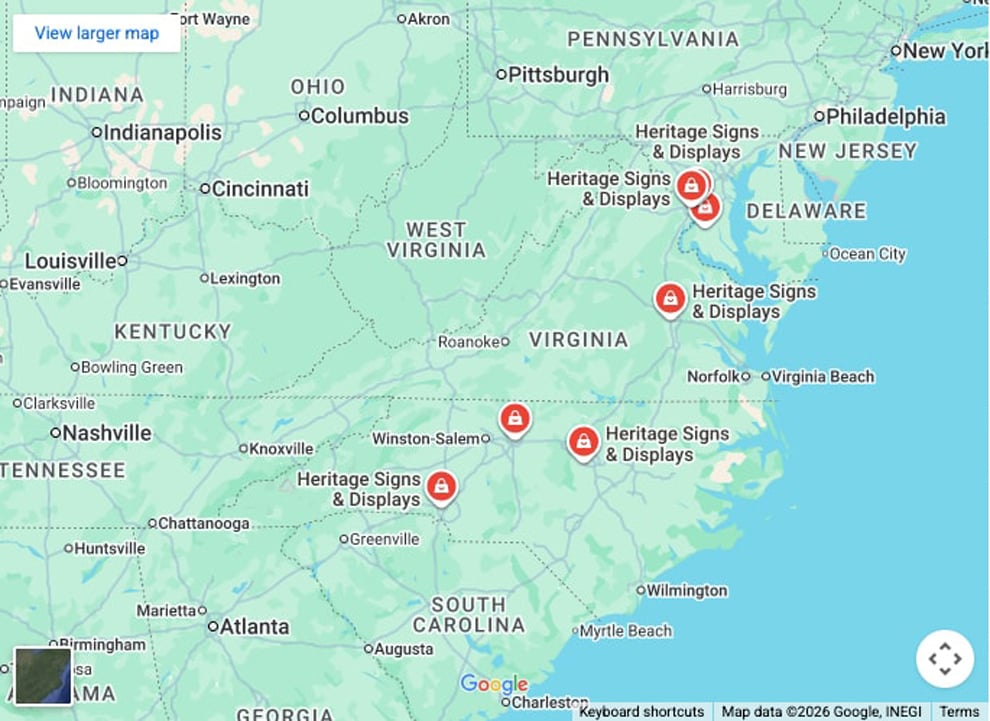
Heritage Signs & Displays supports Greensboro organizations with custom interior signs, environmental graphics, workplace branding, and institutional displays. Founded in 1977, Heritage is an award-winning, veteran-owned, family-led commercial interior sign company with a specialized focus on these environments since 2009. Local project coordination is supported by a seven-location regional network with environmental graphic design, fabrication, production, and professional installation capabilities. That structure gives Greensboro clients responsive communication while providing resources for substantial, phased, or multi-location assignments.
A strong fit for Heritage is an organization that sees its physical environment as part of its communication strategy. The team considers how a visitor enters a lobby, where a patient needs reassurance, how a student finds a destination, or where an employee encounters culture and values. Depending on the program, the finished environment may include architectural lobby signage, privacy films, wall murals, directional systems, acrylic recognition panels, dimensional lettering, interpretive displays, or coordinated graphics across several departments. Each element should contribute to the experience instead of functioning as an unrelated visual interruption.
Corporate offices, healthcare facilities, educational institutions, government environments, associations, museums, nonprofit organizations, professional firms, and public-facing commercial spaces can all benefit from a coordinated approach. A Greensboro assignment may focus on a single arrival area, refresh several shared spaces, support a new facility, or establish standards across locations. Heritage assigns one dedicated project manager to organize discovery, site information, approvals, production decisions, schedule coordination, and installation planning. This creates a clear path for stakeholders who need reliable answers throughout the project.
Dependable results require practical discipline before fabrication begins. Heritage evaluates field measurements, wall and glass conditions, material performance, color consistency, viewing distance, mounting methods, access limitations, and installation sequencing. Those details influence whether graphics align correctly, panels sit securely, and the completed environment supports the intended brand presentation.
Using several independent vendors can create avoidable disconnects between design intent, printing, fabrication, delivery, and field installation. Heritage manages those connected responsibilities through one process. This reduces fragmented communication for occupied Greensboro workplaces, planned opening dates, renovation schedules, and programs requiring visual consistency across separate facilities.
The experience of working with the team matters alongside the completed signs and graphics. Heritage listens to organizational priorities, offers recommendations grounded in site realities, and coordinates in-house execution with professional installation. Accountability remains connected from early planning through final completion. Our purpose is to honor God by serving our clients and communities with excellence. That commitment informs how the team communicates, manages resources, resolves concerns, and cares for the finished environment.
A capable Greensboro sign company should help an organization make its interior easier to understand, more representative of its identity, and more useful for the people who rely on it. Visitors may need clear arrival cues and destinations. Employees may benefit from stronger expressions of culture, mission, and shared values. Students, patients, donors, members, guests, and community stakeholders may need information presented with clarity, dignity, and appropriate visual hierarchy.
Heritage connects those needs to brand standards, architecture, circulation patterns, surfaces, lighting, accessibility, future updates, and installation conditions. An effective interior program considers how far people stand from a message, whether a wall receives direct light, how a glass partition should function, and where decision points occur. The goal is to create an environment where communication feels intentional rather than added after construction.
Possible outcomes include a refreshed reception area, a mission and values installation, a donor recognition display, a branded employee environment, a directional sign system, an educational wall feature, or a museum interpretive program. Greensboro organizations should expect recommendations that account for both visual impact and long-term site performance.
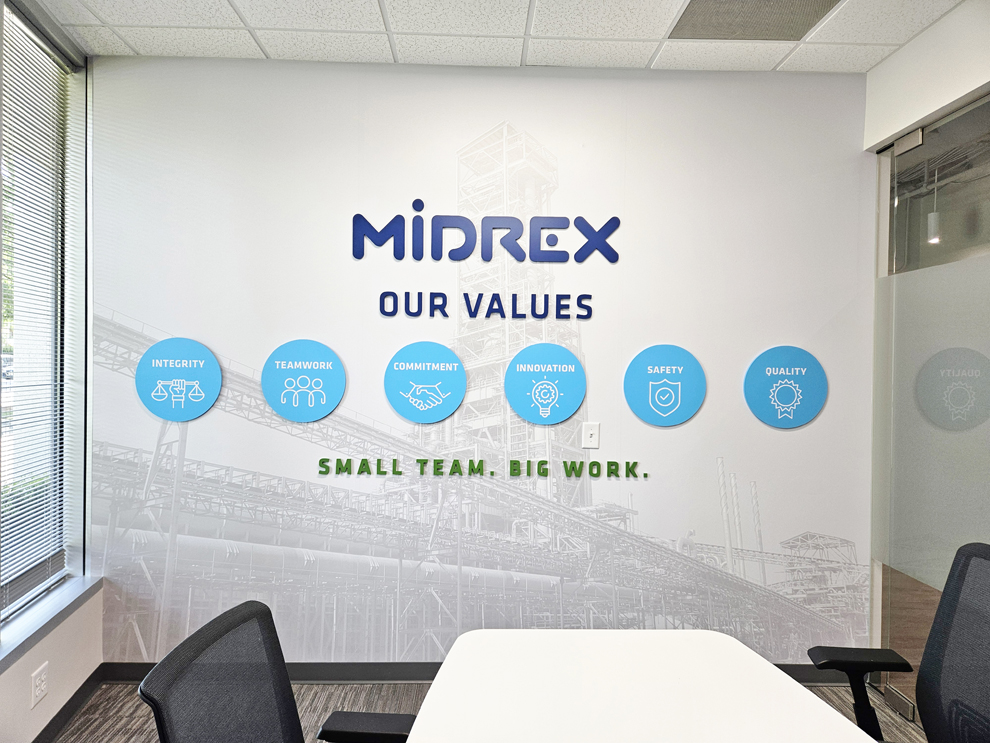
One accountable team gives organizations a more controlled way to manage complex visual branding work. Heritage provides a dedicated project manager who gathers site details, coordinates estimates, manages approvals, confirms materials, aligns production requirements, and plans the installation schedule. This structure helps stakeholders avoid uncertainty about who owns decisions as a project moves from concept to completion.
Heritage brings environmental graphic designers, project managers, production specialists, fabricators, and installers into the same coordinated process. Complex assignments receive pre-production review before work enters fabrication. The team evaluates dimensions, surface conditions, material transitions, color requirements, mounting approaches, building access, and installation order so concerns can be addressed before they become field problems.
As a veteran-owned, family-led company approaching 50 years in business, Heritage combines local responsiveness with regional depth. Heritage has in-house production capabilities and full-time installation team members who remain connected to the project information. For Greensboro clients, that means Heritage can support focused interior features as well as demanding programs involving multiple departments, facilities, or locations.
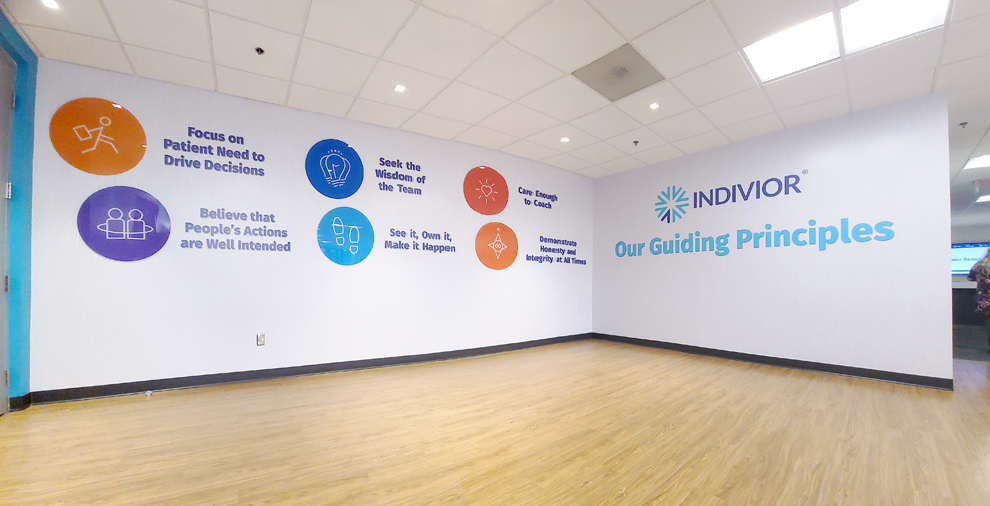
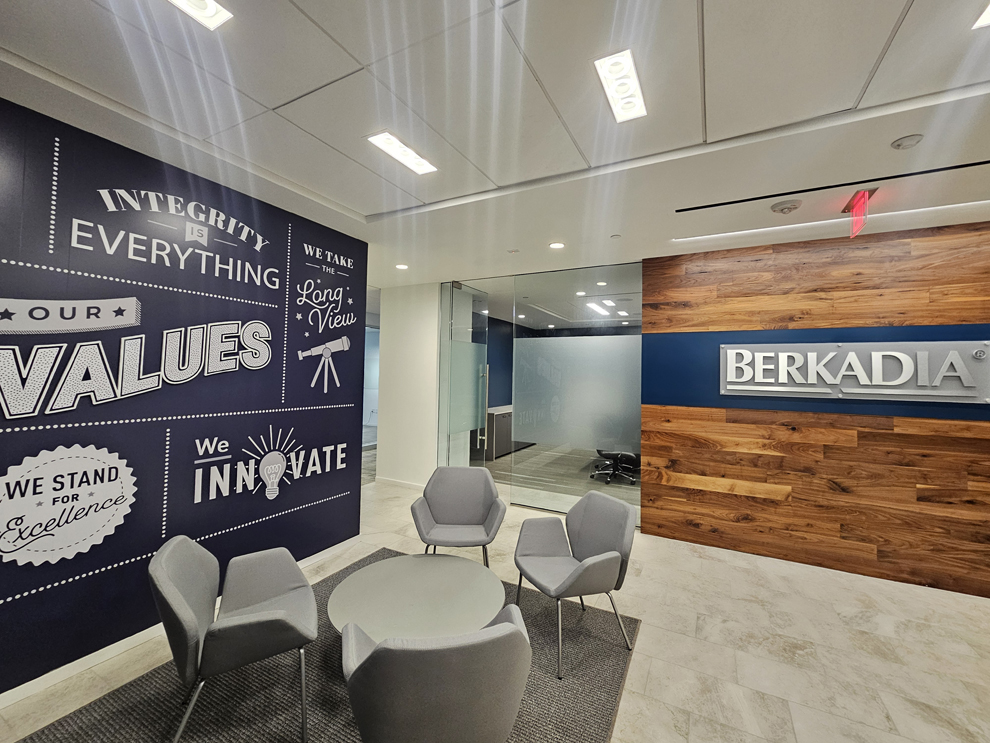
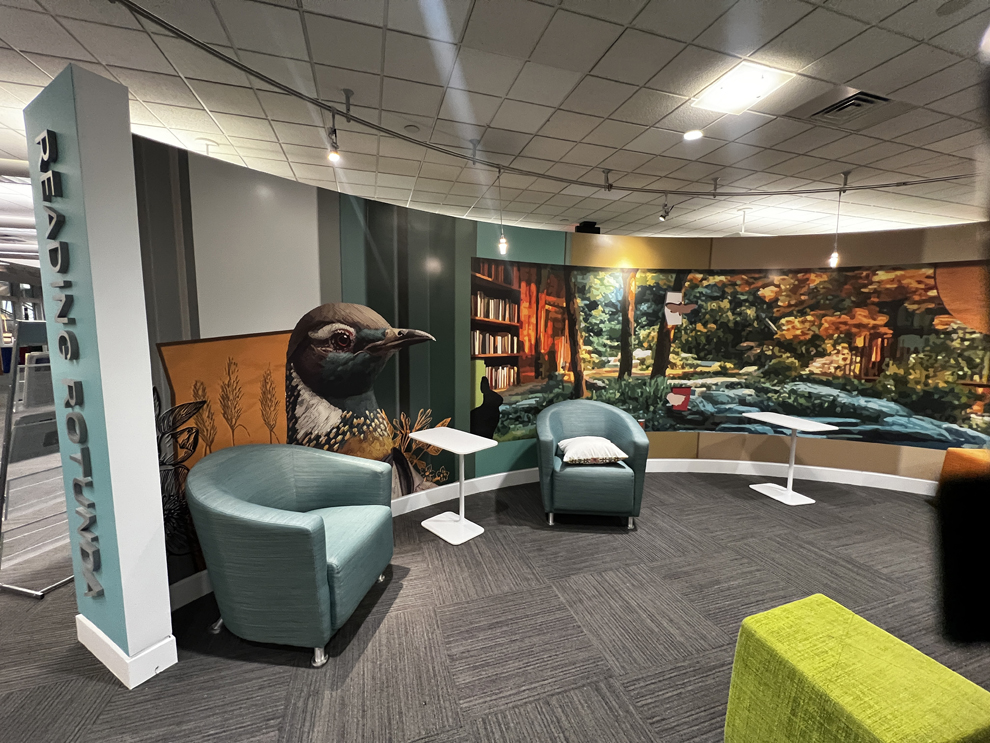
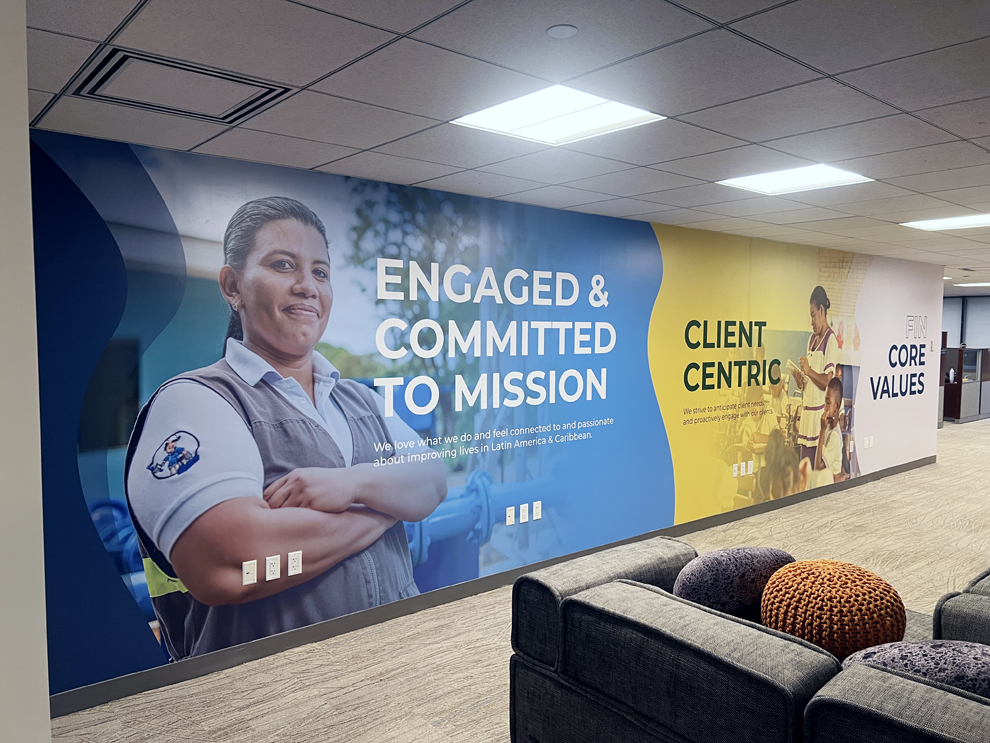
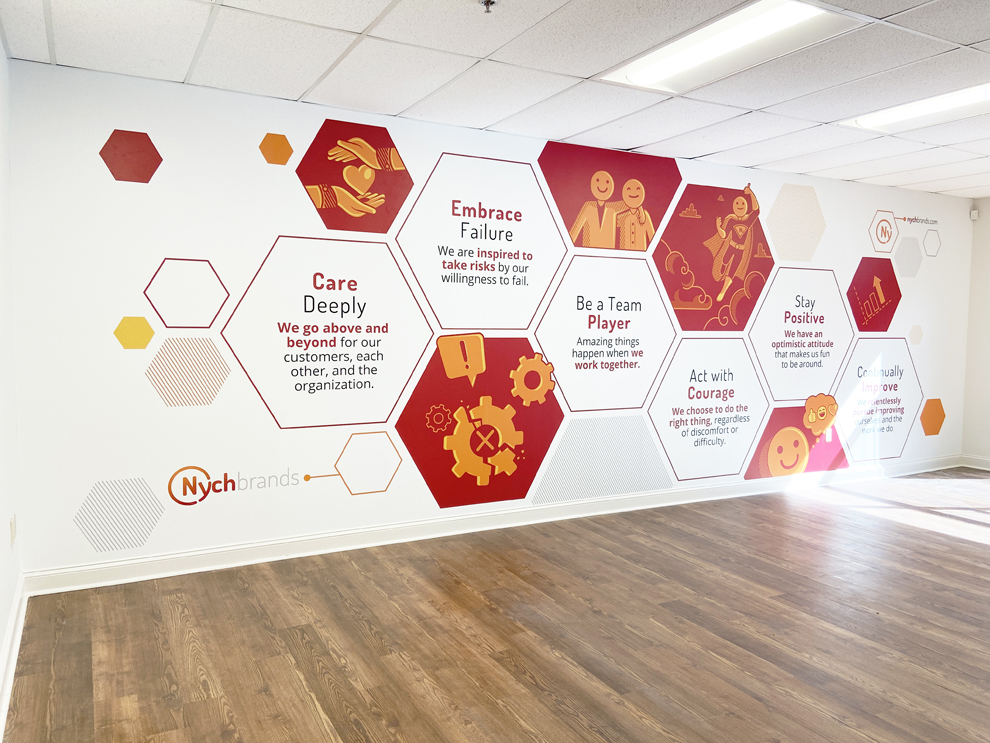
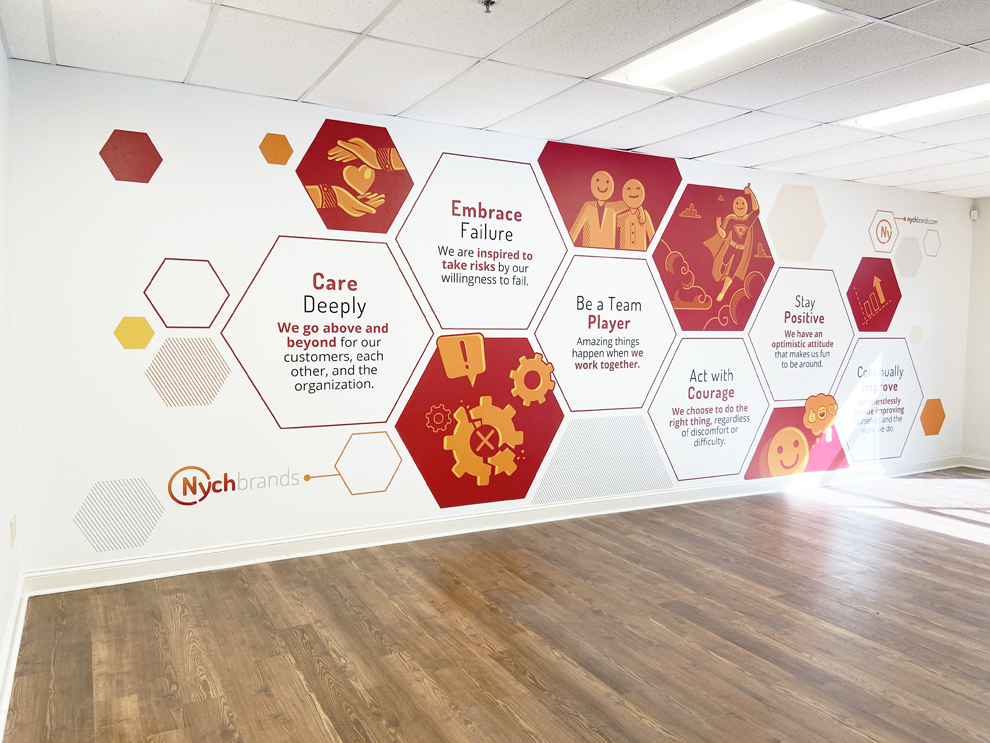
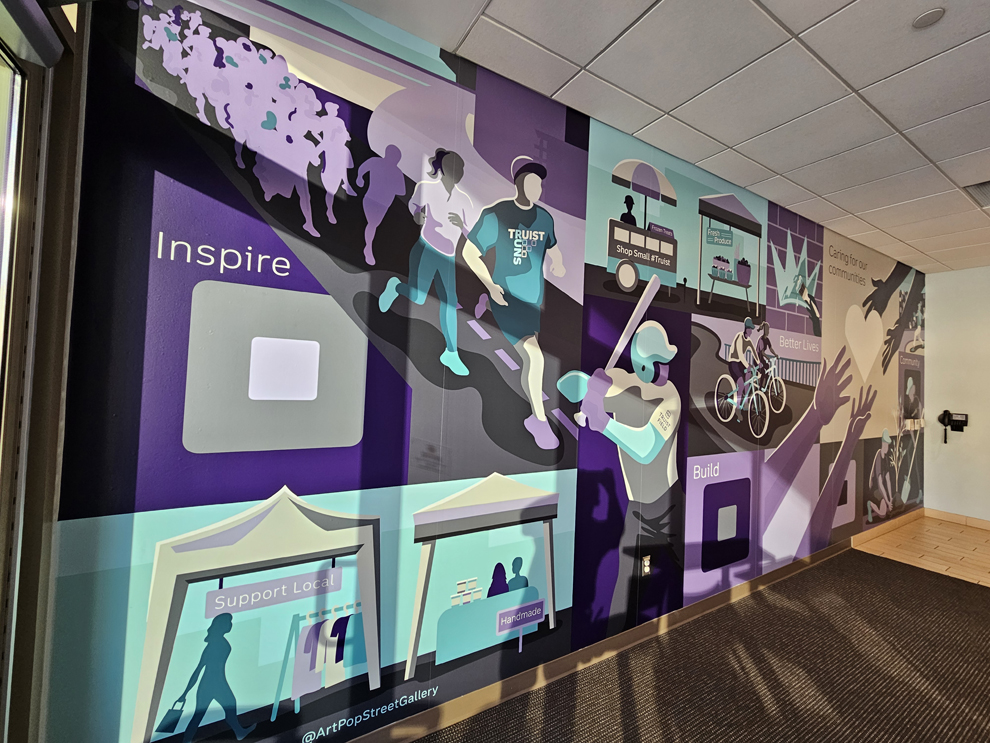
Transform large interior surfaces into purposeful brand features that communicate culture, history, services, education, or visual character within shared workplace environments.
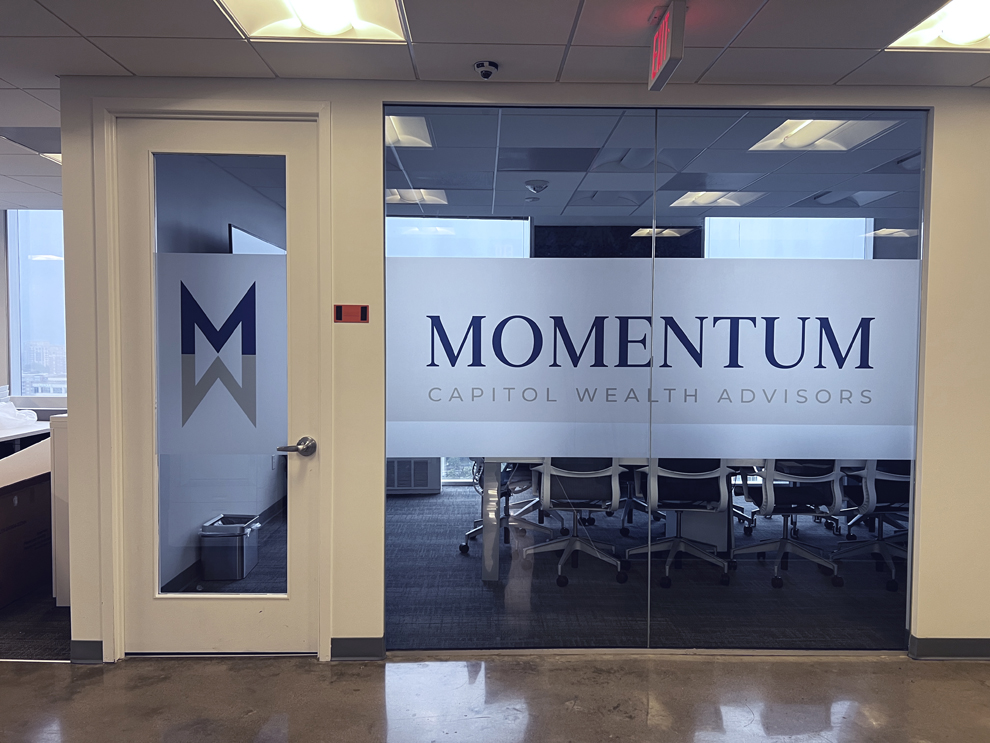
Add privacy, messaging, pattern, and visual definition to glass while preserving appropriate light transmission and supporting the function of surrounding interiors.
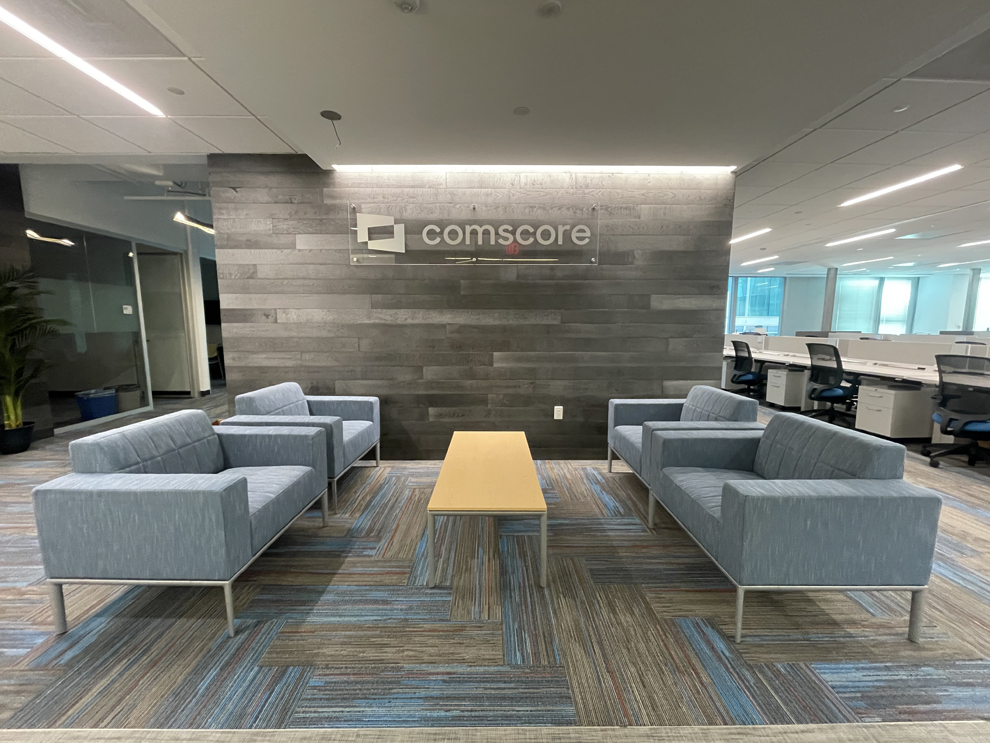
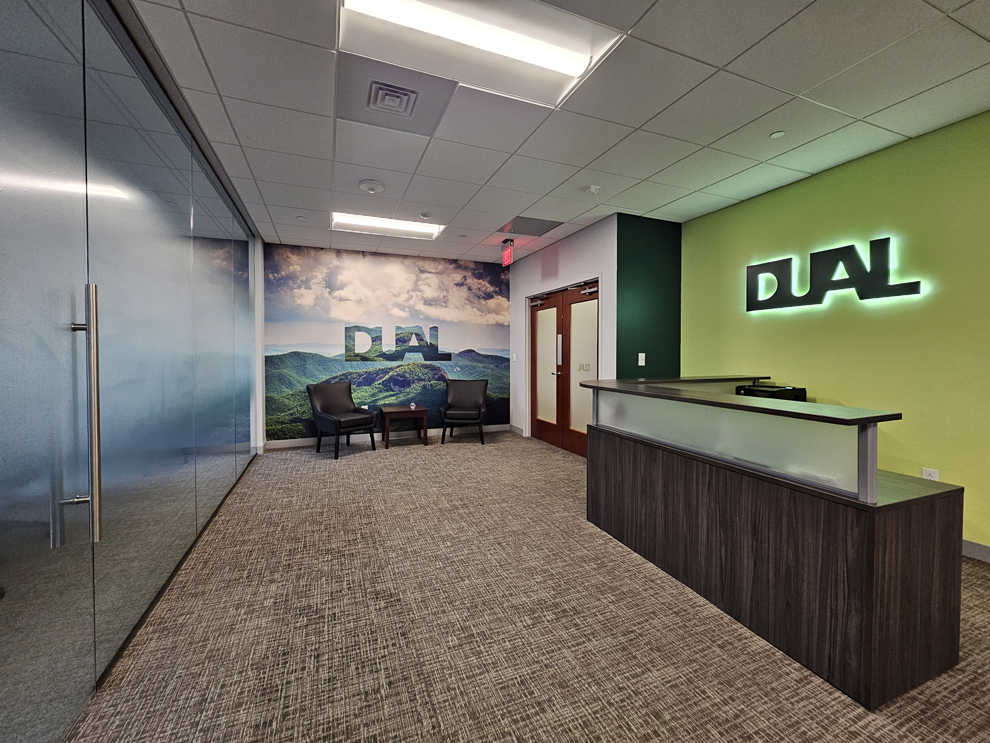
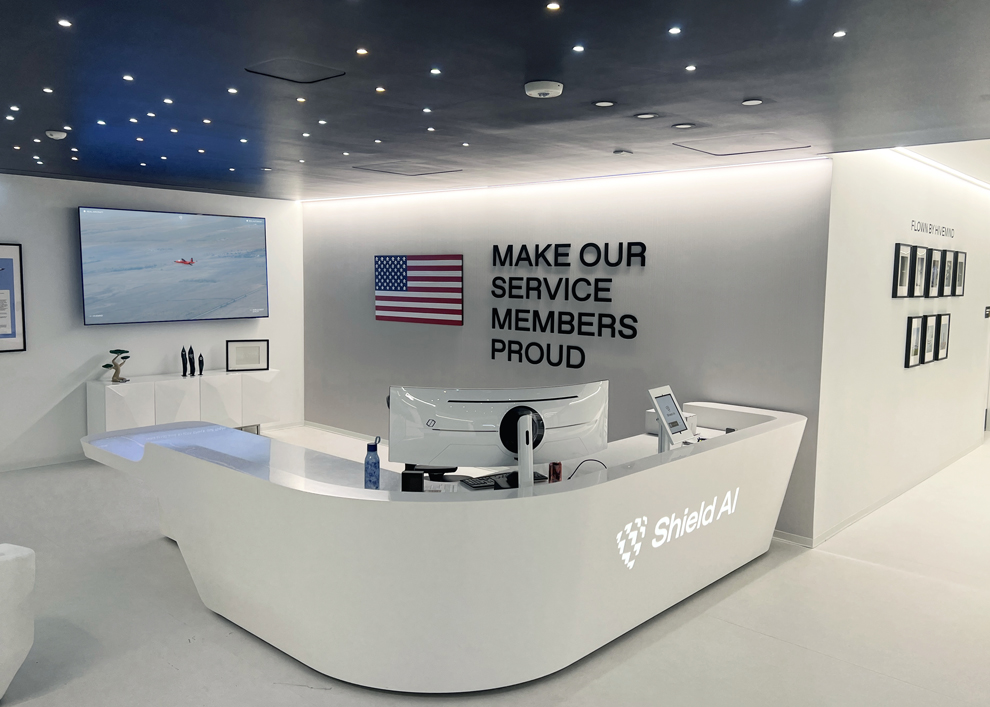
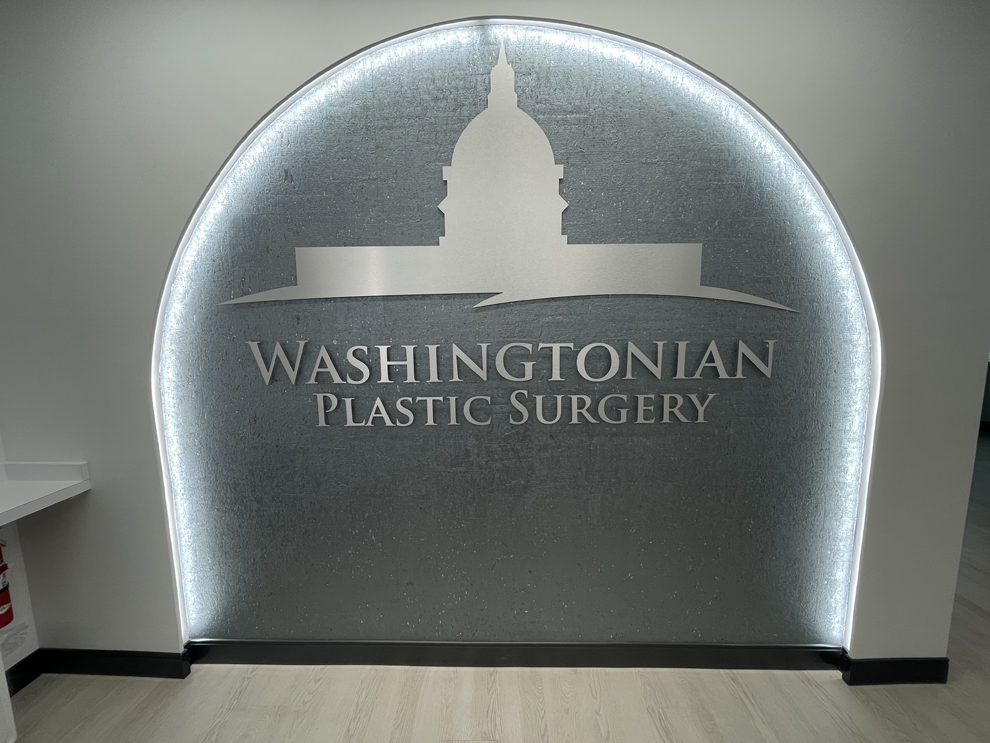
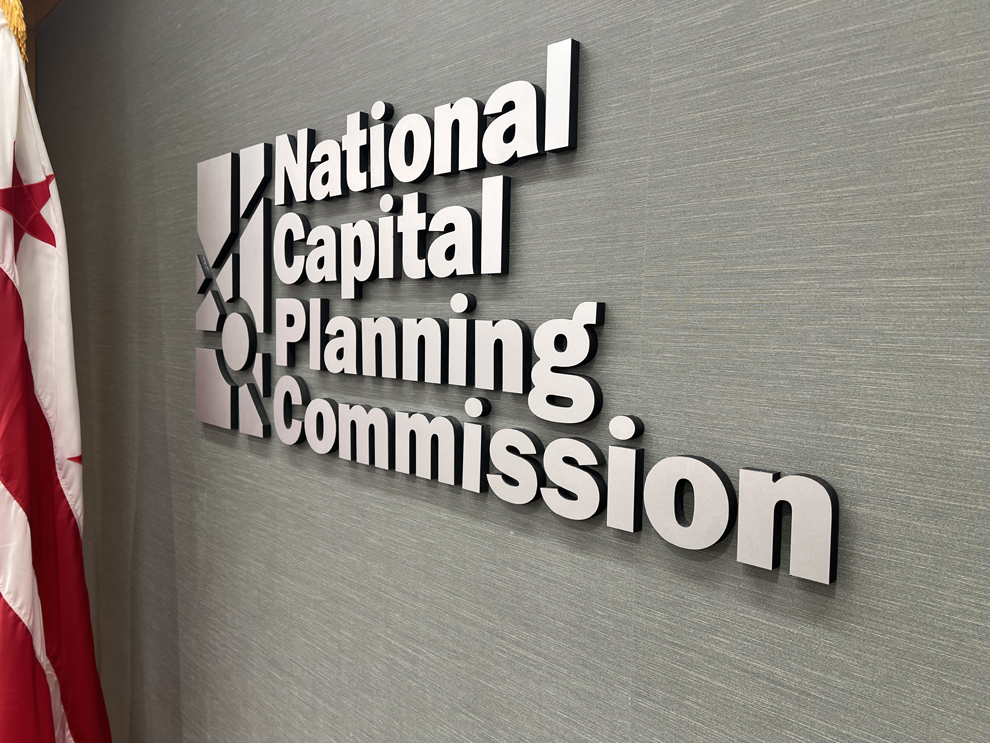
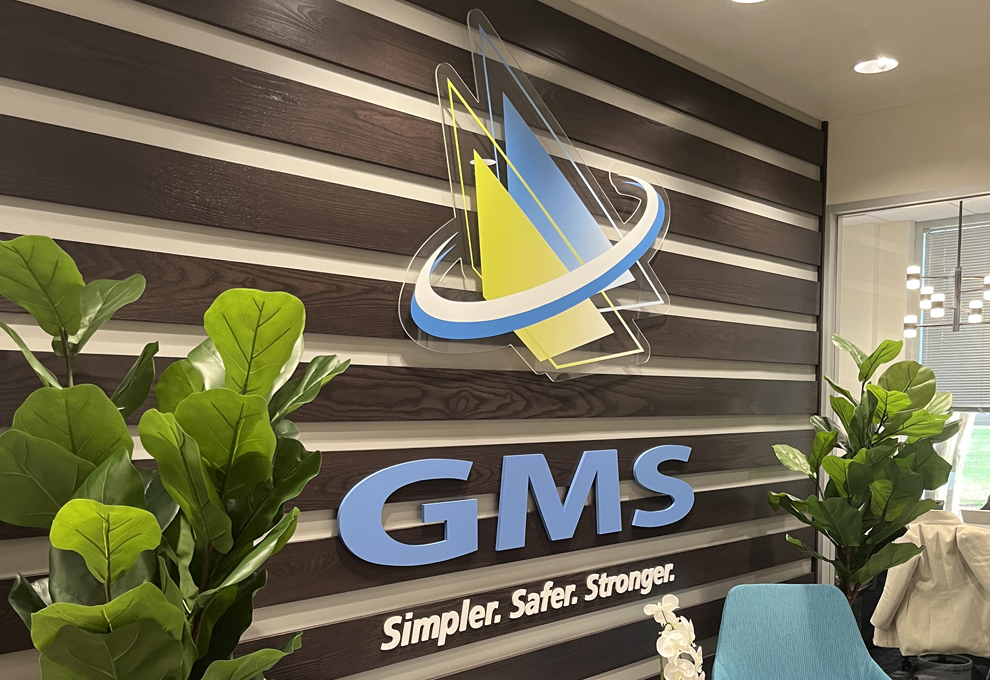
Establish a credible arrival experience through dimensional logos, acrylic panels, custom finishes, architectural materials, and coordinated background graphics.
Present information with projected panels and architectural hardware that create depth, structure, and a polished appearance for recognition or directory areas.
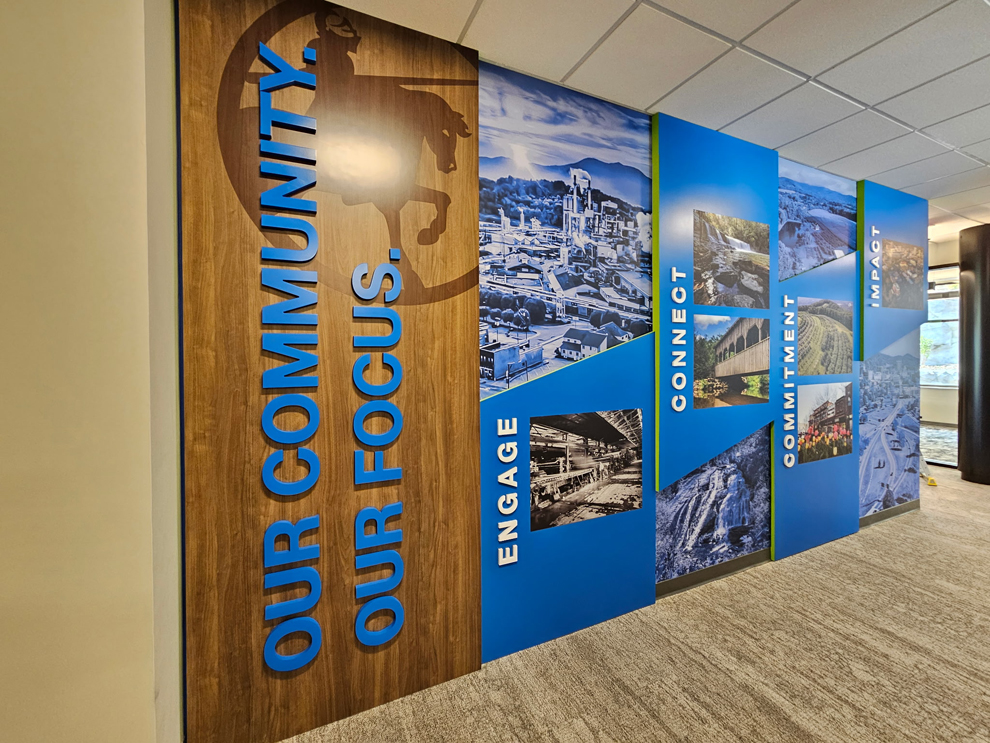
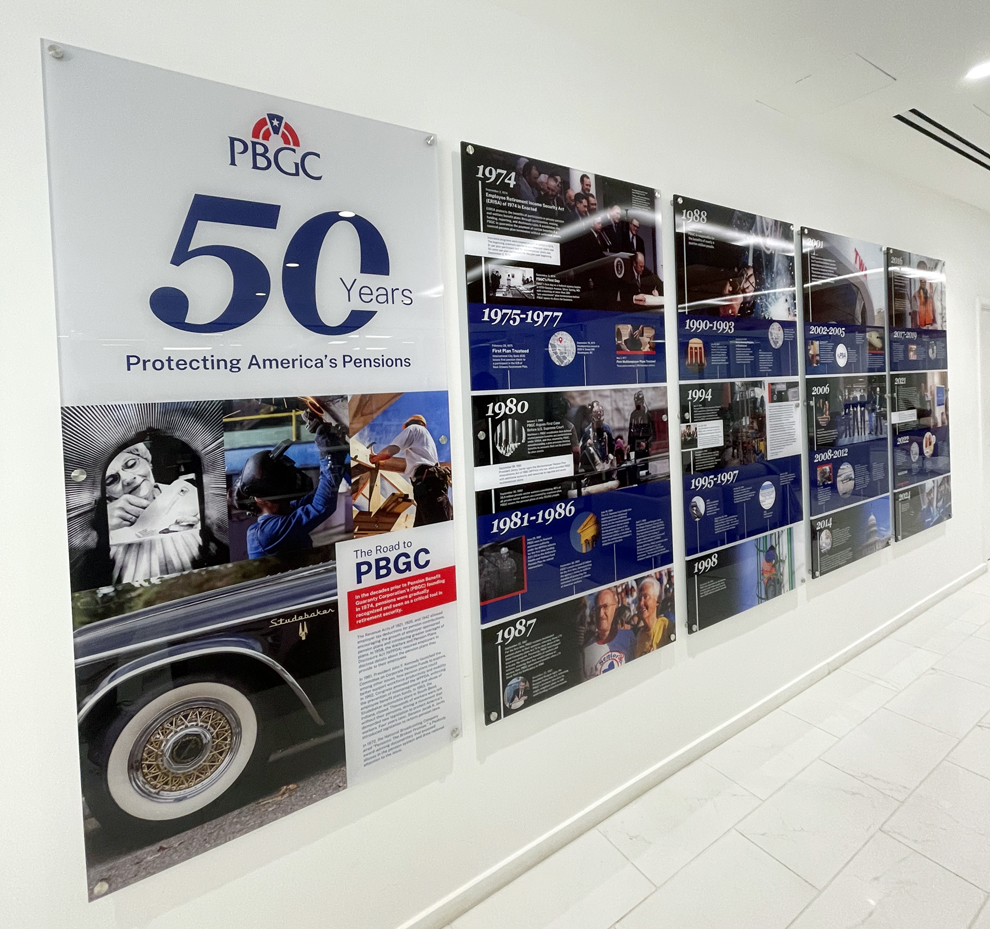
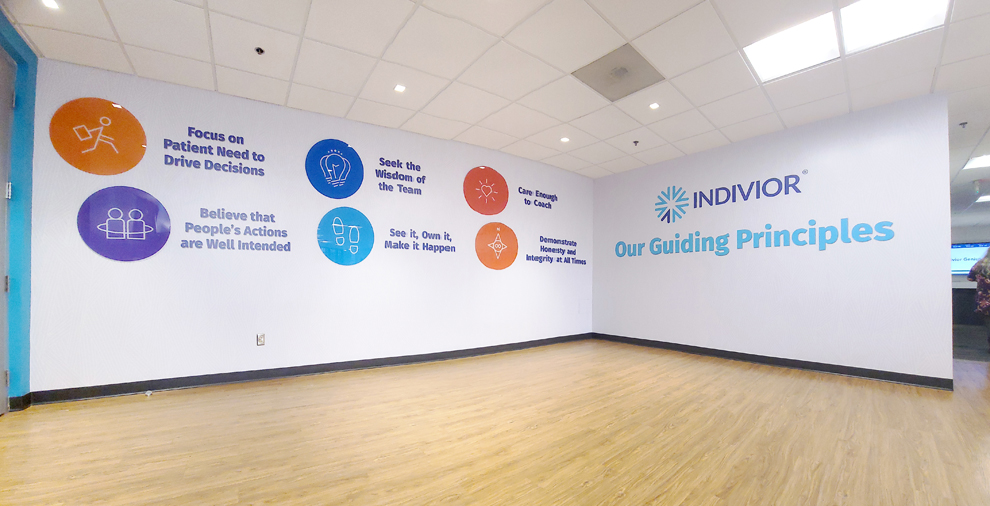
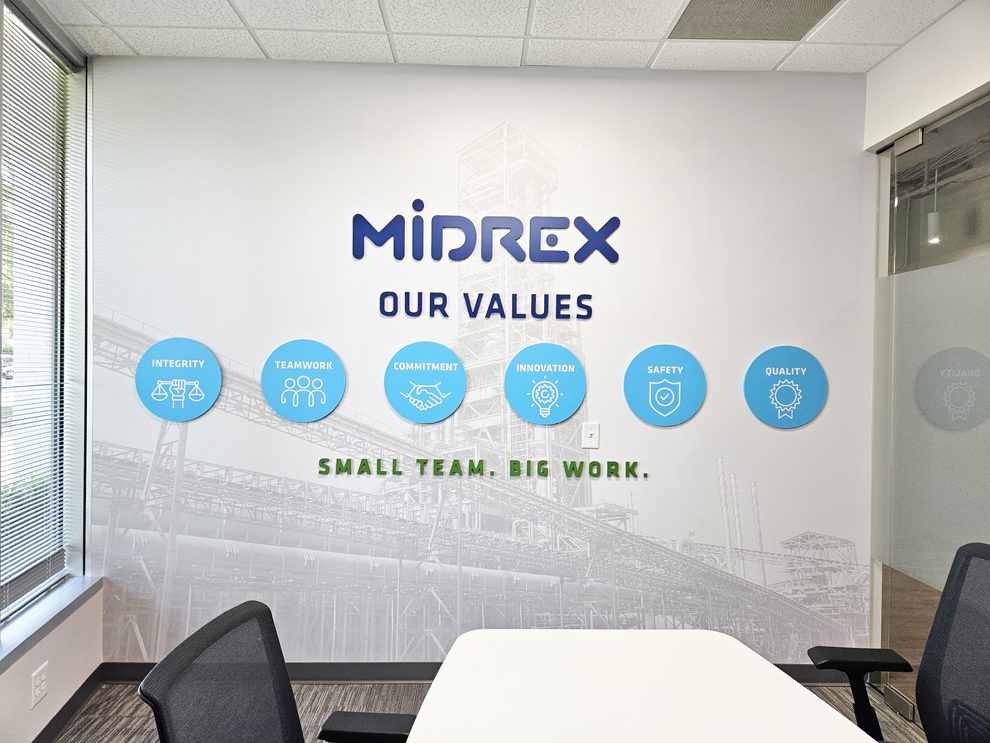
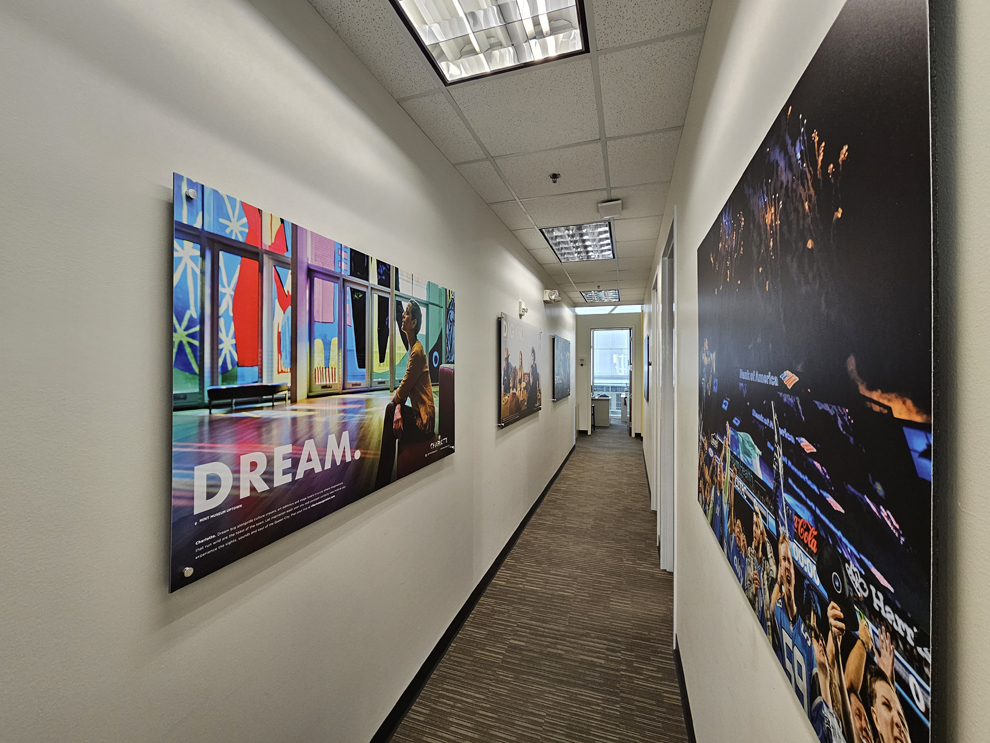
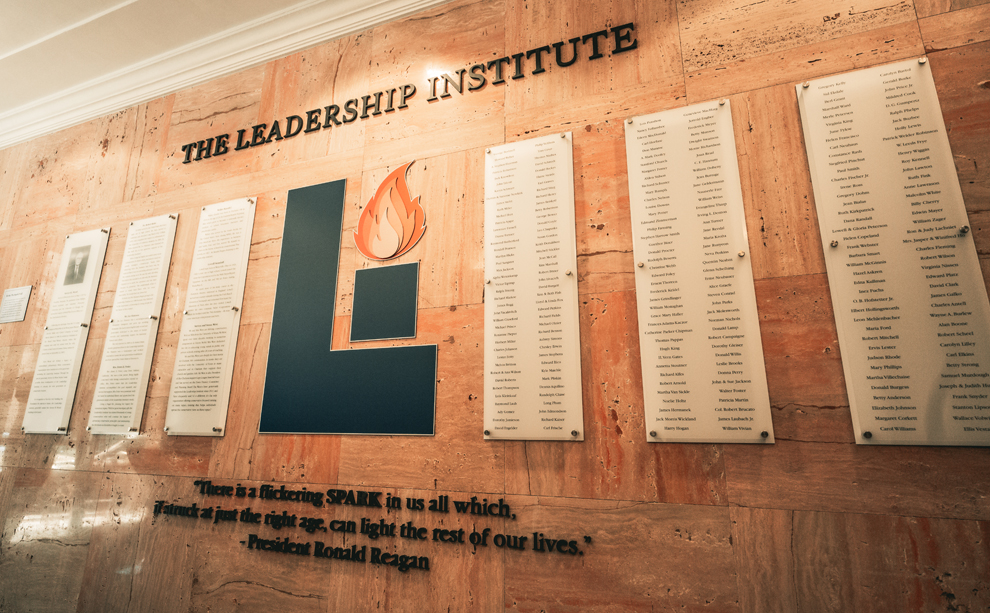
Connect photography, printed panels, dimensional elements, lettering, and hardware into organized storytelling features for history, values, milestones, or recognition.
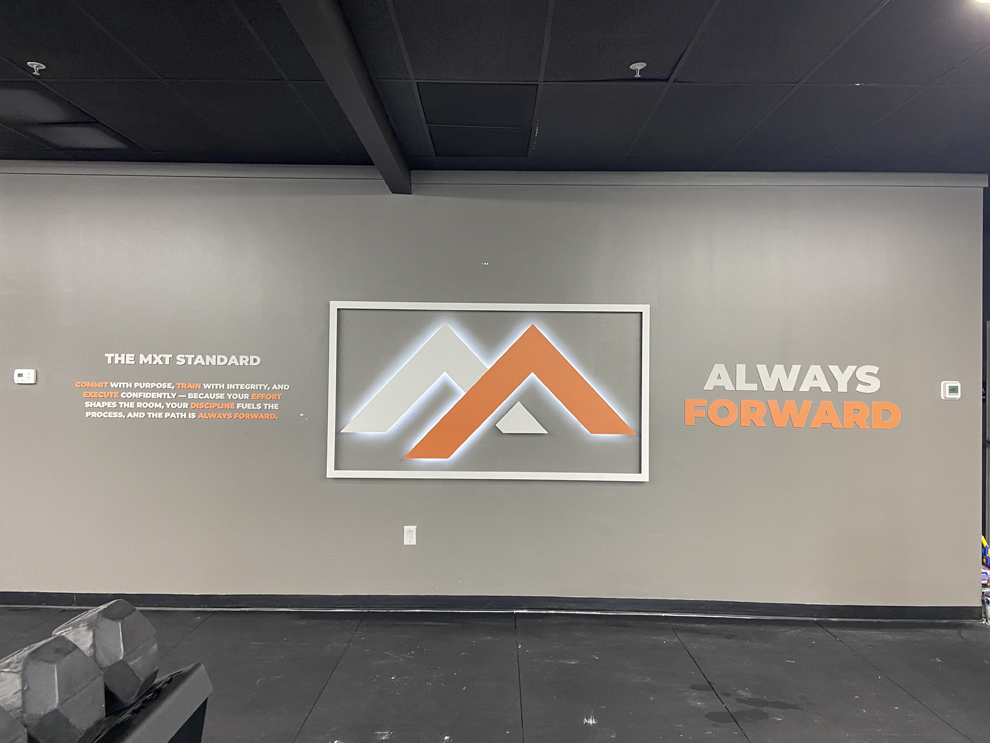
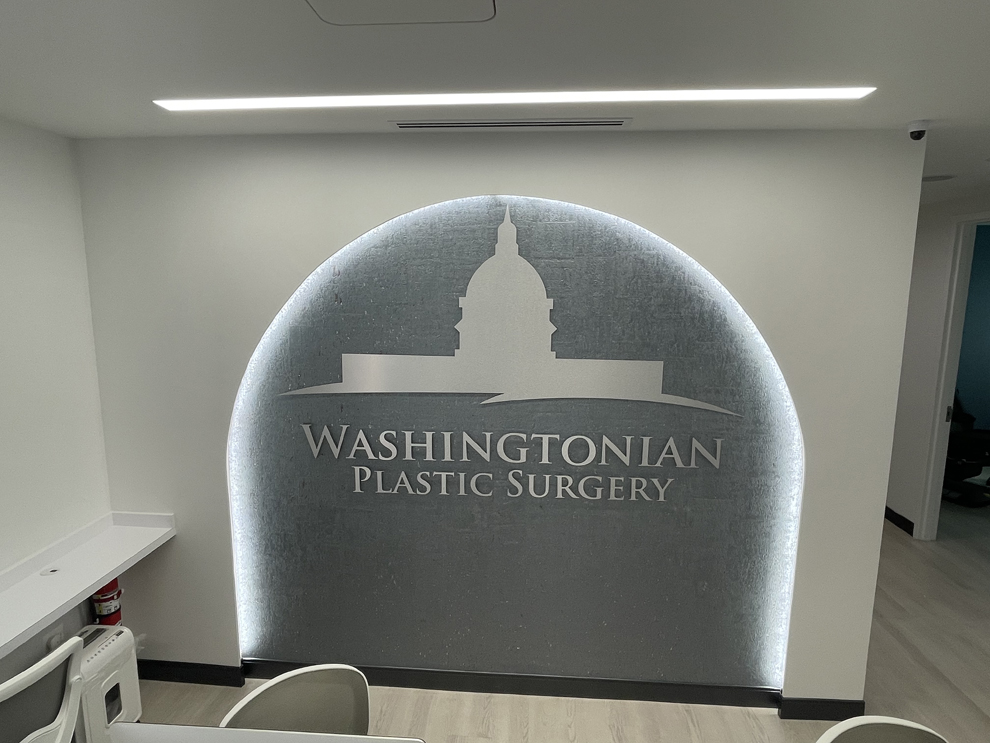
Reinforce names, logos, and key messages with material depth that gives workplace interiors a more architectural and permanent visual presence.
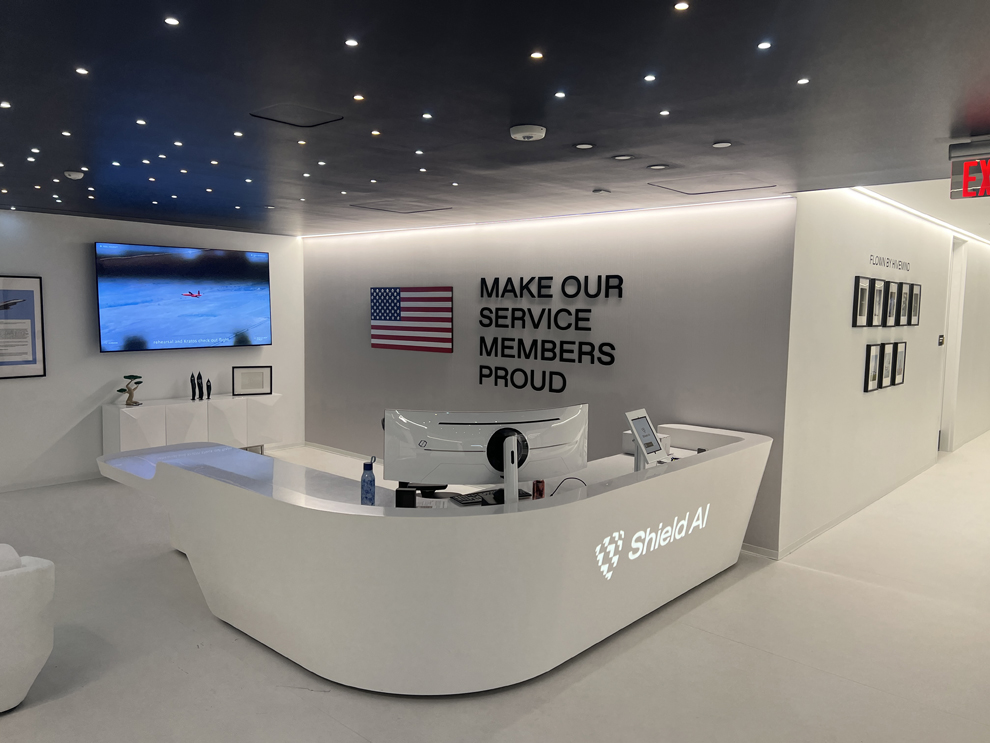
Integrate messaging, brand standards, scale, materials, circulation, and placement so multiple visual components work together throughout the physical environment.
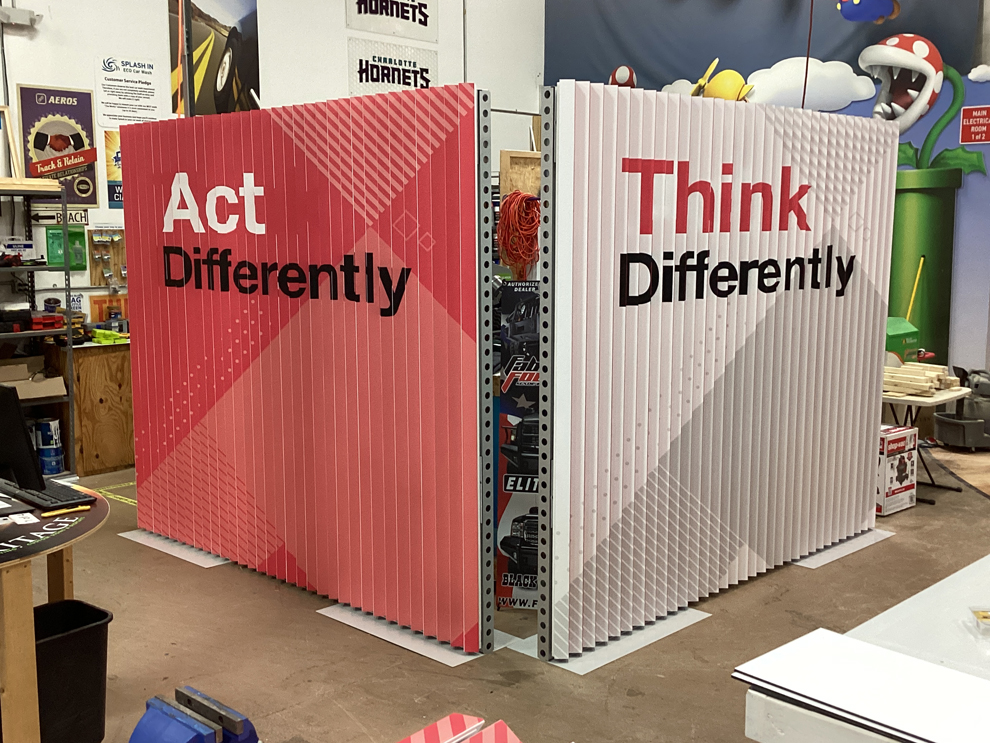
Guide employees, visitors, patients, students, and guests through destinations and decision points with clear information that supports accessibility and confidence.
If your organization is planning a workplace refresh, lobby sign package, environmental graphics program, museum display, educational interior, recognition installation, or multi-location branding initiative, Heritage is ready to review the opportunity. Complete the Get Started Now form with project goals, Greensboro location details, timeline, available files, photographs, drawings, brand standards, and important opening or installation dates. A Heritage team member will assess the information, identify the most productive next step, and connect your organization with appropriate project support.
A Greensboro project benefits from field verification, site surveys, and installation planning that account for the actual conditions of the facility. Heritage coordinates directly with organizational contacts, facilities teams, designers, contractors, and other stakeholders to understand access requirements, building rules, working hours, and project priorities. That preparation supports more dependable measurements and clearer decisions before production begins.
Greensboro organizations operate in workplaces, educational settings, healthcare environments, museums, government facilities, and public-facing commercial interiors with different audiences and constraints. Heritage does not approach those environments as interchangeable. The team considers the organization’s communication goals, architecture, traffic patterns, maintenance expectations, security procedures, and operational schedule before recommending materials, mounting methods, and installation sequencing.
Heritage combines Greensboro-focused project coordination with a seven-location regional network. Regional production, fabrication, design, project management, and installation resources provide support when an assignment includes larger quantities, phased schedules, or multiple facilities. Heritage remains responsible for keeping those functions connected so local stakeholders have a clear point of contact and the program retains consistent visual standards.
Environmental graphic design applies visual communication to a physical setting. It brings together branding, messaging, architecture, materials, color, scale, visibility, circulation, accessibility, and placement. For Greensboro workplace interiors, this process helps make certain that signs and graphics support the way people move through, interpret, and use a space.
Projects can begin with brand files, floor plans, photographs, architectural drawings, field measurements, existing messages, or an early concept. Heritage helps convert those inputs into workable layouts, message hierarchy, privacy treatments, wayfinding approaches, dimensional elements, wall graphics, and coordinated placements. The design process considers both the visual goal and the practical realities of producing and installing each component.
Design development improves decision-making before materials are ordered or fabrication begins. It gives stakeholders a clearer understanding of proposed outcomes, supports responsible estimating, and helps identify surface or access concerns early. Heritage uses that work to create more complete production information and a better-defined installation plan.
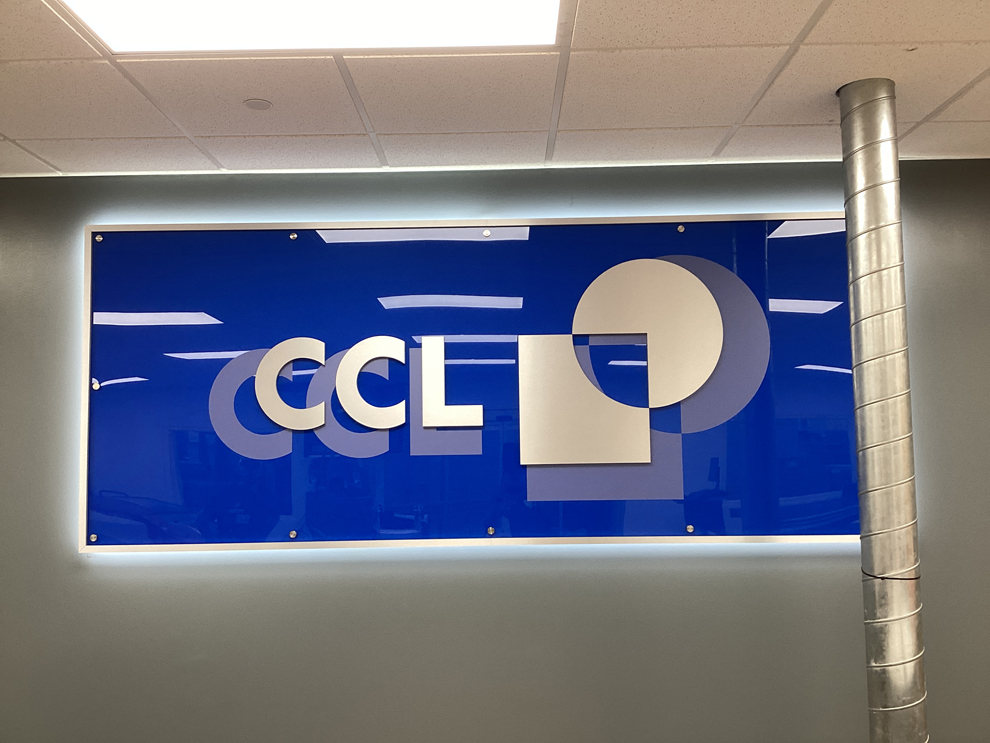
Professional installation is where planning, design, production, and the physical site come together. Heritage treats this phase as part of the complete project, not as a final handoff. Alignment, wall conditions, mounting methods, glass preparation, access, and sequencing all influence whether a completed program performs as intended in a Greensboro facility.
Every Heritage-managed installation begins with a site survey. The team records dimensions, surface characteristics, obstructions, lighting, viewing conditions, traffic patterns, security expectations, loading access, elevator availability, and occupied-area limitations. This survey also gives project stakeholders an opportunity to discuss concerns, confirm priorities, and identify conditions that could affect the work.
Heritage full-time installers coordinate with project managers, designers, fabricators, and production specialists throughout the assignment. This direct connection protects accountability for fit, finish, preparation, and scheduling. Heritage does not provide installation-only services for customer-provided signs or graphics. Installation support applies to components produced, procured, fabricated, or managed within a complete Heritage project.
Responsible planning begins with the intended outcome, audience, site, schedule, and investment expectations. Heritage reviews photographs, floor plans, drawings, brand standards, message content, installation addresses, and known access requirements. If information is incomplete, the project manager identifies what needs field verification or stakeholder approval before the scope can advance.
Greensboro clients should expect the complete Heritage engagement to begin at $4,000. Many produced-and-installed projects range from $10,000 to more than $200,000. These values describe the total managed assignment, not one isolated sign, display panel, or graphic. Scope, materials, quantity, design development, fabrication, site conditions, installation complexity, and phasing all influence the overall investment.
Commercial and workplace interiors remain Heritage’s primary focus. Non-illuminated exterior signs, exterior dimensional lettering, exterior window graphics, and exterior wall graphics may accompany an interior engagement when appropriate. Standalone exterior sign programs, fleet graphics, monument signs, pylon signs, and channel letters remain outside the normal scope. Heritage is also not a repair service for failed sign components or failed LED systems.
Heritage manages custom signs, graphics, displays, design development, fabrication, and installation as one connected commercial interior process. Greensboro organizations can engage the team for workplace branding, institutional communication, wayfinding, recognition environments, educational displays, and related visual programs. The project manager coordinates information across each phase so the organization has a clear point of accountability.
Useful starting information includes project goals, facility location, audience, target dates, site photographs, floor plans, architectural drawings, brand standards, logos, message content, and known access limitations. If some materials are not available, Heritage can identify the next planning requirement. A site survey is used to verify dimensions and physical conditions before installed work proceeds.
Yes. Heritage collaborates with architects, interior designers, contractors, facilities teams, marketing departments, exhibit planners, and outside brand agencies. The team can review concepts for fabrication and installation feasibility, recommend materials, create production-ready artwork, and coordinate finished installation. This helps preserve the original visual intent while accounting for the realities of the site.
One dedicated Heritage project manager serves as the primary contact for the assignment. That person coordinates discovery, estimating, design inputs, field information, approvals, materials, production timing, installation scheduling, and completion details. A single accountable contact helps prevent fragmented communication among organizational stakeholders and project departments.
Heritage creates lobby signs, wall wraps, window graphics, frosted vinyl, dimensional letters, acrylic signs, standoff displays, wayfinding systems, donor recognition features, interpretive panels, history displays, and branded workplace elements. The recommended solution depends on audience needs, message hierarchy, surfaces, durability requirements, brand standards, and installation conditions. The team evaluates how each piece should contribute to the surrounding environment.
Yes. Heritage-managed installation work begins with a site survey to document measurements, wall and glass conditions, access, lighting, obstructions, traffic patterns, and relevant building requirements. This preparation identifies issues early and provides reliable information for design, fabrication, mounting, and installation sequencing. It also gives stakeholders a chance to clarify intended outcomes.
Yes. Heritage supports multi-location organizations that need consistent brand standards while accommodating different site conditions. The team can coordinate surveys, production, scheduling, installation plans, and stakeholder communication across offices, campuses, facilities, or public-facing locations. Each site receives attention to its own architecture, audience, access rules, and operational constraints.
The complete Heritage engagement begins at $4,000. Many projects involving production and professional installation range from $10,000 to more than $200,000, depending on scope, quantities, materials, design needs, fabrication requirements, locations, and installation complexity. These ranges apply to the full managed assignment rather than a single commodity sign component.
Yes. Heritage can evaluate an existing interior sign or wall display for replacement with a newly designed, produced, and installed solution. The process considers mounting conditions, wall surfaces, dimensions, removal needs, and any electrical requirements when applicable. Heritage does not repair failed components or LED systems, but replacement can improve function, appearance, and alignment with current brand standards.
Environmental graphic design applies visual communication to a physical space. It combines branding, messaging, architecture, materials, scale, visibility, circulation, and placement so individual components work as a coordinated environment. Heritage uses this approach when a workplace, institution, campus, museum, or public-facing interior requires more than separate signs placed independently.
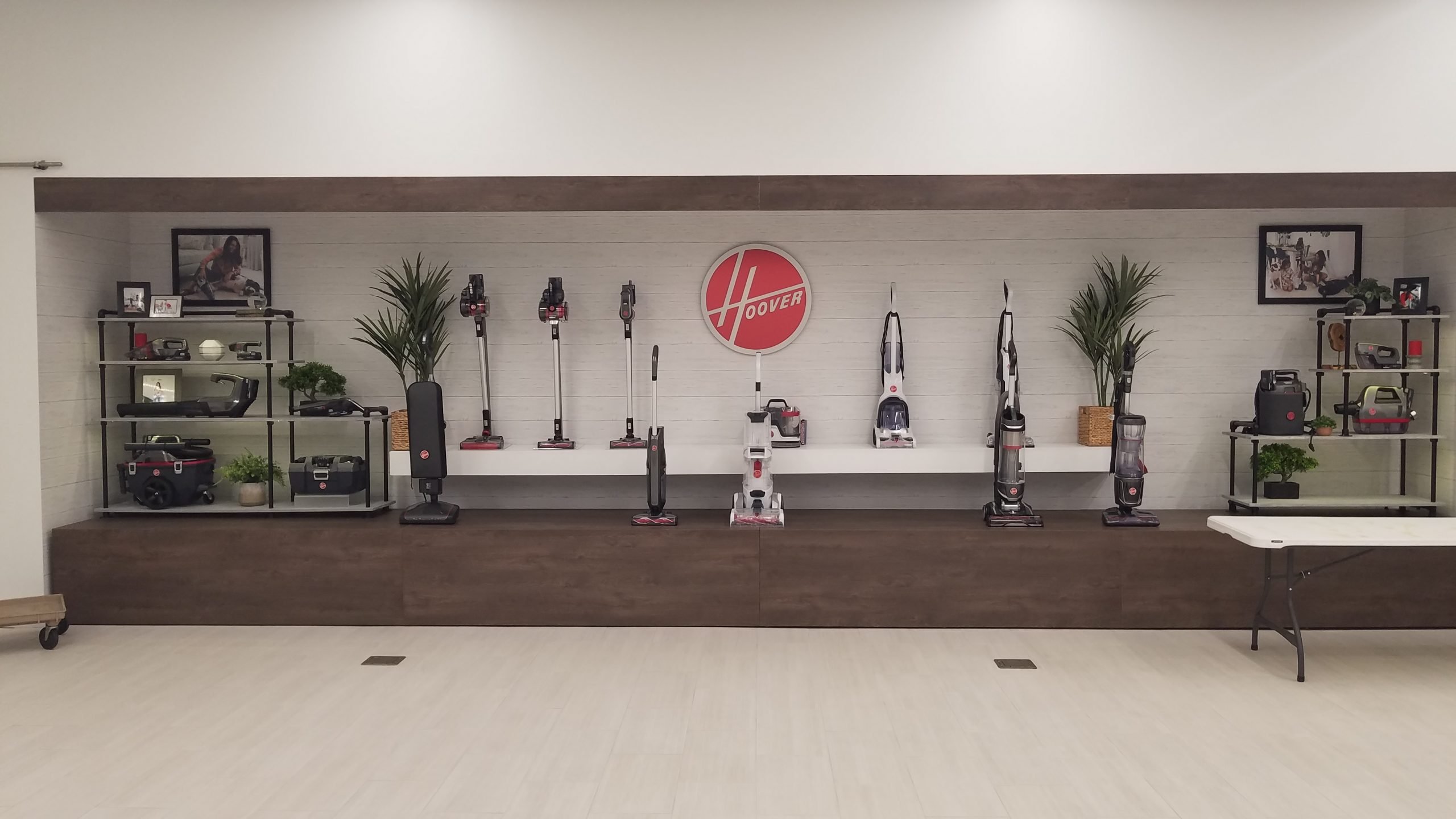
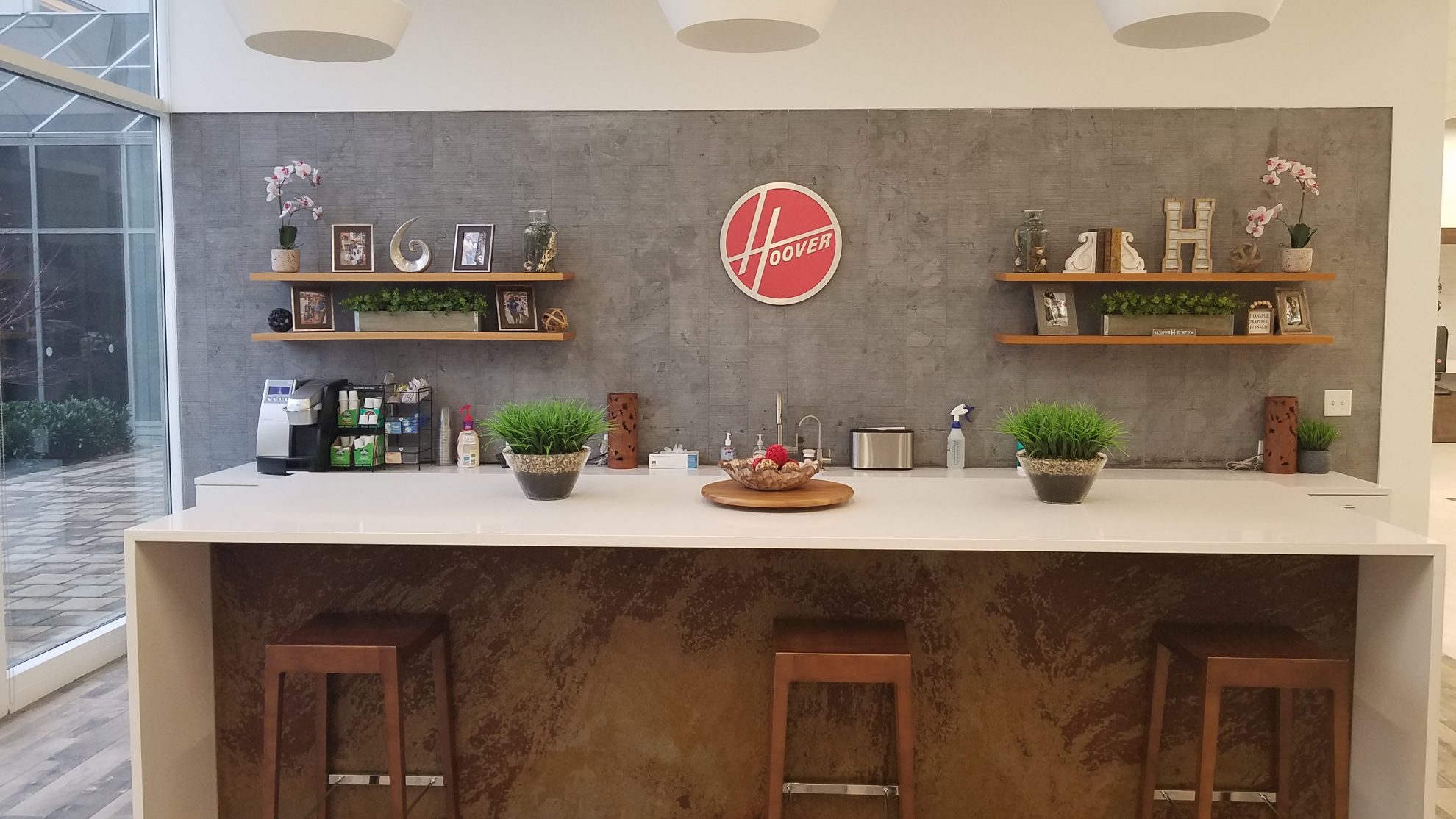
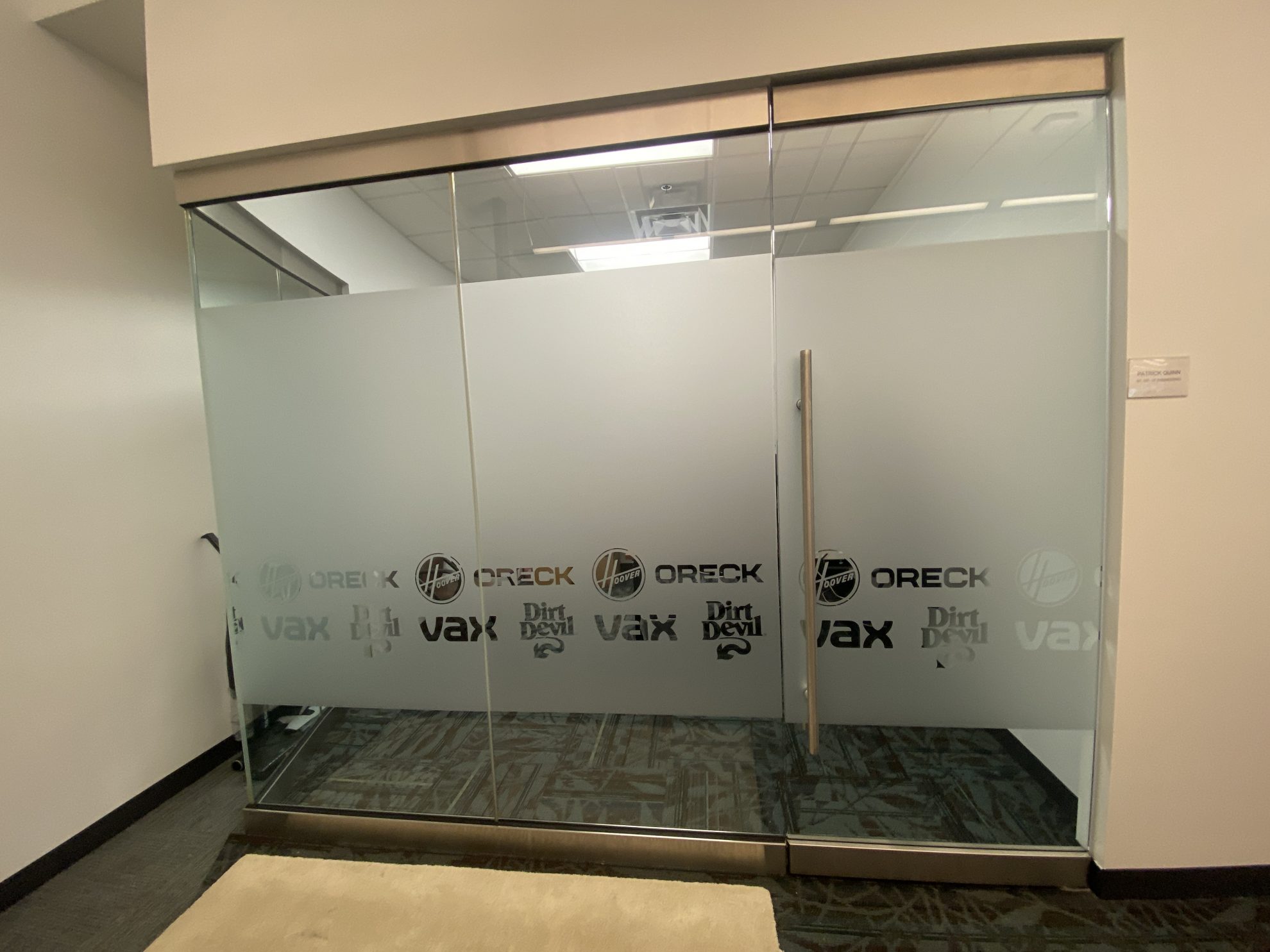
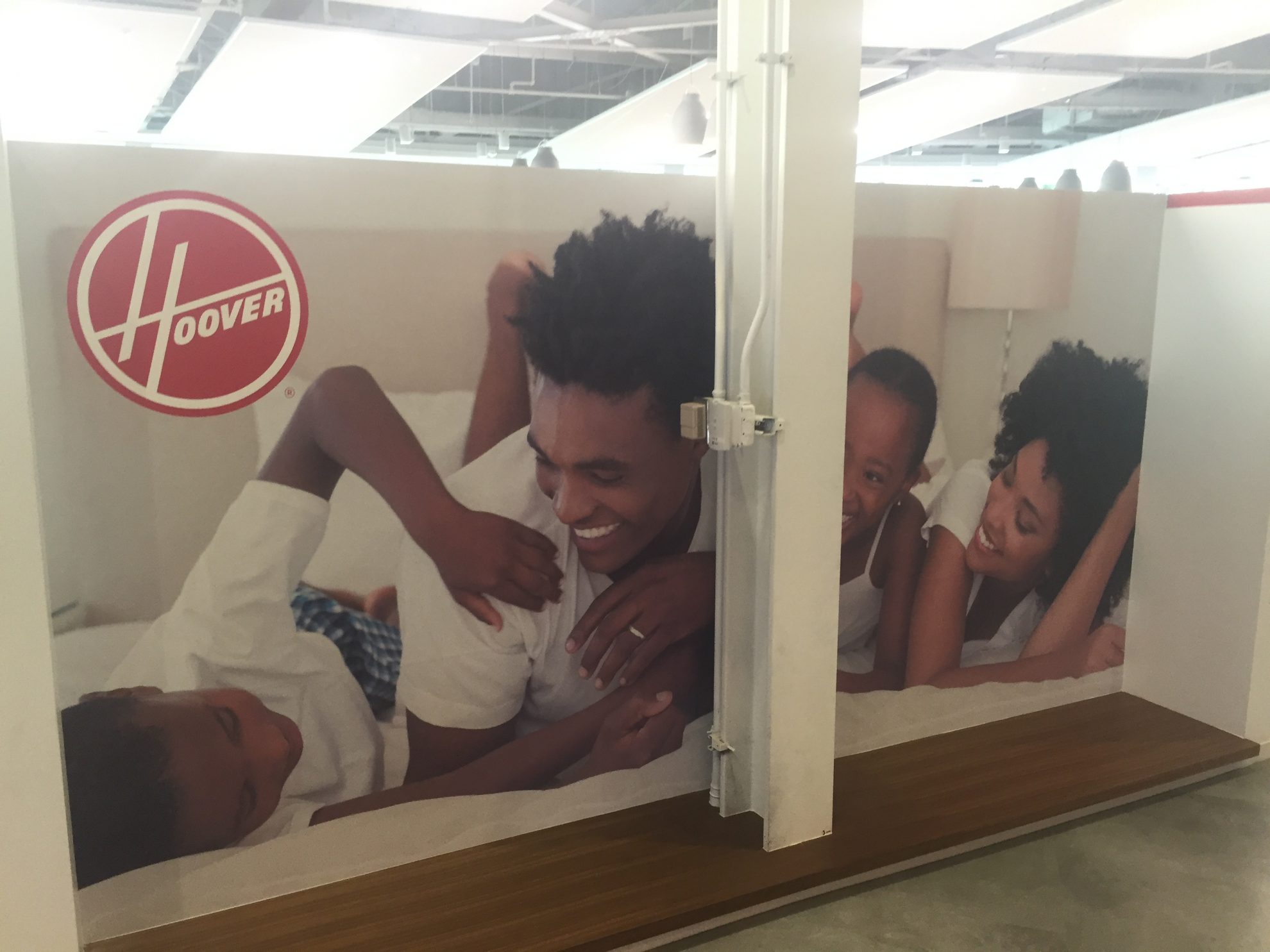
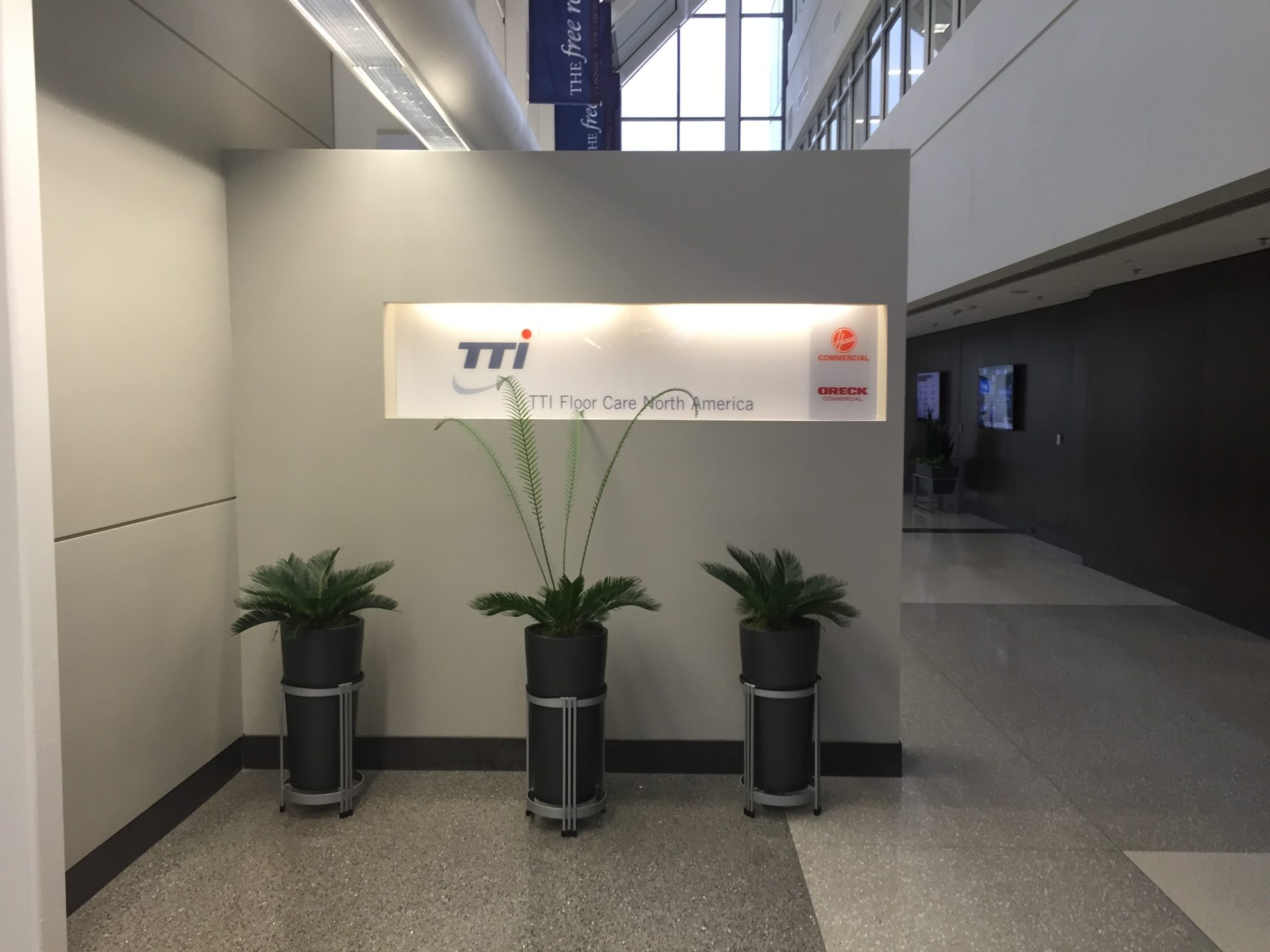
Heritage Signs & Displays collaborated with TTI Floor Care North America to enhance their corporate office. The project included custom frosted vinyl graphics, acrylic signs, dimensional lettering, and LED backlit signs, showcasing the brands Dirt Devil, Hoover, and Oreck. The signage improved office branding, privacy, and aesthetics. Heritage collaborated closely with TTI, ensuring efficient execution and high-quality results, creating an immersive and professional environment that reflects TTI's brand values.
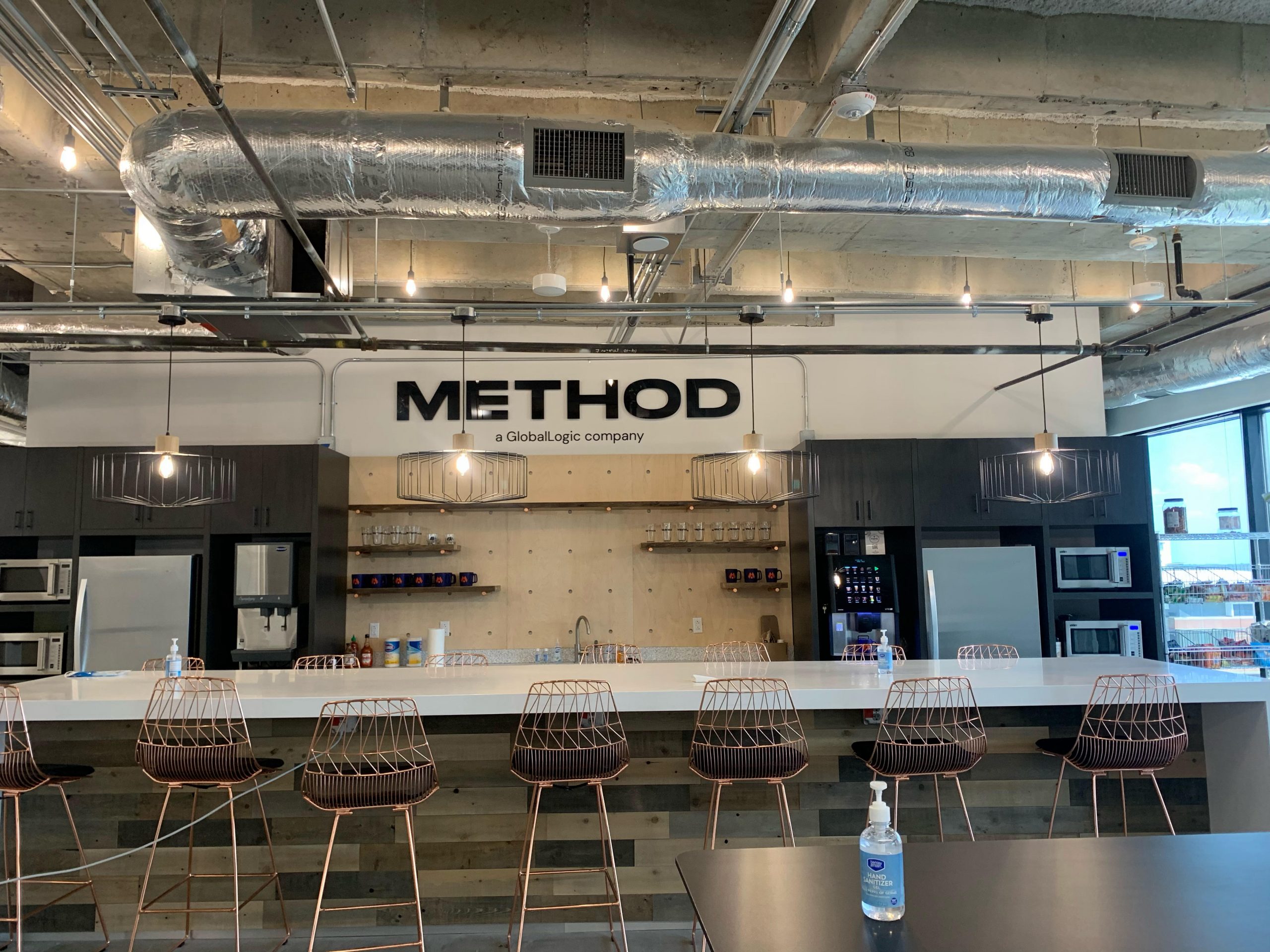
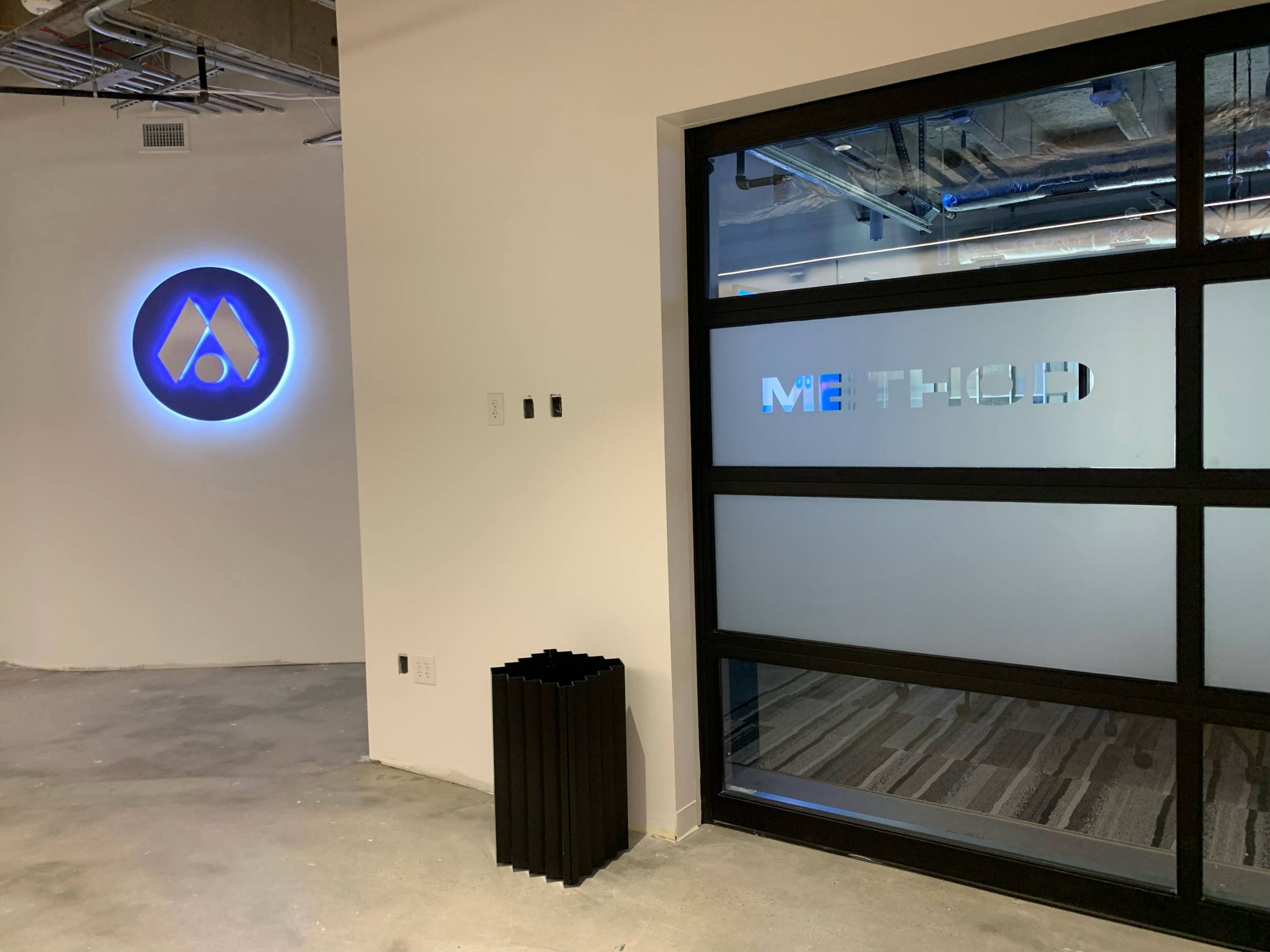
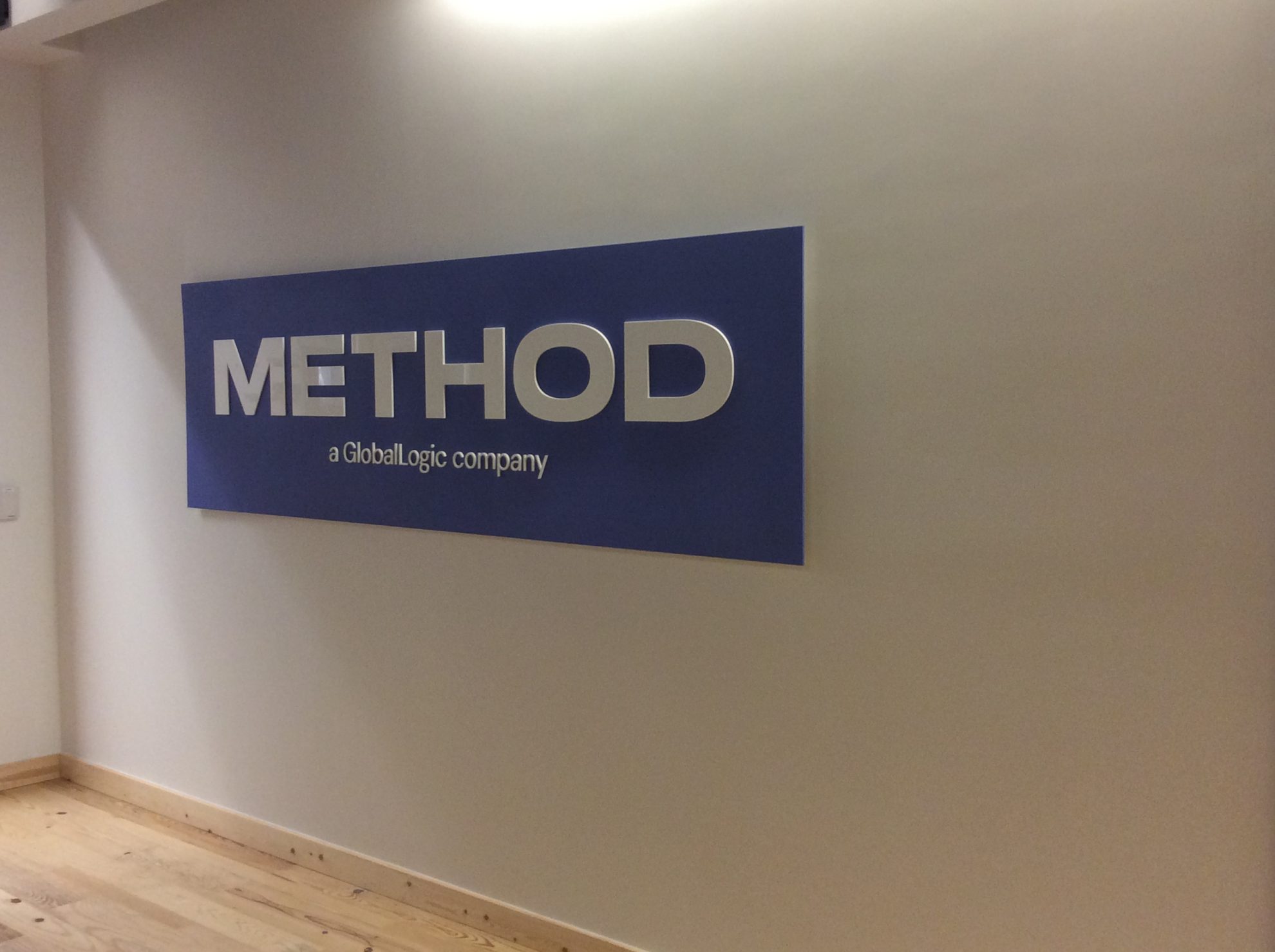
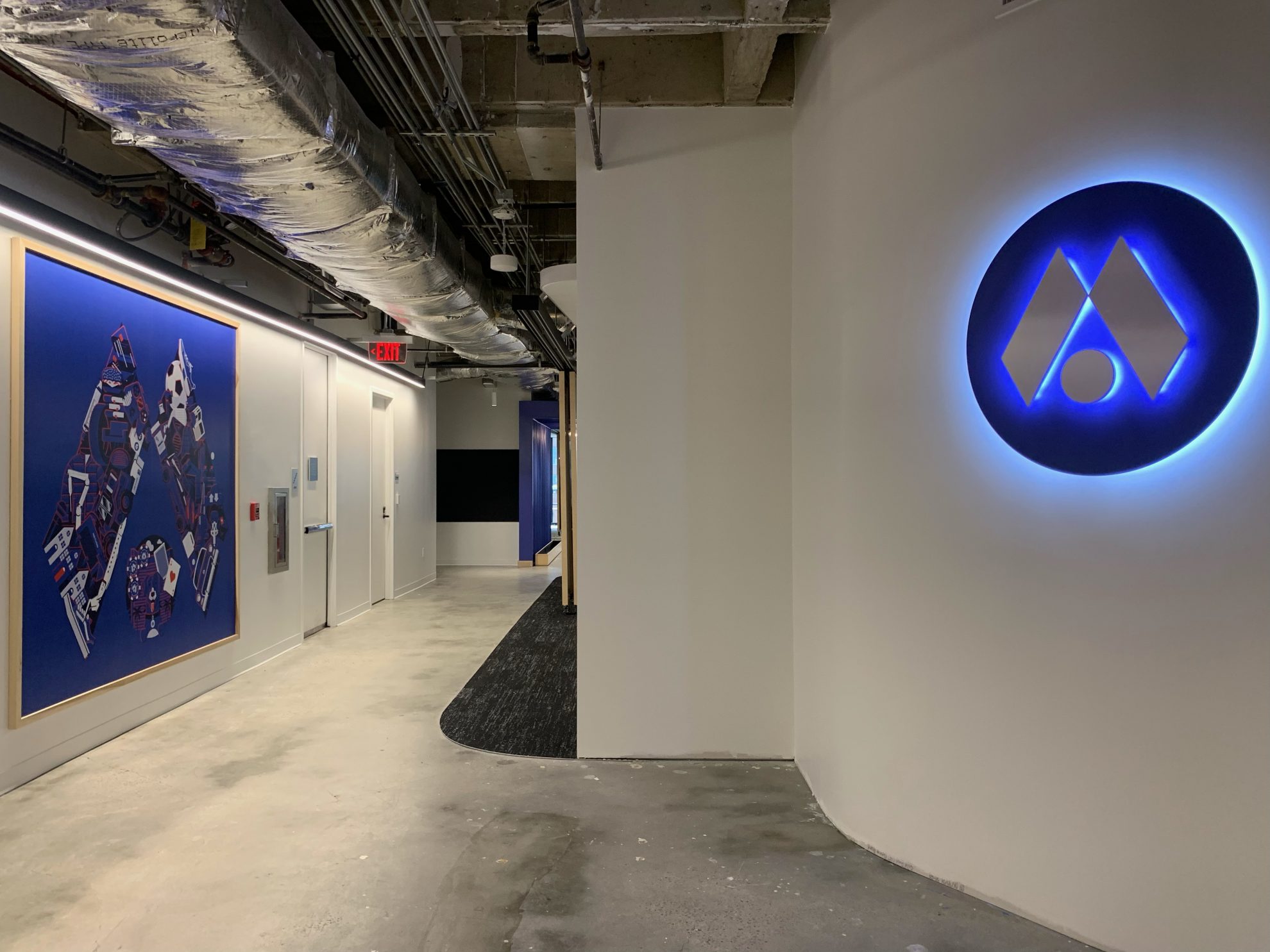
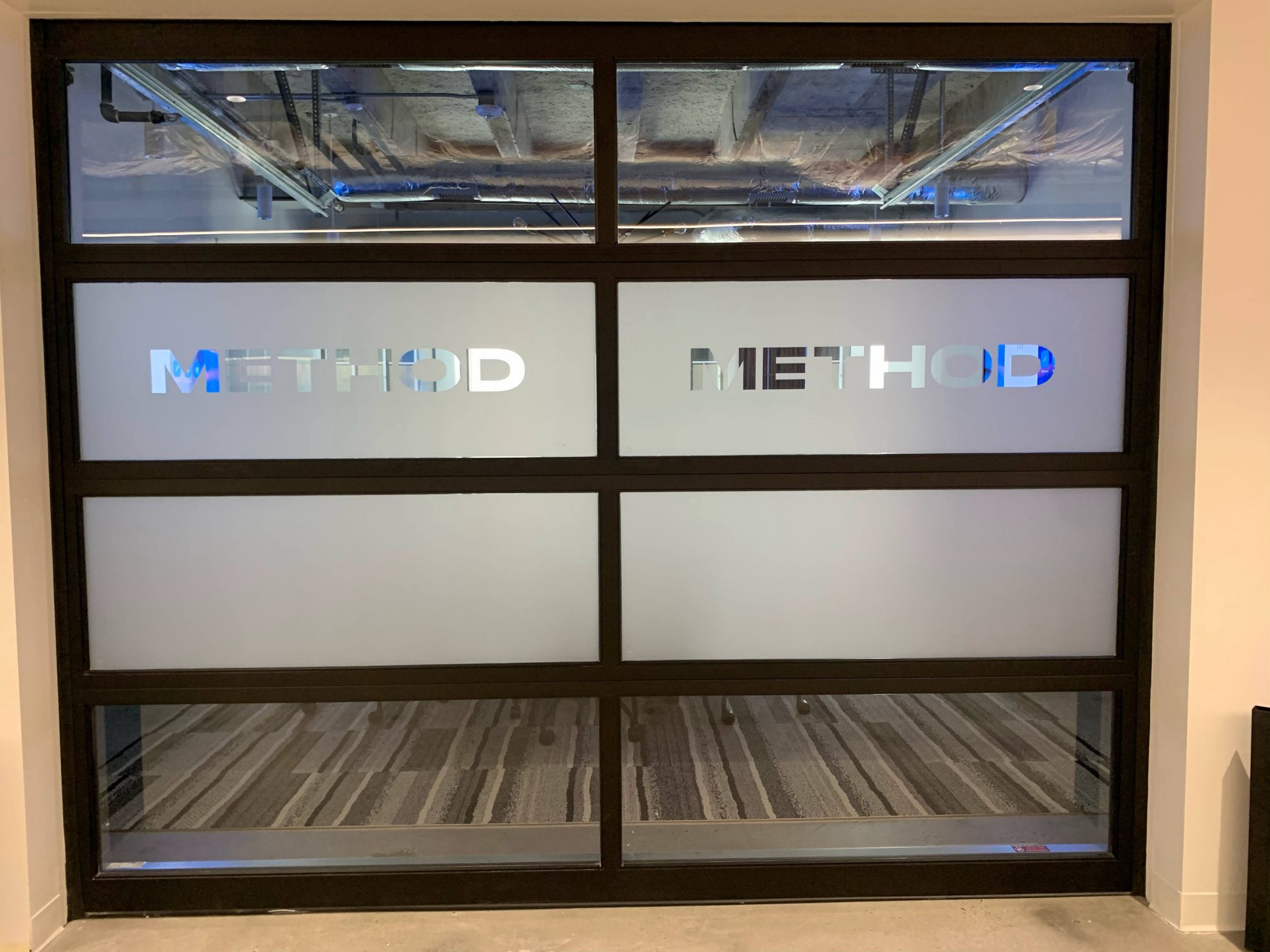
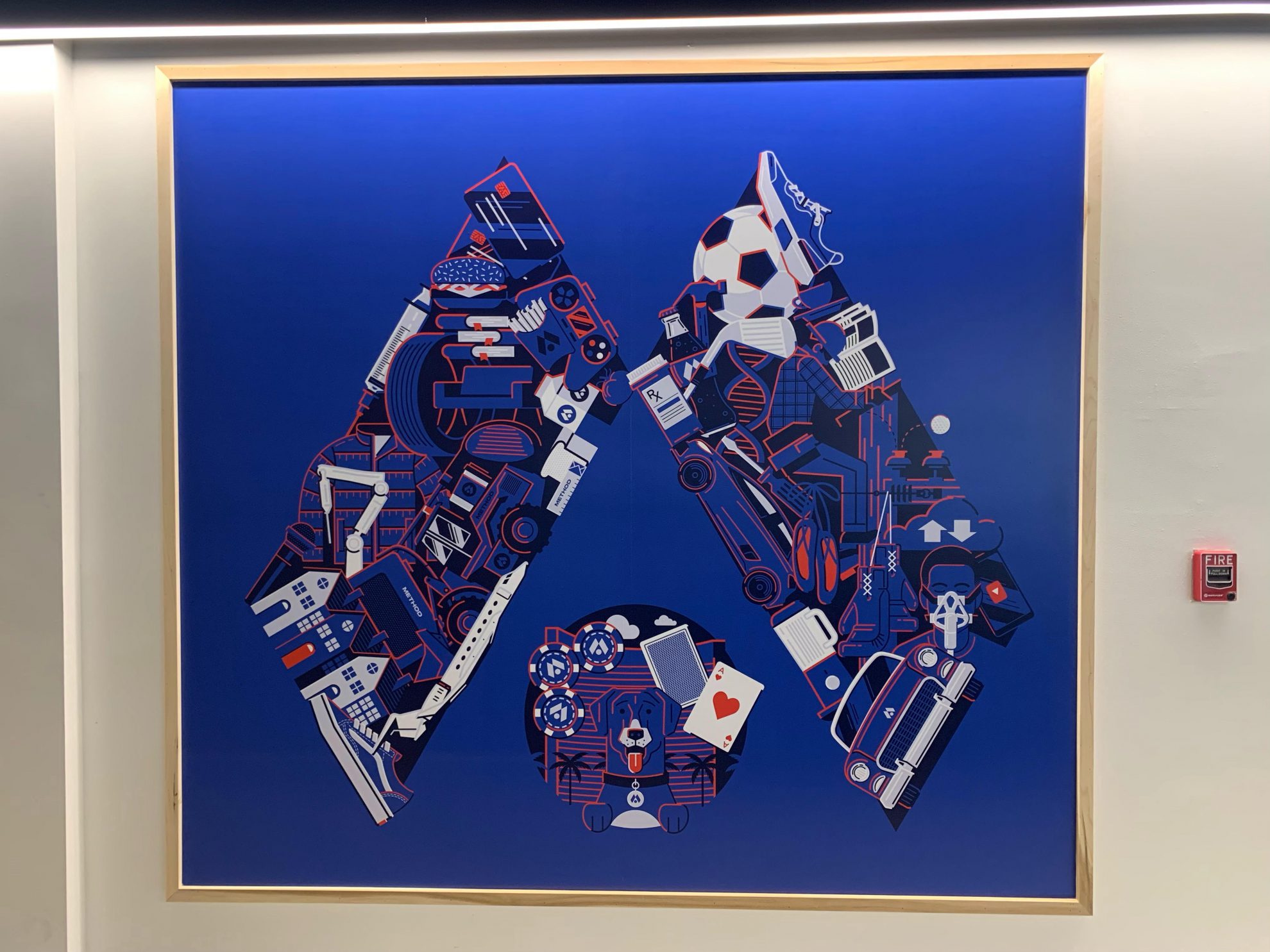
Heritage Signs & Displays' collaboration with Method (formerly Skookum) to rebrand their corporate headquarters. The project included dimensional lettering, wall displays, LED-lit signage, wall wraps, and frosted vinyl, creating an immersive and branded environment. Heritage worked closely with Method's team, ensuring accurate execution and timely delivery. The transformation was completed in August 2021, with Method's employees moving into the revamped space in September. The project reflects Heritage's commitment to quality and collaboration.