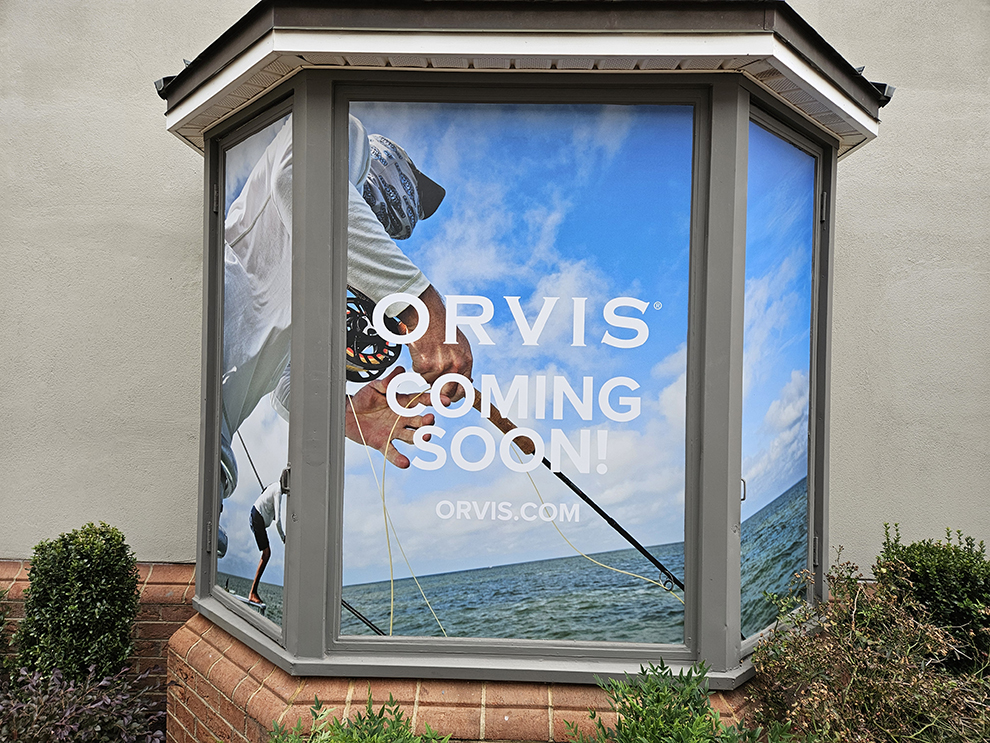
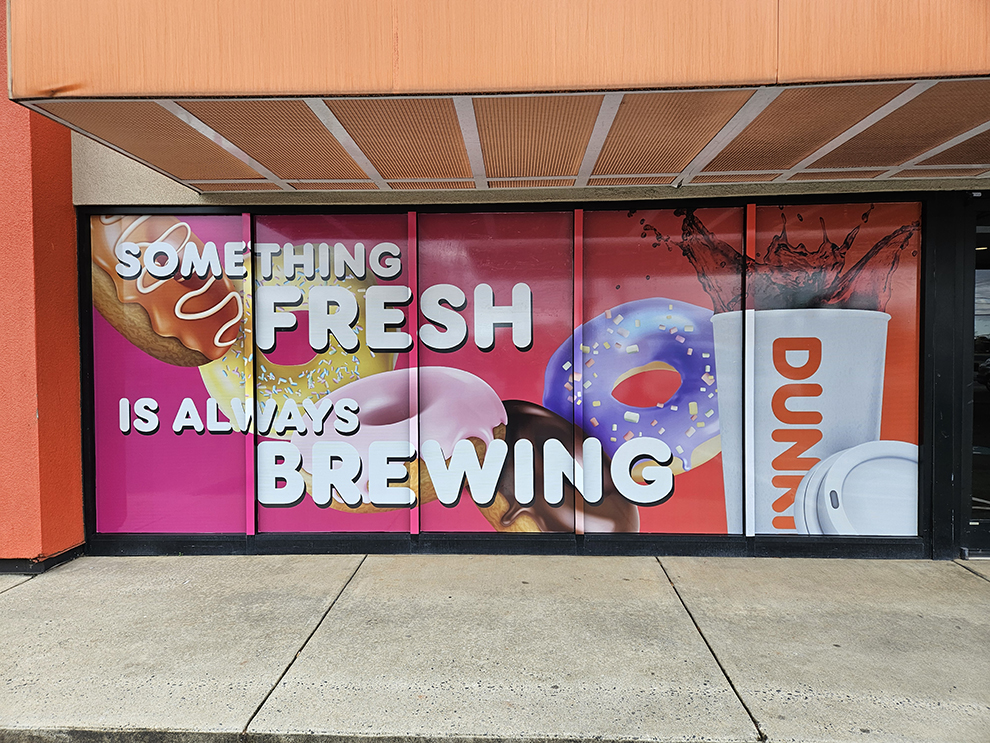
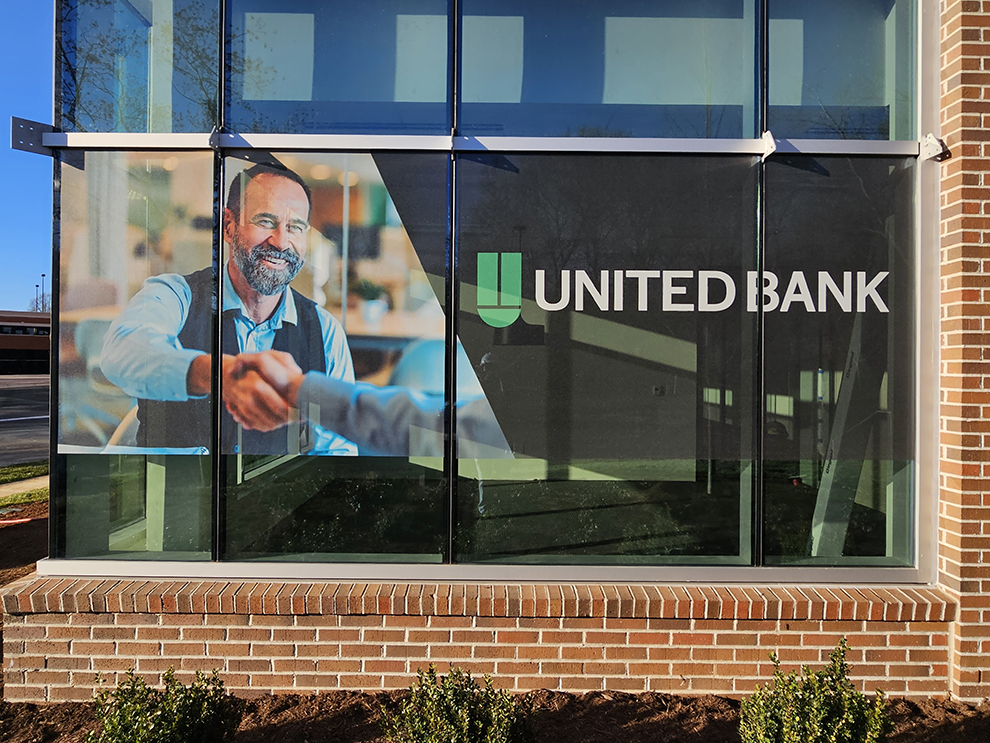
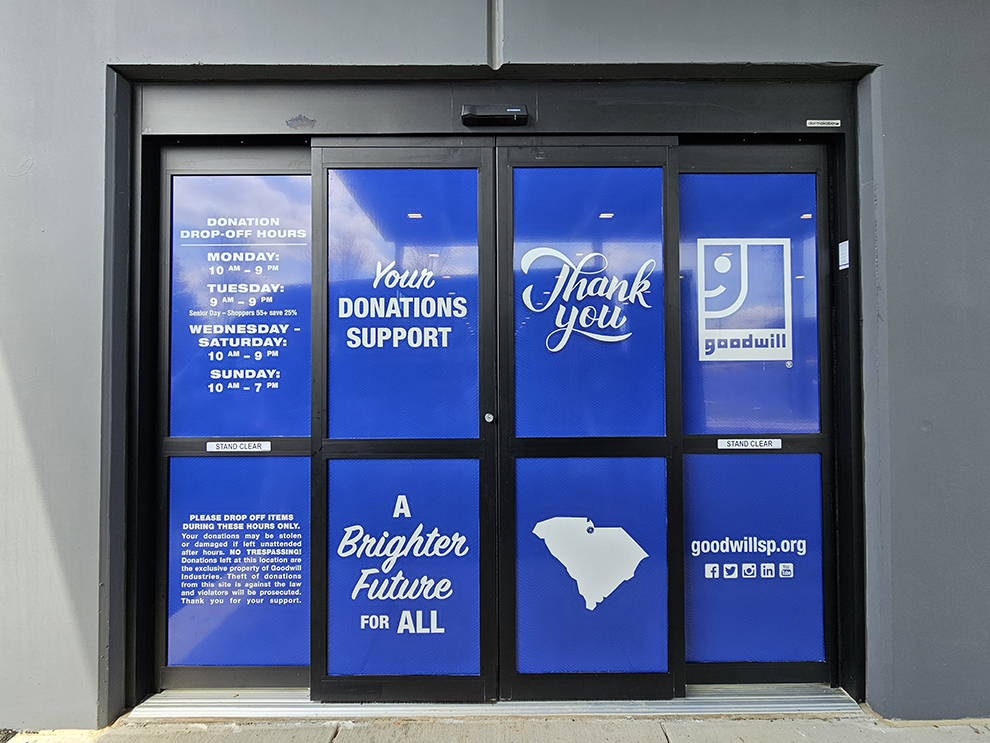
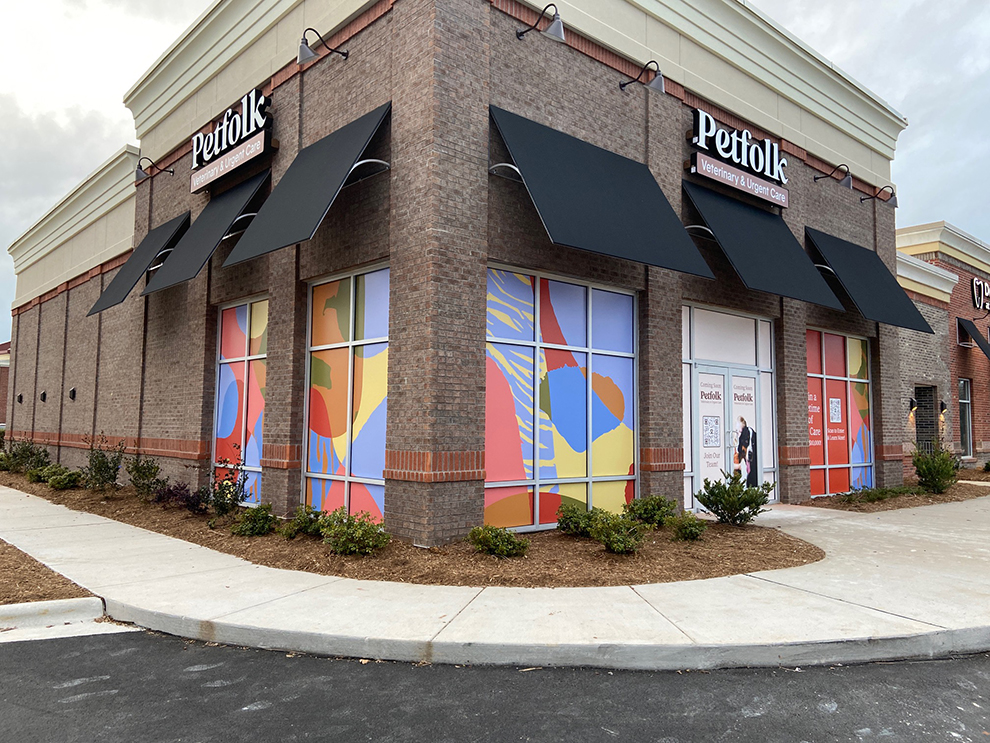
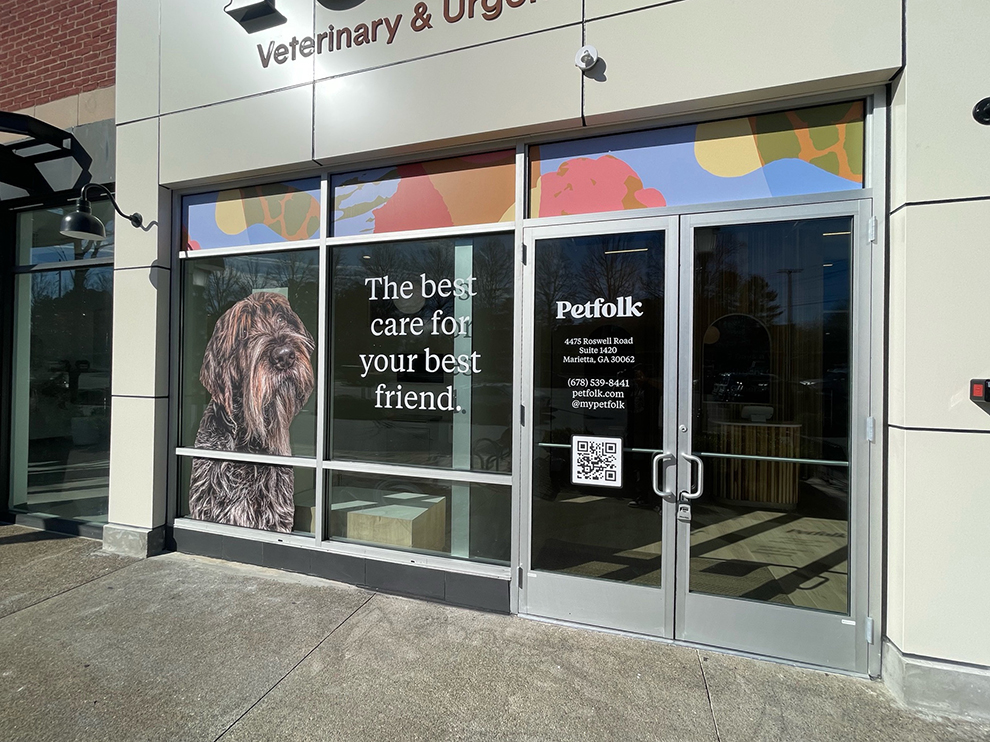
Before anyone reads a directory or turns a corner, your front glass has already spoken for you. Storefront graphics let us shape that first impression through window graphics, glass door lettering, privacy film, distraction markers, and select non-illuminated exterior pieces. We assign a job to every element instead of decorating for its own sake. Identification goes where guests need reassurance they found the right suite. Privacy goes where sightlines should be softened. Clear glass stays clear where daylight and street visibility earn their keep. Working this way produces a calm, confident threshold and takes the pressure off the storefront to say everything at once.
An entrance performs best when it previews what comes next. A mark or pattern on glass builds recognition, then a lobby sign inside carries the identity forward as the primary feature. Frosted vinyl can shield a conference room or a manager's office, and wall graphics can unpack your founding story, culture, values, or mission once visitors are through the door. When we plan all of it as a single environmental graphic design program, the glass and the interior reinforce each other instead of reading like two separate purchases made months apart.
Our process opens with discovery. We ask who the audience is, what result you want, which brand rules apply, how the property is configured, and how the space operates day to day. Our environmental graphic designers turn those answers into a workable direction for the entrance and the interior it leads into. From there, one dedicated Project Manager holds the project knowledge through design, production, fabrication, and professional installation. You get a single accountable relationship with us, fewer handoffs, and answers before questions turn into field problems. That continuity also protects approved design intent when multiple surfaces, products, stakeholders, and install phases have to stay in step.
Heritage opened in 1977 as a commercial printing company. In 2009 we shifted our focus toward signs, interior graphics, workplace branding, and event environments. Today we are an award-winning, veteran-owned, family-led company nearing our 50th year. That long runway shaped a deliberate way of working, where design choices get weighed alongside materials, fabrication realities, site access, scheduling, and install conditions. Our purpose is to honor God by serving clients and communities with excellence, and we express that through honest recommendations, plain communication, careful stewardship, and follow-through you can count on.
Storefront Graphics is where our exterior-facing branding meets our commercial interior work. We can manage entrance glass, non-illuminated exterior elements, lobby signs, wall graphics, dimensional features, and displays inside one coordinated scope. The storefront handles recognition and arrival. The interior has the square footage to talk about culture and purpose. Durham clients get local discovery, site surveys, field verification, install planning, professional installation, and follow-up, backed by our wider production and project resources. That structure fits a single flagship location, improvements rolled out in phases, or a multi-location program that needs consistent brand standards without forcing the identical treatment onto every building.
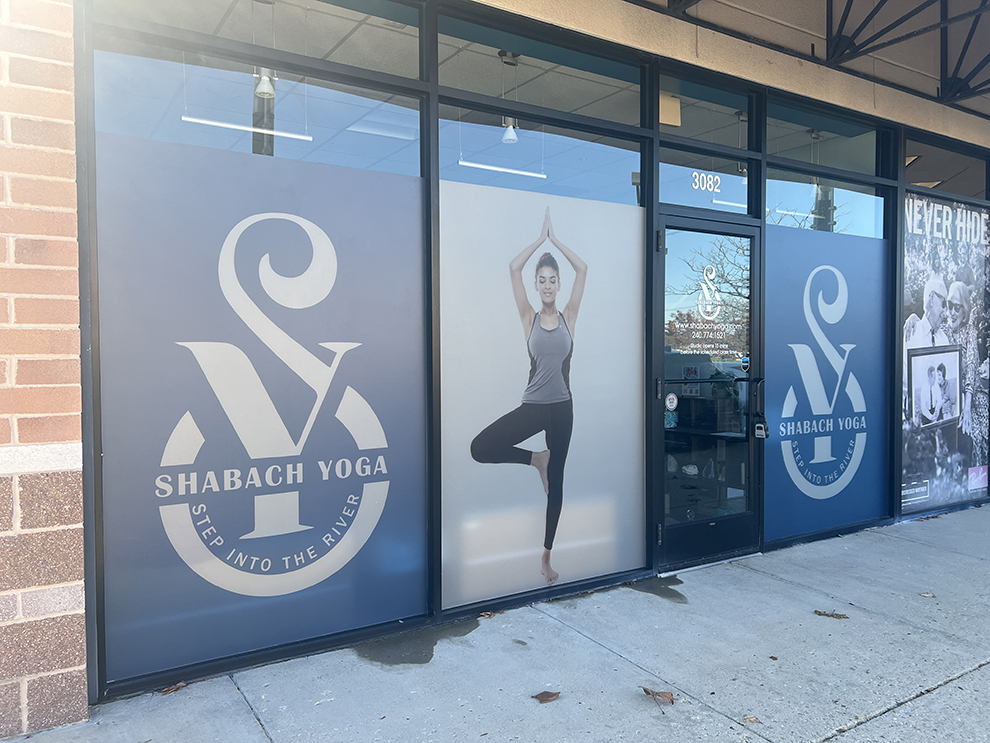
Recognition starts on the sidewalk, though a strong entrance never tries to summarize the whole organization. First it confirms identity, signals arrival, and supports the right level of visibility. Window graphics, glass door lettering, or a restrained pattern can deliver that opening cue without smothering daylight or the views your team actually uses.
Privacy calls for the same restraint. Frosted vinyl can screen a huddle room, a private office, or a client-facing area while the rest of the glass stays open. Decorative or branded distraction markers make clear panels easier to register and still belong to the visual system. Every treatment should answer how the space functions rather than filling whatever surface happens to be available.
Inside, a lobby sign, recognition wall, display, or branded focal point can go deeper. Planning the door, windows, reception area, and interior walls as one connected experience makes it obvious which message belongs at which stage. You end up with a storefront that introduces cleanly and an interior that builds on it, with no redundancy and no visual crowding.
A commercial storefront project is never just the finished graphic. Privacy, visibility, material compatibility, measurements, building access, approvals, production, and installation all have to stay linked. Our One Dedicated Project Manager System gives you one point of accountability from the first conversation to the final walkthrough. Because project knowledge stays in one place, you are not re-explaining decisions, and approved choices reach every team responsible for carrying them out.
Our environmental graphic designers can build concepts from scratch within our scope or work from finished brand standards and approved artwork you already own. They also collaborate with architects, interior designers, branding agencies, property teams, and internal stakeholders. Your Project Manager connects that direction to production, fabrication, and our full-time professional installers so everyone is building from the same information.
We are veteran-owned and family-led. Durham clients receive verified local field and installation support, reinforced by our broader Carolinas and Mid-Atlantic capacity. That connected model handles significant one-time projects, phased work, and multi-location rollouts while holding shared brand standards, straightforward communication, and one accountable relationship with us.
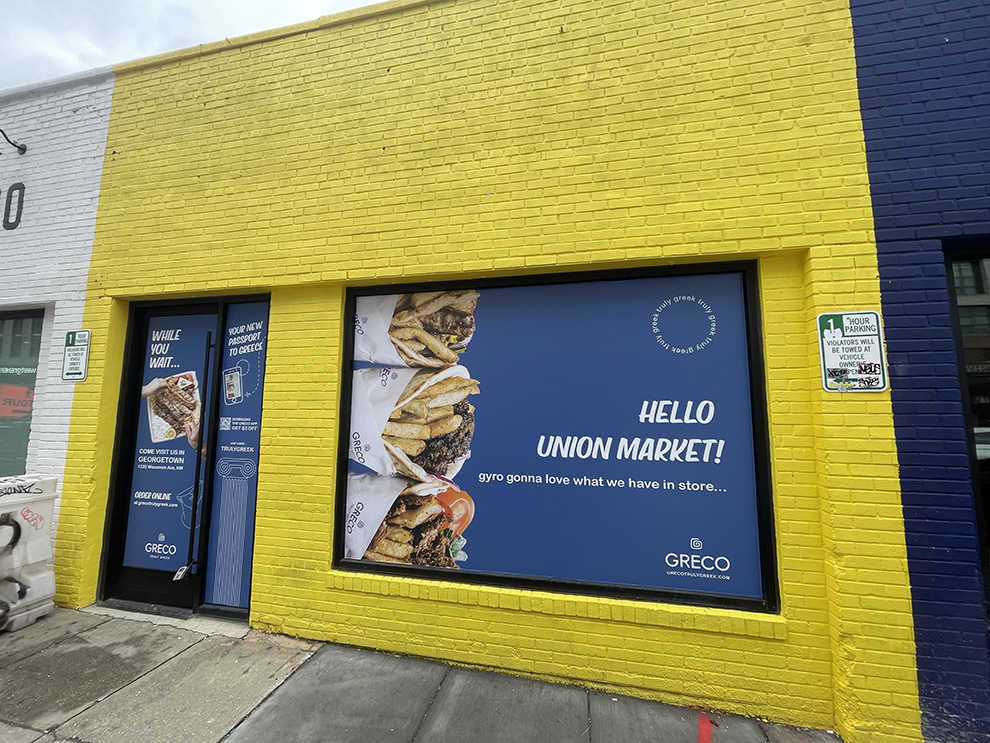
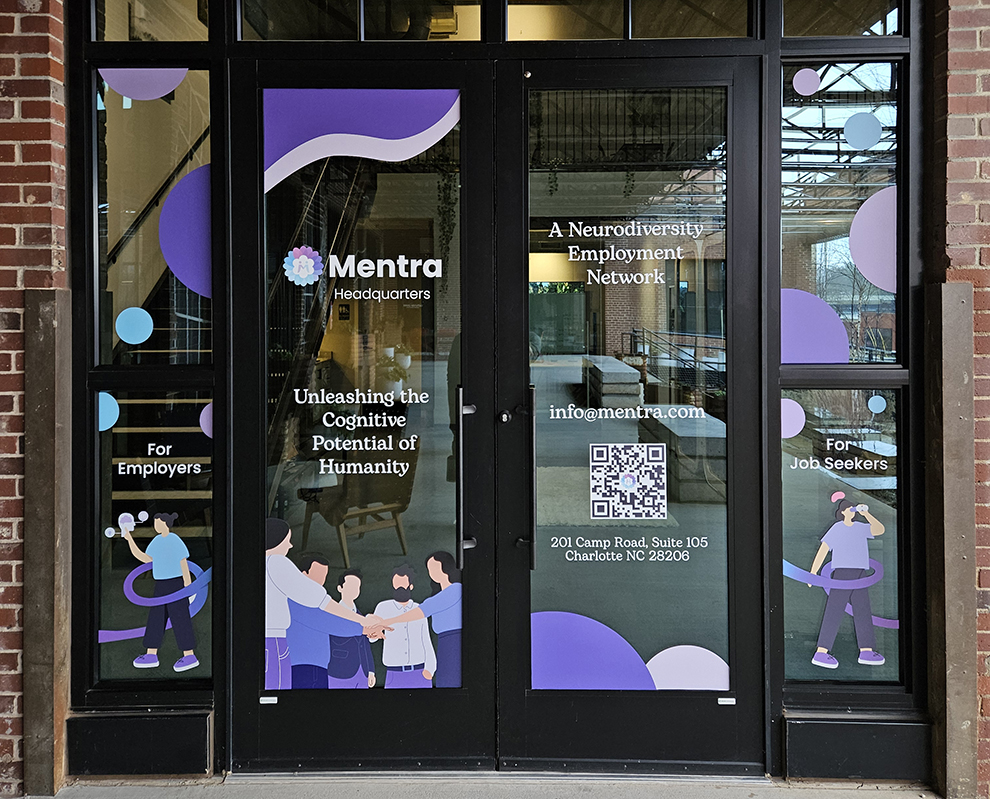
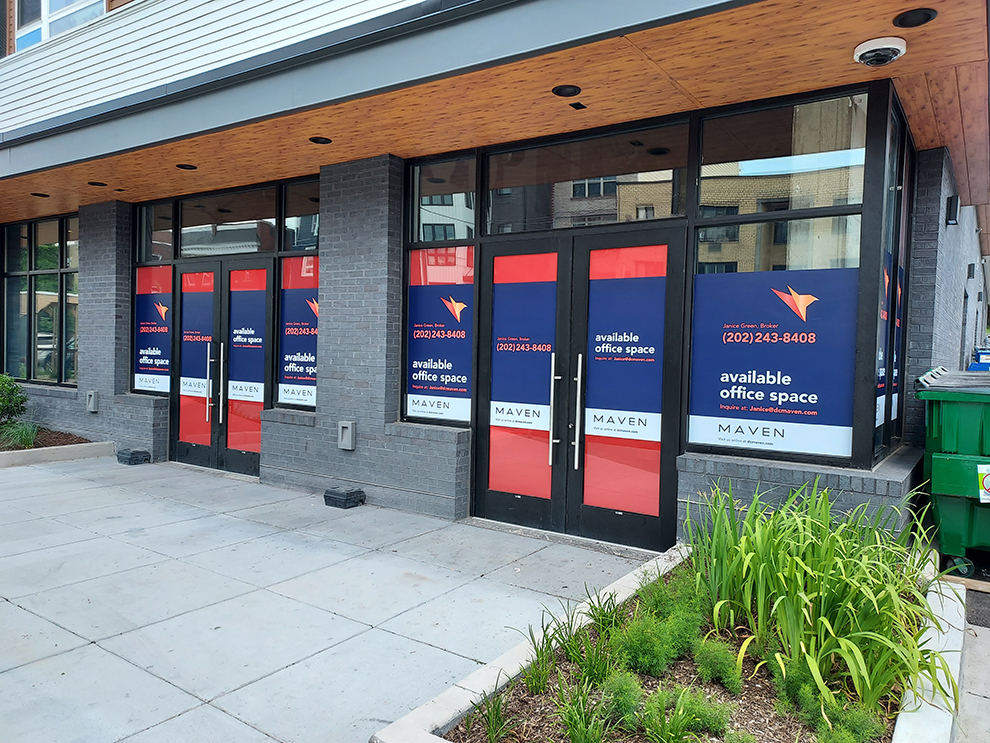
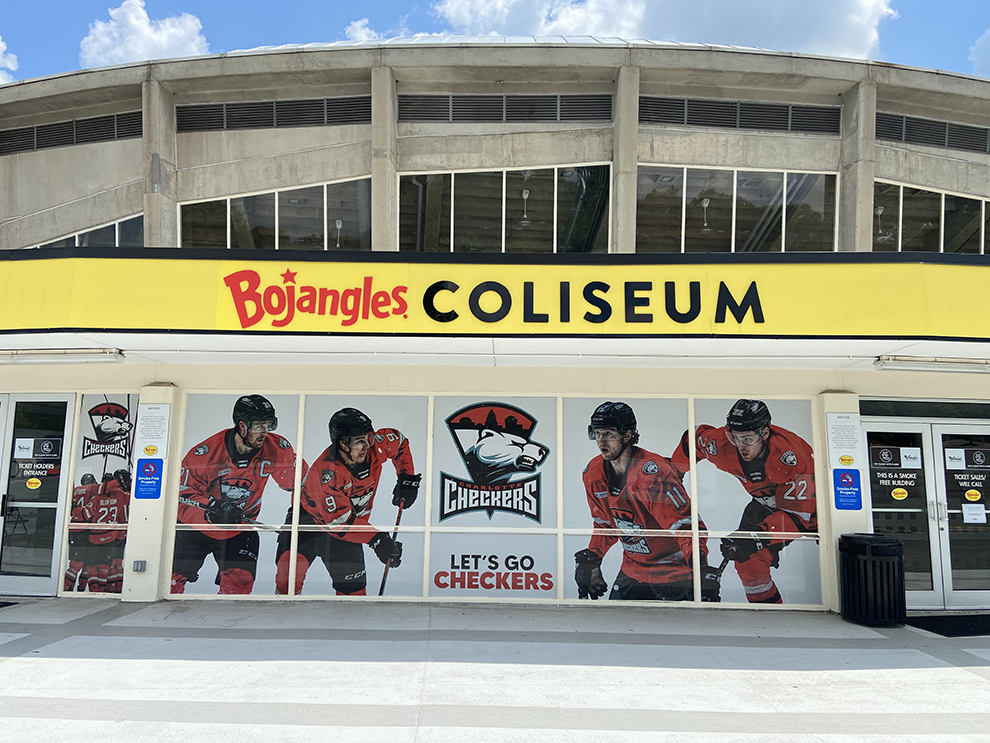
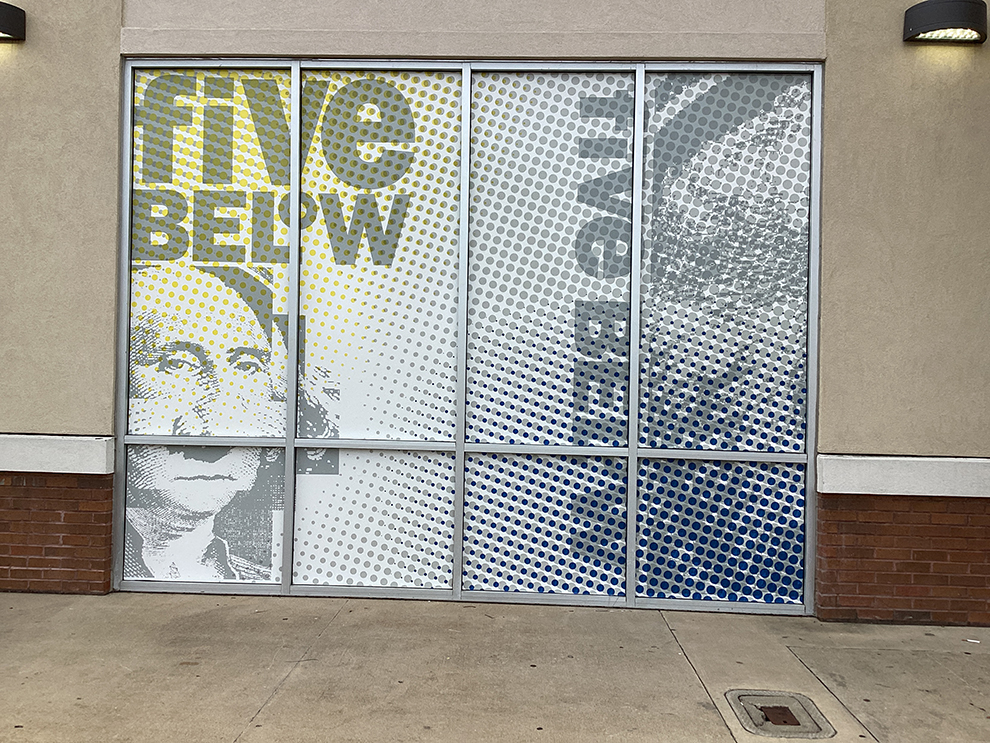
Window and glass graphics carry identity while balancing privacy, visibility, and natural light. We plan how much coverage goes where based on what the entrance needs to accomplish, so the glass supports recognition and arrival instead of becoming a wall of dense advertising.
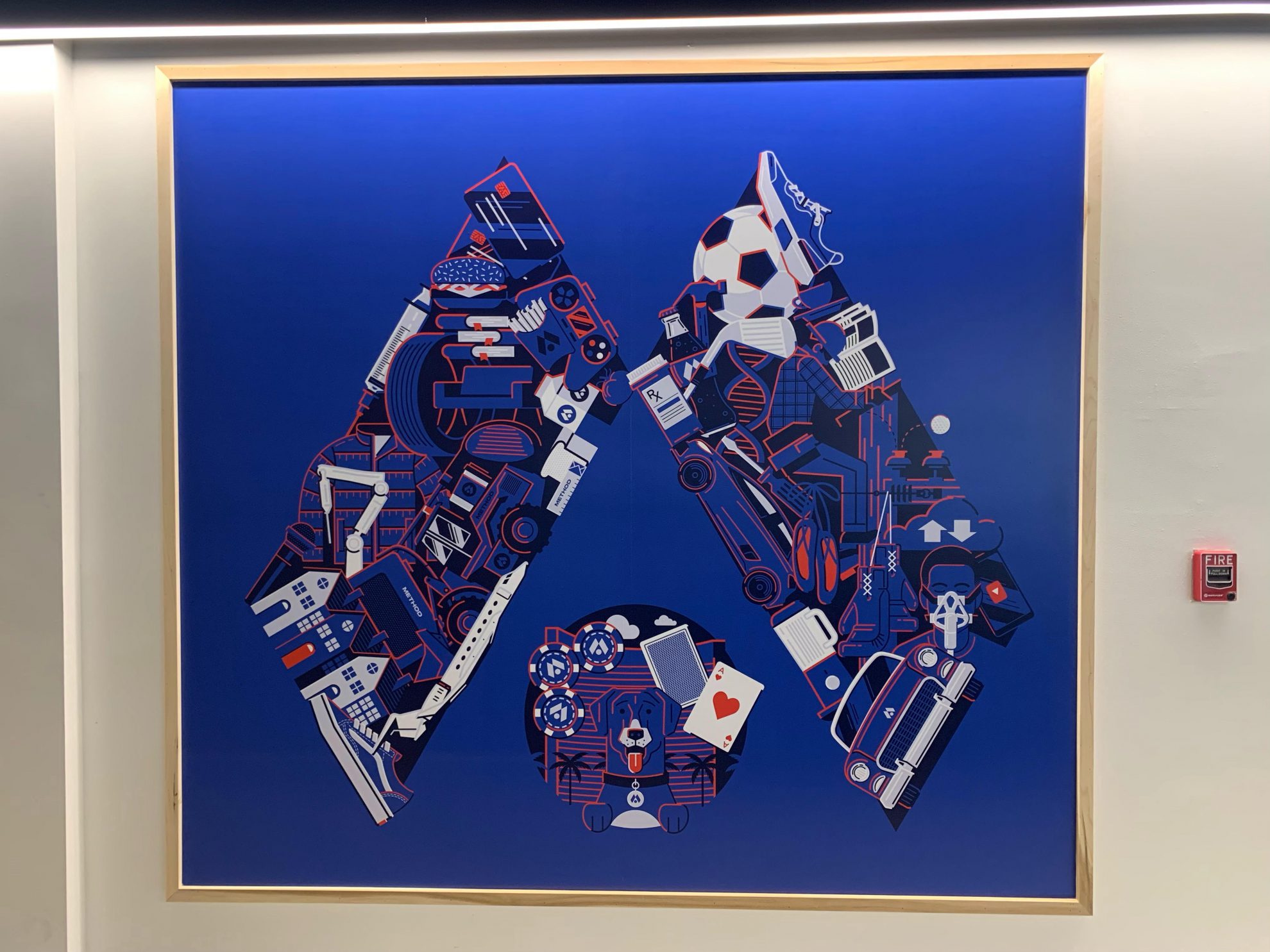
Wall wraps carry the visual language from the front glass onto larger interior surfaces. Photography, pattern, color, or messaging can lead people through reception, corridors, collaboration zones, and other areas where you finally have room to say more.
Once storefront graphics identify the door, the lobby sign becomes the interior destination. We coordinate its scale, placement, materials, and relationship to nearby graphics so reception builds on the identity established outside rather than echoing it word for word.
Wall displays organize history, recognition, milestones, or workplace messaging into a structured feature. Printed graphics, dimensional components, and mounted elements combine to tell the story your entrance hints at but has no space to explain.
Dimensional letters bring depth to a logo, name, or statement in reception or on a branded wall. We account for viewing distance, substrate, mounting method, adjacent finishes, and nearby graphics so the letters carry emphasis and still belong to the larger environment.
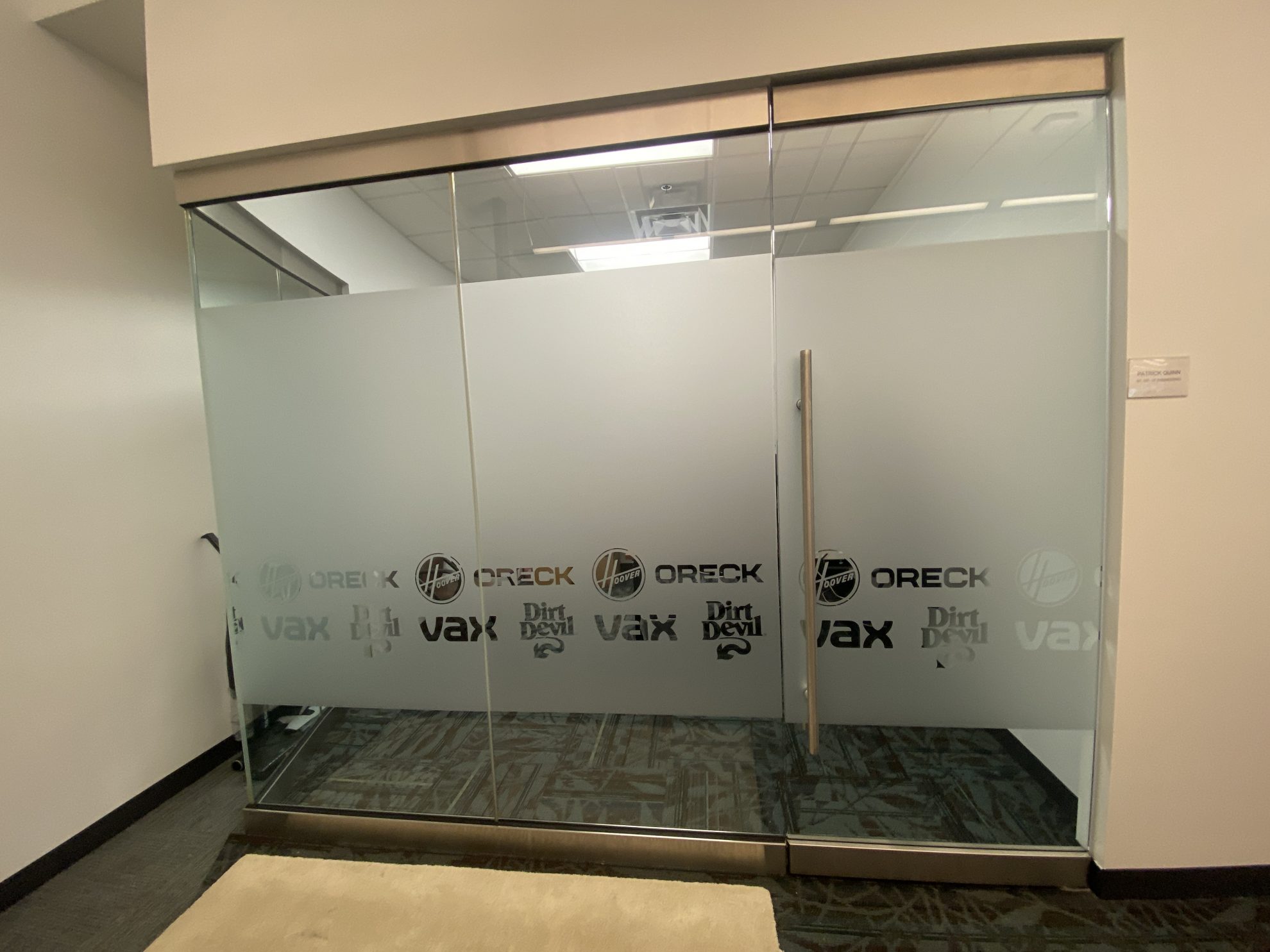
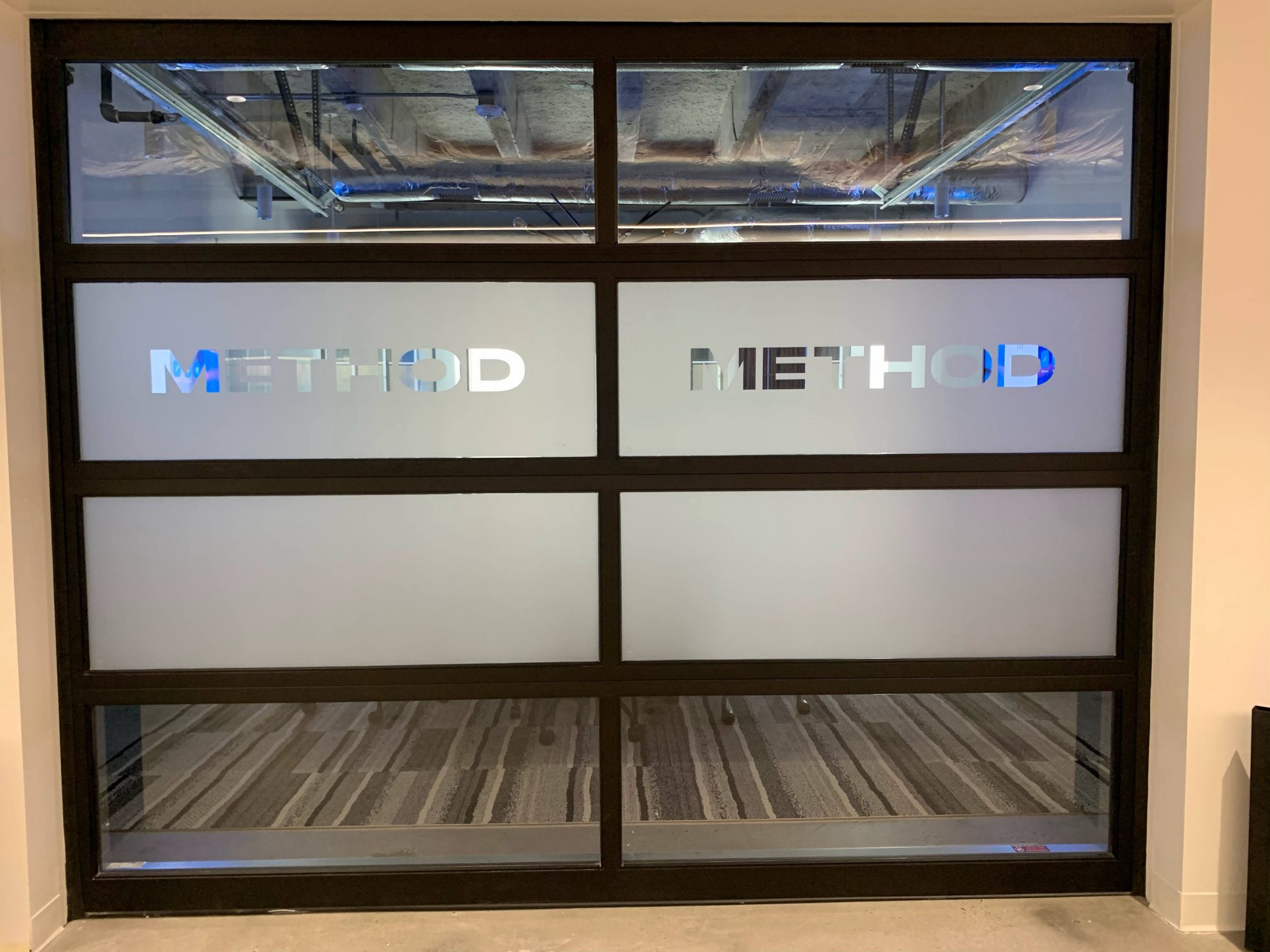
Frosted vinyl and etched-look privacy film soften direct sightlines through offices, conference rooms, and glass partitions while keeping light in the space. Custom bands, patterns, or brand elements make privacy read as intentional and visually tied to the entrance.
SEG fabric graphics stretch printed fabric inside a slim frame for a crisp interior look. They suit large brand imagery, campaigns, or informational content, and swapping the graphic is simple when the message changes, so the interior can evolve without touching the storefront program.
Backlit signs give an interior logo or headline more presence once visitors clear the entrance. We plan the sign around the room, existing light levels, neighboring graphics, available power, and viewing distance so the illumination adds emphasis instead of taking over.
If your Durham or Research Triangle organization is planning storefront graphics as part of a professionally managed commercial interior project, use Get Started Now to tell us the project address, the outcome you have in mind, your target completion date, your anticipated investment, plus any photos, measurements, brand standards, plans, or artwork you already have on hand. One dedicated Project Manager will review everything, flag the next decisions worth making, and bring in the right Heritage resources for environmental graphic design, production, fabrication, and professional installation.
Durham organizations can work with a verified Heritage client-facing office offering local discovery, site surveys, install planning, professional installation, and follow-through. Being on the ground lets us assess each property firsthand, whether the entrance opens onto a parking lot, a shared vestibule, an interior corridor, a campus walkway, or a busy retail block downtown. What we observe on site drives decisions about privacy, visibility, measurements, access, and scheduling.
That coverage extends across the wider Triangle, including Raleigh, Chapel Hill, Research Triangle Park, Morrisville, and Cary. One dedicated Project Manager keeps field findings tied to environmental graphic design, production, fabrication, and installation, so you never have to rebuild project knowledge as the work moves from phase to phase.
Our broader Carolinas and Mid-Atlantic resources support large, phased, and multi-location programs. We can coordinate properties across North Carolina, South Carolina, Virginia, Maryland, and Washington, DC while maintaining shared brand standards under one consistent Project Manager. The wider network adds capacity without assuming every entrance should look identical. Architecture, dimensions, surfaces, access, and daily operations still shape the solution at each address.
Environmental graphic design helps people spot the entrance, understand where to go, and experience one consistent identity as they move inside. The process can shape entrance graphics, privacy treatments, a branded lobby, a timeline or history wall, a core values display, a mission statement feature, recognition pieces, or clearer wayfinding. Every decision answers how people actually use the space.
Some clients hand us complete brand standards and approved files. Others need concepts developed from objectives, stakeholder input, photos, floor plans, and site details. We can collaborate with architects, interior designers, branding agencies, outside environmental graphic designers, property teams, and your internal stakeholders, or develop the environmental graphics ourselves within our scope.
We review scale, sightlines, privacy needs, views worth protecting, lighting conditions, surfaces, and fabrication requirements before carrying the approved direction into production, fabrication, and professional installation. We do not provide licensed architecture, engineering, general commercial interior design, lighting design, or code consulting. The goal is a practical branded environment where the entrance and interior reinforce each other and the work can be executed responsibly.
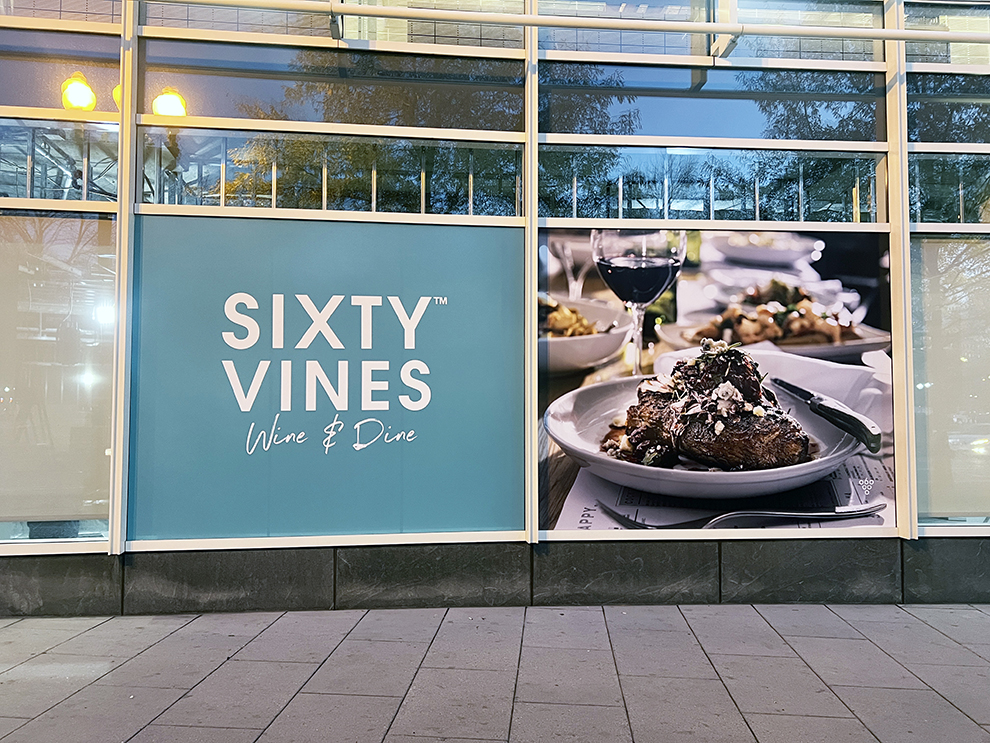
We produce and install appropriate non-illuminated exterior elements as part of coordinated storefront and workplace branding projects. Typical scope includes exterior window graphics, exterior wall graphics or wraps, dimensional lettering, dimensional signs, custom sign panels, and related non-illuminated storefront components. These pieces introduce the organization before entry, then hand off to entrance glass, lobby signs, wall graphics, displays, and other interior branding.
Printed exterior wall graphics receive protective film laminate as standard practice for added UV and weather resistance. We review surfaces, exposure, attachment conditions, access, and intended use when determining whether an exterior component fits the accepted project.
We do not produce or install channel letters, monument signs, pylon signs, or illuminated exterior signs. We also do not determine whether a sign permit is required, prepare permit documents, submit applications, communicate with permitting authorities on your behalf, pay permit fees, or pursue approvals. The client, property owner or property manager, or general contractor is responsible for confirming and securing all required sign permits and property approvals.
Every Storefront Graphics project we take on starts with a site survey that ties your objectives to real measurements, surfaces, access points, and install conditions. Field information tells us how the entrance functions, where graphics need to align, what equipment or scheduling the job requires, and how our installers can work while protecting your property.
From there, your dedicated Project Manager links environmental graphic design, production, fabrication, and our full-time professional installers. Site details, approved design intent, material choices, production requirements, access plans, schedules, and stakeholder notes all live in one shared project history. That continuity cuts handoffs and resolves practical questions before installation.
Professional installation succeeds when execution is accurate, communication stays open, craftsmanship holds up, and daily operations keep moving. We set installation windows with you and with whoever else has a say at the property, brief our installers with the most current project details, and stand behind the finished work. That is a different experience than piecing a project together through unconnected vendors who each receive a fragment of the story and then have to guess at choices that were already settled weeks earlier.
Wall-applied graphics reward good prep. Drywall needs to be solid and smooth, patches finished, primer and paint applied correctly, and the finish coat fully cured. Keep in mind that paint can feel dry to the touch long before it has cured. Building roughly four weeks into your schedule is a sensible planning habit for many paints, though the manufacturer's stated requirements and the real conditions inside your Durham space are what actually determine readiness.
Washable, scrubbable, stain-resistant, low-VOC, zero-VOC, and other performance paints can complicate adhesion. These surfaces often call for cleaning, adhesion testing, and a vinyl and adhesive pairing chosen for that specific finish. Testing tells us how the vinyl behaves on top of the paint. It cannot tell us how firmly the paint and primer are gripping the drywall underneath. When paint lifts or tears away during testing or routine repositioning, we stop instead of compounding the problem. Wall repair, correct priming, repainting, full cure time, and any related restoration are arranged and paid for by you or the property owner.
Removal later is its own conversation. We work slowly and deliberately to avoid unnecessary damage, but no one can promise damage-free removal. Paint can lift, primer can release, and the drywall facing can be affected. When a product is called removable, that describes the adhesive system and its intended use. It is not a guarantee about the wall. If graphics are being replaced, take the old ones down early enough that any repair needs surface before the new installation is on the calendar. We do not perform wall repair or cover its cost.
Strong planning brings the pieces into alignment: the result you want, who needs to see it, scope, phasing, schedule, site conditions, readiness, stakeholders, approvals, budget expectations, and whatever information is still missing. Photos, measurements, floor plans, artwork, brand standards, and property details all feed those decisions, but collecting paperwork is not the point. The point is mapping a responsible route from entrance concept to finished branded environment.
We work best on professionally managed projects that call for environmental graphic design, production, fabrication, and professional installation together. Many of our production and installation projects land somewhere between $10,000 and upwards of $200,000. Where yours falls depends on total scope, materials, how many locations are involved, fabrication requirements, site access, and installation conditions, not the price of a single graphic.
Some projects center on one significant entrance. Others expand across an entire workplace interior or roll out in phases over multiple properties. Assigning one dedicated Project Manager keeps responsibilities clear, protects the decisions stakeholders have already made, moves approvals along, and carries the approved scope through to completion with far fewer handoffs along the way.
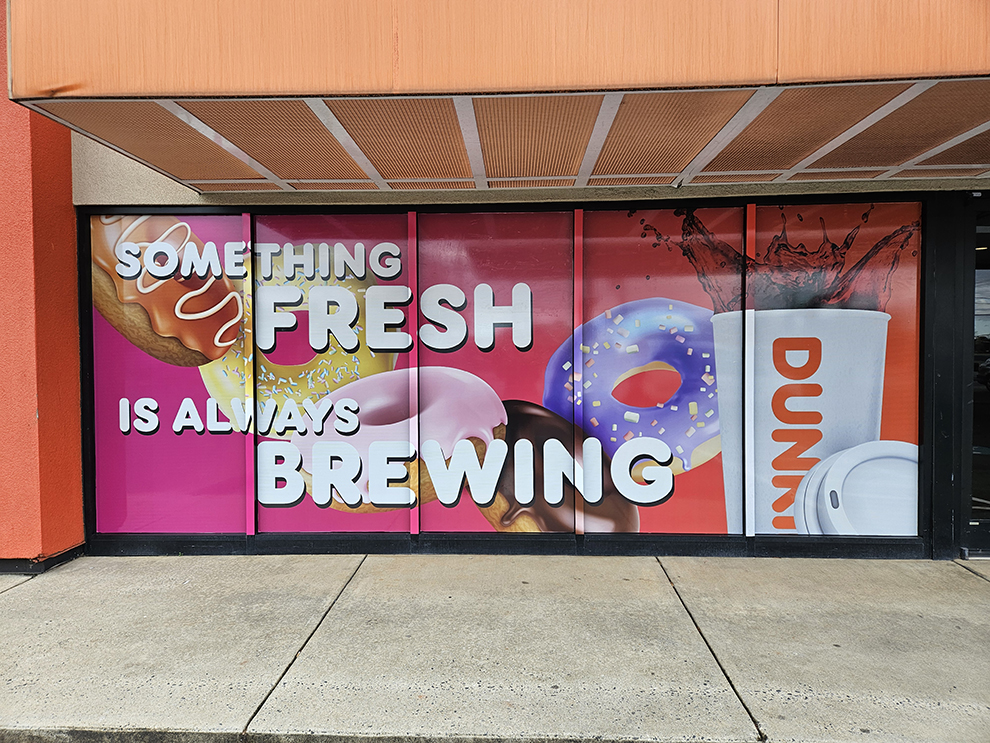
They plant your identity at the door while handling practical work on glass: recognition, privacy, visibility, wayfinding, and awareness of the glass itself. A well-designed storefront introduces the brand before anyone reaches the reception desk and hands off smoothly to lobby signs, wall graphics, dimensional elements, and displays inside. Think of the storefront as the threshold, not the whole story.
Yes. We coordinate storefront and interior branding across multiple locations with one dedicated Project Manager holding the project knowledge, approvals, communication, and shared brand standards. Each site still gets evaluated on its own, because dimensions, architecture, glass type, wall conditions, access, schedules, and stakeholder requirements rarely match from one address to the next. Consistent branding does not require an identical physical build at every door.
Yes. A site survey is required on every Storefront Graphics project we take on. The survey ties your goals to field measurements, actual surfaces, access routes, sightlines, and installation realities. Those findings stay linked to your Project Manager, our environmental graphic designers, our production and fabrication teams, and our installers, so decisions reflect your building rather than an assumption.
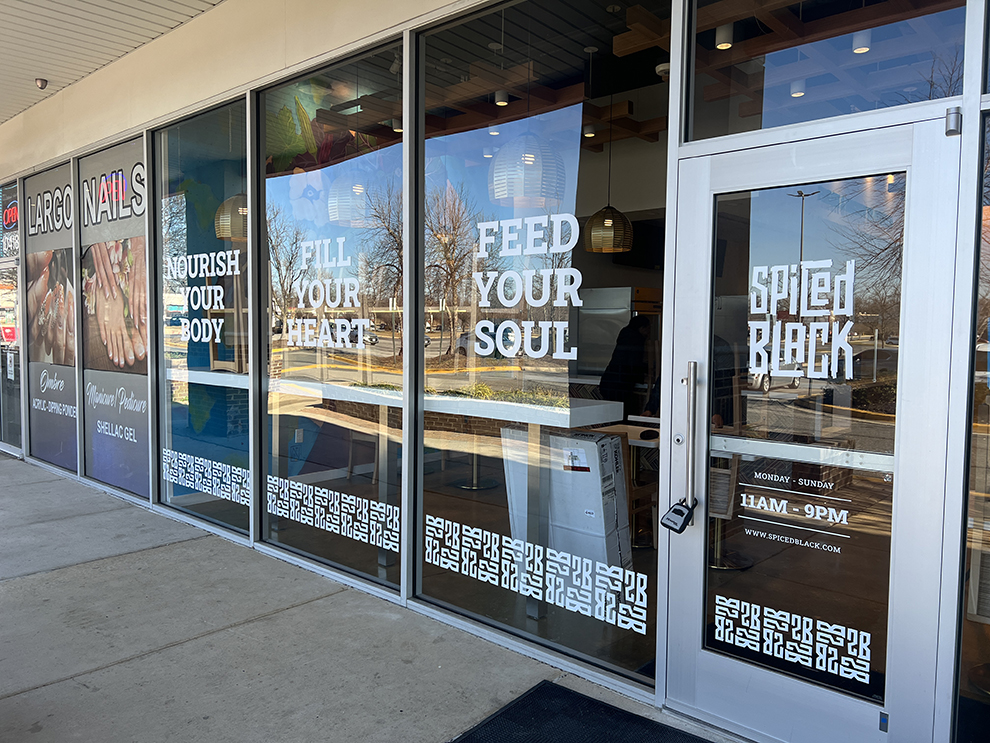
Distraction markers are decorative or branded vinyl graphics applied to clear glass so people register that the glass is there. Bands, dots, patterns, logos, and similar elements can serve that purpose while also adding privacy and brand presence. Using them does not establish building-code compliance, safety-glazing compliance, certification, or approval of any kind.
Yes. Design can interrupt direct sightlines while keeping natural light and chosen views intact. Frosted vinyl, etched-look privacy film, patterns placed at specific heights, or branded graphics are all options depending on how much coverage you want and what the glass allows. We look at privacy needs, visibility, lighting, and viewing angles before recommending a direction.
Yes. Within coordinated branding projects we produce and install non-illuminated exterior window graphics, exterior wall graphics and wraps, dimensional lettering, dimensional signs, custom sign panels, and related storefront elements. Printed exterior wall graphics get a protective film laminate as standard for added UV and weather resistance.
We do not produce or install channel letters, monument signs, pylon signs, or illuminated exterior signs. We also do not determine permit requirements, prepare or submit applications, speak with permitting authorities on your behalf, pay fees, or chase approvals. You, your property owner or property manager, or your general contractor must confirm and secure required sign permits and property approvals.
Material choice follows the design, the surface, the exposure, the mounting method, the goal, and the site conditions. Depending on the application, we may use adhesive vinyl, frosted vinyl, acrylic, dimensional materials, or aluminum composite material (ACM). ACM delivers a metal look at a fraction of the weight of solid metal. We do not print on or cut solid aluminum or solid steel as a sign substrate.
Yes. We regularly collaborate with architects, interior designers, environmental graphic designers, branding agencies, property teams, and client stakeholders. We can build from established brand standards and approved artwork, or develop environmental graphic design within our own scope. We do not provide licensed architecture, engineering, general commercial interior design, lighting design, or code consulting.
Painted drywall should be sound, smooth, patched, correctly primed and painted, and fully cured. Dry to the touch is not the same as cured. Roughly four weeks is a reasonable planning allowance for many paints, though manufacturer requirements and on-site conditions decide when a wall is ready.
Washable, scrubbable, stain-resistant, low-VOC, zero-VOC, and similar paints may require cleaning, adhesion testing, and a compatible vinyl and adhesive combination. Testing reveals how vinyl behaves on the paint, not whether the paint and primer are bonded securely to the drywall. If paint peels or pulls during testing or normal repositioning, we stop. Repairs, priming, repainting, restoration, and full cure time are arranged and paid for by you or the property owner.
Our own full-time professional installers handle Storefront Graphics projects that we manage and produce. Your dedicated Project Manager connects them to survey findings, approved design intent, material decisions, access requirements, schedules, and the latest project information. That shared knowledge reduces handoffs, protects the property, limits disruption, and keeps execution accurate.
Yes. We remove graphics slowly and carefully to avoid unnecessary damage, but damage-free removal cannot be guaranteed. Paint or primer can release with the vinyl, and the drywall facing can be affected. Removable refers to the adhesive system and its intended use. It is not a promise that the wall behind it will look untouched.
Repair, priming, repainting, restoration, and full cure time are the responsibility of you or the property owner. We do not perform or fund those surface repairs. When replacement graphics are in the plan, remove the existing ones early enough to identify restoration needs before the new install date arrives.
Timing follows scope, design development, stakeholder approvals, site readiness, material availability, fabrication, access, and installation conditions. We build a working schedule once those variables are clear. One dedicated Project Manager coordinates each phase and flags anything that could shift the timeline, rather than applying a single blanket completion promise to every project.
Yes, when removal is part of a new production and installation project with us. We do not offer graphics removal as a standalone service. Existing wall graphics should come down well ahead of the replacement install, because the true condition of the wall stays hidden until the vinyl is off.
Even careful removal cannot guarantee that paint, primer, or drywall facing survives intact. Necessary repairs, priming, repainting, restoration, and full cure time are arranged and paid for by you or the property owner. Roughly four weeks is a useful cure allowance for many paints, with manufacturer guidance and site conditions having the final word.
Environmental graphic design settles the questions that matter: what people should notice first at the entrance, where privacy makes sense, which views stay open, and how your identity continues once someone steps inside. We weigh objectives, audience, architecture, scale, lighting, materials, and site conditions, then carry the approved direction straight through production, fabrication, and professional installation.
We pair verified Durham field and installation support with deeper production, design, and project resources. You get one dedicated Project Manager plus environmental graphic design, production, fabrication, and professional installation through a single accountable relationship. That structure keeps communication clear, preserves what has already been decided, cuts down on handoffs, and delivers reliable follow-through on substantial one-time, phased, and multi-location work.
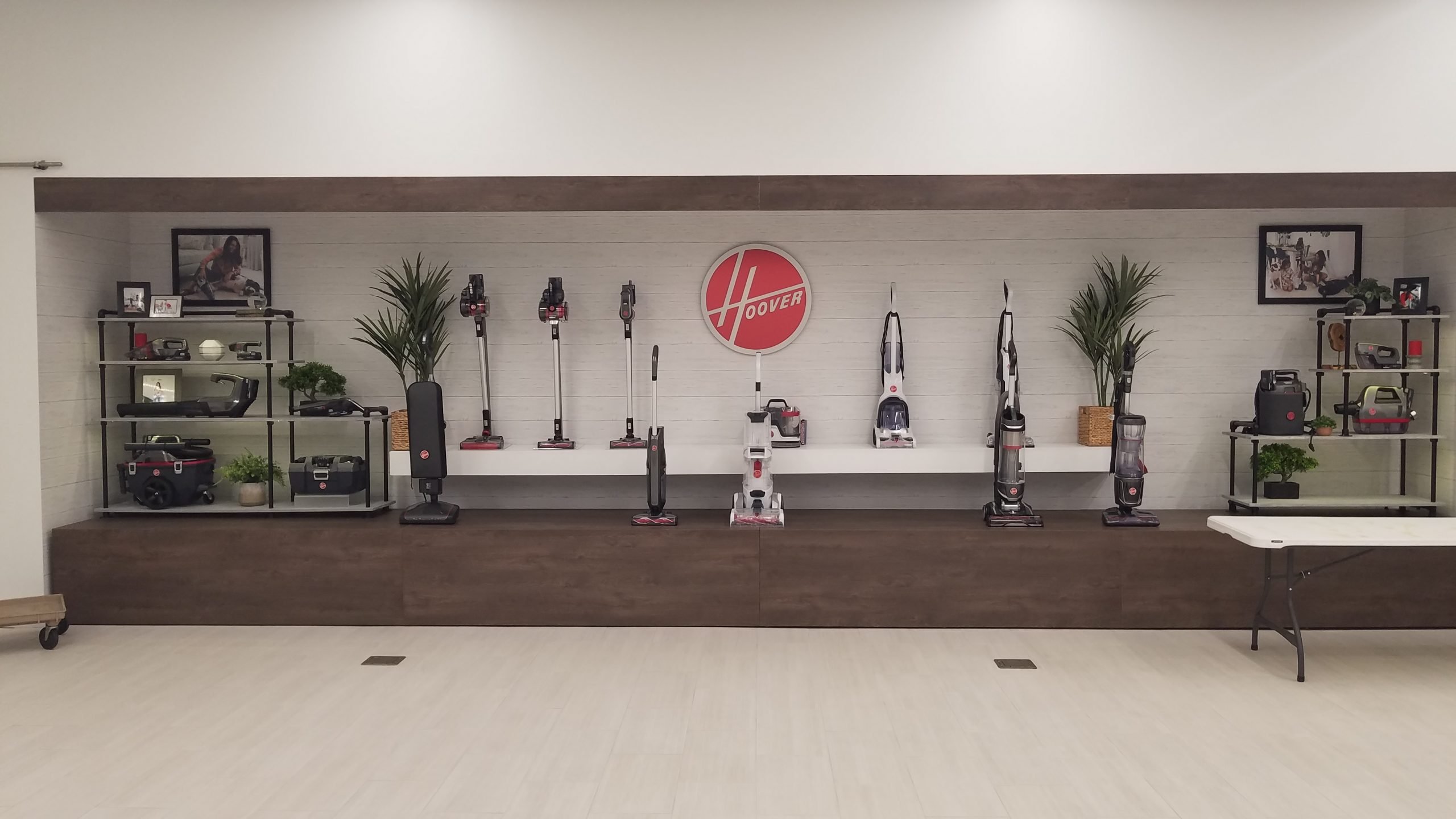
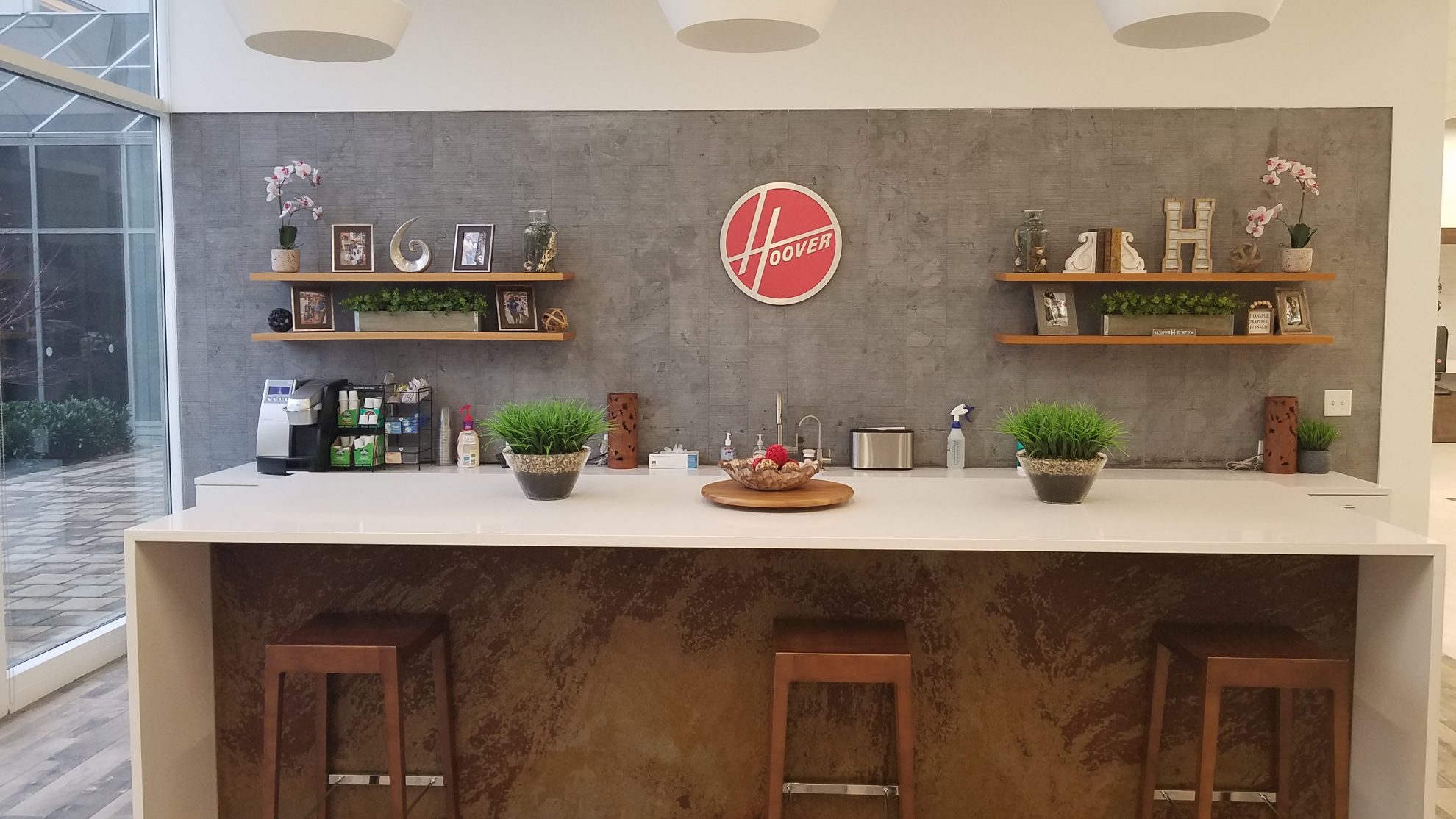
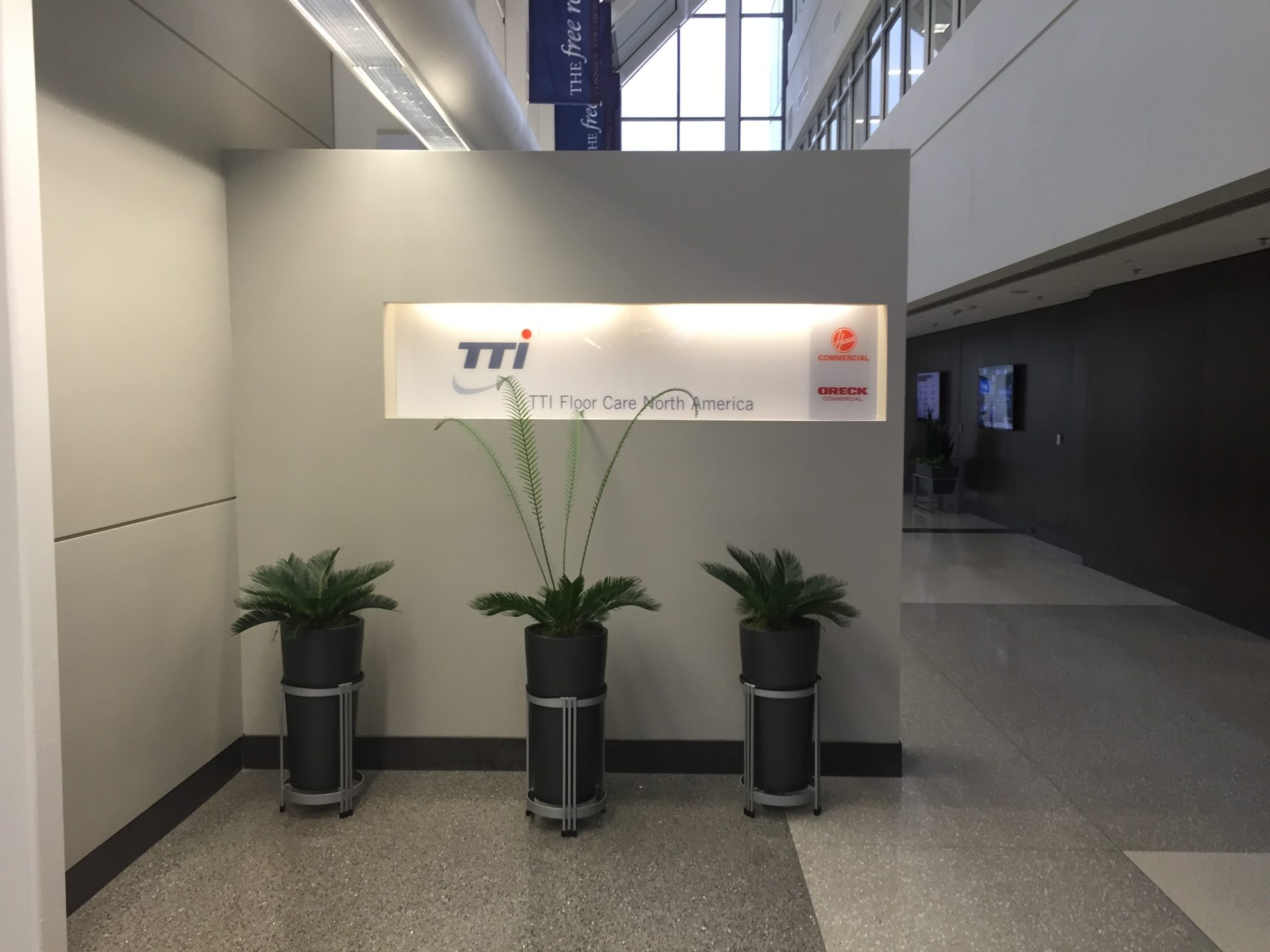
Heritage Signs & Displays collaborated with TTI Floor Care North America to enhance their corporate office. The project included custom frosted vinyl graphics, acrylic signs, dimensional lettering, and LED backlit signs, showcasing the brands Dirt Devil, Hoover, and Oreck. The signage improved office branding, privacy, and aesthetics. Heritage collaborated closely with TTI, ensuring efficient execution and high-quality results, creating an immersive and professional environment that reflects TTI's brand values.
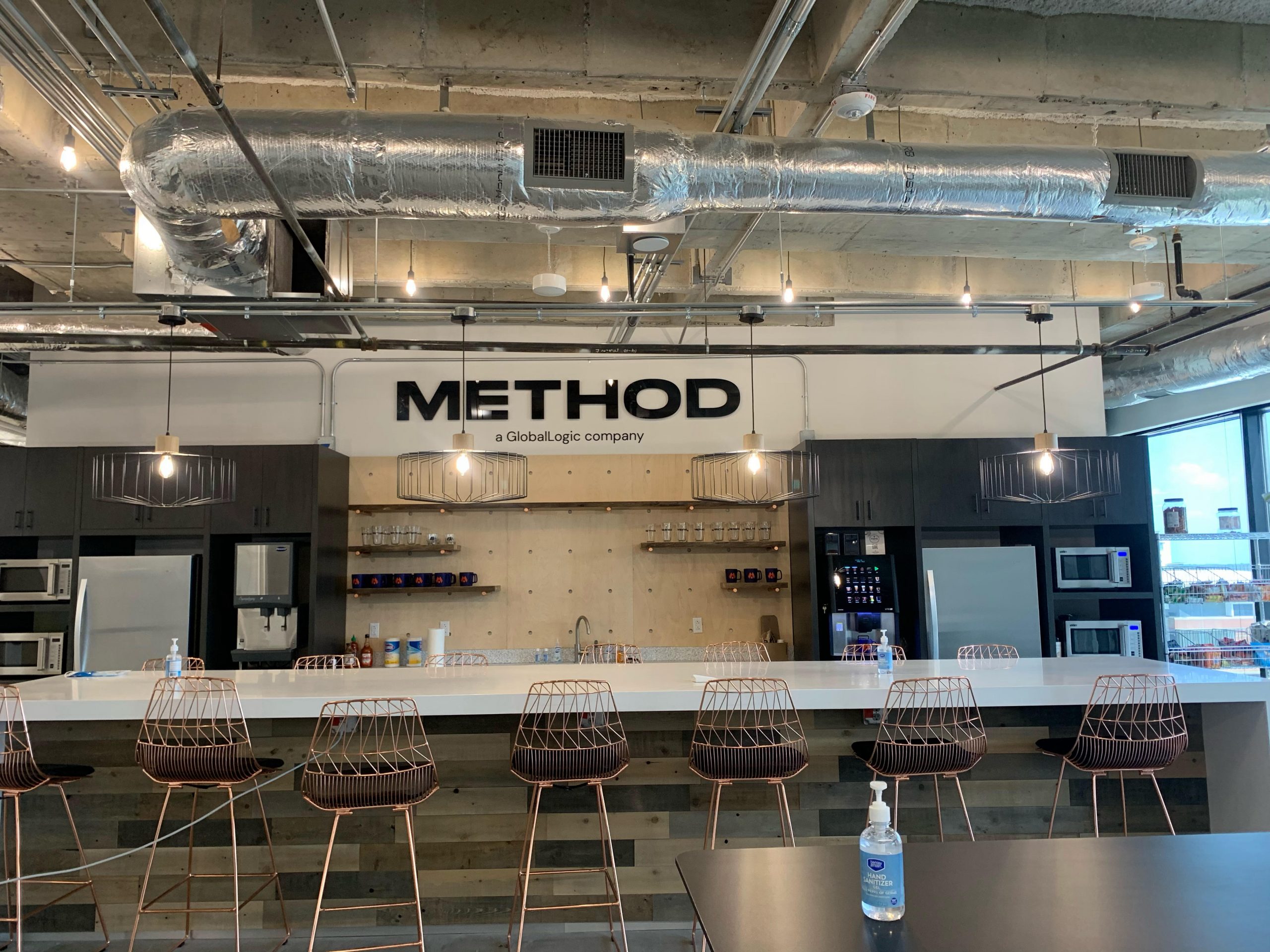
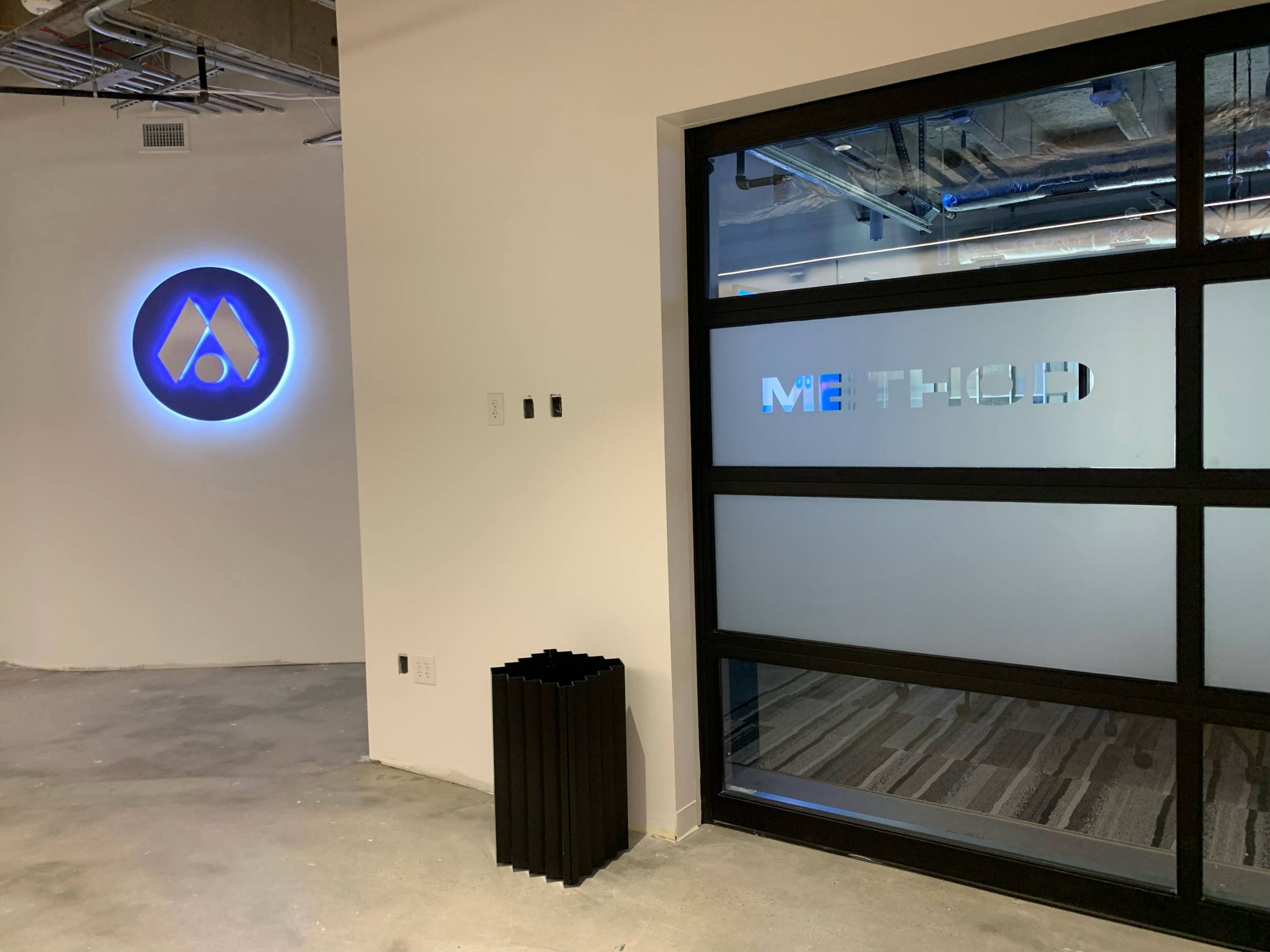
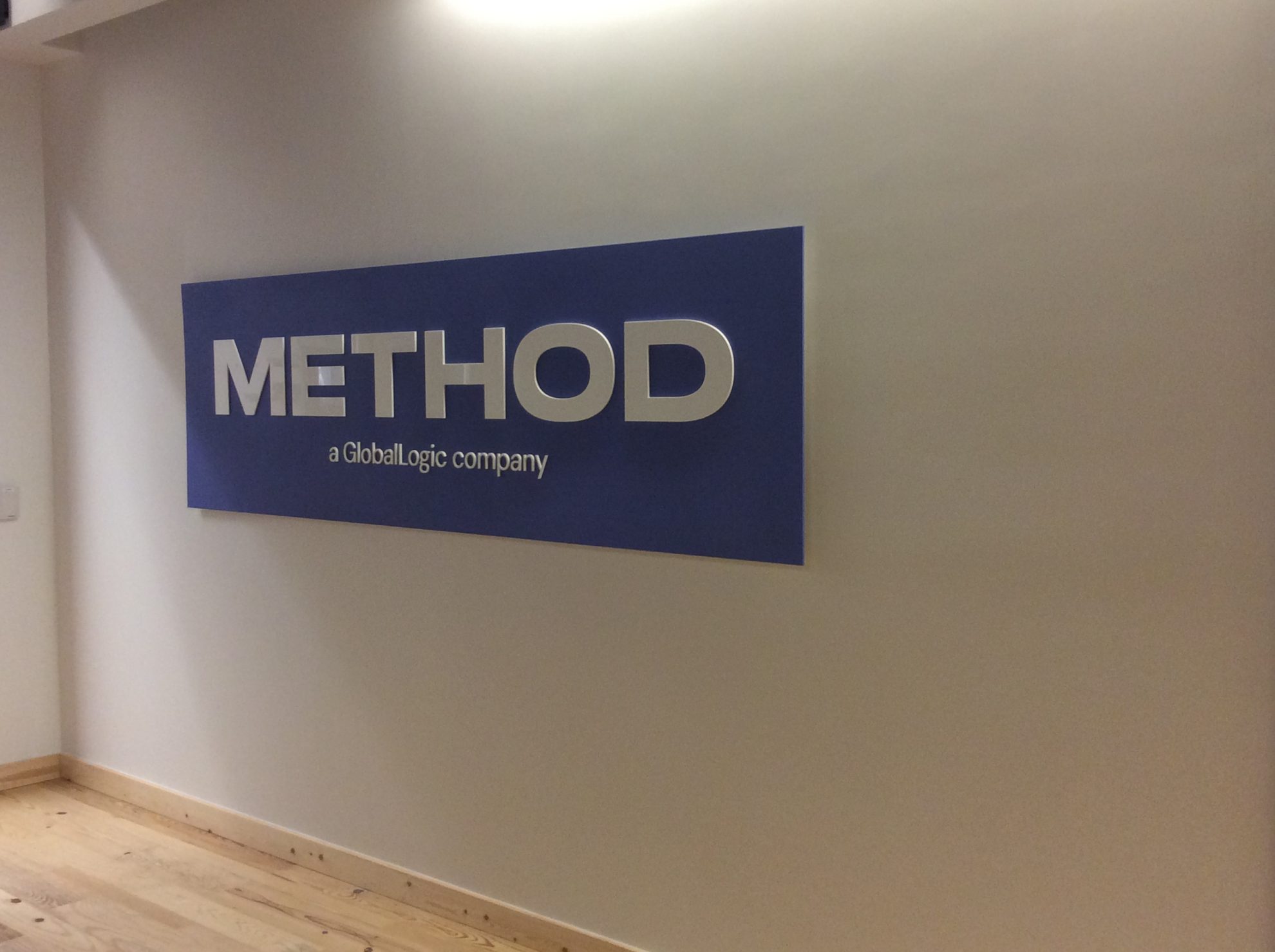
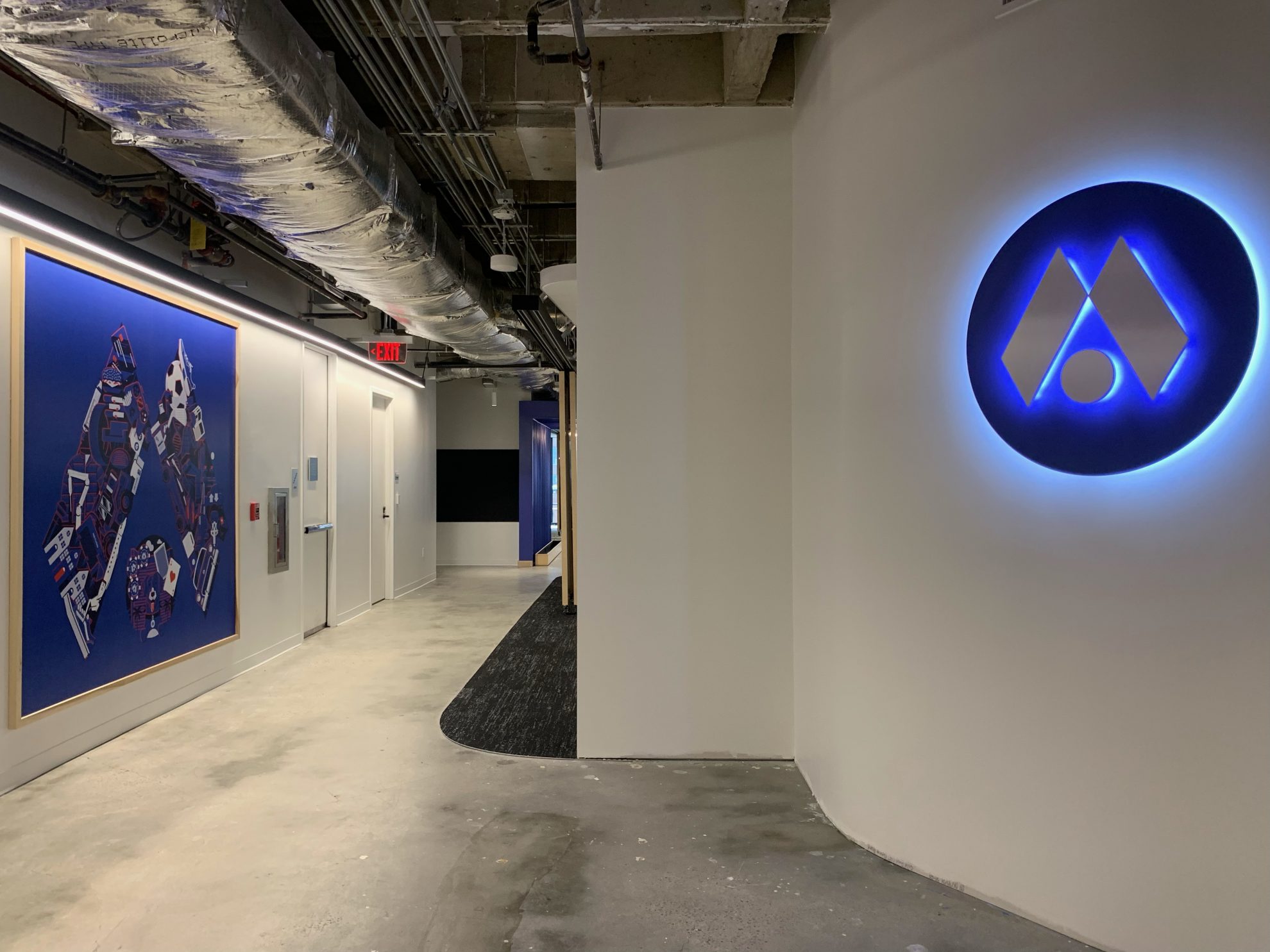
Heritage Signs & Displays' collaboration with Method (formerly Skookum) to rebrand their corporate headquarters. The project included dimensional lettering, wall displays, LED-lit signage, wall wraps, and frosted vinyl, creating an immersive and branded environment. Heritage worked closely with Method's team, ensuring accurate execution and timely delivery. The transformation was completed in August 2021, with Method's employees moving into the revamped space in September. The project reflects Heritage's commitment to quality and collaboration.