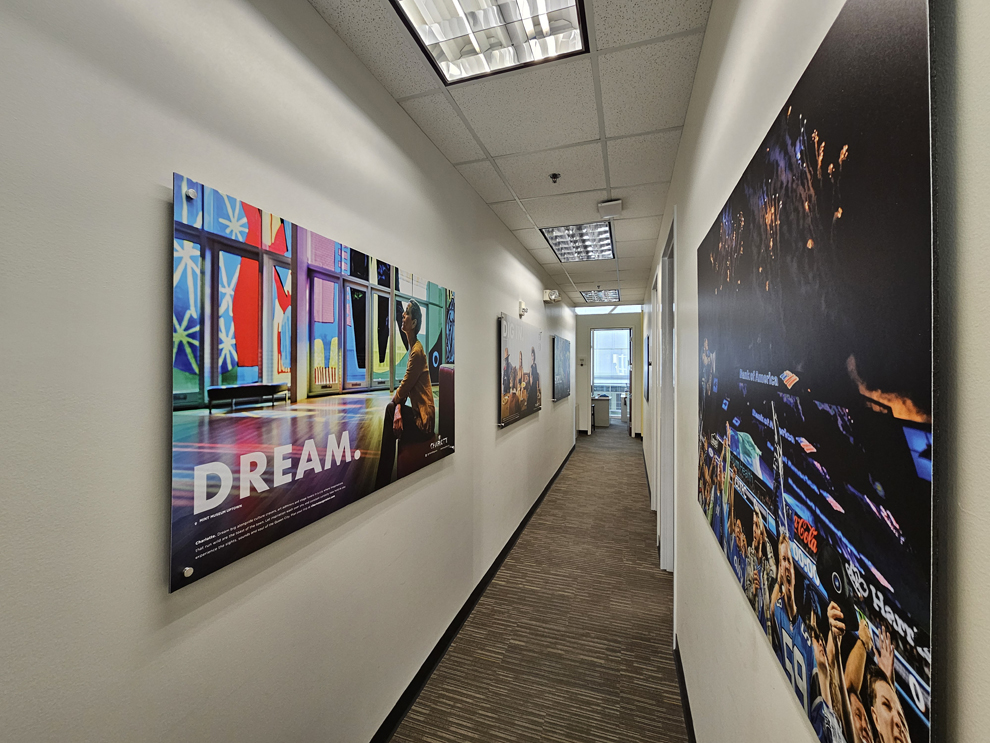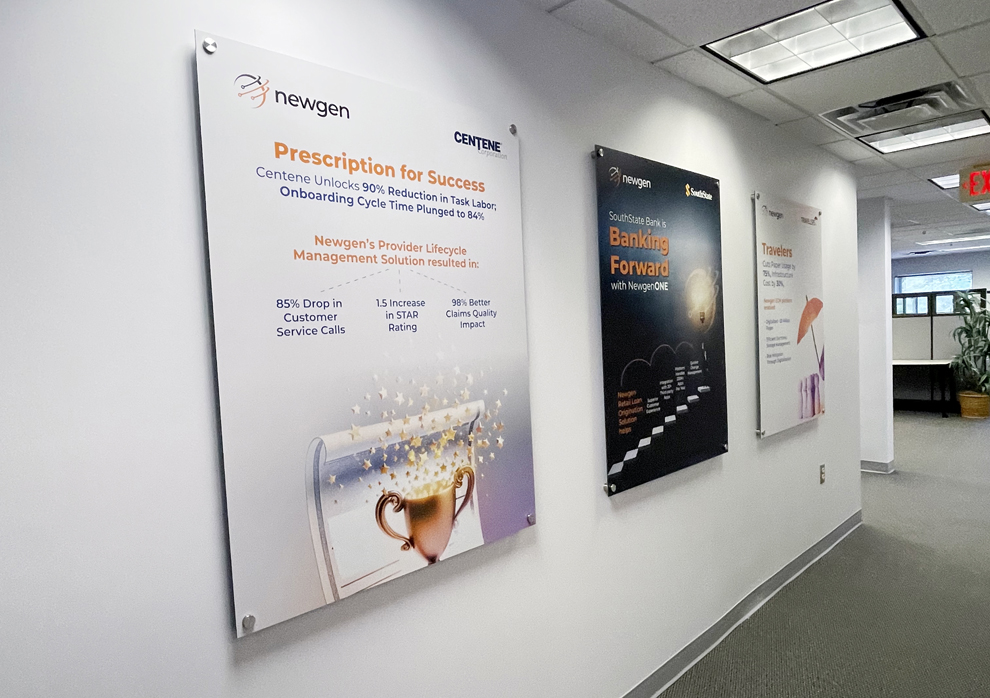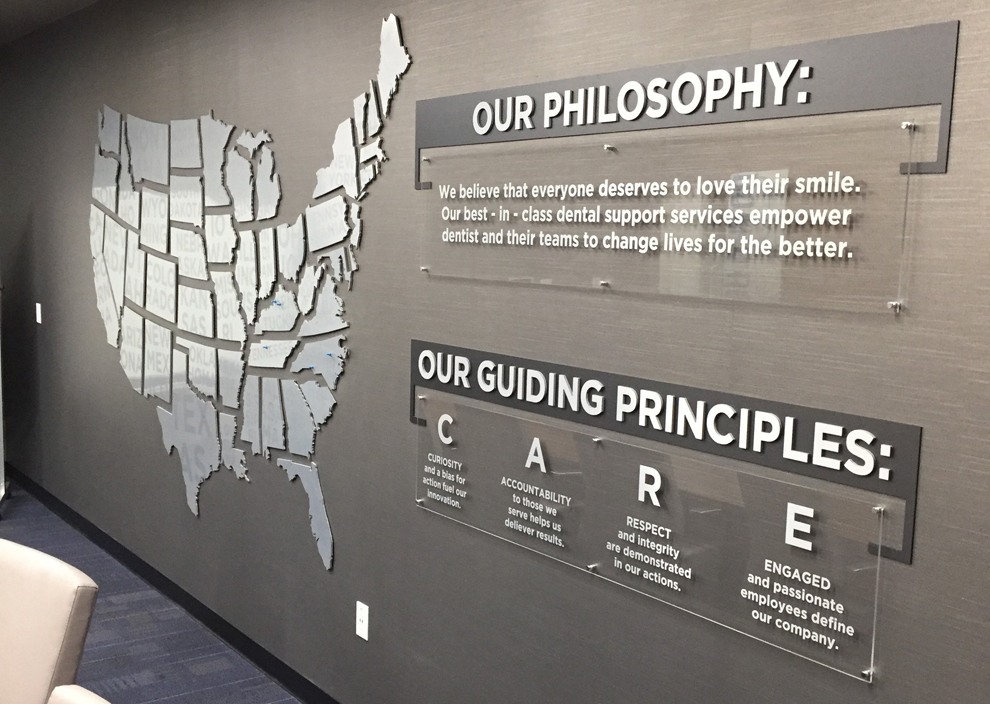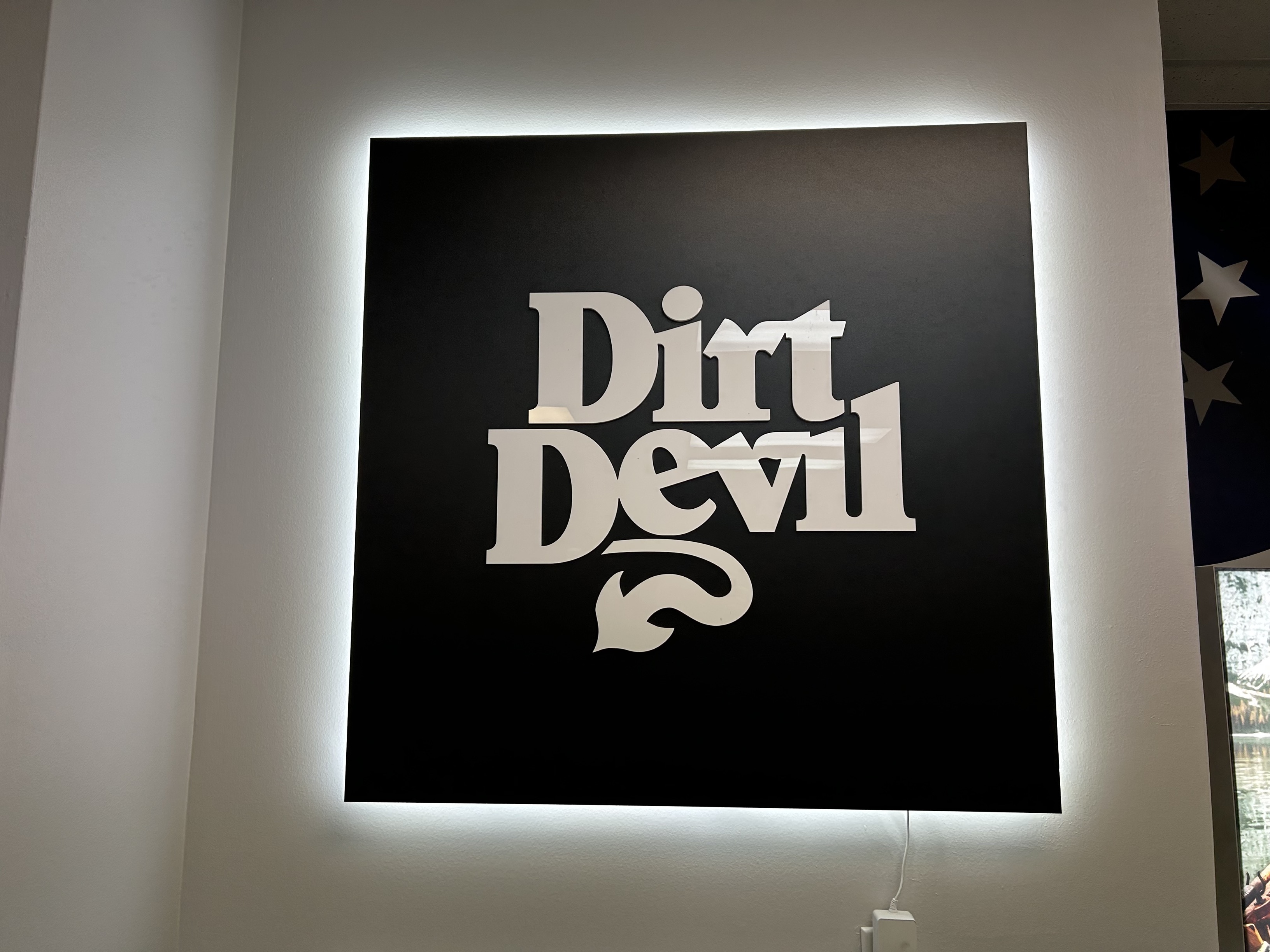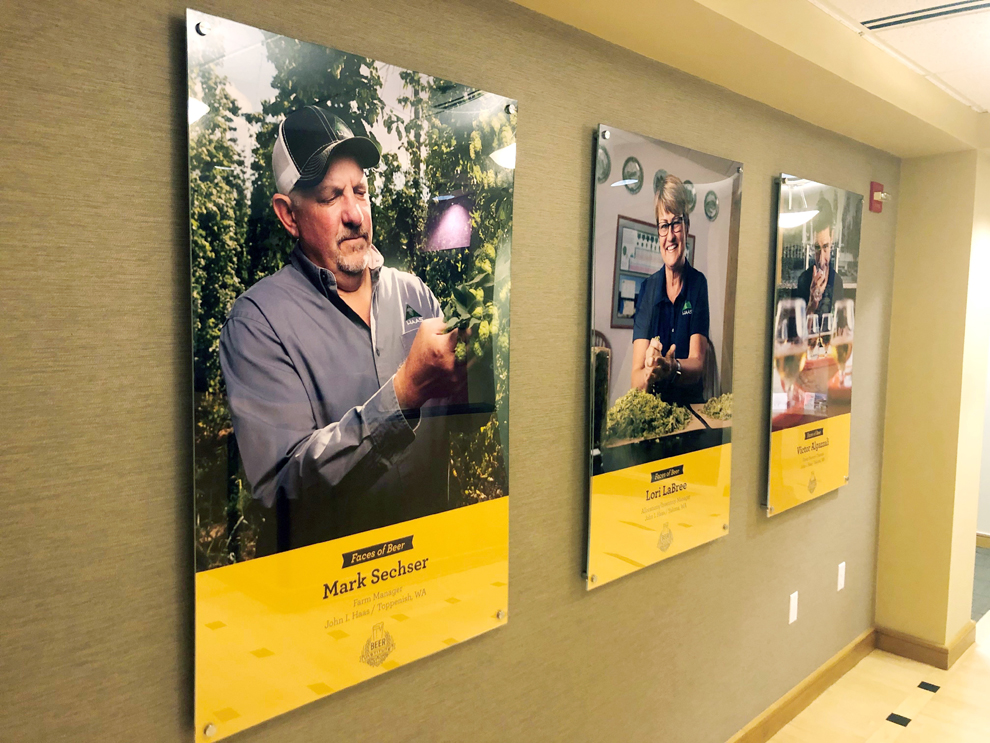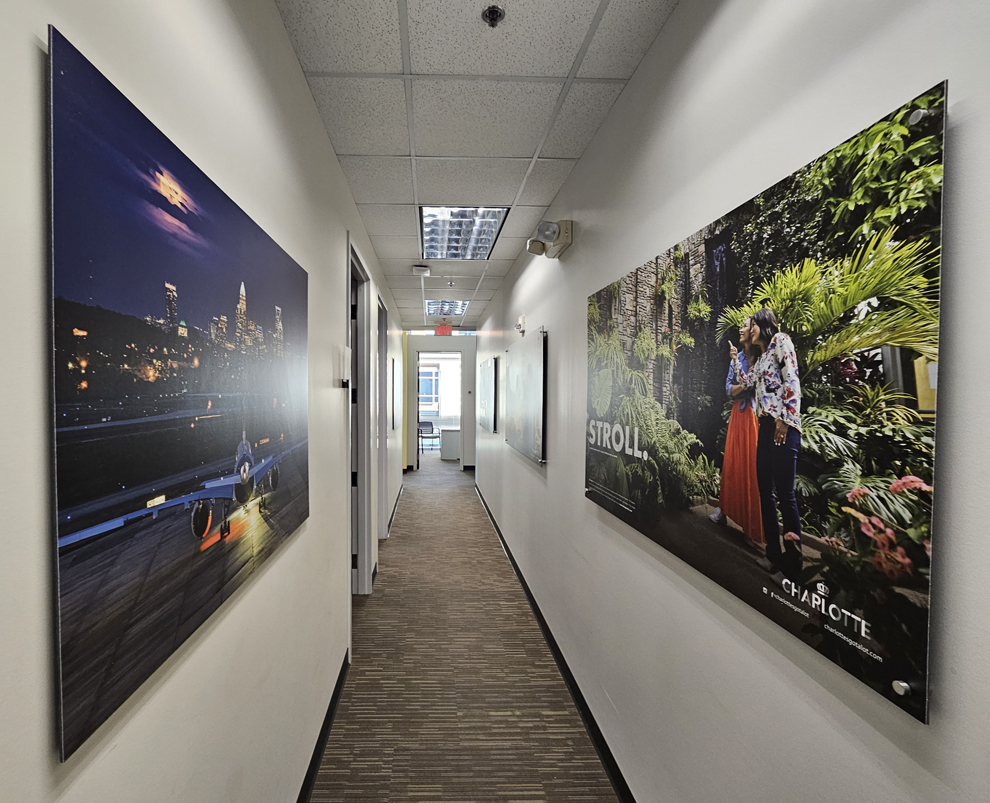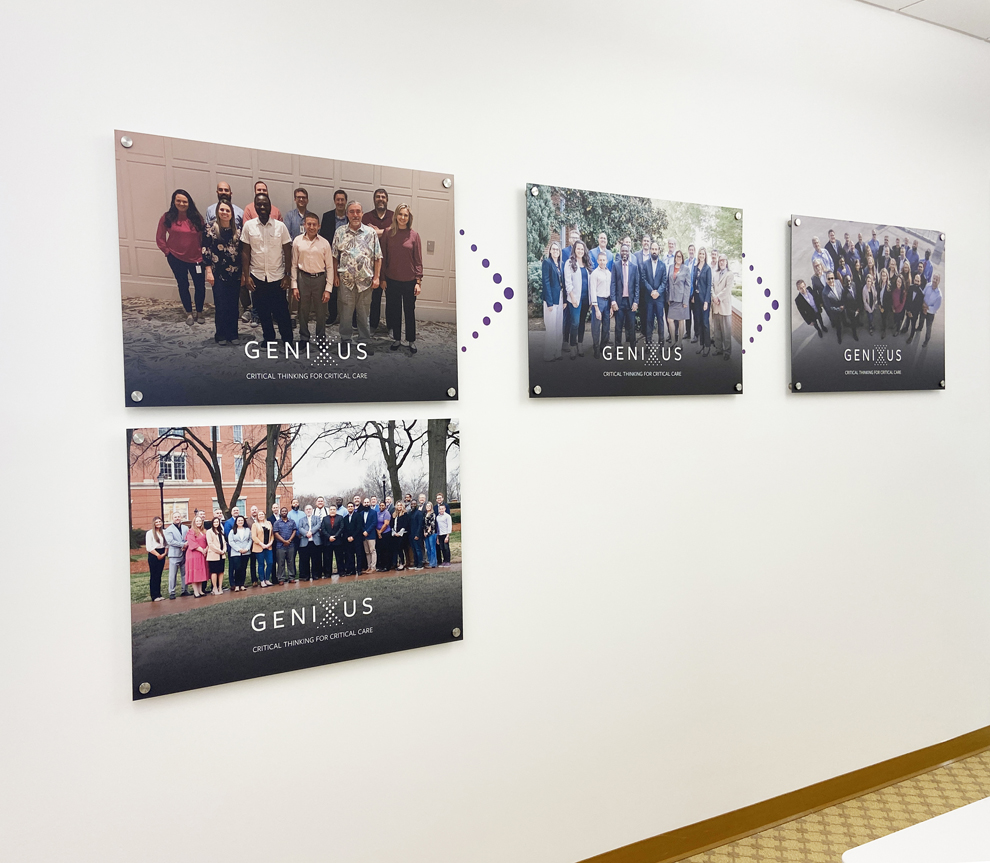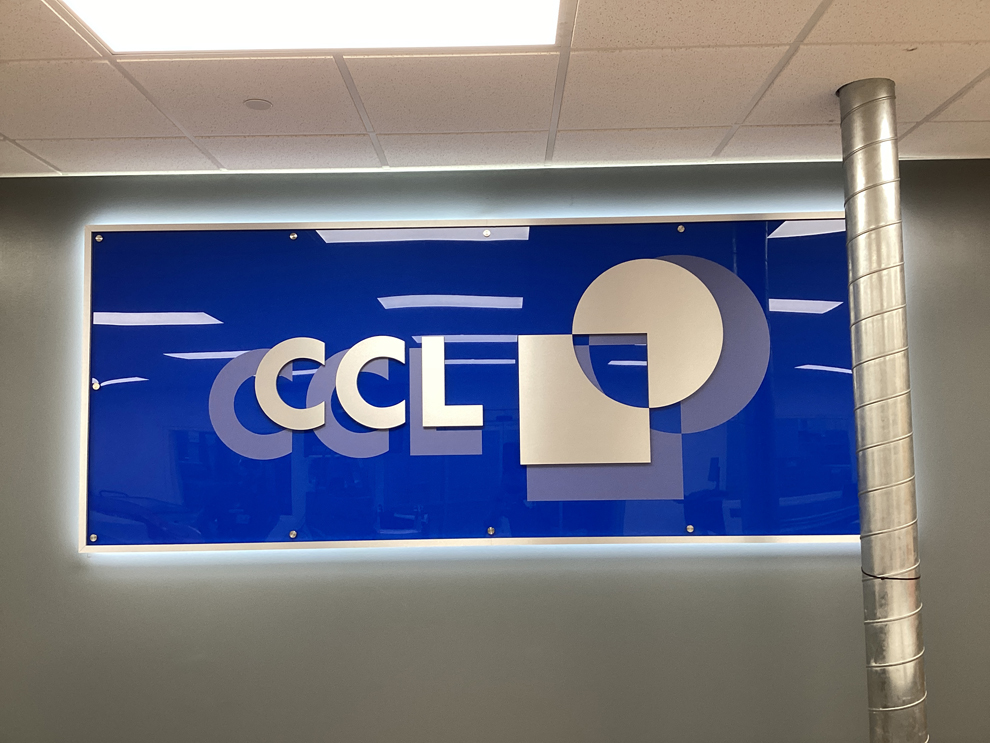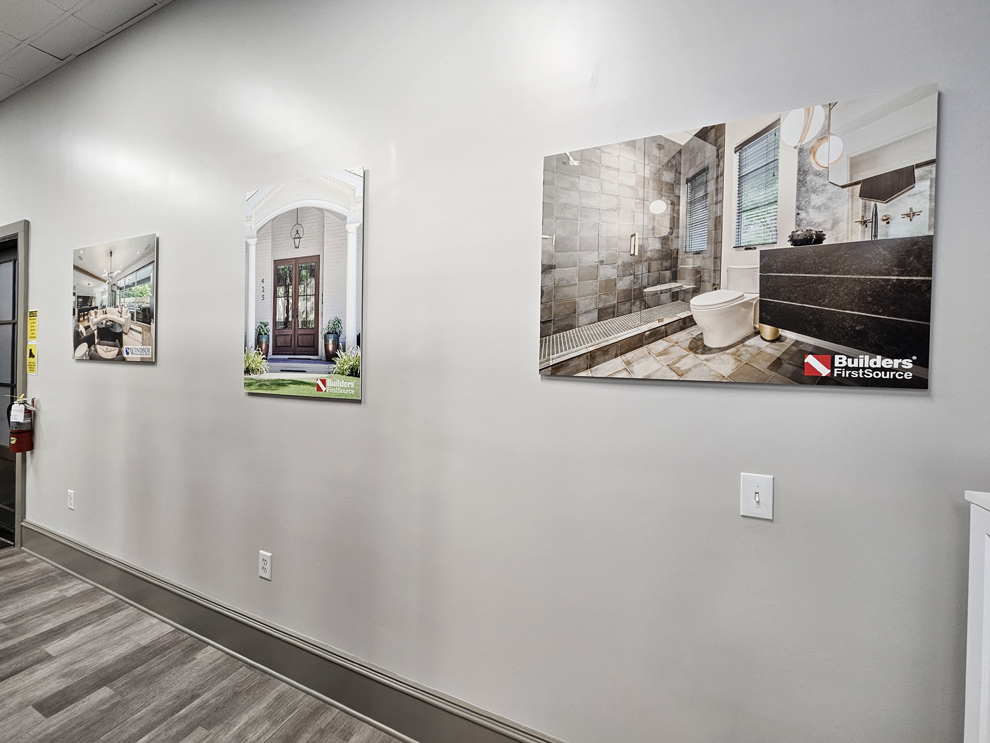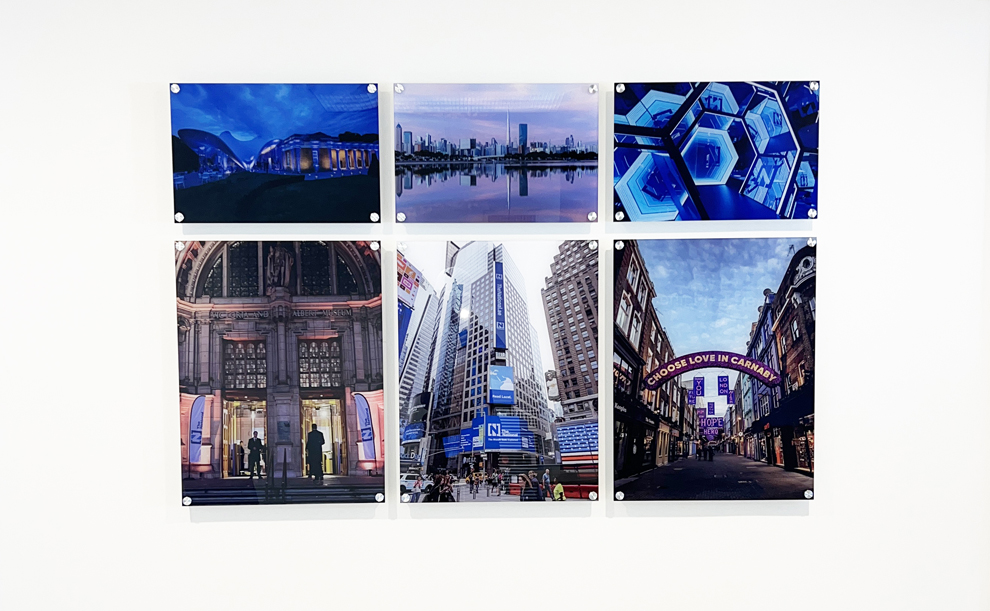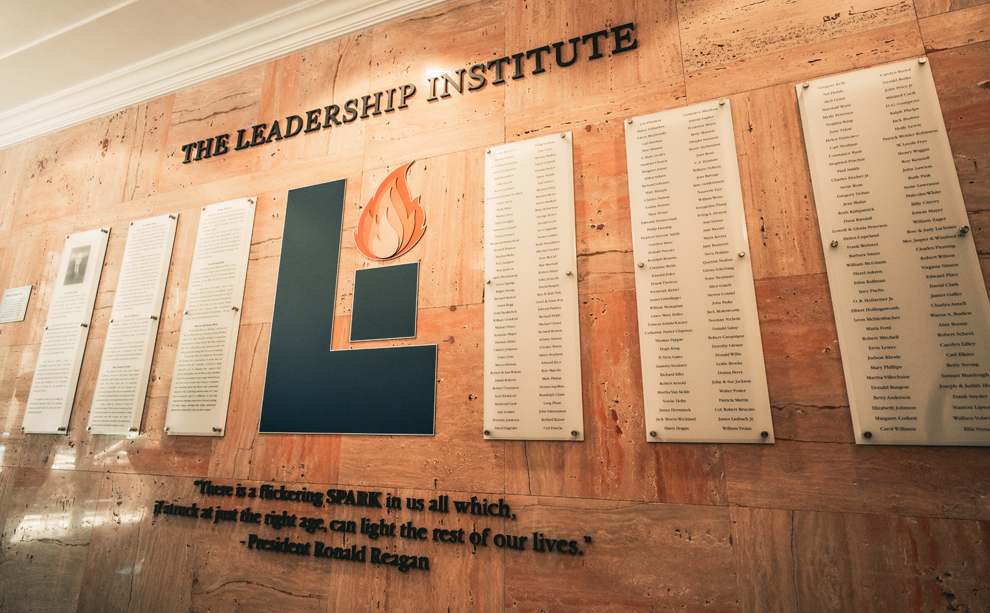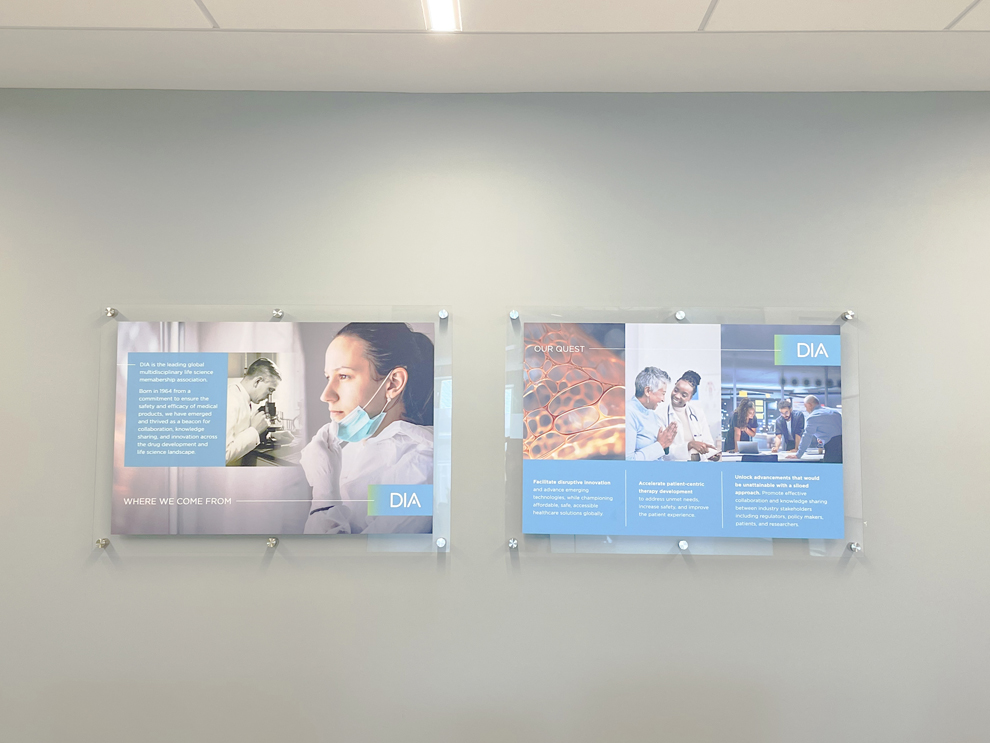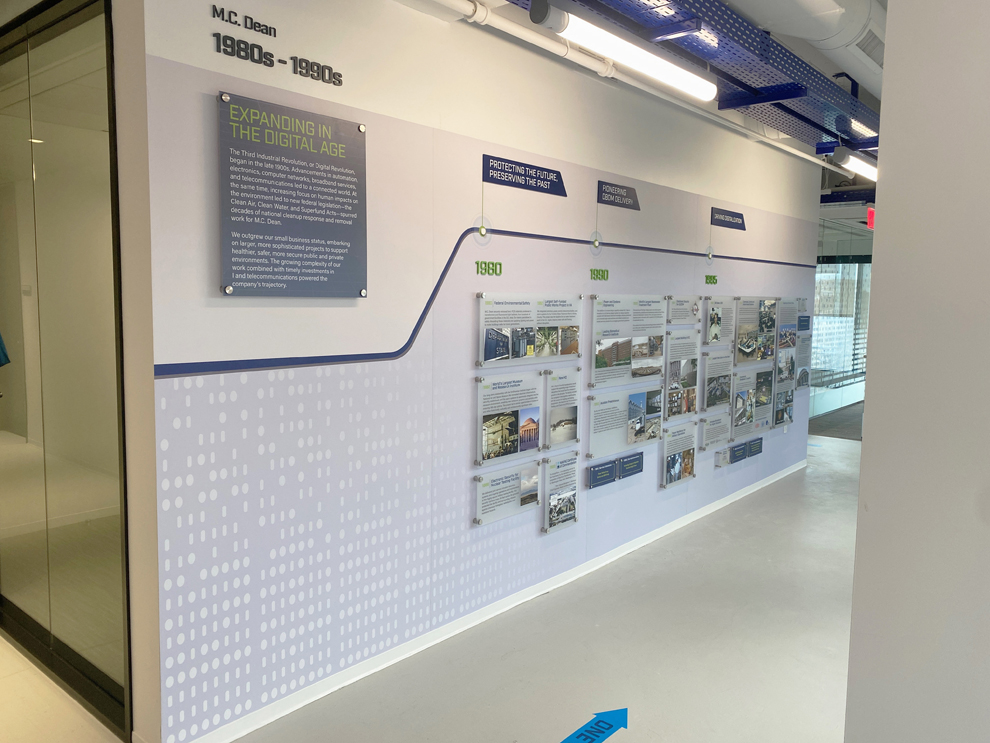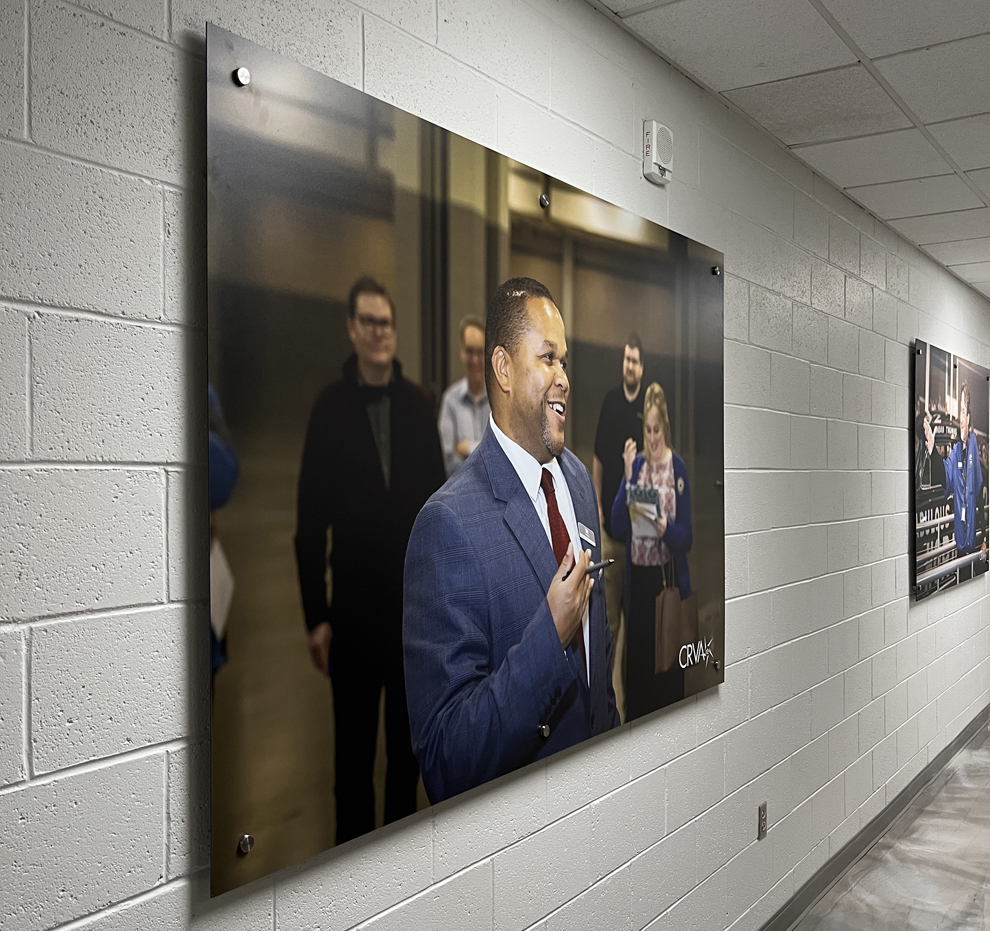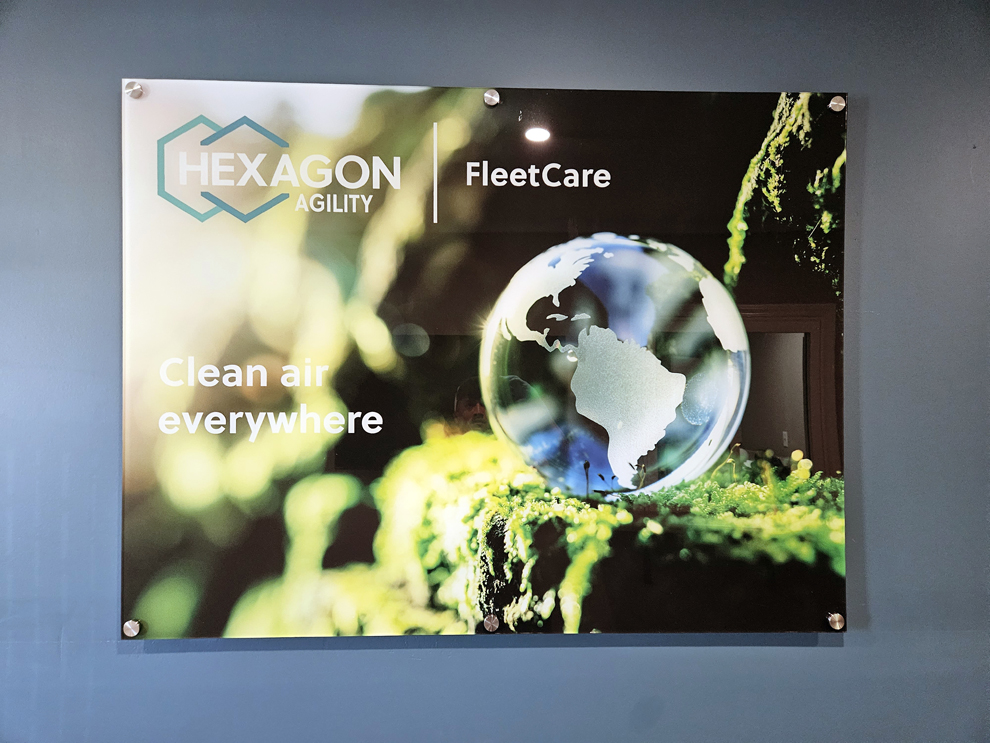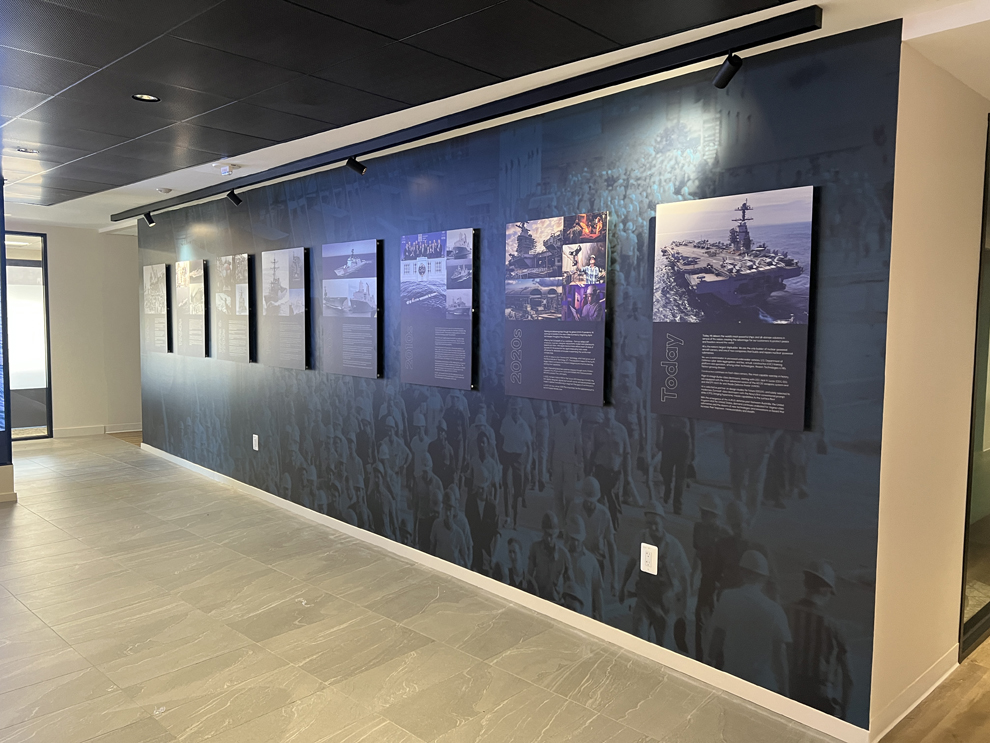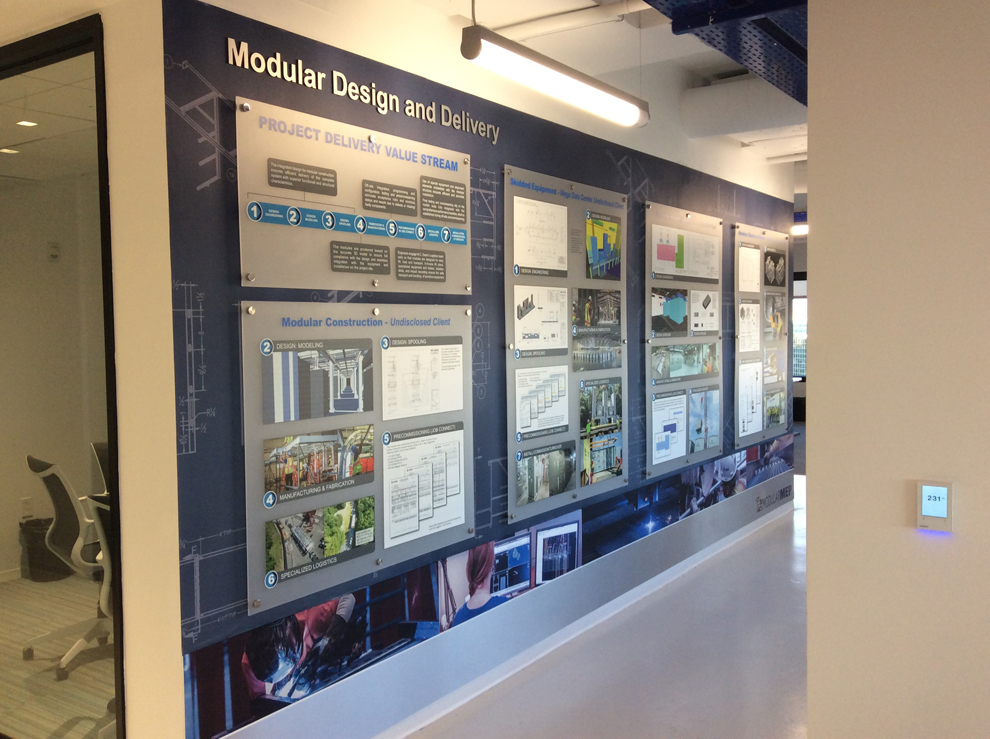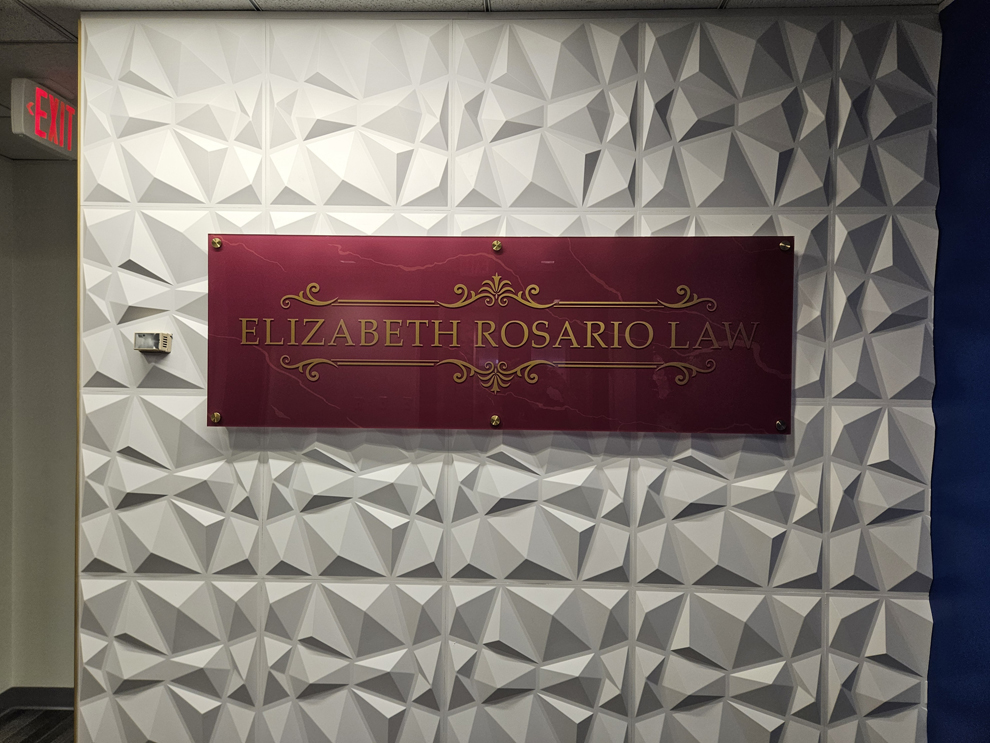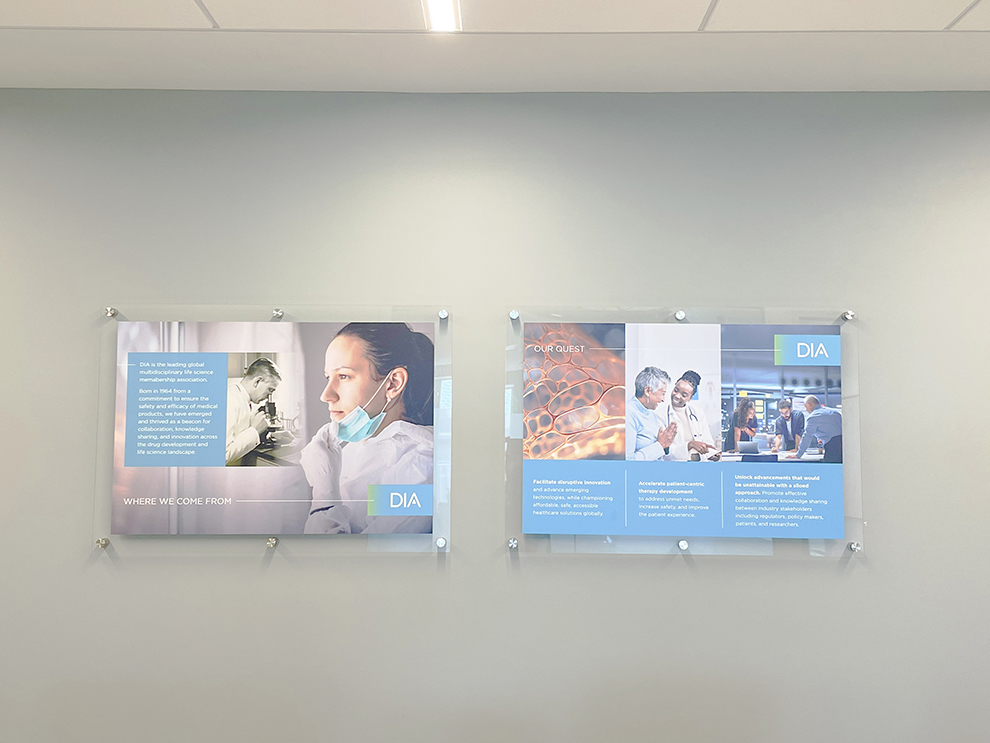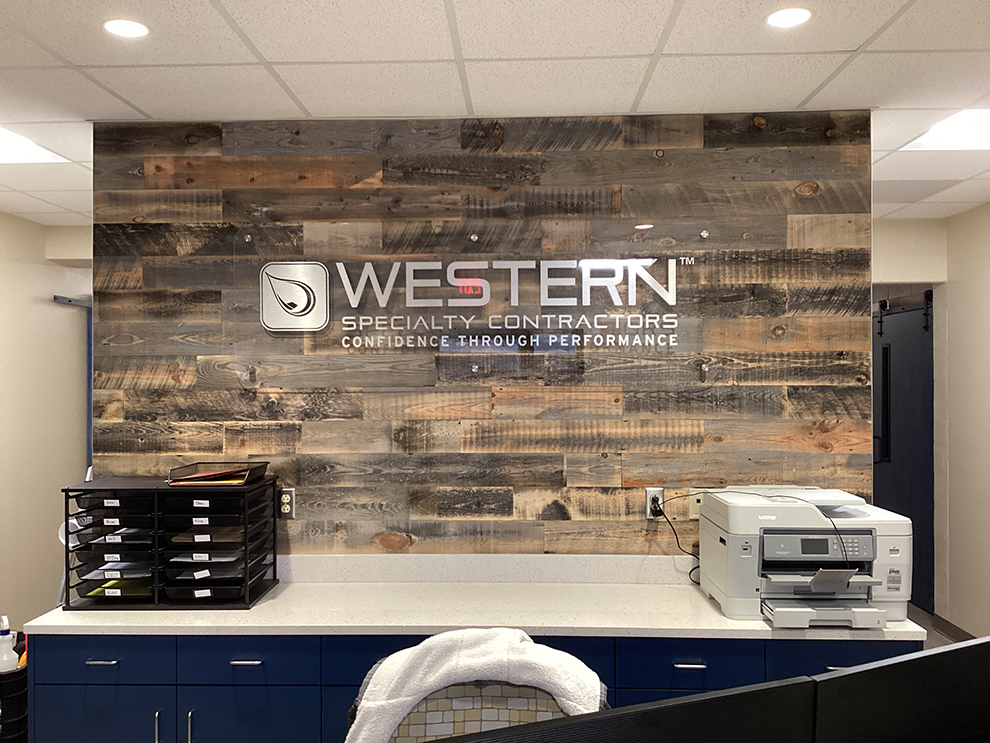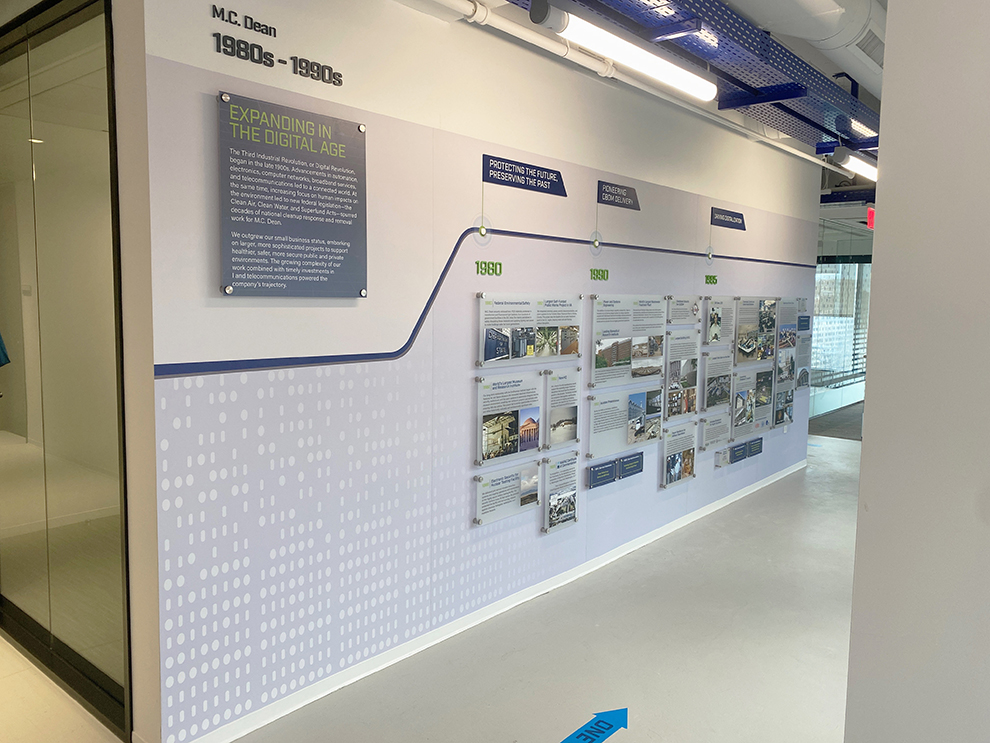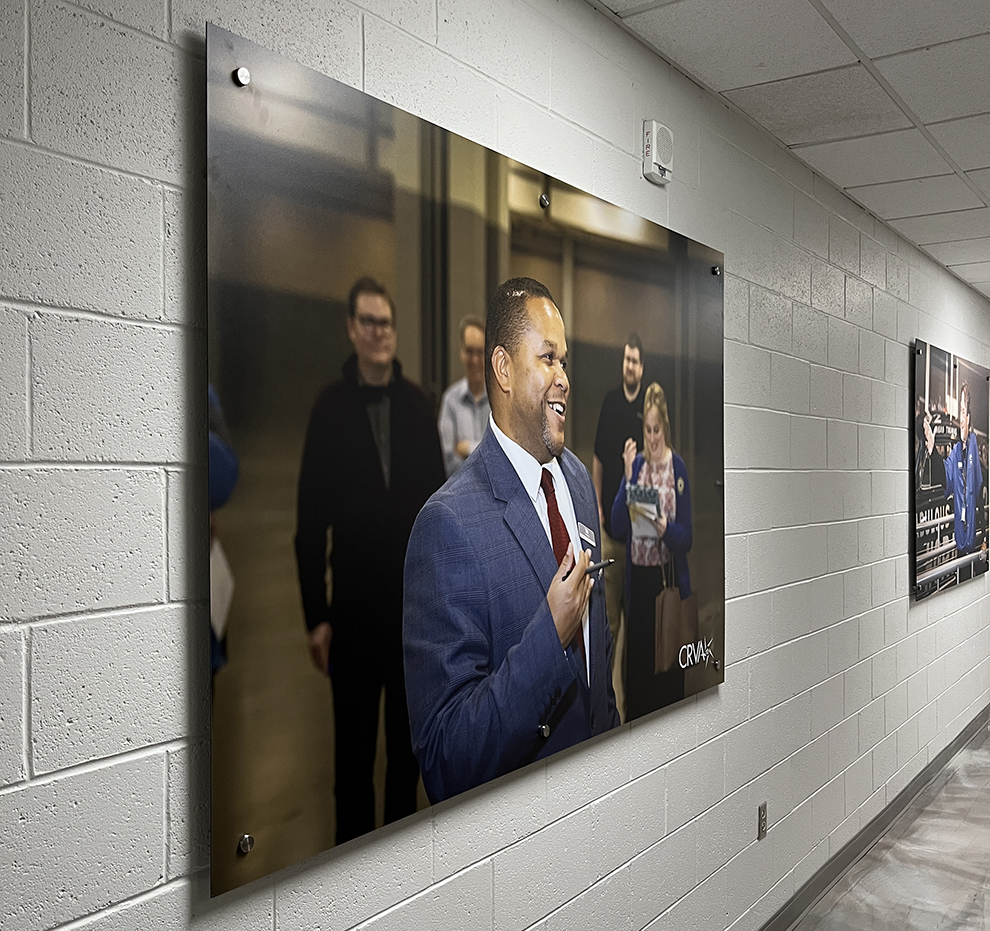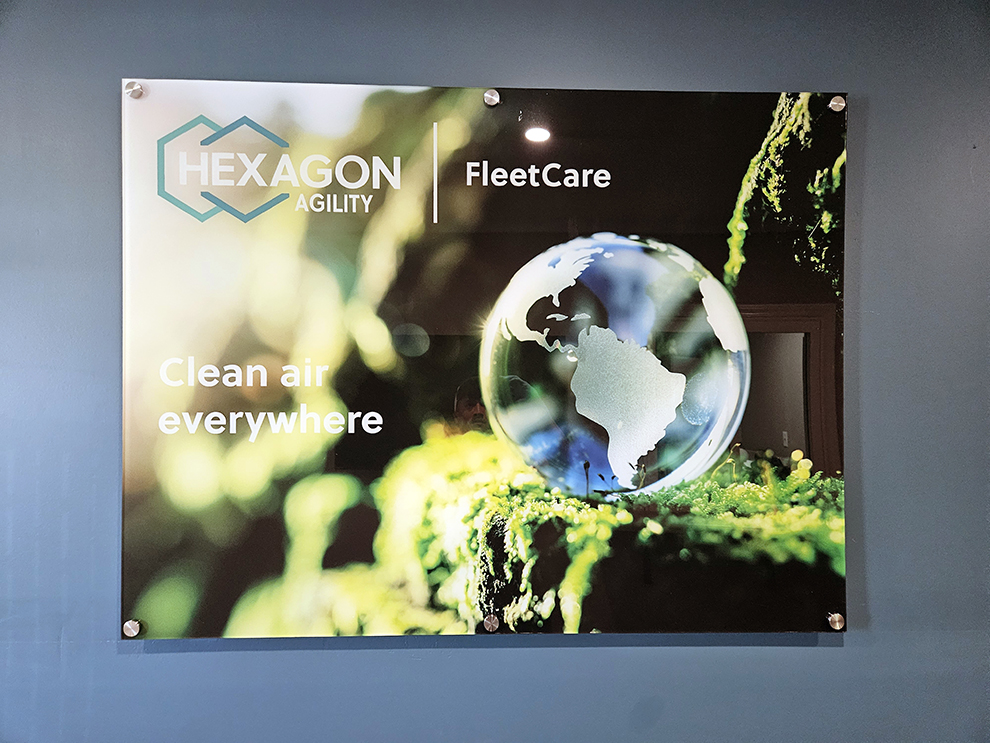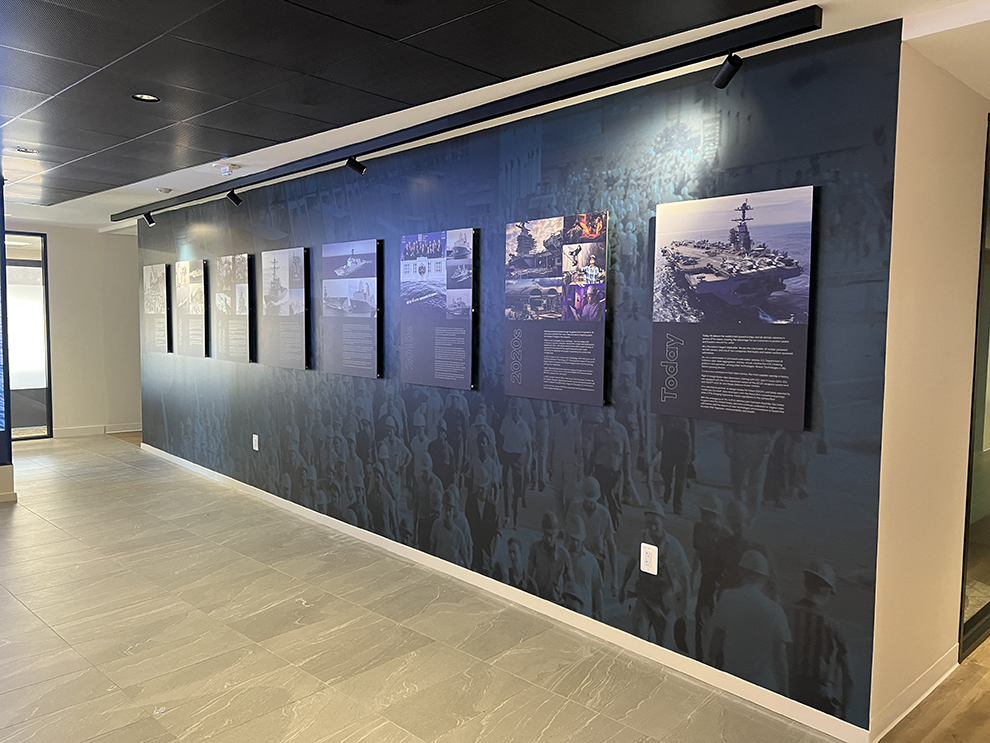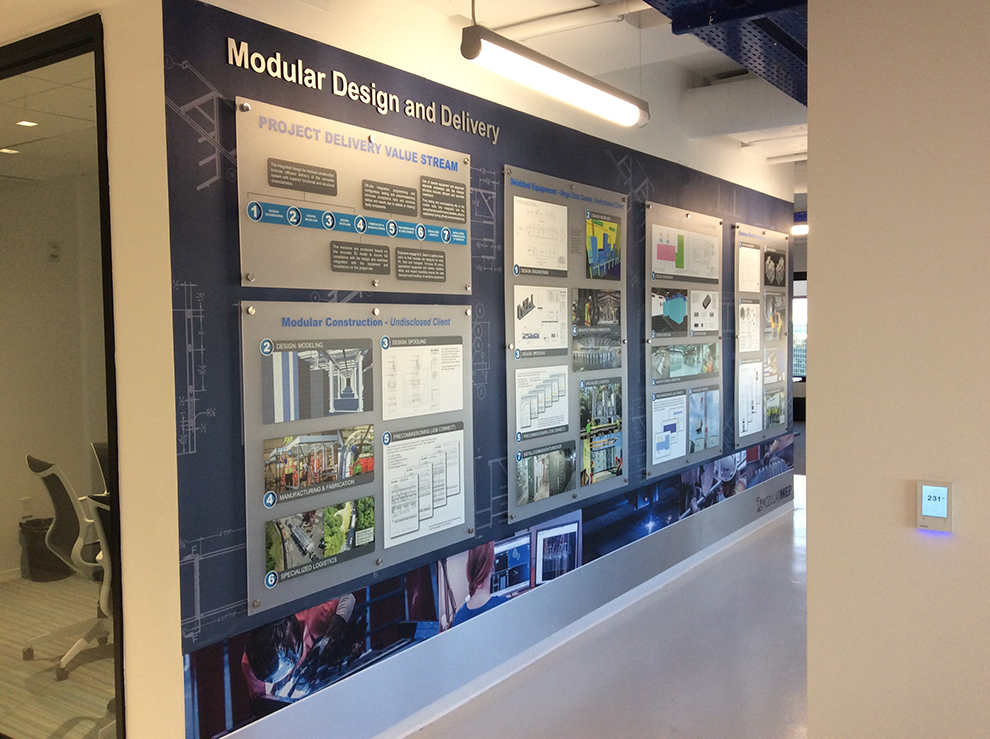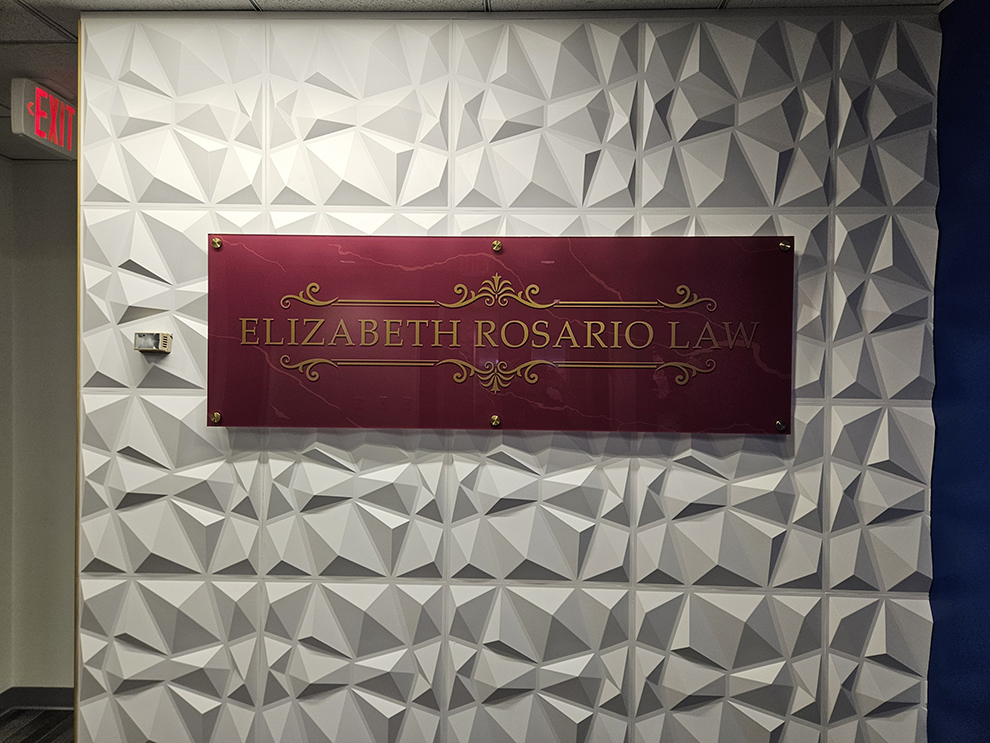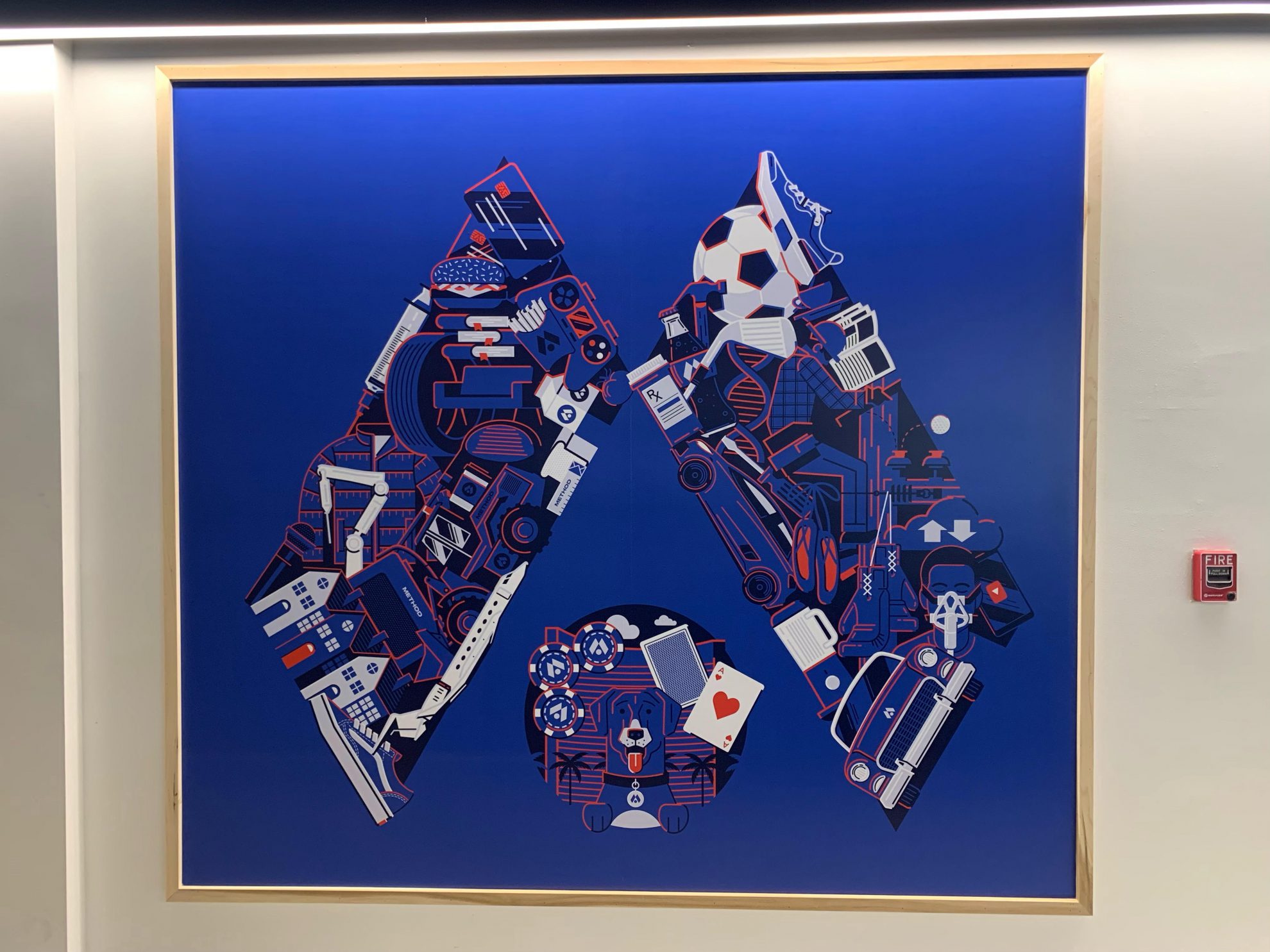
Interior walls do more than divide a building. They help visitors understand an organization, locate departments, recognize contributors, and connect with a brand. Standoff mounted signs place a finished panel or dimensional feature a precise distance from the wall, allowing light to create depth and a distinct shadow behind the display. The result gives logos, mission statements, donor names, directories, and department information a polished architectural appearance in Durham lobbies, corridors, elevator areas, conference rooms, medical offices, and training facilities.
Heritage Signs & Displays is a veteran-owned, family-led commercial interior signage company serving organizations since 1977. Durham clients typically contact Heritage when they need a permanent wall feature that communicates more effectively than a temporary decoration. Environmental graphic design, project management, fabrication, production, and professional installation are coordinated within one process. A dedicated project manager oversees the details from the initial consultation through final installation.
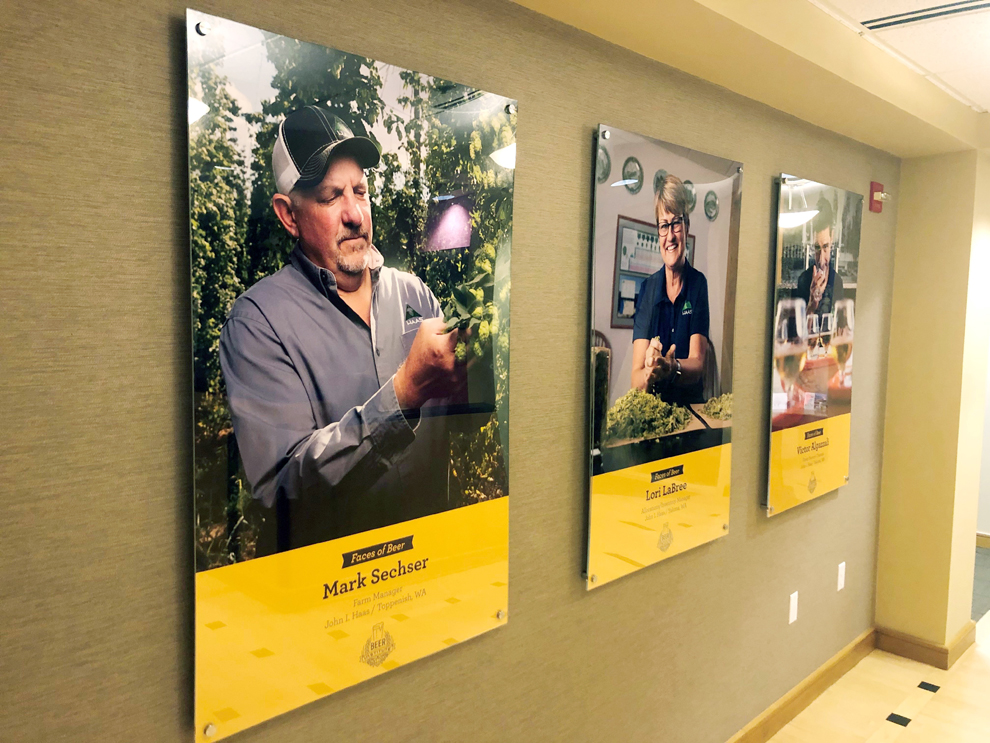
A standoff sign is defined by its mounting system, not by a single face material. Barrels, caps, anchors, and fasteners hold the display away from the wall and become visible components of the finished design. Depending on the wall, panel weight, and visual goals, the sign face may incorporate acrylic, aluminum composite material, printed graphics, dimensional letters, layered elements, or changeable inserts.
Authentic standoff mounting requires mechanical attachment. Installers drill mounting points and select anchors based on the wall substrate and total weight of the display. Adhesive by itself cannot create a true standoff system. If the sign is removed later, the wall will generally need patching and refinishing. Durham facilities teams should therefore treat these signs as permanent or semi-permanent architectural features.
Building procedures can influence a Durham installation as much as the design itself. Downtown properties may require certificates of insurance, loading instructions, security clearance, and scheduled freight elevator access. Healthcare, university, laboratory, and manufacturing facilities may require facilities approval before drilling begins. Heritage reviews these conditions early because work-hour restrictions, staging space, occupied-area protection, and access requirements can affect panel dimensions, installation sequencing, and section layouts.
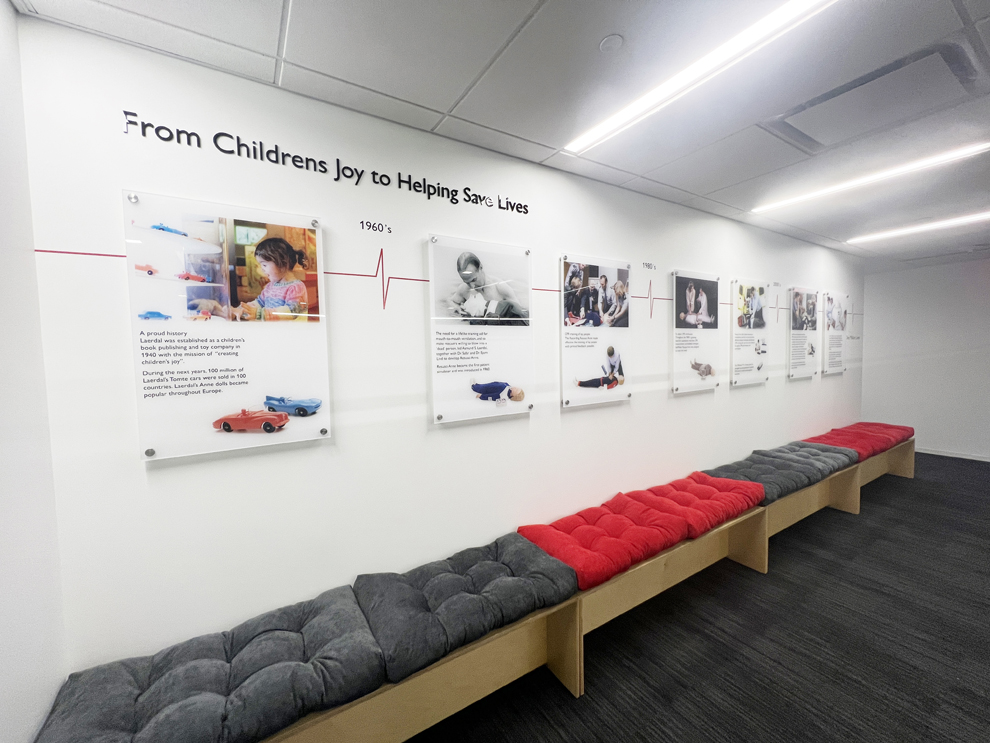
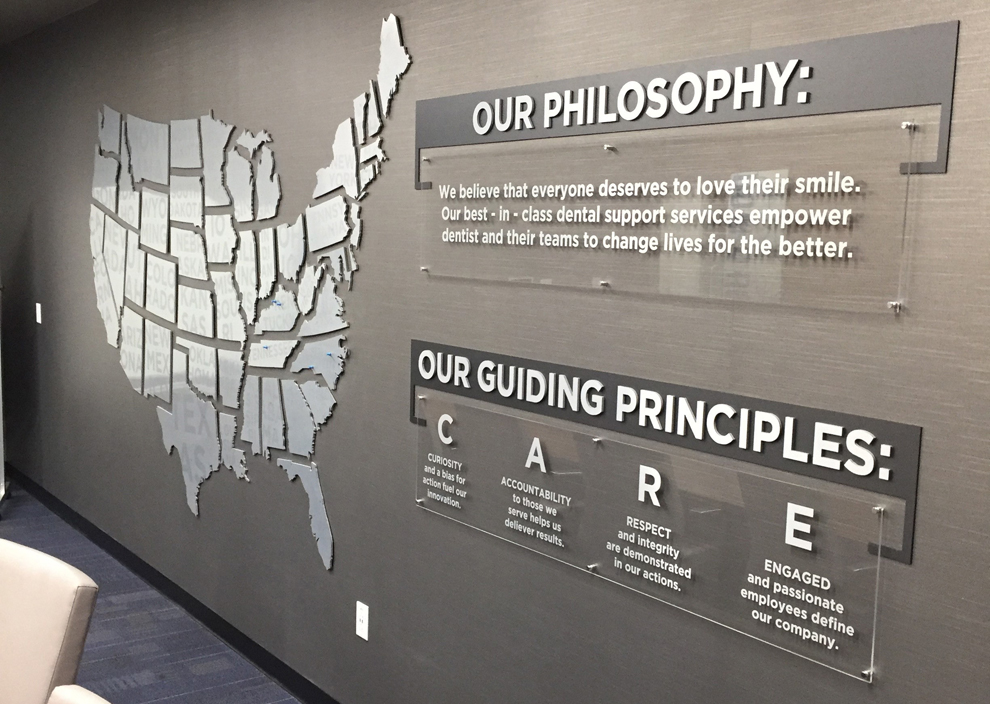
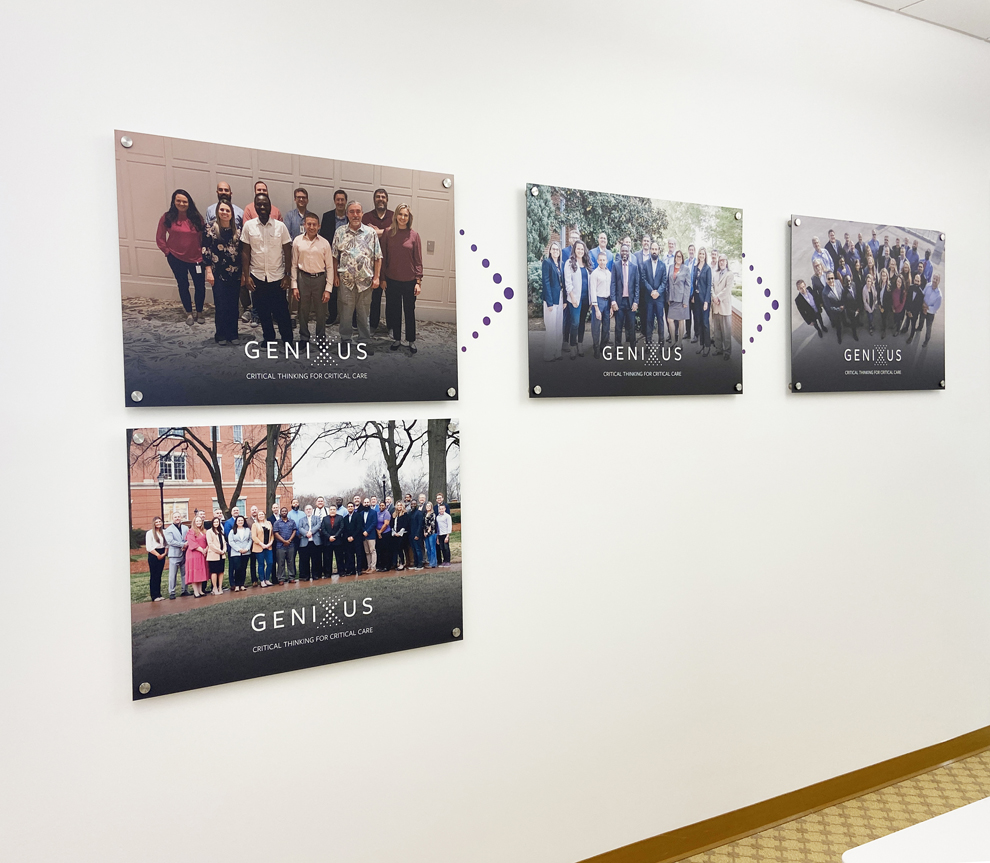
Large mission, history, timeline, recognition, directory, and storytelling installations often combine standoff panels with dimensional lettering, printed graphics, and vinyl elements. Those comprehensive installations are discussed on the Wall Displays page. This page concentrates on standoff hardware and projected mounting so Durham buyers can evaluate the construction method without assuming every wall display needs standoffs.
As a veteran-owned company, Heritage strives to honor God by serving clients and communities with excellence. That purpose is reflected in thoughtful consultation, practical recommendations, accurate measurements, precise production, professional behavior in occupied buildings, and continued attention through final inspection.
Accuracy is essential to a successful standoff installation. Barrel length determines how far the panel projects from the wall, while cap diameter influences the visual prominence of the hardware. Every mounting hole must align closely with the fabricated panel so the finished display appears level from multiple viewing angles. Laser-guided layout, drilling templates, and calculated shimming help maintain consistent spacing across wide lobby signs and multi-panel installations.
The wall itself determines which attachment methods are appropriate. Painted drywall over metal studs, plaster, masonry, tile, wood veneer, and glass partitions all require different mounting considerations. Concealed wiring, plumbing, structural components, or missing backing may require changes to the original design. Exterior applications also need separate review for moisture, ultraviolet exposure, temperature changes, wind, and corrosion.
For these reasons, field conditions should inform the design before production begins. Heritage uses verified dimensions, wall information, lighting conditions, and access limitations to guide artwork, panel engineering, hardware selection, and installation planning. This approach helps ensure that a design approved on a screen can be produced, transported, positioned, and mounted correctly at the Durham project site.
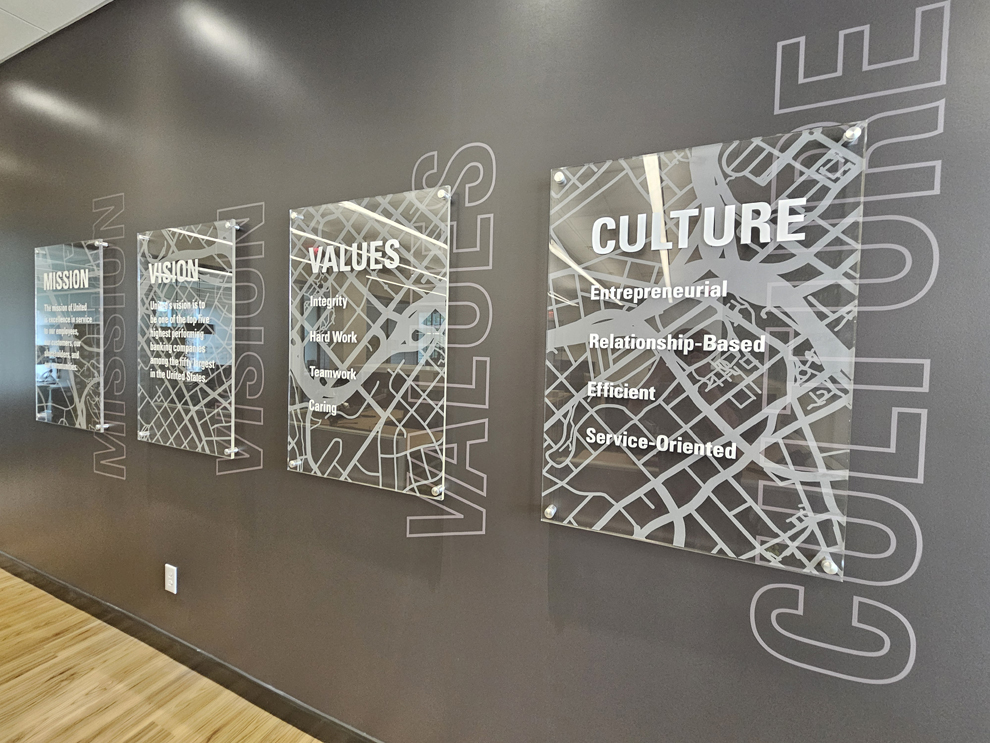
Standoff signs are well suited to spaces where visitors will view information at close range. Heritage Signs & Displays serves Durham universities, healthcare providers, research organizations, technology companies, financial firms, manufacturers, nonprofits, ministries, professional practices, and growing employers. Experience dating to 1977 helps the Heritage team recommend solutions based on long-term performance as well as appearance.
Every project is assigned a dedicated project manager who serves as the primary point of contact. This person coordinates artwork approvals, brand assets, text revisions, material choices, hardware finishes, fabrication schedules, property requirements, and installation dates. Clients do not have to manage unrelated designers, producers, and installers or determine which vendor is responsible when questions arise.
Heritage serves Durham through regional project management, production, and installation resources rather than a walk-in retail counter. Installation is scheduled around the needs of the property and its occupants. This structure is especially useful for organizations with multiple Triangle locations because a consistent visual standard can be maintained while each site receives an individual assessment.
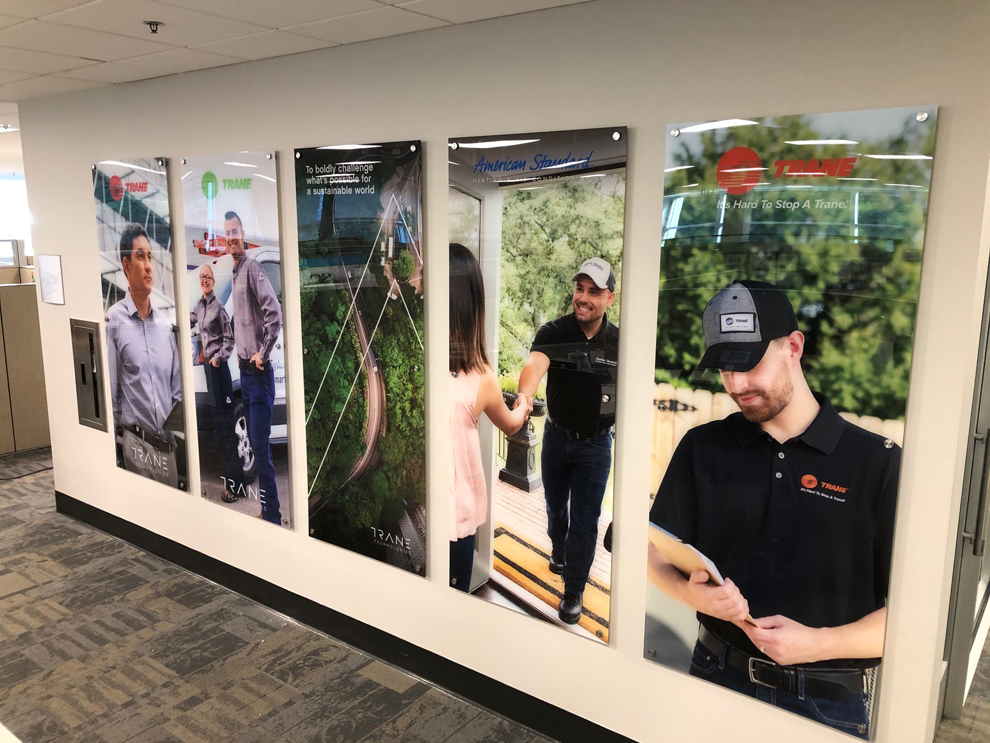
The following sign and display categories are closely connected to standoff mounted installations. Each shares a material, application, mounting consideration, or wall-design function that can help Durham organizations compare suitable alternatives.
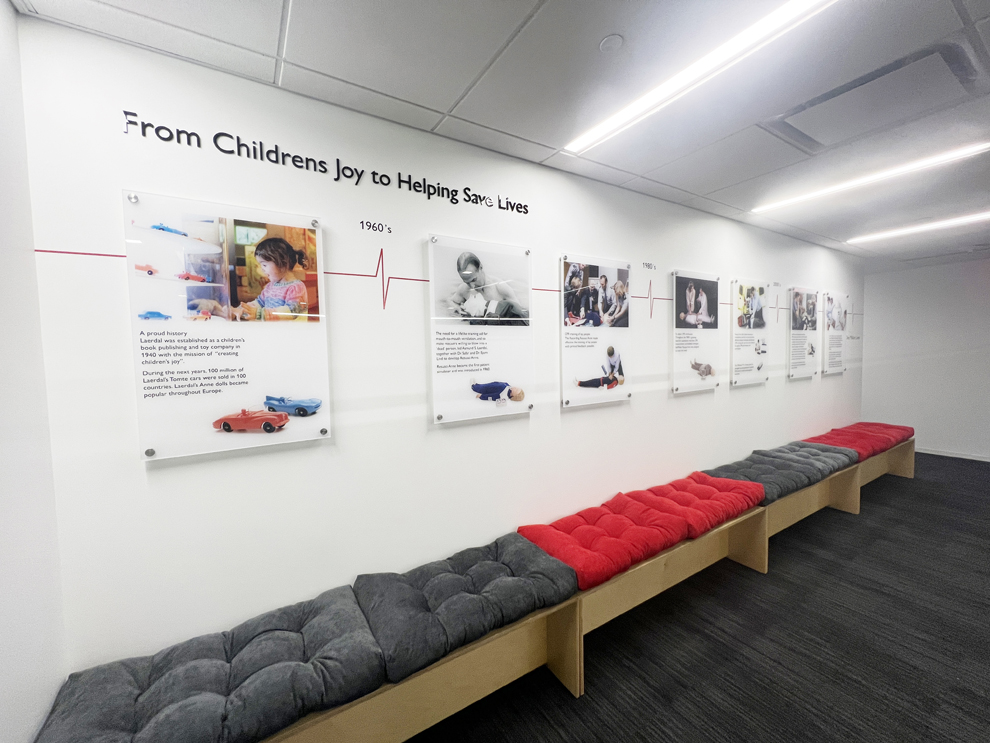
Wall wraps transform broad surfaces with printed imagery, patterns, or branded graphics. They can also create a contrasting background behind a projected standoff panel.
Window graphics carry branding, privacy treatments, and informational content onto glass. They are often installed near reception signs in entryways that combine solid walls and interior glazing.
Lobby signs identify an application rather than one specific construction technique. Standoff mounting is one of several methods available for creating a branded reception feature.
Frosted vinyl improves privacy and reduces visual distractions on glass partitions. This need is frequently identified during the same site visit used to plan a lobby or corridor sign.
Elevator wraps bring branded graphics into high-traffic transition areas. Coordinating them with nearby standoff panels can create a more consistent appearance across a floor.
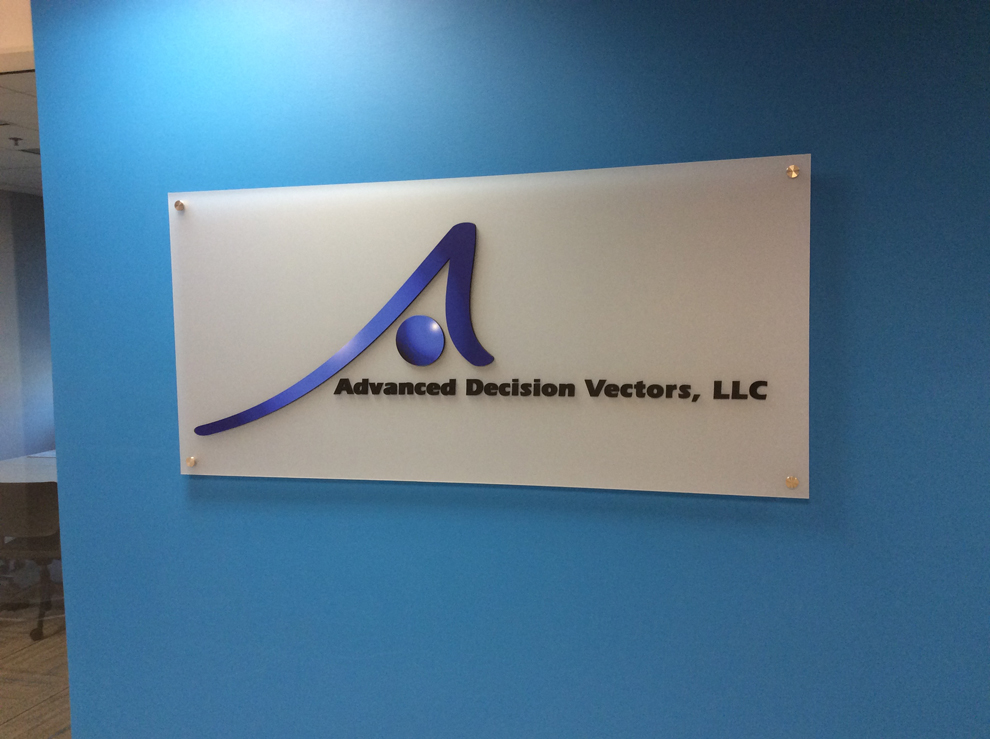
Dimensional letters may be stud mounted or adhered directly to an appropriate surface. They can be positioned above, beside, or between projected panels in a larger wall composition.
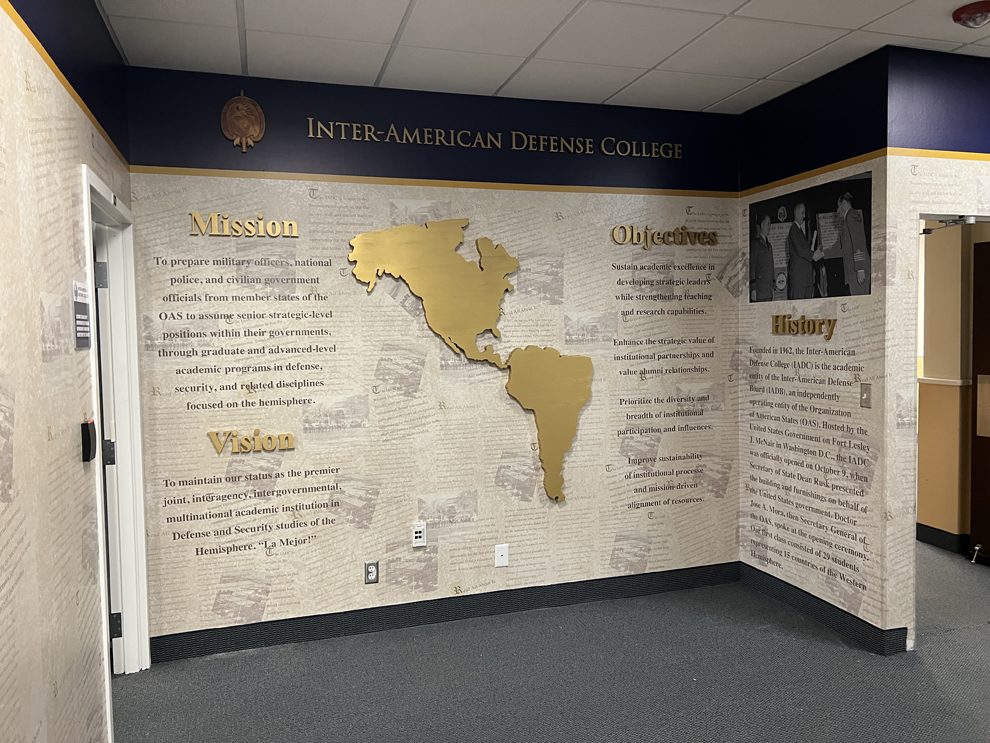
Acrylic identifies the material used for a sign face, while standoff identifies the mounting system. Acrylic can be mounted with standoffs, installed flush, framed, suspended, or attached through other methods.
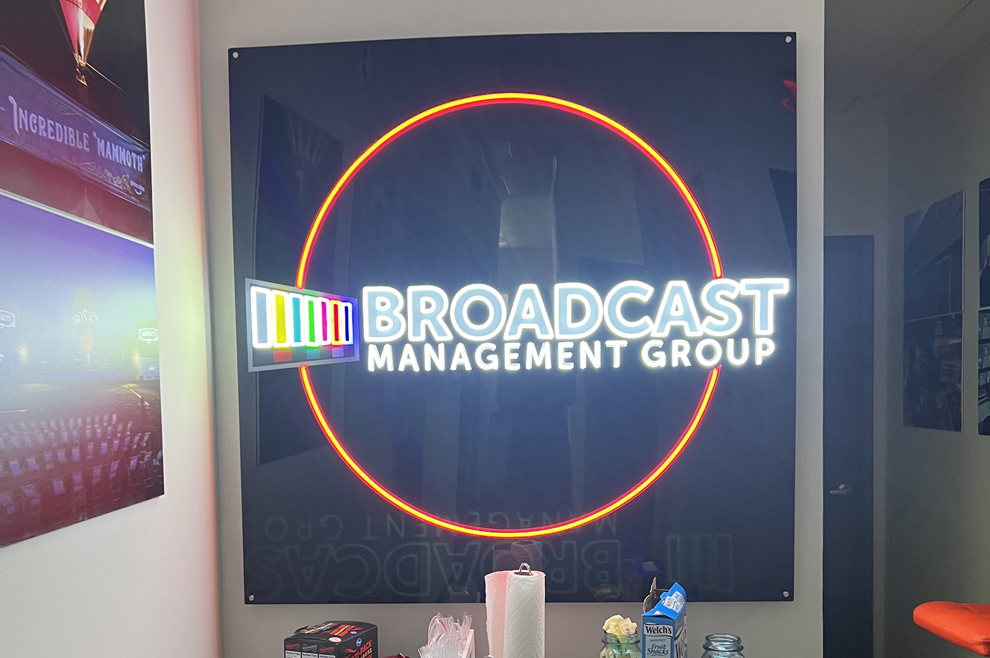
Wall displays organize mission statements, company histories, donor recognition, core values, and branded storytelling across a larger surface. Standoff panels may serve as one component within these installations.
Does an important wall in your Durham facility fail to reflect the quality of your organization? Heritage Signs & Displays welcomes early project discussions, especially before wall finishes, mounting locations, or drilling approvals are finalized. Get Started Now using our free and convenient online form.
Useful starting information includes the property address, desired completion date, intended audience, approved or developing content, brand guidelines, logo files, wall photographs, architectural drawings, estimated dimensions, known substrate information, access restrictions, future update requirements, and anticipated overall scope. Heritage will review these details, explain what may require a site survey, and recommend the next practical step.
Heritage provides project-managed signage services throughout Durham and the surrounding Triangle. Regional resources support coordinated design, production, and scheduled installation in Durham, Chapel Hill, Raleigh, Cary, Morrisville, Hillsborough, Research Triangle Park, Apex, and nearby communities. Clients include organizations in healthcare, higher education, biotechnology, life sciences, technology, finance, manufacturing, and nonprofit services.
Consider a Durham healthcare provider with an administrative office, multiple outpatient locations, and a professional training center. Coordinated standoff signs can present the same identity at every entrance, while panel proportions, mounting height, and projection depth are adjusted for the conditions at each property. Heritage documents each address separately while maintaining approved colors, materials, typography, and hardware finishes.
Visual consistency does not require identical construction at every location. A masonry hallway, a glass-fronted reception area, and a renovated office with uncertain wall backing may need different anchors, panel divisions, or installation schedules. Heritage manages these variations within one coordinated process so the brand remains recognizable without overlooking the physical requirements of each Durham-area site.
Effective environmental graphic design starts with the message. Heritage designers consider what visitors should notice, understand, or remember when approaching the wall. Viewing distance, direction of travel, walking speed, and the order in which content should be read all influence the layout. Typography, scale, line length, contrast, spacing, and alignment with surrounding architecture determine whether information can be understood quickly.
Materials are selected after the communication priorities are established. Acrylic provides visual depth and can transmit or reflect light. Aluminum composite material offers a smooth, opaque surface with less weight than many solid metals. Printed panels support photographs, detailed graphics, gradients, and complex color. Edge treatment, weight, cleaning needs, brand-color accuracy, and future content changes help narrow the options.
Hardware finish and projection depth connect the display to its environment. Brushed metal, polished metal, black, and bronze caps can produce very different effects against painted drywall, stone, tile, woodwork, and architectural finishes. Longer barrels create a stronger shadow but may not be appropriate in narrow corridors where signs are more exposed to accidental contact. Heritage reviews each selection for appearance, fabrication requirements, and installation practicality before production.
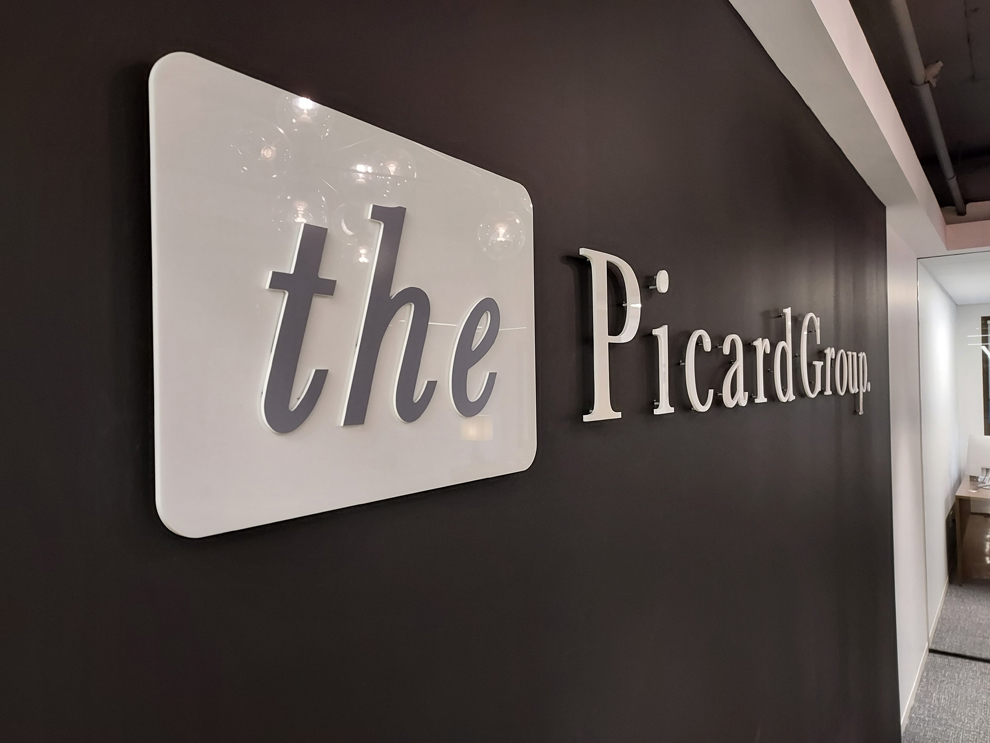
Installation planning begins with property requirements. Durham office buildings, Duke-area facilities, research campuses, medical environments, and controlled-access workplaces may require approved insurance documents, security escorts, loading reservations, dust containment, or work outside normal business hours. Heritage confirms these conditions before installation is scheduled.
Early site information supports a more reliable installation. Architectural drawings, photographs, field measurements, substrate descriptions, backing locations, ceiling heights, nearby fixtures, and access details help determine anchor selection, drilling templates, panel divisions, and staging needs. A site survey may be recommended when photographs and existing documents do not provide enough information, particularly for unusual wall materials or alignments that require close tolerances.
During installation, the team protects nearby flooring, furnishings, and finished surfaces. Work includes layout, drilling, hardware placement, panel mounting, leveling, cleaning, and final inspection. The goal is to complete the installation efficiently while minimizing disruption to employees, patients, students, customers, and visitors.
Installation is provided as part of a Heritage-managed signage project that includes the design, production, or procurement of the display. Heritage does not provide installation-only service for signs manufactured by another company. Responsibility for the final result depends on coordinating artwork, materials, hardware, tolerances, fabrication, and mounting as one connected scope.
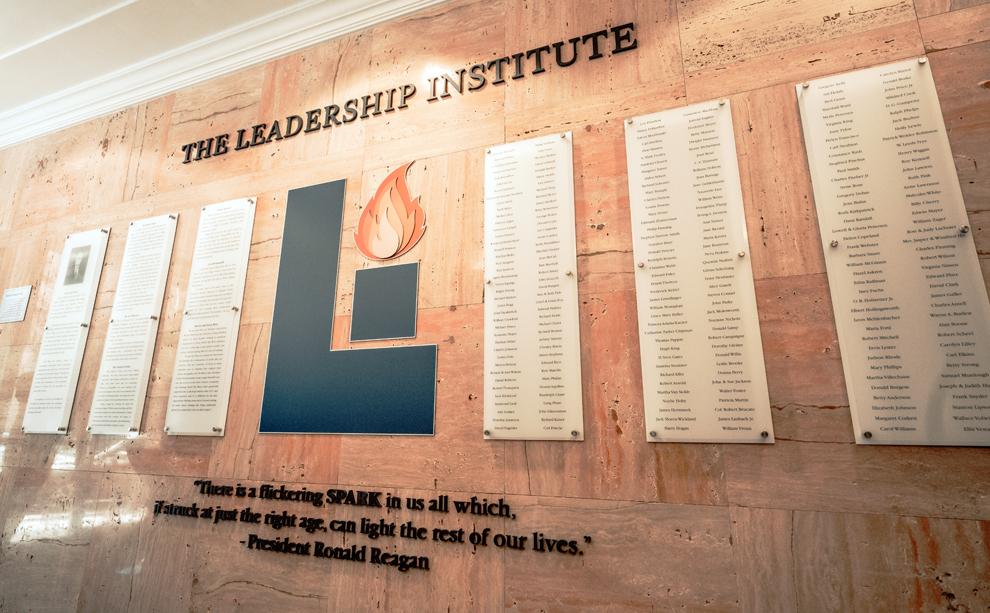
Heritage is best suited for Durham organizations seeking a permanent interior display managed from consultation through professional installation. This coordinated model is particularly valuable for complex recognition walls, expandable systems, multi-panel features, secure buildings, precise architectural alignments, and projects requiring approval from several stakeholders.
Heritage-managed projects in this market begin with an overall project investment of $4,000. This starting figure applies to the complete scope rather than to each panel, letter, cap, or individual piece of hardware. A qualifying project may include one substantial lobby or recognition installation or several coordinated interior displays throughout a building, office floor, or campus.
Final pricing depends on dimensions, materials, hardware quantity, artwork and content requirements, wall conditions, installation access, and scheduling restrictions. An accurate proposal requires enough verified information to define the full scope.
Heritage primarily focuses on interior environmental graphics and commercial signs. The company does not specialize in channel letters, monument signs, pylon signs, or conventional exterior sign programs. Certain exterior wall-mounted standoff signs may be evaluated individually when the substrate, anchors, hardware, finishes, weather exposure, and local requirements can be confirmed. Heritage also does not install signage manufactured by outside providers.
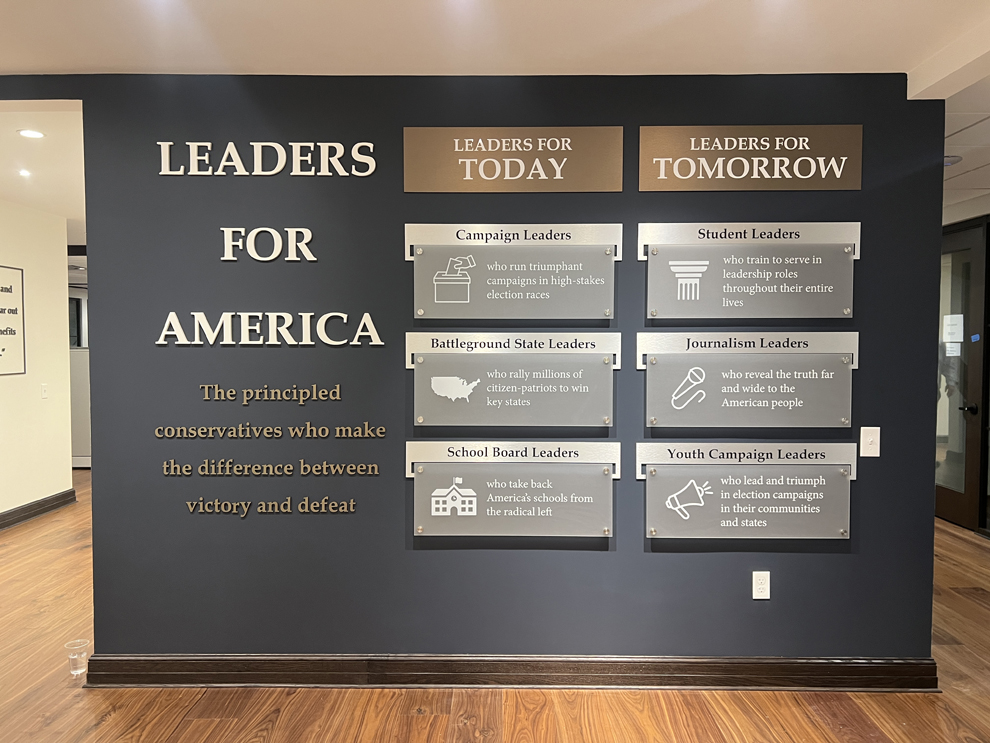
Yes. Standoff panels can display building directories, department names, floor information, and selected directional messages when the setting calls for a permanent architectural feature. Successful wayfinding still depends on placement, viewing distance, type size, contrast, and the routes people follow through the building.
Directories that change regularly may benefit from replaceable inserts, modular panels, or track-based systems. These update requirements should be established during design rather than after the sign has been fabricated.
Heritage-managed projects in Durham begin with an overall project investment of $4,000. This amount applies to the full project rather than each panel, letter, cap, or standoff component.
A suitable scope may include one substantial lobby or recognition display or multiple coordinated interior signs throughout a facility. Final pricing is influenced by size, materials, hardware, content complexity, wall conditions, access requirements, and installation scheduling.
Yes. Genuine wall-mounted standoff signs use drilled mounting points with mechanical anchors or fasteners selected for the substrate and panel weight. Adhesive alone does not create a proper standoff assembly.
The mounting pattern must correspond precisely with the fabricated panel so the sign remains level and maintains a consistent distance from the wall. Removing the display later will generally leave holes that require patching and repainting. Building ownership or property management should approve this work before installation.
Yes. A dedicated project manager can maintain one specification for panel material, typography, colors, projection depth, and hardware finish across Durham offices, clinics, laboratories, manufacturing sites, or campus buildings.
Each property still needs individual review because wall construction, lighting, access policies, ceiling heights, and installation conditions can differ. The objective is to preserve visual consistency while adapting the mounting plan to each location.
Maximum panel size depends on the selected material, thickness, weight, wall capacity, hardware quantity, transportation requirements, and how the display can be safely lifted into place. Large signs are often divided into planned sections to simplify handling and support more accurate alignment.
Projection depth is determined by barrel length. A shallow projection produces restrained dimensionality, while a larger gap creates a stronger shadow. Corridor width, sightlines, cleaning access, nearby trim, and the likelihood of accidental contact should influence this decision.
Cleaning requirements depend on the face material, printed finish, and hardware. Most interior panels can be maintained with light dusting and a soft, nonabrasive cloth. Use only cleaners that are appropriate for the approved material.
Avoid solvents, abrasive pads, and excessive pressure around printed surfaces, panel edges, and mounting caps. These methods can scratch the face, damage a finish, or affect alignment. Material-specific care instructions can be provided when the project is completed.
A site survey can confirm conditions that photographs and drawings may not reveal. These include wall construction, backing, finish quality, hidden utilities, nearby fixtures, lighting, viewing angles, elevator dimensions, staging space, and property access procedures.
The findings influence anchor selection, hardware spacing, panel divisions, drilling templates, and installation scheduling. Surveys are particularly valuable for large recognition displays, unusual substrates, controlled-access facilities, and signs that must align precisely with existing architectural features.
Standoff refers to the attachment and projection method. Acrylic refers to the material used for the sign face. An acrylic sign may be attached with standoffs, installed flush, placed in a frame, suspended, or mounted using another system.
A standoff sign can use acrylic, aluminum composite material, printed panels, or layered components. Durham buyers comparing proposals should review both the face material and the specified mounting method.
Heritage Signs & Displays coordinates environmental graphic design, project management, fabrication, production, and professional installation within one managed process. The company has served clients since 1977 and operates under veteran-owned, family-led leadership.
A dedicated project manager guides each Durham project from the initial discussion through final alignment. Clients also receive clear guidance about drilling, permanence, future wall repairs, installation conditions, and service limitations before production begins.
Yes, provided expansion is considered during the initial design. Replaceable panels, modular sections, insert channels, and reserved mounting positions can accommodate future donors, employee honorees, milestones, or organizational changes without replacing the entire display.
The update plan affects typography, panel dimensions, material selection, content spacing, and hardware placement. Designing for growth at the beginning is usually more practical and economical than modifying a finished single-piece panel later.
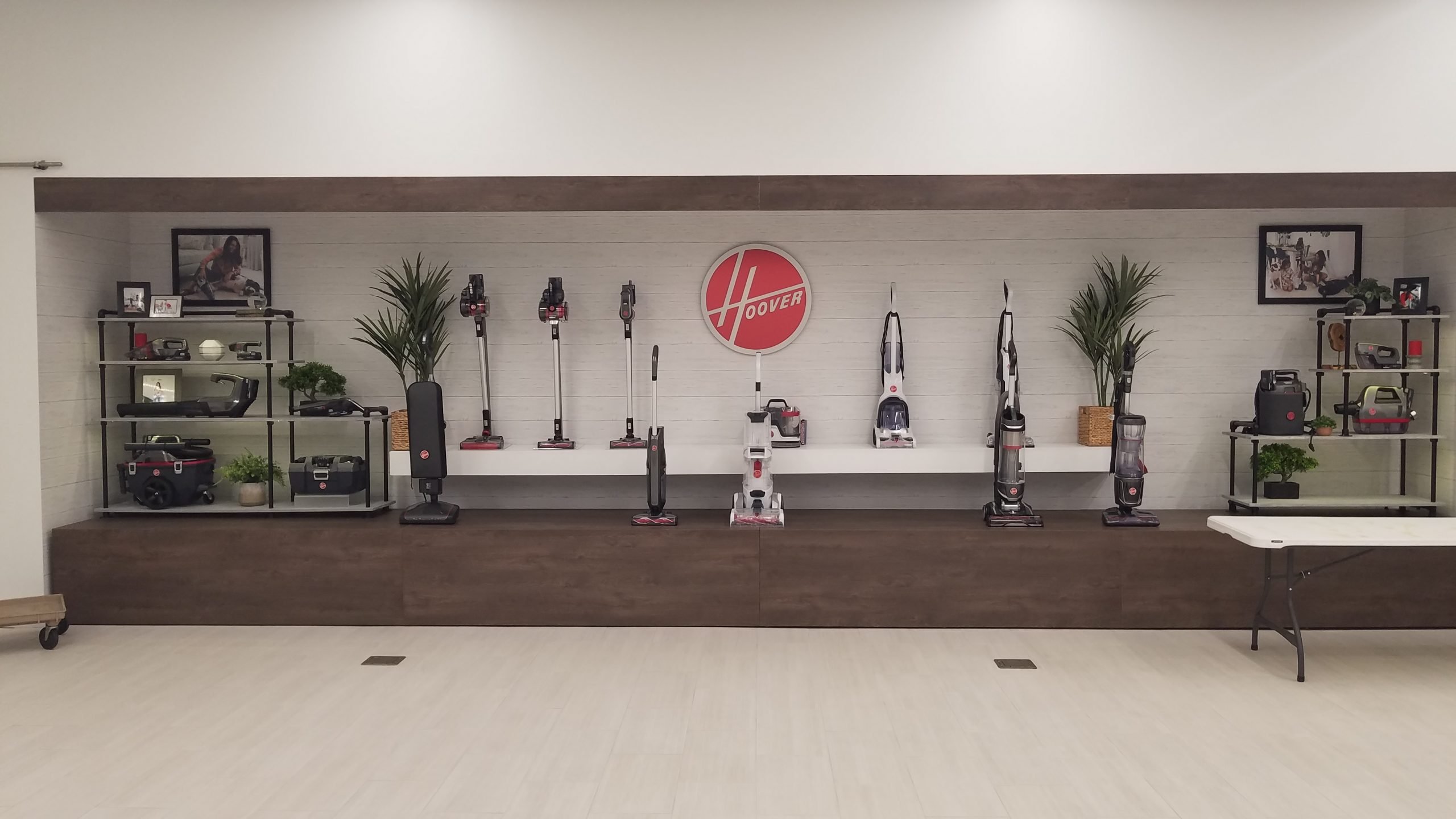
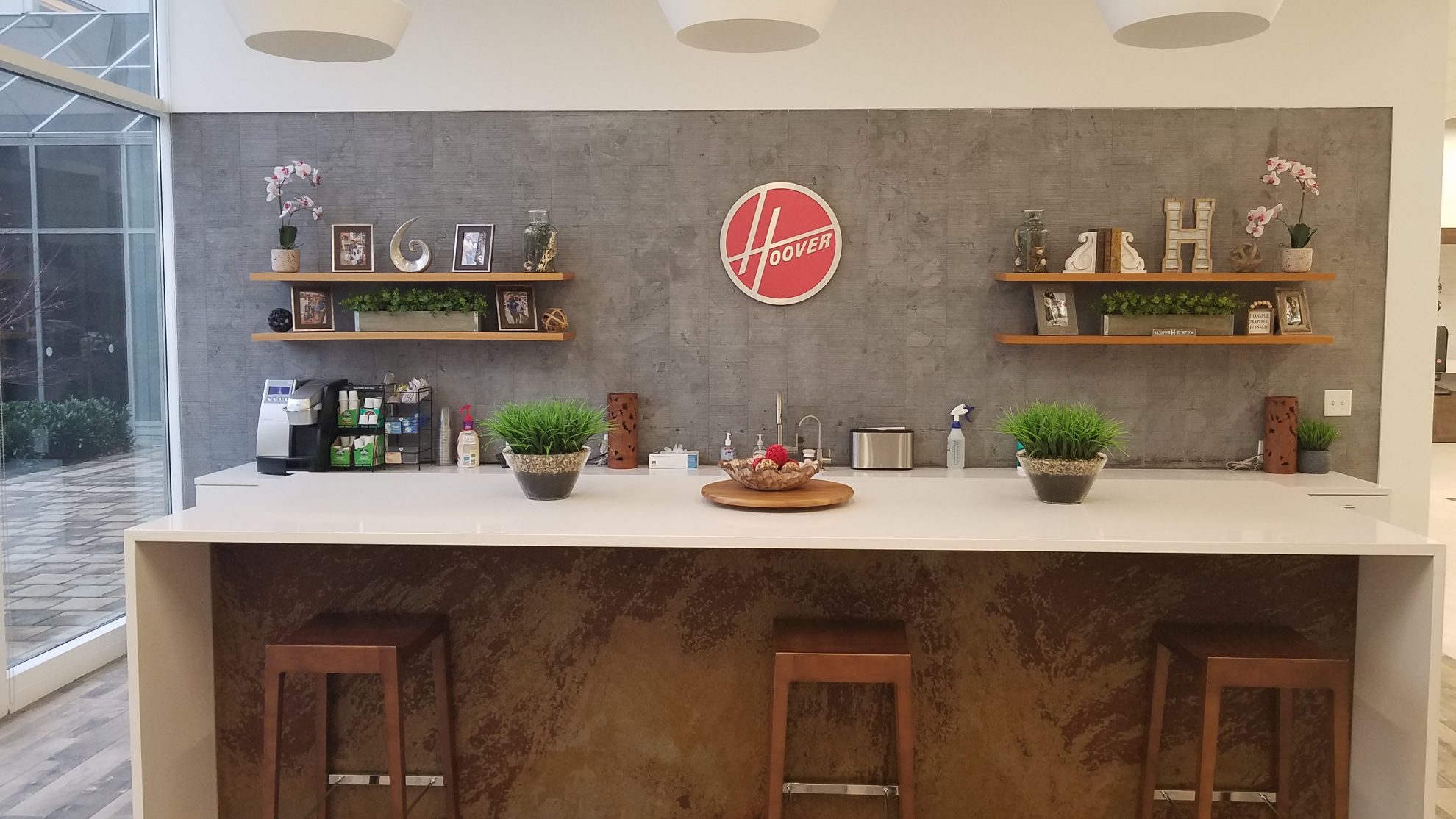
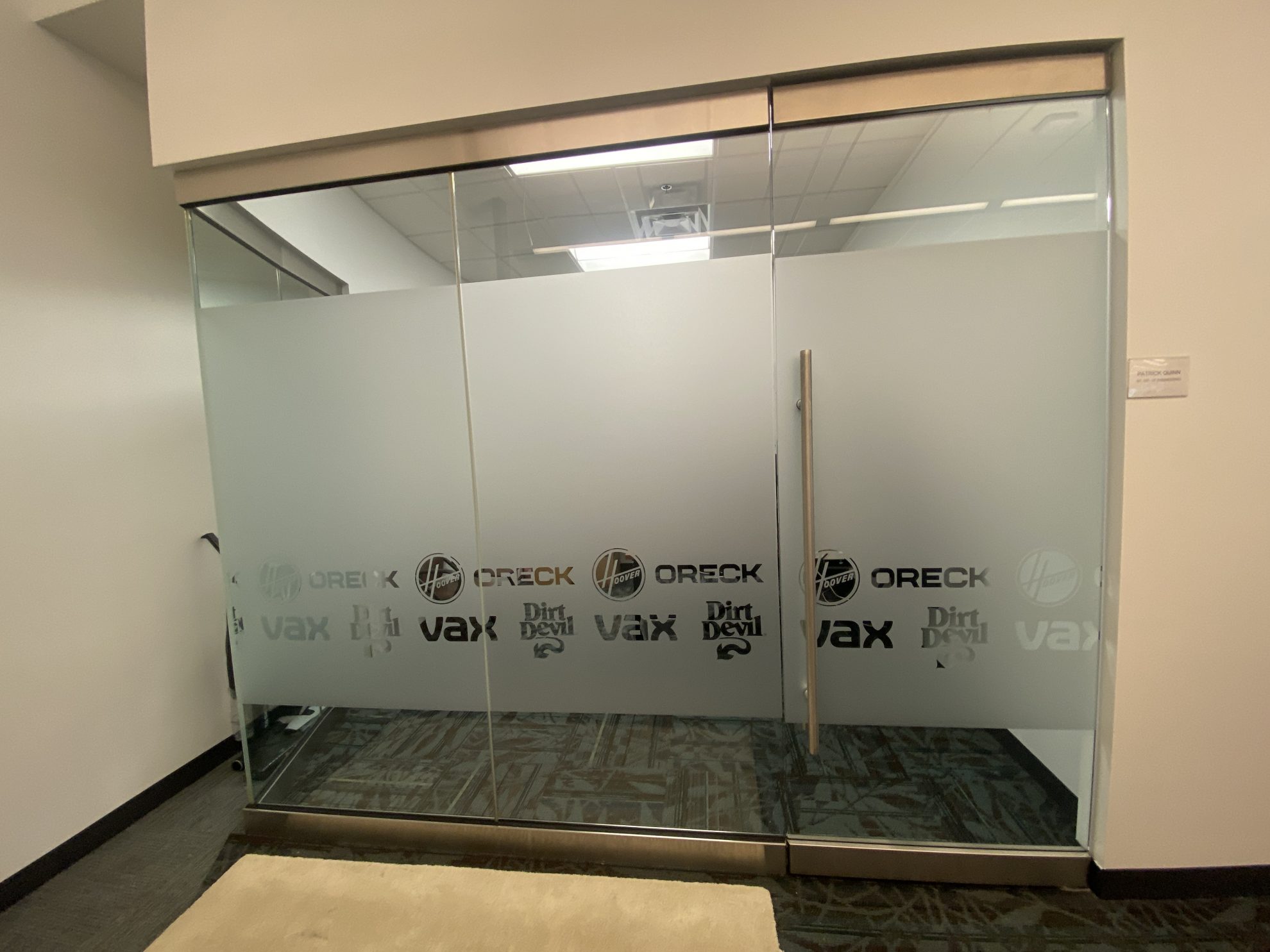
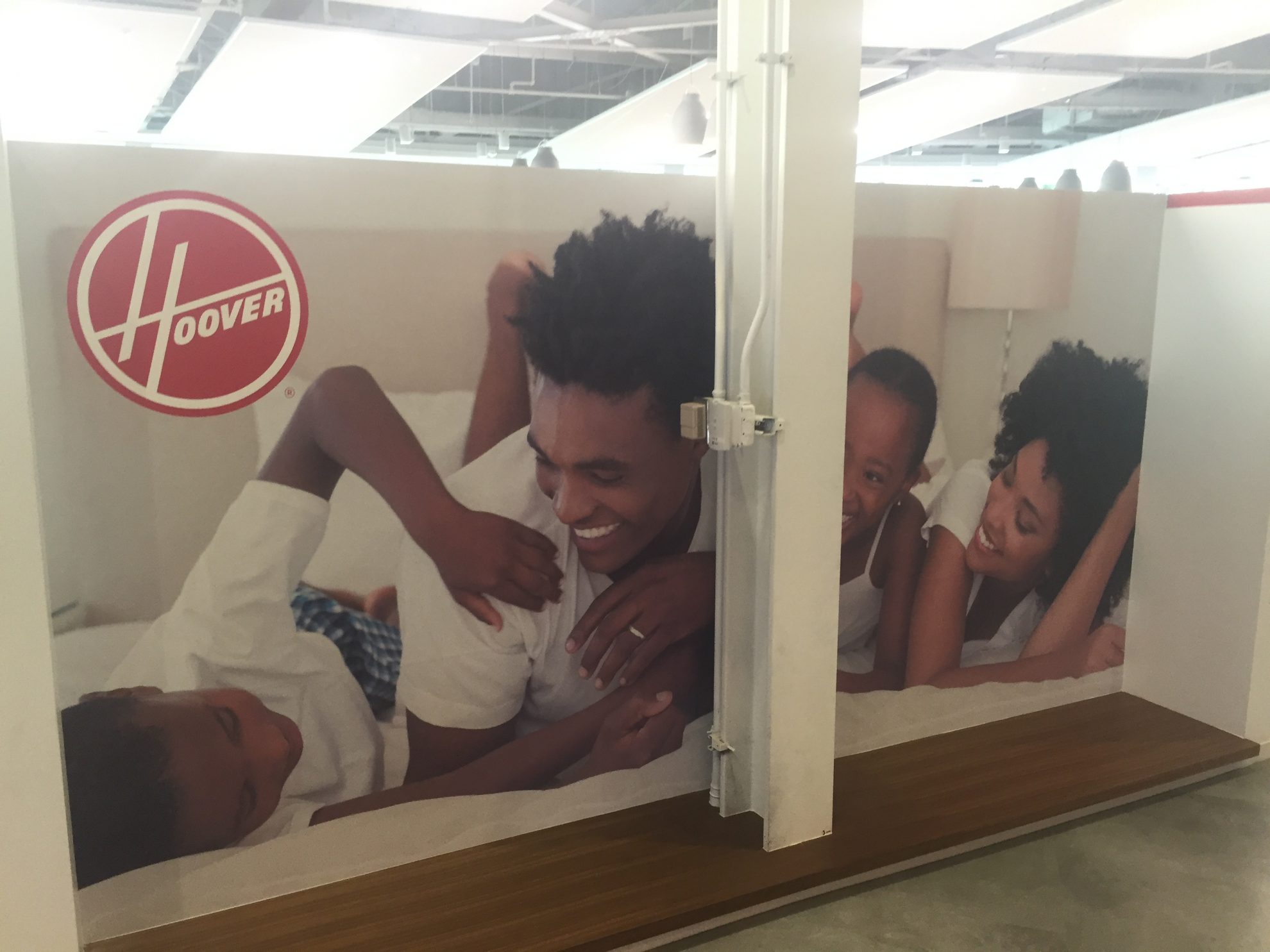
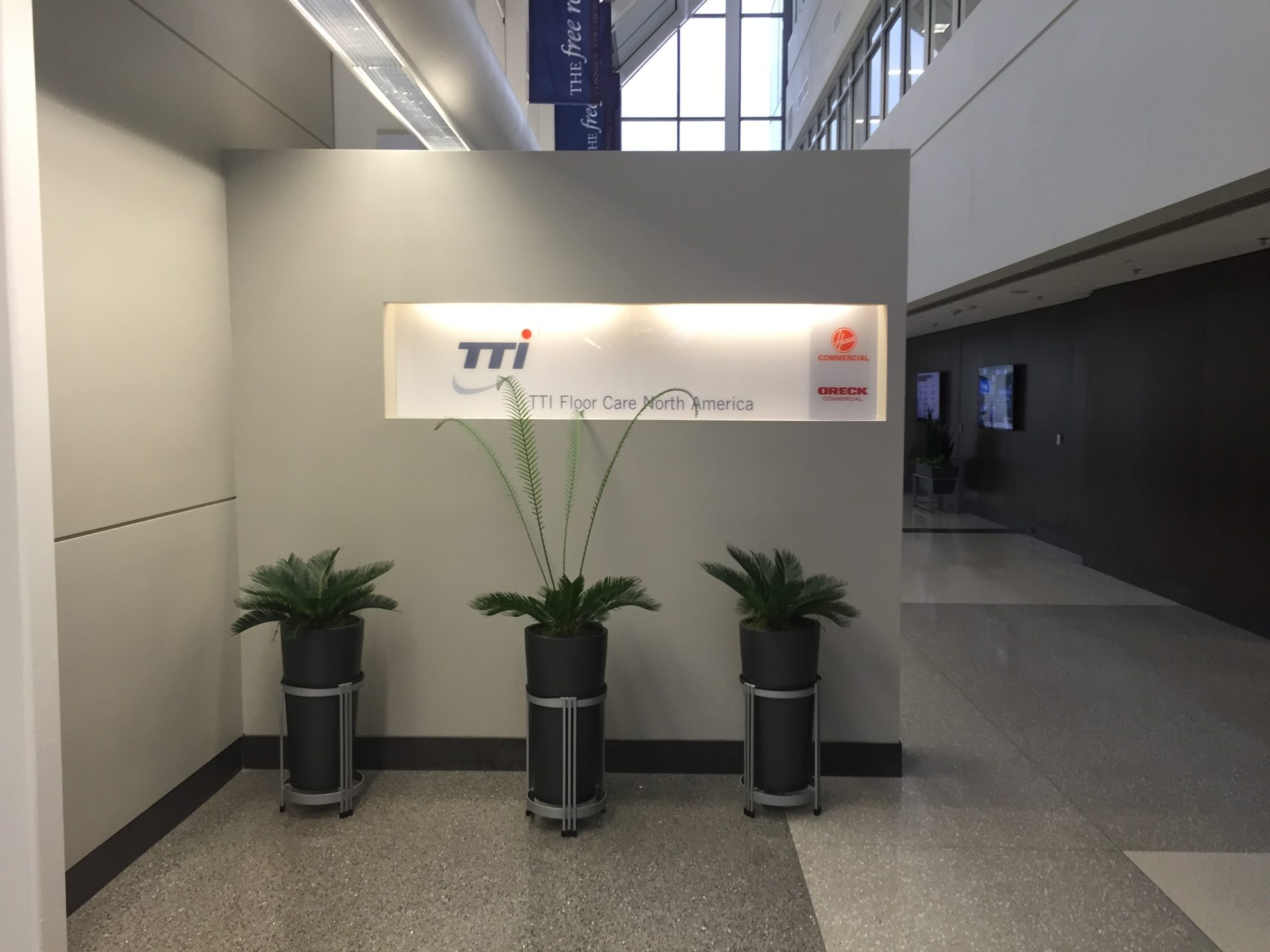
Heritage Signs & Displays collaborated with TTI Floor Care North America to enhance their corporate office. The project included custom frosted vinyl graphics, acrylic signs, dimensional lettering, and LED backlit signs, showcasing the brands Dirt Devil, Hoover, and Oreck. The signage improved office branding, privacy, and aesthetics. Heritage collaborated closely with TTI, ensuring efficient execution and high-quality results, creating an immersive and professional environment that reflects TTI's brand values.
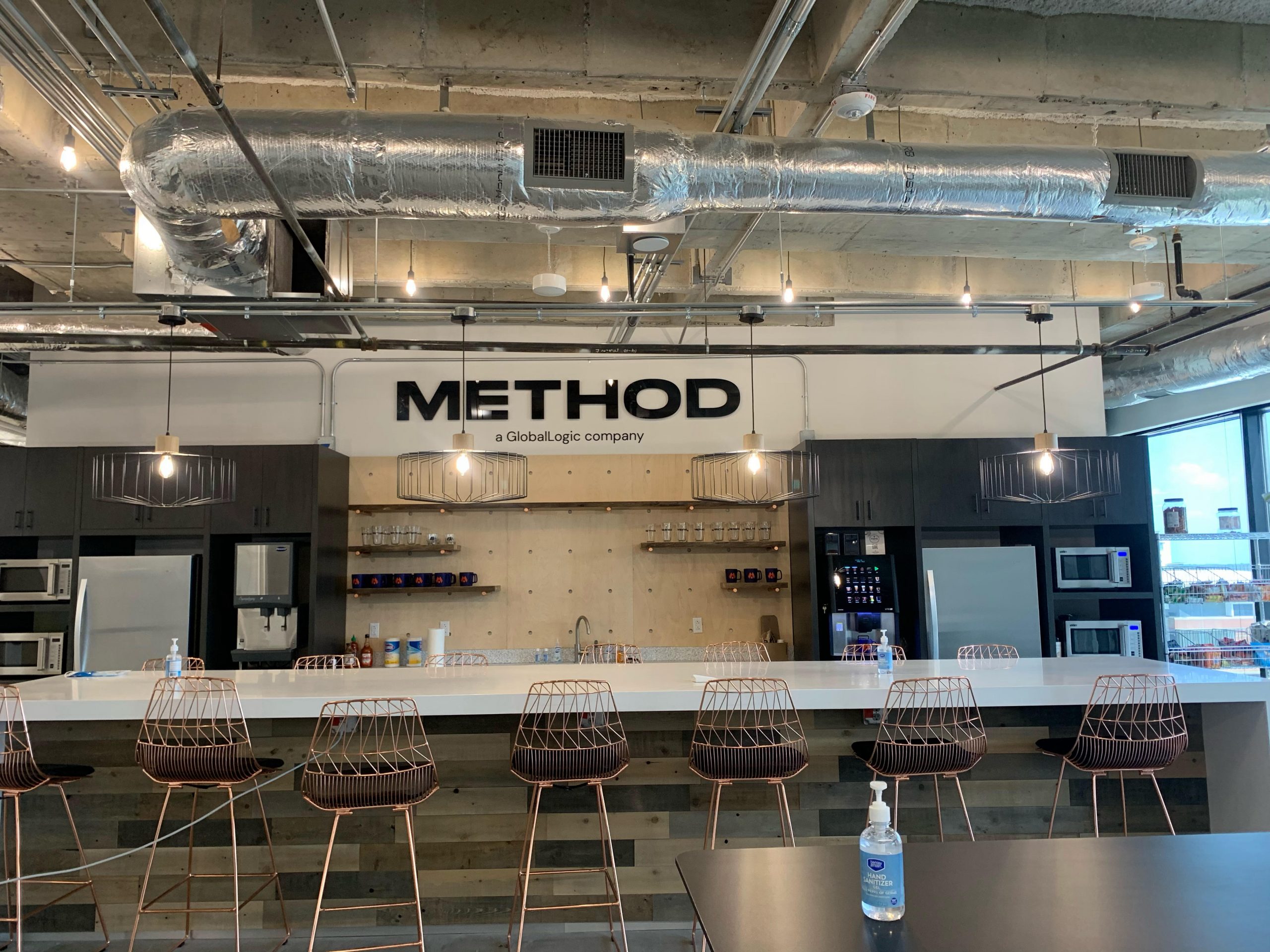
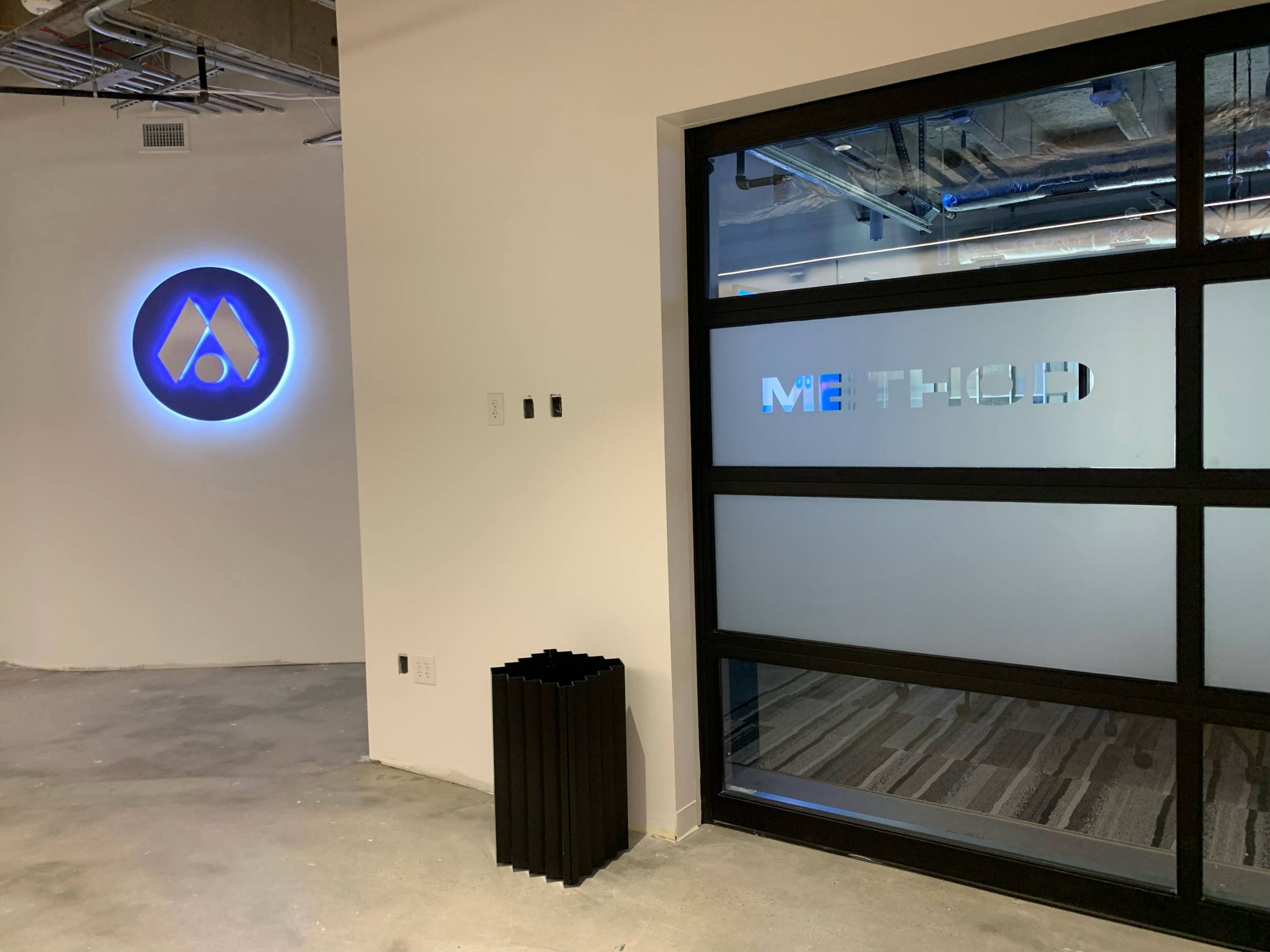
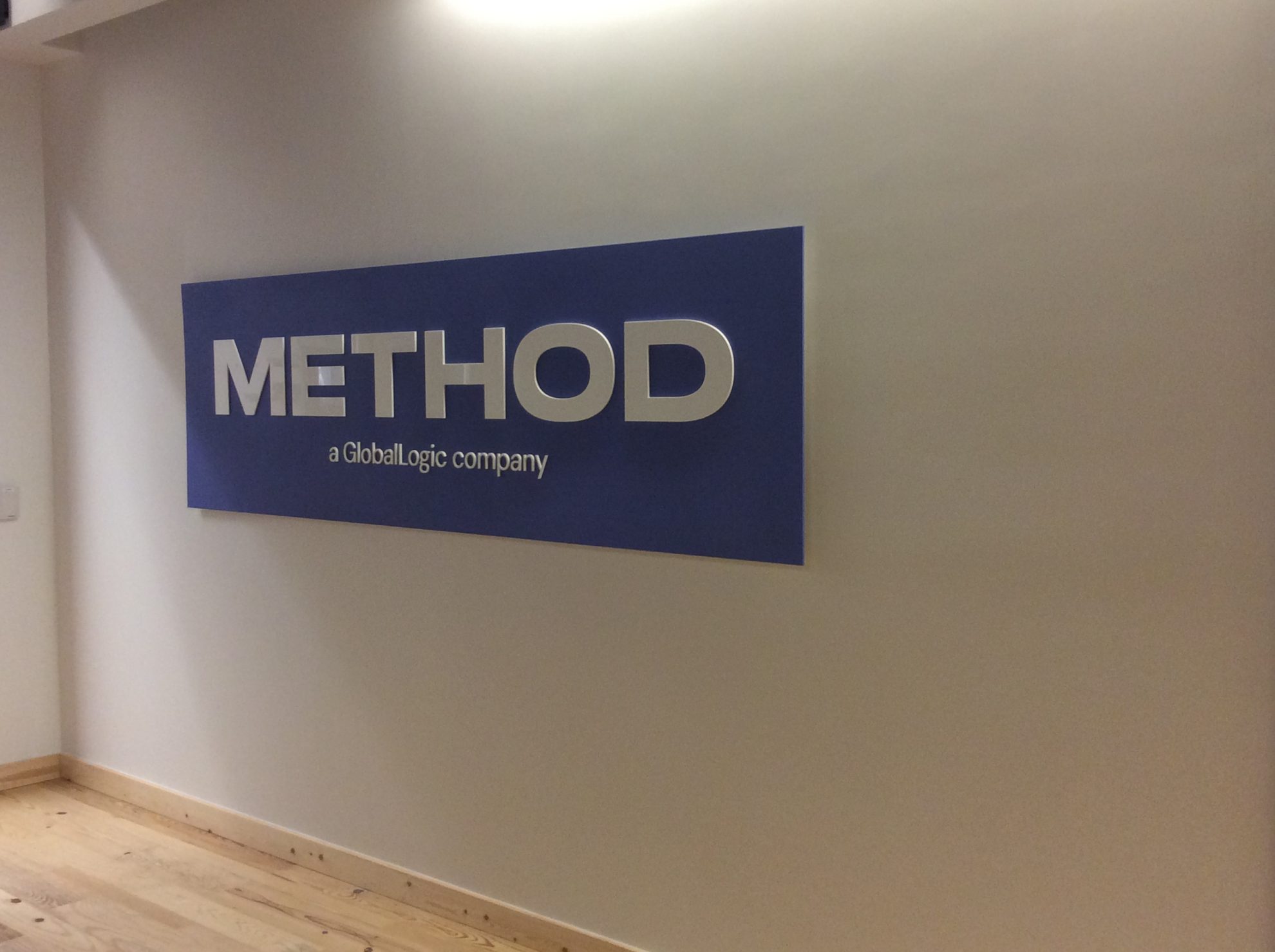
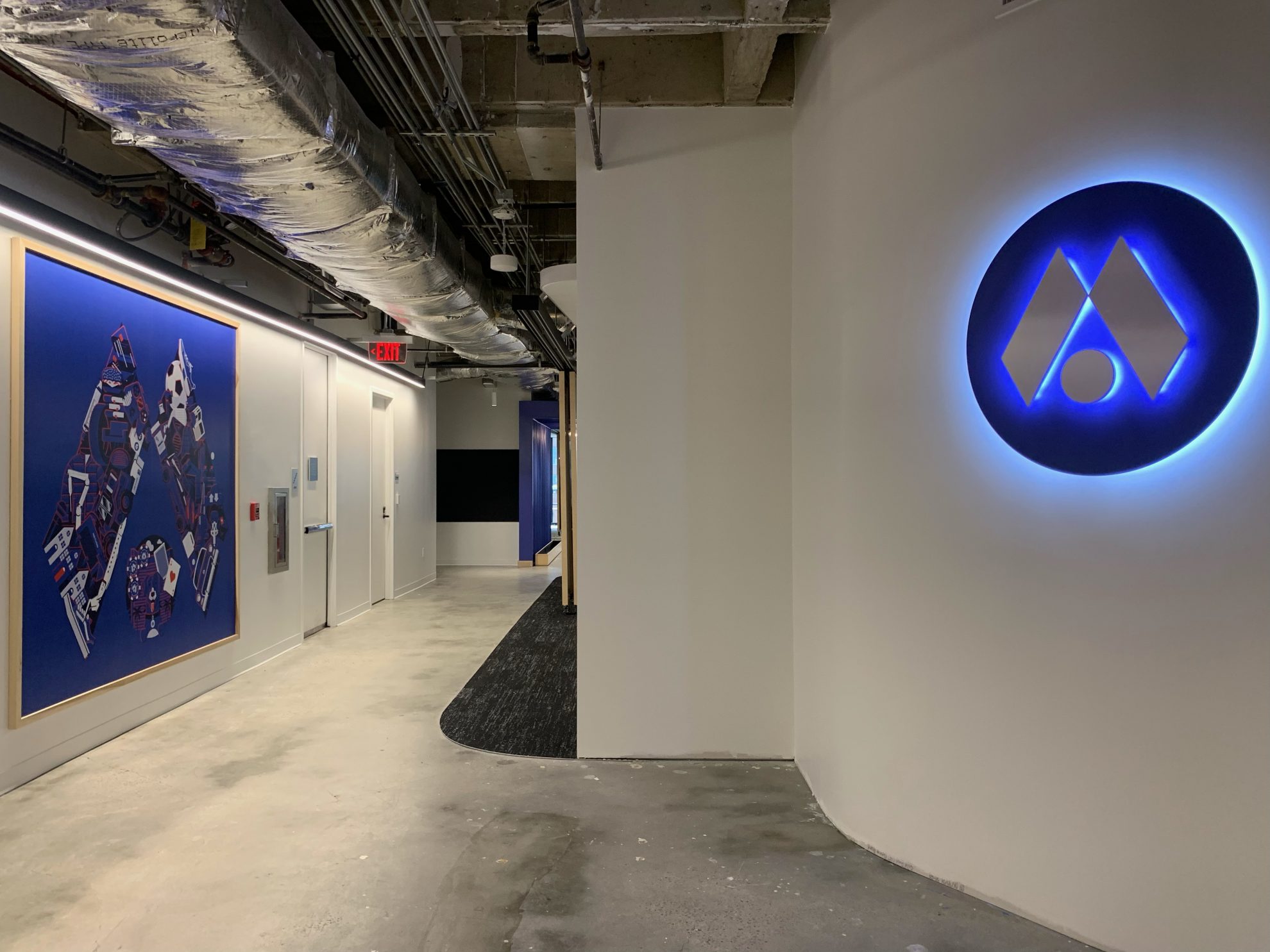
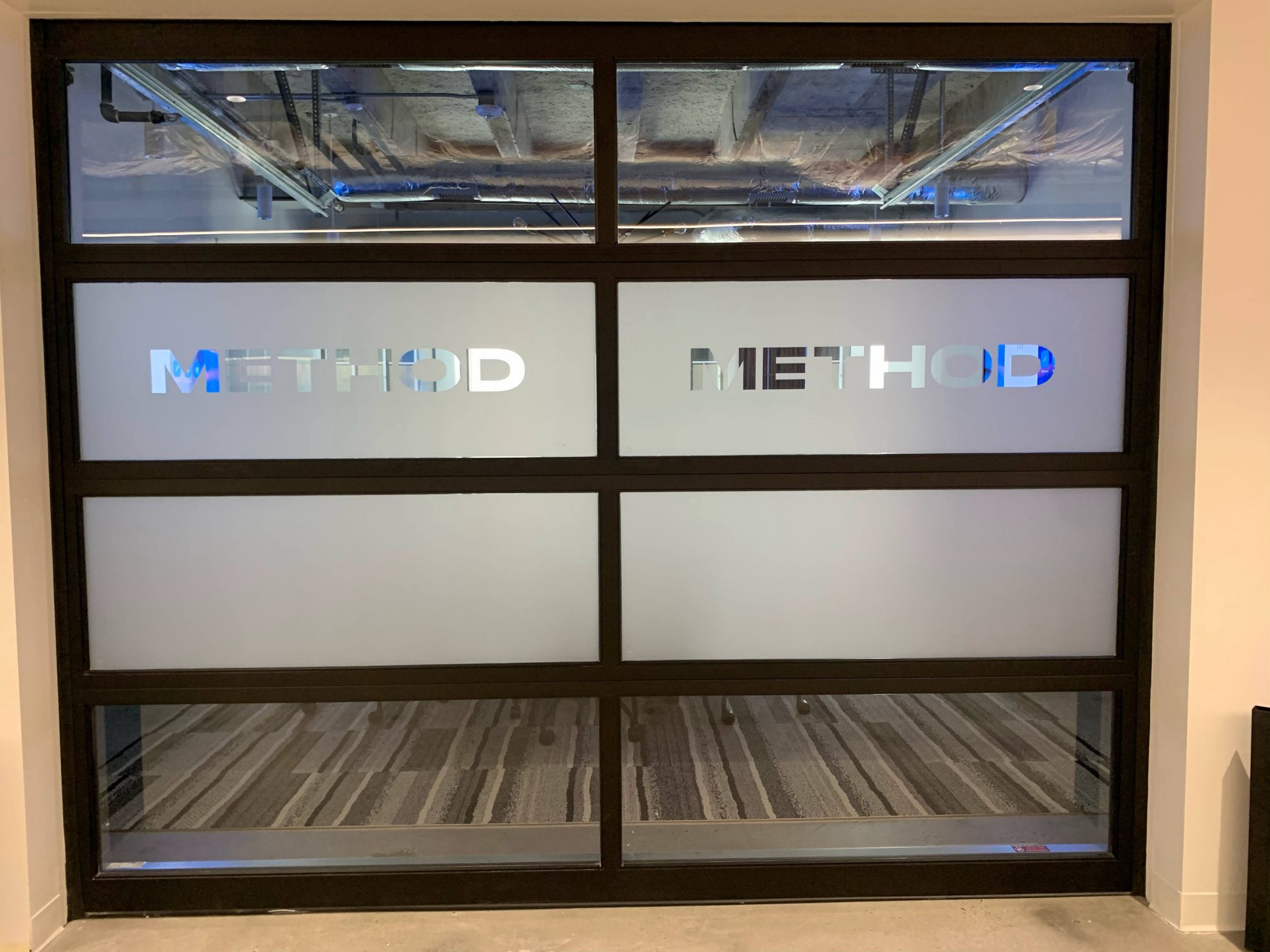
Heritage Signs & Displays' collaboration with Method (formerly Skookum) to rebrand their corporate headquarters. The project included dimensional lettering, wall displays, LED-lit signage, wall wraps, and frosted vinyl, creating an immersive and branded environment. Heritage worked closely with Method's team, ensuring accurate execution and timely delivery. The transformation was completed in August 2021, with Method's employees moving into the revamped space in September. The project reflects Heritage's commitment to quality and collaboration.