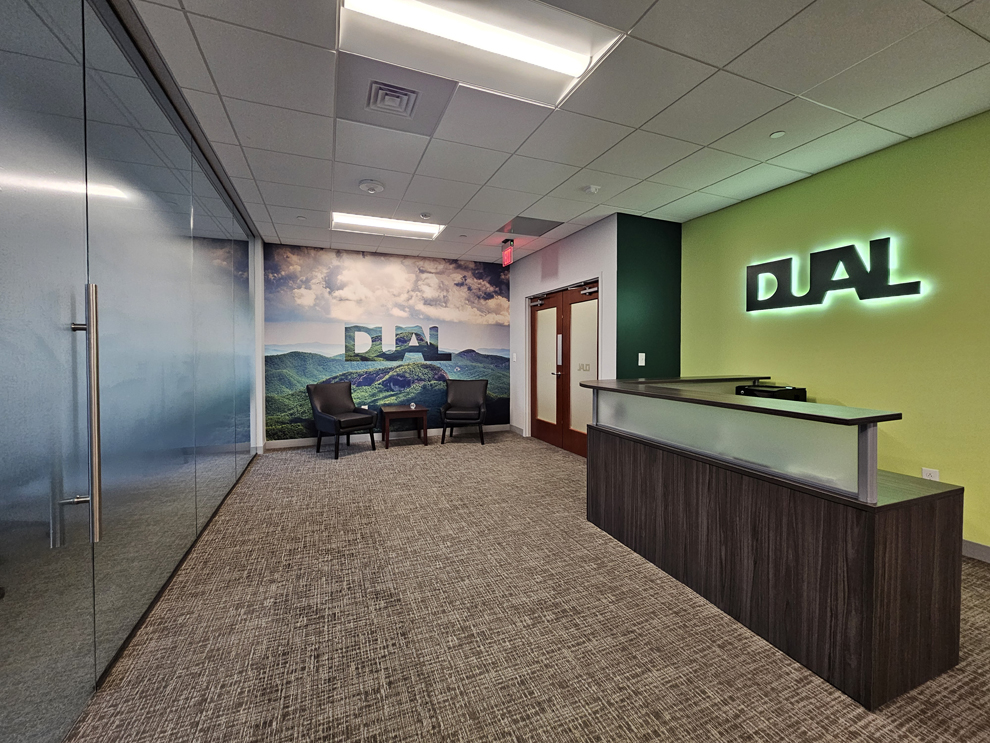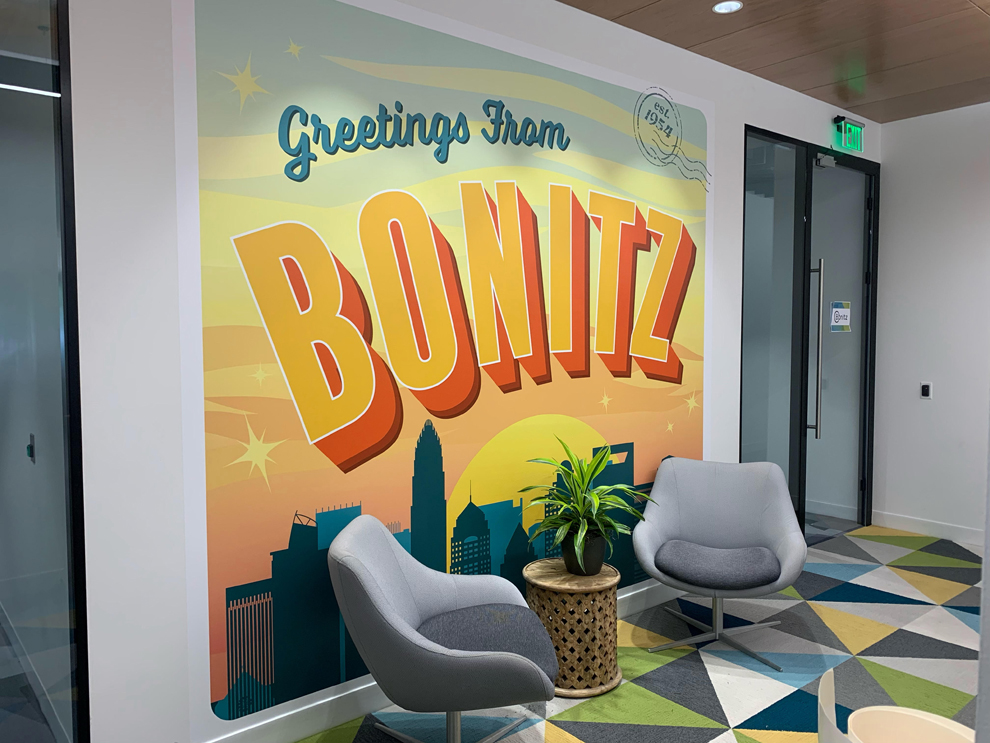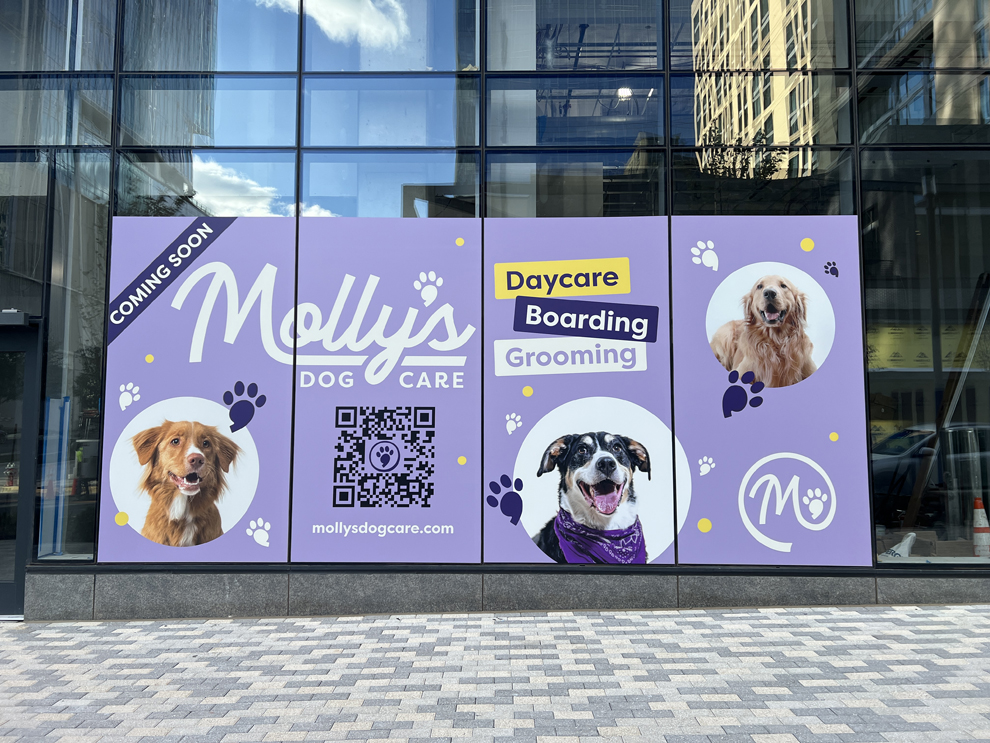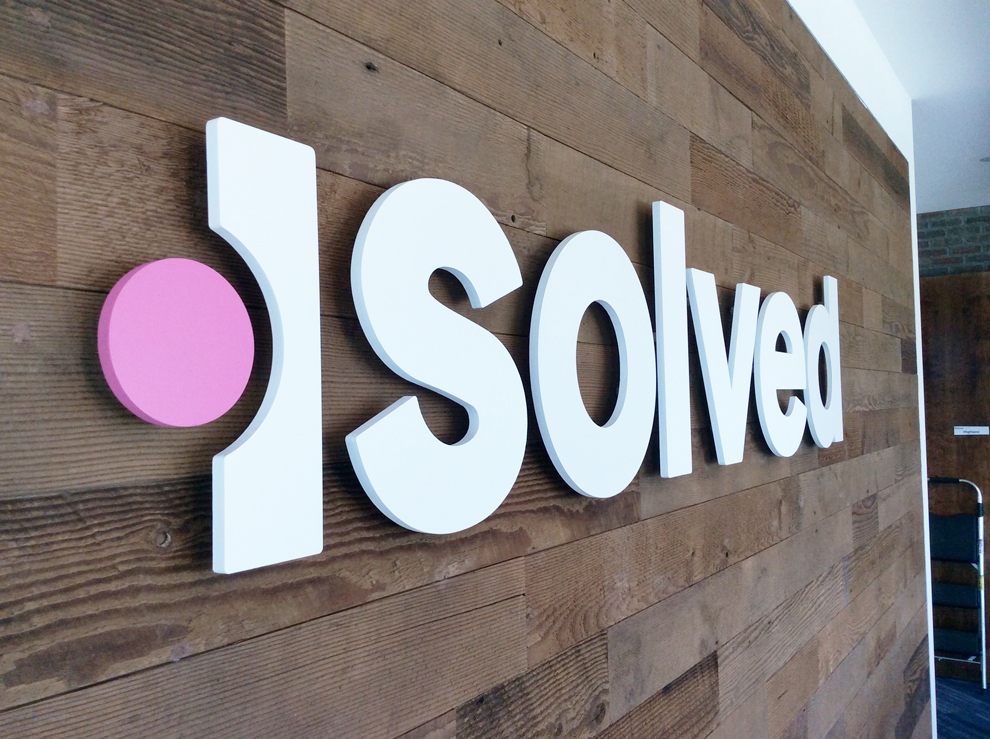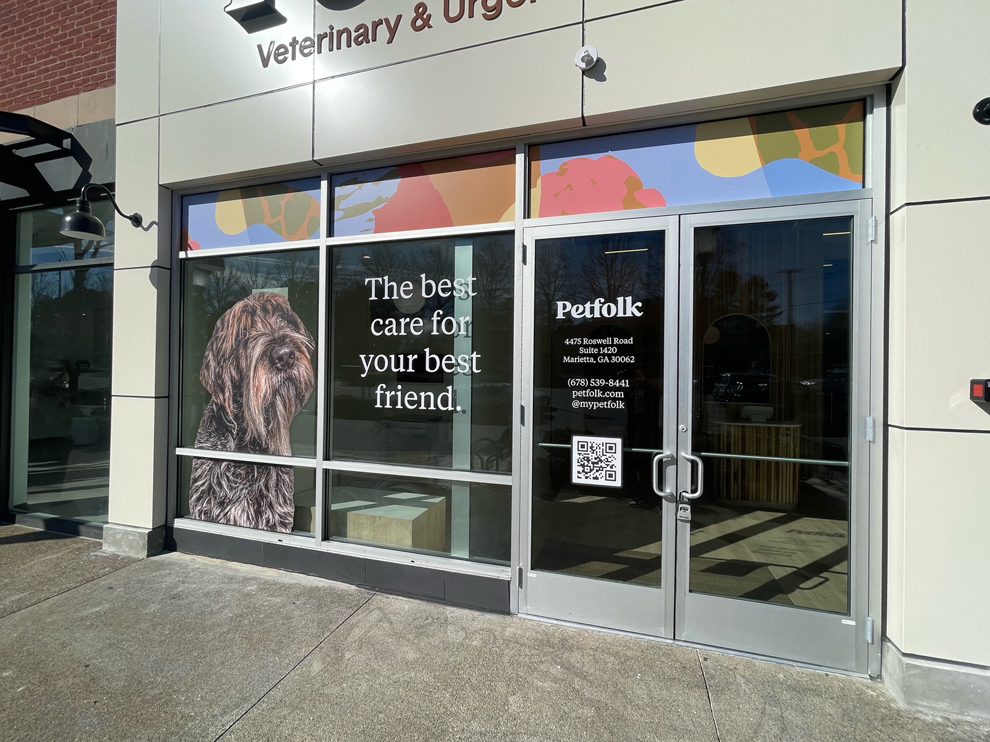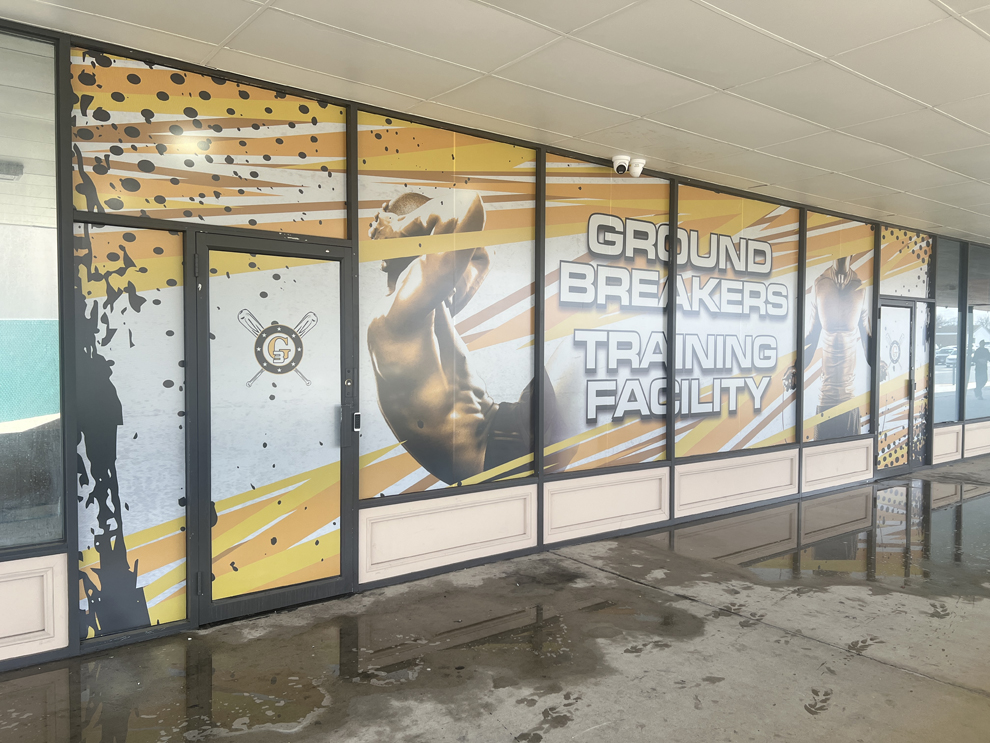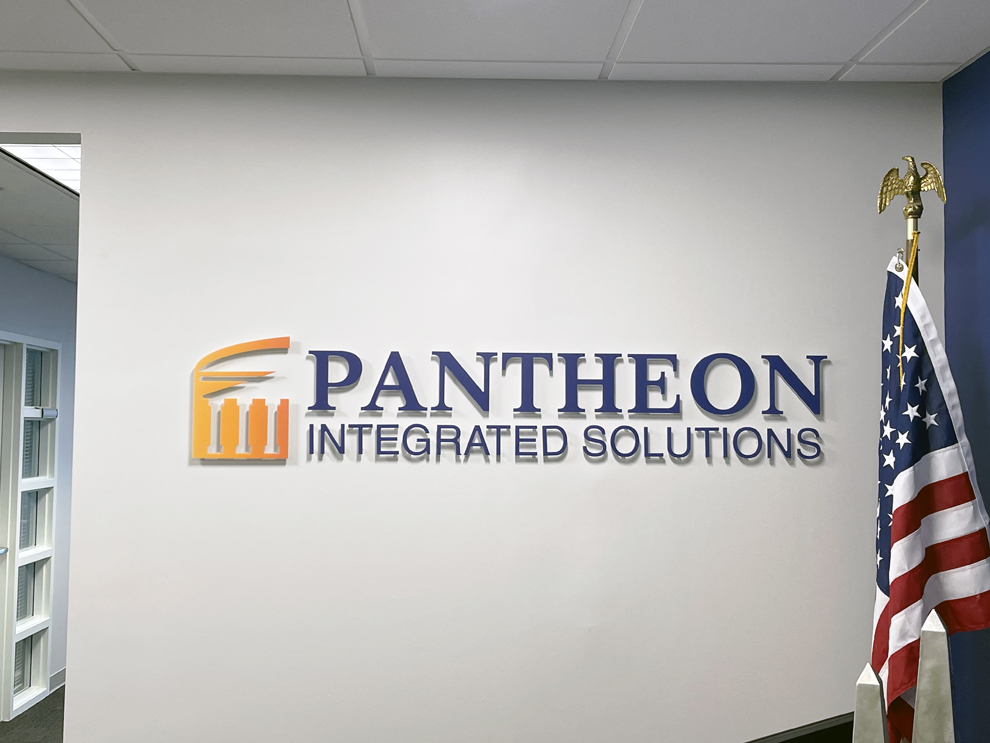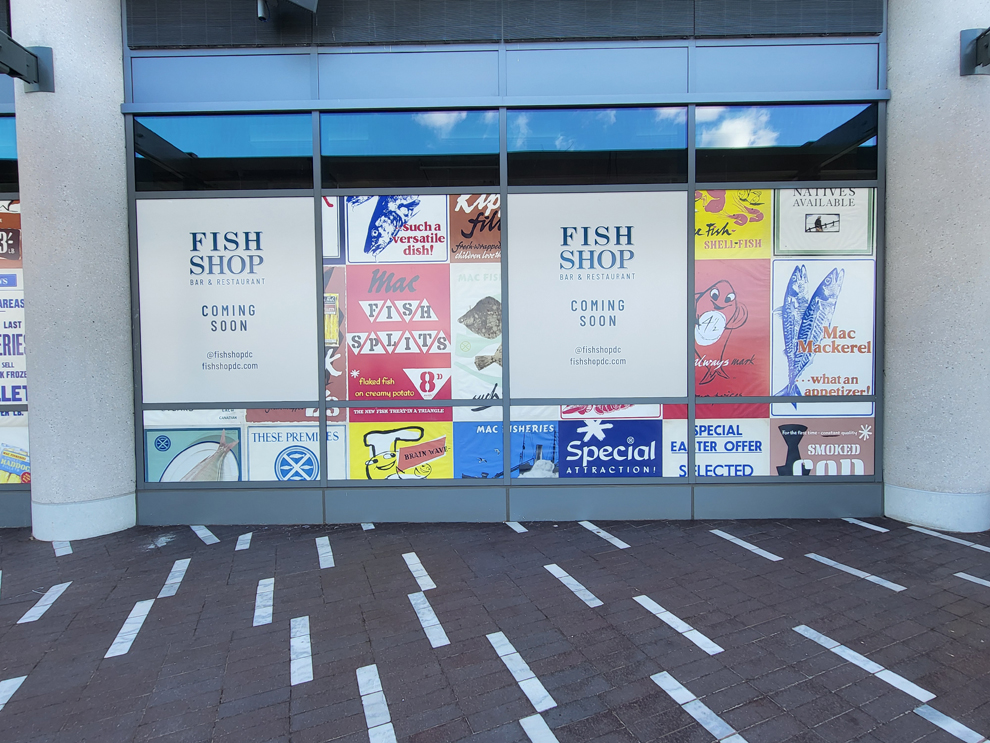
People approaching your entrance should recognize the organization and feel confident about where they are going. Storefront Graphics can establish that recognition through carefully planned window graphics, glass door lettering, privacy treatments, and selected visual elements near the threshold. The entrance does not need to carry every brand message. It should provide a clear introduction to the workplace, lobby, showroom, healthcare facility, educational setting, or commercial interior that follows.
The strongest storefront programs treat entrance glass and the surrounding interior as connected parts of one environment. Graphics may identify the organization, make clear glass more noticeable, manage direct sightlines, or preserve useful daylight and views. Beyond the entrance, a lobby sign, wall display, dimensional feature, or environmental graphic can communicate the brand in greater depth. This progression gives each element an appropriate role rather than placing too much information on the door or windows.
Heritage Signs & Displays begins with discovery and the result the client wants to achieve. Environmental graphic design then translates those objectives into a practical visual direction shaped by the architecture, audience, brand standards, privacy requirements, and site conditions. One dedicated Project Manager keeps the work connected through design, production, fabrication, and professional installation. Approved decisions, field information, material requirements, schedules, and installation planning remain within one shared project history. This continuity creates one accountable Heritage relationship and helps questions get resolved before they become field problems.
Heritage began in 1977 as a commercial printing company. Signs, interior graphics, workplace branding, and event environment solutions became a defining focus beginning in 2009. Heritage is an award-winning, veteran-owned, family-led company approaching its 50th anniversary. That experience supports a disciplined process in which the design must suit the space, the material must suit the application, and the installation plan must reflect actual access and field conditions. Heritage seeks to honor God by serving clients and communities with excellence through clear communication, thoughtful stewardship, and dependable follow-through.
Storefront Graphics serves as Heritage’s principal bridge between appropriate exterior-facing branding and branded commercial interiors. A coordinated project may extend from entrance glass and selected non-illuminated exterior elements into the lobby, workplace, showroom, or customer-facing interior. Heritage provides regional service for Greensboro, NC organizations and can support broader projects throughout the Carolinas and Mid-Atlantic. Each accepted project is planned around its own property, stakeholders, schedule, approvals, and operating requirements rather than a standardized physical solution.
A commercial entrance should answer the visitor’s immediate questions before the interior develops the broader message. Identification may belong on the door or adjacent glass, while privacy graphics can reduce selected sightlines without unnecessarily blocking natural light. The level of coverage should reflect the space rather than following a fixed storefront formula.
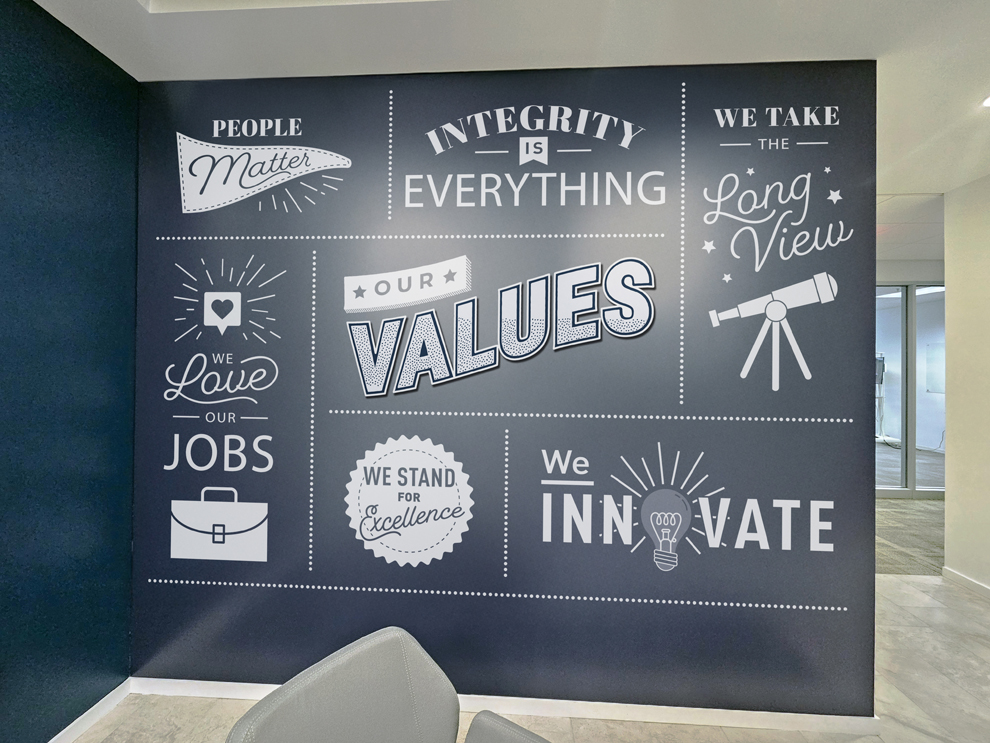
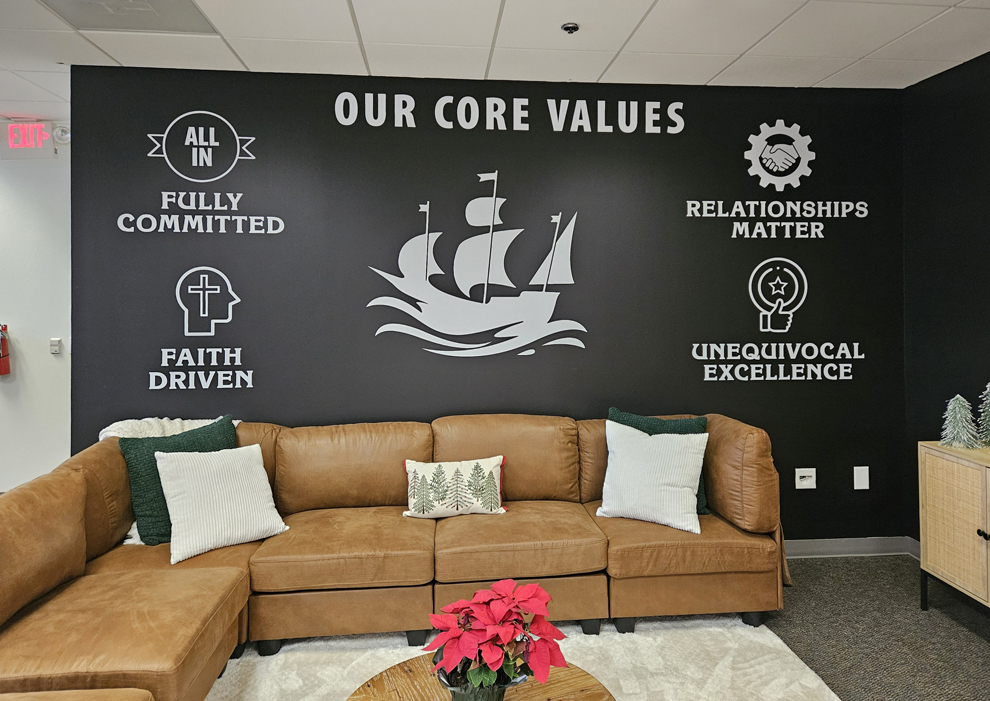
Once inside, the visual emphasis can shift. A lobby sign may become the primary focal point, while wall graphics, dimensional letters, and displays communicate culture, history, recognition, core values, or a formal mission statement. This gives the organization room to present important information at the point where people can engage with it.
Planning the door, windows, lobby, and interior walls as one experience helps prevent conflicting materials, crowded messages, and inconsistent visual priorities. Heritage helps determine what belongs at the entrance, what should remain visible through the glass, and what deserves a more substantial presentation inside. Storefront graphics remain the introduction, while the interior provides the appropriate setting for deeper workplace branding.
Storefront projects involve more than artwork and material selection. The client may need to coordinate brand stakeholders, property representatives, professional partners, access requirements, schedules, and multiple interior applications. Heritage’s One Dedicated Project Manager System gives the client one consistent relationship for managing those decisions from discovery through completion.
The Project Manager connects environmental graphic design with production, fabrication, and Heritage’s full-time professional installers. This structure preserves project knowledge, reduces unnecessary handoffs, and helps each team work from the same approved design intent and field information. Heritage can also collaborate with architects, interior designers, branding agencies, general contractors, property teams, and client stakeholders without separating design decisions from execution.
Heritage is veteran-owned and family-led, with regional resources supporting Greensboro, NC and broader projects throughout the Carolinas and Mid-Atlantic. That connected model is suited to substantial one-time projects, phased improvements, and multi-location programs. The value for the client is measured coordination, clear communication, preserved brand standards, and accountable follow-through from one Heritage relationship.
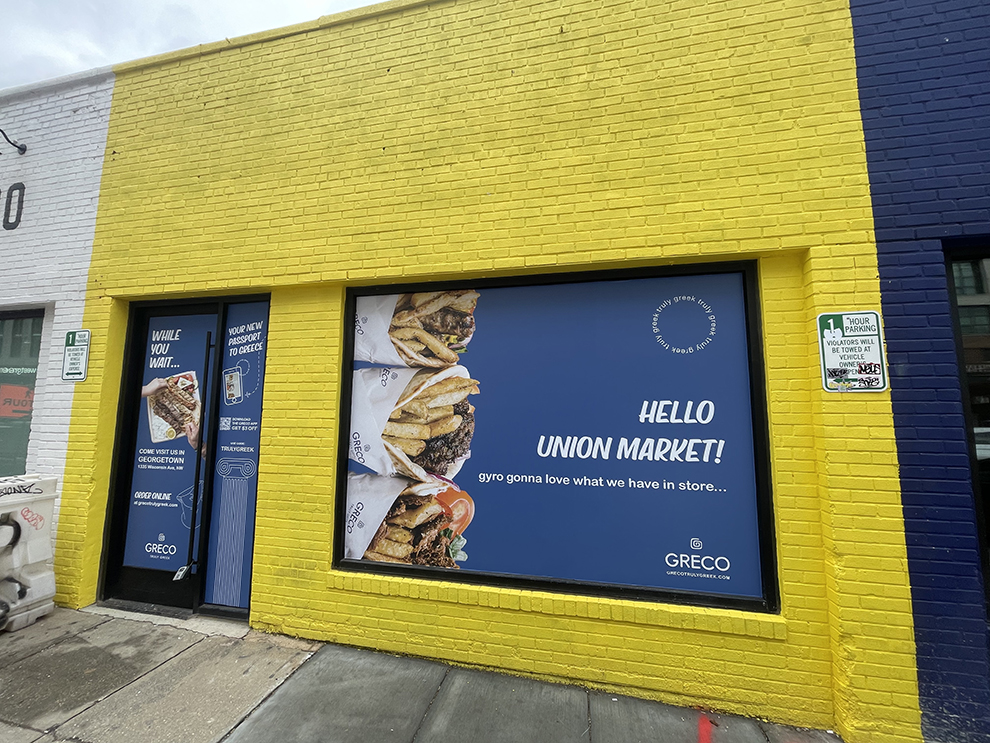
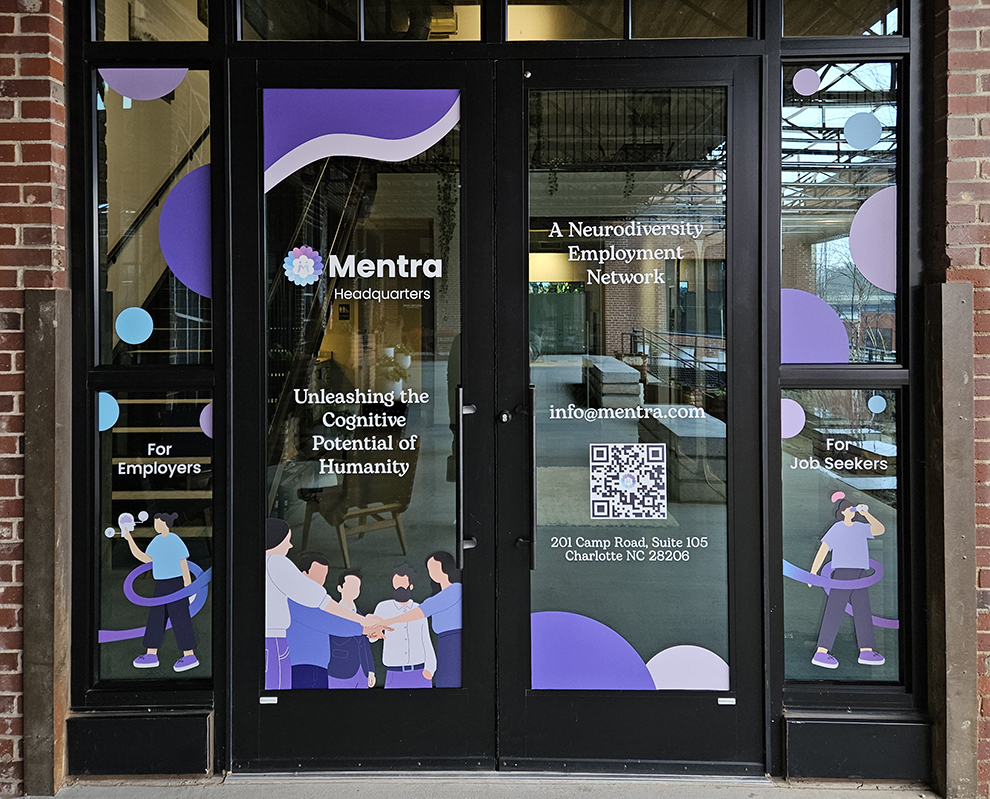
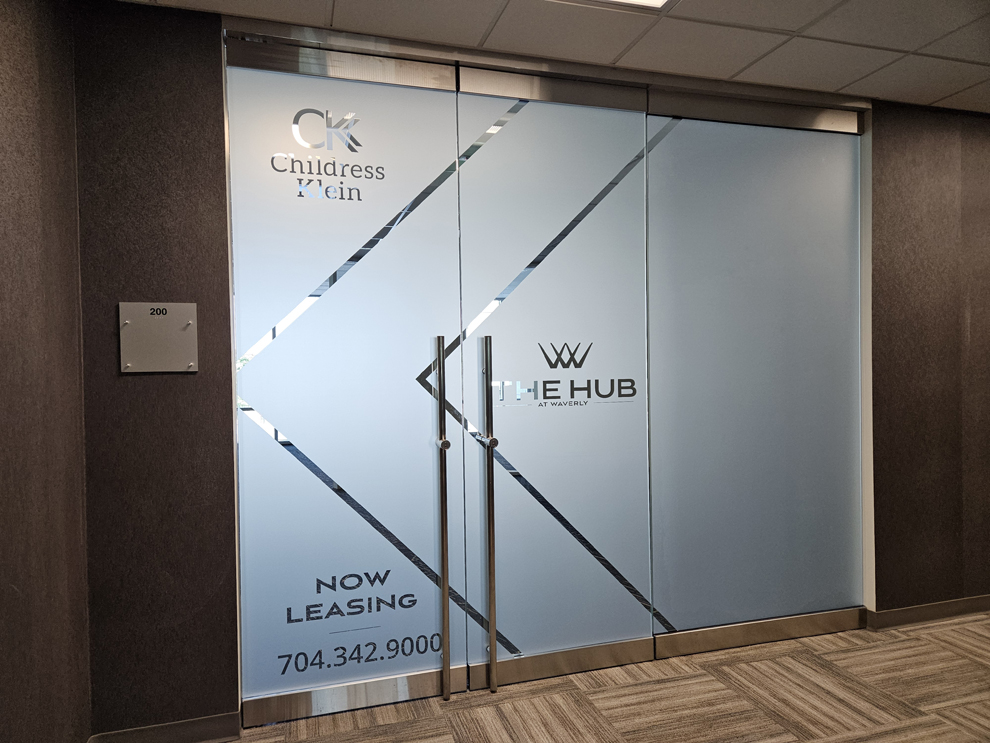
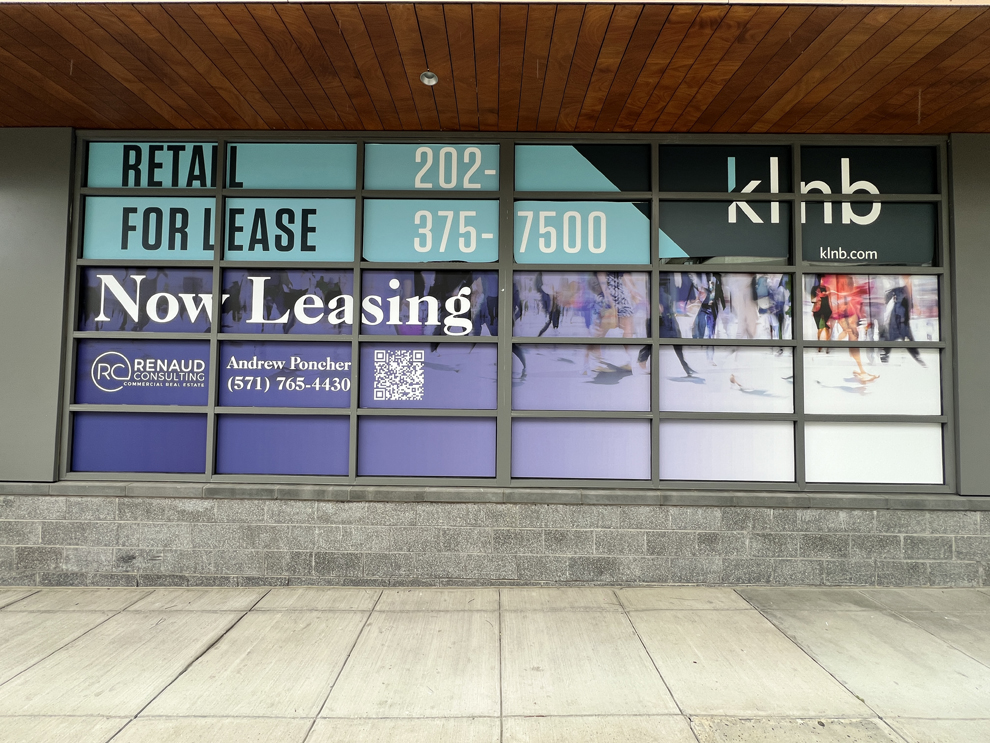
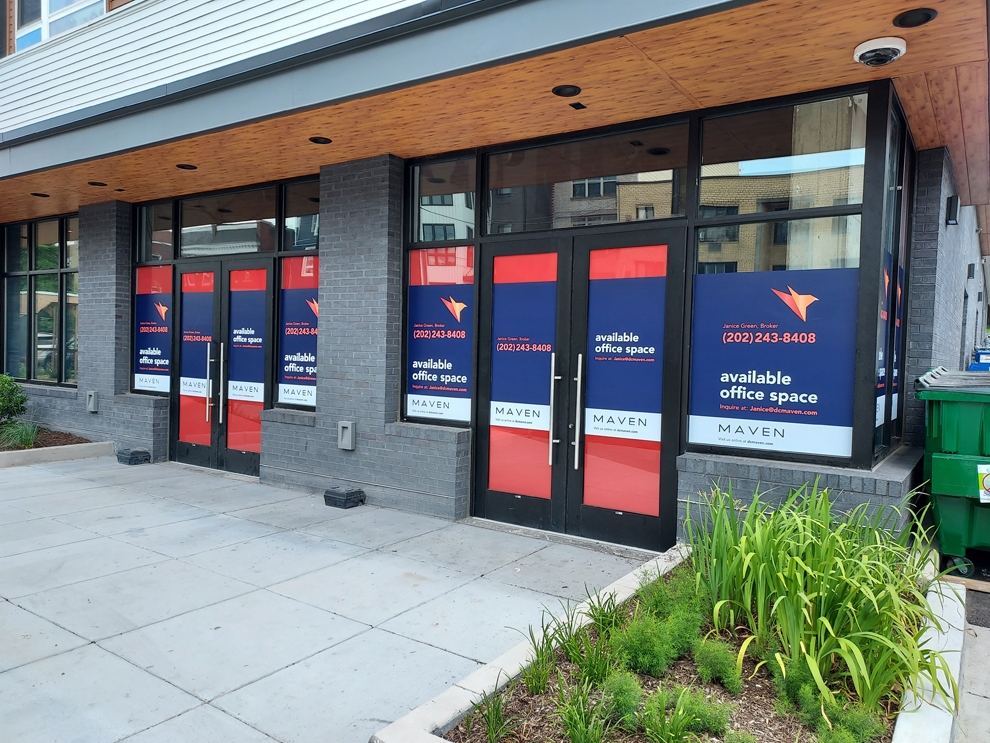
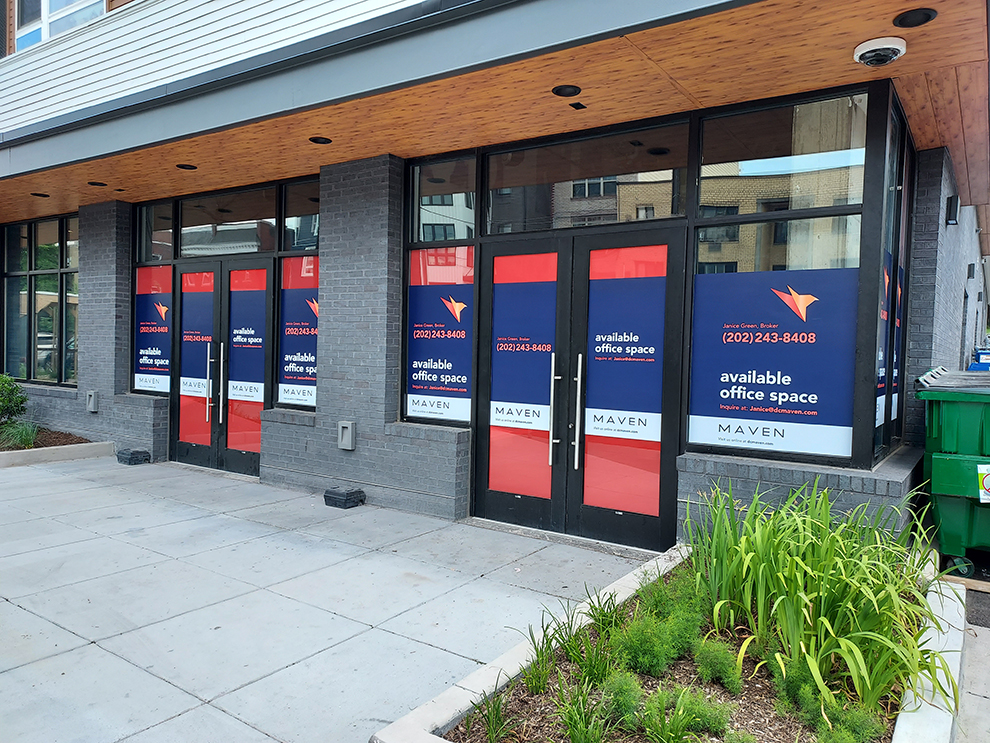
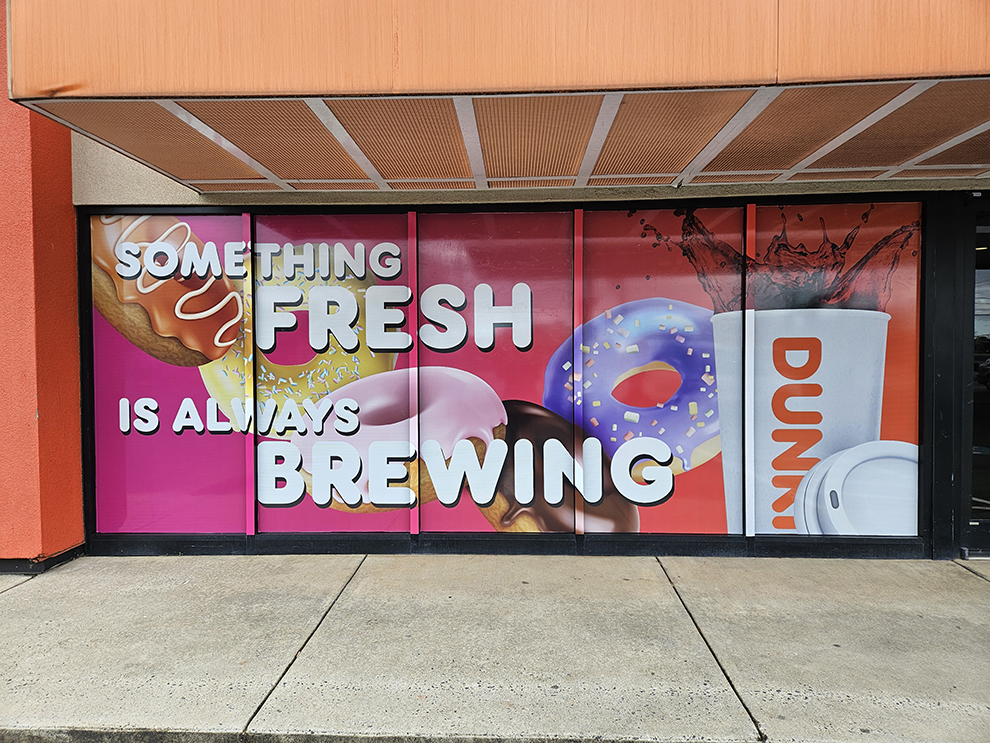
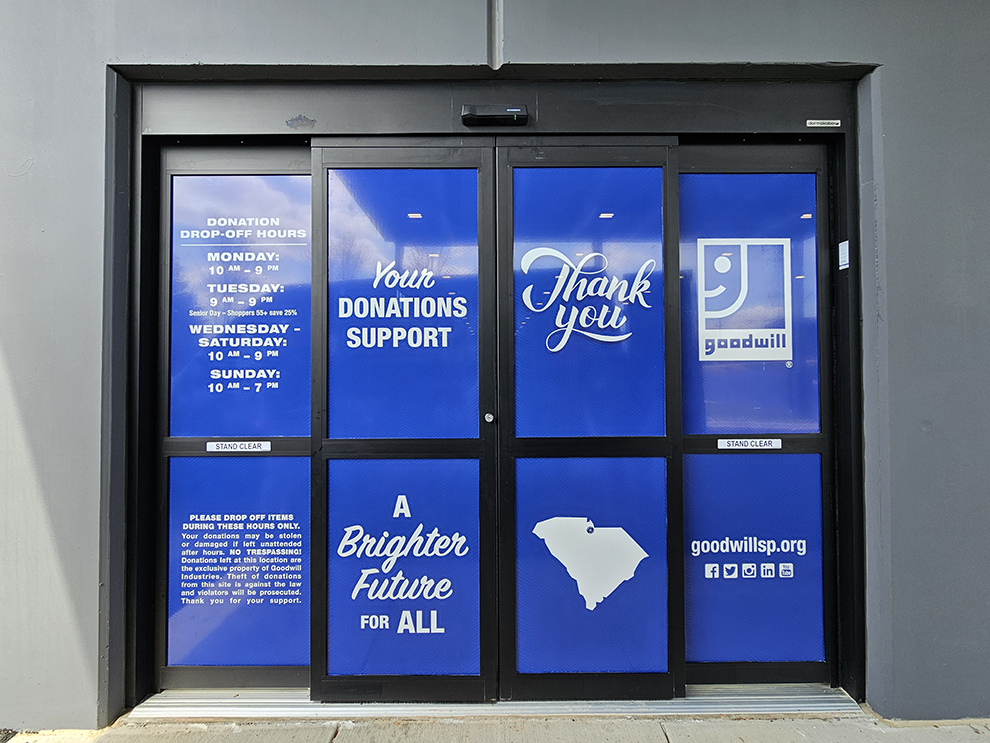
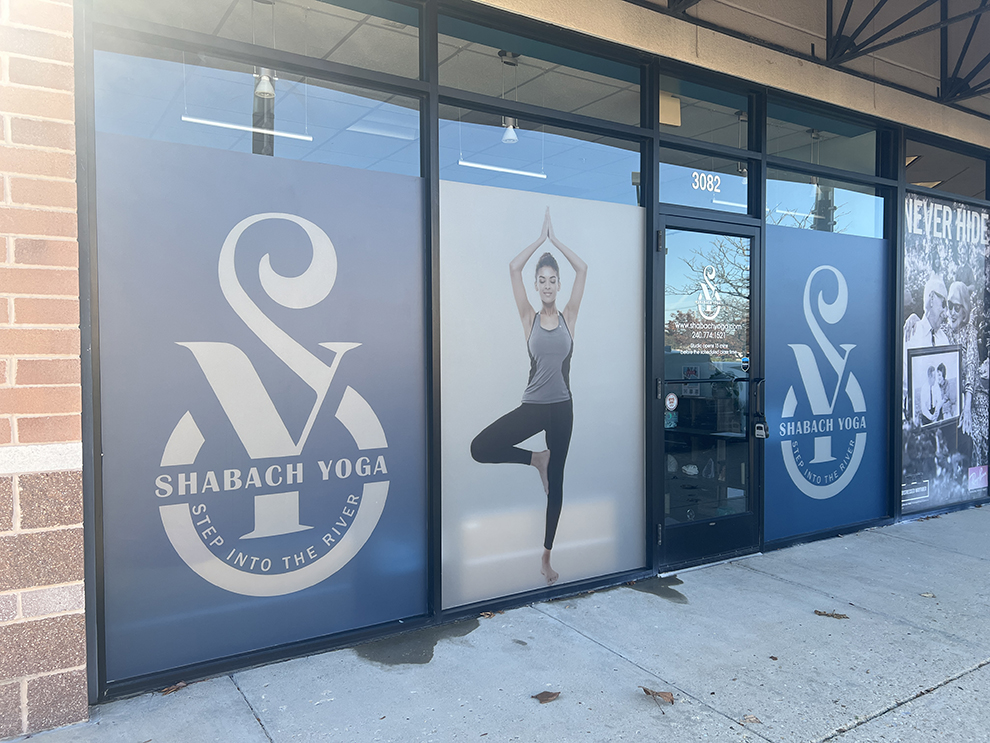
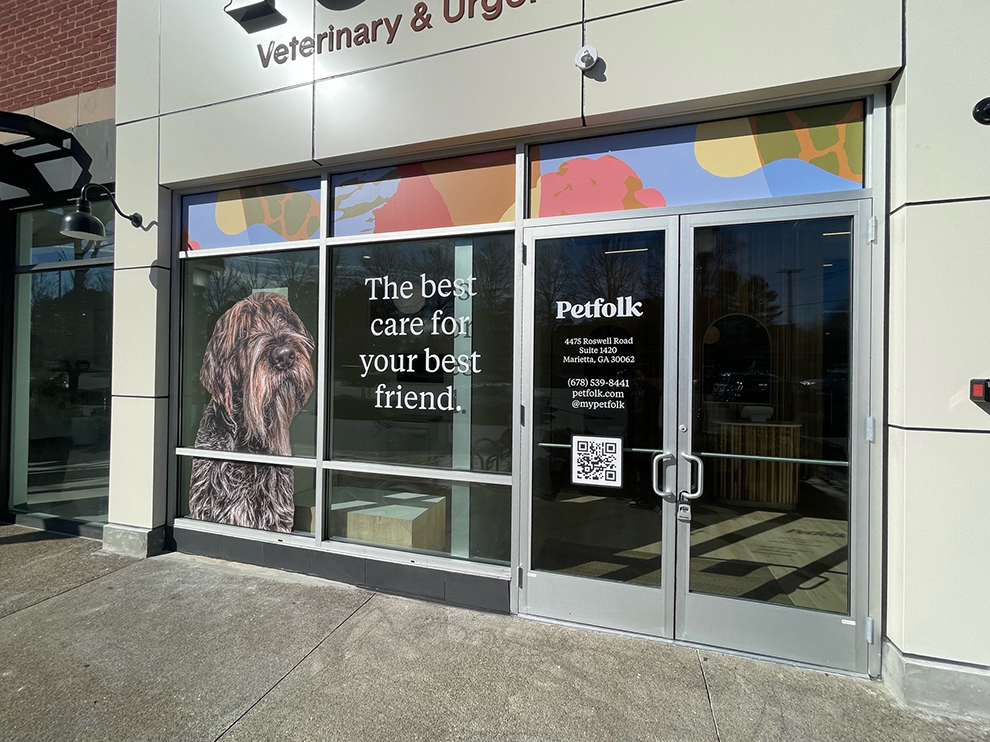
Window and glass graphics establish identity while helping entrance glass perform a practical role. Coverage, opacity, visibility, and placement can be adjusted to preserve selected views and daylight while supporting recognition, privacy, or a more intentional transition into the branded interior.
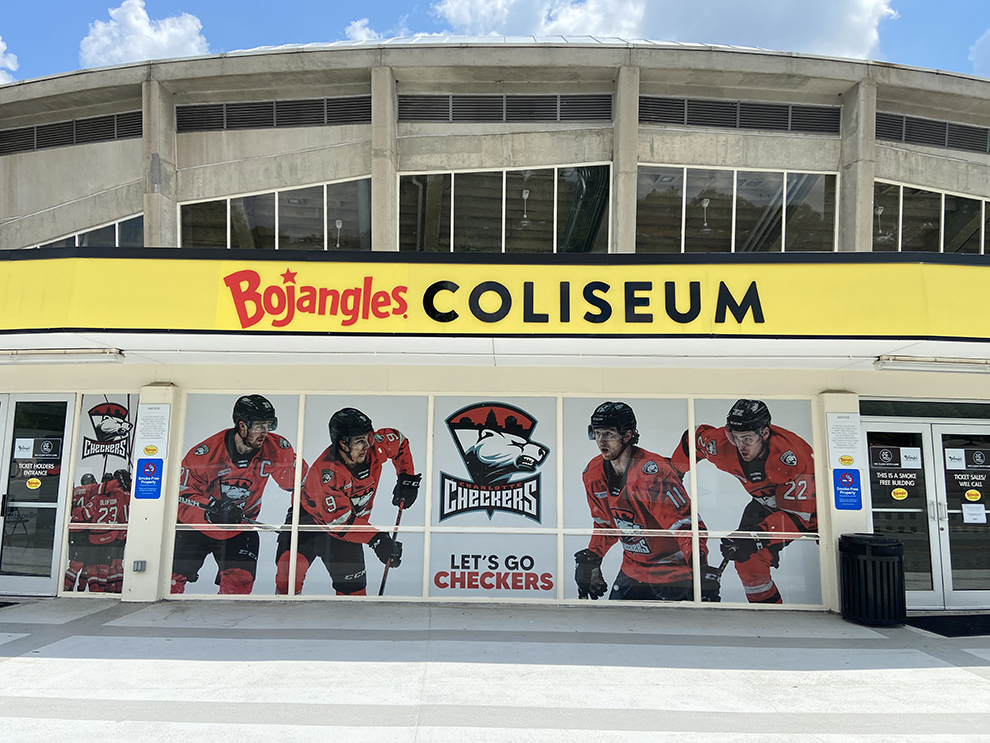
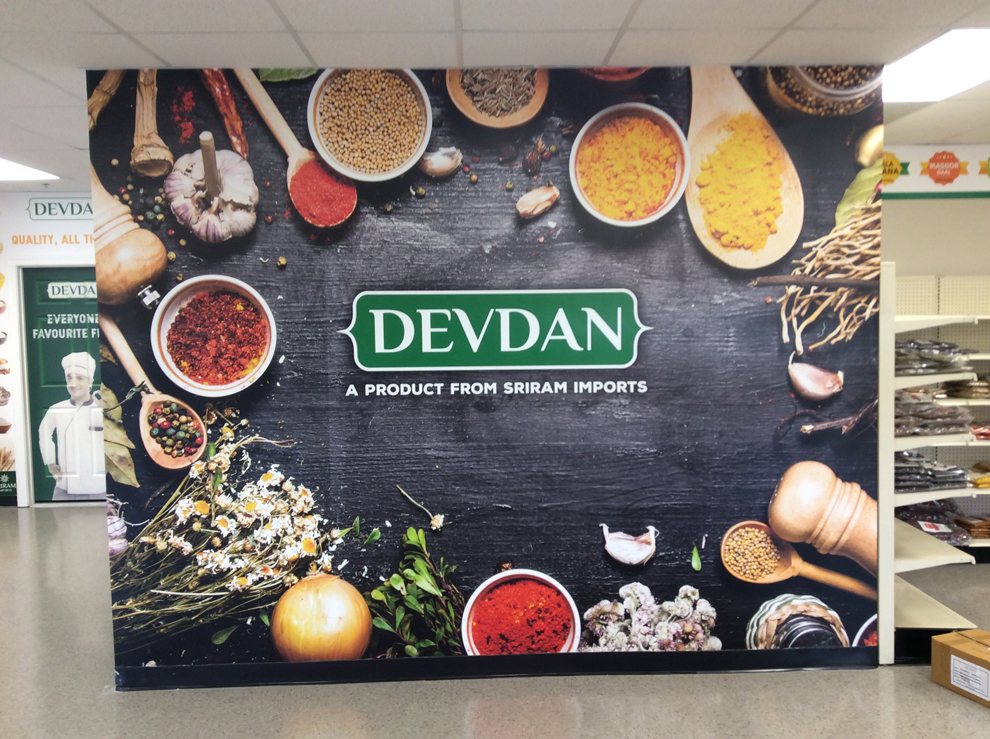
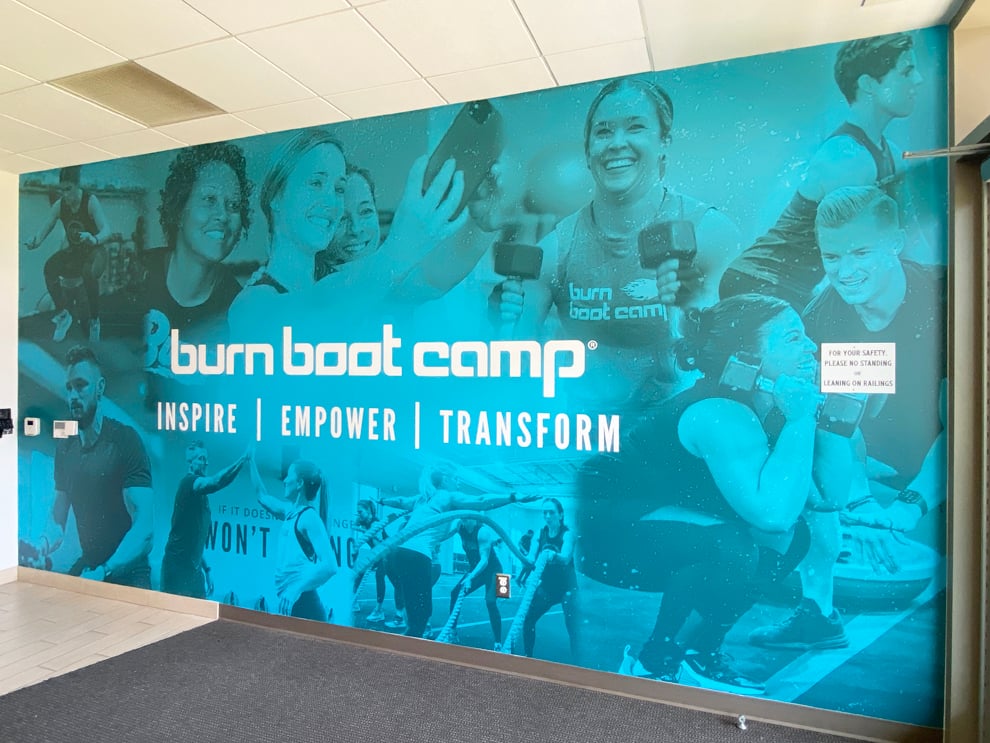
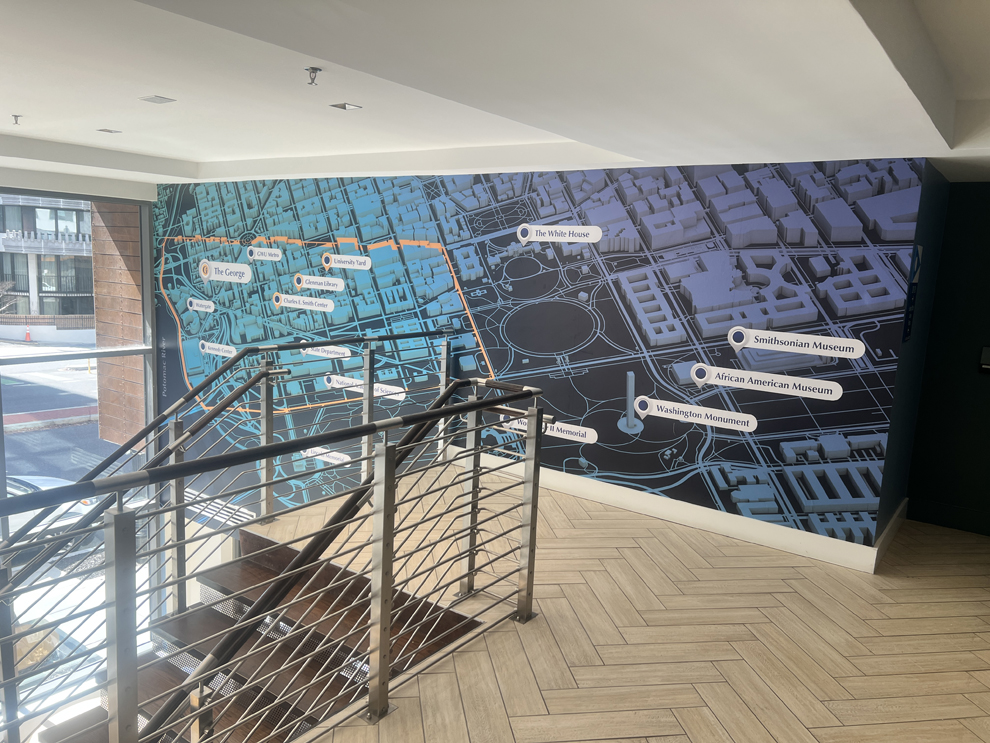
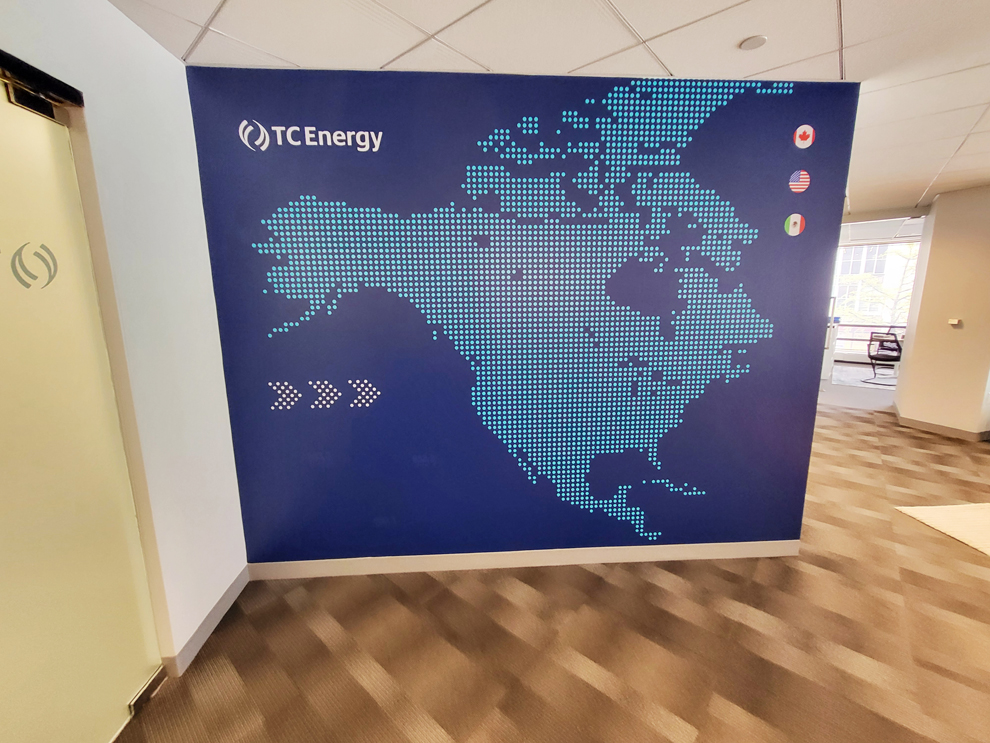
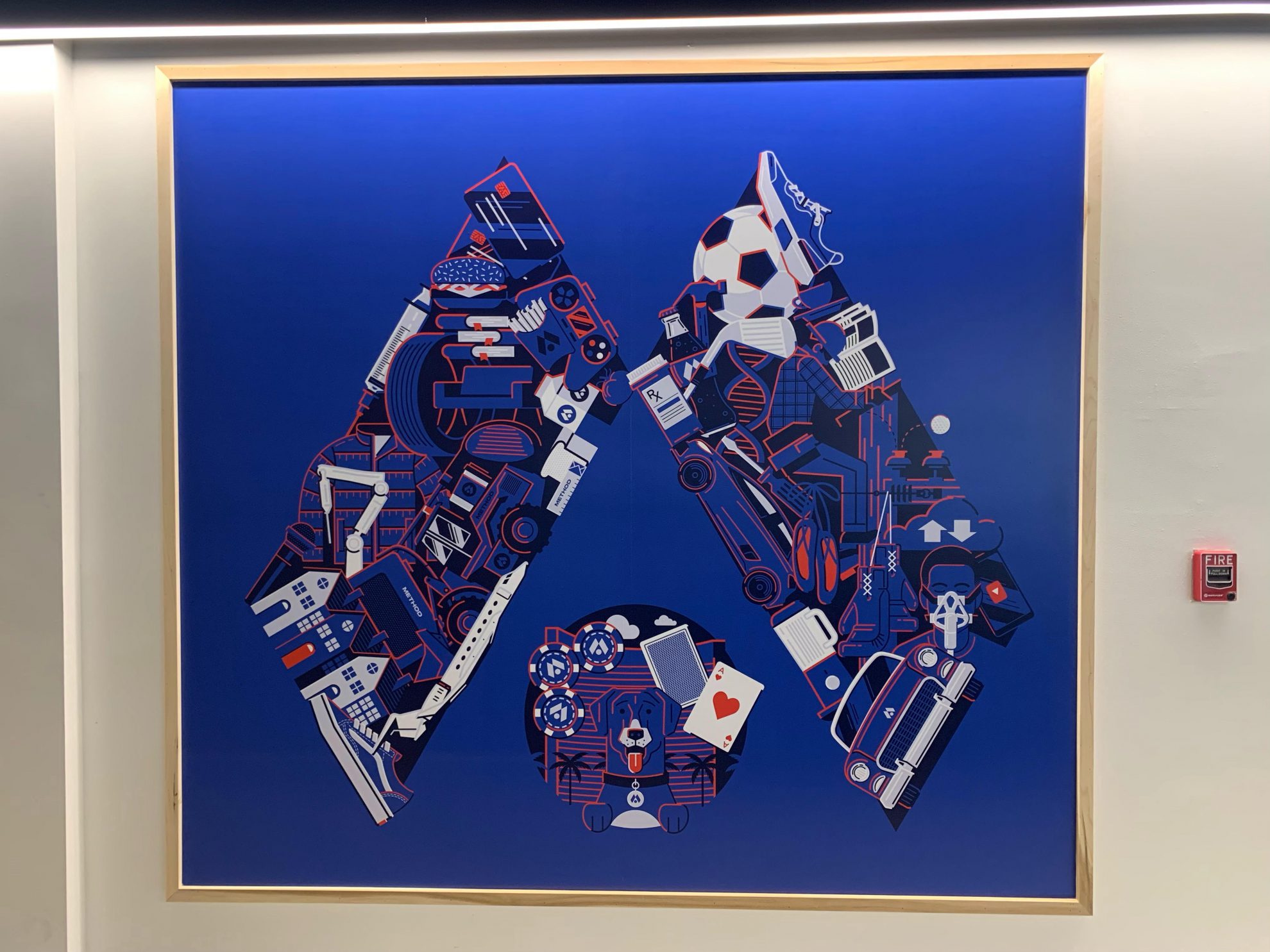
Wall wraps extend color, imagery, and messaging beyond the storefront into larger interior areas. They can continue the entrance identity through reception spaces, corridors, meeting rooms, and shared environments where employees and visitors have more time to engage with the organization.
A lobby sign can become the primary brand destination after storefront graphics introduce the organization. Heritage coordinates its scale, materials, placement, and relationship to nearby graphics so the reception area feels connected to the arrival experience rather than planned as a separate sign purchase.
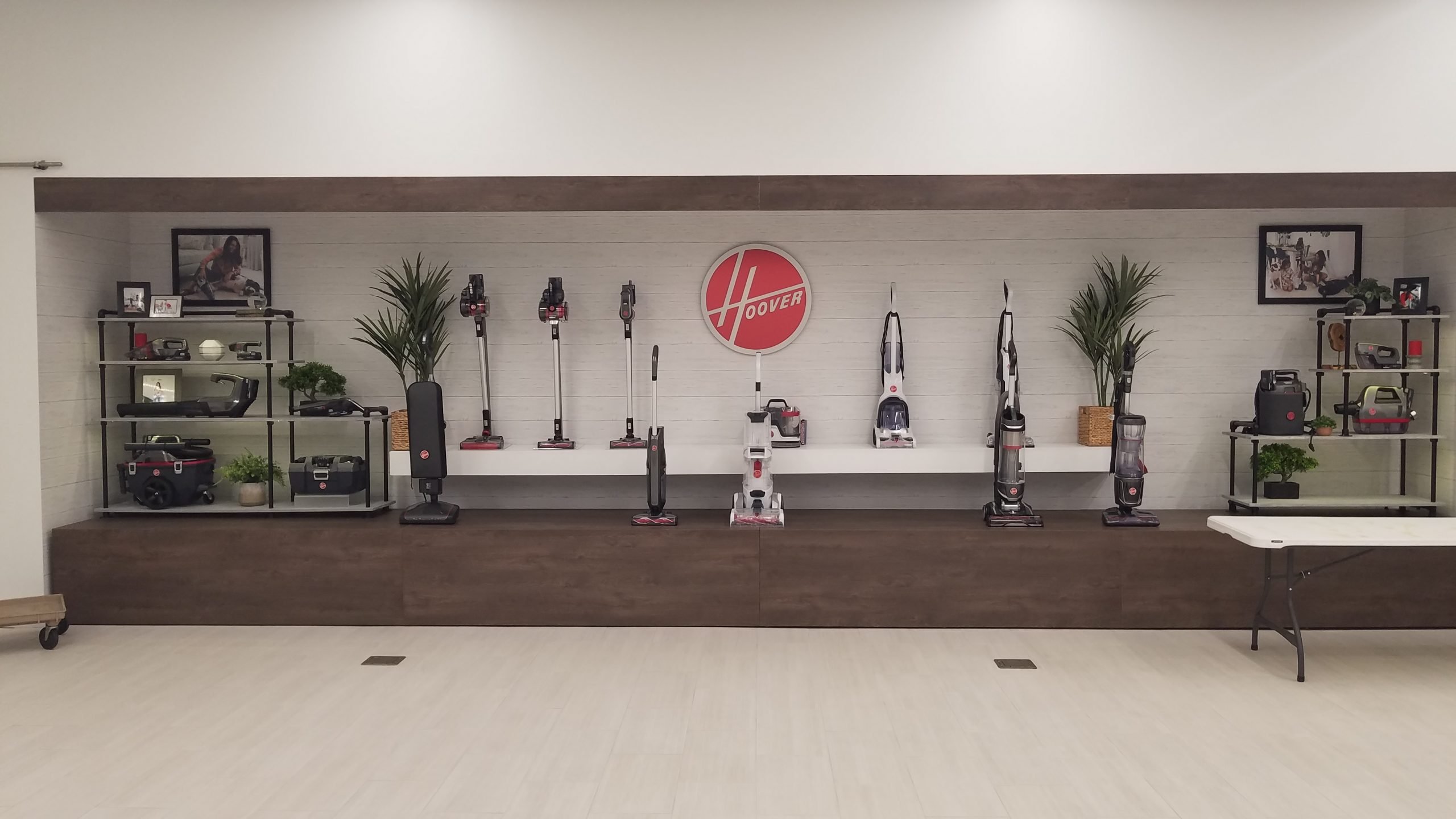
Wall displays organize history, recognition, culture, or institutional information into a structured interior feature. Printed graphics can work with mounted and dimensional components to create depth while continuing the visual standards established at the entrance and throughout the surrounding workplace.
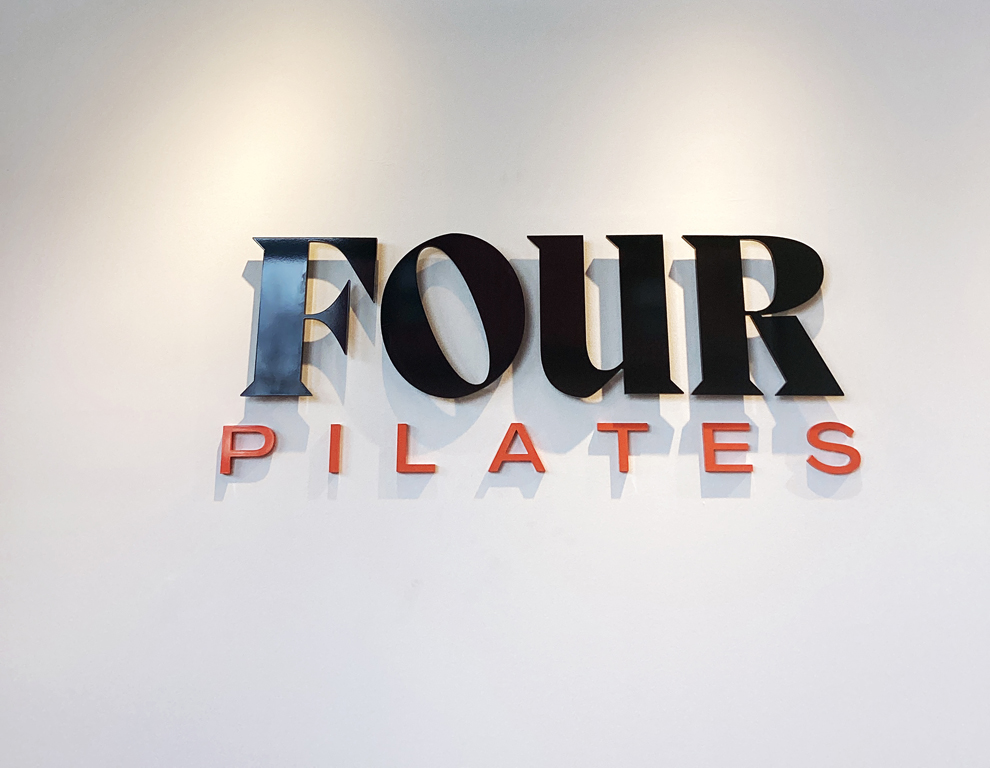
Dimensional letters and logos give selected interior locations greater depth and architectural presence. Heritage considers nearby finishes, graphics, viewing distances, and existing lighting so the feature receives appropriate emphasis without competing with the storefront graphics or overwhelming the room.

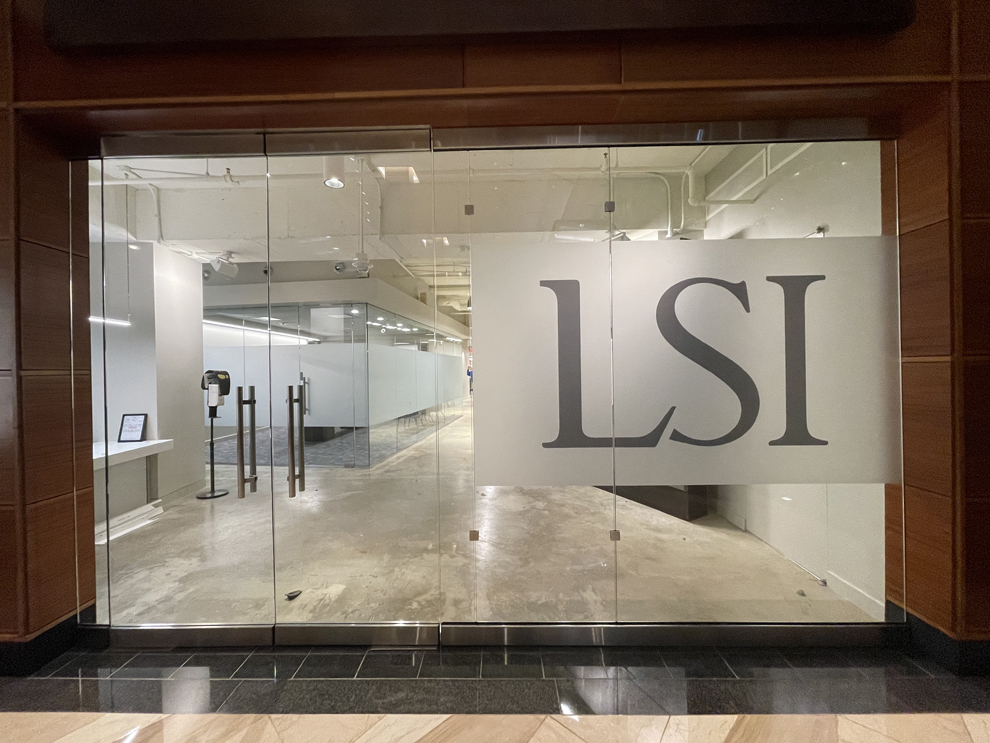
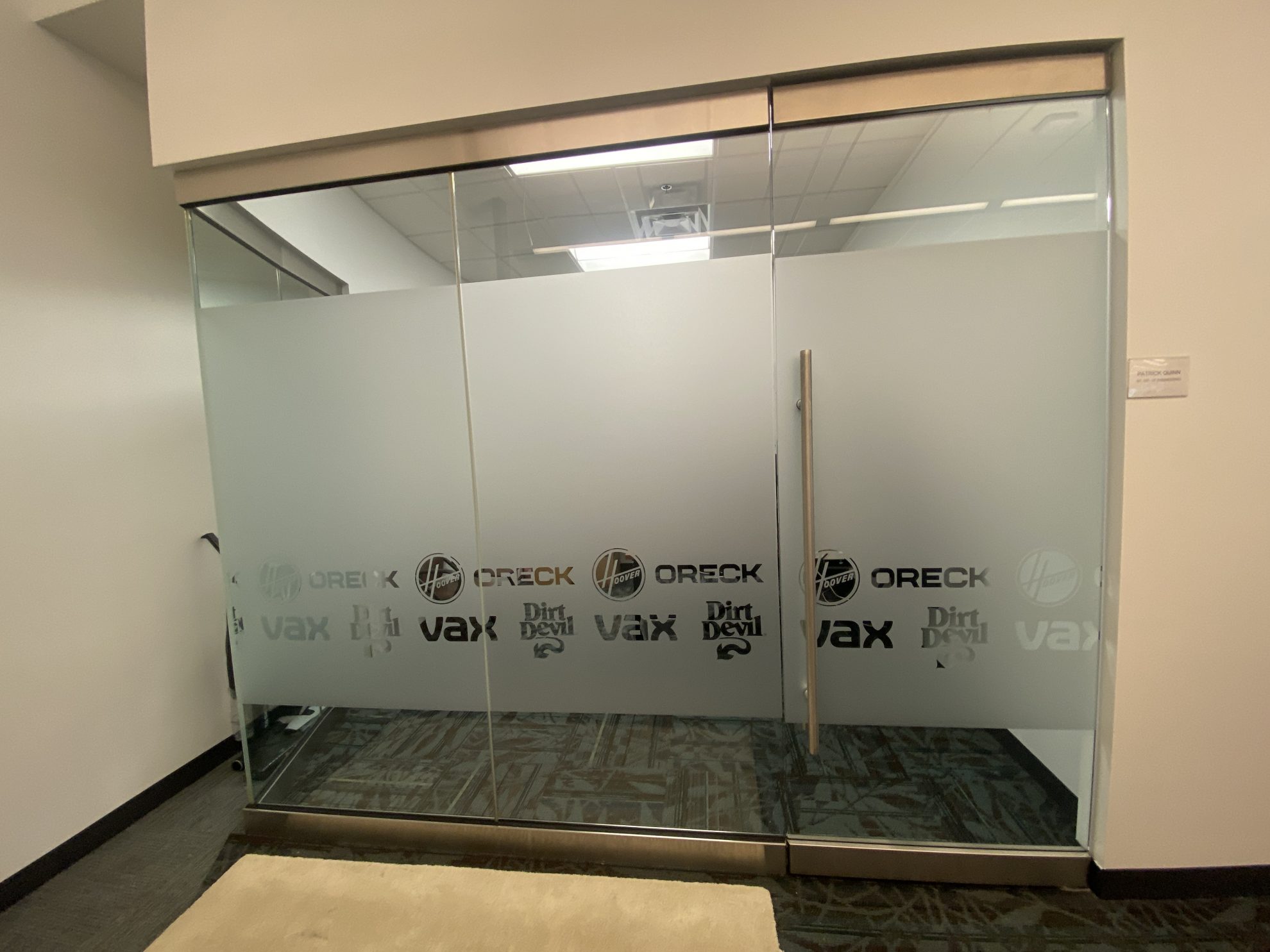
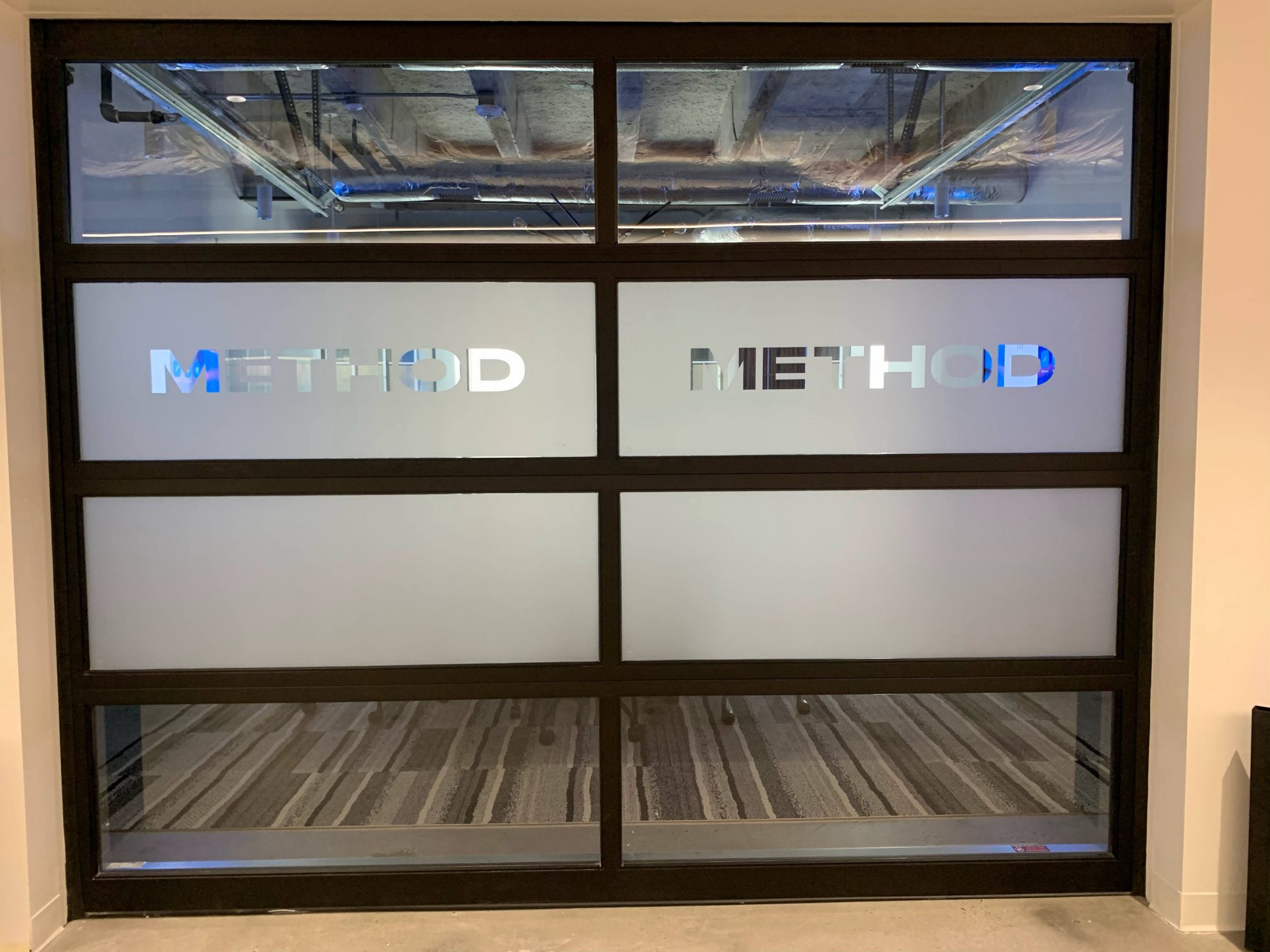
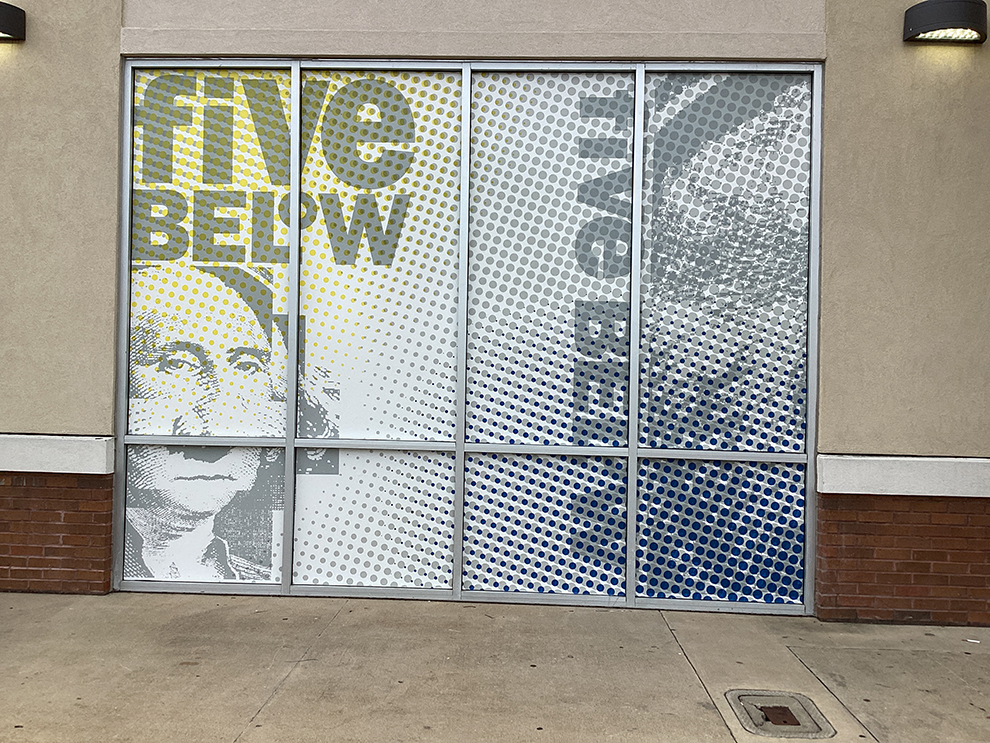
Frosted vinyl can provide privacy on offices, conference rooms, sidelights, and glass partitions while allowing natural light to remain useful. Custom patterns and branded elements help the treatment feel integrated with the entrance and interior rather than applied only as a screening measure.
SEG fabric graphics use tensioned fabric held within a slim frame to create a clean interior presentation. The fabric face can be replaced when messaging changes, making the system useful for prominent visuals that should remain coordinated with a longer-term storefront and workplace branding program.
Backlit signs use controlled illumination to give a logo or message additional presence inside a lobby or commercial interior. Heritage plans these features in relation to the room, surrounding graphics, viewing conditions, and existing lighting so the illuminated element supports the broader environment.
If your Greensboro, NC organization is planning storefront graphics as part of a professionally managed workplace or commercial interior project, use Get Started Now to share the available details. Helpful information includes the project location, desired result, target completion date, anticipated investment, photographs, measurements, plans, artwork, and brand standards. Submit the information already available rather than waiting for every detail to be final. One dedicated Project Manager will review the submission, identify the next planning decisions, and coordinate the appropriate Heritage resources.
Greensboro, NC clients can access Heritage through regional project support for professionally managed storefront and interior branding programs. Site conditions may include street-facing entrances, shared commercial lobbies, interior corridors, freestanding workplaces, campuses, and customer-facing facilities. Those differences affect identification, privacy, viewing distance, access, scheduling, and installation planning.
One dedicated Project Manager connects the client’s objectives and site information with the appropriate Heritage resources. Site surveys and field verification document measurements, surfaces, access, and installation conditions, while environmental graphic design, production, fabrication, and professional installation remain connected to the same approved direction.
Heritage can also coordinate client locations across the Carolinas and Mid-Atlantic. Common brand standards and project knowledge can remain consistent without assuming that every property should receive an identical physical solution. Architecture, dimensions, glass configurations, surfaces, operating schedules, and access requirements may vary by location. The full Heritage network provides broader capacity while the dedicated Project Manager maintains one accountable relationship, shared information, and continuity across the program.
Environmental graphic design for the entrance and interior should make arrival easier, support necessary privacy, and establish a visual relationship with the interior. Heritage considers what people should notice first, which views should remain open, how daylight affects the glass, and where the strongest brand focal point belongs after entry.
Some clients provide complete brand standards and approved artwork. Others need concept development within Heritage’s environmental graphic design scope. Heritage can collaborate with client stakeholders, architects, interior designers, branding agencies, environmental graphic designers, and property teams to translate the approved direction into producible signs and graphics. Scale, materials, visibility, lighting conditions, architecture, and installation requirements inform those decisions.
The objective is a design that can move responsibly into production, fabrication, and professional installation. Depending on the approved scope, the interior may include a branded lobby, history or timeline wall, core values display, mission statement feature, recognition element, privacy treatment, or directional graphics. Heritage does not provide licensed architecture, engineering, general commercial interior design, lighting design, or code consulting.
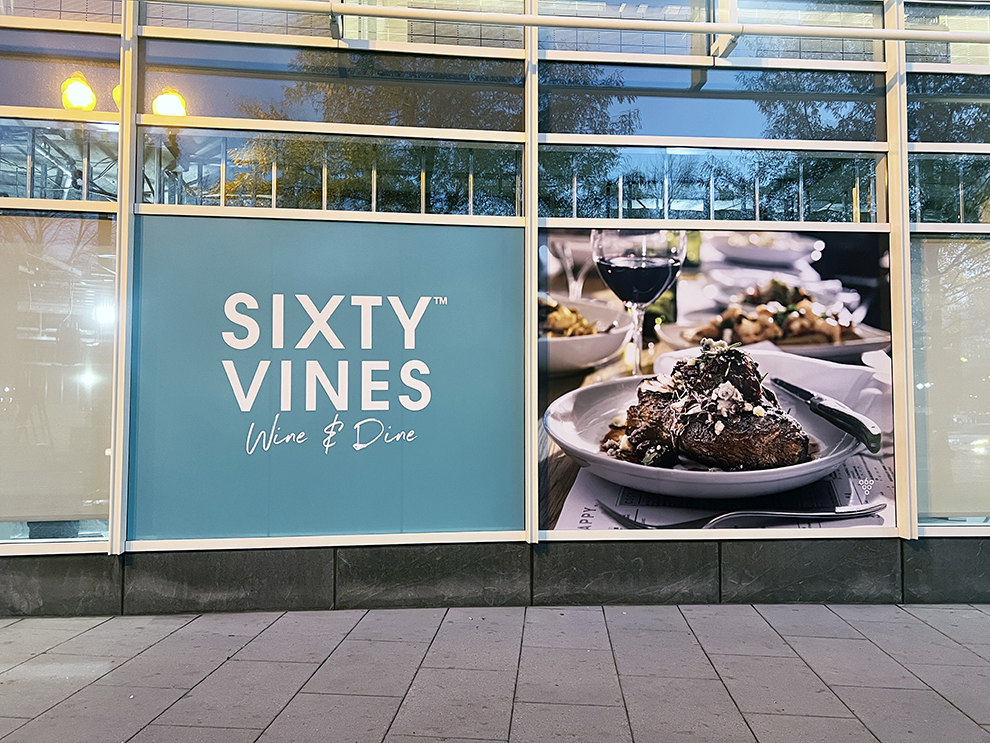
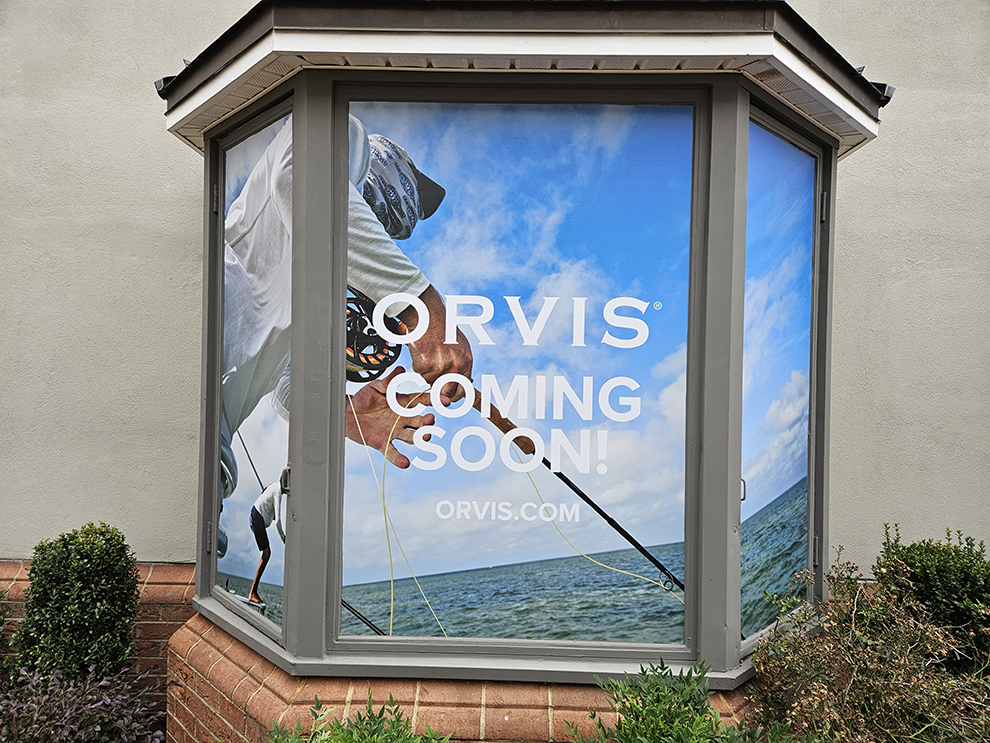
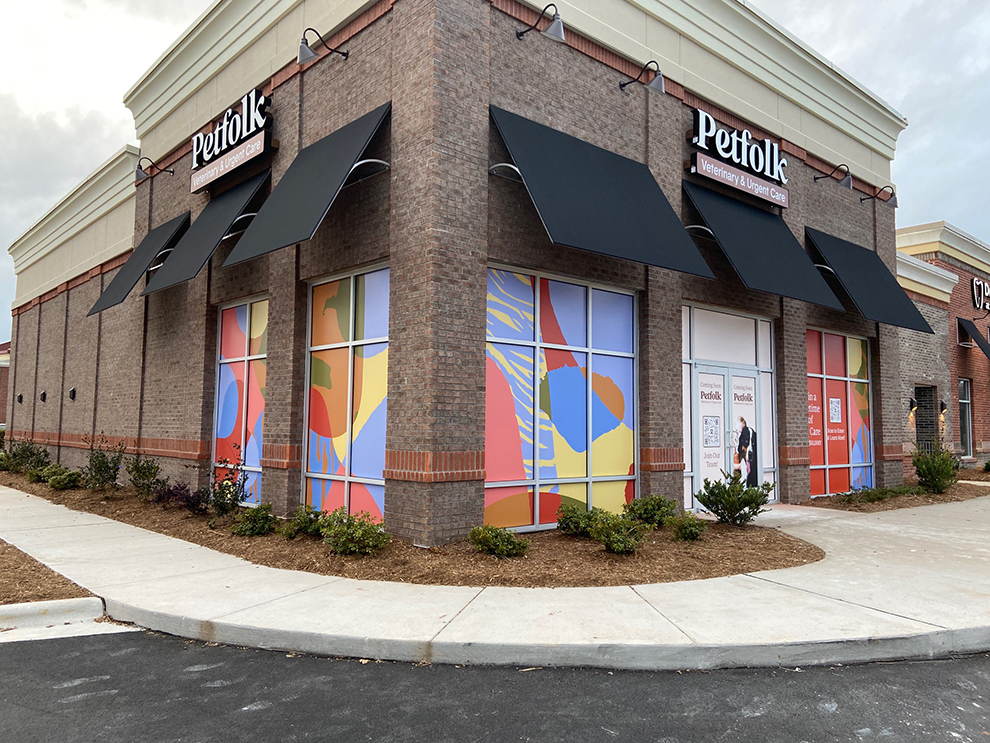
Heritage produces and installs appropriate non-illuminated exterior elements as part of coordinated storefront and workplace branding projects. Accepted applications can include exterior window graphics, exterior wall graphics or wraps, dimensional lettering, dimensional signs, custom sign panels, and related non-illuminated storefront features. These elements can introduce the organization before entry and connect with the entrance glass and branded interior.
Printed exterior wall graphics receive protective film laminate as standard practice for added UV and weather protection. Heritage also reviews the proposed material, surface, exposure, attachment method, access, and installation conditions for exterior components within its accepted scope.
Heritage does not produce or install channel letters, monument signs, pylon signs, or illuminated exterior signs. Heritage does not determine whether a sign permit is required, prepare permit documents, submit applications, communicate with permitting authorities, pay permit fees, or pursue approvals. The client, property owner or property manager, or general contractor is responsible for confirming and securing all required sign permits and property approvals before installation.
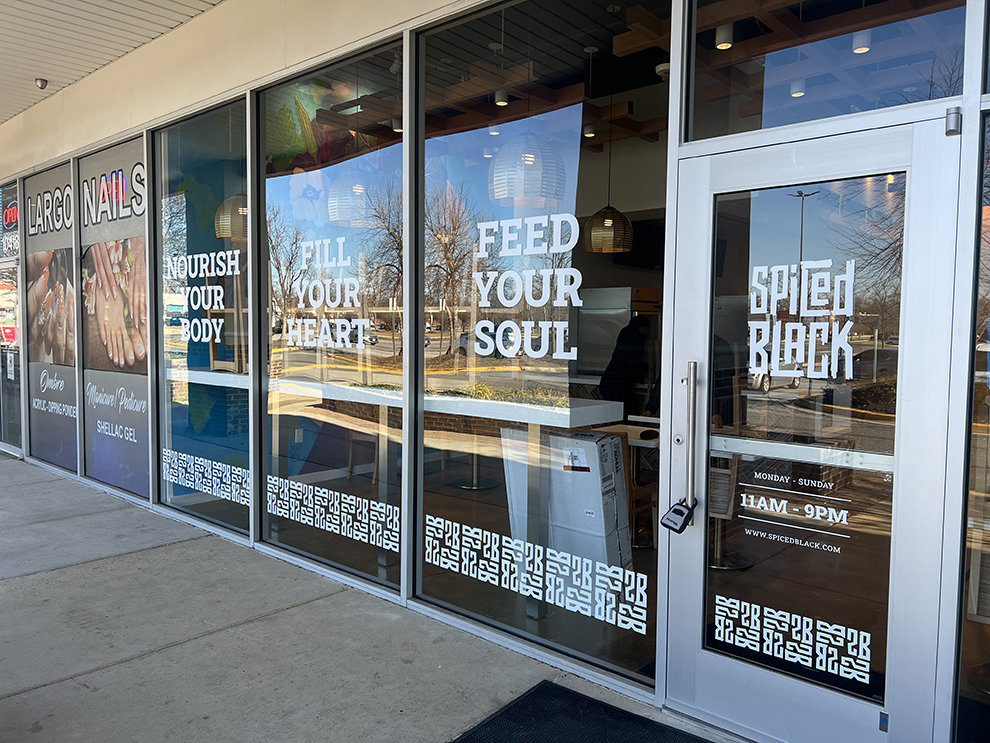
Every Heritage Storefront Graphics project requires a site survey connecting client objectives with measurements, surfaces, access, and installation conditions. This field information helps confirm how the approved design relates to the actual property before production and fabrication proceed.
The dedicated Project Manager connects environmental graphic design, production, fabrication, and Heritage’s full-time professional installers. Site observations, approved design intent, material decisions, access planning, scheduling requirements, and installation details remain within one shared project history. This structure reduces unnecessary handoffs and helps questions get resolved before they become field problems.
Professional installation also requires coordination with the way the property operates. Heritage plans around approved installation windows, site access, occupied areas, property-protection needs, and other known conditions that could affect the work. Installers arrive with the project information developed by the connected Heritage team, helping them work efficiently, communicate clearly, limit avoidable disruption, and execute the approved signs and graphics accurately. Accountability remains with one Heritage relationship through the finished result.
Wall-applied graphics perform best when drywall is sound and smooth, repairs are complete, primer and paint are properly applied, and finish paint is fully cured. Dry paint is not necessarily cured paint. Approximately four weeks is a useful allowance for many paints, but manufacturer requirements and actual site conditions control readiness.
Washable, scrubbable, stain-resistant, low-VOC, zero-VOC, and other challenging paints may require cleaning, adhesion testing, or a compatible vinyl and adhesive approach. Testing can show how vinyl performs on the painted surface, but it cannot confirm how well the paint and primer are bonded to the drywall. If paint peels during testing or normal installation repositioning, Heritage stops rather than making the wall worse.
The client or property owner arranges and pays for repair, priming, repainting, cure time, restoration, and related surface costs. Later removal is separate. Heritage uses slow, careful methods, but damage-free removal cannot be guaranteed. Possible effects include paint loss, primer loss, or drywall-facing damage. Removable describes the adhesive system, not a damage-free promise. Existing graphics should be removed early enough to reveal restoration needs before replacement installation is scheduled.
Planning must align the desired result, audience, project scope, phasing, schedule, site conditions, readiness, stakeholders, approvals, anticipated investment, and information still needed. Photographs, measurements, plans, artwork, brand standards, and property information help establish those decisions, but they do not replace field verification or project planning.
Heritage is best suited for professionally managed projects that benefit from environmental graphic design, production, fabrication, and professional installation. Many Heritage projects involving production and professional installation range from $10,000 to more than $200,000. The appropriate investment depends on the complete scope, materials, fabrication, number of locations, site conditions, access, and installation requirements rather than the unit price of one graphic.
A project may focus on one substantial entrance, extend into a broader commercial interior, or proceed through planned phases and multiple properties. One dedicated Project Manager keeps responsibilities, approvals, information, and next decisions clear while the approved scope advances through the connected Heritage process.
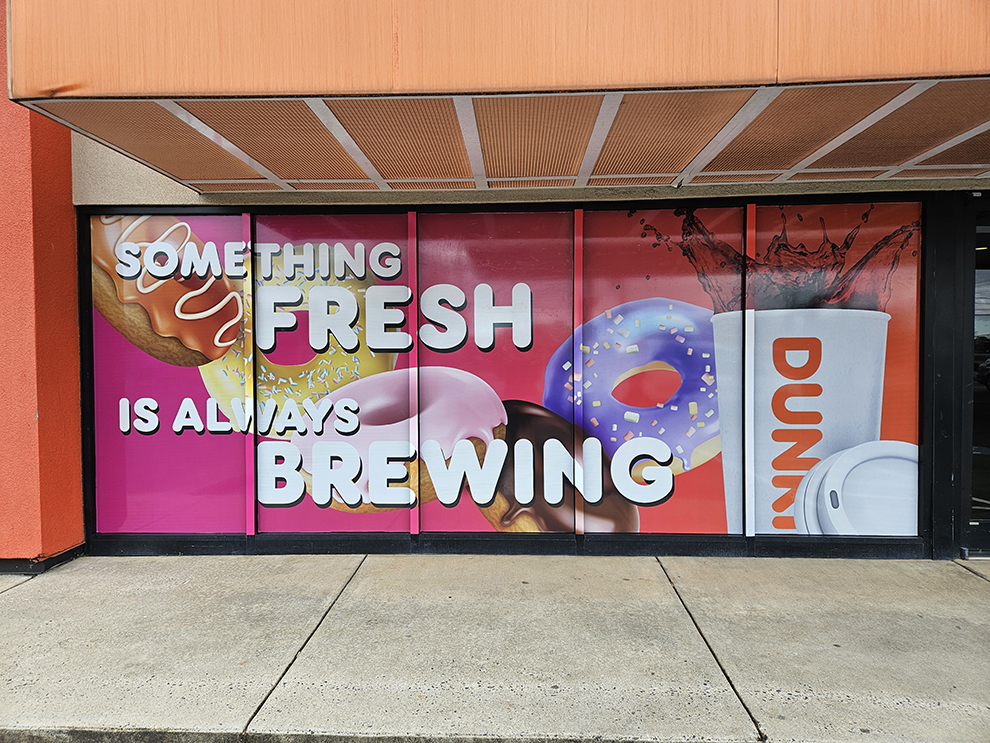
Storefront graphics establish identity at an entrance while helping the glass and surrounding surfaces support recognition, privacy, visibility, or direction. Their role is to introduce the organization and create a purposeful transition into the lobby, workplace, showroom, or other branded commercial interior.
Distraction markers are decorative or branded vinyl graphics applied to clear glass to make the surface easier to notice. They may use bands, dots, patterns, logos, or other visual elements and can also support privacy or branding. Applied vinyl does not establish building-code compliance, safety-glazing compliance, certification, or approval.
Yes. Frosted vinyl, etched-look privacy film, branded patterns, and strategically positioned graphics can reduce selected sightlines while preserving useful daylight or views. The correct coverage depends on the privacy objective, glass configuration, viewing direction, lighting, and way the surrounding space is used.
Walls should be smooth and sound, with repairs completed and primer and paint properly applied. Finish paint must be fully cured, not merely dry. Approximately four weeks is useful for planning with many paints, although manufacturer requirements and actual conditions control readiness.
Washable, scrubbable, stain-resistant, low-VOC, zero-VOC, and other challenging paints may require cleaning, adhesion testing, or a compatible vinyl and adhesive system. Testing indicates surface performance but cannot confirm how securely the paint and primer are bonded to the drywall beneath them.
Yes. Heritage removes adhesive vinyl slowly and carefully, but damage-free removal cannot be guaranteed. Paint, primer, or the drywall facing may pull away, even when the graphic was intended to be removable.
The client or property owner is responsible for arranging and paying for repairs, priming, repainting, full cure time, and restoration. Removable describes the adhesive system or planned use. It does not promise that the painted assembly will remain undamaged.
Yes. Every Heritage Storefront Graphics project requires a site survey. The survey connects the client’s objectives with field measurements, glass and wall surfaces, access, visibility, installation conditions, and other site information that may affect environmental graphic design, production, fabrication, or professional installation.
The material follows the approved design, intended function, surface, exposure, and installation conditions. Options may include adhesive vinyl, acrylic, dimensional materials, and aluminum composite material, or ACM. ACM provides a metal-like appearance with substantially less weight than solid metal. Heritage does not print on or cut solid aluminum or solid steel as sign substrates.
Yes. Heritage produces and installs appropriate exterior window graphics, wall graphics or wraps, dimensional lettering, dimensional signs, custom sign panels, and related non-illuminated elements when they are part of a coordinated storefront and interior branding project. Printed exterior wall graphics receive protective film laminate as standard practice for added UV and weather protection.
Heritage does not produce or install channel letters, monument signs, pylon signs, or illuminated exterior signs. The client, property owner or property manager, or general contractor must confirm and secure required sign permits and property approvals. Heritage does not determine permit requirements, prepare or submit permit documents, contact authorities, pay fees, or pursue approvals.
Yes, when removal is part of a new Heritage production and installation project. Existing wall graphics should be removed early enough to reveal paint loss, primer failure, drywall-facing damage, or other restoration needs before replacement installation is scheduled.
Heritage uses careful removal methods, but damage-free removal cannot be guaranteed. The client or property owner arranges and pays for repairs, priming, repainting, restoration, and the required paint cure time. Heritage does not provide graphics removal as a separate service.
Yes. Heritage can work with architects, interior designers, branding agencies, environmental graphic designers, property teams, and client stakeholders. Heritage develops or refines environmental graphics within its scope and carries the approved direction through production, fabrication, and professional installation. Heritage does not provide licensed architecture, engineering, general commercial interior design, lighting design, or code consulting.
Yes. Dimensional lettering can create a stronger focal point in a lobby, reception area, corridor, or branded display after storefront graphics introduce the organization. Heritage considers scale, depth, finishes, viewing distance, surrounding graphics, architecture, and existing lighting so the feature supports the connected interior experience.
Yes. Heritage can coordinate multi-location projects throughout the Carolinas and Mid-Atlantic through one dedicated Project Manager. Shared brand standards, approvals, project knowledge, and communication remain connected, while measurements, architecture, surfaces, access, and installation plans are adapted responsibly for each property.
Timing depends on design development, approvals, site readiness, materials, fabrication, property access, installation conditions, phasing, and the number of locations. Heritage establishes a schedule after the project requirements are understood and verified. This provides a more dependable plan than assigning one standard turnaround time to every storefront project.
No. Heritage does not provide installation-only service for customer-provided signs or graphics. Heritage’s full-time installers support signs, graphics, displays, and branded elements that Heritage produces, fabricates, procures, or manages within an accepted engagement. Keeping these responsibilities connected protects continuity among measurements, materials, production requirements, site information, and finished-result accountability.
Begin with the project location, desired result, target completion date, anticipated investment, photographs, and available brand standards. Measurements, plans, artwork, property information, and stakeholder requirements are also useful when available. Submit what is currently known through Get Started Now, and one dedicated Project Manager will identify the next planning decisions.
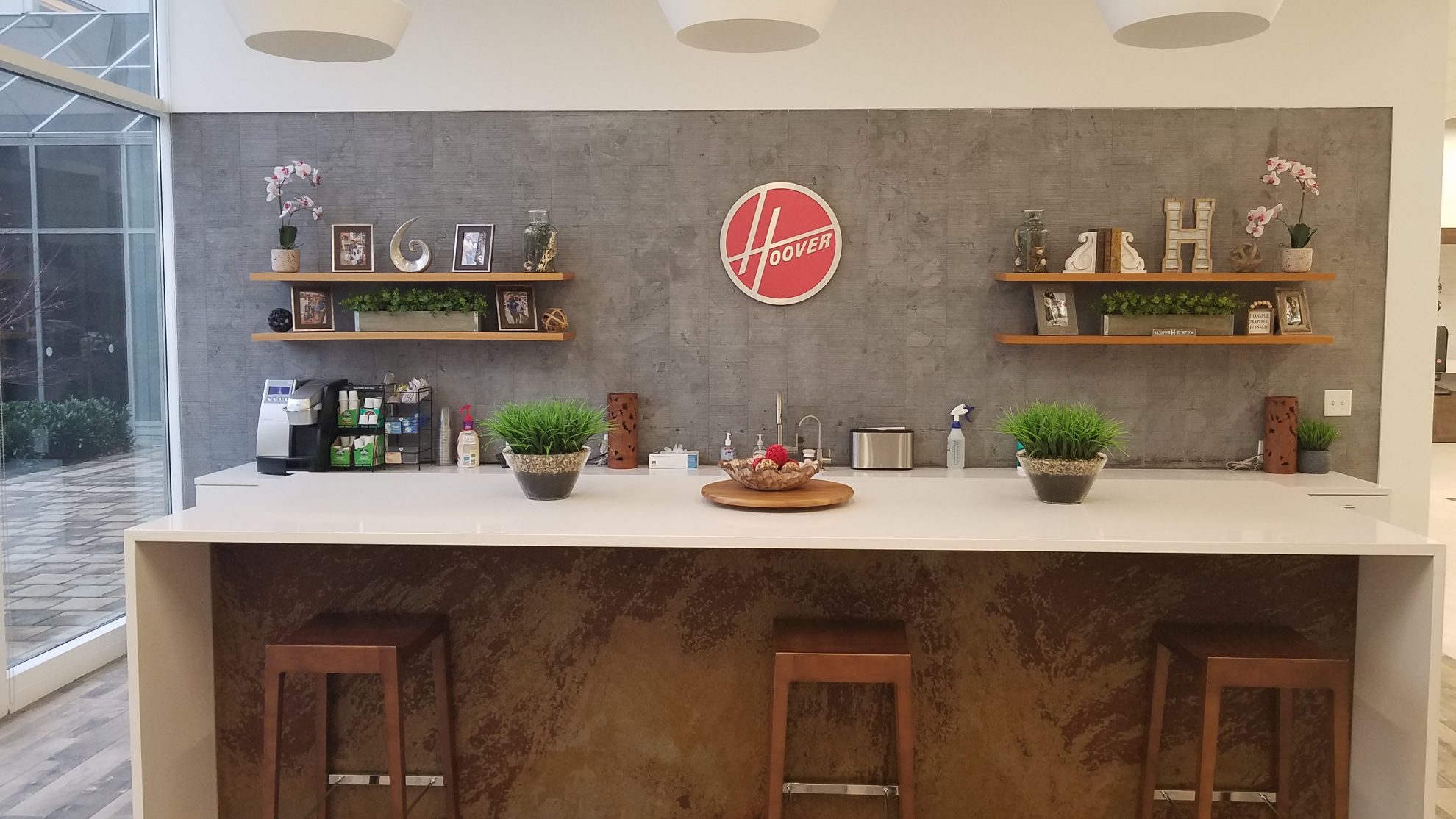
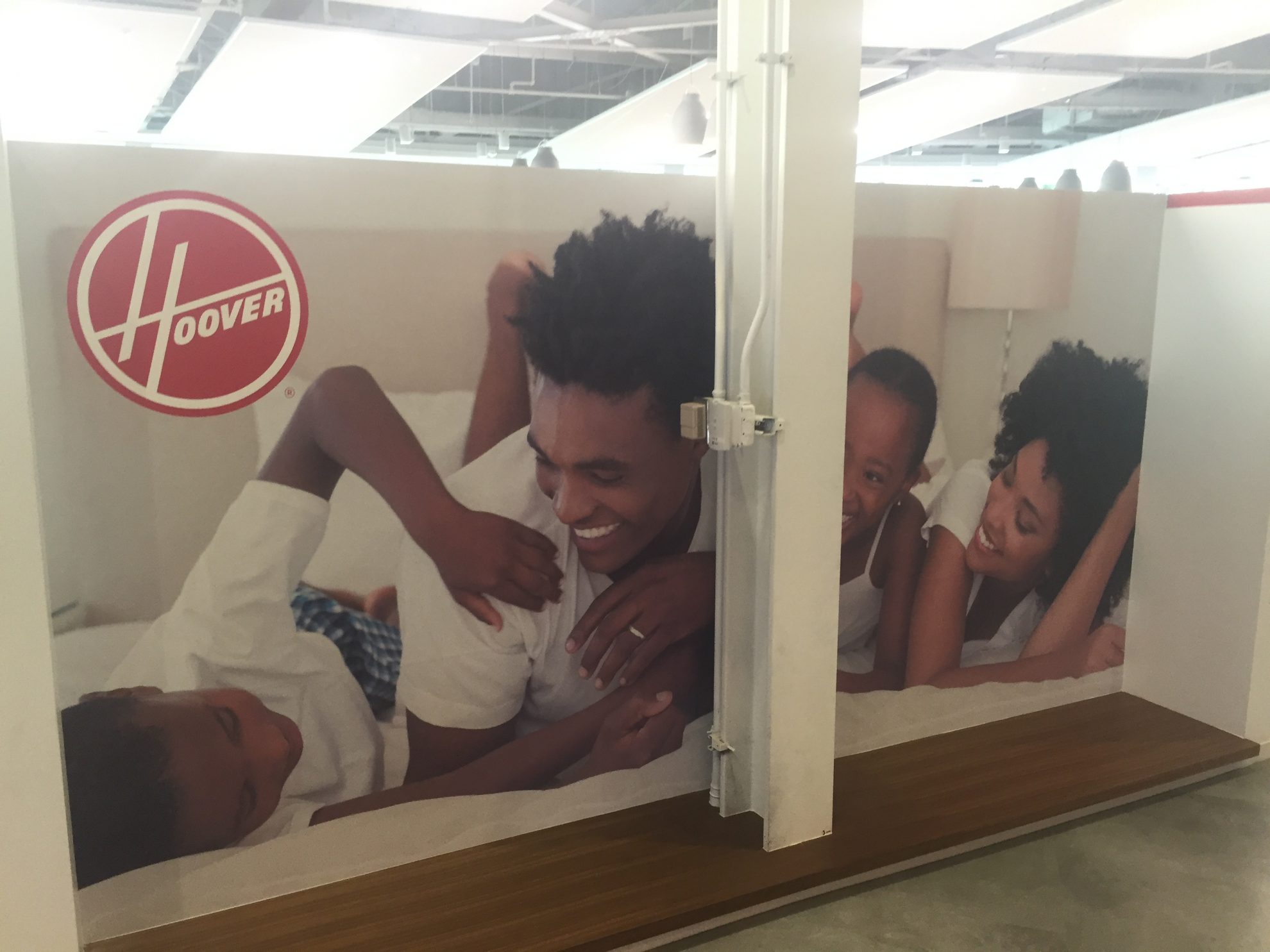
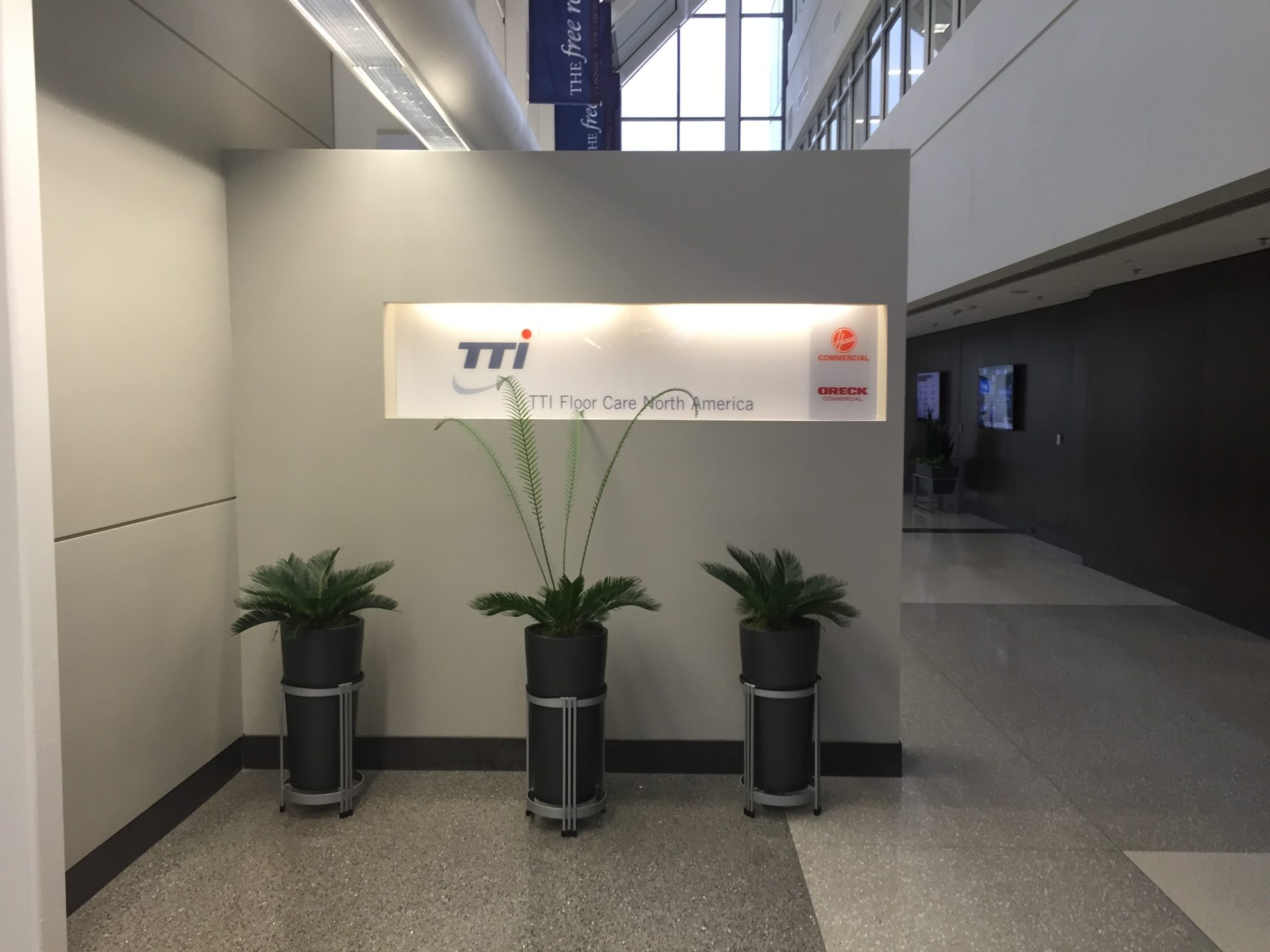
Heritage Signs & Displays collaborated with TTI Floor Care North America to enhance their corporate office. The project included custom frosted vinyl graphics, acrylic signs, dimensional lettering, and LED backlit signs, showcasing the brands Dirt Devil, Hoover, and Oreck. The signage improved office branding, privacy, and aesthetics. Heritage collaborated closely with TTI, ensuring efficient execution and high-quality results, creating an immersive and professional environment that reflects TTI's brand values.
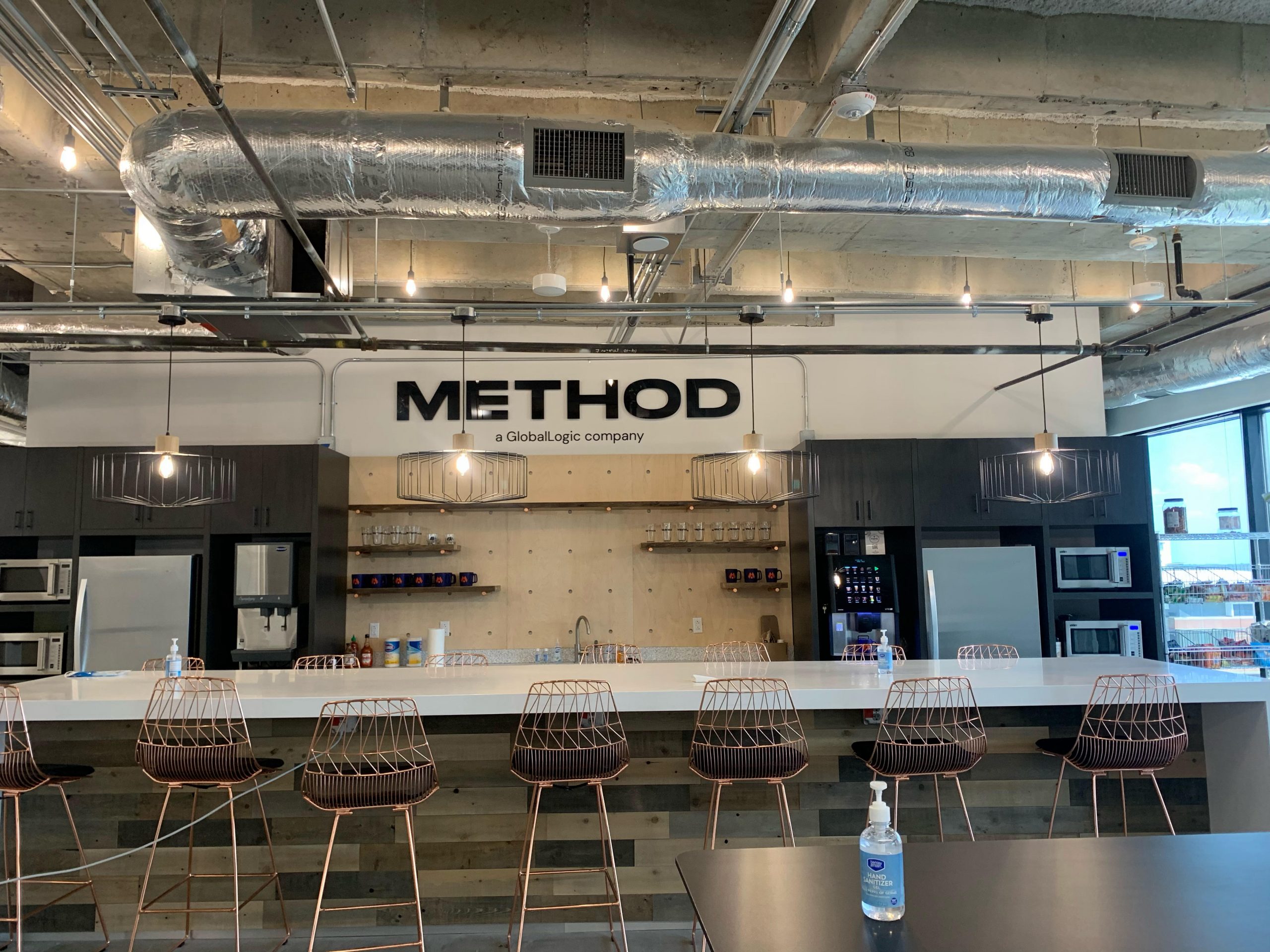
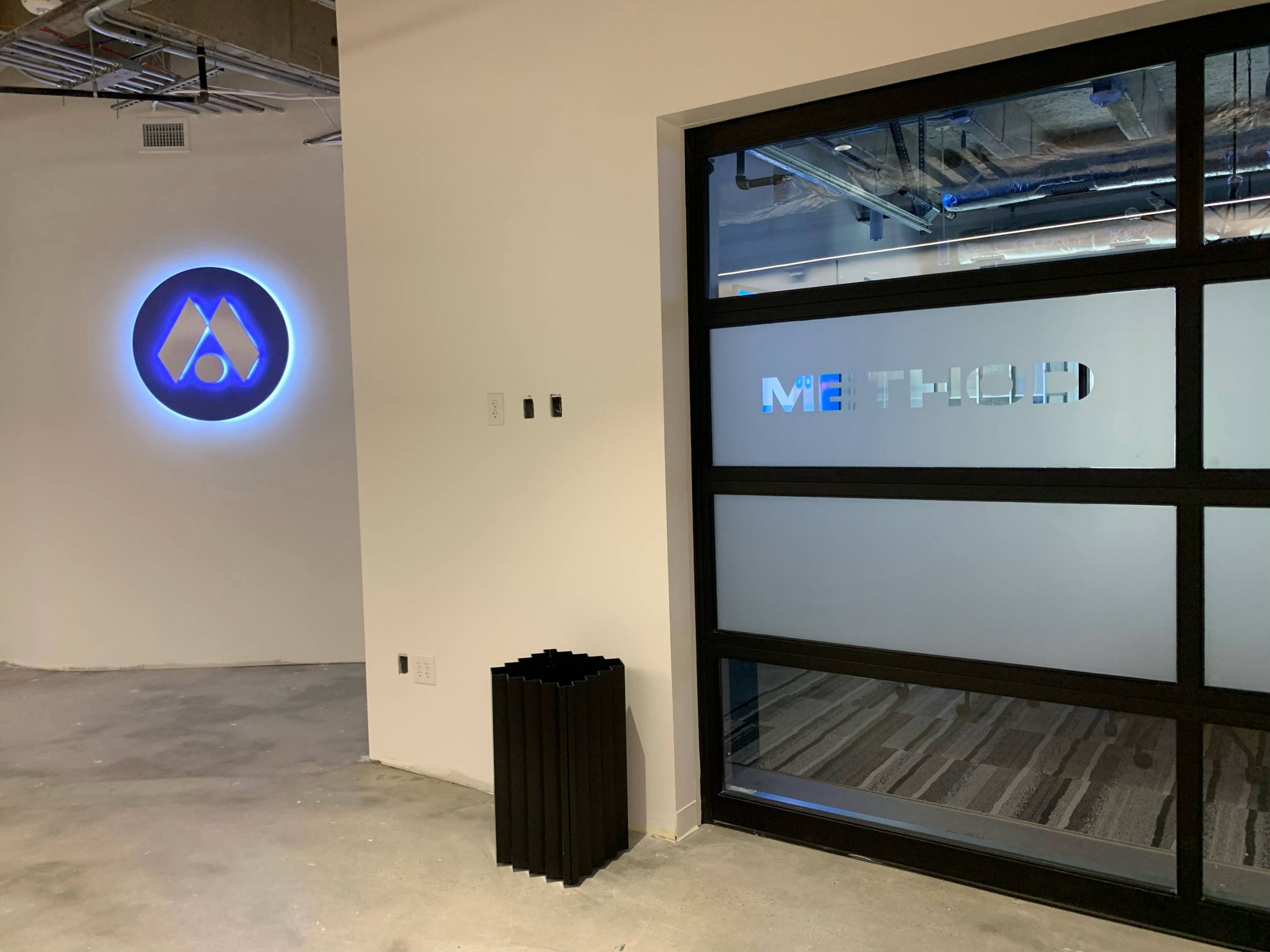
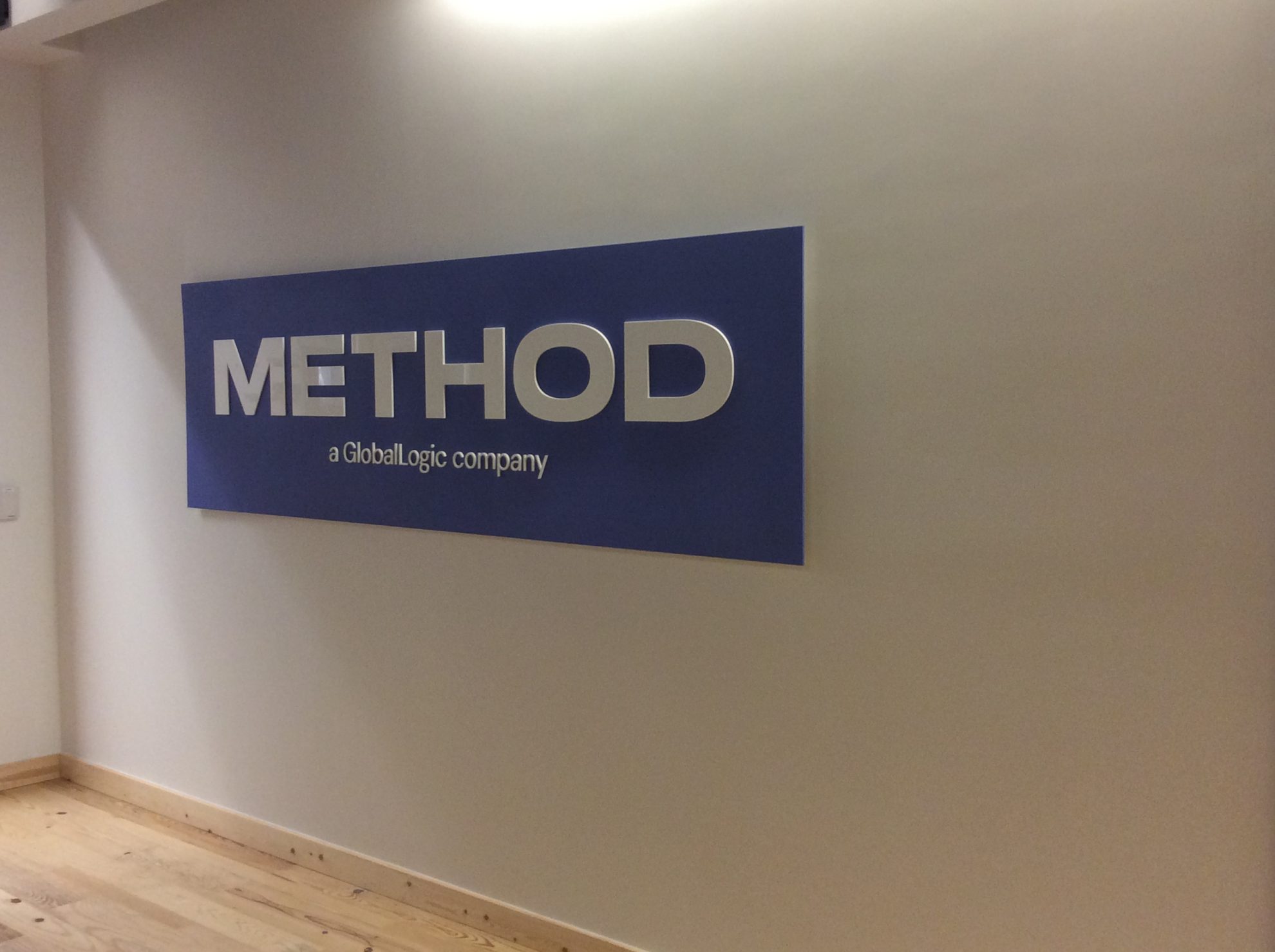
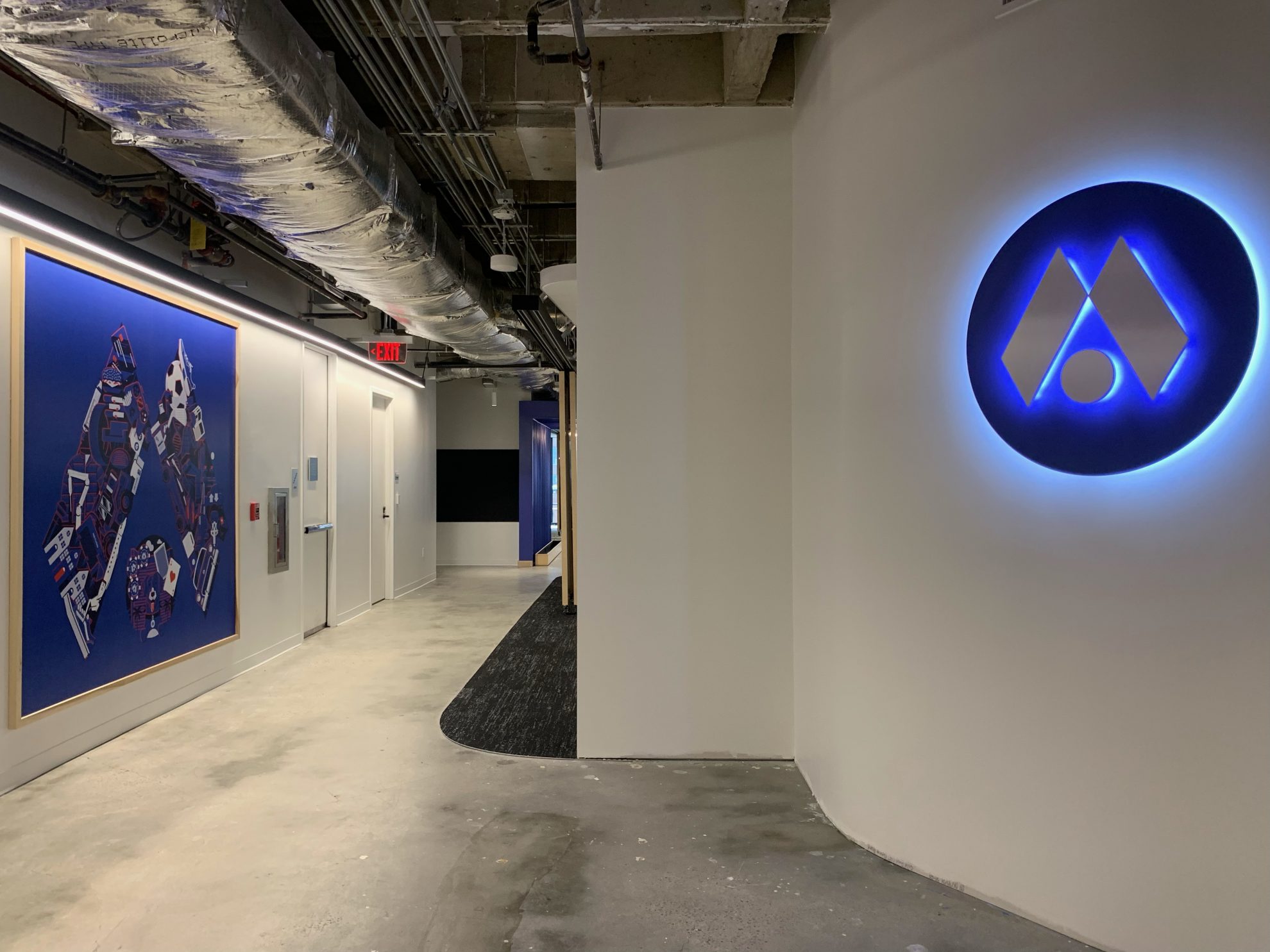
Heritage Signs & Displays' collaboration with Method (formerly Skookum) to rebrand their corporate headquarters. The project included dimensional lettering, wall displays, LED-lit signage, wall wraps, and frosted vinyl, creating an immersive and branded environment. Heritage worked closely with Method's team, ensuring accurate execution and timely delivery. The transformation was completed in August 2021, with Method's employees moving into the revamped space in September. The project reflects Heritage's commitment to quality and collaboration.