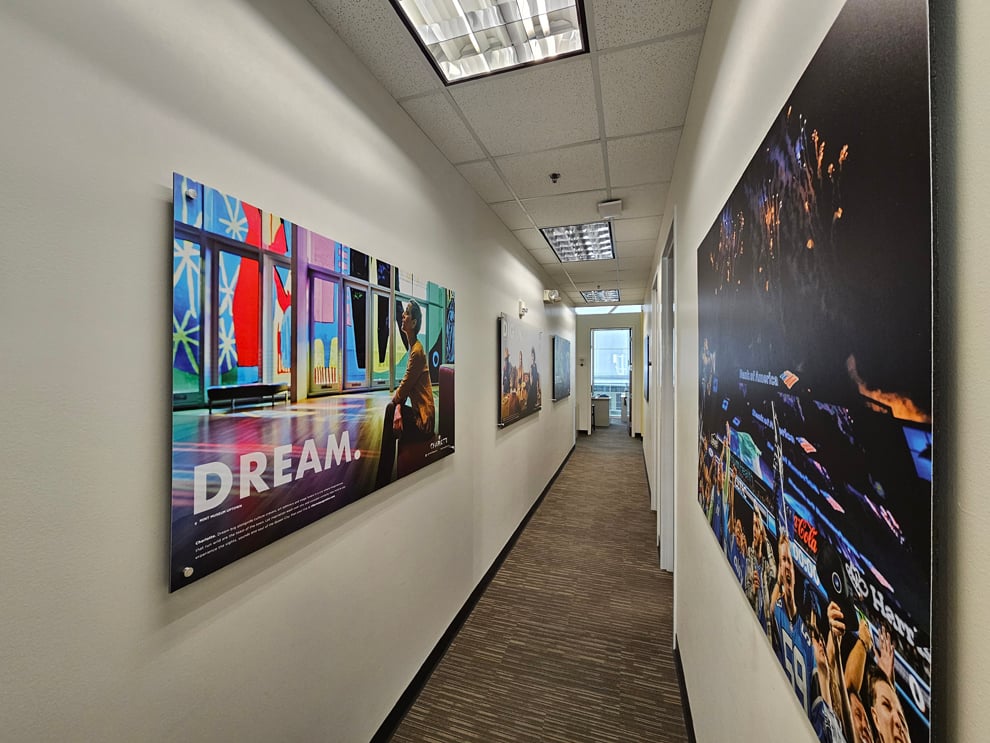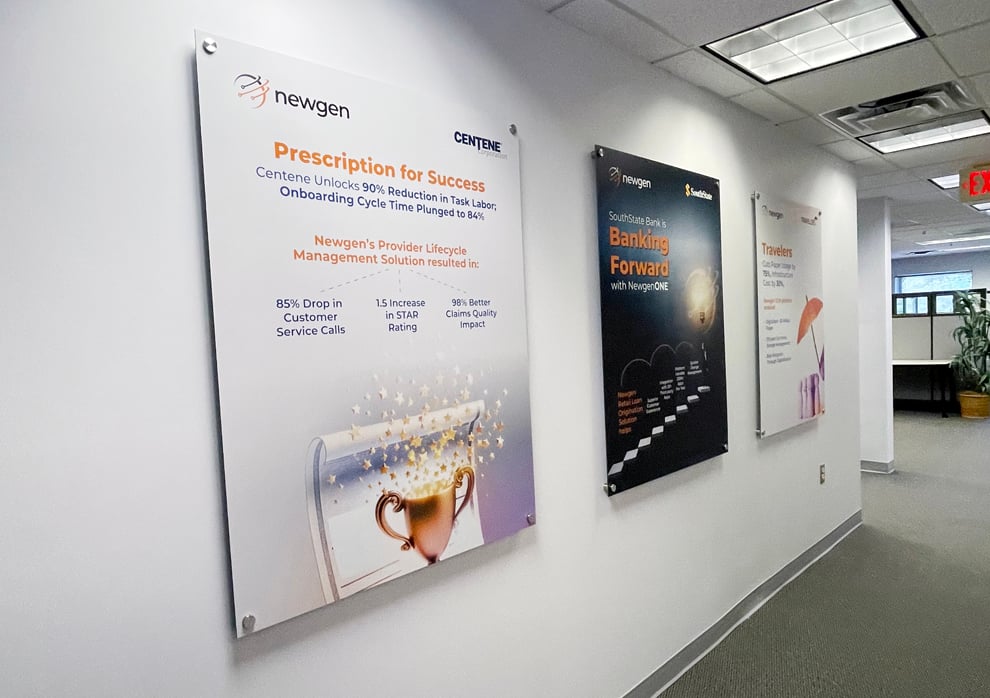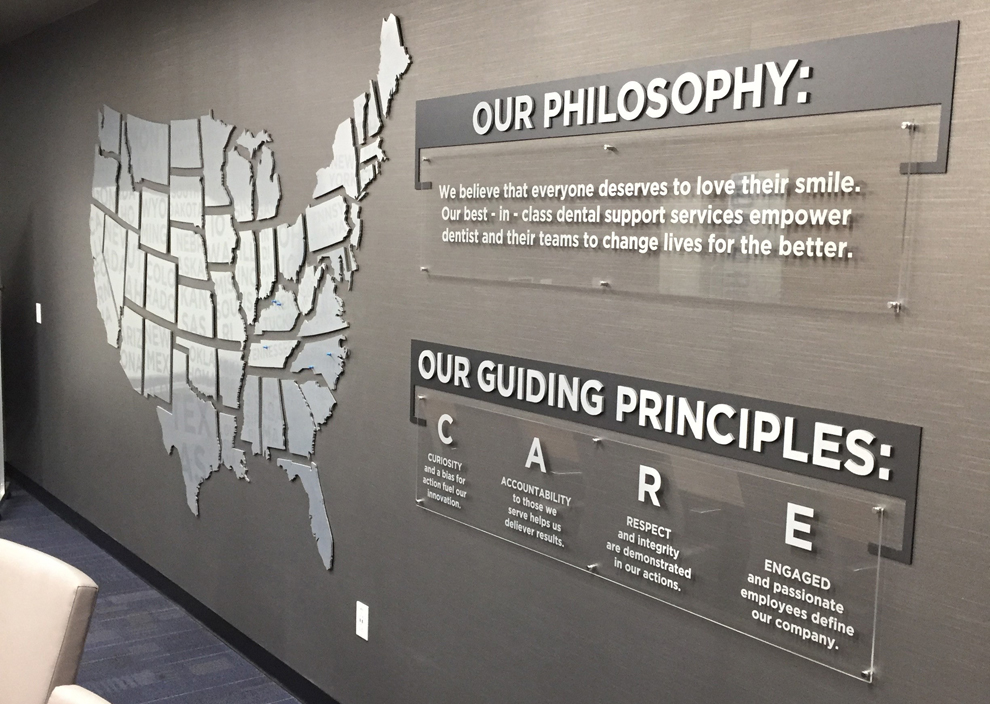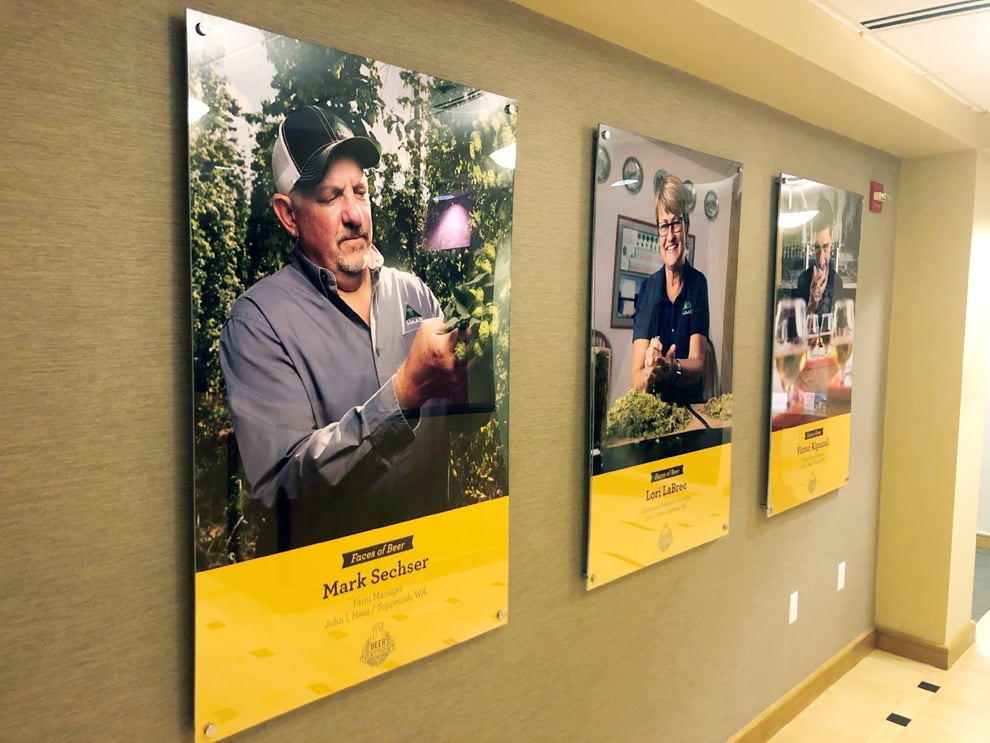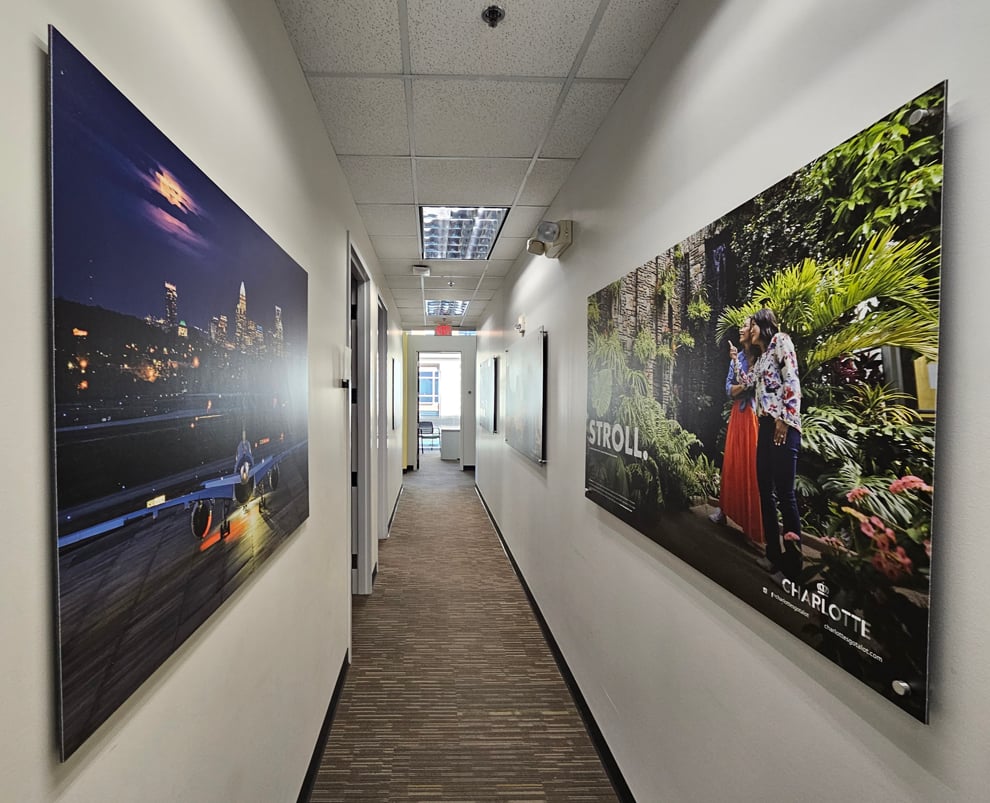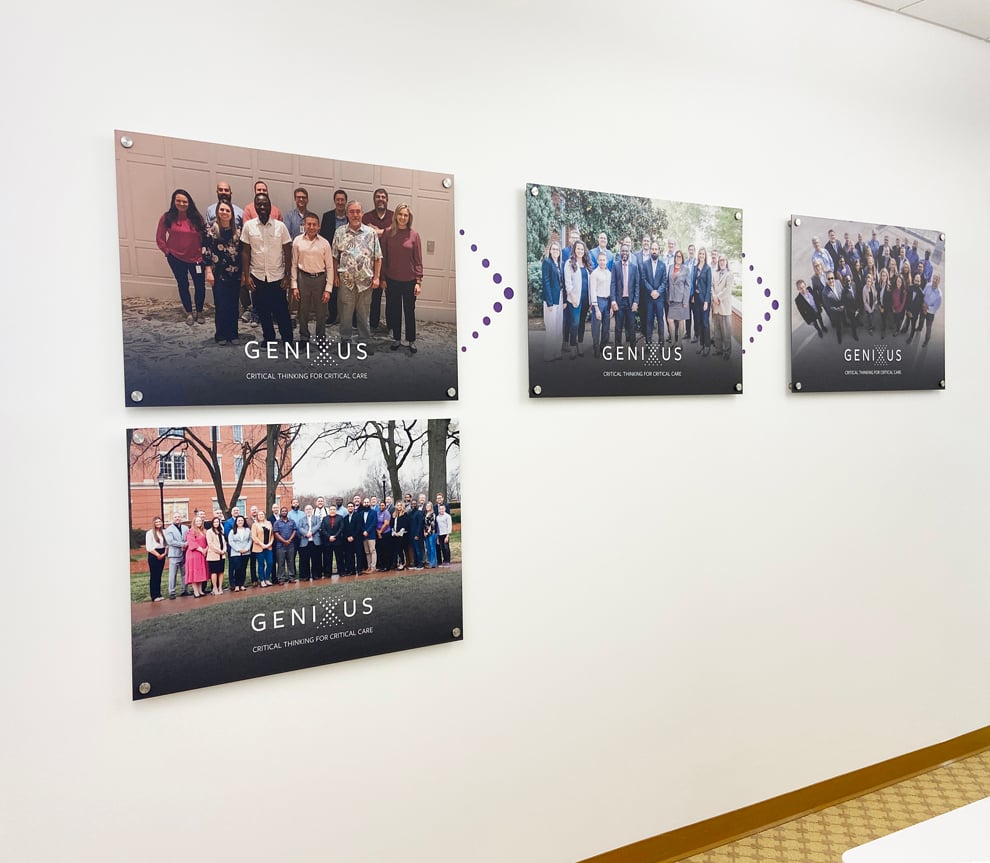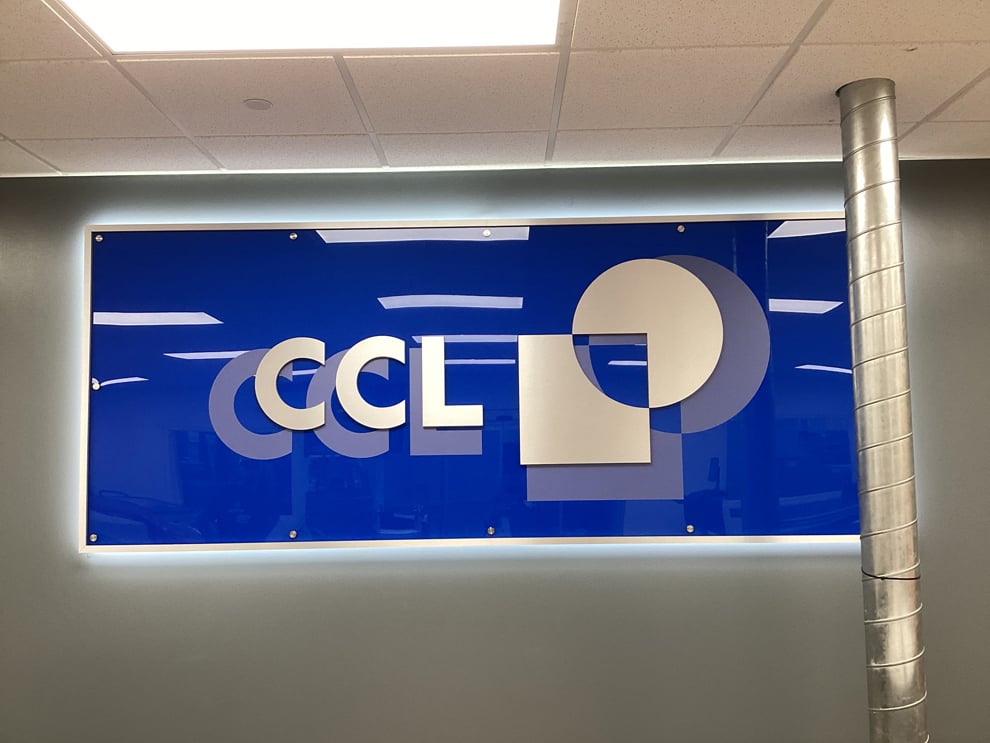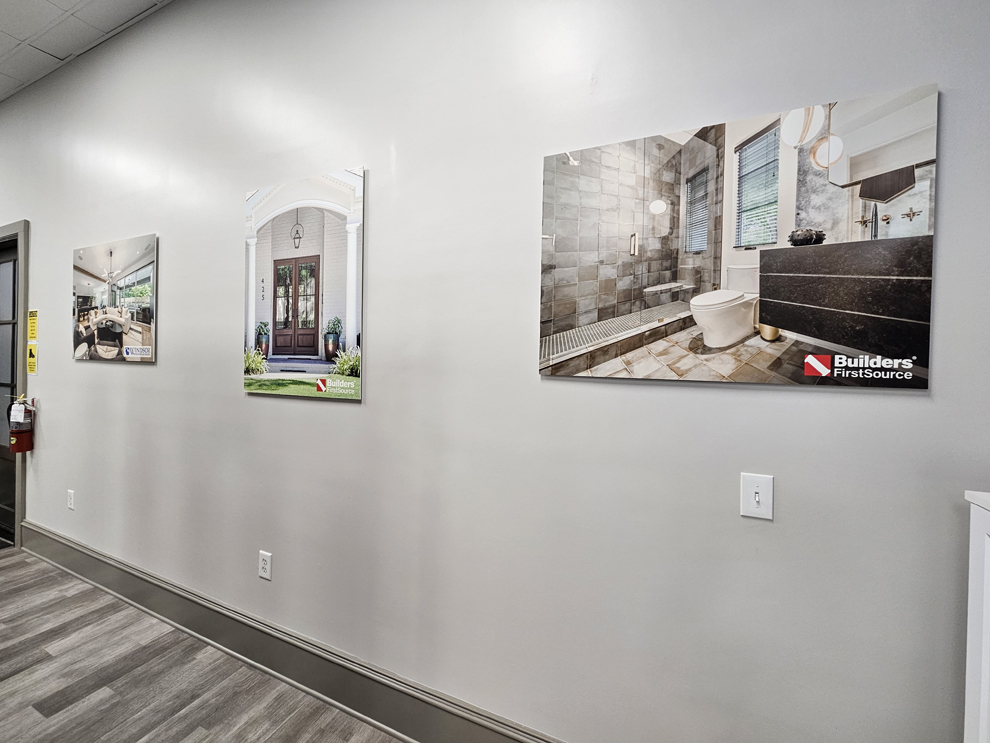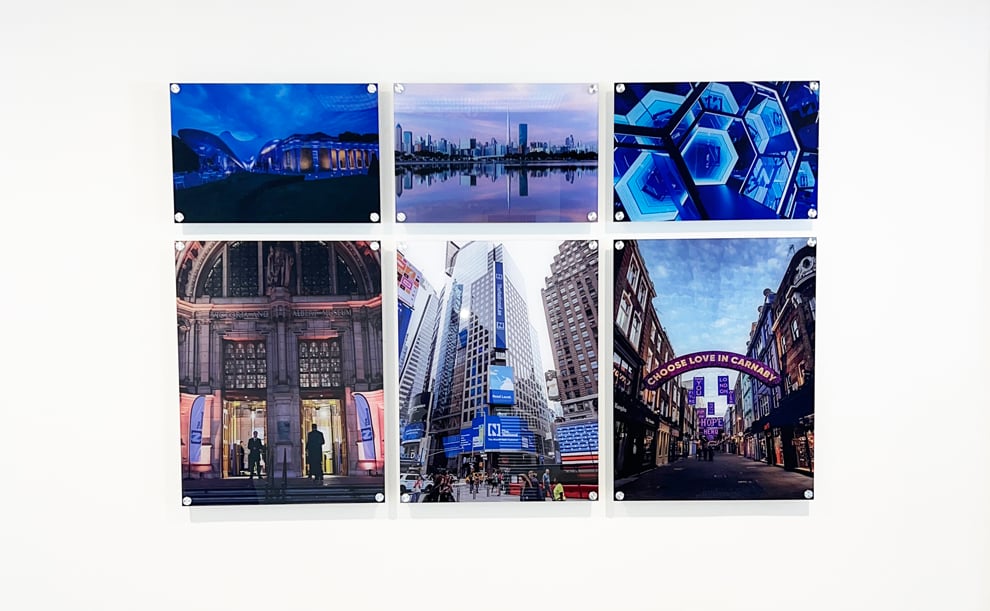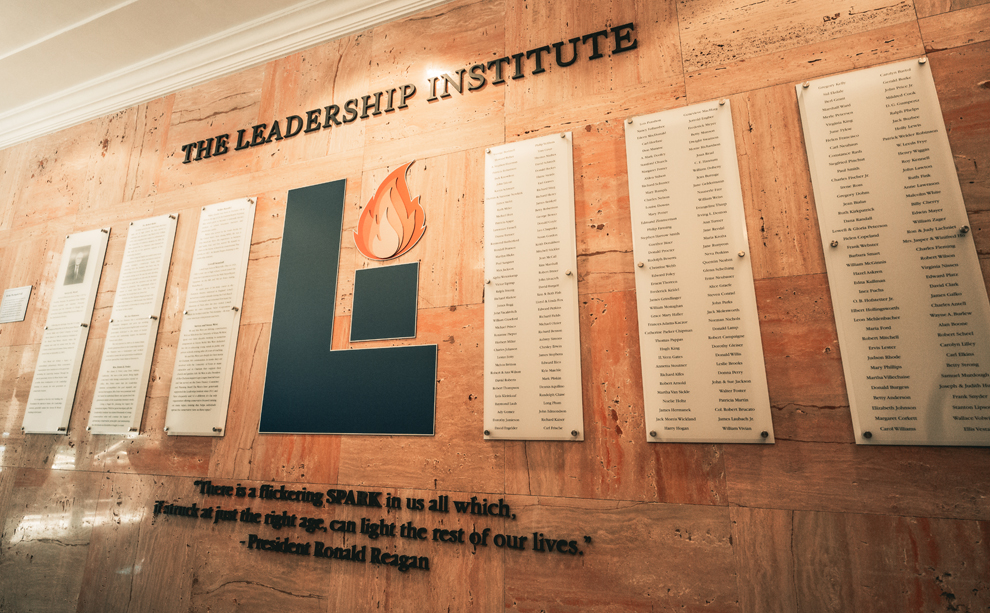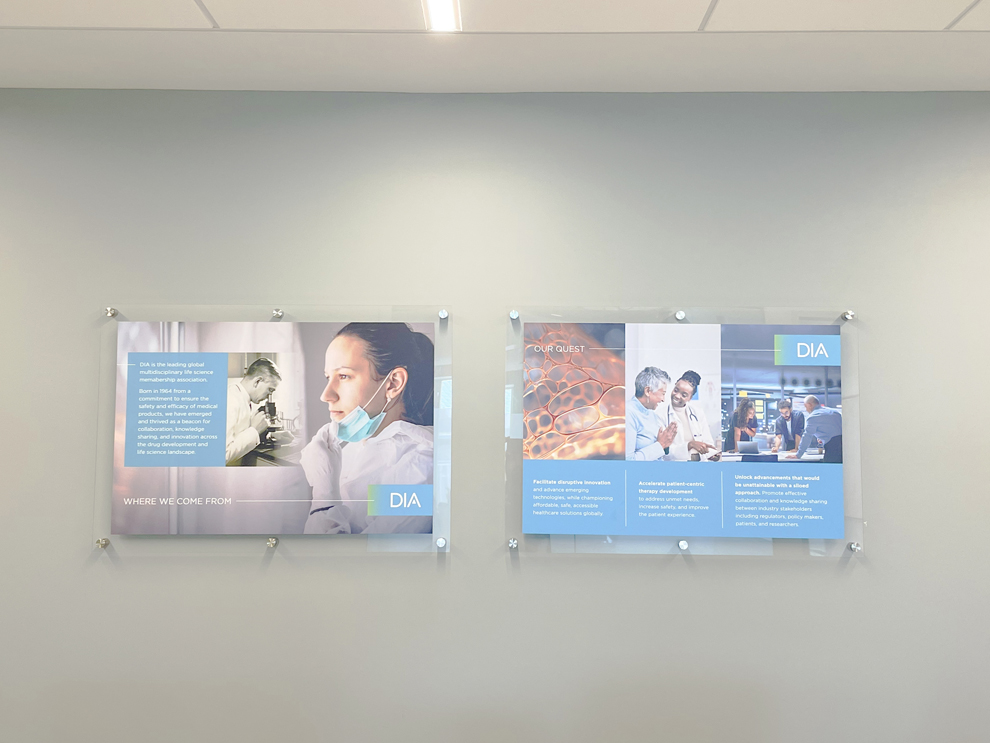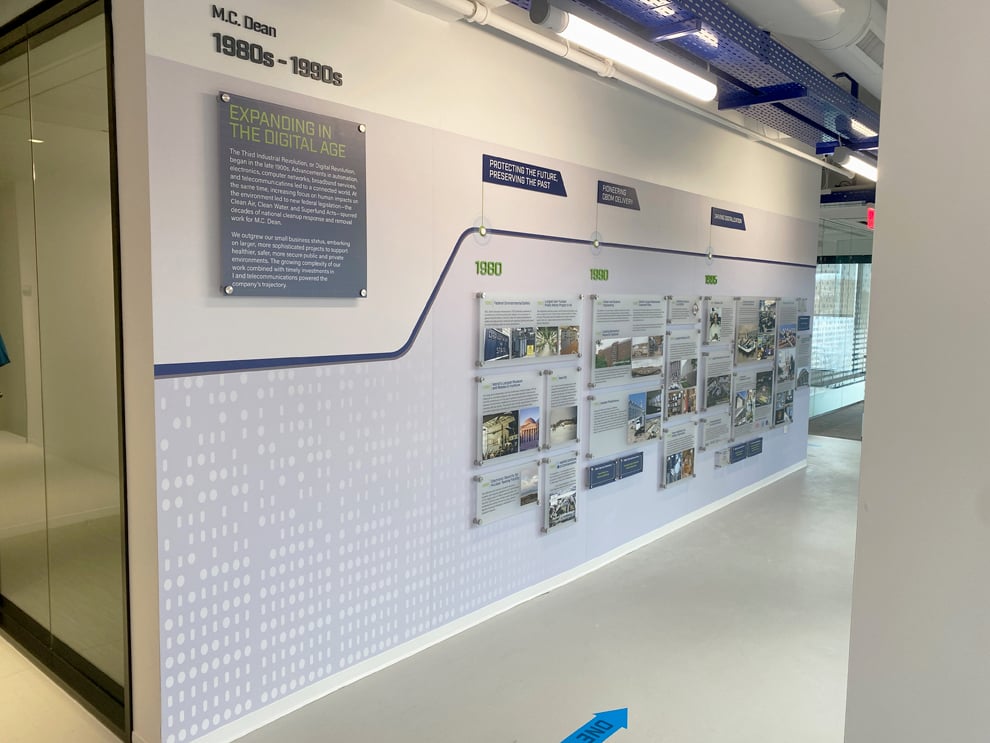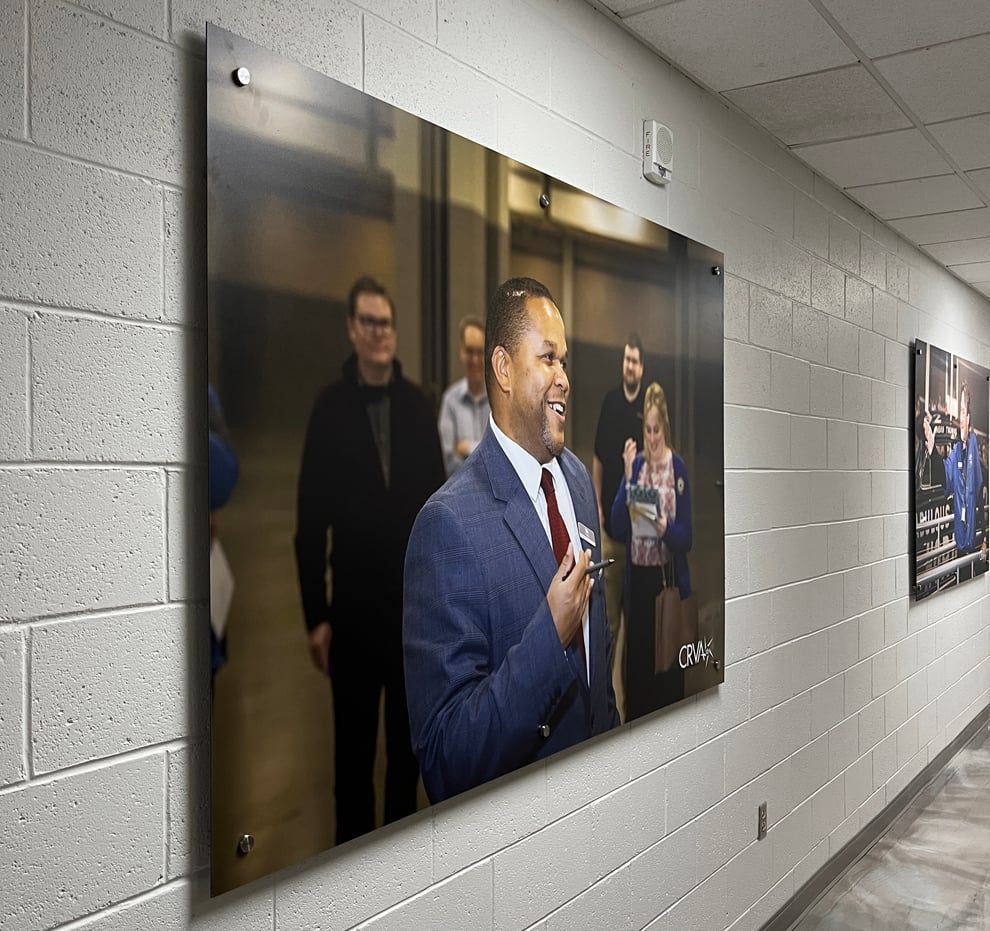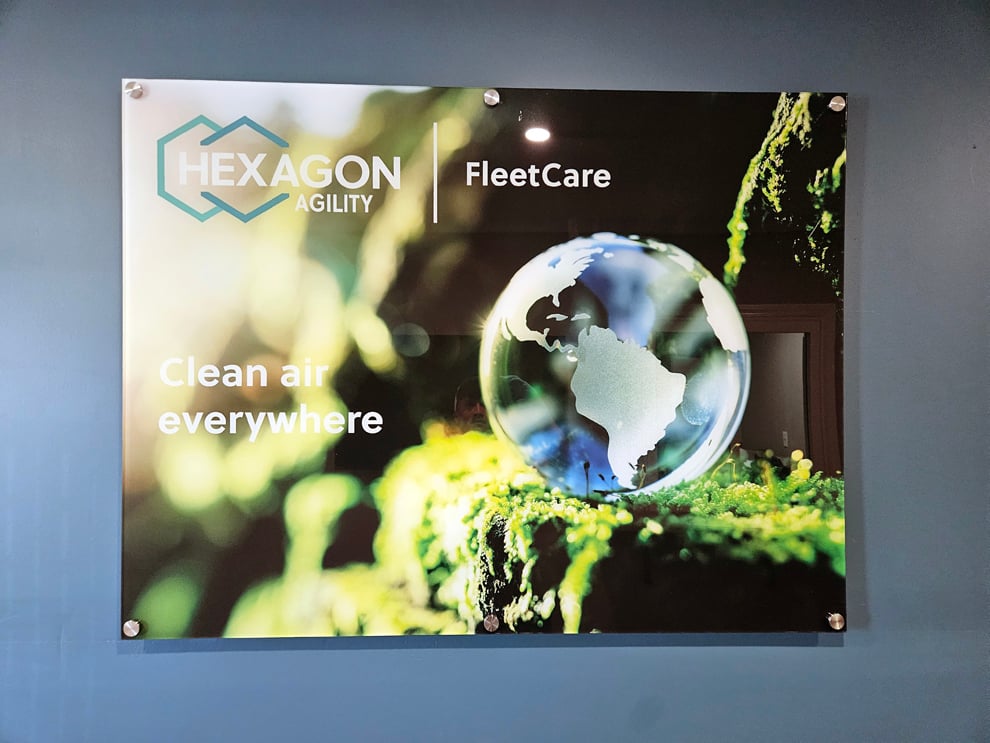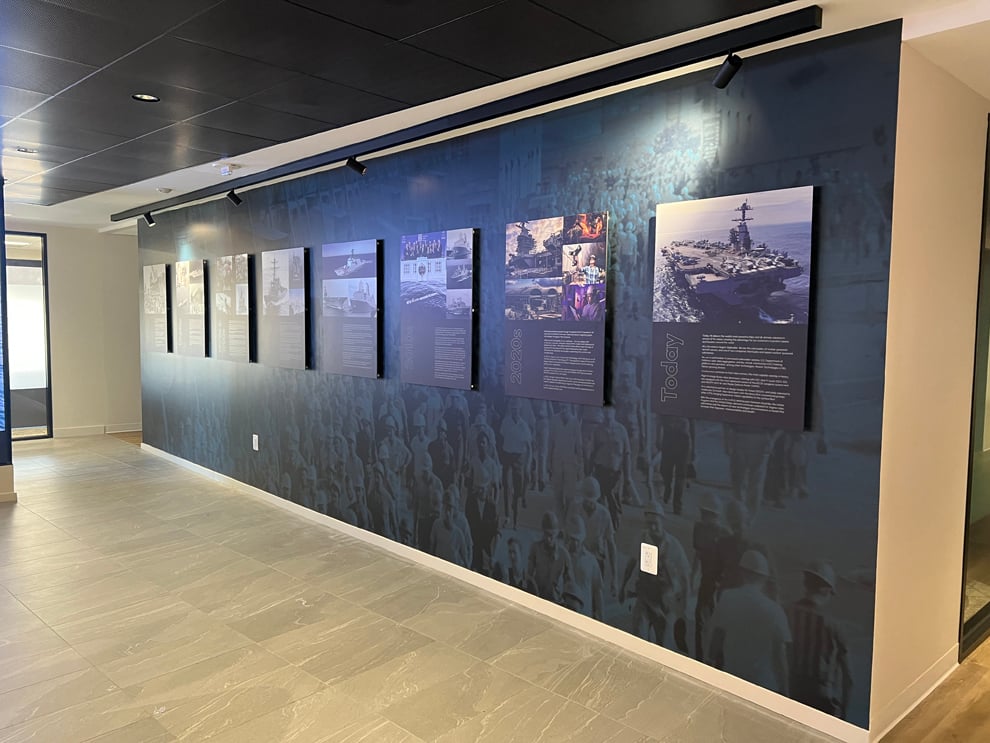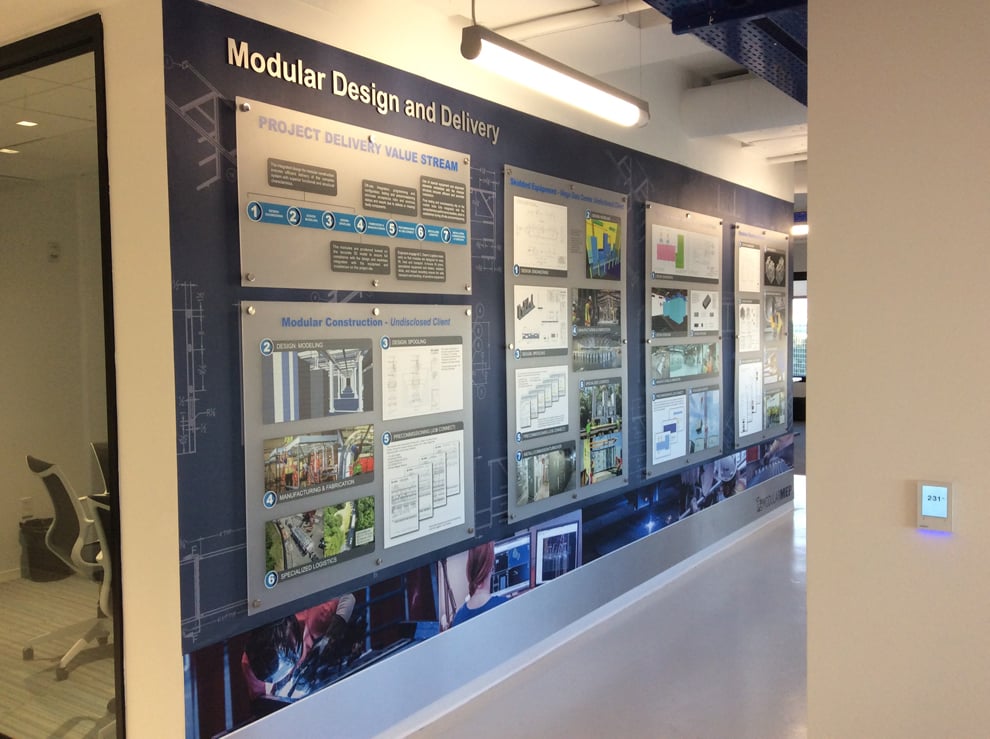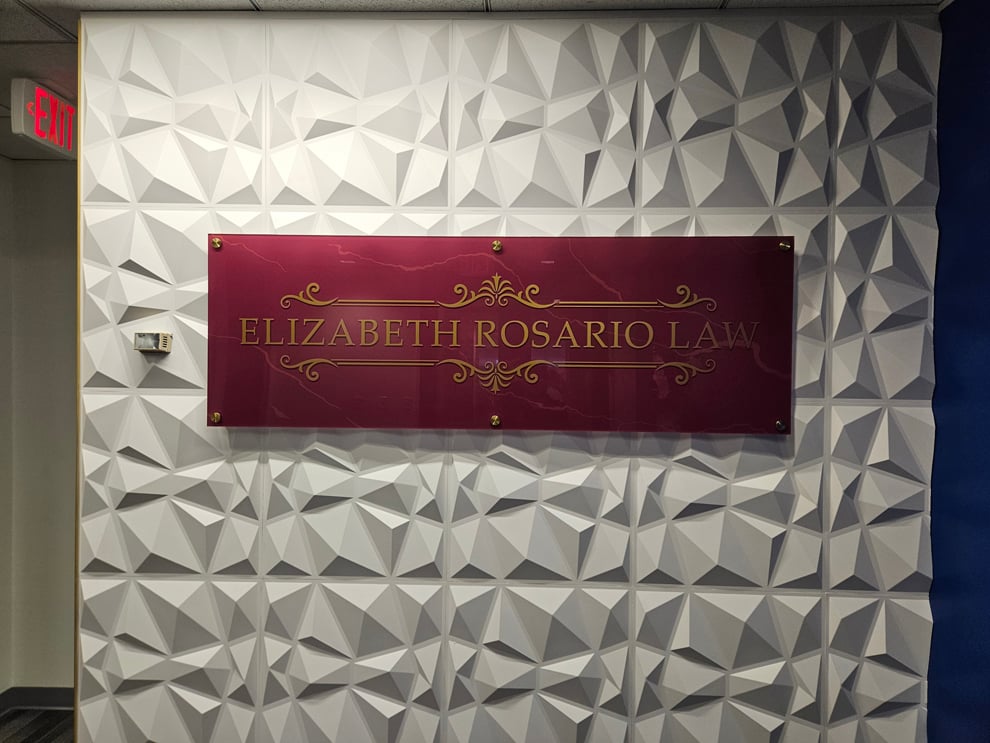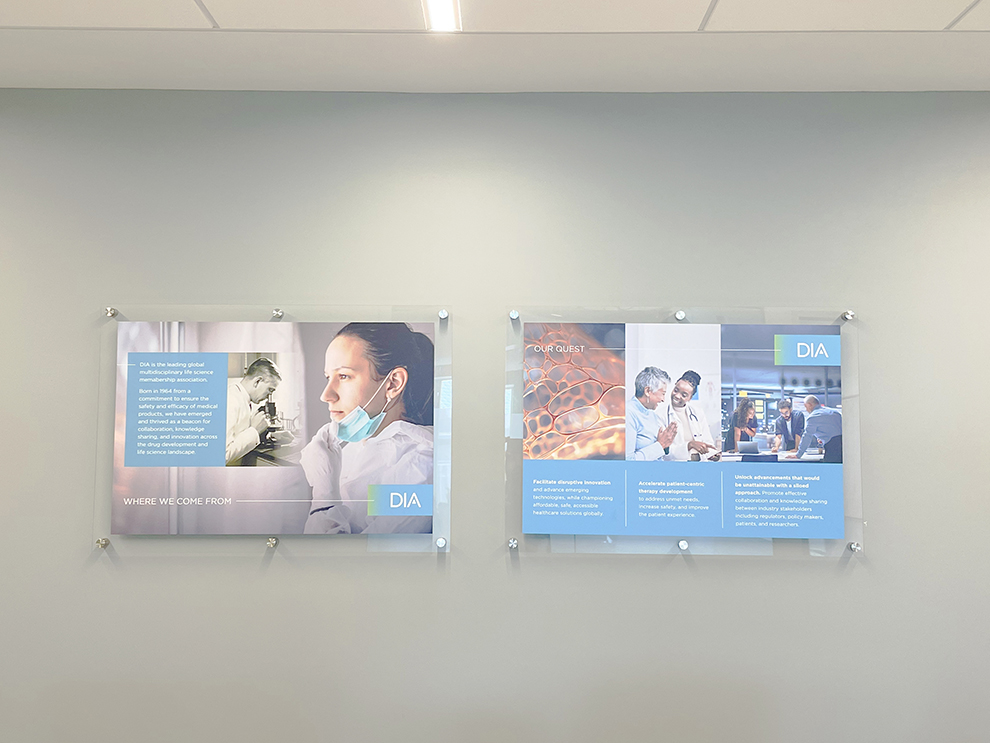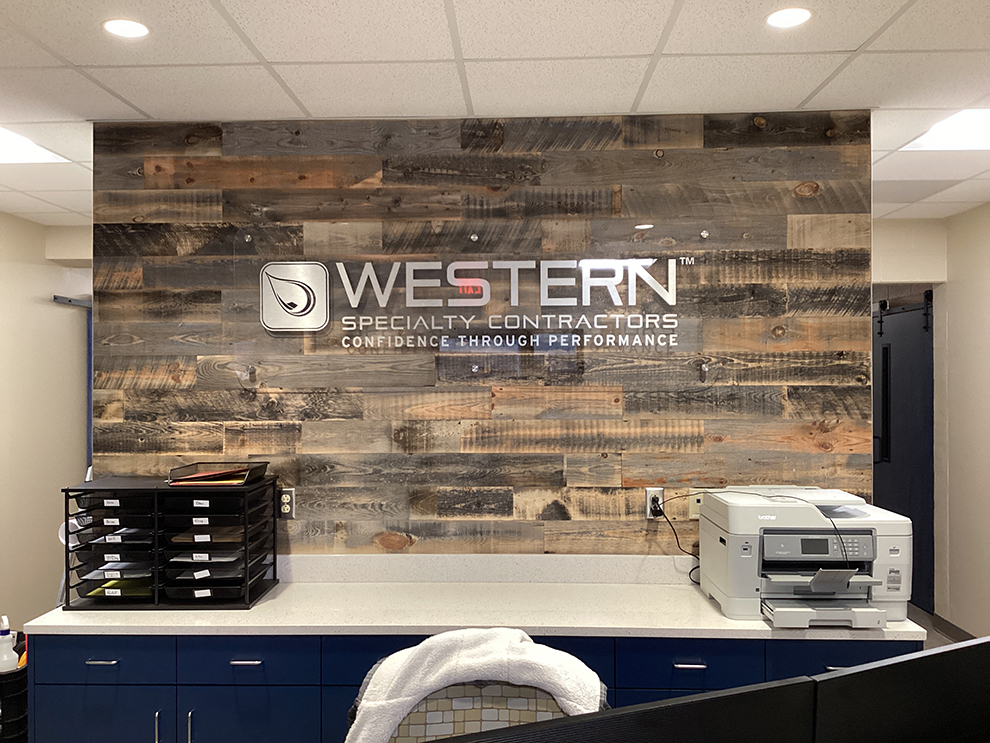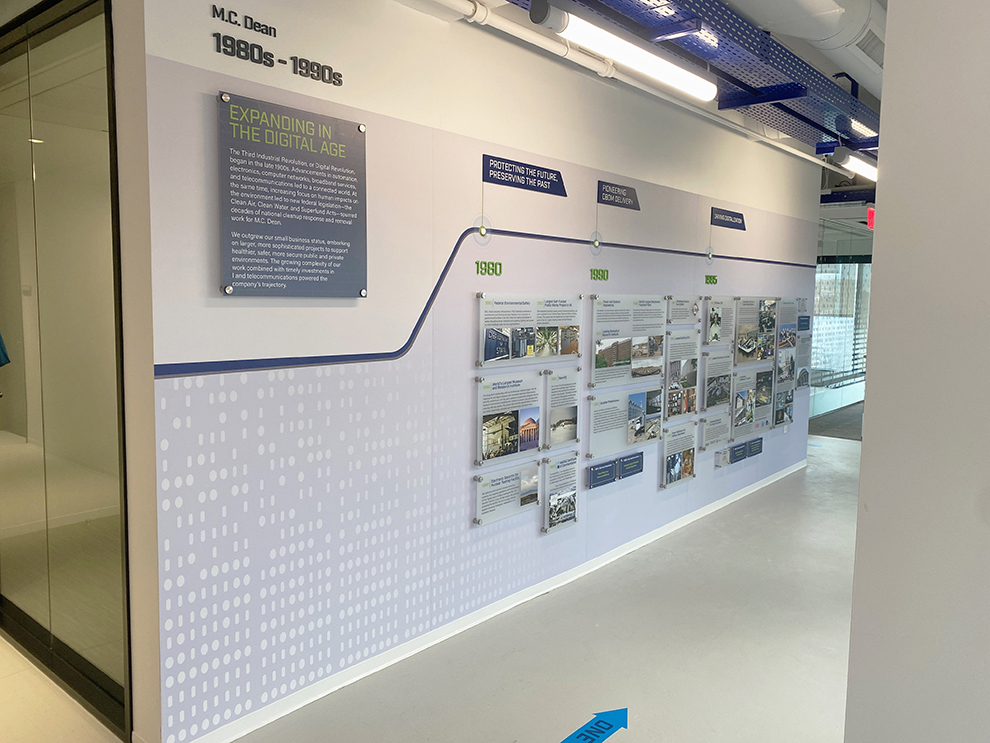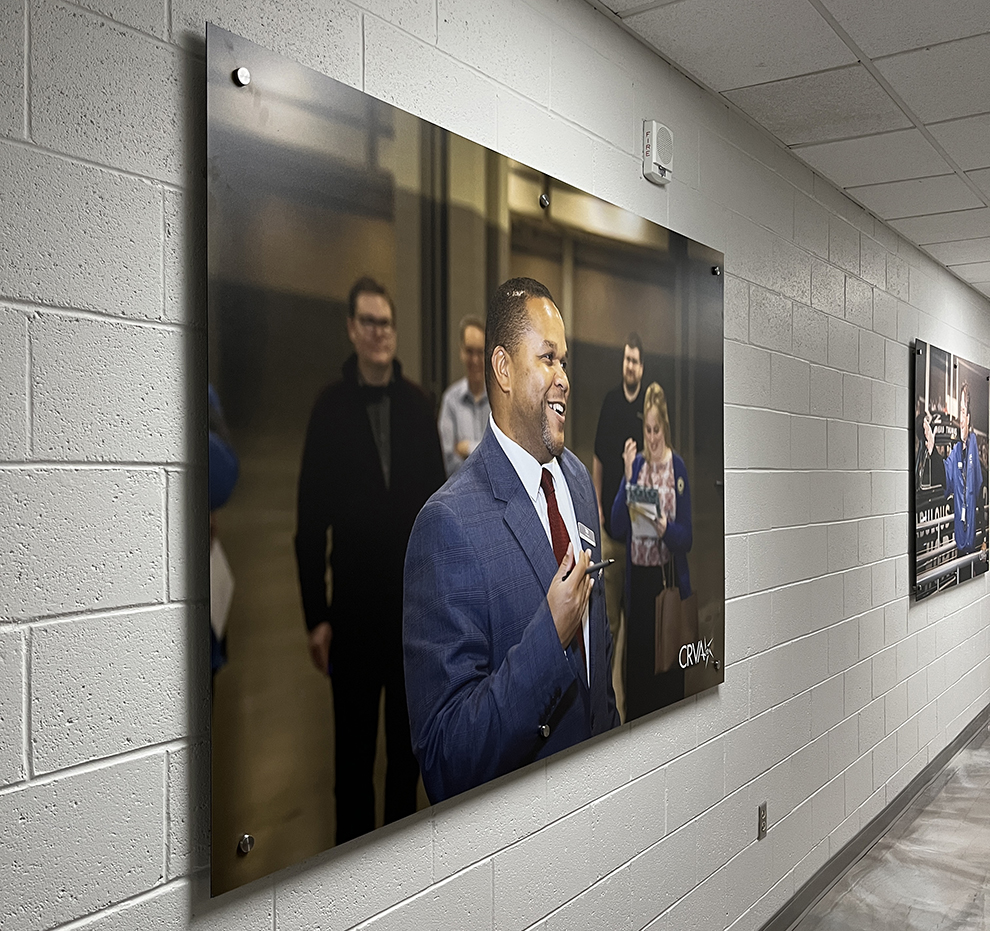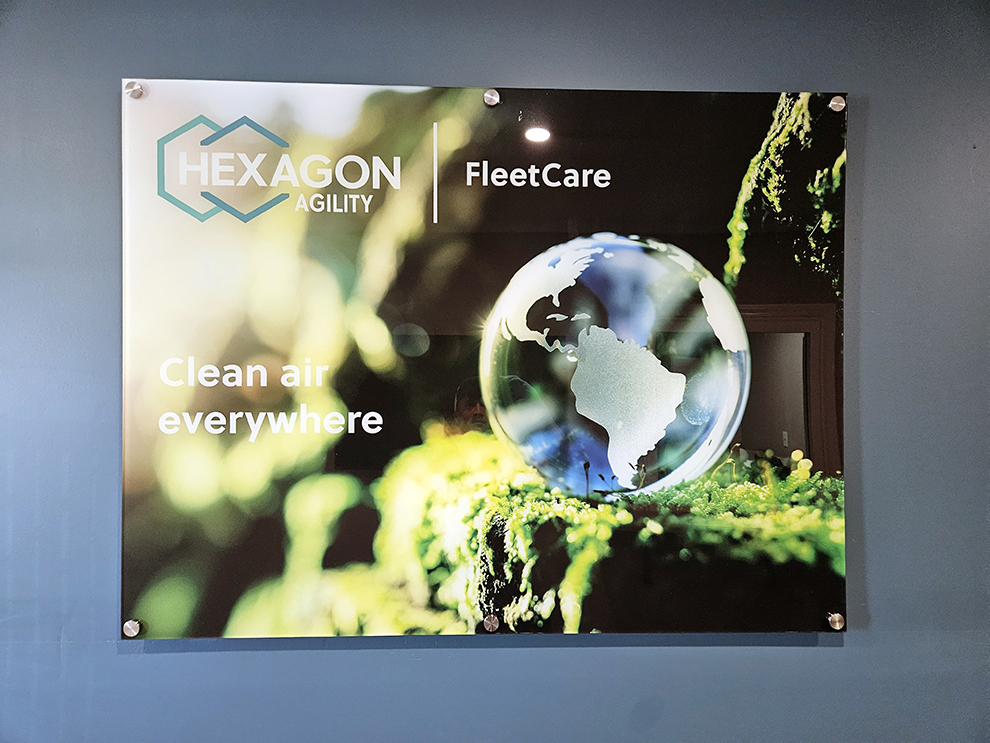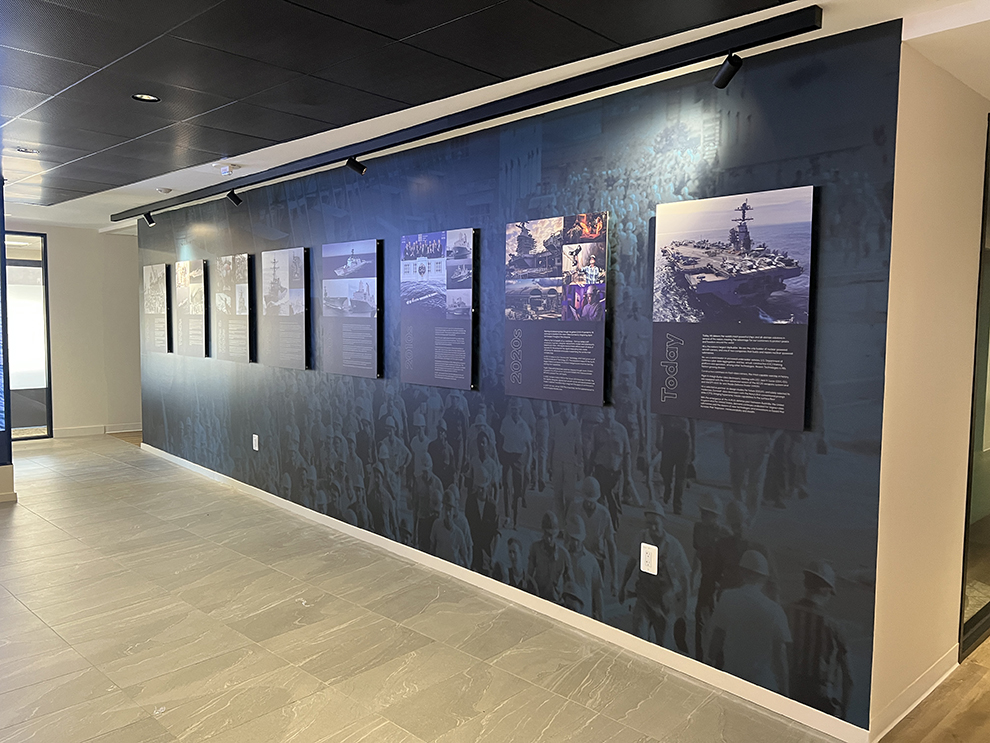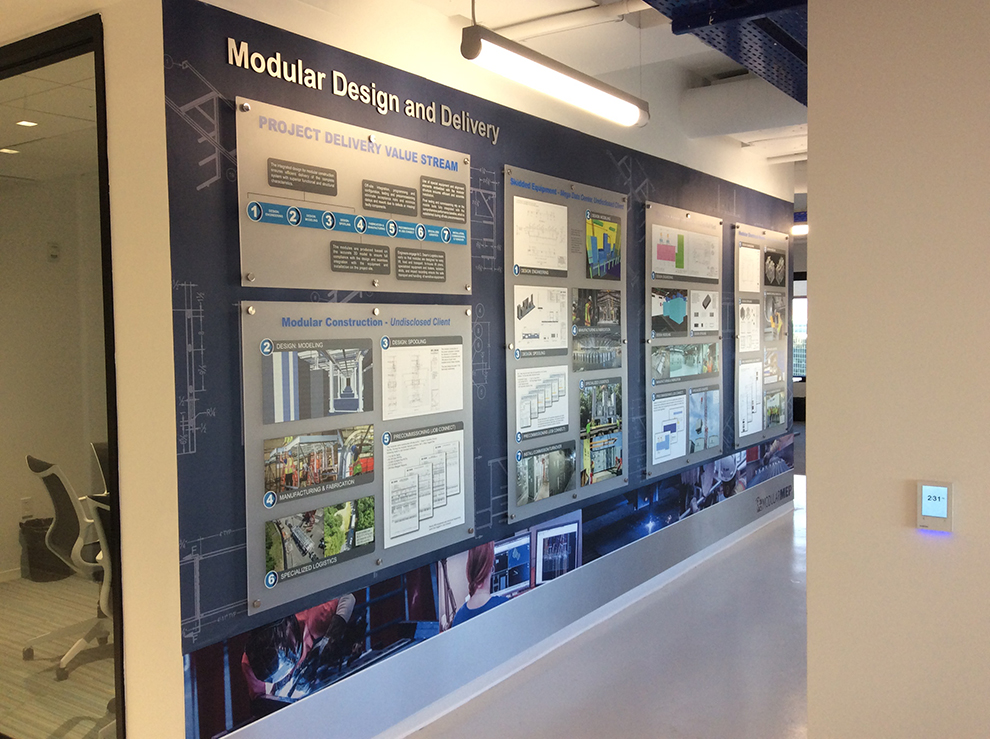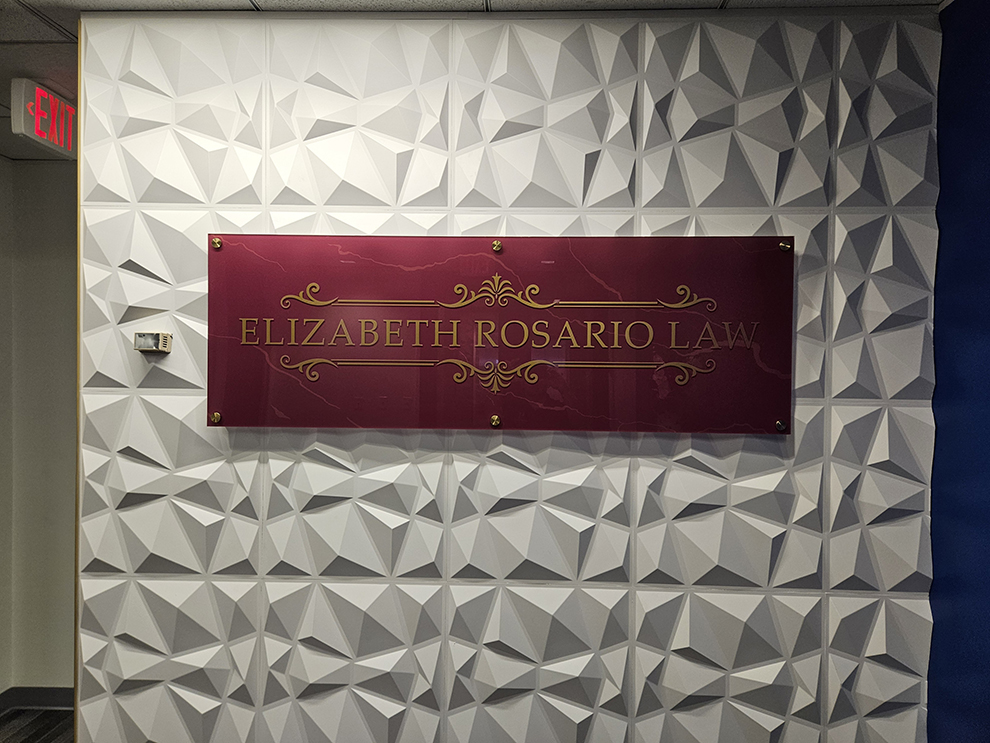
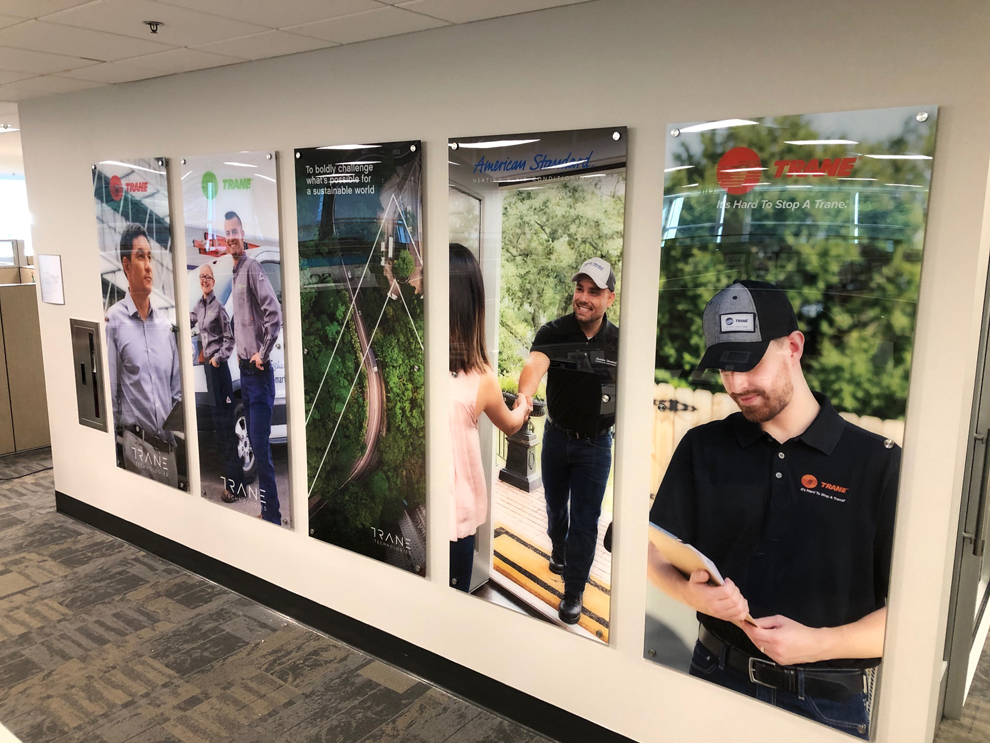
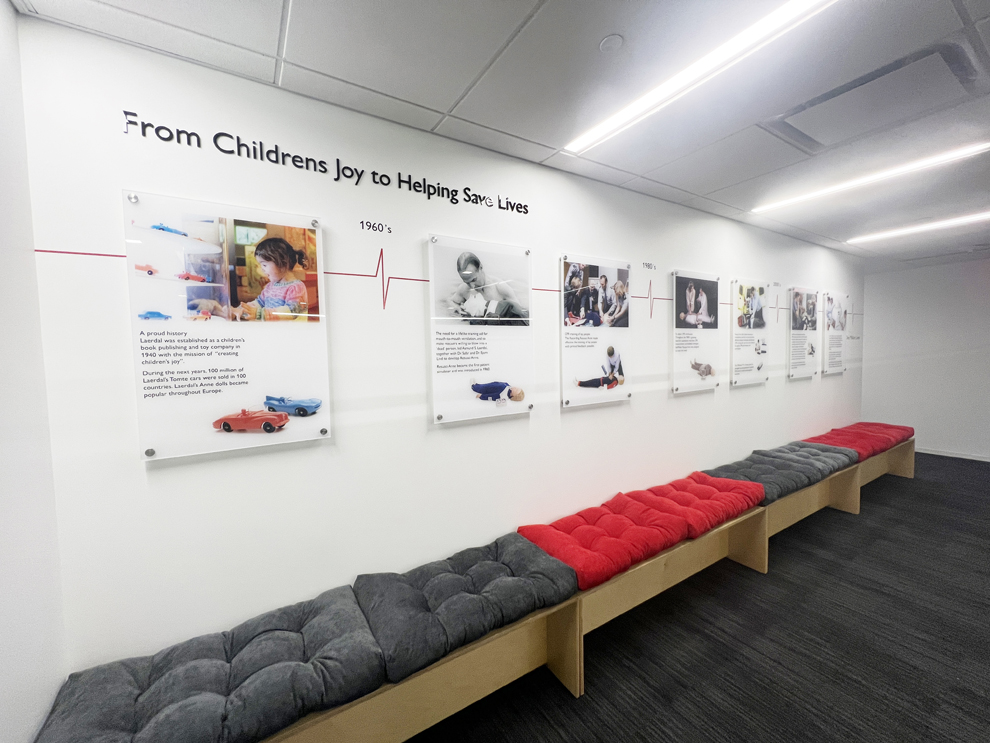
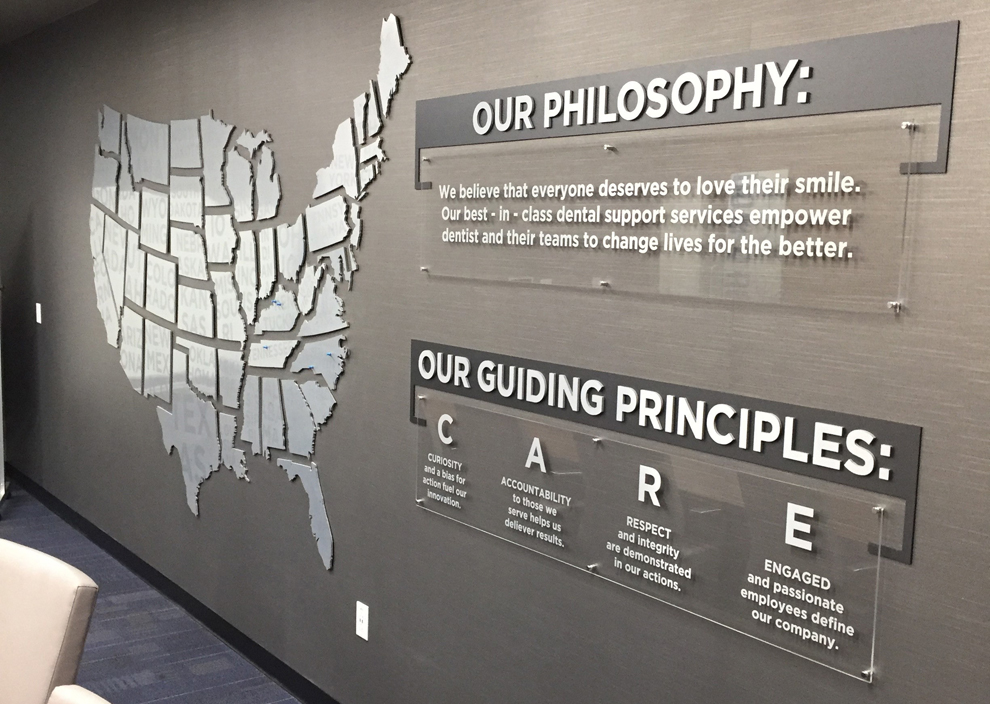
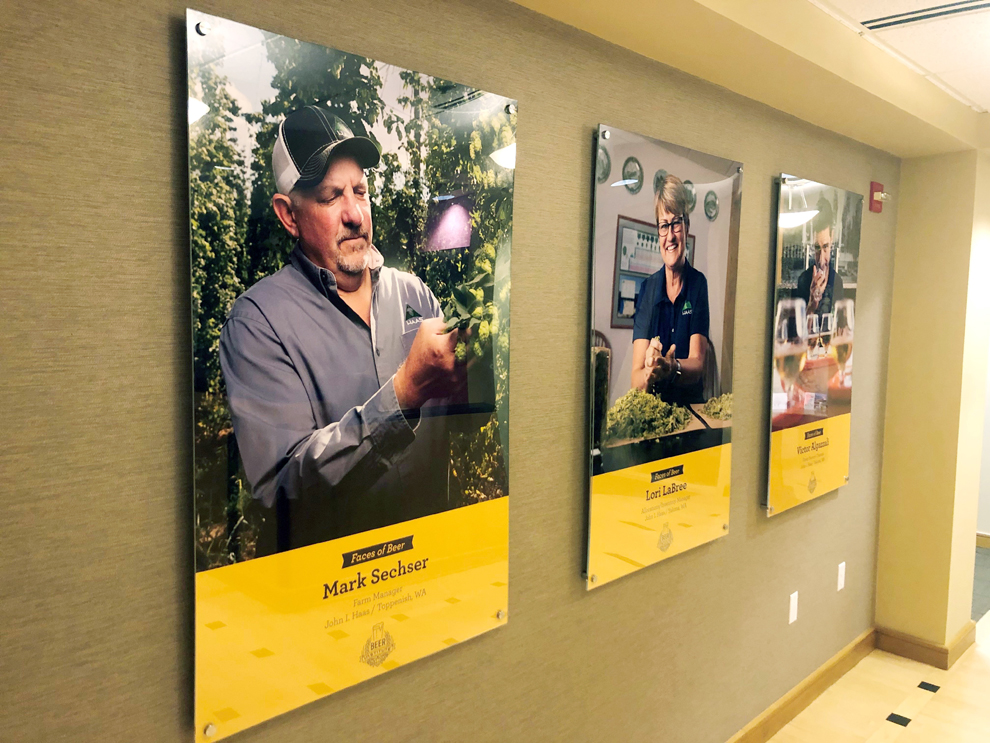
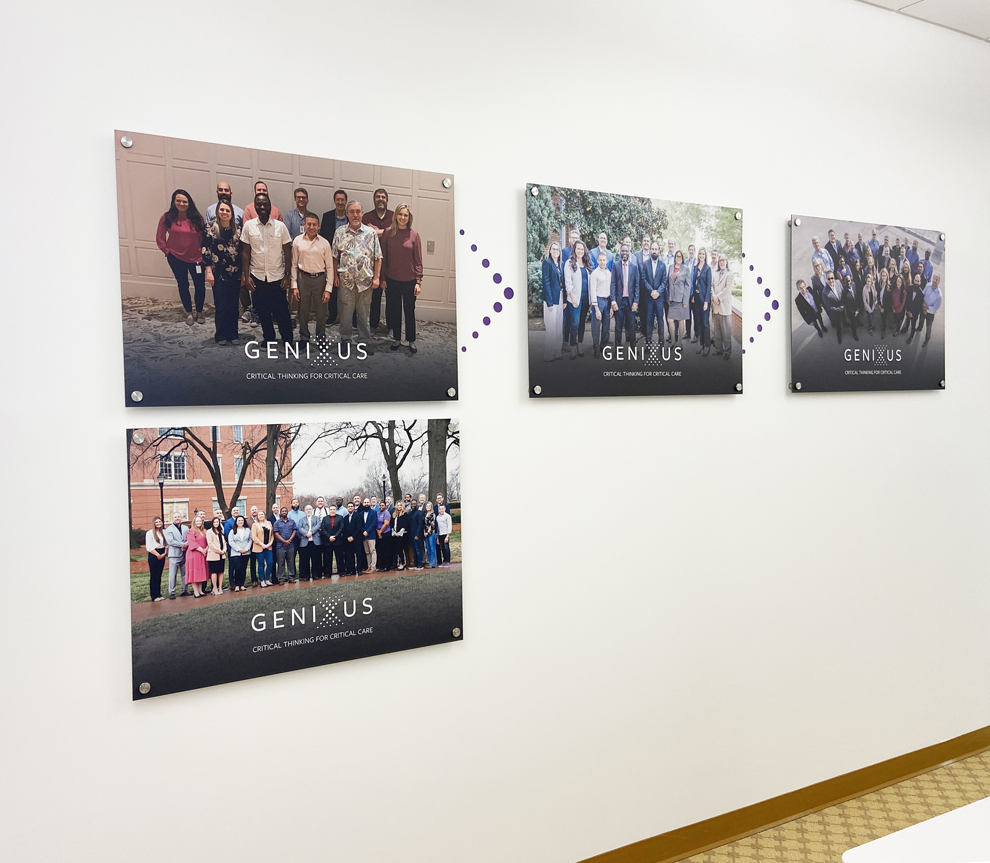
A standoff mounted sign holds a finished panel away from the wall using visible architectural hardware, producing depth, shadow, and a dimensional quality that flat signage cannot match. The projection draws attention to logos, recognition content, mission language, and directional information while helping the surrounding space feel established, intentional, and connected. For organizations that want a permanent interior statement, this format communicates credibility without visual clutter.
Greensboro and the surrounding Piedmont Triad support a broad mix of manufacturers, universities, healthcare systems, insurance firms, nonprofits, and logistics companies that need durable interior branding. Heritage Signs & Displays is a veteran-owned, family-led commercial interior sign company serving clients since 1977. Heritage helps universities, healthcare providers, nonprofits, ministries, research organizations, professional firms, and expanding businesses build standoff mounted displays suited to their message, audience, architecture, and daily use.
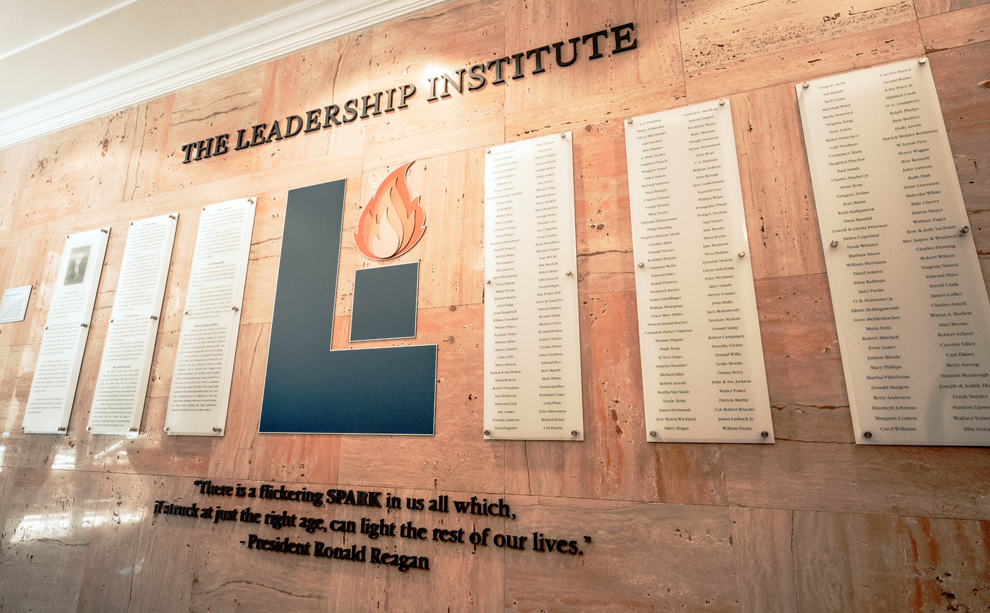
Many of these projects begin during a renovation, headquarters relocation, workplace refresh, capital campaign, culture program, rebrand, or building opening. A lobby feature can strengthen the arrival experience for visitors and employees. A donor recognition wall can honor generosity with dignity. A mission statement panel keeps organizational purpose visible in shared spaces. Standoff mounted panels can also identify departments, present milestones, support directional information, or arrange complex content into a clear visual sequence.
Heritage delivers these projects through environmental graphic design, project management, production, fabrication, and professional installation as one coordinated, Heritage-managed process. One dedicated project manager organizes discovery, site information, approvals, material selection, hardware detailing, production timing, access requirements, and installation planning. Because those responsibilities stay connected, Greensboro, NC clients gain clearer accountability and stronger protection of design intent from the first meeting through the final walkthrough.
A defining point for buyers is that standoff mounted signs are described by their mounting system rather than one required face material. Acrylic, aluminum composite material (ACM), printed panels, layered graphics, dimensional letters, and replaceable inserts may all be used when the design and site conditions allow. This distinction matters because an acrylic sign can rely on several mounting methods, while a genuine standoff sign is identified by visible hardware and measured projection. Precise terminology preserves a separate role for both Standoff Mounted Signs and Acrylic Signs pages.
Because standoff hardware is mechanically secured through planned wall penetrations, these displays function as permanent or semi-permanent features. Relocating or removing them will ordinarily require patching and refinishing. Wall construction, panel weight, mounting depth, lighting, viewing distance, future update needs, and installation access shape the finished result. Heritage evaluates those conditions before fabrication so each sign can be aligned accurately, anchored securely, and integrated with the interior around it.
As a veteran-owned business, Heritage works to be a valued resource that honors God by serving clients and communities with excellence. For Greensboro, NC organizations, that purpose becomes visible through careful listening, responsible recommendations, precise production, respectful installation, and follow-through that helps a finished interior serve people well every day.
Buyers sometimes treat standoff mounted signs as acrylic panels with decorative fasteners, but the defining element is the entire mounting system. Barrels, caps, fasteners, and measured projection lift the panel away from the wall and make the hardware part of the architectural composition. The face itself may combine acrylic, aluminum composite material (ACM), printed graphics, dimensional lettering, layered components, or replaceable information sections.
Every properly installed wall-mounted standoff sign requires drilled mounting points and anchors or fasteners matched to the wall substrate and panel load. Removing the display will ordinarily leave holes that need repair, which makes standoff construction appropriate for permanent or semi-permanent features rather than temporary graphics or portable event signage.
Before fabrication, Heritage plans the hardware pattern, mounting template, projection depth, panel alignment, edge clearances, sightlines, cleaning access, and future update strategy. Those decisions separate standoff systems from flush-mounted acrylic signs, direct-mounted dimensional letters, adhesive graphics, and removable displays, and they help the completed installation feel secure, deliberate, and integrated with the Greensboro, NC workplace interior.
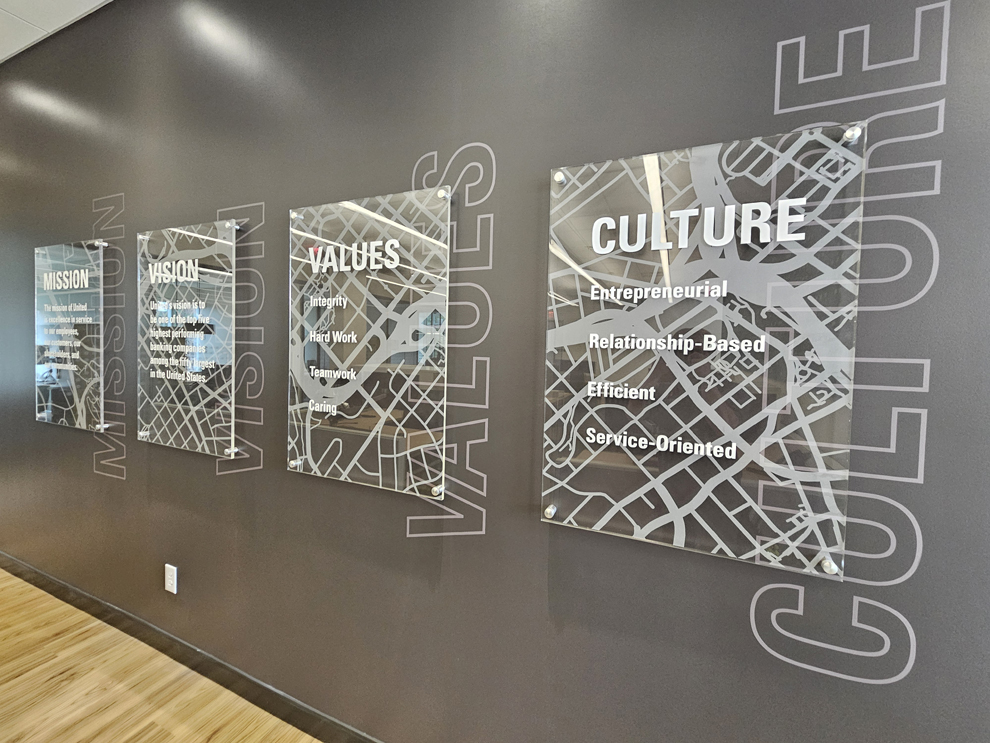
Greensboro, NC organizations turn to Heritage when standoff mounted signs must support a larger workplace, campus, healthcare, nonprofit, ministry, recognition, or culture goal. These displays frequently carry high-visibility content, so scale, panel material, hardware finish, wall condition, lighting, spacing, typography, brand color, and mounting method all influence how the finished work reads in the actual space.
Heritage pairs environmental graphic design with grounded execution. The team helps clients decide what a sign should communicate, where it belongs, how large it should be, which materials suit the interior, and how fabrication and installation should be sequenced before production starts. This approach benefits Triad offices, universities, healthcare facilities, nonprofits, ministries, research-oriented organizations, and professional firms that need interior displays to feel polished, durable, and true to their identity.
Discovery, site evaluation, project management, production, fabrication, and installation stay linked through one organized process. That coordination protects brand standards, reduces unnecessary handoffs, strengthens accountability, and supports a finished display suited to the audience, architecture, message, and long-term use of the space.
This related-product gallery helps Greensboro buyers recognize the eight closest connections without turning a focused page into a broad catalog. Each product links to standoff mounted signs through face material, application, dimensional construction, or the larger wall presentation.
Wall wraps convert plain interior surfaces into full branded features that carry identity through offices, campuses, and event environments.
Window graphics add branding, color, and privacy while giving offices, storefronts, and venues a more unified professional appearance.
Lobby signs set identity and confidence at arrival, and a projected acrylic or ACM panel can support a refined reception feature when hardware suits the architecture.
Frosted vinyl improves privacy and gives glass a crisp branded look across offices, conference rooms, and shared event spaces.
Elevator wraps extend branding into busy shared spaces and turn overlooked surfaces into memorable brand moments.
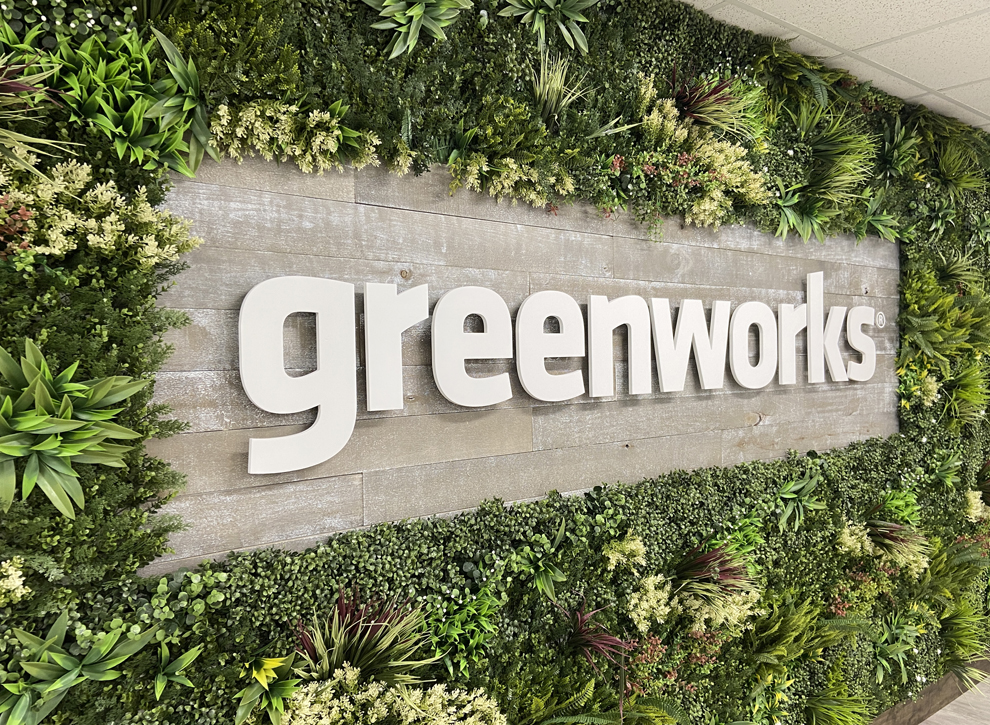
Dimensional letters give names, logos, and messages physical presence, mounting directly to the wall or coordinating with a standoff panel.
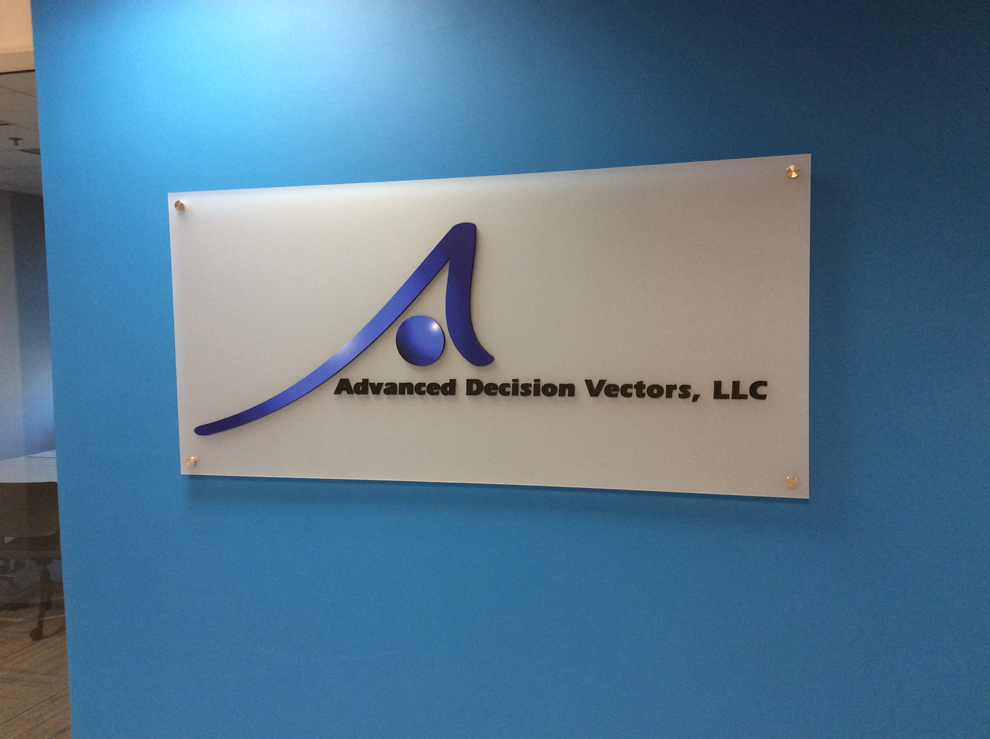
Acrylic signs offer clear, frosted, colored, printed, or layered faces, using standoff hardware or another mounting method chosen for the design.
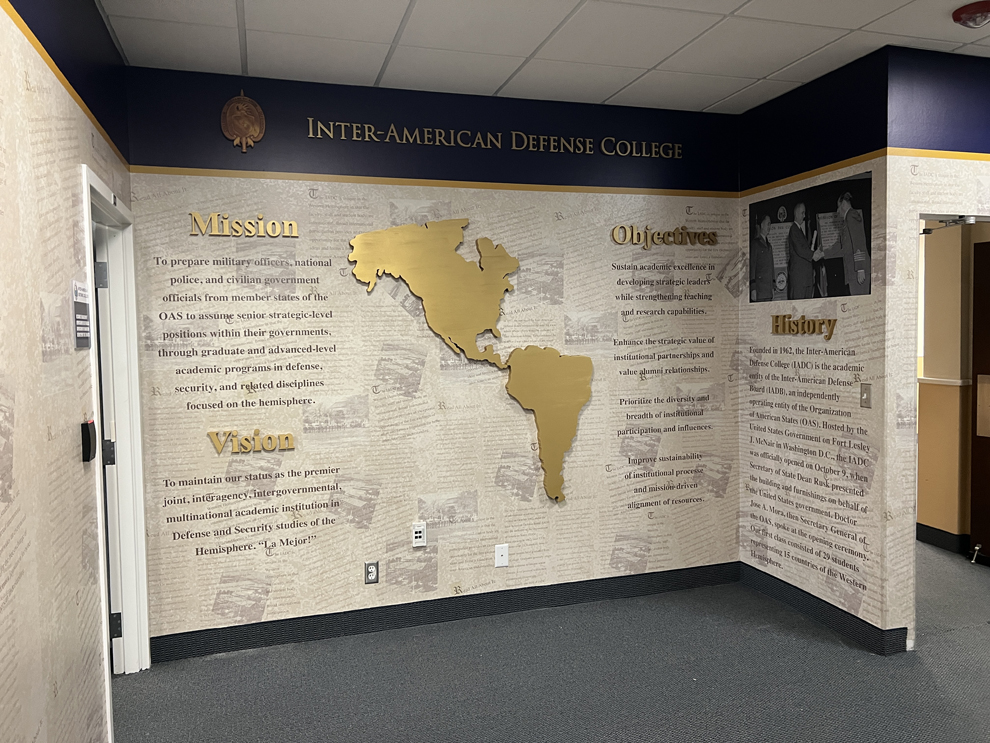
Wall displays organize mission statements, values, history, recognition, and storytelling across a larger surface, where standoff panels can add depth or replaceable sections.
Ready to give an important message a permanent, architectural presence? Heritage Signs & Displays can help your Greensboro or Piedmont Triad organization develop standoff mounted signs for workplace identity, donor recognition, mission statements, core values, timelines, directories, and branded storytelling walls. On the Get Started Now form, tell us what the display should accomplish and provide the address, desired completion date, brand files, wall photographs, approximate dimensions, and anticipated overall scope. Our team will assess the application, identify needed site information, and explain the next step in Heritage's coordinated design-through-installation process.
Heritage supports Greensboro, NC organizations that need standoff mounted signs, recognition displays, mission statement and core values features, timeline walls, and other permanent interior branding elements. This work often serves manufacturers, universities, healthcare facilities, insurance and financial firms, nonprofits, ministries, corporate interiors, and logistics organizations across Greensboro, High Point, Winston-Salem, Burlington, Kernersville, Jamestown, Summerfield, Oak Ridge, Gibsonville, and nearby Piedmont Triad communities.
The Triad economy blends manufacturing, higher education, healthcare, insurance, logistics, professional services, and growing companies, which creates varied interior communication needs. Some clients want a single, carefully executed lobby sign or donor display. Others need coordinated panels, recognition features, department identification, and branded wall elements across multiple buildings, departments, or facilities.
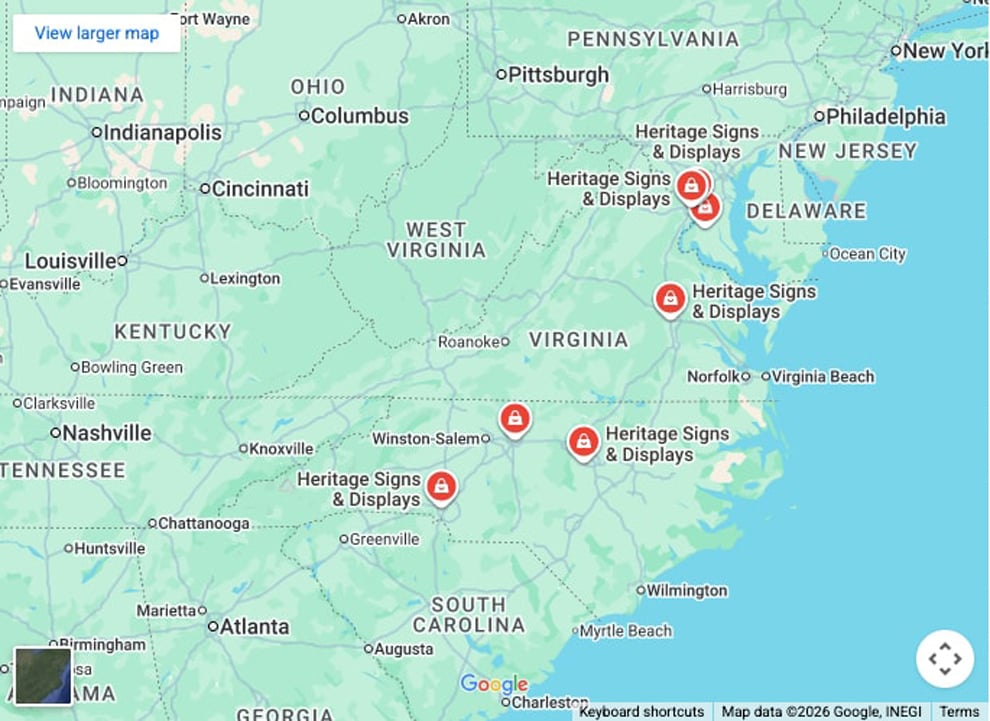
For organizations with locations across North Carolina, South Carolina, Virginia, Maryland, and Washington, DC, Heritage can coordinate site information, materials, hardware standards, production expectations, installation planning, and communication through one project-managed process. The value is not simply geographic reach. It is clearer accountability and stronger consistency while allowing each location's wall conditions, dimensions, access, and audience to influence the final installation.
Standoff mounted signs deliver more when message, mounting system, and surrounding interior are planned as one. Heritage designers start with what people should notice, understand, or remember. They study how employees and visitors approach a wall, how long they are likely to view it, and how the content should relate to the organization's identity, culture, and architecture.
For Greensboro workplaces, this environmental graphic design process can shape a lobby identity, mission statement, core values presentation, donor recognition feature, history display, directory, or branded storytelling wall. Scale, typography, contrast, panel divisions, materials, hardware finish, projection depth, lighting, and future update needs are evaluated as parts of one communication system. The aim is not simply to decorate a wall, but to make important information clear, credible, and appropriate for the people who use the space.
Because Heritage links design with project management, production, fabrication, and installation, practical concerns can be resolved before they weaken the concept. Panel tolerances, mounting locations, wall conditions, sightlines, brand colors, cleaning access, and installation requirements can shape the approved design while adjustments remain manageable.
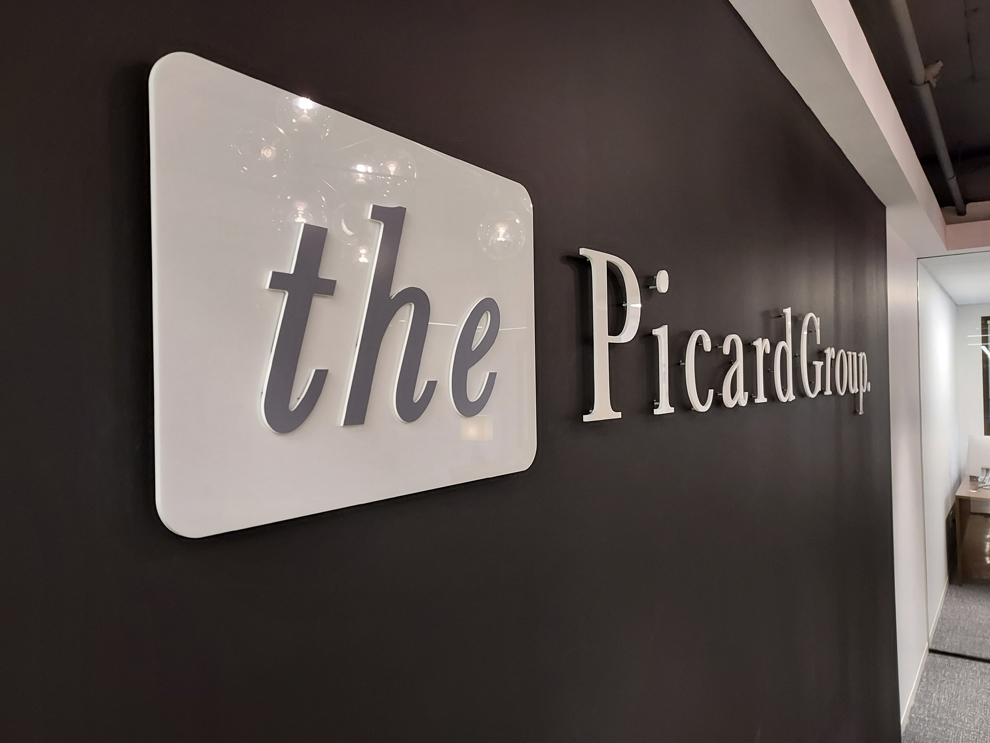
Professional installation matters because every wall-mounted standoff sign requires drilled mounting points and mechanically secured hardware. The panel must sit level, the spacing between caps must stay consistent, and the anchors must match the wall construction and total load. Minor layout errors become highly visible when polished hardware repeats across a large panel or a multi-part display.
Heritage plans installation while a sign is still being designed and fabricated. Available drawings, photographs, field dimensions, wall finishes, backing, hidden utilities, nearby fixtures, lighting, access routes, occupied-space protection, building procedures, and work-hour limits can all affect the mounting plan. A site survey can verify conditions that cannot be established reliably from client-supplied information, particularly for larger displays, specialty surfaces, controlled facilities, and installations demanding precise alignment with architectural features.
Heritage handles installation for standoff mounted signs and displays produced, fabricated, or procured within a Heritage-managed project. Heritage does not offer installation-only service for products supplied by other companies. Keeping responsibility for the approved design, materials, hardware, templates, fabrication, and installation connected gives Greensboro and Piedmont Triad clients clearer accountability for the completed presentation.
Heritage fits organizations that want standoff mounted signs to contribute to a larger, professionally managed branding, recognition, culture, or wayfinding project. The team concentrates on permanent and semi-permanent wall installations where consultation, site evaluation, production, fabrication, project management, and professional installation stay connected from planning through completion.
Heritage-managed projects for Greensboro and Piedmont Triad clients begin with an overall project investment of $4,000. This figure applies to the complete project, not automatically to each individual panel or sign. A qualifying project may involve one substantial lobby, donor, mission statement, core values, timeline, or recognition display, or several coordinated interior sign elements across one or more spaces.
Heritage does not provide channel letters, monument signs, pylon signs, standard exterior sign programs, or installation-only service for products made elsewhere. Exterior wall-mounted standoff signs can be appropriate when substrates, graphics, hardware, anchors, wall construction, weather exposure, and local requirements suit the application. Because all standoff signs require drilled mounting points, they should not be treated as temporary displays. These boundaries help Heritage maintain accountability for the finished result.
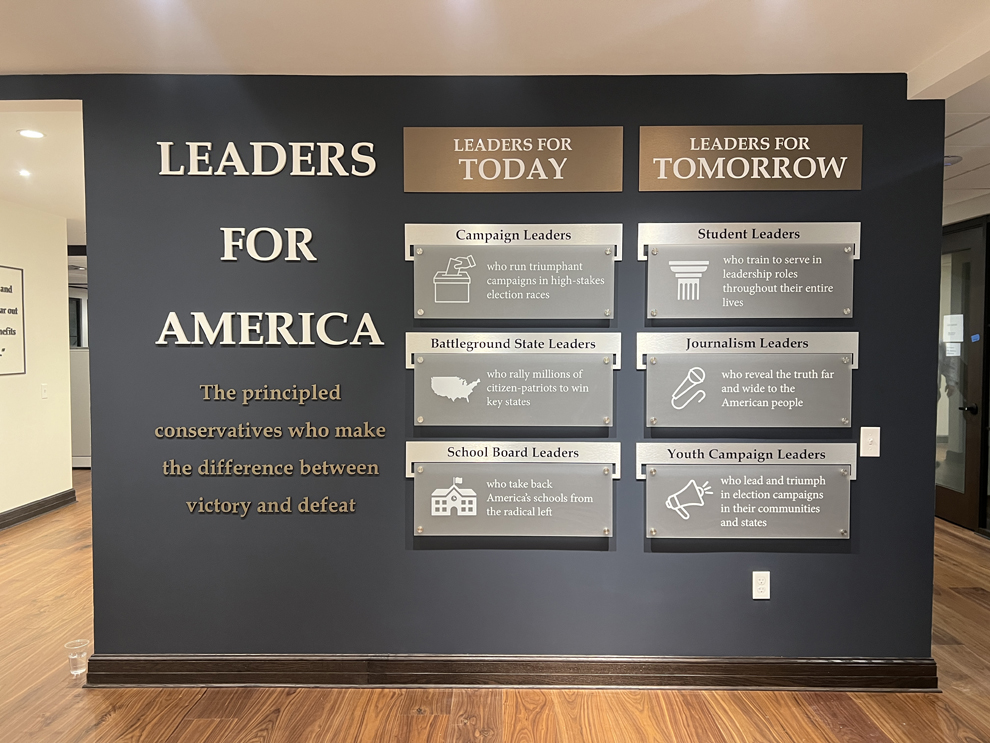
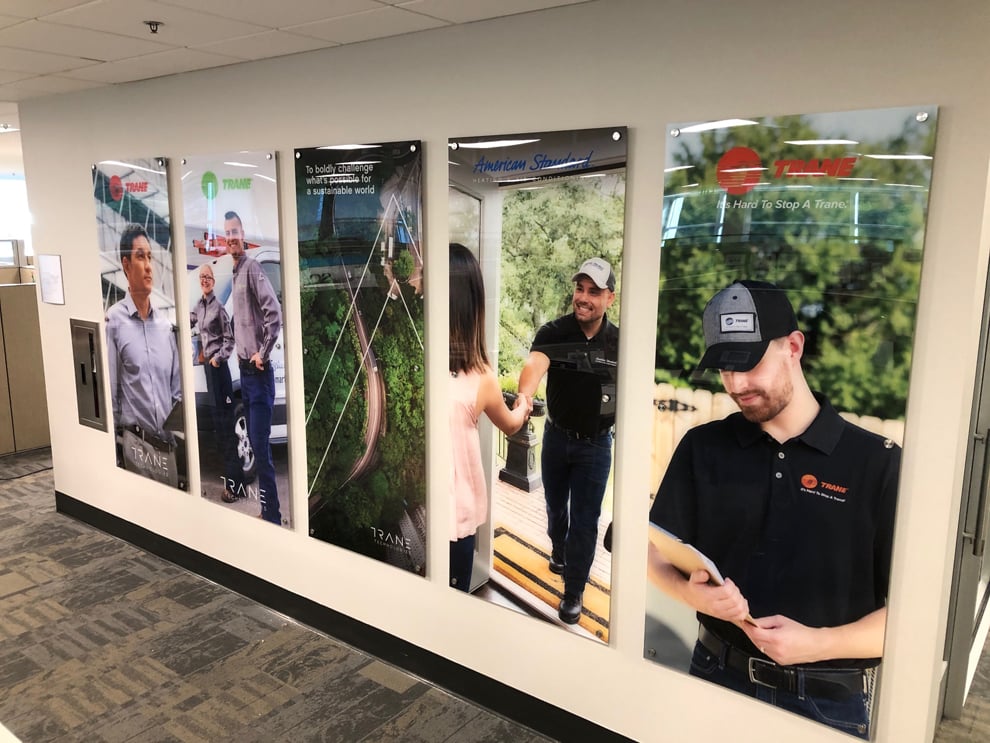
Standoff mounted signs are wall-mounted signs or displays that use visible architectural hardware to hold a panel or dimensional element away from the wall. The measured projection produces depth, shadow, and a polished dimensional appearance. They commonly present logos, mission statements, donor recognition, timelines, directories, values displays, office identification, and other permanent interior content.
Yes. Every properly installed wall-mounted standoff sign requires drilled mounting points and substrate-appropriate anchors or fasteners. The hardware must be secured so the panel stays aligned, stable, and safely projected from the surface. Heritage evaluates wall construction, panel weight, hardware spacing, anchor requirements, and access conditions before fabrication and installation begin.
Projection depth depends on barrel length, hardware diameter, cap proportions, finish, panel thickness, wall conditions, and the desired dimensional emphasis. Some installations use a subtle separation, while others use deeper hardware for stronger shadow and visual depth. Sightlines, lighting, panel stability, cleaning access, and surrounding architectural features should be weighed so the hardware supports the display rather than distracting from it.
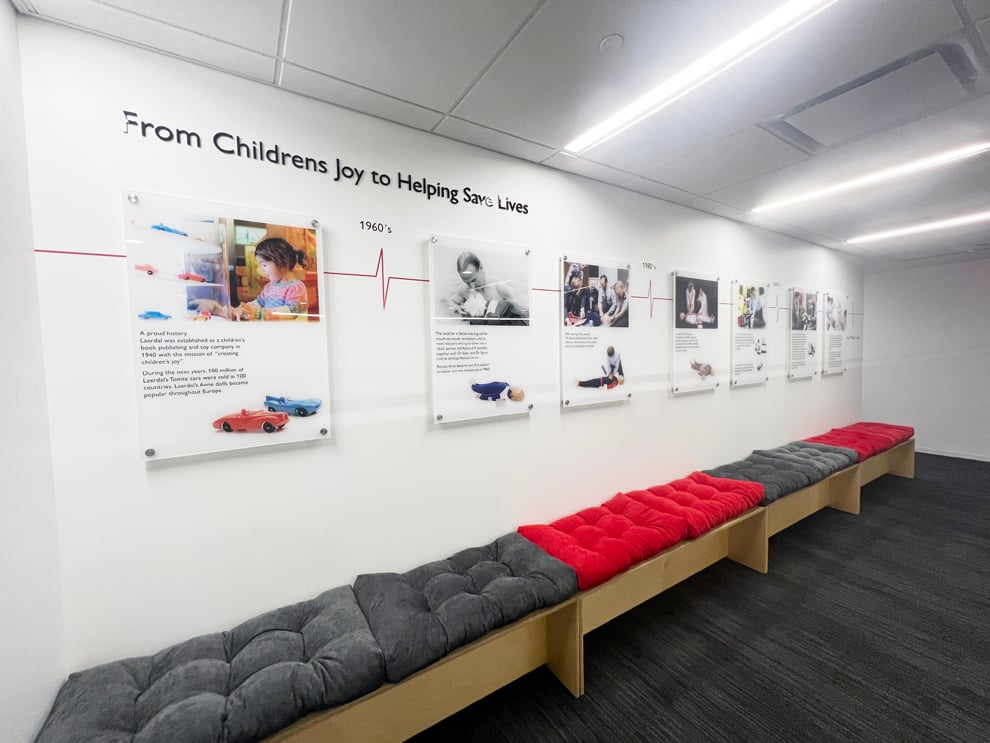
Yes. Standoff mounted panels suit donor recognition well because they can combine names, giving levels, plaques, printed graphics, dimensional elements, and replaceable components. Planning should address donor hierarchy, readability, future updates, materials, hardware layout, and the relationship between the display and the surrounding lobby, corridor, campus, healthcare, or nonprofit interior.
Yes, when updateability is planned from the beginning. A display may use replaceable panels, modular sections, removable inserts, or hardware layouts that support future additions. This helps with donor recognition, employee recognition, timeline updates, department changes, campaign progress, and evolving messages. Update needs affect panel design, material selection, hardware placement, and production planning.
A site survey documents wall dimensions, construction, surface materials, lighting, viewing angles, mounting conditions, access, security procedures, and installation limitations. These details influence panel size, anchor selection, hardware spacing, projection depth, fabrication templates, scheduling, and final alignment. Surveys are especially valuable for large lobby signs, donor walls, timeline walls, campuses, healthcare facilities, and multi-floor workplaces. A dedicated Heritage project manager uses the verified information to keep design, production, access, and installation connected.
Yes. One dedicated Heritage project manager can coordinate panel materials, hardware finishes, color standards, typography, mounting details, recognition systems, and installation expectations across offices, campuses, departments, or regional facilities. Each site still requires review because dimensions, wall construction, lighting, access, and audience needs vary. The goal is consistent brand expression without forcing identical solutions onto different physical conditions.
No. Heritage installs signs and displays that Heritage produces, fabricates, or procures as part of a Heritage-managed project. Installation-only service for products supplied by others is not offered, because final quality depends on design intent, materials, production standards, hardware, wall conditions, templates, access, alignment, and final placement.
Heritage-managed projects for Greensboro and Piedmont Triad clients begin with an overall project investment of $4,000. The amount applies to the complete project, not automatically to each individual sign or panel. A qualifying project may involve one substantial lobby, donor, mission statement, core values, timeline, or recognition display, or several coordinated interior sign elements across one or more spaces.
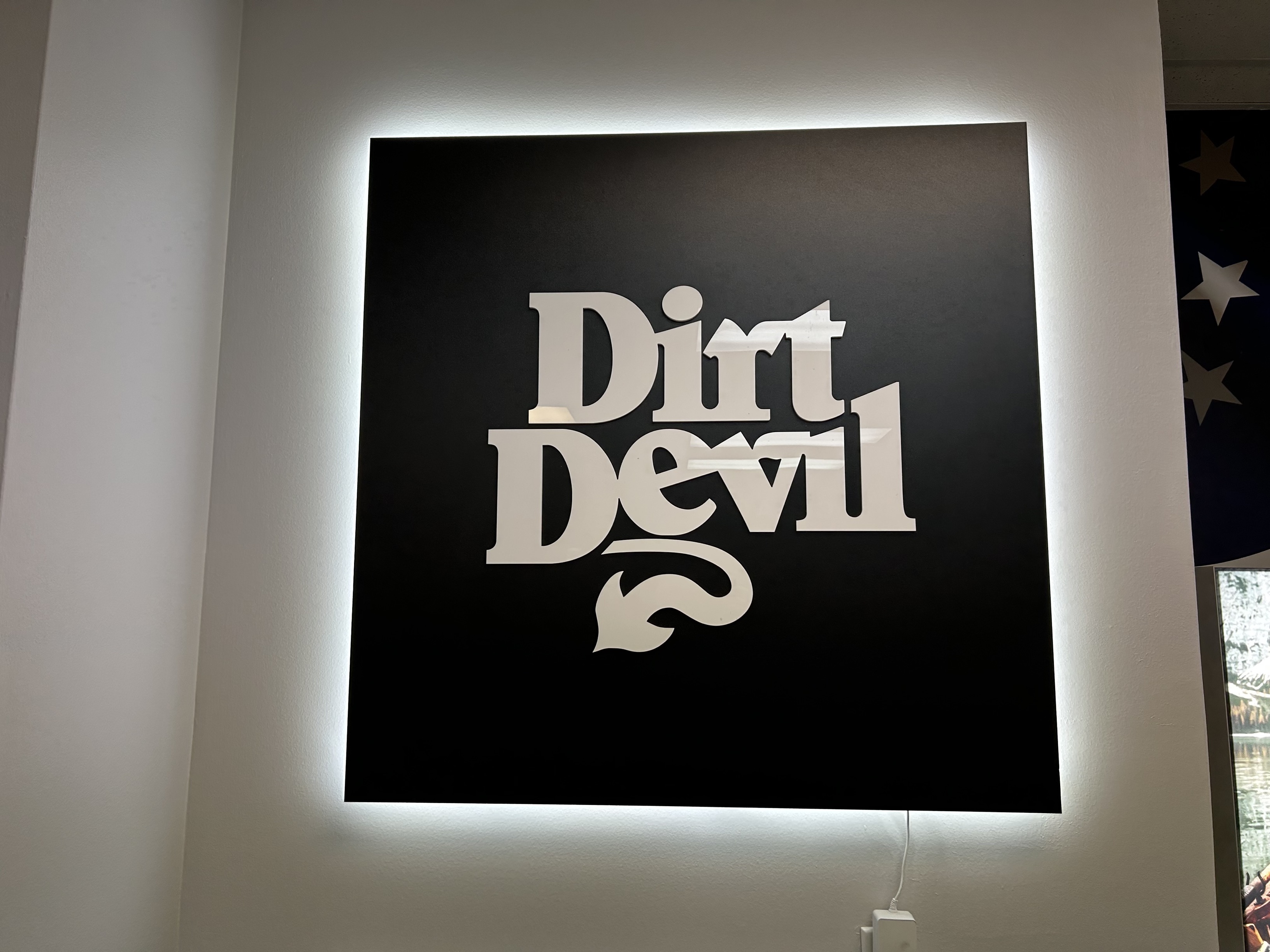
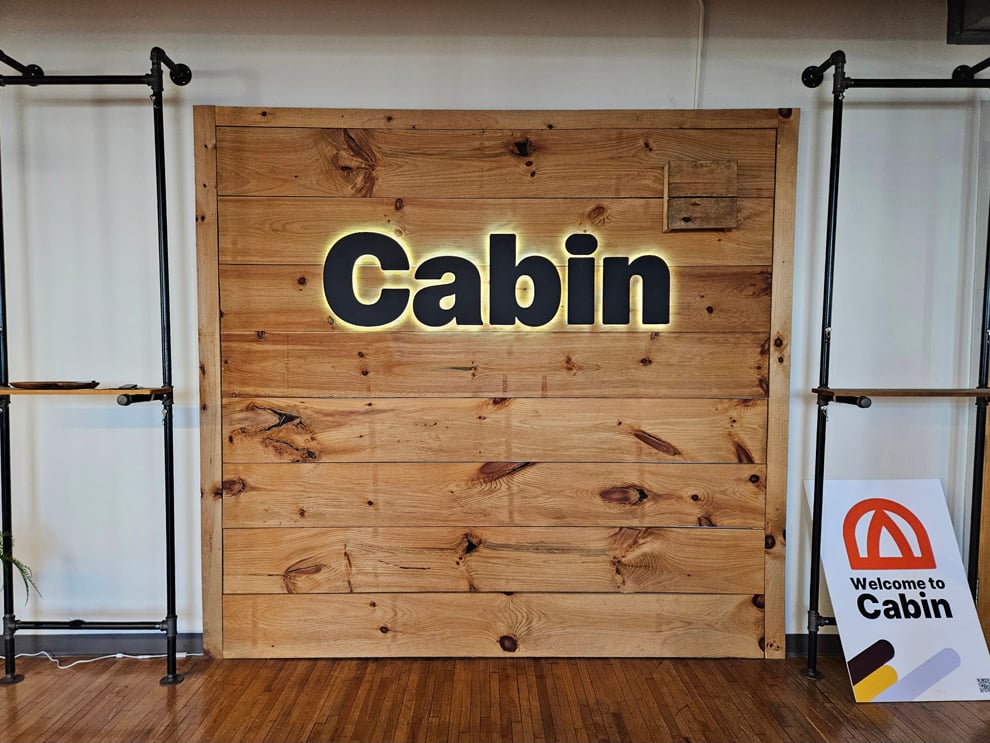
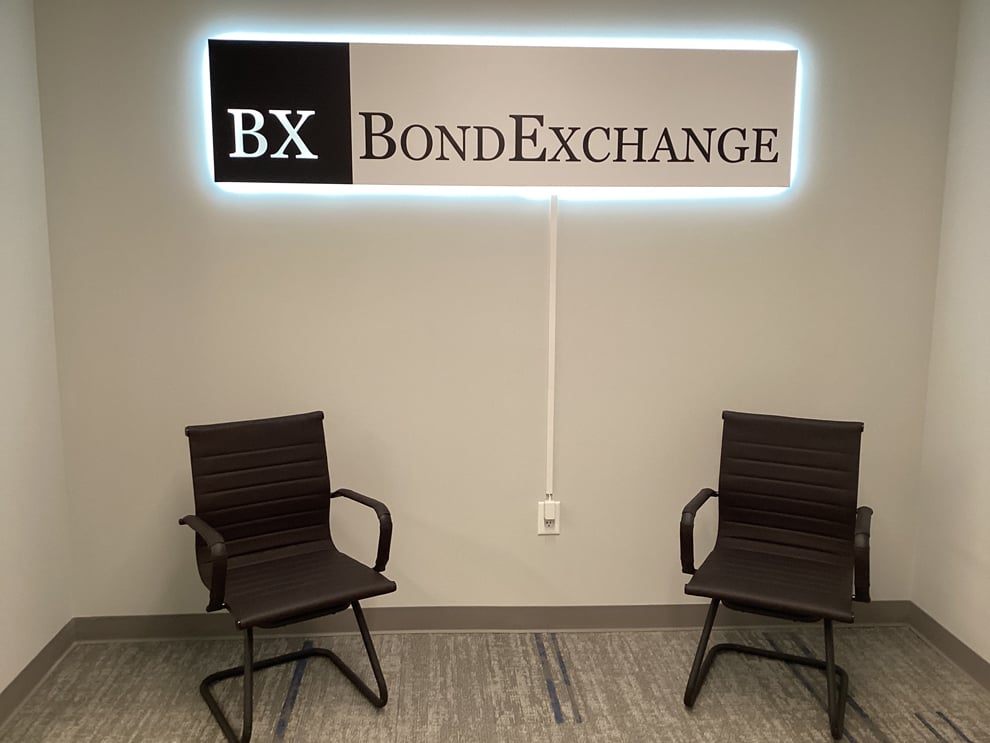
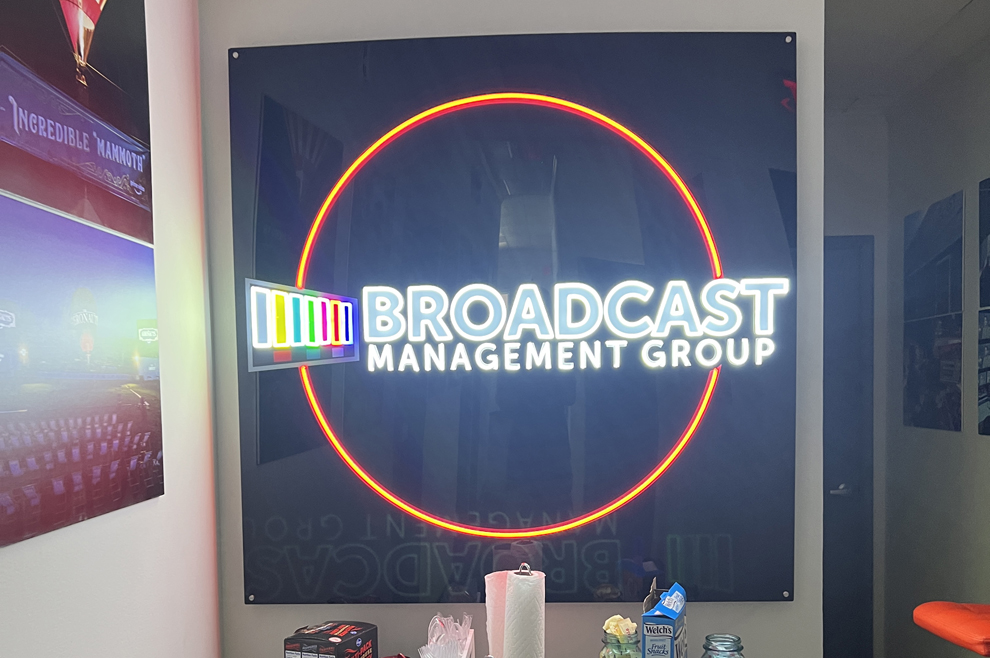
Yes, some standoff mounted displays can incorporate backlighting, halo lighting, illuminated lettering, or related lighting elements when the design, wall construction, electrical access, depth, ventilation, service access, and installation conditions support them. Heritage evaluates illumination from the beginning so wiring, depth, serviceability, and mounting requirements are not treated as afterthoughts. When lighting becomes the primary feature, Heritage may recommend reviewing Backlit Signs as a related solution.
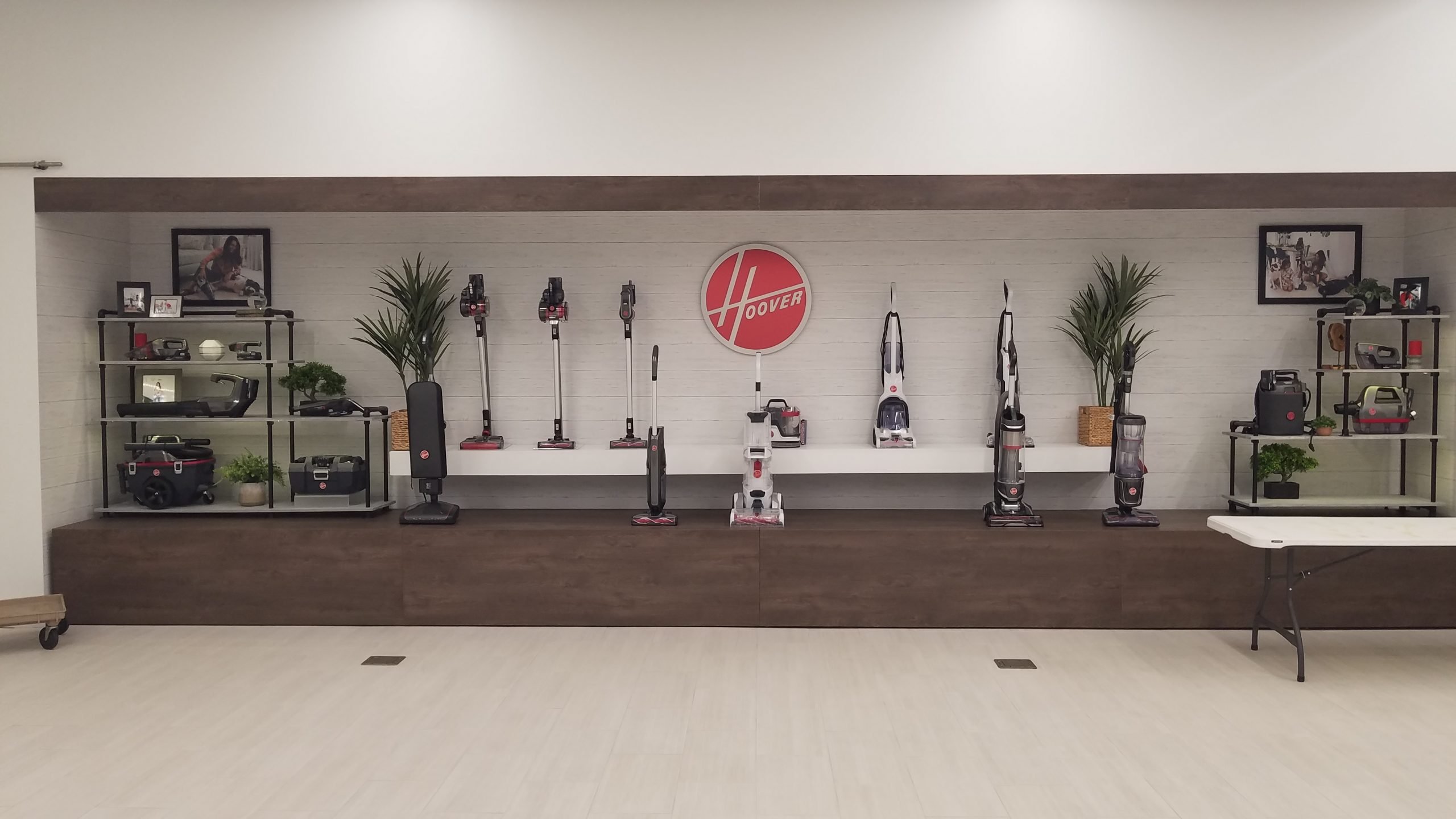
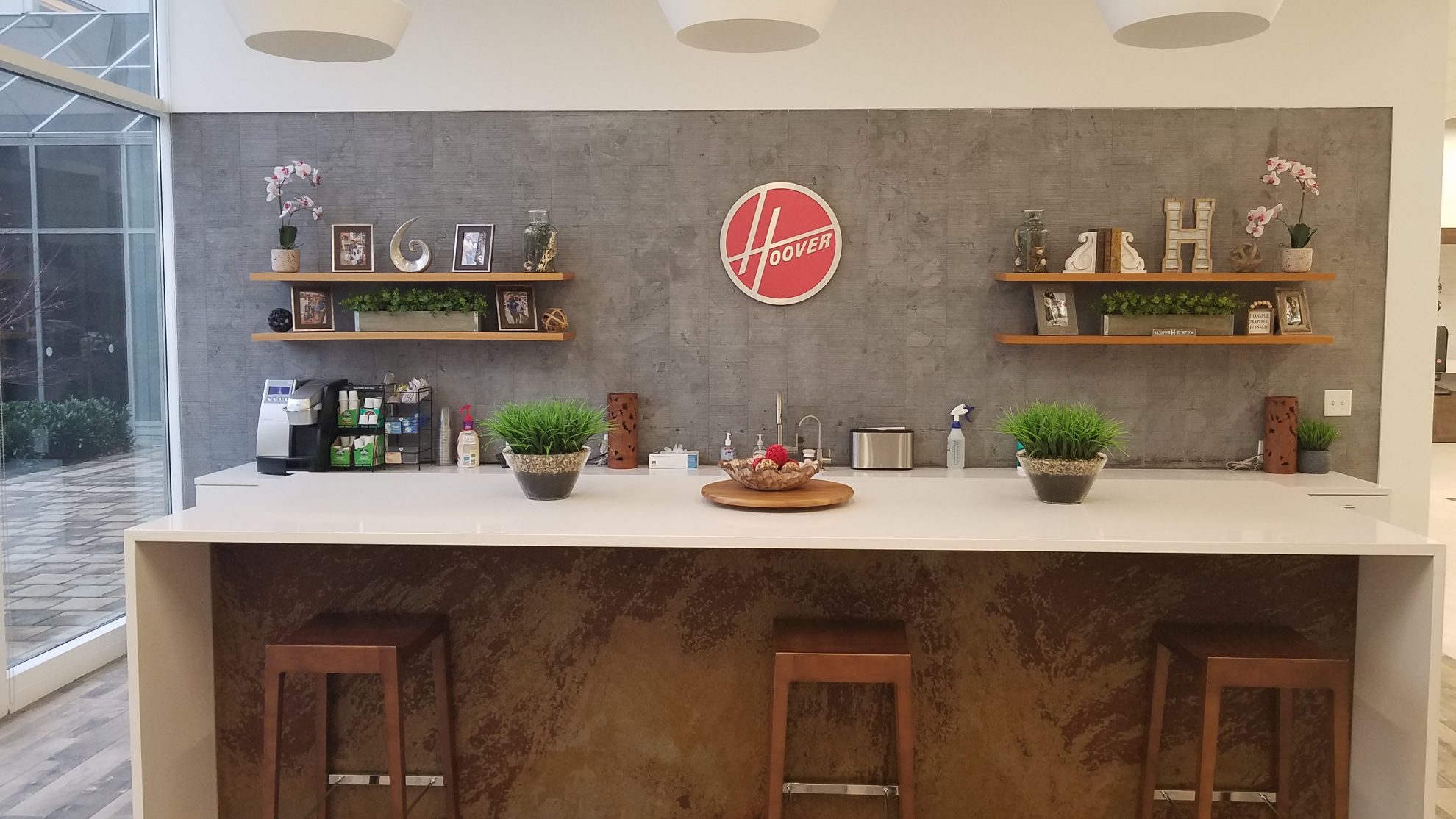
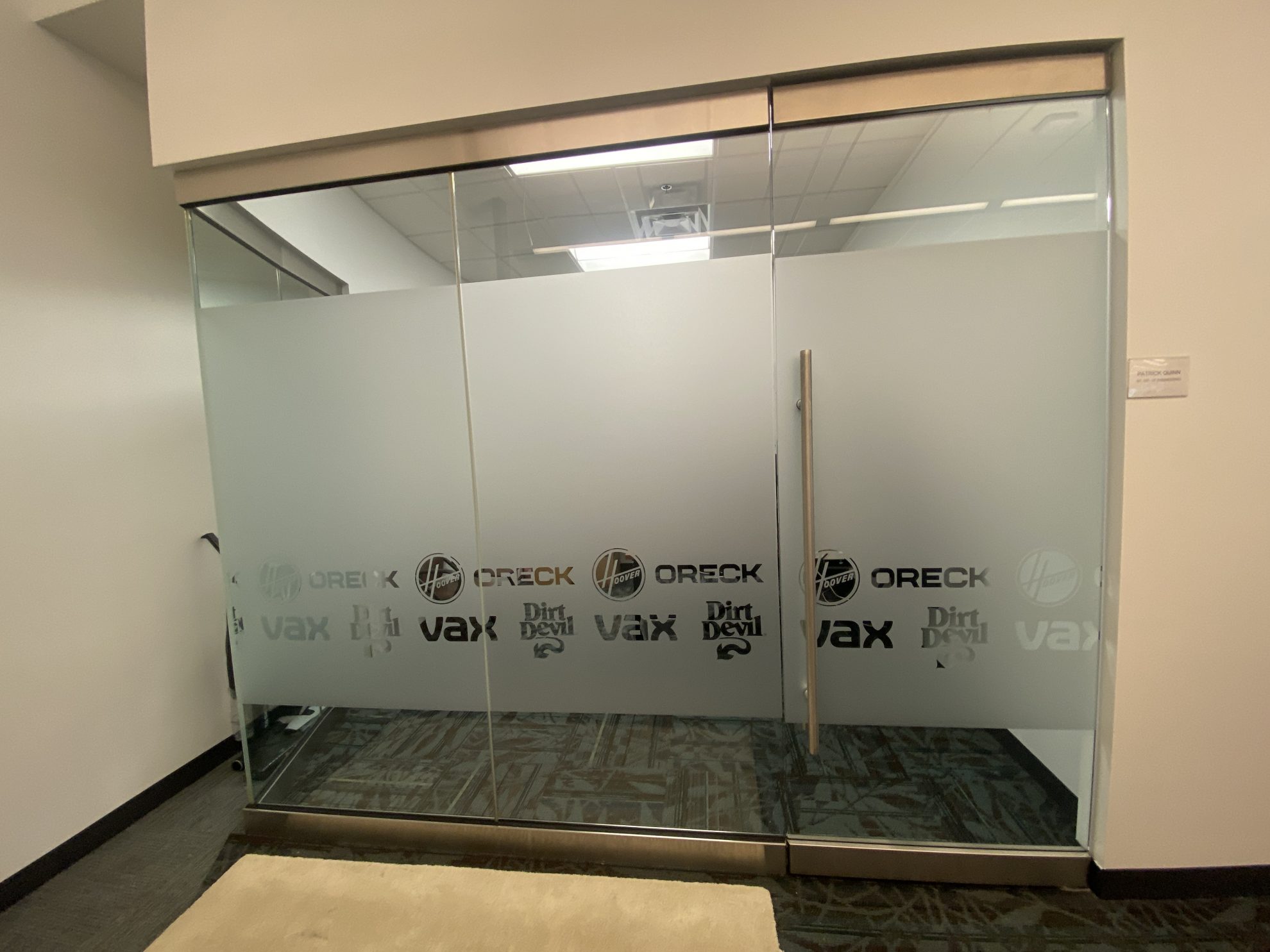
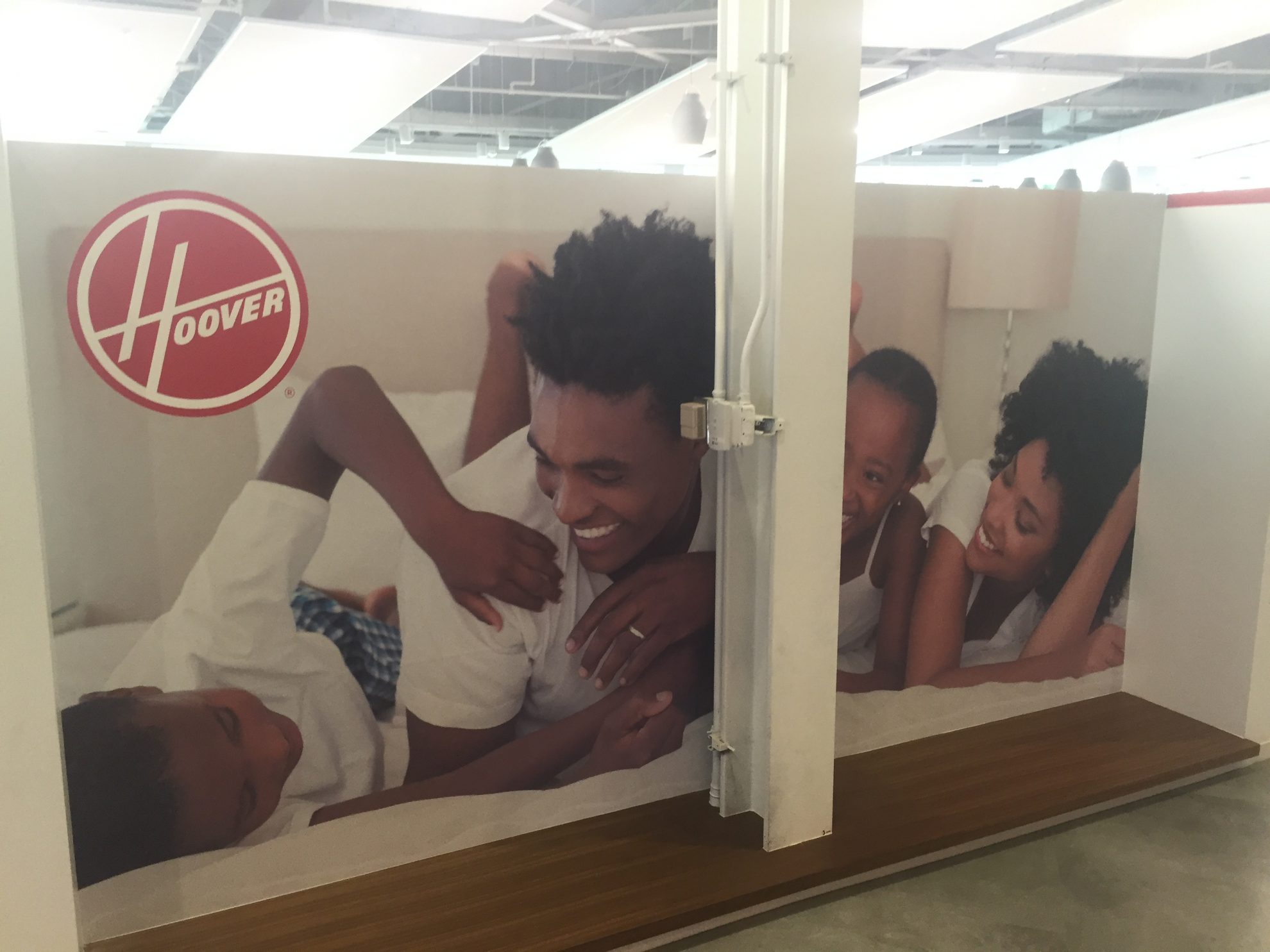
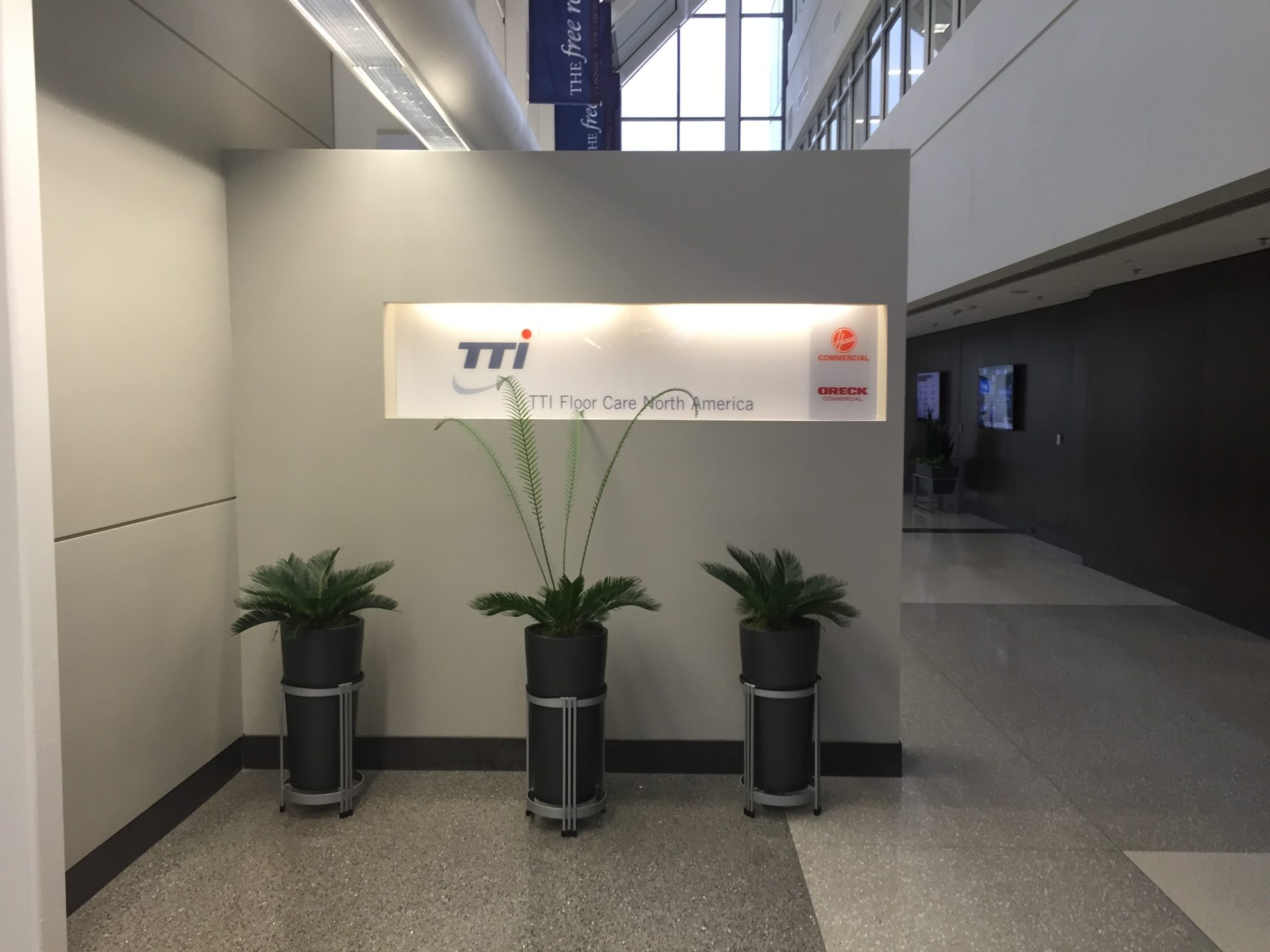
Heritage Signs & Displays collaborated with TTI Floor Care North America to enhance their corporate office. The project included custom frosted vinyl graphics, acrylic signs, dimensional lettering, and LED backlit signs, showcasing the brands Dirt Devil, Hoover, and Oreck. The signage improved office branding, privacy, and aesthetics. Heritage collaborated closely with TTI, ensuring efficient execution and high-quality results, creating an immersive and professional environment that reflects TTI's brand values.
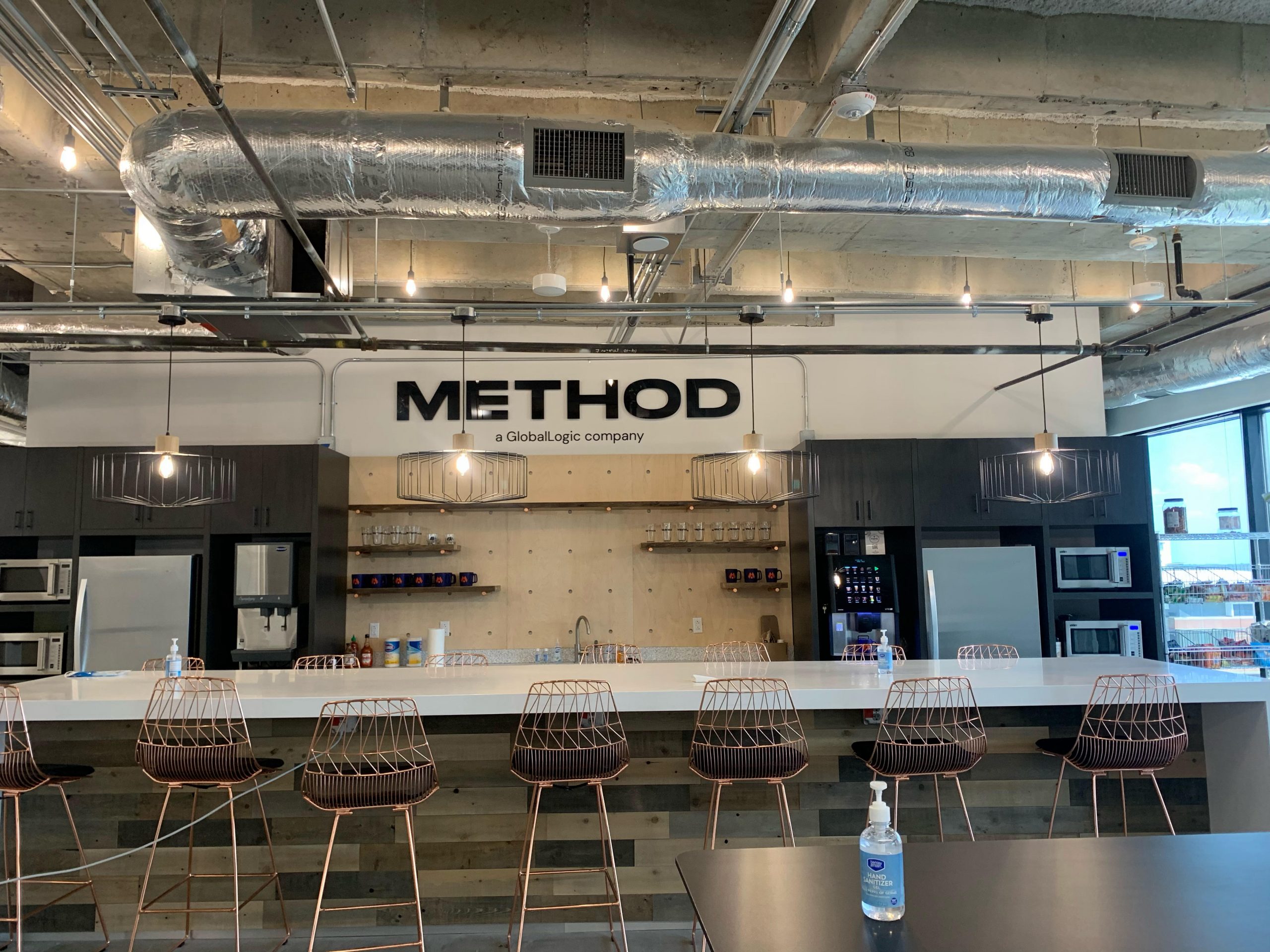
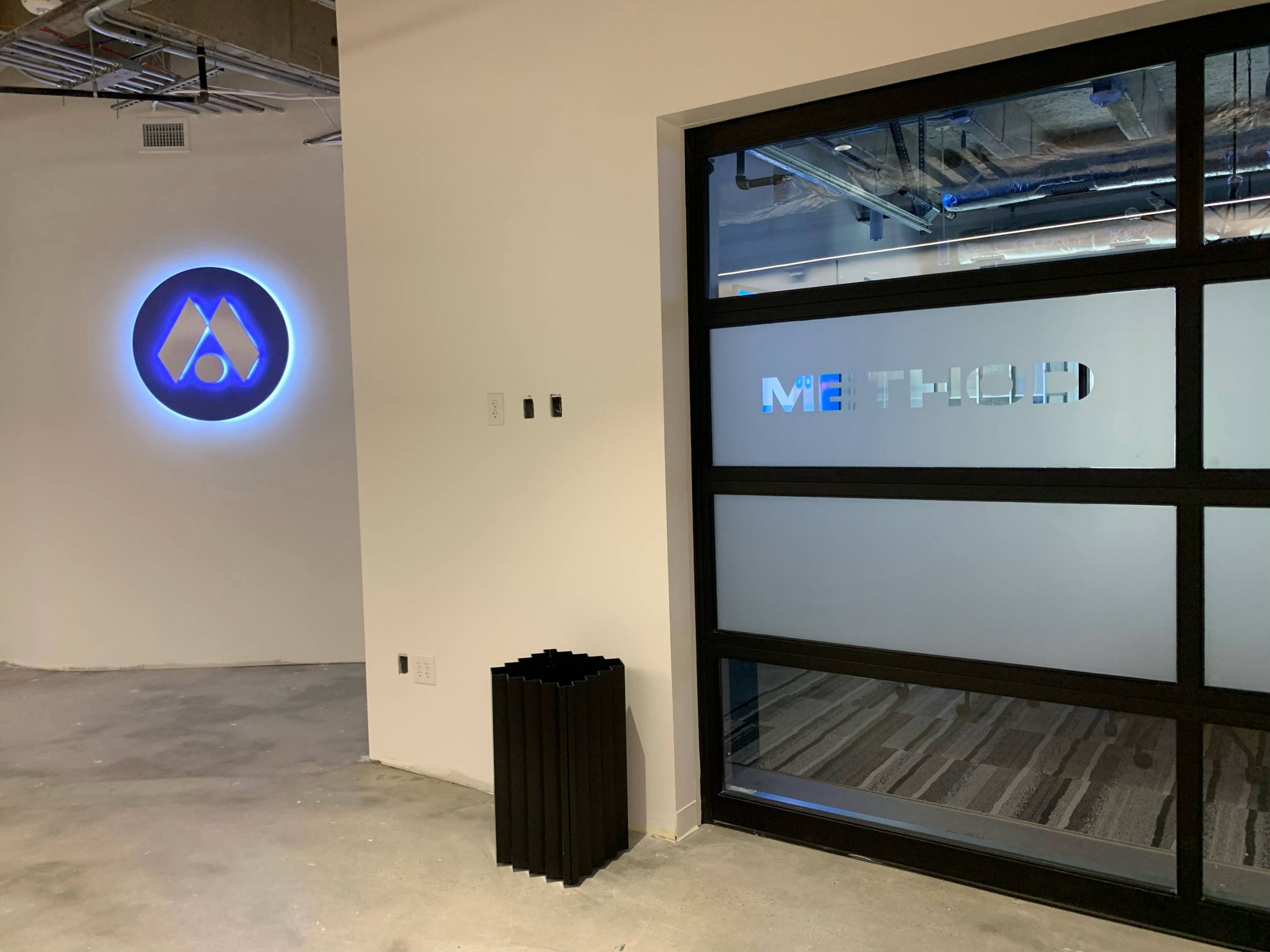
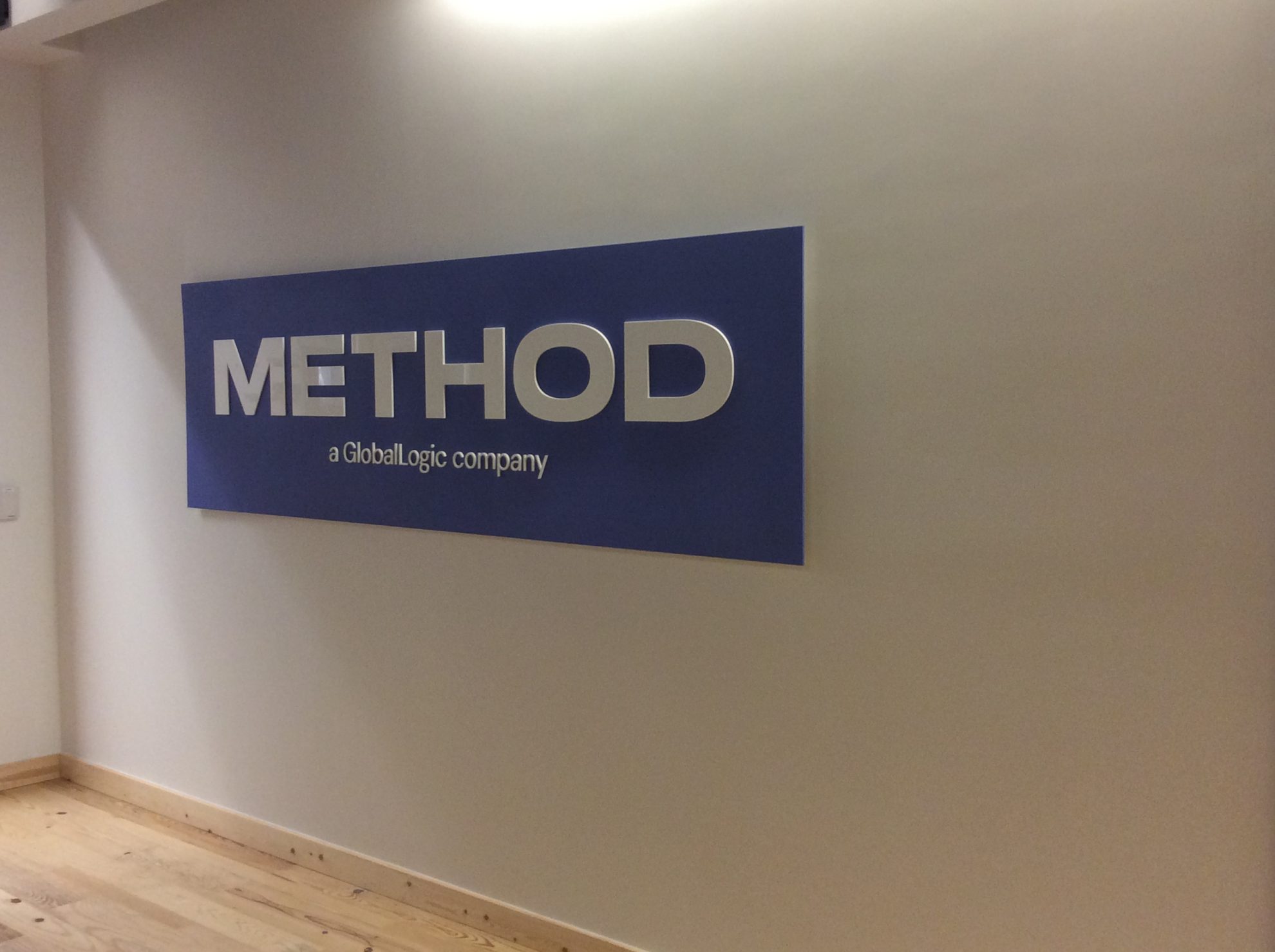
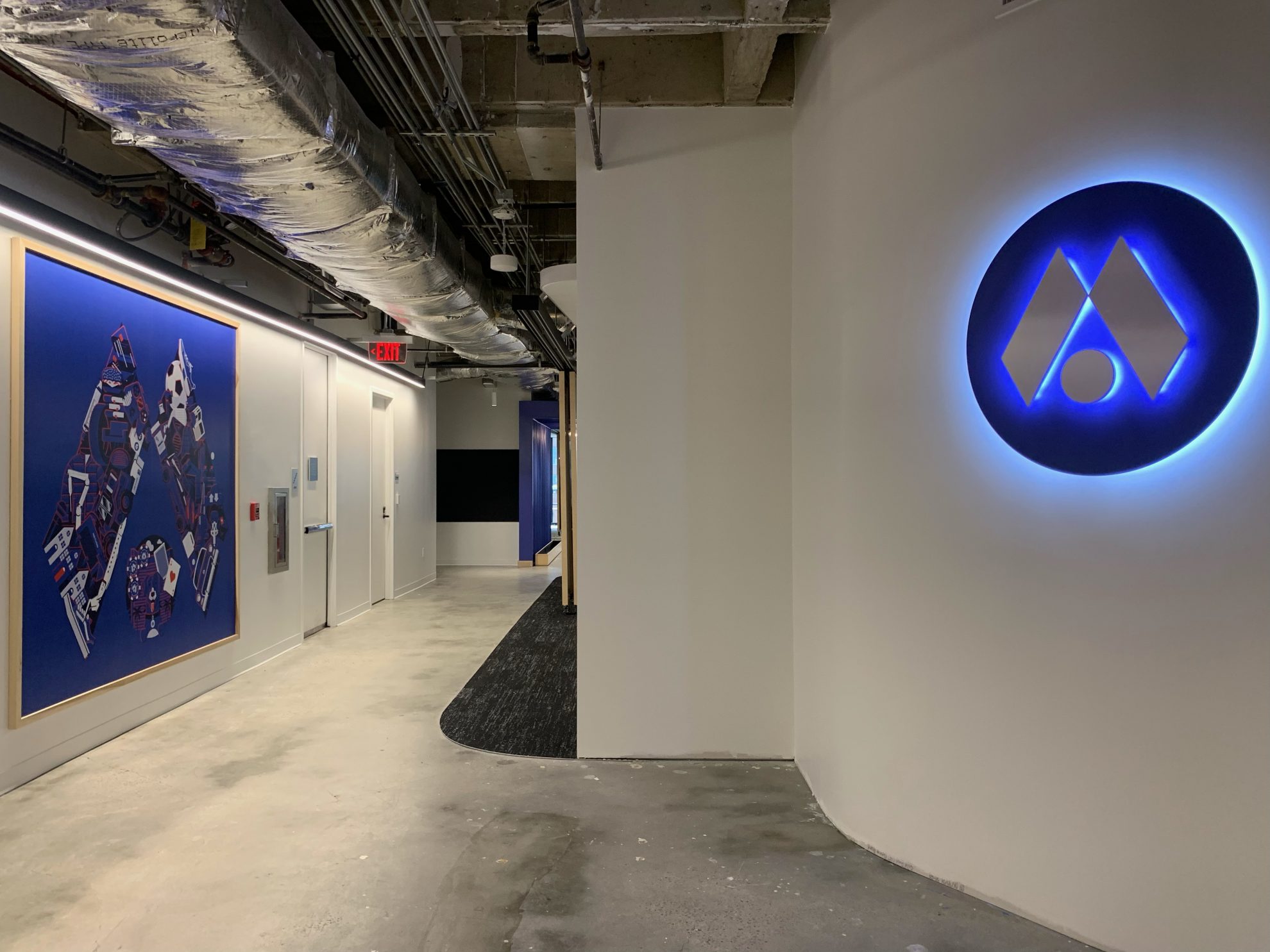
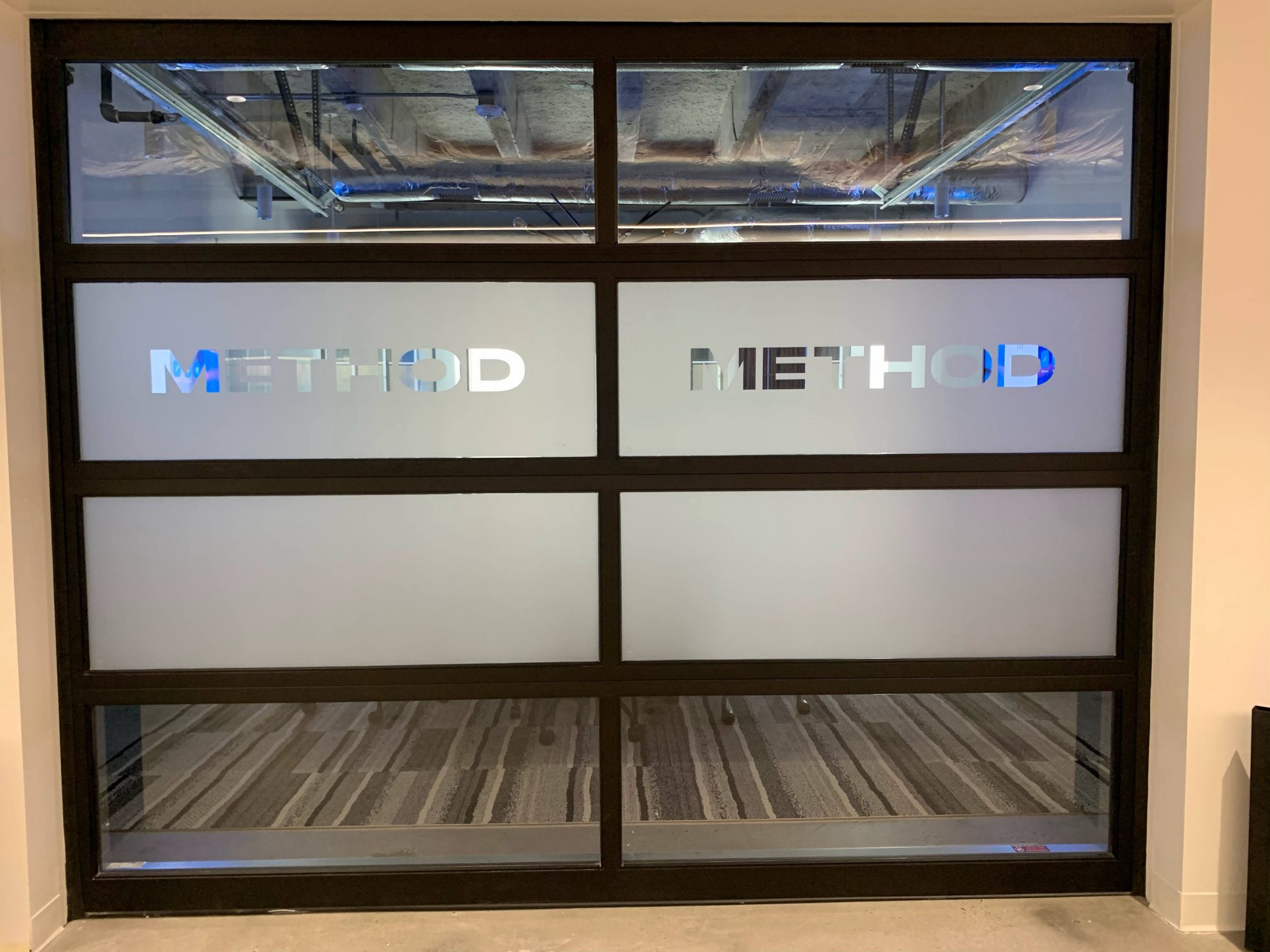
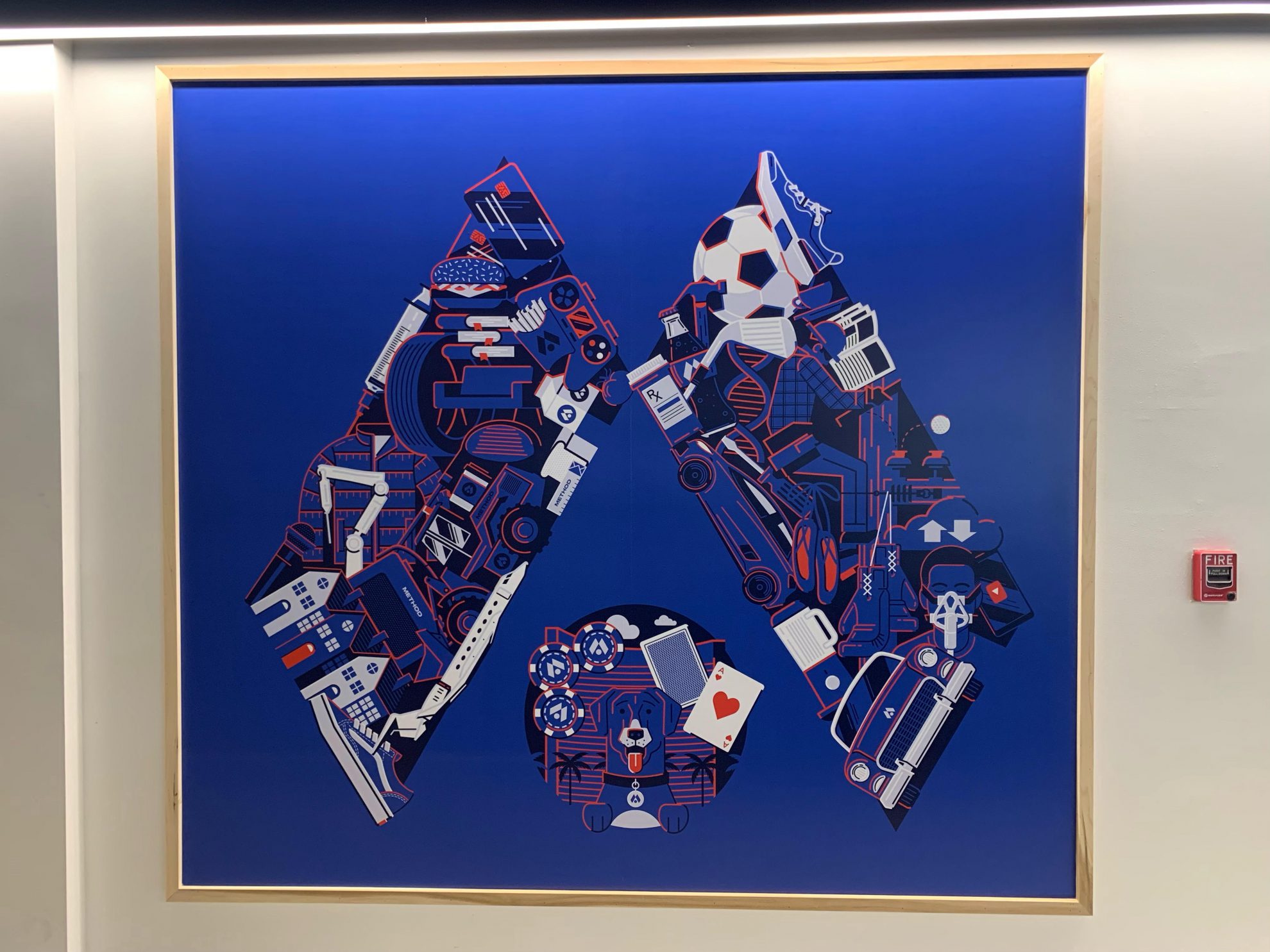
Heritage Signs & Displays' collaboration with Method (formerly Skookum) to rebrand their corporate headquarters. The project included dimensional lettering, wall displays, LED-lit signage, wall wraps, and frosted vinyl, creating an immersive and branded environment. Heritage worked closely with Method's team, ensuring accurate execution and timely delivery. The transformation was completed in August 2021, with Method's employees moving into the revamped space in September. The project reflects Heritage's commitment to quality and collaboration.