A Veteran Owned Business
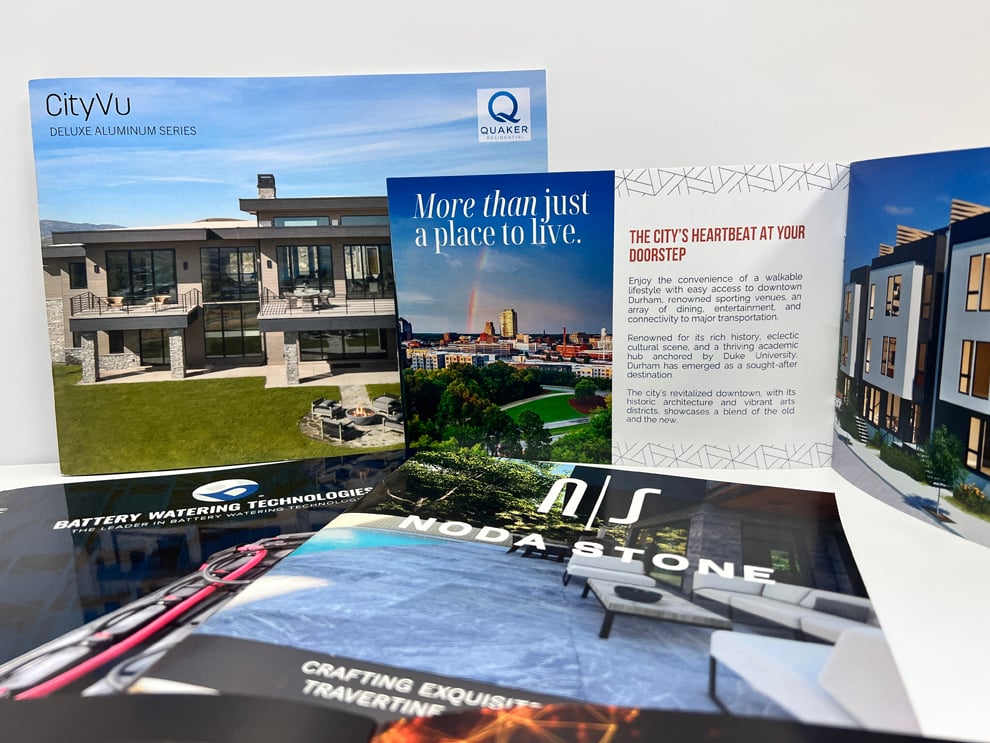
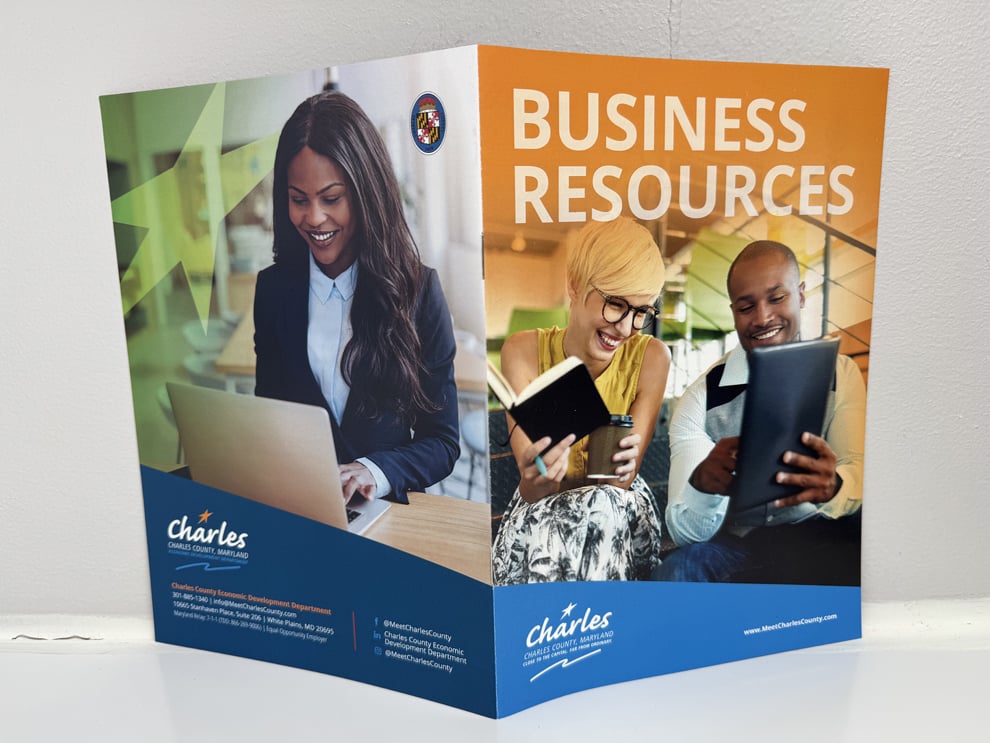
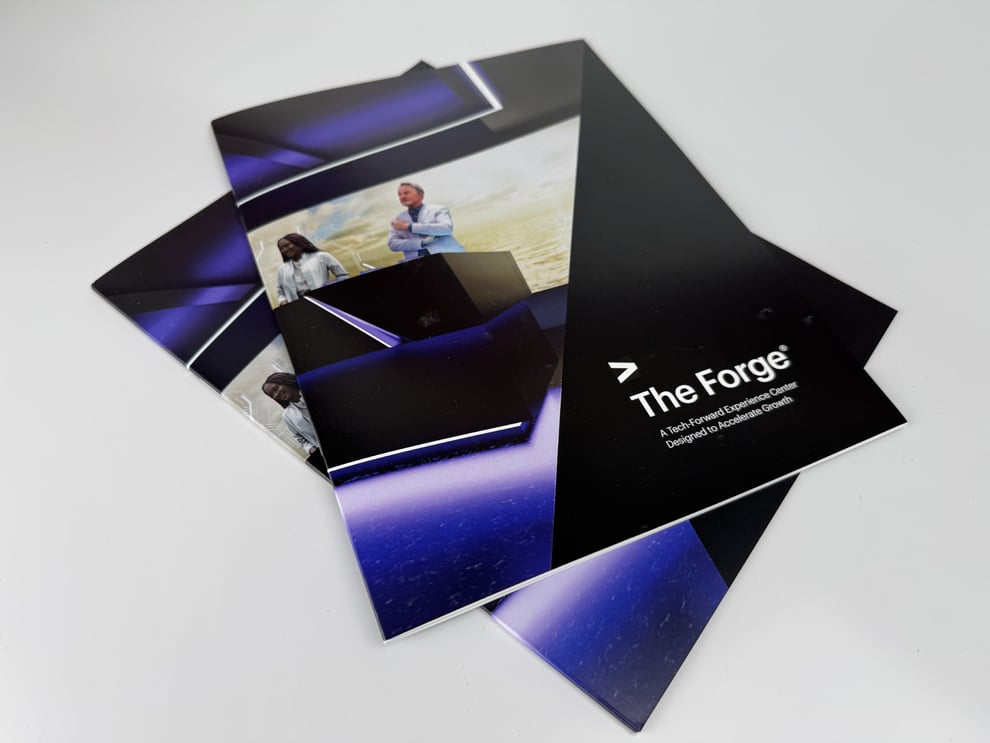
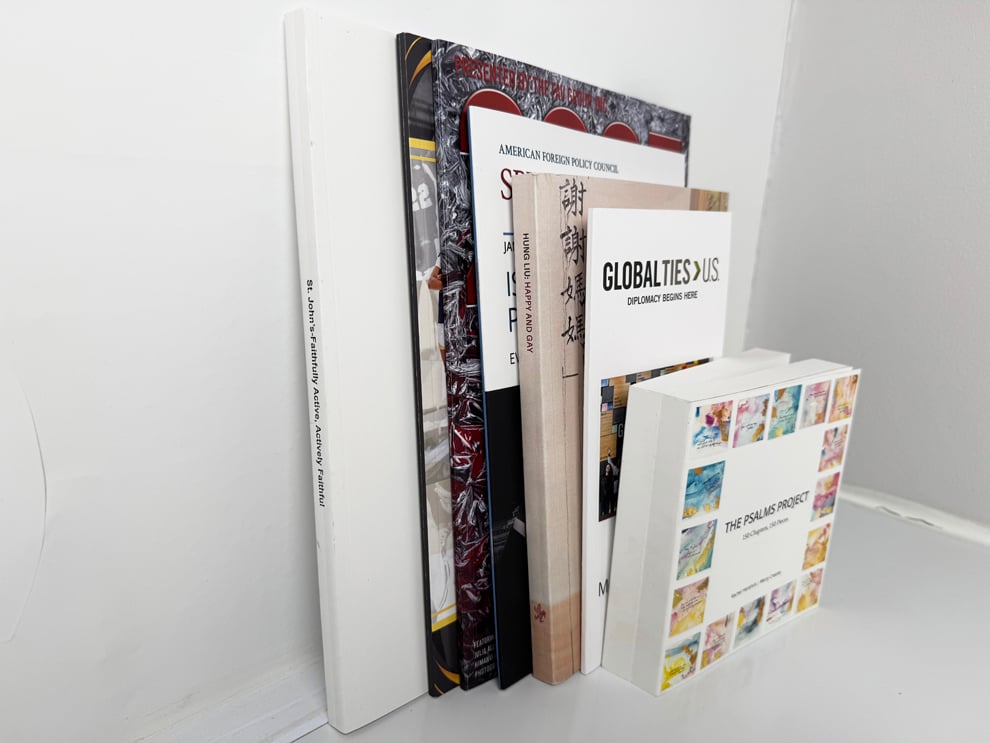
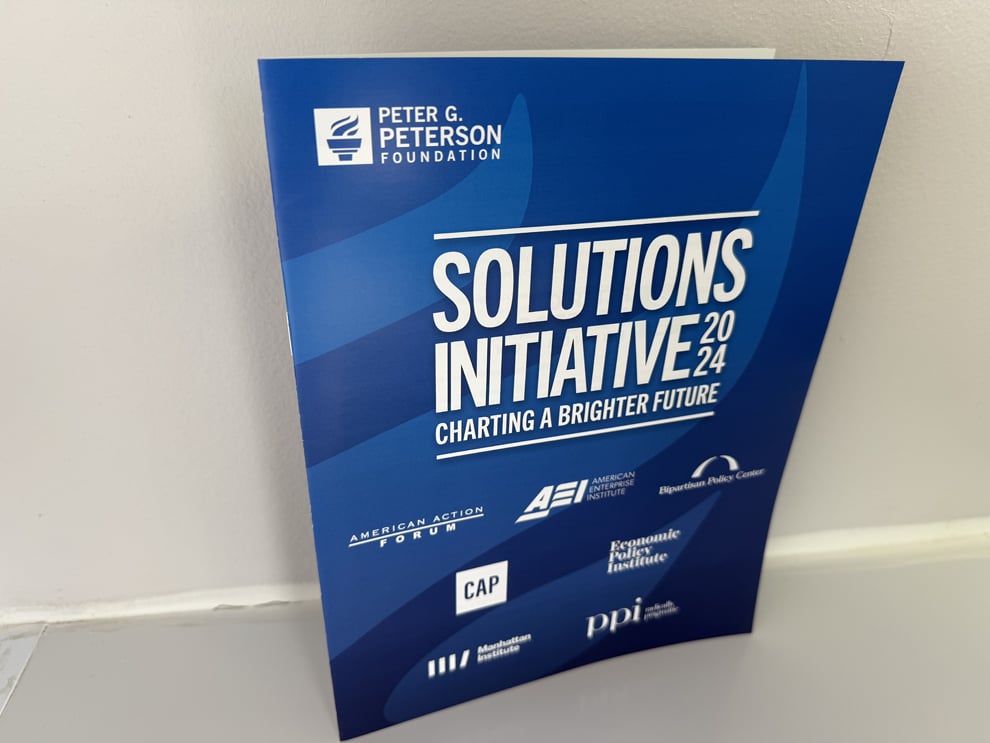
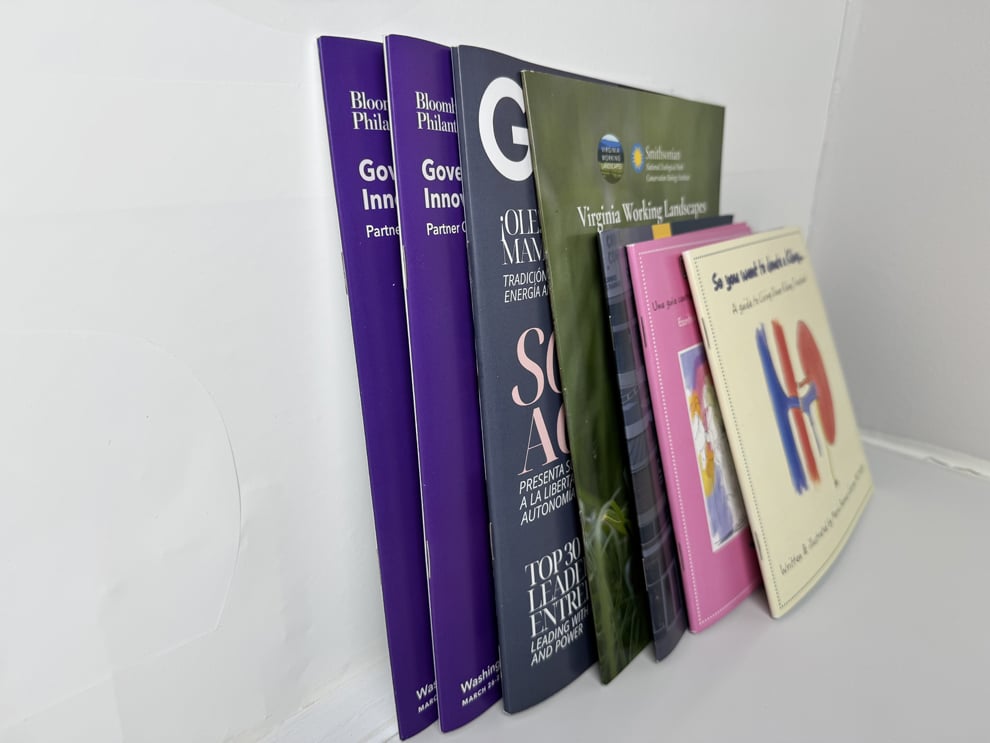
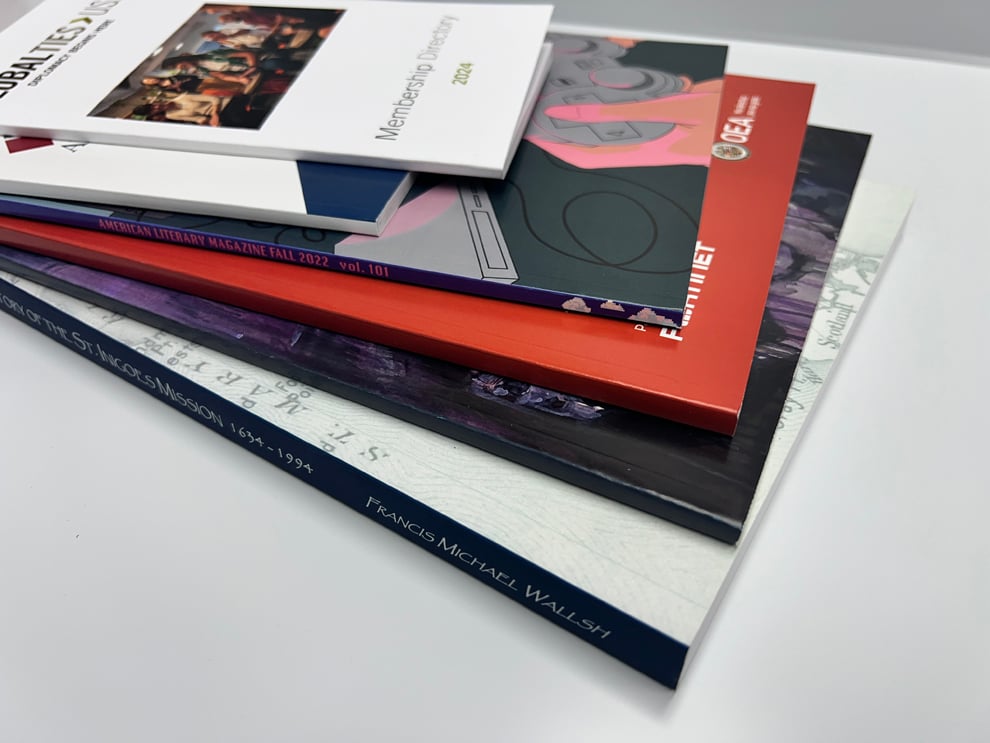
A printed booklet combines information with a physical format that shapes how readers use it. Reports need space for explanations and supporting data. Catalogs need room for product details and images. Instructional guides need a structure that makes individual steps easy to consult. These uses provide the starting point for decisions about page count, dimensions, paper and binding.
Heritage Signs & Displays produces annual reports, capability publications, proposal booklets, investor and donor summaries, conference programs, onboarding guides and catalogs. Some are distributed once; others are consulted repeatedly. Whether copies will be mailed, handed out or retained also influences the cover, packaging and finishing requirements.
Heritage began its Commercial Printing work in 1977. Our production approach combines file review, professional color management and clear communication about approved specifications. Scheduling must account for artwork readiness, proof approval, materials, binding and distribution. Those requirements need to be evaluated before a completion date can be confirmed.

Publication specifications can change during review. A new section may increase the page count, revised charts may affect pagination, or a different cover may require another file setup. Establishing the intended quantity, paper, binding and distribution plan gives those changes a defined production context.
As a veteran-owned, family-led company, Heritage works toward a stated purpose: to honor God by serving clients and communities with excellence. That purpose guides the practical work of checking page order, reviewing files, managing color and answering production questions.
Clients using a qualifying Custom Quote receive an assigned Project Coordinator once the quote has been accepted and the order assigned. The coordinator provides direct phone-and-email contact and works from the agreed specifications and delivery requirements. Established clients may continue with the same coordinator on appropriate repeat editions, allowing earlier production decisions to inform the updated order. Current artwork, quantities and other requirements still need review for each edition.

Additional printed pieces can support the same communication, whether the booklet accompanies a presentation, an event or an ongoing publication program.

Present schedules, speakers, sponsors and other information in a program organized for the occasion.

Produce recurring editorial issues with consistent choices for paper, format and presentation.

Consider dedicated book production for substantial manuscripts and longer reference works.

Arrange learning materials and procedures in publications intended for instruction and repeated consultation.

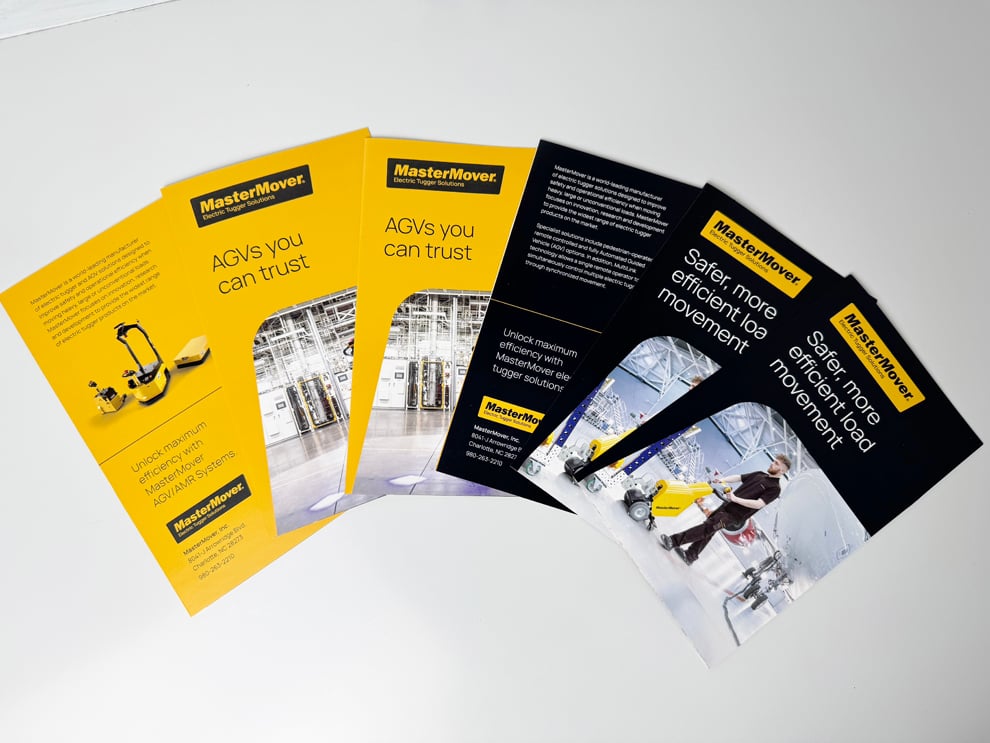
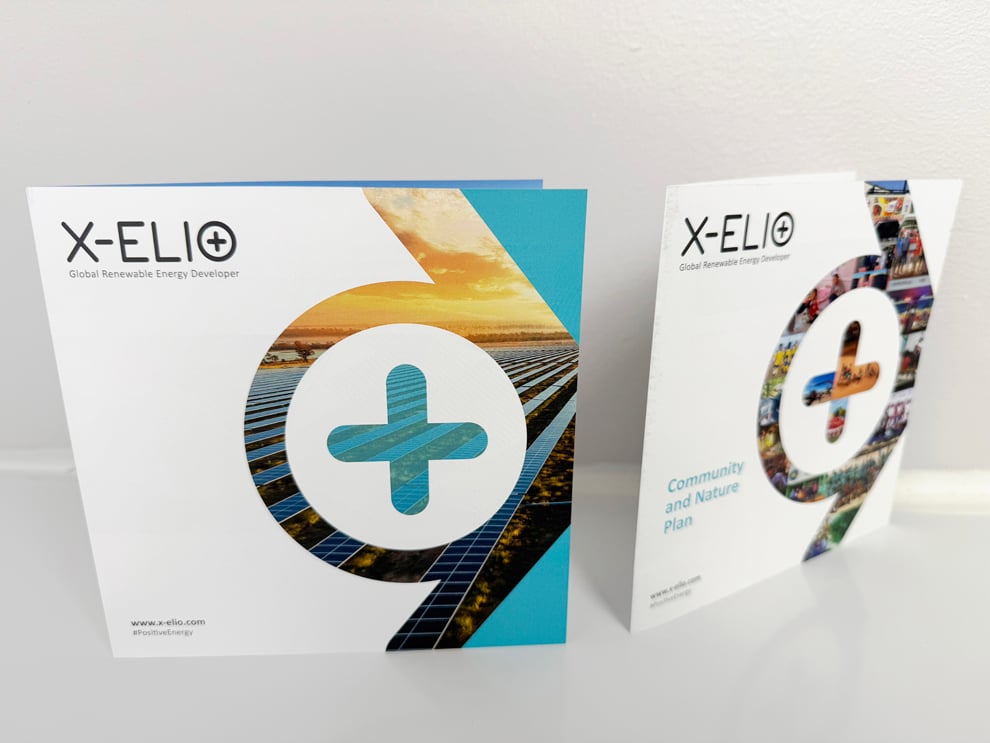
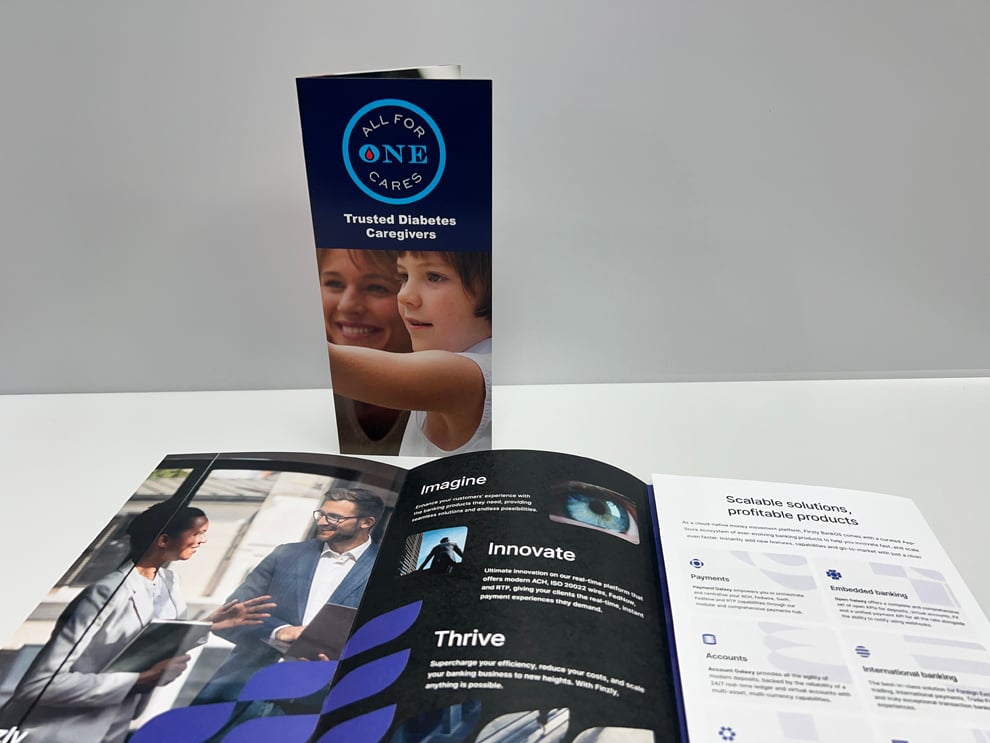
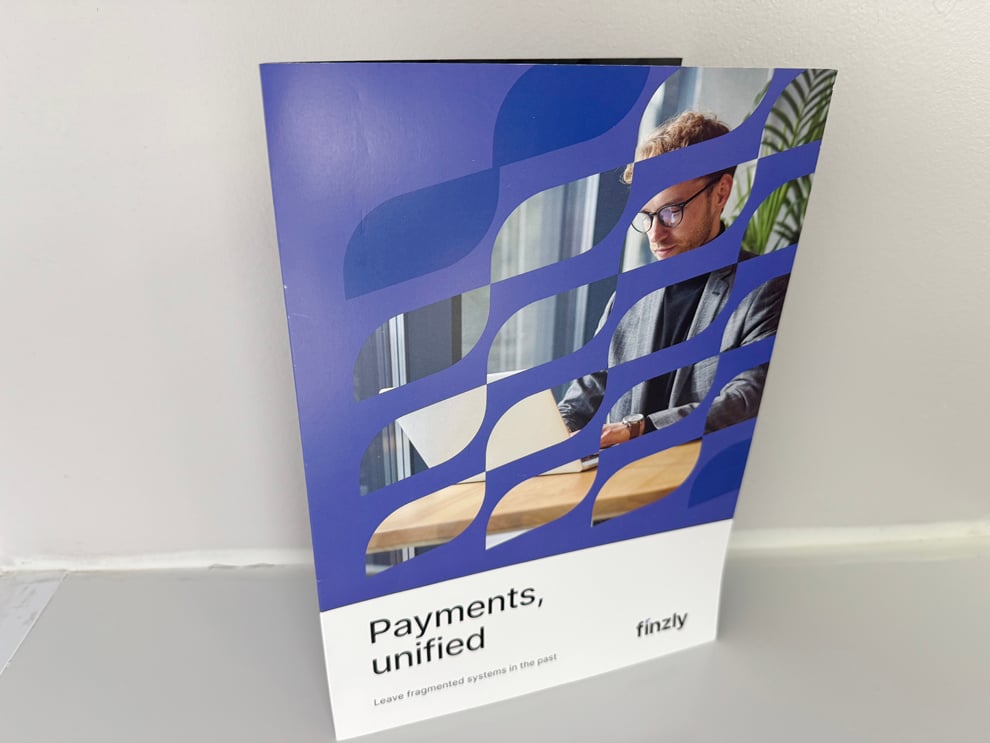
Provide a concise introduction to services, products or key findings in a folded format.

Include addressing and mailing preparation when distribution is part of the accepted project.

Coordinate supporting sales sheets, handouts and other printed pieces with the publication’s visual standards.

Assemble booklets, inserts and supporting documents for organized distribution.
Compare the current booklet configurations, binding choices and posted prices. Place an online order when the selected product meets your requirements and your PDF is complete and print-ready.
The appropriate binding depends on the combined paper thickness and page count, along with the way the booklet will be handled. Consider these formats as part of the complete specification.
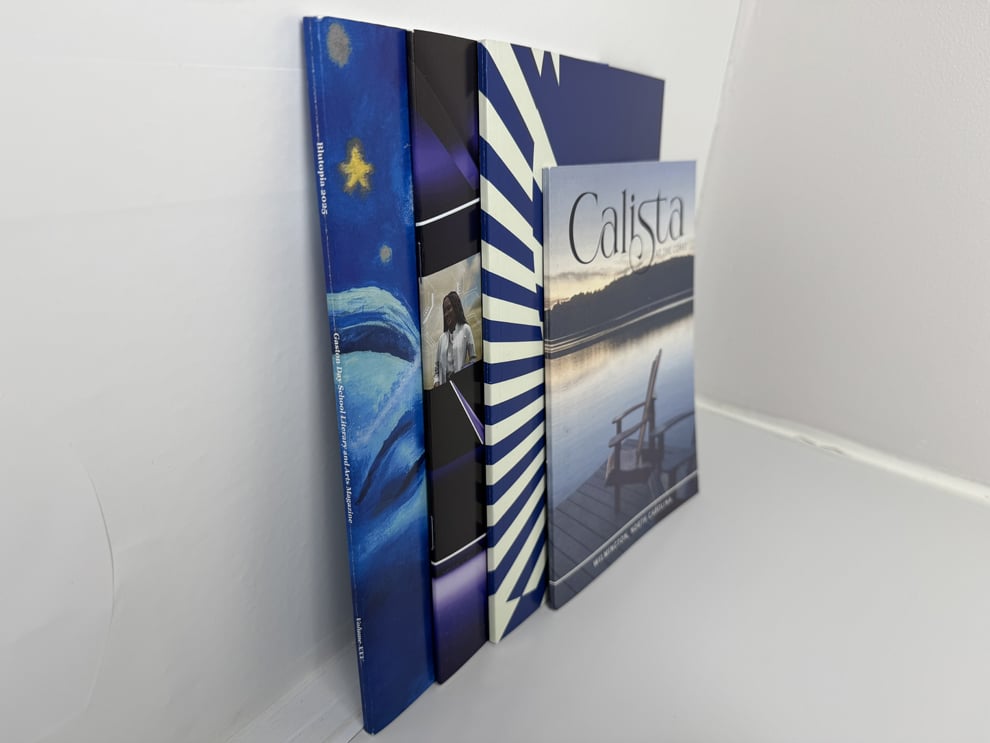
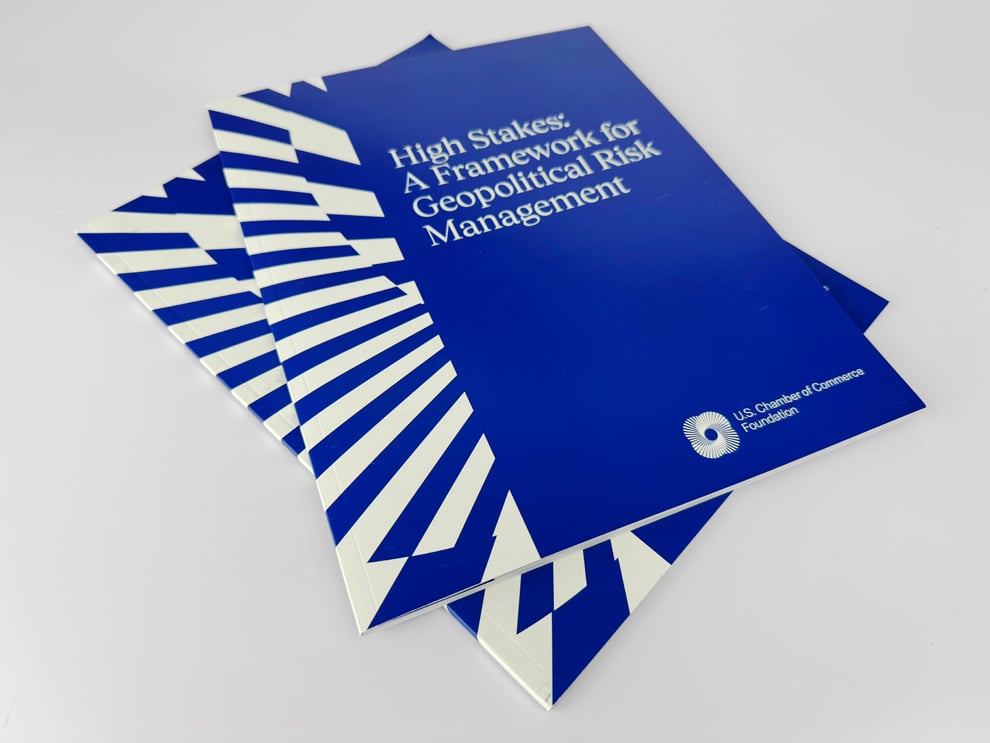
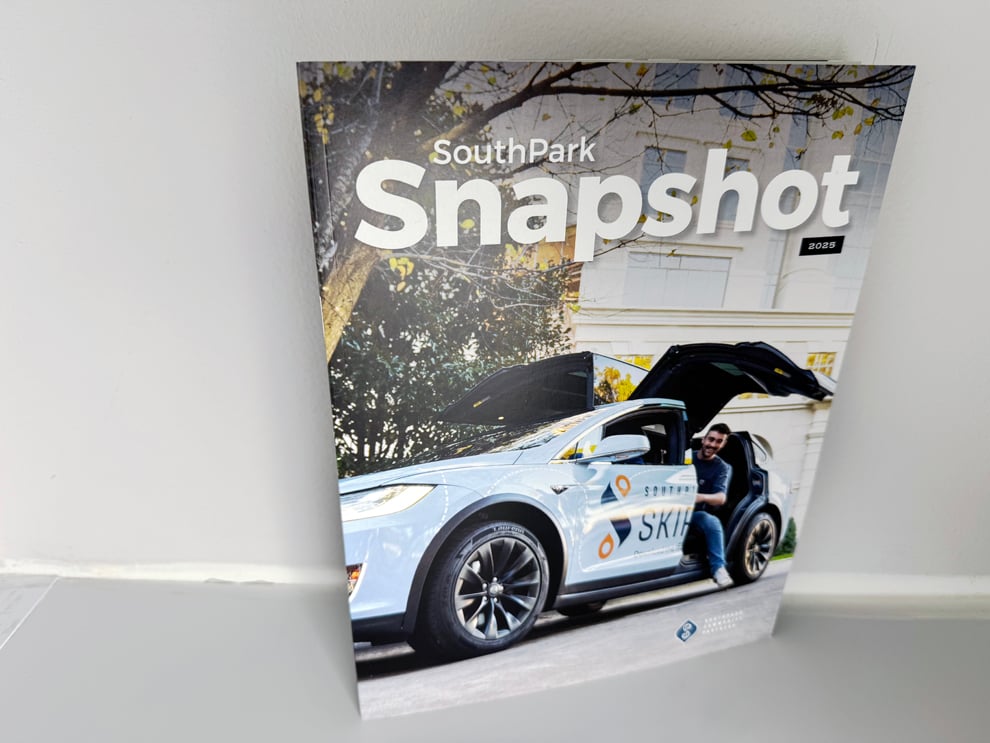
Saddle-Stitched Booklets: Saddle stitching fastens folded, nested sheets along the center fold with staples. It creates a slim publication suited to many shorter reports, guides and programs. Page plans normally use increments of four. The practical capacity changes with the paper stock because a thicker collection of sheets becomes harder to fold and close neatly.
Perfect Bound Booklets: Perfect binding joins the interior pages to a wraparound cover with adhesive along the spine. The squared edge creates a book-like presentation for longer reports, capability publications and reference guides. Sufficient paper thickness and page count are necessary to form a suitable spine, including enough space for spine printing where applicable.
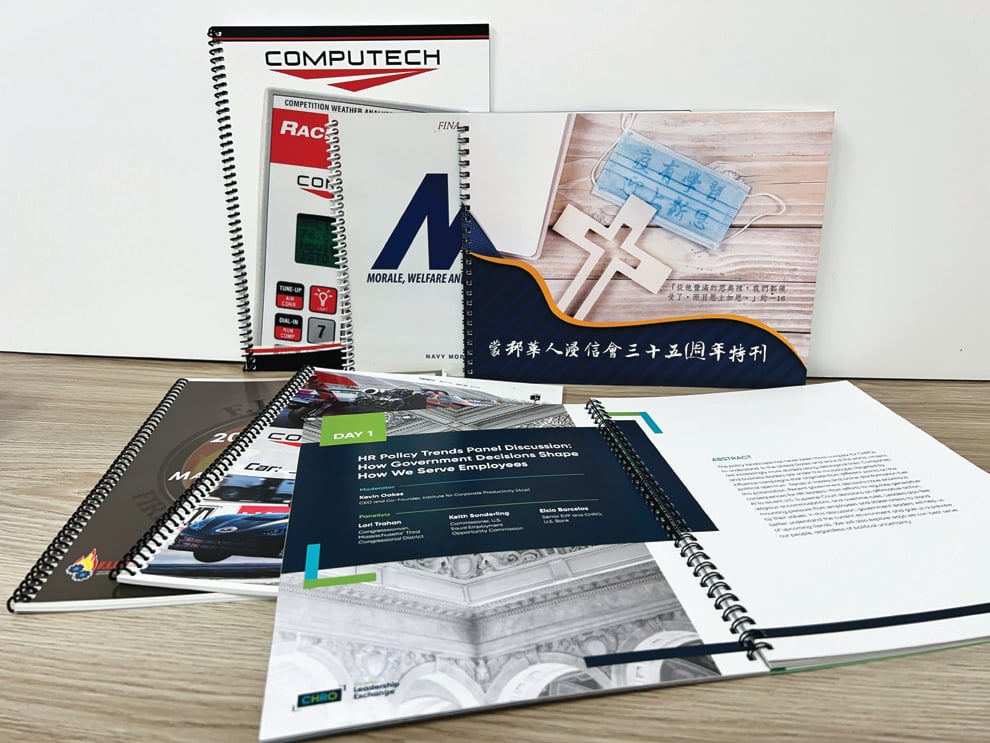
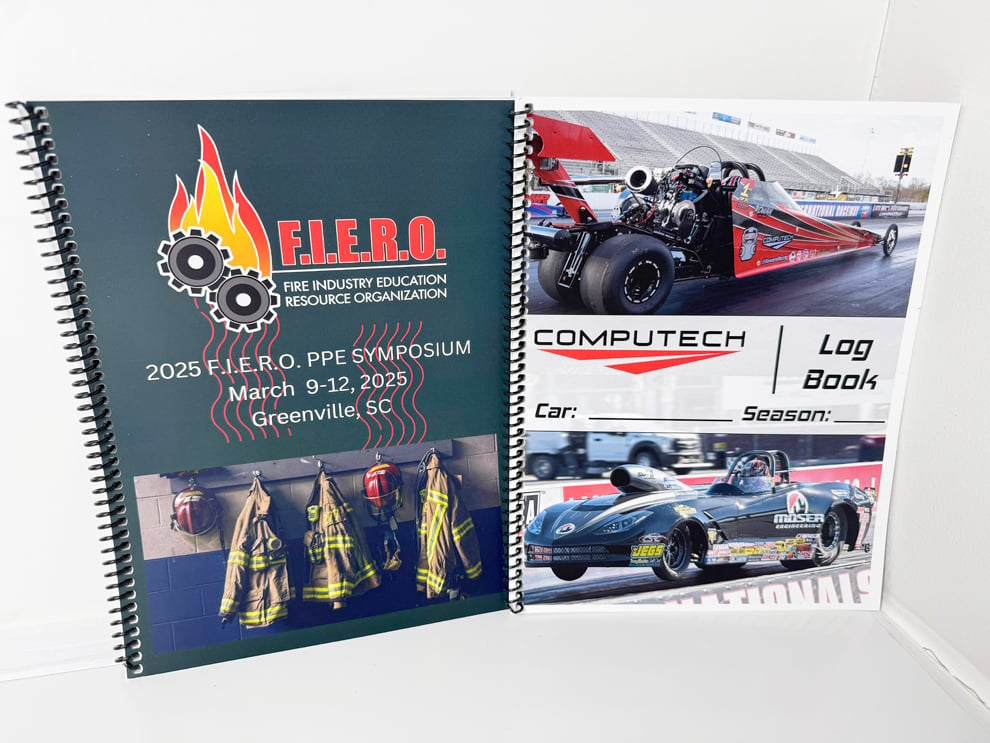
Plastic Coil / Spiral-Bound Booklets: Plastic coil binding threads a continuous coil through holes along the page edge. Readers can open the booklet flat or turn pages fully back, making it practical for workbooks, procedures and instructional materials. Its handling characteristics should be considered alongside the intended appearance and the way copies will be packed or distributed.
Finished size, cover weight and images extending across facing pages also affect the result. Mailing introduces additional considerations for weight and packaging. For qualifying Custom Quote work, Heritage can evaluate these related choices before the specifications are finalized.

Choose an ordering route according to the available product configuration, the condition of your files and the production assistance required. Every new Commercial Printing opportunity has a $750 minimum. Every booklet order receives an electronic proof for client review and approval before printing.
Self-Directed Online Store: The Store is intended for independent purchasing with complete, print-ready artwork. Select an available booklet configuration, choose the offered paper, cover, page count and binding options, and purchase at the posted price. Store products carry Heritage’s lowest available pricing, and eligible items can be combined to reach the $750 minimum. Layout services, an assigned Project Coordinator and physical color proofing are not included. Use the exact product instructions when preparing your PDF. Contact Our Team handles routine questions about Store products and existing orders.
Storefront Custom Quote: Approved Commercial Printing opportunities of $2,000 or more may use this form-based intake when additional production support is needed. The accepted scope may include production-oriented file adjustments, paper and binding guidance, critical-color decisions, mailing or coordinated delivery. File preparation concerns production requirements rather than broad creative design. An order reaching $2,000 does not automatically require Custom Quote. After quote acceptance and order assignment, an assigned Project Coordinator provides direct phone-and-email contact. Appropriate repeat work for established clients may continue through their existing coordinator relationship.

Consider the requirements of the submission or presentation before choosing a binding. A short capabilities overview can suit saddle stitching, including a separate cover when appropriate. A longer proposal may benefit from perfect binding if the paper and page count create sufficient spine thickness. Check any page limits, the way recipients will read or retain the publication, and the handling involved in shipping or personal delivery.
The electronic proof is your opportunity to check the publication’s content and layout before printing. Review wording, images, pagination, covers and applicable production notes against the files intended for the order. Heritage supplies this proof for every booklet order through either purchasing route and requires approval before printing. Its purpose does not extend to establishing a physical color standard or guaranteeing the finished printed color.
The folded sheets must fit together and allow the booklet to close properly. Thick paper reaches that limit with fewer sheets than lighter stock, while increasing bulk causes inner pages to creep toward the trim. Page totals normally follow multiples of four. Use the selected Store configuration to confirm available combinations of paper and page count, and evaluate perfect binding if the required thickness makes saddle stitching impractical.
A squared edge, space for spine printing and a format suitable for shelving can favor perfect binding. That construction still requires enough page and paper bulk to form a suitable glued spine. Short publications often work well with economical, lightweight saddle stitching. Assess the finished thickness, intended appearance, expected retention and distribution method together so the binding supports the publication’s actual use.
Resolve the file requirements for the exact product before exporting. Most booklet workflows use a complete PDF with individual pages in reading order, appropriate bleed, safe text margins, embedded fonts and adequate image resolution. Imposed spreads should be supplied only when specified. Perfect-bound covers may require a calculated spine width, making the final paper selection and page count necessary inputs to the cover setup.
Physical color evaluation is available through qualifying Commercial Printing Custom Quote work of $2,000 or more. The Physical Production Color Proof, also called a Digital Hard Copy Proof, uses the intended production printer and intended paper or material. It carries an additional charge and adds schedule time. Approval establishes the controlling physical color standard unless otherwise agreed. This service is excluded from Self-Directed Online Store purchases.
The cost reflects the materials and work required for the complete order. Quantity, page count, dimensions, paper, cover, binding, color coverage and finishing all contribute, along with mailing or delivery arrangements. More pages and more copies affect production in different ways. Compare posted prices for available Store configurations; qualifying opportunities of $2,000 or more with additional production requirements may be priced through Storefront Custom Quote.
Use the Store for an available configuration and print-ready files without an assigned Project Coordinator. Every new Commercial Printing opportunity has a $750 minimum; eligible Store products can be combined. Approved $2,000+ opportunities needing production support may use the form-based Custom Quote intake within the accepted scope. Reaching that amount does not require this route. Contact Our Team handles routine Store and existing-order questions.
Coil binding lets a reader keep instructions visible while completing a task, following a lesson or writing notes. Pages can remain open or fold fully back around the coil, making the construction practical for workbooks, manuals and facilitator guides. Consider the distribution requirements and desired appearance as well. A stapled or glued booklet can pack flatter and may be more appropriate for formal reports or larger mailings.
Heritage needs the actual files, finished specifications, quantity, binding and delivery requirements, along with the requested date and expected approval timing. Those details must be assessed against available capacity before a commitment is made. Explain any remaining edits early. When the proposed schedule cannot be accommodated, Heritage can identify feasible alternatives, including simpler finishing, and clarify what can be completed within the available time.
An accepted Storefront Custom Quote for qualifying Commercial Printing work of $2,000 or more may cover specific production adjustments. These can include correcting page dimensions, adding bleed, resolving pagination or setting up a perfect-bound cover for the required spine. This scope concerns production preparation rather than broad creative design. Provide existing files and timing requirements for assessment. Store uploads must already be complete and print-ready.
Start with the amount of handling and the presentation the booklet requires. A heavier separate cover can add substance for retained publications or meeting materials. A self-cover version uses one paper throughout and can suit shorter pieces with lighter mailing requirements. Compare cost and weight alongside appearance, since additional cover thickness changes the overall bulk, affects saddle-stitch capacity and can influence how the publication is mailed.
Start with vector logos, properly converted images and uniform swatch definitions. Heritage uses spectrophotometric calibration and verification with production-specific profiles to manage reproduction. Paper, ink and finish affect achievable color, so PMS references remain targets rather than guarantees. Neither a display nor an electronic proof establishes physical color. Discuss critical requirements before printing; a Physical Production Color Proof may be requested within the qualifying Custom Quote conditions.
Include distribution requirements when defining the accepted Commercial Printing scope. Heritage can coordinate addressing and the handoff of finished booklets to USPS within that work. Supply accurate mailing data that you are authorized to use and identify the intended delivery window early. The publication’s dimensions and weight affect mailing preparation. USPS determines postal acceptance requirements and controls delivery after receiving the mailing.
A revised edition can keep approved dimensions, paper, binding and color specifications while incorporating new content. Heritage reviews the current files and quantities for each order, and multiple audience versions can be included when their differences are clearly identified. Established clients may continue with their assigned Project Coordinator for appropriate directly managed repeat work, allowing relevant production knowledge to carry forward as requirements change.
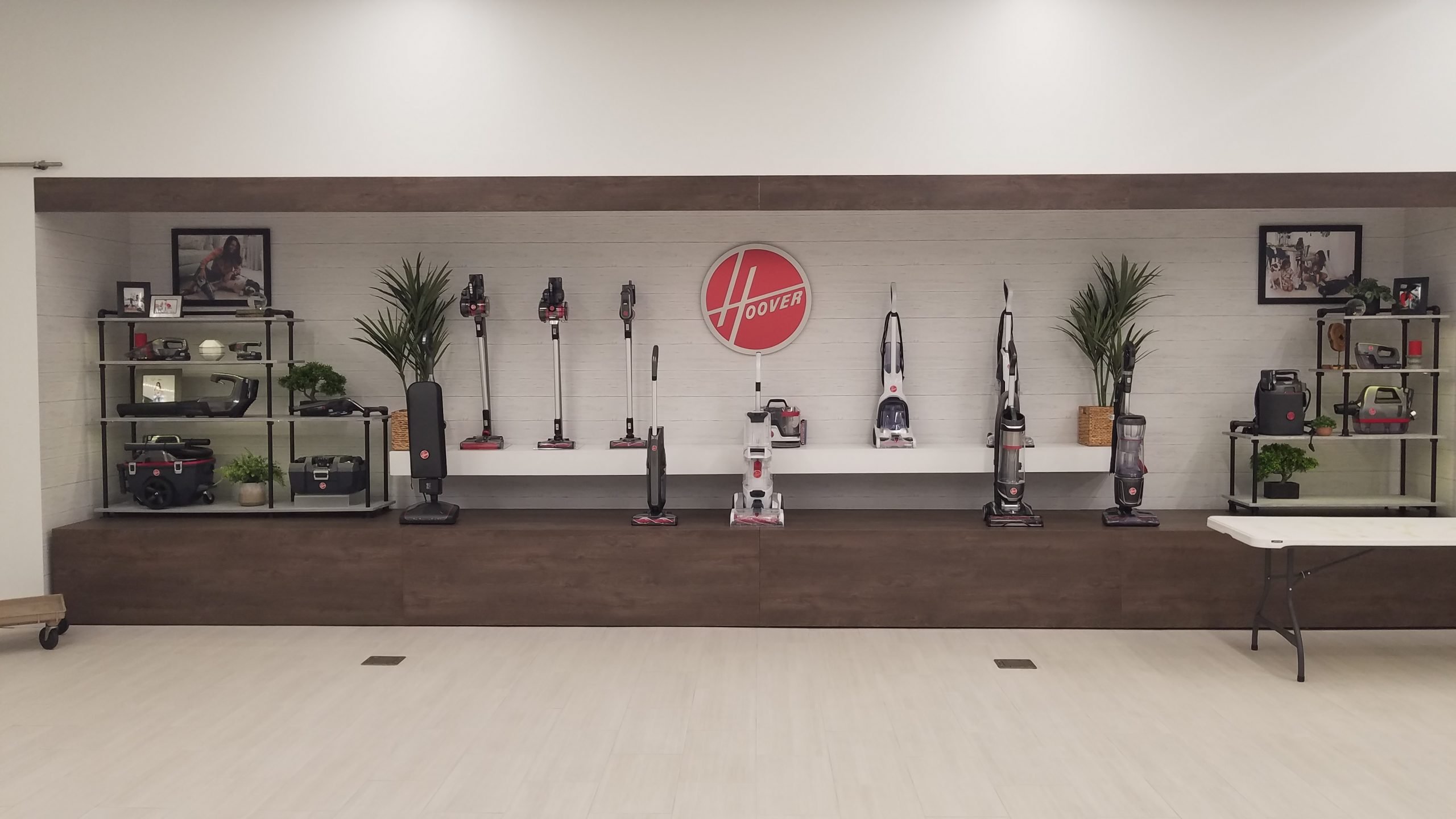
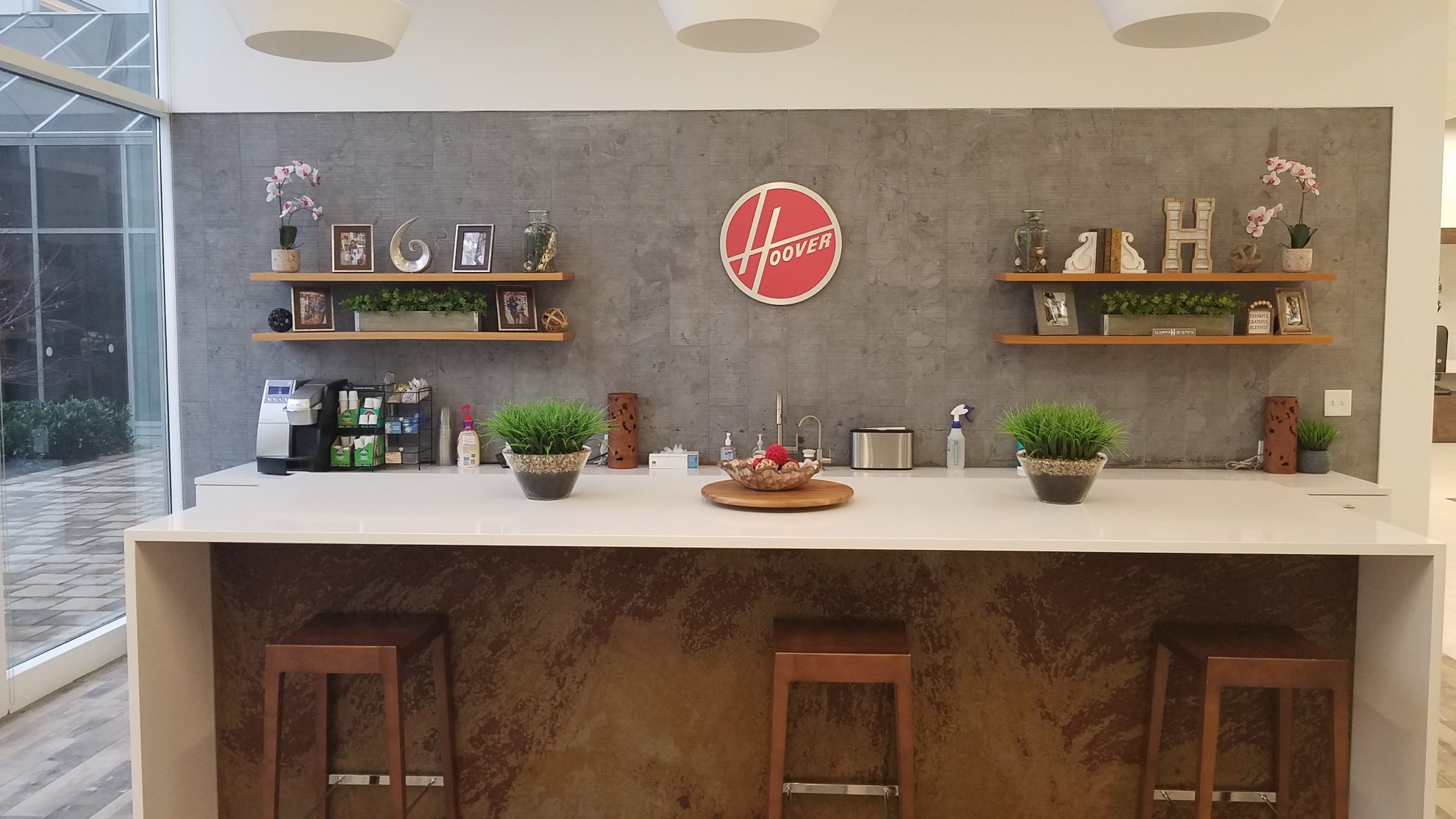
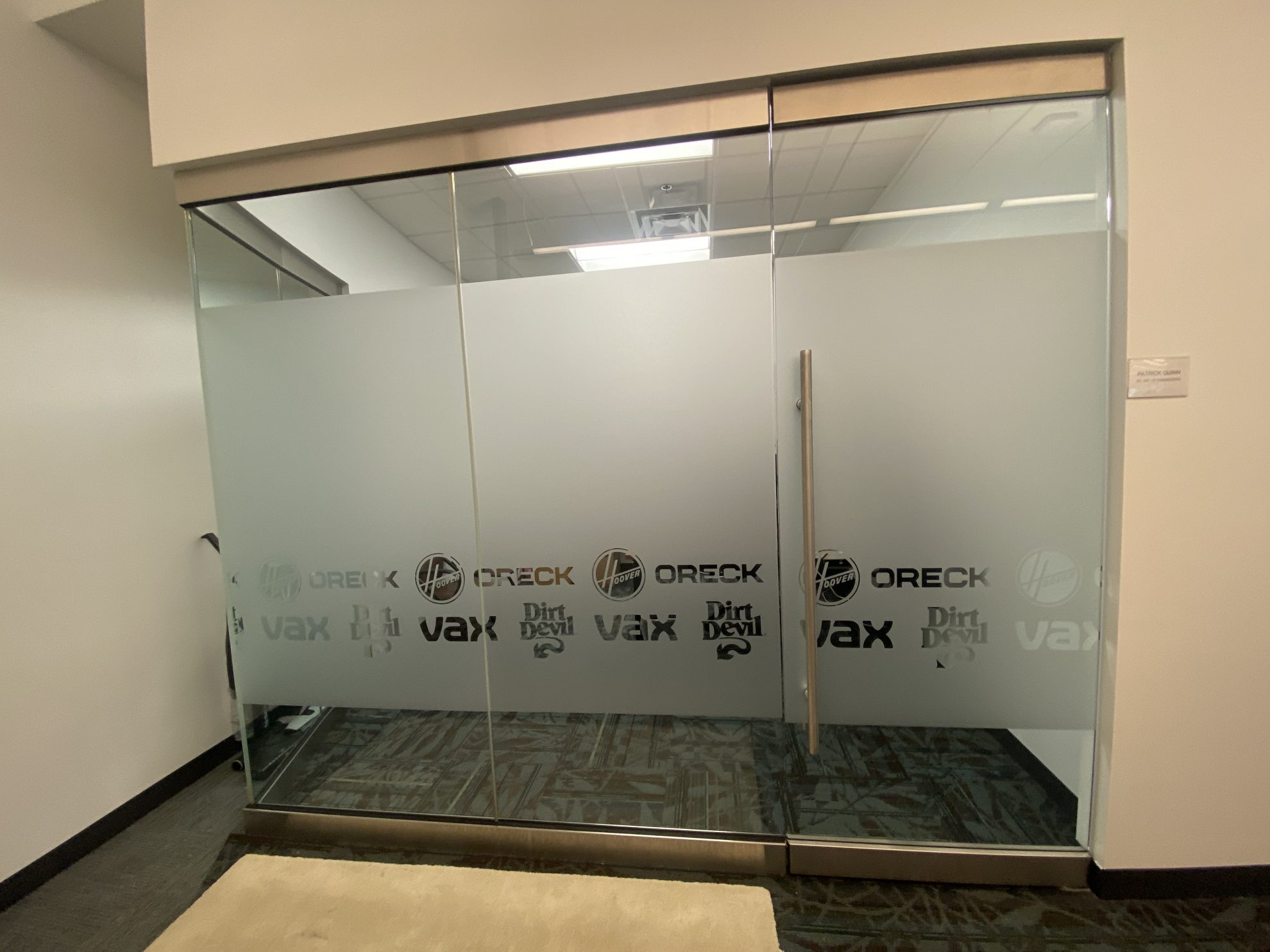
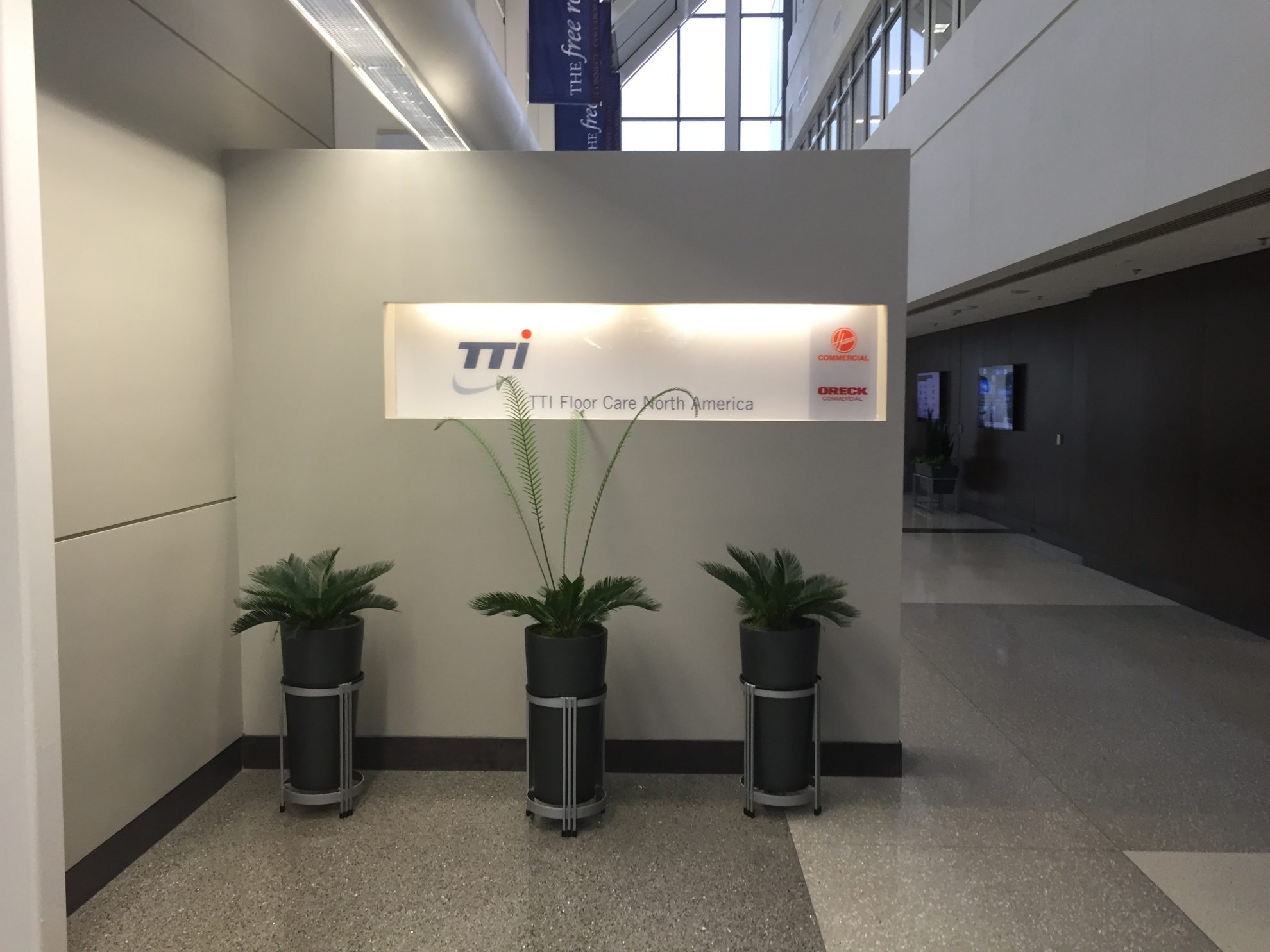
Heritage Signs & Displays collaborated with TTI Floor Care North America to enhance their corporate office. The project included custom frosted vinyl graphics, acrylic signs, dimensional lettering, and LED backlit signs, showcasing the brands Dirt Devil, Hoover, and Oreck. The signage improved office branding, privacy, and aesthetics. Heritage collaborated closely with TTI, ensuring efficient execution and high-quality results, creating an immersive and professional environment that reflects TTI's brand values.
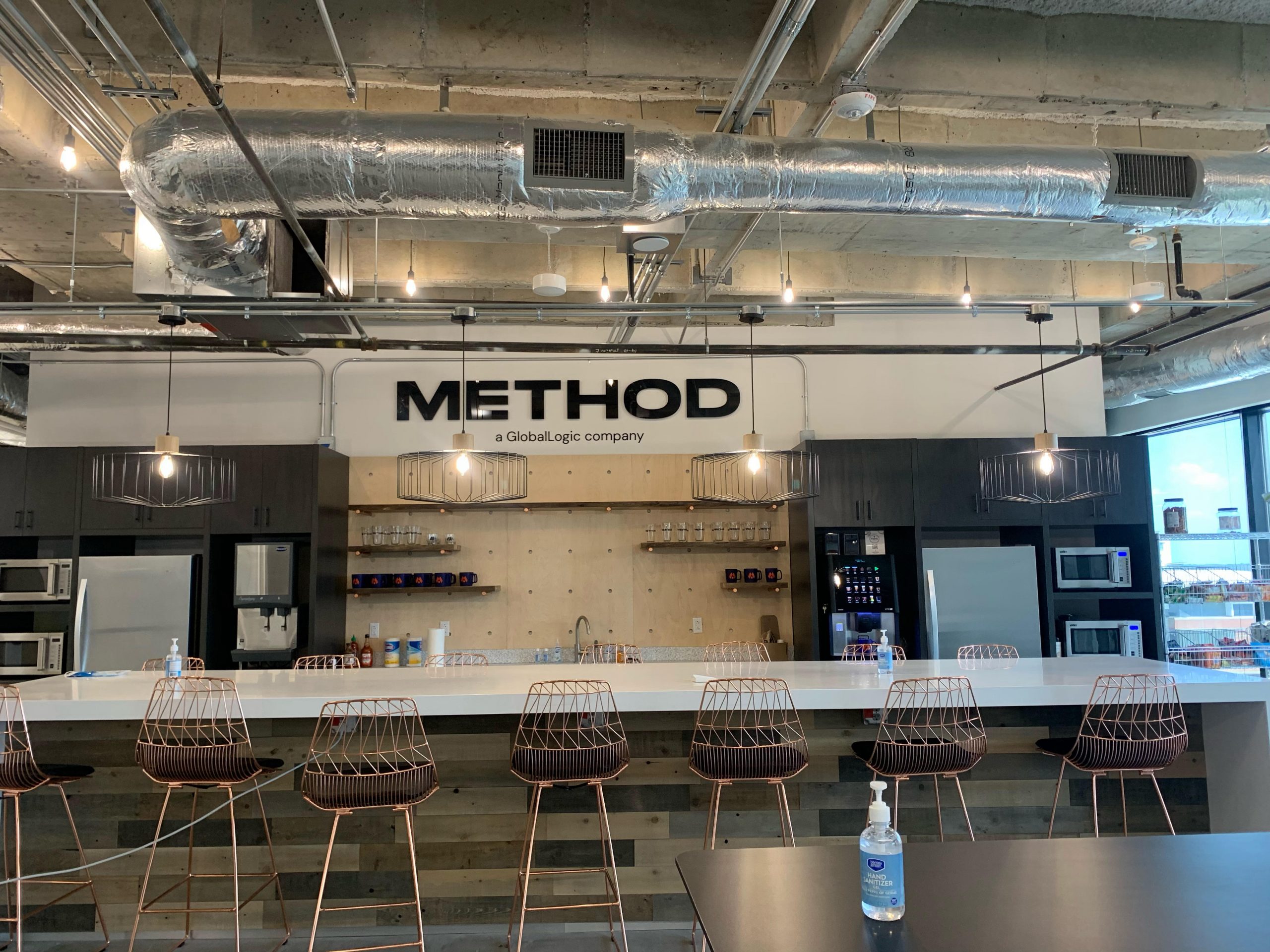
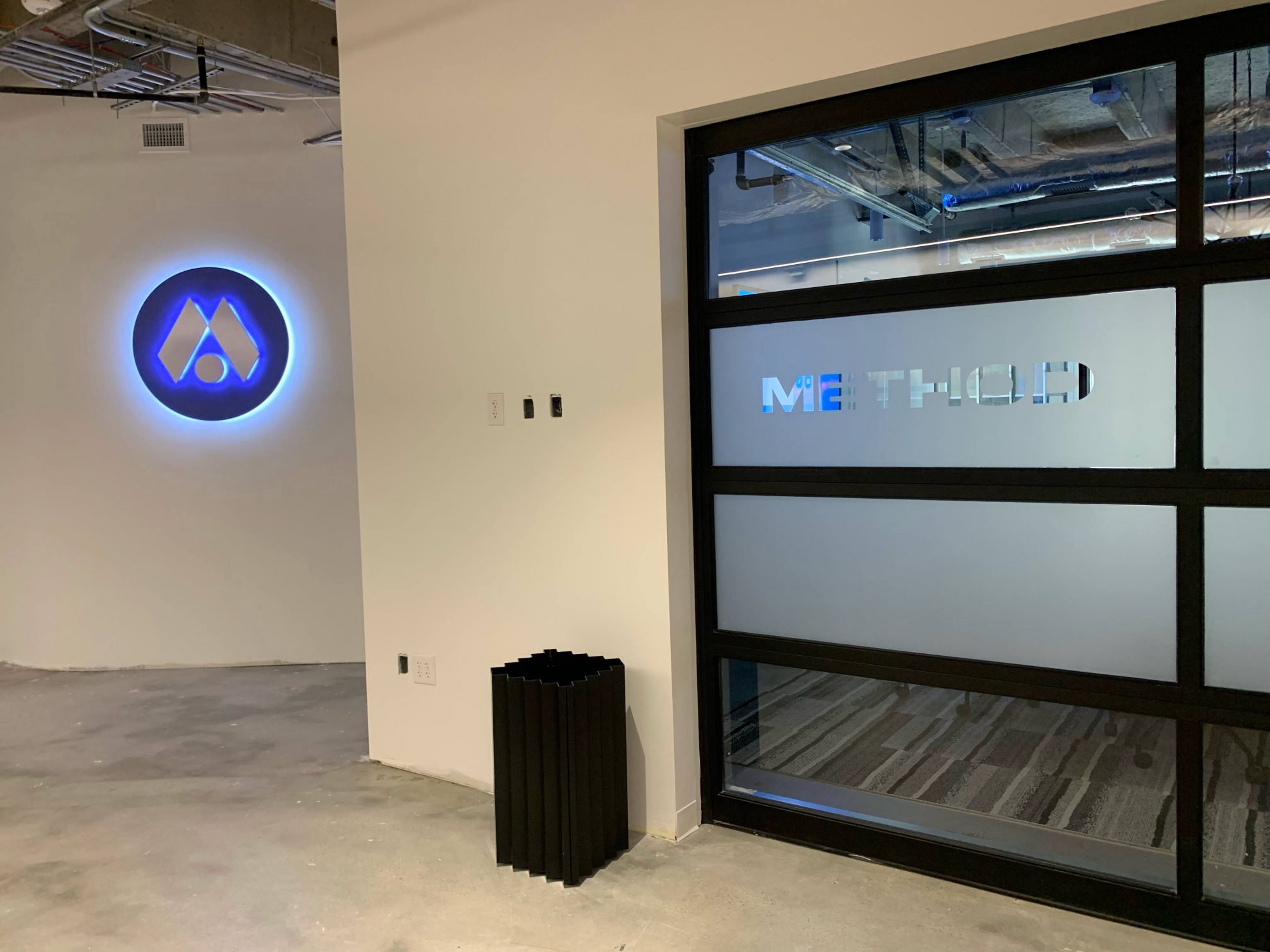
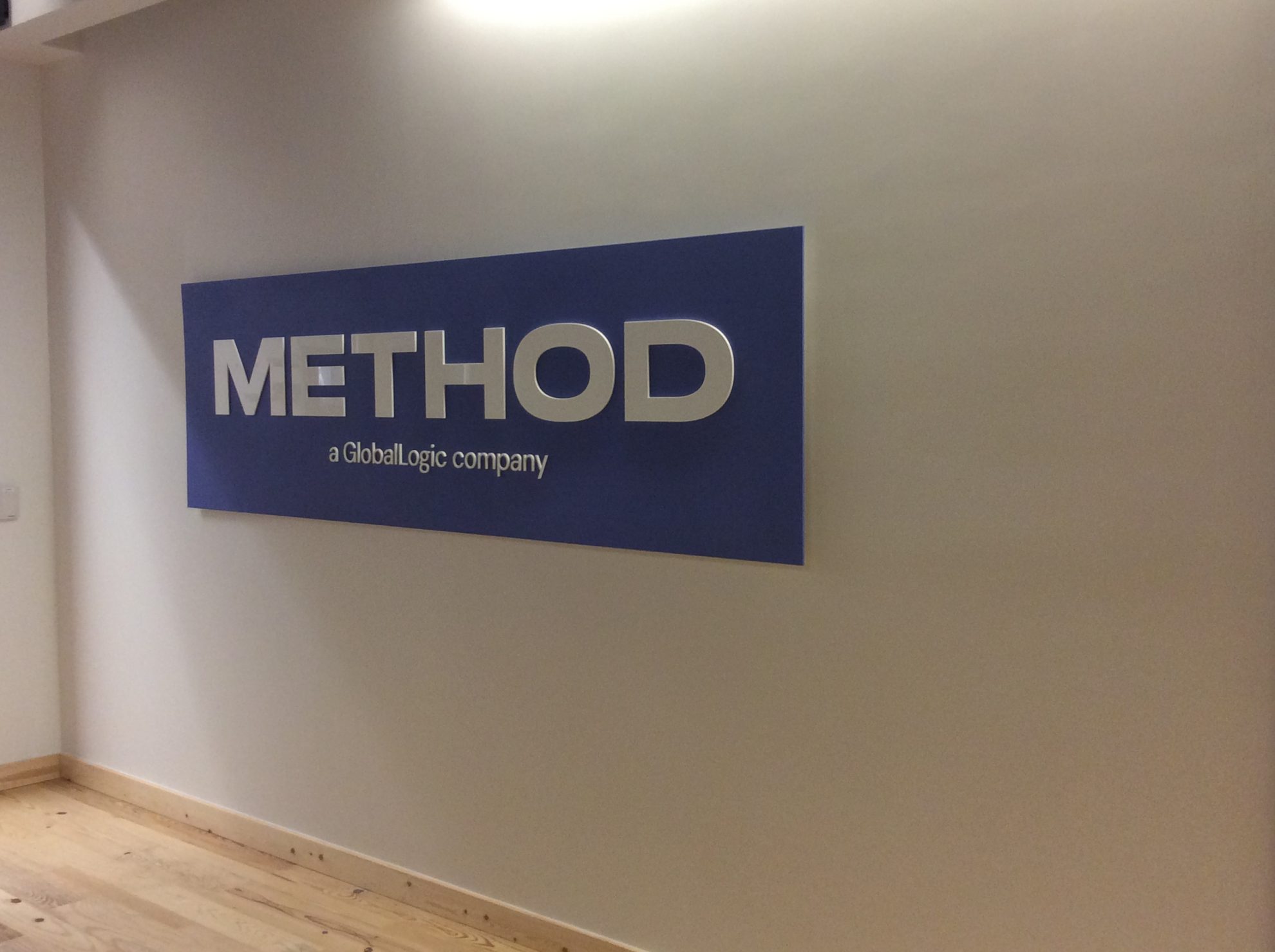
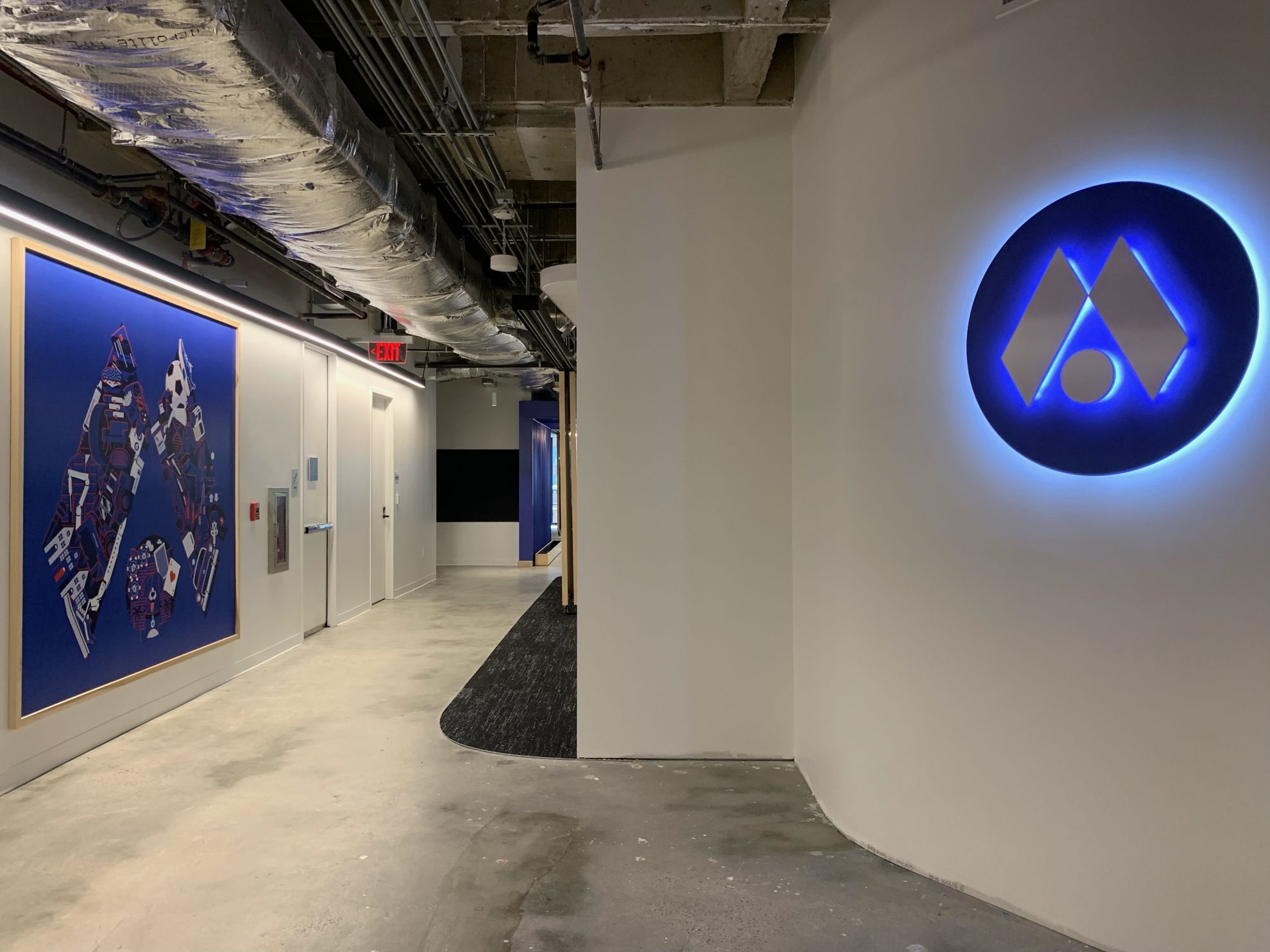
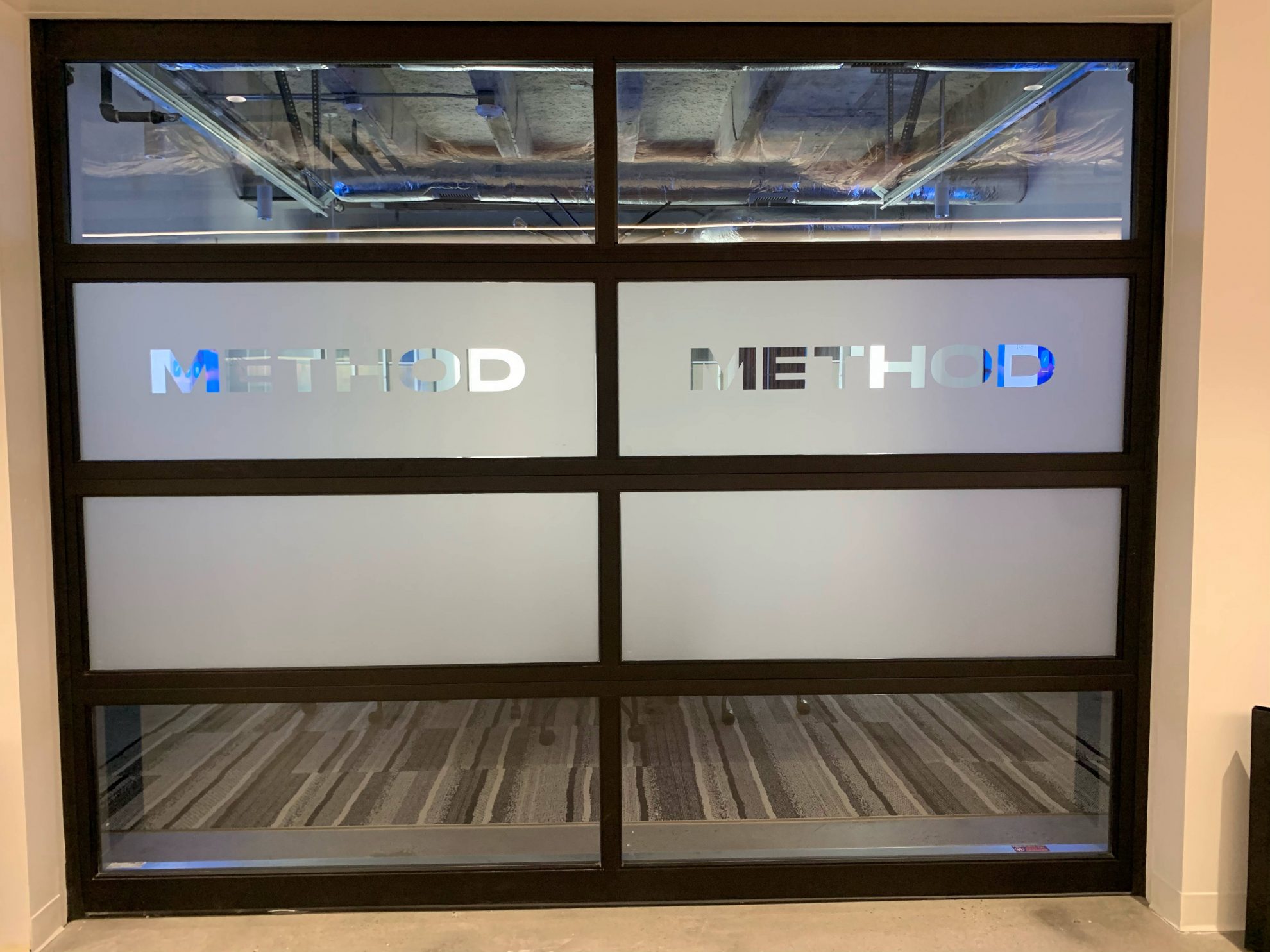
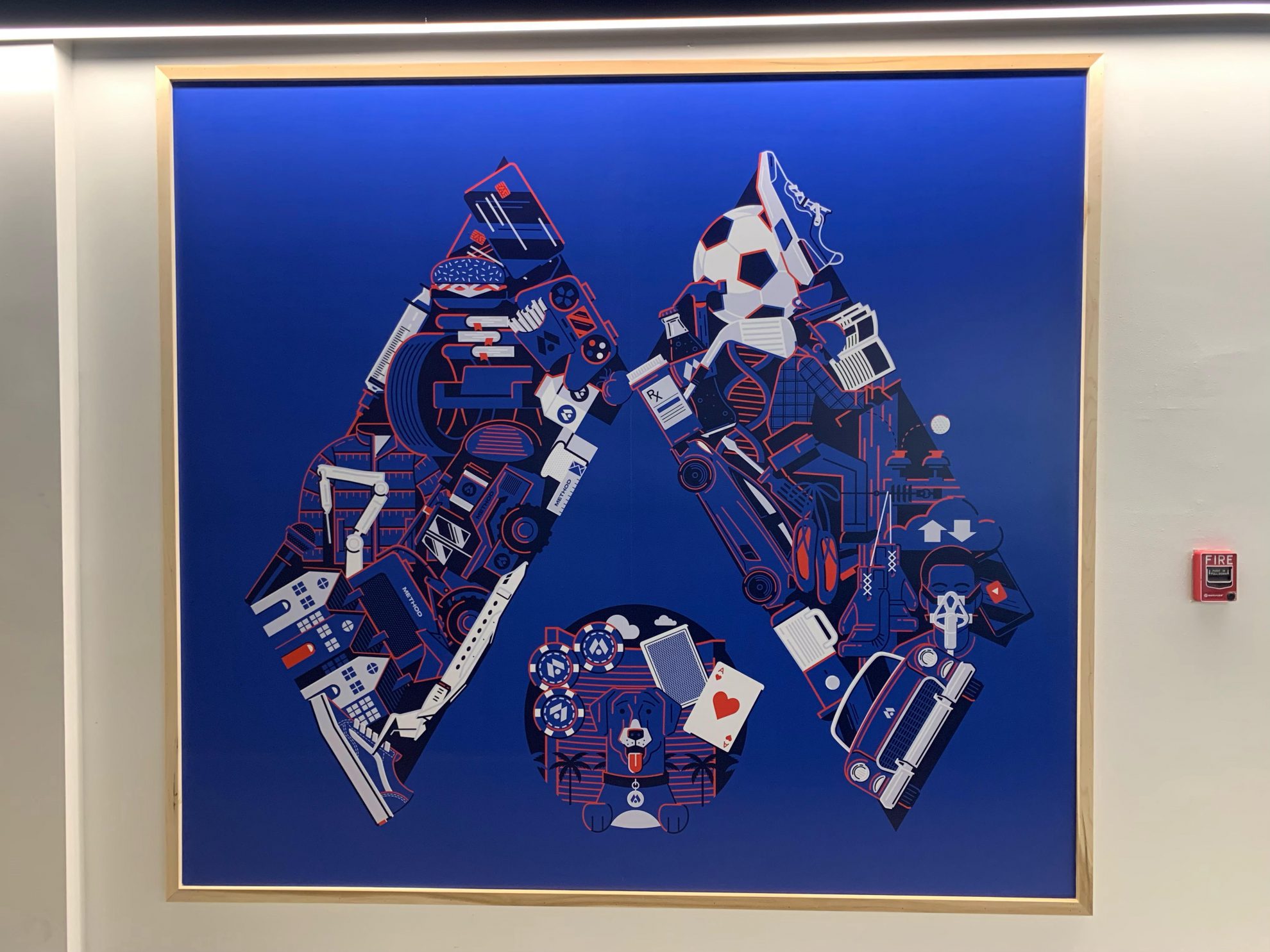
Heritage Signs & Displays' collaboration with Method (formerly Skookum) to rebrand their corporate headquarters. The project included dimensional lettering, wall displays, LED-lit signage, wall wraps, and frosted vinyl, creating an immersive and branded environment. Heritage worked closely with Method's team, ensuring accurate execution and timely delivery. The transformation was completed in August 2021, with Method's employees moving into the revamped space in September. The project reflects Heritage's commitment to quality and collaboration.