A Veteran Owned Business
A Veteran Owned Business
A Veteran Owned Business

A workplace expresses who your organization is at every touchpoint, from the entrance and reception area to conference rooms, corridors, and employee spaces. Lobby signage creates an immediate impression, privacy films make glass-walled rooms more functional, and directional graphics help people reach their destinations. Training areas, galleries, recognition walls, and shared spaces each serve a distinct audience and purpose. Bringing these elements together requires careful planning around messaging, materials, visual hierarchy, placement, and usability. A successful interior sign system helps visitors move through the building comfortably while reinforcing the organization’s mission and culture for employees.
Heritage Signs & Displays serves businesses and institutions in Spartanburg and throughout Upstate South Carolina, including Greenville, Greer, and nearby communities. Heritage is an award-winning, veteran-owned, family-led commercial interior sign company established in 1977. Since 2009, the company has focused on custom interior signs, environmental graphics, workplace branding, and institutional displays. Spartanburg clients receive attentive project coordination supported by experienced design, project management, production, fabrication, and installation teams.
Heritage is well suited for organizations that want a collaborative process and one accountable partner for the completed environment. The team studies how people experience a facility, beginning at the entrance and continuing through reception, hallways, conference areas, and final destinations. The resulting visual program may include dimensional lobby signs, frosted privacy films, directional signage, recognition displays, wall graphics, interpretive panels, and branded installations. Every element should perform a clear function while complementing the architecture, brand standards, and needs of employees, visitors, patients, students, members, donors, or community stakeholders.
Heritage works with corporate offices, healthcare providers, colleges and schools, museums, nonprofits, associations, government facilities, professional firms, and public-facing commercial spaces. A project might focus on one high-impact lobby wall, several departments, an entire facility, or multiple locations. Each client works with a dedicated project manager who coordinates discovery, site information, design reviews, material selections, stakeholder approvals, production schedules, facility readiness, and installation.
Accurate field information is essential to both the appearance and long-term performance of the finished work. Dimensions must reflect actual building conditions, materials must be compatible with each surface, and finishes, colors, scale, and mounting methods must support the approved design. Installation access, occupied work areas, wall conditions, building policies, and project sequencing also affect what can be fabricated and installed successfully.
An integrated process saves clients from coordinating separate designers, printers, fabricators, and installers. Heritage keeps these responsibilities connected, reducing communication gaps and minimizing costly changes late in the project. This approach is especially valuable for an occupied Spartanburg office, a facility preparing for a scheduled opening, or an organization introducing consistent branding across several Upstate South Carolina locations.
The final installation matters, but so does the experience of reaching it. Heritage listens to stakeholder priorities, recommends practical solutions, and manages approved concepts through production and professional installation. Clients have a clear point of contact for questions, decisions, scheduling, and completion. Our purpose is to honor God by serving our clients and communities with excellence. We pursue that purpose through responsive service, careful stewardship, resourceful problem-solving, and respect for every environment entrusted to us.
An experienced Spartanburg sign company should make a facility easier to understand while strengthening the organization’s identity. Visitors need a welcoming and intuitive arrival experience. Employees should see their mission, values, and culture reflected in the places where they work. Patients, students, donors, members, and community partners may need different information, but each group should encounter a coordinated environment with a clear purpose.
Heritage evaluates audience needs alongside brand guidelines, architecture, traffic flow, lighting, accessibility, viewing distance, and available surfaces. The team also studies practical details such as graphic transitions around corners, panel attachment methods, future content updates, and safe installer access. Addressing these issues early helps ensure that attractive concepts can also be produced, maintained, and installed correctly.
For Spartanburg and Upstate South Carolina organizations, the right solution could be a refreshed reception area, a complete workplace branding system, a donor recognition display, a company values wall, an educational exhibit, or a more effective wayfinding program. The objective is to improve communication, movement, recognition, and brand consistency without filling the space with graphics that serve no meaningful function.
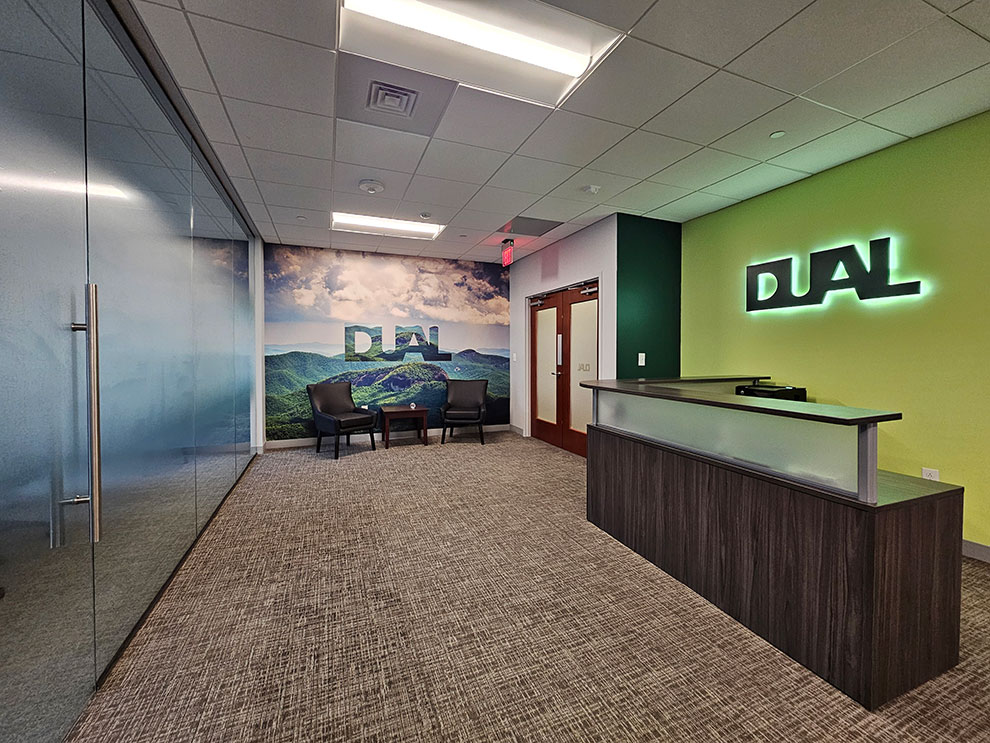
Heritage offers a coordinated team led by a dedicated project manager who remains involved from initial discovery through installation. The project manager collects objectives, site details, floor plans, brand assets, content, and scheduling requirements. From there, the project manager coordinates estimates, design approvals, material decisions, production milestones, and installation logistics. This structure gives stakeholders one dependable communication channel throughout the engagement.
Complex projects also benefit from pre-production review by environmental graphic designers, project managers, production specialists, fabricators, and installers. The team examines field measurements, substrates, color requirements, material transitions, mounting systems, facility access, and installation order before fabrication begins. Potential conflicts can then be resolved while revisions are still practical, rather than after finished components arrive in Spartanburg.
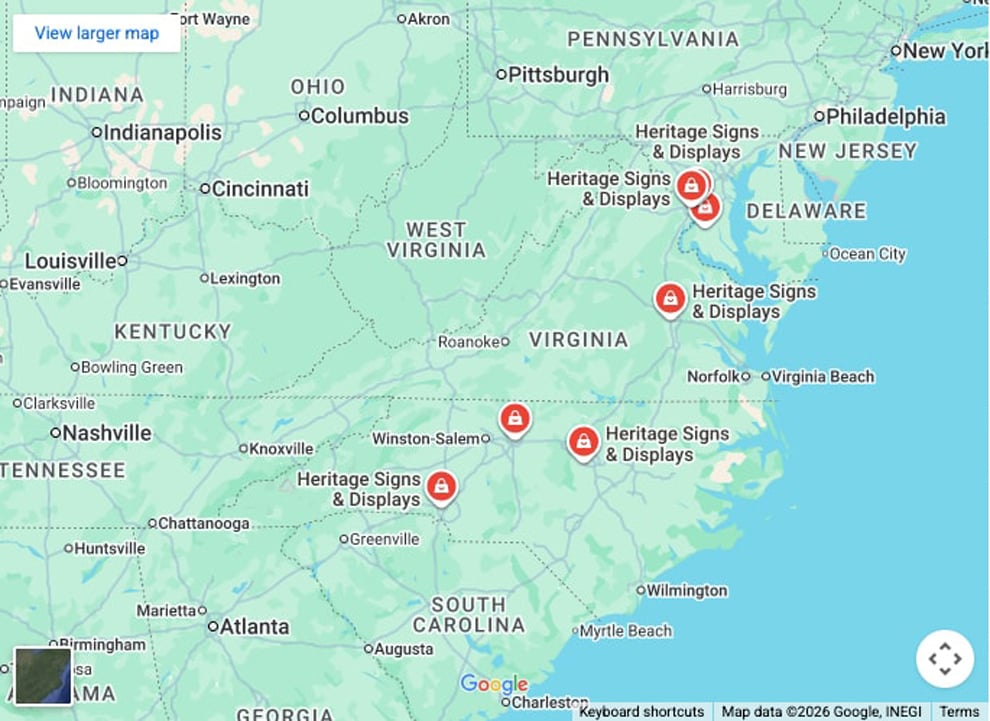
Heritage is veteran-owned, family-led, and approaching 50 years in business. Clients in Spartanburg receive responsive service backed by a seven-location regional network, in-house production capabilities, and managed installation performed by full-time Heritage team members. These resources support focused local projects as well as phased, multi-floor, and multi-location programs requiring consistent execution.
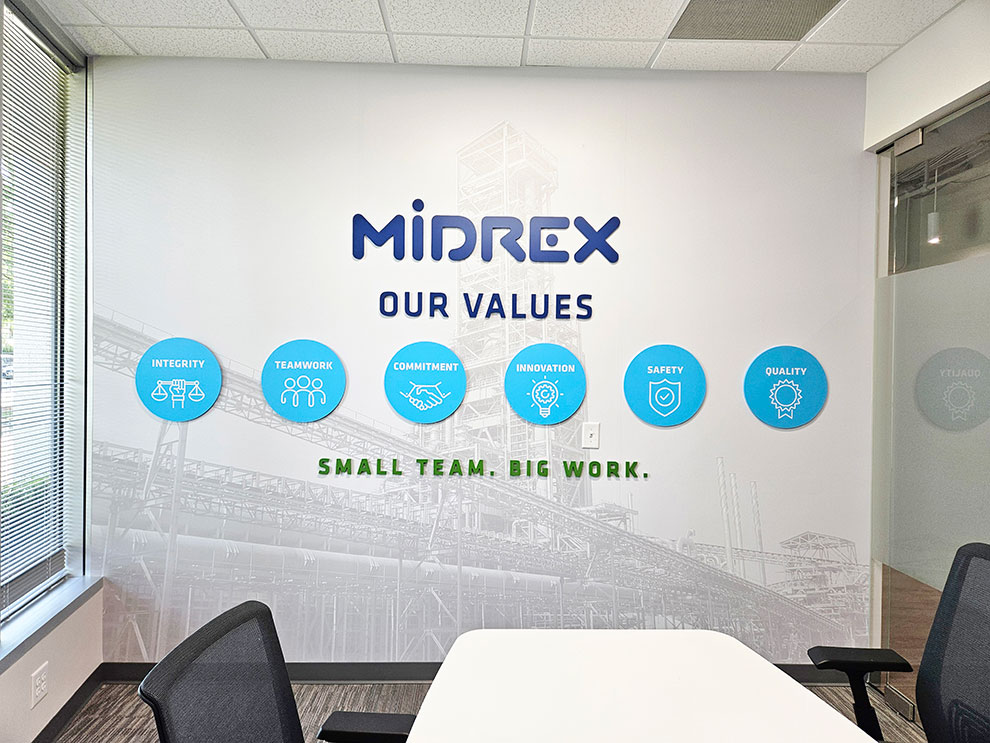
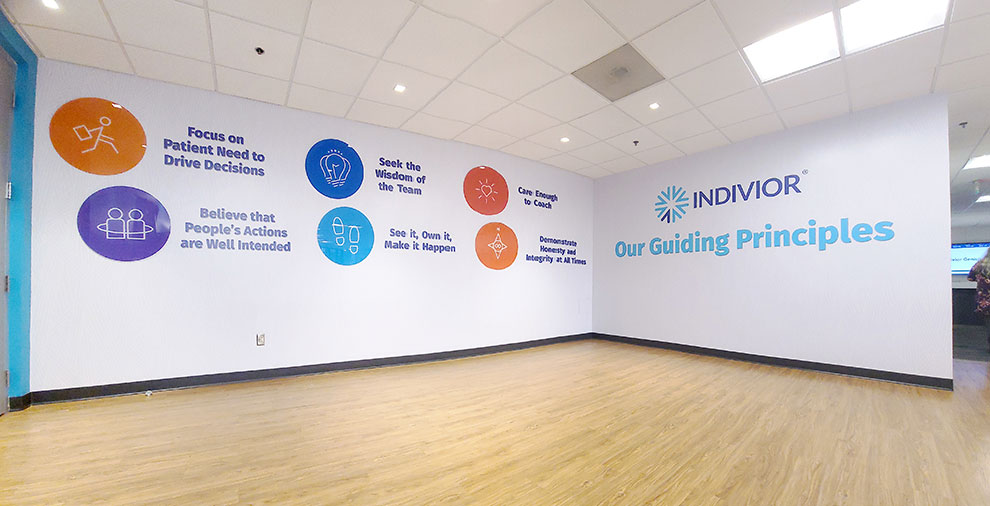
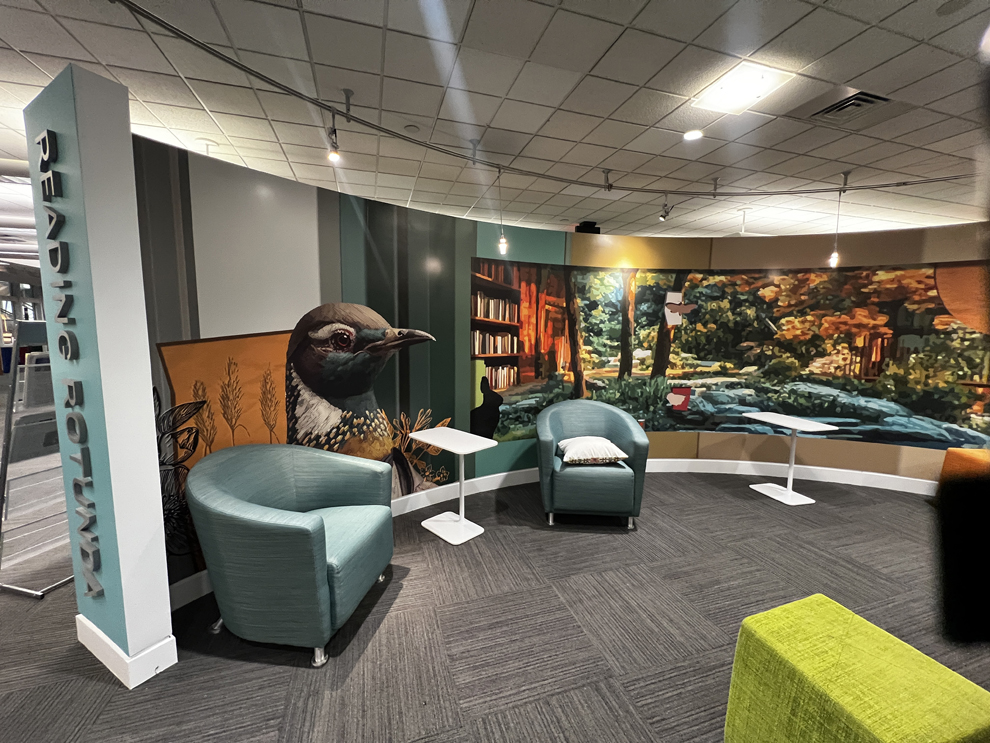
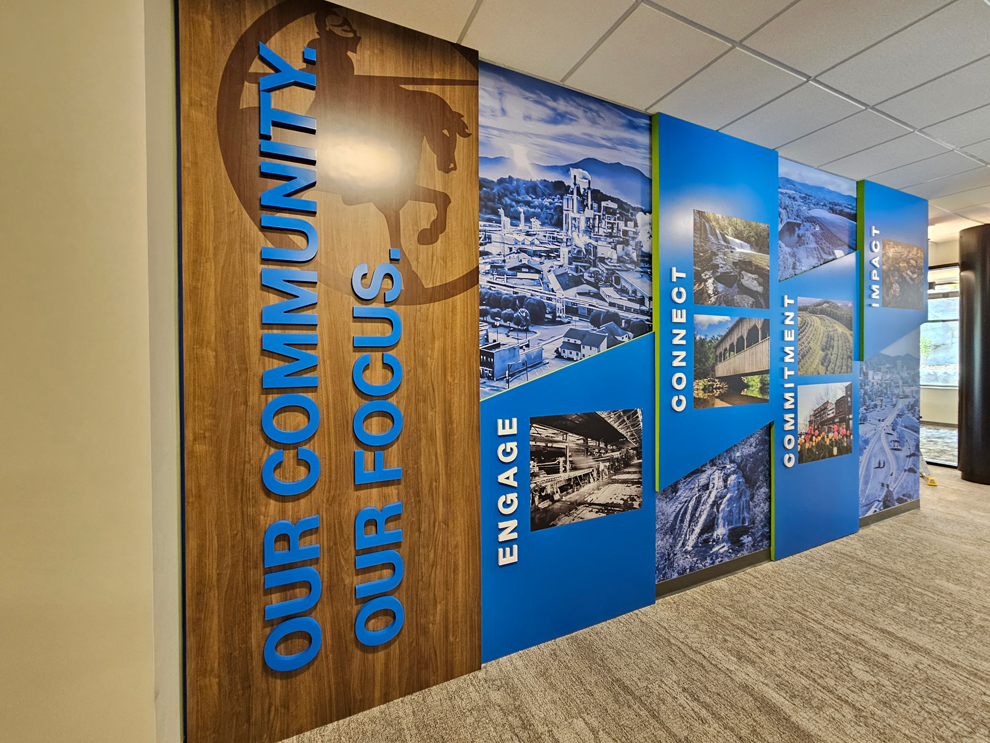
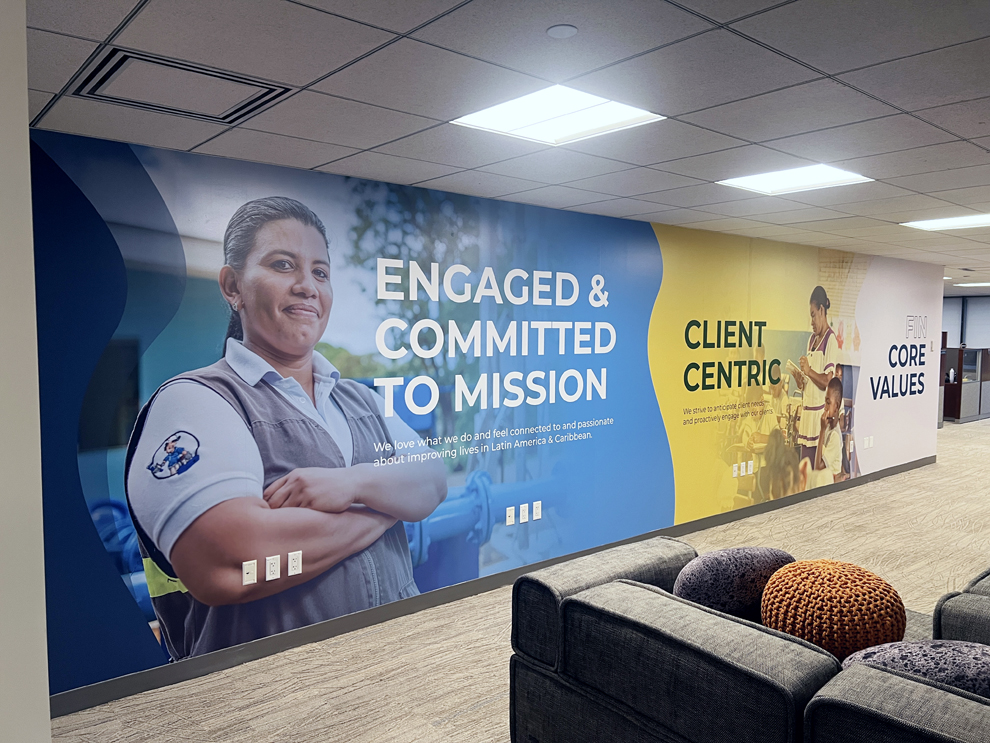
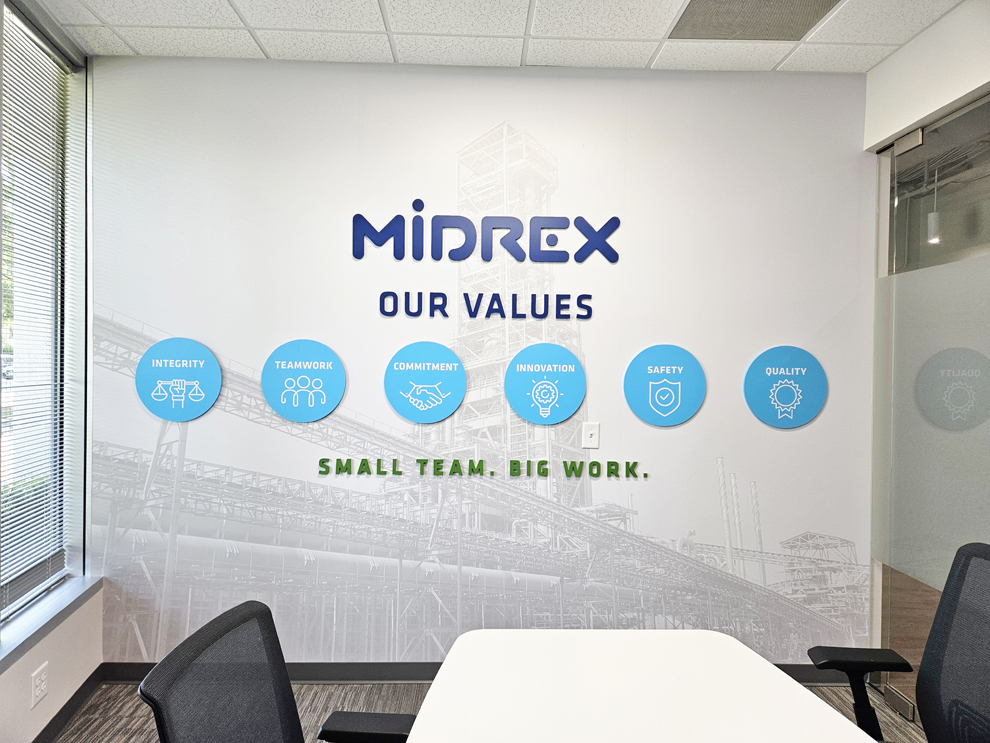
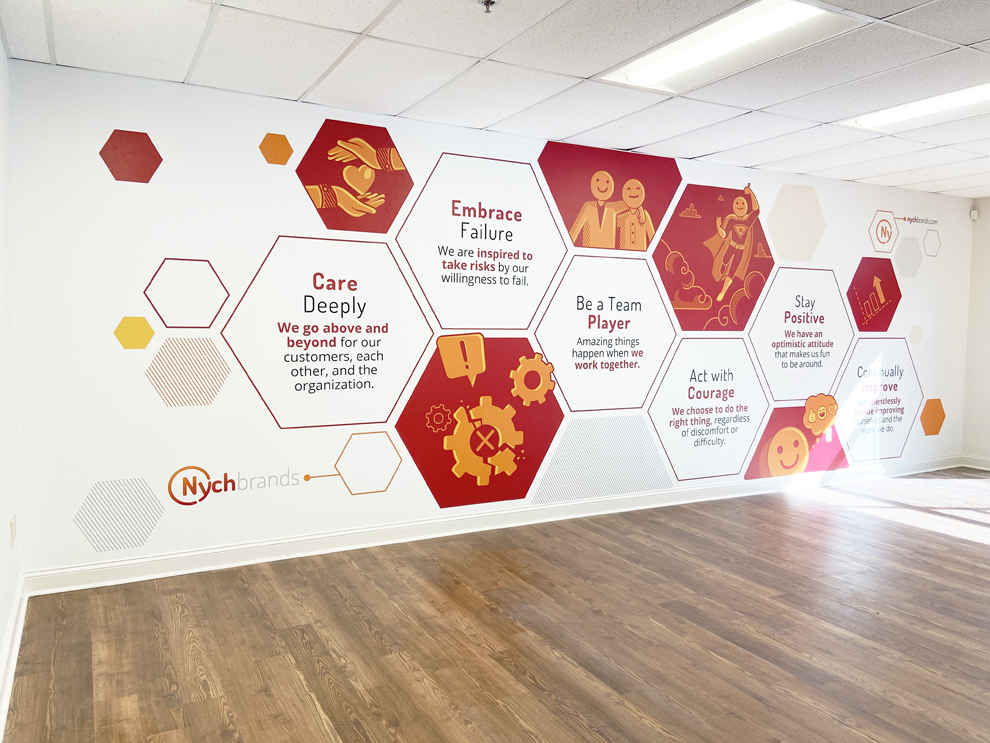
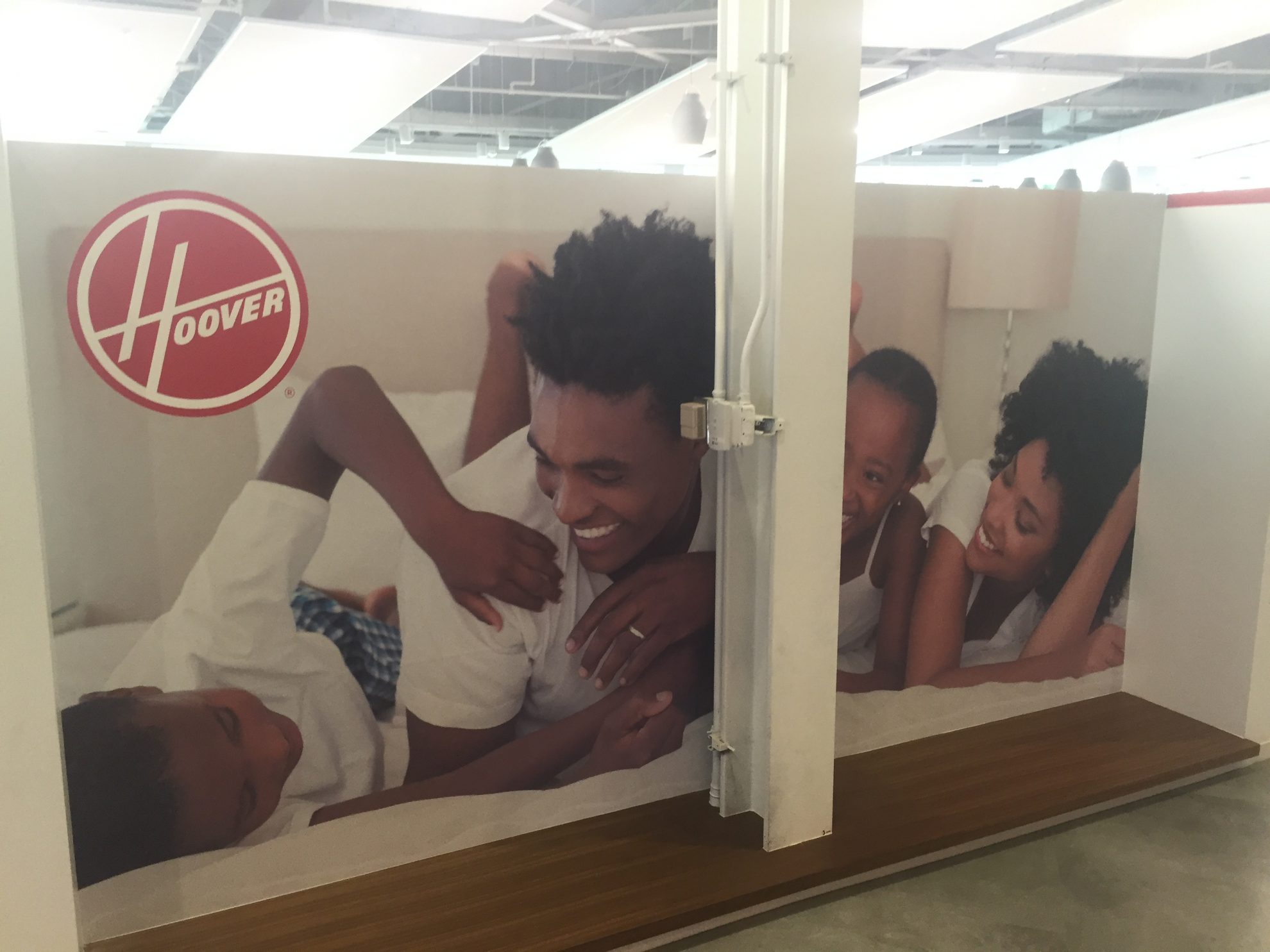
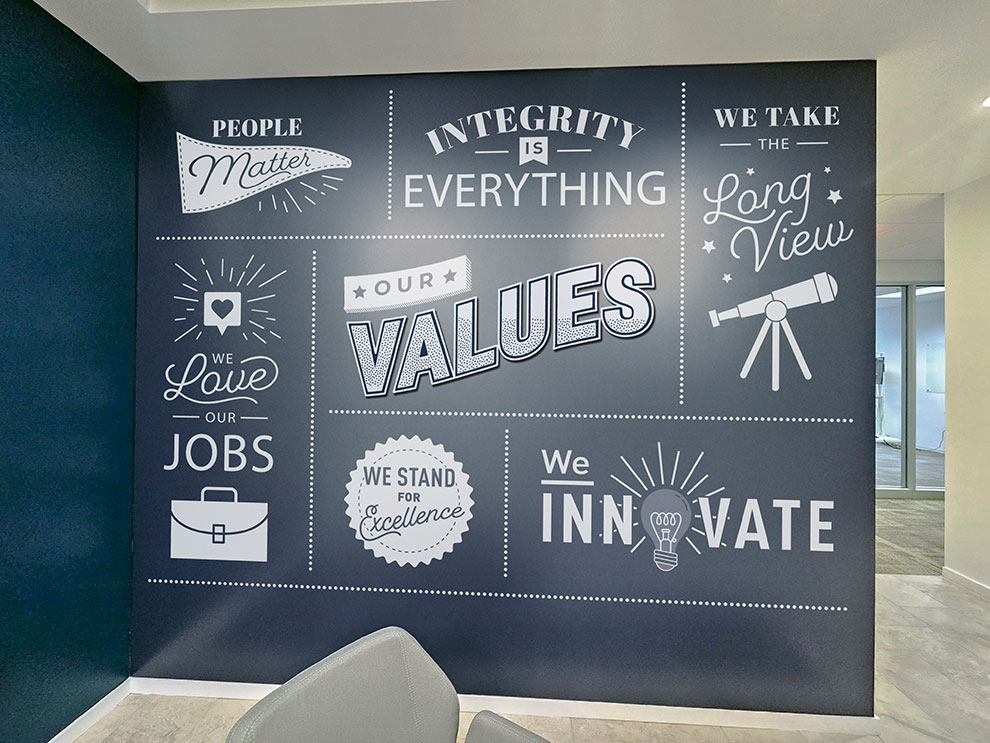
Wall wraps turn broad interior surfaces into branded environments that can highlight company culture, organizational history, products, services, accomplishments, or strategic priorities.
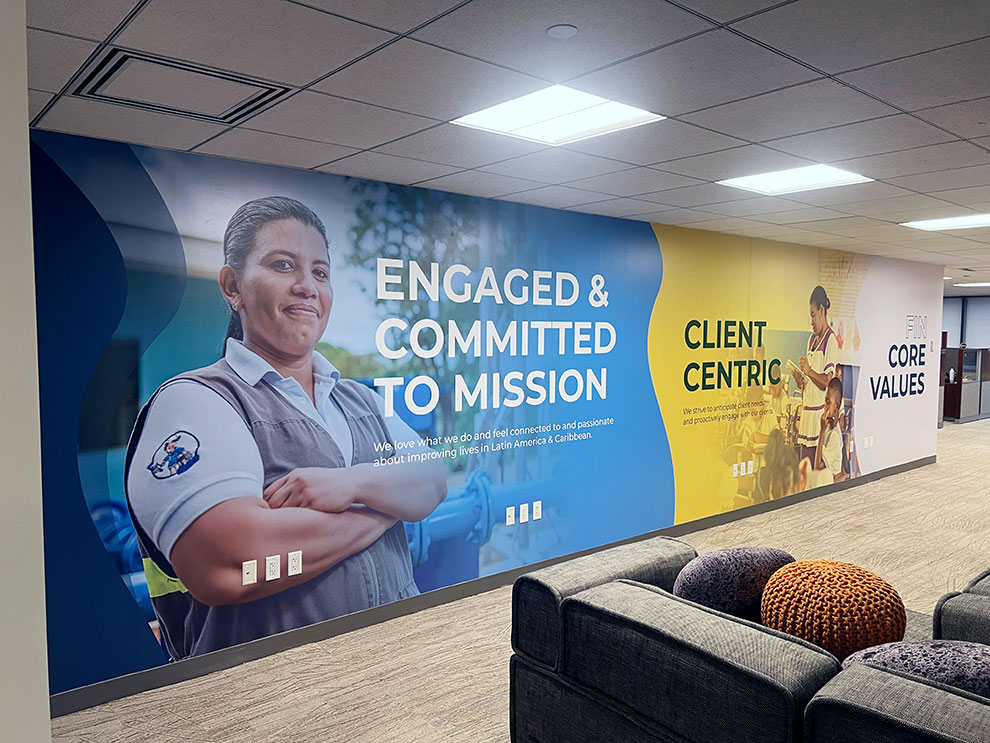
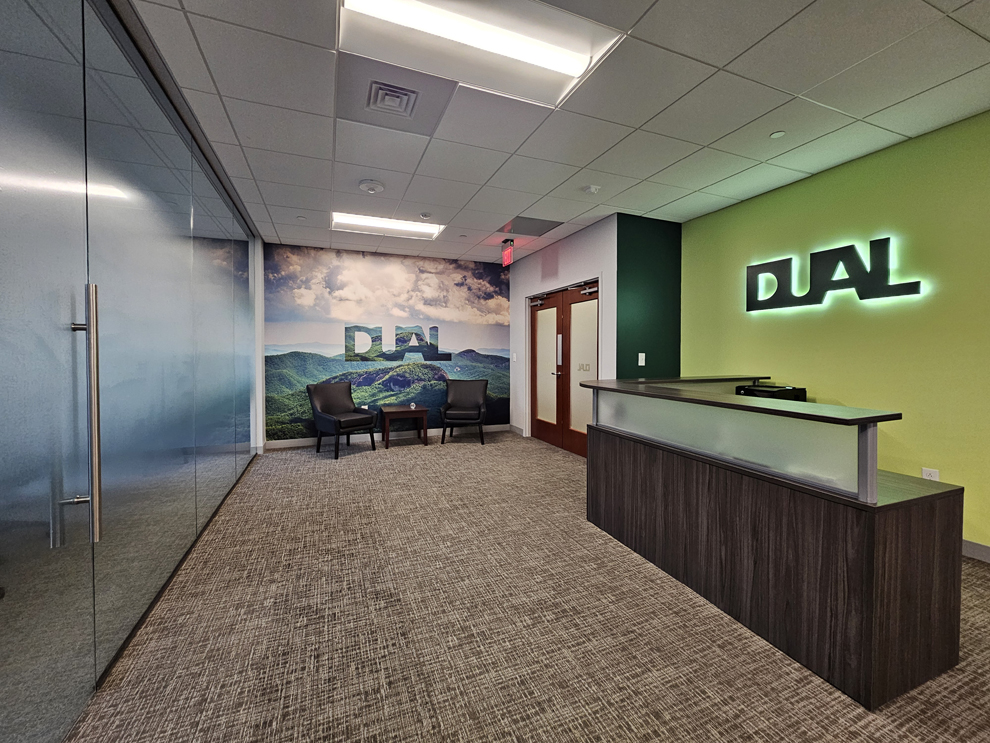
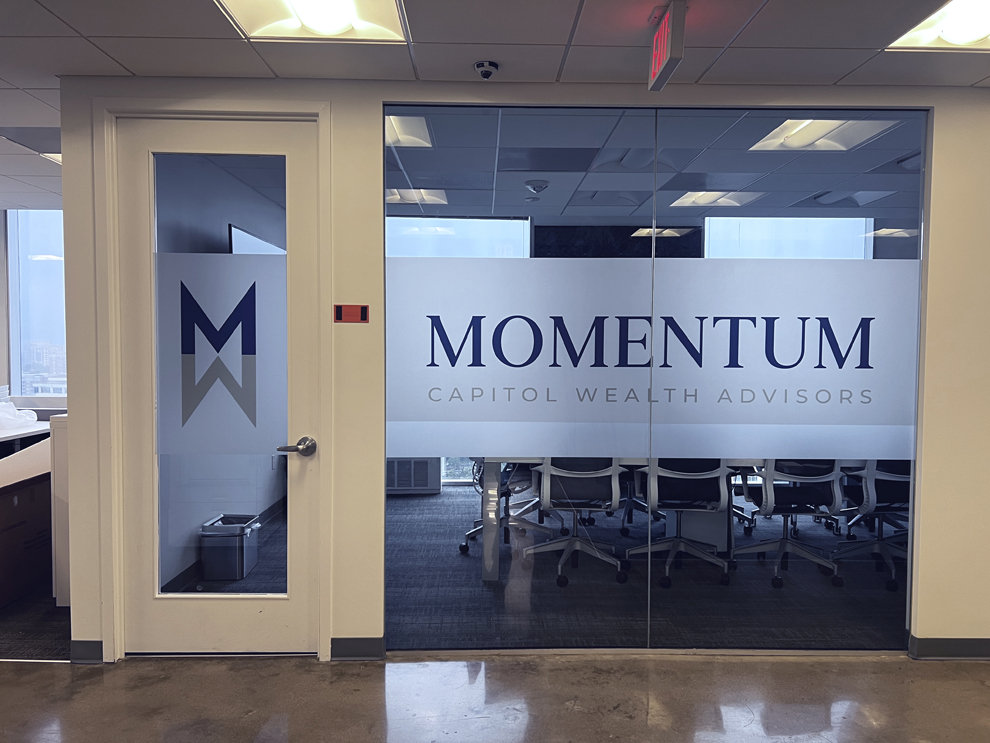
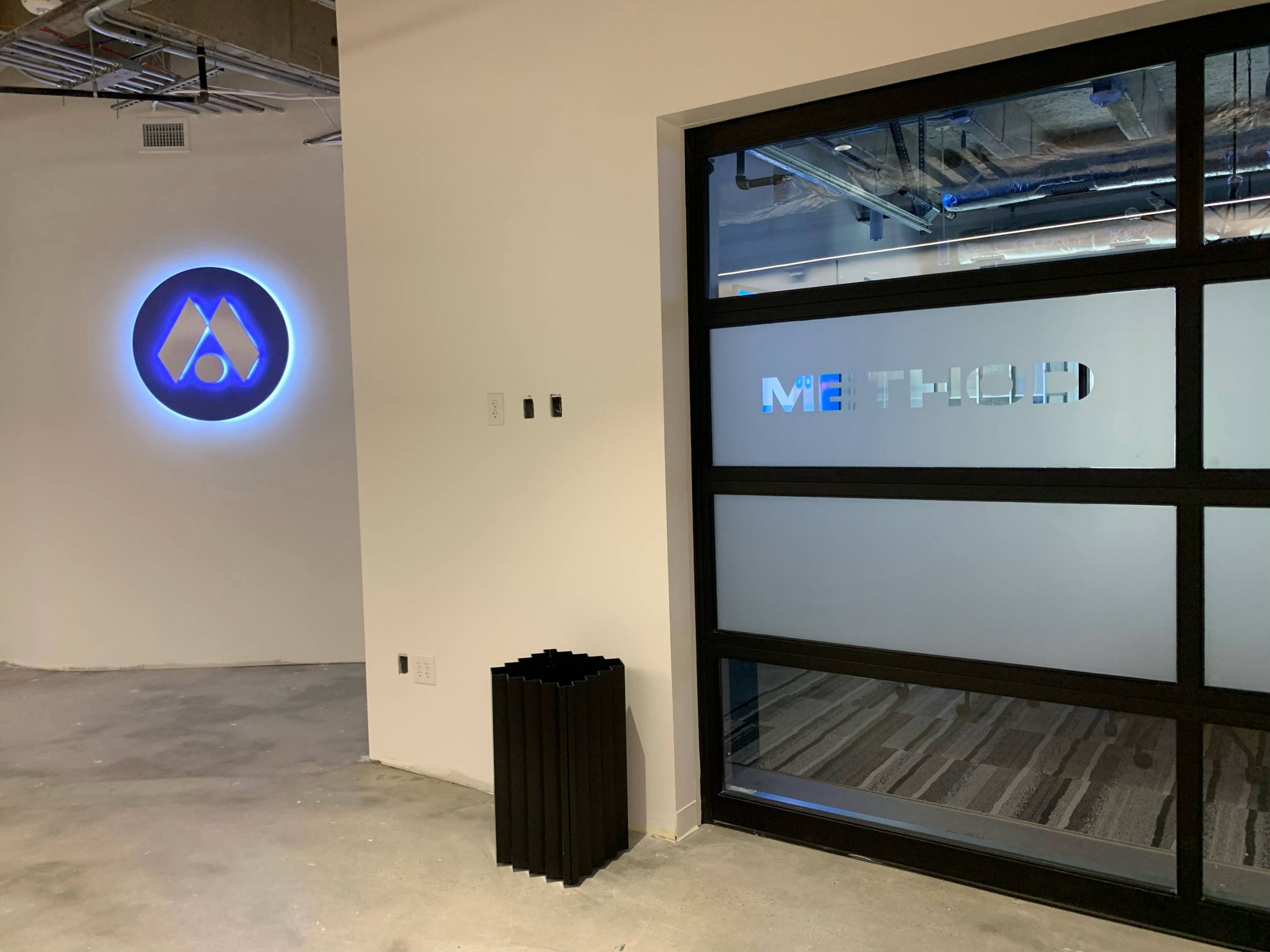
Window films add privacy, identification, pattern, and brand continuity to interior glass while allowing spaces to retain natural light and an open appearance.
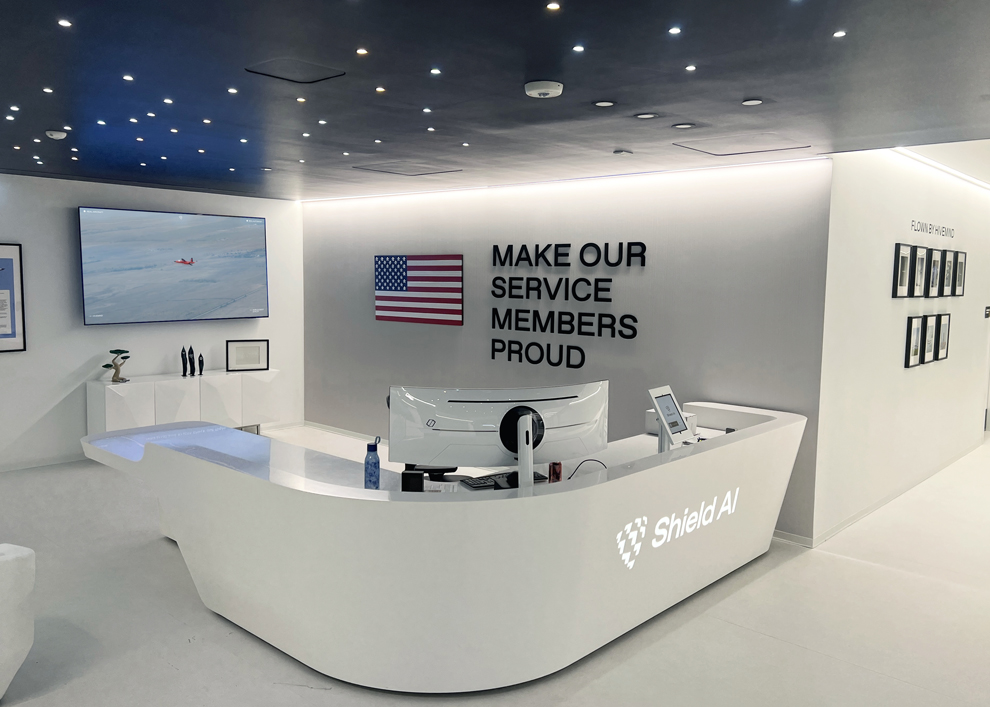
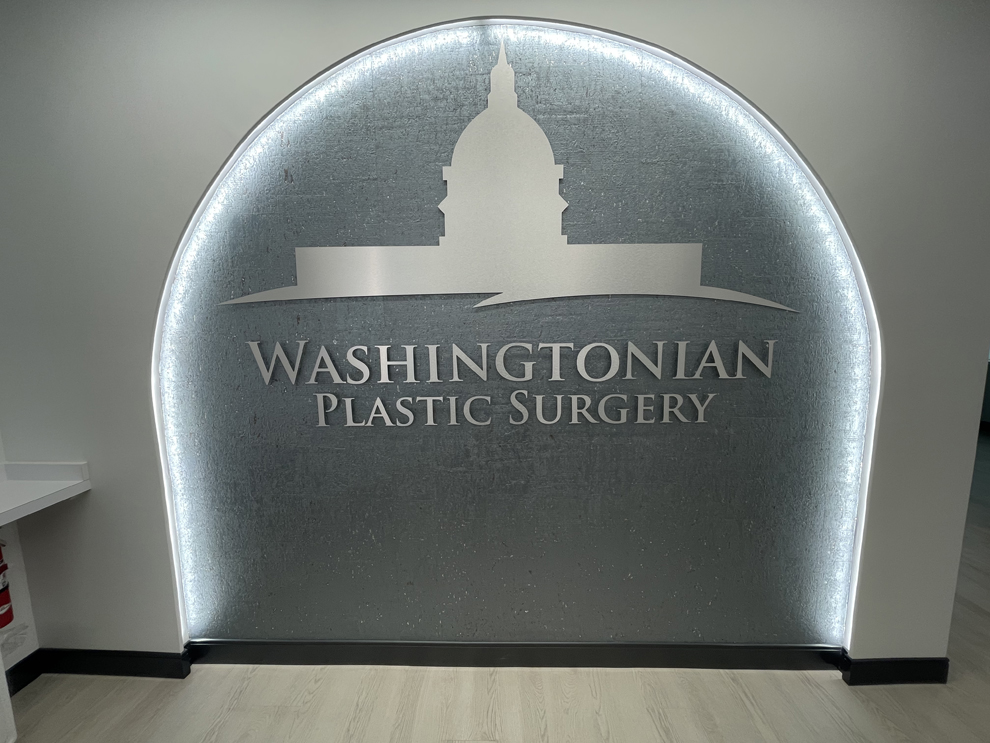
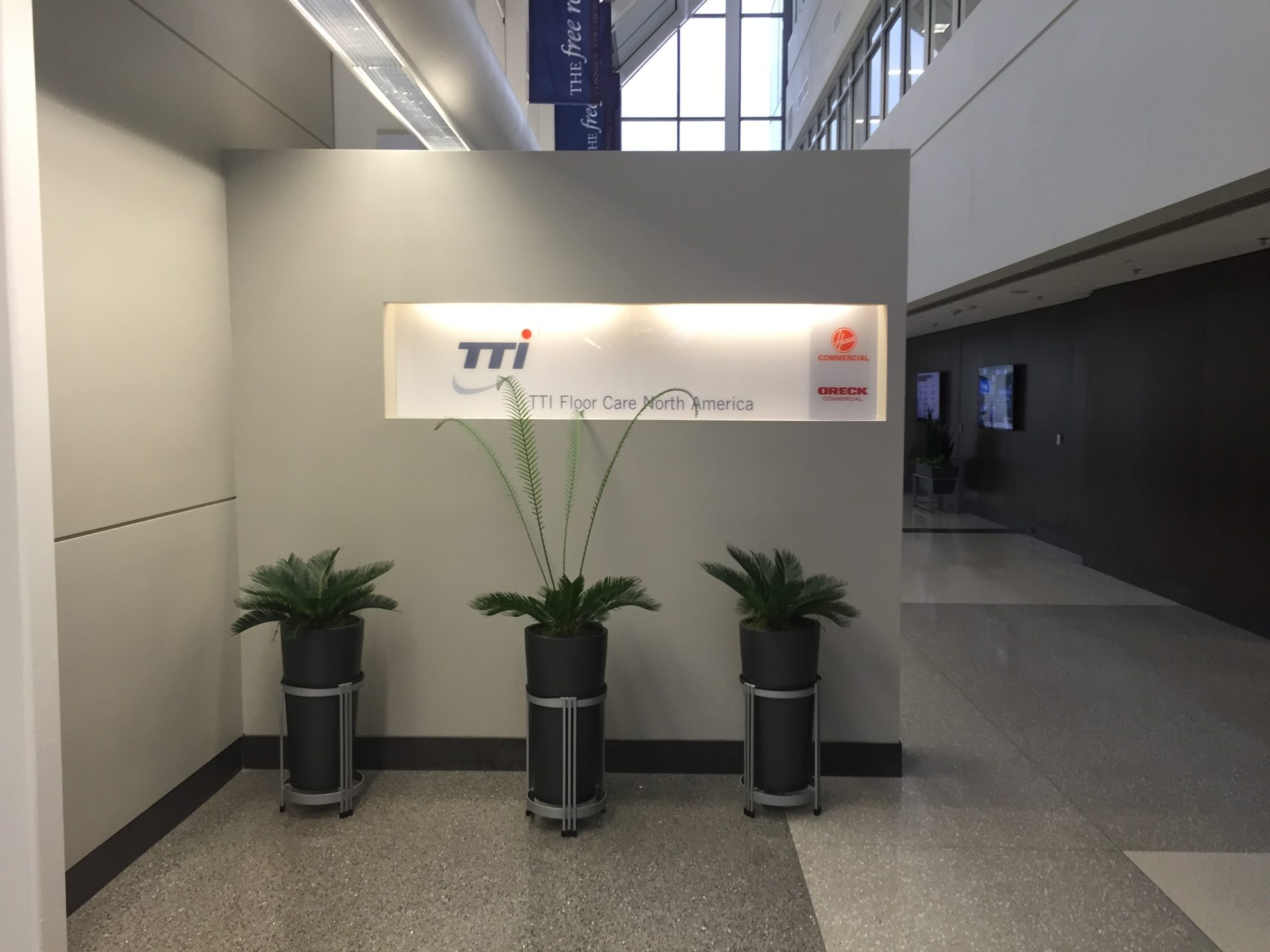
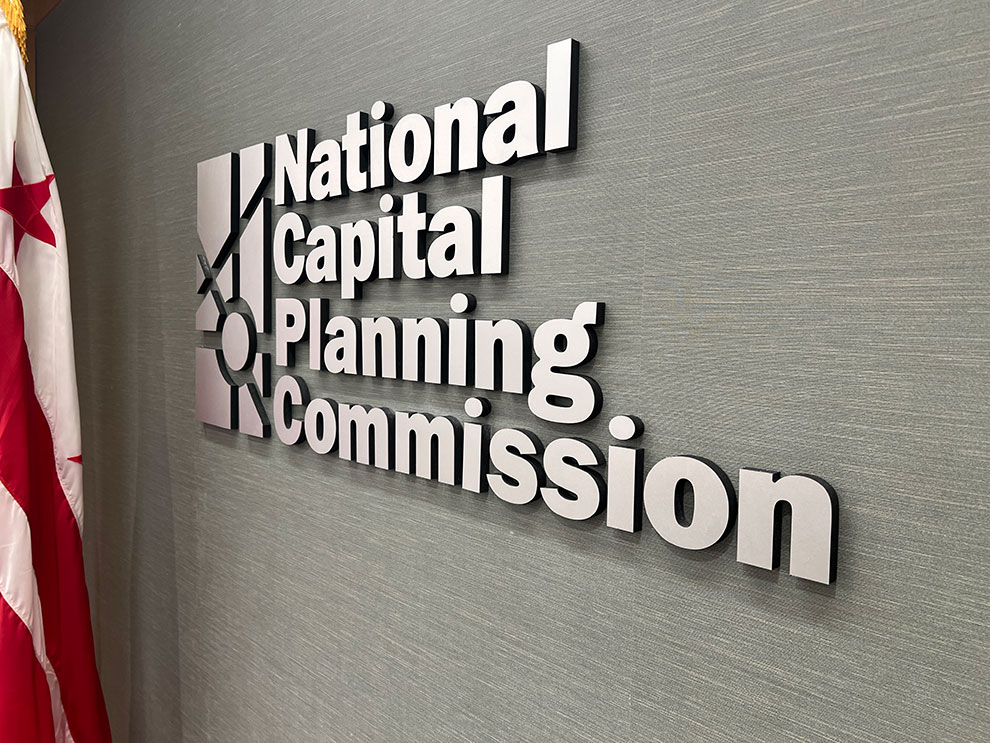
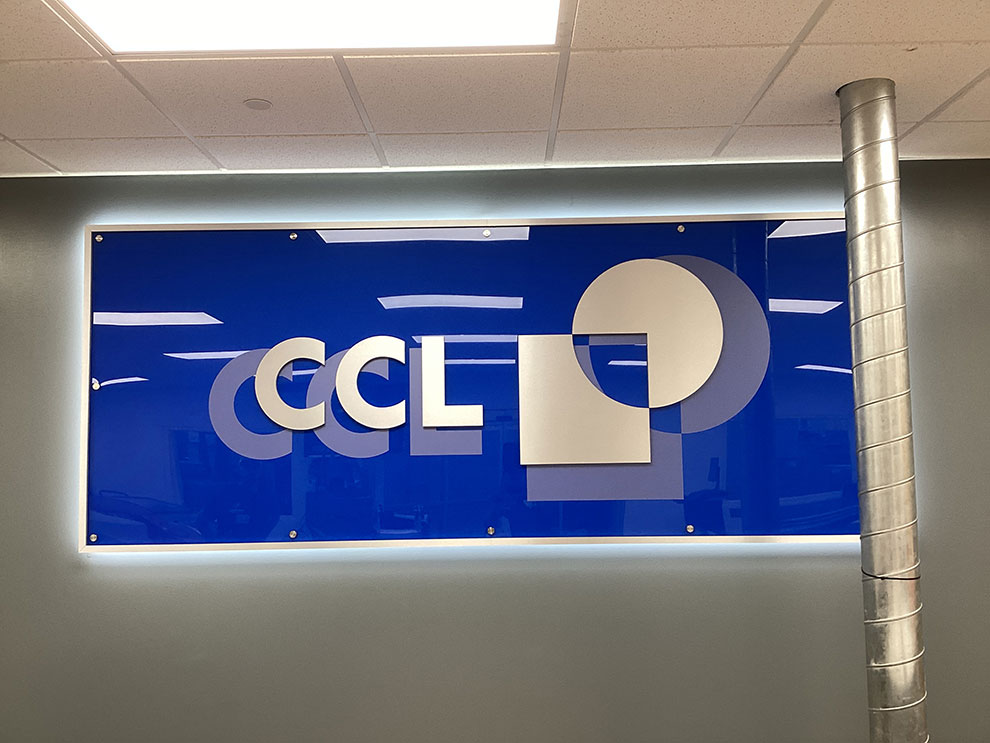
Lobby signs introduce an organization at the point of arrival using dimensional construction, coordinated finishes, appropriate proportions, and mounting methods that complement the surrounding architecture.
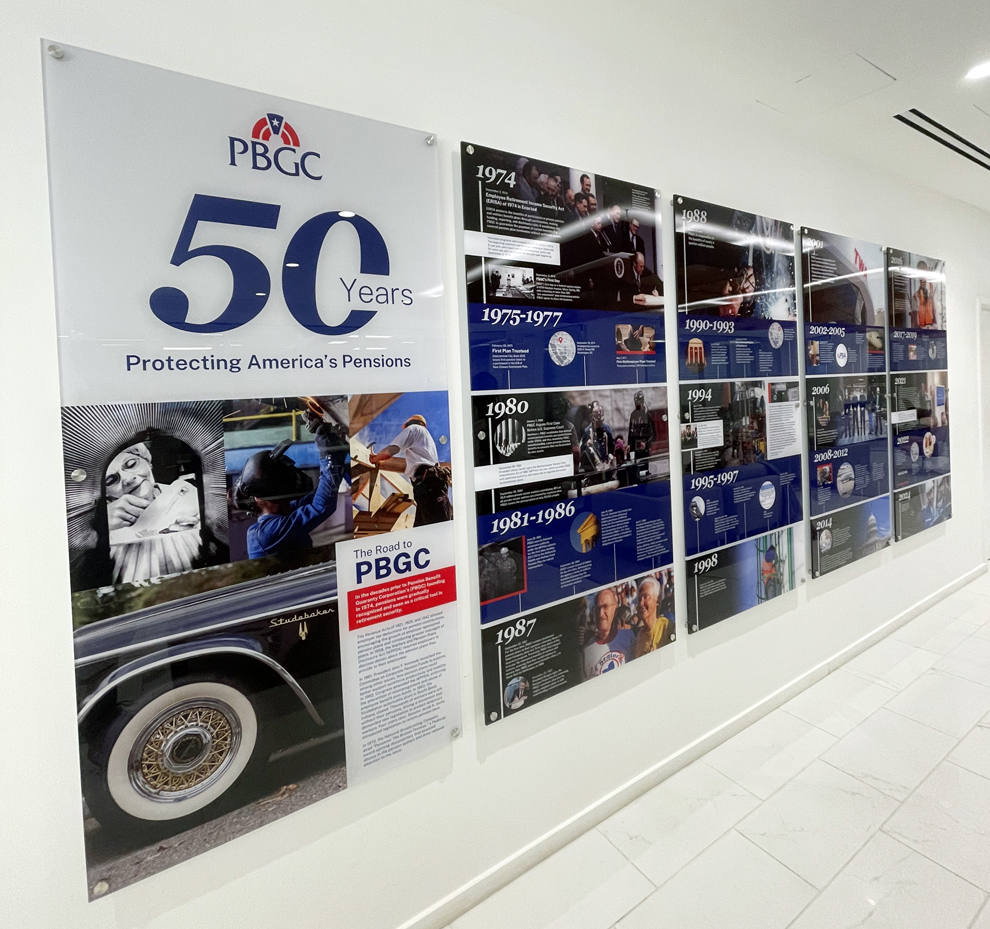
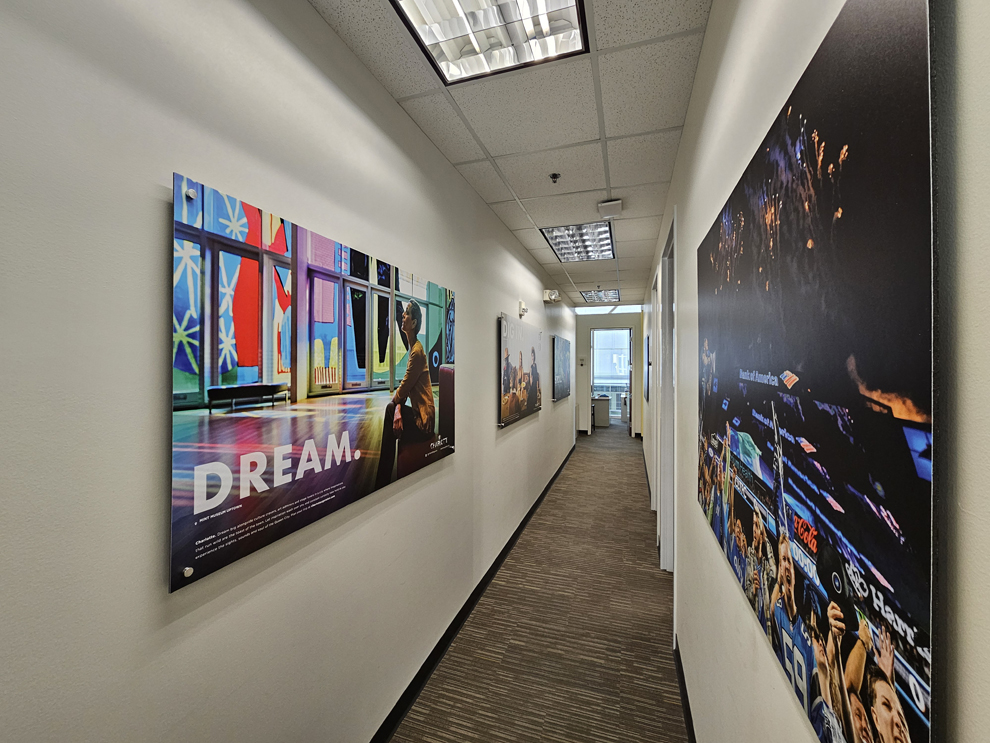
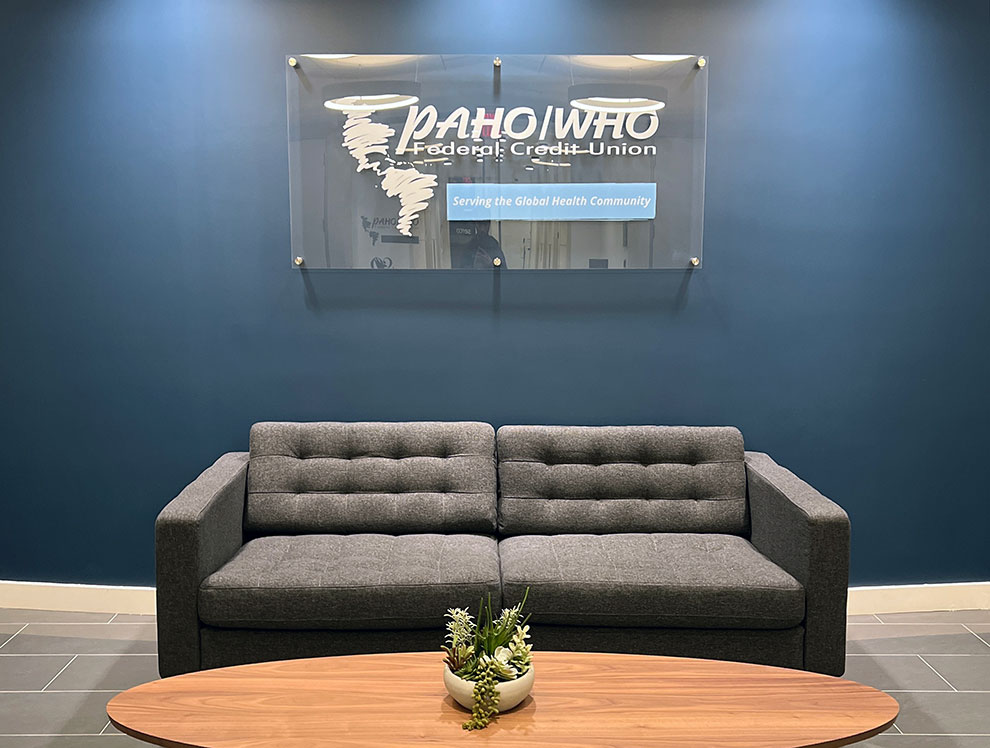
Panels installed with architectural standoffs provide a polished format for directories, office identification, donor recognition, interpretive information, and branded messaging.
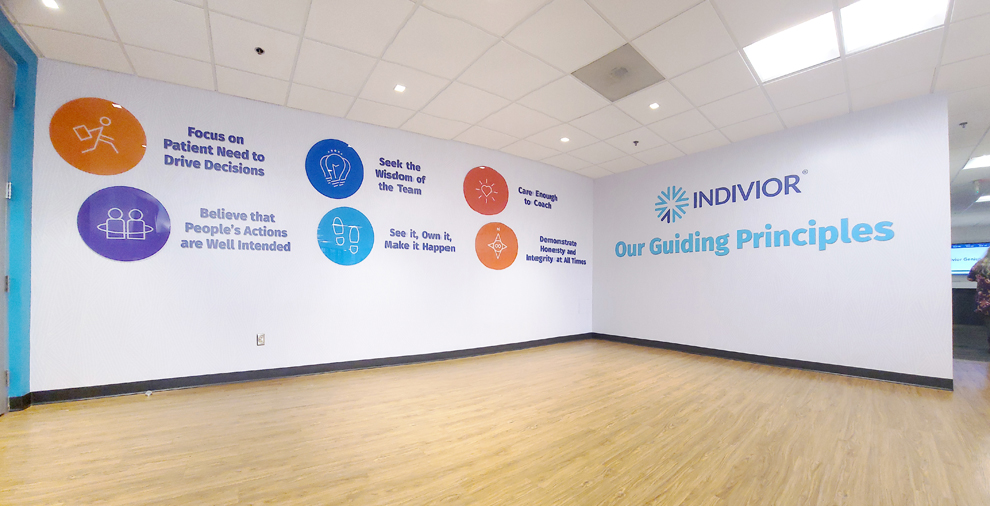
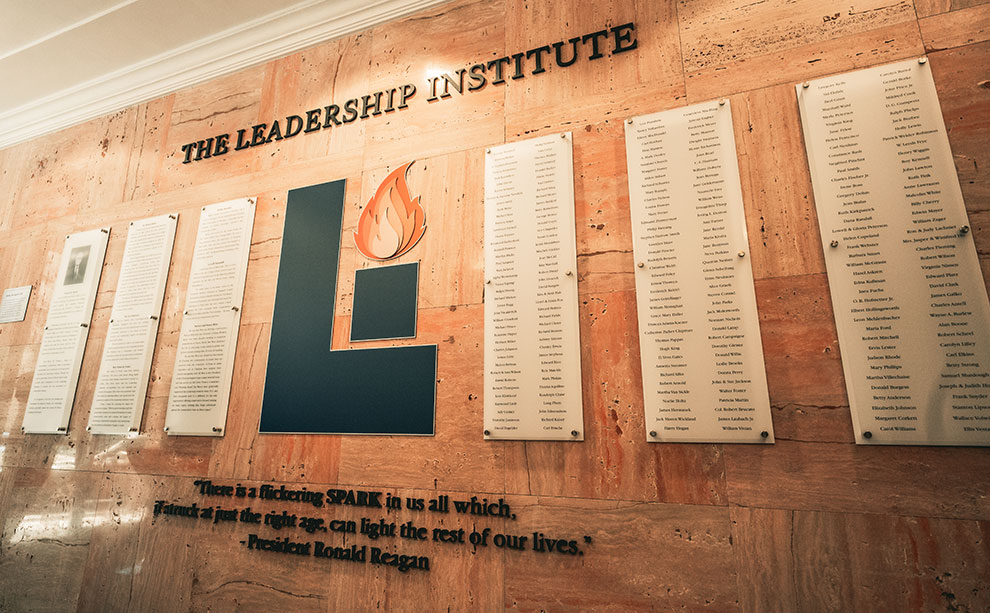
Custom wall displays combine photography, printed graphics, dimensional components, panels, and hardware to share stories, milestones, values, achievements, or donor contributions.
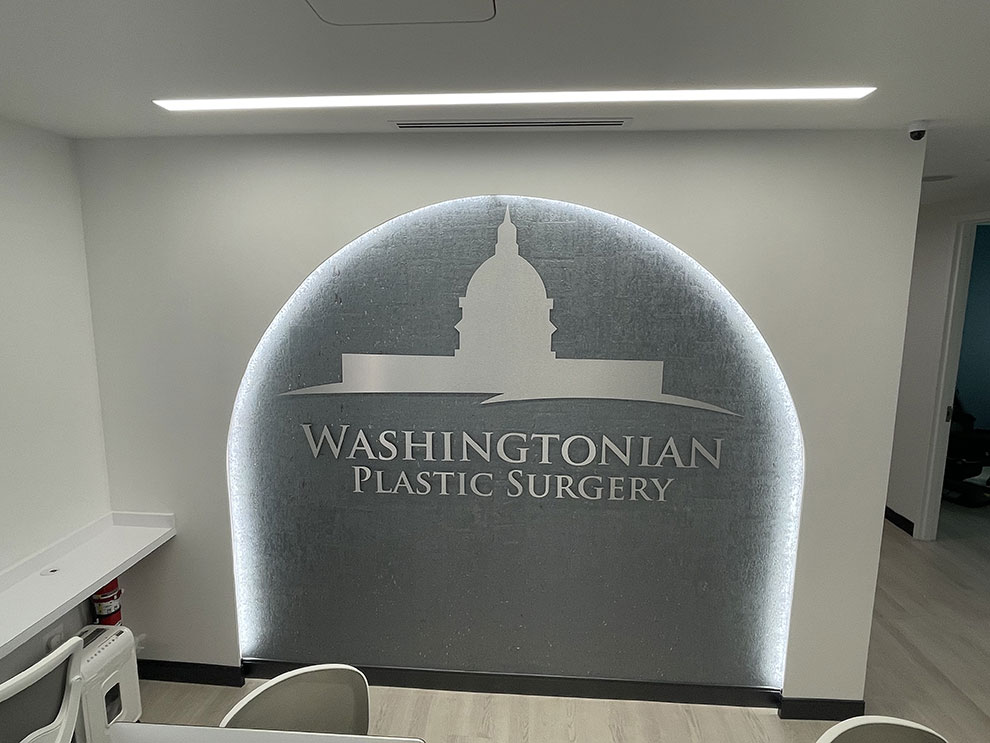
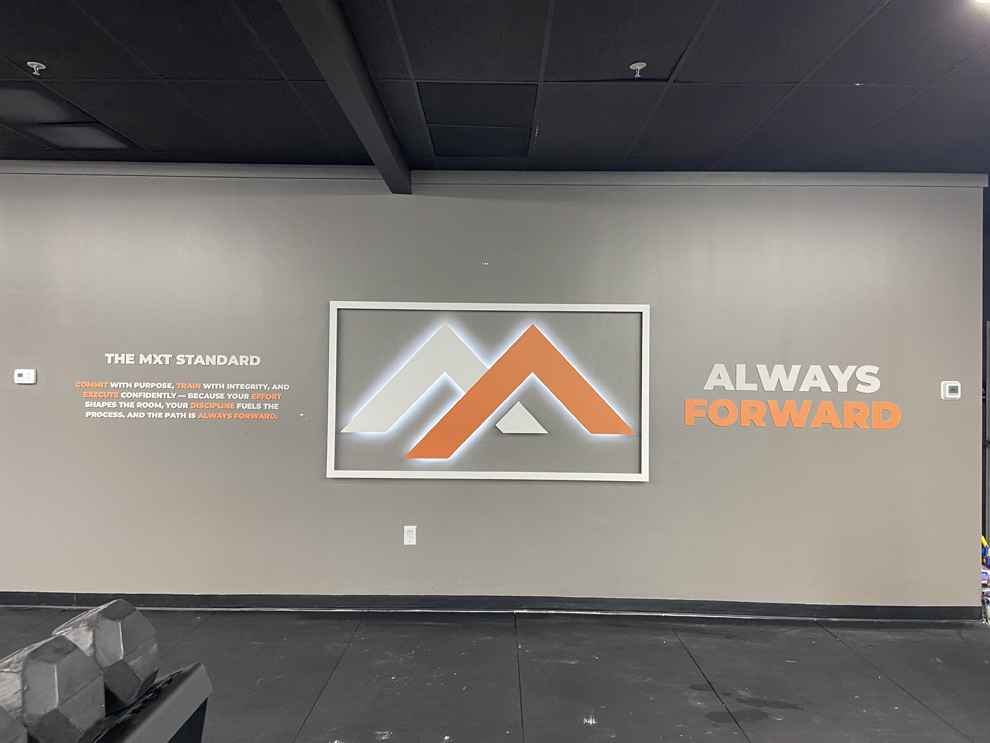
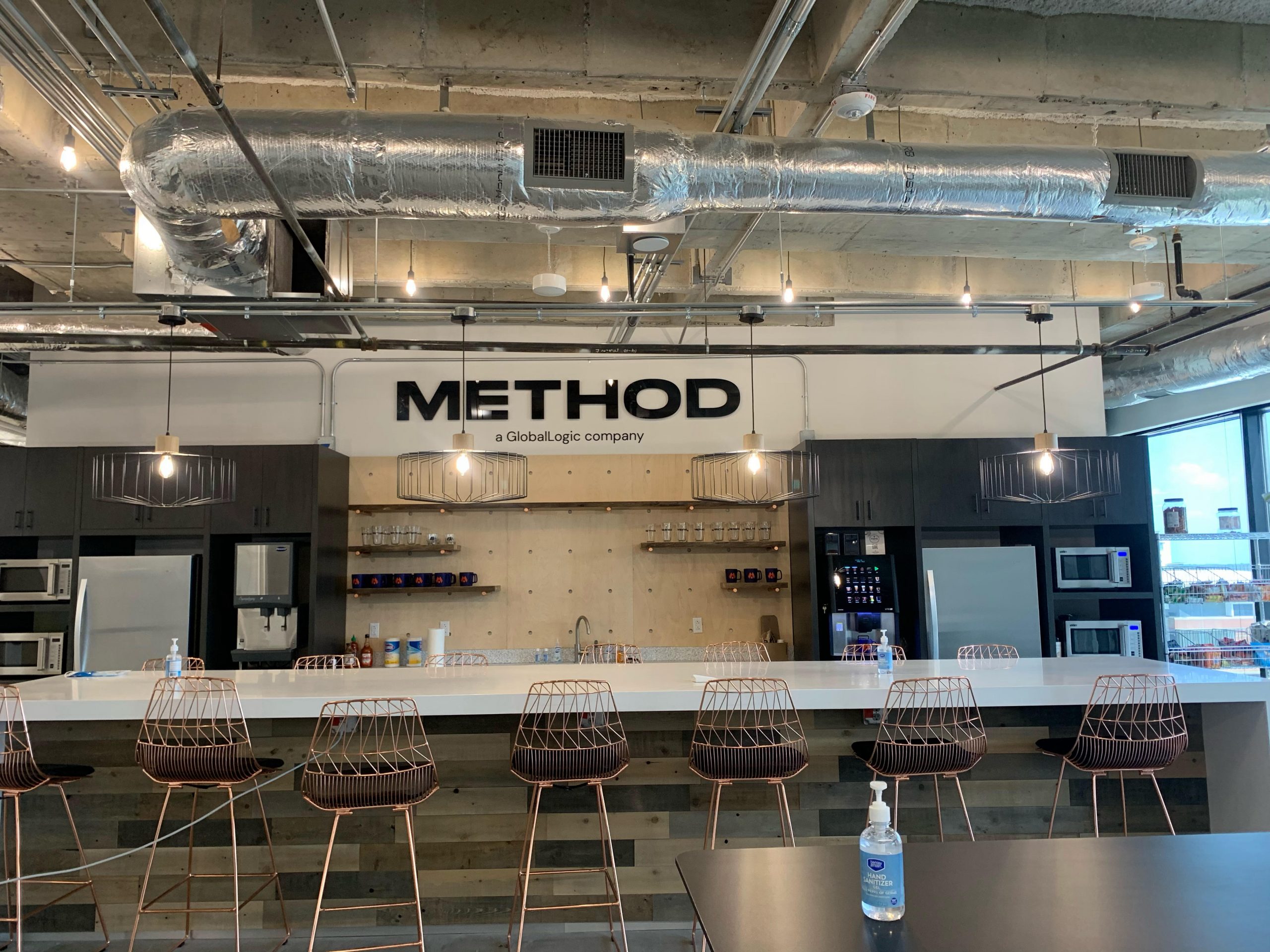
Dimensional letters give logos, names, and messages greater depth and visual presence in reception areas, corridors, conference rooms, and other shared interiors.
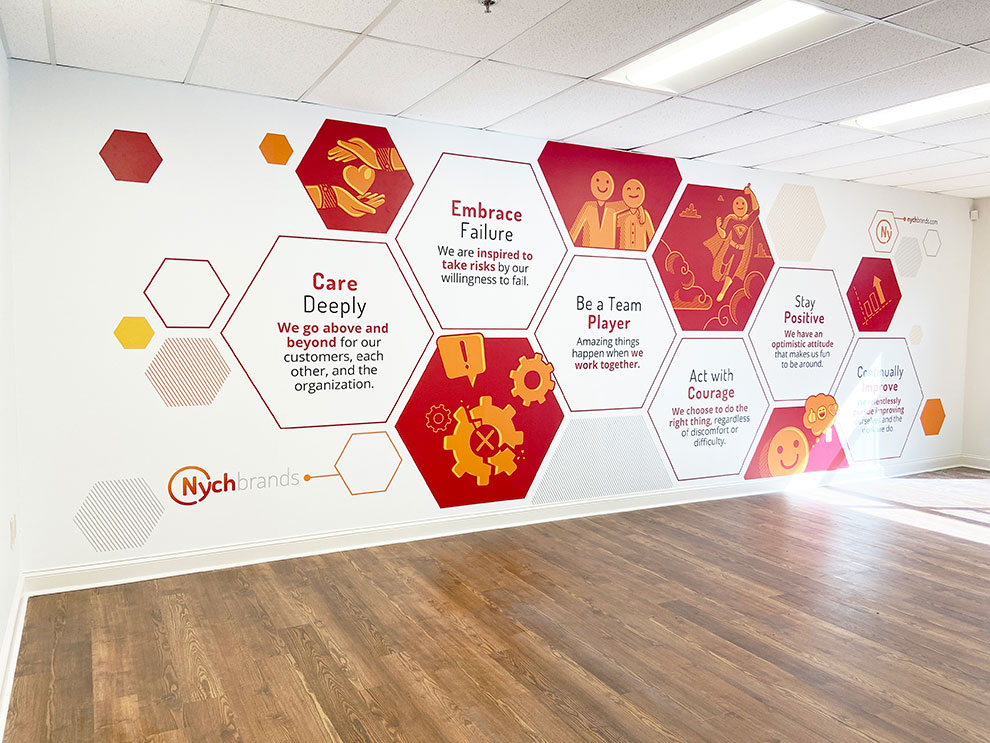
Environmental graphic design brings together branding, messaging, architecture, materials, circulation, scale, and placement to create a unified physical experience.
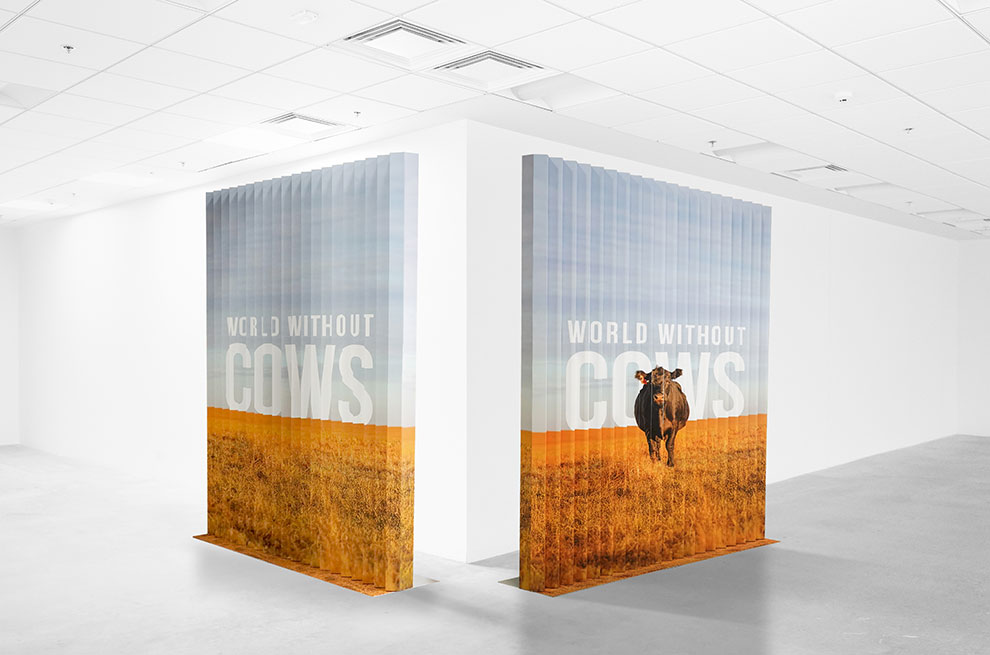
Wayfinding systems guide people at key decision points while supporting destination recognition, accessibility, architectural context, and established brand standards.
If your organization is considering a workplace branding program, lobby renovation, interpretive display, donor recognition feature, educational environment, or coordinated interior graphics project, complete the Get Started Now form. Include the Spartanburg project address, objectives, preferred timeline, available drawings, photographs, brand standards, content files, and important opening or installation dates. A Heritage team member will review the information, confirm whether the project aligns with the company’s capabilities, and recommend an appropriate next step.
Heritage supports Spartanburg-area organizations with project coordination, site surveys, field verification, and installation planning. Visiting the facility allows the team to assess dimensions, surfaces, lighting, obstructions, access routes, building requirements, and other conditions that may not be clear in drawings or photographs. Heritage also serves Greenville, Greer, and surrounding Upstate communities when the project fits the company’s commercial interior capabilities.
Spartanburg County and the greater Upstate region include manufacturers, corporate offices, colleges, healthcare facilities, professional firms, cultural organizations, government agencies, nonprofits, and growing businesses. A corporate headquarters, hospital, educational facility, and public institution cannot be approached in the same way. Visitor behavior, operational schedules, security procedures, accessibility requirements, architecture, and expected service life all influence the recommended solution.
Heritage’s regional capacity supports projects that extend beyond one room or one address. Production, fabrication, project management, and installation resources can be coordinated for large Spartanburg assignments, phased programs, and organizations operating several Upstate South Carolina facilities. Clients maintain a clear point of accountability while gaining access to the resources needed for demanding schedules, specialized fabrication, and consistent execution across locations.
Environmental graphic design shapes how information and branding function within a built environment. For Spartanburg organizations, this discipline connects visual identity with architecture, messaging, materials, scale, visibility, accessibility, circulation, and installation requirements. It considers where people enter, when they need guidance, what they should notice, and how graphics relate to walls, glass, lighting, furniture, and interior finishes.
Projects may begin with brand guidelines, floor plans, architectural drawings, site photographs, preliminary measurements, early concepts, or a completed interior design package. Heritage can develop messaging priorities, layouts, material recommendations, privacy applications, dimensional features, wayfinding concepts, and placement plans. The goal is to translate creative direction into a practical system designed for real surfaces, actual viewing conditions, and specific audience needs.
Design development allows clients to make informed choices before production starts. Stakeholders receive a clearer picture of the proposed environment, estimators can evaluate the scope more accurately, and fabricators gain dependable information about dimensions, materials, finishes, and assembly. Approved documentation also helps installers prepare for alignment, mounting, facility access, and installation sequencing at the Spartanburg location.
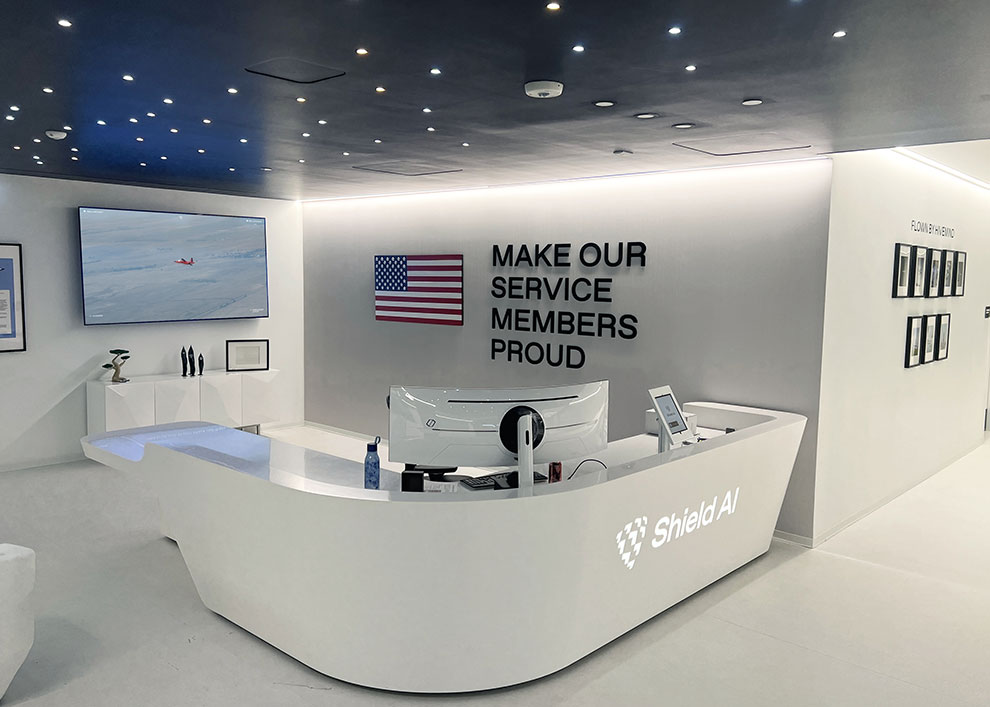
Installation is considered throughout Heritage’s planning, design, and production process. Mounting requirements, seams, panel divisions, alignment, material choices, and component dimensions are evaluated long before installers arrive at the facility. Planning for these details early protects the approved appearance and reduces the likelihood of preventable corrections during installation.
A Heritage-managed installation begins with a site survey and field verification suited to the project. The team documents dimensions, substrates, obstructions, lighting, traffic patterns, loading access, elevators, security procedures, working hours, and occupied areas. Building policies, staging space, newly finished walls, and the sequence for moving components through the facility are also reviewed.
Full-time Heritage installers communicate directly with project managers, designers, production professionals, and fabricators. They receive approved layouts, mounting specifications, material details, and relevant site information before work begins. Heritage does not provide installation-only services for signs or graphics purchased from another supplier. Installation is available for components produced, procured, fabricated, or managed as part of a complete Heritage project.
A responsible project review starts with the client’s objectives, audiences, location, schedule, site conditions, and investment expectations. Heritage examines available photographs, architectural plans, brand standards, messaging, installation addresses, and access details. Spartanburg organizations should share scheduled openings, construction dependencies, approval requirements, and facility restrictions as early as possible so the project manager can develop a realistic plan.
A complete Heritage engagement begins at $4,000. Many projects that include production and professional installation range from $10,000 to more than $200,000. Creative development, materials, quantities, number of locations, fabrication complexity, installation conditions, and project phasing all affect the total investment. These ranges describe an entire managed project, not the cost of a single sign, graphic, letter, or display.
Heritage primarily serves commercial interiors, workplaces, educational environments, museums, healthcare facilities, government buildings, and institutional spaces. Non-illuminated exterior signs, exterior dimensional lettering, window graphics, or wall graphics may be included when they support a qualified interior project. Standalone exterior sign programs, vehicle wraps, monument signs, pylon signs, and channel letters are generally outside the company’s scope. Heritage also does not repair damaged sign components or malfunctioning LED systems.
Heritage provides a fully managed approach to custom interior signs, environmental graphics, workplace branding, and institutional displays. Available services include environmental graphic design, project management, production, fabrication, and professional installation. The team can support a single prominent feature, a coordinated workplace transformation, or a multi-location program throughout Spartanburg and Upstate South Carolina.
This process is intended for clients who want planning, production, and installation to remain connected. Heritage may also assist with selected events or branded activation environments when the scope, timing, available capabilities, and logistical requirements are an appropriate fit.
Every Heritage client works with a dedicated project manager who serves as the primary point of contact. This person coordinates discovery, estimates, site details, design development, material selections, approvals, production timelines, installation planning, and project completion.
The project manager also communicates with designers, production specialists, fabricators, and installers. Keeping these responsibilities connected gives stakeholders a clear route for decisions and reduces the risk of information being lost between phases.
Helpful information includes the project address, organizational goals, intended audiences, desired completion date, site photographs, architectural drawings, measurements, brand standards, logo files, and approved messaging. Construction schedules, security procedures, loading requirements, access limitations, and installation restrictions should also be supplied when available.
A client does not need to have every detail before making initial contact. Heritage can review the available information, identify what is missing, and determine whether a site survey, discovery meeting, or additional documentation should come next.
Yes. Heritage-managed installation projects include field verification suited to the proposed scope. The team evaluates dimensions, wall and glass surfaces, lighting, obstructions, traffic patterns, viewing distances, access conditions, and other details that could affect design, fabrication, or installation.
A site visit also helps the team understand facility requirements and stakeholder concerns. The collected information supports accurate production planning, suitable material choices, dependable mounting methods, and responsible installation sequencing.
A complete Heritage project begins at $4,000. Many produced-and-installed assignments fall between $10,000 and more than $200,000.
These amounts apply to the full engagement rather than an individual sign or graphic. The final investment depends on design requirements, materials, quantities, dimensions, fabrication complexity, site conditions, schedule, installation needs, and the number of facilities involved. Early project information helps Heritage determine whether the anticipated scope and investment are appropriately aligned.
Yes. Heritage can coordinate visual branding for organizations with several offices, campuses, or operating locations. The project team manages brand standards, field surveys, location-specific measurements, production schedules, and installation requirements while documenting differences among buildings.
Consistency does not mean every facility must use an identical solution. Architecture, audience needs, surfaces, local schedules, and access conditions may require adjustments. A coordinated program preserves the core brand while accommodating each location responsibly.
Heritage produces and installs dimensional lobby signs, wall wraps, window graphics, privacy films, acrylic signs, standoff mounted panels, directional signs, donor displays, recognition walls, timeline installations, and interpretive graphics. Recommendations are based on the audience, message, environment, surface, desired appearance, durability needs, and installation conditions.
Multiple sign and graphic types can also be planned as one integrated interior system. Coordinating materials, colors, proportions, and placement helps the components feel connected rather than appearing as unrelated additions.
A project may take several days, several weeks, or multiple months depending on its complexity and readiness. Site surveys, design development, stakeholder approvals, material availability, fabrication requirements, construction progress, and facility access can all affect the timeline.
After reviewing the project, Heritage establishes key responsibilities and decision dates. Delayed content, incomplete construction, recently painted walls, limited loading access, or late approvals can change the installation schedule. Early communication helps everyone understand which deadlines are controlled by the project team and which depend on the facility or other contractors.
No. Heritage does not provide installation-only service for signs, displays, or graphics supplied by a client or outside vendor. Full-time Heritage installers work with components that have been produced, procured, fabricated, or otherwise managed through a Heritage engagement.
Connecting installation with design and production preserves accountability for fit, surface compatibility, preparation, mounting, and scheduling. It also allows installers to communicate directly with the project manager and internal teams responsible for the approved solution.
Heritage Signs & Displays combines attentive Spartanburg project support with nearly 50 years of company experience and a seven-location regional network. The award-winning, veteran-owned, family-led company offers dedicated project management, environmental graphic design, in-house production, custom fabrication, and managed installation by full-time Heritage employees.
This structure is valuable for organizations renovating complex interiors, coordinating multiple stakeholders, preparing for fixed opening dates, or introducing consistent branding across several locations. Heritage prioritizes clear scope, accurate field information, responsive communication, practical execution, and transparency about investment requirements and services outside its primary focus.
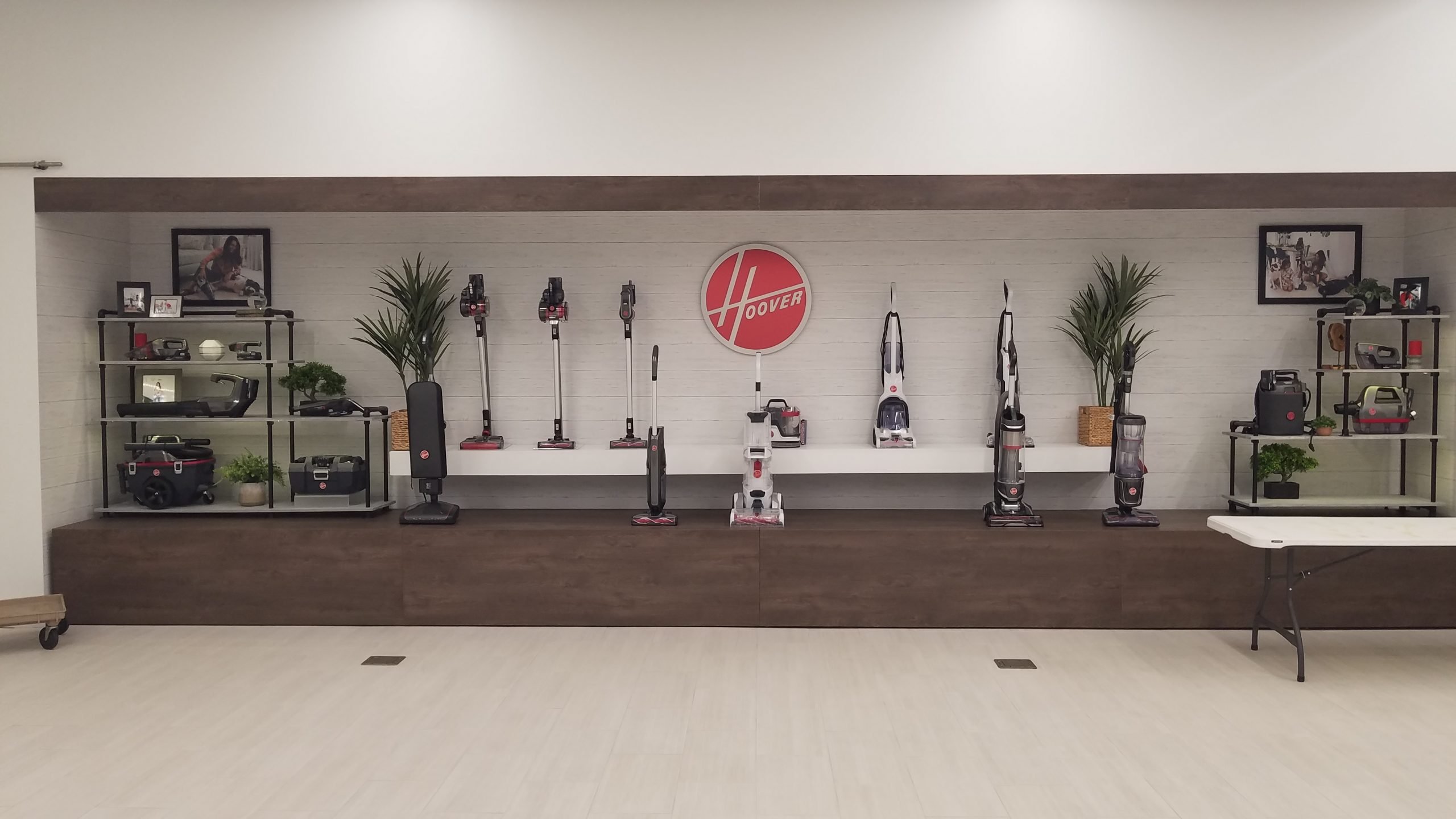
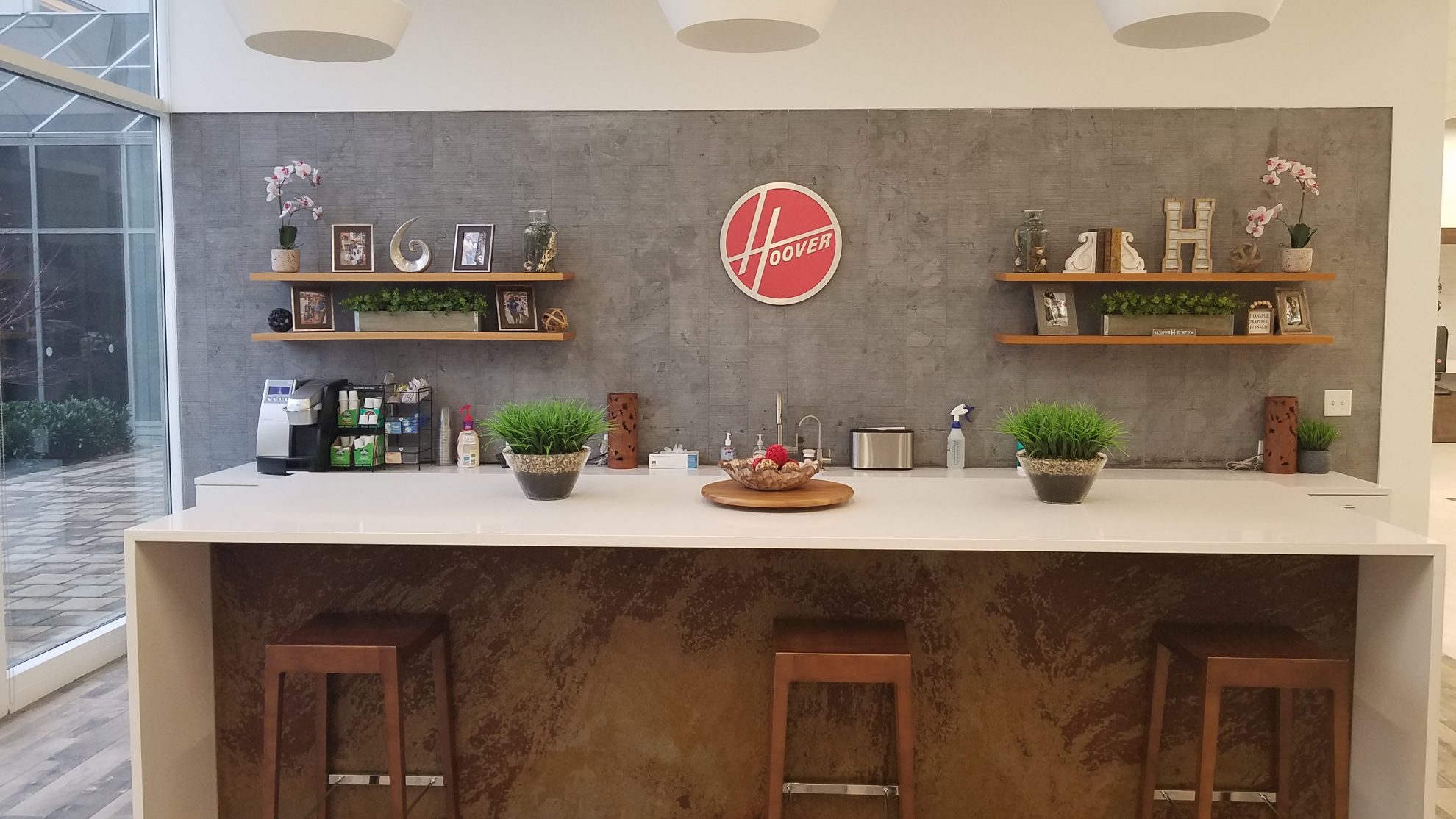
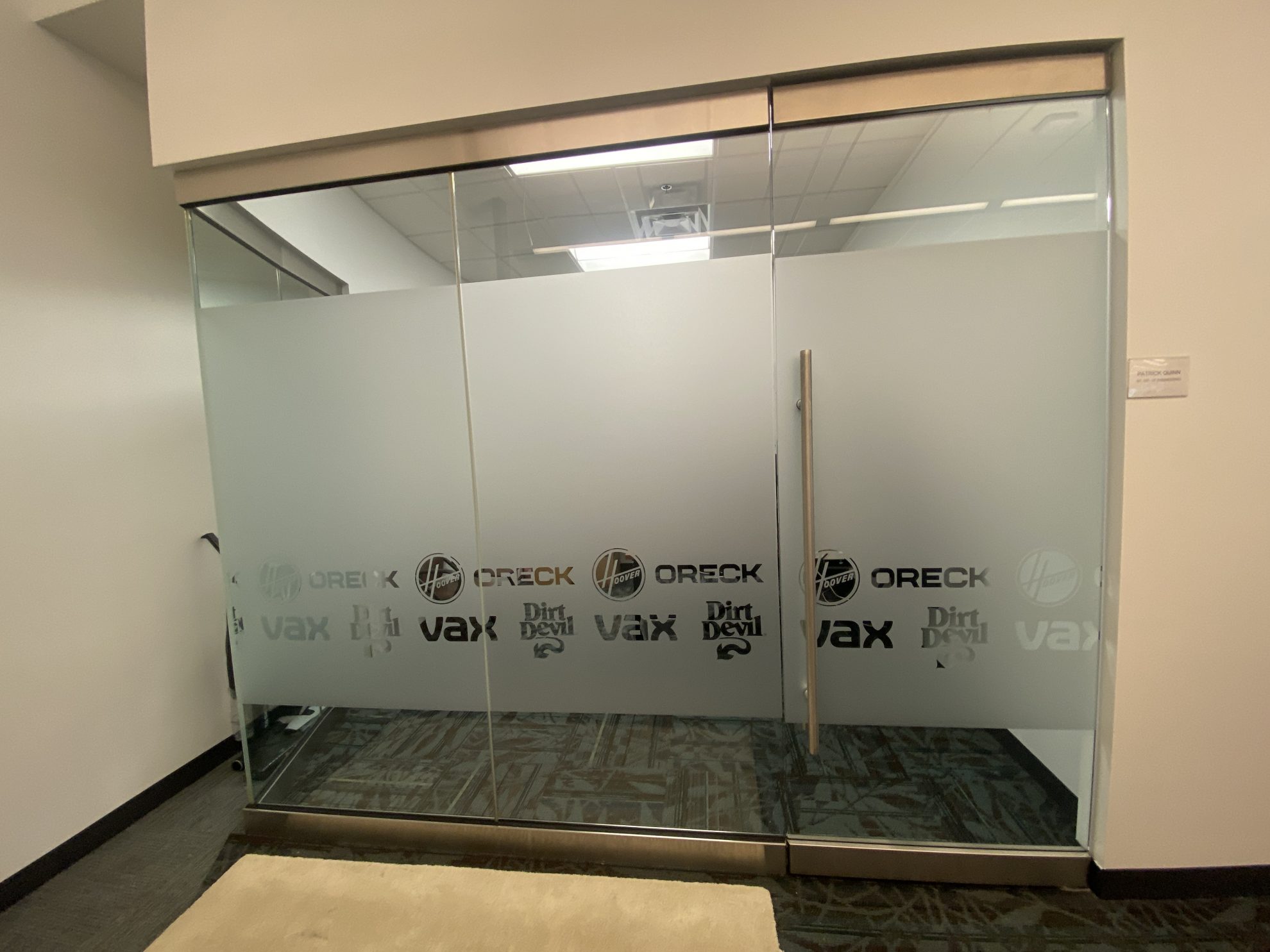
Heritage Signs & Displays collaborated with TTI Floor Care North America to enhance their corporate office. The project included custom frosted vinyl graphics, acrylic signs, dimensional lettering, and LED backlit signs, showcasing the brands Dirt Devil, Hoover, and Oreck. The signage improved office branding, privacy, and aesthetics. Heritage collaborated closely with TTI, ensuring efficient execution and high-quality results, creating an immersive and professional environment that reflects TTI's brand values.
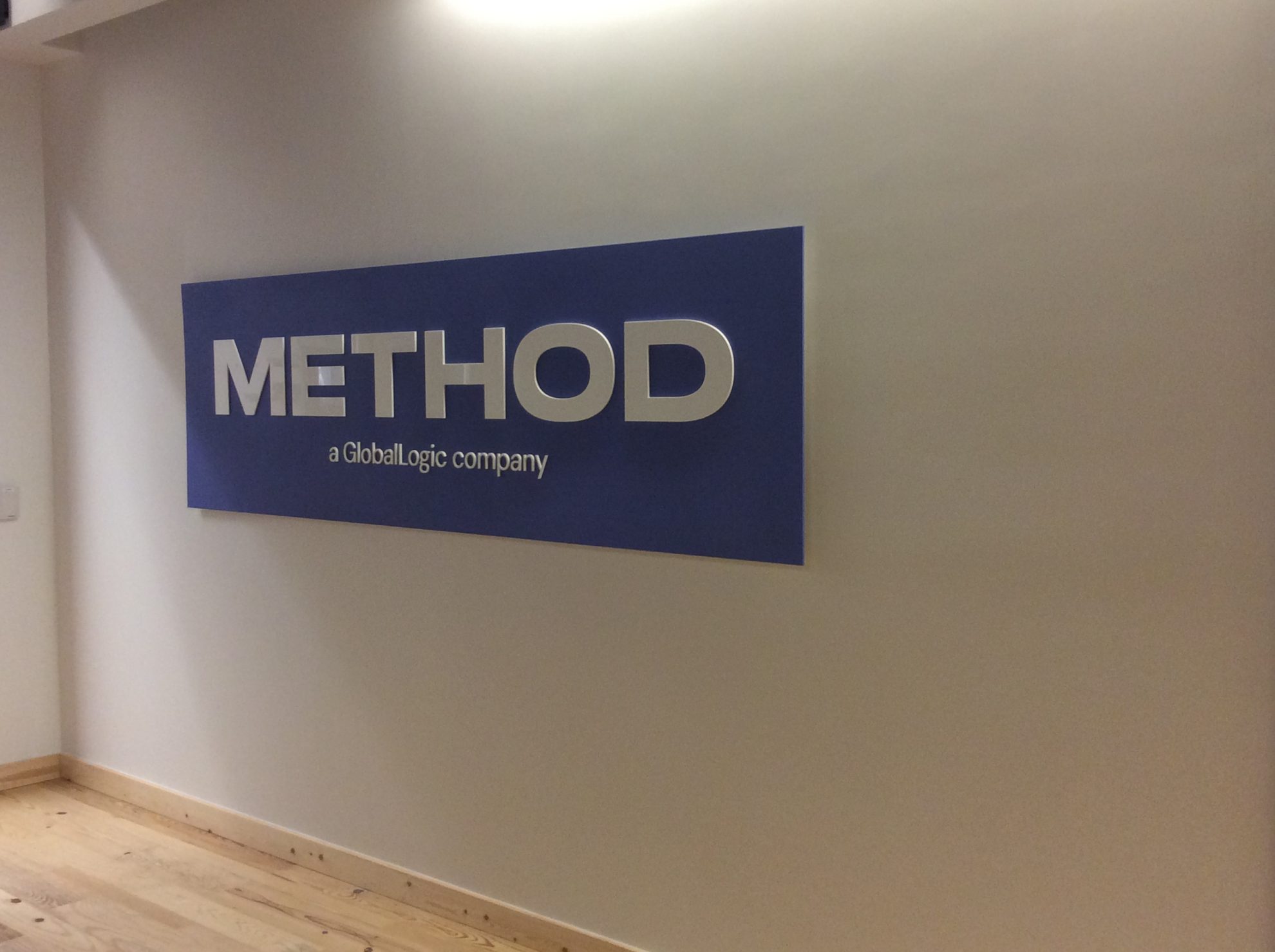
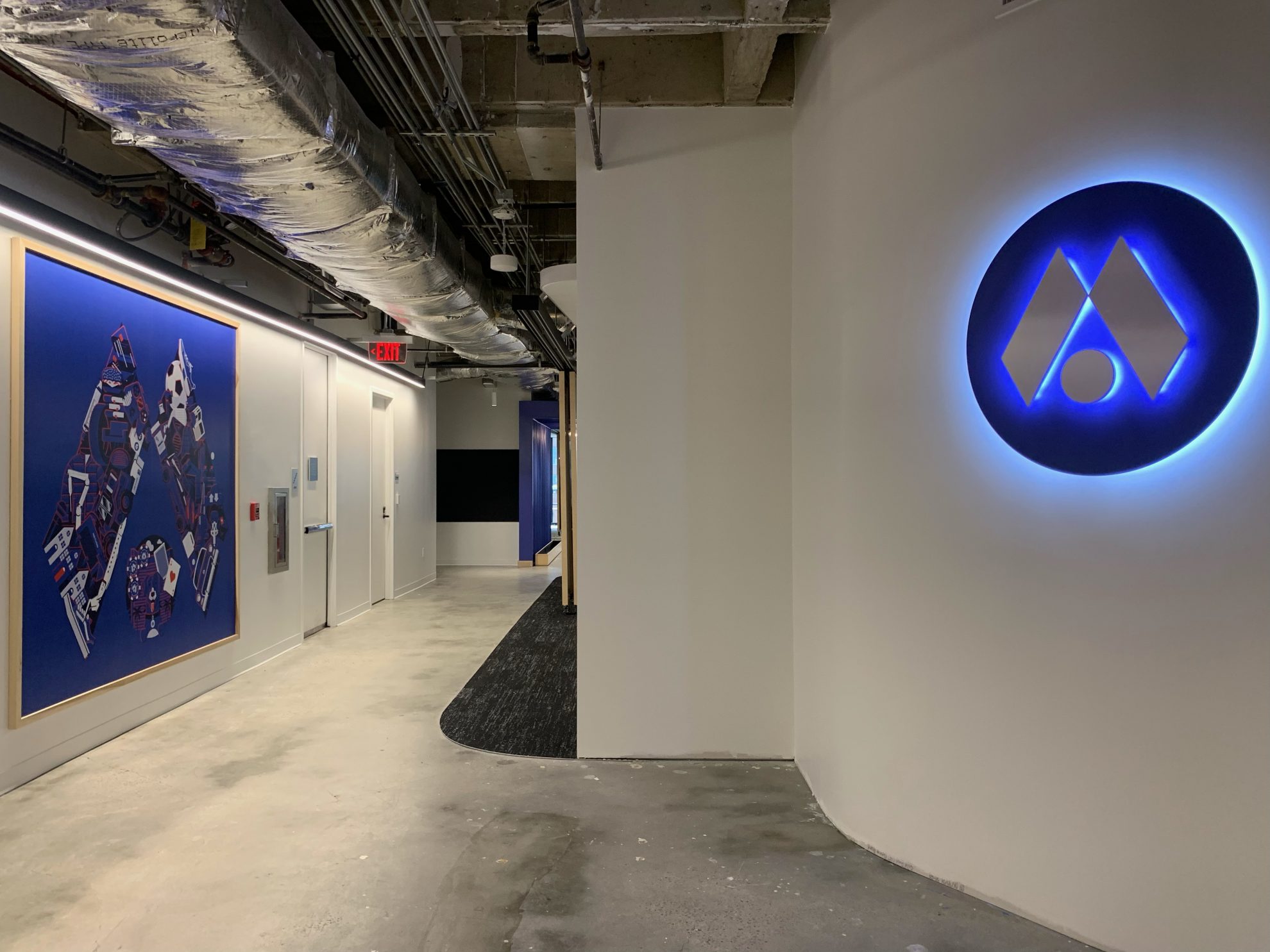
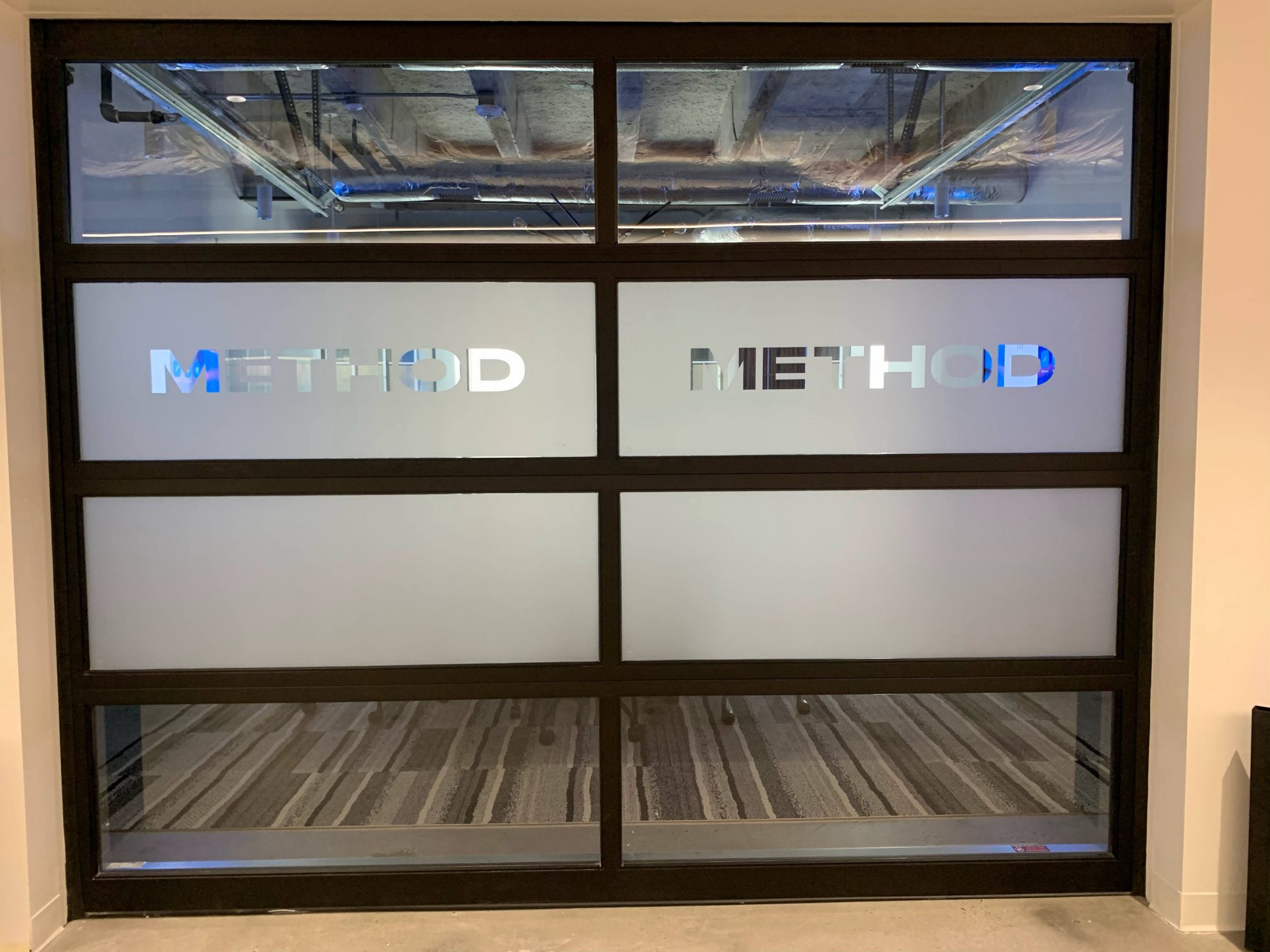
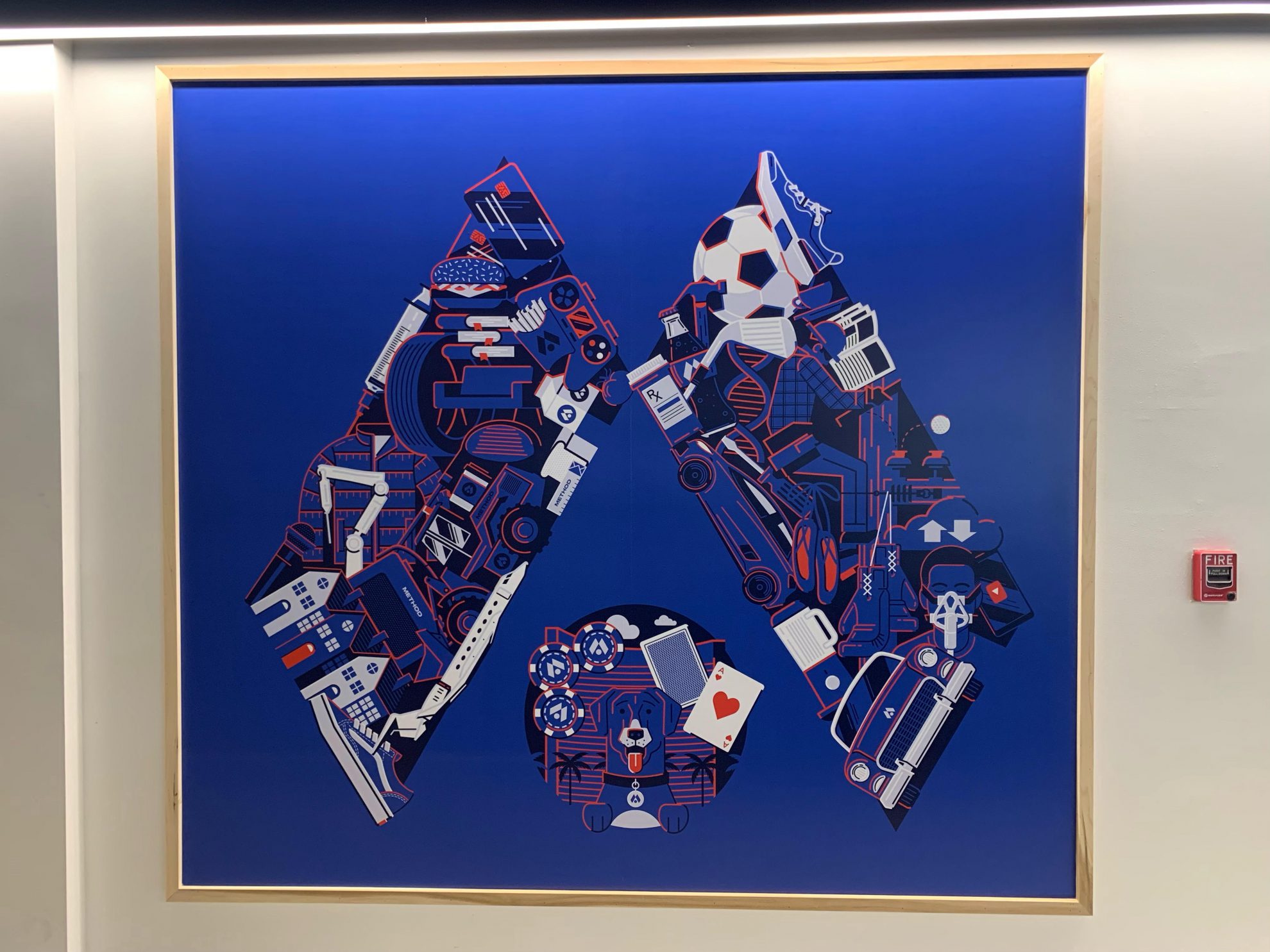
Heritage Signs & Displays' collaboration with Method (formerly Skookum) to rebrand their corporate headquarters. The project included dimensional lettering, wall displays, LED-lit signage, wall wraps, and frosted vinyl, creating an immersive and branded environment. Heritage worked closely with Method's team, ensuring accurate execution and timely delivery. The transformation was completed in August 2021, with Method's employees moving into the revamped space in September. The project reflects Heritage's commitment to quality and collaboration.