Your workplace should express your brand, culture, and mission as soon as employees, clients, and guests walk through the door. Creating that experience requires more than adding individual signs to open wall space. Lobbies, hallways, glass partitions, meeting rooms, classrooms, galleries, employee areas, recognition walls, and other shared interiors each have distinct purposes. The signs and graphics throughout these spaces should clarify location, simplify navigation, and communicate what your organization stands for. Thoughtful planning brings every element together, creating a cohesive environment instead of a collection of unrelated displays.
Heritage Signs & Displays serves organizations in Greenville, Greer, Spartanburg, Anderson, Easley, and communities throughout Upstate South Carolina. Founded in 1977, Heritage is an award-winning, veteran-owned, family-led commercial interior sign company. Since 2009, our primary focus has been custom interior signs, environmental graphics, workplace branding, and institutional displays. Greenville-area clients receive responsive project coordination backed by extensive design, production, fabrication, project management, and installation capabilities.
Heritage is a strong partner for organizations that value strategic visual communication, clear accountability, and a collaborative process. Our team evaluates how guests enter a facility, where employees gather, which locations require directional guidance, and what messages deserve the greatest visibility. A project might incorporate dimensional lettering, lobby branding, privacy film, wall wraps, acrylic panels, historical exhibits, recognition displays, window graphics, and wayfinding signs. Rather than viewing each surface as a separate opportunity, we determine how every component can contribute to the overall visitor and employee experience.
Corporate workplaces, healthcare providers, universities, schools, professional firms, associations, museums, government agencies, nonprofits, and growing businesses each have different communication needs. One organization may need a single statement piece for its reception area, while another may require signs and graphics throughout several departments, buildings, renovation phases, or locations. Heritage assigns a dedicated project manager to coordinate discovery, site information, estimating, design development, material selection, stakeholder approvals, production schedules, and installation planning.
Accurate field measurements are essential for translating approved concepts into finished installations. Before fabrication, Heritage examines substrates, dimensions, brand colors, finishes, mounting requirements, access restrictions, and transitions between materials. Installation logistics are considered early, especially when work must take place around construction activity, occupied offices, security procedures, or limited installation hours.
Our managed process reduces the burden of coordinating separate designers, printers, fabricators, and installers. Heritage keeps these responsibilities connected, helping clients avoid communication gaps and production choices that conflict with the approved design. This approach is particularly valuable for occupied Greenville workplaces, facilities approaching a firm opening date, and multi-location programs that require consistent brand standards.
The finished environment is important, but so is the experience of getting there. Heritage listens carefully, recommends practical solutions, manages production, and coordinates installation through accountable team members. Clients have a clear point of contact from the initial conversation through project completion. Our purpose is to honor God by serving our clients and communities with excellence. That purpose shapes our commitment to service, stewardship, problem-solving, and dependable follow-through.
A qualified sign company should make your facility easier to understand, navigate, and connect with your brand. Employees may benefit from stronger reminders of company culture and shared values. Clients and visitors need to feel confident when they arrive. Patients, students, members, donors, and community stakeholders may require accessible information, intuitive directions, or an engaging presentation of your organization’s history and mission.
Heritage evaluates audience needs alongside architecture, traffic flow, lighting, brand guidelines, viewing distance, accessibility, and existing wall and glass conditions. These considerations shape the hierarchy, scale, color, placement, and materials of each visual element. They also help determine whether information should be permanent, removable, or designed for future updates. For Upstate South Carolina projects, we consider operating schedules, building access, security protocols, and the challenges of working in active facilities.
For a Greenville organization, the result could be a refreshed lobby, a fully branded office, an employee values display, a donor recognition wall, an interpretive exhibit, or a coordinated wayfinding system. It might also be an educational environment that presents detailed information in a clear and engaging format. Whatever the scope, every component should serve its intended audience while contributing to a unified visual experience.
Heritage provides one accountable team and a dedicated project manager who oversees the work from initial discovery through final installation. We collect information about project goals, site conditions, brand standards, scheduling needs, and stakeholder priorities before coordinating concepts, estimates, materials, approvals, production, and installation. This centralized process gives clients a reliable communication channel and keeps important decisions aligned throughout every phase.
Environmental graphic designers, project managers, production specialists, fabricators, and installers collaborate as the project advances. For larger or more technically complex assignments, Heritage conducts a pre-production review of measurements, substrates, colors, mounting details, material transitions, building access, and installation sequencing. Identifying potential concerns before fabrication begins makes revisions more manageable and helps prevent costly disruptions.
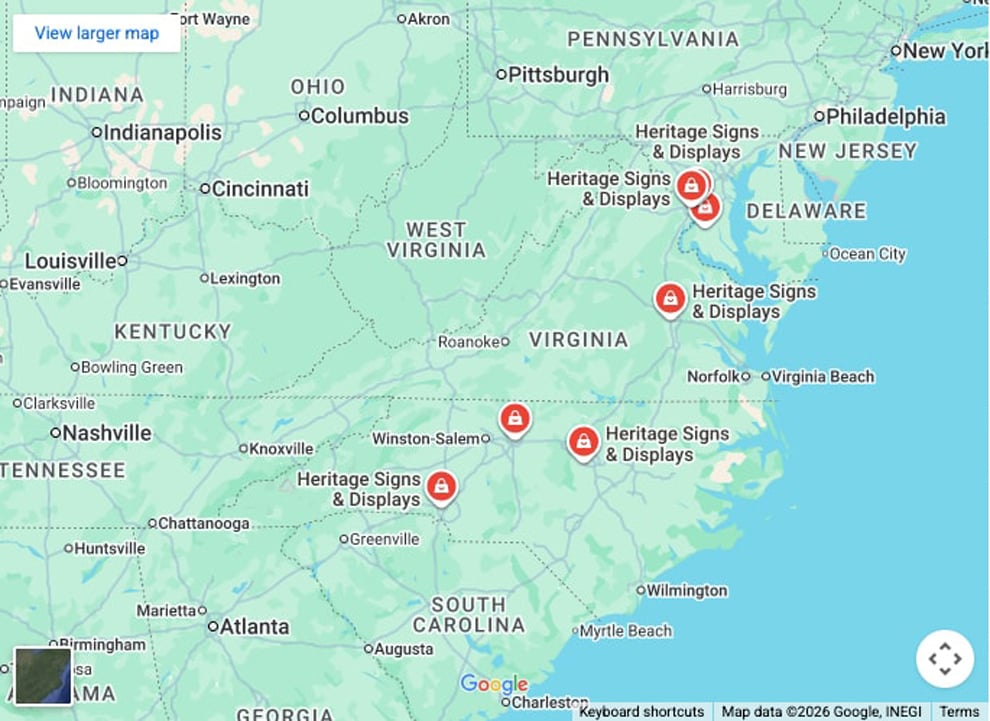
Heritage is veteran-owned, family-led, and has served clients since 1977. Our seven-location regional network combines Greenville-area responsiveness with in-house production resources and full-time Heritage professionals who understand the requirements of managed commercial installations. This structure enables us to complete focused interior features, comprehensive workplace branding programs, and multi-location projects without separating local communication from production responsibility.
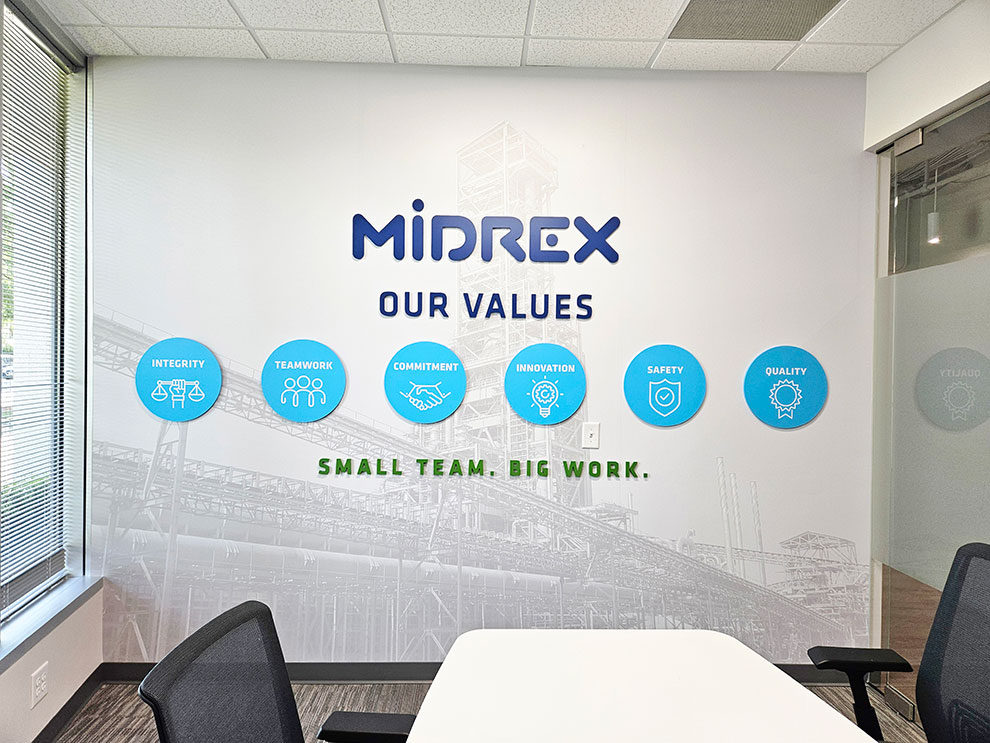
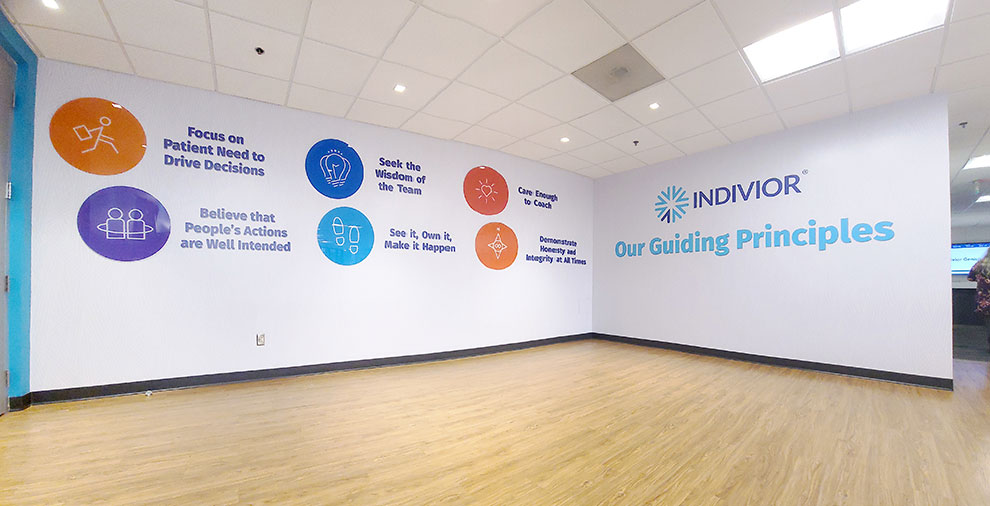
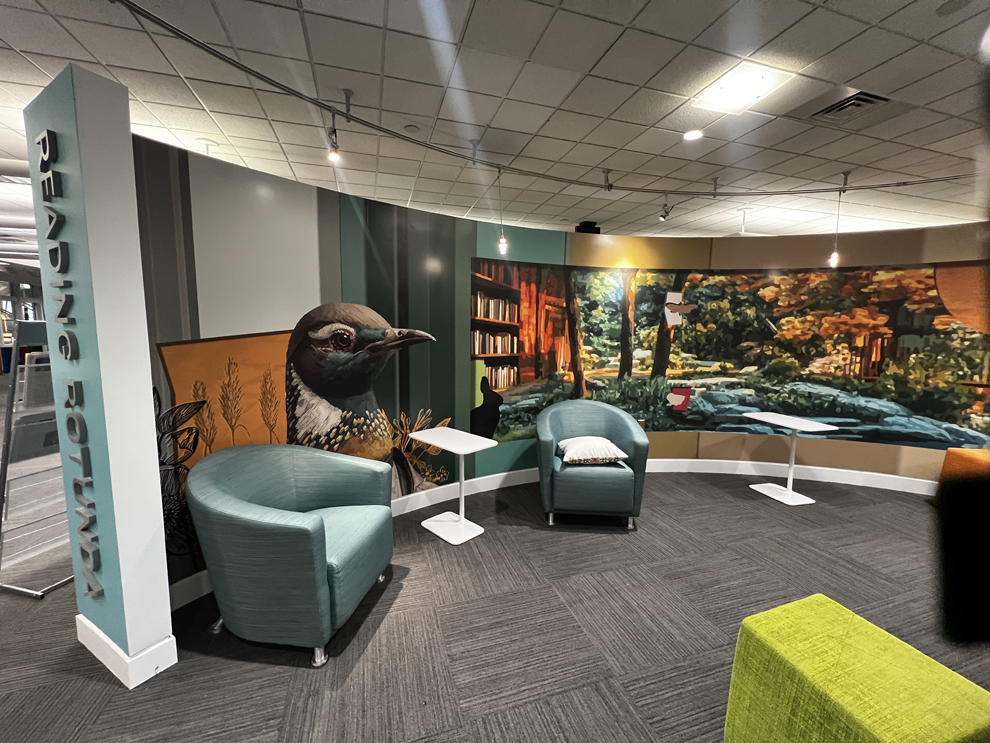
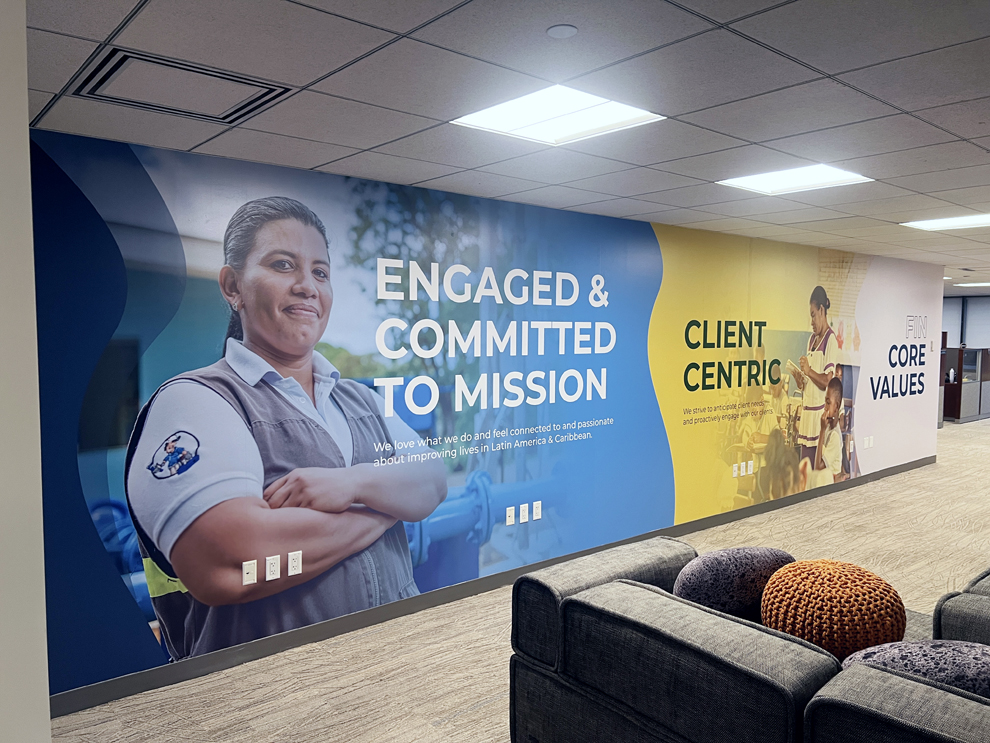
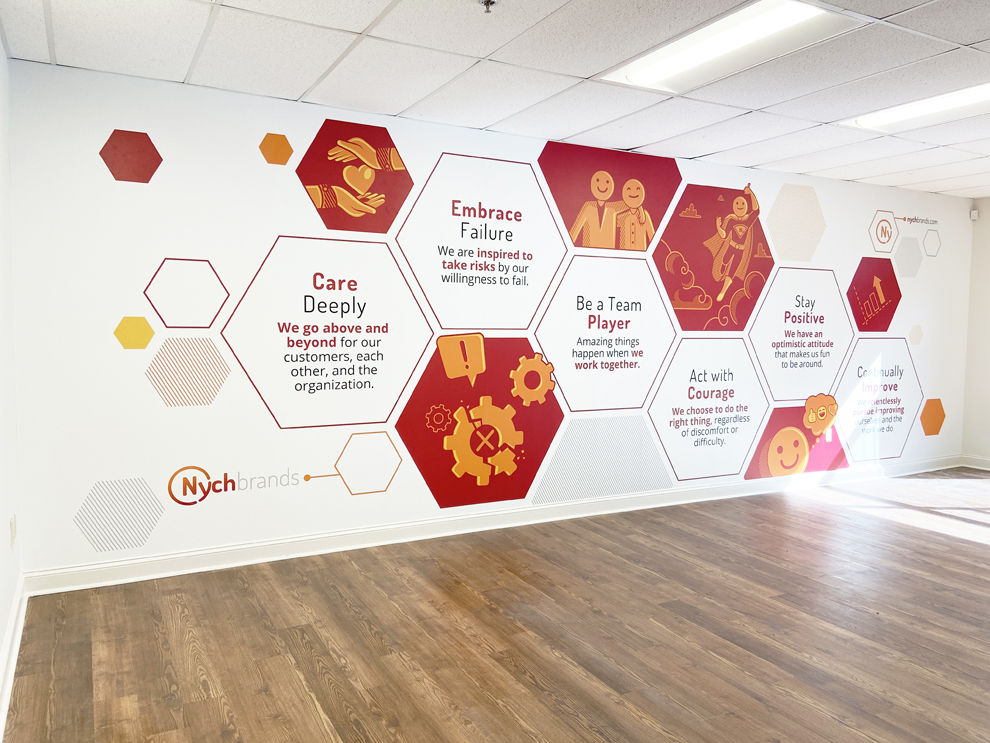
Turn blank or underused walls into large-format communication features that showcase brand identity, company history, milestones, values, achievements, or educational information.

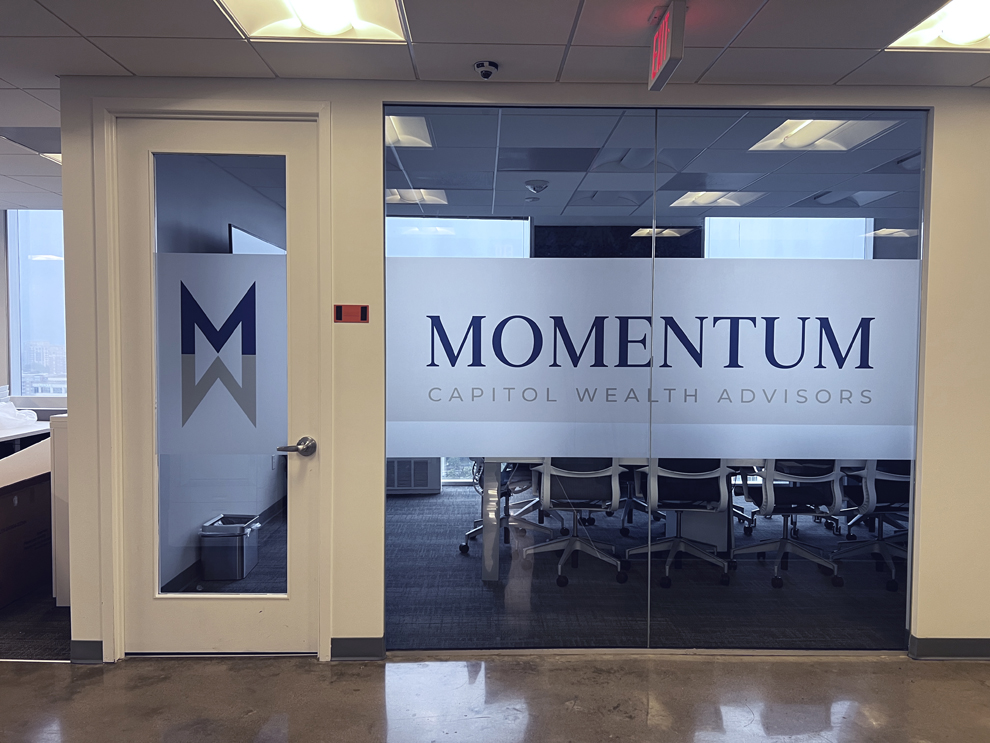
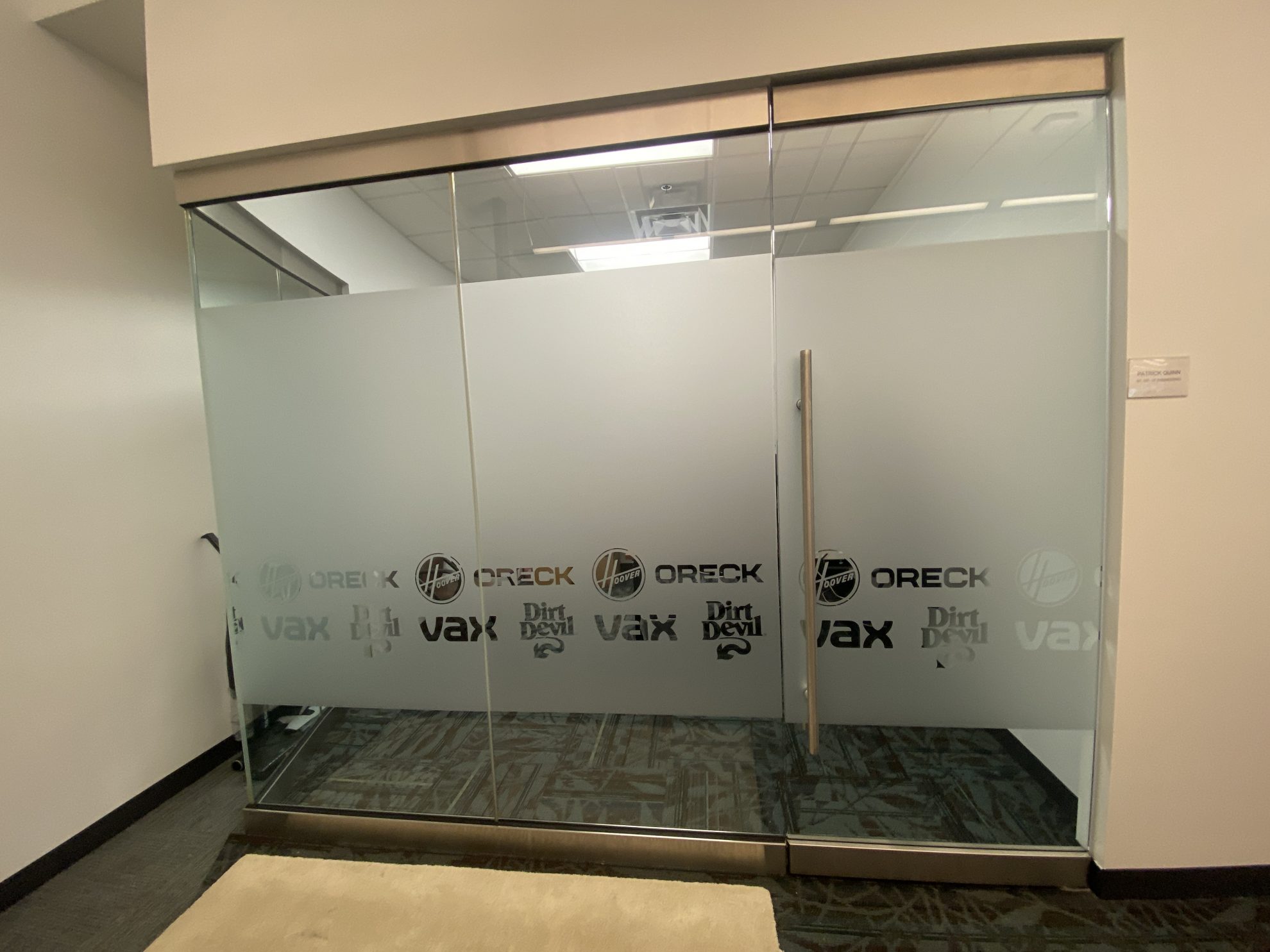
Add privacy, branding, navigation, and visual interest to interior glass while maintaining the desired balance of natural light and openness.
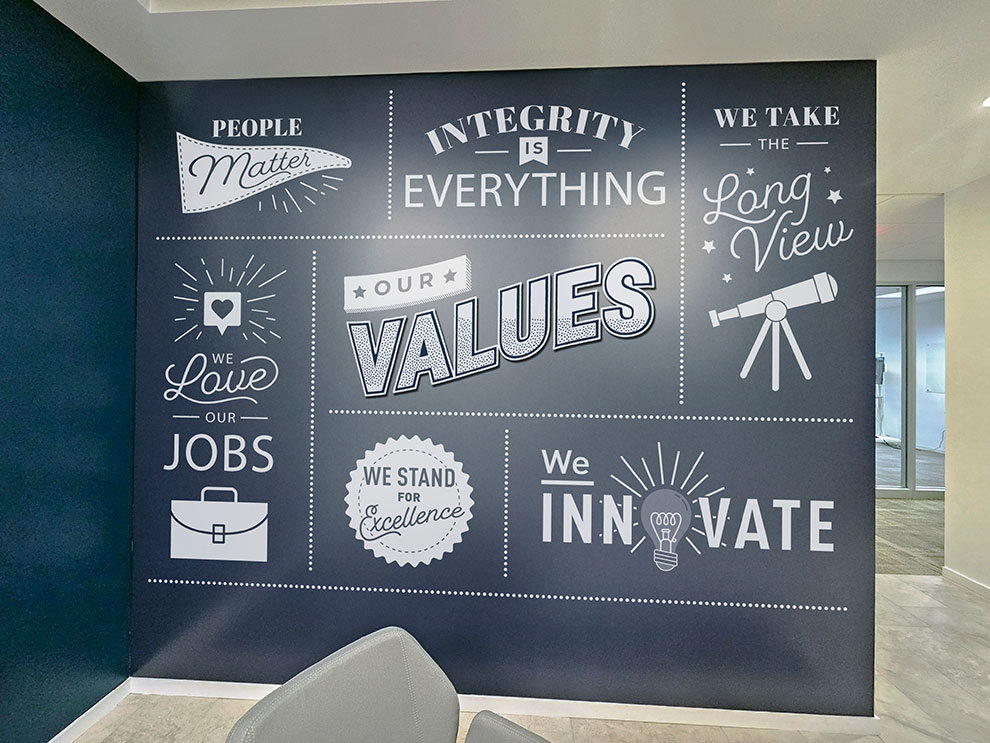
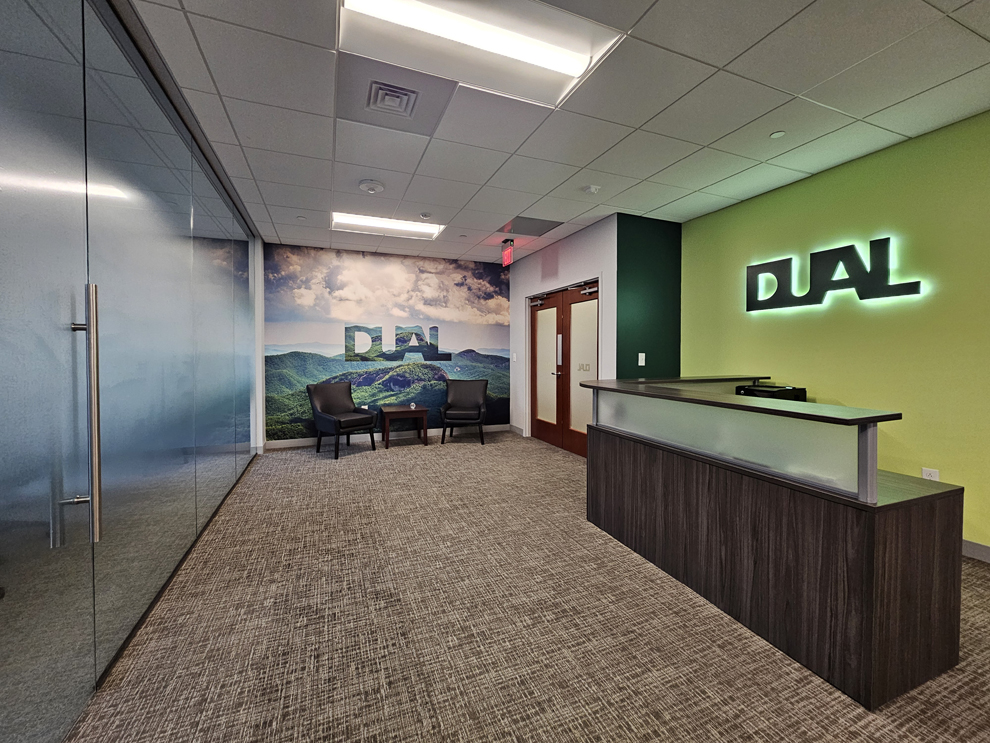
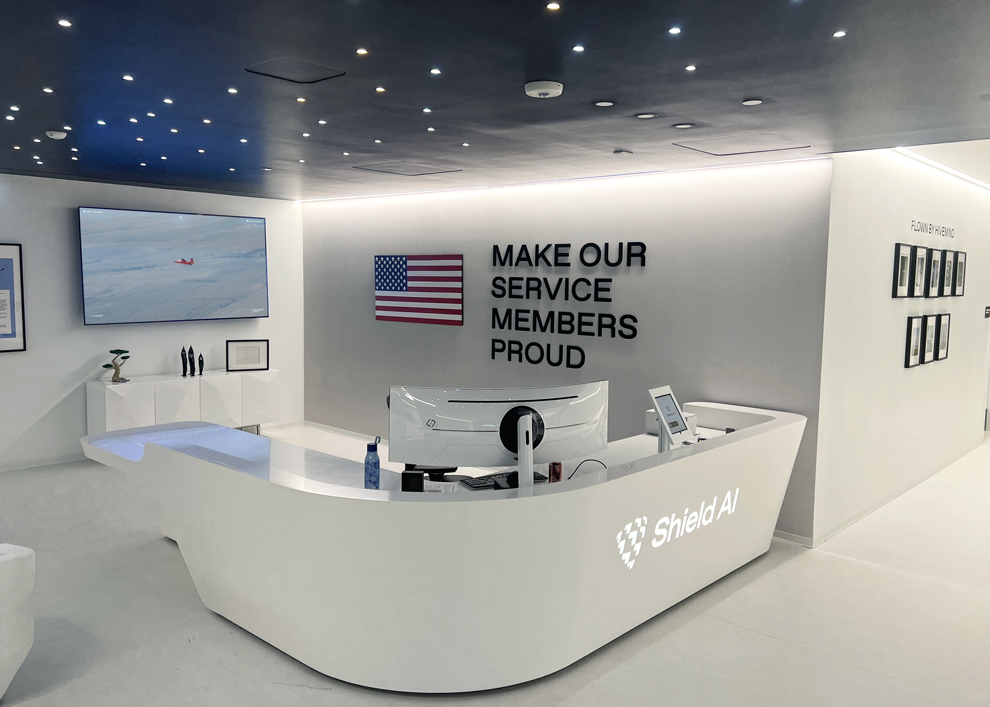
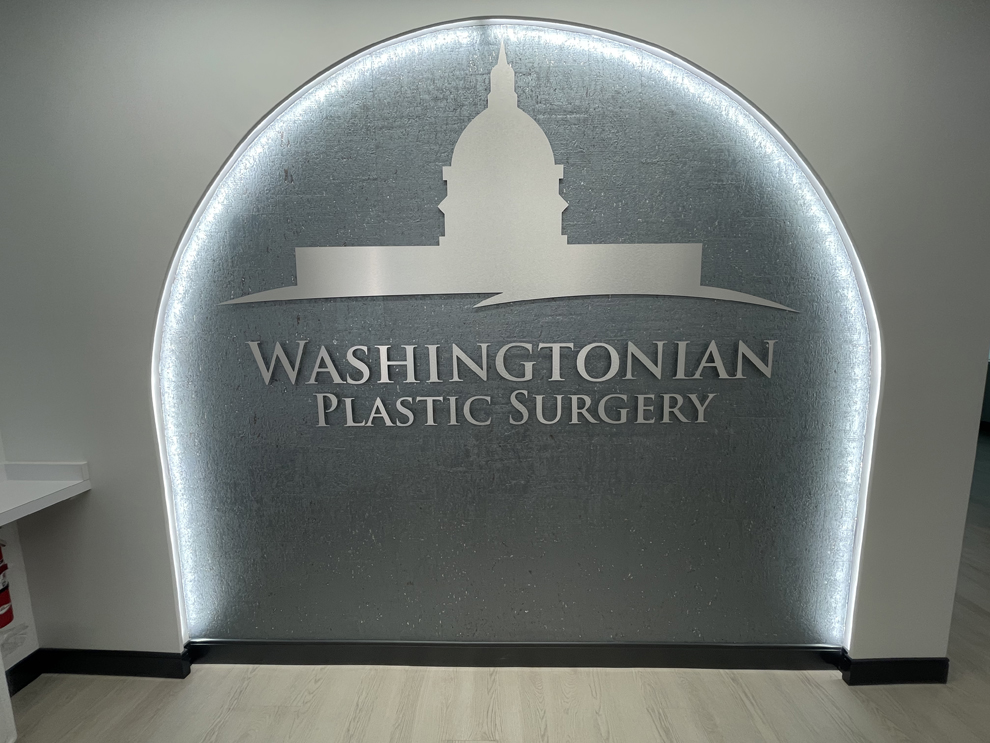
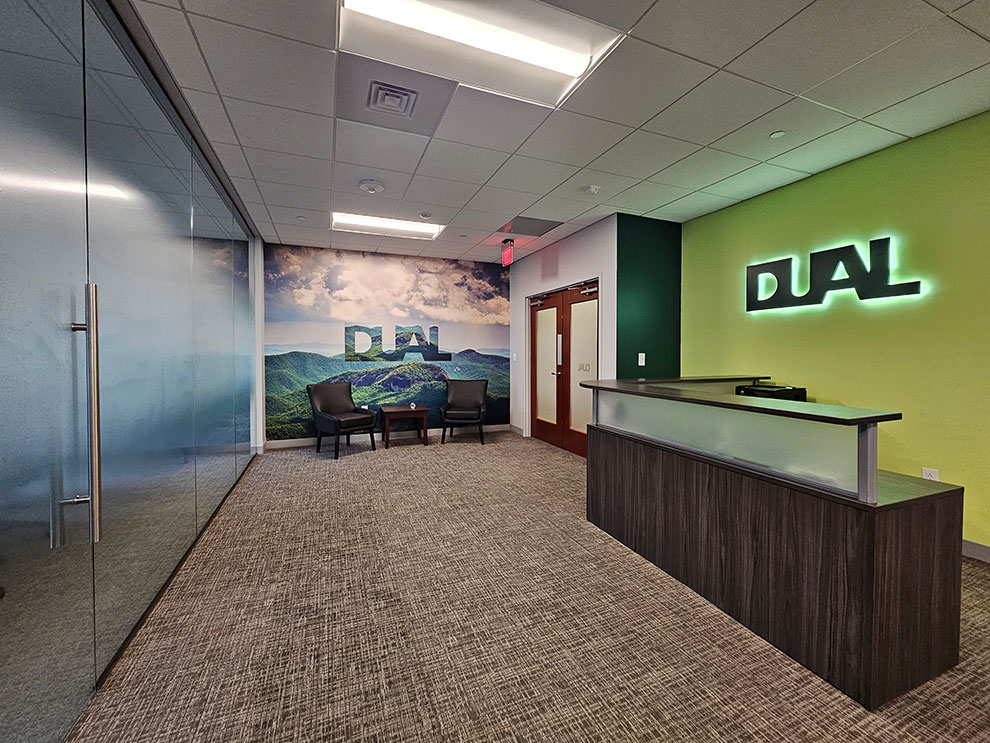
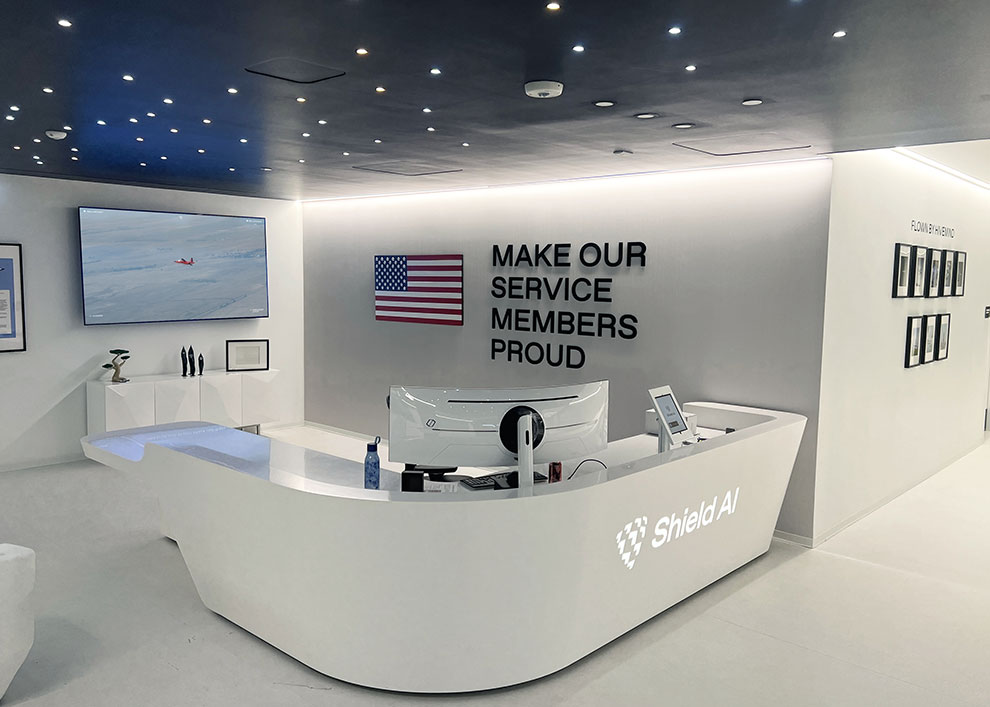
Create a memorable first impression with dimensional logos, architectural materials, custom finishes, and placement tailored to the reception area.
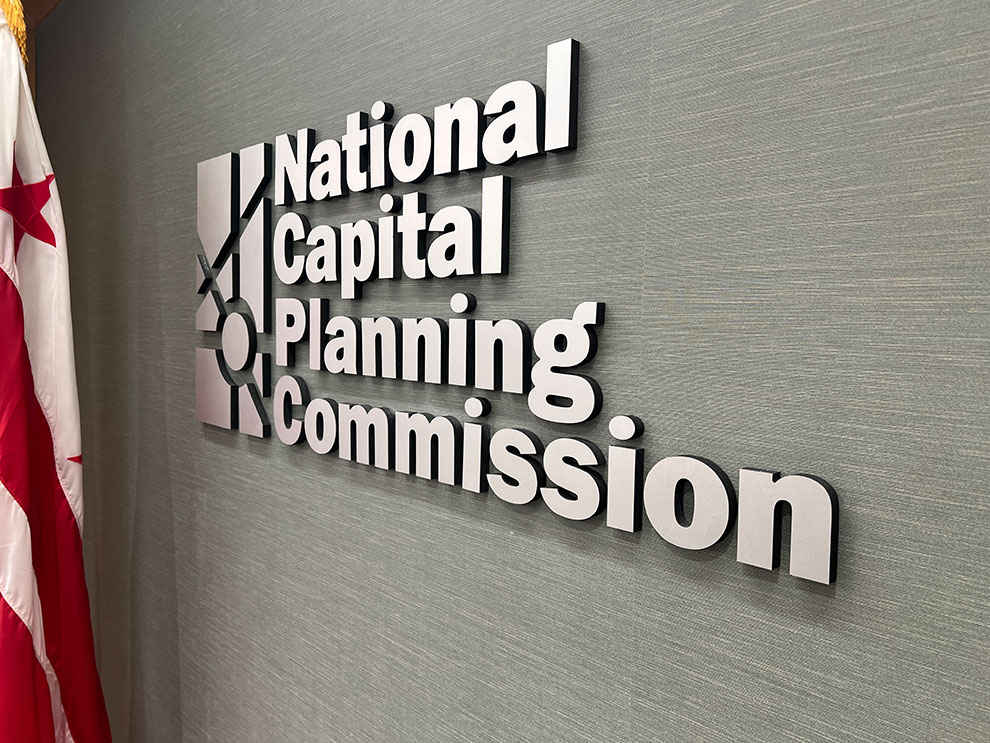
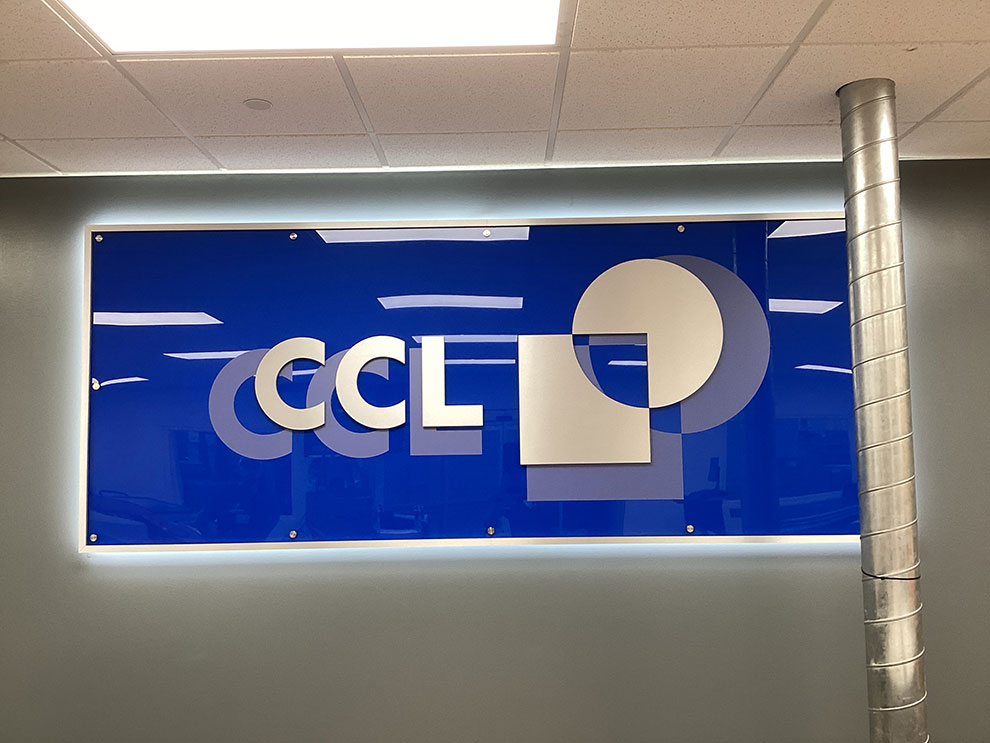
Introduce dimension and structure through projected panels and architectural hardware suitable for directories, office identification, informational signs, and recognition displays.

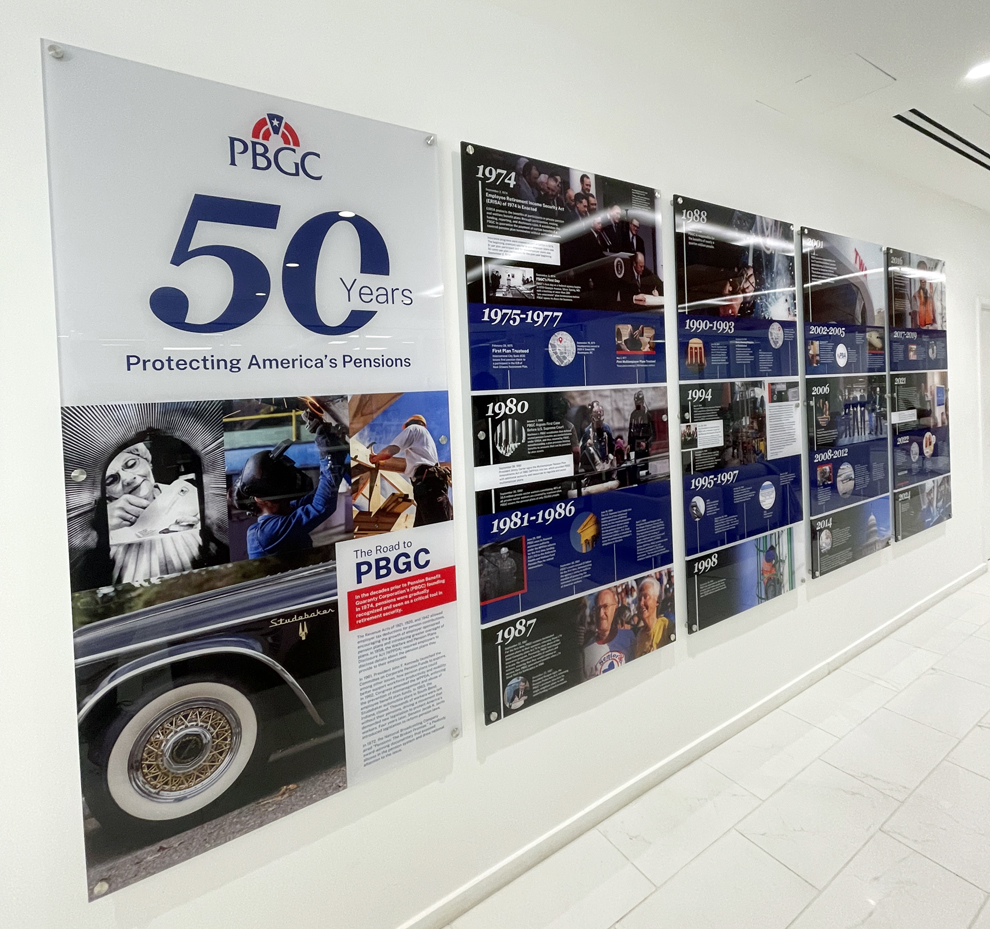
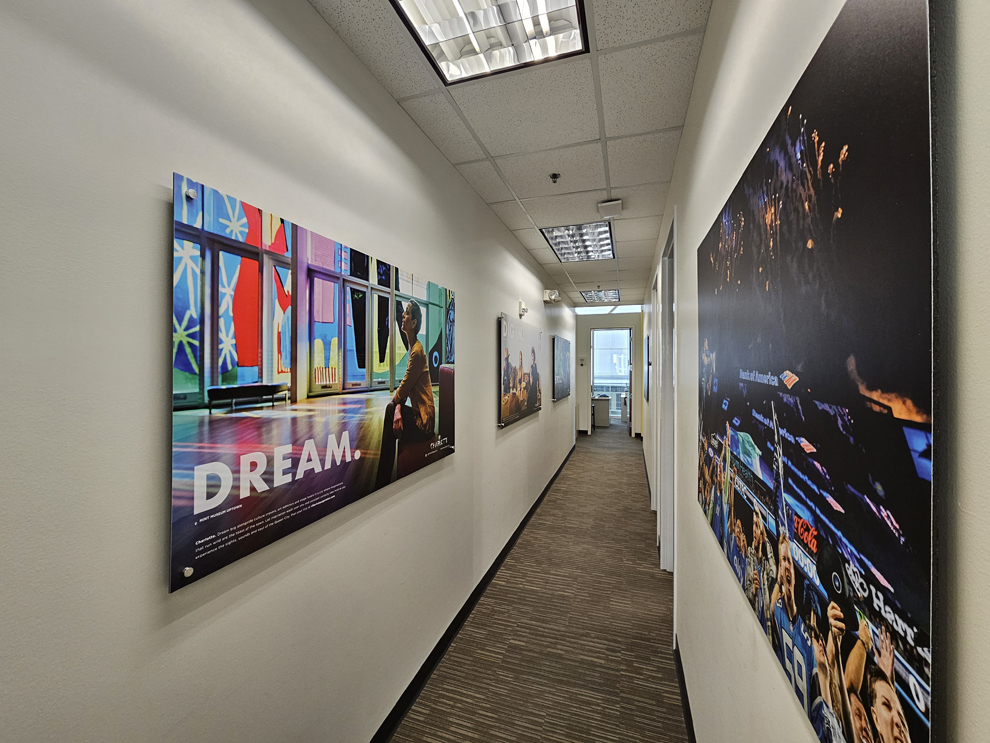
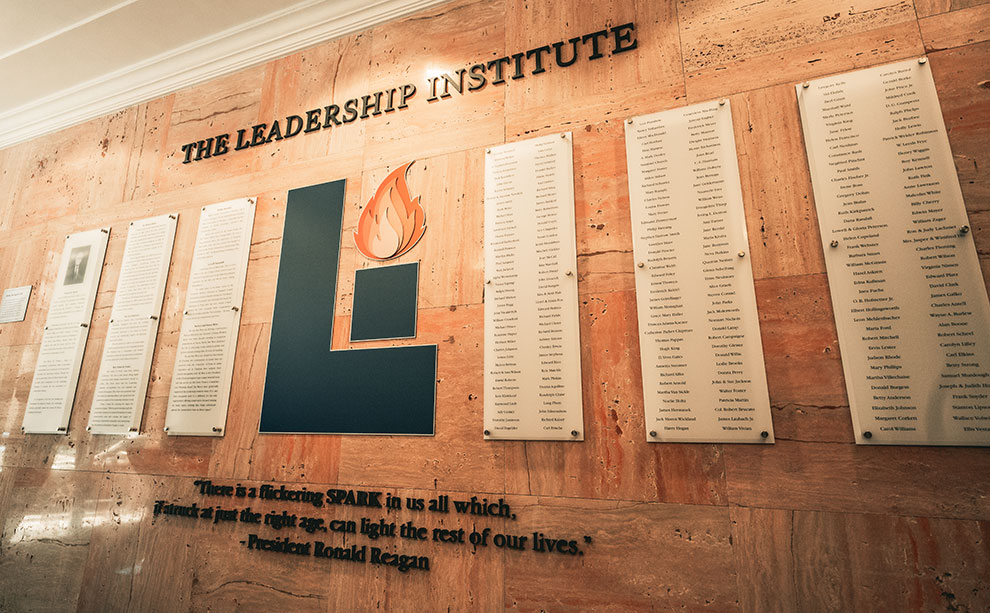
Present stories and information through coordinated combinations of photography, printed graphics, dimensional elements, acrylic panels, hardware, and custom fabrication.
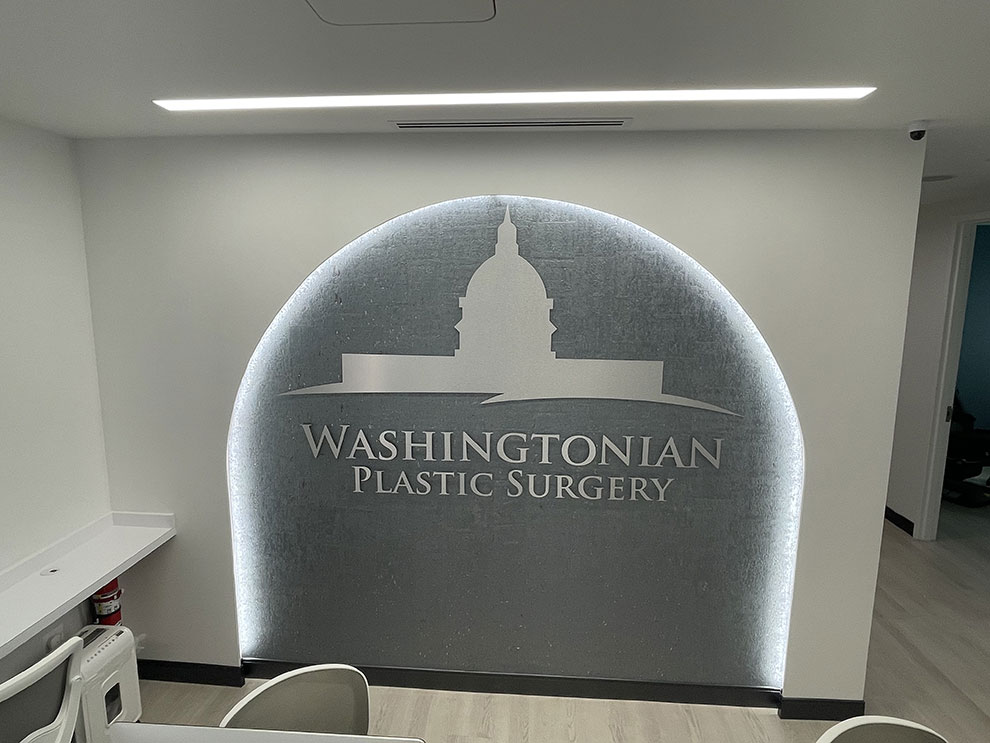
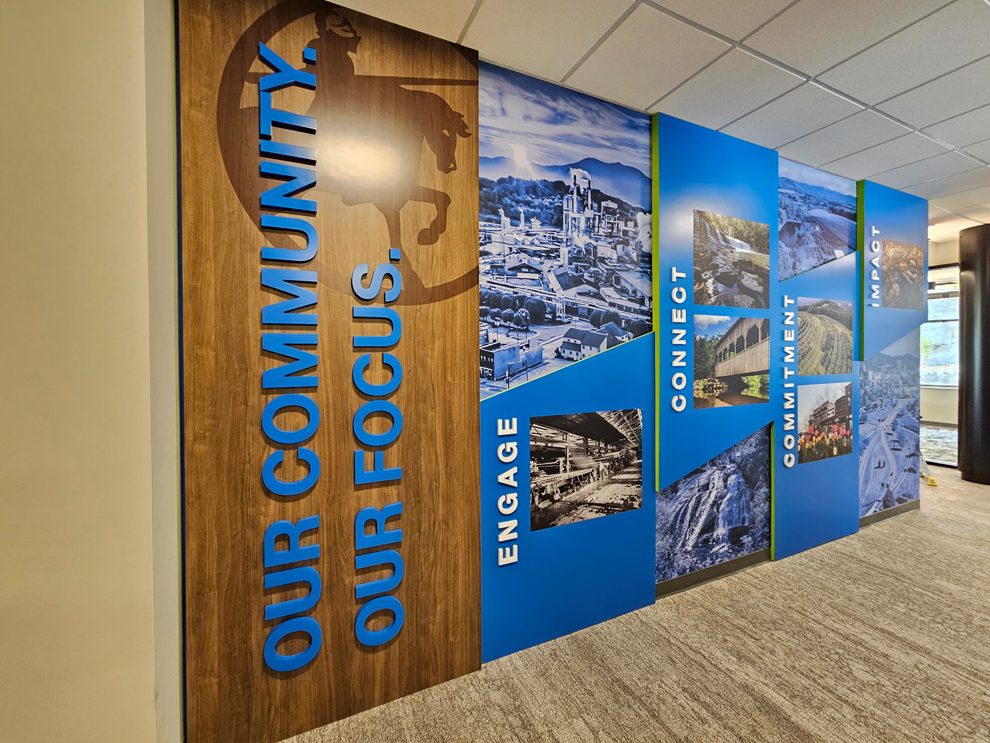
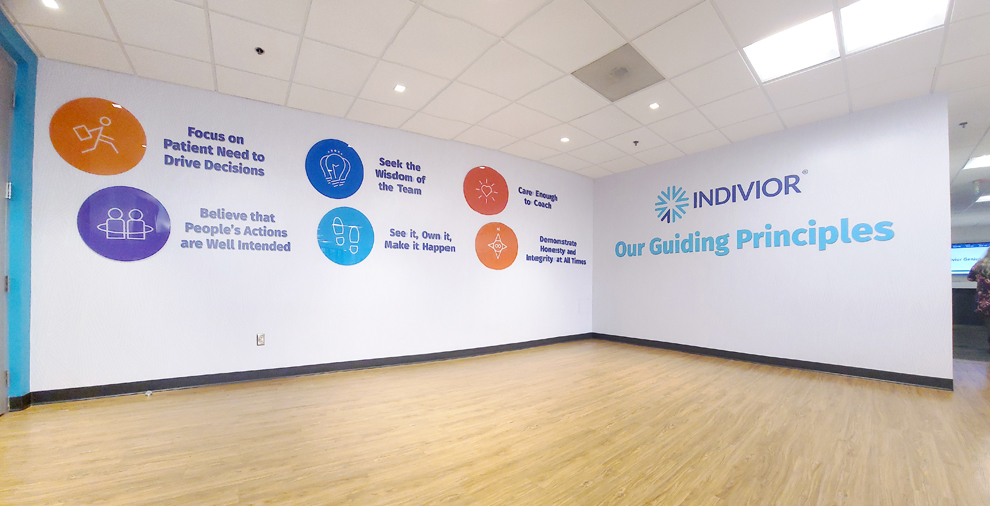
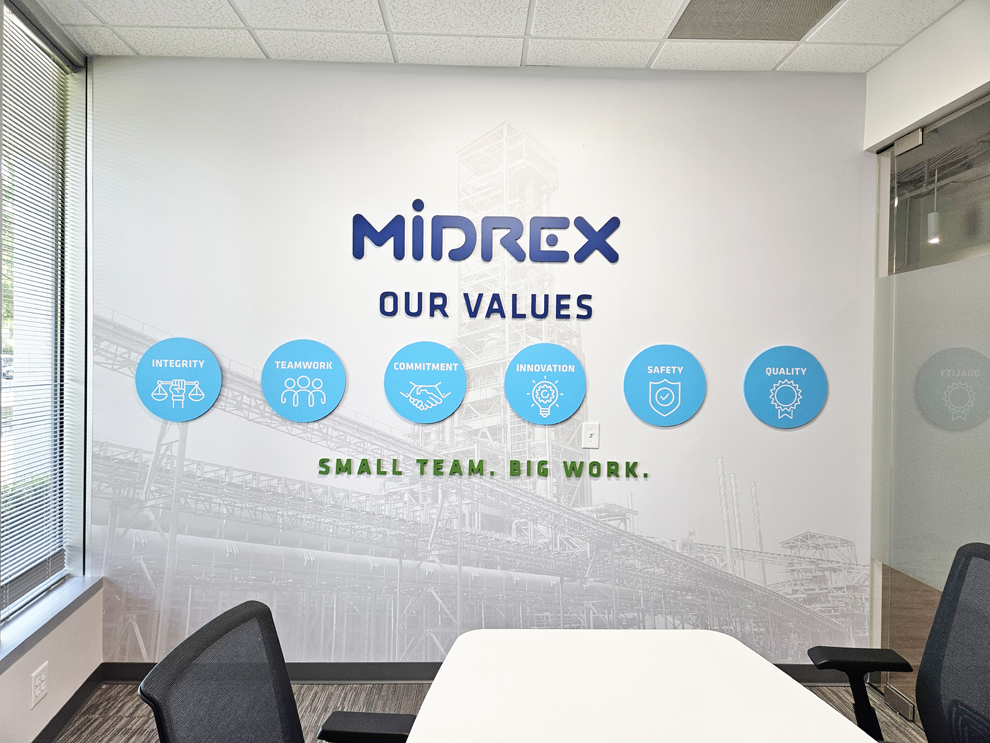
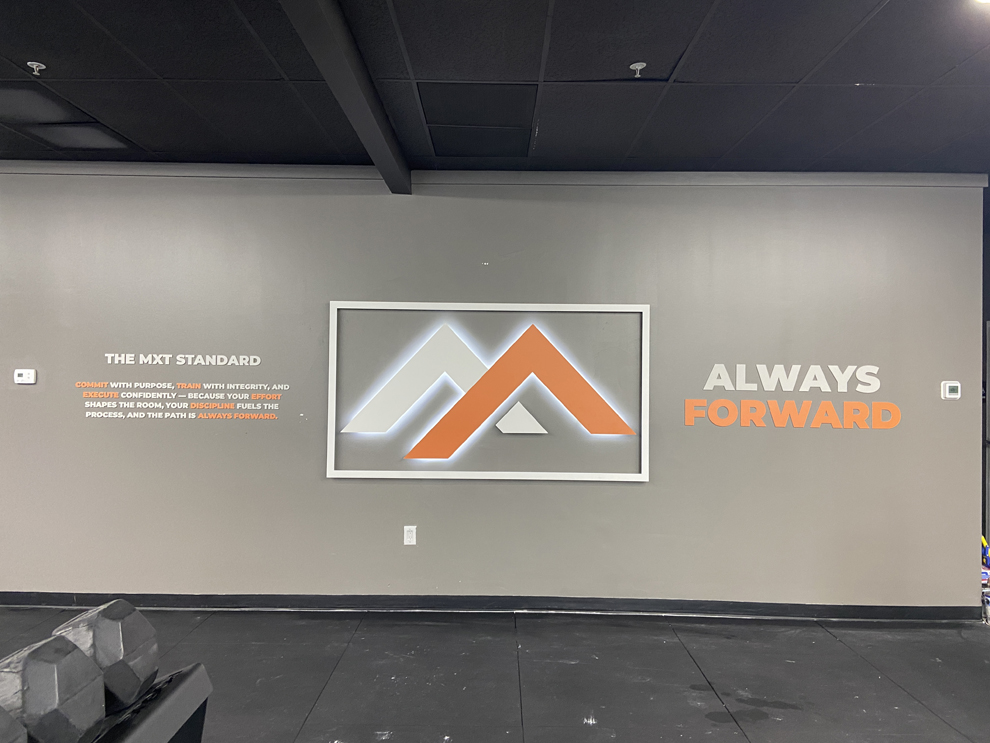
Give company names, logos, core values, and important messages greater architectural presence through lettering designed with the appropriate depth, scale, finish, and mounting system.
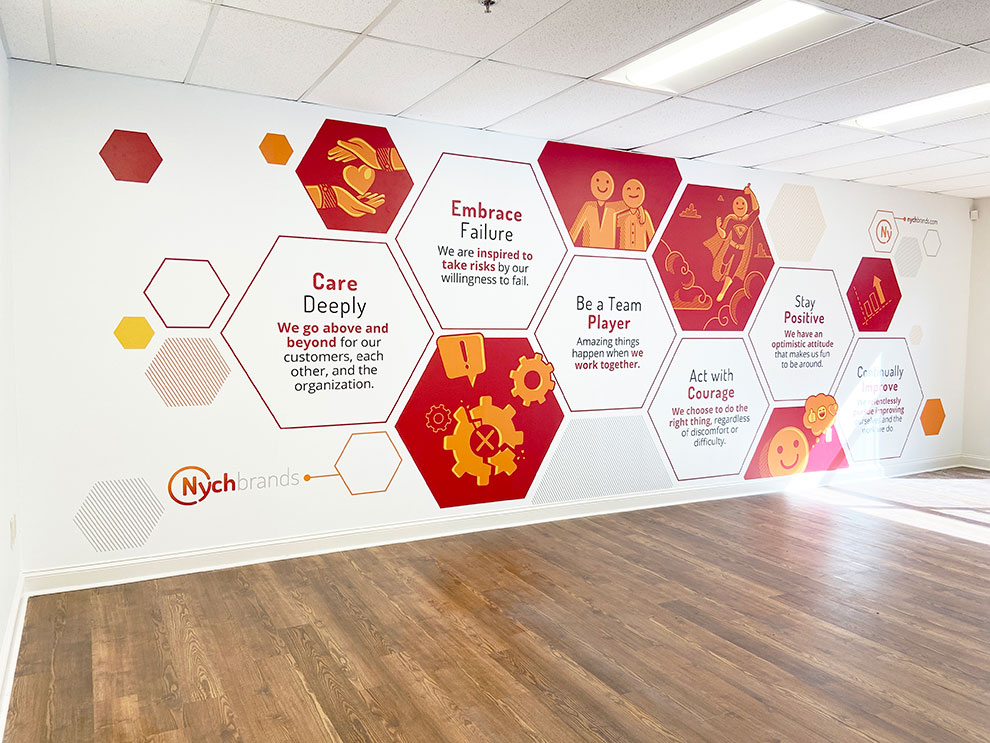
Unite architecture, brand identity, messaging, circulation, materials, and placement so every visual feature supports a consistent and intentional interior environment.
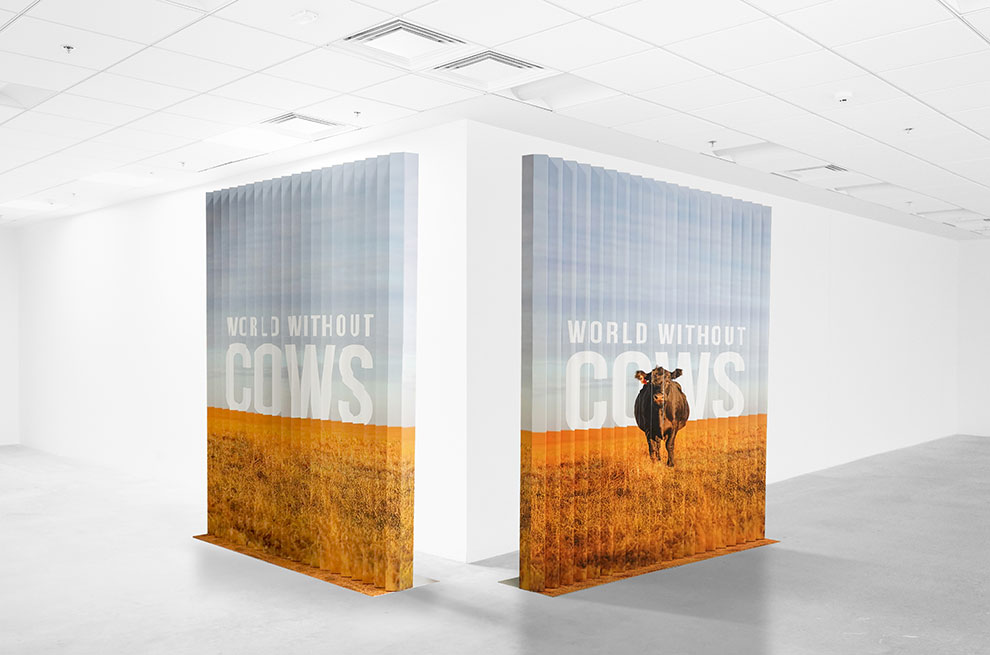
Help employees, visitors, patients, students, and guests reach their destinations through clear message hierarchy, logical placement, accessible design, and consistent branding.
If your organization is considering a lobby transformation, workplace branding program, educational display, museum exhibit, recognition feature, environmental graphics package, or multi-location interior rollout, Heritage is ready to evaluate the opportunity. Complete the Get Started Now form with your goals, Greenville-area location, timeline, available artwork, photographs, drawings, brand standards, and any critical opening or installation dates. A Heritage team member will review the information, assess project and service fit, and recommend the next productive step.
Heritage supports Greenville organizations through responsive communication, detailed site surveys, field verification, and coordinated installation planning. Local project coordination allows our team to document real-world conditions instead of relying exclusively on architectural plans or preliminary assumptions. We review dimensions, wall and glass surfaces, delivery routes, working hours, security procedures, and occupied areas before developing the final installation strategy. These findings contribute to more accurate design, production, and scheduling decisions.
Greenville and the surrounding Upstate region include corporate headquarters, manufacturing offices, healthcare facilities, universities, schools, professional firms, public institutions, museums, nonprofits, and rapidly expanding businesses. These organizations have different audiences, buildings, operational requirements, and brand priorities. Heritage considers what each facility needs to communicate, who will use the space, and how its signs and graphics should respond to architecture, accessibility, maintenance expectations, and future content changes.
Our regional capabilities support assignments throughout Greenville, Greer, Spartanburg, Anderson, Easley, and nearby Upstate communities. In-house production, fabrication expertise, coordinated project management, and full-time installation personnel provide the capacity required for phased renovations and multi-location branding programs. Clients receive a defined point of contact while gaining access to the wider resources needed for complex commercial projects.
Environmental graphic design brings visual communication into the built environment. In Greenville workplaces, it connects branding, architecture, messaging, movement, visibility, scale, accessibility, materials, and installation requirements. The goal is not to fill every empty wall. The goal is to identify where signs, graphics, and displays can improve navigation, strengthen identity, and make the facility more useful for employees and visitors.
A project may begin with brand guidelines, architectural drawings, photographs, initial measurements, existing artwork, or an early concept that needs further refinement. Heritage can develop those resources into message hierarchies, spatial layouts, material recommendations, privacy treatments, dimensional features, wayfinding concepts, and coordinated graphic systems. Our designers also examine sightlines, surrounding finishes, surface compatibility, viewing distance, content volume, and the need for future updates.
The design development process allows stakeholders to review important choices before fabrication. Greenville-area clients can evaluate scale, placement, content relationships, finishes, and material transitions before approving production. This work also improves estimating accuracy and provides production personnel, fabricators, and installers with clearer technical information. Heritage treats design as a practical planning discipline that connects organizational goals with the physical conditions of each site.
Installation is not a separate afterthought. It is connected to planning, design, production, and fabrication from the beginning. Dimensions, alignment, substrate preparation, mounting methods, building access, and work sequencing all influence the quality of the final result. Heritage accounts for these conditions before installation so approved designs remain compatible with the facility and installers arrive with the information they need.
During a site survey, Heritage documents measurements, surfaces, corners, obstructions, lighting conditions, viewing angles, traffic patterns, and access limitations. At Greenville facilities, we may also assess loading procedures, elevators, security requirements, property rules, construction schedules, restricted work hours, and occupied spaces. This process creates a verified record of site conditions and gives the team an opportunity to discuss priorities, concerns, and the desired audience experience.
Full-time Heritage installers work directly with project managers, designers, production specialists, and fabricators. Keeping these responsibilities connected improves accountability for preparation, fit, finish, and installation sequencing. Heritage installs signs, graphics, and display elements that are produced, procured, fabricated, or otherwise managed as part of a complete Heritage project. We do not provide installation-only services for products supplied by customers or other sign companies.
An effective project evaluation starts with your organization’s objectives, audience, site, timeline, and investment expectations. Heritage also considers available photographs, floor plans, construction drawings, brand standards, messaging, content, and installation addresses. Greenville clients do not need to finalize every detail before contacting us. However, the information available should help the project manager understand the desired outcome and determine what needs to be verified.
A complete Heritage engagement begins at $4,000, and the same companywide minimum applies to qualified Greenville projects. Many projects that include Heritage production and professional installation range from $10,000 to more than $200,000. These figures represent the complete managed assignment rather than the price of one sign, graphic, or display. Final investment depends on the scope, quantities, design requirements, materials, fabrication, number of locations, site conditions, schedule, and installation complexity.
Heritage primarily serves commercial, workplace, educational, institutional, healthcare, museum, government, and other public-facing interiors. When connected to a broader interior project, our scope may include compatible non-illuminated exterior signs, exterior dimensional lettering, and graphics for exterior walls or windows. We do not undertake standalone exterior sign programs, fleet graphics, monument signs, pylons, or channel letters. Heritage also does not provide repair services for failed sign components or LED systems.
Heritage assigns a dedicated project manager who serves as the client’s consistent point of contact. That project manager coordinates discovery, estimating, site documentation, design development, material selection, approvals, production, scheduling, installation planning, and final completion details.
This approach keeps responsibilities and decisions visible as the project moves between departments. Clients know who is managing the process, while designers, production specialists, fabricators, and installers receive the information necessary to complete their work.
Heritage produces and installs lobby signs, dimensional letters, acrylic signs, standoff mounted displays, wall wraps, privacy film, window graphics, wayfinding signs, recognition features, and interpretive displays. The appropriate solution depends on the audience, architecture, message, surfaces, durability requirements, and available investment.
We approach these products as parts of one coordinated environment rather than unrelated purchases. This helps colors, materials, scale, finishes, and installation methods work together throughout the Greenville workplace.
Environmental graphic design applies visual communication principles to physical spaces. It coordinates branding, architecture, messaging, color, scale, materials, visibility, circulation, and placement to help people understand and navigate an environment.
Heritage may apply this discipline to reception areas, workplace culture displays, privacy treatments, wayfinding systems, recognition walls, historical exhibits, and interpretive installations. The design process gives Greenville stakeholders an opportunity to evaluate spatial relationships before production begins.
Yes. Heritage regularly collaborates with architects, interior designers, general contractors, brand agencies, facility managers, and internal marketing teams. Depending on the project, we may evaluate concepts for production feasibility, recommend appropriate materials, prepare fabrication-ready artwork, or coordinate installation around construction schedules.
Roles, responsibilities, and approval authority should be defined early. Clear expectations help protect the original design intent while ensuring that mounting, access, materials, and installation sequencing remain practical.
Planning should begin once the organization has clear goals, useful site information, and a target completion date. A focused installation may take several weeks, while comprehensive workplace programs, phased renovations, and multi-location projects may require several months.
Design approvals, material lead times, wall readiness, fabrication requirements, stakeholder response times, and installation access can all affect the schedule. Heritage establishes decision points and responsibilities to help the team and client maintain the agreed timeline.
A complete Heritage engagement begins at $4,000. Many assignments that include production and professional installation range from $10,000 to more than $200,000, depending on the project’s scope and technical requirements.
These amounts apply to the full engagement, not one individual sign or graphic. Heritage considers design development, quantities, materials, fabrication, site locations, field conditions, scheduling, access, and installation complexity when preparing an estimate.
No. Heritage does not provide installation-only services for signs or graphics furnished by a customer or another vendor. Our installation team supports components that Heritage produces, procures, fabricates, or manages as part of a complete project.
This policy protects accountability for dimensions, materials, surface compatibility, mounting methods, site preparation, fit, and scheduling. Connecting production with installation also allows potential concerns to be addressed before the installation team arrives.
Yes, when compatible exterior elements are included within a broader commercial interior engagement. Heritage may provide non-illuminated exterior signs, dimensional lettering, window graphics, or exterior wall graphics after evaluating the surfaces, exposure, attachment methods, and site requirements.
Our primary specialization remains interior branding. Heritage does not accept standalone exterior sign programs, fleet graphics, monument signs, pylon signs, or channel letter projects. We also do not repair failed sign components or LED systems.
Heritage supports qualified organizations in Greenville and throughout Upstate South Carolina, including Greer, Spartanburg, Anderson, Easley, and nearby communities. Regional resources also allow our team to coordinate suitable assignments involving multiple locations across the Carolinas and Mid-Atlantic.
Service availability depends on project fit, overall scope, site requirements, and the complete engagement. Heritage can coordinate surveys, brand standards, production, scheduling, and installation while adapting the plan to the conditions at each facility.
Heritage combines responsive Greenville-area project coordination with the capabilities of a seven-location regional network. We are an award-winning, veteran-owned, family-led company founded in 1977. Since 2009, Heritage has specialized in custom interior signs, environmental graphics, workplace branding, and institutional displays.
Clients receive a dedicated project manager, collaborative design support, in-house production resources, coordinated fabrication, and installation by full-time Heritage team members. We also define our service boundaries, verify field conditions, and complete detailed pre-production planning to reduce preventable communication and installation issues. This disciplined approach serves organizations seeking an accountable long-term partner rather than a transactional sign provider.
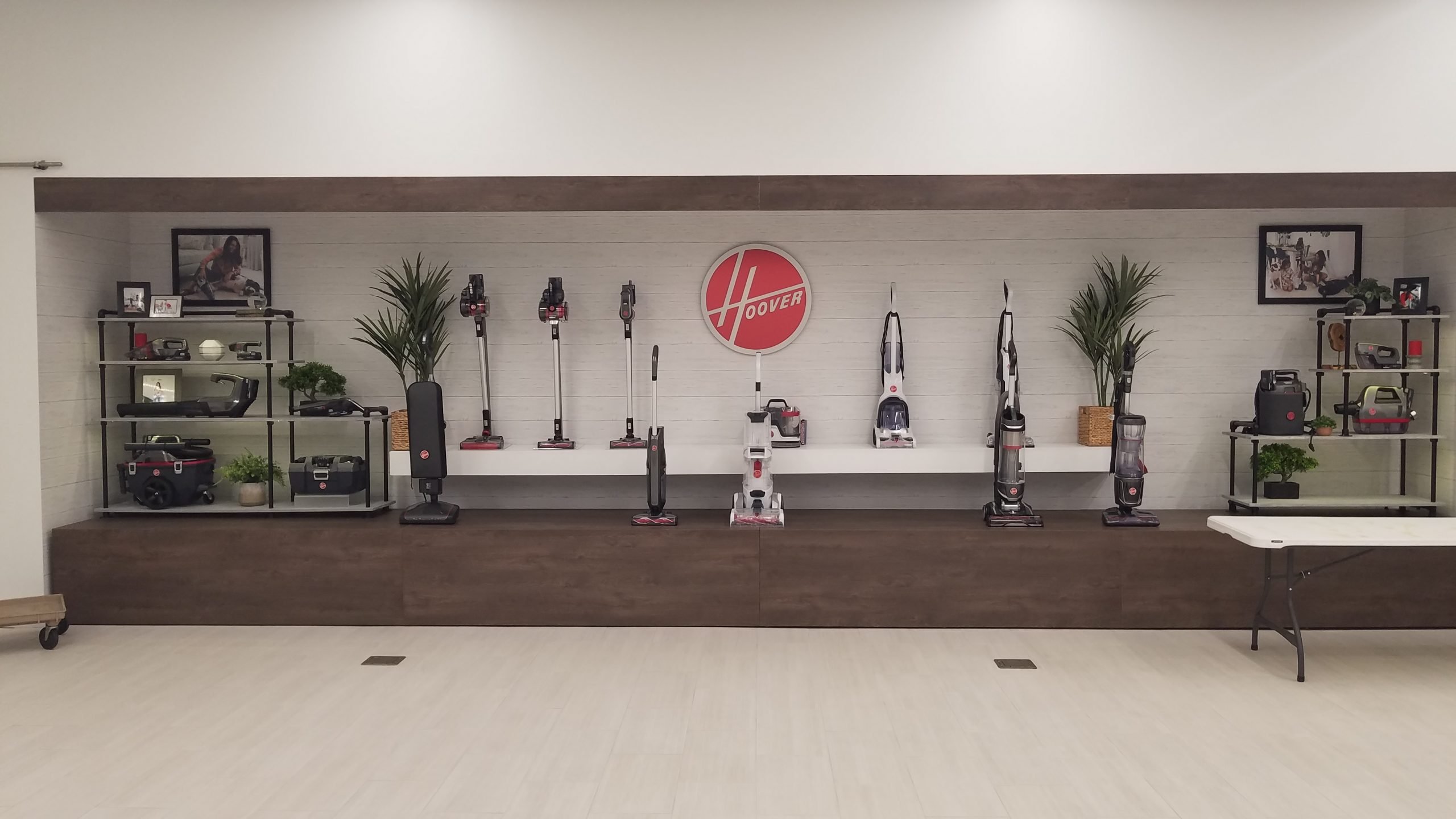
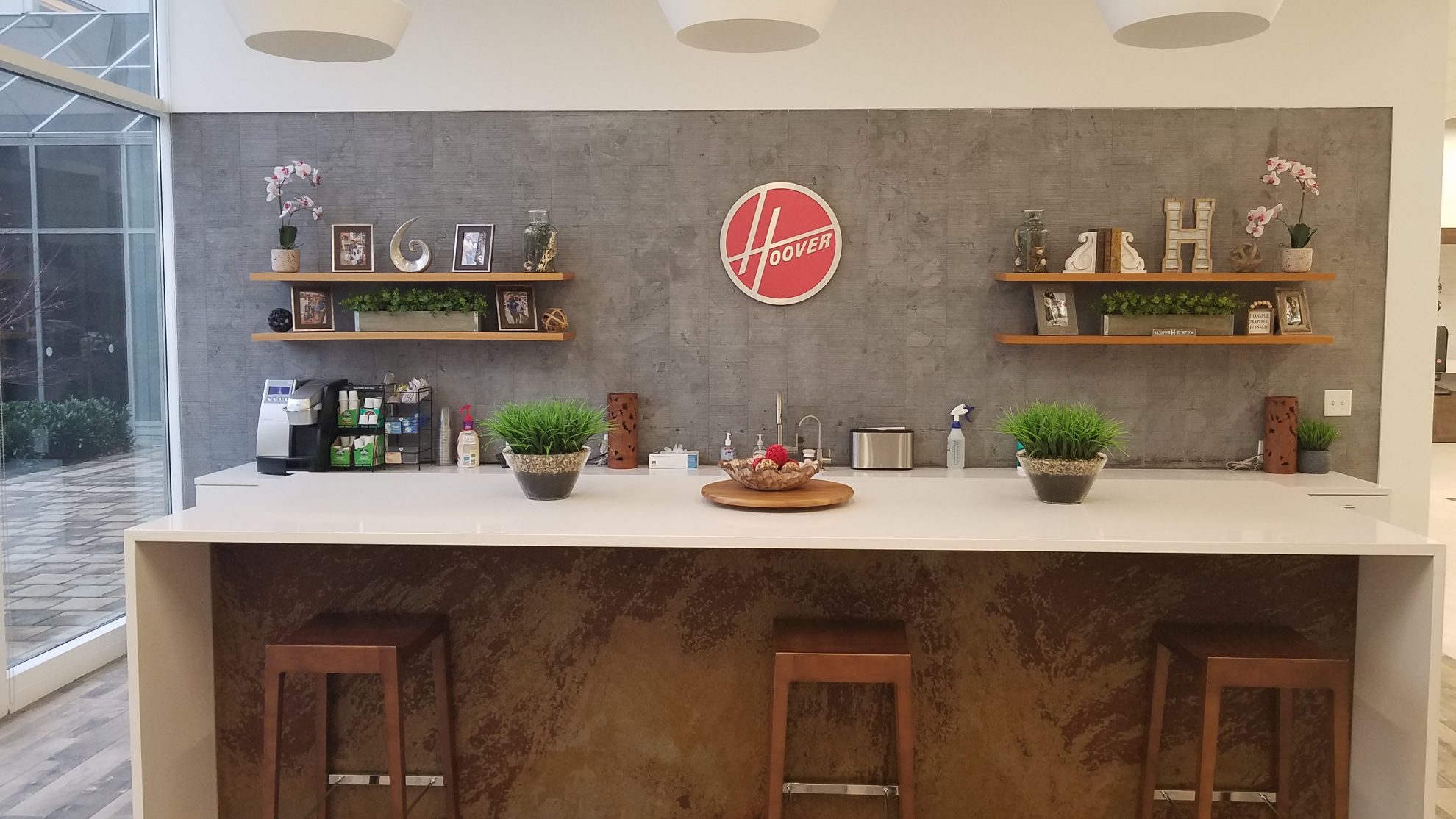
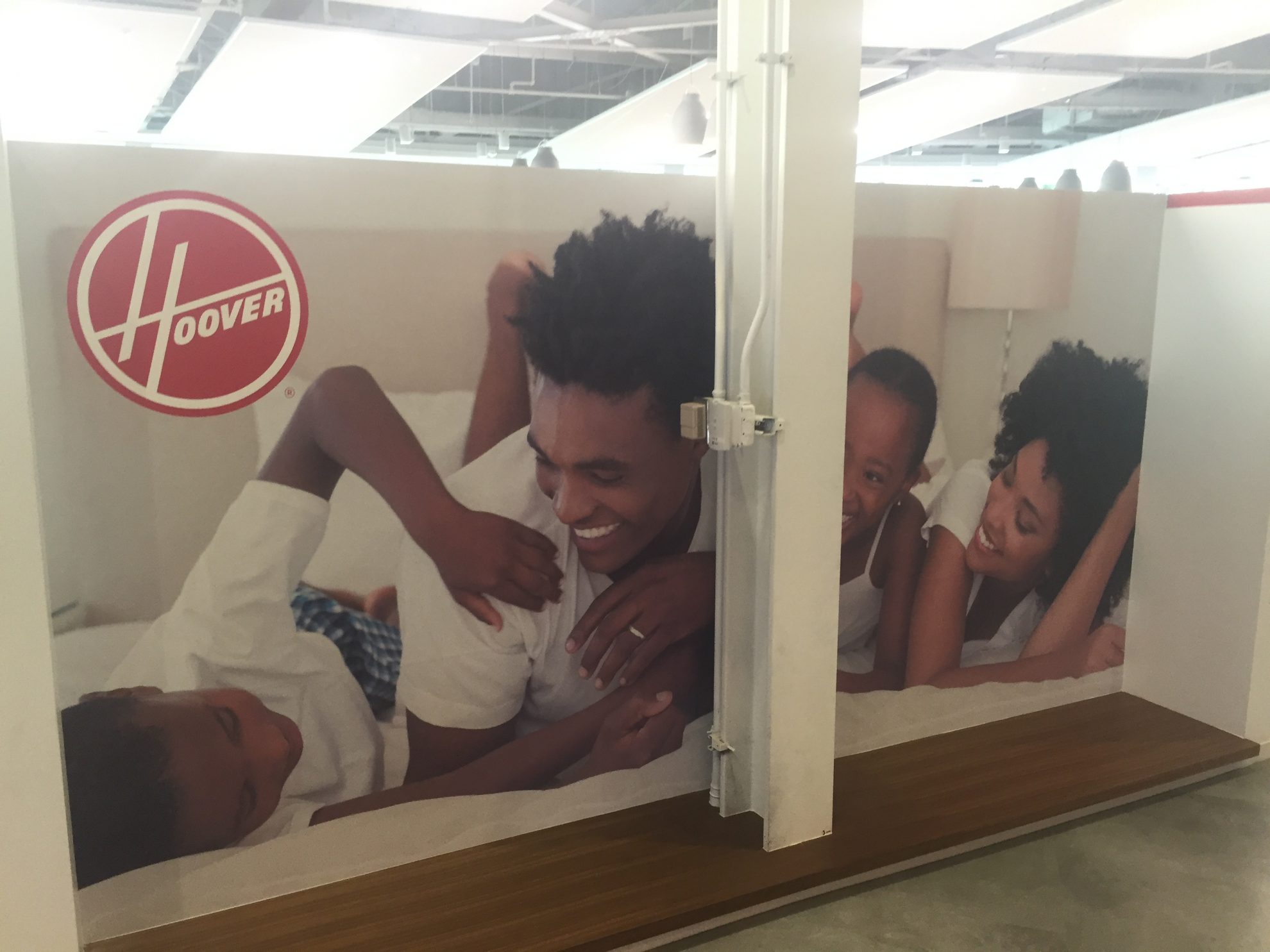
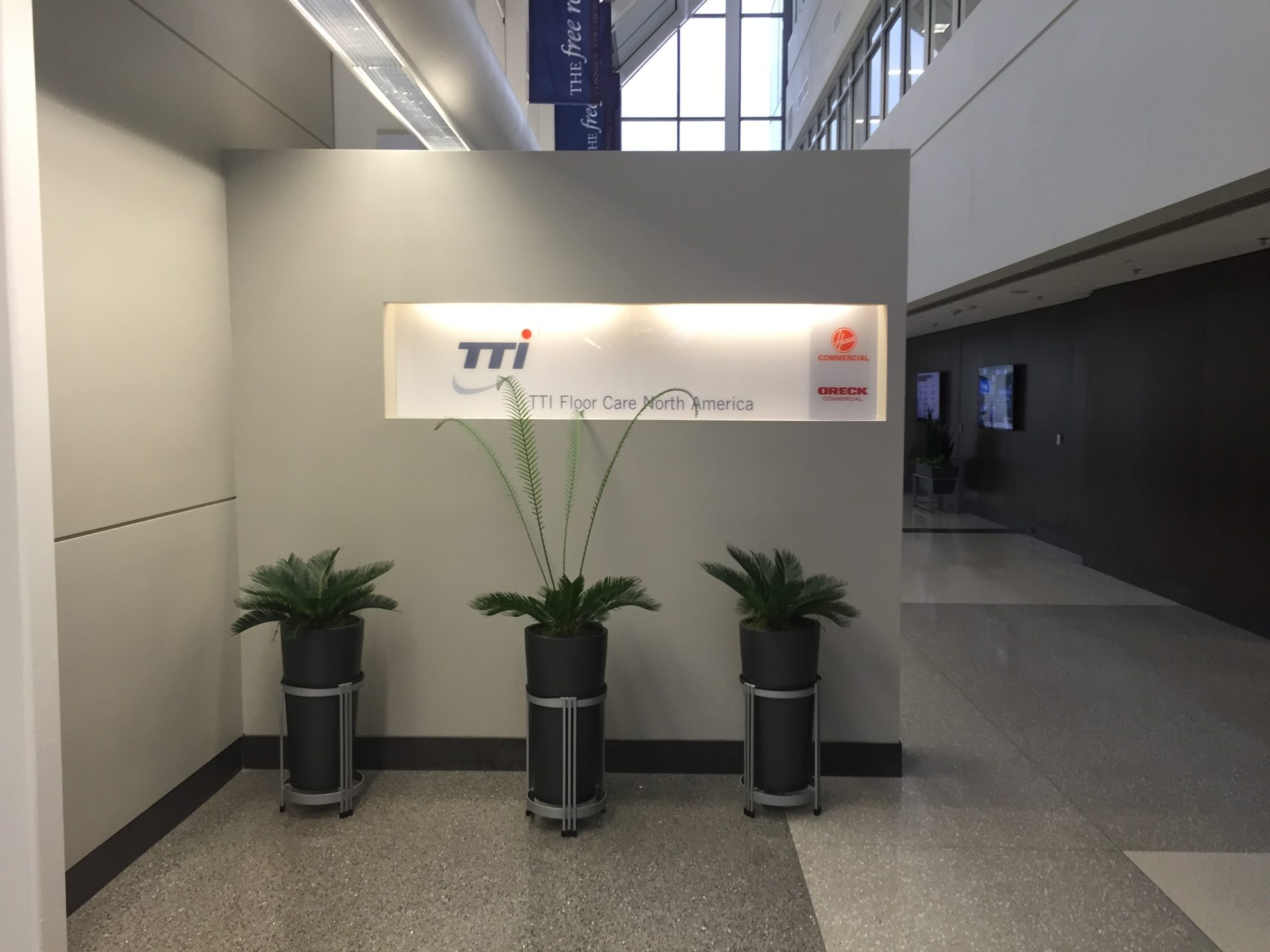
Heritage Signs & Displays collaborated with TTI Floor Care North America to enhance their corporate office. The project included custom frosted vinyl graphics, acrylic signs, dimensional lettering, and LED backlit signs, showcasing the brands Dirt Devil, Hoover, and Oreck. The signage improved office branding, privacy, and aesthetics. Heritage collaborated closely with TTI, ensuring efficient execution and high-quality results, creating an immersive and professional environment that reflects TTI's brand values.
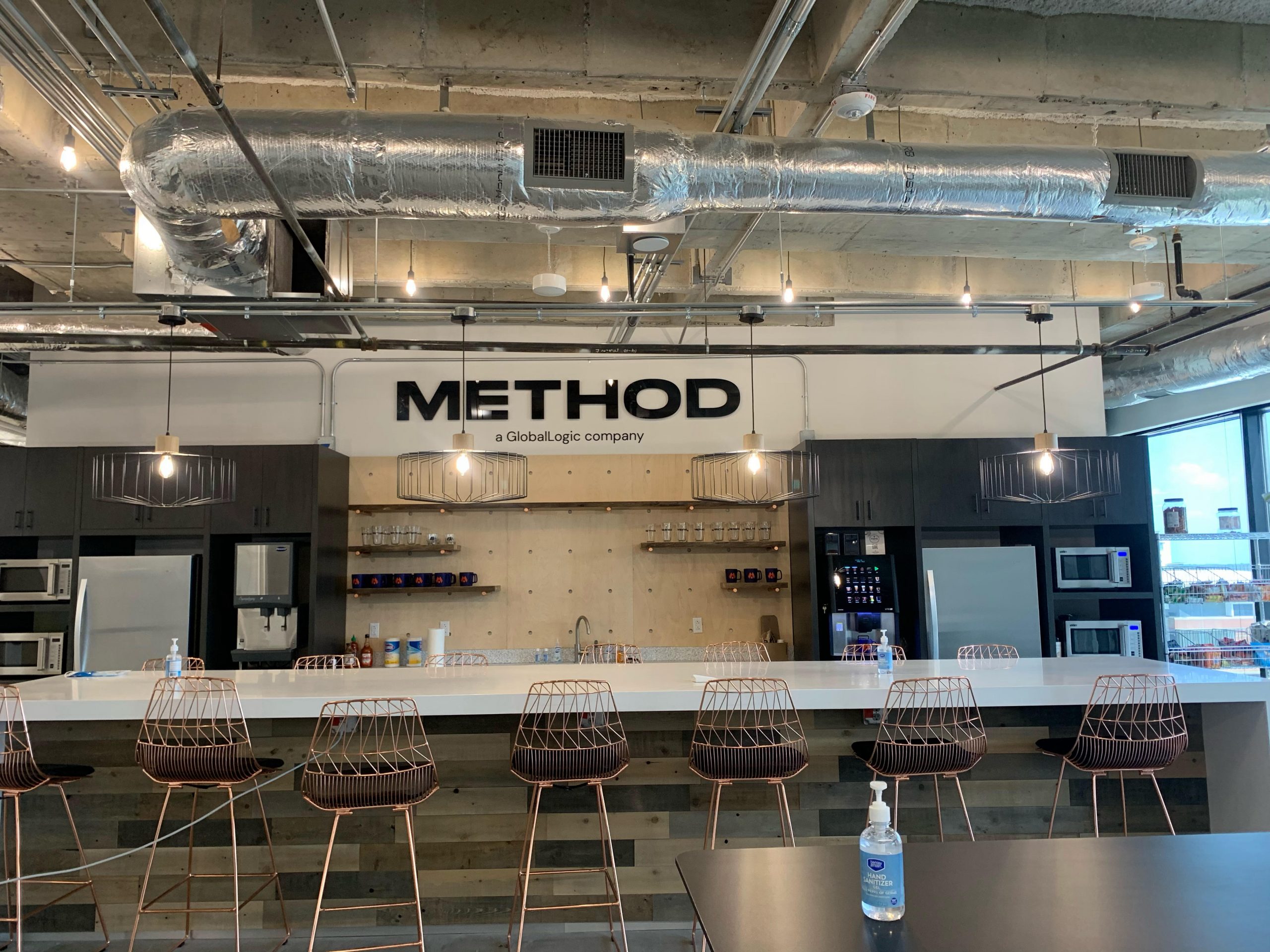
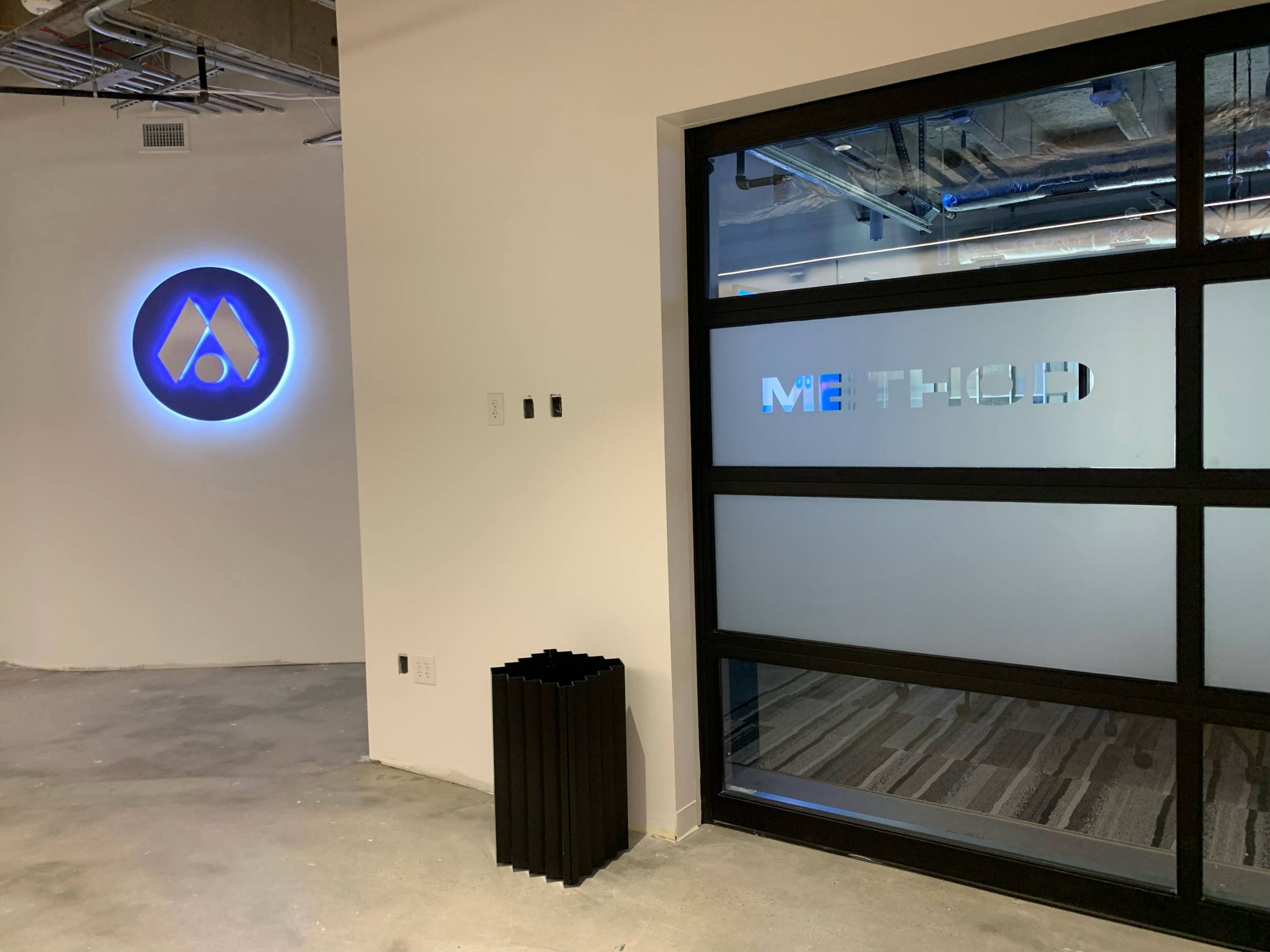
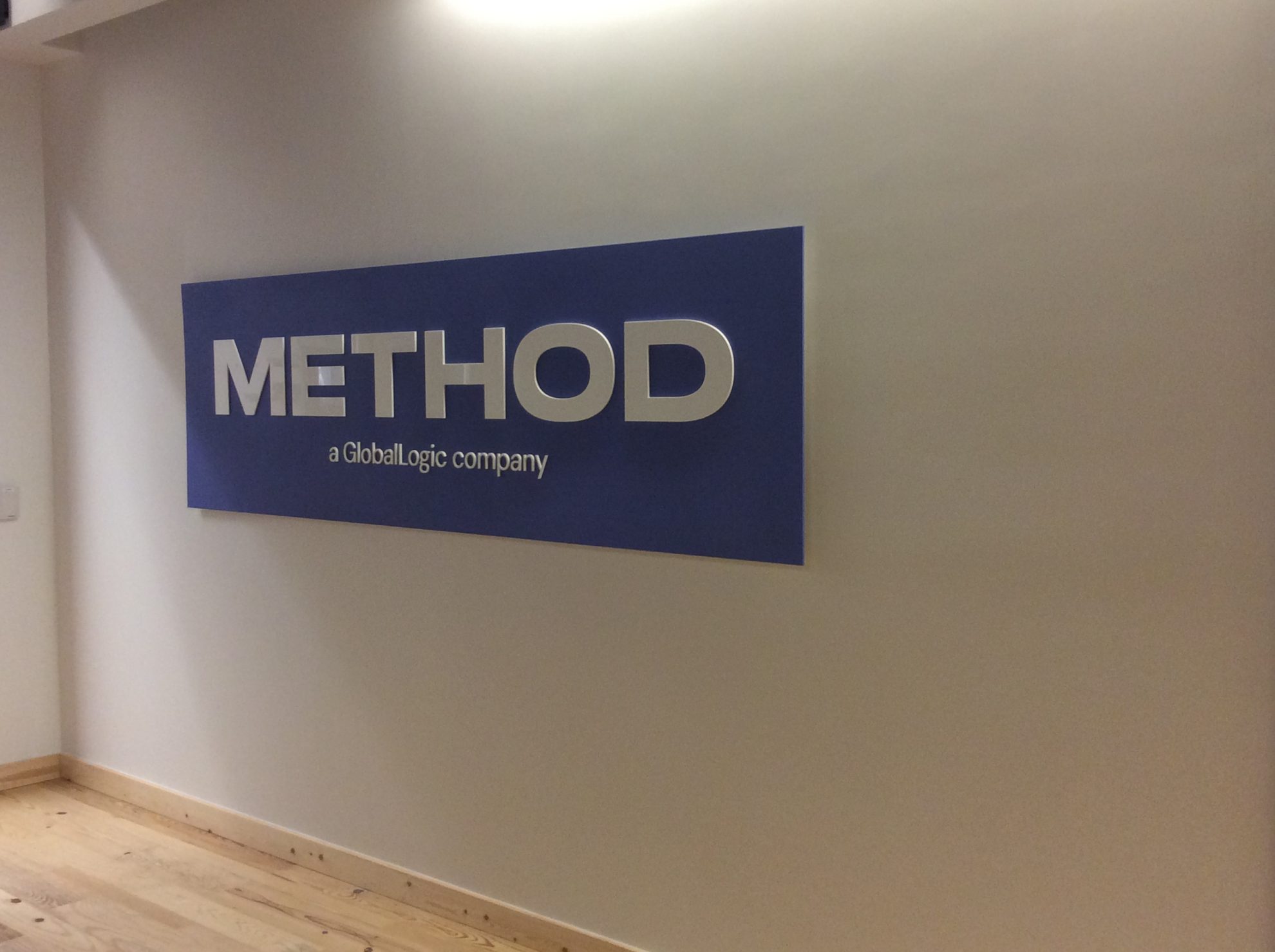
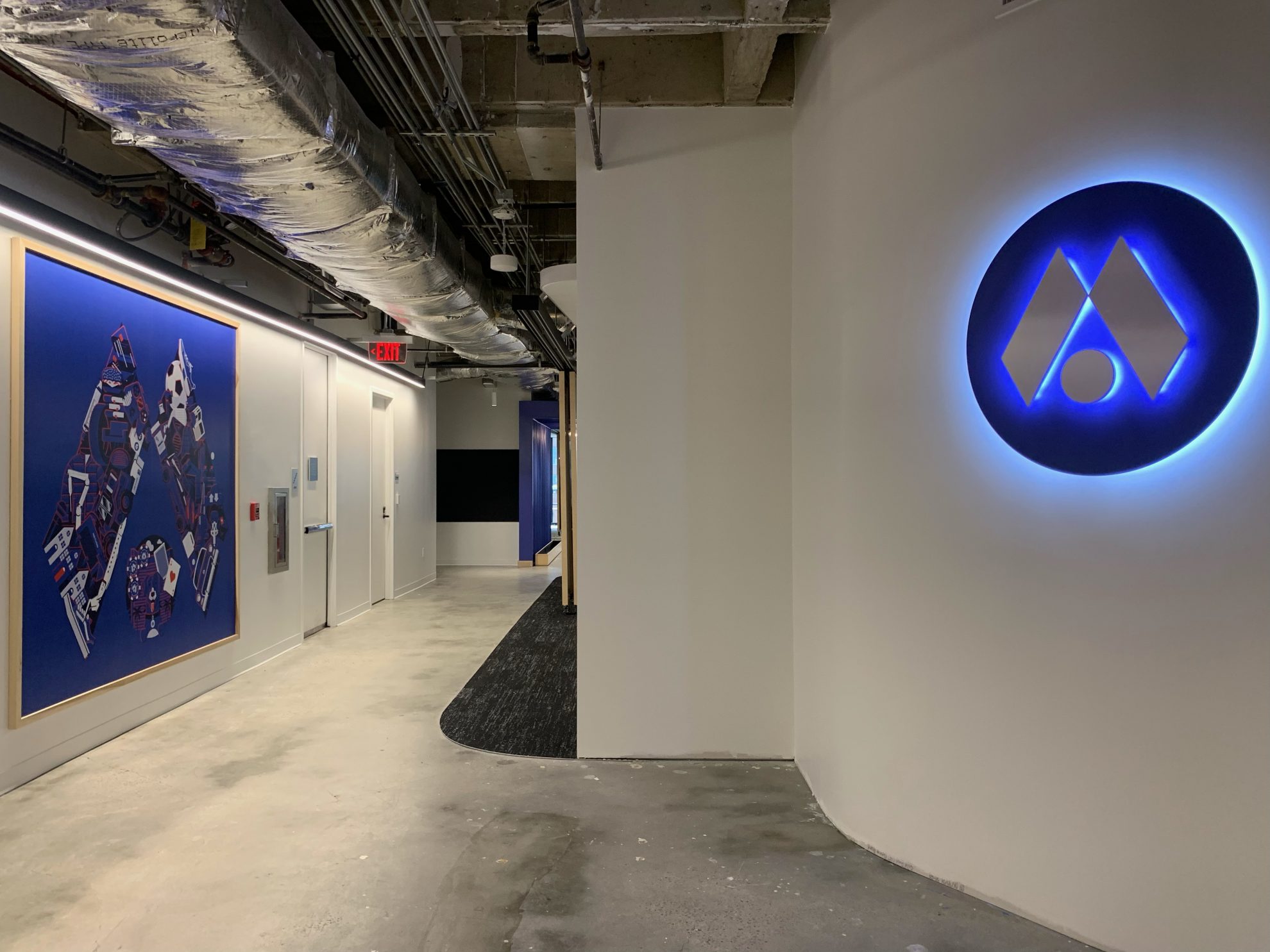
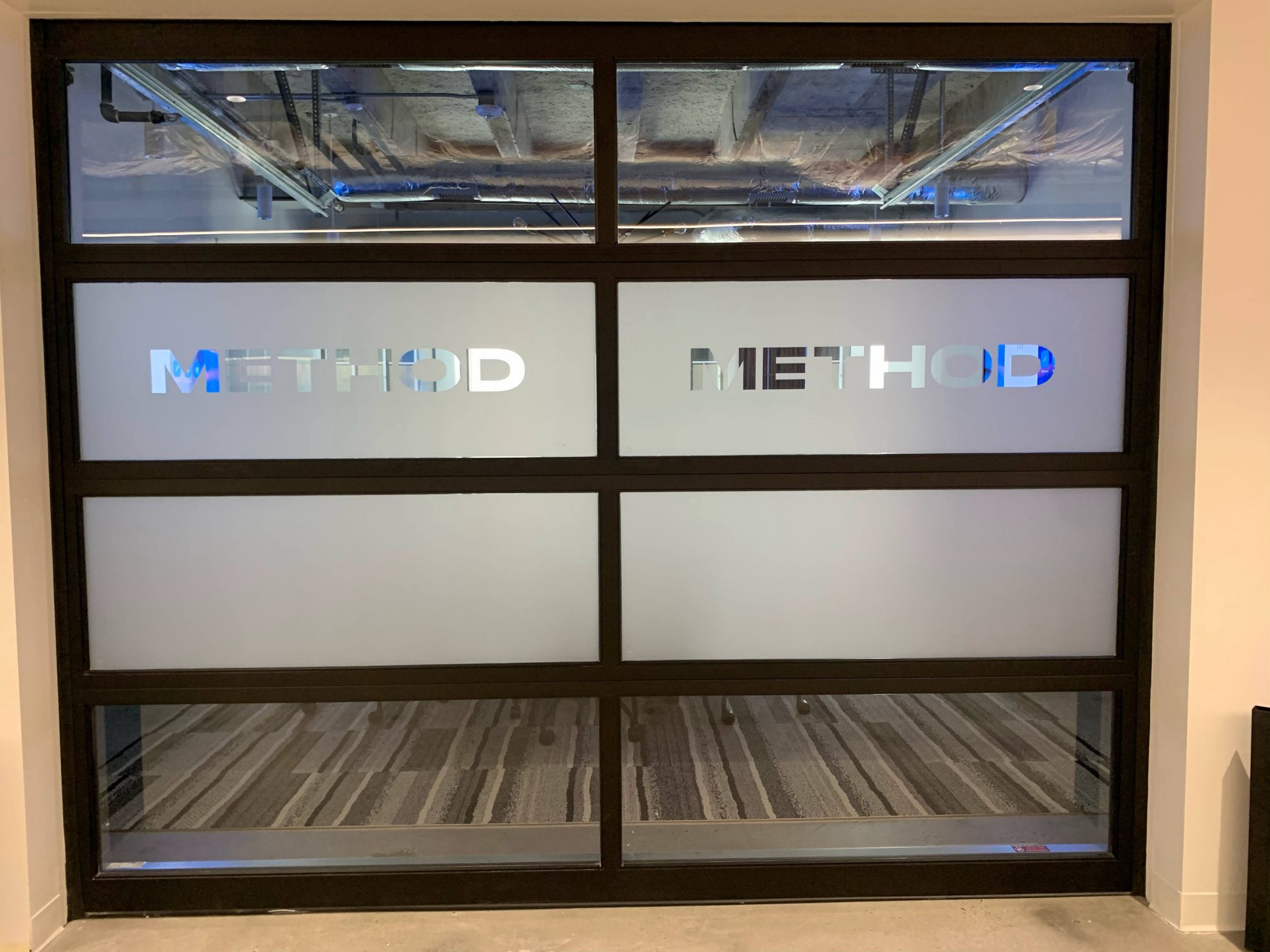
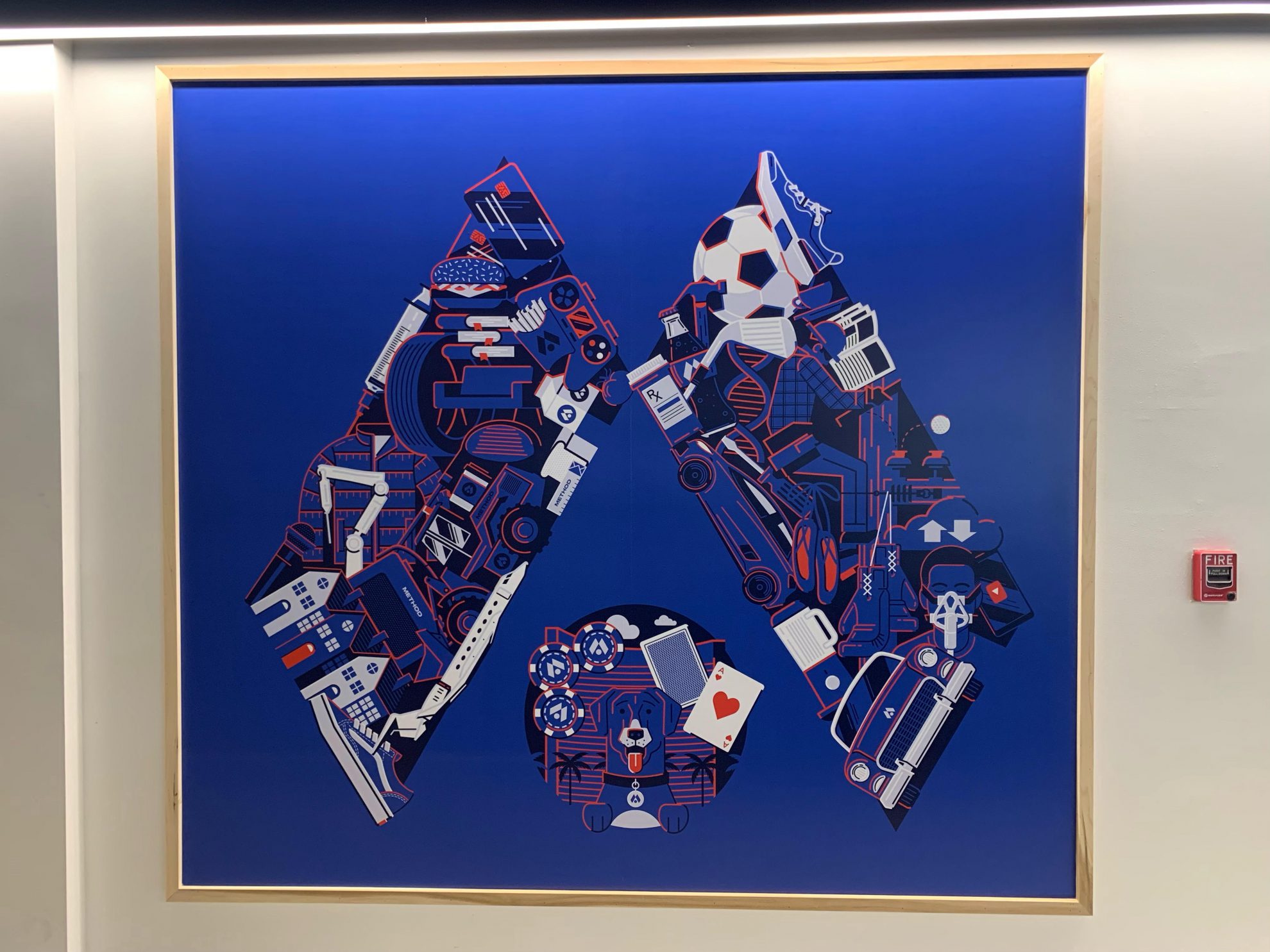
Heritage Signs & Displays' collaboration with Method (formerly Skookum) to rebrand their corporate headquarters. The project included dimensional lettering, wall displays, LED-lit signage, wall wraps, and frosted vinyl, creating an immersive and branded environment. Heritage worked closely with Method's team, ensuring accurate execution and timely delivery. The transformation was completed in August 2021, with Method's employees moving into the revamped space in September. The project reflects Heritage's commitment to quality and collaboration.