A workplace begins telling its story the moment someone enters. The lobby sets the tone, glass graphics shape privacy, and directional signs help visitors move confidently through the building. Conference rooms, employee hubs, classrooms, galleries, donor areas, and recognition displays each serve a distinct purpose. Creating a unified environment takes more than ordering individual signs. It requires a coordinated plan for graphics, architectural elements, displays, identification, and wayfinding that supports the organization’s goals and creates a consistent experience throughout the space.
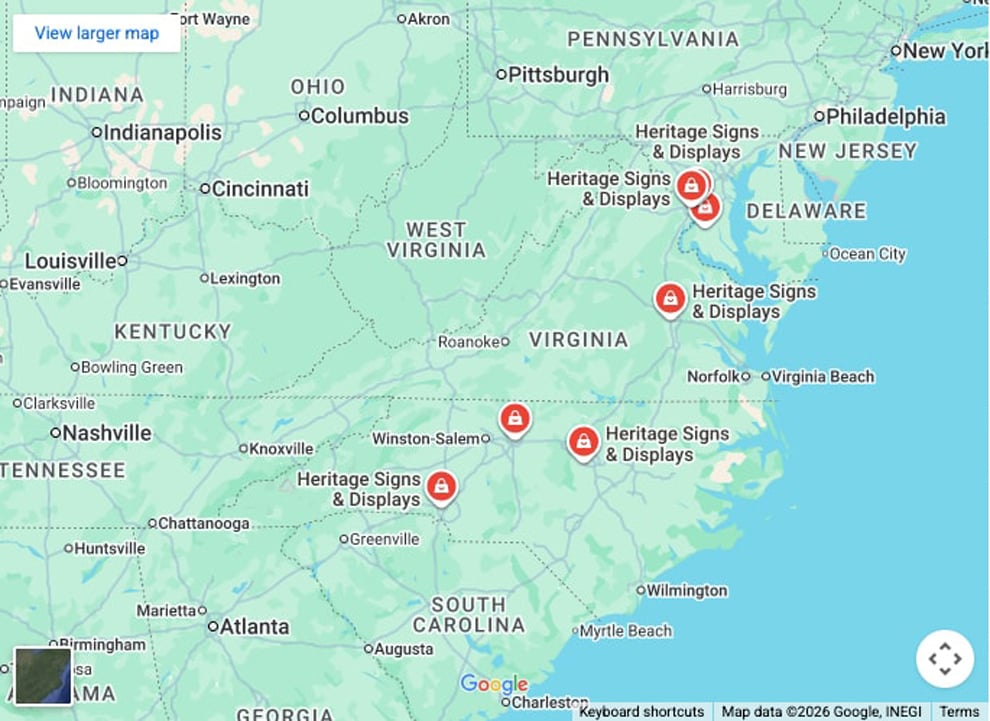
Heritage Signs & Displays serves organizations in Columbia, SC, and throughout the Midlands with custom interior signs, workplace branding, environmental graphics, and professionally installed displays. Founded in 1977, Heritage is an award-winning, veteran-owned, family-led company. Since 2009, its primary focus has been transforming commercial and institutional interiors through thoughtful visual communication. Columbia clients benefit from attentive project coordination supported by design, production, fabrication, and installation resources across a seven-location regional network.
Heritage is best suited for organizations seeking a strategic project partner instead of a supplier of unrelated sign products. The team studies how employees, guests, students, patients, donors, and other audiences experience a facility from entry to exit. A coordinated solution might include lobby branding, dimensional lettering, privacy film, wall graphics, directional signage, interpretive displays, or recognition features. Every element is planned to communicate a clear message, complement the architecture, and make the environment easier to understand.
The company works with corporate offices, healthcare organizations, educational institutions, professional firms, government agencies, museums, associations, nonprofits, and other public-facing facilities. Projects can range from a single signature installation to a complete workplace transformation or a multi-location branding program. A dedicated project manager oversees discovery, estimates, design reviews, site information, material selection, approvals, production, scheduling, and installation preparation.
Accurate field information is essential to a successful result. Before production, Heritage evaluates dimensions, wall and glass conditions, existing finishes, brand colors, viewing distances, mounting requirements, access limitations, and installation sequencing. This preparation helps confirm that each proposed feature is appropriate for the surfaces, traffic patterns, and operating conditions of the Columbia property.
An integrated process also makes the project easier for internal teams. Rather than coordinating separate designers, printers, fabricators, and installers, clients work with Heritage as a single accountable partner. This approach is especially valuable in occupied offices, active healthcare environments, schools, museums, and facilities with strict construction schedules or fixed opening dates. It also supports organizations that need dependable brand consistency across multiple locations.
Craftsmanship is important, but it is only one measure of a successful project. Heritage takes time to understand the client’s priorities, assess practical options, recommend suitable solutions, and carry approved concepts through production and professional installation. Defined responsibilities and consistent communication help protect the work at every stage. Heritage’s purpose is to honor God by serving clients and communities with excellence, a commitment reflected in the company’s approach to stewardship, accountability, and service.
An experienced Columbia sign company should make an interior more intuitive, more engaging, and more representative of the organization occupying it. Employees may benefit from stronger connections to company culture, history, and values. Visitors need a welcoming arrival and straightforward navigation. Students, patients, members, donors, and community stakeholders need information that is clear, accessible, and suited to the setting.
Heritage connects these needs with architectural conditions, brand standards, message hierarchy, sightlines, illumination, accessibility, circulation, and long-term content requirements. Installation considerations are addressed during planning because an attractive design must also account for wall construction, glass specifications, mounting clearances, equipment access, building policies, and occupied work areas.
For organizations in Columbia and across the South Carolina Midlands, potential results include an updated reception area, a fully branded office, a company history display, a donor recognition wall, an educational exhibit, or a comprehensive wayfinding system. The goal is not simply to cover empty surfaces. It is to use visual communication purposefully so the environment works better for its users and presents the organization consistently.
Heritage provides one accountable team and a dedicated project manager who stays involved from the initial discussion through installation. The project manager gathers goals and field details, coordinates pricing, manages approvals, confirms material and production requirements, and communicates scheduling information. This structure limits fragmented decision-making and gives stakeholders a reliable point of contact when priorities, site conditions, or deadlines change.
Collaboration across disciplines is a central part of the Heritage process. Environmental graphic designers, project managers, production specialists, fabricators, and installers evaluate how the finished work will function in the actual building. Complex projects may undergo a pre-production review that covers measurements, substrates, material transitions, colors, mounting systems, access requirements, and installation order. Identifying concerns early helps prevent costly production errors and unexpected field complications.
With nearly five decades of experience, Heritage remains veteran-owned and family-led. Columbia clients receive responsive project support backed by a seven-location regional network, in-house production capabilities, and managed installation performed by full-time Heritage team members. These resources allow the company to handle focused local installations, phased renovations, and multi-site programs that require consistent standards and controlled execution.
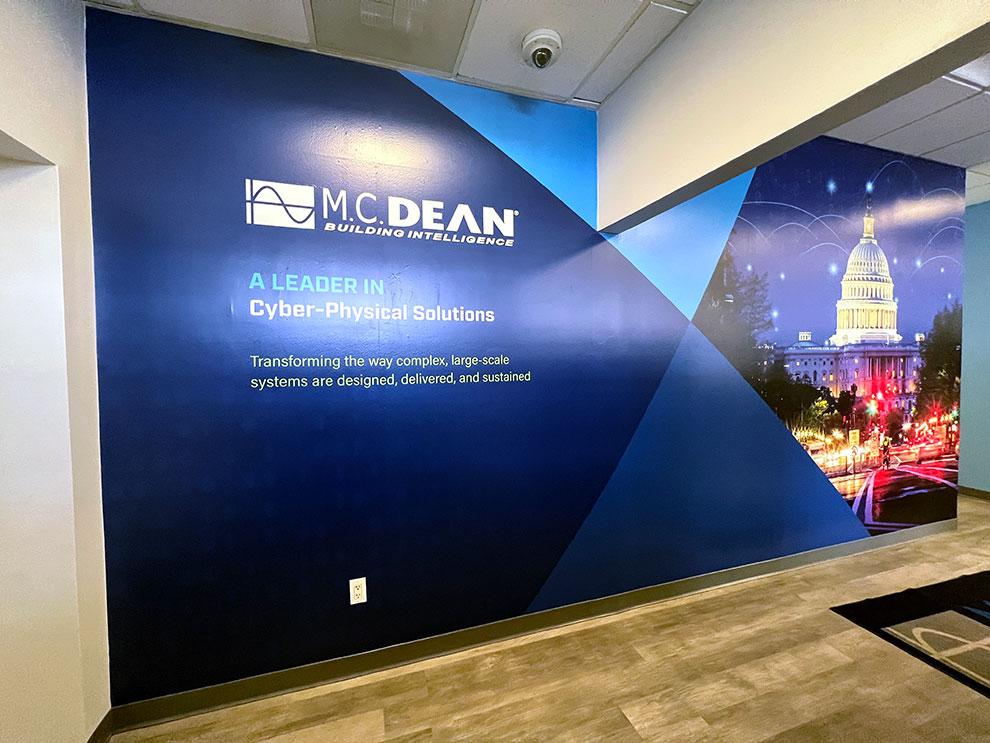
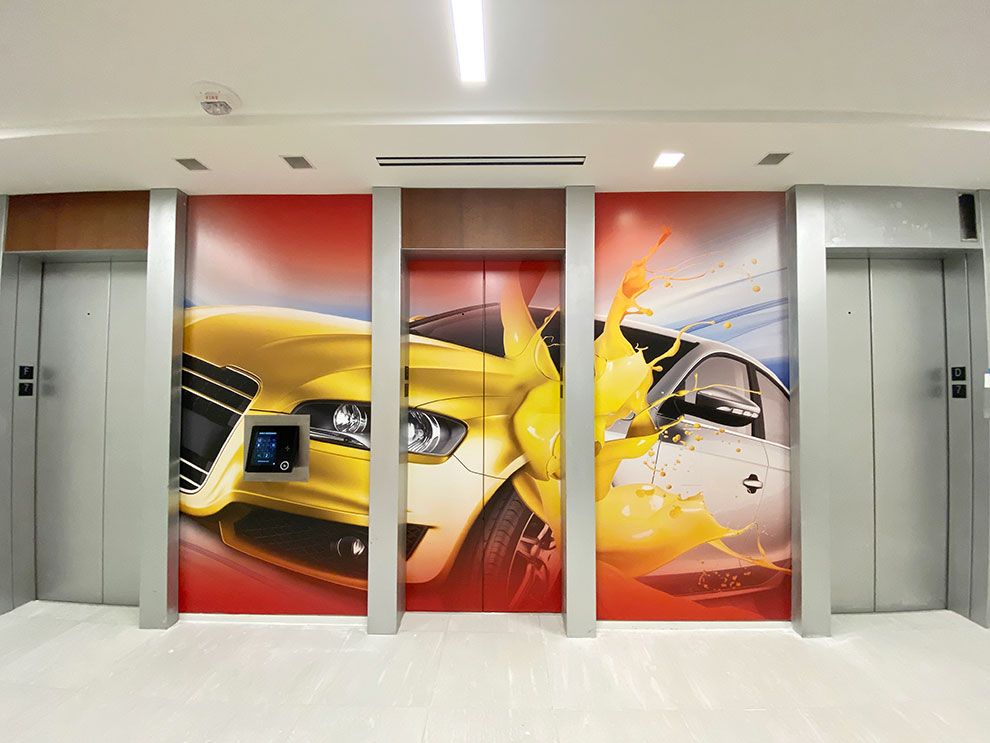
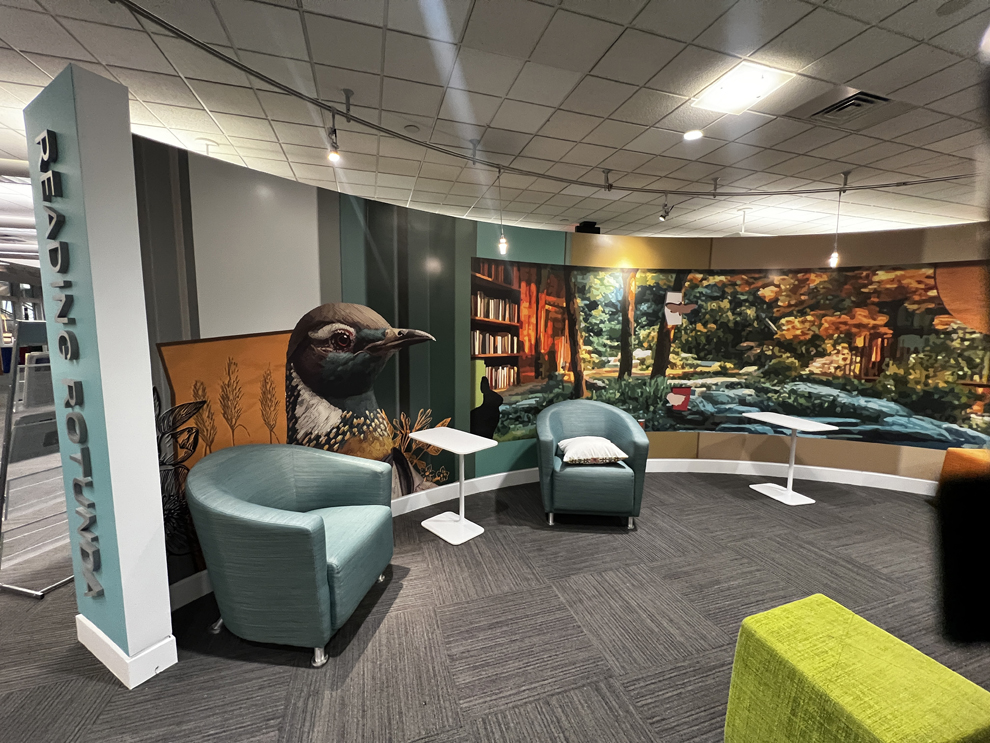
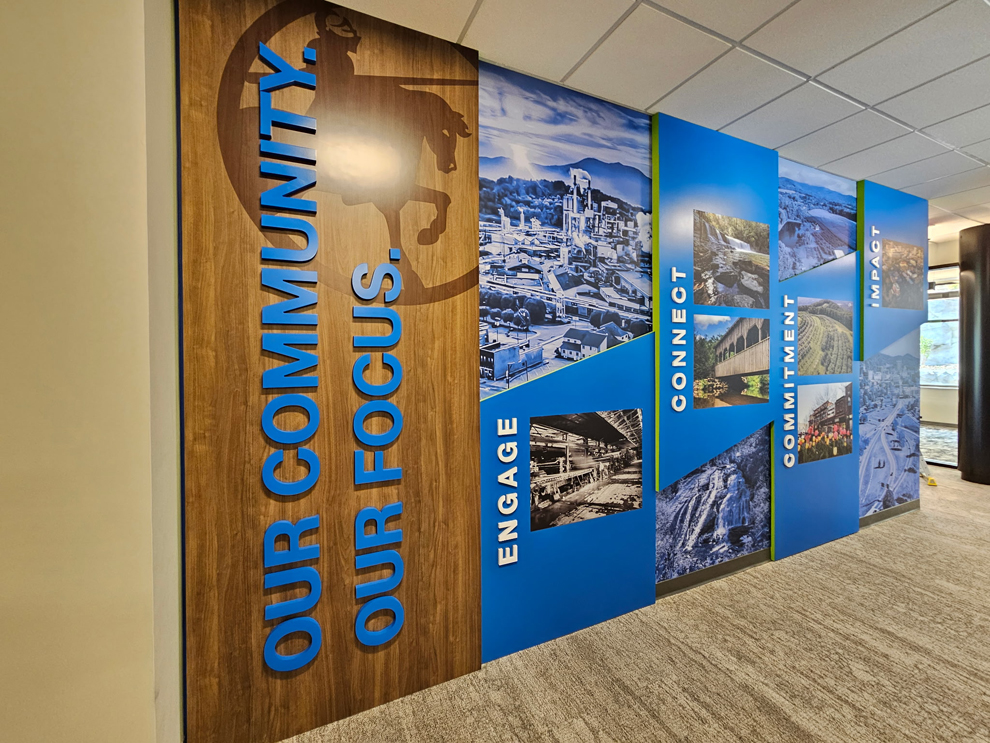
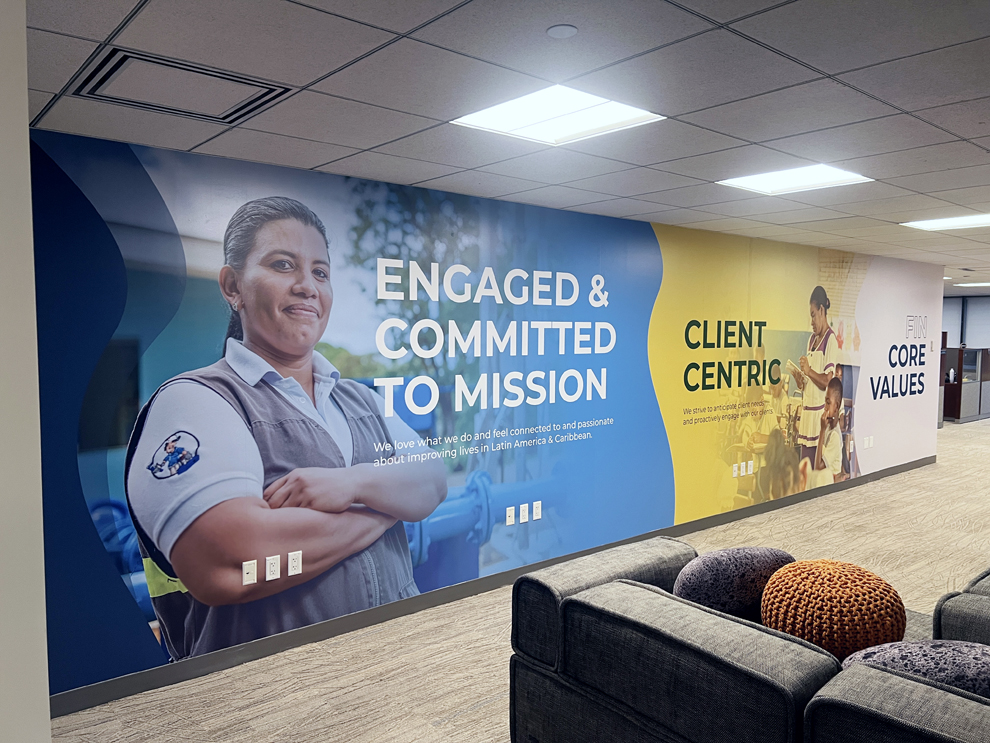
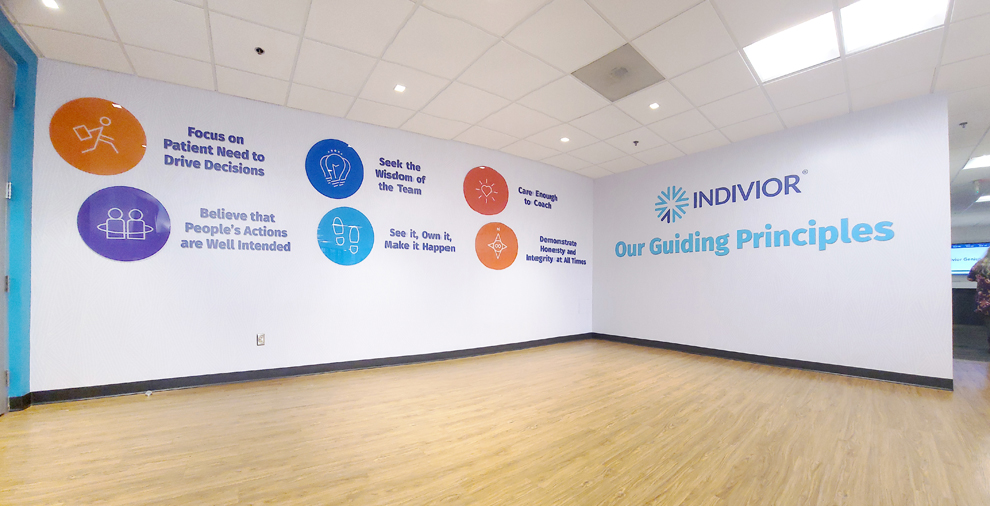
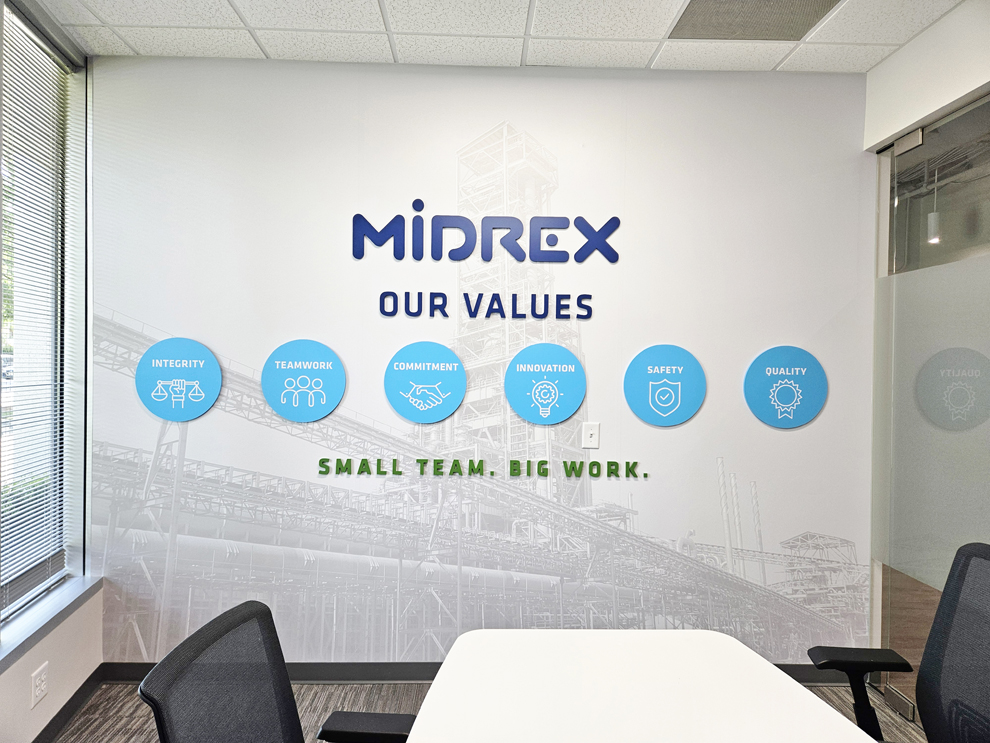
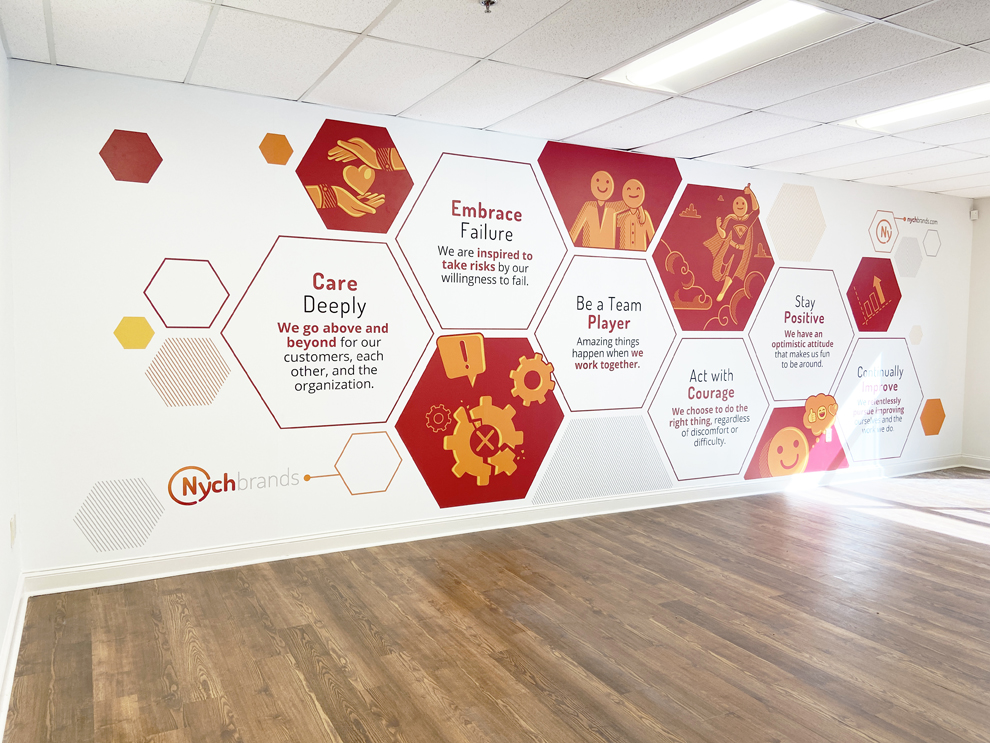
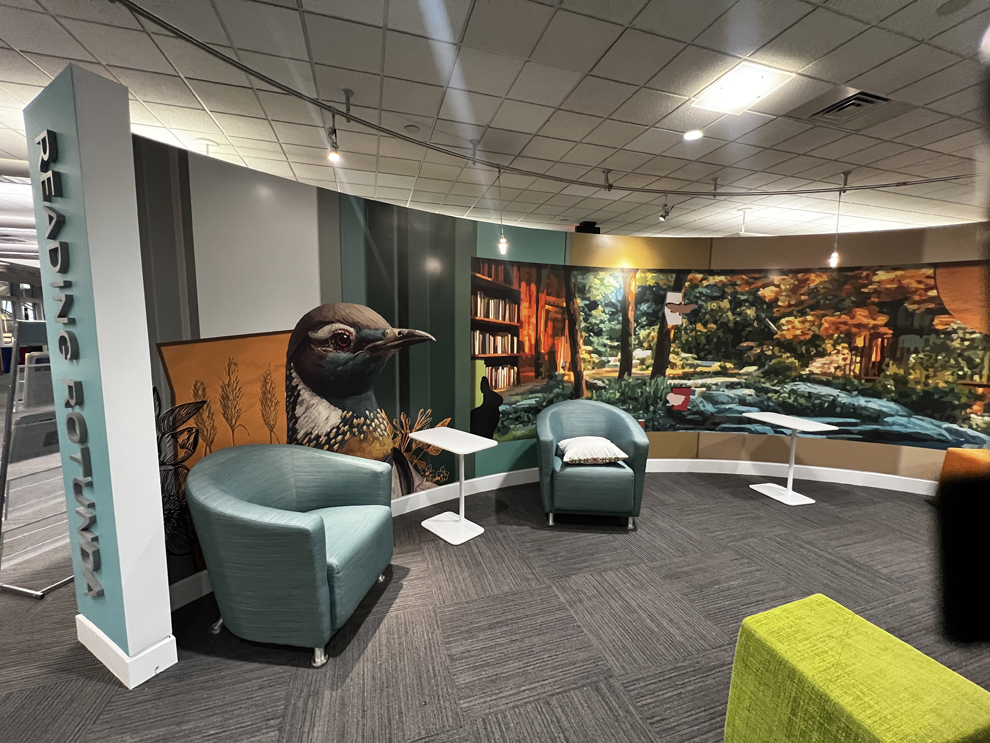
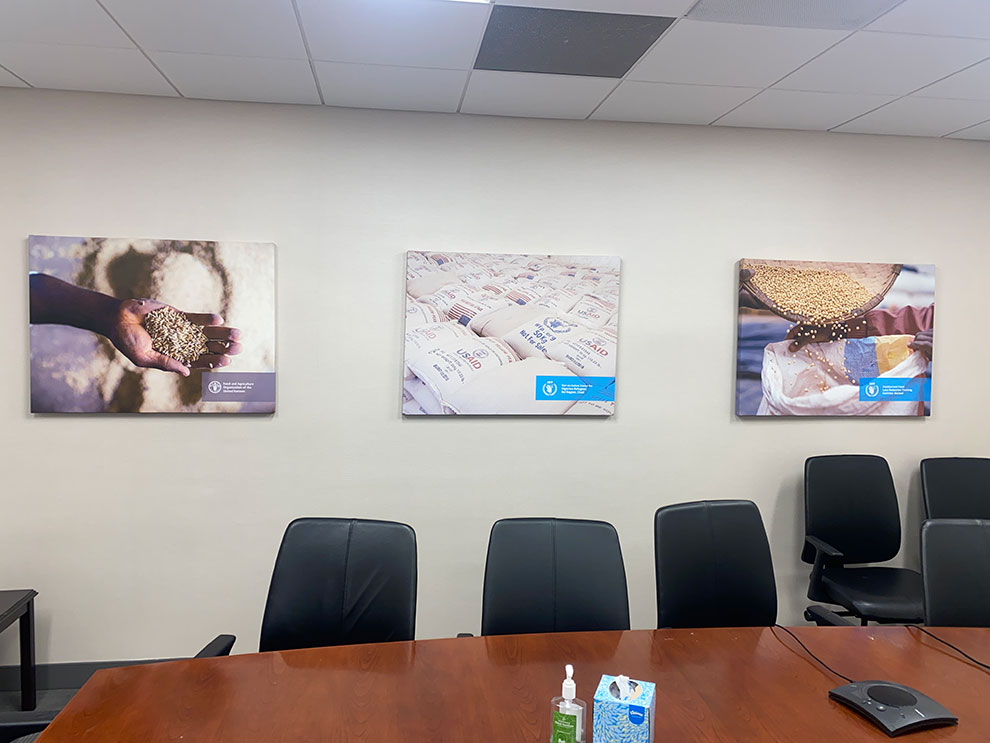
Turn broad interior walls into compelling branded environments featuring organizational history, services, values, milestones, photography, or cultural messages.
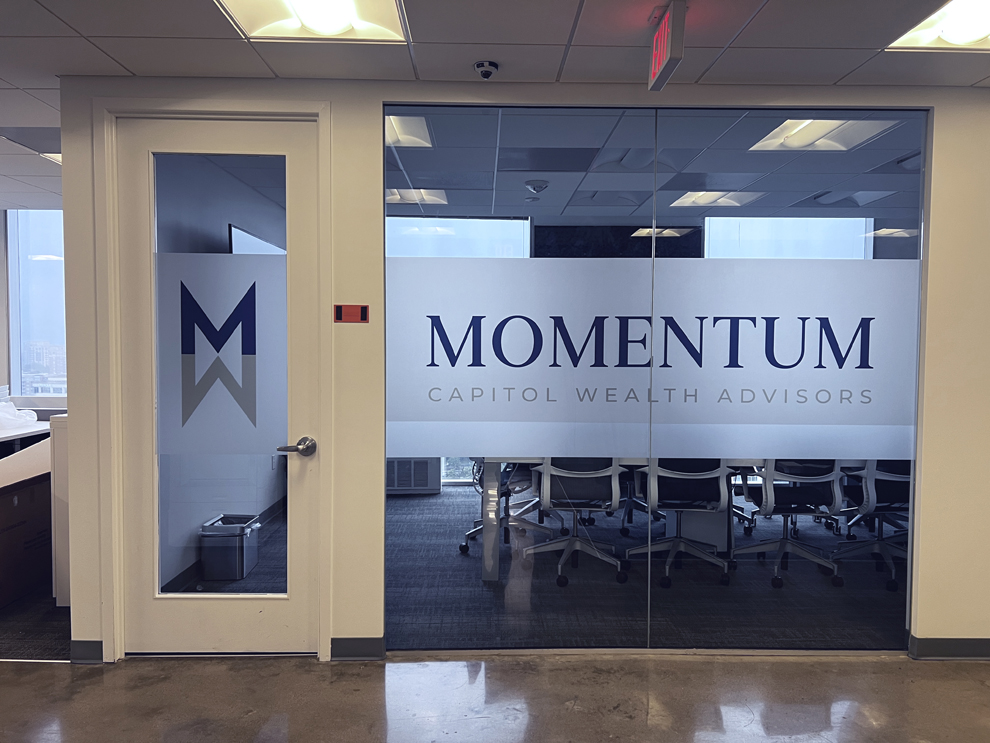
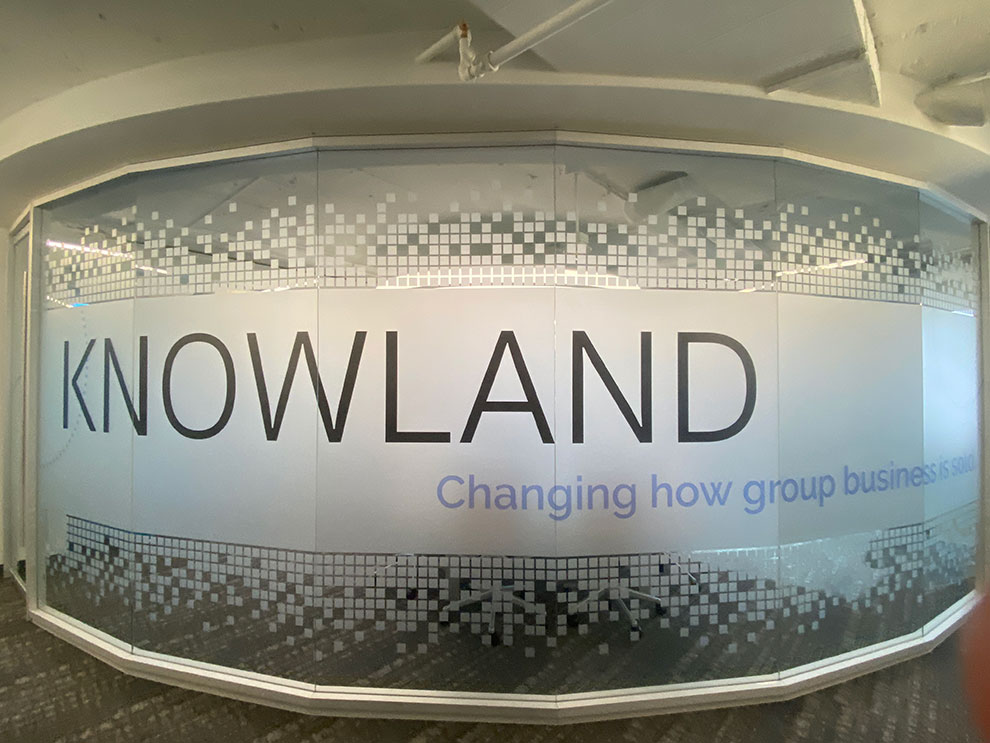
Add privacy, branding, decoration, or directional information to glass while maintaining the desired amount of visibility and natural light.
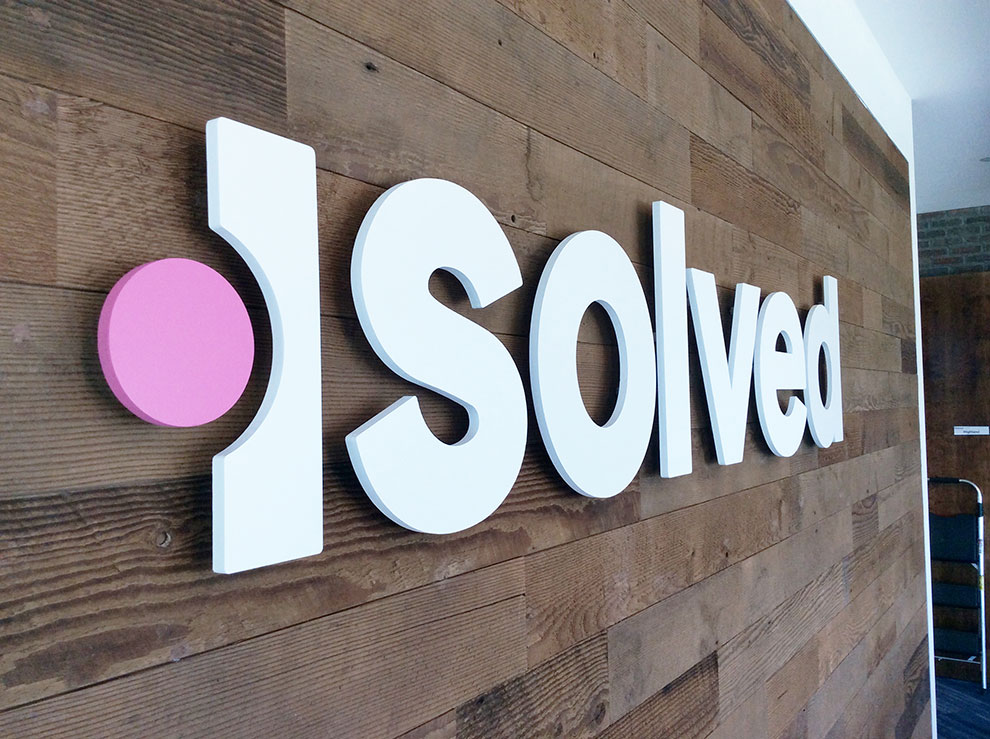
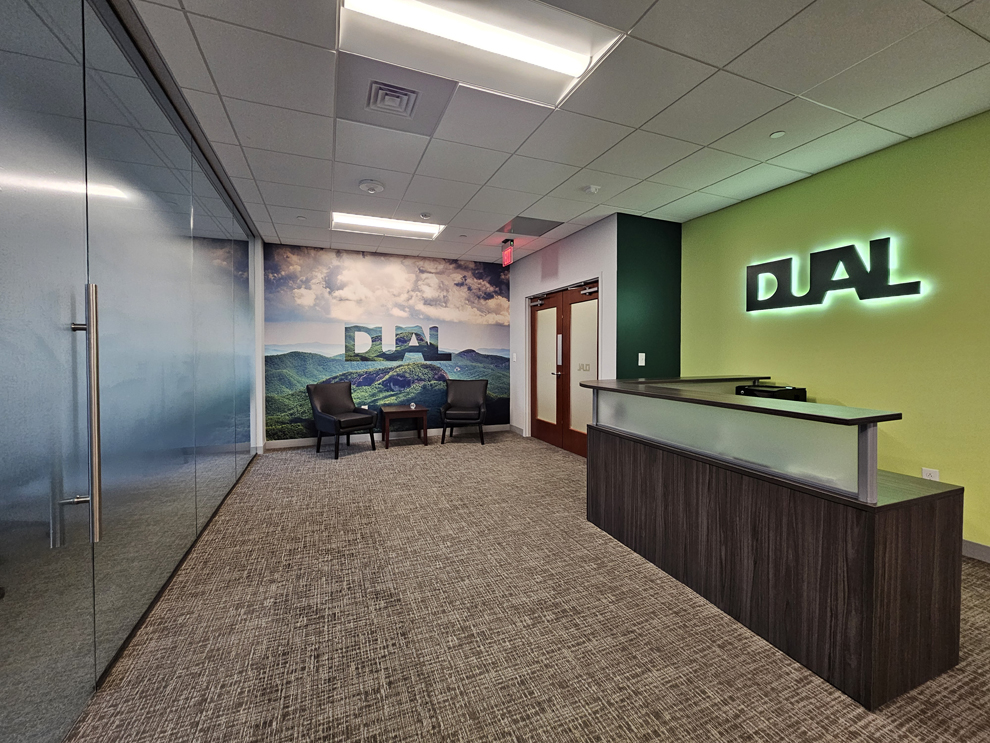
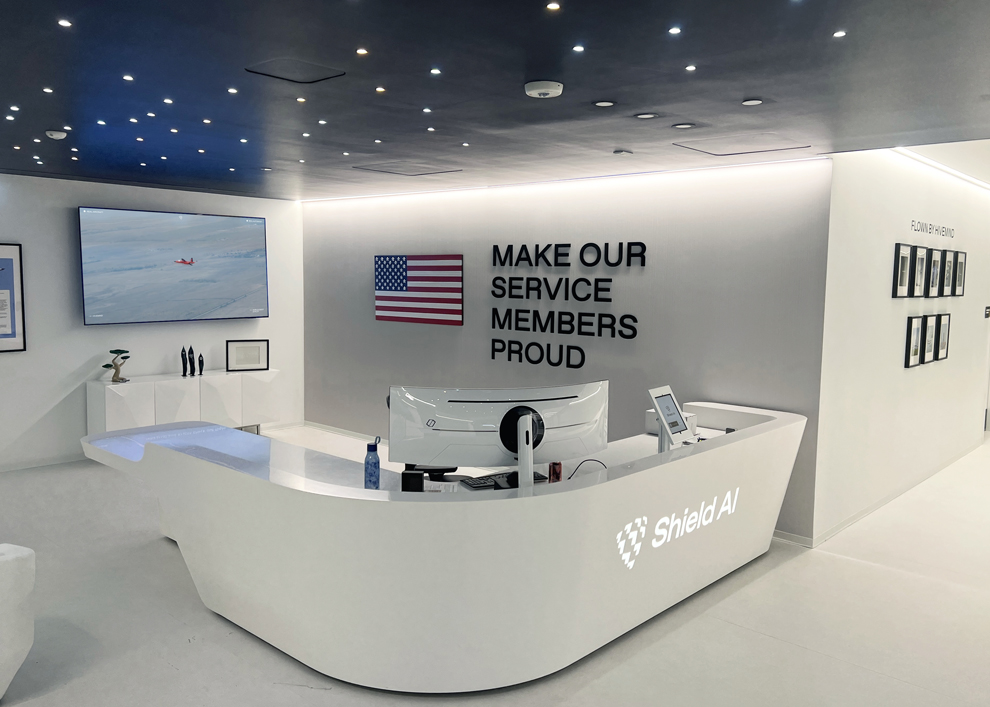
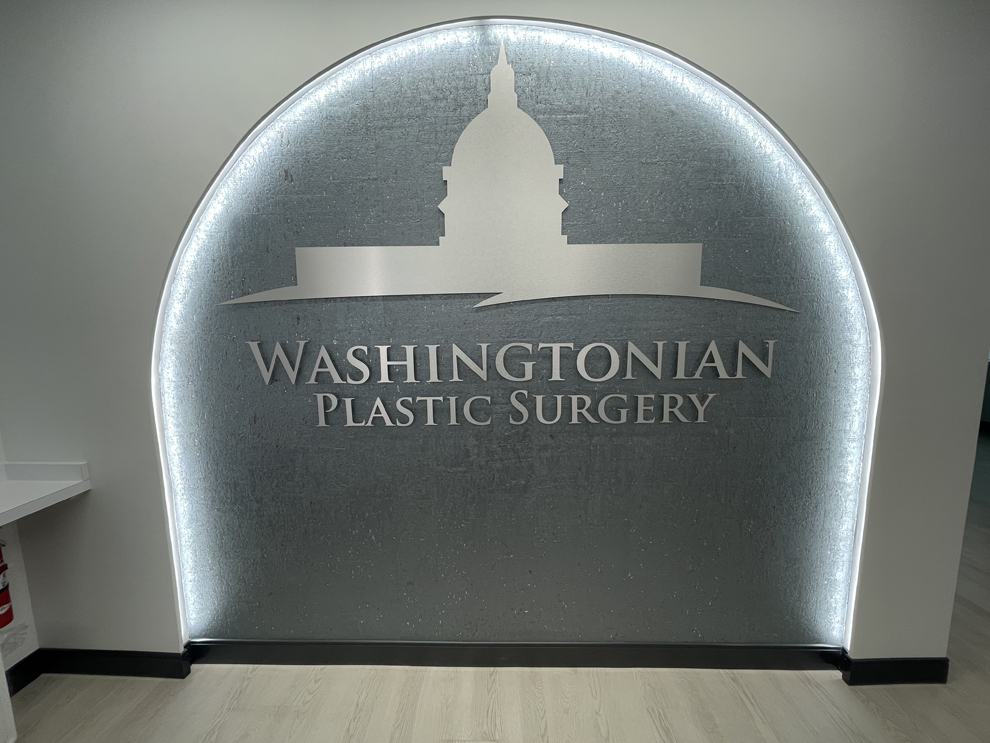
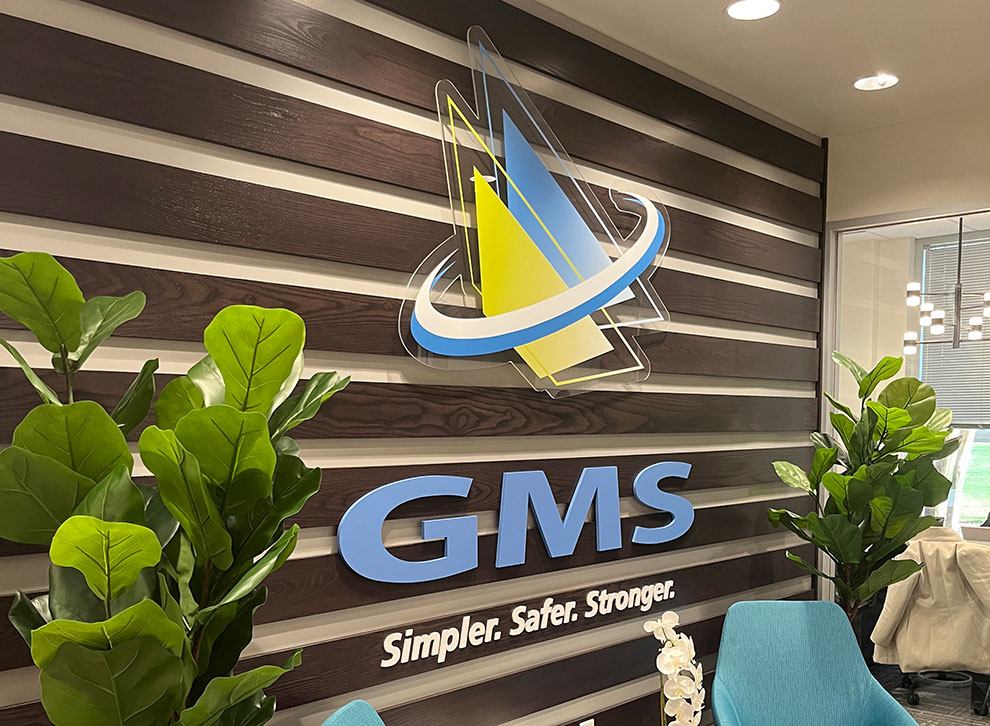
Create a polished first impression with custom dimensional logos, organizational identification, coordinated materials, and placement tailored to the reception area.
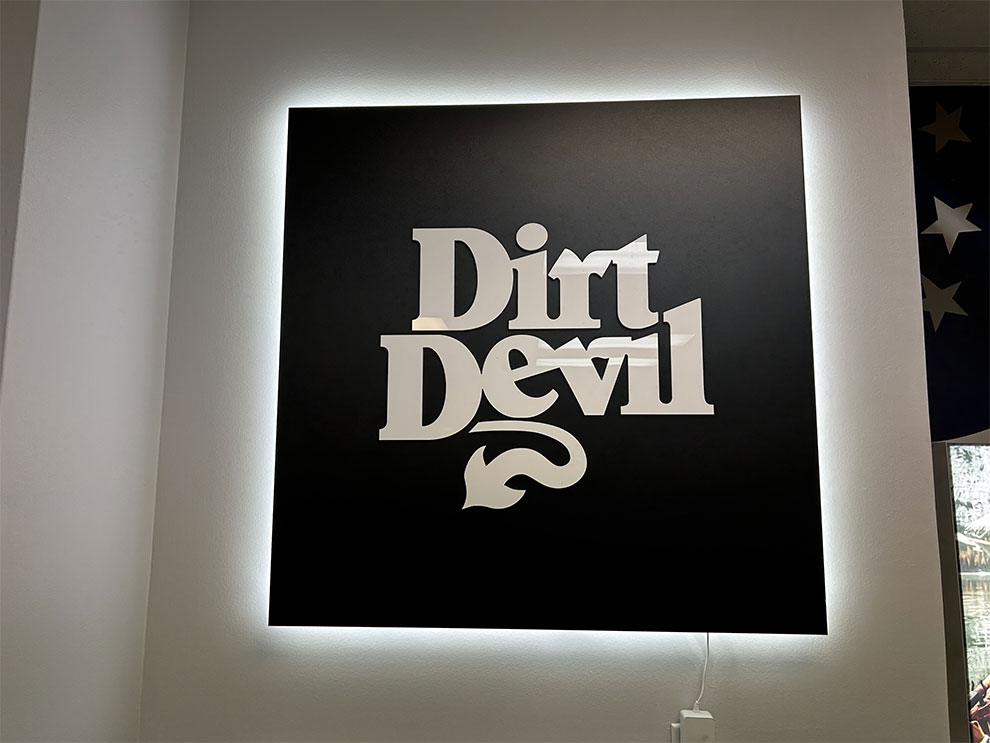
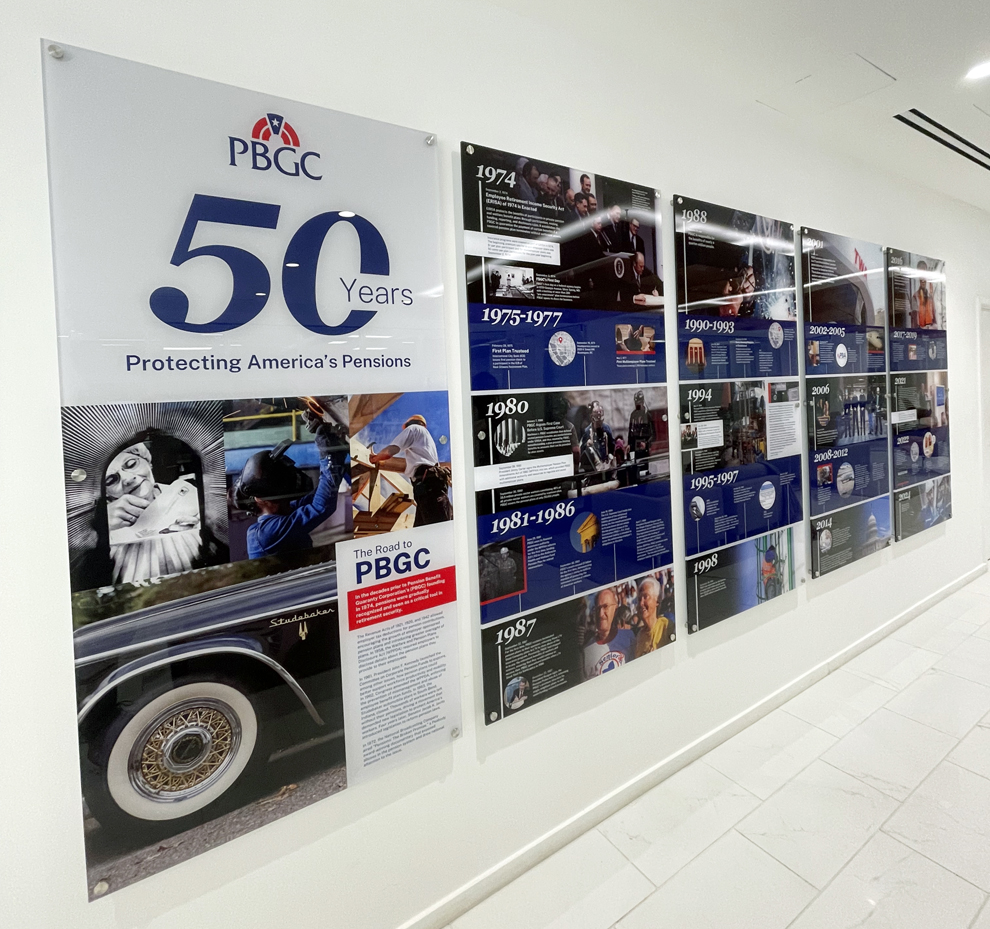
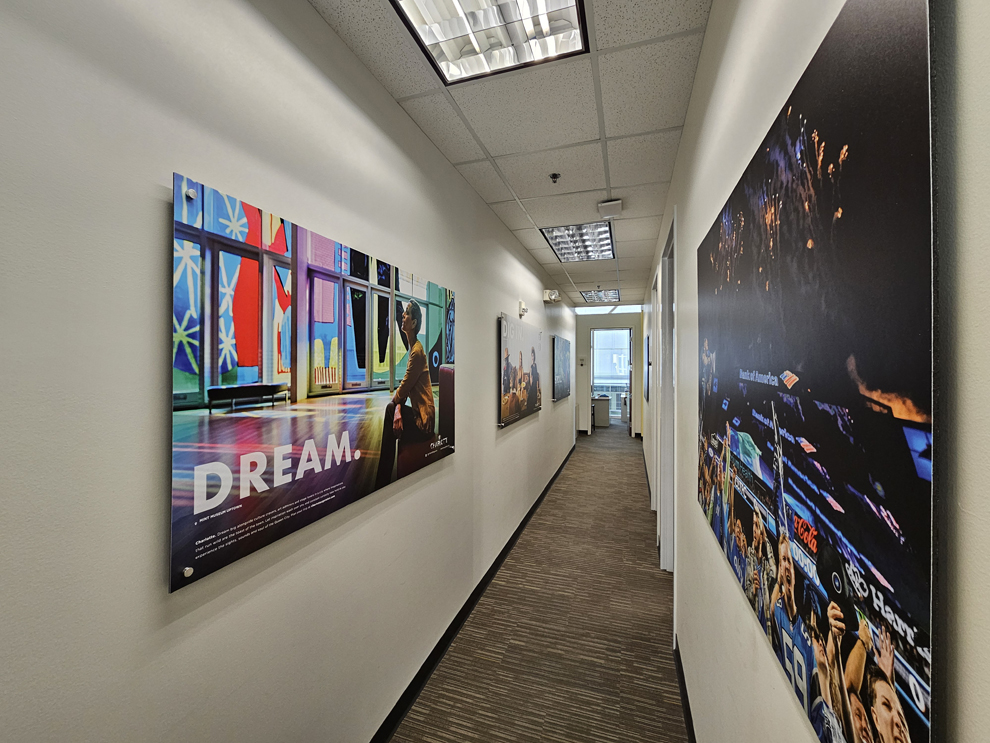
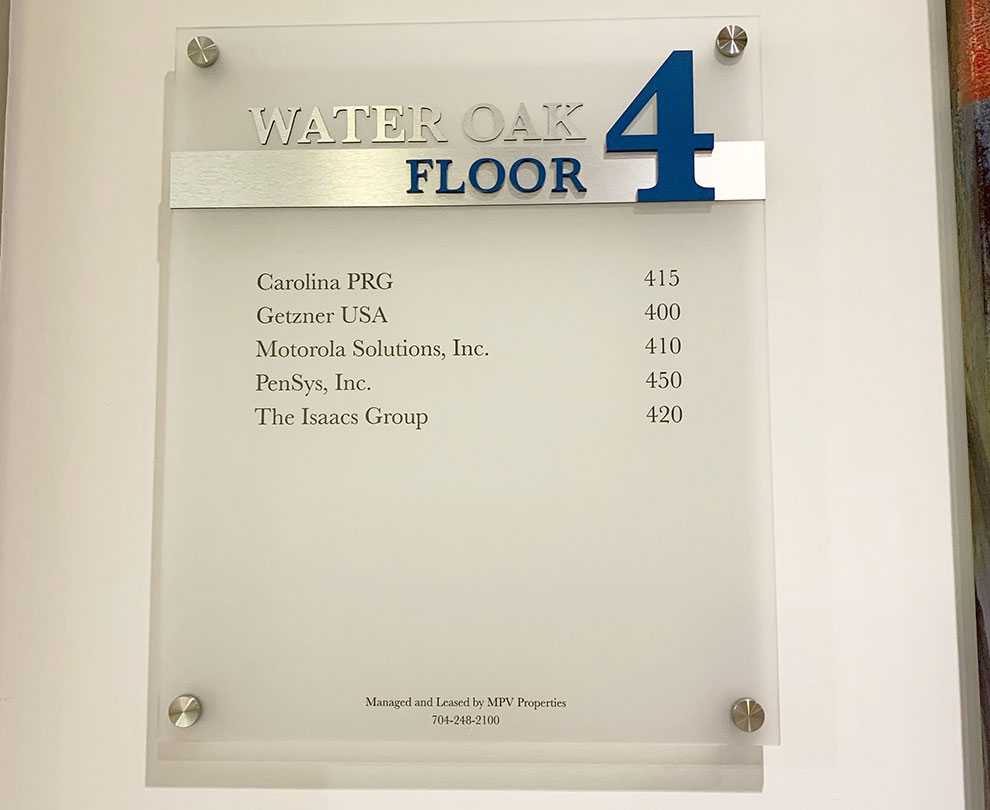
Introduce depth and architectural detail through layered panels and decorative hardware for directories, interpretive displays, office identification, and recognition features.
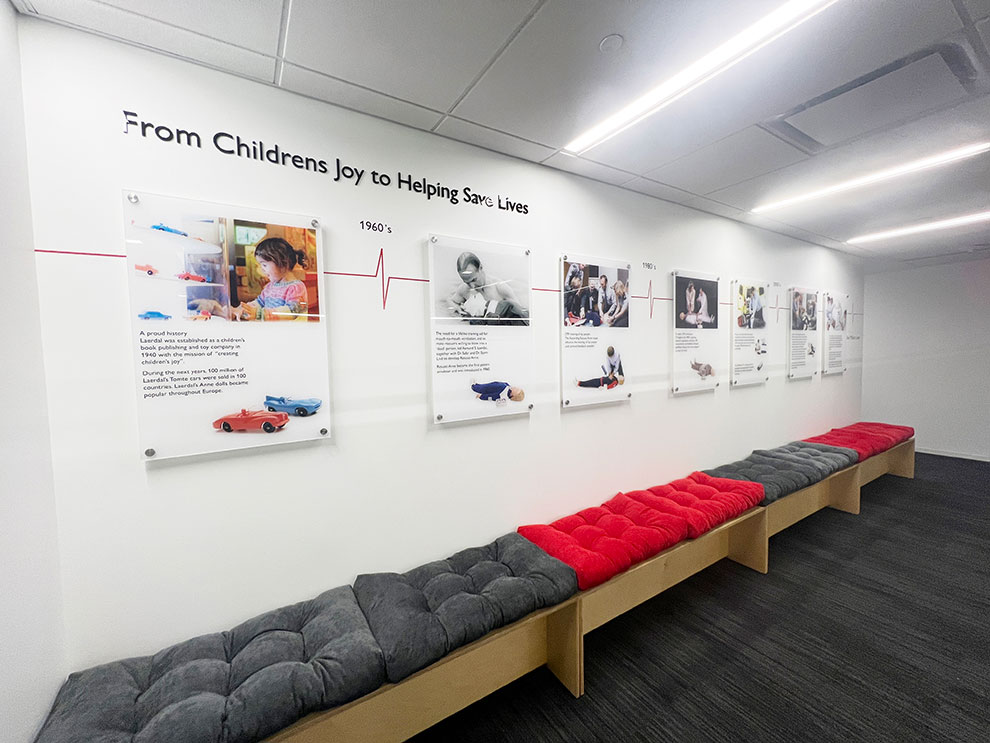
Present stories, accomplishments, photographs, timelines, and educational content through coordinated combinations of printed graphics, panels, dimensional elements, and replaceable sections.
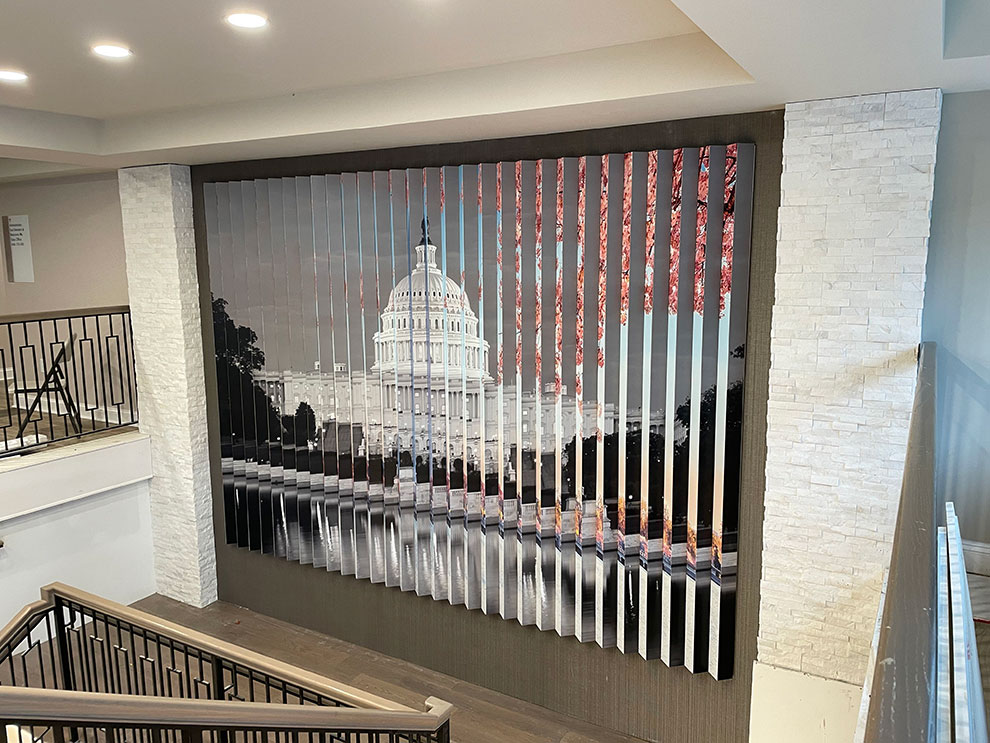
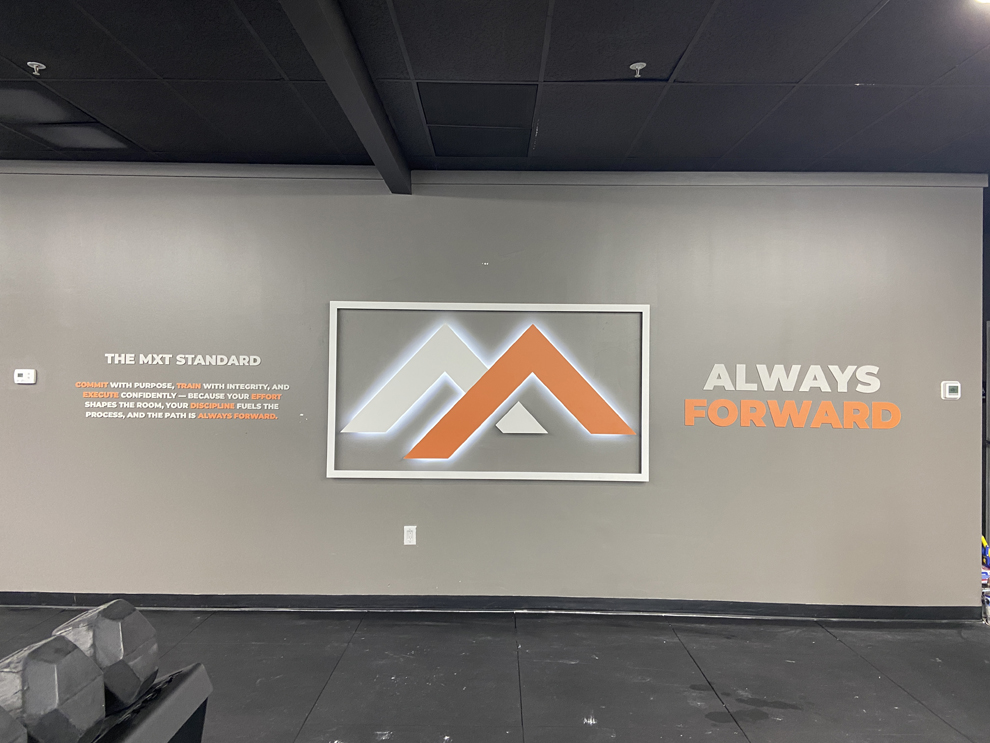
Give names, logos, and important messages a stronger architectural presence by mounting fabricated letters and symbols away from suitable wall surfaces.
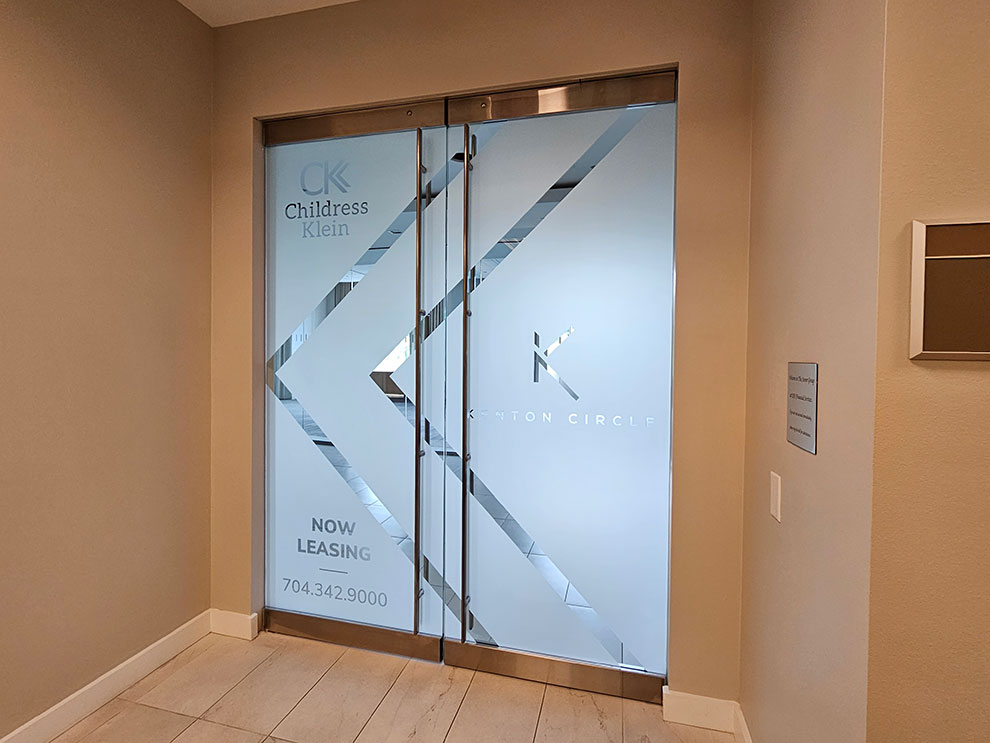
Unify architecture, branding, messaging, circulation, materials, and placement so every visual feature contributes to a cohesive interior experience.
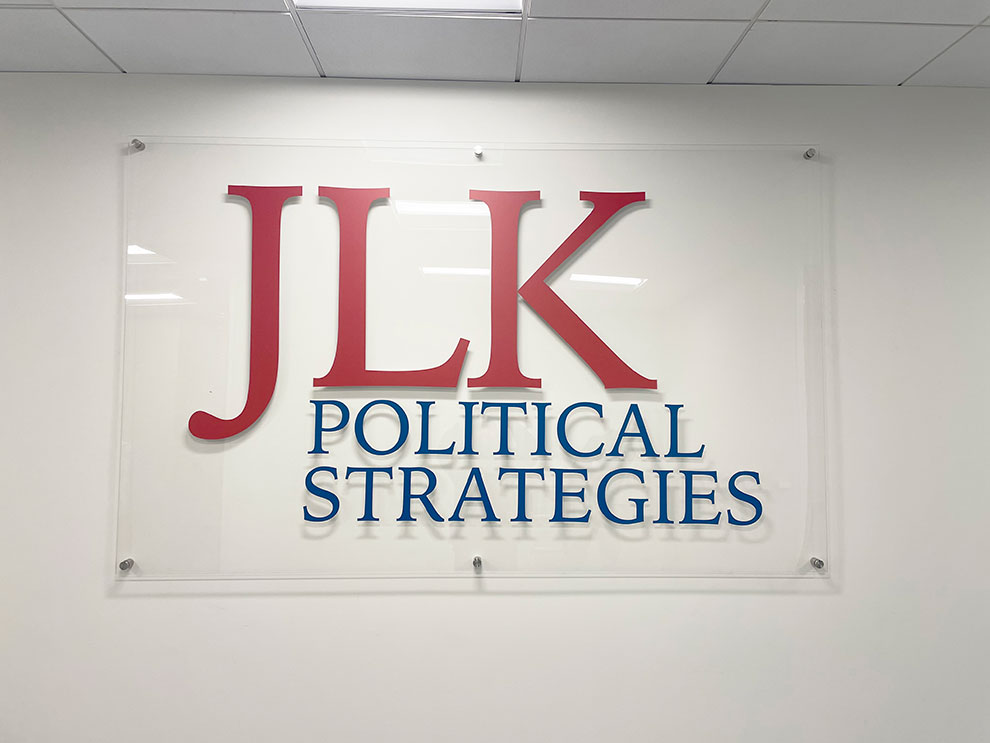
Help visitors reach their destinations through logical message hierarchy, accessible information, strategic placement, and designs that complement the surrounding space.
If your Columbia organization is considering a lobby renovation, branded workplace, donor display, educational installation, wayfinding program, or multi-location interior project, complete the Get Started Now form. Include the project address, objectives, anticipated schedule, photographs, drawings, brand standards, available files, and any important opening or installation dates. A Heritage team member will review the information, determine whether the opportunity aligns with the company’s capabilities, and recommend an appropriate next step.
Heritage supports projects in Columbia, SC, with site surveys, field verification, project coordination, and installation planning for commercial and institutional properties. On-site evaluation allows the team to document building access, occupied areas, surface conditions, stakeholder schedules, and other factors that cannot always be determined from plans or photographs. These findings guide material and design recommendations before production begins.
The Midlands includes offices, universities, schools, healthcare facilities, public institutions, museums, nonprofits, and professional organizations with widely different needs. Heritage does not treat these environments as if they were identical. An active medical facility, corporate headquarters, public gallery, and educational space require different approaches to durability, accessibility, circulation, content, installation timing, and visitor communication.
For larger Columbia projects, Heritage can use regional design, project management, production, fabrication, and installation resources. Its seven-location network provides additional capacity without removing clear responsibility from the assigned project manager. This structure is also beneficial for organizations with multiple properties. Shared brand standards can remain consistent while individual solutions adapt to different wall dimensions, glass conditions, access limitations, and operating schedules.
Environmental graphic design uses visual communication to shape how people understand and experience a physical space. In Columbia workplaces and institutions, it brings together identity, architecture, messaging, materials, scale, visibility, accessibility, and circulation. The process establishes what people should notice, what information they need, and what actions they should take as they move through the facility. It also prevents signs and graphics from appearing as disconnected additions that clutter the interior.
Design development can begin with brand guidelines, architectural plans, floor plans, existing measurements, site photographs, written content, or preliminary ideas. Heritage can create layouts, establish content priorities, develop privacy patterns, plan dimensional installations, organize wayfinding messages, and coordinate features across walls, windows, entrances, and transition areas. Each recommendation reflects the client’s communication goals as well as the limitations of the intended installation surface.
This process allows stakeholders to make informed decisions before fabrication. Teams can review size, placement, color, materials, and content relationships while revisions are still practical. Once approved, the design documents support estimating, production planning, fabrication, and installer preparation. For organizations throughout Columbia and the Midlands, this clarity helps align decision-makers and creates a more predictable path to production.
Professional installation is part of the overall planning process, not an unrelated service added at the end. Surface preparation, measurements, alignment, mounting methods, equipment requirements, and installation order all influence the appearance and performance of the finished work. Heritage considers these factors early so the proposed solution is designed and produced for the conditions installers will encounter.
A Heritage-managed installation starts with a site survey. Depending on the project, the team may document dimensions, wall and glass surfaces, lighting, obstructions, pedestrian traffic, security procedures, loading areas, elevators, building regulations, and occupied spaces. The survey also identifies scheduling limitations and site-readiness concerns. This information allows production decisions to reflect verified conditions instead of relying on assumptions.
Full-time Heritage installers remain connected with project managers, designers, production personnel, and fabricators throughout the assignment. They receive approved drawings, mounting details, material specifications, field notes, and sequencing instructions. Heritage does not provide installation-only services for products supplied by customers or unrelated vendors. Installation is reserved for signs, graphics, and displays produced, procured, fabricated, or managed as part of a Heritage project
A productive project discussion begins with the organization’s goals, audience, location, desired completion date, and expected investment. Plans, photographs, brand guidelines, drawings, content files, and installation addresses provide useful context. Heritage reviews this material alongside site conditions, stakeholder responsibilities, occupancy requirements, and opening dates. If important details are missing, the project manager identifies what must be confirmed before responsible design, estimating, or production can move forward.
Complete Heritage engagements for clients in Columbia and the Midlands begin at $4,000. Many projects involving production and professional installation range from $10,000 to more than $200,000. These figures represent the total managed assignment rather than the cost of one sign, graphic, panel, or dimensional letter. Final pricing is influenced by scope, quantity, design development, materials, fabrication methods, project phases, field conditions, and installation logistics.
Heritage primarily serves commercial offices, educational environments, healthcare interiors, museums, government buildings, institutional facilities, and other public-facing spaces. Certain non-illuminated exterior elements may be included when they support a larger interior project, such as dimensional exterior lettering or window and wall graphics. Standalone monument signs, pylons, channel letters, fleet graphics, exterior sign programs, and repairs to failed electrical or LED sign systems are outside the company’s service scope.
Every engagement is assigned a dedicated project manager who serves as the client’s primary contact. This person coordinates discovery, site information, estimating, design development, material decisions, approvals, production, scheduling, and installation planning.
The project manager also connects client stakeholders with Heritage designers, fabricators, production specialists, and installers. Keeping these disciplines connected helps preserve design intent while ensuring production and field requirements are addressed throughout the project.
Heritage works with organizations responsible for commercial offices, healthcare facilities, educational environments, government buildings, museums, nonprofits, associations, and other substantial institutional interiors. The best fit is typically a client seeking coordinated visual communication, custom production, and managed installation instead of a single commodity sign.
Projects may be led by marketing professionals, facility managers, administrators, architects, designers, contractors, or a group of stakeholders. Heritage structures the engagement around the audience, property, brand standards, schedule, and expected level of investment.
Helpful starting materials include the Columbia-area project address, organizational goals, audience, desired completion date, site photographs, drawings, floor plans, logos, brand standards, written content, and known access limitations. Final details are not required for the initial inquiry, but the available information should explain the project’s purpose and approximate scope.
Heritage uses these materials to evaluate service alignment and identify missing information. Additional stakeholder decisions, field measurements, a site survey, or content development may be necessary before pricing and production planning can be completed.
Yes. Heritage coordinates multi-location programs through shared design standards, centralized project management, controlled production, location-specific surveys, scheduling, and professional installation. The overall visual identity can remain consistent while adapting to differences in architecture, wall dimensions, glass configurations, sightlines, building regulations, and operating hours.
A dedicated project manager organizes information and approvals across all participating locations. Heritage’s seven-location regional network provides the capacity to complete phased projects while maintaining documented standards and a clear communication process.
Yes. Projects that include Heritage-managed installation begin with site evaluation and field verification. The survey can document measurements, mounting surfaces, lighting, obstructions, access routes, pedestrian traffic, loading conditions, elevators, security procedures, and building requirements that may affect fabrication or installation.
The team also evaluates the intended audience, desired results, operational concerns, and project schedule. This allows design and production decisions to reflect conditions at the actual Columbia site rather than relying exclusively on photographs or unconfirmed measurements.
A complete engagement starts at $4,000. Many projects that include custom production and installation range from $10,000 to more than $200,000. Cost depends on the size of the assignment, quantities, materials, design requirements, fabrication complexity, number of locations, site conditions, and installation needs.
These amounts apply to the project as a whole, not to an individual letter, panel, graphic, or sign. Heritage discusses investment expectations early so recommendations can be matched with the organization’s priorities and the practical requirements of the work.
Environmental graphic design is the strategic use of visual communication within a built environment. It combines branding, architecture, content, color, materials, scale, visibility, circulation, and placement to help people connect with and navigate a space.
Services may include concept development, content hierarchy, wall and window graphics, privacy film, dimensional features, interpretive displays, recognition installations, and wayfinding systems. Heritage also evaluates fabrication and installation requirements so approved concepts can be produced accurately and installed responsibly.
Full-time Heritage team members install the components the company produces, procures, fabricates, or manages as part of a complete project. Installers coordinate directly with the project manager and receive approved drawings, site notes, material specifications, mounting details, and sequencing plans.
Heritage does not install customer-supplied signs or graphics as a standalone service. Keeping design, production, and installation connected provides clearer responsibility for measurements, material compatibility, preparation, fit, and final field performance.
Completion times can range from days to several weeks or months. The schedule depends on project size, design readiness, stakeholder approvals, material availability, fabrication requirements, site preparation, and installation conditions. A focused lobby feature with approved artwork may progress more quickly than a multi-floor branding or wayfinding program involving construction dependencies and several review groups.
Heritage develops a realistic timeline after reviewing the project information. Content delivery, approvals, building access, wall preparation, and available installation windows can all affect completion. The project manager identifies important decision dates and technical dependencies so stakeholders know what is required to support the requested deadline.
Heritage combines attentive project service with coordinated design development, project management, in-house production, custom fabrication, and professional installation. Founded in 1977, the award-winning, veteran-owned, family-led company has concentrated primarily on commercial interior signs, environmental graphics, and workplace branding since 2009.
Clients receive a dedicated project manager, access to a seven-location regional network, and installation performed by full-time Heritage personnel. The company also communicates its minimum project investment and service limitations at the beginning of the process, helping Columbia organizations evaluate fit before committing significant time or resources.
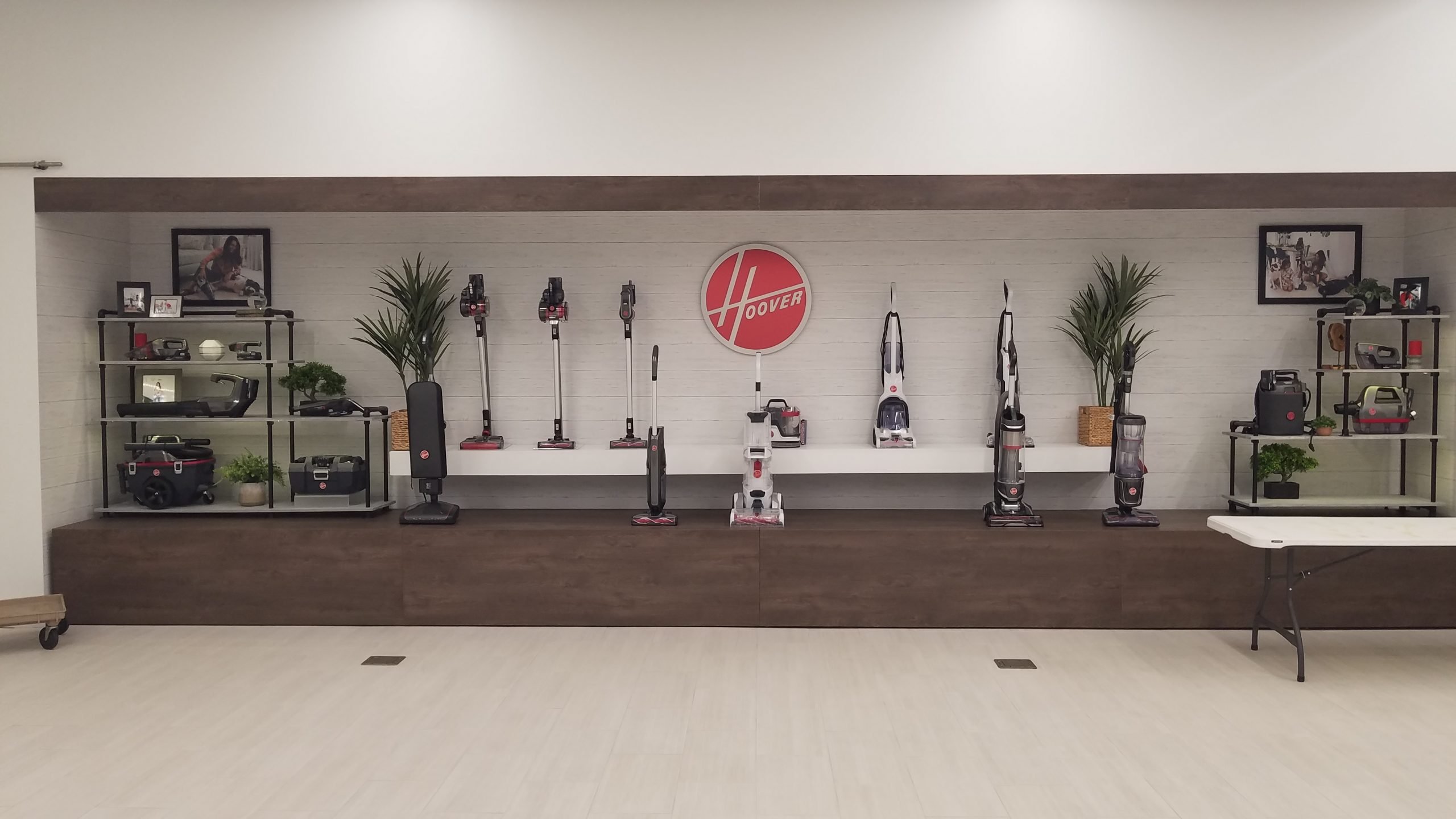
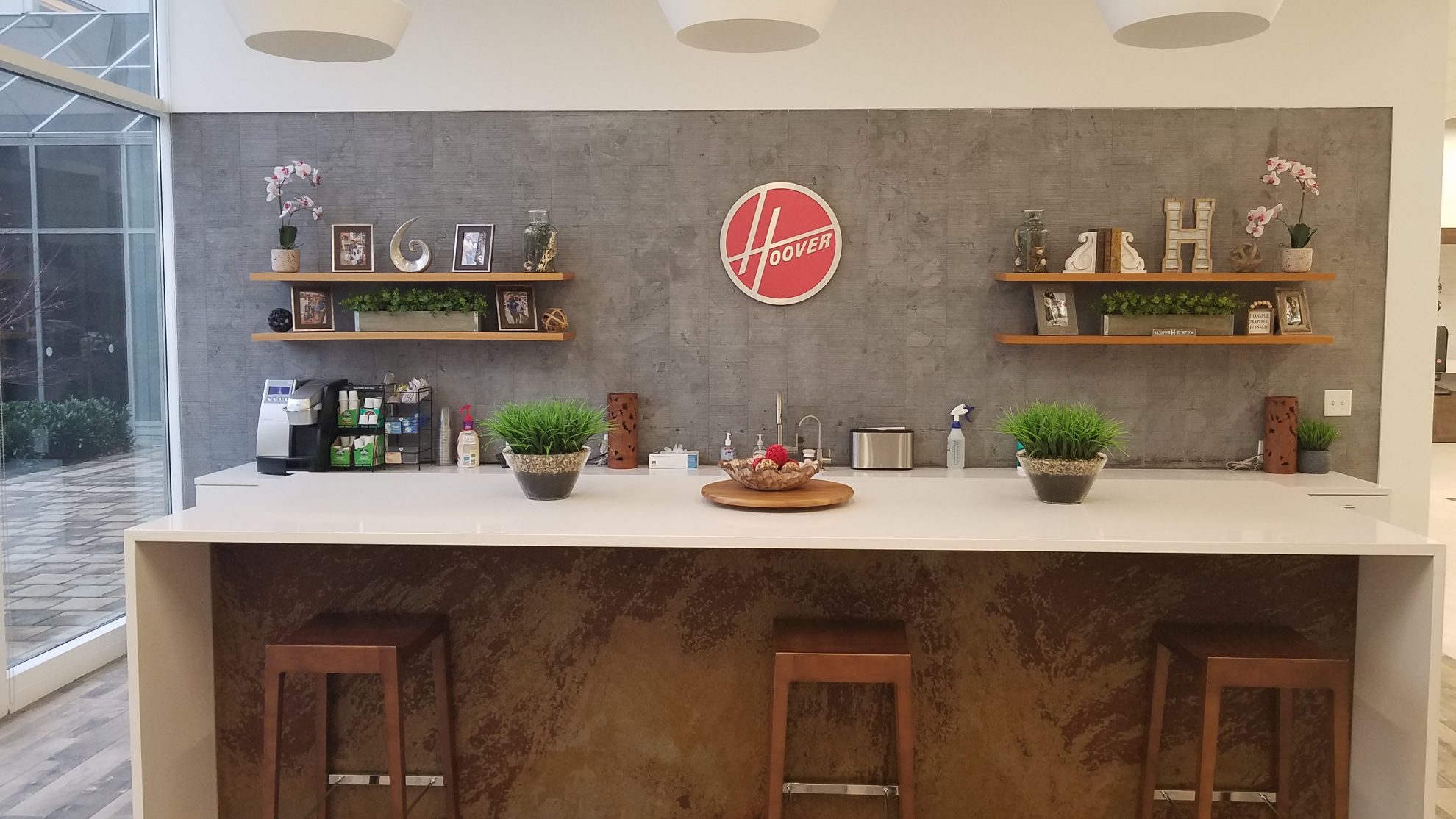
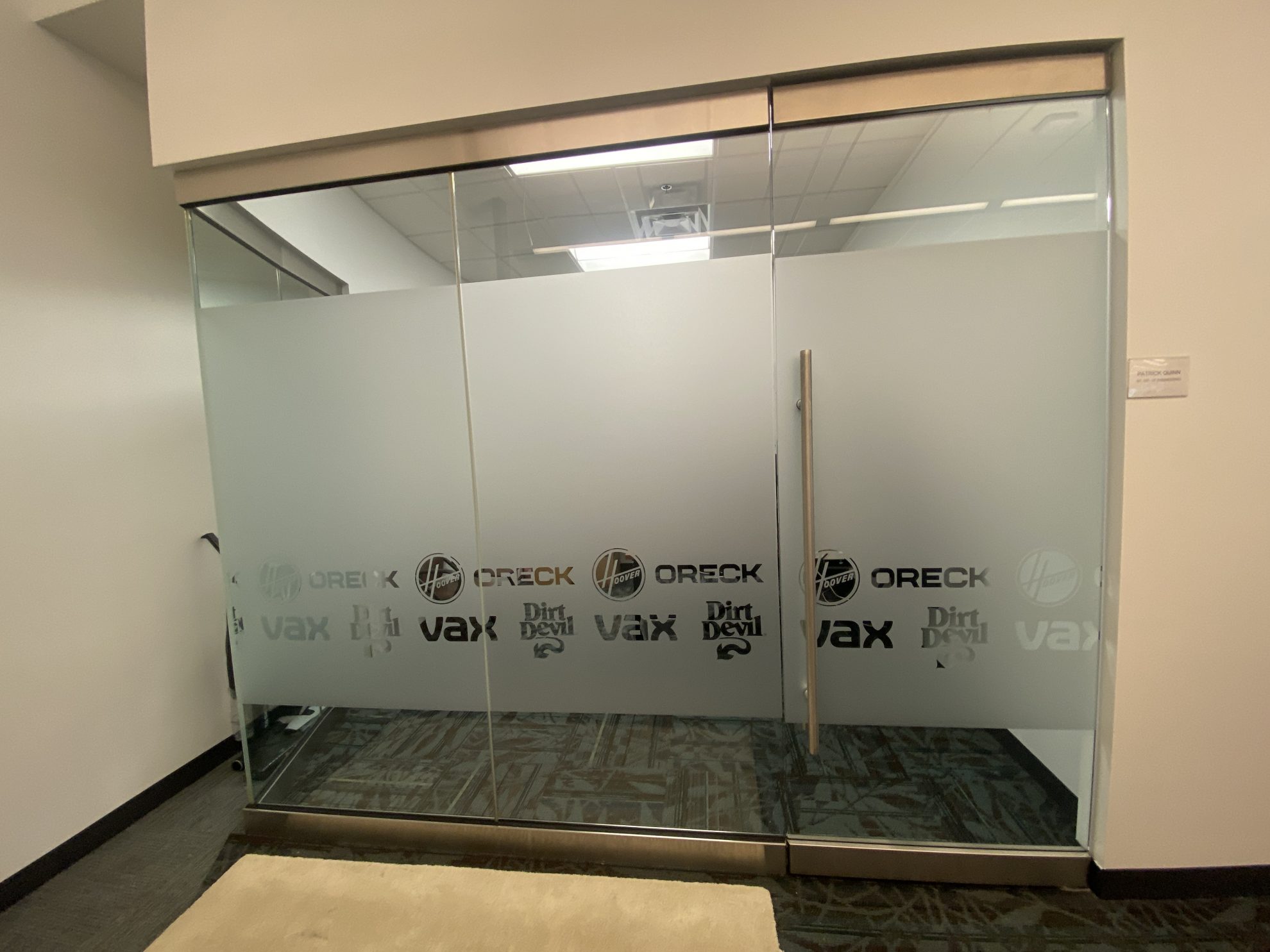
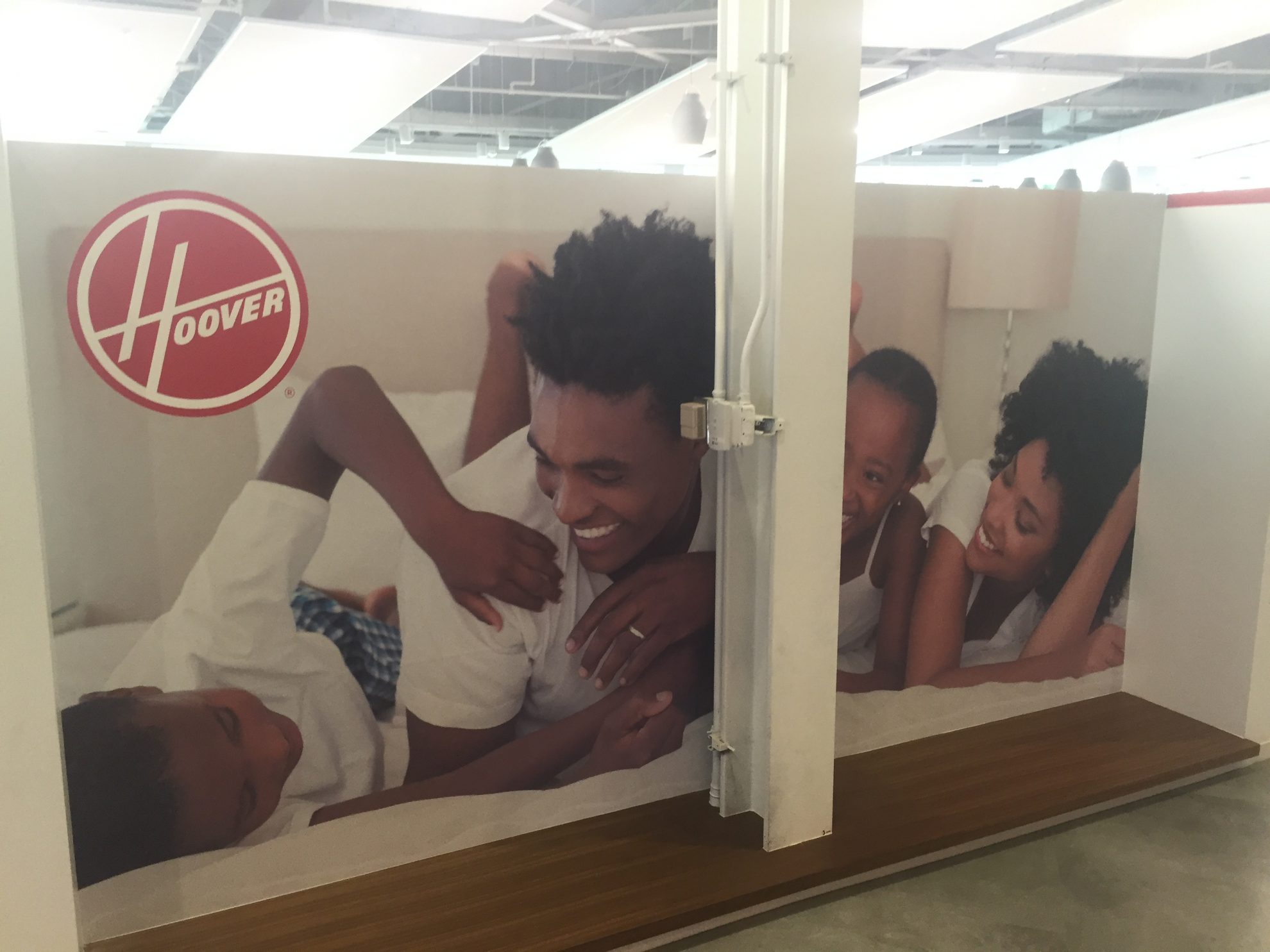
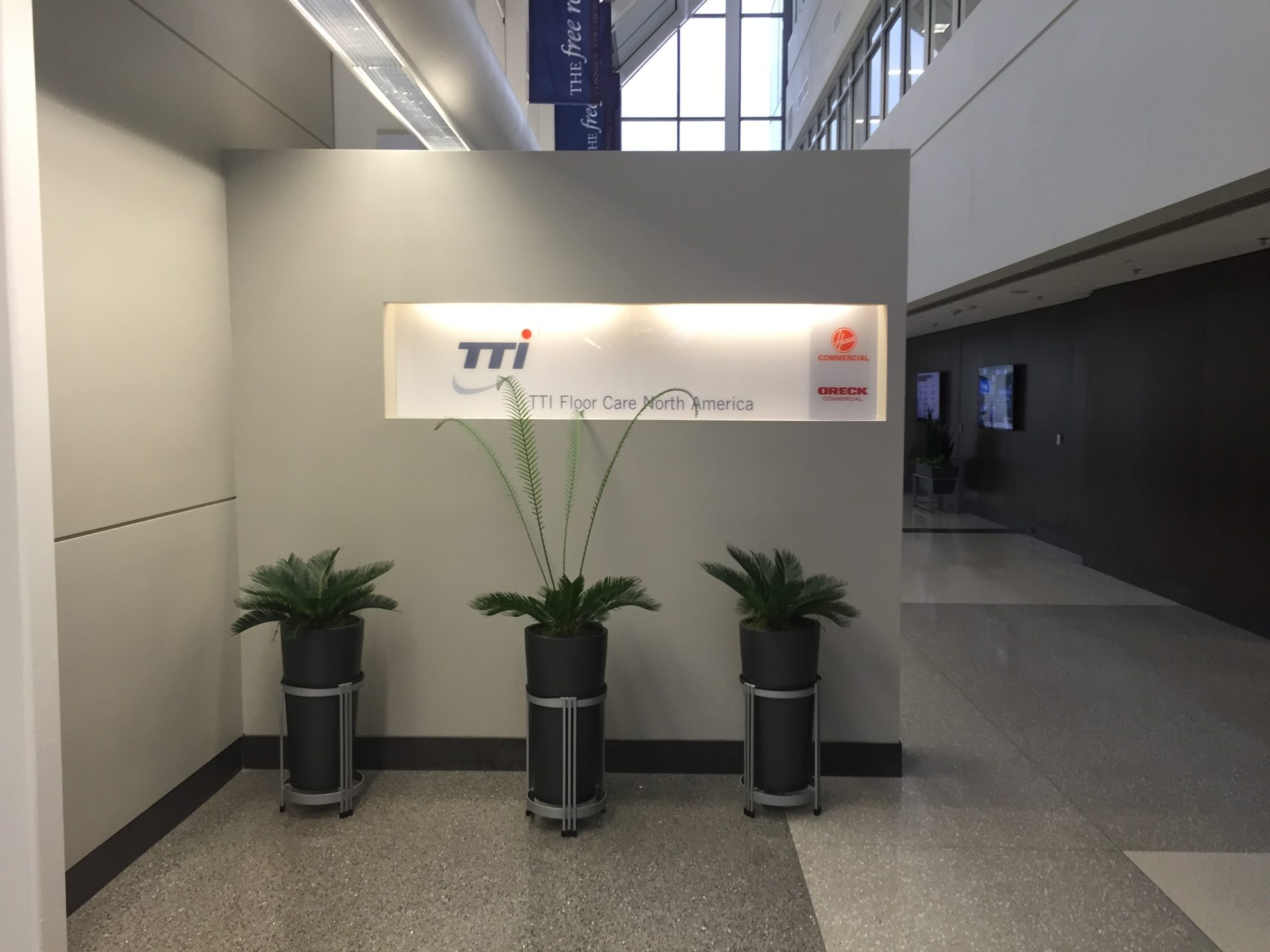
Heritage Signs & Displays collaborated with TTI Floor Care North America to enhance their corporate office. The project included custom frosted vinyl graphics, acrylic signs, dimensional lettering, and LED backlit signs, showcasing the brands Dirt Devil, Hoover, and Oreck. The signage improved office branding, privacy, and aesthetics. Heritage collaborated closely with TTI, ensuring efficient execution and high-quality results, creating an immersive and professional environment that reflects TTI's brand values.
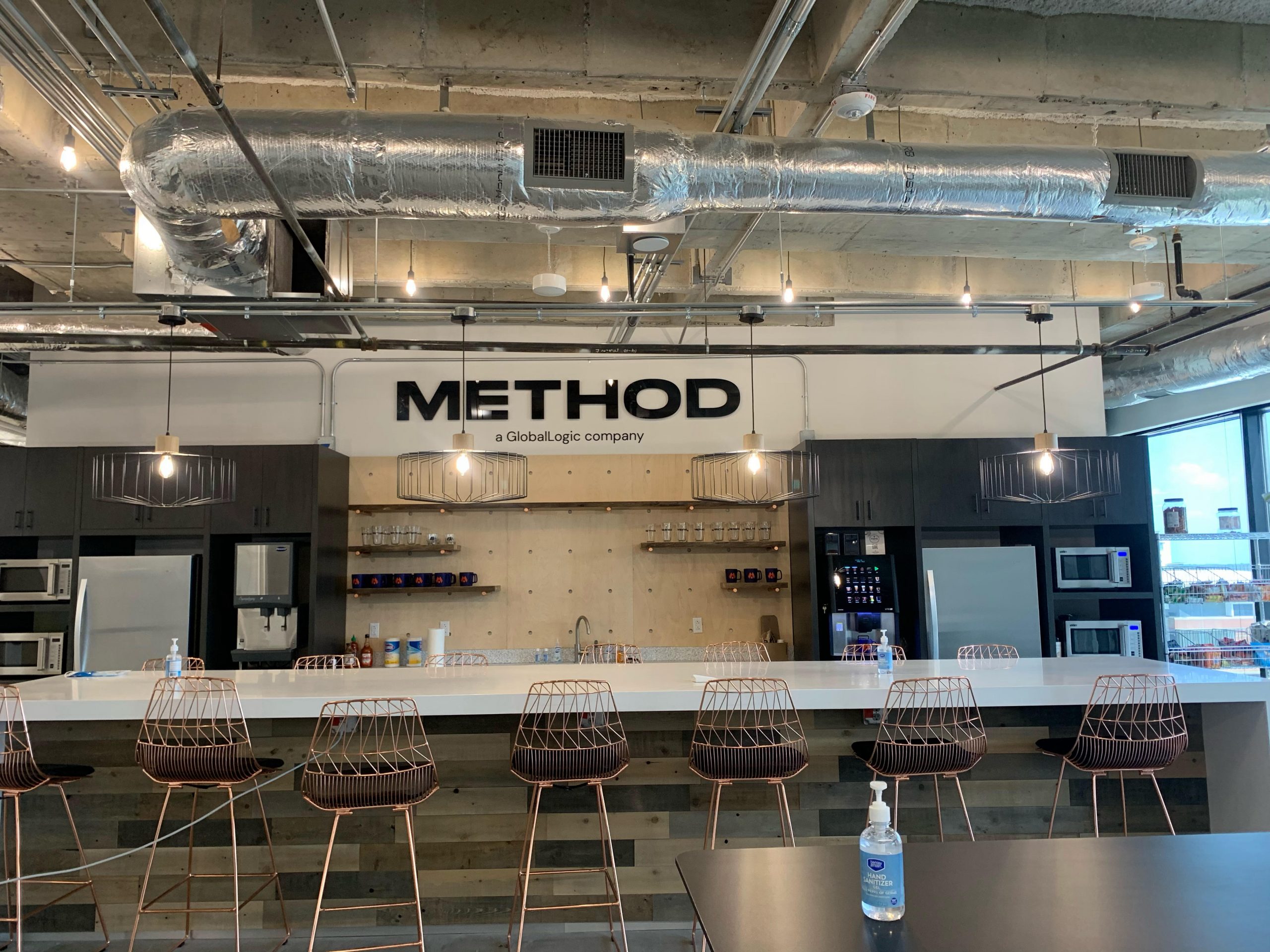
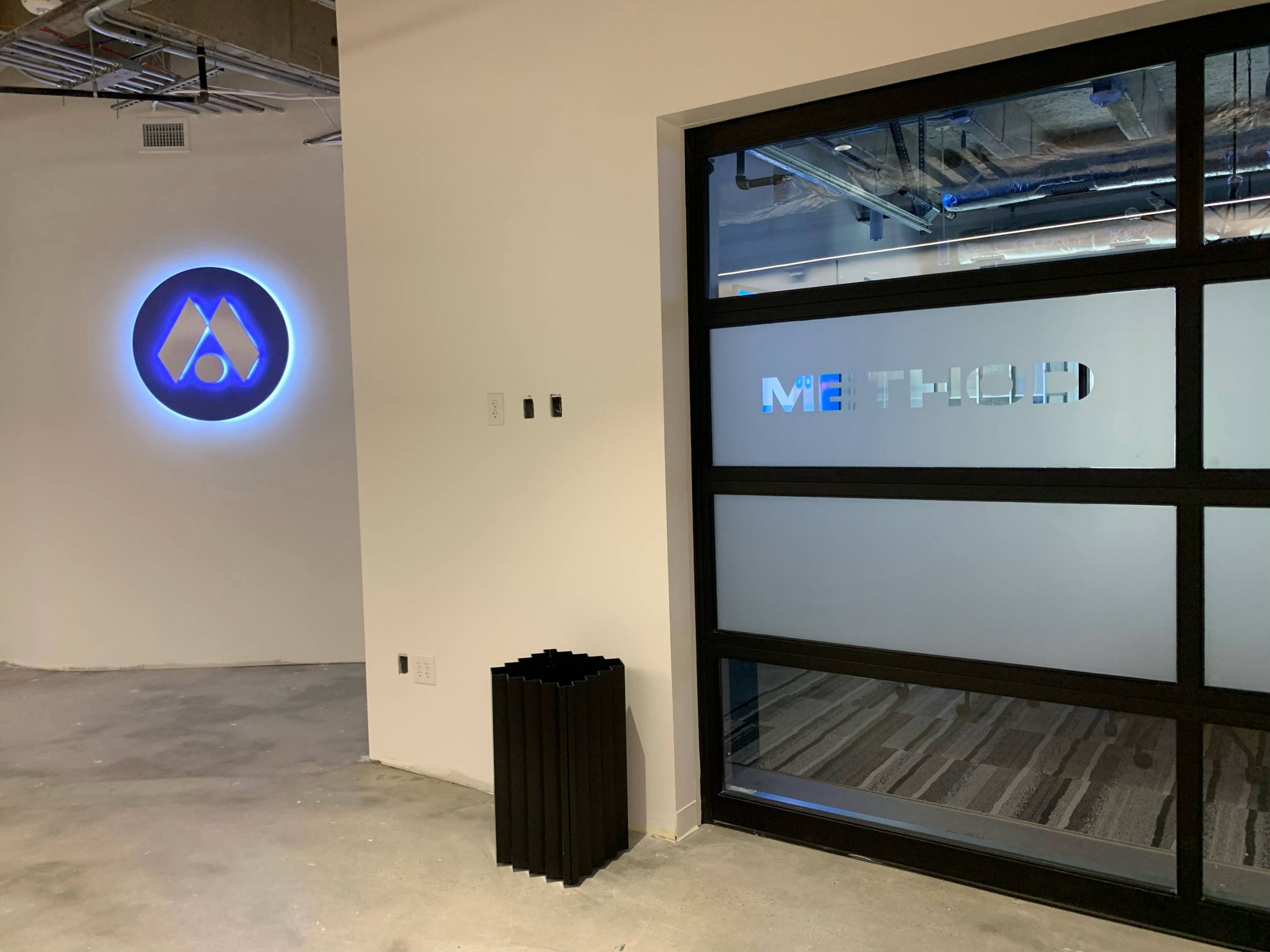
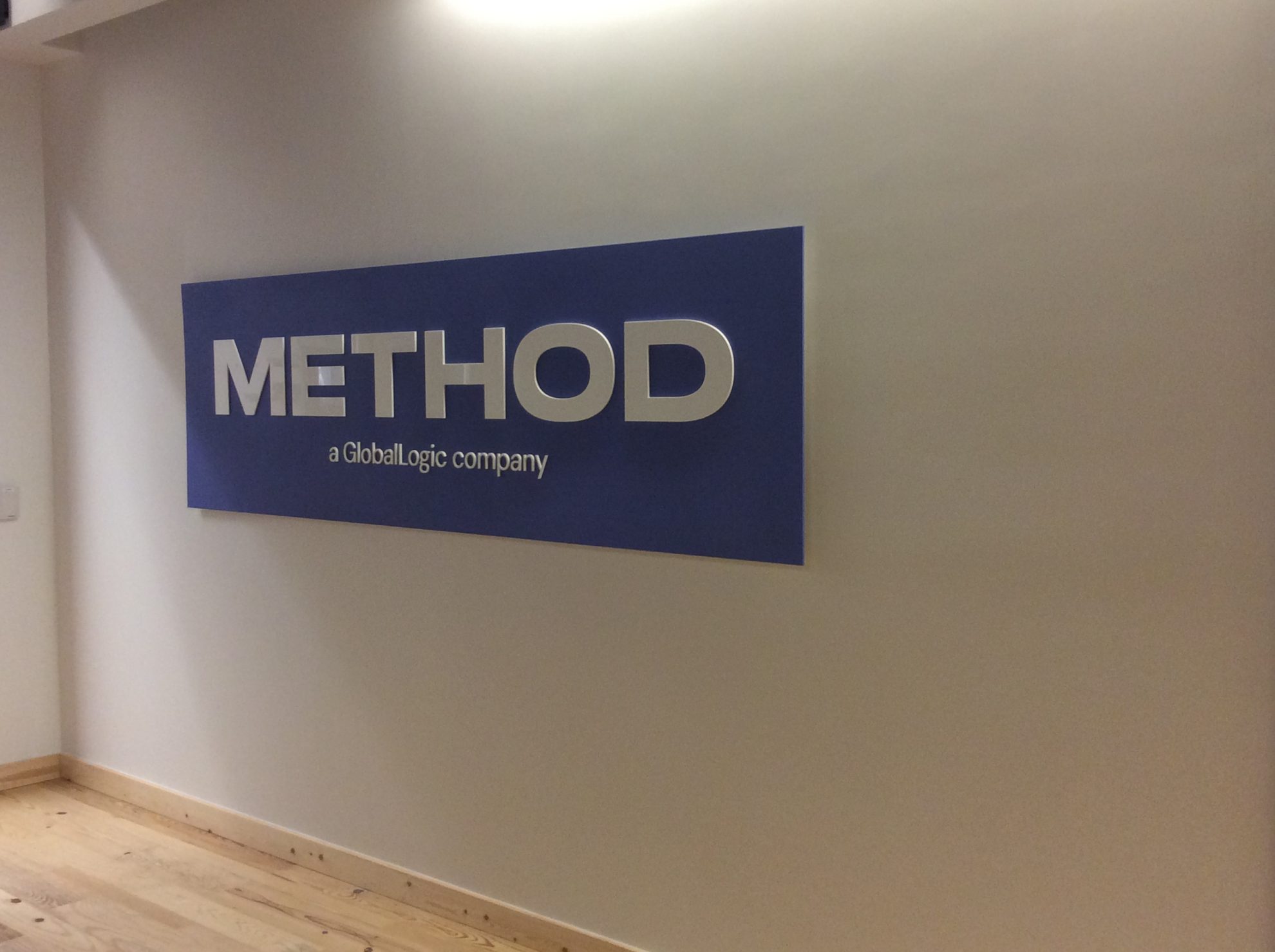
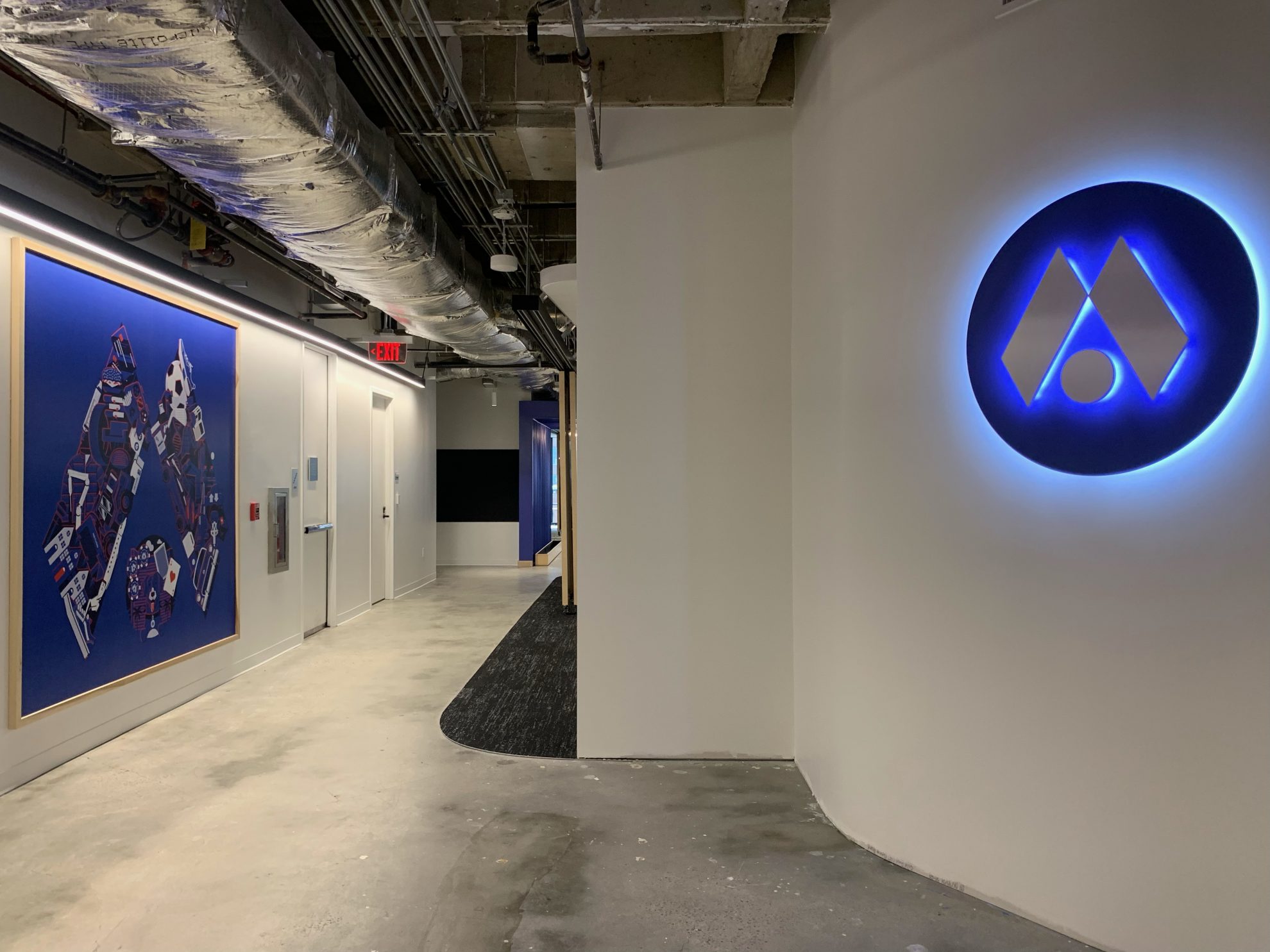
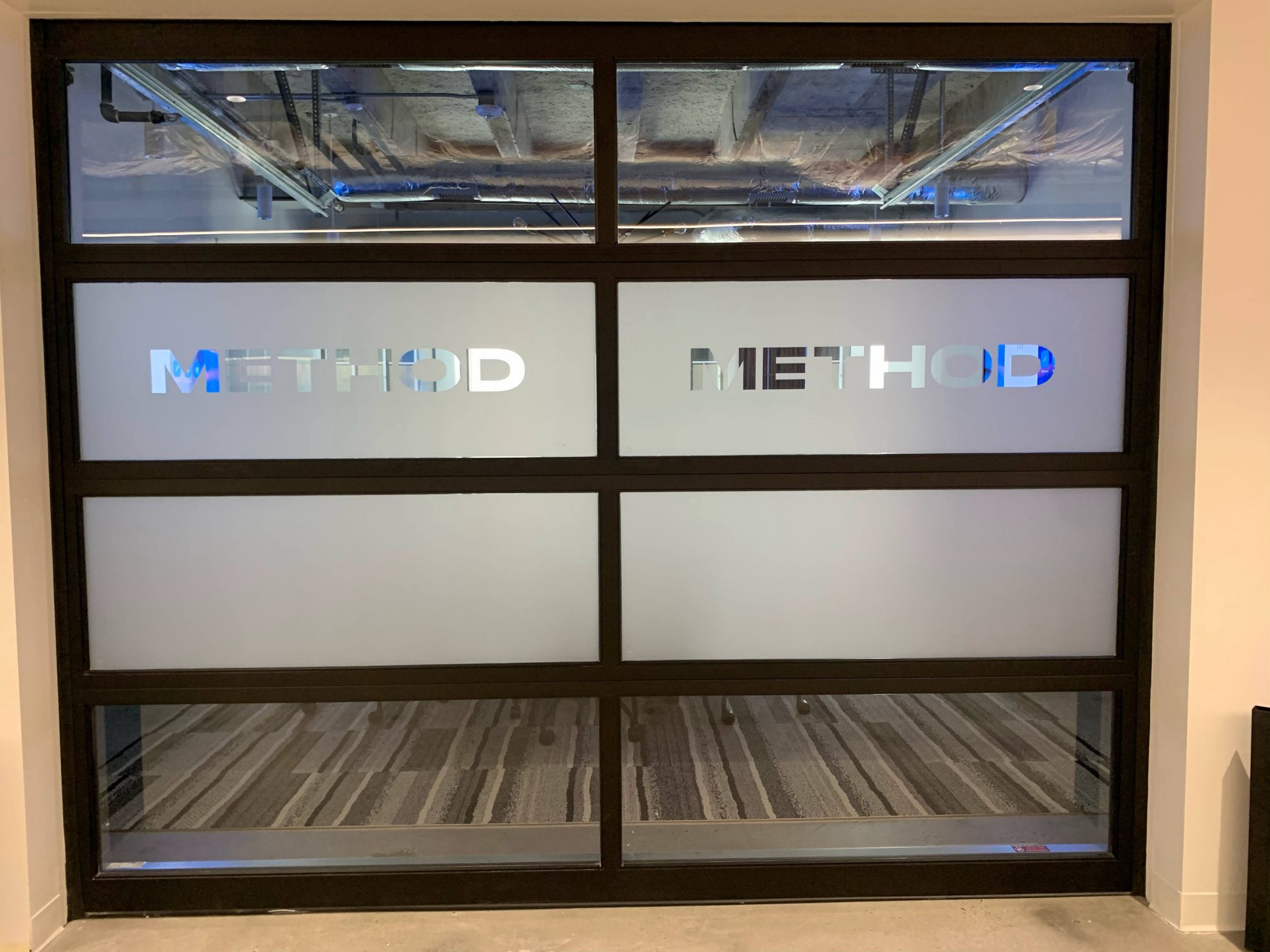
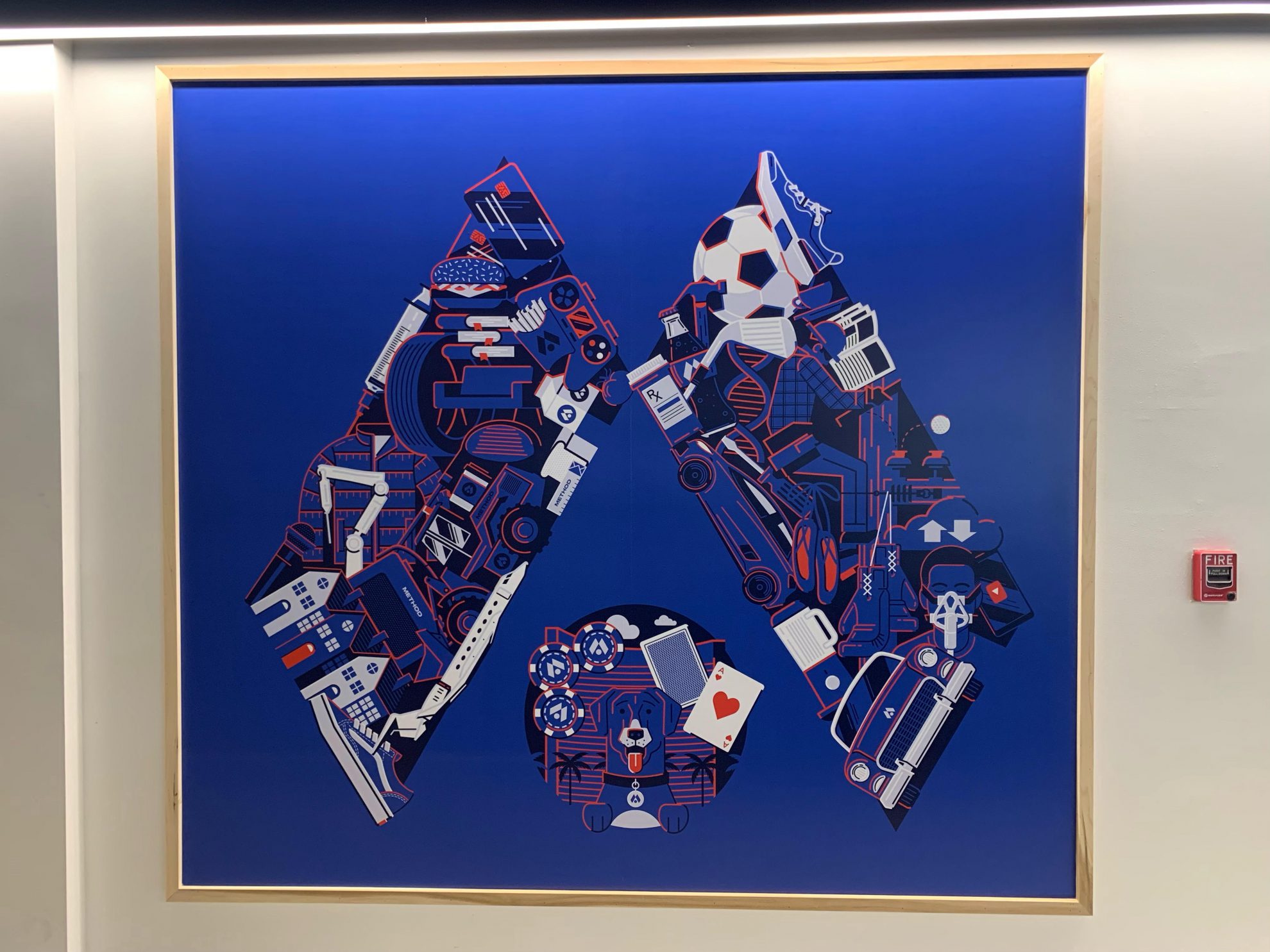
Heritage Signs & Displays' collaboration with Method (formerly Skookum) to rebrand their corporate headquarters. The project included dimensional lettering, wall displays, LED-lit signage, wall wraps, and frosted vinyl, creating an immersive and branded environment. Heritage worked closely with Method's team, ensuring accurate execution and timely delivery. The transformation was completed in August 2021, with Method's employees moving into the revamped space in September. The project reflects Heritage's commitment to quality and collaboration.