A Veteran Owned Business
A Veteran Owned Business
A Veteran Owned Business
Most companies ask an entrance to do three jobs at once: identify who occupies the space, confirm that a visitor has landed in the right spot, and invite that person through the door without a second thought. Storefront graphics do that work. Window films, door lettering, privacy patterns, and applied glass treatments name the business, frame expectations, and turn the step from an Orlando sidewalk, parking field, or shared corridor into a deliberate arrival. The glass does not have to tell the whole story. It only has to earn the next few steps.
We treat storefront graphics as the opening chapter of a larger commercial interior branding program. Entrance glass may need identification, visibility control, privacy, or a blend of all three, and each of those goals leads to a different material and layout. Past the threshold, a lobby sign, dimensional logo, wall graphic, or display has the room to speak about culture, mission, and history in ways a pane of glass never can. Storefront graphics stay the focus here, and they perform best when they introduce rather than summarize.
Everything starts with discovery. We ask what your team wants employees, clients, patients, or guests to register on approach, then shape those answers into an environmental graphic design plan built around the architecture, the glazing, the Florida daylight, and the daily rhythm of the space. One dedicated Project Manager carries the job from that first call through production, fabrication, and professional installation. Fewer handoffs mean fewer opportunities for approved design intent to slip, and you keep one accountable relationship instead of refereeing vendors who each own a fragment of the work.
Heritage opened in 1977 as a commercial printing company. Signs, interior graphics, workplace branding, and event environments became a defining focus in 2009, and that mix of print discipline and environmental graphics still drives how we run projects. We are award-winning, veteran-owned, family-led, and closing in on 50 years in business. That experience shows up in ordinary but important ways: artwork sized to the surface it was measured against, materials chosen for the sun and humidity they will actually face, and installations planned around the access a building genuinely allows.
Storefront Graphics is also where our interior work meets the outward face of a property. When we are producing and installing interior signs and graphics, the same project can include selected non-illuminated exterior signs and graphics so the approach, the entrance, and the interior read as one continuous experience instead of three unrelated purchases. Orlando FL organizations receive Heritage field support throughout Central Florida, supported by our headquarters and primary specialty production facility in Charlotte. Our purpose is to honor God by serving clients and communities with excellence, and we express that through straight answers, responsible recommendations, and follow-through you can plan around.
Recognition at the door is one beat in a longer sequence. Someone spots the logo on the glass, locates the entry, looks for reception, then waits for confirmation that they guessed right. Storefront graphics handle the first two beats when coverage, eye height, and contrast are planned around the way people actually reach your door, whether that is from a garage elevator downtown or a striped lot off Orange Avenue.
Privacy belongs in the same discussion. Frosted vinyl on a conference room wall, a graduated band across the lower third of a window, or partial coverage on a street-facing pane can block sightlines while daylight keeps reaching desks. Choosing what to conceal matters as much as choosing what to display.
Inside, the branding finally has space to breathe. A lobby sign becomes the visual destination, and wall graphics, dimensional letters, and displays carry values, milestones, and recognition deeper into the building. Planning the door, the windows, the lobby, and the interior walls as one connected sequence avoids the patchwork look that shows up when every surface is bought separately.
Anyone shopping this category will find no shortage of companies willing to print vinyl for a window. Far fewer can define what the entrance should say, design it against brand standards, fabricate the interior pieces that follow, and install all of it with their own crews. Our One Dedicated Project Manager System keeps those responsibilities inside a single relationship from discovery to punch list.
That Project Manager links our environmental graphic designers, production and fabrication teams, and full-time professional installers so every group works from identical measurements, approvals, and goals. When a facilities director asks about a schedule shift or a marketing lead adjusts a color, the response comes from someone who already knows the file. On projects this size, consistent information and clear accountability usually matter more than a low unit price.
We are veteran-owned and family-led, and Orlando FL clients get local field support tied to production capacity that serves the Southeast and Mid-Atlantic. That structure fits a single high-impact entrance, a phased interior program, or coordinated branding across multiple properties without anyone rebuilding context from scratch.
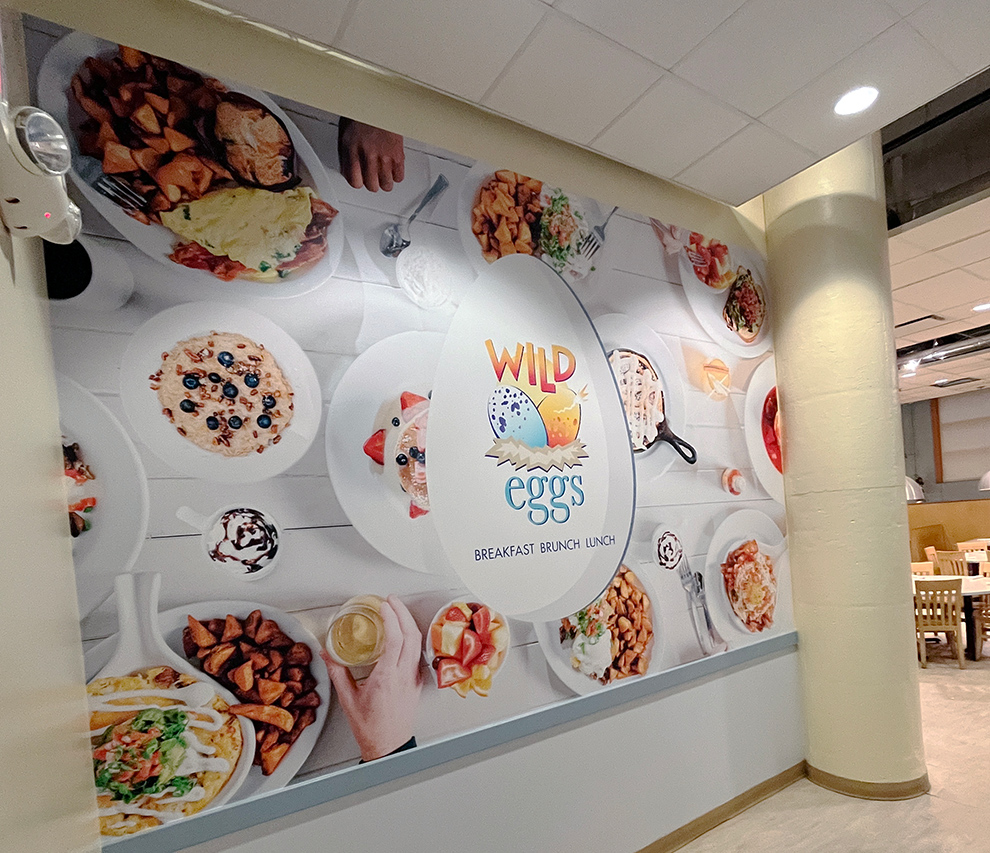
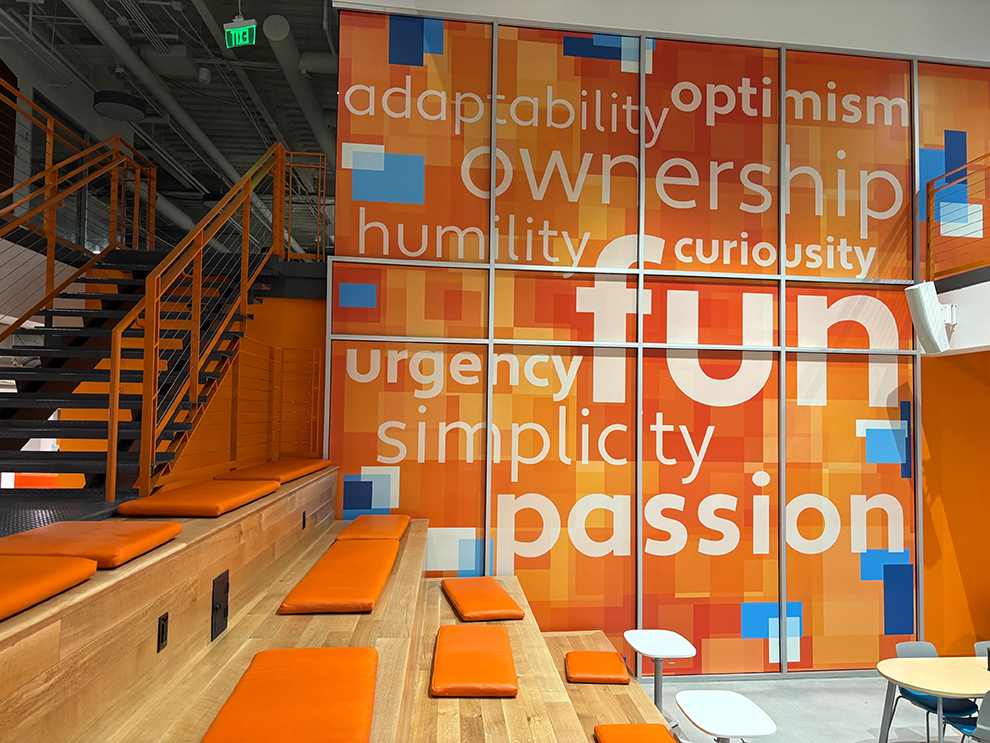
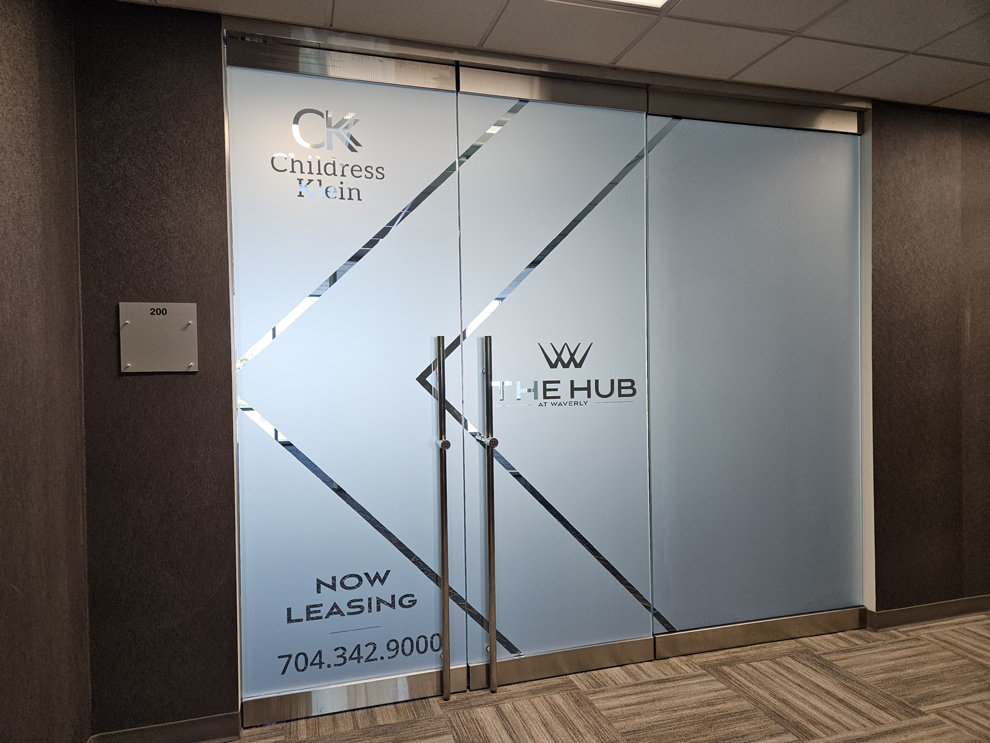
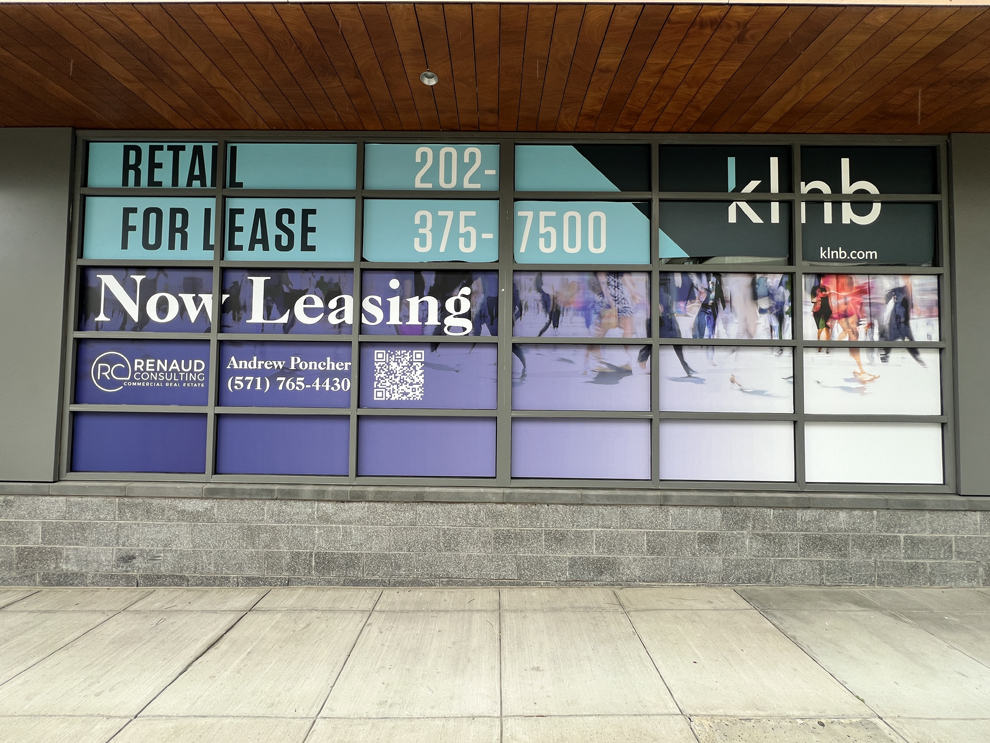
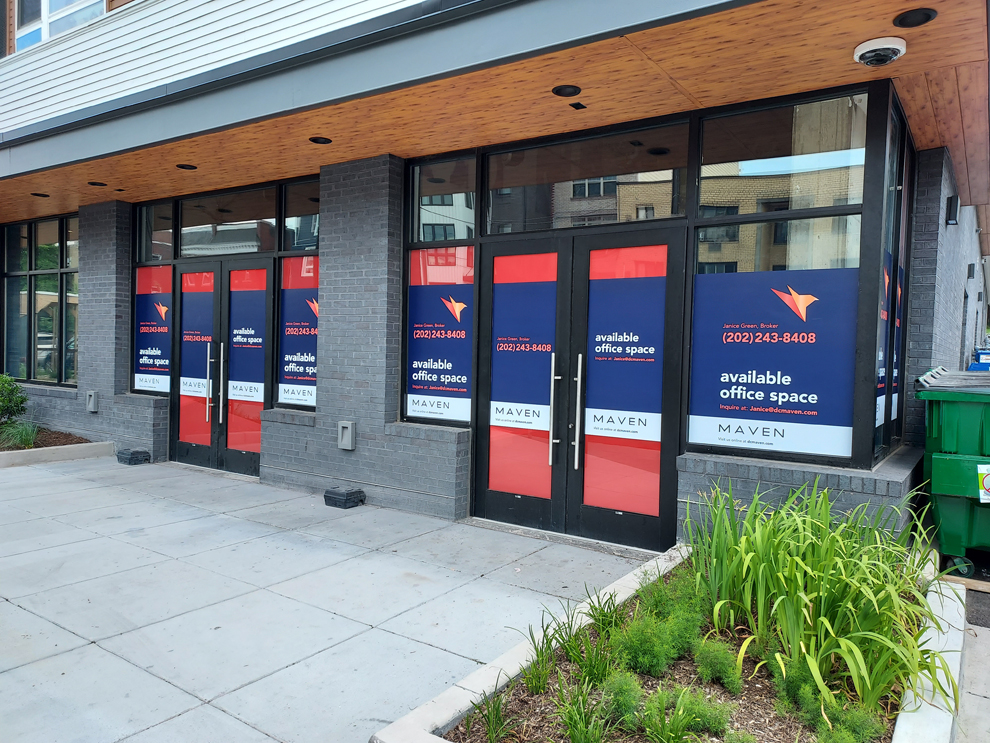
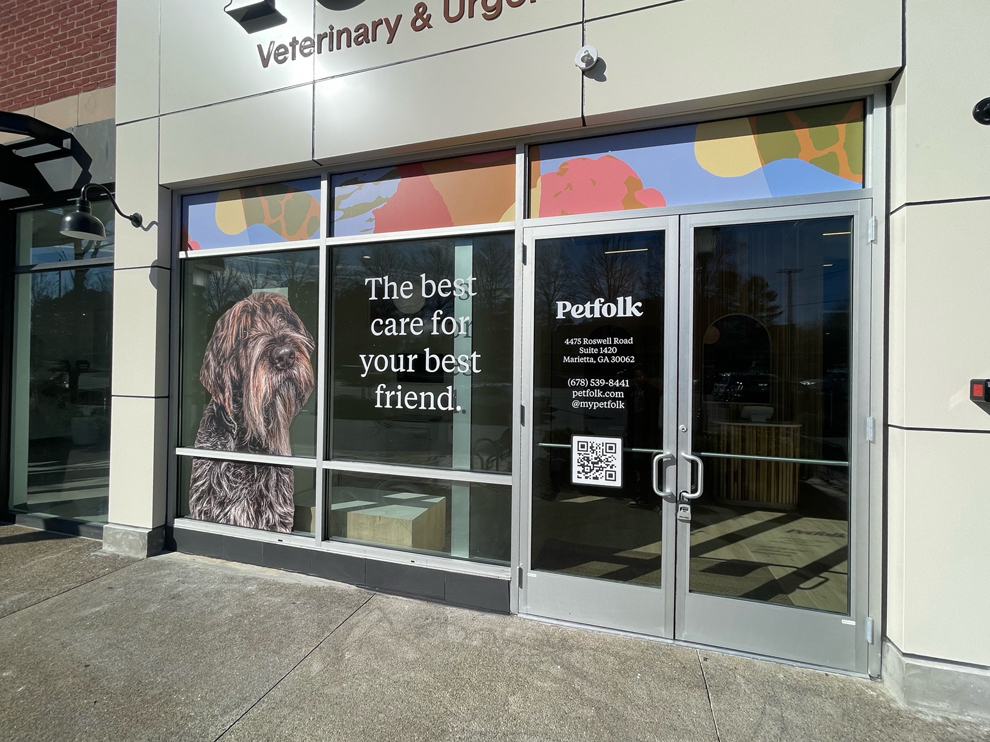
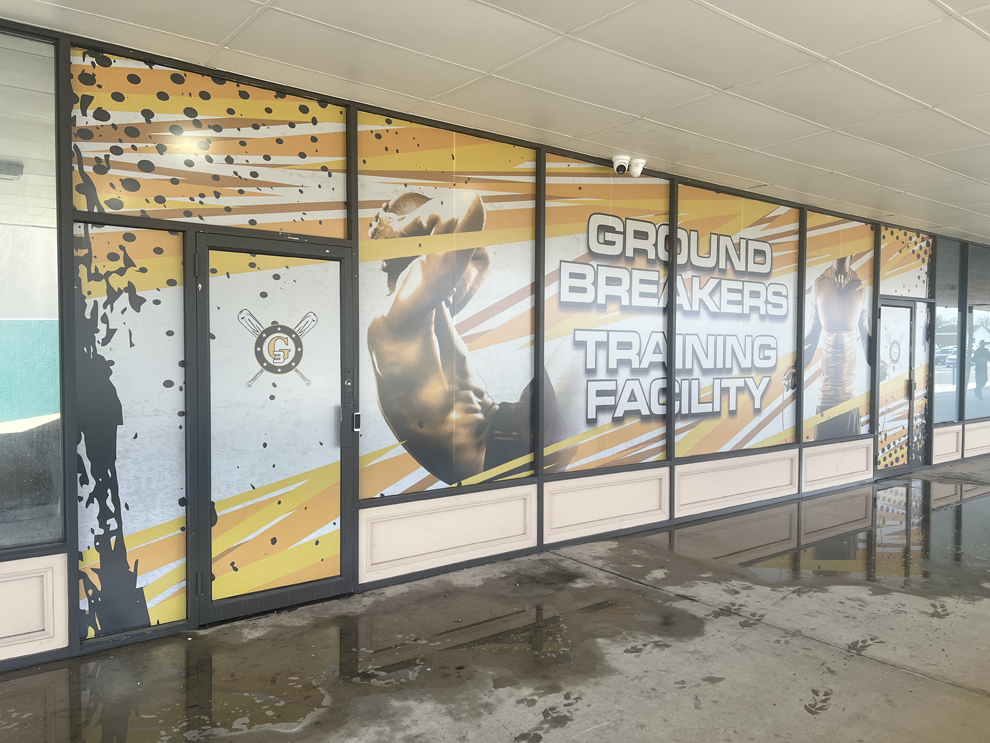
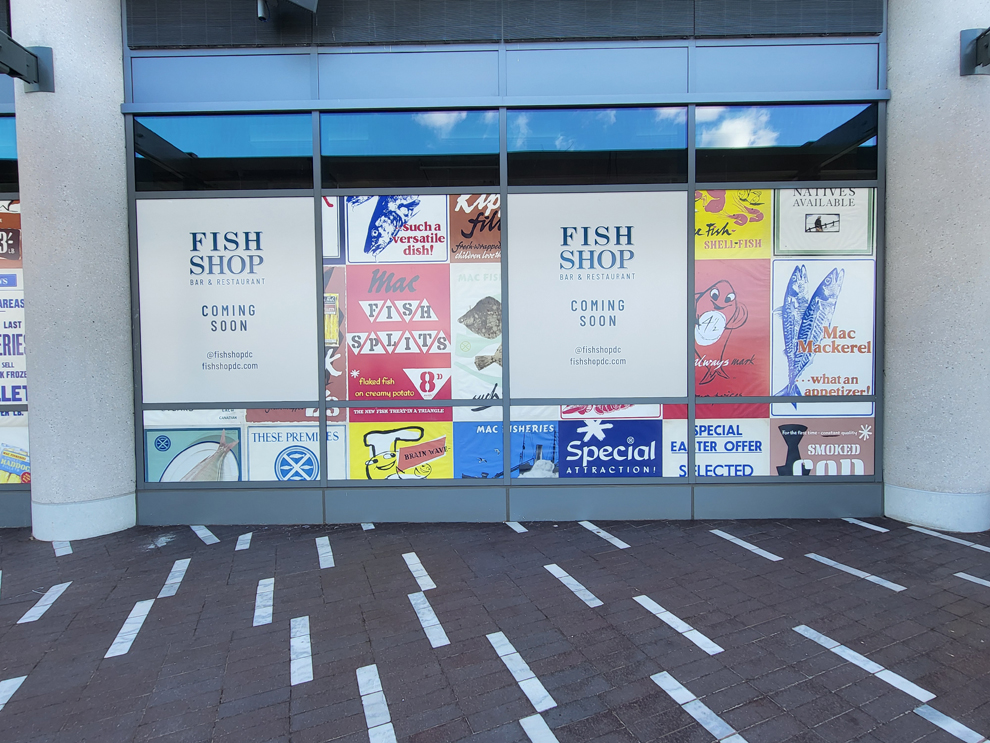
Printed and cut vinyl on entrance and interior glass names the organization while managing how much of the space is visible from the outside. Coverage, height, and pattern density follow what that specific opening must accomplish for arrival, privacy, and daylight.
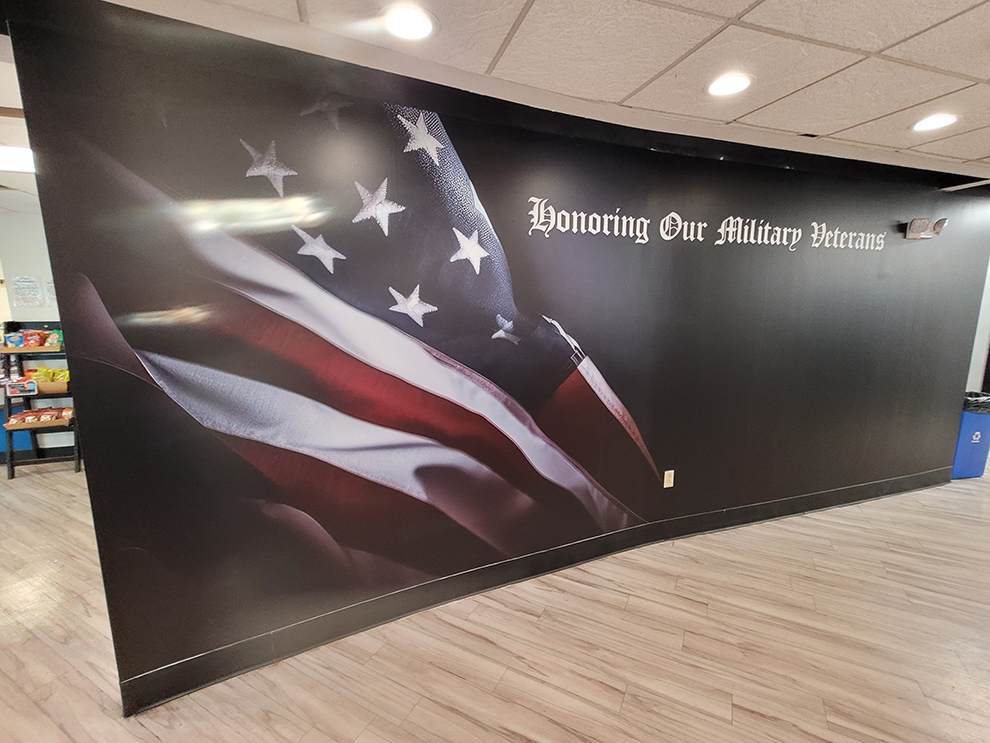
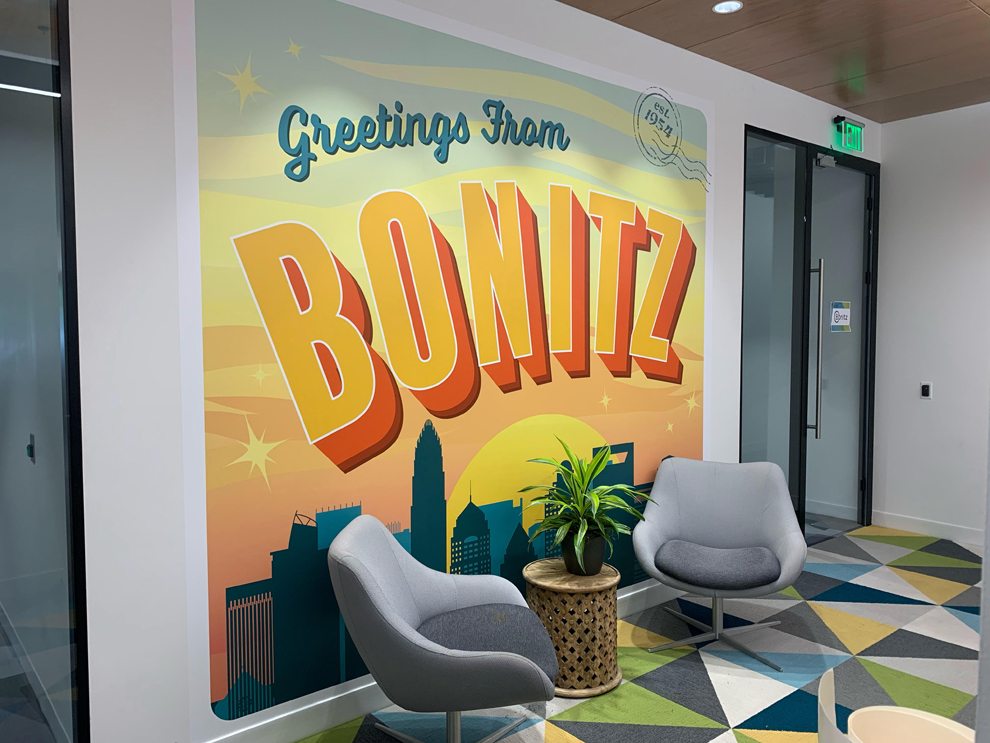
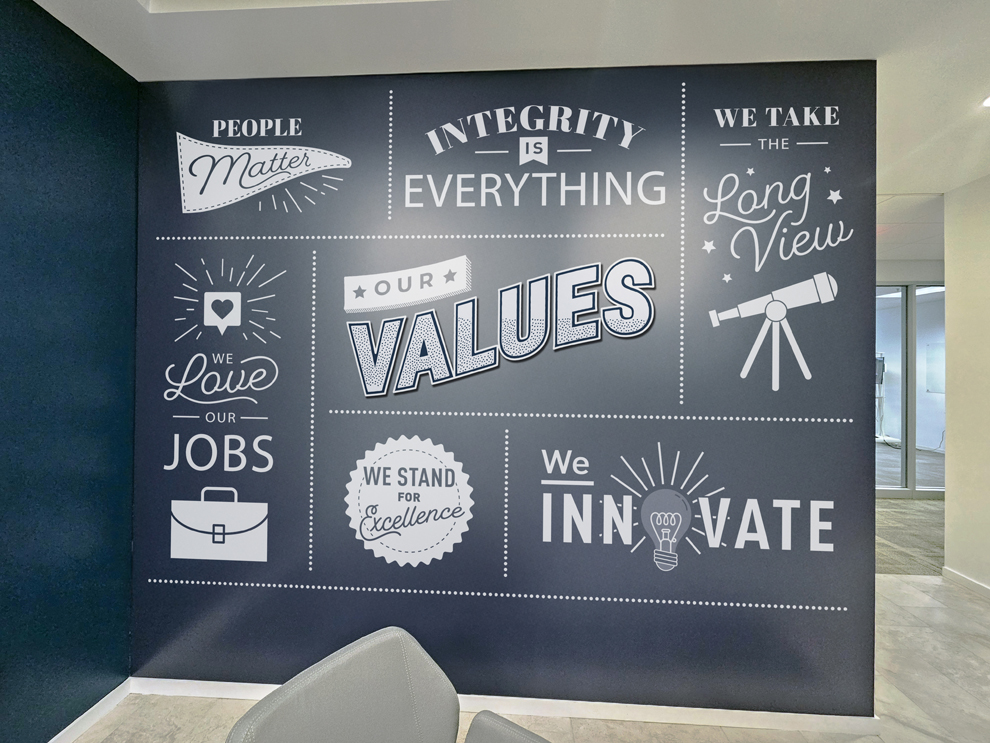
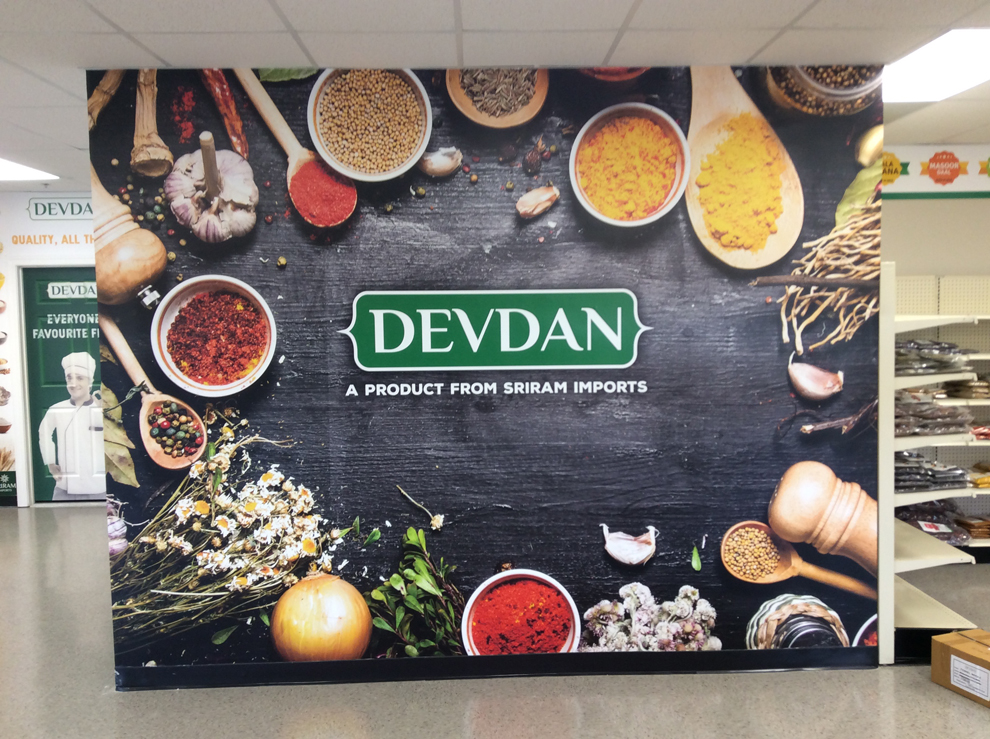
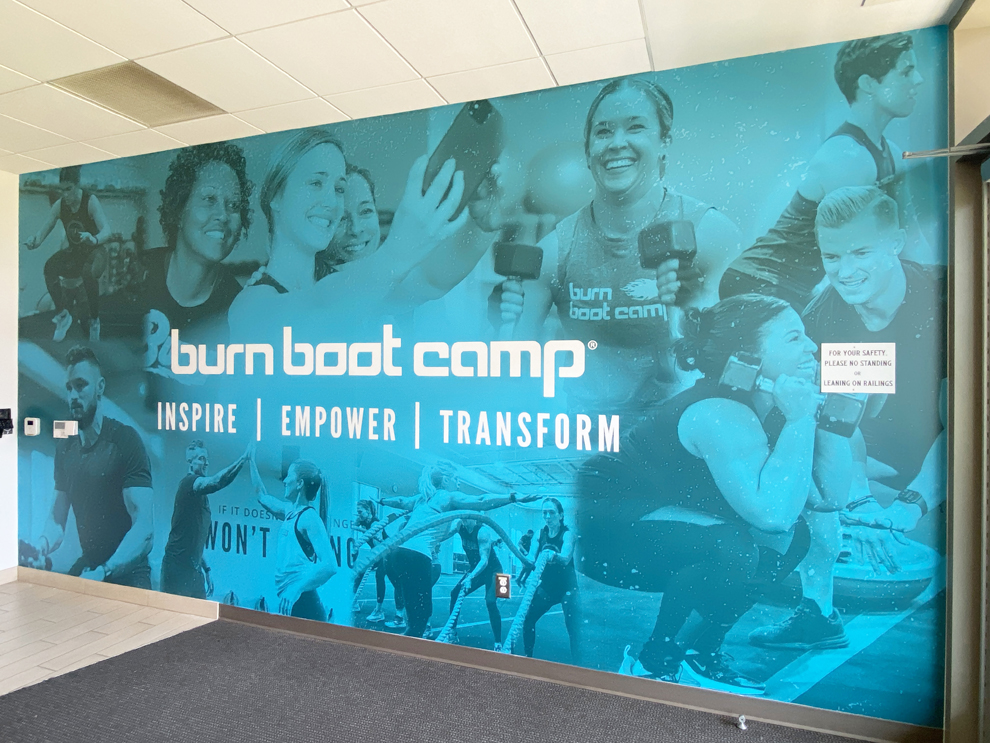
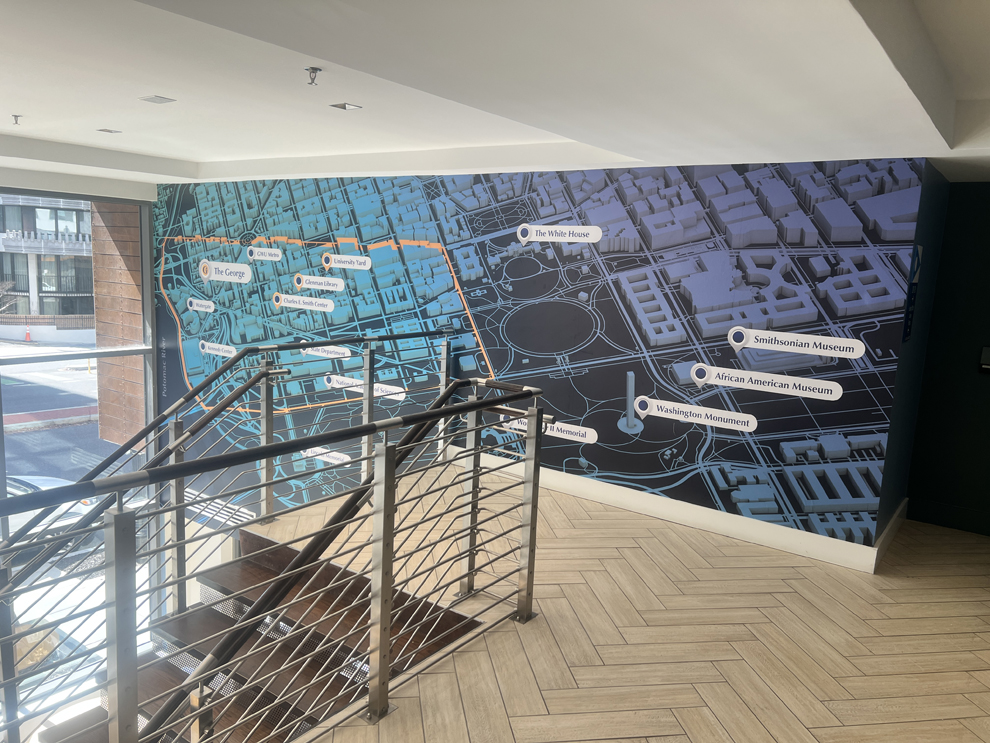
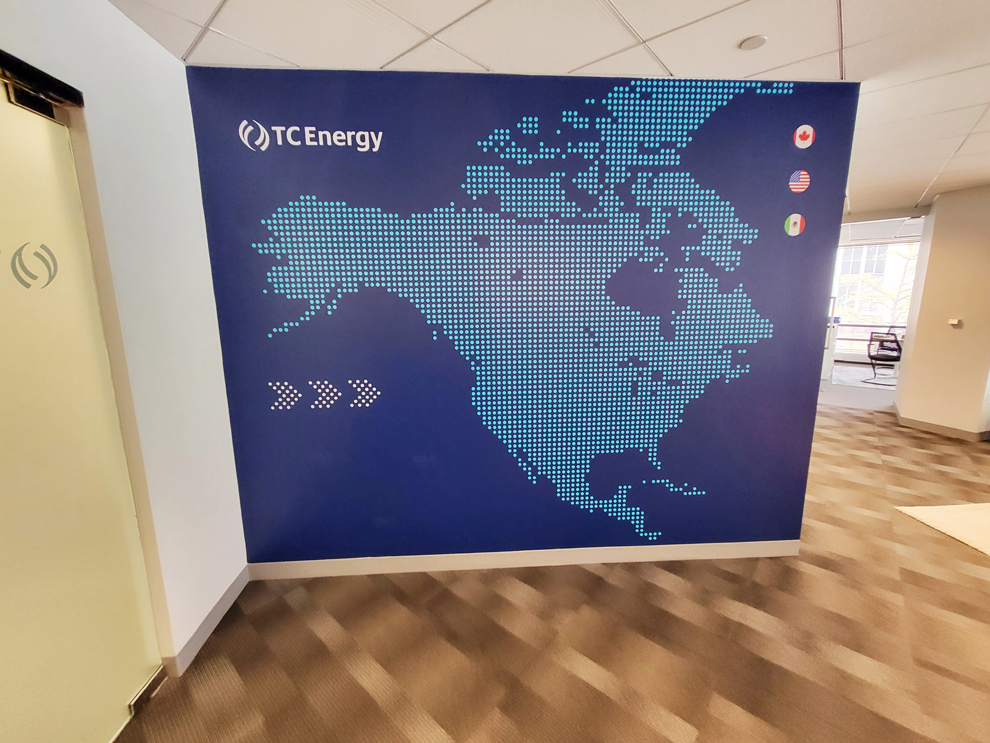
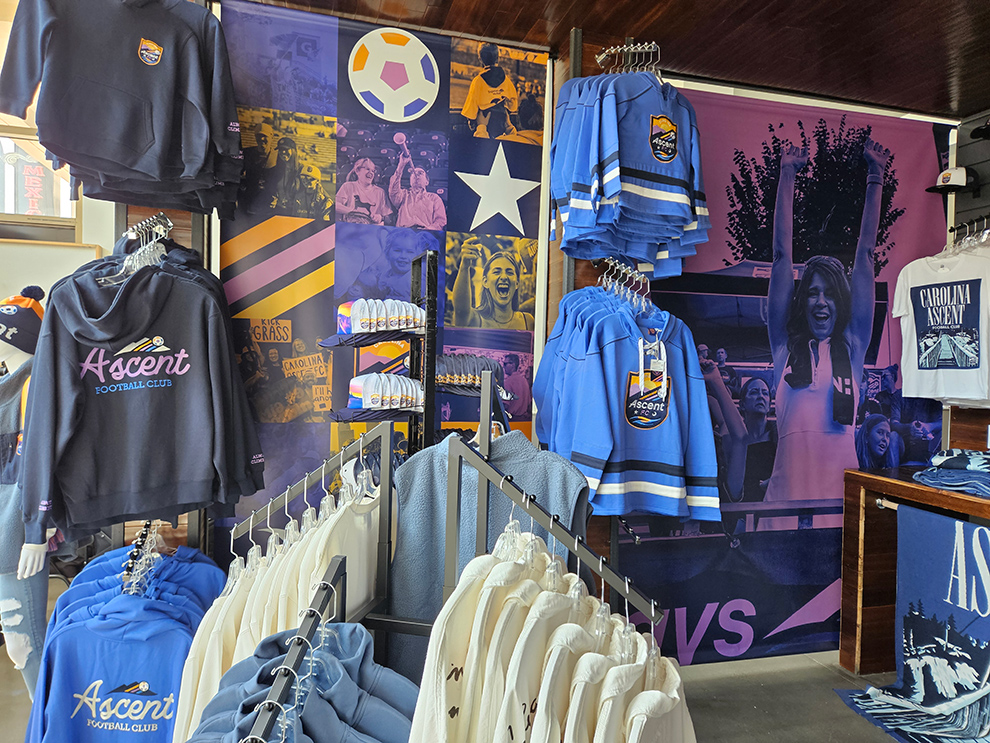
Large printed wall wraps convert a reception wall, corridor, or stairwell into part of the brand experience. Colors and imagery introduced at the glass can continue across surfaces where people spend real time instead of a passing glance.
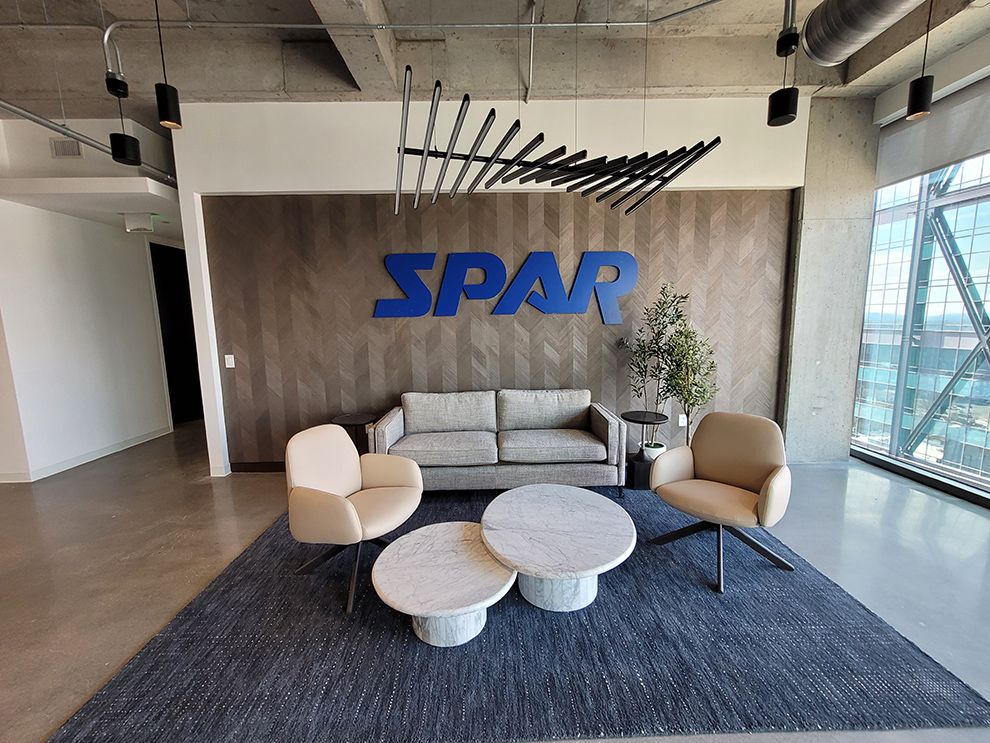
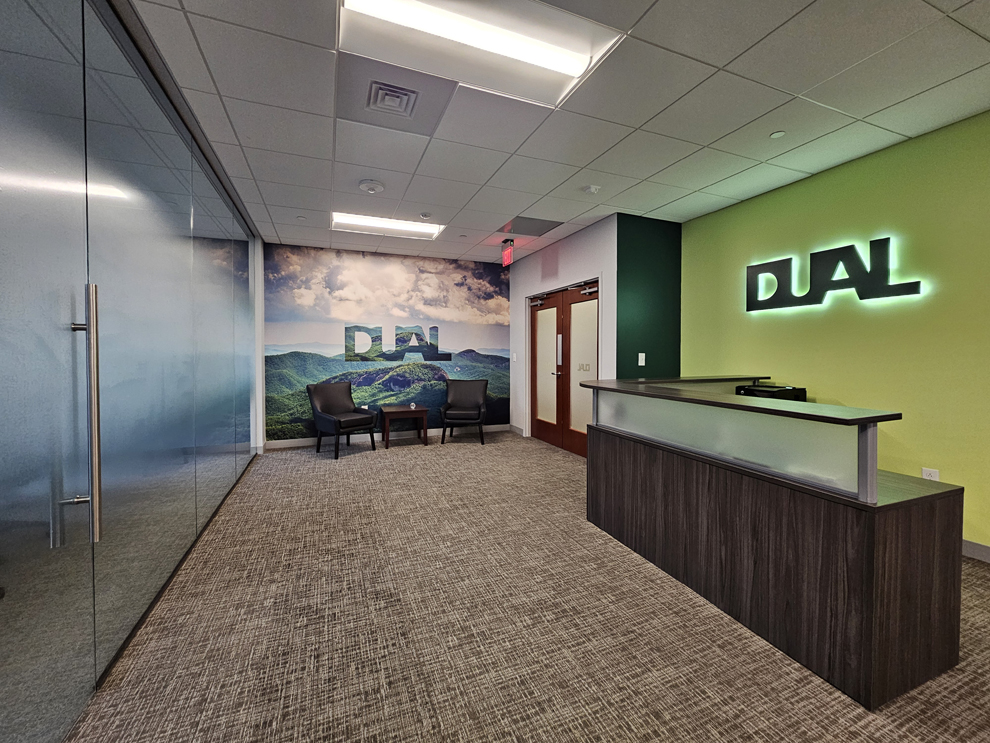
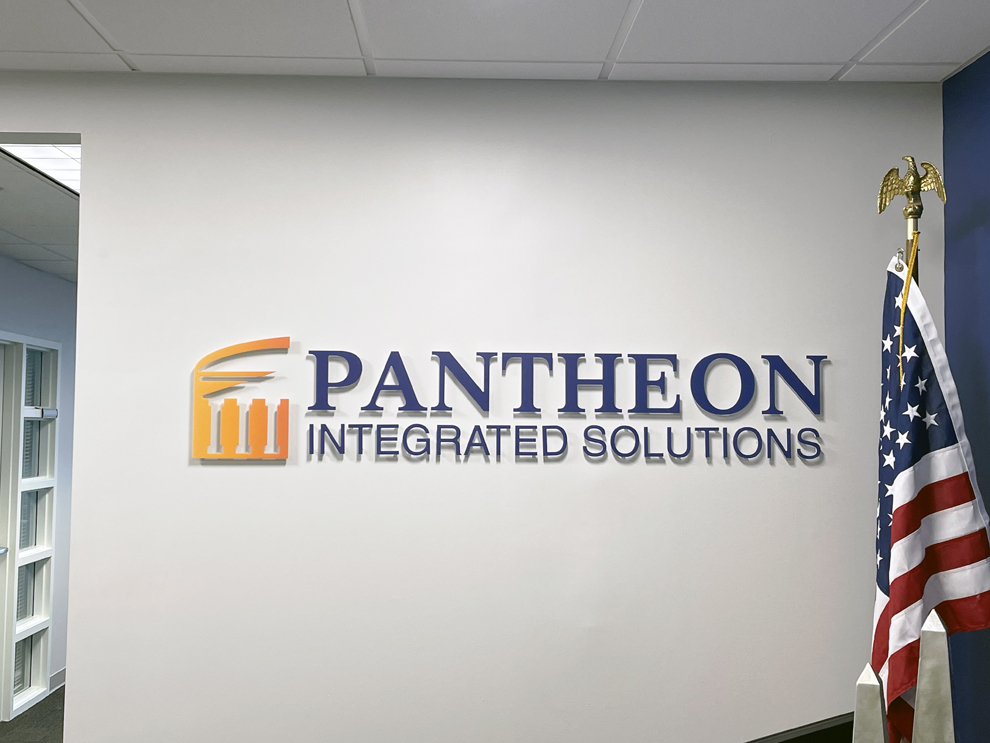
A lobby sign delivers the confirmation the entrance promised. We coordinate scale, material, finish, and mounting with the surrounding wall and lighting so the sign belongs to the architecture rather than sitting on top of it.
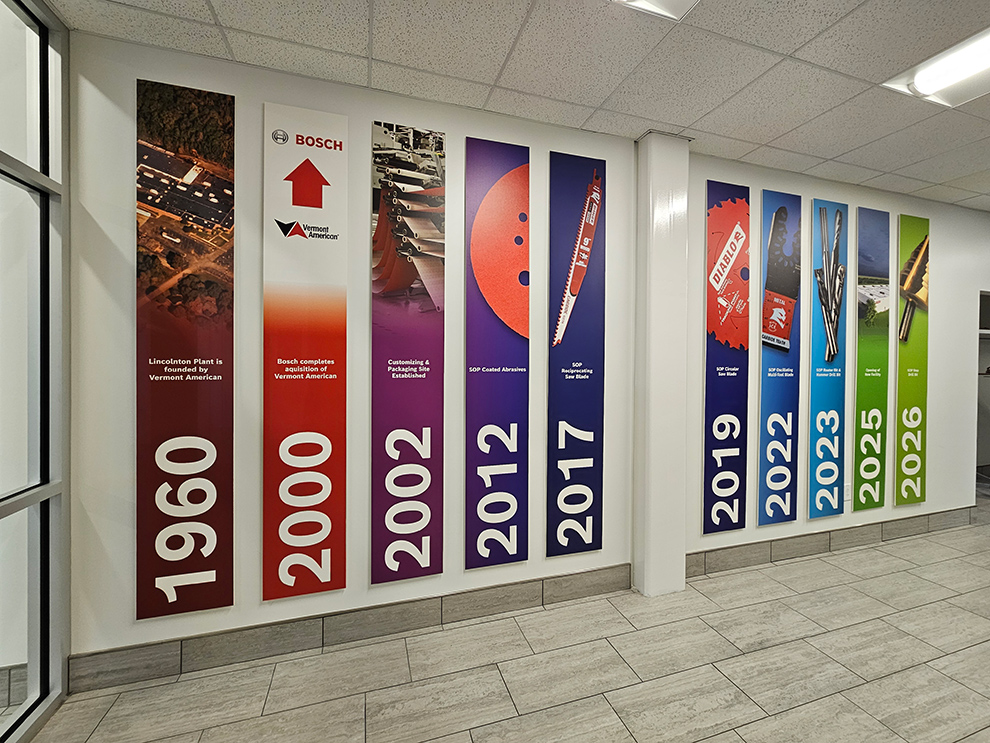
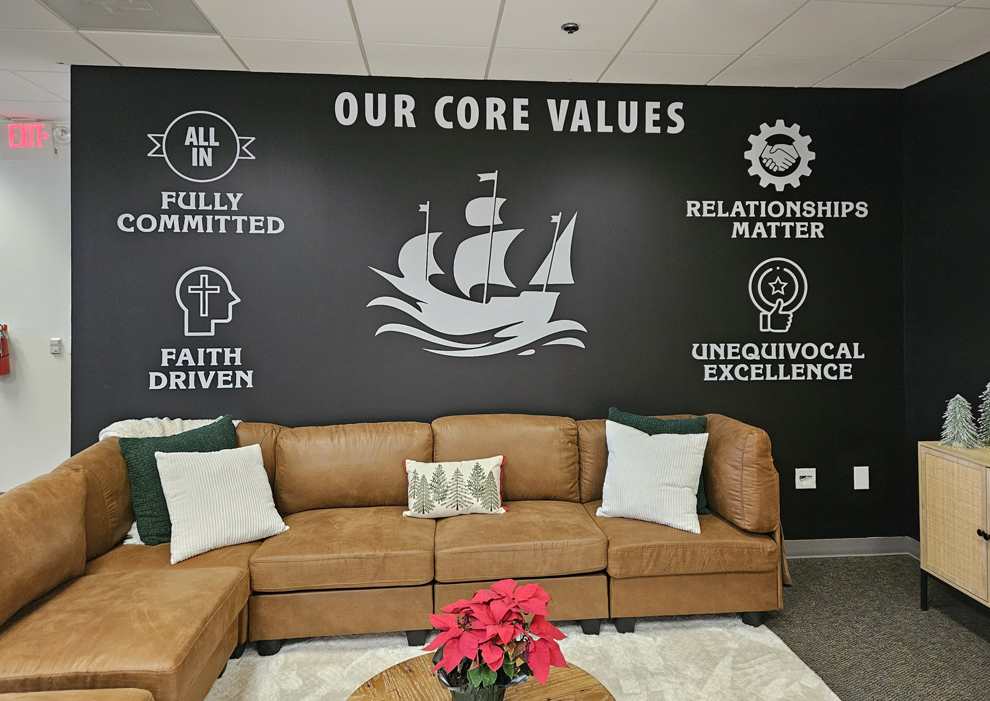
Wall displays organize content that deserves more than one printed panel: history timelines, donor recognition, safety information, core values. Dimensional and printed elements can be combined so the presentation holds attention and updates cleanly as the organization grows.
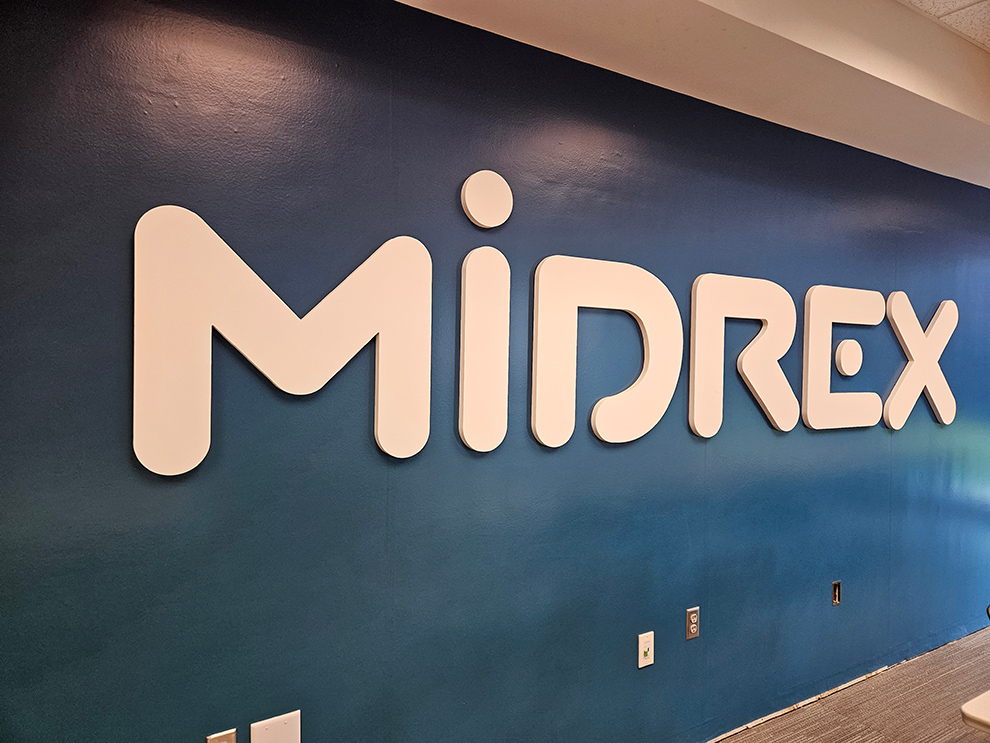
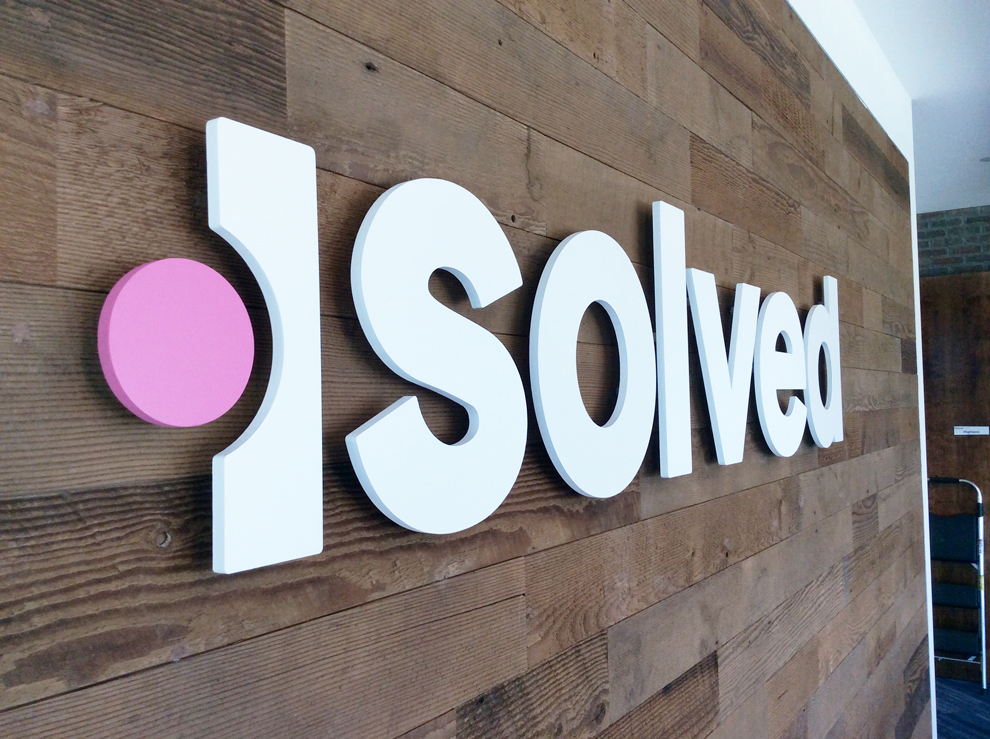
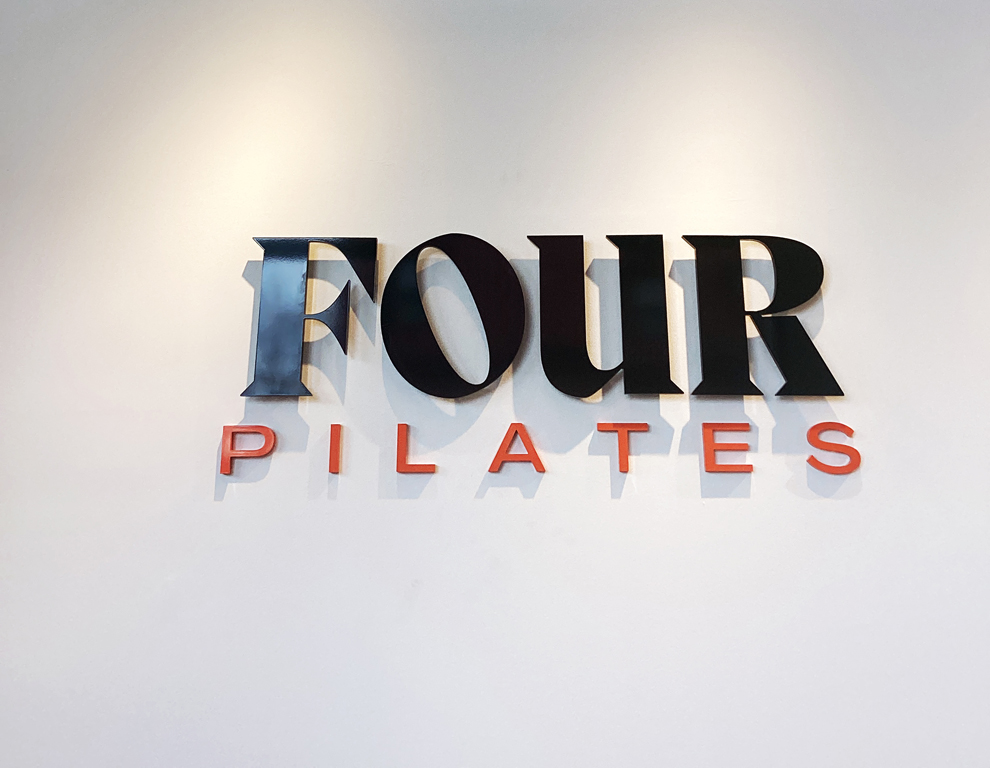
Cut letters and logos add physical depth to reception walls, corridors, and feature areas. Thickness, standoff distance, finish, and the way ambient light rakes across the faces all affect legibility, so those calls are made with the actual room in view.
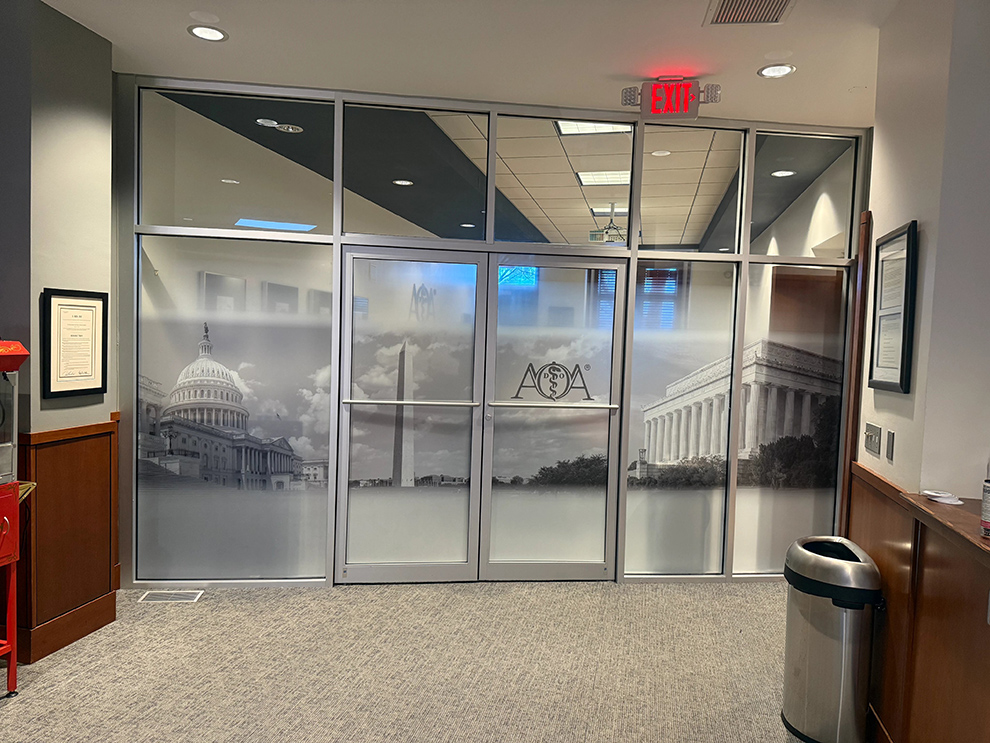
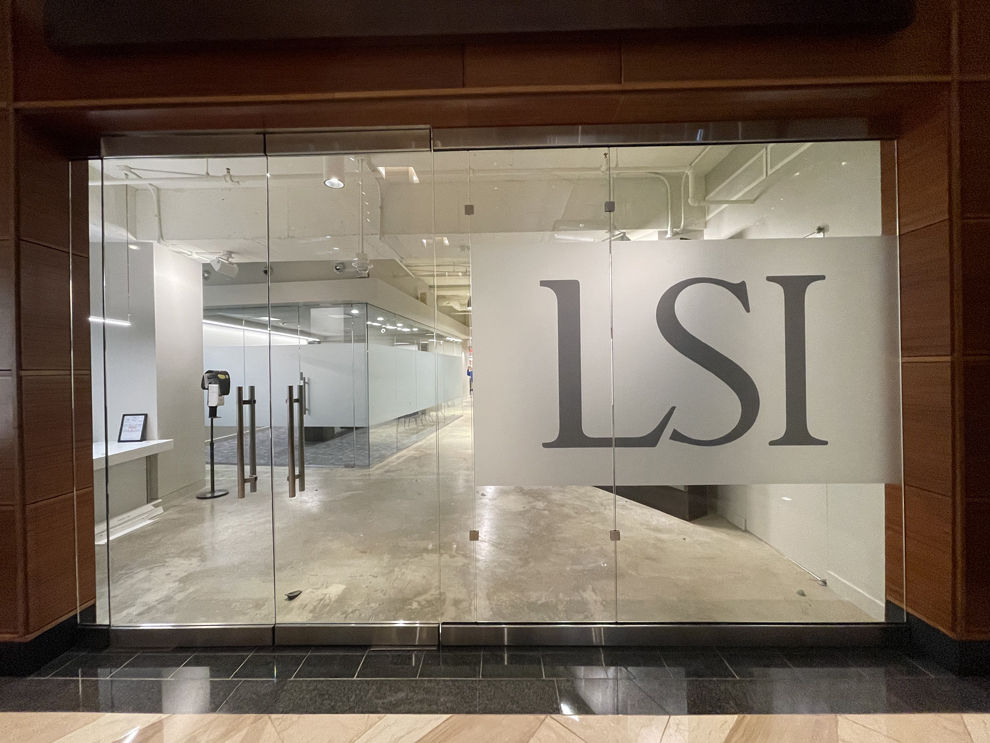
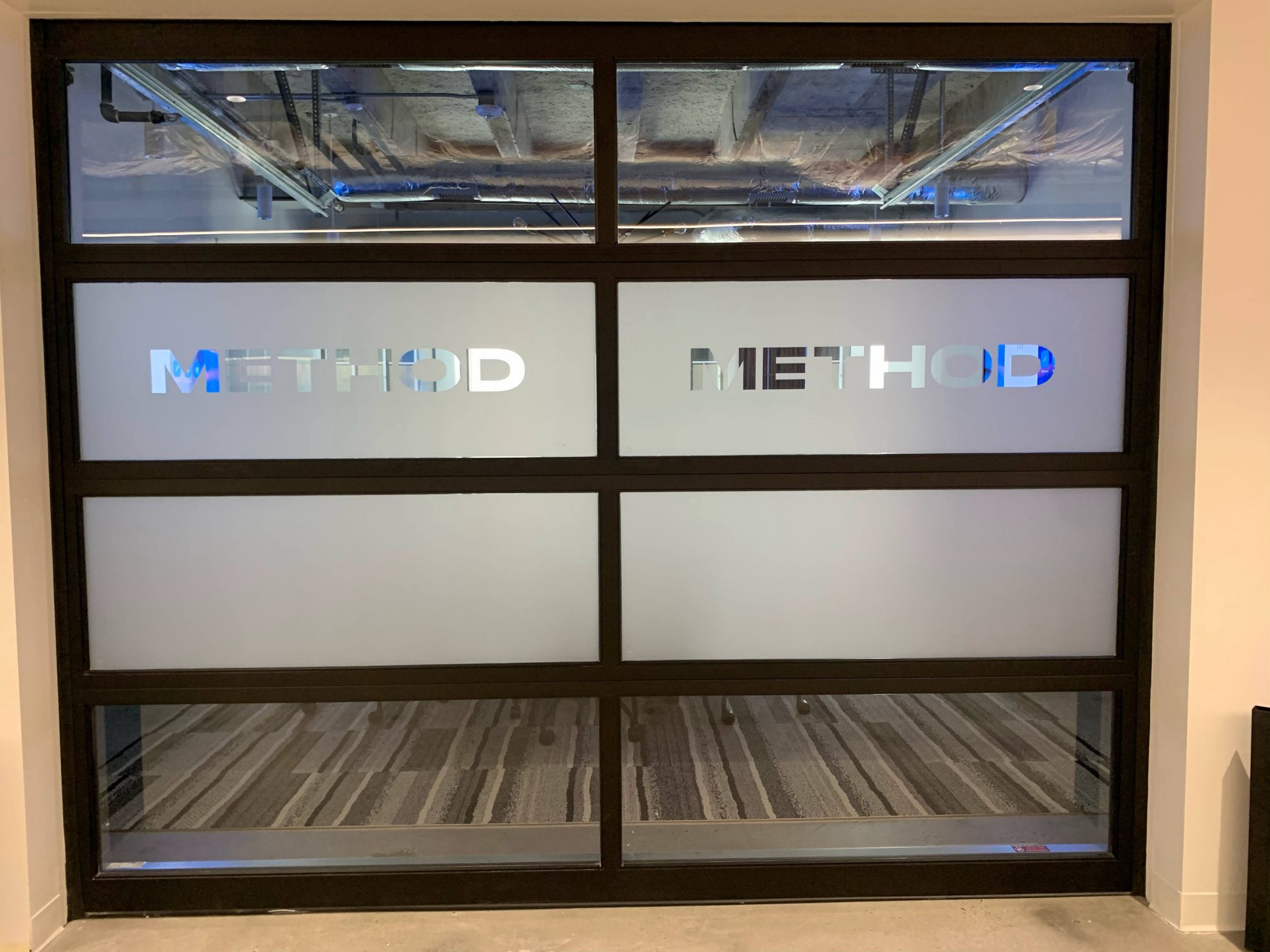
Frosted vinyl and etched-look privacy film screen sightlines into offices, conference rooms, and glass partitions while daylight keeps moving through. Custom patterns, bands, or logo treatments make privacy look planned instead of reactive.
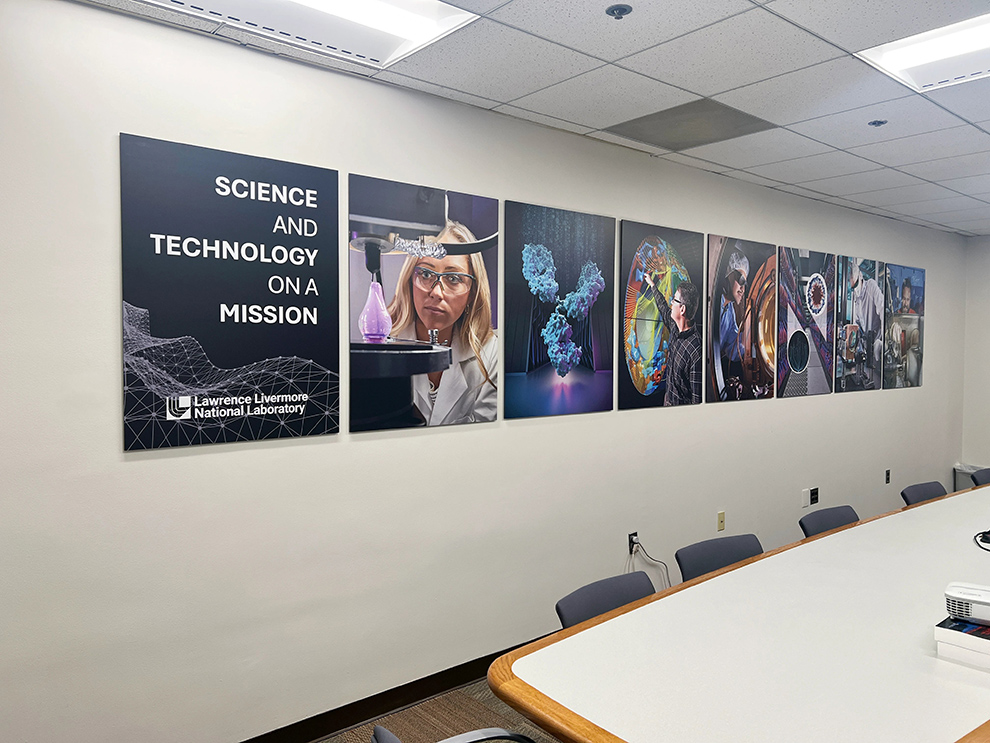
SEG fabric graphics stretch printed fabric inside a slim aluminum frame for a flat, modern surface. Swapping the fabric does not require rebuilding the frame, which suits interior messaging that shifts with campaigns, seasons, or company milestones.
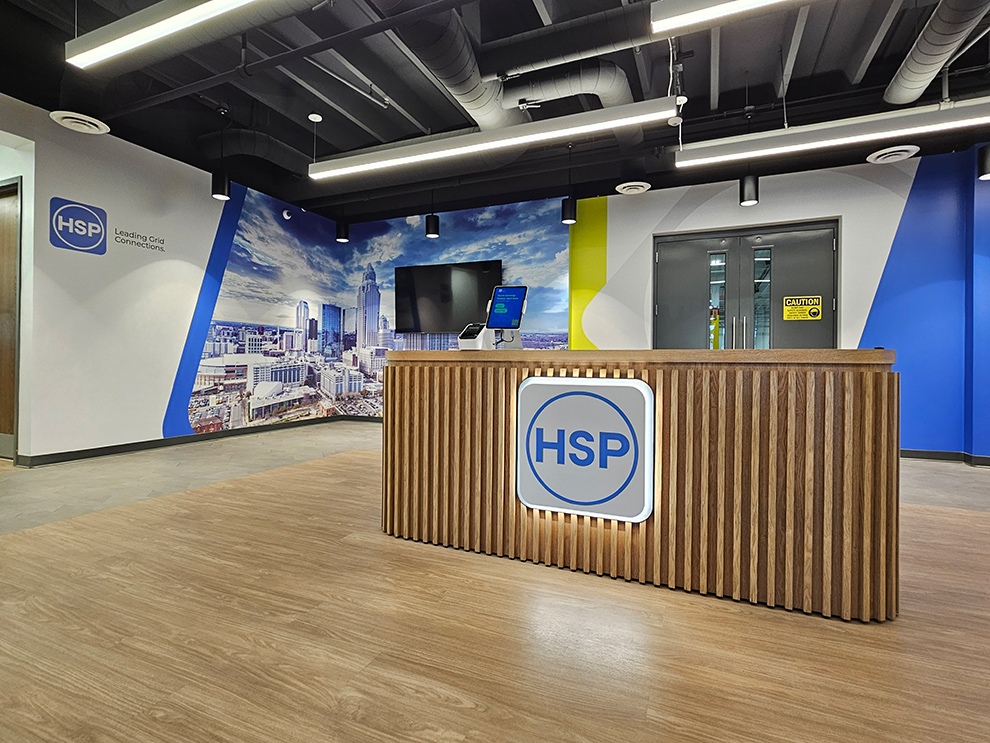
Backlit signs give a logo or headline real presence in a lobby or customer-facing interior. We study ambient light levels, wall finish, and viewing distance so the illumination supports the sign instead of blowing out the graphics beside it.
If your Orlando organization is planning storefront graphics as one piece of a broader interior branding effort, we want to understand what the entrance and the space behind it need to do. Use Get Started Now to send the site address, your target completion date, the budget you have in mind, photos, any measurements on hand, brand standards, and anything else already assembled. A dedicated Project Manager will review it, flag the decisions that come next, and pull in the design, production, fabrication, and installation resources your project calls for.
Orlando FL organizations occupy an unusually varied mix of properties, from downtown storefronts and Church Street district spaces to office suites along the I-4 corridor, medical buildings near Orlando Health and AdventHealth, tech and research tenants around UCF, hospitality-adjacent spaces on International Drive, and newer builds in Lake Nona and Winter Garden. An entrance might face a public sidewalk, a surface lot, a shared vestibule, or an interior corridor in a multi-tenant tower, and each condition changes how much identification is needed and where privacy earns its place. Intense sun exposure and long daylight hours also influence material choices in ways that matter later.
We provide field support in Orlando FL and across Central Florida, including Winter Park, Maitland, Altamonte Springs, Lake Mary, Sanford, Kissimmee, Oviedo, Apopka, Winter Garden, and Dr. Phillips. That support covers client meetings, site surveys, field verification, installation planning, and professional installation.
From there, your dedicated Project Manager ties on-site findings to our headquarters and primary specialty production facility in Charlotte and to broader Heritage resources across the Southeast and Mid-Atlantic. An Orlando client with additional locations keeps the same Project Manager while each property is adapted to its own architecture, access, and calendar. Brand standards hold steady even when the physical solution at each address does not.
Design choices on a storefront project answer to outcomes: a clearer arrival, a branded lobby, better privacy in glass-fronted offices, a mission statement feature, a history wall, or recognition employees actually notice on the way in. Environmental graphic design decides how those outcomes get distributed across the surfaces available.
Some clients hand us complete brand standards and production-ready artwork. Others send a phone photo, a rough objective, and a move-in date. We work from either starting point and collaborate with architects, interior designers, branding agencies, environmental graphic designers, property teams, and internal stakeholders when a larger group is at the table.
Scale, viewing distance, contrast, daylight, sightlines, and existing finishes all shape what the design can become. We develop concepts that survive the trip into production, fabrication, and professional installation with their intent intact, and the same company that draws the work is responsible for building and hanging it. We do not provide licensed architecture, engineering, general commercial interior design, lighting design, or code consulting.
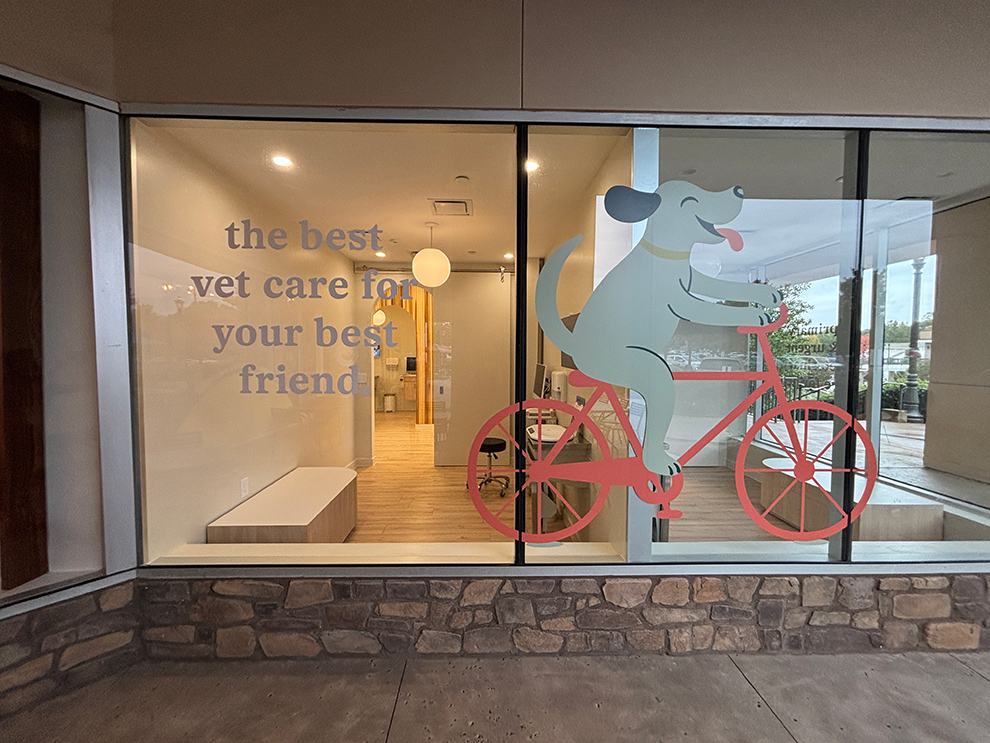
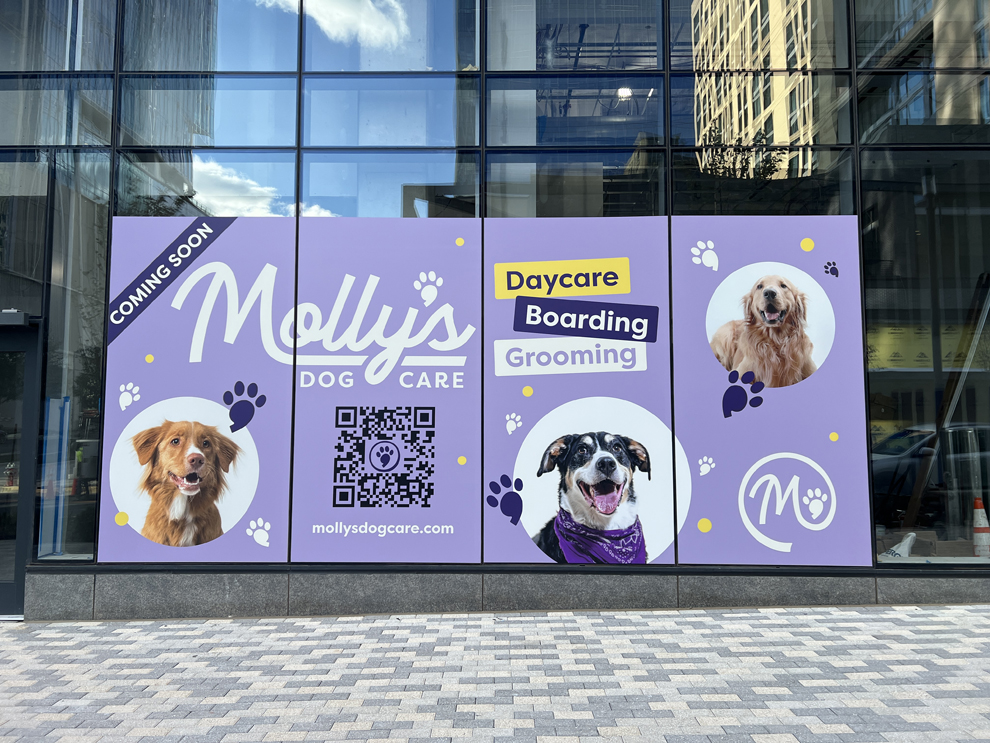
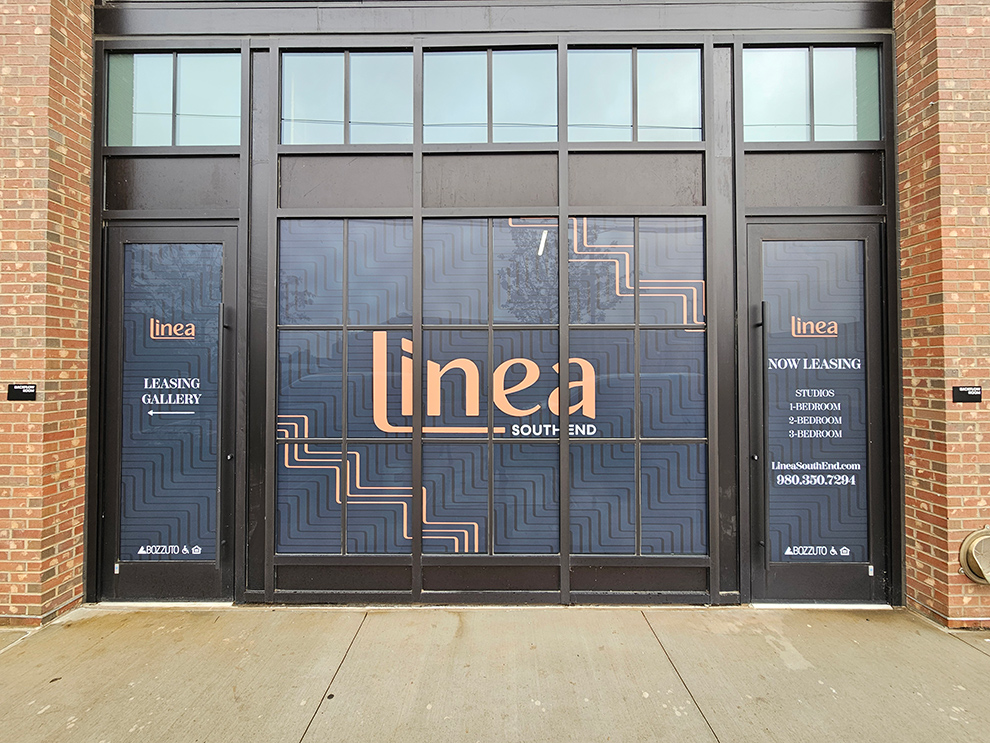
We produce and install specific non-illuminated exterior signs and graphics as part of coordinated storefront and workplace branding projects. That scope can include exterior window graphics, exterior wall graphics and wraps, dimensional lettering, dimensional signs, custom sign panels, and related non-illuminated storefront elements. These pieces identify the organization before anyone reaches the door and connect visually with the entrance glass, the lobby sign, and the interior graphics beyond.
Printed exterior wall graphics receive protective film laminate as standard practice for added UV and weather protection, which carries real weight under Central Florida sun and summer storms. We also review substrate, exposure, attachment method, and site conditions for the exterior components we accept, which is a production and suitability review rather than permitting or code consulting.
We do not produce or install channel letters, monument signs, pylon signs, or illuminated exterior signs.
We also do not determine whether a sign permit is required, prepare permit documents, submit applications, communicate with permitting authorities, pay permit fees, or pursue approvals. The client, property owner or property manager, or general contractor is responsible for confirming and securing required sign permits and property approvals.
Every Heritage Storefront Graphics project includes a site survey. The survey ties your stated objectives to measurements, glass and wall surfaces, mounting conditions, access routes, and the hours when work can realistically happen in your building. Whatever the surveyor records becomes part of the project record the rest of our team relies on.
Your dedicated Project Manager then keeps environmental graphic design, production, fabrication, and our full-time professional installers aligned. Installers show up already knowing the approved artwork, the substrate, the mounting method, the sequence, and the building rules, which removes the improvisation that causes damage and delays.
Craftsmanship is the visible half of that preparation: level lines, crisp edges, even spacing, and glass with no trapped air or debris. The quieter half is protecting finished floors and furniture, coordinating with property management, respecting occupants during business hours, and clear communication when a field condition differs from the plan. Questions get resolved before they become field problems because the people answering them have been part of the project from the beginning.
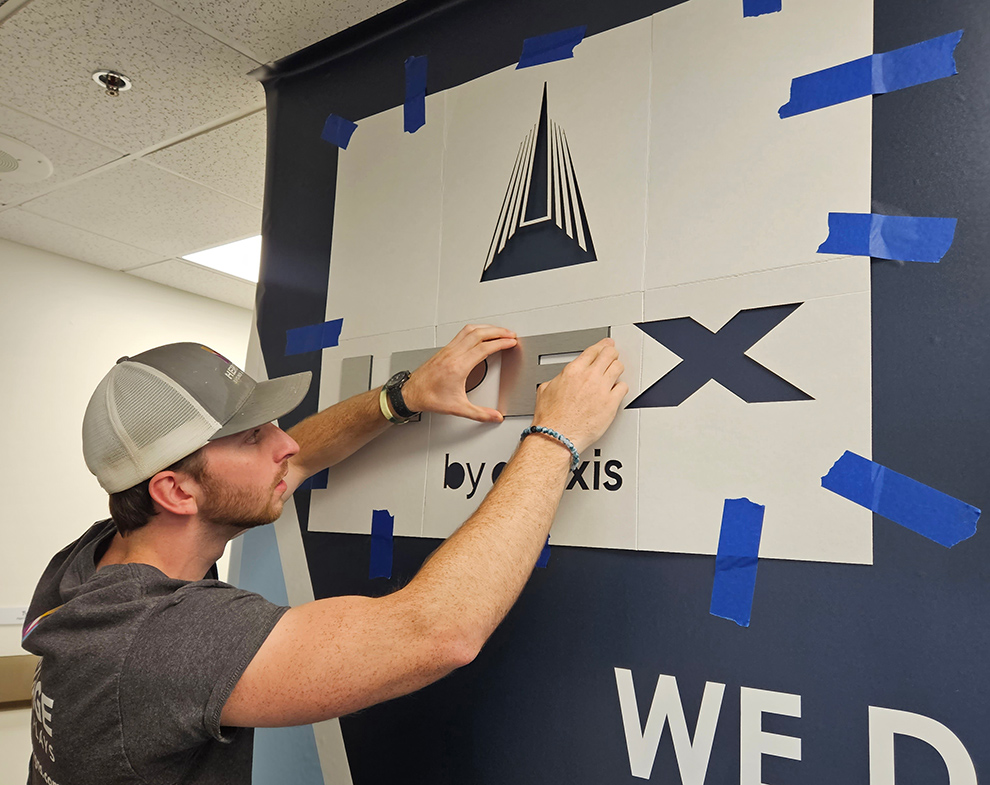
Adhesive vinyl bonds well to painted walls when a few conditions line up: the drywall is solid and smooth, patching is finished, primer and paint went on correctly, and the topcoat has fully cured. Paint that feels dry to the touch is not the same as paint that has cured. We generally ask teams to build about four weeks into the schedule, though the coating manufacturer's instructions and real conditions inside the building decide when a wall is truly ready. Orlando's humidity can stretch that window. Washable, scrubbable, stain-blocking, low-VOC, and zero-VOC formulas sometimes need cleaning, an adhesion test, or a different vinyl and adhesive pairing altogether.
An adhesion test tells us how the vinyl reacts to the painted surface. What it cannot tell us is how firmly that paint and primer are holding onto the drywall behind them. If paint lifts during testing or during routine repositioning on install day, we stop work instead of compounding the problem. Repair, priming, repainting, and cure time are arranged and paid for by the client or the property owner.
Removal is its own conversation. Our installers pull vinyl slowly and deliberately to avoid unnecessary damage, but we cannot rule out paint loss, primer loss, or damage to the drywall facing. "Removable" describes how the adhesive is engineered, not a guarantee of a spotless wall. When graphics are being swapped out, taking the old ones down early exposes any restoration work before the new installation date is locked in.
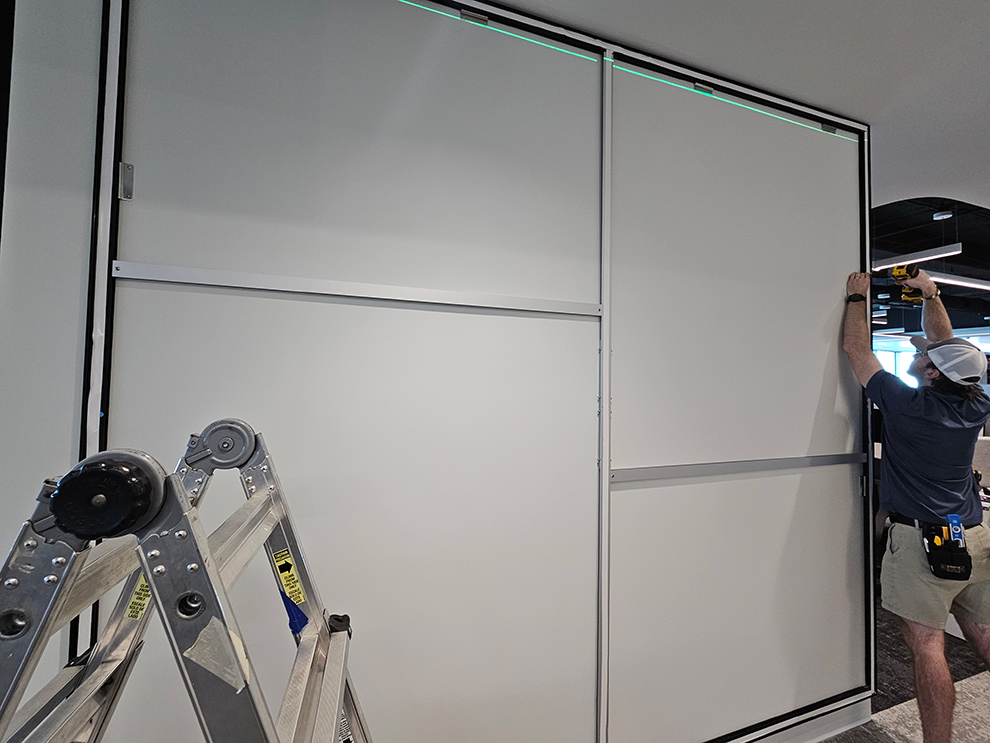
Good planning settles a handful of questions before anyone talks about materials: what outcome the organization wants, who walks through the space, how large the scope is, whether the rollout happens in phases, when it needs to be finished, what shape the site is in, who signs off, and what level of investment leadership has approved. Photos, dimensions, floor plans, brand guidelines, and landlord requirements move those answers forward and make the remaining gaps obvious.
We work best on professionally managed projects where environmental graphic design, production, fabrication, and professional installation function as a single process rather than four separate purchases. Many of our projects that include production and installation land between $10,000 and more than $200,000, driven by scope, site count, fabrication complexity, and install conditions. The right number comes from the full scope, not from the cost of one window graphic.
An Orlando project might be limited to a single storefront and reception wall, expand across an entire floor of interior branding, or roll out to several properties over a year or more. Whatever the size, one dedicated Project Manager keeps ownership, approvals, timing, and the next decision visible until the last panel is installed.
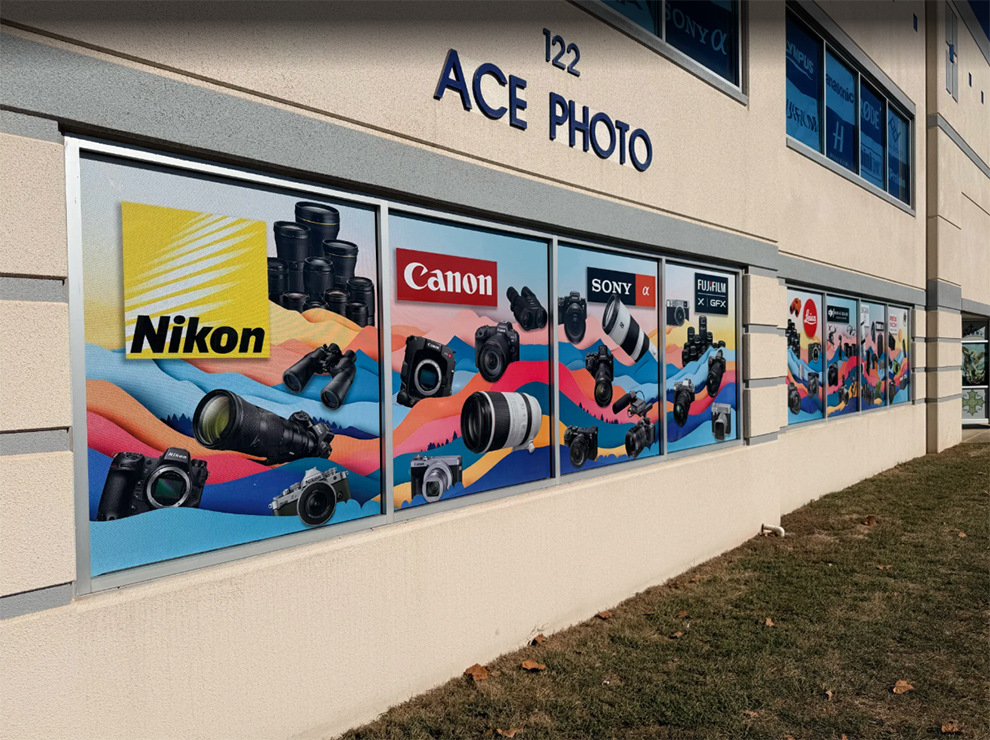
Storefront graphics are the visual elements installed at an entrance to identify a business and set expectations for what is inside. The category covers window graphics, door and glass lettering, logo applications, privacy treatments, and patterned glass. On a project we manage, they are planned in step with lobby signs, wall graphics, and the rest of the interior program so the entry and the space beyond it read as one design.
They can. Privacy usually comes down to interrupting specific sightlines rather than blanketing whole panes of glass. Frosted vinyl, etched-look film, horizontal bands, and partial coverage all cut views into offices, conference rooms, and treatment areas while daylight keeps reaching the workspace, which matters in a market where natural light is abundant. We set height and density based on where people actually stand, sit, and walk.
Painted walls need to be smooth, structurally sound, patched, correctly primed and painted, and fully cured before vinyl goes up. About four weeks is a reasonable planning allowance for many coatings, though the manufacturer's specifications and on-site conditions determine actual readiness. Washable, scrubbable, stain-resistant, low-VOC, zero-VOC, and other difficult finishes may require cleaning, adhesion testing, or a different vinyl and adhesive system.
Adhesion testing reveals how the vinyl behaves against the paint. It says nothing about how well that paint and primer are anchored to the drywall underneath. If paint peels or releases during testing or during normal repositioning at install, we stop rather than make the wall worse. The client or property owner arranges and funds repair, priming, repainting, and full cure before we reschedule.
Absolutely. We collaborate regularly with architects, interior designers, branding agencies, property management teams, and internal marketing groups, and we can build from existing brand standards, construction documents, or concepts already approved. We develop or refine the environmental graphic design within our scope and carry that approved direction through production, fabrication, and installation. We do not provide licensed architecture, engineering, general commercial interior design, lighting design, or code consulting.
Yes, within a defined scope. As part of coordinated storefront and workplace branding work, we produce and install non-illuminated exterior elements including exterior window graphics, exterior wall graphics and wraps, dimensional lettering, dimensional signs, custom sign panels, and related features. These identify the business before anyone reaches the door and tie into the entrance glass and interior branding. Printed exterior wall graphics get a protective film laminate as standard, which matters under Central Florida sun and summer storms.
We do not produce or install channel letters, monument signs, pylon signs, or illuminated exterior signage.
We also do not determine whether a sign permit is required, prepare permit drawings, file applications, correspond with the City of Orlando or Orange County permitting offices, pay fees, or chase approvals. Confirming and securing sign permits and landlord approvals is the responsibility of the client, the property owner or manager, or the general contractor.
Perforated window graphics are printed on a vinyl film punched with small holes, which lets people see through the glass from one side while the printed image reads from the other. Their performance depends heavily on how much light hits each side of the window, so we look at orientation, sun exposure, and interior lighting before recommending them for a particular opening.
Every storefront graphics project we manage includes one. The survey combines a discovery conversation about your goals with field verification of dimensions, glass and wall surfaces, mounting conditions, access routes, and the hours we are allowed to work. Everything documented goes straight to your Project Manager and to the design, production, fabrication, and installation teams, so later decisions reflect the building as it stands today.
There is no single number. Service life depends on the material, the surface, sun and weather exposure, how the graphic gets cleaned, how much physical contact it takes, and how long you intend to keep it. A seasonal promotional window graphic is specified very differently from entrance lettering meant to stay up for years. We start with how long you need it to last and then recommend a material system built for that timeline.
Yes. We remove adhesive vinyl slowly and carefully to minimize avoidable damage, but no one can promise a damage-free result. Paint or primer can come away with the film, and occasionally the drywall facing is affected.
Clients and property owners should reserve time and budget for possible patching, proper priming, repainting, and full cure before the wall is reused or new graphics go up. That work is arranged and paid for by the client or property owner. We do not perform or fund wall repair or restoration.
"Removable" refers to the adhesive system and its intended application. It is not a guarantee of damage-free removal.
We support Orlando and the surrounding Central Florida market, including Winter Park, Maitland, Altamonte Springs, Lake Mary, Sanford, Kissimmee, Winter Garden, Lake Nona, and Dr. Phillips. Local support covers client meetings, site surveys, field verification, installation planning, and professional installation at your property.
Everything captured in the field stays tied to your dedicated Project Manager and to the teams handling environmental graphic design, production, and fabrication at our headquarters and primary specialty production facility. For organizations with multiple sites, the same structure delivers local attention at each address inside one coordinated program.
Material choice follows the design, the substrate, the exposure, and how long the graphic needs to perform. Frequent options include adhesive vinyl, cut vinyl lettering, perforated vinyl, frosted vinyl, acrylic, dimensional materials, and aluminum composite material. ACM delivers a durable metal appearance at a fraction of the weight of solid metal, which changes what is possible for mounting. We do not print on or cut solid aluminum or steel as a sign substrate.
Our own full-time professional installers do. They work from the same project record assembled during discovery, the site survey, design approval, production, and fabrication, so they show up with measurements, substrate notes, mounting method, install sequence, and building rules already documented.
That is a different model from splitting survey, design, production, and installation across unrelated vendors. Keeping it all inside one accountable process cuts handoffs, protects the property, and gets the approved design on the wall as designed.
Distraction markers are decorative or branded vinyl elements applied to clear glass so people notice the surface is there. They show up as bands, dots, repeating patterns, logos, or other graphic devices, and they often serve privacy or branding purposes at the same time. We plan placement and appearance alongside the rest of the design. Applied vinyl does not by itself satisfy building-code or safety-glazing requirements.
Yes. We run multi-location programs with a single dedicated Project Manager as your constant point of contact while site surveys, production, fabrication, and installation are scheduled property by property.
That continuity protects brand standards, approvals, and project history so you are not starting over at every address. At the same time, we do not force identical solutions onto buildings that are not identical. Openings, architecture, access, surfaces, and operating hours differ from one Orlando property to the next, and the program adapts to those realities while the approved brand direction holds steady.
Yes, when removal is part of a new production and installation project with us. For wall graphics especially, we strongly encourage removing the old graphics well ahead of the replacement install date.
The reason is timing. Until the existing vinyl comes off, nobody knows what is underneath. Paint may release, drywall facing damage may surface, or other restoration may be needed. Pulling graphics early gives the client or property owner room to arrange and pay for patching, priming, and repainting, and that new paint has to cure completely before we return. Plan on roughly four weeks for many coatings, with the manufacturer's requirements and site conditions setting the real timeline.
We do not offer graphics removal as a standalone service.
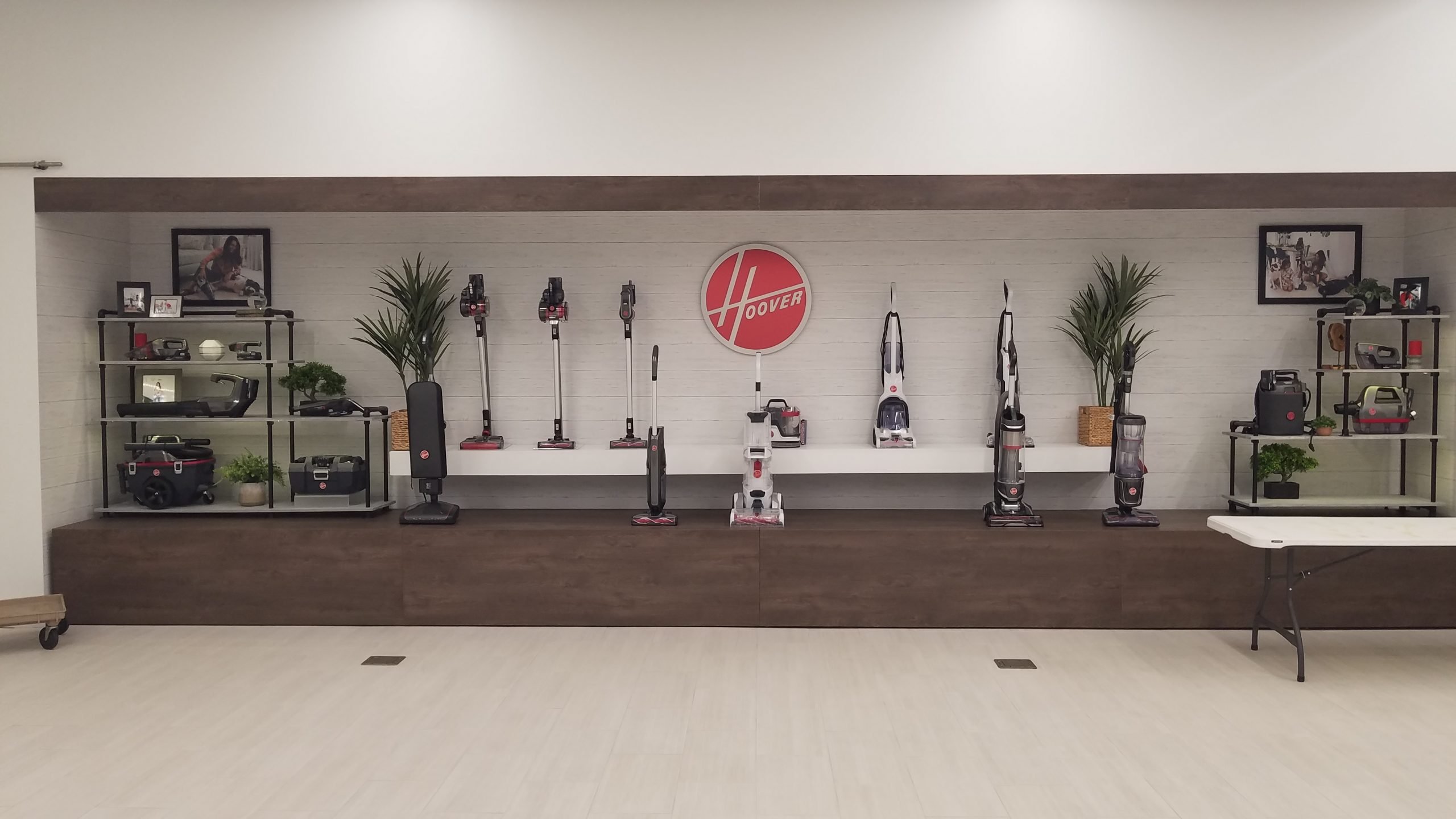
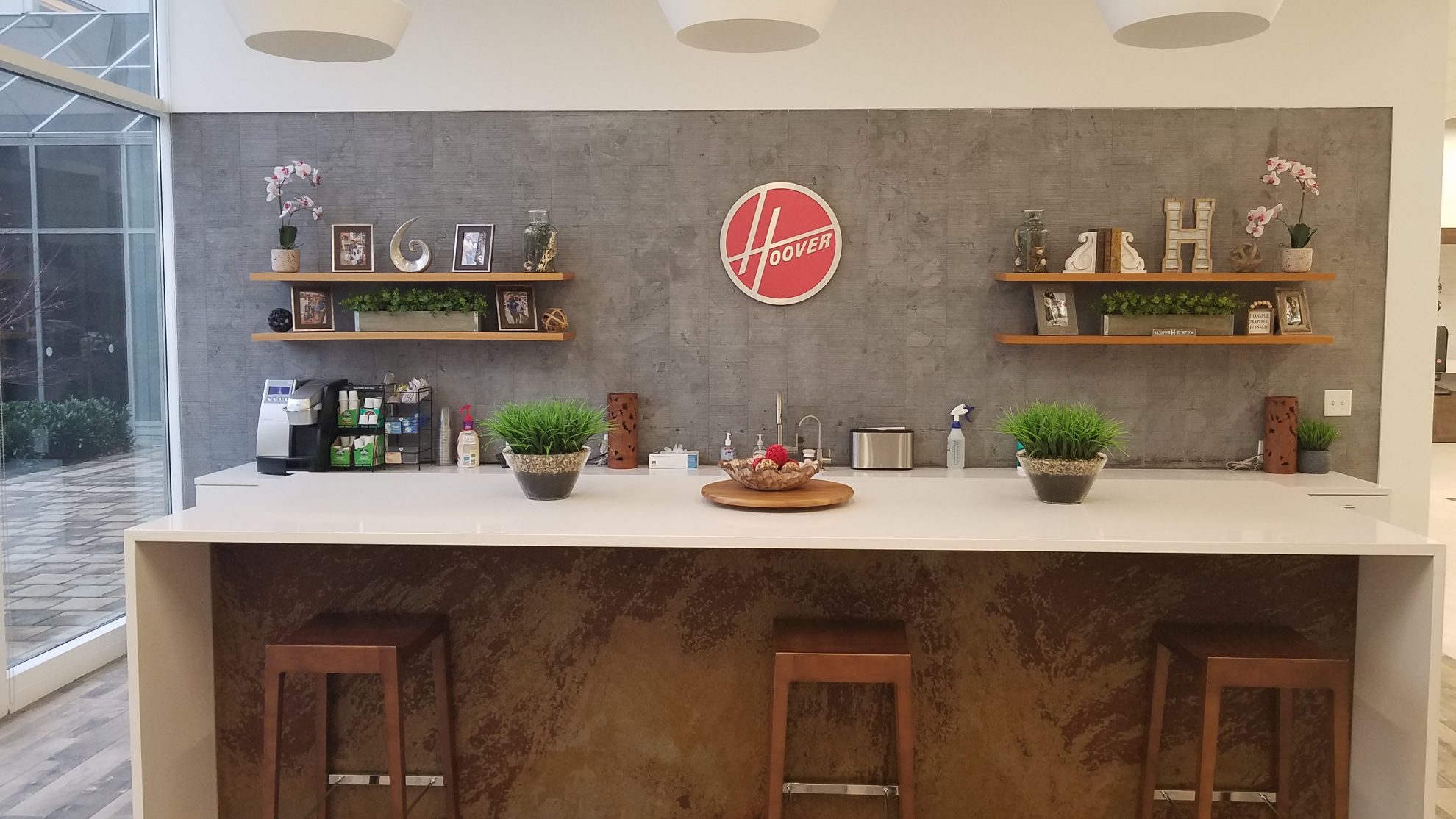
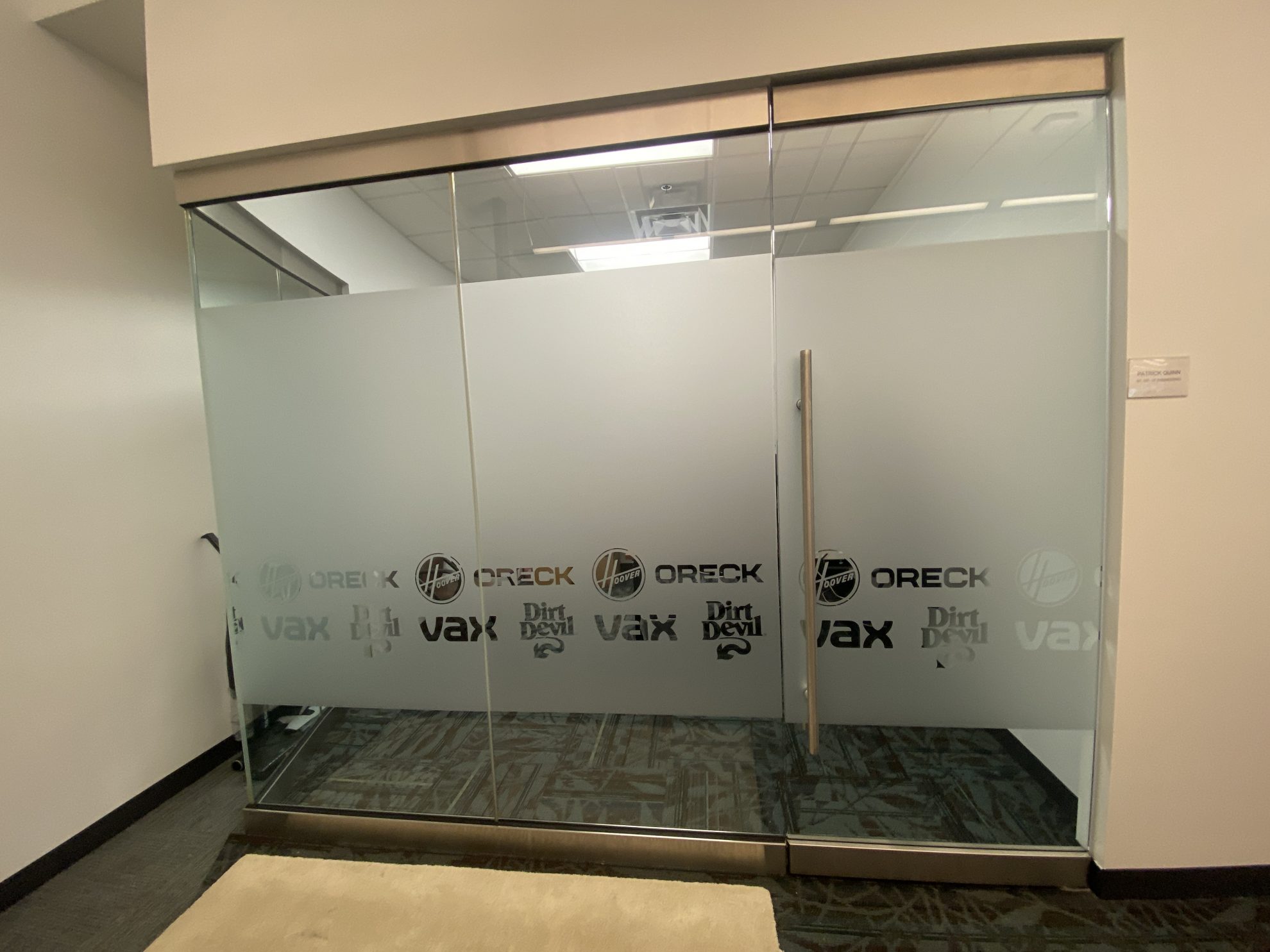
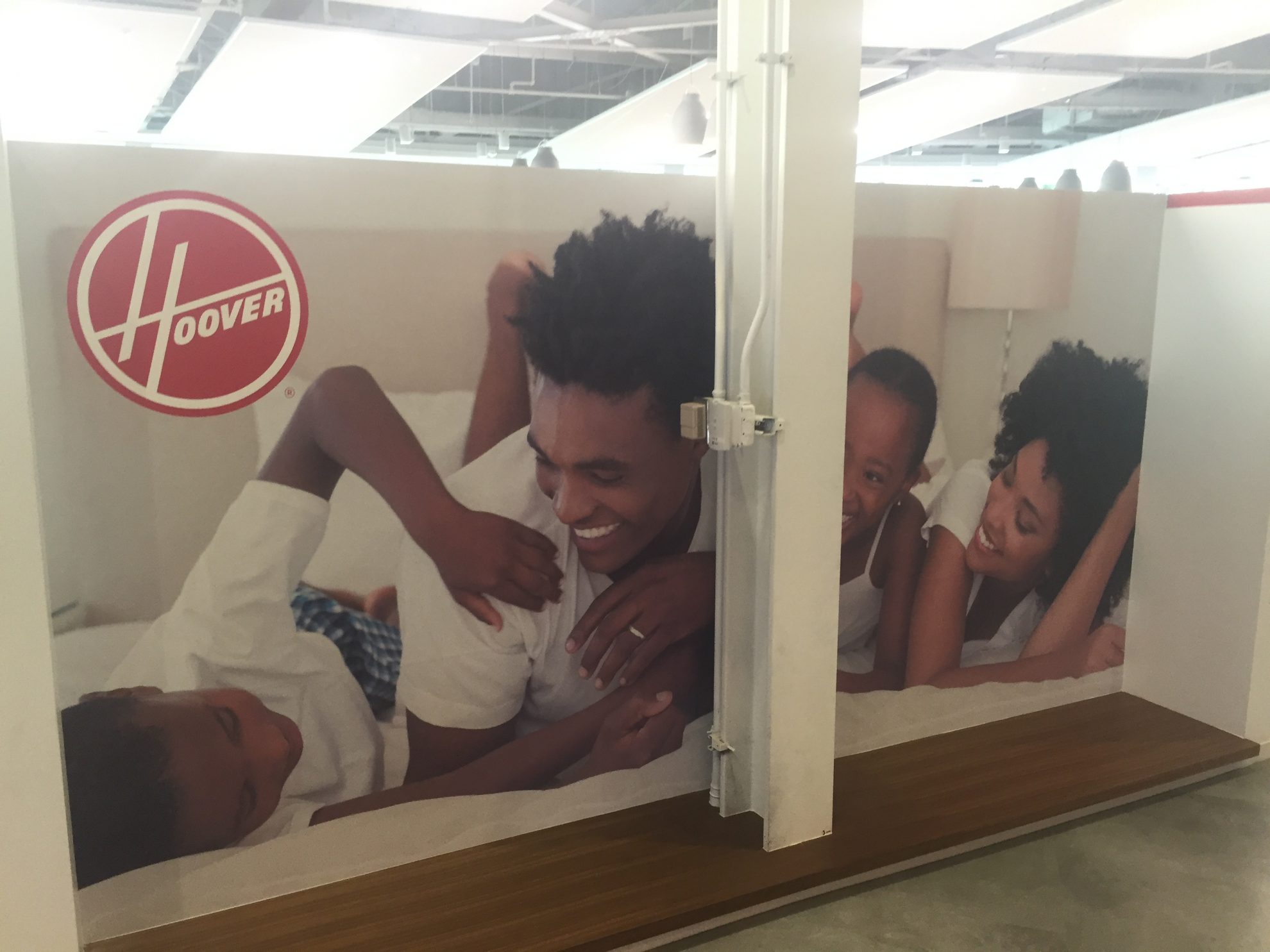
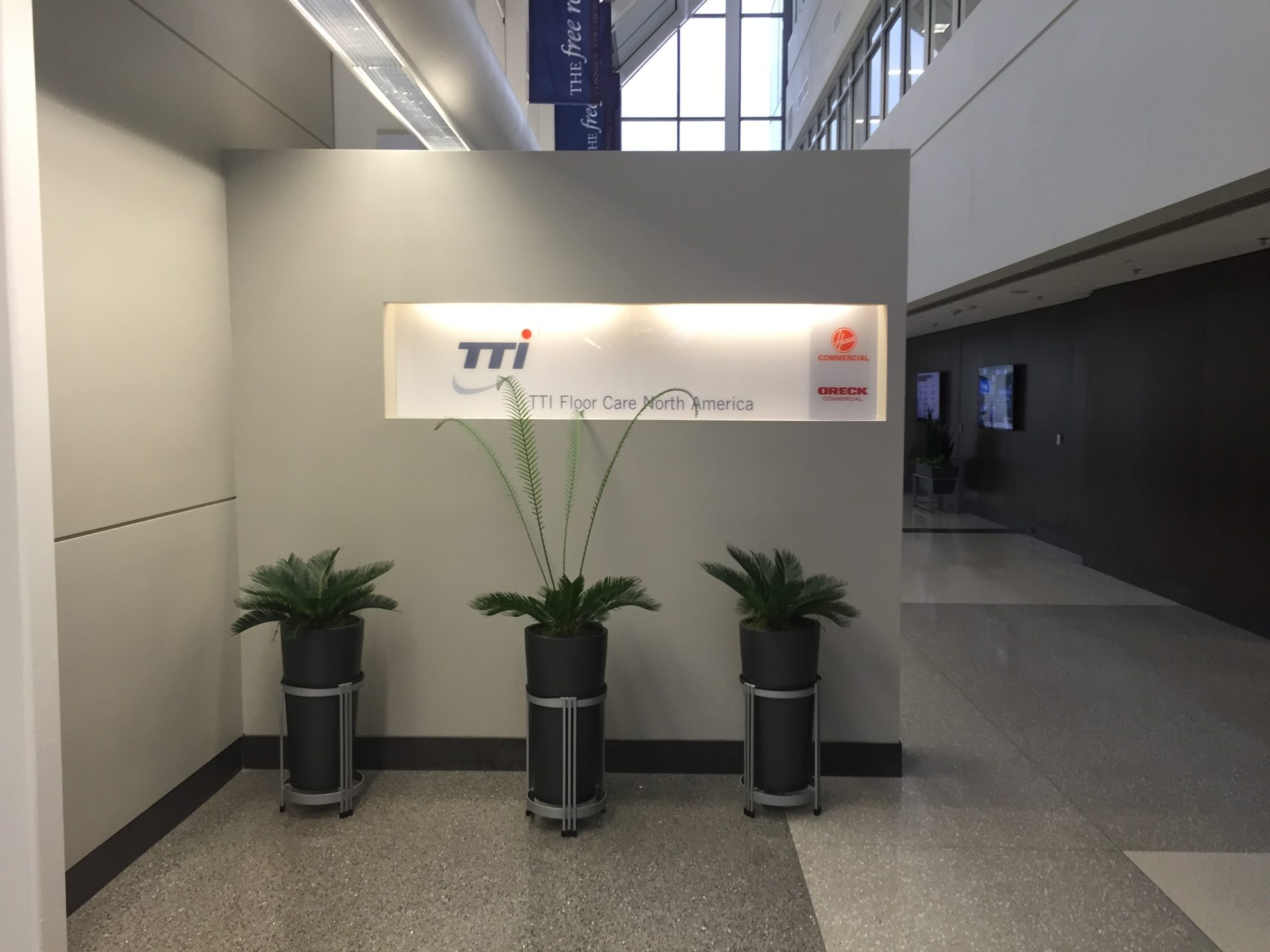
Heritage Signs & Displays collaborated with TTI Floor Care North America to enhance their corporate office. The project included custom frosted vinyl graphics, acrylic signs, dimensional lettering, and LED backlit signs, showcasing the brands Dirt Devil, Hoover, and Oreck. The signage improved office branding, privacy, and aesthetics. Heritage collaborated closely with TTI, ensuring efficient execution and high-quality results, creating an immersive and professional environment that reflects TTI's brand values.
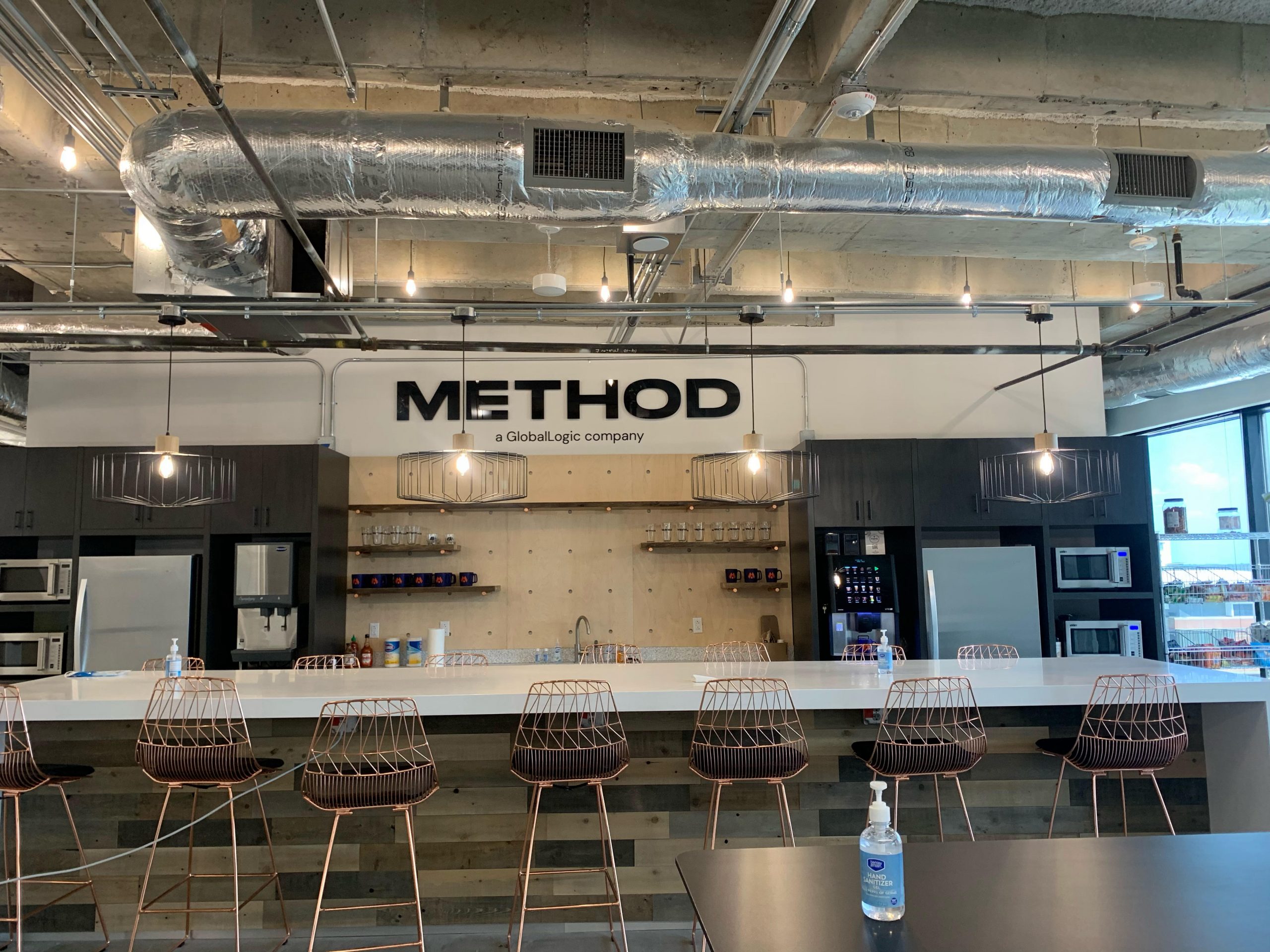
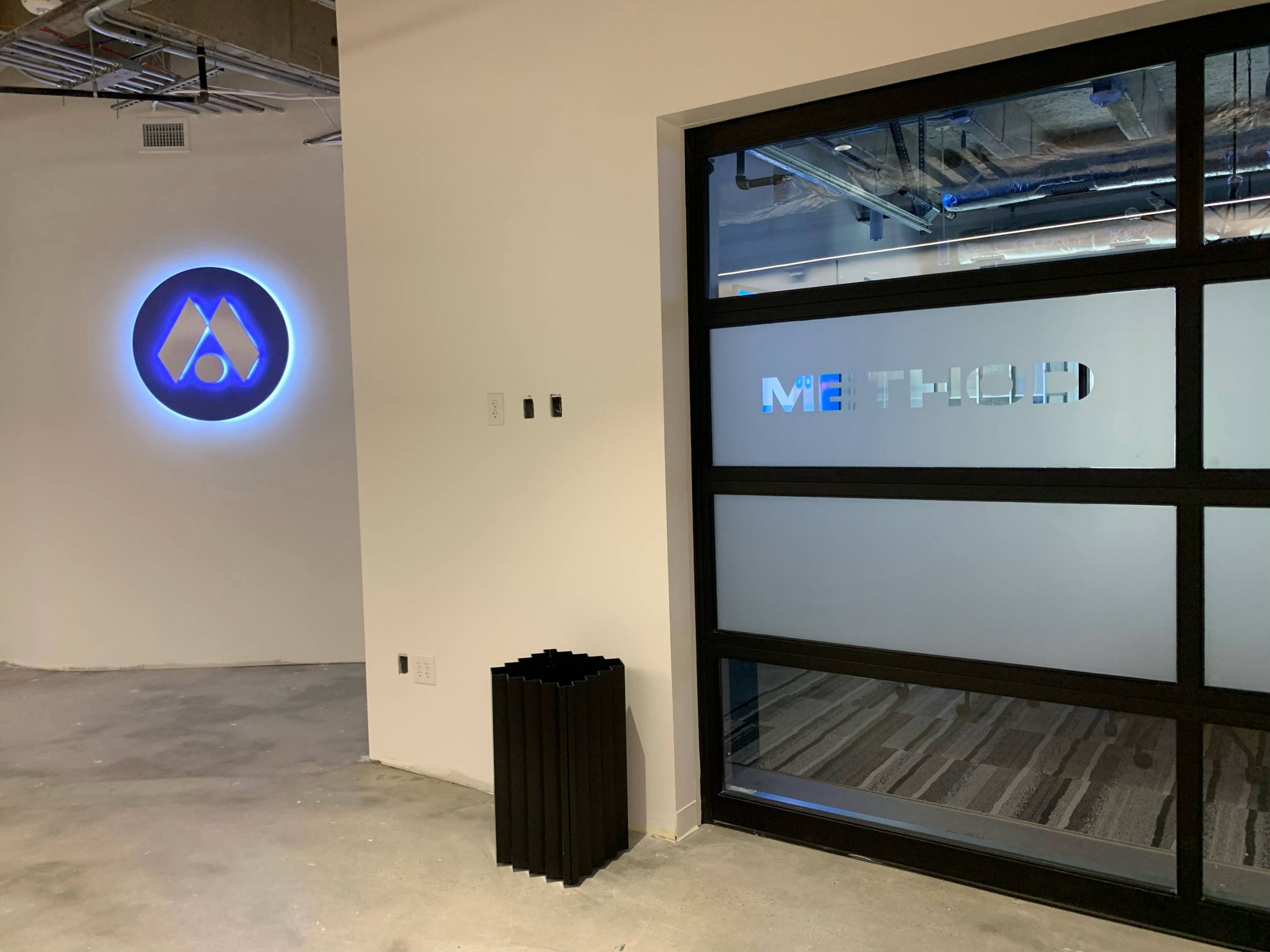
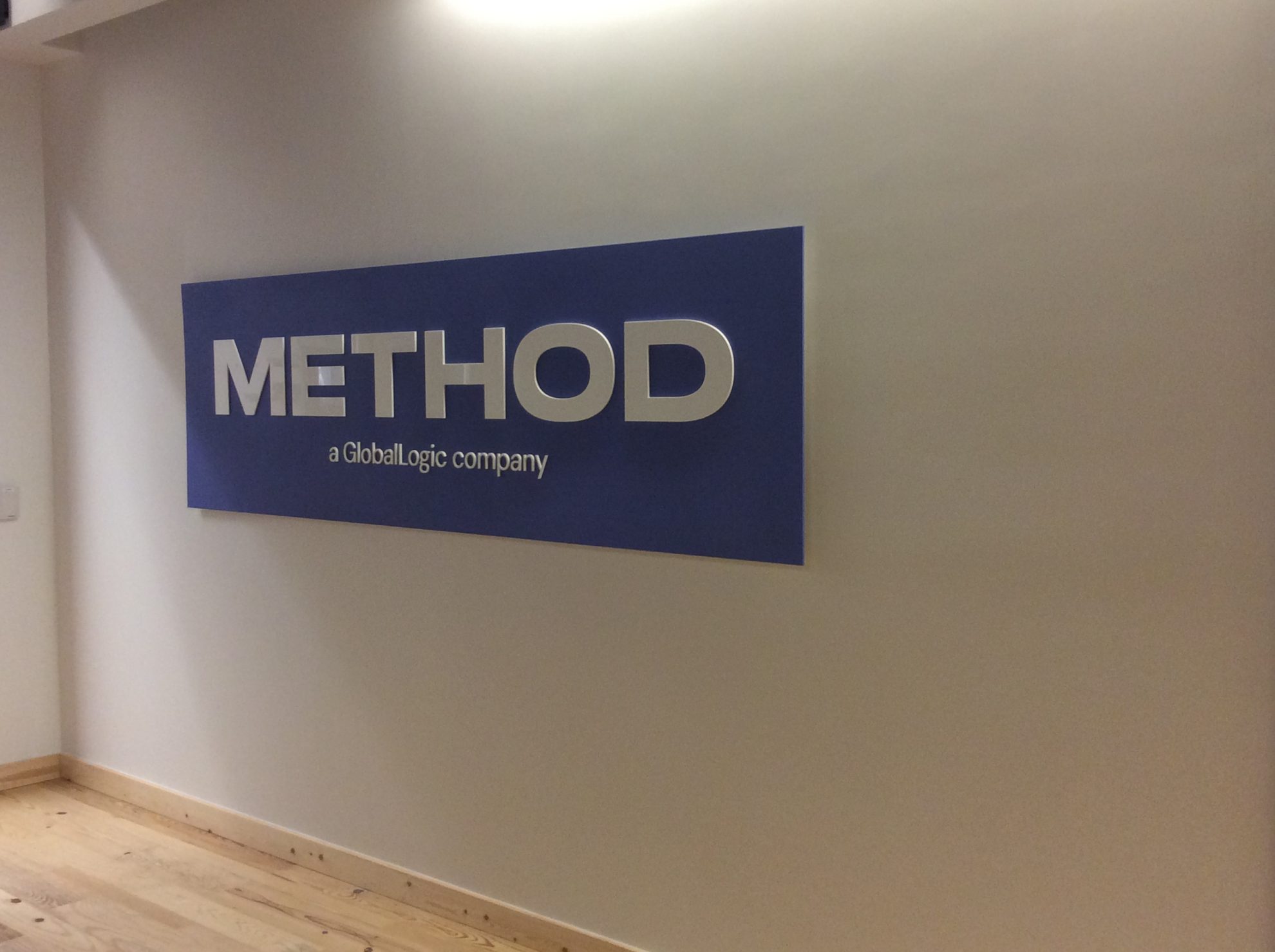
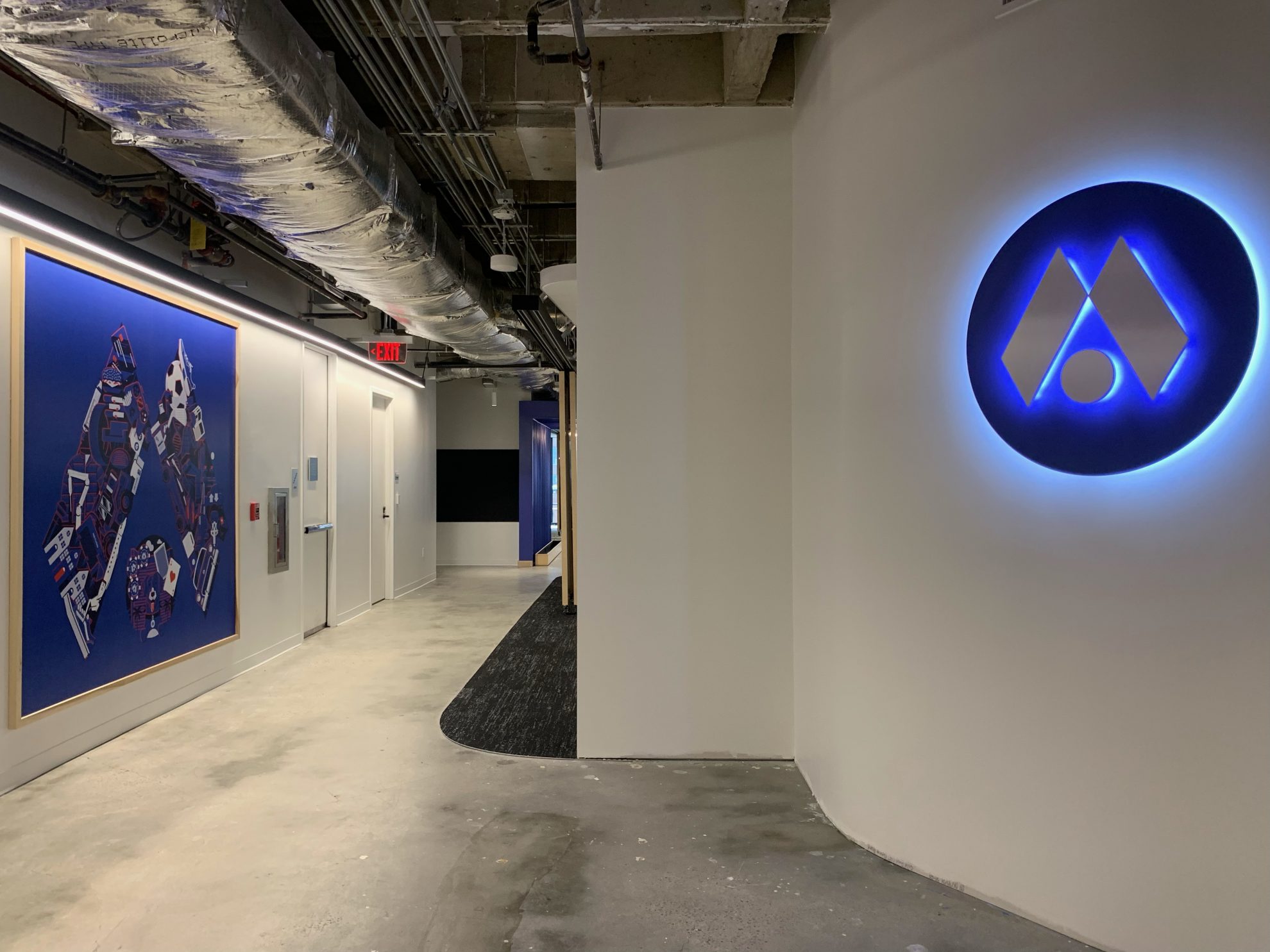
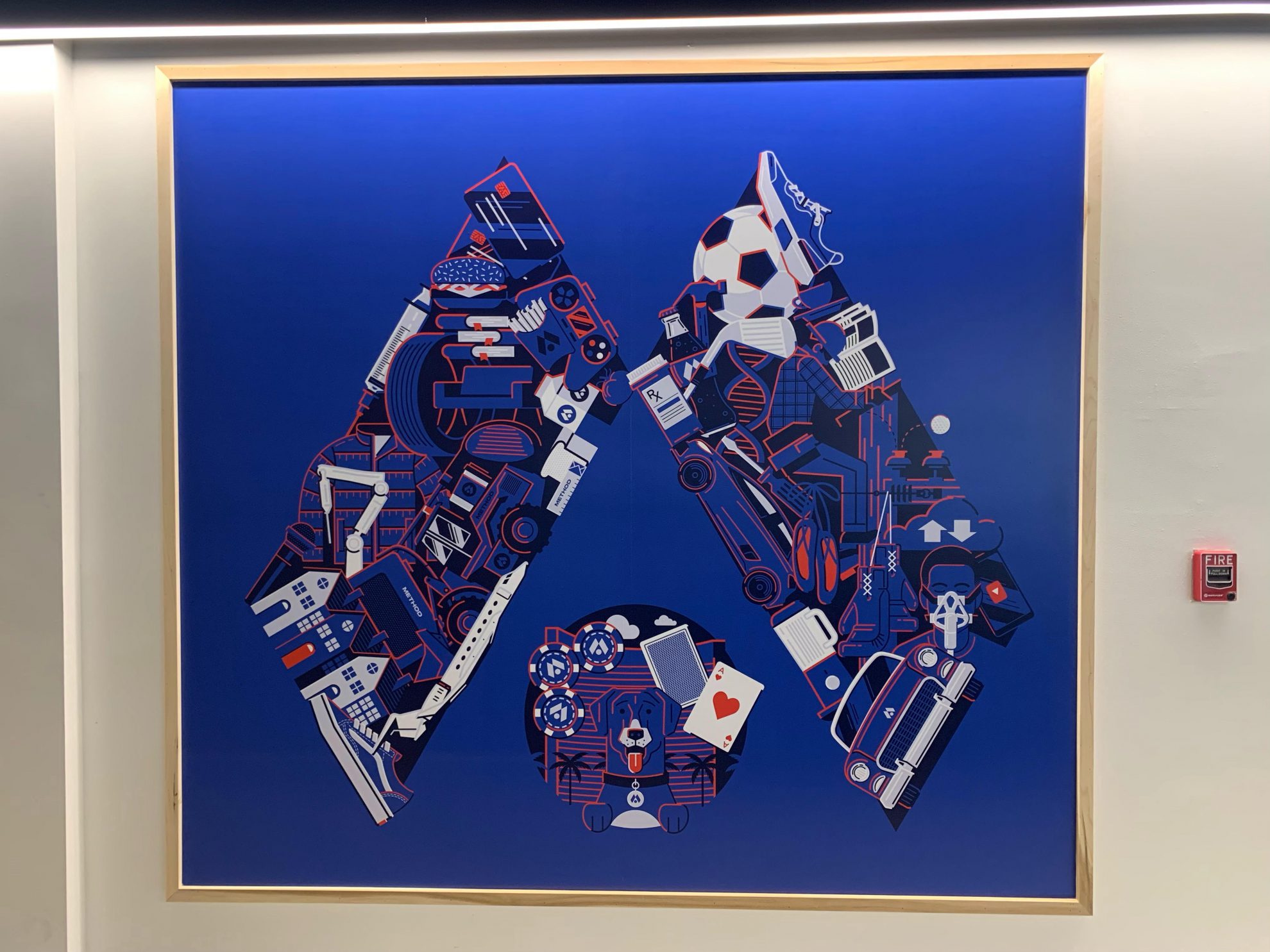
Heritage Signs & Displays' collaboration with Method (formerly Skookum) to rebrand their corporate headquarters. The project included dimensional lettering, wall displays, LED-lit signage, wall wraps, and frosted vinyl, creating an immersive and branded environment. Heritage worked closely with Method's team, ensuring accurate execution and timely delivery. The transformation was completed in August 2021, with Method's employees moving into the revamped space in September. The project reflects Heritage's commitment to quality and collaboration.