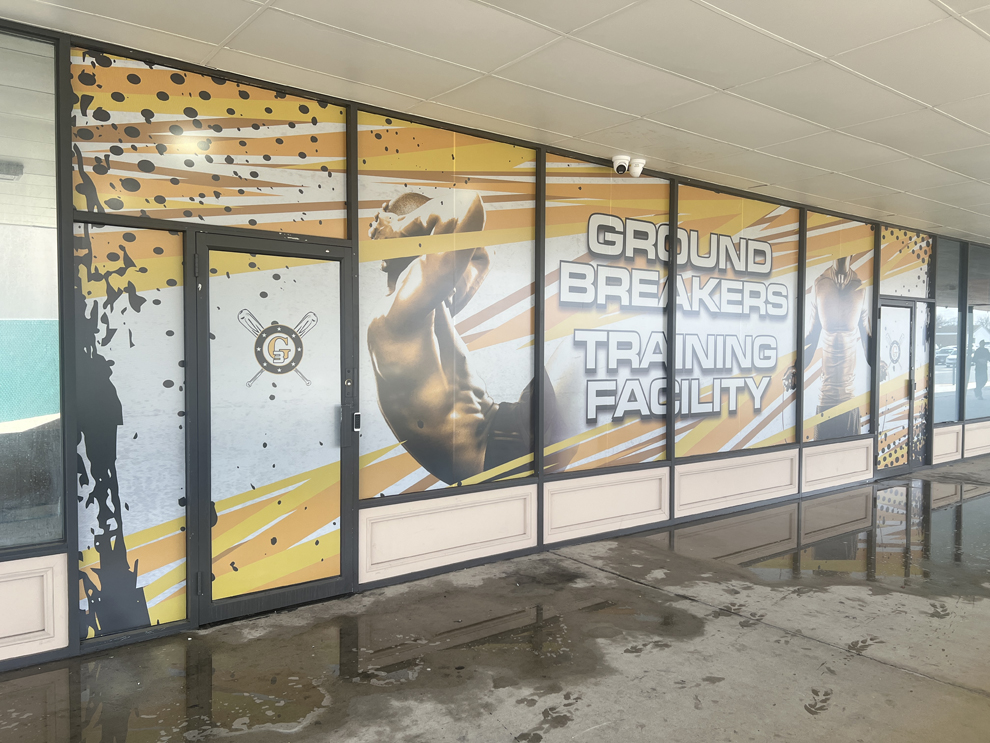
Your entrance should help people recognize the organization and enter the space with confidence. Storefront graphics can establish identity on windows, doors, and adjacent surfaces while addressing practical needs such as privacy, daylight, visibility, and awareness of clear glass. The strongest solution does not attempt to place the entire brand story at the doorway. It introduces the organization clearly and prepares employees, visitors, customers, or tenants for the interior experience that follows.
The storefront and interior should support the same purpose without performing the same visual job. Entrance lettering may confirm identity and hours. Window graphics can provide branding or selective privacy while preserving useful views. Decorative or branded vinyl graphics applied to clear glass can make the surface easier to notice. Once inside, a lobby sign, wall graphic, dimensional feature, or display can become the primary focal point and communicate the organization’s culture, history, values, or work in greater depth.
Heritage Signs & Displays plans Storefront Graphics as the principal bridge between exterior-facing identity and branded commercial interiors. The process begins with discovery and a required site survey, followed by environmental graphic design, production, fabrication, and professional installation. One dedicated Project Manager maintains the connection among the client’s objectives, property information, measurements, approved artwork, material decisions, schedule, and installation conditions. This continuity preserves project knowledge, limits unnecessary handoffs, and helps questions get resolved before they become field problems.
The dedicated Project Manager also protects approved design intent as the work progresses. Environmental graphic designers consider how graphics should relate to the architecture and the movement of people through the entrance. Production and fabrication teams prepare the approved elements for their intended applications. Heritage’s full-time professional installers receive the relevant site information, access requirements, and installation plan. The client retains one accountable Heritage relationship rather than coordinating disconnected providers at each stage.
Heritage began in 1977 as a commercial printing company. Signs, interior graphics, workplace branding, and event environment solutions became a defining company focus beginning in 2009. Heritage is an award-winning, veteran-owned, family-led company approaching its 50th anniversary. This history supports a disciplined approach in which recommendations account for the design, material, surface, exposure, property, and installation conditions that influence the finished result.
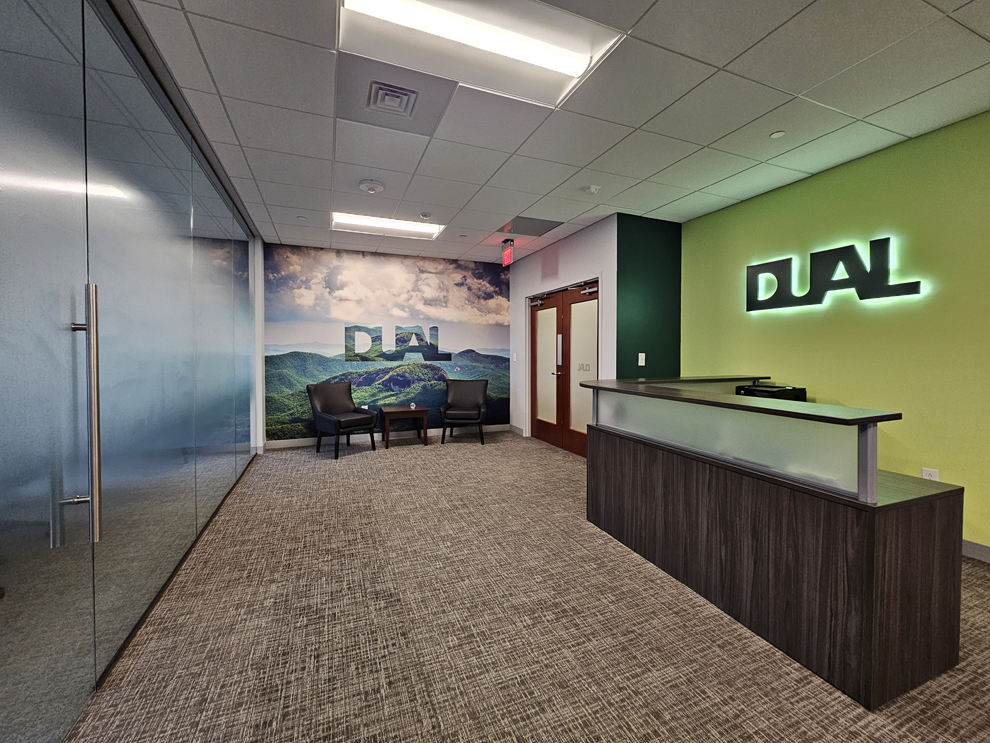
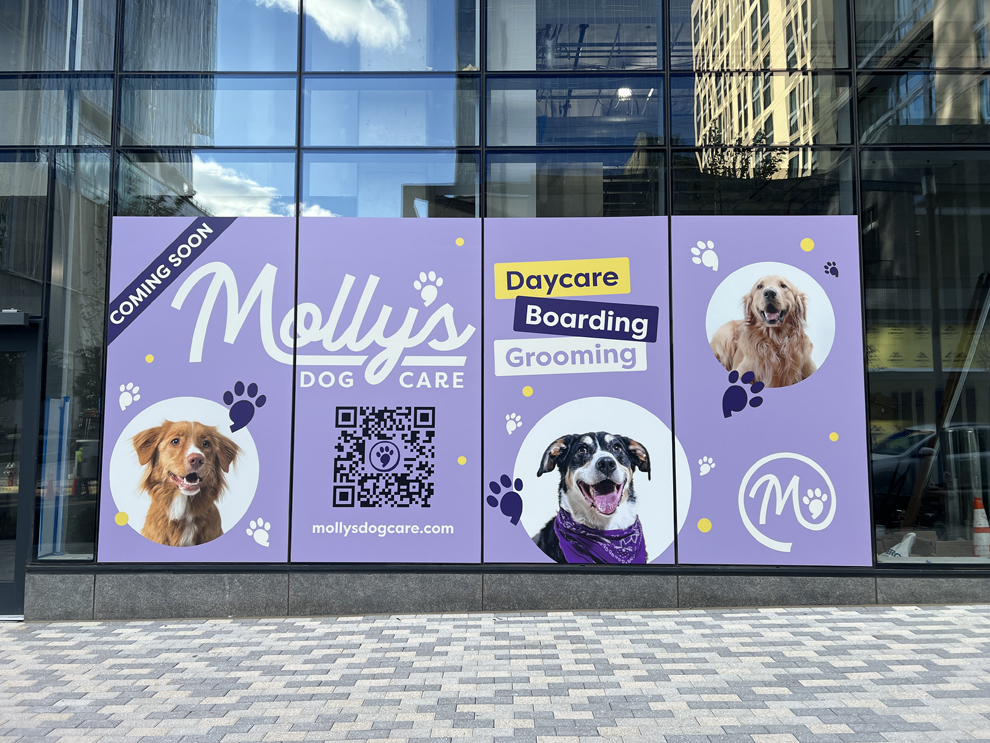
Storefront Graphics is the gateway through which selected exterior-facing elements can connect with the workplace or commercial interior. Heritage produces and installs non-illuminated exterior window graphics, exterior wall graphics, dimensional lettering, dimensional signs, custom sign panels, and related storefront elements within coordinated branding projects. These components can introduce the organization before entry and lead toward lobby signs, wall graphics, displays, and other interior features without making the entrance visually crowded.
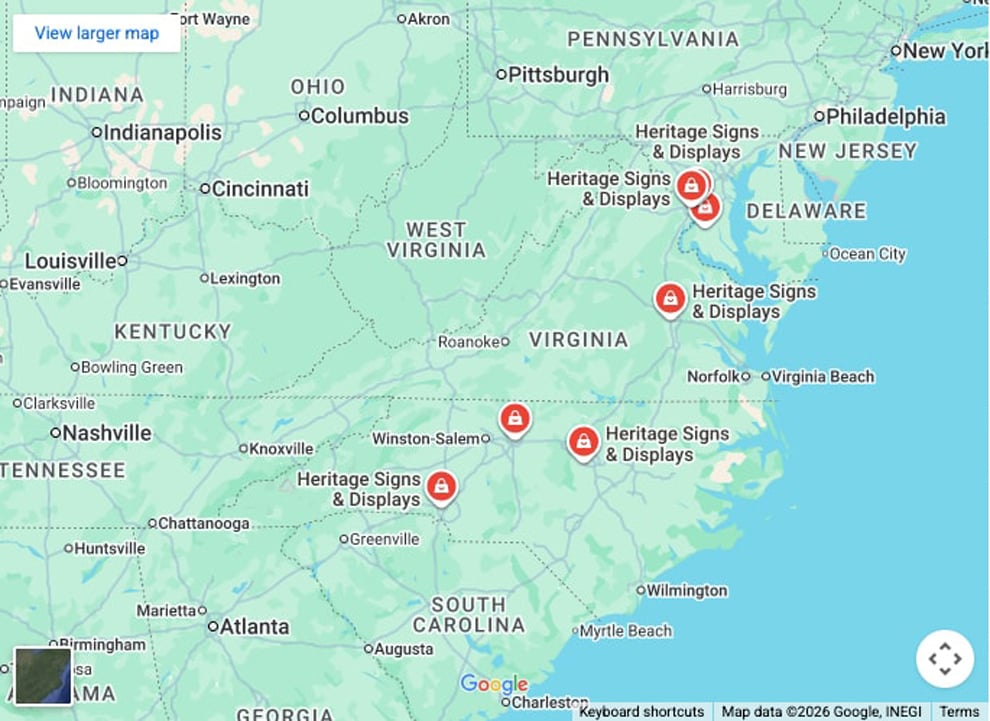
High Point clients have access to a verified client-facing Heritage office and local field and installation support serving the Piedmont Triad. This support connects discovery, site surveys, field verification, installation planning, and professional installation with broader production and project resources. Heritage’s purpose is to honor God by serving clients and communities with excellence. That purpose is reflected through clear communication, thoughtful stewardship, and dependable follow-through.
An effective entrance establishes recognition first. From there, the treatment of doors and windows should balance identity with the way the property operates. A street-facing window may require stronger visibility from a distance, while glass inside a shared commercial building may need more restrained identification. Conference rooms and office fronts may benefit from selective privacy that preserves daylight and avoids making the workplace feel closed.
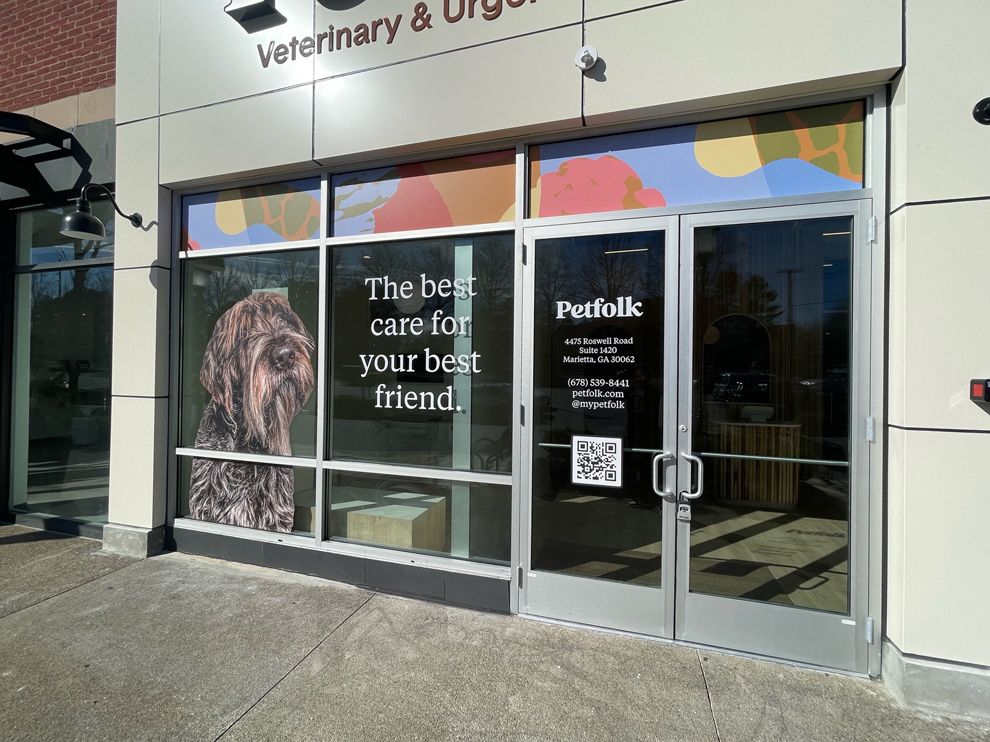
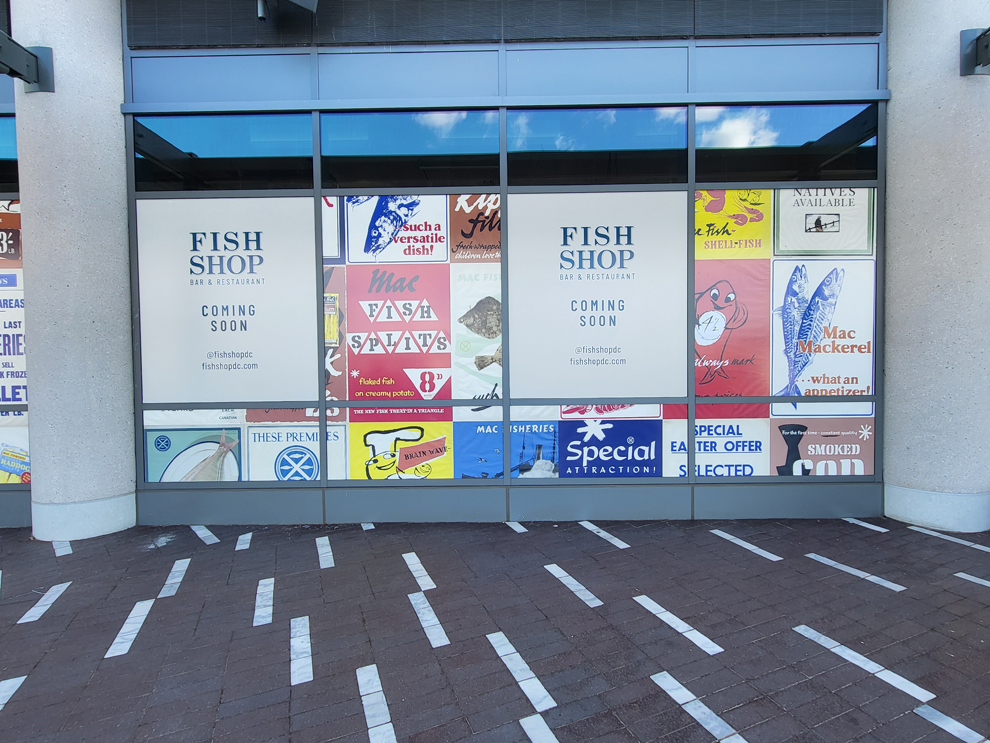
Clear glass also requires thoughtful visual awareness. Distraction markers are decorative or branded vinyl graphics applied to clear glass to make the surface easier to notice. Bands, dots, patterns, logos, and other visual elements can support that purpose while contributing to privacy or branding. Applied vinyl does not establish building-code compliance, safety-glazing compliance, certification, or approval.
Once a person enters, the visual emphasis can move toward a lobby sign, branded wall, history display, recognition feature, or another interior destination. Planning the door, windows, lobby, and workplace as connected parts of one experience reduces visual conflict. Storefront graphics introduce the brand, while selected interior elements provide the space and hierarchy needed to develop it more fully.
Heritage is structured for organizations that need coordinated decisions and accountable execution, not merely a graphic applied to glass. Heritage’s One Dedicated Project Manager System provides one consistent client relationship from discovery through environmental graphic design, production, fabrication, and professional installation. Fewer handoffs help preserve information, approved brand standards, scheduling decisions, and responsibility for the finished result.
Environmental graphic designers can develop concepts within Heritage’s scope or work from approved artwork and established brand standards. Heritage also collaborates with client stakeholders, architects, interior designers, branding agencies, property teams, and general contractors when a broader professional group is involved. The Project Manager keeps those inputs connected to practical production and installation requirements.
Heritage is veteran-owned and family-led. High Point clients receive local discovery, site-survey, field-verification, installation-planning, and professional-installation support backed by broader resources across the Carolinas and Mid-Atlantic. This connected model can support a substantial one-time entrance project, phased workplace improvements, or branding across multiple properties while maintaining one accountable Heritage relationship and adapting the physical solution to each location.
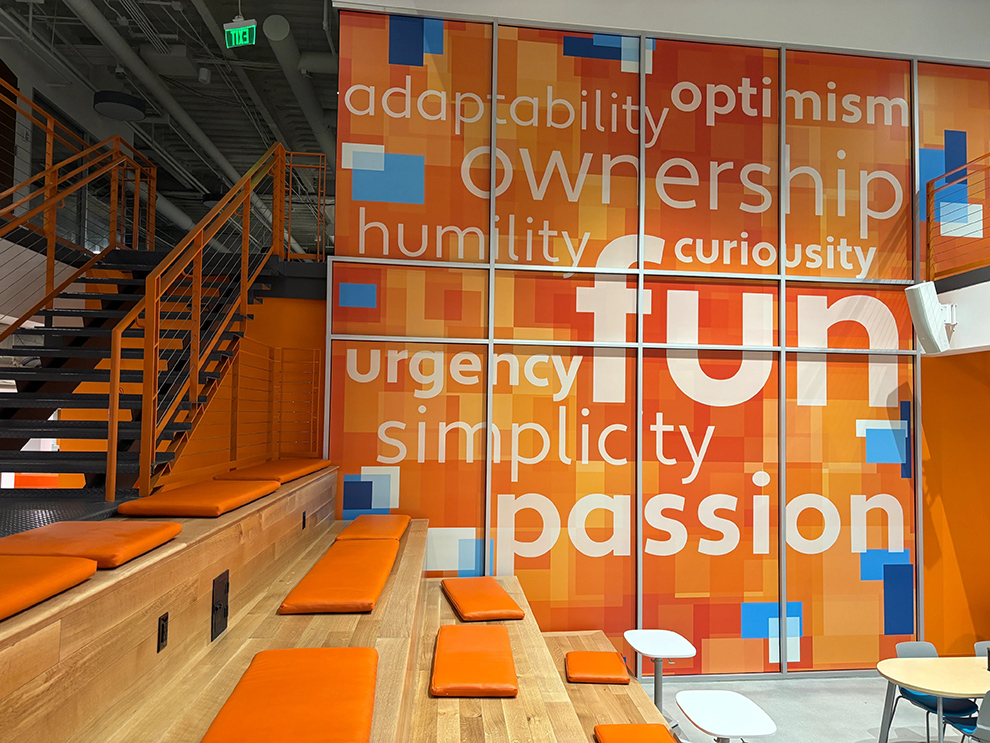
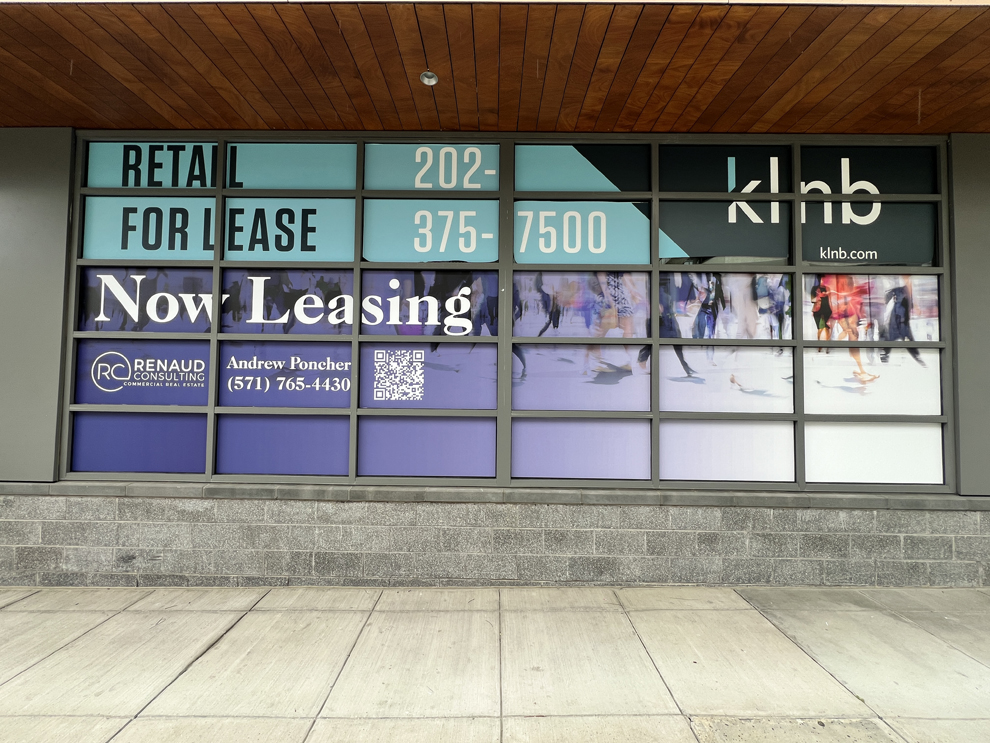
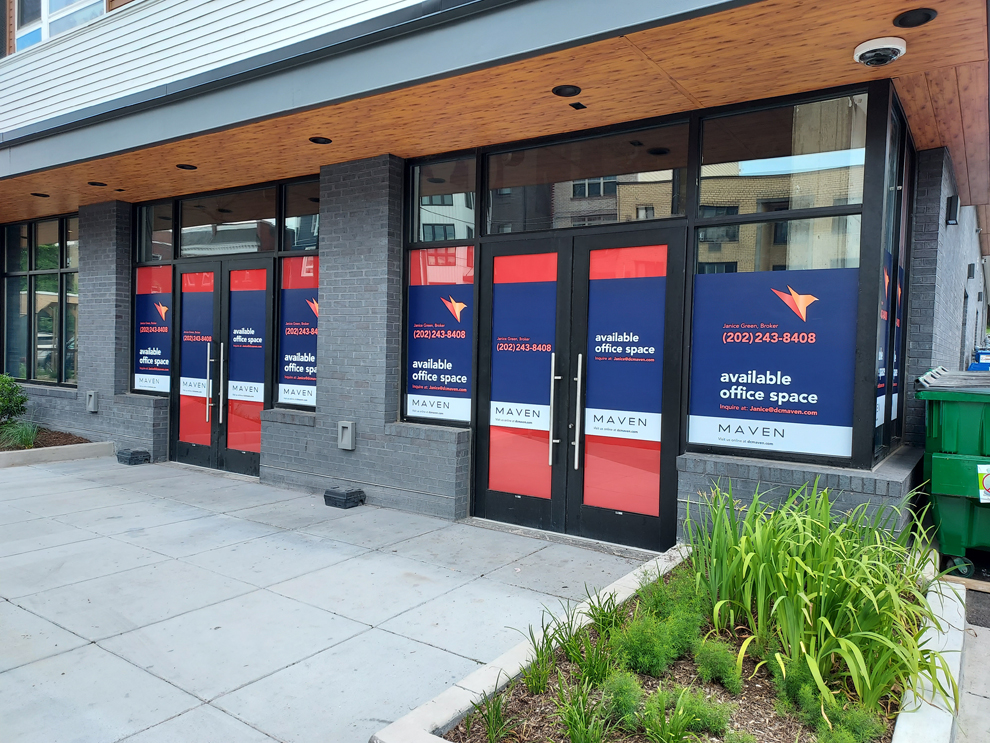
Window and glass graphics establish identity while addressing visibility, privacy, and daylight at the entrance. Heritage plans coverage around actual sightlines and property conditions so the storefront communicates clearly without unnecessarily blocking useful views or disconnecting the glass from the branded interior.
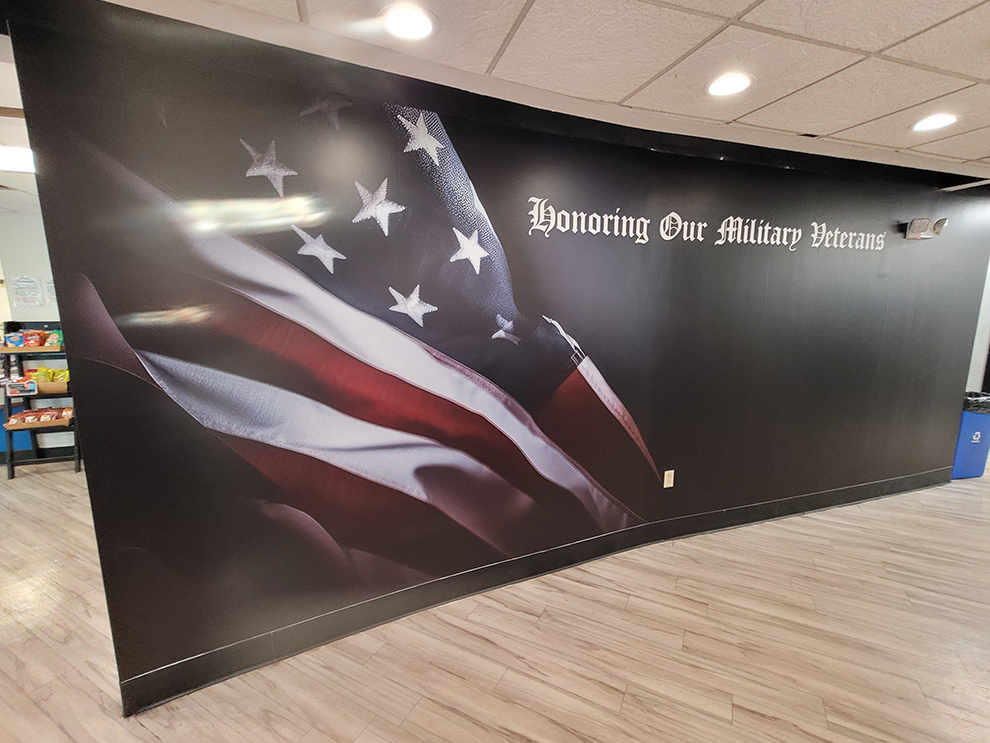
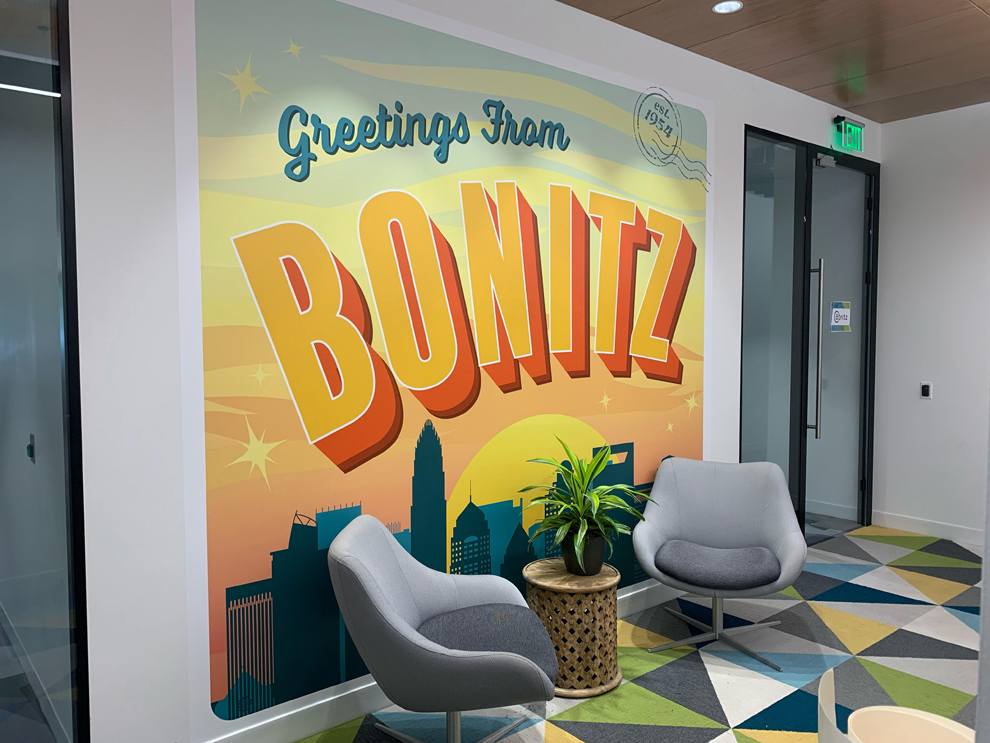
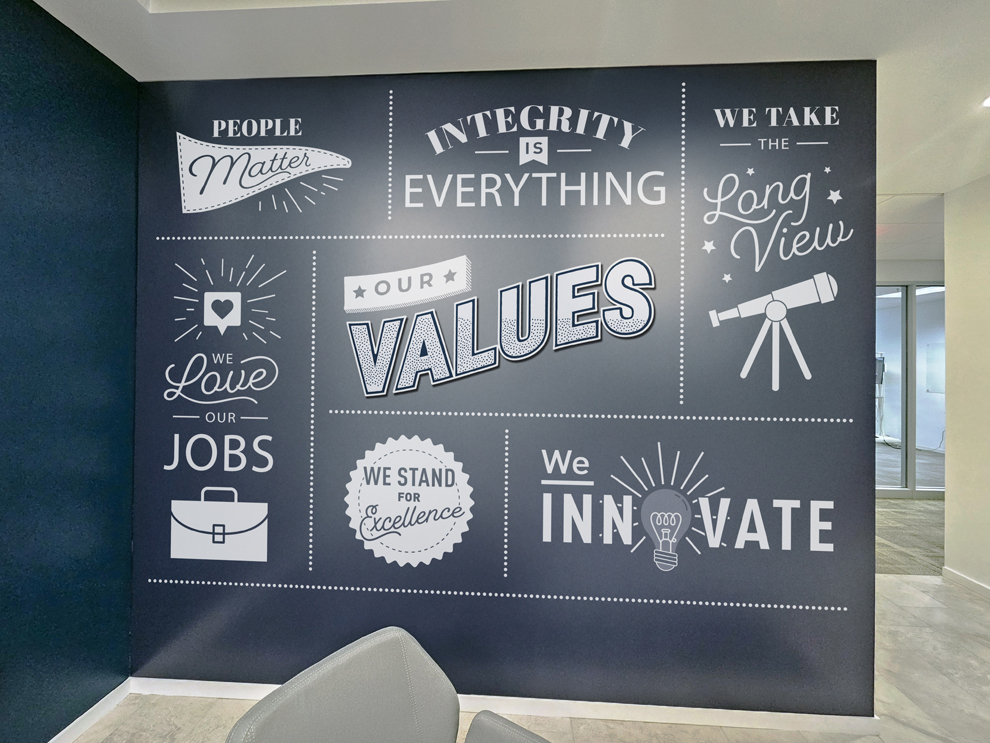
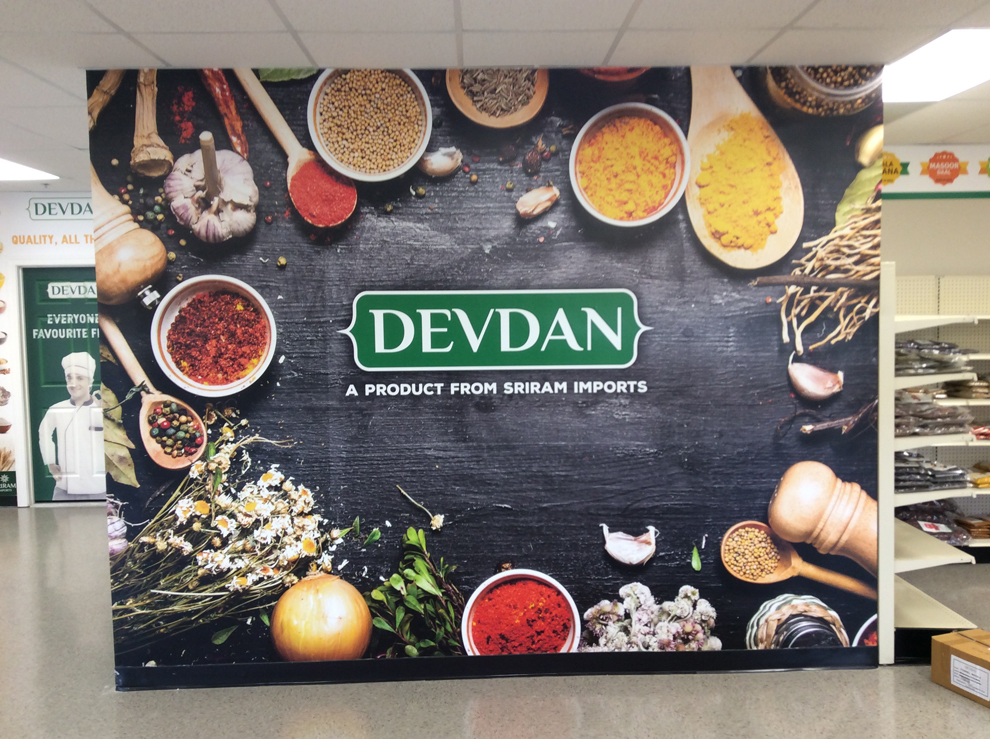
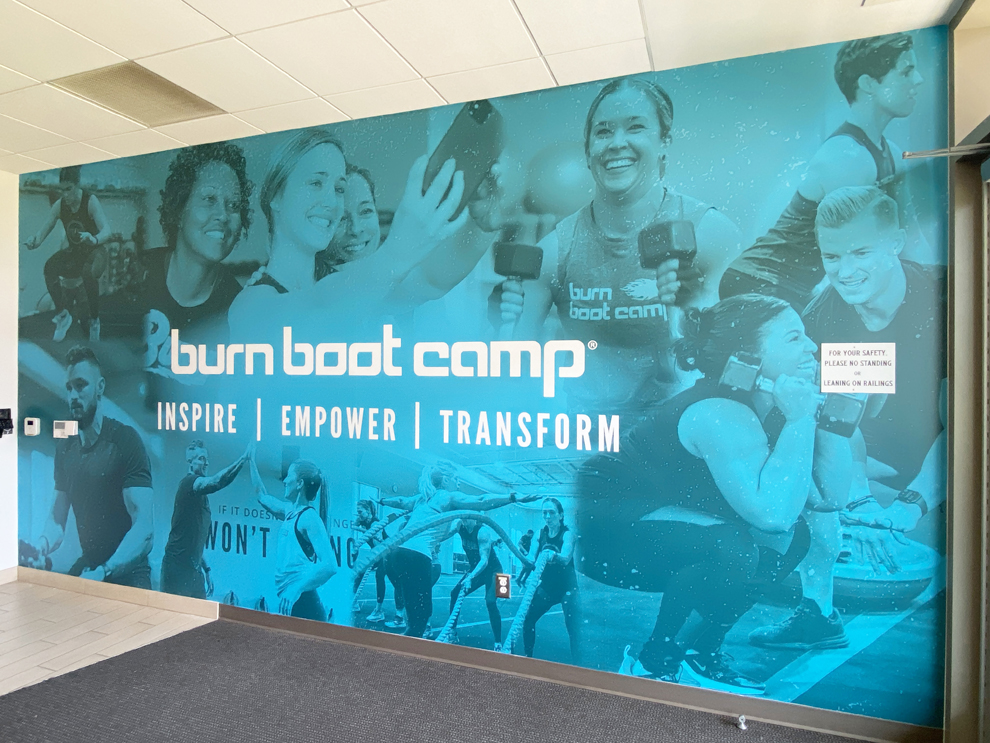
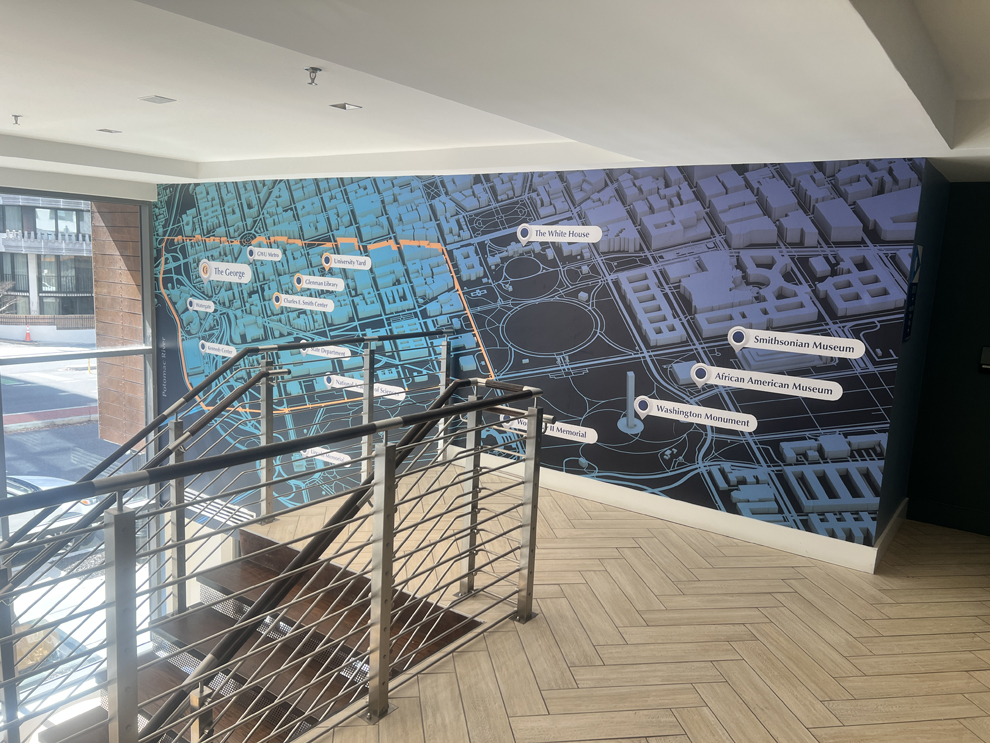
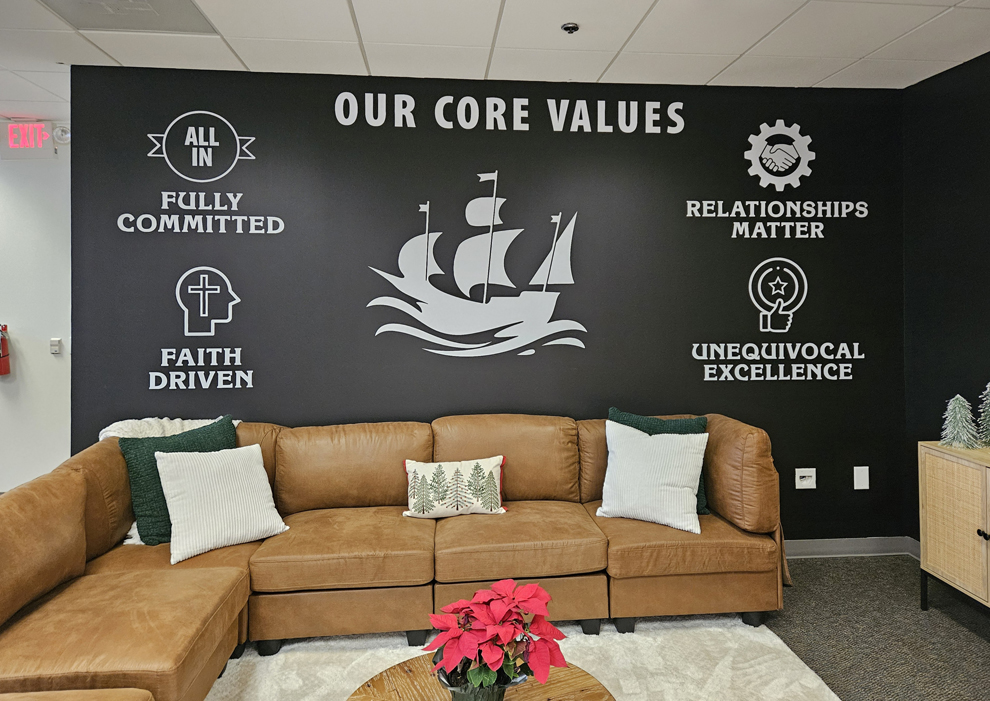
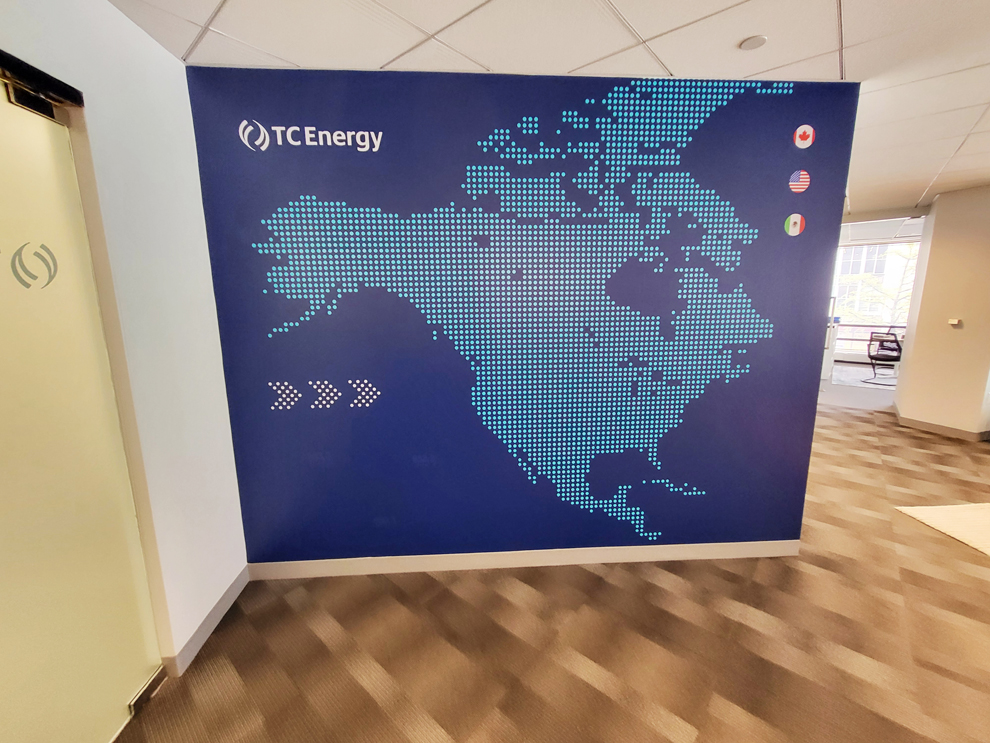
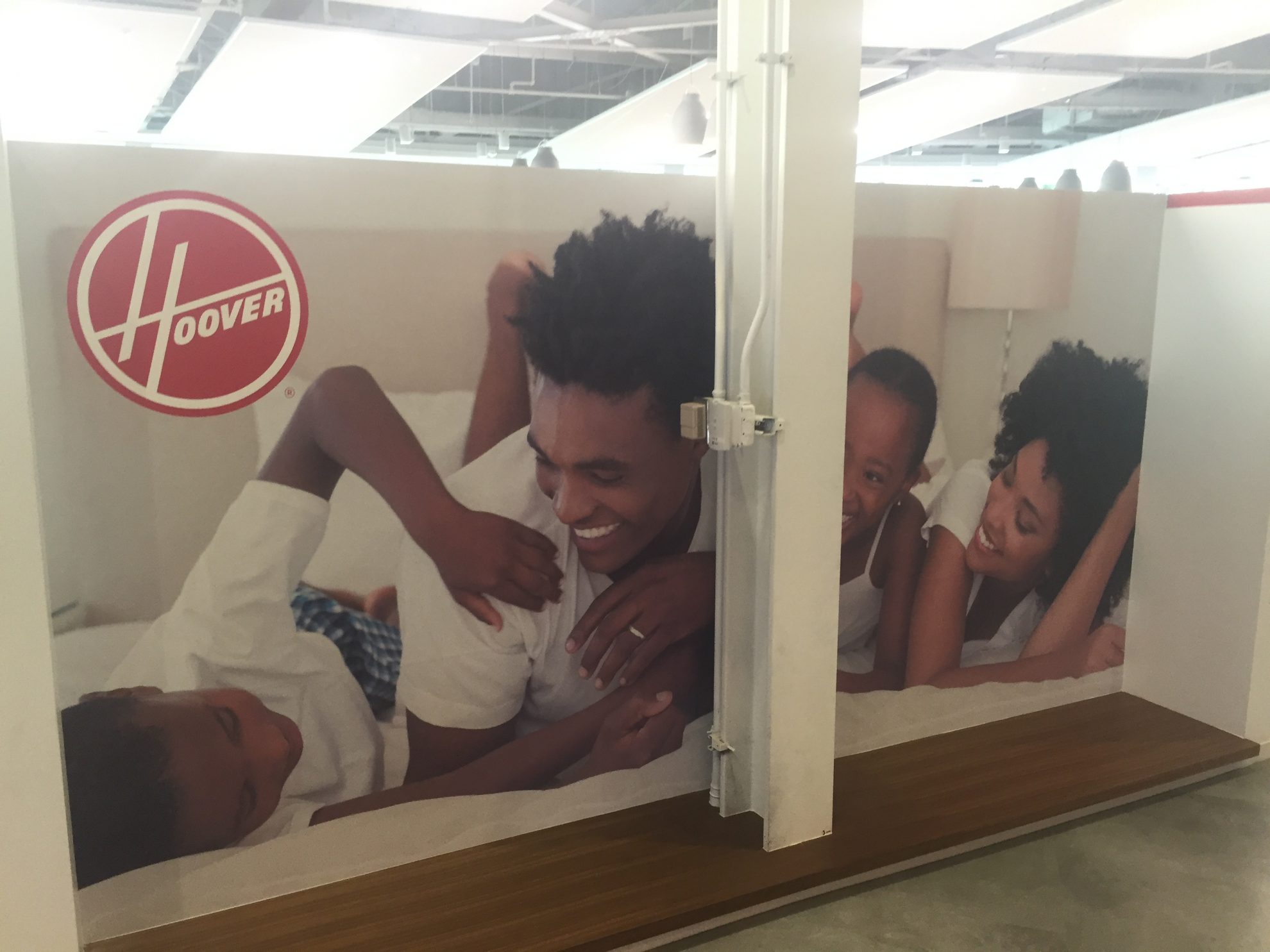
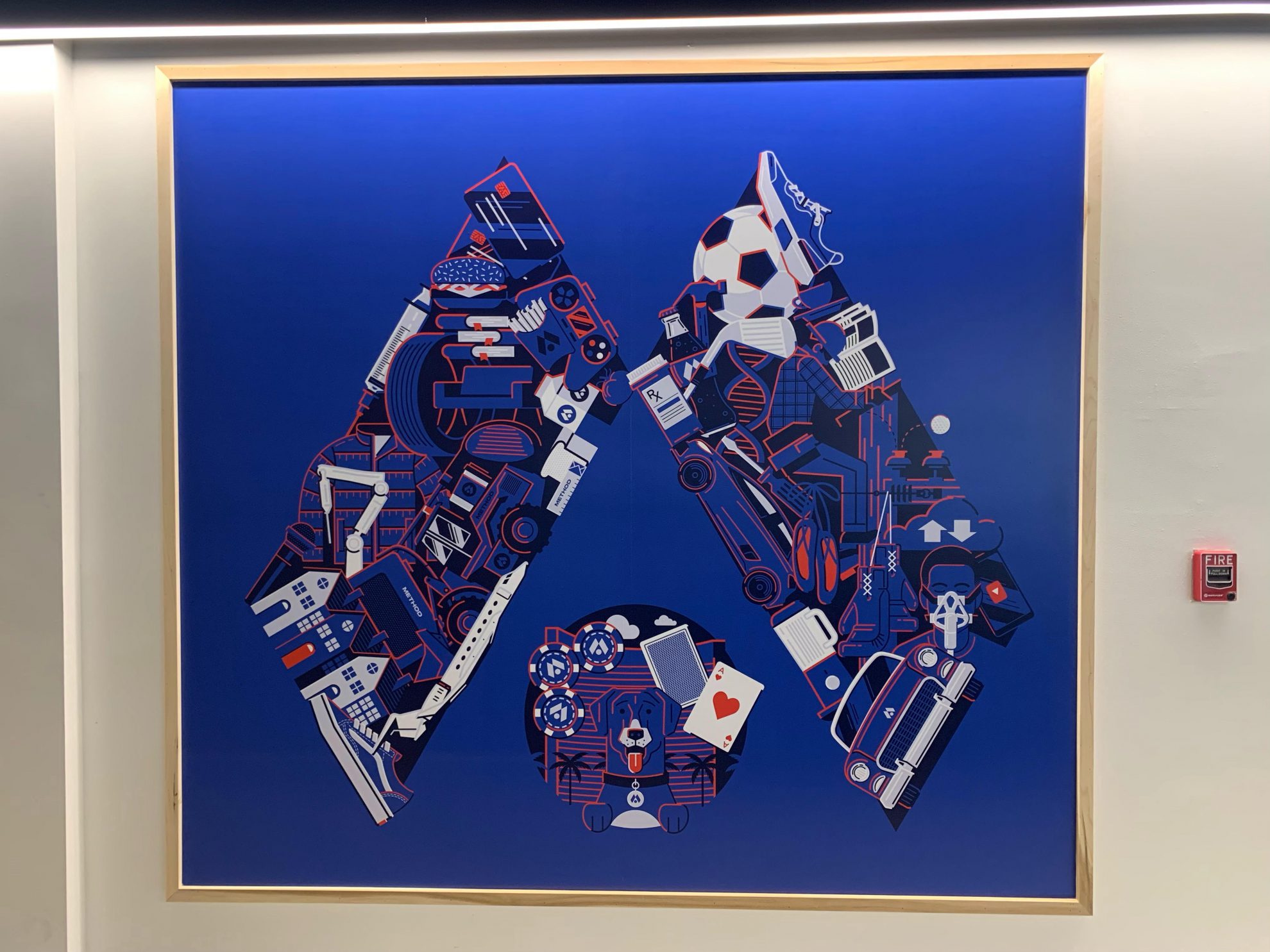
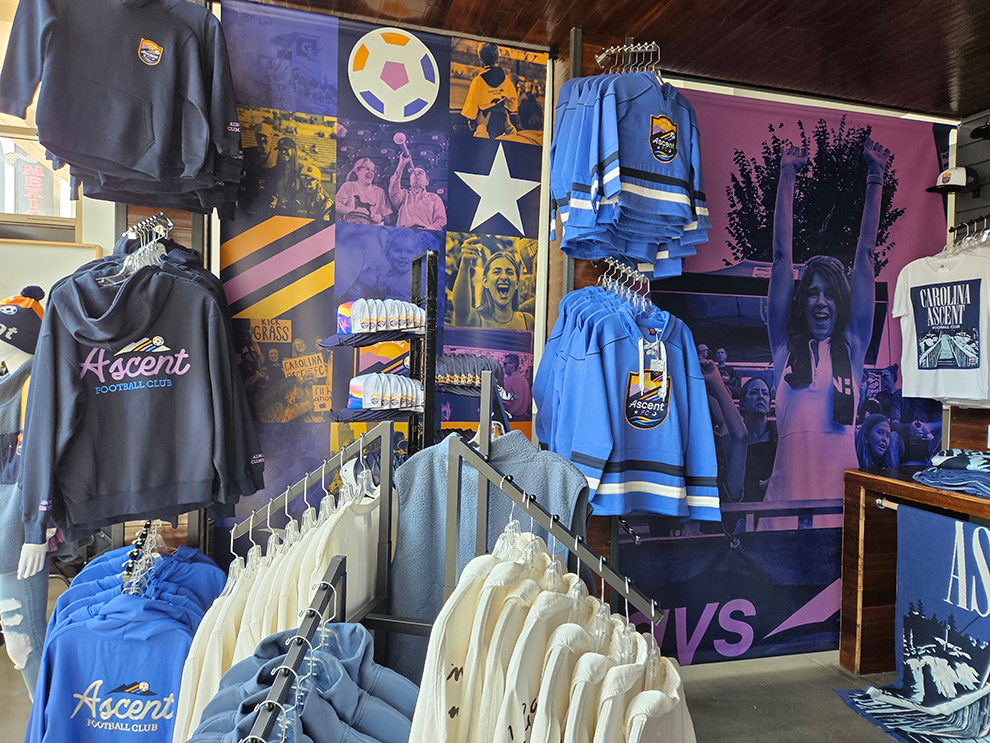
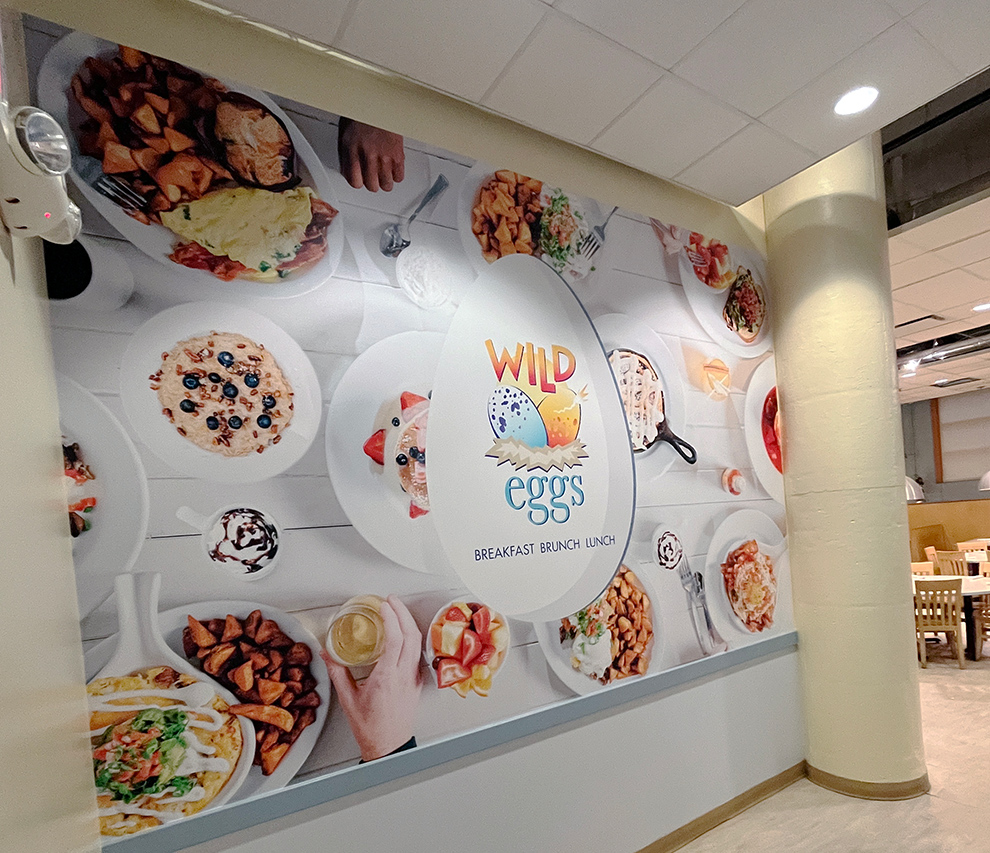
Wall wraps extend the visual language introduced at the storefront across larger interior surfaces. Brand imagery, color, or messaging can guide attention from reception into corridors, meeting areas, showrooms, or workplace destinations while giving the interior greater continuity and scale.
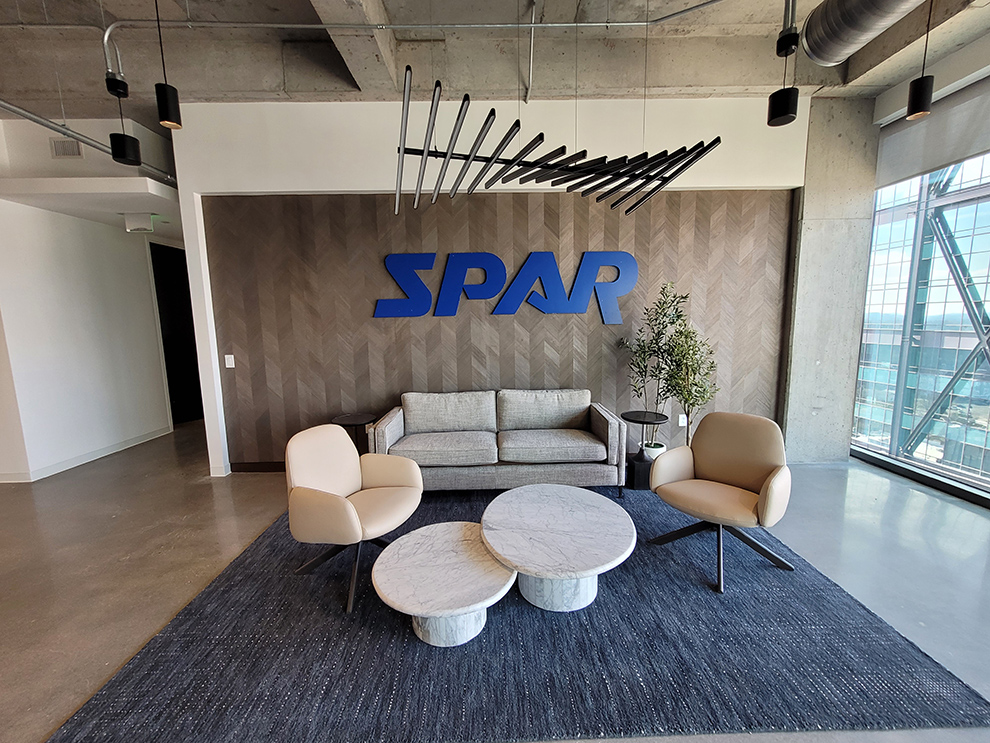
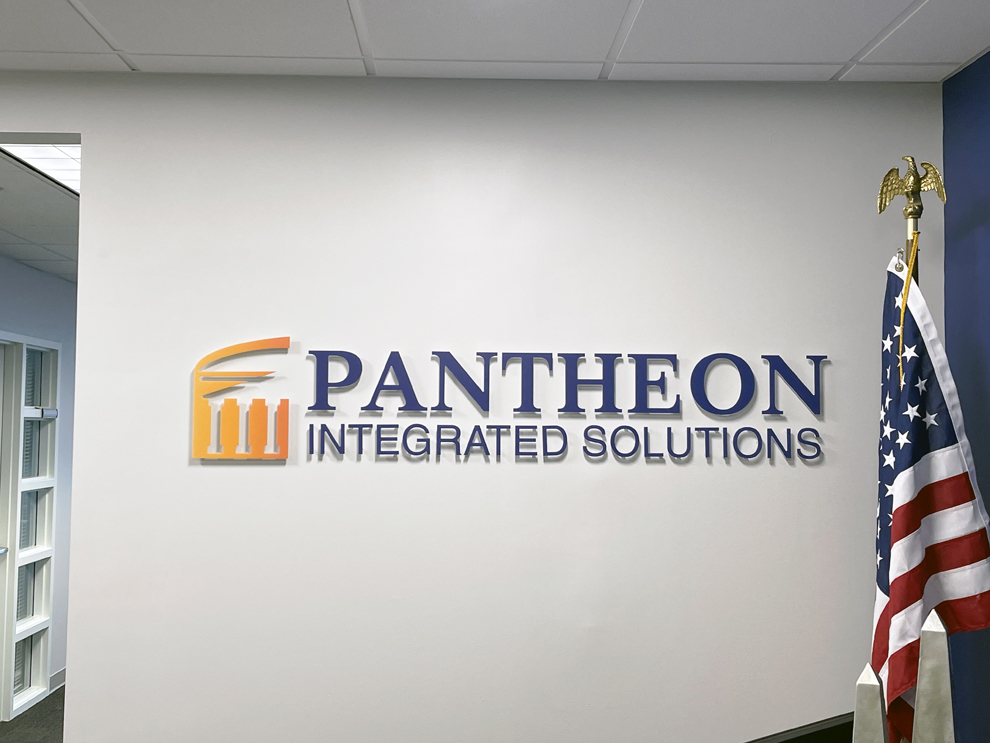
A lobby sign can become the principal interior focal point after storefront graphics establish recognition at the entrance. Heritage coordinates placement, scale, dimensional depth, materials, and surrounding graphics so the reception feature feels related to the arrival rather than purchased separately.
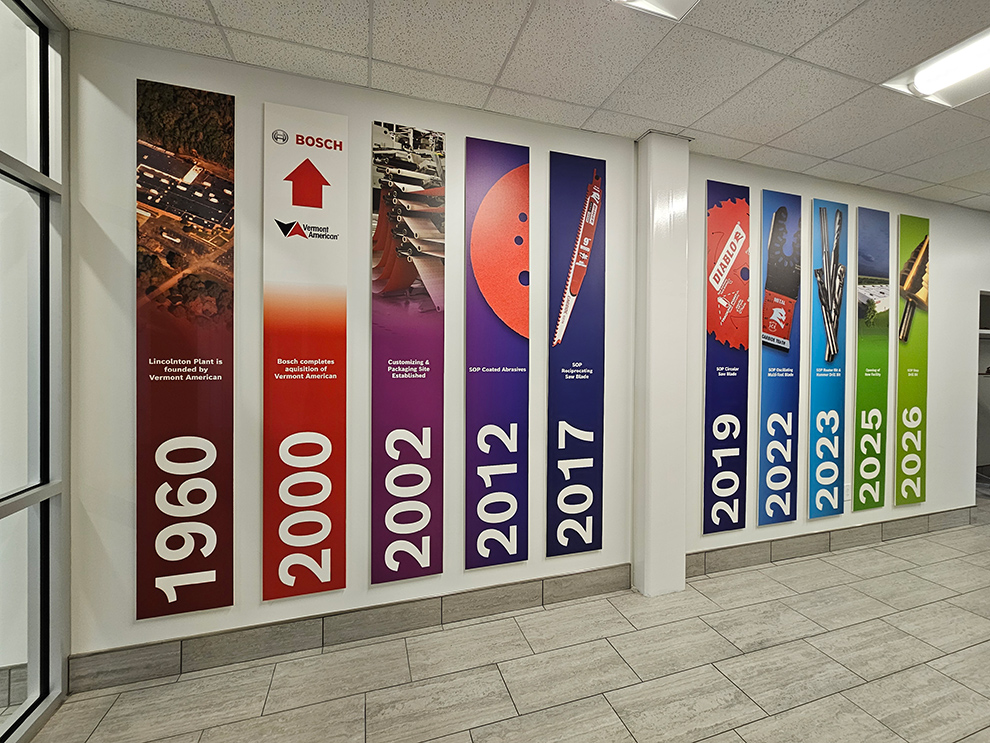
Wall displays provide a structured format for company history, employee recognition, organizational milestones, or other substantial content. Printed, dimensional, and mounted components can continue the brand experience beyond the entrance while presenting information with hierarchy, depth, and appropriate visual pacing.
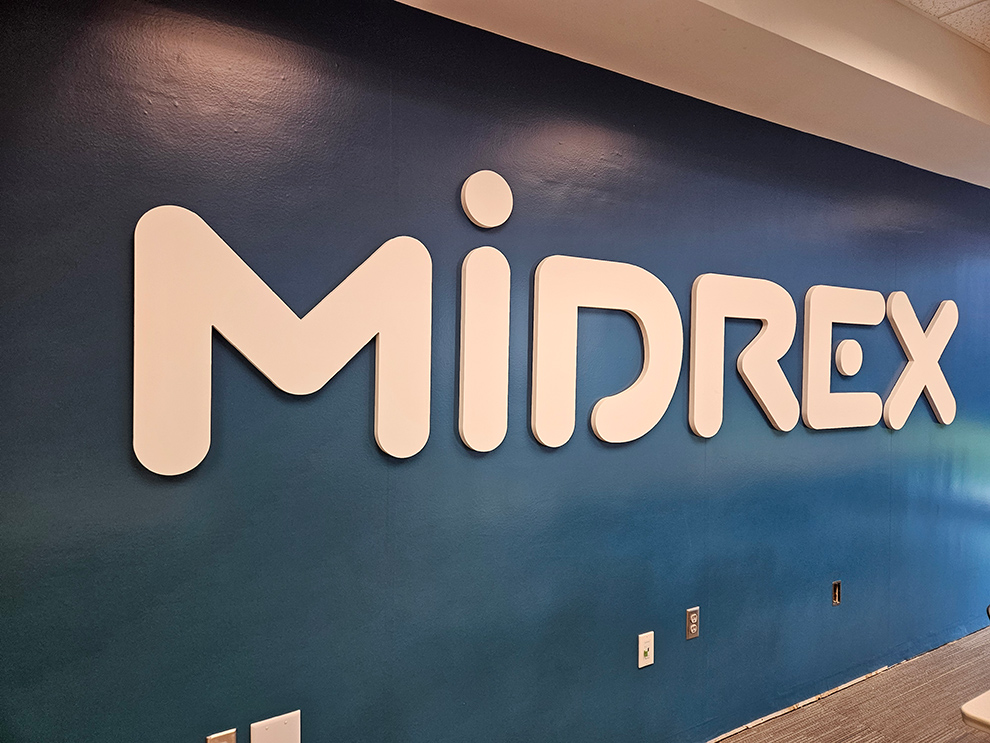
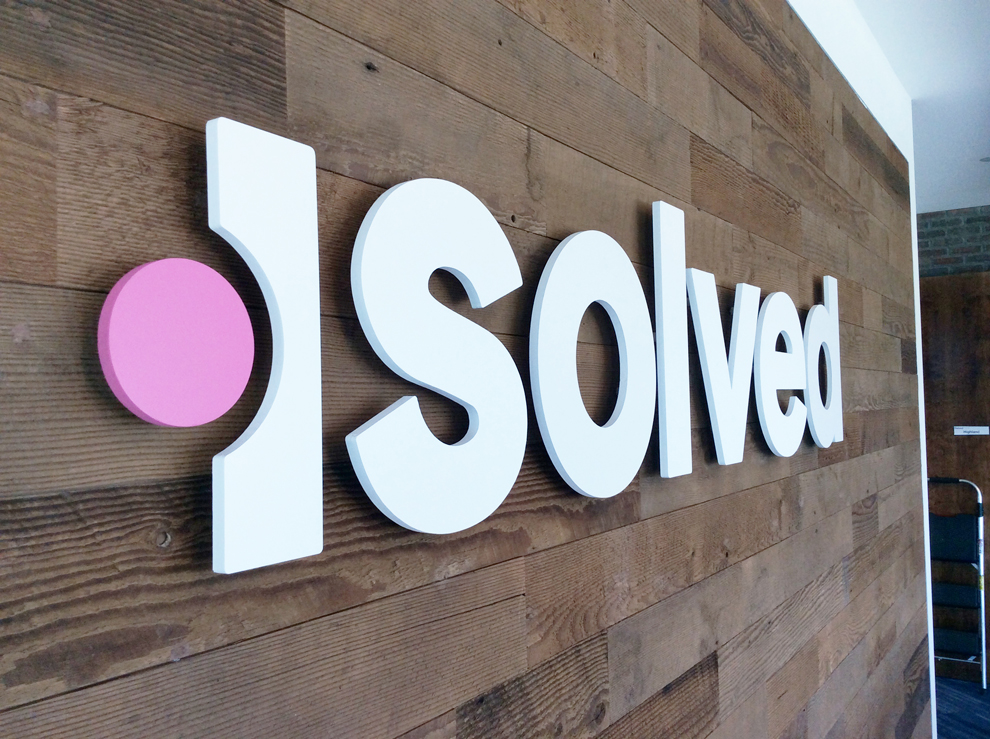
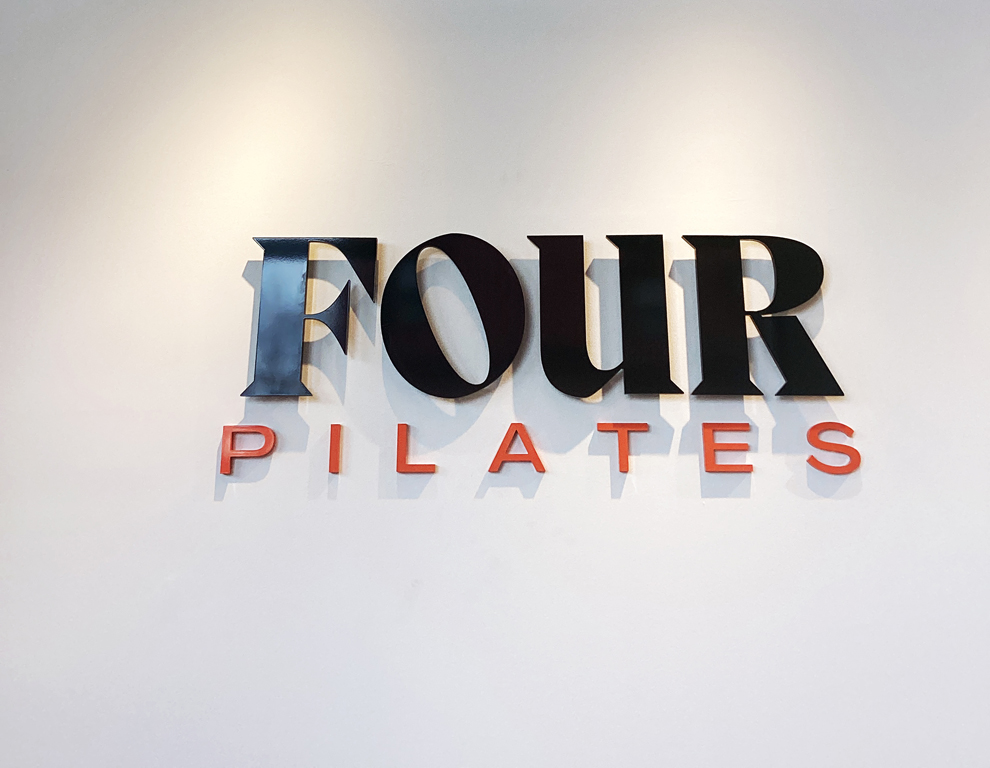
Dimensional letters give a name, logo, or message added depth on lobby walls and other prominent surfaces. Heritage plans their size, finish, mounting, and relationship to adjacent graphics so they strengthen the interior destination established beyond the storefront without competing with it.
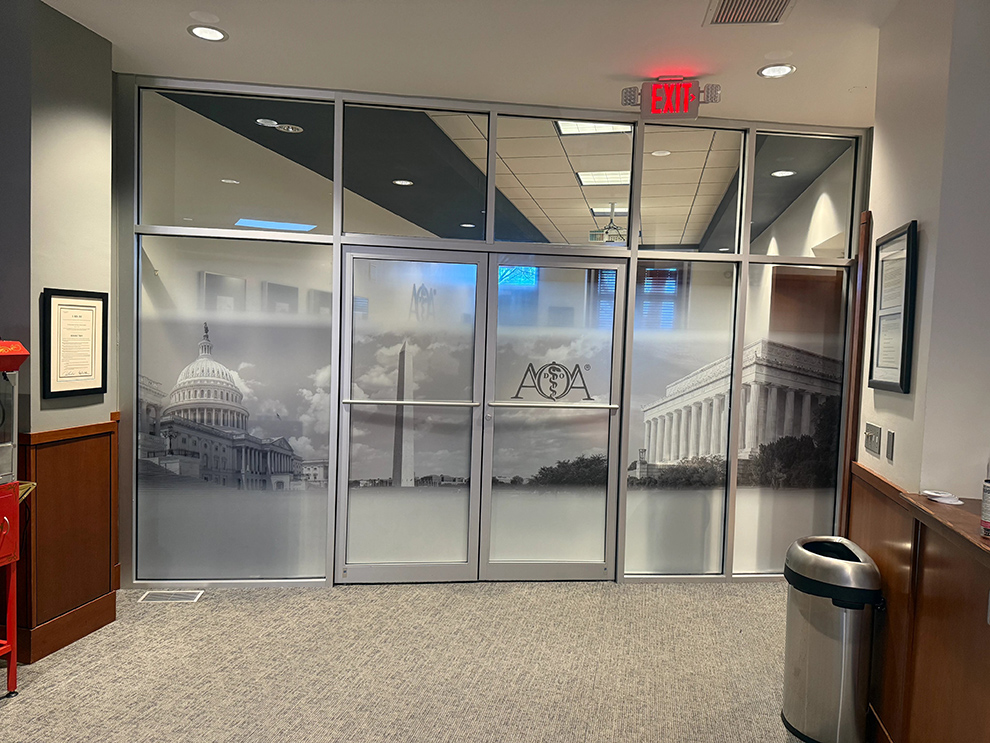
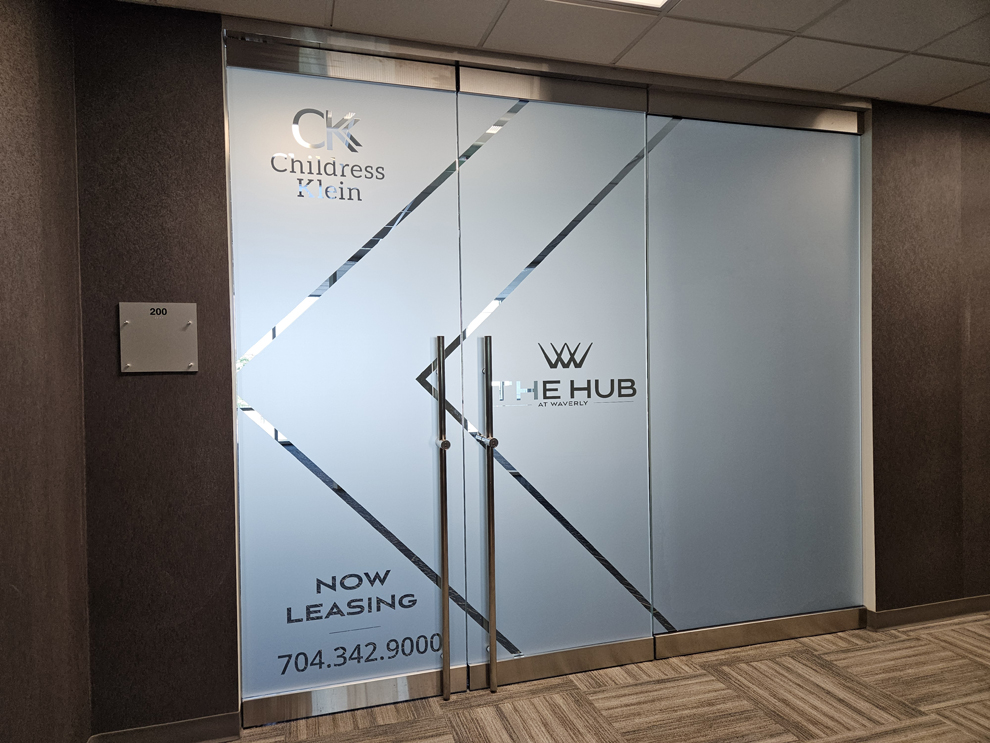
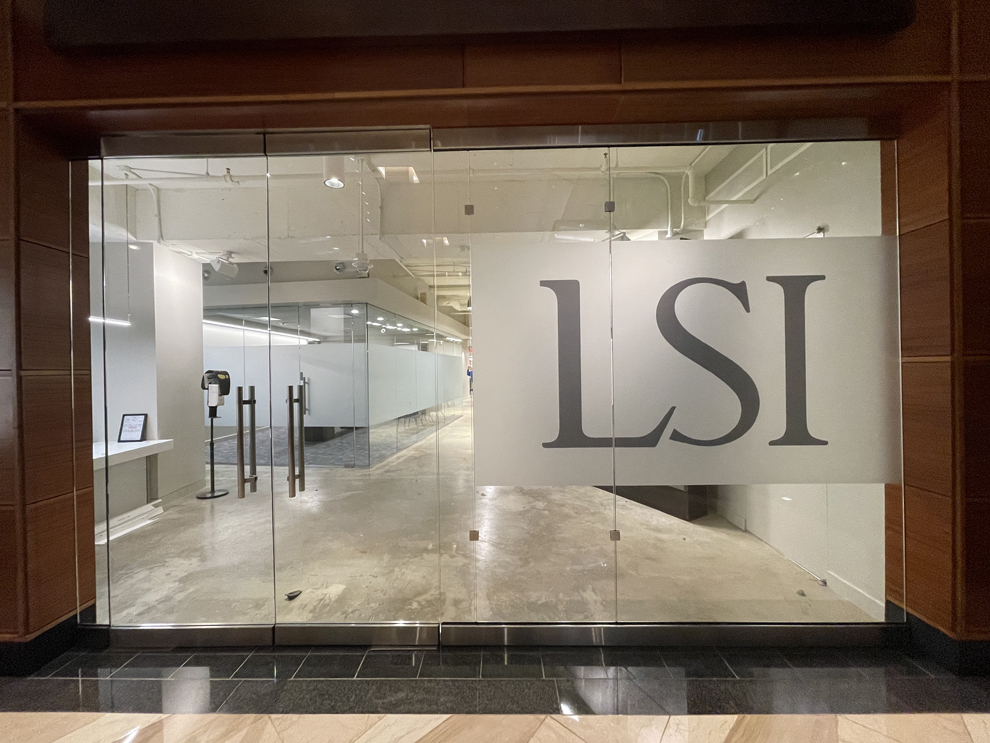
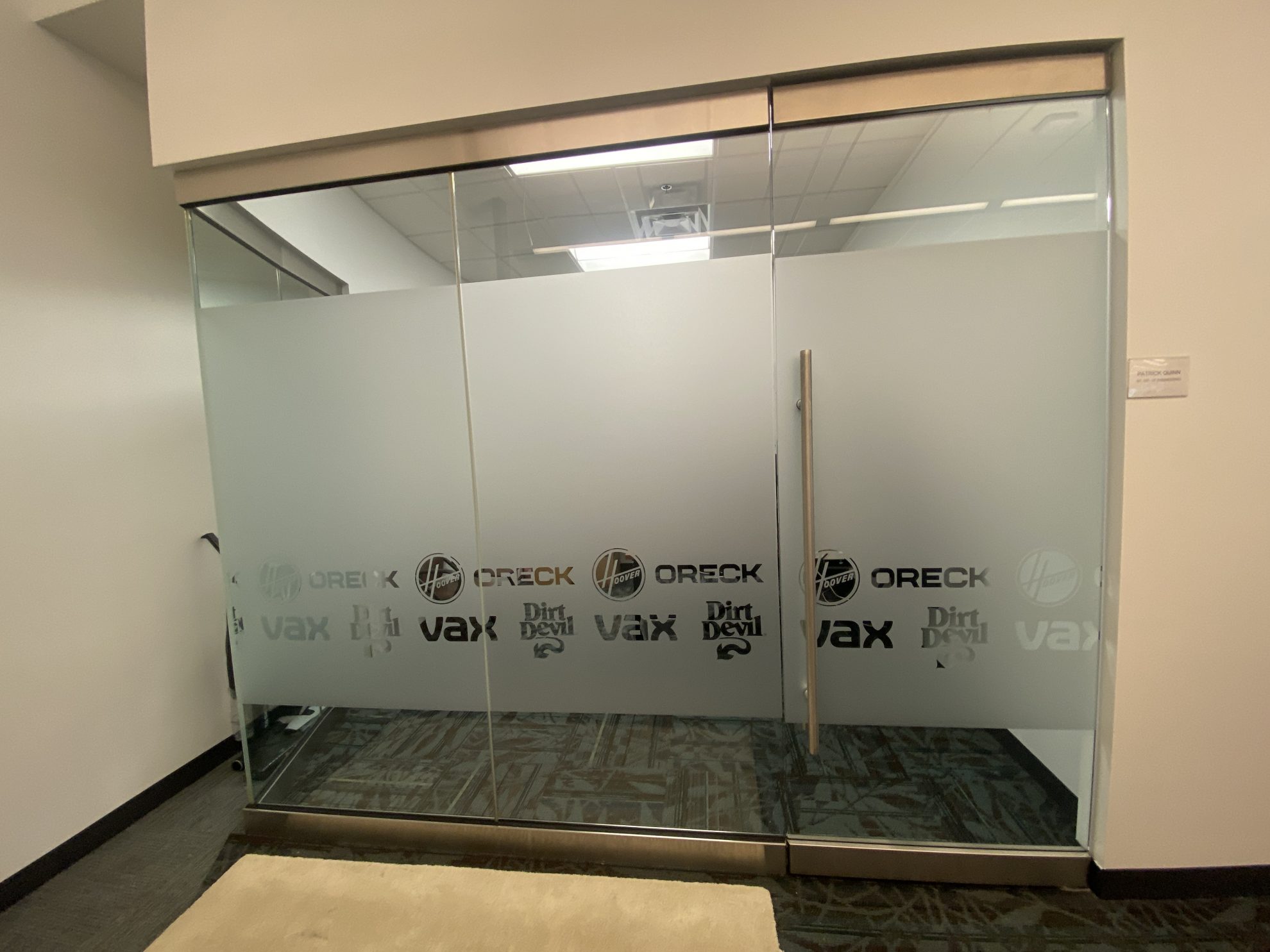
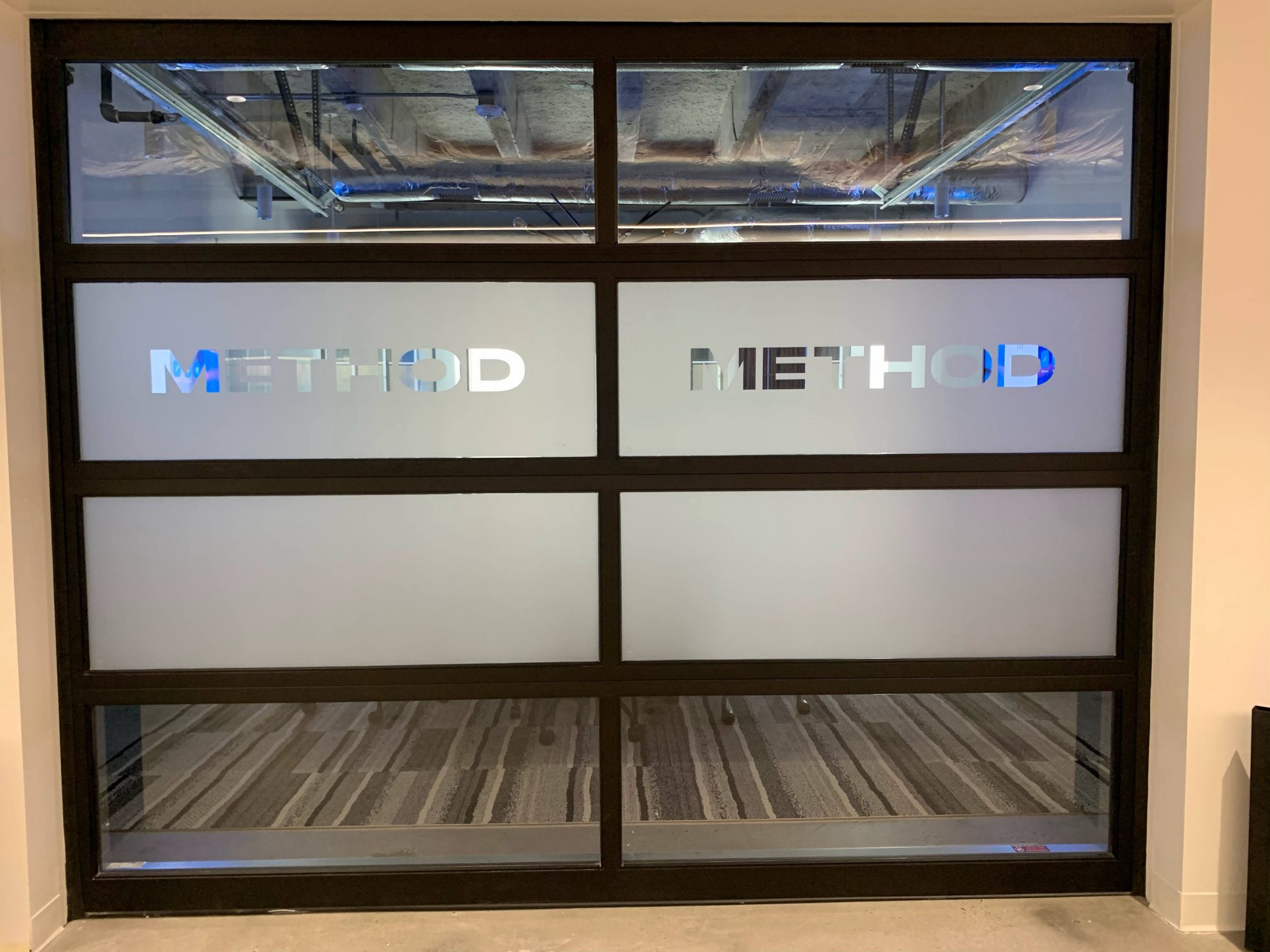
Frosted vinyl and etched-look privacy film can reduce sightlines across offices, conference rooms, and glass partitions while retaining useful daylight. Custom bands, patterns, and brand elements help the privacy treatment relate to the entrance graphics and surrounding workplace rather than appearing purely functional.
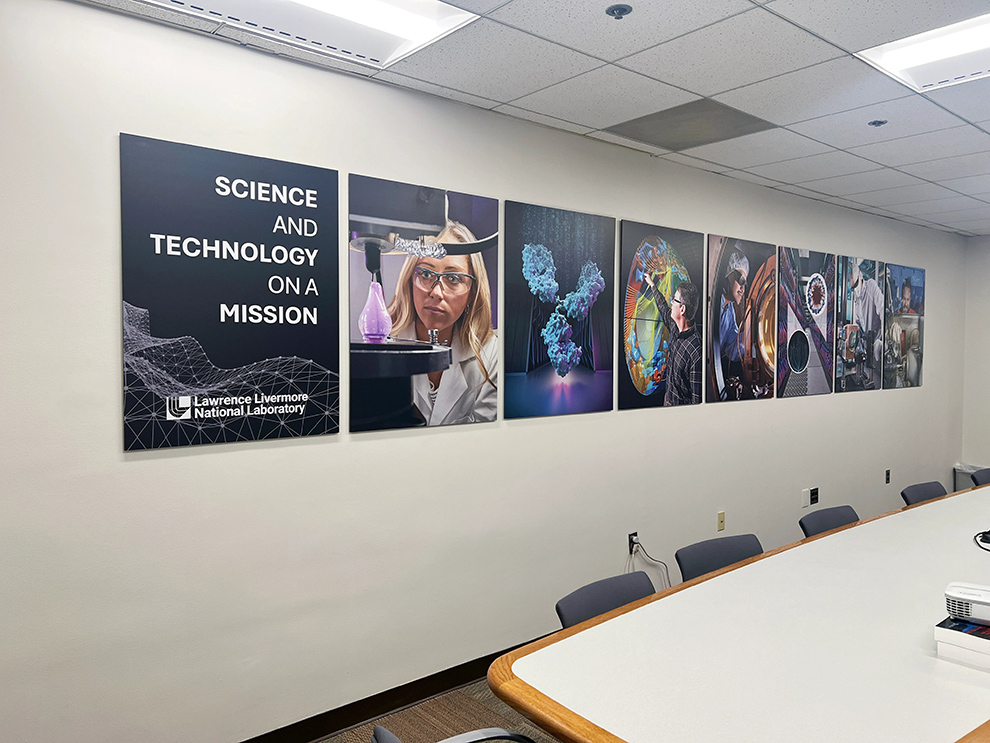
SEG fabric graphics use tensioned fabric held within a slim frame to create a clean interior presentation. They can continue imagery or messaging introduced near the storefront and are useful when an organization expects to update a prominent visual without replacing the entire display structure.
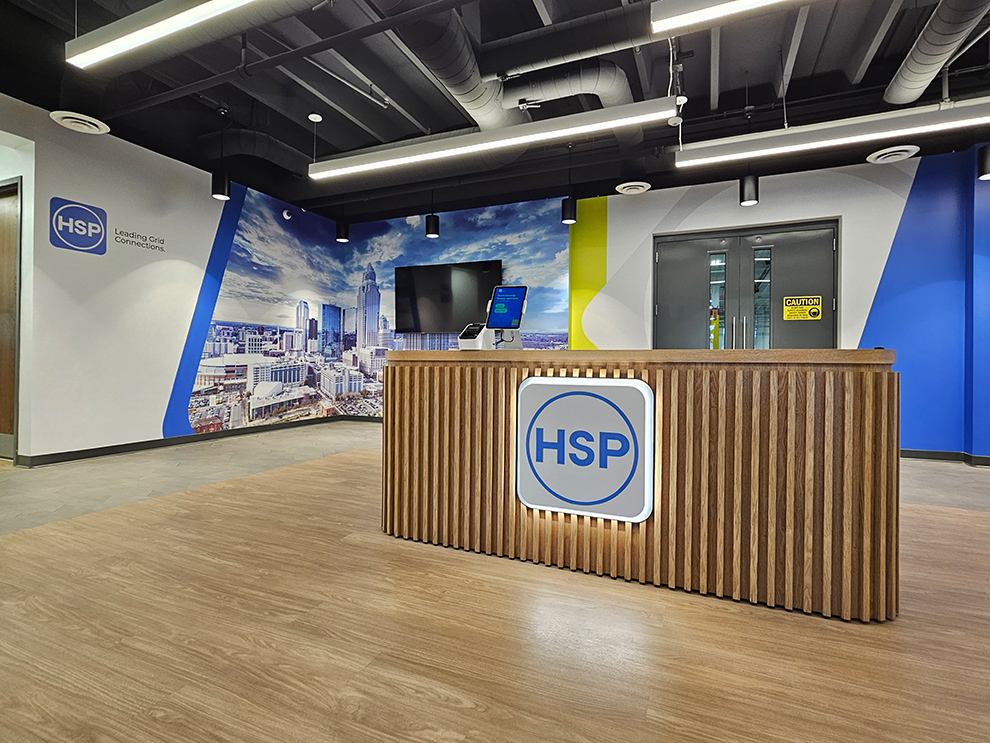
Backlit signs can provide a defined visual destination within a lobby, showroom, or customer-facing interior. Heritage considers their position, scale, illumination, surrounding finishes, and nearby graphics so the interior feature supports the arrival sequence without overpowering the broader branded environment.
If your High Point organization is planning Storefront Graphics as part of a professionally managed workplace or commercial interior branding project, use Get Started Now to share the project location, desired result, completion date, anticipated investment, photographs, available measurements, brand standards, plans, artwork, and other information already available. One dedicated Project Manager will review the details, identify the next planning decisions, and coordinate the appropriate Heritage resources for environmental graphic design, production, fabrication, and professional installation.
High Point organizations can access a verified client-facing Heritage office along with local field and installation support. Local team members can participate in discovery, conduct site surveys and field verification, plan installation access, and complete professional installation. This firsthand property information remains connected to the dedicated Project Manager and the teams responsible for environmental graphic design, production, and fabrication.
That support extends through the immediate Piedmont Triad market, including Winston-Salem and Greensboro. Commercial entrances in the region can face different operating conditions, from street-facing storefronts and shared professional buildings to corporate workplaces, campuses, healthcare settings, and showrooms. Heritage evaluates the individual property rather than applying one physical solution across unrelated spaces.
Broader Carolinas and Mid-Atlantic resources add capacity when a project involves specialized production, phasing, or several client locations. One dedicated Project Manager can preserve common brand standards, approvals, and communication while coordinating the appropriate Heritage resources for each site. Dimensions, surfaces, access, architecture, and installation schedules may differ, but the client retains continuity through the full Heritage network.
Environmental graphic design helps determine what people should notice first and how the experience should develop after entry. A successful plan may create stronger recognition, a branded lobby, improved privacy, clearer direction, a history wall, a core values display, a mission statement feature, or employee recognition. Each outcome requires decisions about hierarchy rather than equal visual emphasis everywhere.
Some clients provide complete brand standards and approved artwork. Others have an objective and source materials but need concept development within Heritage’s scope. Heritage can collaborate with architects, interior designers, branding agencies, environmental graphic designers, property teams, and client stakeholders to align the graphics with the architecture, visibility, lighting, privacy needs, scale, and site conditions.
Heritage develops environmental graphic design that can be carried through production, fabrication, and professional installation. This practical connection helps ensure that an approved concept accounts for how components will be made, positioned, accessed, and installed. Heritage does not provide licensed architecture, engineering, general commercial interior design, lighting design, or code consulting.
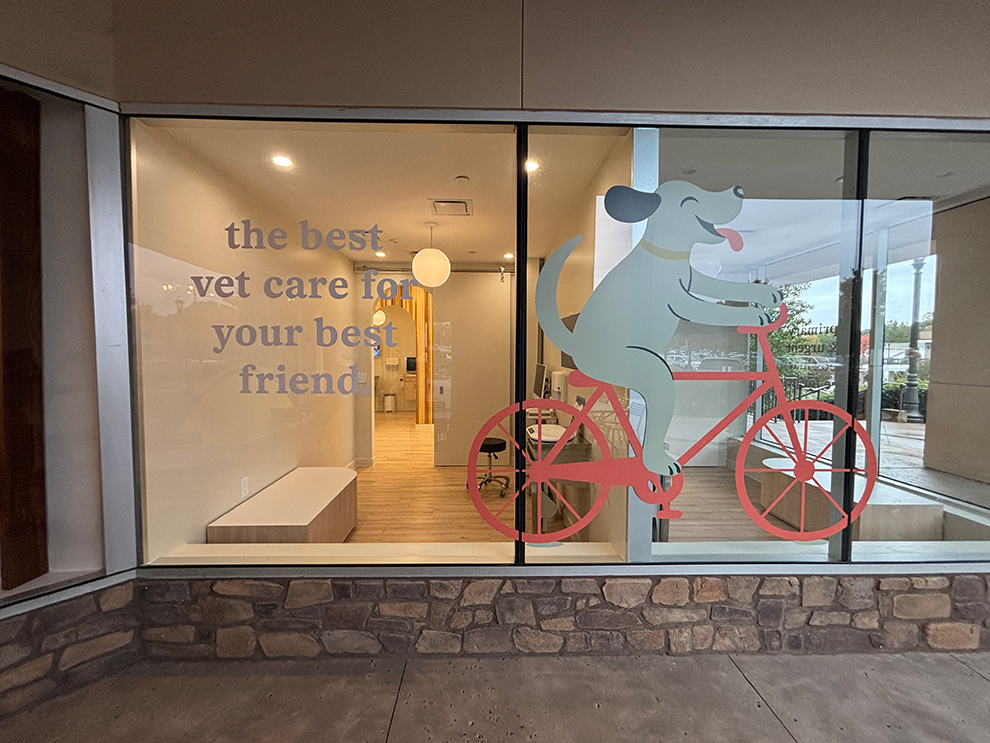
Heritage produces and installs non-illuminated exterior elements as part of coordinated storefront and workplace branding projects. Normal scope can include exterior window graphics, exterior wall graphics or wraps, dimensional lettering, dimensional signs, custom sign panels, and related non-illuminated storefront elements. These features introduce the organization before entry and connect with entrance glass, lobby signs, wall graphics, and displays inside.
Printed exterior wall graphics receive protective film laminate as standard practice for added UV and weather protection. Heritage also reviews the intended application, surface, exposure, attachment approach, access, and observed site conditions for the exterior work it accepts.
Heritage does not produce or install channel letters, monument signs, pylon signs, or illuminated exterior signs. Heritage does not determine whether a sign permit is required, prepare permit documents, submit applications, communicate with permitting authorities for the client, pay fees, or pursue approvals. The client, property owner or property manager, or general contractor is responsible for confirming and securing required sign permits and property approvals.
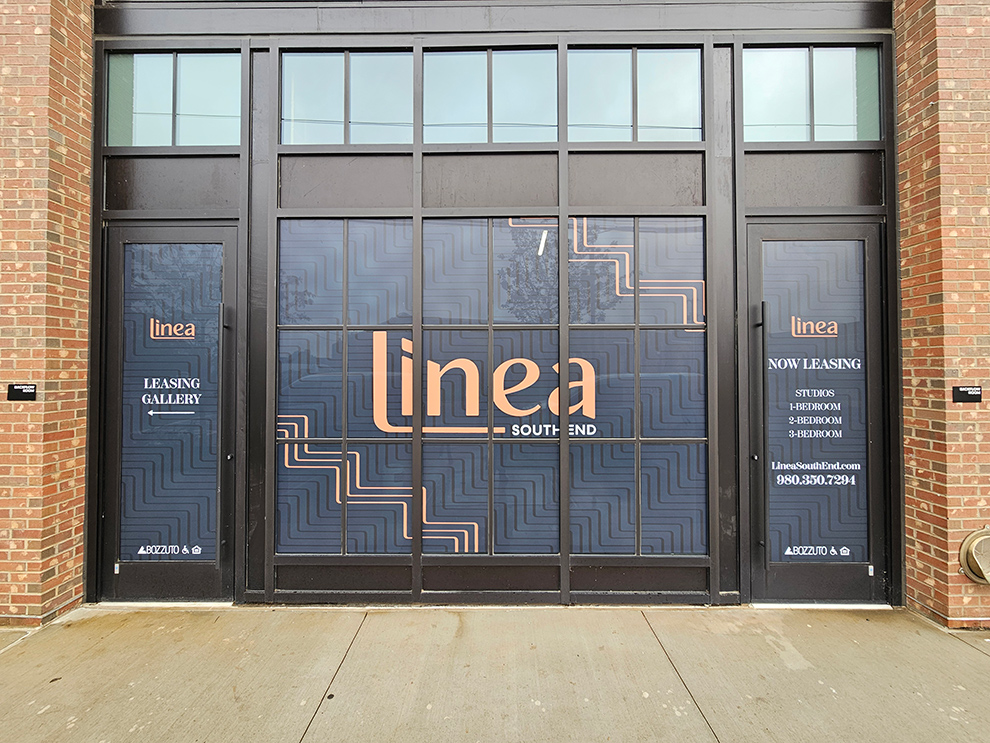
Every Heritage Storefront Graphics project requires a site survey connecting the client’s objectives with measurements, surfaces, access, and installation conditions. The survey helps align the design and production decisions with the property where the finished graphics and signs will be installed. It also identifies information that must be resolved before production or scheduling proceeds.
From there, the dedicated Project Manager connects environmental graphic design, production, fabrication, and Heritage’s full-time professional installers. Measurements, approved design intent, material decisions, site photographs, access requirements, scheduling information, and installation details remain within one shared project history. This reduces avoidable handoffs and gives installers the context needed to prepare for the work.
Professional installation is planned around craftsmanship, accurate placement, communication, property protection, and minimal disruption. Access and operating conditions may require coordination with client contacts, property teams, or other stakeholders. Keeping those decisions connected gives the client one accountable Heritage relationship and helps questions get resolved before they become field problems.
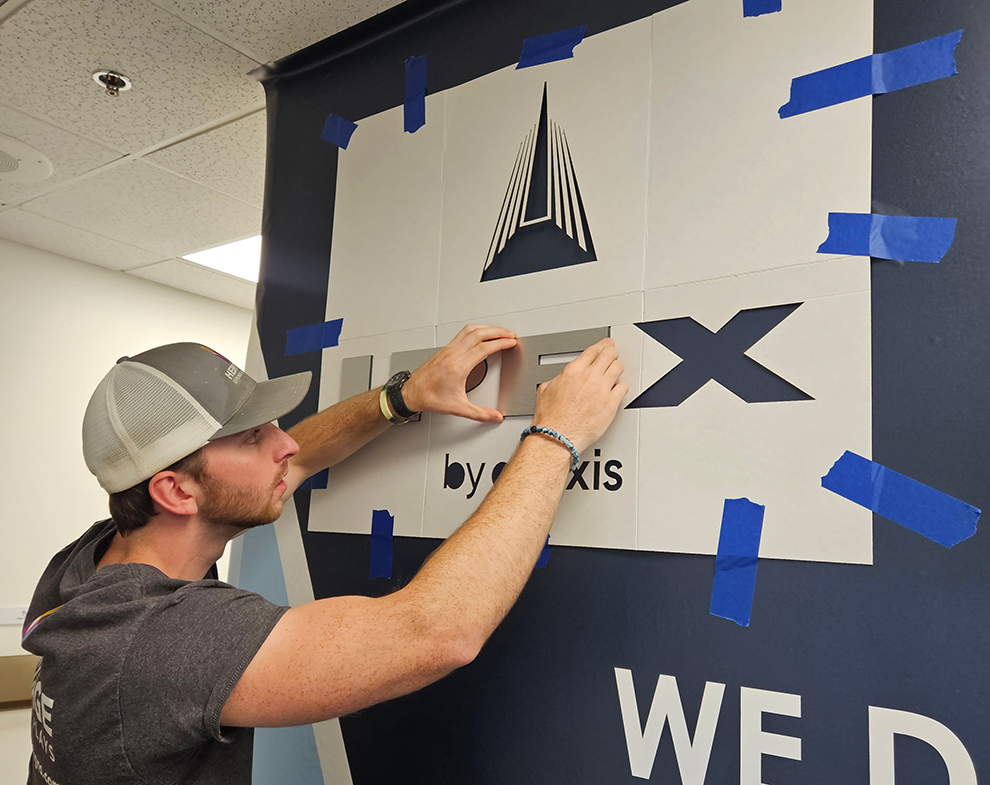
Wall-applied graphics perform best when drywall is sound and smooth, required repairs are complete, primer and paint are properly applied, and the finish paint is fully cured. Dry paint is not necessarily fully cured. Approximately four weeks is a useful planning allowance for many paints, but the paint manufacturer’s requirements and actual site conditions control readiness.
Washable, scrubbable, stain-resistant, low-VOC, zero-VOC, and otherwise challenging paints may require cleaning, adhesion testing, or a compatible vinyl and adhesive approach. Adhesion testing can indicate how vinyl performs on the painted surface. It cannot prove how securely the paint and primer are bonded to the drywall below. If paint peels or pulls away during testing or normal installation repositioning, Heritage stops rather than making the wall worse.
The client or property owner arranges and pays for wall repair, proper priming, repainting, full cure time, restoration, and related surface costs. Heritage does not perform or pay for that work. Later removal is separate. Careful, slow removal can limit avoidable damage, but damage-free removal cannot be guaranteed. Paint loss, primer loss, or drywall-facing damage may occur. Removable describes the adhesive system or intended use, not a promise of damage-free removal. Existing graphics should be removed early enough to reveal restoration needs before replacements are scheduled.
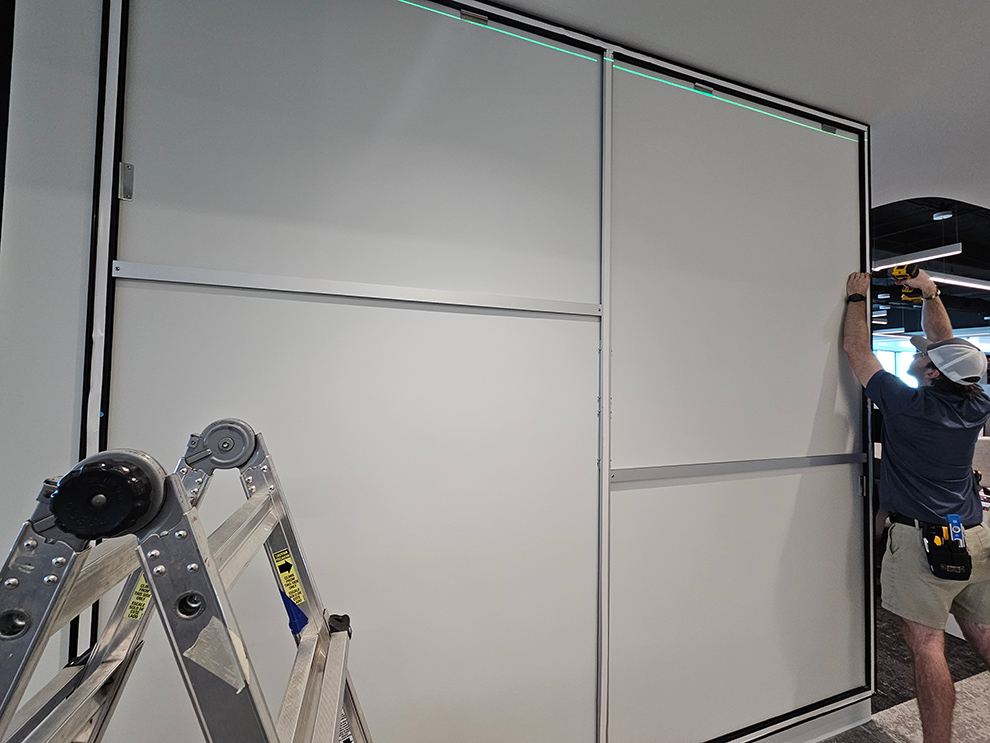
Planning should align the desired result, audience, scope, phasing, schedule, site conditions, readiness, stakeholders, approvals, anticipated investment, and information still needed. Photographs, measurements, plans, artwork, brand standards, and property information support those decisions. They help the Project Manager distinguish confirmed facts from items requiring site verification, design development, or client approval.
Heritage is best suited for professionally managed projects that benefit from environmental graphic design, production, fabrication, and professional installation. Many Heritage projects involving production and professional installation range from $10,000 to more than $200,000. The appropriate investment depends on the complete scope, materials, fabrication, number of locations, access conditions, schedule, and installation requirements rather than the price of one graphic.
A project may focus on one substantial entrance and lobby, proceed through planned phases, or coordinate branding across several properties. One dedicated Project Manager maintains project knowledge, tracks decisions, and connects the appropriate Heritage resources. This model is intended for clients who value clear communication, preserved design intent, and dependable follow-through through completion.
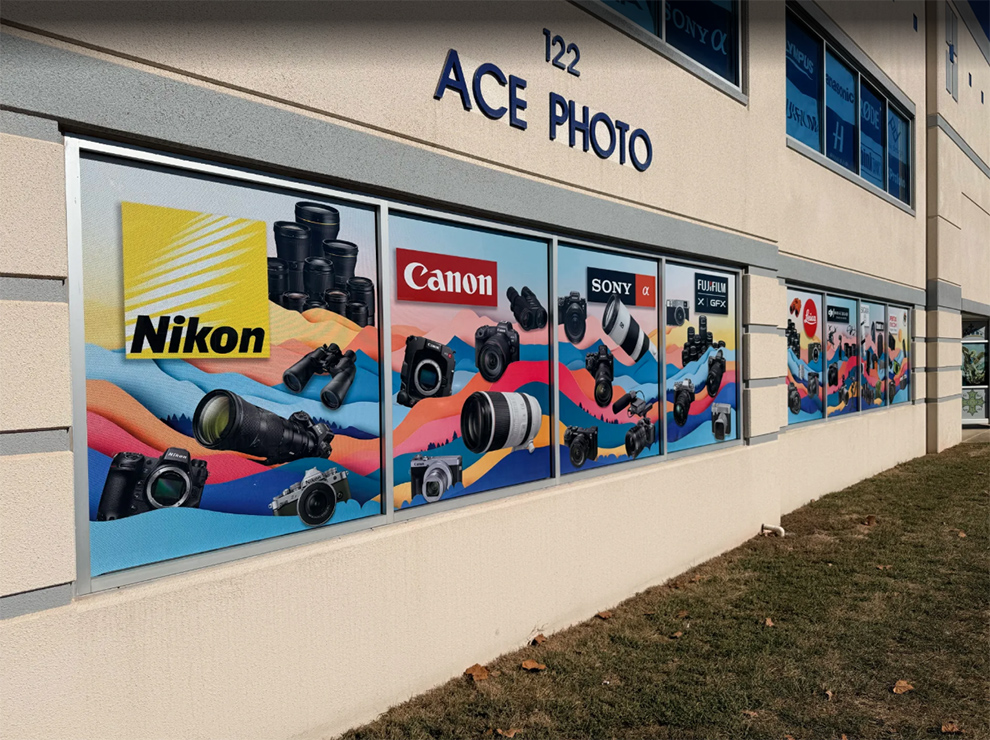
Storefront graphics establish identity at an entrance and create a visual transition into the branded interior. They can support recognition, privacy, visibility, direction, and awareness of clear glass. Heritage plans them in relation to lobby signs, wall graphics, displays, and other interior elements so the entrance introduces rather than carries the entire brand story.
Yes. Every Heritage Storefront Graphics project requires a site survey connecting client objectives with measurements, surfaces, access, and installation conditions. The findings remain with the dedicated Project Manager and inform environmental graphic design, production, fabrication, scheduling, and professional installation.
Yes. Heritage produces and installs exterior window graphics, exterior wall graphics or wraps, dimensional lettering, dimensional signs, custom sign panels, and related non-illuminated storefront elements within coordinated branding projects. Printed exterior wall graphics receive protective film laminate as standard practice for added UV and weather protection.
Heritage does not produce or install channel letters, monument signs, pylon signs, or illuminated exterior signs. The client, property owner or property manager, or general contractor must confirm and secure required sign permits and property approvals. Heritage does not determine permit requirements or manage the permitting process.
Distraction markers are decorative or branded vinyl graphics applied to clear glass to make the surface easier to notice. They may use bands, dots, patterns, logos, or other visual elements and can also support privacy or branding. Applied vinyl does not establish building-code compliance, safety-glazing compliance, certification, or approval.
Yes, when removal is included in a new Heritage production and installation project. Existing wall graphics should be removed early because concealed paint, primer, or drywall-facing damage may require restoration before replacement installation.
Heritage uses slow and careful removal methods to limit avoidable damage, but a damage-free result cannot be guaranteed. The client or property owner arranges and pays for repair, proper priming, repainting, restoration, and full cure time. Heritage does not provide graphics removal as a separate service.
Wall readiness depends on sound, smooth drywall; completed repairs; properly applied primer and paint; and fully cured finish paint. Dry paint is not necessarily cured paint. Approximately four weeks is useful for planning with many paints, although the manufacturer’s requirements and actual site conditions determine readiness.
Washable, scrubbable, stain-resistant, low-VOC, zero-VOC, and other challenging paints may require cleaning, adhesion testing, or another compatible vinyl and adhesive approach. No single adhesive should be assumed appropriate for every low-VOC or zero-VOC paint.
No. Adhesion testing can show how vinyl performs on the painted surface, but it cannot prove how well the paint and primer are bonded to the drywall underneath. If paint peels or pulls away during testing or normal repositioning, Heritage stops. The client or property owner must arrange and pay for repairs, proper priming, repainting, and full cure before installation can continue.
Yes. Careful professional removal can reduce avoidable damage, but it cannot guarantee a damage-free wall. Paint loss, primer loss, or drywall-facing damage may occur. Removable refers to the adhesive system or intended use and does not promise damage-free removal. The client or property owner is responsible for arranging and paying for restoration and related surface costs.
The material should fit the visual objective, surface, exposure, dimensions, attachment method, and expected use. Heritage may use adhesive vinyl, acrylic, dimensional materials, or aluminum composite material, also called ACM, when those options suit the accepted scope. ACM provides a metal-like appearance with less weight than solid metal. Heritage does not print on or cut solid aluminum or solid steel as sign substrates.
Yes. Frosted vinyl, etched-look privacy film, patterns, bands, and selectively placed window graphics can reduce direct sightlines while preserving useful daylight and selected views. Heritage evaluates what the client wants to conceal, retain, and communicate before recommending the coverage and material approach.
Yes. Heritage can coordinate storefront and interior branding across client properties in the Carolinas and Mid-Atlantic. One dedicated Project Manager preserves project knowledge, approvals, and brand standards while connecting the appropriate field, production, fabrication, and installation resources.
The physical solution does not need to be identical at every location. Dimensions, architecture, surfaces, access, schedules, and installation conditions may differ while the approved brand direction remains consistent.
Heritage’s full-time professional installers complete Storefront Graphics projects produced and managed through Heritage. They work from the shared measurements, site conditions, approved design intent, material decisions, access requirements, and schedule maintained through the Project Manager. Heritage does not provide installation-only service for customer-provided signs or graphics.
Yes. Heritage can work with architects, interior designers, branding agencies, environmental graphic designers, property teams, and client stakeholders. Heritage may develop environmental graphic design within its scope or carry approved direction through production, fabrication, and professional installation. Heritage does not provide licensed architecture, engineering, general commercial interior design, lighting design, or code consulting.
High Point clients have access to a verified client-facing office and local field and installation support. Heritage can provide local discovery, site surveys, field verification, installation planning, and professional installation, then connect those activities to broader Carolinas and Mid-Atlantic resources through one dedicated Project Manager.
Start with the project location, desired result, target completion date, anticipated investment, photographs, and available brand standards. Measurements, plans, artwork, property information, stakeholder requirements, and access details are also useful when available. The dedicated Project Manager reviews what is known and identifies the next decisions or verification steps.
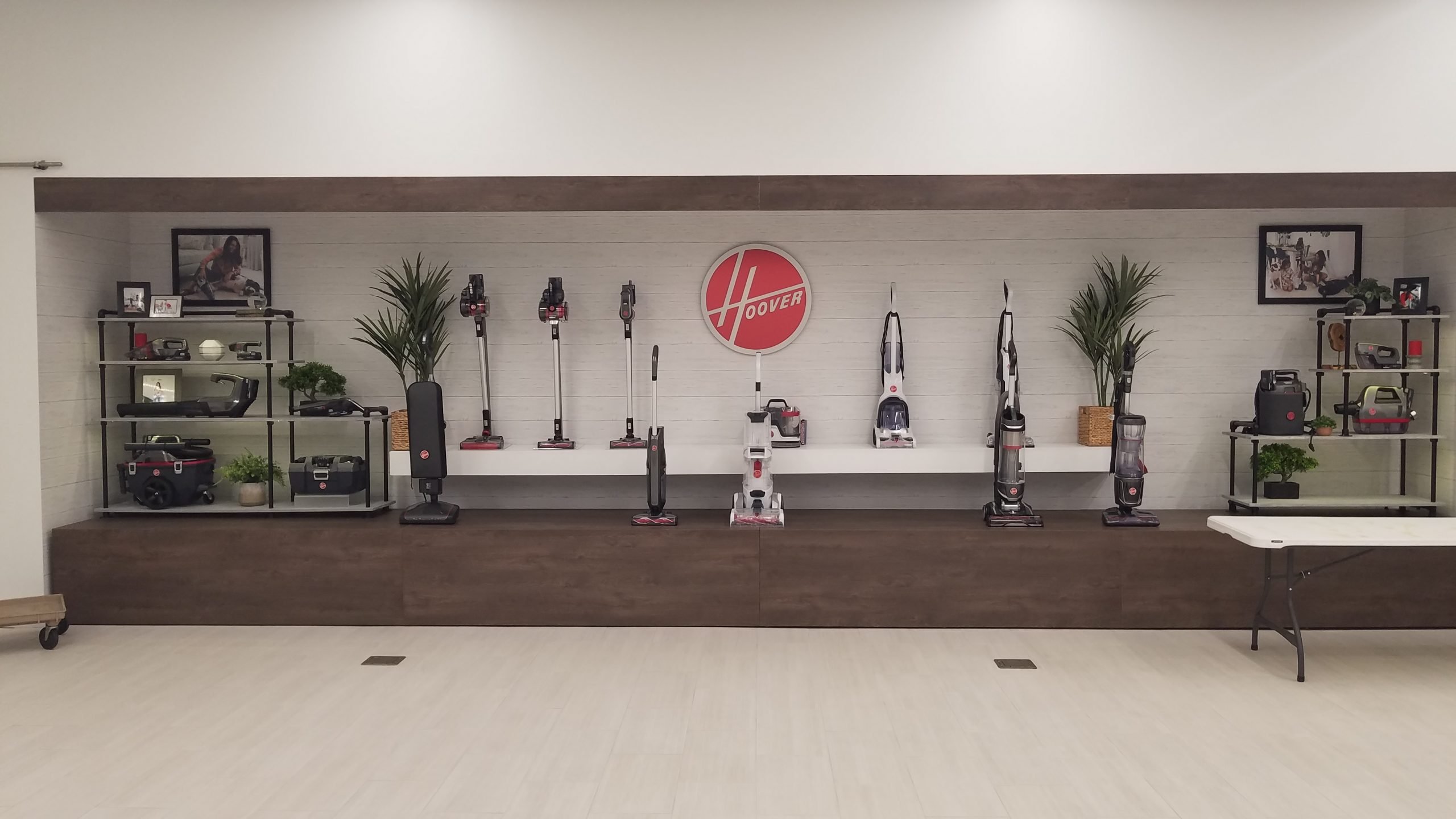
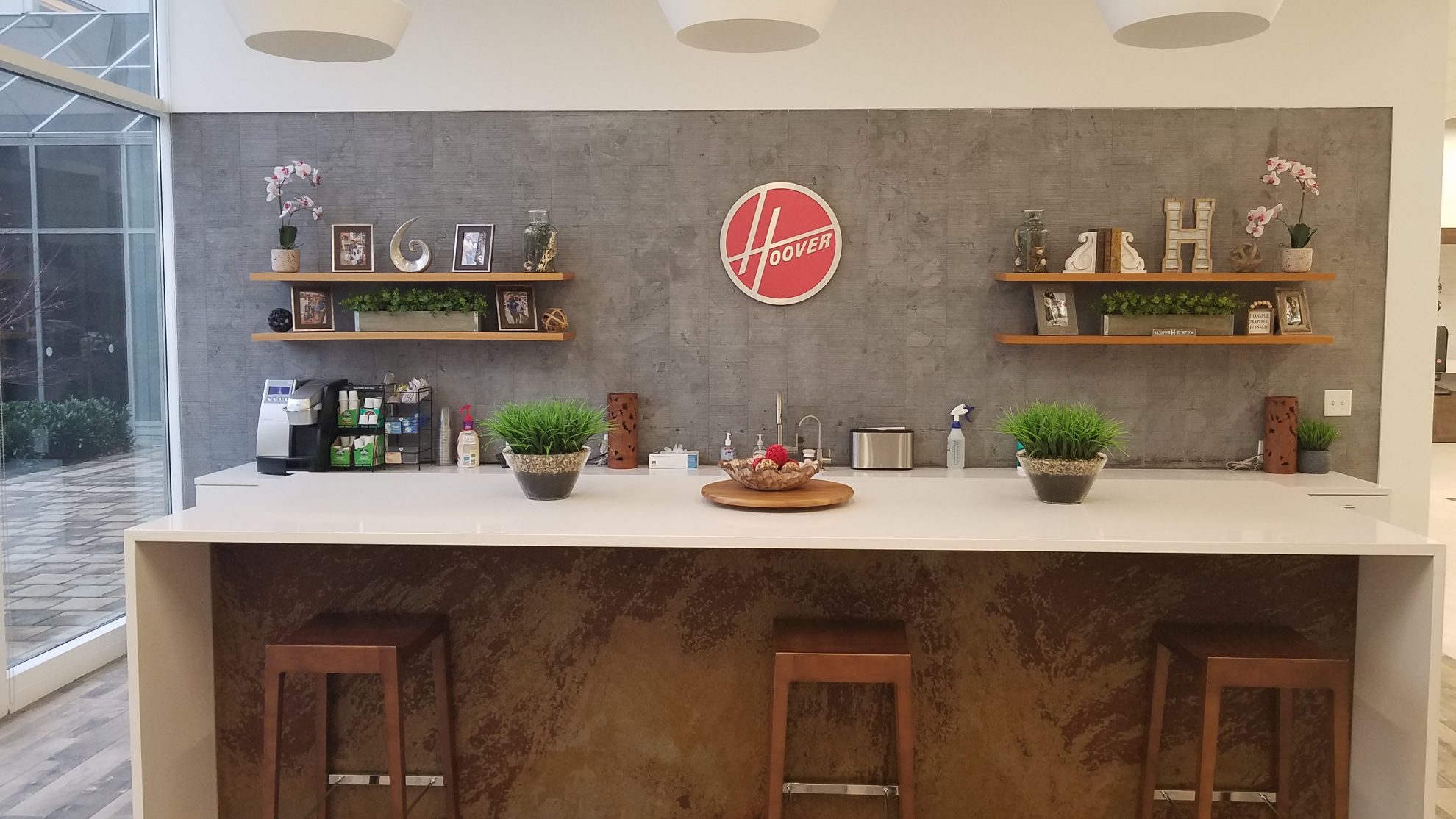
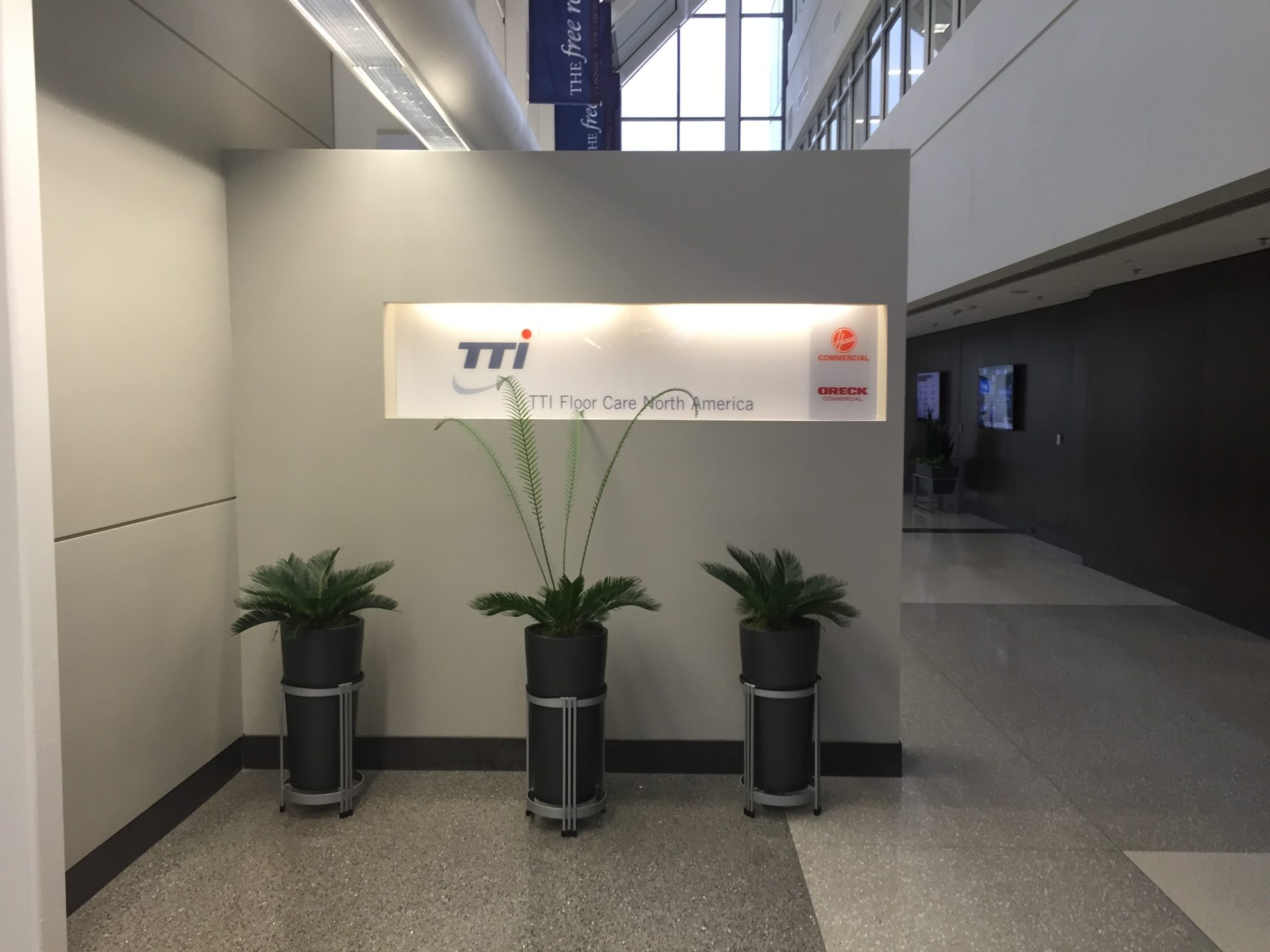
Heritage Signs & Displays collaborated with TTI Floor Care North America to enhance their corporate office. The project included custom frosted vinyl graphics, acrylic signs, dimensional lettering, and LED backlit signs, showcasing the brands Dirt Devil, Hoover, and Oreck. The signage improved office branding, privacy, and aesthetics. Heritage collaborated closely with TTI, ensuring efficient execution and high-quality results, creating an immersive and professional environment that reflects TTI's brand values.
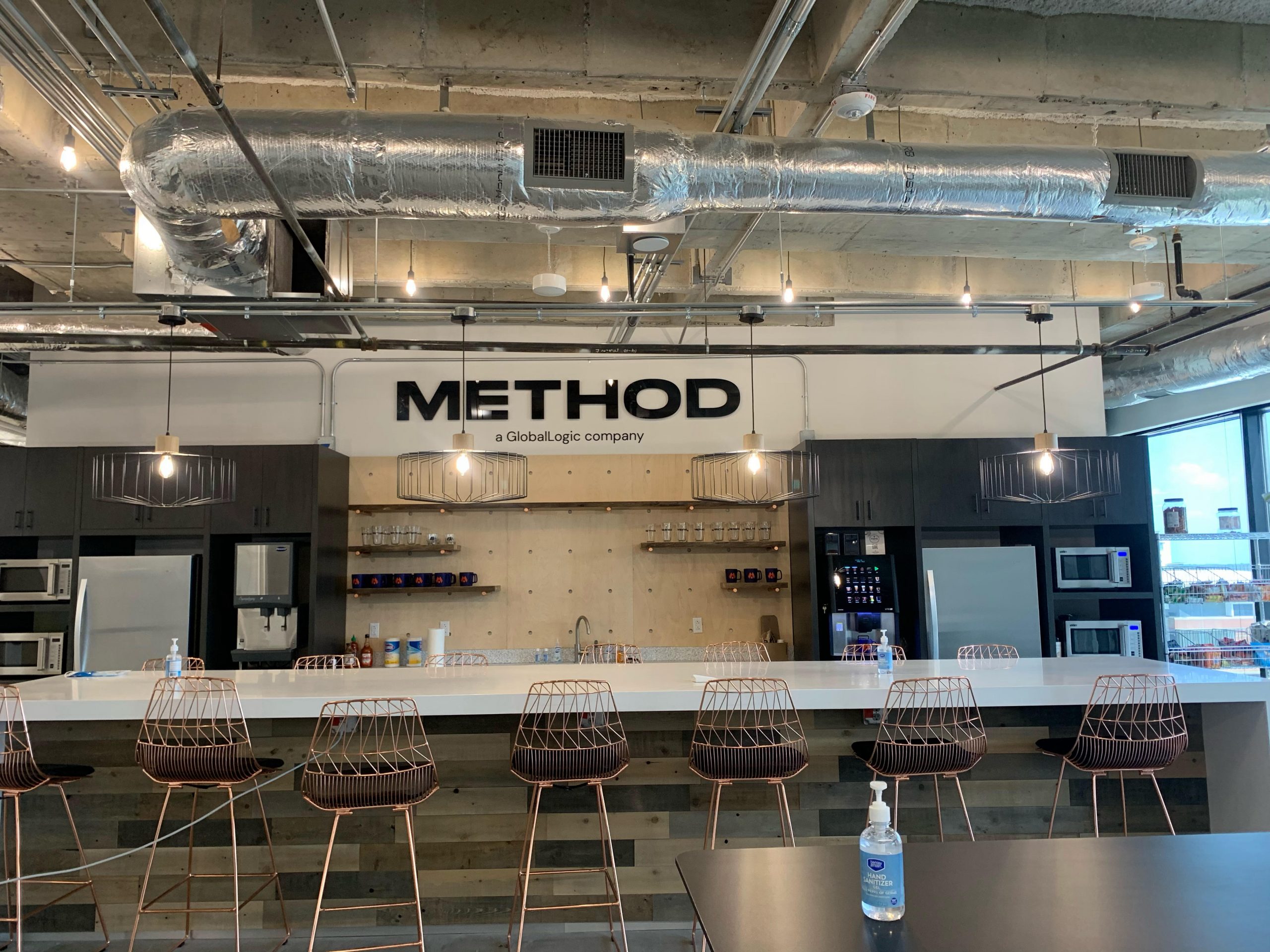
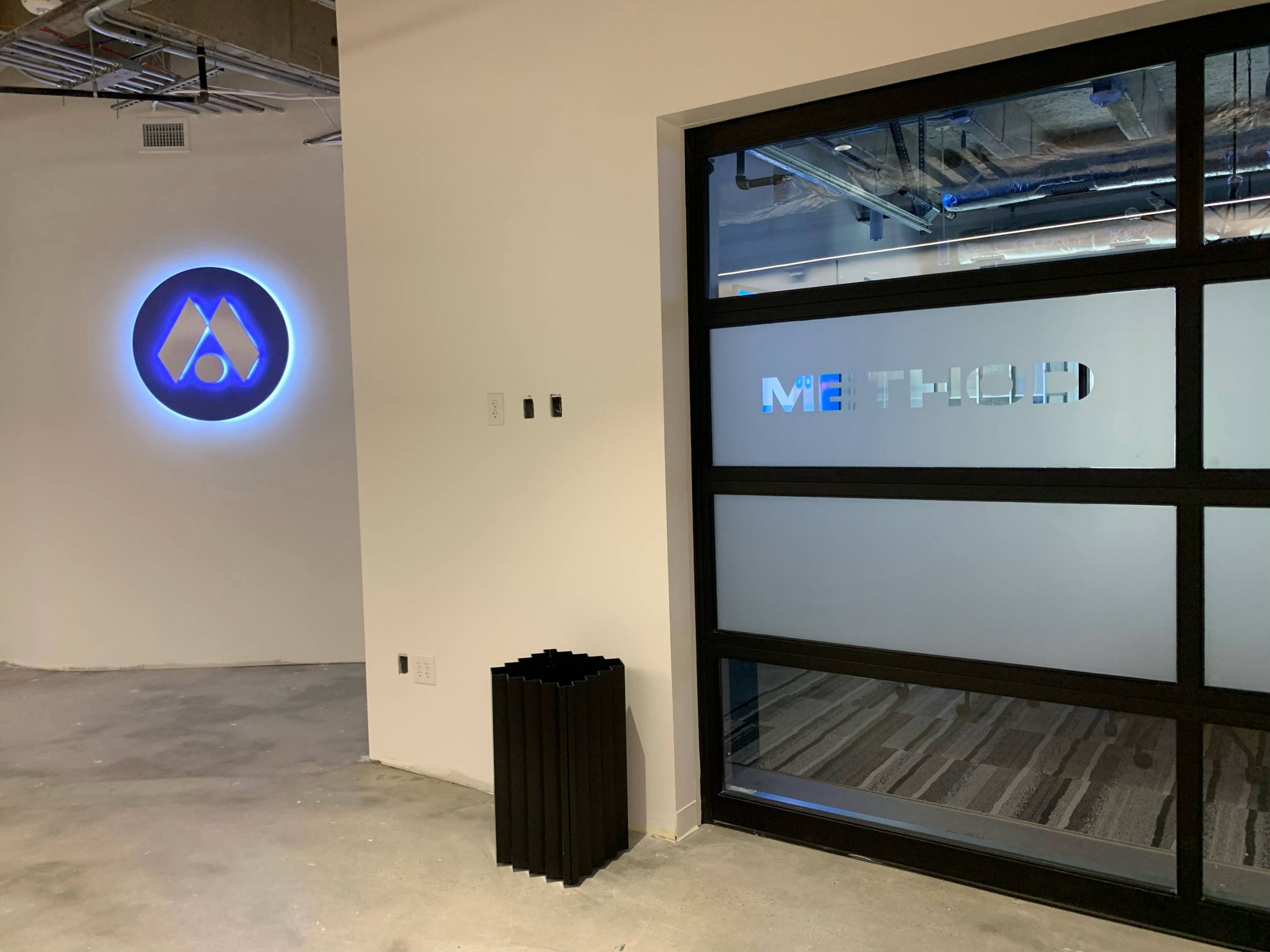
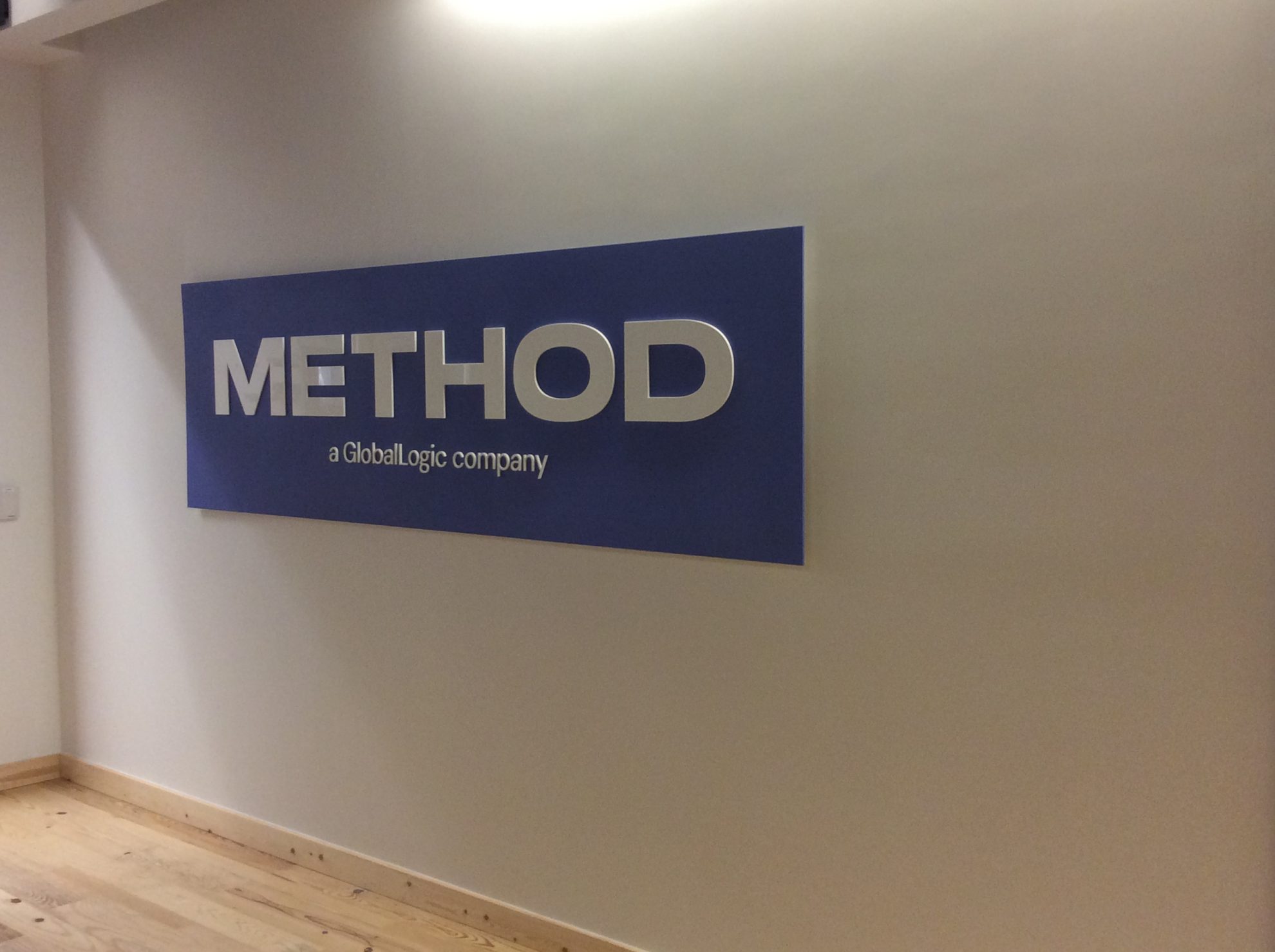
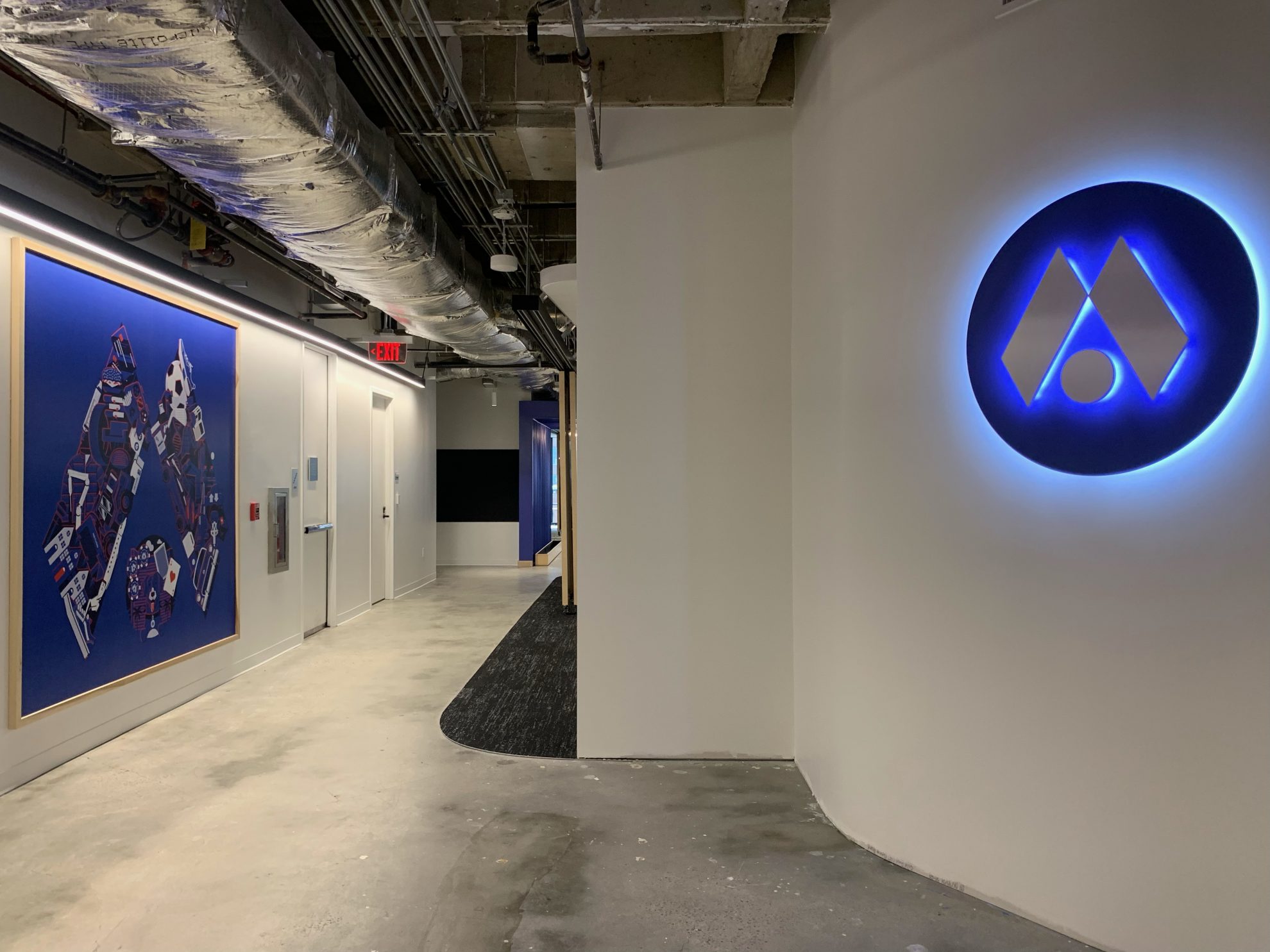
Heritage Signs & Displays' collaboration with Method (formerly Skookum) to rebrand their corporate headquarters. The project included dimensional lettering, wall displays, LED-lit signage, wall wraps, and frosted vinyl, creating an immersive and branded environment. Heritage worked closely with Method's team, ensuring accurate execution and timely delivery. The transformation was completed in August 2021, with Method's employees moving into the revamped space in September. The project reflects Heritage's commitment to quality and collaboration.