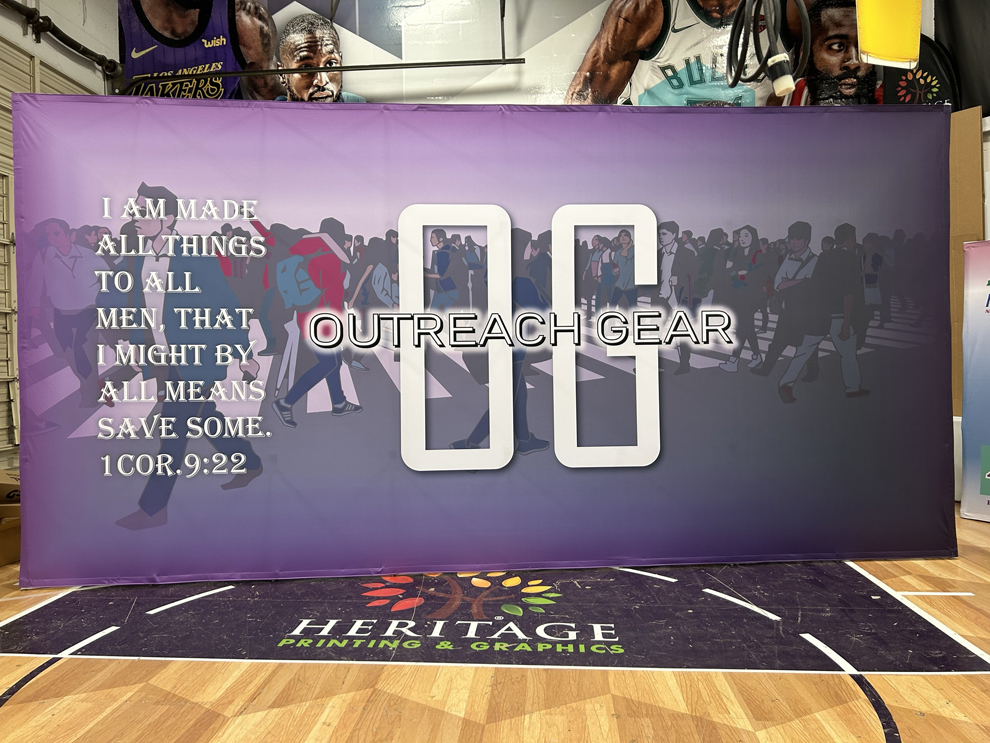
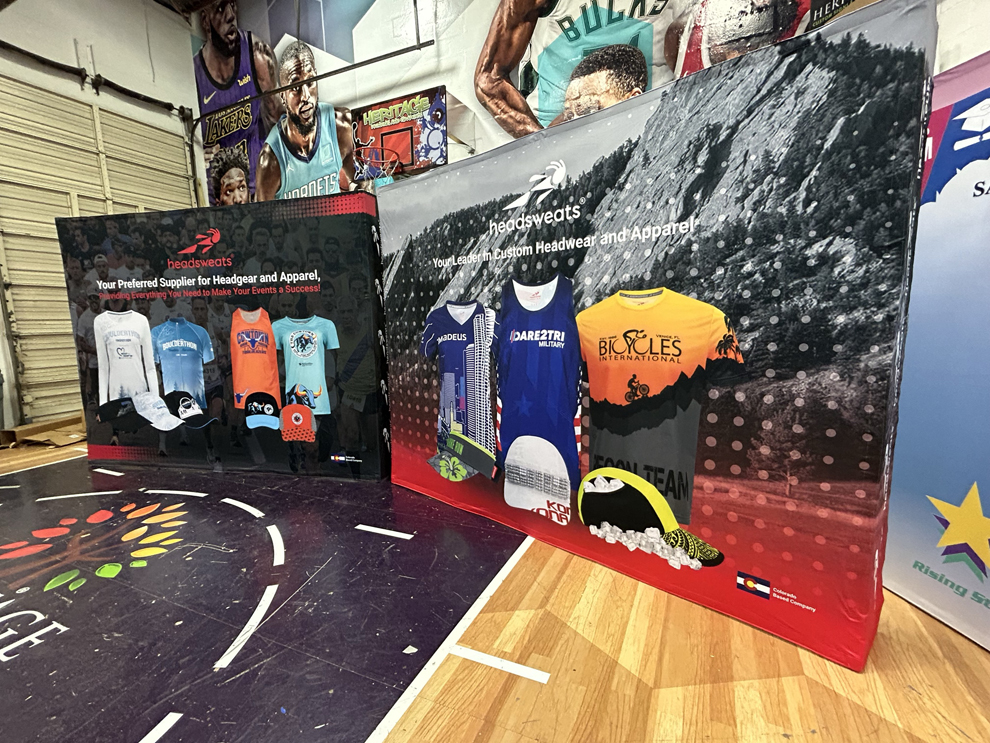
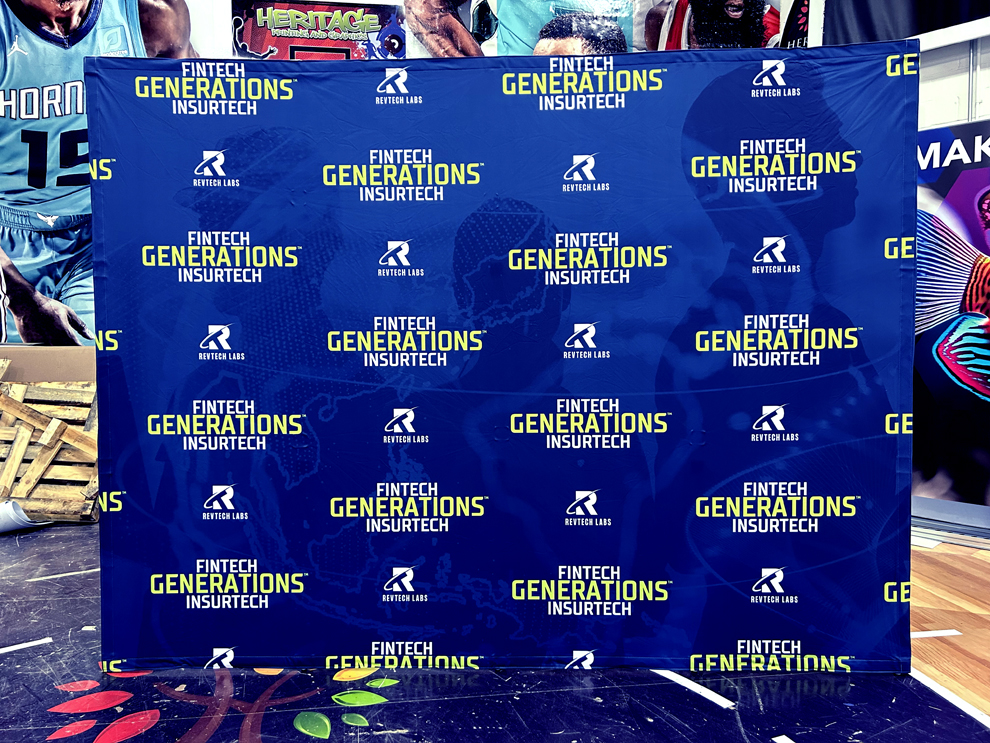
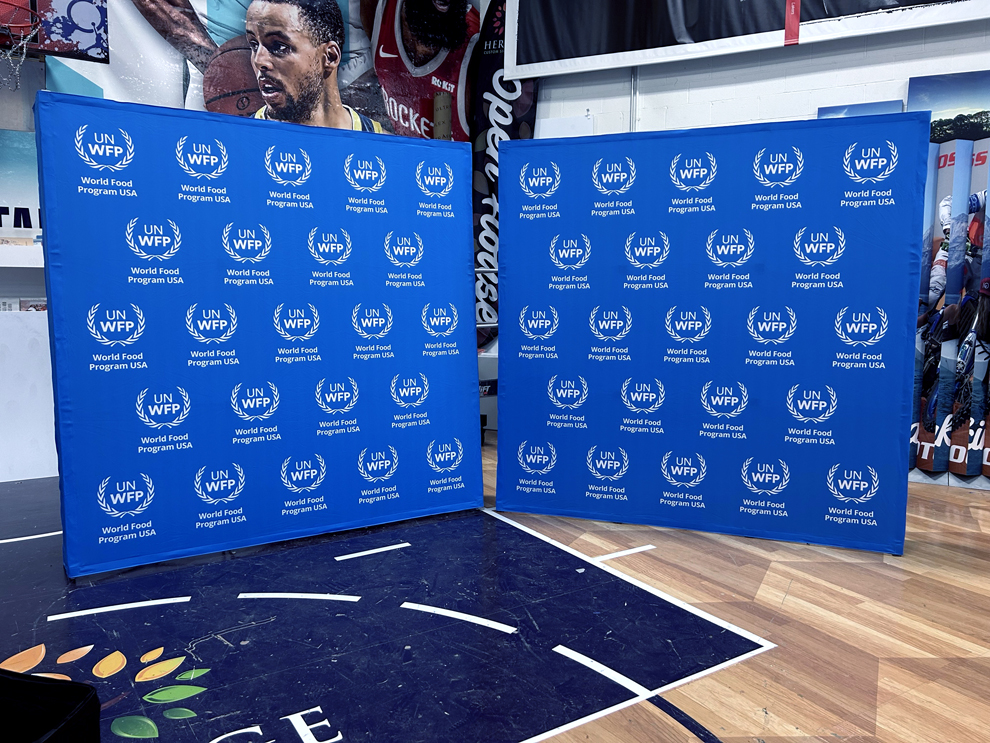
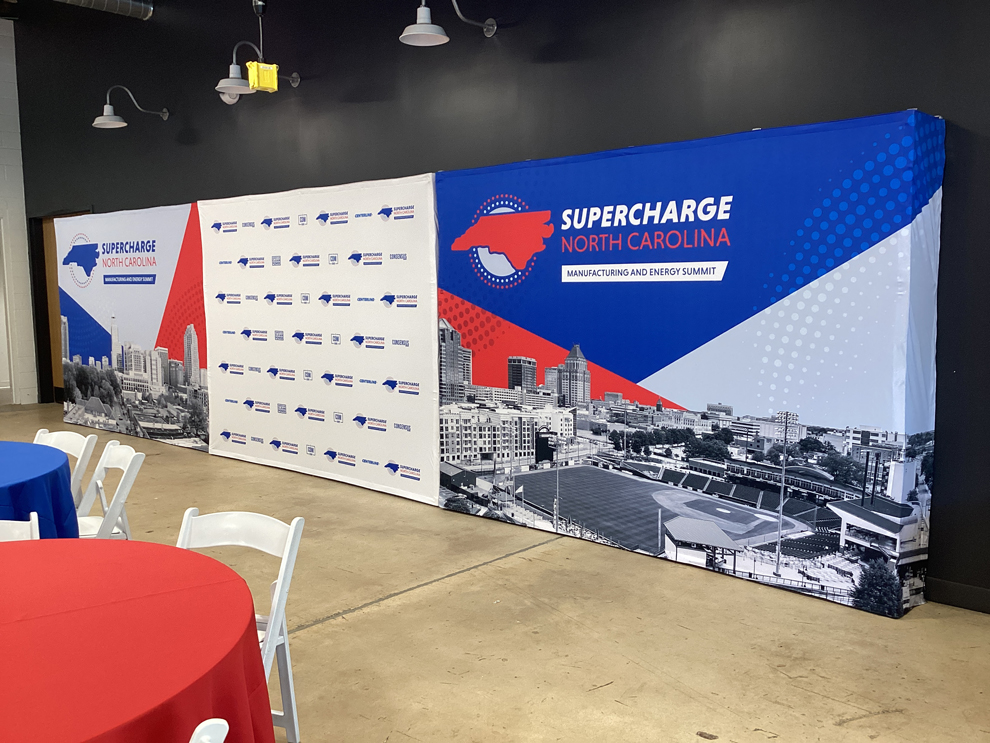
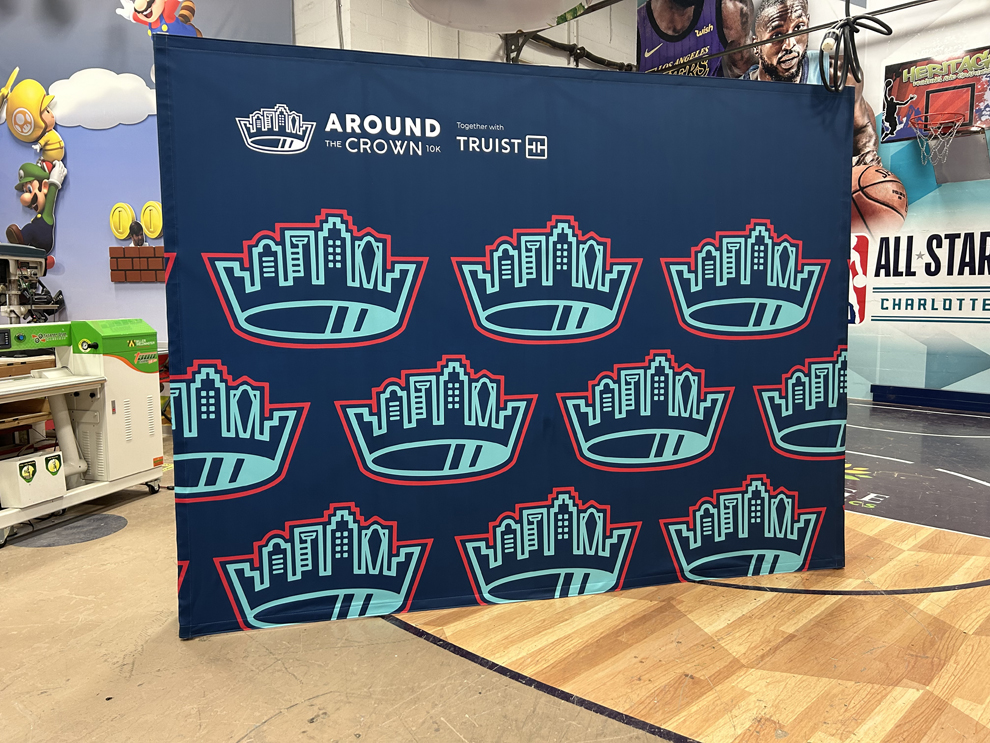
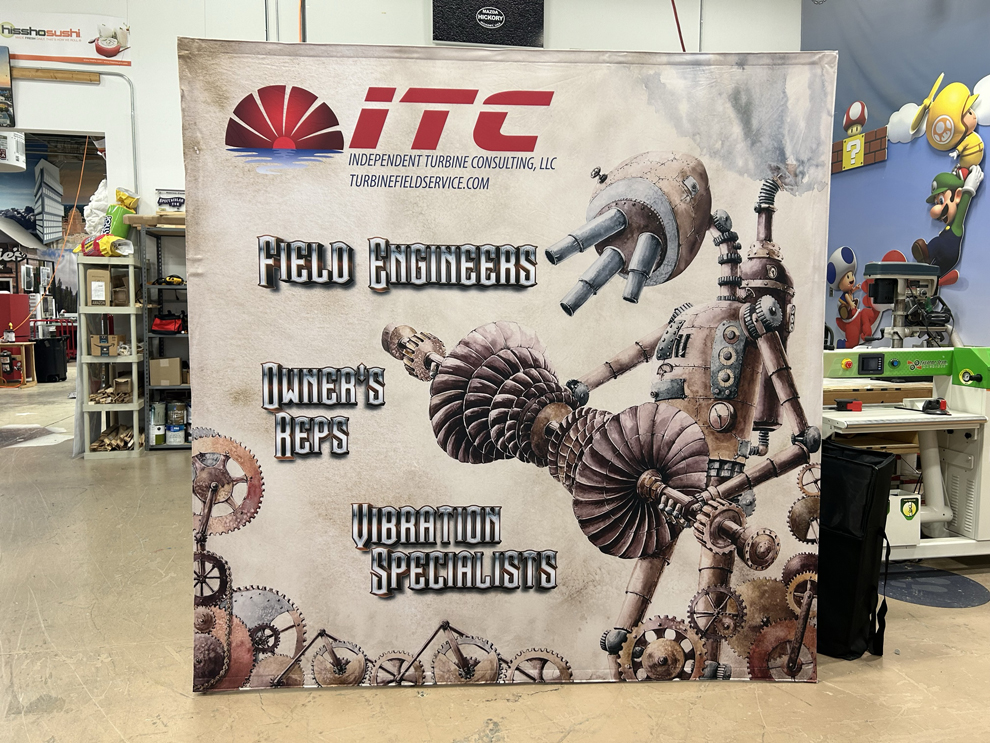
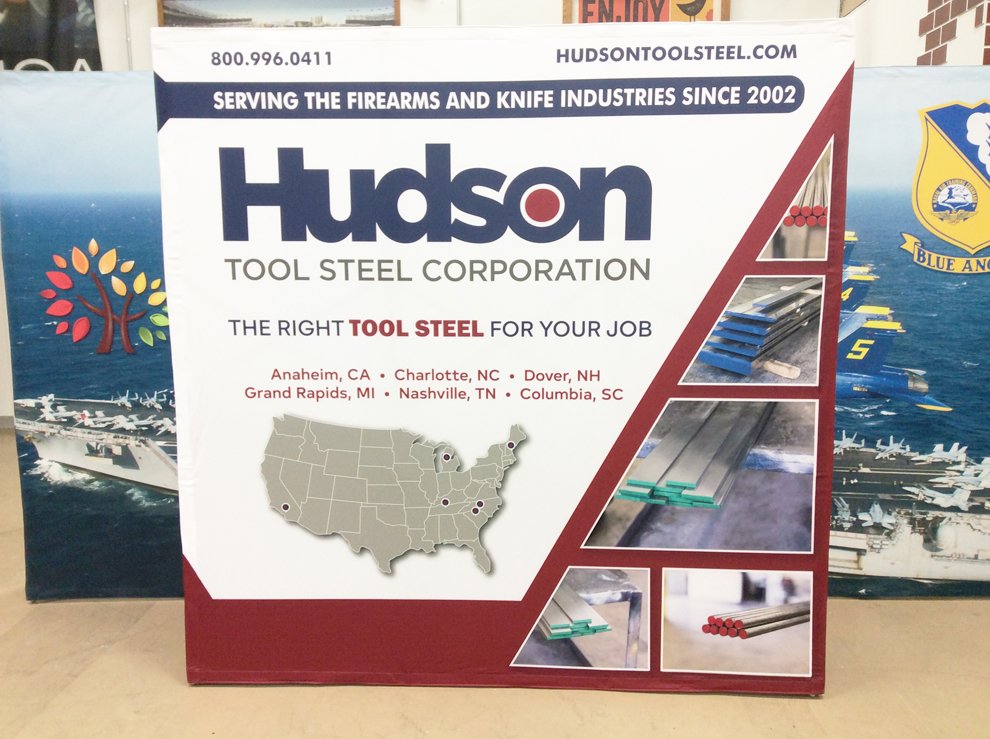
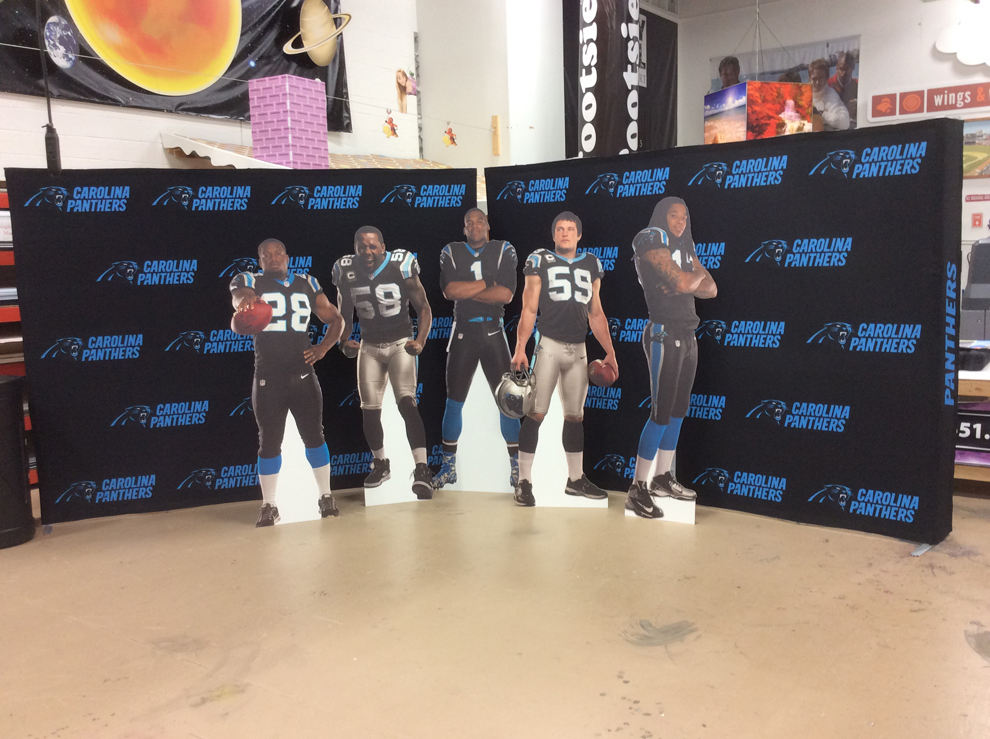
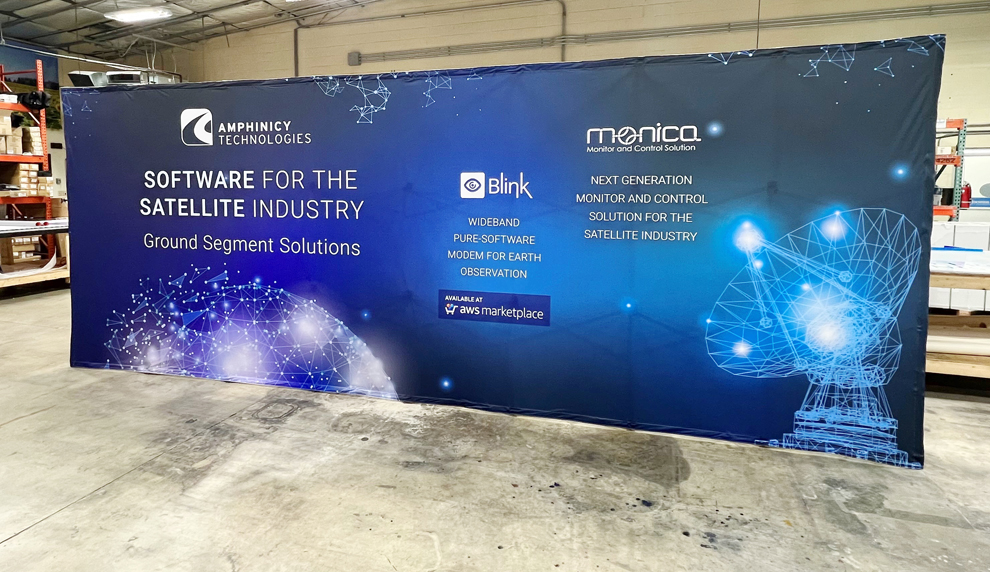
Your event background has to coexist with speakers, tables, camera crews, and whatever venue comes next on the calendar. A fabric backdrop pairs a printed textile graphic with a supporting frame to create a wide branded surface that, depending on the system you select, breaks down for transport.
For Winston-Salem corporate teams, university program staff, associations, and nonprofit organizers, that format works for presentations, hiring events, sponsor recognition, on-camera interviews, and trade show booths. The backdrop sets the scene while the people, products, and conversations in front of it stay in the spotlight.
Heritage Signs & Displays is veteran-owned and family-led, with roots going back to 1977. Beginning in 2009, custom signs, interior graphics, workplace branding, and event environment solutions became a central focus of the company.
Portable fabric systems rely on different frame designs and attachment methods. Some graphics slip over an assembled tubular frame, while others fasten to a collapsible pop-up structure. Those distinctions influence assembly, packing, storage, and whether you can buy a replacement graphic for the same hardware later.
A backdrop can also serve as one component of a larger event environment. Registration signs can mark arrival points, retractable banners can carry secondary messages, and directional graphics can move attendees through the space without cluttering the main background.
Before committing to a system, think through audience distance, available floor space, camera framing, how often you travel, where the display will live between events, and how frequently the message changes. A display bought for one annual presentation may call for a different graphic approach than a system shared among several departments.
How you buy matters too. A standalone Online Store order requires a defined, eligible configuration and complete print-ready artwork. It does not include Heritage design or layout development, direct product selection or coordination, a Physical Production Color Proof, a Heritage site survey, or Heritage professional installation.
For a larger qualifying managed project, the backdrop can be evaluated alongside the broader communication and execution requirements. Design support, delivery planning, stakeholder coordination, site conditions, and installation apply only when they are included in the accepted scope.
Talk with Heritage about a coordinated event environment involving multiple signs, graphics, displays, and professional installation.
Get Started Now
A tube-frame system relies on connected frame sections to define the display shape. In the system described in the supplied reference, push-button fittings join the tubes, and a pillowcase-style graphic slides over the assembled frame and zips shut.
A collapsible pop-up system expands into its supporting structure and secures the graphic with hook-and-loop fasteners. Some systems fold down with the front graphic still attached and accept interchangeable graphics. Do not assume every pop-up product offers those features.
The practical comparison goes well past assembly. Look at packed dimensions, attachment method, carrying solution, product instructions, and replacement-graphic compatibility before you settle on hardware. A graphic that looks similar is not automatically compatible with a different frame.
Think about who will set up the backdrop and how often that job changes hands. When several staff members share the display, store the instructions with the hardware and schedule a practice assembly before the first event.
Build the graphic strategy around how long the message will stay relevant. A recurring program may do well with a stable organizational design, while rotating sponsors or annual dates can make verified replacement capability a higher priority.
A large-format graphic demands different decisions than a brochure or a presentation slide. Image resolution, type size, logo placement, and visual hierarchy have to hold up across the entire display and still work when people stand in front of part of the artwork.
Heritage delivers signs, graphics, workplace branding, and event environment services. Within a qualifying managed project, those capabilities support a coordinated plan instead of a pile of displays chosen one at a time. One dedicated Project Manager can carry approved decisions through the project when that structure is part of the accepted scope.
For self-directed purchases, the client is responsible for supplying complete print-ready artwork for the selected configuration. Heritage design support is not included simply because the file contains a logo or the display is headed to a business event.
Color expectations should be settled before production begins. Supplied Pantone Matching System colors are production targets, not guarantees of identical reproduction across every printer, ink, fabric, and finishing condition. Electronic proofs are useful for checking content and layout, but they are not physical color standards.
A Physical Production Color Proof may be provided only within a qualifying Heritage-managed project when included in the accepted scope, at additional cost, and when the schedule permits. Standalone Online Store orders do not include this service.
Select adjacent products based on the communication or structural job the fabric backdrop does not handle on its own.
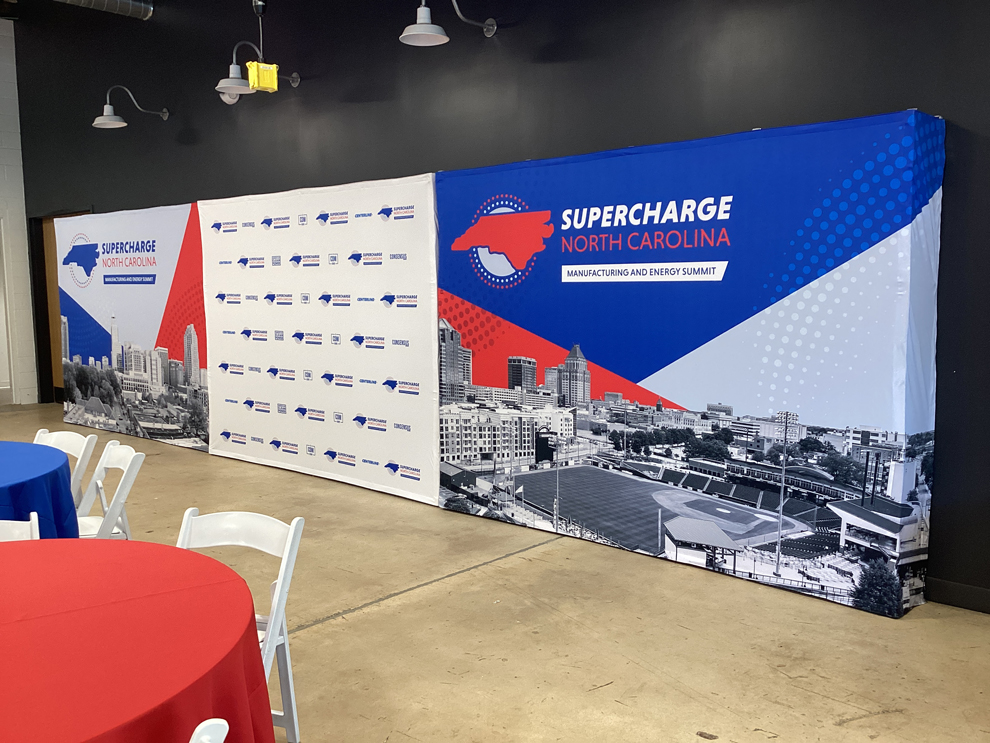
Look at a broader backdrop solution when the focal area calls for a different format, specialized staging treatment, or coordination beyond a standard portable fabric system.
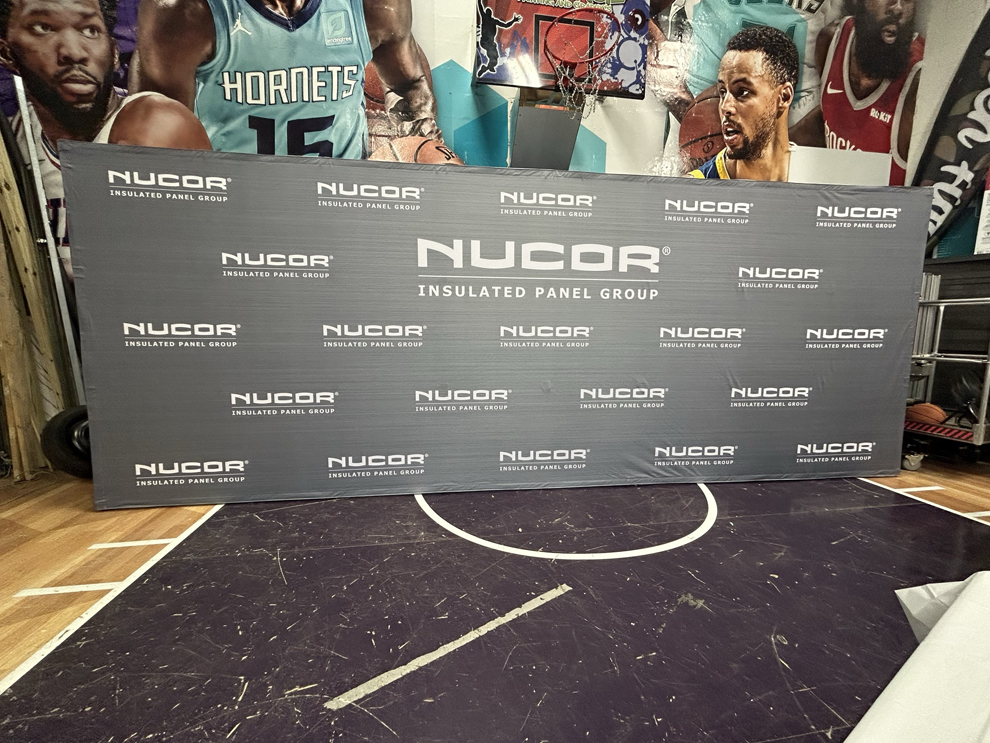
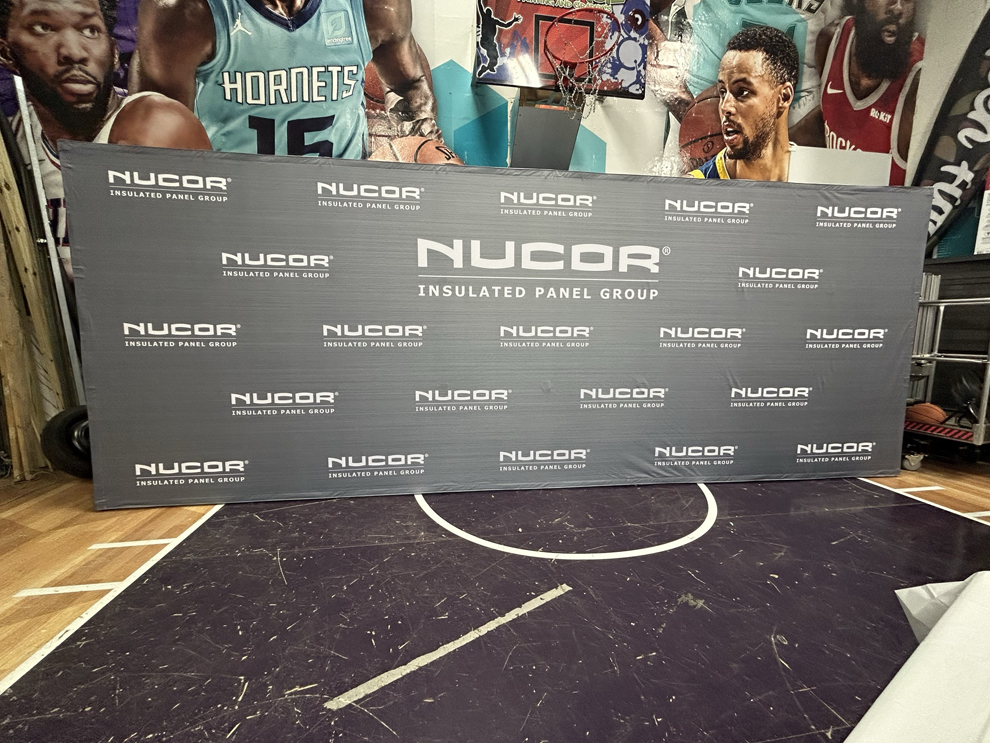
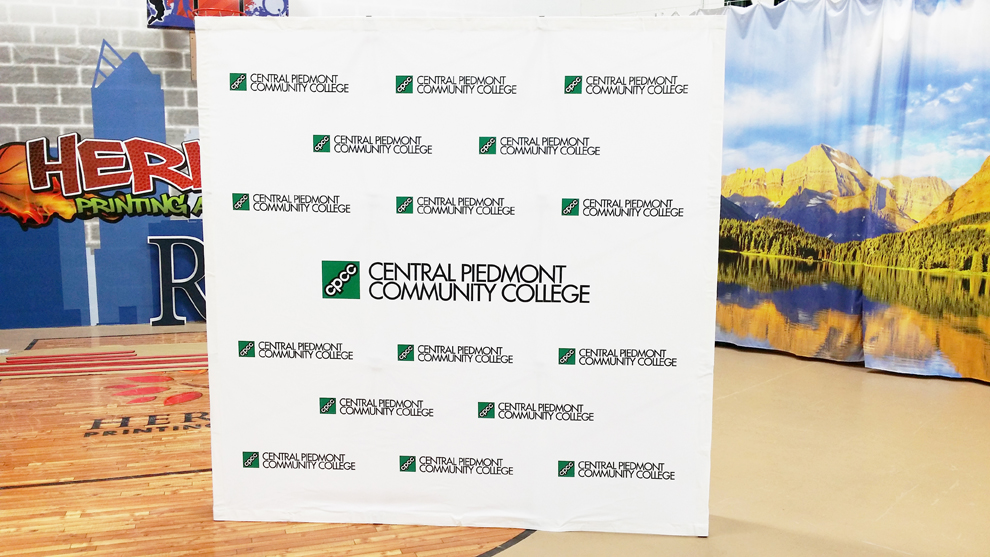
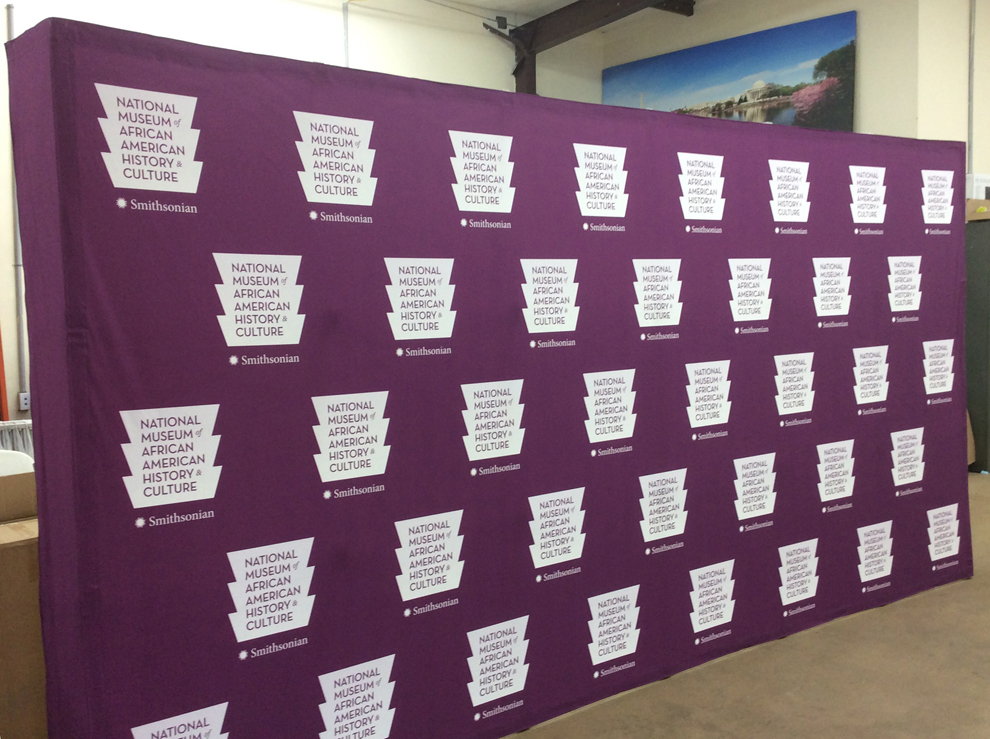
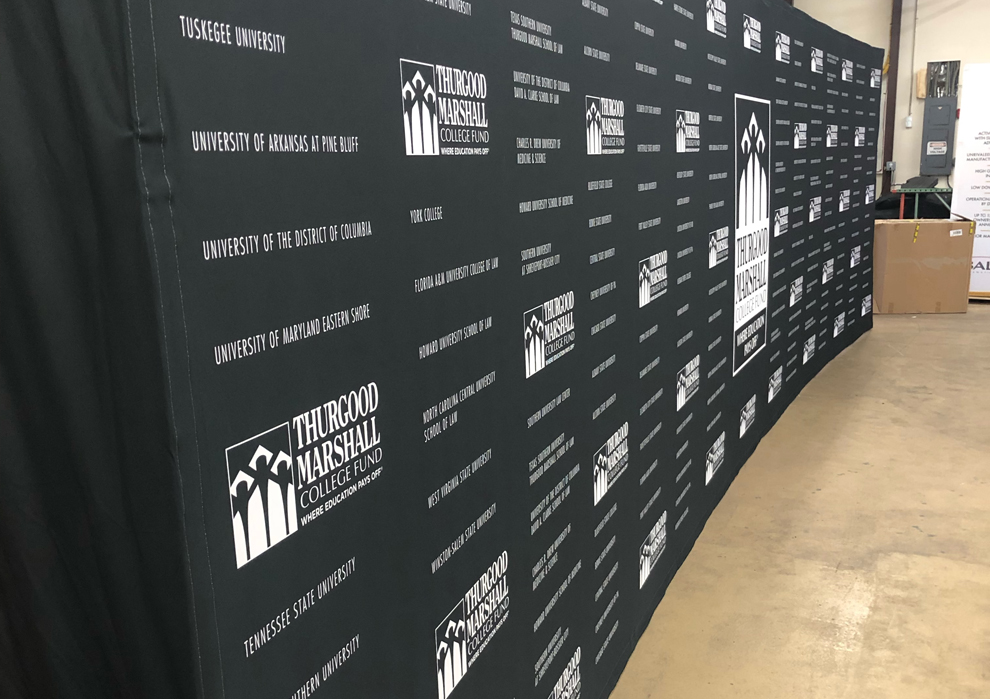
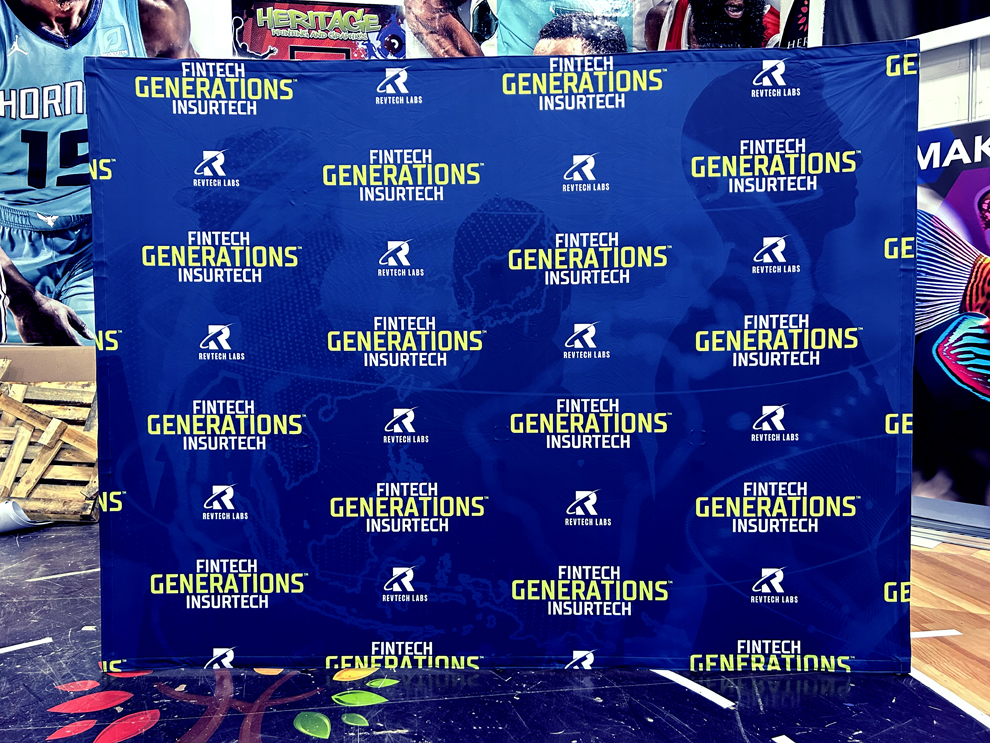
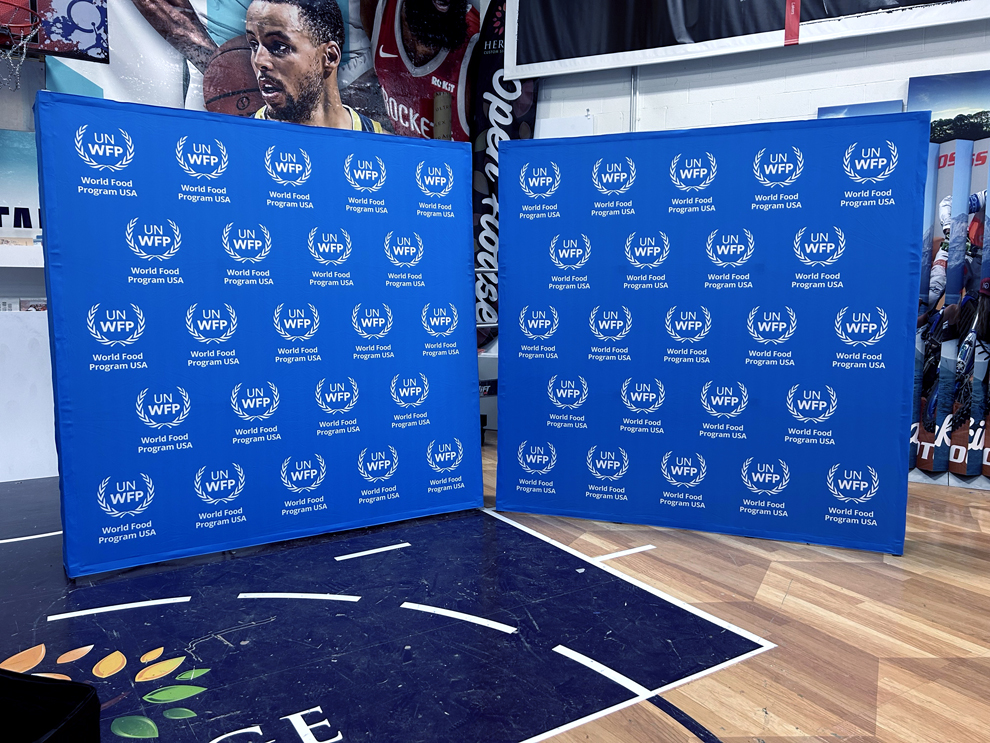
Use repeated organization or sponsor marks for photography and interviews where branding has to stay visible no matter how the camera crops the shot.
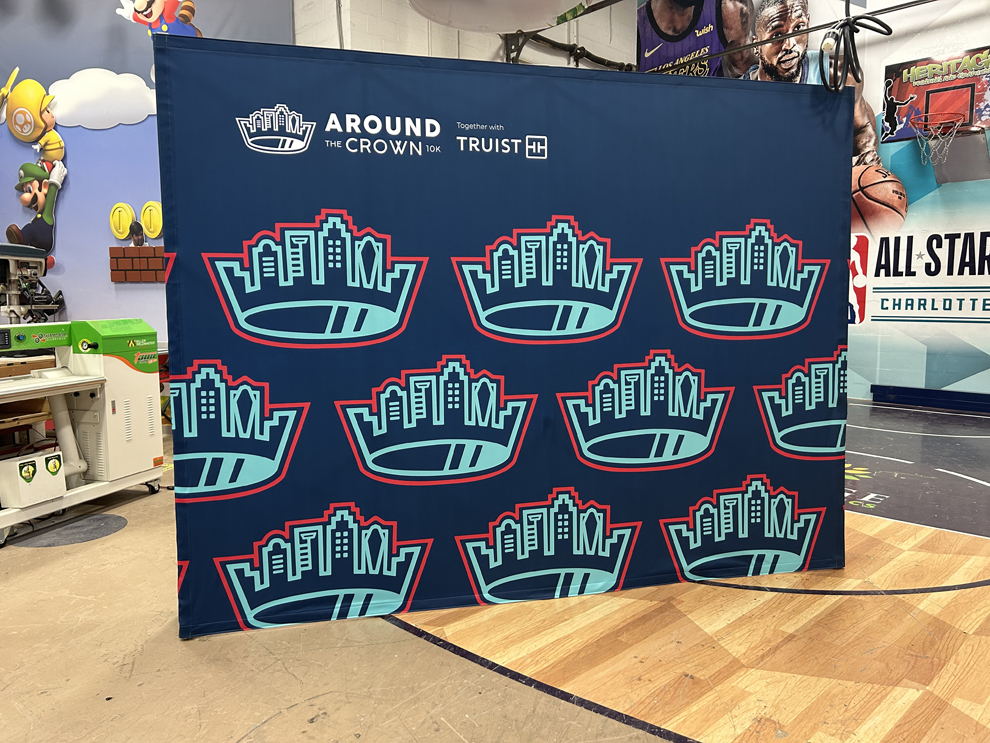
Plan a fuller exhibit when the booth needs several display components rather than a single portable graphic backwall.
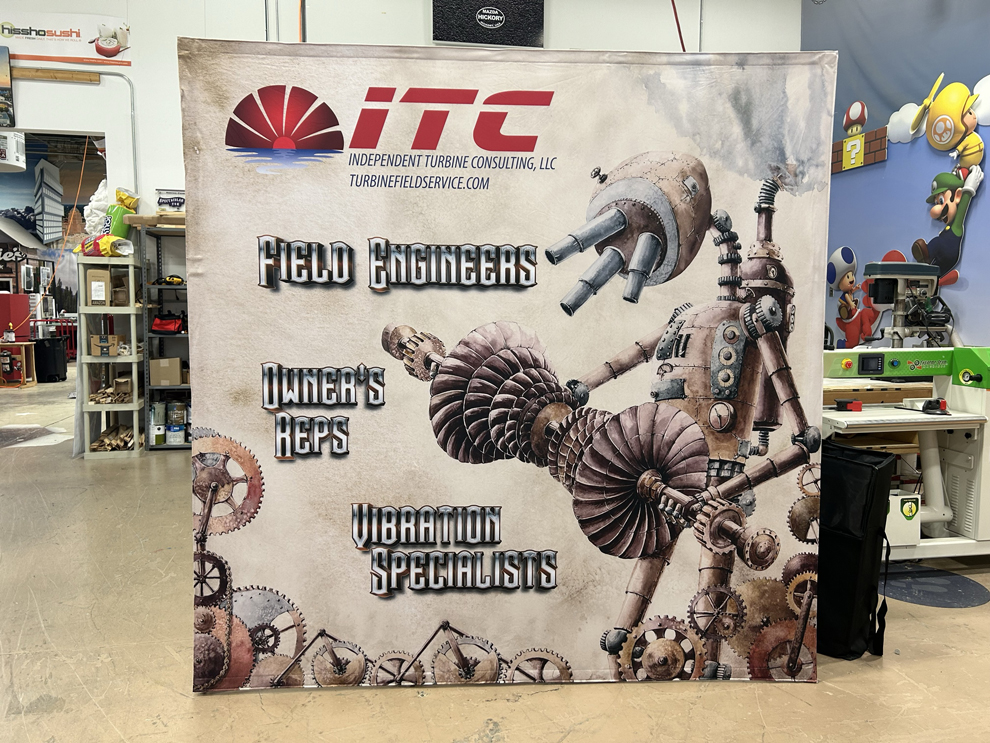
Position narrower vertical messages at registration desks, entrances, and presentation areas where a wide background would be the wrong tool.
Choose silicone-edge fabric graphics for compatible frames or lightboxes that accept a sewn silicone strip in a perimeter groove.
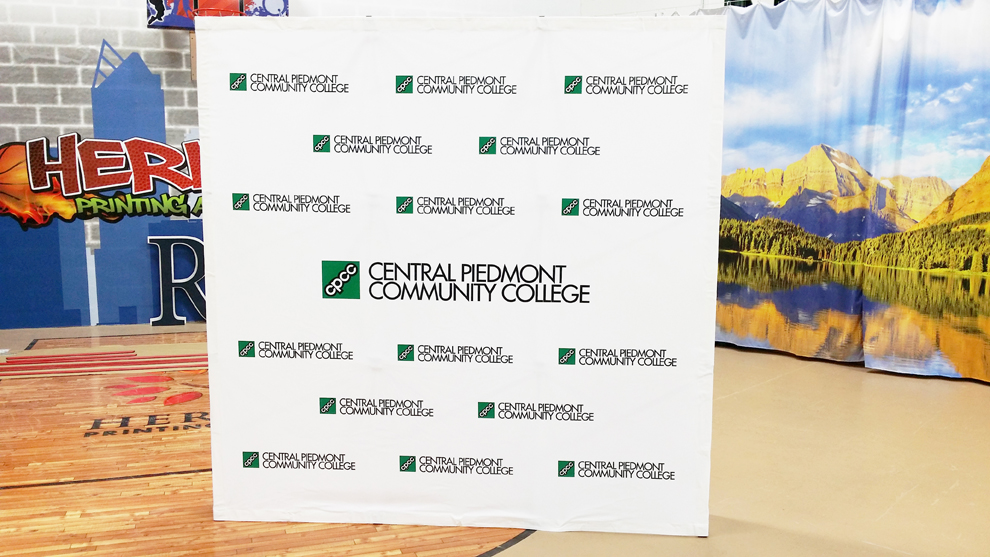
Consider modular frames when the event calls for configurable exhibit structure and integration with compatible graphics or other display components.
Add elevated brand identification or directional messaging when the display needs to be seen above the surrounding activity.
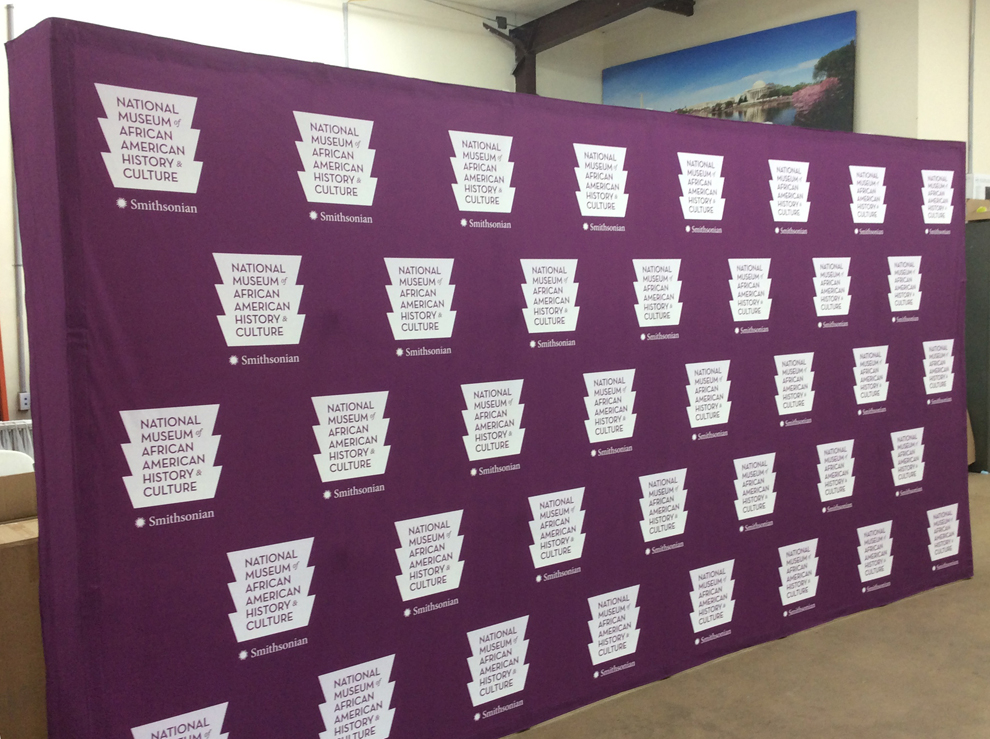
Coordinate registration, wayfinding, sponsor recognition, and venue graphics when multiple communication points need to work as a set.
For a clearly defined self-service purchase, read through the configuration requirements and have finished, print-ready files in hand before you place the order. Verify that the exact system is available and check its ordering terms directly instead of assuming a store listing matches what you need.
For a larger project that qualifies for managed support, send over the Winston-Salem area venue, how the display will be used, the date it must be ready, the overall display scope, any artwork you already have, and what coordination you expect. Mention any multi-site needs or professional installation you anticipate so every responsibility can be reviewed at once.
Working on a Bigger Event Branding Project? Get Started Now
For Winston-Salem, NC organizations running programs across Forsyth County and the wider Piedmont Triad, a reusable background helps keep the visual identity consistent as the setting shifts. A team might carry the same organizational graphic from a boardroom presentation downtown to a recruiting booth at a university career fair, as long as the system fits both rooms.
Map out the full event route, whether that includes a conference at the Benton Convention Center, a program in the Innovation Quarter, a campus event near Wake Forest or Winston-Salem State, or stops in Greensboro and High Point. Evaluate each setting on its own rather than assuming the same floor space, camera position, or setup window will apply at every location.
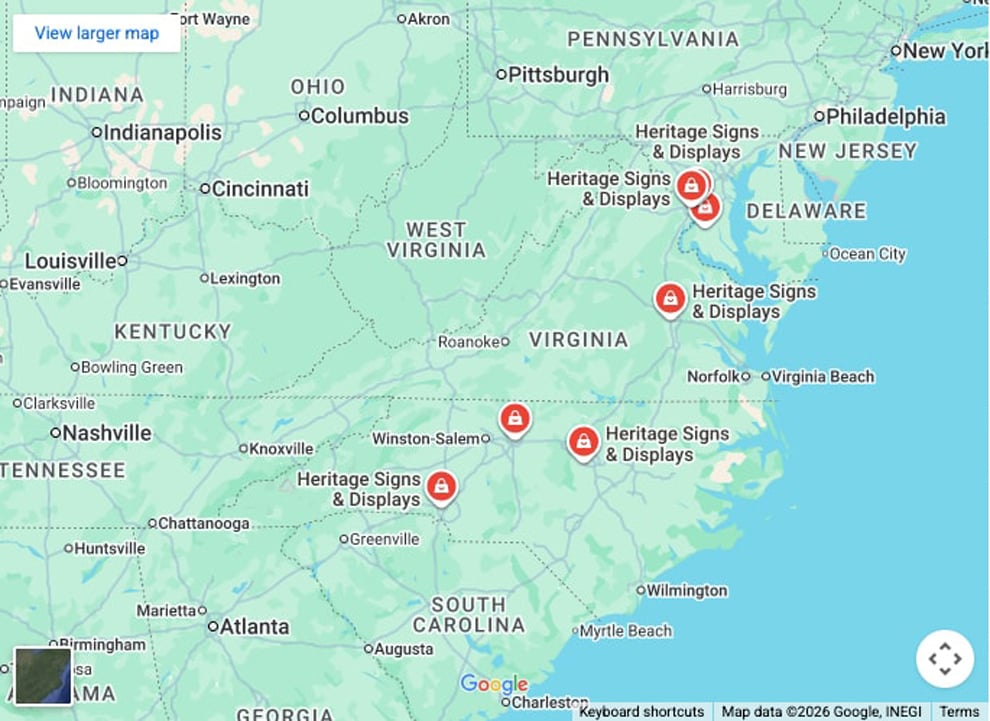
Winston-Salem is part of Heritage's approved physical footprint, and the Piedmont Triad falls within the HeritageCustomSigns.com marketing geography. Production may be assigned to the Heritage facility best matched to the project's equipment, expertise, capacity, schedule, and quality-control requirements.
For larger qualifying managed work, bring up the locations and coordination requirements during scope development. A local project does not change the boundaries of a self-directed Online Store purchase or automatically add design, delivery coordination, a site survey, or installation.
Start with the portion of the graphic that will actually stay visible during the event. Speakers, seated panelists, podiums, tables, and product displays can hide a significant share of the artwork, especially in photographs.
Position essential logos and headlines where they survive the intended composition. For a seated panel, review the design behind both the people and the table. For interviews, plan for tighter camera crops instead of relying on a full-width artwork preview.
Match the volume of information to the viewing distance. A clear headline and a recognizable logo generally serve a presentation background far better than paragraphs of supporting copy. Shift schedules, detailed service lists, and directions to separate displays.
Repeated sponsor marks need their own layout decisions. Check spacing and scale against the likely number of people in each photo so the pattern stays legible without turning into visual noise.
For self-directed orders, build the final file to the requirements for the exact configuration. In a qualifying managed project, design development and coordination with surrounding signs may be part of the accepted scope.
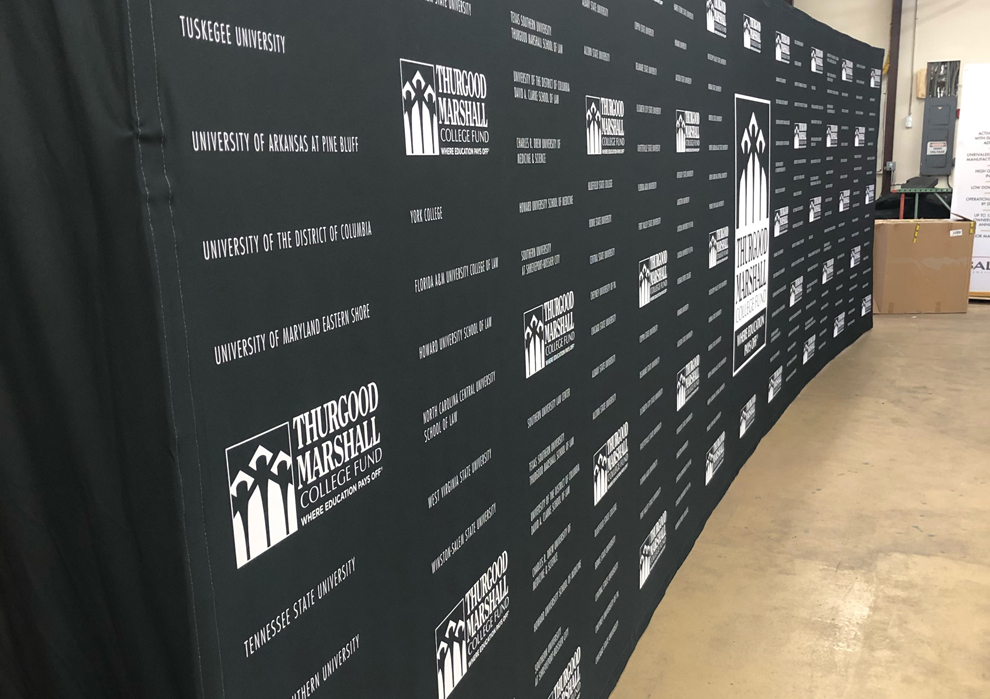
Follow the instructions for the specific frame and graphic combination you own. A tubular frame with a zippered fabric cover does not assemble or pack the same way as a collapsible frame with hook-and-loop attachment.
Before the event, inspect frame components, connections, fabric, and the carrying solution. Leave time to assemble the display and view it from the audience and camera positions before the room fills up.
For transport, shield the printed surface from loose hardware, sharp edges, and abrasion. Use the supplied carrying solution when applicable, and follow product-specific instructions for folding, packing, and cleaning instead of assuming every fabric tolerates the same handling.
Before reusing the display, confirm the graphic is still current as well as physically sound. Expired dates, former sponsor marks, or outdated departmental information can make an otherwise good backdrop wrong for the next program.
Standalone Online Store systems are client-deployed and do not include Heritage professional installation. If a larger managed project includes Heritage professional installation, the required Heritage site survey applies to that installed project scope.
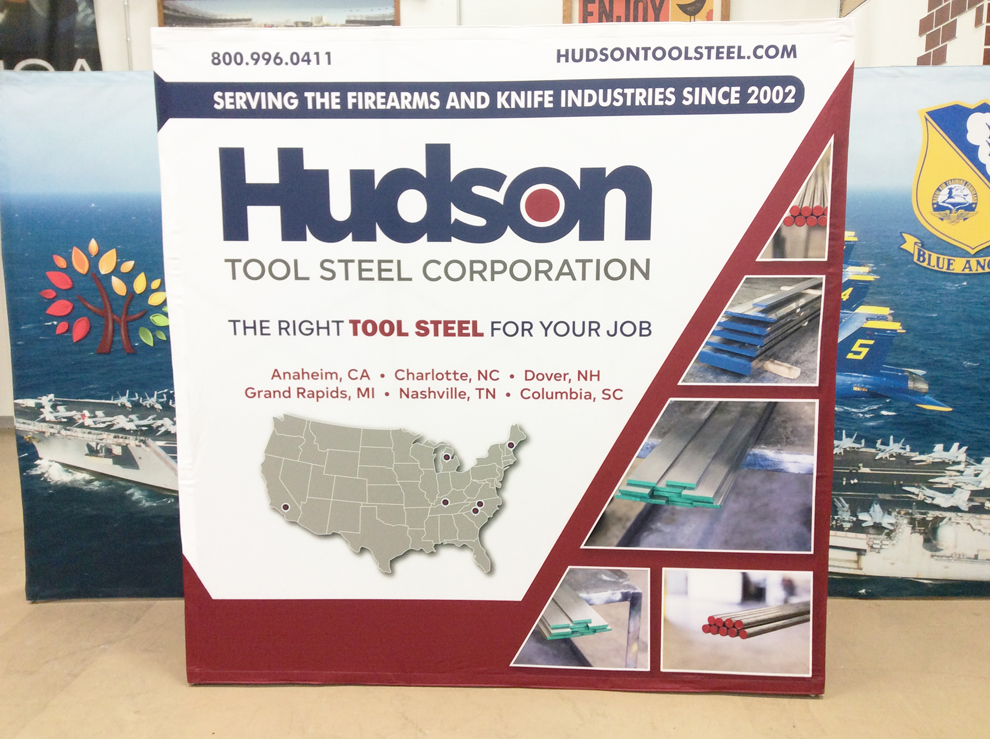
Self-directed purchasing suits a requirement that is already worked out. You know the eligible standardized product, have chosen its configuration, can supply complete print-ready artwork, and can handle setup without Heritage project coordination.
Before purchasing, review the exact product's current specifications, artwork requirements, included components, production information, and shipping terms. A general product-page description is not confirmation that a particular configuration is available.
The managed-project path suits a broader event or workplace requirement that still needs development or coordination. That can include multiple display types, several locations, stakeholder approvals, delivery planning, design support, site conditions, or professional installation within the accepted scope.
The dividing line is not whether artwork already exists. Approved artwork can still belong to a project with unresolved logistics, installation responsibilities, or several related communication needs.
Talk through the whole project instead of treating each portable display as a separate transaction. Heritage can assess whether the broader requirement qualifies for managed support and define responsibilities before work begins.
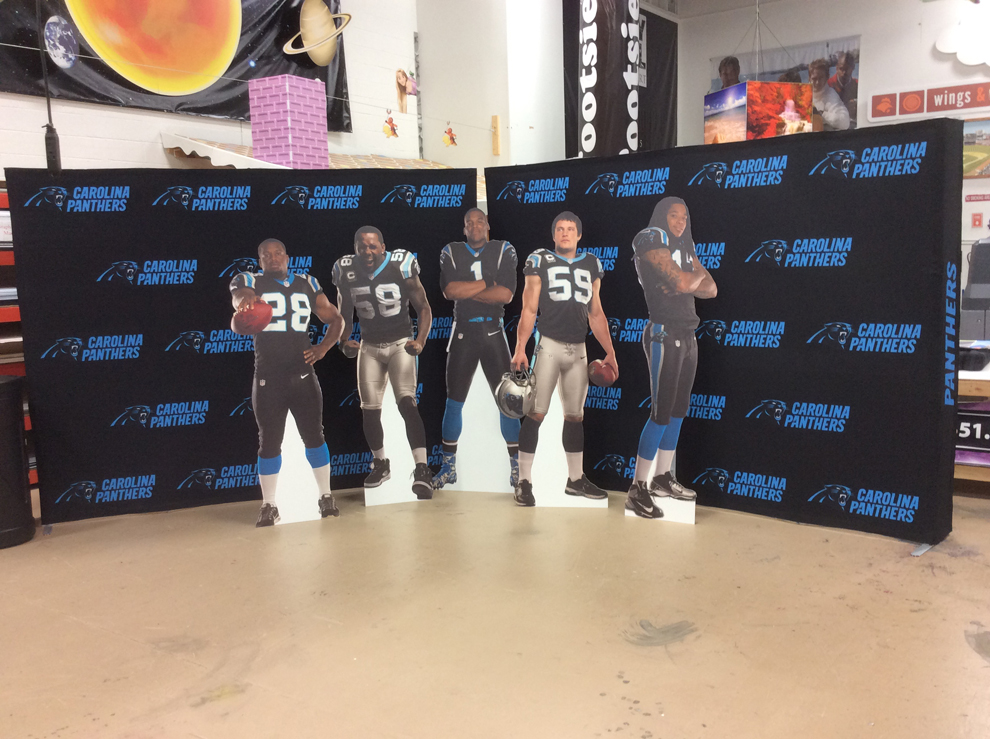
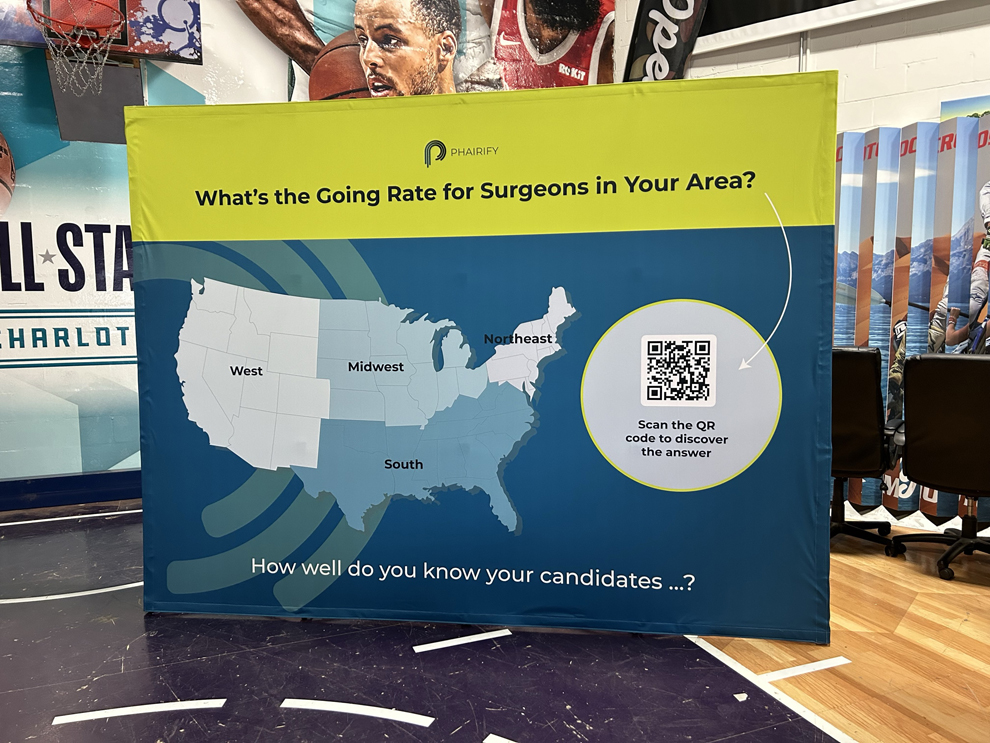
A fabric backdrop provides a wide printed surface held up by a frame. It can put the host's name front and center, give speakers a branded setting, showcase sponsors, or serve as the back wall of a booth, all without being built into the venue.
Let the space and the message decide. A fabric backdrop covers a broad area behind people or activity, while a retractable banner delivers a taller, narrower message and rolls its graphic back into a base for transport.
Work out how the display will be used, how much floor space you have, how far away the audience will be, how cameras will frame the scene, whether it will travel, and where it will be stored. Also confirm who will put the system together and whether you expect to swap graphics later, since that affects replacement compatibility.
The differences come down to frame build and how the graphic attaches. A tube-frame system typically uses a fabric sleeve that pulls over the structure and zips shut, while a collapsible pop-up frame usually secures the graphic with hook-and-loop fasteners.
A standalone Online Store purchase calls for an eligible standardized configuration plus fully finished print-ready artwork. Look over the specific listing's specifications, file requirements, included parts, and ordering terms before you buy.
No. Hands-on product selection or coordination from Heritage is not part of a standalone Online Store transaction. That kind of guidance can be built into a larger qualifying managed project when it is written into the accepted scope.
Yes, provided design support is part of the accepted scope on a qualifying managed project. Standalone Online Store orders come without design or layout services and require complete print-ready artwork from you.
Go with the managed-project route when the backdrop is one piece of a larger qualifying event or workplace need that depends on Heritage coordination. Having artwork ready does not take care of delivery logistics, stakeholder sign-offs, venue conditions, or installation duties on its own.
No. A standalone backdrop that you set up yourself does not trigger a Heritage site survey. The survey requirement applies when a managed project includes Heritage professional installation and covers that installed portion of the work.
With a standalone Online Store backdrop, setup is the client's responsibility. Heritage placement or assembly can be arranged inside a larger qualifying managed project, but only when the accepted scope includes it.
Stick to the instructions for your specific system and run a full practice assembly ahead of the event. Check every component, give yourself plenty of room to work, and confirm the graphic sits exactly where you want it before speakers or guests show up.
Follow the packing directions for your product and use the carrying case that came with it when one is supplied. Keep the fabric away from loose hardware and anything abrasive, and rely on the actual product's care instructions rather than assuming it can be washed or heat-treated.
It depends on the system you own. Confirm that a replacement is available and that it fits your exact frame before ordering a new graphic, even if the measurements look like a match.
Yes, as long as the size, hardware, artwork, and placement work for each setting. Look at how interview cameras will crop the image, what a seated panel will block, and how much booth space you actually have before assuming one configuration fits all three.
Yes. A compatible fabric system can carry repeating logos or sponsor marks. Step and Repeat Backdrops covers that photo-focused use in detail, while Fabric Backdrops concentrates on the portable fabric display system itself.
No. SEG fabric graphics have a sewn silicone edge that presses into a groove on a compatible frame. Tube-frame sleeves and hook-and-loop pop-up graphics attach in different ways, so the two should never be treated as interchangeable.
No. Pantone Matching System colors act as production targets, and the final result shifts with the printer, ink, fabric, and finishing process. Flag any color-critical elements before production instead of expecting identical results on every display material.
No. An electronic proof is great for checking content and layout, but a screen cannot tell you what the finished physical color will look like. A Physical Production Color Proof is available only within a qualifying managed project, at additional cost, when it is included in the accepted scope and the timeline permits.
Yes, when the work qualifies for managed support and each location and responsibility is spelled out in the accepted scope. Winston-Salem falls within Heritage's approved physical footprint, but the specific field work, delivery, and installation arrangements still have to be defined for the project.
Provide the deadline, the destination, the status of your artwork, how many displays you need, and the full picture of coordination required. If you are buying on your own, check the current production and shipping terms. For managed work, give Heritage room to assess approvals, production, delivery, and any installation dependencies rather than counting on a guaranteed timeline.
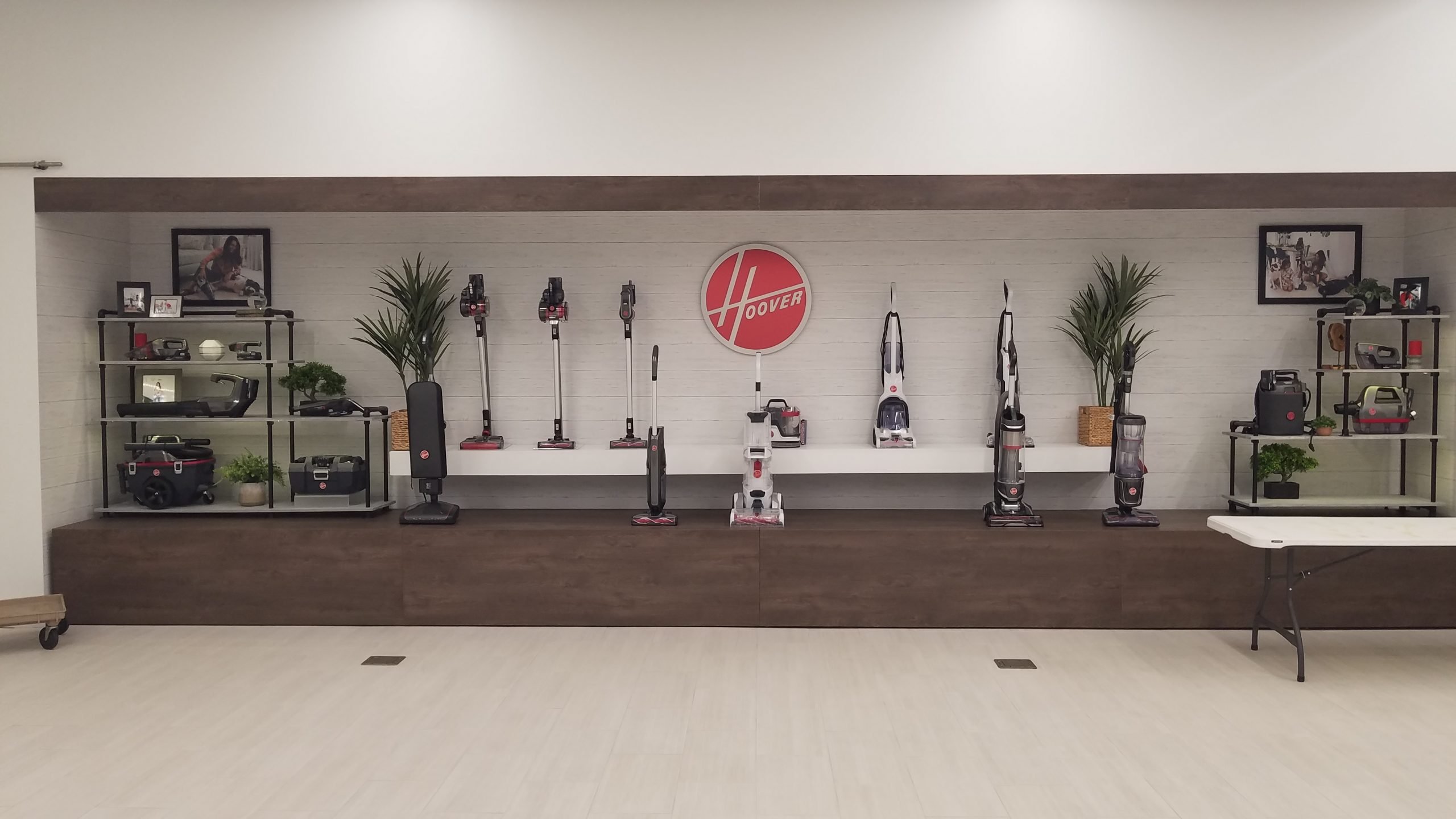
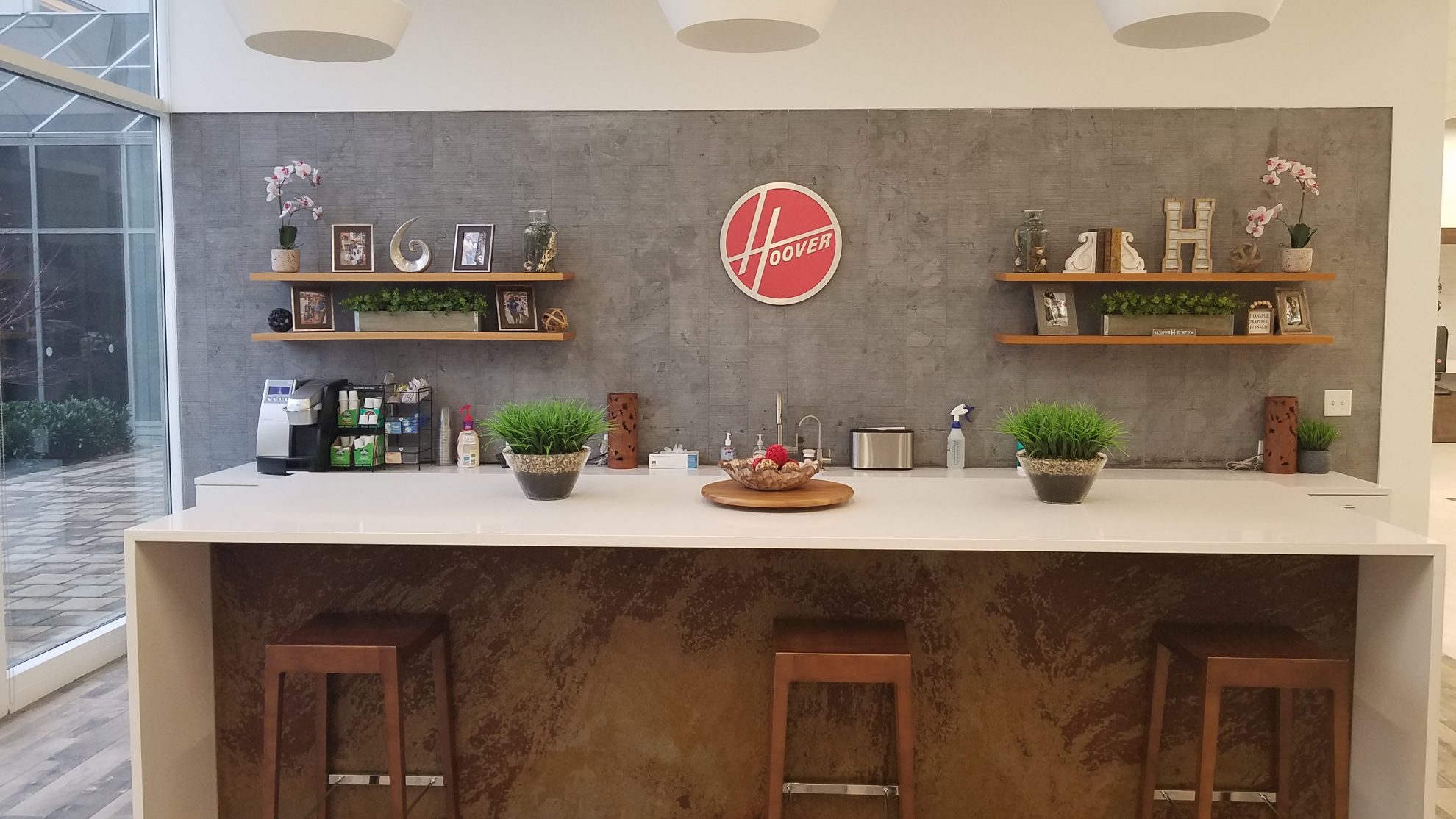
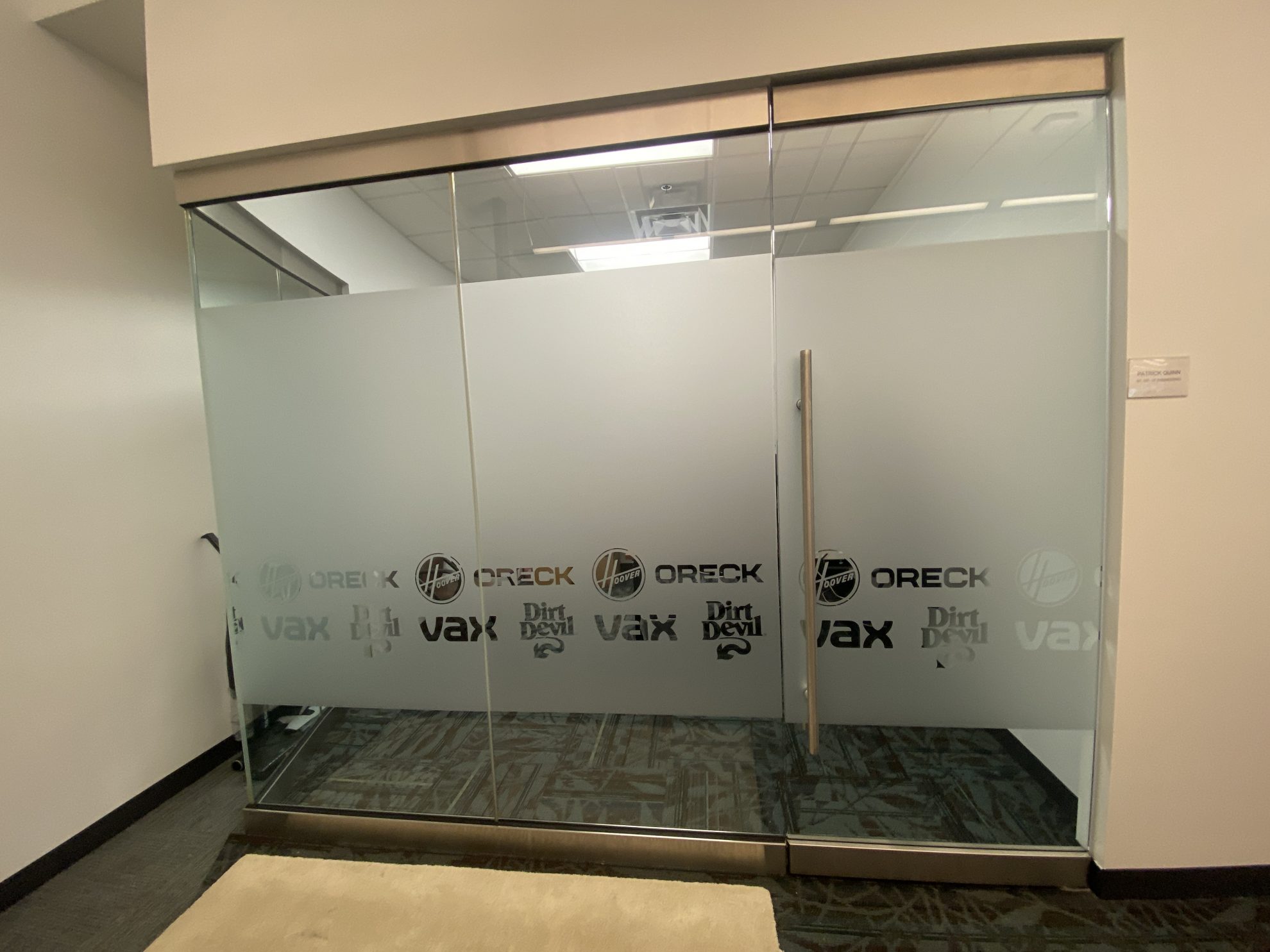
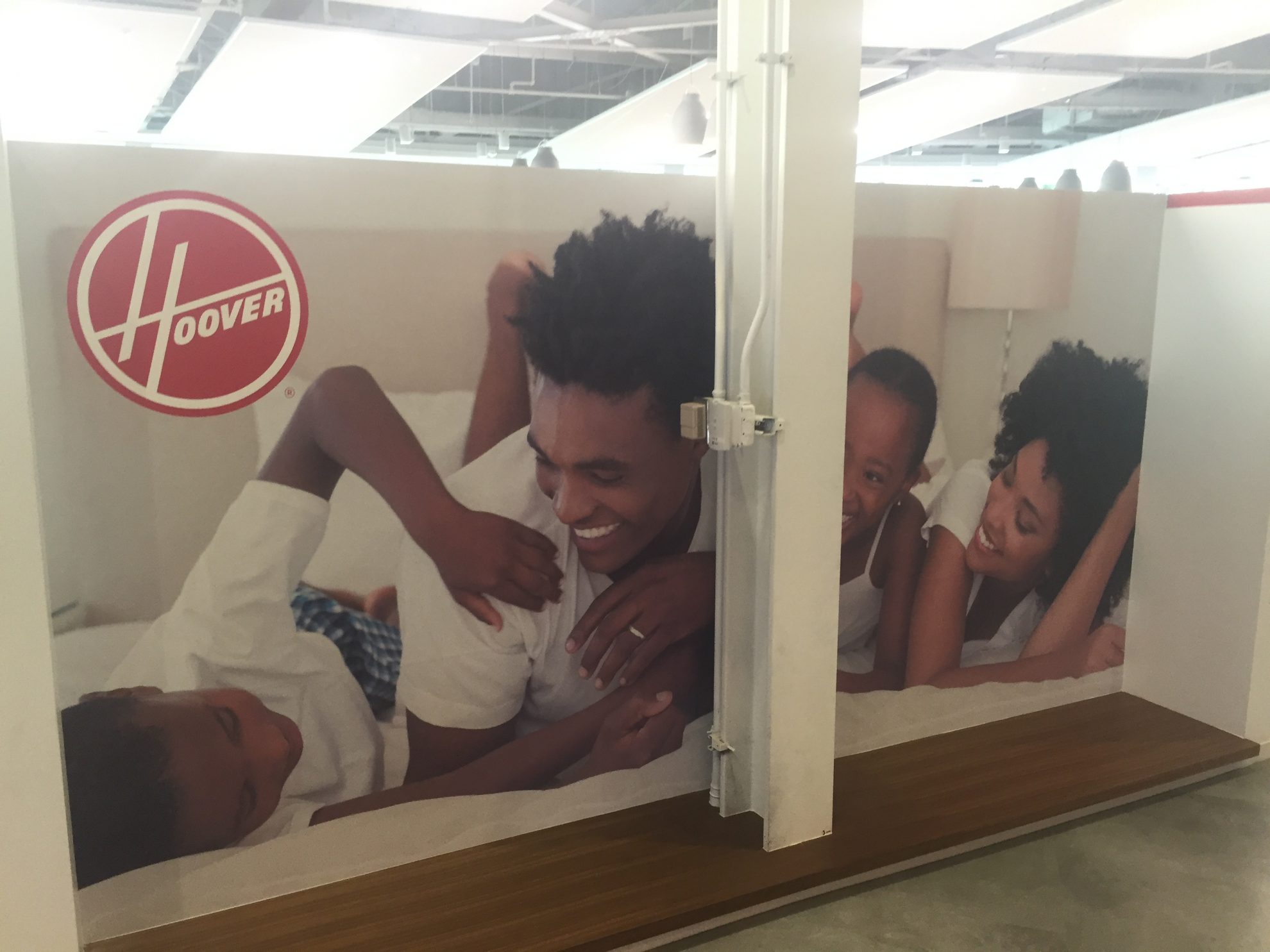
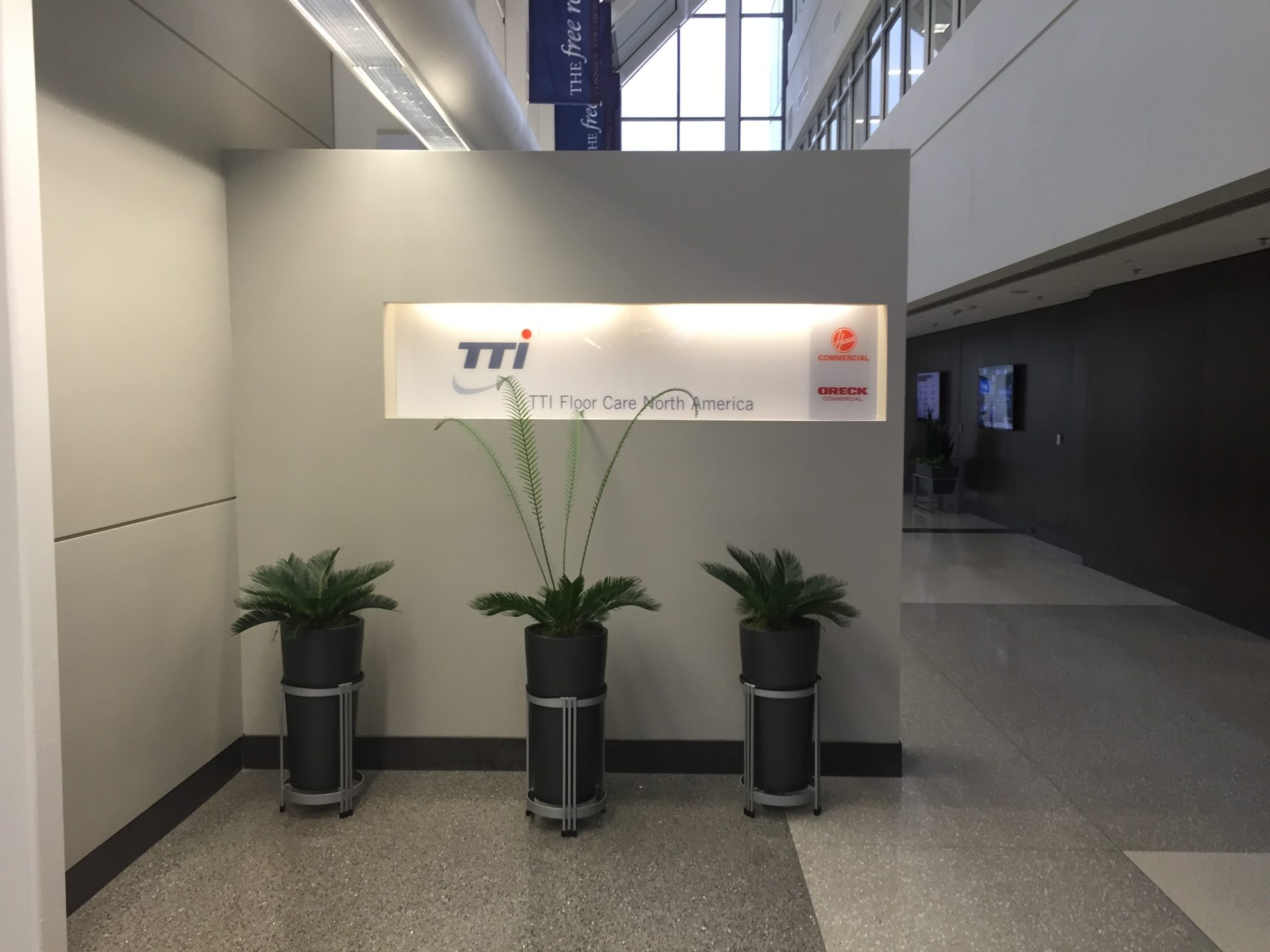
Heritage Signs & Displays collaborated with TTI Floor Care North America to enhance their corporate office. The project included custom frosted vinyl graphics, acrylic signs, dimensional lettering, and LED backlit signs, showcasing the brands Dirt Devil, Hoover, and Oreck. The signage improved office branding, privacy, and aesthetics. Heritage collaborated closely with TTI, ensuring efficient execution and high-quality results, creating an immersive and professional environment that reflects TTI's brand values.
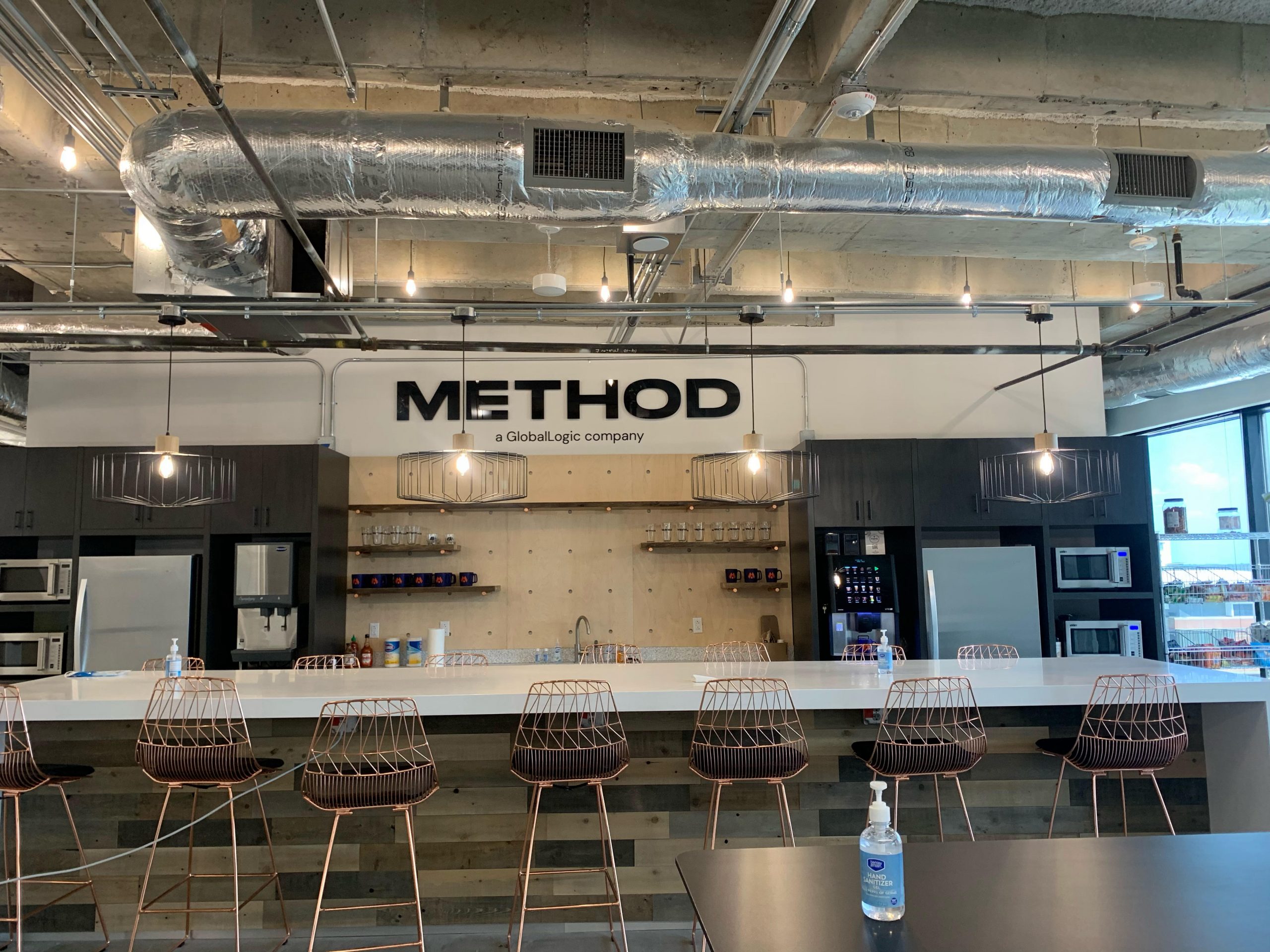
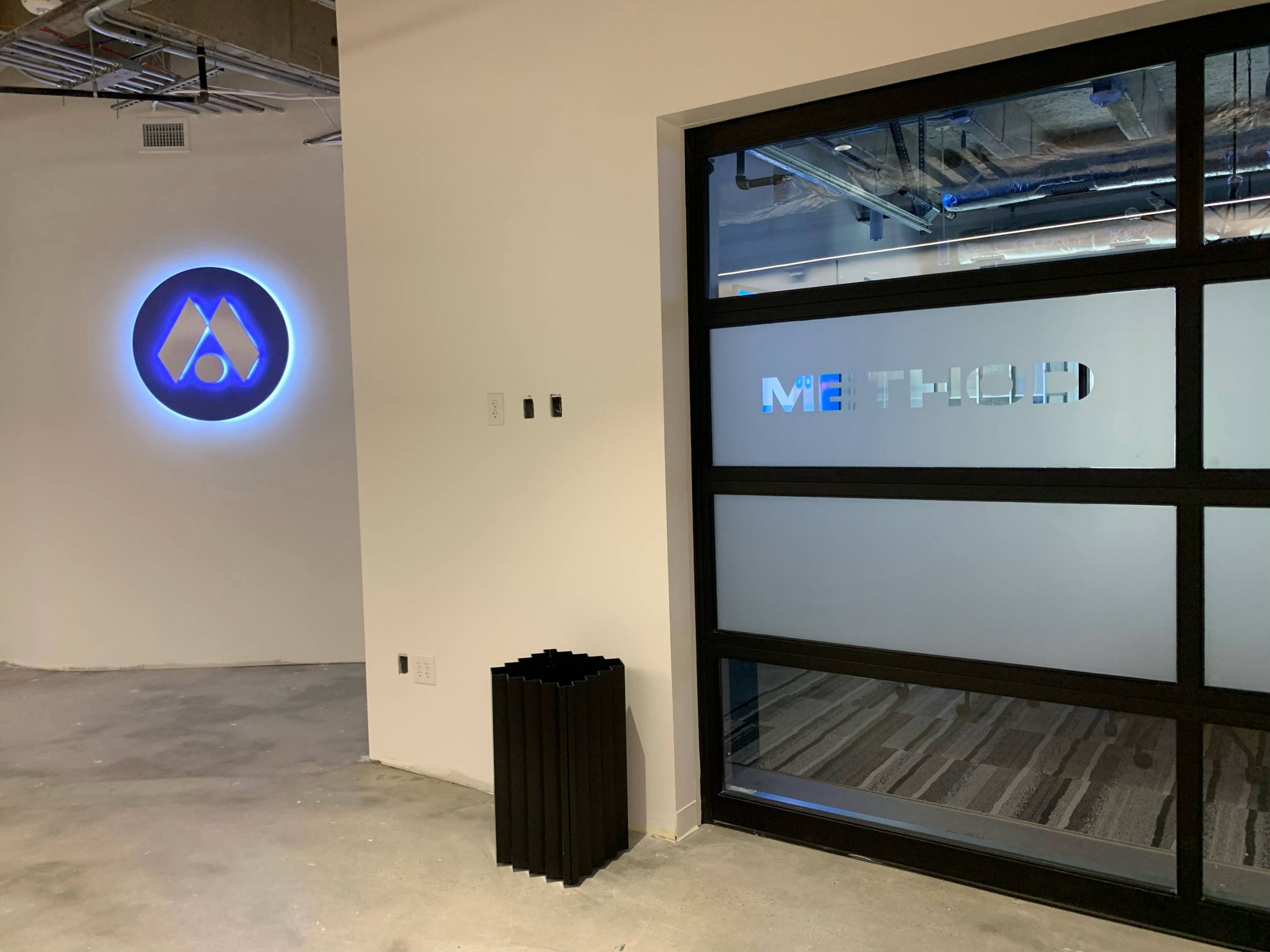
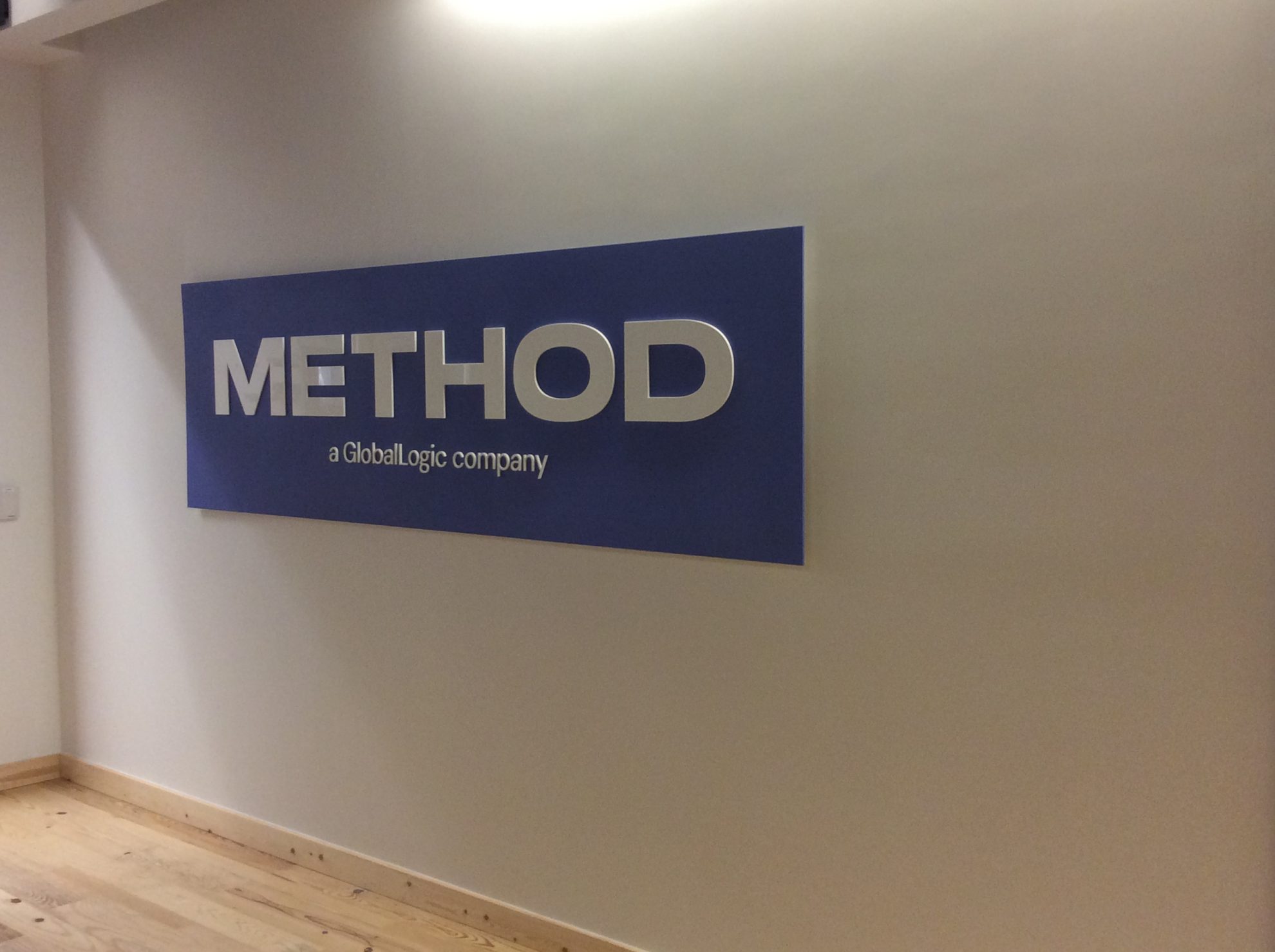
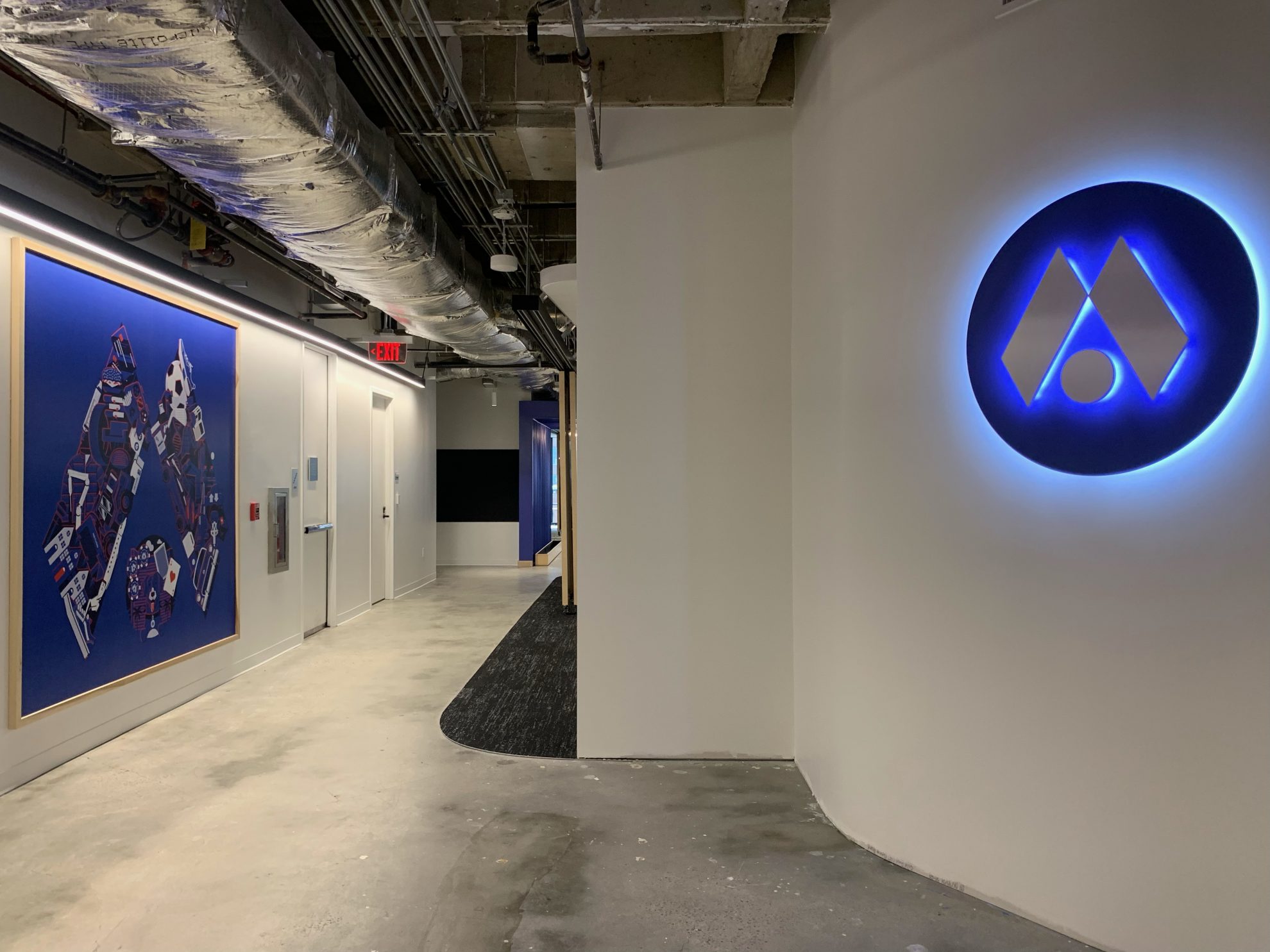
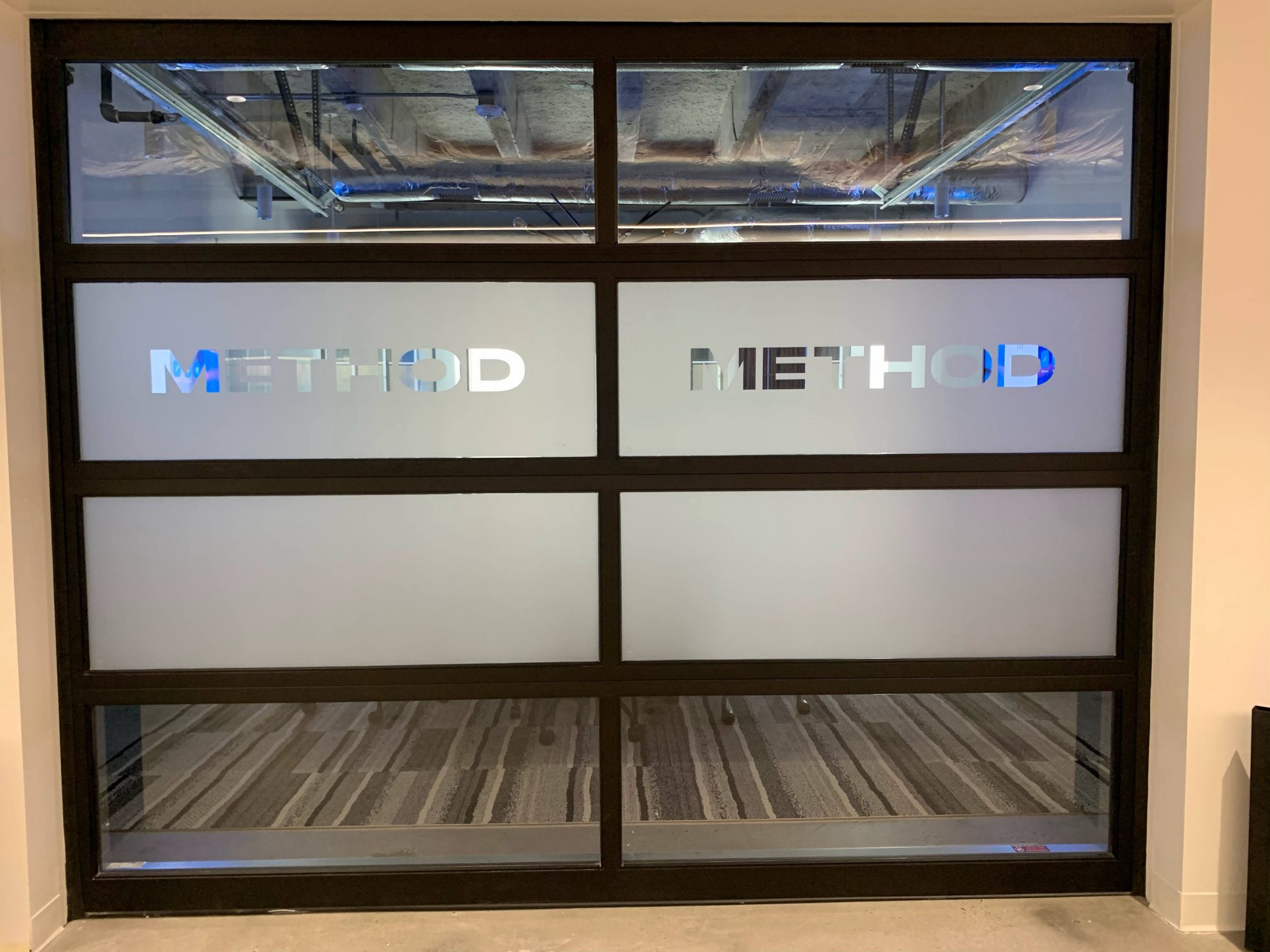
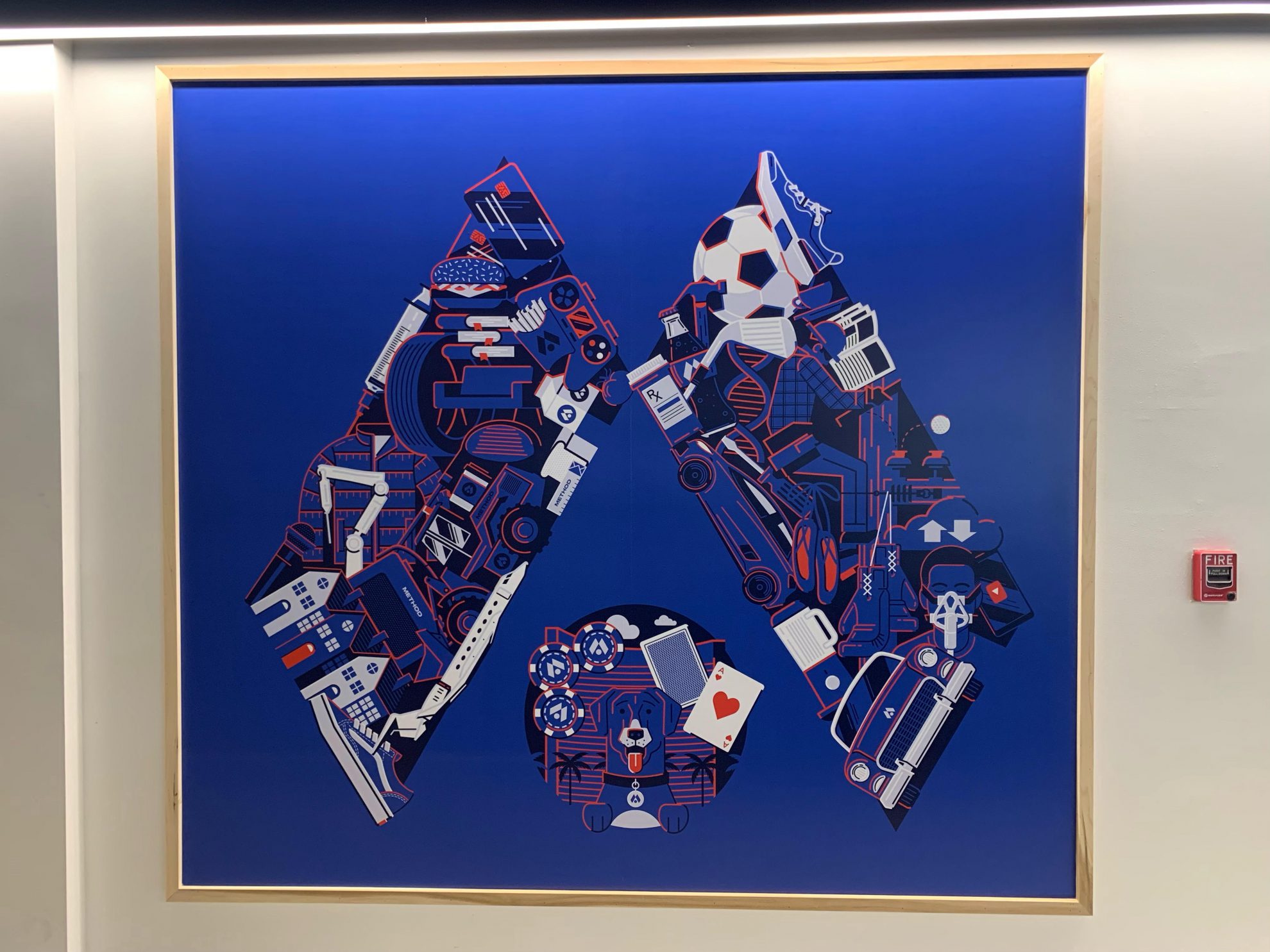
Heritage Signs & Displays' collaboration with Method (formerly Skookum) to rebrand their corporate headquarters. The project included dimensional lettering, wall displays, LED-lit signage, wall wraps, and frosted vinyl, creating an immersive and branded environment. Heritage worked closely with Method's team, ensuring accurate execution and timely delivery. The transformation was completed in August 2021, with Method's employees moving into the revamped space in September. The project reflects Heritage's commitment to quality and collaboration.