
How Window Graphics Strengthen Raleigh Workplace Interiors
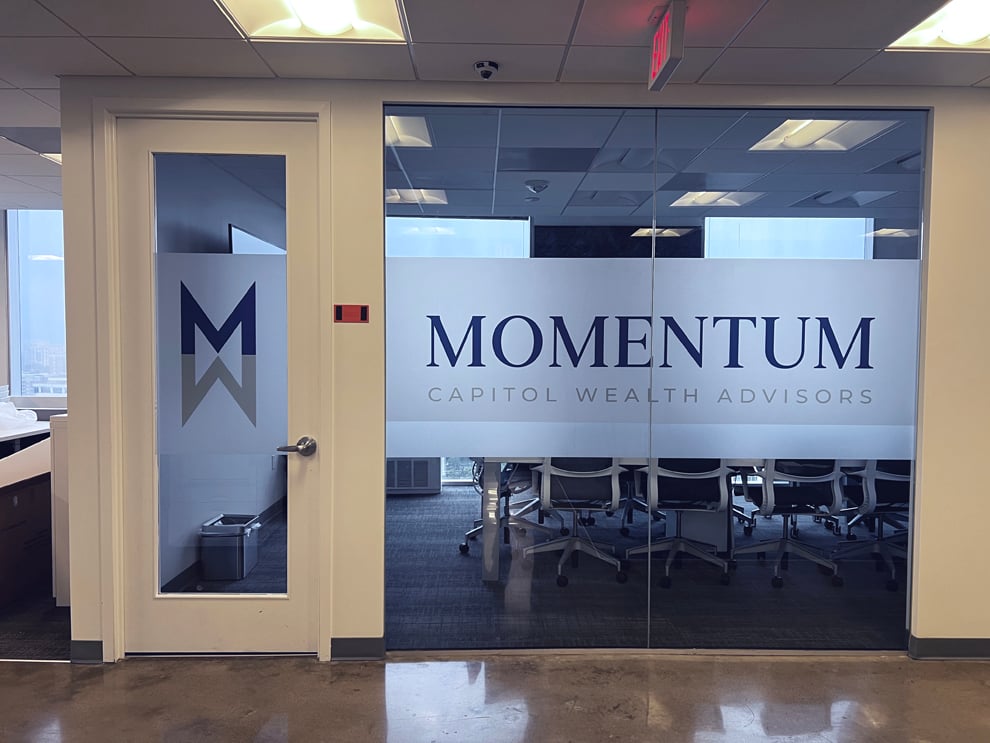
Glass is an important part of many contemporary workplaces, but untreated glass does not always provide the privacy, branding, visibility, or communication that an organization needs. Window graphics give Raleigh and Research Triangle organizations a flexible way to make office fronts, conference room glass, doors, sidelights, partitions, and other compatible glass surfaces more useful while preserving the openness that makes glass attractive in the first place. The right treatment depends on what the space needs to accomplish. A conference room may require additional visual privacy. A lobby entrance might need a logo and identification. A glass corridor can carry branded patterns that connect nearby walls and signs. A university, healthcare organization, association, nonprofit, professional firm, research institution, or corporate office may want employees and visitors to encounter the same visual identity as they move from one area to another. Window graphics can address those needs through printed graphics, cut vinyl, logos, patterns, decorative treatments, frosted vinyl, privacy film, perforated vinyl where appropriate, and other graphic applications. The value comes from matching the graphic treatment to the function of the glass and the larger workplace experience.

Window Graphics Turn Glass into a Communication Surface
Walls naturally attract signs and graphics because they provide obvious mounting surfaces. Glass is sometimes overlooked, even though it may occupy a substantial portion of an office interior. Window graphics can extend brand colors, messaging, patterns, illustrations, typography, and other visual elements onto glass without eliminating the architectural character of the surface. This can help create continuity between reception areas, hallways, conference rooms, offices, and shared spaces. A glass wall next to a branded feature wall can carry a related pattern. Conference room doors can incorporate department names or room identification. An entrance can include a dimensional logo on one surface and supporting graphics on adjacent glass. Graphics can also support events, campaigns, renovations, or other temporary communication needs when the appropriate material and installation method are selected. The purpose should determine the treatment. Some glass should remain visually quiet. Other areas can become meaningful extensions of the organization’s brand. Heritage considers sightlines, privacy, lighting, surrounding signs, visual hierarchy, and the amount of coverage needed so the finished graphics support the workplace without making the glass feel unnecessarily busy.

Frosted Vinyl and Privacy Film Can Balance Openness and Privacy
Glass conference rooms and offices can create a bright, open environment, but they may also expose meetings, computer screens, work areas, or other activities that benefit from greater visual privacy. Frosted vinyl and privacy film can help address that need without requiring the glass itself to be replaced. The treatment may cover a substantial area or use bands, gradients, patterns, logos, or other branded elements to achieve the desired level of visual screening. Privacy does not have to mean making the glass visually anonymous. An association might incorporate a subtle pattern. A university may use institutional graphics. A corporate office can repeat shapes or visual elements already used in wall graphics and lobby signage. Heritage evaluates the actual glass, privacy goal, viewing conditions, surrounding workplace, and desired appearance before recommending the graphic treatment. This helps the privacy solution become part of the interior branding rather than appearing as an unrelated material applied after the space is completed. It also allows the design to balance screening and openness differently from one room, corridor, entrance, or office front to another.

Distraction Markers Can Help Make Clear Glass Easier to Notice
Large areas of clear glass can sometimes be difficult for people to perceive, particularly when sightlines continue through the glass into another open area. Distraction markers are decorative or branded vinyl graphics applied to clear glass to make the surface easier to notice. They may take the form of horizontal bands, dots, patterns, logos, geometric shapes, or other visual elements. These graphics can support both visibility and branding. An organization might use a simple frosted band across a series of conference rooms or develop a custom pattern that becomes a recognizable part of the workplace identity. Applied graphics can support awareness of the glass, but they should not be represented as establishing building code, safety glazing, accessibility, certification, or compliance requirements. Applicable requirements remain the responsibility of the appropriate client representatives and qualified project professionals. Heritage’s role is to help develop, produce, and install the approved graphics while respecting the project’s defined requirements and the actual glass surfaces involved. When distraction markers are planned with the broader visual system, they can improve glass visibility without feeling like a separate element added solely for practical reasons.

Window Graphics Can Connect Glass with Walls, Signs, and Displays
The most successful branded workplaces usually do not treat each surface independently. A lobby sign may establish the primary identity at the entrance. Wall graphics can provide imagery or storytelling. Frosted vinyl can carry related patterns onto conference room glass. Dimensional lettering can identify major areas. Window graphics can continue colors or messages across glass partitions and doors. Environmental graphic design helps determine how those elements should relate to one another. The objective is not to cover every available surface. It is to decide which surfaces can contribute meaningfully to the employee and visitor experience. Heritage Signs & Displays collaborates with client stakeholders to understand the desired result, brand standards, architecture, sightlines, privacy needs, graphics, and related signs and displays. One assigned project manager then helps coordinate site information, environmental graphic design, production, fabrication, scheduling, and professional installation. That connected process is particularly valuable when graphics need to align precisely across several panes of glass or coordinate with nearby physical signs and wall features. A consistent visual language helps the workplace feel intentional while allowing each surface to serve a different communication or functional purpose.

Window Graphics Can Support Temporary Event and Campaign Needs
Not every window graphic is intended to remain in place for years. Glass surfaces in conference centers, event venues, corporate meeting spaces, universities, and other facilities may be used for temporary sponsor recognition, event messaging, directional information, branded patterns, promotional campaigns, or other defined communications. The expected service period should be considered before materials are selected. Short-term graphics have different priorities from permanent workplace privacy treatments. Installation timing, removal planning, venue restrictions, glass condition, access, cleaning practices, and surrounding branding all influence the appropriate approach. Heritage can create and install window graphics as part of broader event environment projects when the product, venue, schedule, and installation conditions support the application. Event graphics may also work with wall graphics, dimensional signs, sponsor displays, wayfinding, and other physical branded elements throughout the venue. As with workplace graphics, the objective is to use the surface intentionally rather than simply adding decoration wherever glass is available. Planning the service period and removal expectations early also helps the client choose a graphic system that fits the event schedule and the property’s requirements.

Raleigh Organizations Can Use Window Graphics Across One or Multiple Workplaces
Raleigh and the Research Triangle include corporate offices, technology companies, healthcare organizations, universities, research institutions, nonprofits, associations, professional firms, and growing regional businesses. Many of these organizations use substantial amounts of interior glass and need solutions that can balance openness, privacy, branding, identification, visibility, and communication. For organizations with several offices or facilities, window graphics can also become part of a coordinated visual standard. Approved patterns, privacy levels, logos, colors, and materials can be maintained while adapting individual installations to the glass dimensions and conditions of each workplace. Heritage Signs & Displays is a veteran-owned and family-led company founded in 1977. Our team connects environmental graphic design, project management, production, fabrication, and professional installation so clients can address glass graphics as part of the larger workplace rather than as an unrelated purchase. If your organization is considering window graphics, frosted vinyl, privacy film, glass branding, or a broader workplace interior project, Get Started Now and share your location, photographs, approximate dimensions, privacy needs, brand standards, timing, and project information. Heritage can help determine which graphic treatments best support the space.

Frequently Asked Questions About Window Graphics
What types of window graphics work well in office interiors?
Office glass can use printed graphics, cut vinyl lettering and logos, decorative patterns, frosted vinyl, privacy film, distraction markers, and other compatible graphic treatments. The appropriate solution depends on the glass, desired privacy, visibility, branding goals, lighting, expected service period, and relationship to surrounding signs and graphics.
What are distraction markers on glass?
Distraction markers are decorative or branded vinyl graphics applied to clear glass to make the surface easier to notice. They may use horizontal bands, dots, patterns, logos, geometric shapes, or other visual elements and can be coordinated with the broader workplace identity. Their practical purpose is to increase visual awareness of clear glass while also creating an opportunity for branding or decoration. Applied vinyl graphics should not be represented as establishing building-code, safety-glazing, accessibility, or other regulatory compliance. The appropriate client representatives and qualified project professionals remain responsible for determining applicable requirements for the glass and facility.
Can window graphics provide privacy for conference rooms?
Yes. Frosted vinyl and privacy film can provide different levels of visual screening for conference rooms, private offices, glass partitions, doors, and other workplace glass. A treatment may cover most of the glass or use bands, patterns, gradients, logos, or other partially open designs depending on the desired balance between privacy and transparency. Sightlines, lighting, room use, viewing angles, existing glass, and the amount of screening needed should all be considered. Heritage can evaluate those conditions and develop a treatment that supports the privacy objective while coordinating with surrounding signs, graphics, and workplace branding.
Can Heritage coordinate window graphics with wall graphics and other signs?
Yes. Window graphics often work best when they share colors, patterns, typography, imagery, or other visual elements with surrounding wall graphics, lobby signs, dimensional lettering, and displays. Environmental graphic design helps determine how those elements should work together so the workplace feels coordinated rather than assembled one surface at a time.