
How Do You Carry Your Organization’s Culture Into Every New Location?
How Do You Carry Your Organization’s Culture Into Every New Location?
How Heritage helps growing Raleigh organizations share their history, values, and local achievements in new facilities.
A growing organization can open a beautiful new Raleigh-area location and still leave its newest employees disconnected from the story that brought the organization there. People who work near headquarters may know the founders, early sacrifices, and milestones from experience. Colleagues joining a facility in Durham, Cary, or Greensboro may have heard only a few of those stories. The logo travels easily; understanding the culture does not.
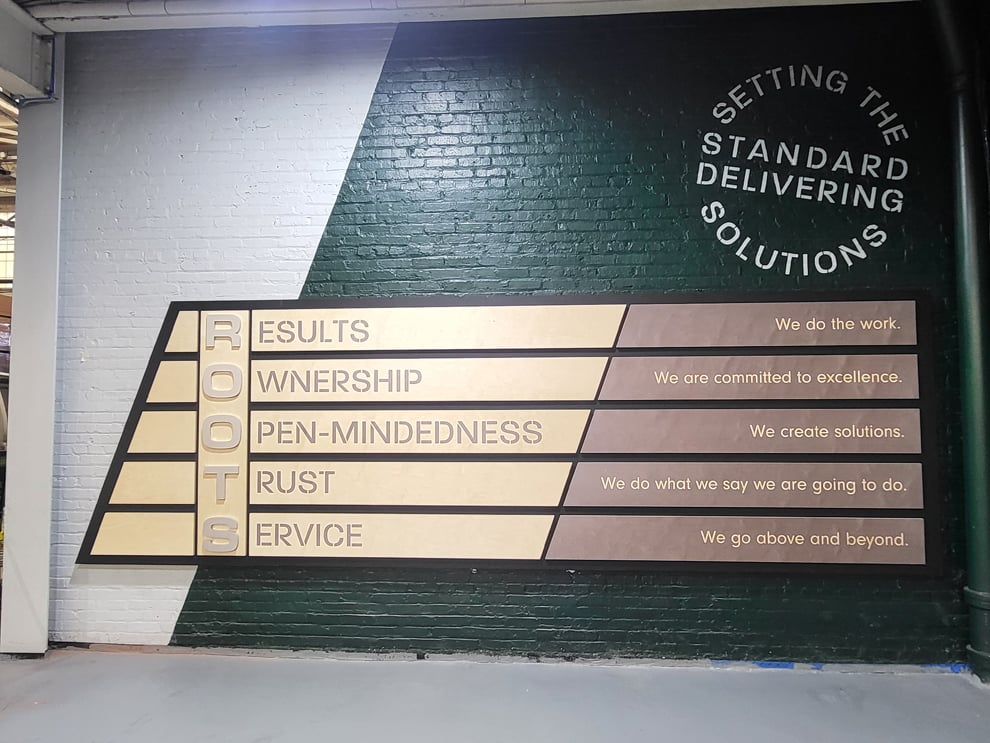
That gap is an opportunity for thoughtful environmental branding. A timeline can introduce the organization’s beginnings. A display of core values can explain what it asks people to practice. Local recognition can celebrate teammates who are adding new chapters. These elements cannot create culture, but they can make authentic history, purpose, and contributions visible to people who were not there at the beginning.
Heritage helps clients connect the approved story with each new facility through collaborative environmental graphic design, production, fabrication, and professional installation. For leaders expanding across the Carolinas, the goal is not to reproduce headquarters. It is to help every new location belong to the same unfolding story while respecting its own people and purpose.
Make Your Organization’s Story Familiar at Every New Location
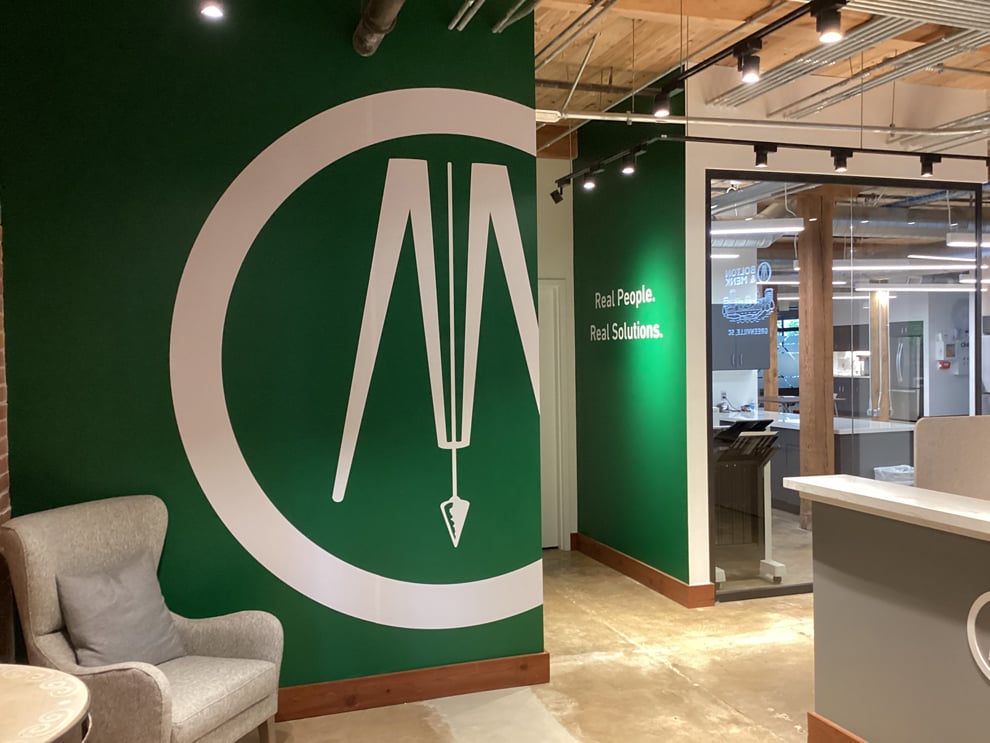
Imagine an employee joining a new office without ever having met the founder or visited the original facility. A thoughtful entrance can establish identity, but a carefully chosen milestone or history display can give that identity context. A values feature may connect the organization’s purpose to daily work. Recognition can help employees see that the story is continuing today.
Heritage can collaborate with leadership and local staff to identify where those messages would mean the most. A gathering space might support a compact timeline; a corridor could recognize the contributions of local colleagues; a reception area might introduce the organization to visitors. The choices depend on who uses the facility, what they should understand, and the physical spaces available, not on a generic checklist for every new office.
These conversations help the client decide which stories are accurate and worth sharing. Heritage can then translate the approved direction into environmental graphics, signs, and displays appropriate to the setting. The aim is stronger connection with the organization’s real history and aspirations, not the appearance of culture created by decoration alone.
What Do Local People Add to the Larger Story?
Headquarters may safeguard the organization’s founding history and established standards. Local colleagues know the relationships, milestones, and everyday achievements that give a new location its character. A useful branding conversation includes both. Which local efforts reflect the organization’s core values? What contribution has the new team already made? Which stories will help people understand that they are part of something larger?
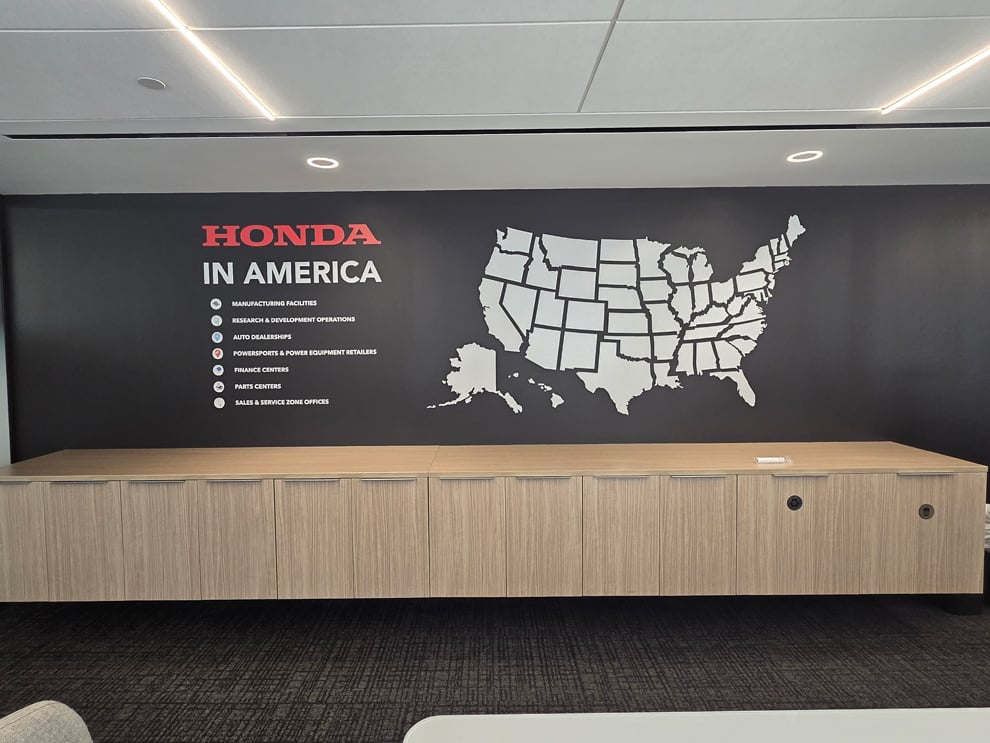
Heritage can work with a client’s leadership, marketing, HR, and local stakeholders to explore those questions before developing the physical designs. A new Cary service office might feature a few significant milestones and community relationships. A larger Raleigh facility might use a more extensive history wall and employee recognition. Neither is a replica of headquarters, yet both can communicate the same approved values and purpose.
The client’s leaders remain responsible for verifying names, dates, achievements, and organizational messaging. Local participation helps make the story credible and relevant, but it does not replace leadership approval. Heritage’s role is to develop feasible design options and carry accepted work through production, fabrication, and installation, relieving local colleagues of having to become their own signage specialists.
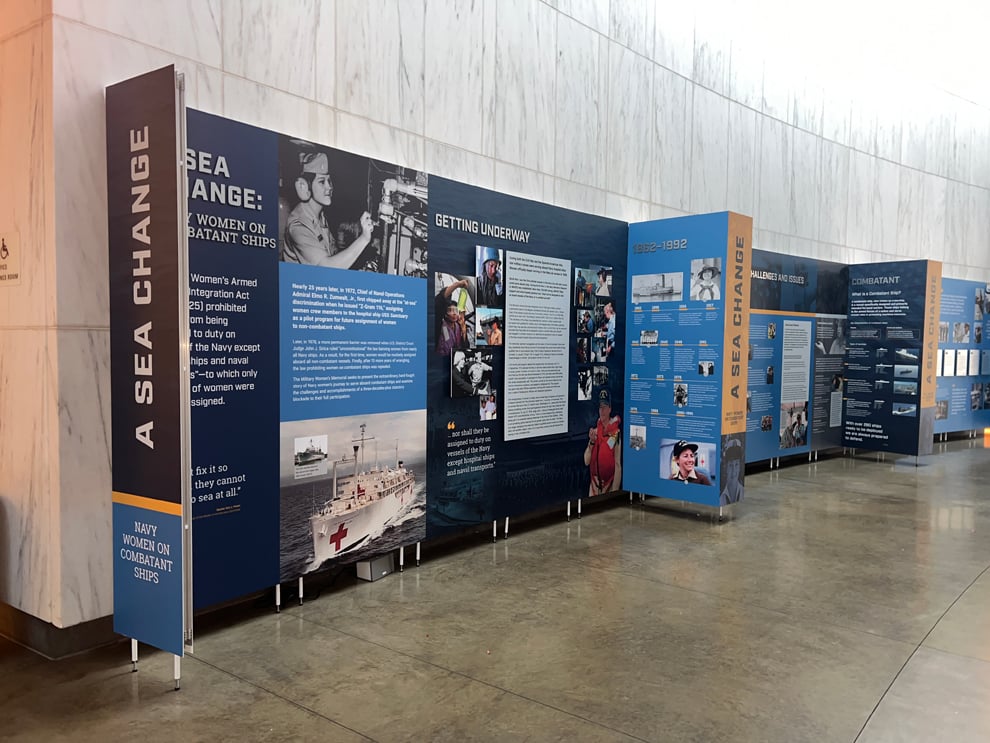
Turn Shared Values and Milestones Into Physical Experiences
As new sites open, brand standards are an important starting point, but they are not the full story. Heritage can help an organization translate its approved history, purpose, and core values into environmental graphic design concepts. A timeline, mission statement display, recognition feature, or branded gathering space may be appropriate depending on the audience and physical setting. The design begins with meaning, then determines the physical form.
Consider a larger Raleigh headquarters and a smaller Cary office. Headquarters might present major chapters of the organization’s development alongside notable employee achievements. Cary could highlight the same founding purpose with selected milestones and a locally relevant recognition feature. Rather than copying a wall layout, Heritage can develop coordinated options that reflect the approved story and the available space in each facility.
The client provides reliable source material, existing identity standards, priorities, and approvals. Heritage collaborates on the physical design, evaluates installed-project site conditions, and carries accepted concepts through production, fabrication, and professional installation. That turnkey partnership helps the organization’s story grow across locations without requiring managers to develop their own display specifications or supervise disconnected vendors.
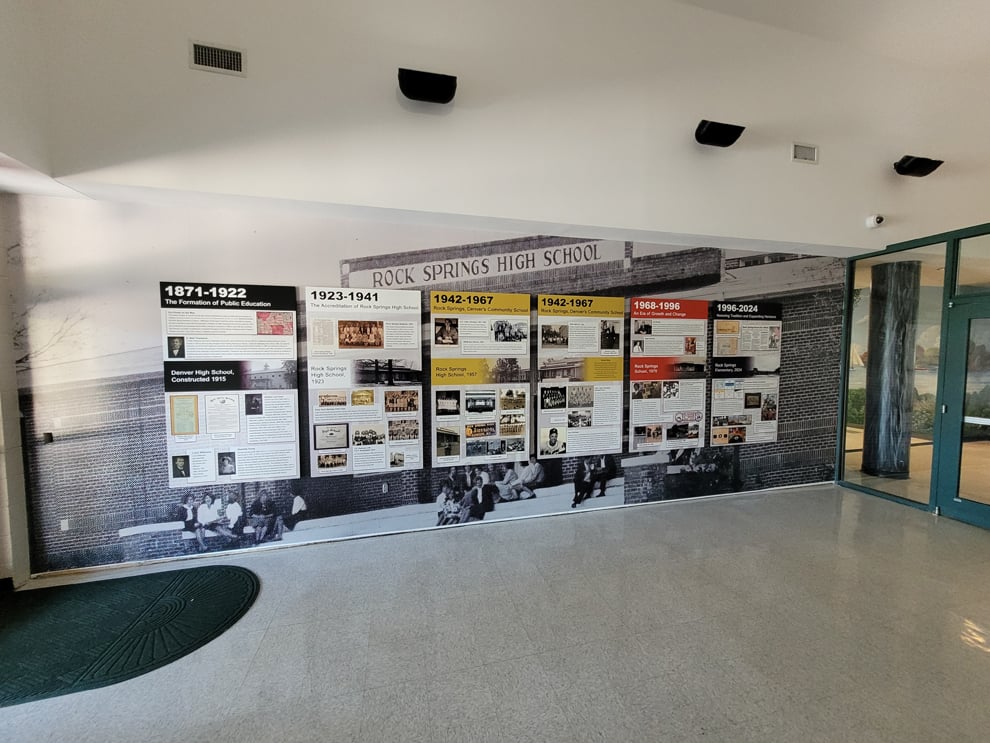
Start with One Location and Carry Lessons Into the Next
A phased program may be the most practical way to bring the organization’s story into several locations. One site can establish how approved milestones, values, and recognition are expressed in physical form. Another may open months later with a different layout, audience, or budget. A shared creative direction helps both feel connected even when their installations happen on different schedules.
Heritage can help develop the first accepted location, conduct the required installed-project site survey, and coordinate its production and installation. After employees and visitors have used the space, local leaders can identify which stories resonate and which details may need clarification. Those observations can inform the next location without turning the first design into a rigid template or assuming every site has identical needs.
One dedicated Project Manager helps preserve approved artwork, content decisions, site information, and lessons across phases. The organization continues to approve its history and local contributions. Heritage helps coordinate how that evolving story is represented physically, while each new address receives the site-specific attention necessary for an appropriate result.
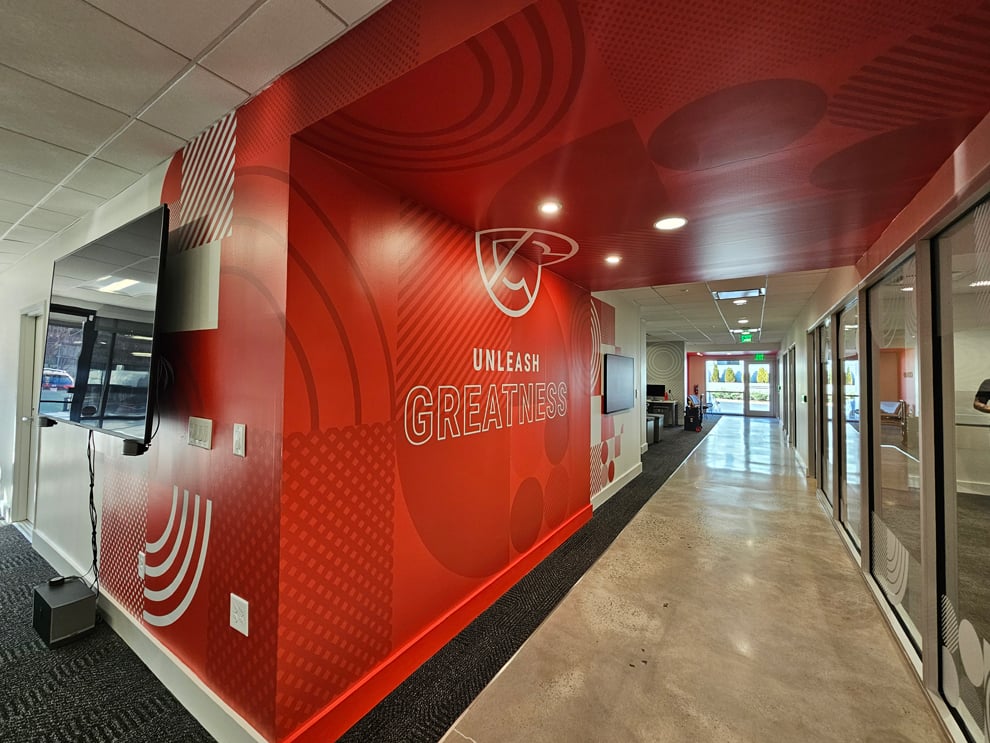
How One Dedicated Project Manager Preserves the Story
Growth can stretch organizational memory. As locations open, the people approving a history wall or recognition display may change, and newer managers may not know what was decided for an earlier facility. For an accepted multi-location project, one dedicated Project Manager can preserve approved content, design direction, stakeholder decisions, and location-specific information so the next phase does not begin with an empty file.
That continuity is particularly useful when a client wants to add new milestones or recognize local achievements while keeping the larger story accurate. Leadership and HR remain responsible for content and approvals; local managers share relevant experience. Heritage connects those decisions with environmental graphic design, production, fabrication, and professional installation rather than expecting every site to reconstruct the process independently.
Continuity does not mean promising the same material or size at every address. Each location has its own site survey, wall conditions, access arrangements, and realistic installation window. One dedicated Project Manager keeps the common story and approved standards connected while ensuring that physical differences receive proper attention before final production.
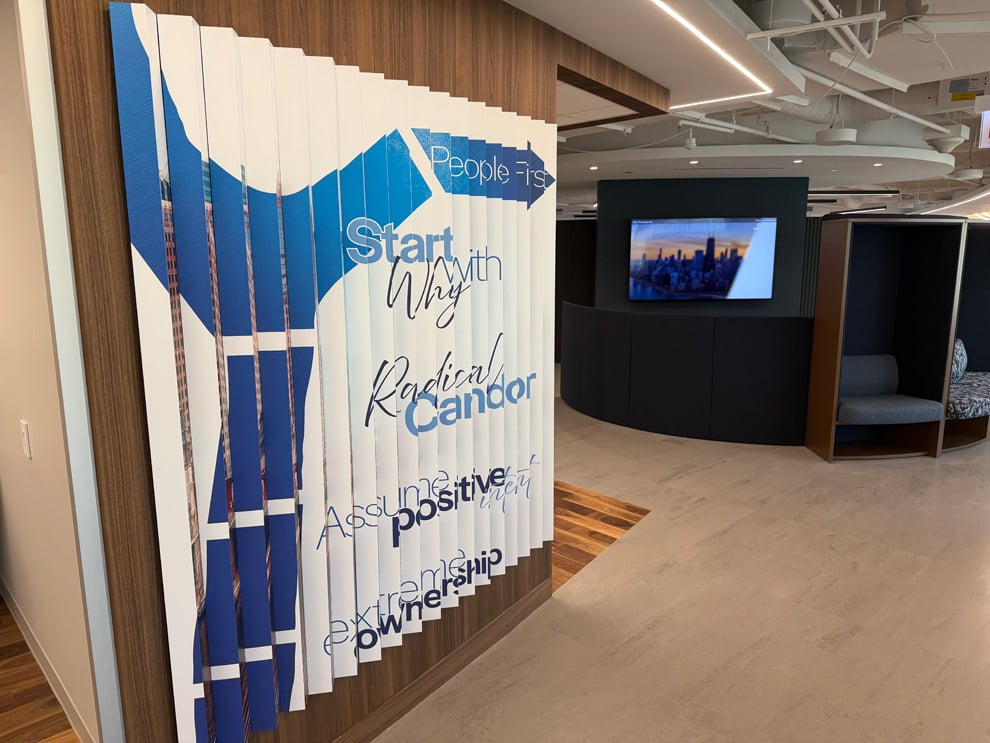
How Heritage Brings Local Knowledge and Regional Resources Together
A shared organizational story becomes meaningful when it is expressed through local people and appropriate spaces. A Raleigh facility may emphasize a milestone in the organization’s growth. A Greensboro office might recognize the team that built relationships in the Triad. A South Carolina location may tell another chapter. Each needs the same foundation but not the same selection of photographs, displays, or graphics.
Heritage’s Raleigh office provides client, field, and professional installation support for the Research Triangle. Greensboro offers corresponding local support in the Piedmont Triad. Charlotte is Heritage’s headquarters and primary specialty production facility, helping connect environmental graphic design, production, fabrication, and installation across the Carolinas. Heritage also serves South Carolina through coordinated regional resources, helping organizations maintain continuity across state lines.
Heritage’s regional resources help bring those approved stories into physical form. Local input informs content and site priorities, while environmental graphic design, production, fabrication, installation, and one dedicated Project Manager help maintain a connected program. The organization remains responsible for its culture and accurate story; Heritage helps express them appropriately at each accepted location.
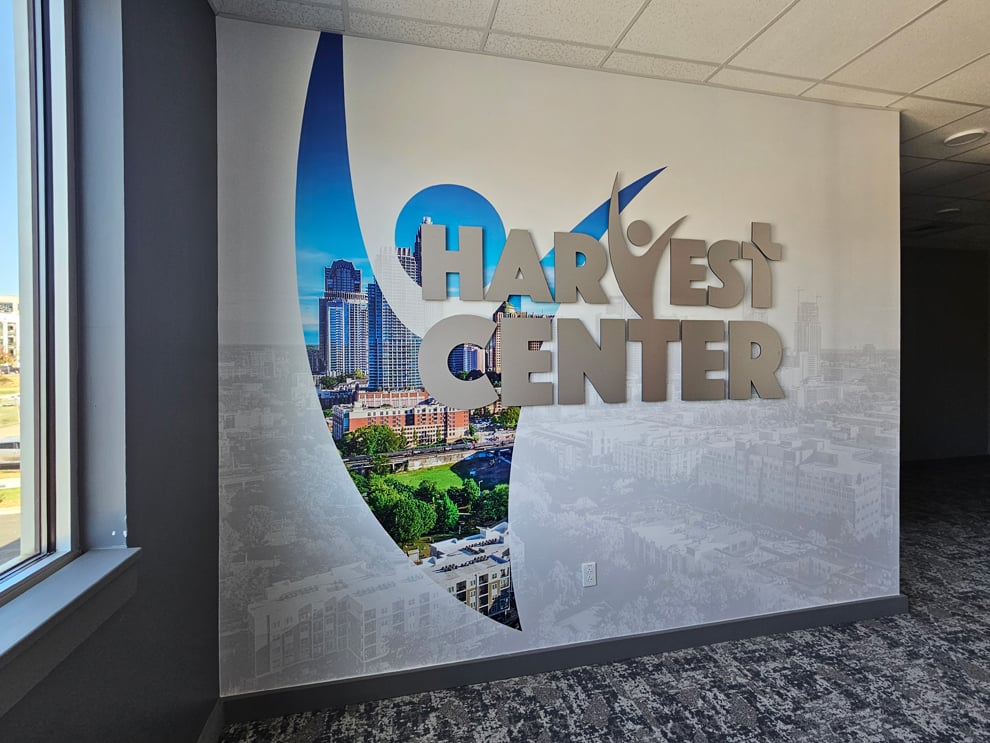
Your Next Location Should Reflect More Than Your Logo
Your next location should represent more than the newest version of your logo. It should help employees understand the organization’s beginnings, the values they are invited to practice, and the accomplishments they can build upon. It should also recognize the local people who will shape what comes next. A history wall or recognition display supports that connection only when it reflects something genuine.
Before opening another facility, ask what a new colleague should know about the organization’s story, which local achievements deserve a place in it, and where those messages can be experienced naturally. Leadership must demonstrate the values in everyday decisions; signs and displays can make them easier to understand and remember. Heritage can help translate approved content into a coordinated physical environment without taking responsibility for creating the culture itself.
If your organization is expanding in Raleigh, the Research Triangle, the Piedmont Triad, or other Carolinas markets, share your plans through Heritage’s Get Started Now form. Include your history, values, local stories, and timing. We can help develop a coordinated physical storytelling program across new facilities.
Author
Frequently Asked Questions About Branding Multiple Locations
Begin with the organization’s verified history, core values, and approved identity. A new office may highlight selected milestones, a founding story, or local team achievements instead of reproducing a large headquarters display. Heritage can help develop environmental graphic design suited to the actual facility while your leadership approves the messages.
Leadership and communications teams should approve the organizational history and values; HR or other designated staff can verify recognition content; and local colleagues can contribute meaningful achievements and context. Heritage can collaborate on how those approved stories will appear in interior signs, graphics, and displays. Accurate content and final approvals remain with the client.
Treat those statements as a starting point, not the entire display. Heritage can collaborate with your leaders and local teams to pair approved messaging with verified milestones, employee contributions, and stories that demonstrate the organization’s commitments. Each facility can highlight different examples while remaining connected to the same purpose. Leadership’s everyday actions must support what the displays communicate.
For Heritage-managed projects that include professional installation, yes. Each workplace has different dimensions, surfaces, access, and placement considerations. A prior design concept can guide the next project, but measurements and field conditions must be confirmed at the actual location. The site survey also helps determine what information is needed before final production and installation planning.
Yes, for accepted work within Heritage’s service capabilities and operating geography. Raleigh provides local Research Triangle client and installation support; Greensboro serves the Piedmont Triad; and Charlotte supplies headquarters and primary specialty production resources. Heritage serves South Carolina through coordinated regional resources. One dedicated Project Manager helps keep shared design decisions and local site requirements connected.
Yes. Your organization provides its approved identity, priorities, and relevant content. For an accepted managed project, Heritage can collaborate on environmental graphic design and develop signs, graphics, and displays suited to each facility. We carry approved direction through production, fabrication, and professional installation. The work applies your established brand; it does not replace your organization’s corporate branding decisions.
Yes. Heritage can work from approved brand standards, creative direction, and information provided by your internal team or agency. For an accepted managed project, our environmental graphic design team collaborates with those stakeholders to develop signs, graphics, and displays appropriate to each location. Heritage coordinates the approved work through production, fabrication, and professional installation, while your organization retains control over its identity, content, and approvals.
Yes, when the accepted scope and schedule support a phased approach. Heritage can help plan an initial location, coordinate its design and installation, and carry approved decisions into later phases. Local feedback may inform adjustments, but each additional facility still needs appropriate evaluation and, for Heritage-installed work, its own site survey. A phased program should remain connected without forcing every location into one layout.
Keep approved history, milestones, values, design direction, and local decisions in one connected project record. For accepted work, Heritage’s one dedicated Project Manager helps carry those decisions through environmental graphic design, production, fabrication, and installation. The organization continues to approve content and adds new chapters as its people and locations grow.
Yes. Local staff recognition, community relationships, and site-specific milestones can show how the organization’s shared values are lived in different places. Heritage can develop physical storytelling features from content approved by leadership and informed by local stakeholders. Authentic stories strengthen the connection; neither graphics nor slogans can create the culture they describe.