

Workplace Branding in 2027: Make First Impressions Matter
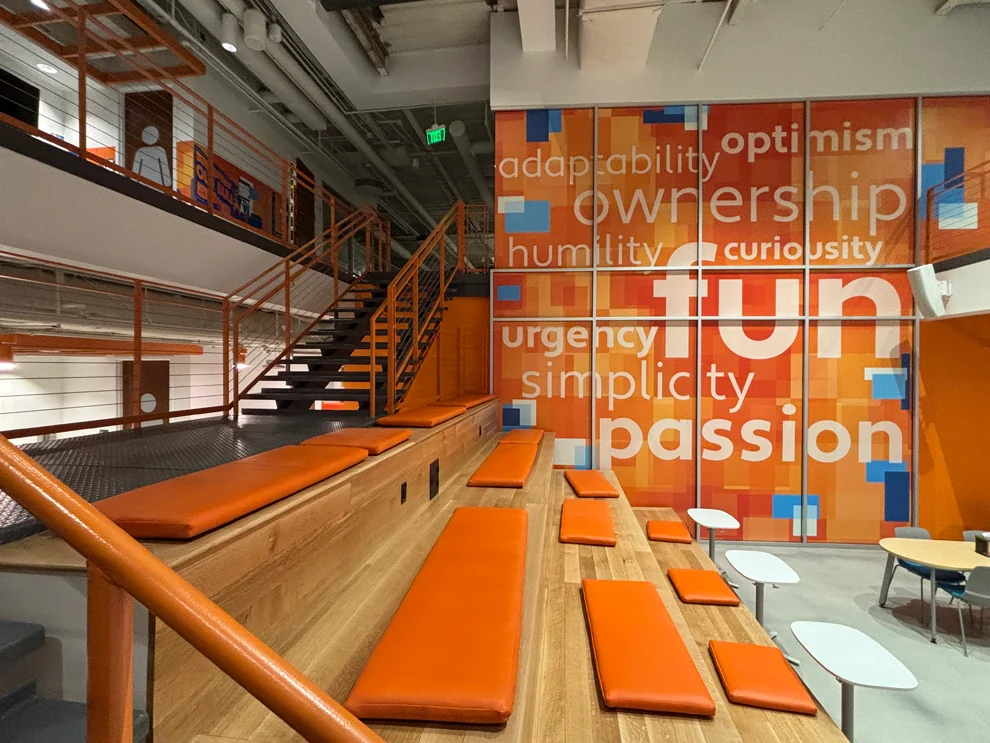
What Story Will Your Workplace Tell in 2027? Five Branding Decisions to Consider
How signs and environmental graphics can build visitor confidence, celebrate your team, and tell a story worth remembering.
Before you plan a workplace refresh for 2027, I’d encourage you to try something simple: walk through your front door as though you’re visiting for the first time. What does the space tell you about the people inside? Since joining our family business in 1988, I’ve watched organizations grow and change while their workplaces sometimes continue telling an older story. Their teams develop, their priorities shift, and their identity evolves. The surroundings don’t always keep pace.
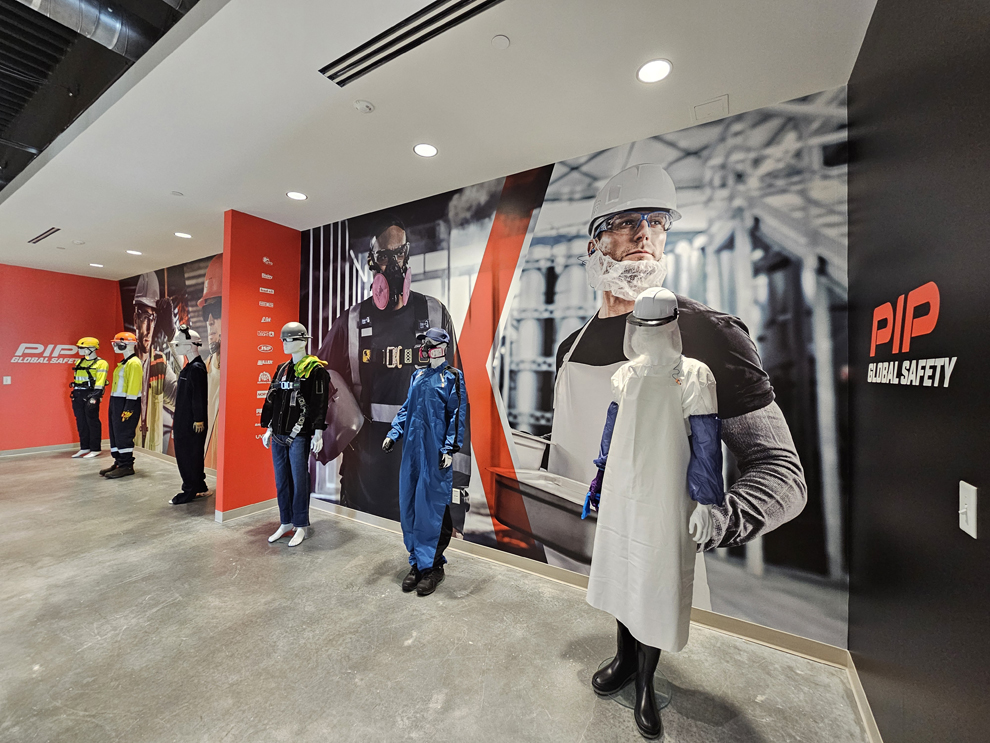
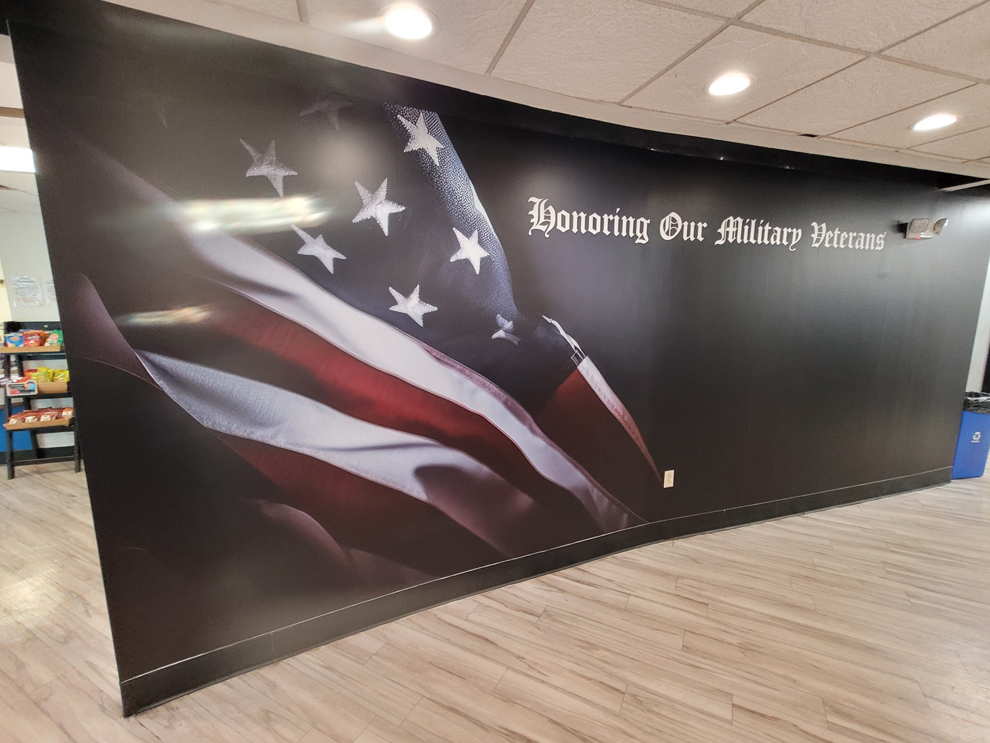
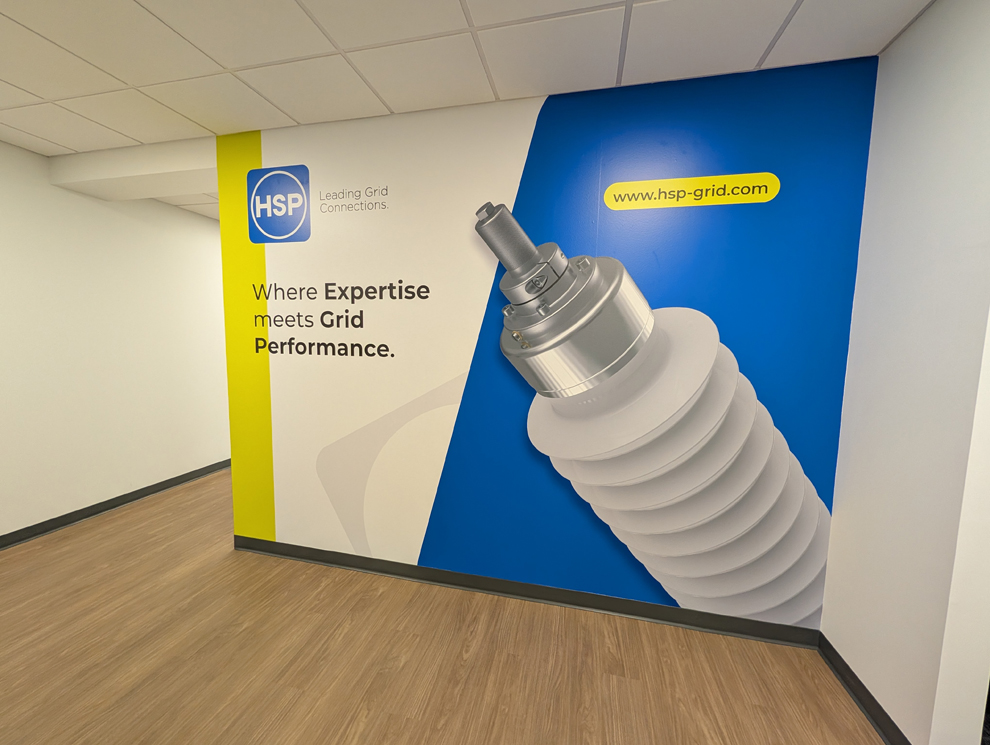
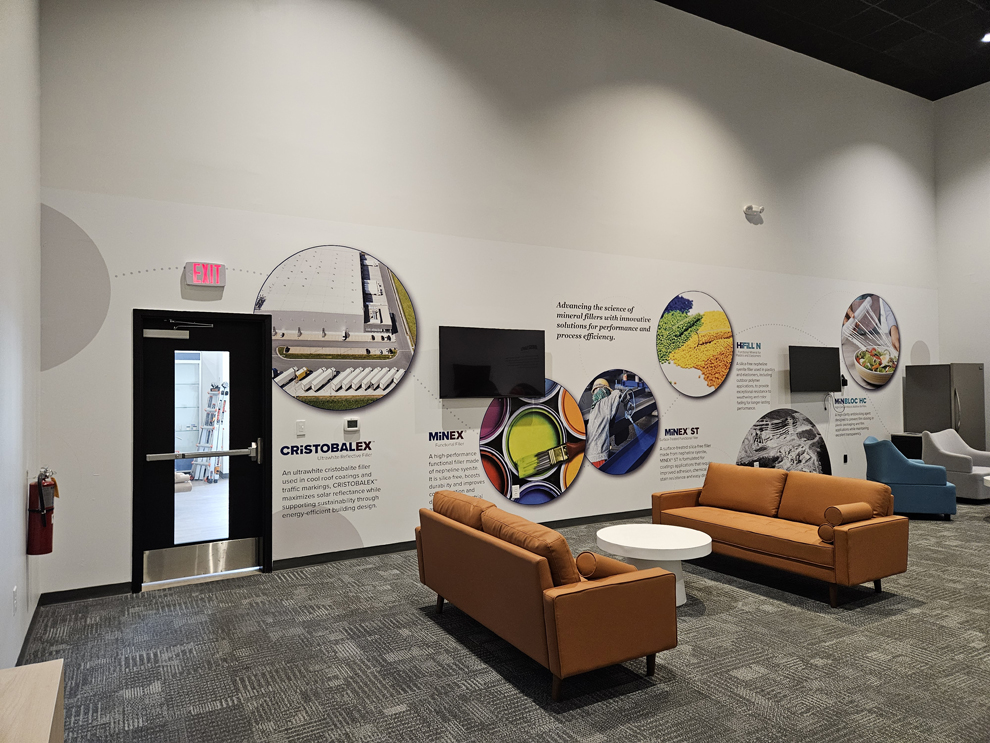
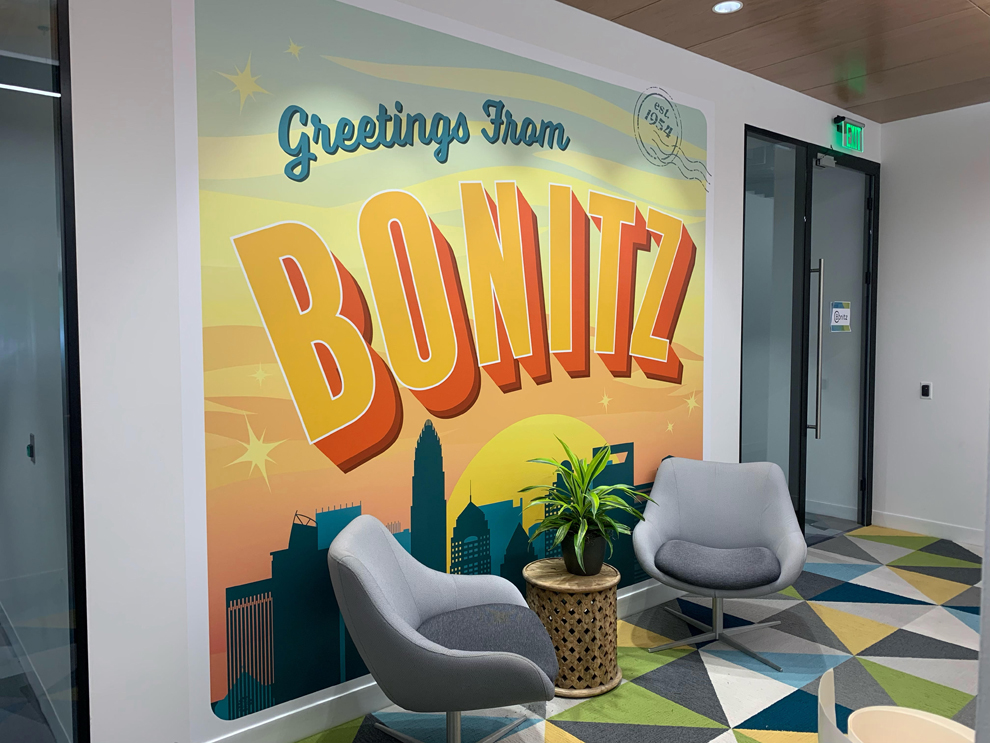
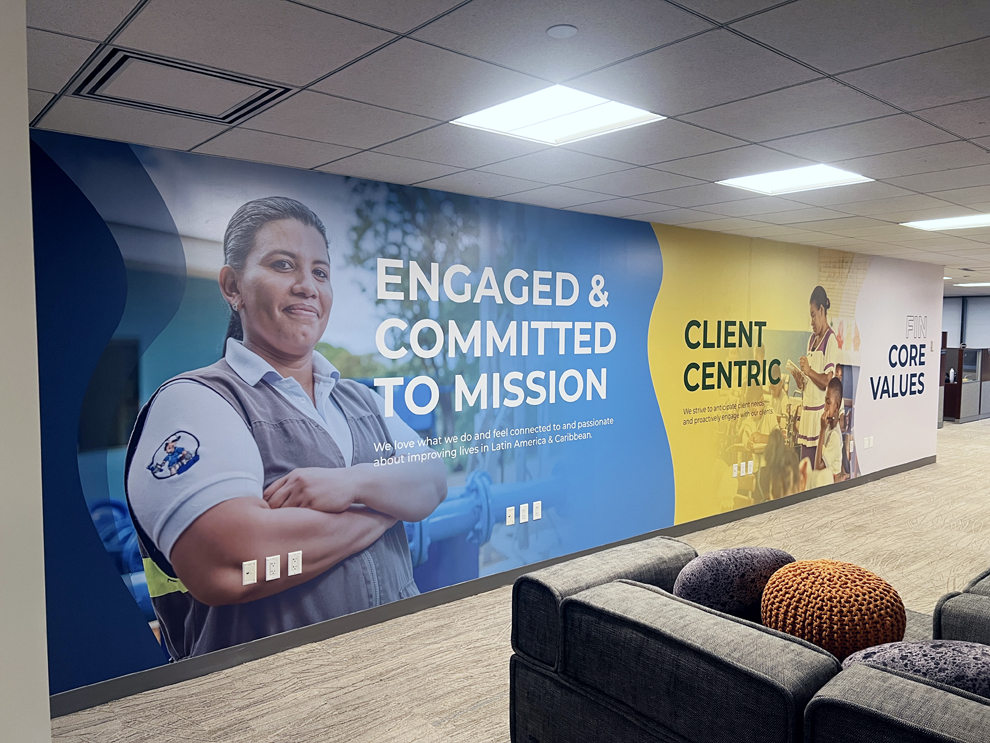
That matters because a workplace speaks to people before anyone says hello. A thoughtful entrance can build confidence. A company history display can remind employees whose efforts brought the organization this far. Environmental graphics, signs, and displays can make those messages visible without requiring a complete renovation. But adding a logo or filling blank walls isn’t the same as expressing a meaningful identity.
If you’re considering improvements for 2027, I hope you’ll begin with five decisions that help you think beyond individual products. They can bring clarity to your message, priorities, creative direction, investment, and schedule before the first graphic is produced.
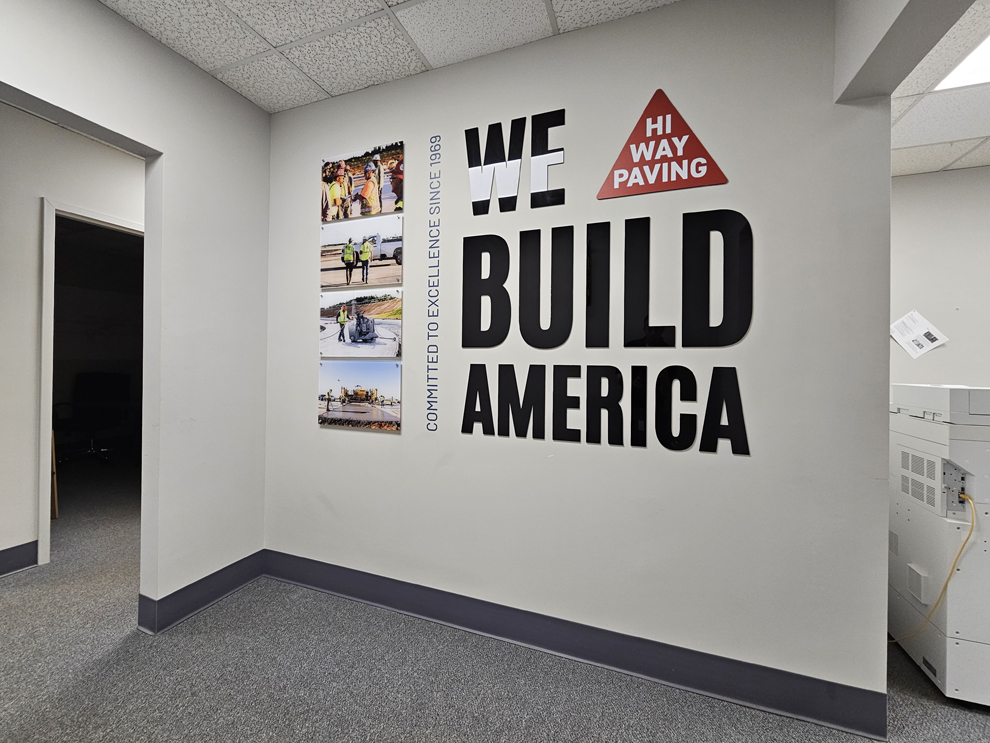
Decision 1: What Should Your Workplace Communicate?
The best workplace branding begins with a question every leader should be able to answer: What do we want people to understand about this organization? A logo tells visitors whose building they’ve entered. It doesn’t, by itself, communicate the people, values, accomplishments, and purpose that make the organization worth knowing. Those qualities deserve thoughtful expression, not another decorative slogan.
Consider the different people who experience your workplace. A customer arriving for the first time wants reassurance and direction. A job candidate wants a glimpse of the culture behind the interview. Employees should recognize that their contributions and shared commitments matter. A strong workplace can speak to each audience without repeating the same message on every surface.
My advice is to identify two or three things you would be proud for someone to remember after visiting. Talk with your leadership, marketing, and employee teams. Compare those ideas with your brand standards and the reality of the space. Once the message is clear, choosing imagery, typography, and physical displays becomes much easier. You aren’t simply decorating walls. You’re deciding what deserves to be seen.
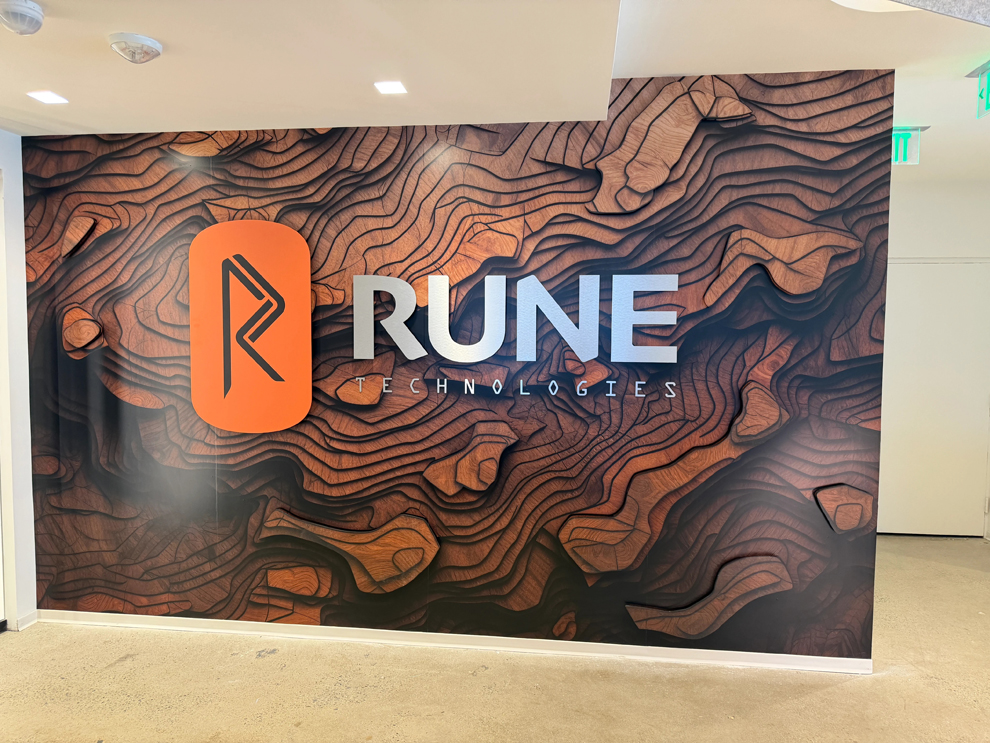
Decision 2: Which Spaces Deserve Attention First?
One of the most practical things a leadership team can do is walk its own building with fresh eyes. Start at the entrance, visit reception, step into a meeting room, and follow the routes employees take each day. Ask where the environment creates confidence and where it leaves people guessing. You may discover that the most important opportunity isn’t the largest wall or the most visible logo.
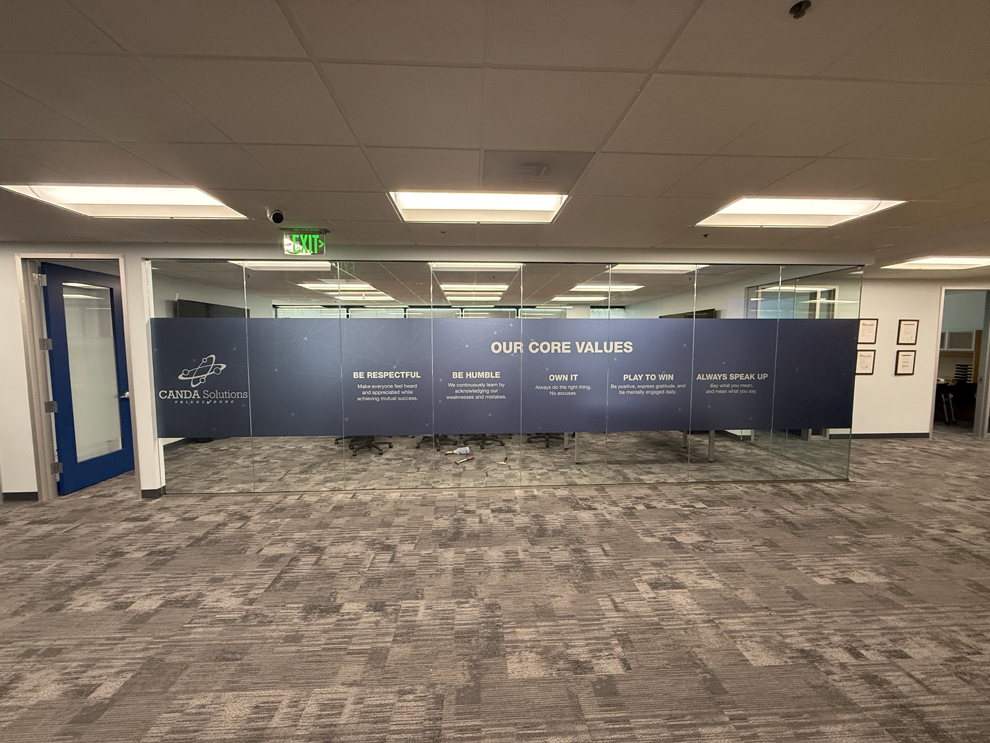
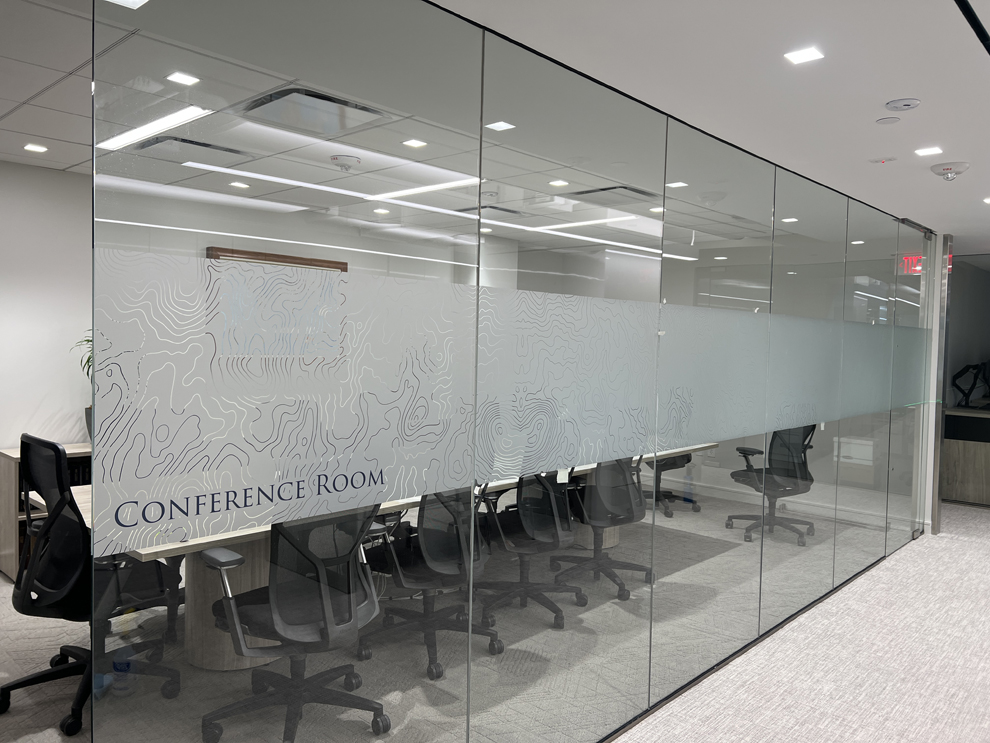
The employee experience deserves as much attention as the first impression on a client. Visitors should feel welcomed and know where to go. Employees should see an environment that respects their work and helps them feel connected to something larger. A lobby feature, recognition display, clearer wayfinding, or privacy treatment on conference-room glass can each serve a different purpose.
Don’t assume every area needs new graphics. Photograph the spaces you’re considering, identify who uses them, and decide what would genuinely improve their experience. Sometimes a carefully chosen first phase produces more value than a building-wide effort with no clear priorities. The goal is progress people can recognize, not simply more surfaces covered.
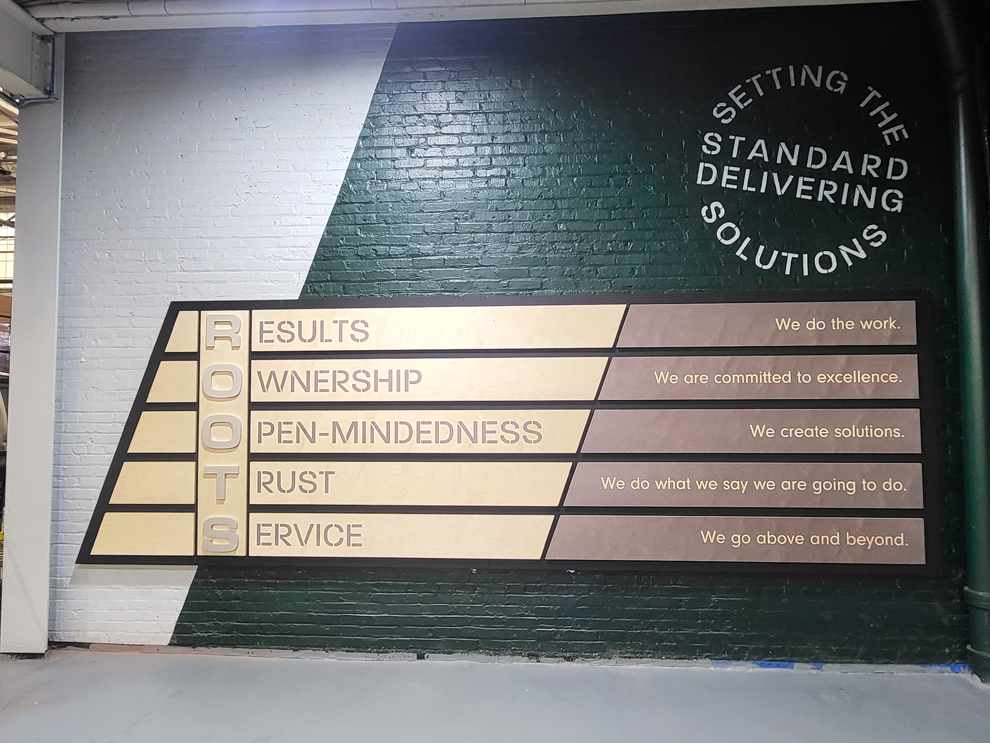
Decision 3: How Should Environmental Graphics and Displays Work Together?
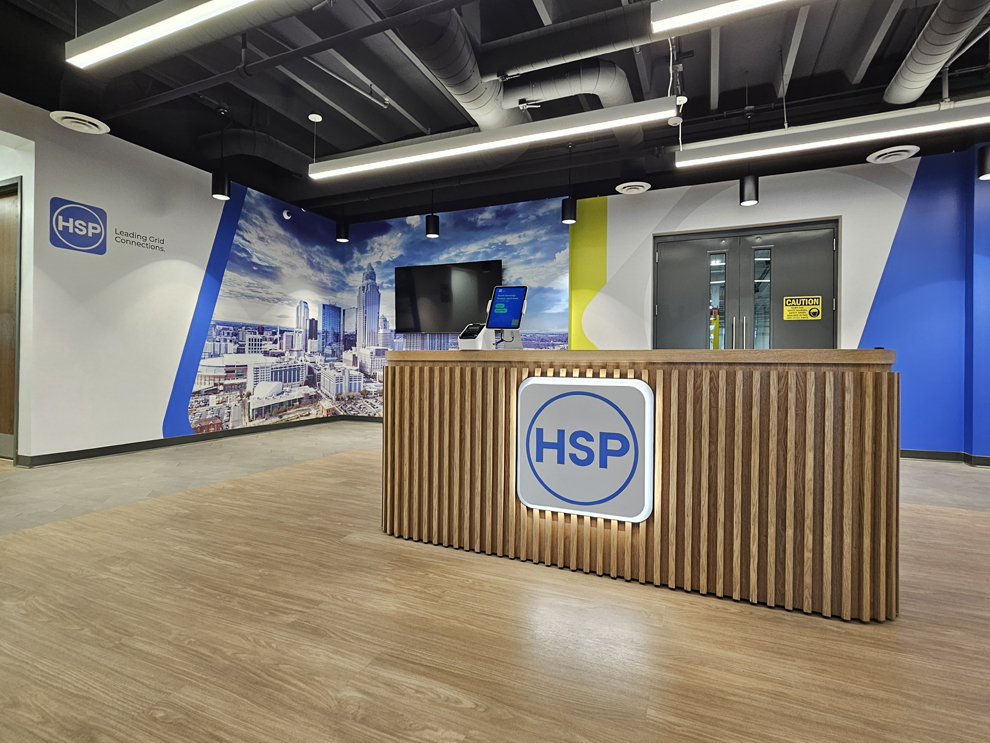
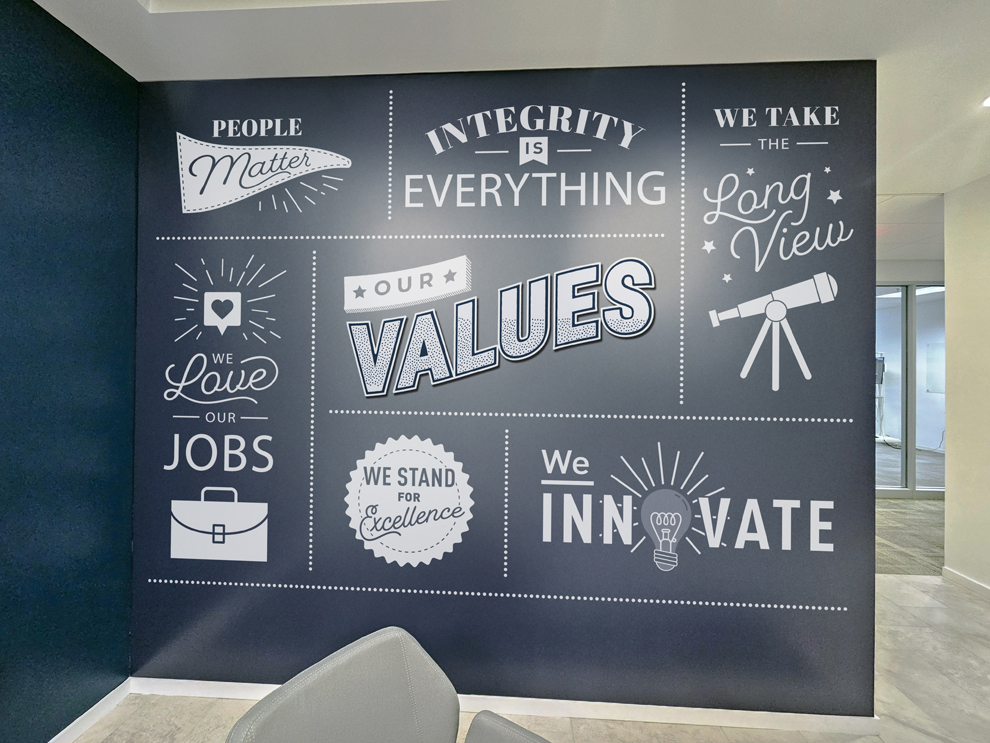
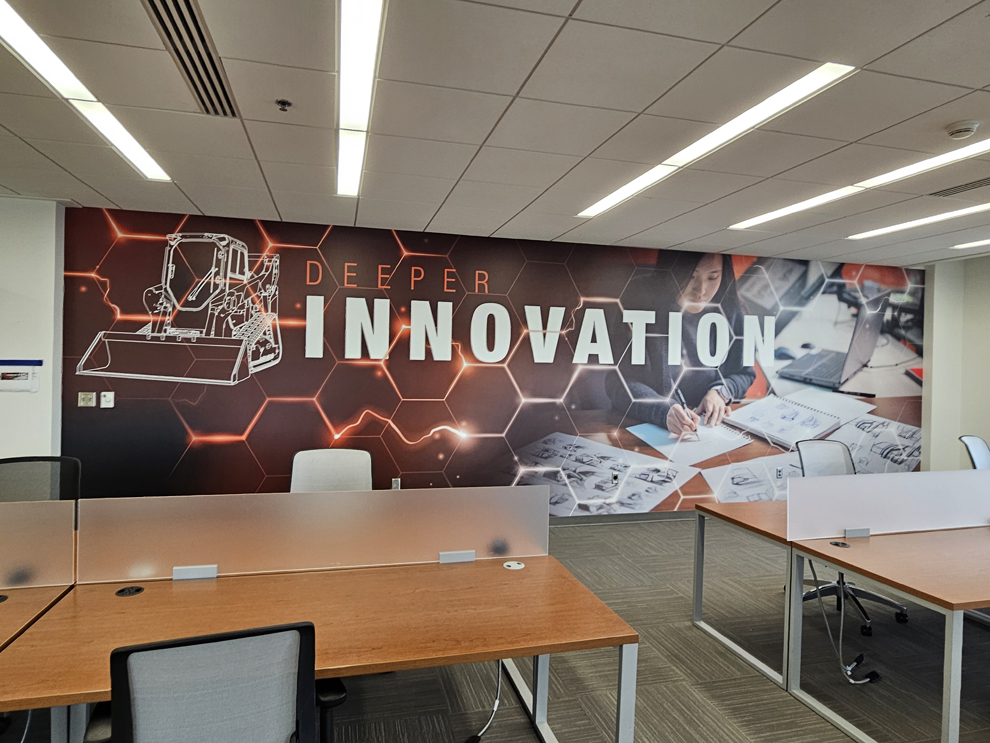
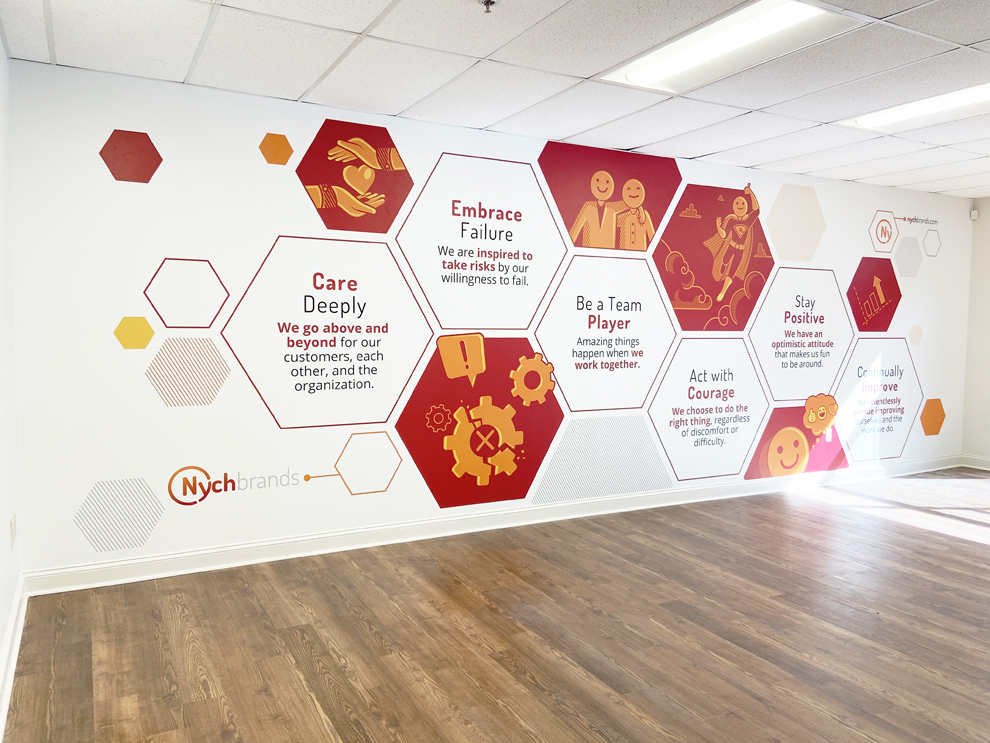
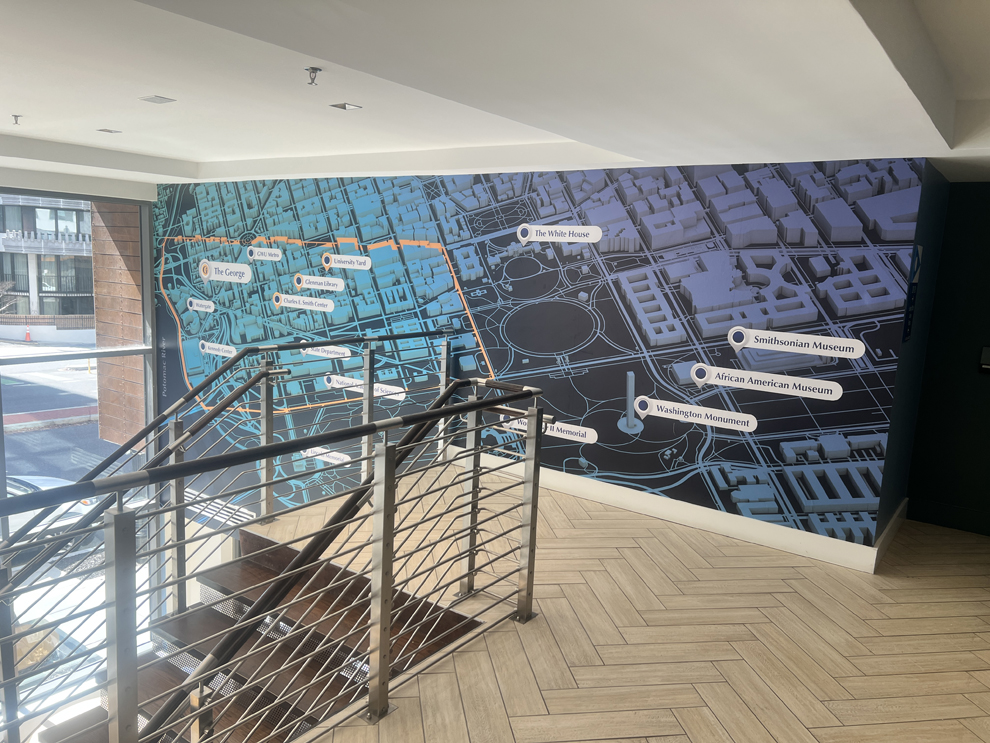
Before approving individual designs, consider how the pieces will work together. A collection of attractive signs doesn’t automatically become a cohesive workplace. A dimensional reception logo, a story wall, glass privacy graphics, and a recognition display may all look good individually. Their real value comes when they work together to express one clear identity while serving different needs throughout the building.
That’s why Heritage places such importance on environmental graphic design. The conversation begins with what people should understand and how they use each space. Then we consider scale, sightlines, wall and glass conditions, materials, and the practical requirements of fabrication and installation. A design that looks beautiful on a computer screen still has to work in the real world.
When a client brings approved concepts from an architect, branding agency, or interior designer, that collaboration should protect the creative intent behind their work. Heritage can also develop environmental graphic design within an accepted project. Either way, the goal is the same: carry a sound idea into the workplace with consistency, care, and craftsmanship.
Decision 4: What Investment and Phasing Make Sense?
Over the years, I’ve become convinced that a worthwhile workplace branding investment isn’t measured by how many signs we sell or how many walls we cover. The better question is whether the improvements make a meaningful difference for the people who work there and the people who visit. That’s how I think about stewardship: put resources toward the outcomes that matter, rather than spending simply because space is available.
You may decide that reception and customer meeting rooms deserve attention first. Another organization may need a coordinated launch for a new workplace. If budgets or operations call for phases, that’s perfectly reasonable, provided the early work fits a clear overall direction. Different rooms can serve different purposes without feeling as though they belong to different companies.
Be candid about your anticipated overall investment. The number of areas, materials, fabrication, surface readiness, access, and professional installation all influence scope. Heritage can help evaluate alternatives and identify where the available resources will have the strongest effect. I would rather see a focused project completed well than a larger one that loses sight of its purpose.
Decision 5: What Approvals and Dates Should Guide the Plan?
For an office opening or rebrand, a deadline isn’t just a date on the calendar. It matters to people counting on the space being ready. I’ve learned that enthusiasm for a project needs to be matched by clear decisions, realistic planning, and honest communication about what can be accomplished.
Start with the true completion date and identify who approves content, design, property access, and the installation plan. Gather available drawings, photographs, brand files, and building requirements. For Heritage-managed projects that include professional installation, a site survey is required. Our team verifies dimensions, surfaces, placement, access, and other installation conditions so the approved design can be produced, fabricated, and installed responsibly. Recently painted walls also need to be fully cured according to manufacturer requirements and site conditions.
At Heritage, I want clients to know where their projects stand, especially when schedules are demanding. We evaluate design approvals, production, fabrication, and installation capacity together.
If a requested date isn’t realistic, we should explain why and help find a workable sequence. Accountability means protecting the client’s priorities and telling the truth early, not promising what we cannot deliver.
How Heritage Helps Turn a Workplace Branding Plan into Reality
A client’s priorities should remain clear from the initial conversation through production and installation. At Heritage, that continuity is intentional. After a managed project is accepted and assigned, one dedicated Project Manager helps preserve the decisions, site knowledge, and approved details that matter. Our environmental graphic design, production, fabrication, and professional installation teams can then work from a shared understanding of the intended result.
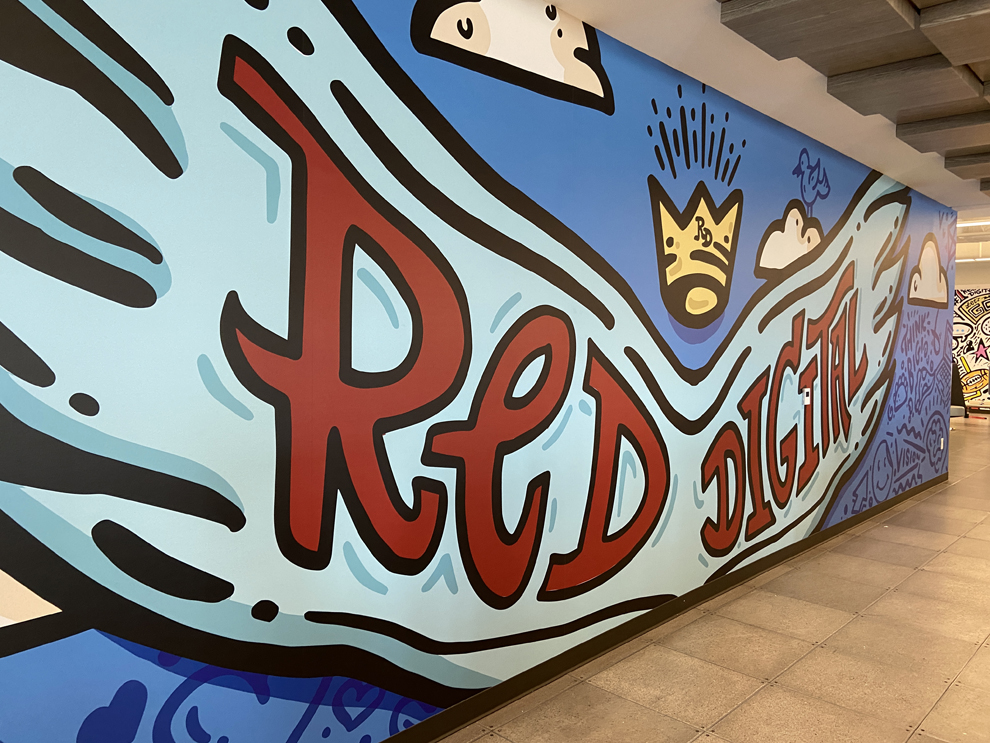
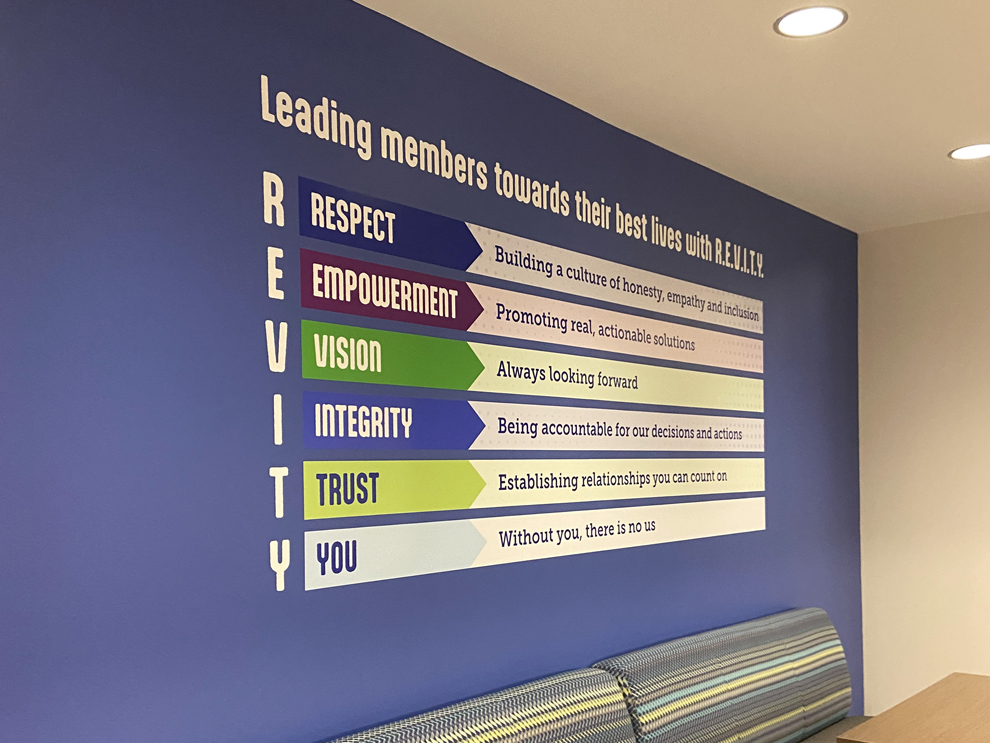
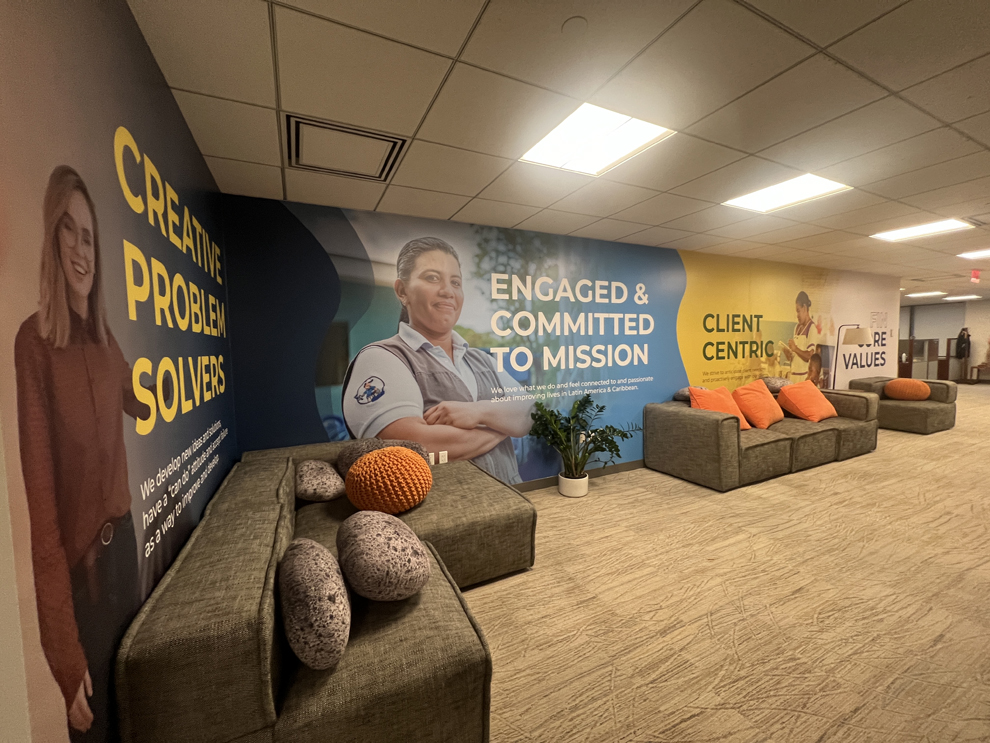
Consider Revity Federal Credit Union’s Greensboro workplace project. NewGround supplied the approved design files and installation plans. Heritage surveyed two facilities, prepared color-matched samples, and produced and installed wall wraps, dimensional lettering, acrylic displays, and frosted privacy vinyl. The branch and administrative workplace called for different treatments, but both needed to communicate Revity’s renewed identity.
What stands out to me about the Revity project is how the same organizational identity can serve two different workplaces. Members visiting the branch and employees working in the administrative offices encounter a consistent brand, while the graphics and displays respond to each space’s purpose. Coordinated production, fabrication, and installation help protect that result without changing the client’s creative direction.
Give Your Workplace a Fresh Start in 2027
I hope you’ll view your workplace as more than offices, hallways, and meeting rooms. It is one of the places where people encounter your organization’s identity every day. It can welcome a new employee, reassure a visitor, recognize years of service, and remind a team what they’re working toward. Those experiences deserve more thought than simply choosing the next graphic.
Above all, begin with purpose. Decide what your workplace should communicate, where change would matter most, how the visual elements should connect, what investment makes sense, and who needs to approve the work. You don’t have to resolve every material choice before starting that conversation.
When you’re ready, Get Started Now with Heritage Signs & Displays. Tell us about your space, goals, anticipated investment, and important dates, and share any photographs or brand materials you have. We’ll review that context and follow up personally during normal business hours. I’d welcome the opportunity for our team to help you create a workplace that better reflects the people and purpose behind your organization.

Author
Frequently Asked Questions About Planning a Workplace Refresh for 2027
Not necessarily. Environmental graphics, dimensional signs, recognition displays, and other branded features can significantly change how an existing workplace looks and feels without requiring a complete renovation. A refreshed lobby, company history wall, or coordinated conference room graphics can make a noticeable difference. Heritage helps organizations identify opportunities to improve their existing environments through professionally designed, produced, and installed signs, graphics, and displays.
No. You can begin with your objectives, existing brand guidelines, photographs, and ideas about what you would like to accomplish. For qualifying managed projects, Heritage can develop environmental graphic design concepts and help translate your brand direction into physical signs, graphics, and displays when that work is included in the accepted scope. If your organization already has approved artwork, we can work from those materials instead.
Yes. Heritage regularly collaborates with professional partners who help establish the broader architectural, interior, or brand direction. We can work from their approved designs, drawings, and specifications or contribute environmental graphic design concepts within our agreed project scope. Our role is to help bring those visual ideas into the physical environment through project management, production, fabrication, and professional installation, while respecting the responsibilities of the other professionals involved.
Yes. Frosted privacy vinyl and other decorative glass treatments can make conference rooms, private offices, and glass partitions more visually private while still allowing daylight to pass through. Coverage, placement, pattern, and material selection determine the balance between openness and privacy. These treatments can also incorporate organizational branding or subtle design elements, creating a coordinated appearance rather than making privacy improvements feel disconnected from the rest of the workplace.
The investment depends on the overall scope, number of spaces, graphic dimensions, materials, dimensional features, design requirements, production, fabrication, and professional installation. A focused lobby improvement differs substantially from a coordinated branding program involving multiple departments or locations. Sharing your anticipated investment early helps Heritage understand your priorities and recommend practical options. The goal is to use the available resources where they will make the greatest difference to your workplace.
Yes. Many workplace branding programs can be organized into phases around available funding, construction schedules, business operations, or other organizational priorities. You might begin with your entrance and reception areas, then expand into conference rooms, employee spaces, or recognition displays. Establishing the broader visual direction early helps the completed phases work together. Heritage can help plan an appropriate sequence so the improvements remain consistent with the intended overall result.
Yes. Heritage can coordinate workplace branding projects across the Carolinas and Mid-Atlantic through its regional resources and local field support. Heritage’s One Dedicated Project Manager System helps preserve approved brand standards, project knowledge, communication, and continuity across locations. Each facility may require different dimensions, materials, installation methods, or visual applications. The objective is a consistent organizational identity while allowing each workplace to reflect its physical environment and the people who use it.
Begin as early as practical, especially when your project is connected to an office opening, relocation, rebrand, leadership meeting, or other important date. Environmental graphic design, stakeholder approvals, site readiness, production, fabrication, and professional installation all influence the schedule. Heritage evaluates these requirements together and communicates what can realistically be accomplished. If time is limited, we can explore priorities, phasing, or other responsible adjustments rather than making promises the project cannot support.
Sometimes. Requirements depend on your lease, building rules, and the work being installed. In a leased or multi-tenant workplace, wall graphics, signs, glass privacy treatments, or mounting work may need the property owner’s or manager’s authorization. The client or responsible property party secures required landlord and property approvals and provides any building access or work-hour restrictions. Sharing those requirements early helps Heritage coordinate the agreed installation without unnecessary delays.
Often, yes. Work in an occupied workplace can frequently be scheduled to protect daily operations, but the practical approach depends on which areas need access and the work involved. Heritage conducts a site survey for installed projects to evaluate access, working conditions, surfaces, and installation requirements. We then coordinate with the appropriate client and property representatives to plan the work, communicate any temporary access restrictions, and reduce unnecessary disruption.
Painted walls must be properly prepared, primed, painted, and fully cured before adhesive wall graphics are installed. About four weeks after the final coat is useful planning guidance for many paints, although manufacturer requirements and actual site conditions determine readiness. Paint can continue releasing gases during curing, potentially causing bubbles, lifting, or other adhesion problems if graphics are installed too early. Planning paint completion and graphic installation together helps protect the intended result.
Heritage coordinates qualifying managed projects through one dedicated Project Manager who maintains continuity among the client’s requirements, approved design direction, site information, production, fabrication, scheduling, and installation. Our professional installers complete the Heritage-produced or Heritage-managed signs, graphics, and displays included in the project. Keeping these responsibilities connected helps protect design intent, reduce unnecessary handoffs, and maintain accountability for the finished environment.
After you complete Heritage’s Get Started Now form, you’ll receive an email confirming your submission. One of our experienced Project Managers reviews your project goals, location, anticipated investment, timeline, and supporting files, then follows up promptly during normal business hours to discuss your plans. Because we’ve reviewed your information in advance, our first conversation can focus on understanding your priorities, exploring how Heritage can help, and determining the best next step. Once your project is accepted and assigned, you’ll have one dedicated Project Manager with direct contact information who coordinates environmental graphic design, production, fabrication, and professional installation through completion.